Interviews are more than just a Q&A session—they’re a chance to prove your worth. This blog dives into essential Litter Management and Weaning interview questions and expert tips to help you align your answers with what hiring managers are looking for. Start preparing to shine!
Questions Asked in Litter Management and Weaning Interview
Q 1. Describe your experience in designing and implementing litter management programs.
Designing and implementing effective litter management programs requires a holistic approach, considering the specific needs of the livestock, the housing environment, and the overall farm operation. My experience spans various livestock types, from poultry to swine, and encompasses all stages, from initial planning and material selection to ongoing monitoring and adjustments. For example, in a swine operation, I’d start by assessing the barn’s ventilation system, as this directly impacts litter moisture and ammonia levels. I would then select a suitable litter material – perhaps wood shavings for their absorbency – and develop a plan for regular cleaning and replenishment, tailored to the herd’s size and growth stage. The plan also incorporates employee training to ensure consistent implementation and monitoring. In poultry operations, I might focus on optimizing the bedding depth to balance comfort and hygiene, while in dairy operations, strategies might focus on frequent manure removal to maintain a dry and clean environment.
A key element is the integration of data analysis – monitoring parameters like moisture content, ammonia levels, and microbial counts, allowing for adjustments to the litter management plan based on real-time feedback. Successful implementation also involves close collaboration with farm staff, making sure everyone understands their role and is comfortable reporting issues, suggesting improvements.
Q 2. What are the key indicators of successful litter management?
Success in litter management is measured through several key indicators. These go beyond simply having clean barns. We look at:
- Animal health and performance: Reduced incidence of foot problems (like foot rot in cattle or bumblefoot in poultry), lower incidence of respiratory disease, and improved weight gain are strong indicators of good litter management.
- Litter quality: This involves assessing the moisture content (ideally, aiming for slightly moist but not soggy), ammonia levels (minimizing exposure to harmful gases), and the overall physical condition (free of excessive compaction or excessive dust). I use various tools, including moisture meters and ammonia detectors, to monitor these metrics regularly.
- Reduced labor costs: Efficient litter management reduces the time and effort required for cleaning and managing the litter, resulting in cost savings for the farm.
- Environmental impact: Proper litter management helps to reduce odors and minimize environmental pollution caused by ammonia emissions and nutrient runoff.
- Economic benefits: Improved animal health and productivity directly translate into economic benefits for the farm.
Q 3. Explain different litter materials and their suitability for various livestock.
The choice of litter material is crucial and depends heavily on the type of livestock and the climate. There’s no one-size-fits-all solution.
- Wood shavings: Highly absorbent, providing good cushioning and relatively low dust. Suitable for many livestock types, including horses, pigs, and poultry.
- Straw: Readily available and relatively inexpensive, but can be dusty and less absorbent than wood shavings. Often used for cattle and horses.
- Sawdust: Fine sawdust can be dusty, and certain wood types may contain harmful chemicals. Care needs to be taken in selection and use. It’s commonly used for poultry.
- Rice hulls: Good absorbency, relatively low dust, and can be used in certain types of livestock housing.
- Sand: Primarily used for horses, providing good drainage and reducing the risk of wet bedding.
For example, in a hot and humid climate, you might prefer a material with high absorbency like wood shavings to manage moisture effectively. In colder climates, a thicker layer of straw could provide better insulation. The specific needs of each animal must also be considered. Poultry, for instance, benefit from dry, less dusty bedding.
Q 4. How do you monitor and control litter moisture levels?
Monitoring and controlling litter moisture is crucial for animal health and overall hygiene. My approach involves a multi-pronged strategy:
- Regular monitoring: I use moisture meters to measure the moisture content of the litter at various points within the housing. This gives a precise reading and helps avoid subjective assessments.
- Ventilation control: Proper ventilation is key to managing moisture. I work to ensure sufficient airflow to evaporate excess moisture, adjusting ventilation rates based on environmental conditions and livestock density.
- Litter depth and replenishment: Appropriate litter depth allows for better absorption. Regularly adding fresh litter helps maintain a drier environment. The frequency of addition depends on the livestock type, housing conditions, and moisture levels.
- Manure management: Efficient manure removal prevents the build-up of moisture. This might involve the use of scrapers or other equipment for regular cleaning.
- Water management: Minimizing water spillage in the livestock housing area helps maintain lower moisture levels.
For instance, in a swine barn, I would aim for a moisture content of around 20-30%. Anything significantly higher increases the risk of ammonia production and disease. Regular monitoring ensures that we stay within this range and adjust ventilation or litter replenishment as needed.
Q 5. How do you manage ammonia levels in livestock housing?
Ammonia is a major concern in livestock housing, impacting both animal health and worker safety. Effective ammonia control involves:
- Ventilation: Good ventilation is the cornerstone of ammonia control. It removes ammonia gas from the air, preventing it from accumulating to harmful levels. Ventilation rates should be carefully calculated based on the size of the barn, animal density, and environmental conditions.
- Litter management: Maintaining dry litter significantly reduces ammonia production. This involves strategies as outlined in the previous answer.
- Dietary adjustments: Certain feed formulations can reduce ammonia production by impacting the nitrogen content of manure.
- Acidification: Applying acidifying agents to the litter can help to neutralize ammonia. The choice of acidifier will depend on the specific environment and litter type.
- Biological control: Introducing microbial agents that break down ammonia can help reduce its concentration in the air. These microbial agents are often added as part of a commercially available product.
For example, in a poultry house, I might combine improved ventilation with regular litter replacement and the use of a commercial ammonia-reducing product to keep ammonia levels below the recommended thresholds.
Q 6. Describe your approach to preventing and managing litter-borne diseases.
Litter-borne diseases are a significant threat to livestock health and productivity. A comprehensive approach to prevention and management includes:
- Biosecurity measures: This is fundamental, involving strict hygiene protocols to prevent the introduction of pathogens. This includes disinfecting footwear, vehicles, and equipment, as well as restricting access to the housing area.
- Litter hygiene: Regular cleaning and replacement of litter are key to minimizing pathogen accumulation. Proper disposal of used litter is equally crucial to prevent contamination of the surrounding environment.
- Vaccination: Where appropriate, vaccination programs can provide protection against specific litter-borne diseases.
- Pest control: Controlling pests, such as rodents and insects, that can carry pathogens reduces the risk of disease transmission.
- Monitoring and early detection: Regular observation of animals for signs of illness and prompt veterinary intervention are critical. I might use rapid diagnostic tests to detect diseases quickly and prevent outbreaks.
For example, in a dairy operation, a comprehensive foot-rot prevention program, combining regular foot bathing, careful litter management to keep the bedding dry, and early treatment of affected animals, can significantly reduce the occurrence of foot-rot.
Q 7. What are the common challenges associated with litter management, and how do you address them?
Several challenges can arise in litter management:
- High labor costs: Manual litter management can be labor-intensive. Automation, like automated scrapers and manure handling systems, can be a significant investment, but it reduces labor needs in the long run. Careful cost-benefit analysis is necessary.
- Moisture control issues: Maintaining optimal moisture levels can be challenging, especially in environments with fluctuating temperatures and humidity. Regular monitoring and adjustment of ventilation are crucial to overcoming this challenge.
- Ammonia build-up: Ammonia control requires a multi-faceted strategy. The effectiveness of various strategies must be monitored continuously.
- Litter material availability and cost: The cost and availability of suitable litter materials can vary geographically. Identifying reliable sources and exploring alternative materials can help overcome supply chain challenges.
- Disease outbreaks: Despite preventive measures, disease outbreaks can still occur. Rapid diagnostic tools and appropriate treatment protocols are vital for controlling outbreaks.
Addressing these challenges often involves a combination of proactive planning, technological solutions, and a commitment to continuous monitoring and improvement. For example, to reduce labor costs and improve efficiency, I might incorporate technology, such as automated scrapers, to assist in the removal of manure, while also training staff to perform accurate moisture monitoring. My approach always focuses on achieving an optimal balance between cost-effectiveness, animal welfare, and environmental sustainability.
Q 8. Explain the importance of proper weaning protocols for animal health and productivity.
Proper weaning protocols are crucial for the health and productivity of animals. Weaning, the process of separating young animals from their mothers, is a significant physiological and psychological transition. A poorly managed weaning process can lead to increased stress, illness, reduced growth rates, and ultimately, lower economic returns. Successful weaning ensures a smooth transition to independence, maximizing the animal’s potential for growth and future productivity. Think of it like a child learning to leave the nest – a gradual, supportive process is far more effective than a sudden, jarring separation.
Q 9. Describe different weaning methods and their respective advantages and disadvantages.
Several weaning methods exist, each with its pros and cons:
- Abrupt Weaning: Sudden separation from the dam. This is the simplest method but can be highly stressful, leading to decreased weight gain and increased susceptibility to disease. It’s rarely recommended except in specific emergency situations.
- Gradual Weaning: This involves a slow reduction in suckling opportunities over several days or weeks. This minimizes stress and allows for a smoother transition. For example, you might start by limiting access to the mother for a few hours a day, gradually increasing the time until complete separation.
- Fence-line Weaning: Animals are separated by a fence allowing them to see and smell each other, reducing stress. This is a good compromise between abrupt and gradual weaning.
- Night Weaning: Separating the young animals from their dams at night when they are less active. This can be less stressful than daytime separation.
The best method depends on the species, age of the animal, and available resources. For example, gradual weaning is generally preferred for young calves or piglets, while fence-line weaning might be suitable for lambs.
Q 10. How do you monitor the health of animals during and after weaning?
Monitoring animal health during and after weaning is critical. We should observe for:
- Changes in appetite and feed intake: A drop in feed intake is a major warning sign.
- Diarrhea: A common issue caused by stress and changes in diet.
- Dehydration: Check for sunken eyes, dry mucus membranes, and decreased skin elasticity.
- Respiratory issues: Increased coughing or nasal discharge.
- Behavioral changes: Lethargy, isolation, and increased aggression.
Regular weight checks are essential to track growth. Any deviation from the norm requires immediate veterinary attention. Proactive health management, including vaccinations and parasite control, is crucial before and throughout the weaning process.
Q 11. What nutritional strategies do you employ during the weaning period?
Nutritional strategies during weaning are crucial for successful transition and growth. We often use a combination of:
- High-quality starter feed: Formulated to meet the specific nutritional needs of weaned animals, this feed is highly palatable and easy to digest. It should have higher protein and energy than the creep feed used before weaning.
- Gradual feed transition: Abrupt diet changes can cause digestive upset. Weaning diets are typically introduced gradually over several days, allowing the animals to adjust.
- Access to clean water: Dehydration can exacerbate stress and compromise immune function.
- Feed additives: Probiotics and prebiotics can improve gut health and reduce the risk of diarrhea.
- Creep feeding (before weaning): This allows the young animals to start consuming solid food, making the transition to solid feed easier.
For example, we might start with a small amount of starter feed alongside access to the dam’s milk and gradually increase the proportion of starter feed over a few weeks.
Q 12. How do you manage stress in animals during weaning?
Stress management during weaning is paramount. Strategies include:
- Providing a comfortable environment: Clean, dry housing with adequate ventilation and space.
- Minimizing handling stress: Gentle handling techniques and avoiding overcrowding.
- Group size management: Appropriate group sizes reduce competition and aggression.
- Environmental enrichment: Providing toys, feeders, and other stimulating items can reduce boredom and stress.
- Nutritional support: A well-balanced diet is essential for stress resilience.
For instance, ensuring adequate space per animal and providing shade during hot weather can significantly reduce stress levels.
Q 13. How do you assess the success of a weaning program?
Success is measured through:
- Weight gain: Consistent weight gain post-weaning indicates successful adaptation to solid feed.
- Health status: Low incidence of illness and mortality.
- Feed efficiency: The amount of feed required to produce a unit of weight gain. Higher efficiency signifies a well-managed weaning program.
- Behavior: Animals exhibiting normal behavior (playfulness, appetite, and social interaction).
Regular monitoring and data analysis help assess the program’s effectiveness and identify areas for improvement.
Q 14. What are the key factors to consider when designing a weaning program?
Designing a successful weaning program involves:
- Species-specific considerations: Different species have unique physiological and behavioral needs.
- Age at weaning: This should be optimized based on the species and their developmental stage.
- Nutritional requirements: Formulating a diet to meet the animal’s nutritional needs during this crucial transition.
- Health management: Implementing preventative healthcare measures.
- Facility design: Creating a stress-free environment.
- Monitoring and evaluation: Continuously tracking key performance indicators to adjust the program.
A well-designed program combines scientific knowledge with practical on-the-ground experience and continuous improvement to ensure the well-being and productivity of the animals.
Q 15. What are the signs of a successful weaning transition?
A successful weaning transition is marked by a smooth shift from maternal milk to solid feed, without significant weight loss or health complications. We look for several key indicators.
- Consistent weight gain: Animals should continue to gain weight at a healthy rate after weaning, demonstrating their ability to digest and utilize the new feed.
- Bright, alert demeanor: A healthy, weaned animal will exhibit normal activity levels, a keen appetite, and bright eyes. Lethargy or listlessness are warning signs.
- Healthy fecal consistency: Well-formed, appropriate consistency of manure indicates efficient digestion of the solid feed. Diarrhea or constipation are signs of digestive issues.
- Strong immune function: The weaned animals should show resilience to common diseases, indicating a successful transition to a nutritionally adequate diet that supports their immune system.
- Reduced reliance on mother: Animals should gradually wean themselves off their mother’s milk, showing less distress or vocalization when separated.
For example, in a piglet weaning program, a successful transition would be evident in piglets maintaining a daily weight gain of at least 0.3 kg and showing robust appetite for the creep feed. Any significant drop in weight gain would warrant investigation.
Career Expert Tips:
- Ace those interviews! Prepare effectively by reviewing the Top 50 Most Common Interview Questions on ResumeGemini.
- Navigate your job search with confidence! Explore a wide range of Career Tips on ResumeGemini. Learn about common challenges and recommendations to overcome them.
- Craft the perfect resume! Master the Art of Resume Writing with ResumeGemini’s guide. Showcase your unique qualifications and achievements effectively.
- Don’t miss out on holiday savings! Build your dream resume with ResumeGemini’s ATS optimized templates.
Q 16. How do you address weight loss or health issues in weaned animals?
Weight loss or health issues in weaned animals are serious concerns requiring prompt attention. The approach involves a multifaceted strategy:
- Immediate veterinary assessment: Any significant weight loss or signs of illness necessitate a vet visit to rule out underlying medical conditions.
- Dietary adjustment: The feed may need adjustments to ensure it is palatable and nutritionally appropriate. This might involve improving feed quality, adding supplements, or modifying feeding frequency. We might transition to a higher-energy diet, or ensure improved feed palatability.
- Improved hygiene and housing: Clean and comfortable housing conditions are critical to prevent disease outbreaks and stress, both of which can exacerbate weight loss and health issues. Good hygiene reduces the risk of parasitic infections.
- Stress reduction: Weaning is stressful; implementing stress-reduction techniques, such as providing ample space and reducing noise and crowding, can significantly improve health outcomes.
- Targeted medication: In cases of confirmed illness, the vet will prescribe appropriate medication.
For instance, if piglets are losing weight after weaning, I’d first check the creep feed for palatability and nutritional adequacy. I’d also examine their housing for cleanliness and overcrowding. If the issue persists despite these measures, a veterinary check is essential.
Q 17. What is your experience with different weaning ages for various livestock species?
Weaning age varies significantly depending on the species and breed. There’s no one-size-fits-all approach.
- Pigs: Typically weaned between 3 and 5 weeks of age. Earlier weaning can be done but requires careful management to minimize stress and health problems.
- Cattle: Weaning typically occurs between 6 and 8 months of age, although some producers may wean earlier (4-6 months) in specific situations.
- Sheep and Goats: Weaning often occurs at 8-12 weeks of age, though some breeds might be weaned slightly earlier.
- Poultry: Weaning isn’t as distinct as in mammals, but it relates to the transition from starter feed to grower feed, typically occurring around 4-6 weeks depending on the bird.
My experience has shown that earlier weaning can be successful with proper nutritional planning, but it generally involves higher management intensity. Later weaning minimizes early stress, but it can have different implications for herd management.
Q 18. Describe your experience in managing the transition from milk to solid feed.
Managing the transition from milk to solid feed is a gradual process requiring careful planning. A slow introduction to solid food is key to avoiding digestive upsets.
- Creep feeding: This involves providing access to solid feed (creep feed) in the same area as the mother and offspring, gradually encouraging the young animal to explore and consume solid feed before weaning.
- Gradual replacement: We gradually decrease milk intake and increase solid feed consumption. This can be done by gradually reducing the frequency of suckling or by providing a highly palatable and nutritious solid feed to entice the animal away from milk.
- Feed type and quality: The solid feed must be appropriate for the age and species. A highly digestible and palatable feed is crucial to encourage consumption.
- Monitoring feed intake: Closely monitoring feed intake allows for adjustments in the diet, ensuring sufficient energy and nutrients are consumed.
For example, when weaning calves, we might start offering creep feed at approximately 2 months of age. Then, we slowly reduce the calf’s access to its mother over the following few weeks, ensuring a sufficient amount of creep feed is consumed to compensate for decreasing milk intake.
Q 19. How do you assess the nutritional needs of weaned animals?
Assessing the nutritional needs of weaned animals requires considering several factors:
- Species and breed: Different species and breeds have varying nutritional requirements.
- Age and weight: Nutritional needs change significantly as animals grow and mature.
- Growth rate: Fast-growing animals require higher energy and nutrient levels.
- Climate and environment: Environmental factors like temperature and humidity can influence nutrient requirements.
- Health status: Animals with health issues may require specialized dietary adjustments.
We often use nutritional tables and software tailored for specific species and ages to create a balanced diet plan. It is essential to maintain accurate records of feed consumption and weight gain to monitor the effectiveness of the nutritional plan and make necessary adjustments.
Q 20. How do you manage weaning-related behavioral changes?
Weaning triggers behavioral changes due to the stress of separation and environmental alterations. Managing these changes is crucial for successful weaning.
- Group housing: Grouping weaned animals with similar-sized and temperament peers reduces stress and encourages social interaction.
- Environmental enrichment: Providing toys, enrichment feeders, and opportunities for exploration minimizes boredom and stress.
- Careful handling: Calm and gentle handling reduces stress and helps establish trust.
- Consistent routines: Predictable routines for feeding and handling promote stability and reduce anxiety.
- Monitoring for signs of stress: Regular observation allows us to identify and address any potential problems early on.
For instance, when weaning lambs, providing adequate space, access to shade, and access to toys can help ease the stress of separation from their mothers. Regularly checking for signs of fighting and implementing strategies to minimize social stress are important as well.
Q 21. Explain the role of vaccinations and parasite control in weaning programs.
Vaccinations and parasite control are integral parts of a successful weaning program. They help protect young animals during a vulnerable period.
- Vaccinations: Weaning is an ideal time to administer core vaccines that protect against common diseases. This boosts their immune systems when they are most susceptible to disease.
- Parasite control: Internal and external parasites can severely impact the health and growth of weaned animals. Implementing a deworming program at weaning is very effective.
- Timing: It’s important to coordinate vaccinations and parasite control with the weaning process to minimize additional stress.
For example, in a piglet weaning program, we might administer vaccines against diseases like erysipelas and circovirus at weaning. We also often deworm the piglets at weaning to prevent parasitic infections that commonly affect young animals.
Q 22. How do you ensure appropriate environmental conditions for weaned animals?
Providing the right environment for weaned animals is crucial for their health and growth. Think of it like moving a child into their own room – they need a comfortable, safe, and stimulating space. For weaned animals, this means considering several key factors:
- Temperature: The temperature should be appropriate for the species and age. Sudden temperature drops can lead to stress and illness. Weaned piglets, for example, require a much warmer environment than adult pigs. We use supplemental heat lamps and monitor temperatures closely.
- Ventilation: Good air quality is essential to prevent the buildup of ammonia and other harmful gases. This is especially critical in group housing situations where waste accumulation can quickly become a problem. We employ controlled ventilation systems with sensors to monitor air quality and adjust ventilation rates accordingly.
- Hygiene: Maintaining a clean and disinfected environment is paramount to prevent disease outbreaks. Regular cleaning and disinfection protocols are followed, focusing on areas where waste tends to accumulate. We use appropriate disinfectants and ensure thorough drying to minimize microbial growth.
- Space and Density: Providing enough space for each animal to move freely and avoid competition for resources is crucial. Overcrowding can lead to stress, aggression, and increased disease transmission. Stocking densities are carefully calculated based on animal size and age and regularly monitored.
- Light: Appropriate lighting helps regulate the animals’ circadian rhythms and influences their behavior and growth. We use timed lighting schemes designed to optimize growth and health. For example, darker periods can reduce stress levels.
Monitoring these factors and making adjustments as needed is key to successful weaning.
Q 23. What is your experience with the use of technology in litter management?
Technology plays a significant role in modern litter management. We utilize various technologies to improve efficiency, monitor conditions, and reduce labor costs. For example:
- Automated cleaning systems: These systems help maintain a clean and hygienic environment by automatically removing waste, reducing the manual labor needed and ensuring consistent cleaning.
- Sensors for environmental monitoring: Sensors monitor temperature, humidity, ammonia levels, and other parameters, alerting us to potential problems before they escalate. Data is often logged and analyzed to identify trends and improve management strategies. We use a system that sends alerts directly to our smartphones.
- Smart feeding systems: These systems precisely control feed delivery, optimizing feed efficiency and reducing waste. This minimizes feed costs while promoting optimal growth.
- Data analytics software: This software helps us analyze data collected from sensors and other sources to identify areas for improvement and track the overall health and productivity of our animals.
The use of technology isn’t simply about automation; it’s about proactively managing and improving environmental conditions to optimize animal health and welfare, alongside profitability.
Q 24. What is your experience with the use of technology in weaning management?
Technology has significantly improved weaning management. We use various technological tools to monitor animal health, feed intake, and overall welfare during the critical weaning period. Examples include:
- Automated weighing systems: These systems automatically weigh animals, providing accurate data on individual weight gain. This allows us to identify animals that may be struggling and intervene early. This allows for immediate identification of potential issues, like inadequate nutrition, illness, or stress, leading to quicker interventions.
- Individual animal monitoring systems: Some systems use RFID tags or other technologies to track individual animal behavior, activity levels, and feed intake. This provides valuable insights into animal well-being and identifies animals that may be at risk. Such systems can alert us to sick animals in need of immediate attention.
- Data-driven decision support systems: These systems analyze data collected from various sources to make informed decisions about weaning protocols, feed formulations, and other management practices. They help us optimize weaning strategies and minimize losses.
- Remote monitoring systems: These provide real-time data from the farm even when we are off-site, providing early warnings of any problems and allowing us to make timely decisions to prevent adverse effects. This allows for timely interventions and prevents major health issues.
The integration of technology allows for more data-driven decision making and more personalized animal management, ultimately resulting in improved animal health and productivity.
Q 25. Describe a time you had to troubleshoot a problem with litter management.
We once experienced a sudden increase in ammonia levels in one of our piglet nurseries. This resulted in respiratory problems and reduced growth rates. Our troubleshooting process involved:
- Identifying the problem: Our environmental monitoring system alerted us to unusually high ammonia levels. We also observed increased coughing and sneezing in the piglets.
- Investigating the cause: We examined the litter management practices, checking for potential issues like inadequate ventilation, excessive manure buildup, or faulty cleaning procedures.
- Implementing solutions: We discovered that a malfunctioning ventilation fan was the primary cause. We immediately repaired the fan and implemented a temporary increase in ventilation to reduce ammonia levels. We also stepped up the cleaning and disinfecting of the nursery.
- Monitoring and evaluation: We closely monitored ammonia levels, piglet health, and growth rates following the interventions. We adjusted our management procedures to prevent a similar issue in the future and also updated our preventive maintenance schedule for our ventilation systems.
This experience highlighted the importance of regular maintenance, accurate monitoring, and quick responses to environmental issues to maintain optimal piglet health and productivity.
Q 26. Describe a time you had to troubleshoot a problem with a weaning program.
During one weaning period, we experienced higher than usual mortality rates among weaned calves. Our investigation revealed several factors contributed to this.
- Problem identification: A significantly higher-than-average calf mortality rate was observed post-weaning, showing that something in our weaning process was significantly amiss.
- Cause analysis: We carefully reviewed our weaning protocols. We interviewed our staff, examining the feeding regimen, the transition from milk to solid feed, and the management of the weaned calves. Through this investigation, we found a few problems: the calves were being transitioned to solid feed too rapidly, resulting in digestive upsets, and the group housing density was too high, leading to increased competition for resources and stress.
- Solution implementation: We adjusted our weaning protocol to gradually transition the calves to solid feed over a longer period, improving their digestive adaptation. We also reduced the stocking density to alleviate stress and competition. We also ensured regular health checks and prompt treatment of any sick animals. Furthermore, we implemented a training program for our staff to better understand the signs of stress and illness in weaned calves.
- Evaluation and monitoring: Post-implementation, we closely monitored calf mortality rates, health, and growth. The changes significantly improved outcomes, reducing mortality and promoting healthier growth in weaned calves.
This taught us the importance of a gradual transition during weaning and the importance of suitable housing and well-trained staff.
Q 27. How do you ensure biosecurity measures are in place for litter and weaning practices?
Biosecurity is fundamental to prevent disease outbreaks, protecting both the animals and the economic viability of the operation. For litter and weaning practices, this involves several key measures:
- Hygiene and sanitation: Regular cleaning and disinfection of housing areas, equipment, and feeding areas are essential. Strict protocols on handwashing and clothing changes between different animal groups are implemented. We use appropriate disinfectants and ensure thorough drying to minimize microbial growth.
- Pest control: Rodents and insects can carry diseases, so a comprehensive pest control program is vital. Regular inspections and preventative measures are crucial.
- Traffic control: Limiting access to animal housing areas to authorized personnel helps prevent disease introduction. Visitors are required to follow strict biosecurity protocols.
- Quarantine: Any new animals entering the farm are quarantined for a specific period before integration with the main herd. This allows for observation and testing to detect potential diseases.
- Vaccination and health programs: A comprehensive vaccination program and regular health checks help build animal immunity and detect diseases early. We work with a veterinarian to develop and implement these programs.
- Waste management: Proper manure management minimizes the risk of disease transmission through contaminated waste. This may involve controlled composting, anaerobic digestion, or other appropriate methods.
These measures, consistently applied, form a robust biosecurity system, protecting the herd’s health and the economic success of the operation.
Q 28. What are the economic implications of poor litter management and inefficient weaning protocols?
Poor litter management and inefficient weaning protocols have significant economic implications. Think of it like a leaky bucket – you’re constantly losing resources and potential profits.
- Increased morbidity and mortality: Poor hygiene and inadequate environmental conditions increase the risk of disease outbreaks, leading to higher mortality and morbidity rates among animals. This translates to direct losses in animal value and production.
- Reduced growth rates: Stress, inadequate nutrition, and poor environmental conditions can significantly slow down animal growth rates, reducing the overall yield and profitability of the operation.
- Increased veterinary costs: Diseases resulting from poor management necessitate increased veterinary expenses for diagnosis, treatment, and preventative measures.
- Higher labor costs: Inefficient practices often increase labor costs due to increased cleaning, treatment, and other management activities. Automated systems can help reduce this cost.
- Reduced feed efficiency: Poor management practices can lead to reduced feed efficiency, which increases feed costs and lowers profitability.
- Decreased market value: Poor animal health and welfare can affect the marketability of the animals, potentially reducing their selling price.
Implementing sound litter management and efficient weaning protocols is an investment that pays off in improved animal health, reduced costs, and increased profitability. It’s an investment in the future success of the operation.
Key Topics to Learn for Litter Management and Weaning Interview
- Hygiene and Sanitation Protocols: Understanding and applying best practices for maintaining a clean and healthy environment for animals, including proper waste disposal, disinfection techniques, and disease prevention.
- Nutritional Requirements: Knowledge of the specific dietary needs of young animals during the weaning process, including transitioning from milk to solid food, and recognizing signs of malnutrition or illness.
- Behavioral Observation and Management: Identifying and interpreting animal behavior, recognizing signs of stress or illness, and implementing appropriate management strategies to ensure the well-being of both the mother and offspring.
- Record Keeping and Data Analysis: Maintaining accurate and detailed records of animal health, weight, and feed intake. Analyzing this data to identify trends, optimize management practices, and improve outcomes.
- Disease Prevention and Control: Understanding common diseases and parasites affecting young animals, implementing preventative measures (vaccinations, parasite control), and recognizing early signs of illness for prompt intervention.
- Practical Application: Hands-on experience with litter cleaning, feeding techniques, weaning protocols, and the safe handling of animals. Be prepared to discuss specific scenarios and your problem-solving approach.
- Emergency Response: Understanding and being prepared to handle emergencies such as illness, injury, or unexpected events. Knowing who to contact for assistance and implementing appropriate first aid measures (if applicable).
Next Steps
Mastering Litter Management and Weaning is crucial for a successful career in animal care, showcasing your dedication to animal welfare and your ability to manage a complex process effectively. This expertise is highly valued by employers and opens doors to diverse and rewarding opportunities. To maximize your job prospects, it’s essential to create an ATS-friendly resume that highlights your skills and experience clearly. We strongly recommend using ResumeGemini to build a professional and impactful resume. ResumeGemini provides tools and resources to create a winning resume, and examples of resumes tailored to Litter Management and Weaning are available to help guide you.

Production Supervisor Resume Sample
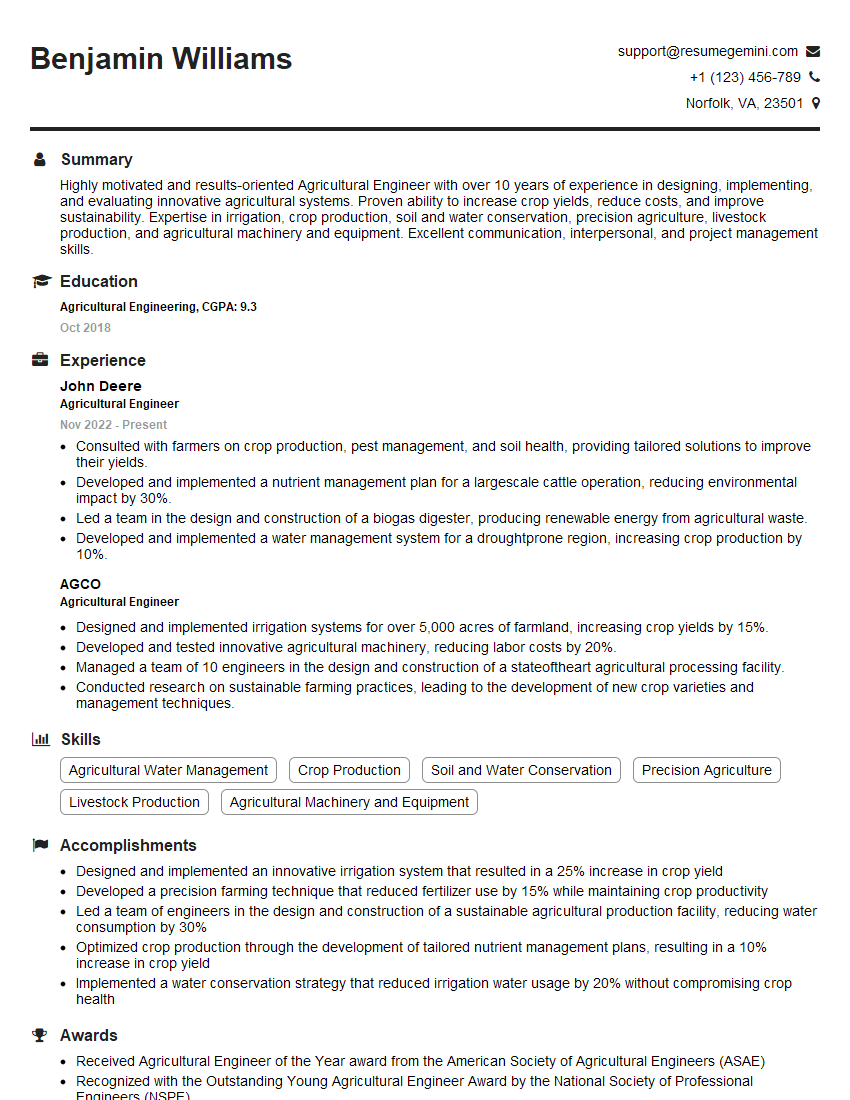
Agricultural Engineer Resume Sample
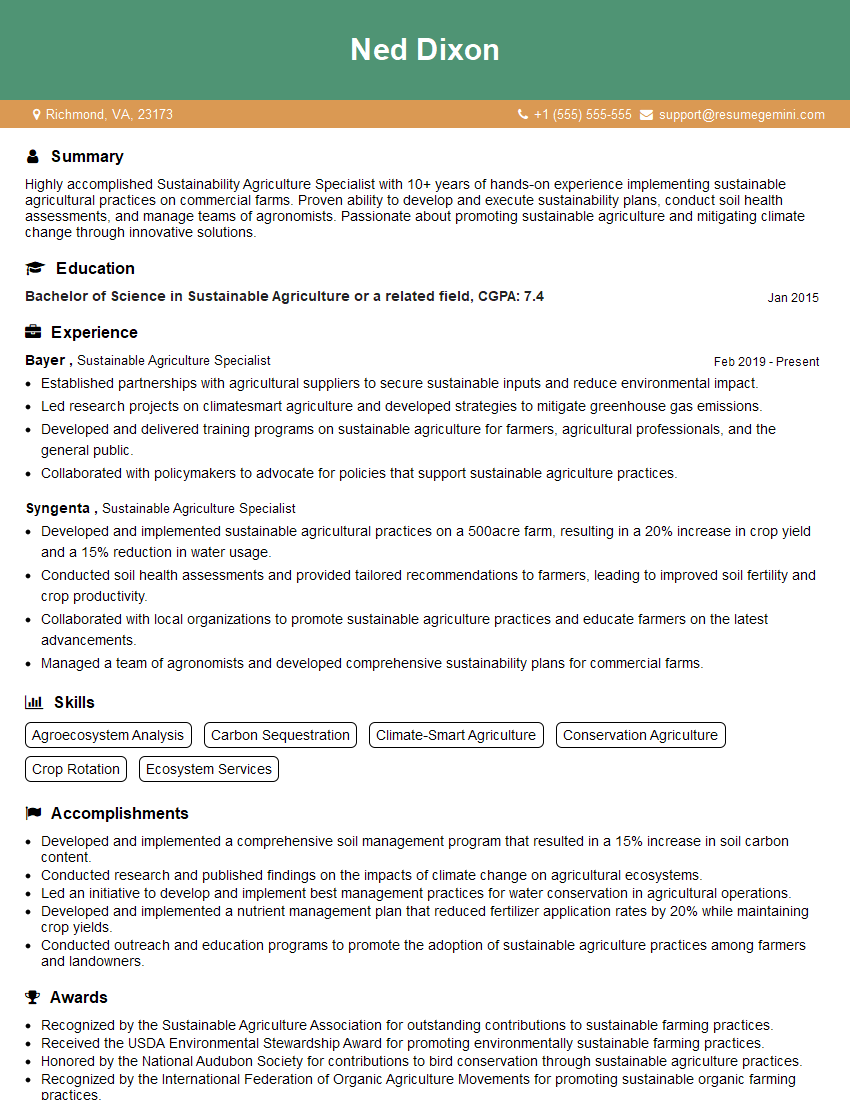
Sustainable Agriculture Specialist Resume Sample
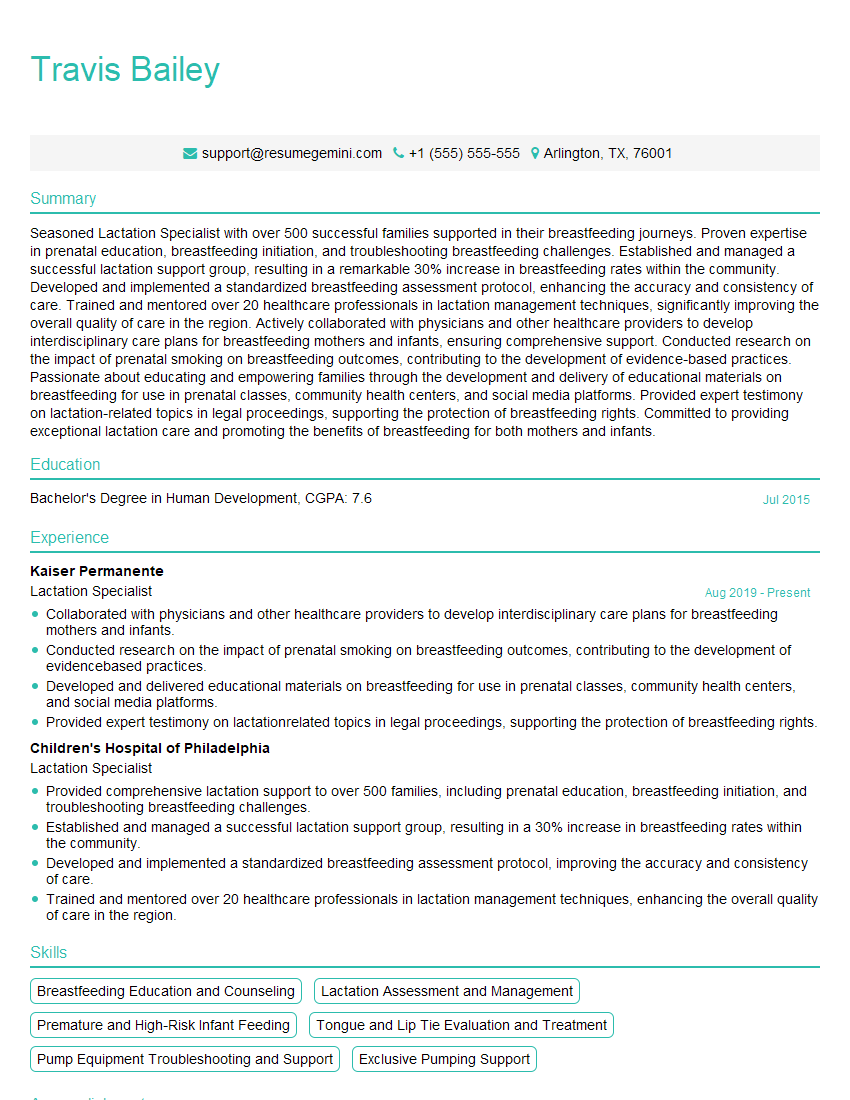
Lactation Specialist Resume Sample
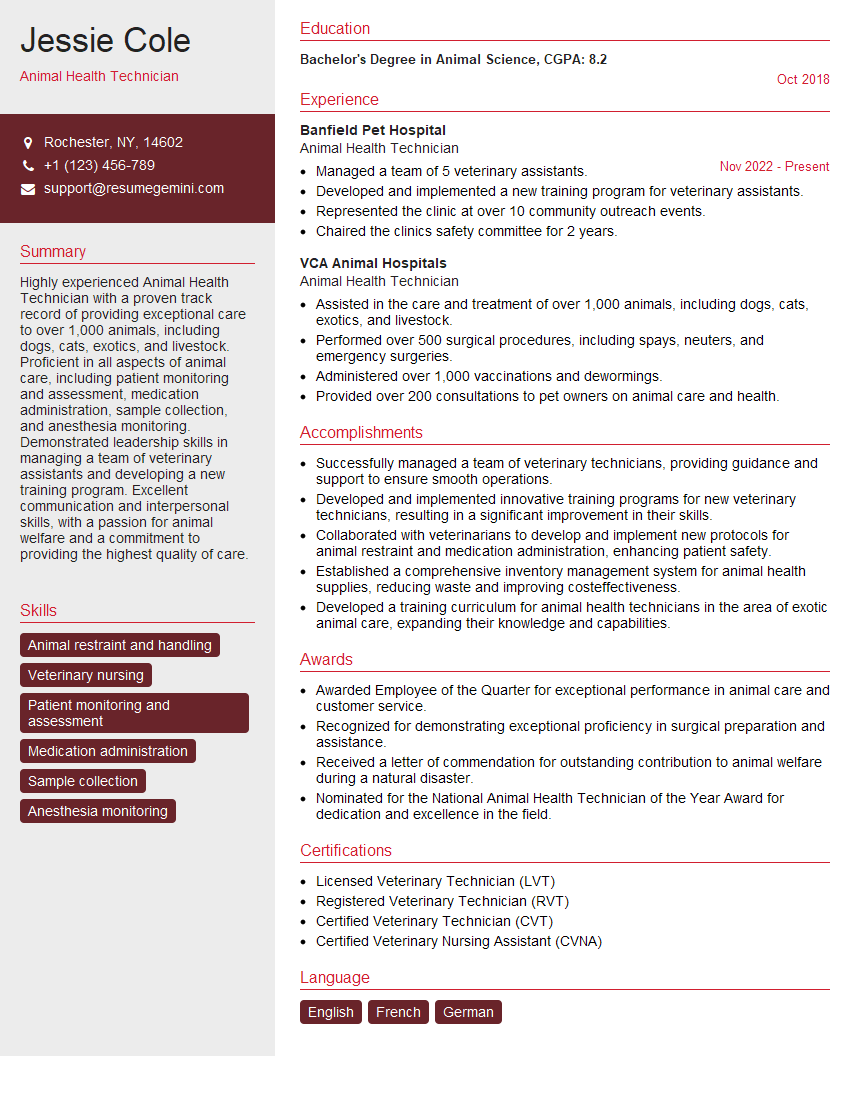
Animal Health Technician Resume Sample
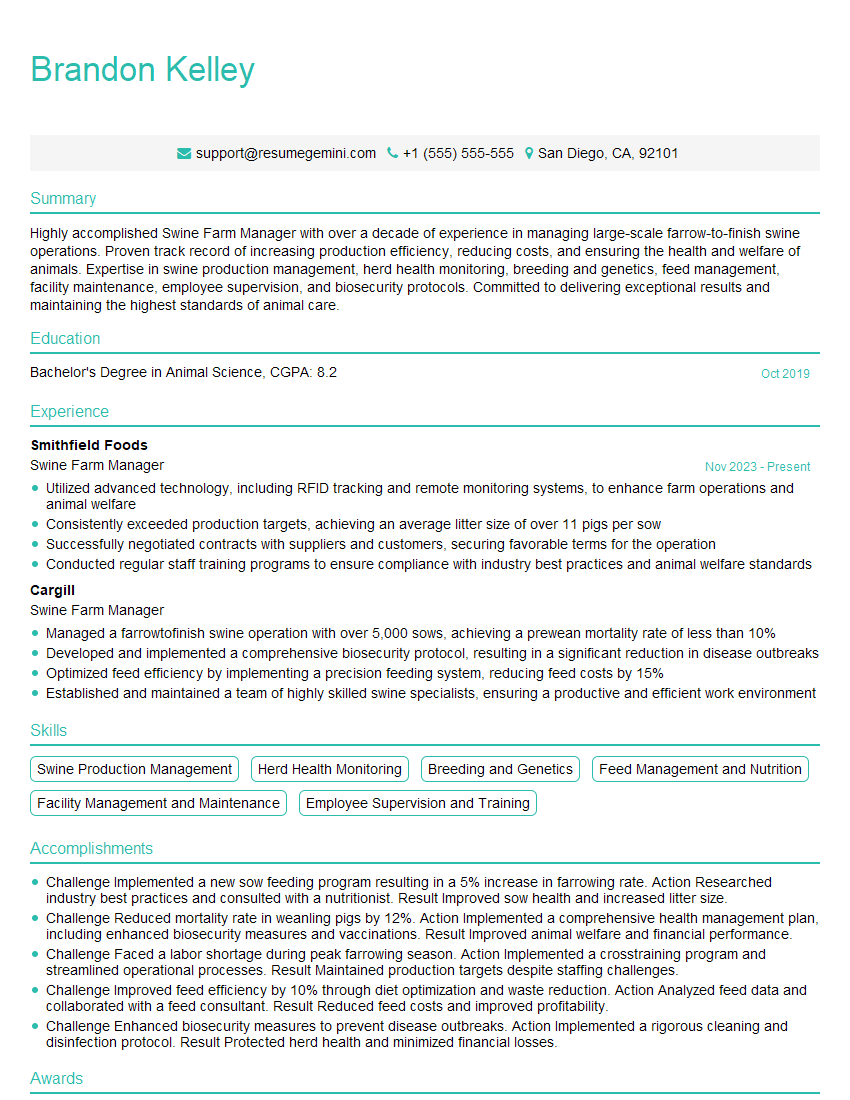
Swine Farm Manager Resume Sample
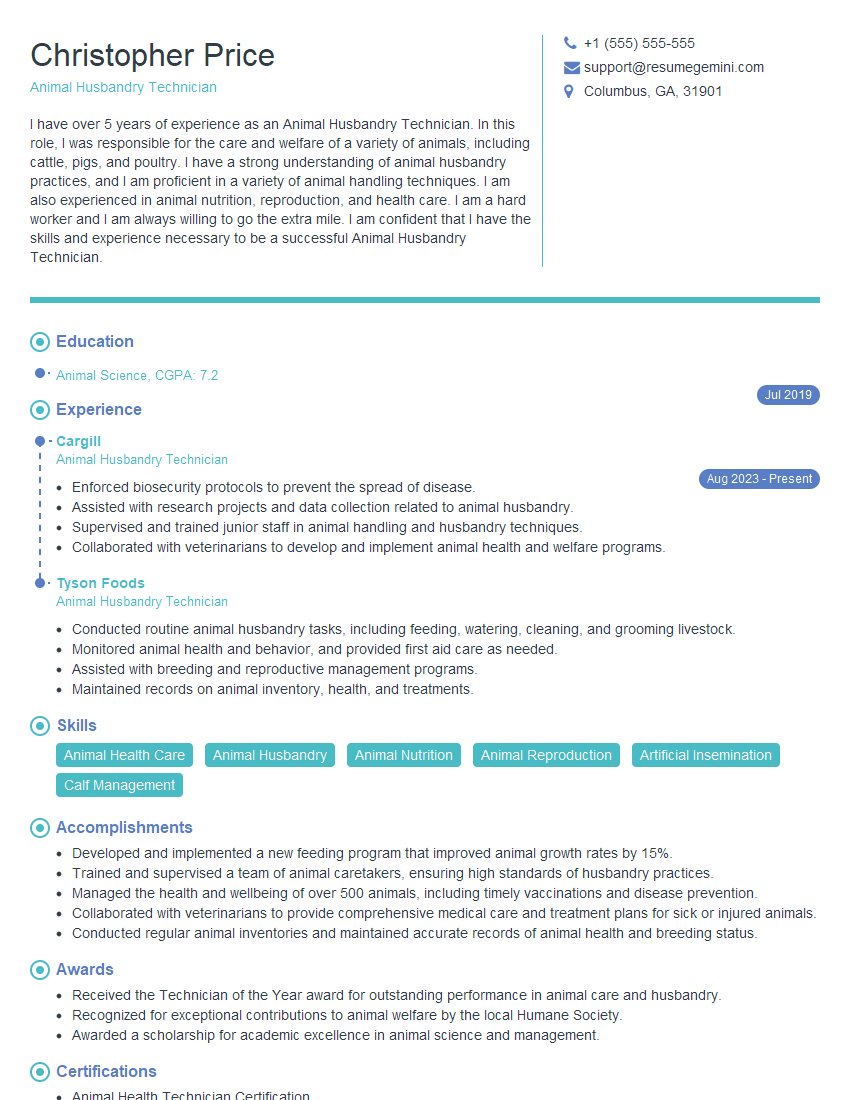
Animal Husbandry Technician Resume Sample
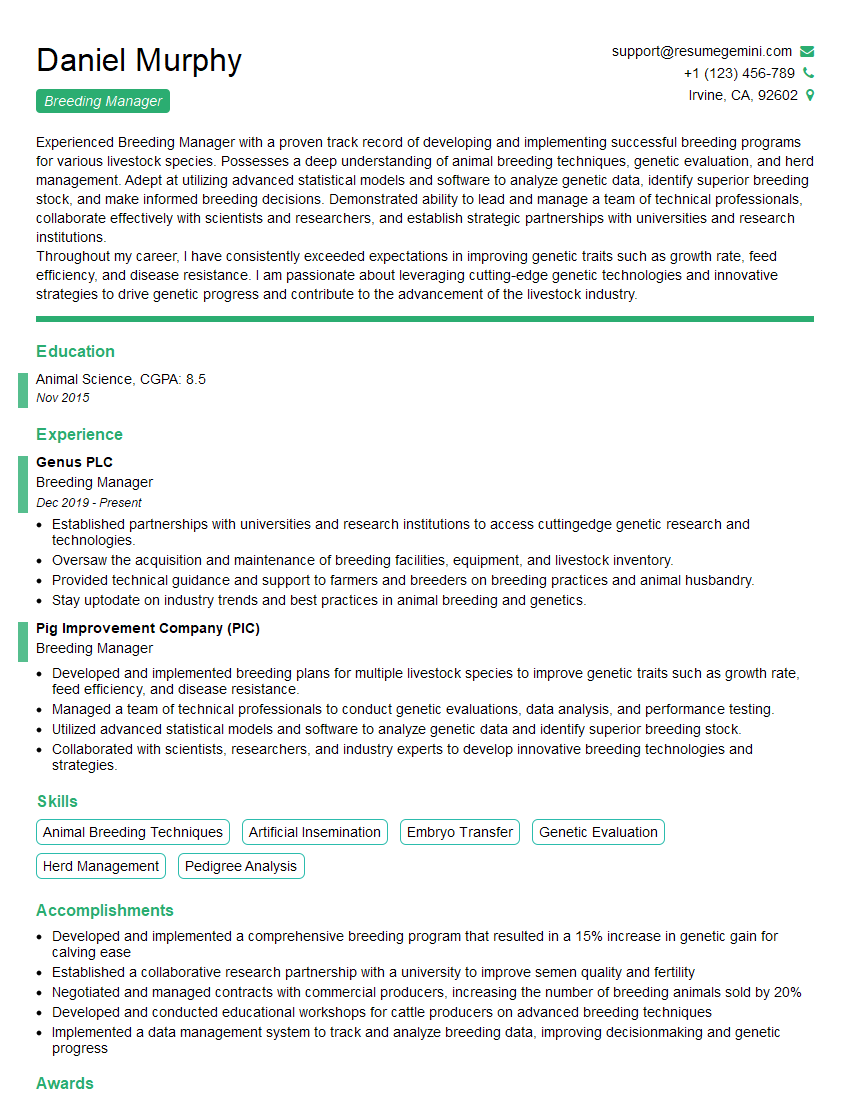
Breeding Manager Resume Sample
Explore more articles
Users Rating of Our Blogs
Share Your Experience
We value your feedback! Please rate our content and share your thoughts (optional).
What Readers Say About Our Blog
Very informative content, great job.
good