Preparation is the key to success in any interview. In this post, we’ll explore crucial Building Energy Auditing interview questions and equip you with strategies to craft impactful answers. Whether you’re a beginner or a pro, these tips will elevate your preparation.
Questions Asked in Building Energy Auditing Interview
Q 1. Explain the difference between a Level 1, Level 2, and Level 3 energy audit.
Energy audits are categorized into levels based on the depth and detail of the investigation. Think of it like medical checkups: a Level 1 is a quick check, Level 2 is more thorough, and Level 3 is a complete physical.
- Level 1: Walk-Through Audit: This is a visual inspection of readily accessible building systems and components. It involves identifying obvious energy-wasting issues like faulty lighting, drafts, and outdated HVAC equipment. It’s like a quick glance at your energy bills to spot the biggest issues. The output is usually a prioritized list of low-cost, quick-fix recommendations.
- Level 2: Energy Audit: This audit involves more in-depth data collection. It includes using instruments to measure energy consumption, air leakage (blower door test), and assessing the building envelope. We might check insulation levels and identify areas of thermal bridging. Think of it as a detailed blood test—looking for several key indicators of energy inefficiency.
- Level 3: Detailed Energy Audit: This is the most comprehensive audit, often involving sophisticated modeling and simulations. It includes detailed analysis of building systems, potential for renewable energy integration, and a thorough cost-benefit analysis for proposed upgrades. This is like getting a full body scan with advanced imaging—we’re finding every potential problem and solution.
The choice of audit level depends on the building’s age, size, and the client’s budget and goals. A historic building might benefit from a Level 3, while a smaller commercial space could suffice with a Level 2.
Q 2. Describe the process of conducting a blower door test.
A blower door test is a crucial part of a Level 2 or 3 energy audit used to measure the air leakage in a building. It’s like giving the building a ‘pulmonary function test’. Imagine placing a large fan in an exterior door, sealing the door frame, and then measuring how much air is moving in and out. We create a pressure difference between the inside and outside of the building, and measure the airflow rate to calculate the building’s airtightness.
Here’s a step-by-step process:
- Seal the building: We seal all the openings except for the door where the fan will be installed. This includes windows, fireplaces, and any other gaps.
- Install the blower door fan: The fan is carefully installed in a doorway, creating an airtight seal.
- Pressurize the building: The fan is turned on, creating either positive pressure (blowing air into the building) or negative pressure (sucking air out of the building).
- Measure airflow: The airflow rate is measured using the fan’s gauge. This flow rate is directly related to the air leakage of the structure. This data is presented as Cubic Feet per Minute (CFM).
- Calculate Air Changes per Hour (ACH): The measured airflow rate is then converted into Air Changes per Hour (ACH50), representing how many times the building’s air volume is exchanged per hour at a pressure difference of 50 Pascals.
- Identify leakage points: Using a smoke pencil or infrared camera, we locate the points where air is leaking the most, often around windows, doors, and electrical outlets. It helps pinpoint areas needing sealing.
The results of a blower door test inform recommendations on improving building airtightness, which reduces energy loss through infiltration and exfiltration. It significantly impacts heating and cooling costs.
Q 3. How do you calculate building energy use intensity (EUI)?
Building Energy Use Intensity (EUI) is a key metric expressing a building’s energy efficiency. It essentially tells you how much energy a building consumes per unit area. A lower EUI indicates better energy performance.
The formula for calculating EUI is:
EUI = (Total Site Energy Use in kBtu) / (Gross Floor Area in square feet)Where:
- Total Site Energy Use: This includes all energy consumed by the building, including heating, cooling, lighting, ventilation, and equipment. Data is usually obtained from utility bills.
- Gross Floor Area: This is the total floor area of the building, including all spaces, regardless of their use.
Example: A building consumes 1,000,000 kBtu of energy annually and has a gross floor area of 50,000 square feet. Its EUI would be: EUI = 1,000,000 kBtu / 50,000 sq ft = 20 kBtu/sq ft
EUI is crucial for benchmarking a building’s energy performance against similar buildings and identifying areas for improvement. Many jurisdictions use EUI for regulatory compliance and incentive programs.
Q 4. What are the key components of a building energy model?
A building energy model is a virtual representation of a building’s physical characteristics and energy systems. Think of it as a digital twin that simulates the building’s energy performance. It’s a powerful tool for assessing energy consumption, identifying opportunities for improvement, and evaluating the impact of various design and operational strategies. It’s built with a variety of data and factors:
- Building Geometry: The model includes the building’s dimensions, shape, orientation, and exterior envelope.
- Climate Data: Weather data specific to the building’s location are crucial for accurate simulations. This includes temperature, humidity, solar radiation, and wind speed.
- Building Envelope: This includes information on walls, roofs, windows, and foundations—their materials, insulation levels, and air leakage characteristics.
- HVAC Systems: The model incorporates details of heating, ventilation, and air conditioning equipment, their capacities, and operating schedules.
- Lighting Systems: Lighting types, control systems, and occupancy schedules are also included.
- Internal Loads: Occupancy patterns, equipment use, and plug loads (from computers and other equipment) are modeled to estimate energy use.
- Renewable Energy Systems: If present, solar photovoltaic (PV) systems, solar thermal collectors, wind turbines are incorporated into the model.
The model simulates the building’s energy performance over time, enabling an analysis of energy consumption patterns and the effectiveness of different energy-efficiency measures.
Q 5. What software are you proficient in for energy modeling and analysis?
I am proficient in several software packages for energy modeling and analysis. My expertise includes:
- EnergyPlus: This is a powerful, open-source software widely used for detailed building energy simulations. It provides accurate results and allows for extensive customization.
- TRNSYS: This is a transient system simulation program that I use for more complex simulations, particularly those involving renewable energy systems. It is also capable of detailed HVAC system modeling.
- eQUEST: This is a user-friendly program often used for quicker energy analysis, particularly during the early design stages of projects.
- IES VE: This software is particularly useful for integrating energy modeling with other building performance analysis such as daylighting and thermal comfort.
My proficiency extends to using these tools for creating and running simulations, interpreting the results, and generating reports to inform design and operational decisions.
Q 6. Explain the principles of thermal bridging and its impact on energy performance.
Thermal bridging occurs when heat flows more easily through certain parts of the building envelope than others. Imagine trying to keep a cake warm by only wrapping the edges in foil – the center will still get cold because heat is escaping through the unwrapped sections. These “bridges” compromise insulation and lead to energy loss.
These bridges can be:
- Structural elements: Metal studs, concrete walls, and other conductive materials that interrupt the insulation layer.
- Windows and doors: These often represent significant thermal bridges due to their frames and connections to the wall structure.
- Connections between building elements: Places where different building components meet can create thermal bridges if not properly insulated.
Impact on Energy Performance:
Thermal bridging reduces the overall effectiveness of insulation, resulting in:
- Increased heating and cooling loads: More energy is needed to maintain the desired indoor temperature.
- Increased energy costs: Higher energy consumption leads to higher utility bills.
- Formation of condensation and mold: Temperature differences can lead to condensation, especially in cold climates, potentially creating moisture problems and mold growth.
- Reduced comfort: Cold spots or drafts can reduce the overall comfort of occupants.
Mitigation strategies include using thermally broken materials (like fiberglass-reinforced polymer studs), continuous insulation, and proper detailing around windows and doors.
Q 7. Describe different types of insulation materials and their R-values.
Numerous insulation materials are available, each with unique characteristics and R-values (a measure of thermal resistance). A higher R-value indicates better insulation.
- Fiberglass Batts and Rolls: Common and relatively inexpensive, offering good thermal resistance. R-values vary depending on thickness, typically ranging from R-13 to R-38.
- Mineral Wool (Rock Wool and Slag Wool): Excellent sound dampening properties in addition to thermal insulation. R-values similar to fiberglass, generally R-13 to R-38.
- Spray Foam Insulation: Offers excellent air sealing capabilities, filling gaps and crevices effectively. R-values vary widely based on the type and density, potentially reaching R-7 per inch.
- Cellulose Insulation: Made from recycled paper, environmentally friendly and good for filling wall cavities. R-values are typically around R-3.5 to R-3.8 per inch.
- Polyisocyanurate (ISO): Rigid board insulation with a high R-value per inch, often used for roofs and exterior walls. Typically, R-6 to R-8 per inch.
- Extruded Polystyrene (XPS): Another rigid board insulation with high compressive strength, suitable for foundations and below-grade applications. R-values generally between R-4 and R-8 per inch.
- Expanded Polystyrene (EPS): Lightweight and inexpensive rigid board insulation, commonly used in applications where high compressive strength isn’t essential. R-values typically from R-4 to R-6 per inch.
The choice of insulation material depends on factors such as cost, thermal performance, moisture resistance, and the specific application. R-value is a key factor in determining the appropriate thickness for a given climate and building design.
Q 8. How do you identify and quantify air leakage in a building?
Identifying and quantifying air leakage is crucial for a building energy audit, as uncontrolled air infiltration significantly impacts heating and cooling loads. We use a variety of methods, each with its own strengths and weaknesses.
Blower Door Test: This is the gold standard. A large fan is installed in an exterior doorway, creating a pressure difference between the inside and outside of the building. The airflow rate is measured, and this is used to calculate the building’s airtightness, often expressed as cubic feet per minute per square foot of building surface area (CFM/ft²). A lower CFM/ft² indicates better airtightness. For example, a well-sealed new home might have a result below 1 CFM/ft², while an older building could be much higher.
Infrared Thermography: An infrared camera detects temperature differences on building surfaces. Cold spots might indicate air leakage. This method is excellent for visualizing leaks but doesn’t provide a quantitative measurement of airflow rate like a blower door test.
Smoke Testing: This involves introducing smoke into the building to visually identify air movement paths. It’s particularly useful for locating small cracks or gaps that are harder to detect with other methods. I often combine this with thermography for a more comprehensive assessment.
Pressure Panometry: This is a more advanced technique using pressure sensors placed at various points within the building envelope to precisely map air pressure differences and identify leakage pathways.
Quantifying air leakage involves careful interpretation of the data collected from these methods. For example, a blower door test gives a whole-building leakage rate, but we also use the data to pinpoint specific leakage locations, which then helps prioritize air sealing measures.
Q 9. What are some common energy-saving measures for lighting systems?
Lighting systems often account for a significant portion of a building’s energy consumption. Fortunately, there are many cost-effective ways to improve energy efficiency.
Switching to LEDs: Light-emitting diodes (LEDs) are far more energy-efficient than traditional incandescent or fluorescent bulbs. They also boast longer lifespans, reducing replacement costs.
Daylighting: Maximizing the use of natural light reduces the need for artificial lighting. This can be achieved through strategically placed windows, skylights, or light shelves.
Occupancy Sensors: These sensors automatically turn lights off when a room is unoccupied, preventing energy waste. Smart lighting systems can integrate these sensors for automatic control.
Lighting Controls: Dimmers, timers, and automated systems allow for precise control over lighting levels, optimizing energy use based on need. For instance, we can implement a system that gradually dims lights at the end of the workday.
High-Reflectance Materials: Using lighter colored paints and ceiling tiles increases reflectivity, maximizing the effectiveness of available light, both natural and artificial.
Implementing these measures can significantly reduce lighting energy use, resulting in lower operating costs and a smaller environmental footprint. For instance, I recently helped a client reduce their lighting energy consumption by 40% through a combination of LED upgrades and occupancy sensors.
Q 10. Explain the importance of HVAC system commissioning and retrocommissioning.
HVAC system commissioning and retrocommissioning are critical for optimizing building energy performance. Commissioning ensures that the HVAC system is designed, installed, and operated according to its specifications, while retrocommissioning involves systematically reviewing and improving the performance of an existing system.
Commissioning: This process involves thorough testing and verification of all HVAC components, ensuring they are functioning as designed. It helps prevent costly errors and inefficiencies from the start. Think of it as a quality control process for your HVAC investment.
Retrocommissioning: Buildings often underperform due to age, changes in usage, or improper operation. Retrocommissioning involves a systematic assessment of the existing HVAC system to identify operational inefficiencies and implement cost-effective upgrades or adjustments. This might include things like cleaning coils, adjusting control sequences, or replacing faulty components.
Both processes significantly improve energy efficiency, reduce maintenance costs, and improve indoor air quality. For example, a recent retrocommissioning project I completed resulted in a 20% reduction in energy consumption for a large office building, saving the client thousands of dollars annually.
Q 11. Describe your experience with different energy efficiency technologies (e.g., heat pumps, solar PV).
My experience spans a wide range of energy efficiency technologies, allowing me to tailor recommendations to a building’s specific needs and context.
Heat Pumps: These are highly efficient heating and cooling systems. I’ve worked on projects integrating air-source and ground-source heat pumps, leveraging their ability to significantly reduce energy consumption compared to traditional systems, especially in climates with moderate heating loads. I understand the importance of proper sizing and system design to optimize their performance.
Solar PV: Photovoltaic (PV) systems are excellent for generating renewable energy on-site. I’ve assessed the feasibility of PV installations for numerous buildings, considering factors like roof orientation, shading, and energy consumption profiles to maximize energy production and offset grid electricity. I also consider the financial implications, evaluating payback periods and potential incentives.
Building Envelope Improvements: I’ve worked extensively on improving building envelopes through better insulation, air sealing, and high-performance windows. These measures are crucial for minimizing energy losses to the outside environment and improving overall building comfort.
Energy Management Systems (EMS): I have experience integrating and optimizing EMS to enhance building automation and provide real-time monitoring of energy consumption patterns. This enables proactive management and identification of energy waste.
My experience enables me to evaluate the suitability and cost-effectiveness of these technologies based on specific building characteristics and client goals. I always strive to find the optimal balance between initial investment and long-term energy savings.
Q 12. How do you interpret ASHRAE standards related to energy efficiency?
ASHRAE (American Society of Heating, Refrigerating and Air-Conditioning Engineers) standards are essential for building energy efficiency. They provide guidance on best practices for HVAC design, operation, and maintenance. Interpreting these standards requires a detailed understanding of the specific requirements and recommendations for various building types and climates.
I use ASHRAE Standard 90.1, Energy Standard for Buildings Except Low-Rise Residential Buildings, extensively. This standard outlines minimum energy efficiency requirements for building design. I also refer to other relevant ASHRAE standards, such as those related to ventilation (Standard 62.1) and indoor air quality (Standard 62.2). Understanding these standards allows me to determine if a building meets current efficiency requirements and to identify opportunities for improvement.
Interpreting these standards often involves analyzing building energy models, reviewing design documents, and understanding the specific climate zone the building is located in. For example, the energy efficiency requirements for a building in Arizona will be different than those for a building in Minnesota. My ability to correctly apply and interpret ASHRAE standards ensures that my recommendations comply with relevant codes and lead to optimal energy performance.
Q 13. What are some common energy code requirements for commercial buildings?
Energy code requirements for commercial buildings vary by jurisdiction, but common themes include:
Building Envelope Requirements: Codes often specify minimum insulation levels for walls, roofs, and floors, along with airtightness requirements to minimize energy loss.
Window Specifications: Specific requirements for window U-factors (heat transfer coefficient) and Solar Heat Gain Coefficients (SHGC) help control heat gain and loss.
HVAC System Efficiency: Minimum efficiency standards are often set for heating and cooling equipment (e.g., minimum SEER ratings for air conditioners).
Lighting Requirements: Codes usually set limits on lighting power density (LPD), encouraging the use of energy-efficient lighting systems.
Water Heating Efficiency: Minimum efficiency standards often apply to water heaters and related plumbing systems.
Compliance with these codes is crucial for obtaining building permits and ensuring that the building meets minimum energy efficiency standards. As a building energy auditor, I thoroughly review building plans to verify compliance and identify areas needing improvement before construction begins. I also help building owners navigate these complex requirements, ensuring their projects meet local regulations while maximizing energy efficiency.
Q 14. Explain the concept of life-cycle cost analysis for building systems.
Life-cycle cost analysis (LCCA) is a crucial tool for evaluating the long-term economic viability of building systems. It considers all costs associated with a system over its entire lifespan, not just the initial purchase price. This provides a more comprehensive understanding of true cost-effectiveness.
An LCCA typically includes:
First Costs: Initial investment costs for equipment, materials, and installation.
Operating Costs: Ongoing costs of energy consumption, maintenance, and repairs over the system’s lifetime.
Replacement Costs: Costs associated with replacing components or the entire system at the end of its useful life.
Salvage Value: The potential resale value of components or the system at the end of its life.
By considering all these factors, LCCA helps building owners make informed decisions about which systems offer the best overall value. For example, a system with a higher initial cost might prove more economical in the long run due to lower energy consumption and reduced maintenance needs. I frequently use LCCA to compare different HVAC system options, insulation packages, or lighting technologies, providing clients with data-driven recommendations for optimal economic performance.
Q 15. How do you present your findings from an energy audit to clients?
Presenting energy audit findings to clients requires a clear, concise, and visually appealing report. I begin with a summary of the key findings, highlighting the building’s energy consumption profile and areas for improvement. This is often presented with graphs and charts – for example, a bar chart comparing energy use against similar buildings or a pie chart showing the energy consumption breakdown by system (HVAC, lighting, etc.).
Next, I delve into the specifics, detailing the identified energy-wasting issues. This section includes descriptions of the problems (e.g., inefficient HVAC equipment, inadequate insulation), supporting data (e.g., infrared thermography images showing thermal bridging, blower door test results indicating air leakage), and calculated energy savings potential for each recommended improvement. I always present potential savings in both energy units (kWh or therms) and monetary terms ($).
Finally, I offer a prioritized list of recommendations with associated costs and payback periods. This allows the client to make informed decisions based on their budget and priorities. I conclude with a Q&A session to address any questions and concerns, ensuring the client fully understands the report and next steps. I also provide a follow-up document summarizing the key action items.
Career Expert Tips:
- Ace those interviews! Prepare effectively by reviewing the Top 50 Most Common Interview Questions on ResumeGemini.
- Navigate your job search with confidence! Explore a wide range of Career Tips on ResumeGemini. Learn about common challenges and recommendations to overcome them.
- Craft the perfect resume! Master the Art of Resume Writing with ResumeGemini’s guide. Showcase your unique qualifications and achievements effectively.
- Don’t miss out on holiday savings! Build your dream resume with ResumeGemini’s ATS optimized templates.
Q 16. Describe your experience working with energy data loggers and monitoring systems.
I have extensive experience with various energy data loggers and monitoring systems. My experience ranges from using simple kilowatt-hour (kWh) meters to sophisticated systems capable of collecting data from multiple sensors across a building. I am proficient in using systems that measure parameters such as temperature, humidity, airflow, electricity consumption, and gas consumption. For example, I’ve used the Fluke 376 FC True-RMS Clamp Meter for quick assessments and the Power Monitoring System (PMS) from Schneider Electric for comprehensive data acquisition and analysis.
My experience includes installing, configuring, and calibrating these systems, as well as analyzing the collected data to identify patterns and anomalies in energy consumption. This process often involves using data analysis software to identify trends, pinpoint peak demand periods, and validate the accuracy of the data. I also have experience generating reports and visualizations from the collected data to effectively communicate insights to clients.
Q 17. What is your approach to identifying and resolving discrepancies in energy data?
Discrepancies in energy data are common and require a systematic approach to resolve. My first step is to verify the accuracy of the data by checking the calibration of the measurement devices, reviewing the data logging procedures, and examining the data for any obvious errors or outliers. For example, a sudden drop in energy consumption might be due to a meter malfunction rather than a genuine reduction in energy use.
If discrepancies persist, I investigate potential sources of error. This may involve comparing the measured data with expected values based on building characteristics, occupancy patterns, and weather conditions. For instance, unexpectedly high heating energy consumption in summer might indicate a problem with the HVAC system. I often use regression analysis to identify relationships between energy consumption and various factors.
Triangulation is another crucial aspect. If possible, I’ll compare readings from multiple sensors or meters to cross-validate the data. I also look for explanations outside the purely technical realm – scheduling changes, equipment failures, or unexpected occupant behaviour could all impact energy consumption. Thorough investigation, combined with knowledge of building systems and occupant behaviour, enables accurate diagnosis.
Q 18. How do you prioritize energy-saving recommendations based on cost-effectiveness?
Prioritizing energy-saving recommendations based on cost-effectiveness is crucial for maximizing impact within budget constraints. I typically use a combination of methods, starting with a simple payback period calculation for each measure. The payback period is the time it takes for the savings from an investment to equal the initial cost. I calculate this using the formula: Payback Period = Initial Investment / Annual Savings
However, the payback period isn’t the only factor. I also consider the total lifetime cost, which includes the initial investment, maintenance costs, and potential replacement costs over the lifespan of the equipment. Furthermore, I incorporate the Net Present Value (NPV) to account for the time value of money, ensuring that future savings are appropriately discounted. I might present these cost-benefit analyses using a table, clearly outlining the cost, payback, and NPV for each recommendation.
Finally, I factor in the client’s priorities and budget constraints. A measure with a longer payback period might still be recommended if it aligns with long-term sustainability goals or significantly reduces greenhouse gas emissions, even if another measure offers a quicker financial return.
Q 19. What are the key factors to consider when designing an energy-efficient building envelope?
Designing an energy-efficient building envelope requires careful consideration of several key factors. The primary goal is to minimize heat transfer between the interior and exterior environments, reducing the need for heating and cooling. Key considerations include:
- Insulation: Using high-performance insulation materials in walls, roofs, and floors is paramount. R-value (thermal resistance) is the key metric, indicating the insulation’s effectiveness. Higher R-values mean better insulation.
- Air Sealing: Preventing air leakage through cracks and gaps is essential. Air sealing techniques involve using caulking, weatherstripping, and sealing penetrations in the building envelope. A blower door test helps assess air tightness.
- Window Selection: Choosing windows with high U-values (low heat transfer) and low Solar Heat Gain Coefficient (SHGC) is crucial. Proper window orientation and shading devices can also reduce heat gain in summer and heat loss in winter.
- Thermal Mass: Materials with high thermal mass (like concrete or brick) can store heat during the day and release it at night, reducing temperature fluctuations and energy consumption.
- Orientation and Shading: Optimizing building orientation to minimize solar heat gain in summer and maximize solar heat gain in winter is important. Strategic use of shading devices can further control solar heat gain.
By carefully considering these factors, building designers can create an envelope that significantly reduces energy consumption and improves indoor comfort.
Q 20. Explain the principles of building thermal dynamics.
Building thermal dynamics govern the flow of heat within and around a building. It involves understanding how heat is transferred through conduction (direct contact), convection (air movement), and radiation (electromagnetic waves). A building’s thermal mass, insulation, and air tightness significantly influence its thermal performance.
For example, consider a sunny day. Solar radiation heats the building envelope. Heat is then transferred through conduction into the building’s interior. Air heated by convection currents rises, creating thermal stratification. Heat also radiates from internal sources (like occupants and appliances). Understanding these processes is critical in designing efficient HVAC systems and predicting the building’s energy performance.
The principles of thermal dynamics are used in building energy modeling to simulate the building’s thermal response to various climatic conditions and operational scenarios. This enables optimization of building design and operation for minimizing energy consumption.
Q 21. How do you account for occupancy patterns in energy modeling?
Accurately accounting for occupancy patterns in energy modeling is crucial for realistic predictions. Occupancy significantly impacts energy consumption, as lighting, equipment, and HVAC systems are often used differently depending on the time of day and day of the week. I typically use several methods to incorporate occupancy data into my energy models:
- Occupancy Schedules: I define schedules that reflect the typical occupancy levels throughout the day and week. These schedules specify the number of occupants in different zones of the building at various times.
- Plug Load Modeling: I model the energy consumption of plug-load equipment (computers, printers, etc.) based on occupancy patterns, assuming higher usage during occupied hours.
- Lighting Control Systems: If the building has occupancy sensors or other lighting control systems, I model their impact on lighting energy consumption. This often involves simulating the switching on and off of lights based on occupancy levels.
- HVAC System Modeling: The HVAC system’s operation is tightly linked to occupancy. I use occupancy data to simulate the heating and cooling demands, modulating the system’s operation based on the number of occupants and their thermal comfort requirements.
Using accurate and detailed occupancy data ensures the energy model provides reliable predictions of the building’s actual energy performance. Inaccurate or missing occupancy data can lead to significant errors in model results.
Q 22. Describe your experience with different energy audit methodologies.
Energy auditing methodologies vary depending on the building’s type, size, and the client’s needs. I’m experienced with several approaches, ranging from simple walk-through assessments to sophisticated energy modeling.
- Walk-through audits: These are visual inspections of the building, identifying obvious energy-wasting areas like drafts, insufficient insulation, or faulty equipment. They’re cost-effective for smaller buildings or preliminary assessments.
- Level I audits: These involve more detailed data collection, including utility bills analysis, review of building plans, and basic measurements of energy-consuming systems. This allows for identifying significant energy savings opportunities.
- Level II audits: These are the most comprehensive audits, employing advanced diagnostic tools such as infrared cameras (to detect thermal bridging and insulation deficiencies), blower door tests (to measure air leakage), and specialized software for energy modeling. They provide a detailed understanding of the building’s energy performance and offer precise recommendations.
- Energy modeling: This involves using specialized software to simulate the building’s energy performance under various scenarios. This enables us to assess the impact of different energy efficiency measures before implementation, maximizing investment effectiveness.
For example, I recently conducted a Level II audit for a large office building, utilizing infrared thermography to pinpoint areas of heat loss through the exterior walls. This allowed us to prioritize insulation upgrades in specific zones, leading to a targeted and cost-effective improvement plan.
Q 23. Explain how you would approach an energy audit for a historical building.
Auditing a historical building requires a nuanced approach that balances energy efficiency goals with preservation concerns. The key is to find solutions that improve energy performance without compromising the building’s architectural integrity and historical significance.
My approach begins with a thorough understanding of the building’s history and construction. This often involves reviewing historical documents, consulting with preservation experts, and carefully inspecting the structure to identify unique challenges and opportunities. For example, older buildings often lack adequate insulation, but retrofitting with traditional insulation materials could damage the building fabric. Therefore, we might consider using less intrusive methods, such as adding exterior insulation (if suitable), upgrading windows with high-performance, historically-appropriate replacements, or introducing innovative air-sealing techniques.
Non-destructive testing methods are crucial. Instead of invasive core sampling, we might use infrared thermography to locate areas of heat loss. We would also prioritize energy-efficient upgrades that are easily reversible if necessary. For example, installing smart thermostats allows for precise temperature control without altering the original building systems. Careful documentation throughout the audit process, including detailed photographic records, is vital to ensure transparency and compliance with preservation standards.
Q 24. What are some strategies for reducing energy consumption in existing buildings?
Strategies for reducing energy consumption in existing buildings are multifaceted and must be tailored to each building’s unique characteristics. Here are some key approaches:
- Envelope improvements: Upgrading insulation in walls, roofs, and floors is a fundamental step. This reduces heat loss in winter and heat gain in summer. Air sealing is equally critical, as air leakage accounts for a significant portion of energy loss.
- High-performance windows: Replacing old, inefficient windows with double or triple-glazed units significantly improves thermal performance.
- Efficient HVAC systems: Upgrading outdated heating, ventilation, and air conditioning (HVAC) systems with high-efficiency models can yield substantial energy savings. Regular maintenance is also essential.
- Lighting upgrades: Switching to LED lighting provides significant energy savings and a longer lifespan compared to traditional lighting technologies. Implementing daylight harvesting strategies can further reduce reliance on artificial lighting.
- Water heating optimization: Insulating hot water pipes and tanks, and installing low-flow showerheads and faucets can reduce water heating energy consumption.
- Building automation systems (BAS): Implementing a BAS can optimize HVAC operation, lighting control, and other building systems, leading to significant energy savings.
- Behavior modification: Educating building occupants about energy-saving practices can significantly impact overall energy consumption. This could involve simple measures like turning off lights when leaving a room or adjusting thermostats when the building is unoccupied.
Q 25. How do you incorporate renewable energy sources into energy efficiency recommendations?
Incorporating renewable energy sources into energy efficiency recommendations enhances sustainability and reduces reliance on fossil fuels. The optimal approach depends on factors like the building’s location, size, and available space.
Common renewable energy options include:
- Photovoltaic (PV) systems: Rooftop solar panels can generate electricity on-site, reducing or eliminating reliance on the grid. The feasibility depends on roof orientation, shading, and local solar irradiance.
- Solar thermal systems: These systems collect solar energy to heat water, reducing demand on conventional water heaters. Suitable for buildings with sufficient south-facing roof or wall area.
- Geothermal heat pumps: These systems utilize the relatively constant temperature of the earth to provide heating and cooling. They’re highly efficient but require significant upfront investment and site-specific geological assessments.
- Wind turbines: Appropriate for locations with consistent wind resources, but are often limited by size restrictions and aesthetic considerations.
The integration of renewable energy sources often necessitates careful design considerations to ensure the optimal utilization of available resources and minimize potential challenges like grid integration.
Q 26. What is your understanding of building automation systems (BAS)?
Building Automation Systems (BAS) are computerized control systems that manage and monitor various aspects of a building’s operation, including HVAC, lighting, security, and fire safety. They play a significant role in optimizing building performance and enhancing energy efficiency.
My understanding encompasses both the technical and operational aspects of BAS. I’m proficient in analyzing BAS data to identify areas for improvement, such as inefficient scheduling, malfunctioning equipment, or occupant-related issues. For example, I can use BAS data to optimize HVAC schedules based on occupancy patterns, reducing energy consumption during unoccupied periods. I also have experience working with different BAS platforms and protocols, enabling me to integrate renewable energy sources and other energy-saving technologies into the building’s control system.
Further, a key aspect of BAS implementation is ensuring proper commissioning and ongoing maintenance to guarantee optimal performance and prevent unforeseen problems. I emphasize the importance of training building personnel on how to use the BAS effectively, maximizing its potential for energy savings.
Q 27. Describe your experience with energy performance contracts (EPCs).
Energy Performance Contracts (EPCs) are financing mechanisms where energy efficiency upgrades are funded through the guaranteed energy savings achieved by the improvements. The contractor assumes the risk of not meeting the guaranteed savings.
My experience with EPCs involves various roles, including developing detailed energy models to predict future energy savings, identifying and evaluating potential energy-saving measures, and preparing comprehensive proposals for clients. I’ve also worked on projects where I monitored energy consumption post-retrofit to verify the accuracy of performance guarantees. This requires careful data analysis and reconciliation of predicted savings with actual performance.
Successful EPC projects require a thorough understanding of both building engineering and financial aspects. It is vital to establish realistic savings goals, account for potential uncertainties, and ensure that the project aligns with the client’s financial capabilities and risk tolerance. Effective communication and collaboration between all stakeholders are critical for the successful implementation of an EPC.
Key Topics to Learn for Building Energy Auditing Interview
- Building Envelope Analysis: Understanding heat transfer mechanisms (conduction, convection, radiation), analyzing thermal bridging, and assessing window and wall performance. Practical application: Identifying areas of significant heat loss or gain in a building using thermal imaging and energy modeling software.
- HVAC System Auditing: Evaluating the efficiency of heating, ventilation, and air conditioning systems, including equipment performance, ductwork leakage, and control systems. Practical application: Recommending upgrades or replacements to improve system efficiency and reduce energy consumption.
- Lighting Systems Assessment: Analyzing lighting energy use, identifying opportunities for energy-efficient lighting upgrades (LEDs, controls), and calculating potential energy savings. Practical application: Developing a lighting retrofit plan that minimizes disruption and maximizes energy savings.
- Energy Modeling and Simulation: Utilizing software tools (e.g., EnergyPlus, eQuest) to simulate building energy performance, analyze different scenarios, and optimize energy efficiency measures. Practical application: Creating energy models to evaluate the impact of proposed retrofits and predict future energy consumption.
- Data Analysis and Reporting: Collecting, analyzing, and interpreting energy consumption data to identify trends, pinpoint areas for improvement, and develop effective energy-saving strategies. Practical application: Preparing comprehensive energy audit reports with clear recommendations and cost-benefit analyses.
- Energy Codes and Standards: Familiarity with relevant building codes, standards (e.g., ASHRAE), and regulations related to energy efficiency. Practical application: Ensuring proposed recommendations comply with all applicable codes and regulations.
- Renewable Energy Technologies: Understanding the integration of renewable energy sources (solar PV, geothermal) into buildings and their impact on energy performance. Practical application: Assessing the feasibility and cost-effectiveness of incorporating renewable energy systems in building retrofits.
- Financial Analysis and Return on Investment (ROI): Evaluating the financial viability of energy efficiency projects, calculating payback periods, and presenting compelling business cases for investment. Practical application: Developing comprehensive financial reports to justify energy efficiency improvements to building owners.
Next Steps
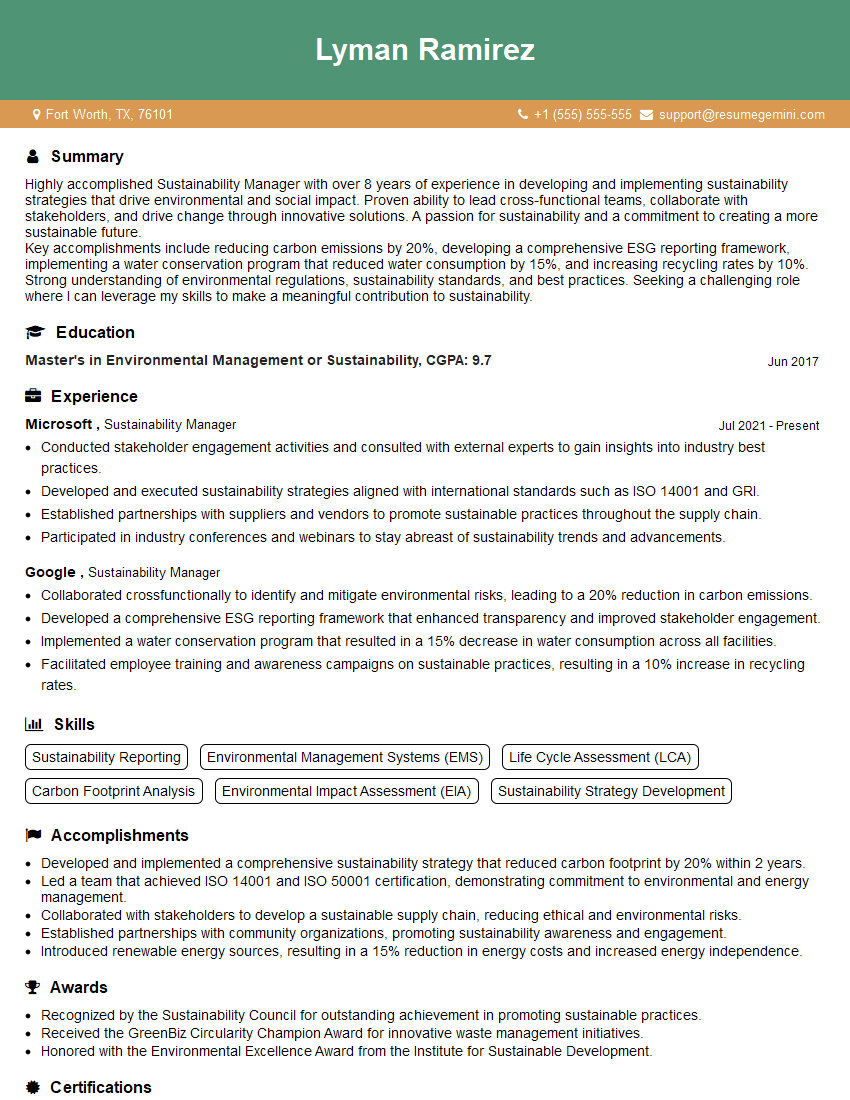
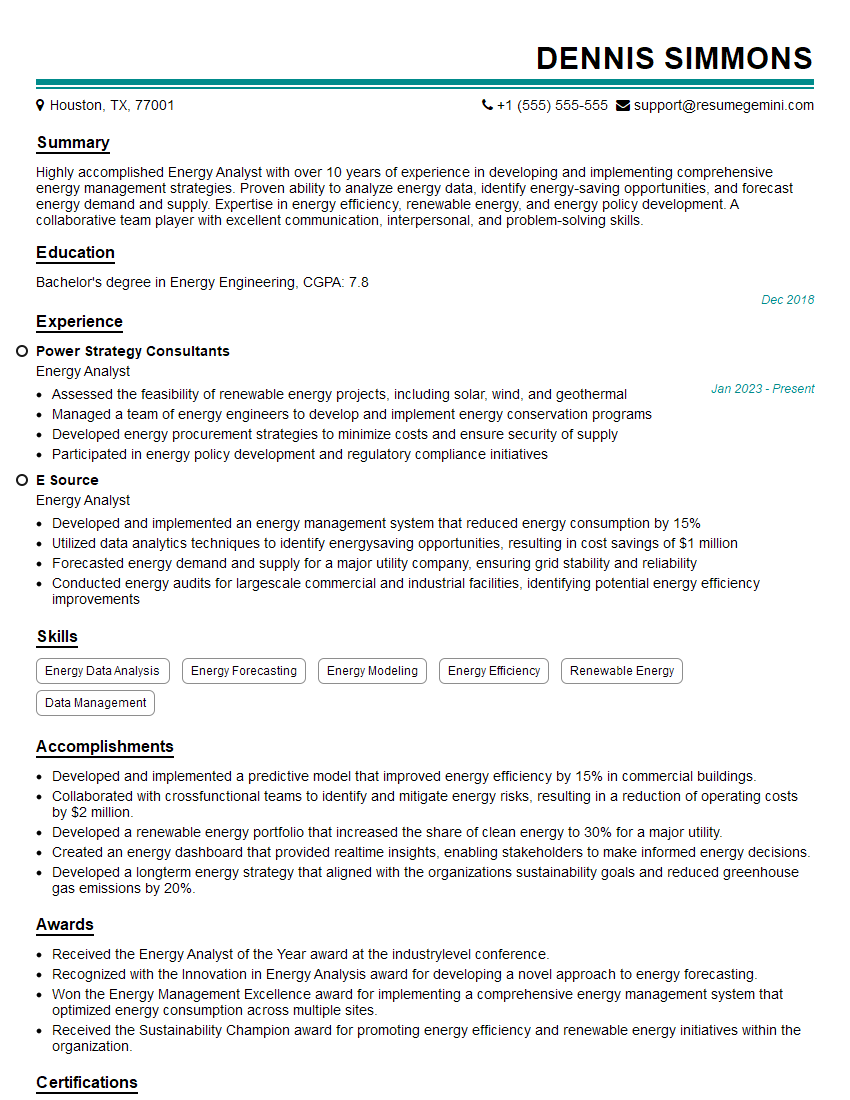
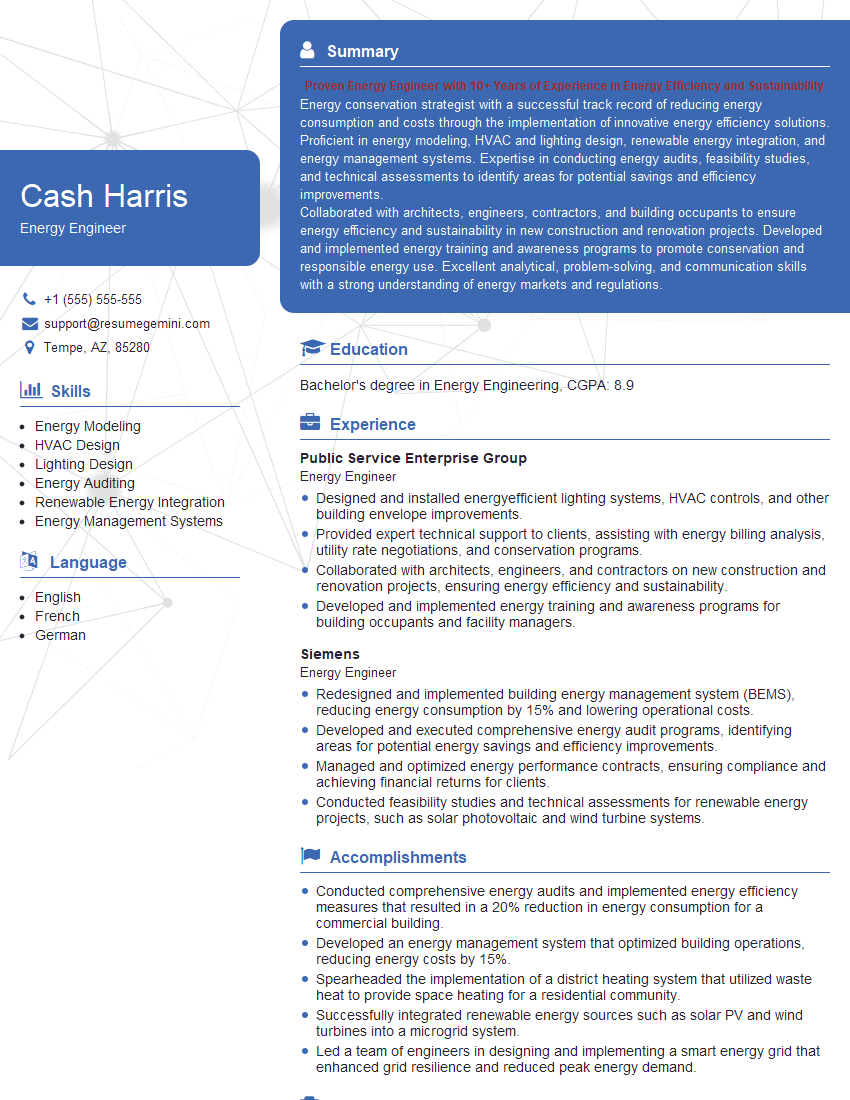
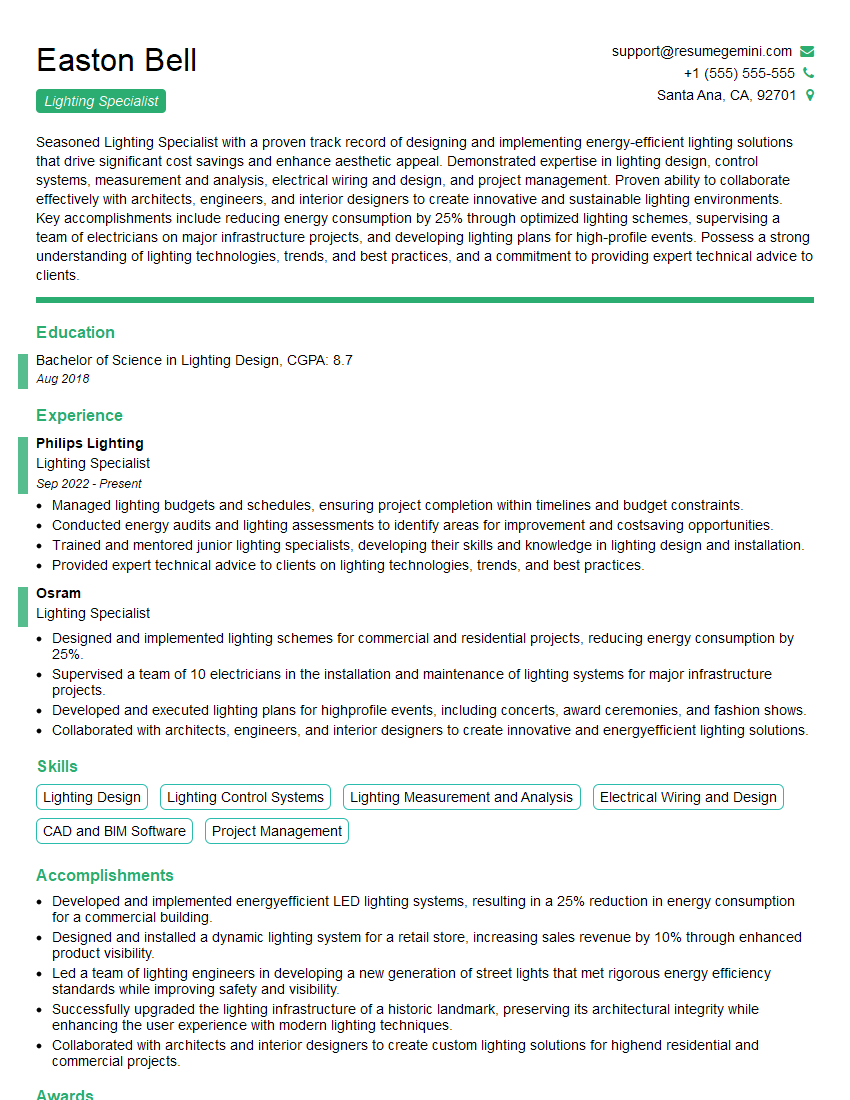
Mastering Building Energy Auditing opens doors to a rewarding career with significant growth potential in a field crucial for sustainability. To maximize your job prospects, focus on creating a strong, ATS-friendly resume that highlights your skills and experience effectively. ResumeGemini is a trusted resource that can help you build a professional, impactful resume. They provide examples of resumes tailored to Building Energy Auditing to help you get started. Invest time in crafting a compelling resume – it’s your first impression with potential employers.

Explore more articles
Users Rating of Our Blogs
Share Your Experience
We value your feedback! Please rate our content and share your thoughts (optional).
What Readers Say About Our Blog
Very informative content, great job.
good