Interviews are more than just a Q&A session—they’re a chance to prove your worth. This blog dives into essential Building Energy Audits interview questions and expert tips to help you align your answers with what hiring managers are looking for. Start preparing to shine!
Questions Asked in Building Energy Audits Interview
Q 1. Explain the process of conducting a Level 1 Building Energy Audit.
A Level 1 Building Energy Audit is a relatively quick and cost-effective assessment focusing on readily accessible data and visual inspections. It’s like a preliminary health check for your building’s energy consumption. The goal is to identify low-hanging fruit – easy and inexpensive improvements that can significantly reduce energy waste.
- Data Collection: This involves gathering utility bills (electricity, gas, water), reviewing building plans and specifications, and noting the building’s operational hours.
- Visual Inspection: A walk-through of the building to identify obvious energy-wasting issues. This includes checking for things like malfunctioning lighting, drafts around windows and doors, and inefficient HVAC equipment. For example, we might notice that many lights are left on overnight or that a significant portion of the building’s windows are single-paned and drafty.
- Preliminary Calculations: Simple calculations are performed using the collected data to estimate energy consumption and identify areas of high energy use. We may compare the building’s energy use to similar buildings to identify potential inefficiencies.
- Report Generation: A concise report is created, summarizing the findings, highlighting major energy-wasting areas, and suggesting simple, cost-effective improvements. This report might suggest replacing inefficient lighting fixtures with LEDs or sealing air leaks around windows.
For instance, during a Level 1 audit of a small office building, we might discover that the HVAC system is oversized for the building’s needs, leading to excessive energy consumption. The report would recommend a professional assessment to determine the optimal system size and suggest operational adjustments.
Q 2. What are the key differences between Level 1, Level 2, and Level 3 building energy audits?
Building energy audits are categorized into different levels based on the depth and detail of the investigation. Think of them as different levels of medical examination: a quick check-up (Level 1), a more thorough physical (Level 2), and a complete diagnostic workup (Level 3).
- Level 1: As discussed previously, this is a low-cost, quick assessment using readily available data and visual inspection. It identifies obvious energy-saving opportunities with minimal instrumentation.
- Level 2: This involves more detailed data collection and on-site measurements using specialized equipment. We would use instruments to measure things like air infiltration rates, HVAC system performance, and lighting power density. It also includes a more thorough analysis of energy consumption data. This is akin to a complete physical with detailed blood work.
- Level 3: This is the most comprehensive audit. It utilizes sophisticated energy modeling software to predict the impact of various energy efficiency measures. Think of it as a comprehensive diagnostic test, including specialized imaging scans. This often includes detailed analysis of the building envelope, HVAC system, and all major energy consuming systems to accurately model energy consumption, simulate efficiency improvements, and provide detailed cost-benefit analyses for each potential upgrade.
The key difference lies in the depth of investigation, the level of detail in the analysis, and the cost involved. Level 1 audits are generally inexpensive and provide a quick overview, while Level 3 audits require significant time and investment but offer detailed insights and precise predictions.
Q 3. Describe the various energy modeling software you are proficient in.
I am proficient in several energy modeling software packages, each offering unique strengths. My expertise includes:
- EnergyPlus: A highly detailed and accurate whole-building energy simulation program widely used for rigorous analysis of building energy performance.
- eQUEST: A user-friendly interface for energy modeling, particularly suitable for quick assessments and preliminary design evaluations.
- TRNSYS: A powerful transient system simulation tool ideal for analyzing complex HVAC systems and renewable energy integration.
- IES VE: A comprehensive building performance simulation software that integrates modeling with visualization and daylighting analysis.
The choice of software depends on the specific needs of the project. For a quick Level 1 assessment, eQUEST might suffice. For a detailed Level 3 analysis of a complex building with renewable energy integration, EnergyPlus or TRNSYS would be more appropriate.
Q 4. How do you identify and quantify energy savings opportunities in a building?
Identifying and quantifying energy savings opportunities involves a multi-step process combining data analysis, on-site measurements, and engineering judgment.
- Data Analysis: We analyze utility bills to establish a baseline energy consumption. We identify peak demand periods and compare the building’s energy use to similar buildings using benchmarking tools. This helps to pinpoint areas of high energy use.
- On-Site Measurements: Using instruments like infrared cameras (to detect thermal bridges and insulation deficiencies), anemometers (to measure air infiltration), and power meters (to measure equipment energy consumption), we gather data to support our observations. For example, an infrared camera might reveal areas of significant heat loss through poorly insulated walls.
- Engineering Judgment: This involves applying my knowledge of building science and energy efficiency technologies to interpret data and identify potential improvements. We consider factors such as equipment efficiency, building envelope performance, and HVAC system operation.
- Energy Modeling (for Level 2 & 3): We use energy modeling software to simulate the impact of different energy efficiency measures. This allows us to quantify potential energy savings and estimate the return on investment for each measure.
For example, if we find that a building’s lighting system is highly inefficient, we would quantify the potential savings by replacing it with LED lighting. The energy modeling would help us estimate the reduction in energy consumption, resulting in a clear cost-benefit analysis for the client.
Q 5. What are the common sources of energy loss in buildings?
Common sources of energy loss in buildings are often interconnected and can be categorized into several areas:
- Building Envelope: This includes the roof, walls, windows, and foundation. Losses occur through air infiltration, conduction (heat transfer through building materials), and radiation (heat transfer via electromagnetic waves).
- HVAC Systems: Inefficient equipment, inadequate ductwork, and improper system operation contribute to substantial energy losses. This can be in the form of leaks, poor insulation, and oversized systems running inefficiently.
- Lighting: Inefficient lighting fixtures and improper lighting controls (leaving lights on when not needed) waste a significant amount of energy.
- Appliances and Equipment: Older, inefficient appliances and equipment consume more energy than their modern counterparts. This includes things like refrigerators, computers, and motors.
- Water Heating: Inefficient water heaters and excessive hot water use lead to significant energy consumption.
For example, a poorly insulated attic can lead to significant heat loss in winter and heat gain in summer. Similarly, leaky ductwork in an HVAC system can reduce efficiency by allowing conditioned air to escape.
Q 6. Explain the concept of building envelope and its impact on energy performance.
The building envelope is the barrier between the interior and exterior environment. It’s essentially the skin of the building, including the roof, walls, windows, doors, and foundation. Its primary function is to control heat transfer, air infiltration, and moisture migration. Think of it as a well-insulated thermos keeping your coffee hot or cold.
The building envelope’s impact on energy performance is profound. A well-designed envelope minimizes heat loss in winter and heat gain in summer, reducing the load on the HVAC system and thus decreasing energy consumption. Conversely, a poorly designed envelope can lead to significant energy waste. This can manifest as uncomfortable indoor temperatures, increased heating and cooling costs, and even moisture damage.
For instance, a building with poorly insulated walls and single-pane windows will require significantly more energy to maintain a comfortable indoor temperature compared to a building with well-insulated walls and high-performance windows. The energy savings from upgrading the building envelope can be substantial, often exceeding the cost of the improvements over time.
Q 7. How do you analyze HVAC system performance during an energy audit?
Analyzing HVAC system performance during an energy audit is crucial because HVAC systems often consume the largest share of a building’s energy. The analysis involves a combination of data collection, on-site measurements, and performance calculations.
- Data Collection: We gather information on the system’s type, age, size, and operating characteristics from building plans, maintenance logs, and discussions with building occupants.
- On-Site Measurements: Using instruments like pressure gauges, temperature sensors, and flow meters, we measure things like air flow rates, temperature differences across the equipment, and pressure drops in ductwork. We might also use infrared cameras to detect leaks in ductwork.
- Performance Calculations: Based on the collected data, we calculate key performance indicators (KPIs) such as the system’s efficiency, capacity, and operating costs. This might involve comparing the system’s performance to its design specifications or to industry best practices.
- Operational Analysis: We observe the system’s operation to identify any inefficiencies such as improper control settings, malfunctioning components, or poor maintenance practices. We would identify if the system is oversized or undersized for the building.
For example, if we discover that the HVAC system’s air filter is clogged, we would recommend replacing it as part of our recommendations. This simple measure can significantly improve the system’s efficiency and reduce energy consumption.
Q 8. What are some common energy-efficient HVAC system upgrades?
Upgrading an HVAC system for energy efficiency involves several key areas. Think of it like giving your home’s lungs a tune-up! We focus on improving efficiency and reducing energy waste.
- High-efficiency HVAC units: Replacing older systems with units boasting higher SEER (Seasonal Energy Efficiency Ratio) and HSPF (Heating Seasonal Performance Factor) ratings significantly reduces energy consumption. For example, upgrading from a 10 SEER air conditioner to a 16 SEER unit can dramatically cut cooling costs.
- Variable-speed drives (VSDs): These allow the HVAC system to modulate its output based on the actual heating or cooling demand, rather than running constantly at full power. Imagine a car’s cruise control – it adjusts speed to maintain efficiency; VSDs do the same for HVAC.
- Improved ductwork: Leaky or poorly insulated ductwork wastes a considerable amount of conditioned air. Sealing leaks, adding insulation, and ensuring proper duct sizing are crucial for optimal performance. Think of it as patching up holes in a water pipe – you prevent wasted water (or in this case, energy).
- Smart thermostats: These thermostats learn your preferences and optimize heating and cooling schedules, saving energy by automatically adjusting temperatures when you’re away or asleep. They’re like having a personal energy manager for your HVAC.
- Zone control systems: In larger buildings, zone control allows for individual temperature regulation in different areas, preventing energy waste in unoccupied spaces. This is like having individual climate controls for each room, rather than one thermostat for the entire house.
Q 9. Describe your experience with ASHRAE standards related to building energy efficiency.
My experience with ASHRAE standards is extensive. I’ve consistently applied ASHRAE 90.1 (Energy Standard for Buildings Except Low-Rise Residential Buildings) and ASHRAE 62.1 (Ventilation Standard) in numerous projects. I understand the importance of these standards in ensuring building designs and operations meet minimum energy efficiency requirements and provide healthy indoor environments. For instance, in a recent commercial audit, I used ASHRAE 90.1 to benchmark the building’s energy performance against the standard, pinpointing areas for improvement such as lighting systems, HVAC equipment and building envelope.
Furthermore, I’m familiar with the development and evolution of these standards and regularly attend industry conferences and training sessions to stay updated on the latest best practices and technological advancements related to energy efficiency. This ensures my audits are always compliant with the current standards and leverage the most innovative approaches for sustainable building management.
Q 10. How do you interpret energy consumption data from utility bills?
Interpreting energy consumption data from utility bills requires a systematic approach. It’s not just about looking at the total cost; it’s about understanding the underlying consumption patterns.
First, I look at the historical data to identify trends and seasonality. For example, a sudden spike in energy use might indicate a malfunctioning piece of equipment. Then, I’ll break down the bill into its components—electricity, gas, water—to understand the relative contribution of each to the total energy usage. I often normalize the data to account for variations in occupancy, weather conditions, and operational hours. This allows for fairer comparison across different periods and identification of abnormal energy usage patterns. Finally, I analyze the data using energy modeling software or spreadsheets to visualize trends and make informed recommendations. For instance, unusually high gas consumption during summer months might suggest a problem with the gas-fired water heater.
Q 11. Explain the role of building commissioning in energy efficiency.
Building commissioning is a quality assurance process that ensures all building systems are designed, installed, tested, and operated as intended. It’s like a final quality check before handing over a newly constructed or renovated building. This process plays a vital role in energy efficiency because it identifies and rectifies any performance issues early on.
During commissioning, we verify that HVAC systems, lighting, and other energy-consuming components meet the design specifications and operate efficiently. Any discrepancies are identified and addressed before the building is occupied, preventing long-term energy waste. This proactive approach ensures the building performs optimally from day one, avoiding costly retrofits and ensuring energy savings are realized as expected. A properly commissioned building runs smoothly and efficiently, leading to lower energy bills and a smaller carbon footprint.
Q 12. What are the key indicators of building energy performance?
Key indicators of building energy performance are multifaceted and often interlinked. They give us a holistic picture of how effectively a building uses energy.
- Energy Use Intensity (EUI): This metric, expressed in kBtu/ft²/year, represents the amount of energy consumed per square foot of building area. A lower EUI indicates better energy performance. It’s like measuring miles per gallon for a car, but for a building.
- Source Energy Use: This goes beyond site energy consumption (what’s measured at the meter) and includes the energy used to generate and deliver the energy to the building. This provides a more comprehensive view of the building’s impact on the energy grid.
- HVAC System Efficiency: The efficiency of heating, ventilation, and air conditioning systems is a major factor, measured by metrics like SEER and HSPF.
- Building Envelope Performance: This includes the insulation levels of walls, roofs, and windows, as well as air leakage rates. A well-insulated building requires less energy to maintain comfortable temperatures.
- Occupancy and Operational Patterns: Human behaviour and building usage significantly impact energy consumption. Monitoring occupancy patterns can help optimize energy use schedules.
- Lighting Power Density: This metric measures the amount of lighting power installed per square foot. Lower values generally indicate more efficient lighting systems.
Q 13. How do you present energy audit findings and recommendations to clients?
Presenting energy audit findings and recommendations effectively is crucial for client buy-in. I start with a clear and concise executive summary highlighting the key findings, including potential cost savings. Then, I use visuals like charts and graphs to illustrate energy consumption patterns and the impact of proposed improvements.
My presentations are tailored to the client’s level of technical understanding. I avoid excessive jargon and focus on practical implications. I always provide a prioritized list of recommendations with cost estimates and payback periods, making it easy for the client to understand the financial benefits of each upgrade. Finally, I offer ongoing support to answer questions and ensure a smooth implementation of the recommendations. I want the client to feel empowered and confident in their decision to invest in energy efficiency.
Q 14. Describe your experience with energy audits in different building types (residential, commercial, industrial).
My experience spans diverse building types. While the fundamental principles of energy audits remain consistent, the focus and specific methodologies vary depending on the building type.
- Residential: In residential audits, I emphasize energy consumption patterns, identifying areas like inefficient appliances, inadequate insulation, and air leakage. I often use blower door tests to quantify air leakage. The goal is often to improve comfort and lower utility bills.
- Commercial: Commercial audits involve a more comprehensive approach, analyzing HVAC systems, lighting, and plug loads. Detailed energy modeling is often employed to predict the impact of various upgrades. The focus is on optimizing energy use, minimizing operational costs, and potentially achieving LEED certification.
- Industrial: Industrial buildings present unique challenges, such as high energy demands for process equipment. Audits often focus on optimizing process efficiency, identifying waste heat recovery opportunities, and implementing energy management systems. The focus is often on optimizing production efficiency while lowering energy consumption.
In each case, I adapt my approach to the specific building’s characteristics and the client’s needs, ensuring a practical and effective audit process.
Q 15. What is your experience with energy code compliance and compliance verification?
Energy code compliance is crucial for ensuring buildings meet minimum energy efficiency standards set by local, state, or national authorities. My experience involves verifying compliance through plan reviews, field inspections, and energy modeling. I’ve worked on projects ranging from small residential renovations to large commercial complexes, reviewing building plans against codes like ASHRAE 90.1 and IECC, and conducting on-site inspections to verify that implemented measures adhere to the approved plans. This includes verifying insulation levels, window performance, HVAC system sizing and efficiency, and lighting power densities. For example, I once identified a discrepancy in the insulation level of a newly constructed building that violated local code during a compliance inspection, which resulted in corrective action by the contractor before occupancy. Compliance verification requires detailed documentation and reporting, often including detailed photographic evidence and deviation reports.
Career Expert Tips:
- Ace those interviews! Prepare effectively by reviewing the Top 50 Most Common Interview Questions on ResumeGemini.
- Navigate your job search with confidence! Explore a wide range of Career Tips on ResumeGemini. Learn about common challenges and recommendations to overcome them.
- Craft the perfect resume! Master the Art of Resume Writing with ResumeGemini’s guide. Showcase your unique qualifications and achievements effectively.
- Don’t miss out on holiday savings! Build your dream resume with ResumeGemini’s ATS optimized templates.
Q 16. How do you identify and address potential inaccuracies in building energy models?
Inaccuracies in building energy models can lead to significant errors in energy performance predictions. I address this by employing a multi-pronged approach. First, I meticulously review input data. This includes verifying floor area, building orientation, window properties (U-value, SHGC), HVAC system parameters (efficiency, operating schedules), and occupancy schedules. Any inconsistencies are investigated and corrected. Second, I employ sensitivity analysis to identify parameters with the greatest influence on model outputs. For instance, if the model is highly sensitive to window U-values, extra attention is paid to ensuring accurate data. Third, I use model calibration techniques. I compare model predictions with actual building energy consumption data (obtained from utility bills or sub-metering). Discrepancies reveal areas needing refinement. Finally, I utilize validation techniques, comparing my model results against industry benchmarks and peer-reviewed literature to spot any unusual or outlying energy performance predictions. A recent project involved a significant overestimation of energy consumption by the initial model. Through this process, I identified an incorrect HVAC system operating schedule as the root cause, leading to a more accurate and reliable model.
Q 17. Describe your experience with retro-commissioning projects.
Retro-commissioning (RCx) focuses on improving the operational efficiency of existing building systems. My experience encompasses all stages of the RCx process, from initial assessments and energy audits to implementation and post-commissioning monitoring. I’ve led teams in identifying operational inefficiencies in HVAC, lighting, and building automation systems (BAS) using data logging, energy audits, and functional testing. For example, in one project, we discovered that a large commercial building’s HVAC system was operating outside its designed parameters due to improper controller settings and sensor failures, resulting in considerable energy waste. We corrected these issues, re-calibrated the system, and achieved significant energy savings. The implementation of RCx often involves close collaboration with building owners, operators, and contractors. Post-commissioning monitoring allows us to verify the effectiveness of implemented measures and document energy savings, typically through comparing utility bills and energy consumption data pre- and post-RCx. The rigorous documentation and reporting throughout the process are essential.
Q 18. What are the benefits and limitations of different energy efficiency technologies?
Various energy efficiency technologies offer distinct benefits and limitations. For example, LED lighting boasts high energy efficiency and long lifespan but may require upfront capital investment. Similarly, high-performance windows reduce heat transfer but can be expensive to install. Building envelope improvements such as insulation and air sealing offer significant energy savings but can be labor-intensive and disruptive to building occupants. Finally, advanced HVAC systems like variable refrigerant flow (VRF) provide improved comfort and energy efficiency but require specialized knowledge for design and installation. Choosing the optimal technology necessitates a comprehensive cost-benefit analysis tailored to each building and its specific needs, considering factors like climate, building usage, and budget constraints. In one project, we carefully weighed the costs and benefits of installing solar panels versus upgrading building insulation. The analysis showed that insulation upgrades would provide a faster payback period and greater overall energy savings for that particular building, despite the different perceived benefits of solar energy.
Q 19. How do you prioritize energy saving opportunities based on cost-effectiveness?
Prioritizing energy saving opportunities requires a systematic approach. I use a combination of techniques, including the simple payback method, life-cycle cost analysis, and energy savings potential. I organize potential measures in a spreadsheet, calculating the cost of implementation, anticipated energy savings (kWh or therms), and the resulting simple payback period (initial investment divided by annual savings). Measures with shorter payback periods and higher energy savings are prioritized. For instance, if replacing inefficient lighting fixtures yields a 2-year payback compared to a 10-year payback for installing solar panels, we’d recommend the lighting upgrade first, unless there are specific policy incentives that favor solar. This approach ensures that energy efficiency measures are cost-effective and deliver significant returns on investment. The process often considers non-energy benefits, such as improved indoor air quality or occupant comfort, when assessing the overall value of different measures.
Q 20. Explain the payback period analysis for energy efficiency projects.
Payback period analysis is a crucial financial metric for evaluating energy efficiency projects. It represents the time required for cumulative energy savings to offset the initial investment. The calculation is straightforward: Payback Period = Initial Investment / Annual Energy Savings. For example, if an insulation upgrade costs $10,000 and yields annual energy savings of $2,500, the payback period is 4 years ($10,000 / $2,500 = 4). A shorter payback period indicates a more attractive investment. However, this analysis doesn’t account for factors like inflation, the discount rate, or the lifetime of the investment. Therefore, a more comprehensive life-cycle cost analysis, which considers these factors, may be necessary for more complex projects. Understanding payback periods allows for a clear demonstration of the financial value proposition of energy-saving measures to building owners and stakeholders.
Q 21. What are some common challenges encountered during building energy audits?
Building energy audits present several common challenges. Data acquisition can be difficult, with incomplete or inaccurate utility bills, missing equipment documentation, or inaccessible building spaces hindering accurate data collection. Building access and scheduling can be complex, requiring coordination with multiple stakeholders and potentially disruptive to building occupants. Difficulties in interpreting data, including understanding the nuances of building systems and energy consumption patterns, can also arise. Finally, the limitations of modeling software, especially when dealing with complex or unusual building designs, sometimes leads to uncertainty in predictions. Overcoming these challenges requires effective communication, meticulous planning, thorough data validation, and the use of appropriate tools and techniques. My approach to addressing these challenges is to foster strong relationships with building operators and to employ a multi-faceted strategy for data gathering, ensuring data redundancy and independent validation wherever possible. Thorough planning minimizes disruptions during the audit.
Q 22. How do you handle situations where building owners are resistant to implementing energy efficiency recommendations?
Building owners sometimes resist energy efficiency recommendations due to perceived high upfront costs, skepticism about potential savings, or concerns about disruption to operations. My approach is multifaceted. First, I clearly demonstrate the long-term financial benefits using life-cycle cost analysis, showing how initial investments translate into substantial energy savings and reduced operational expenses over the asset’s lifetime. I present clear, easily understood data—charts, graphs, and simple payback calculations—to illustrate the return on investment. Second, I address their concerns directly. For example, if they worry about operational disruption, I propose phased implementation plans minimizing inconvenience. Third, I highlight non-financial benefits like improved indoor air quality, enhanced comfort, and a positive environmental impact, aligning the project with their corporate social responsibility goals. Finally, I leverage case studies of similar buildings that have successfully implemented similar measures, demonstrating tangible positive outcomes. Building trust and rapport is crucial; it’s not just about presenting data, but about building a collaborative relationship.
Q 23. Describe your experience with creating energy efficiency plans.
I have extensive experience developing energy efficiency plans, from small commercial buildings to large industrial facilities. My process begins with a thorough energy audit identifying areas for improvement. This includes analyzing energy consumption patterns, identifying energy waste, and assessing the building’s envelope, HVAC systems, and lighting. Based on the audit findings, I develop a prioritized list of recommendations, considering factors such as cost-effectiveness, feasibility, and potential savings. The plan outlines specific measures, such as upgrading insulation, installing high-efficiency HVAC equipment, implementing advanced lighting controls, or optimizing building automation systems. Each recommendation includes a detailed description, estimated cost, expected energy savings, and simple payback period. The final plan also incorporates a monitoring and verification component to track energy performance post-implementation and make any necessary adjustments. For example, in one project, we prioritized envelope improvements (better insulation and window upgrades) based on the audit’s indication that heat loss through the building’s exterior was a major energy drain. This led to a 25% reduction in heating energy consumption.
Q 24. What is your familiarity with life-cycle cost analysis for energy efficiency projects?
Life-cycle cost analysis (LCCA) is fundamental to my work. It’s a crucial tool for evaluating the long-term economic viability of energy efficiency projects. LCCA considers all costs associated with a project over its lifespan, including initial investment, operation, maintenance, and potential replacement costs. It also factors in energy savings and potential revenue increases. I use specialized software and established methodologies to conduct LCCAs. For example, I might use a discounted cash flow model to compare the total cost of maintaining an existing inefficient system against the total cost of implementing a new energy-efficient system. The results clearly illustrate whether the long-term savings justify the initial capital expenditure, making the business case for energy efficiency projects much stronger. This helps building owners make informed decisions by comparing various options and selecting the most financially sound solutions.
Q 25. How do you incorporate renewable energy options into building energy audits?
Incorporating renewable energy options is a key aspect of my building energy audits. This usually involves assessing the building’s suitability for various renewable technologies, like solar photovoltaic (PV) systems, solar thermal systems, or geothermal heat pumps. The assessment considers factors such as available roof space, sunlight exposure, building orientation, and local climate conditions. I also analyze the technical feasibility, cost-effectiveness, and regulatory requirements for each renewable energy option. The results are incorporated into the overall energy efficiency plan, illustrating the potential energy savings and financial return from adopting renewable technologies. For example, for a building with ample roof space and high sunlight exposure, a solar PV system might be a highly cost-effective way to offset electricity consumption, leading to significant long-term savings and environmental benefits. The detailed analysis includes estimates of energy production, system costs, potential grid interconnection challenges, and incentives available.
Q 26. What is your experience with building automation systems (BAS) and their role in energy management?
Building automation systems (BAS) are integral to modern energy management. My experience encompasses designing, commissioning, and optimizing BAS to enhance energy efficiency. BAS allow for centralized control and monitoring of various building systems, including HVAC, lighting, and security. I can analyze existing BAS data to identify operational inefficiencies and recommend improvements. For example, I might program optimized schedules for HVAC systems, implement demand-controlled ventilation strategies, or integrate smart sensors to optimize lighting based on occupancy. I also have experience specifying and integrating new BAS in new construction or upgrades. Effective BAS programming can drastically reduce energy consumption by enabling precise control and monitoring of building systems, resulting in significant cost savings and improved operational efficiency. I often work with BAS technicians to ensure seamless integration and optimal performance.
Q 27. Explain the impact of lighting systems on overall building energy consumption.
Lighting systems significantly impact building energy consumption, often representing a substantial portion of the overall energy bill. Inefficient lighting, including outdated technologies and poor lighting controls, leads to substantial energy waste. My assessments involve analyzing existing lighting systems, identifying opportunities for improvement, and recommending cost-effective upgrades. This includes evaluating options such as energy-efficient LED lighting, occupancy sensors, daylight harvesting strategies, and advanced lighting controls (ALCs). ALCs can drastically improve efficiency by adjusting lighting levels based on occupancy and daylight availability, minimizing energy use while maintaining adequate illumination. For example, switching from traditional fluorescent lighting to LED lighting coupled with occupancy sensors can reduce lighting energy consumption by 50% or more, leading to substantial long-term savings.
Q 28. How familiar are you with the use of infrared thermography in building energy audits?
Infrared thermography (IR thermography) is an essential tool in my building energy audits. It allows for the non-invasive detection of thermal anomalies in building envelopes, revealing areas of heat loss or gain. Using an infrared camera, I can identify deficiencies in insulation, air leaks, and other thermal bridging issues. The thermal images provide visual representations of temperature variations, enabling precise pinpointing of energy-wasting areas. This helps prioritize recommendations for improvements, ensuring that the most effective and cost-efficient measures are implemented. For example, IR thermography can identify poorly insulated walls or roofs, allowing for targeted insulation upgrades. Similarly, it can detect air leaks around windows and doors, enabling their effective sealing, reducing air infiltration and energy waste. The data from IR scans are included in comprehensive audit reports providing strong visual evidence to support the recommendations made to building owners.
Key Topics to Learn for Building Energy Audits Interview
- Building Envelope Analysis: Understanding heat transfer mechanisms (conduction, convection, radiation), air leakage pathways, and the impact of insulation, windows, and roofing materials. Practical application: Analyzing building plans to identify areas of energy loss.
- HVAC System Assessment: Familiarize yourself with various HVAC systems (e.g., boilers, chillers, heat pumps), their operation principles, and efficiency metrics. Practical application: Troubleshooting common HVAC issues and suggesting energy-saving upgrades.
- Energy Modeling Software: Gain proficiency in using energy modeling software (e.g., EnergyPlus, eQuest). Practical application: Creating energy models to simulate building performance under different scenarios and identify energy-saving opportunities.
- Data Analysis and Interpretation: Learn to interpret energy consumption data, identify trends, and pinpoint areas for improvement. Practical application: Analyzing utility bills and meter readings to diagnose energy inefficiencies.
- Energy Codes and Standards: Understand relevant building codes and energy efficiency standards (e.g., ASHRAE, LEED). Practical application: Assessing building compliance with regulations and identifying opportunities for code upgrades.
- Energy Audits Methodology: Master the process of conducting a comprehensive building energy audit, including data collection, analysis, and report writing. Practical application: Developing a detailed energy audit plan and executing it effectively.
- Renewable Energy Technologies: Familiarize yourself with various renewable energy technologies (e.g., solar PV, solar thermal, wind) and their integration into buildings. Practical application: Assessing the feasibility and potential benefits of incorporating renewable energy into existing or new buildings.
- Cost-Benefit Analysis: Learn to perform cost-benefit analyses to evaluate the economic viability of energy efficiency measures. Practical application: Justifying energy-saving investments based on return on investment (ROI).
Next Steps
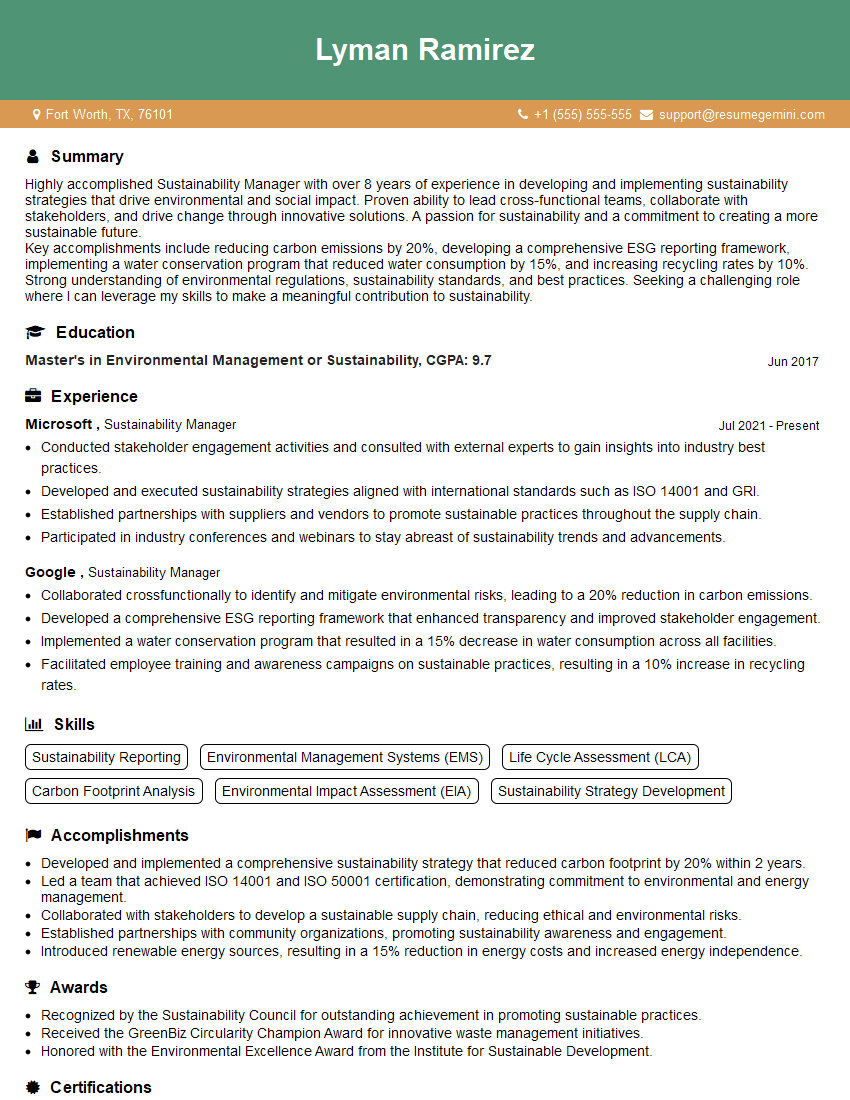
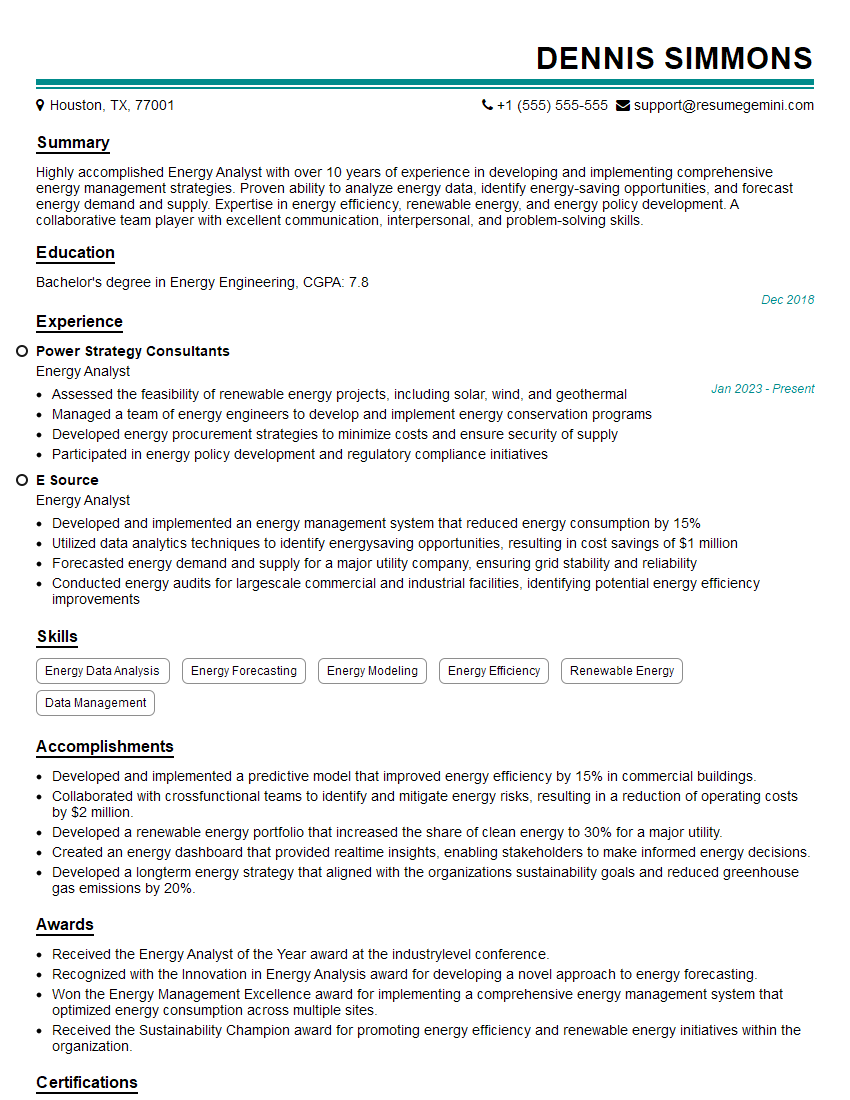
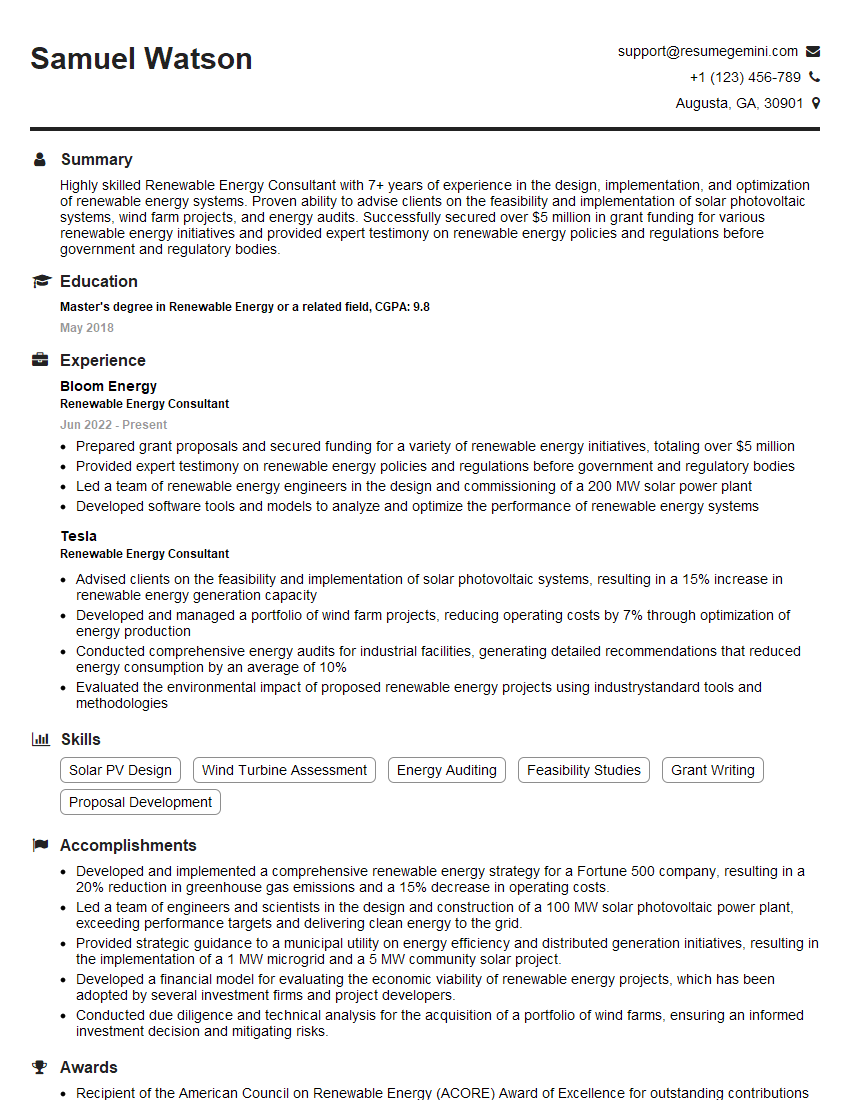
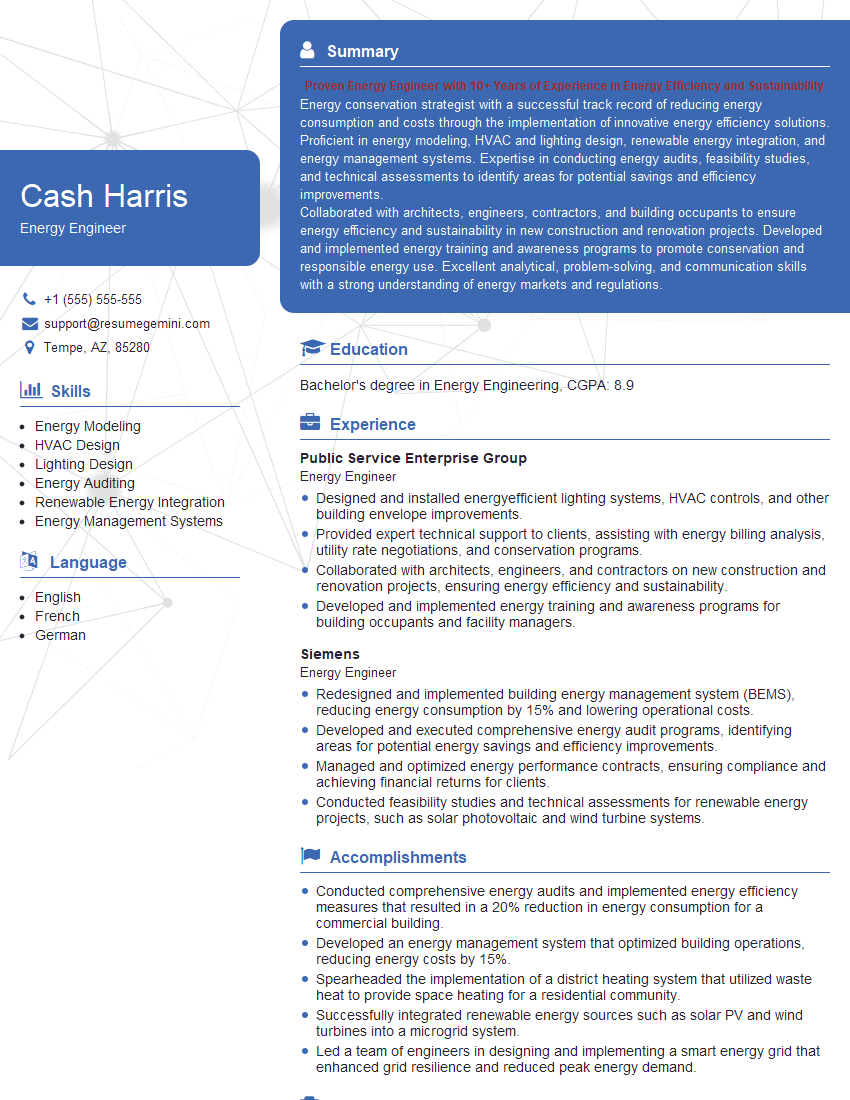
Mastering Building Energy Audits opens doors to a rewarding career with significant growth potential in a vital field addressing climate change. A strong resume is crucial for showcasing your skills and experience to potential employers. Create an ATS-friendly resume that highlights your technical expertise and quantifiable achievements to maximize your chances of landing your dream job. ResumeGemini is a trusted resource to help you build a compelling and effective resume. We provide examples of resumes tailored to Building Energy Audits to help guide you through the process. Take the next step towards your career success today!

Explore more articles
Users Rating of Our Blogs
Share Your Experience
We value your feedback! Please rate our content and share your thoughts (optional).
What Readers Say About Our Blog
Very informative content, great job.
good