Interviews are more than just a Q&A session—they’re a chance to prove your worth. This blog dives into essential Building Strong Relationships with Competitors and Organizers interview questions and expert tips to help you align your answers with what hiring managers are looking for. Start preparing to shine!
Questions Asked in Building Strong Relationships with Competitors and Organizers Interview
Q 1. Describe your experience fostering collaborative relationships with competitors.
Fostering collaborative relationships with competitors requires a strategic approach that prioritizes mutual benefit and long-term industry health. It’s not about abandoning competition entirely, but rather finding areas where collaboration can create win-win scenarios. This often involves identifying shared goals, such as improving industry standards, advocating for favorable regulations, or addressing common challenges.
In my experience, I’ve successfully built relationships by focusing on open communication, transparency, and a clear understanding of each party’s objectives. For instance, I worked with a competitor on a joint industry initiative to develop a new sustainability standard. This involved regular meetings, shared data, and a commitment to compromise. The result was a stronger industry standard that benefited all participants and improved our collective image with consumers.
Another effective approach is to focus on non-core areas. If a competitor excels in a specific area that isn’t a direct threat to my company’s core competency, a collaborative partnership could be beneficial. A shared research project or joint marketing effort could help both companies tap into new markets or improve efficiency without sacrificing competitive edge in our core business.
Q 2. How have you leveraged competitor insights to improve your organization’s strategies?
Competitor insights are invaluable for refining organizational strategies. By analyzing a competitor’s strengths and weaknesses, market positioning, and customer feedback, we can identify gaps in our own offerings, potential areas for improvement, and opportunities for innovation.
For example, I once observed a competitor successfully launching a new product line that targeted a niche market we hadn’t previously considered. This insight prompted us to conduct thorough market research, identify similar customer needs within our own customer base, and ultimately develop a complementary product that captured a significant portion of that same niche. This prevented us from overlooking a substantial growth opportunity.
Beyond product development, competitor analysis helps optimize pricing strategies, marketing campaigns, and even internal processes. For example, by analyzing a competitor’s marketing approach, we adjusted our own content strategy to better resonate with our target audience resulting in a marked increase in engagement.
Q 3. Explain a time you successfully negotiated a mutually beneficial agreement with a competitor.
In one instance, our company faced a critical shortage of a specific raw material, which was also crucial for a key competitor. Instead of competing for the limited supply, we initiated discussions with them. We jointly approached our supplier, highlighting the criticality of the material and our combined purchasing power. This collaborative approach led to a more favorable supply agreement for both organizations, securing a consistent supply at a reduced cost.
This negotiation was successful because it was built on mutual respect and a recognition that cooperation yielded better outcomes than fierce competition. Open communication, a willingness to compromise, and a focus on shared benefits were crucial elements in achieving this mutually beneficial agreement. We established clear expectations and documented our agreement meticulously to avoid future conflicts.
Q 4. How do you identify potential partners or collaborators within your industry?
Identifying potential partners and collaborators involves a multi-faceted approach. It begins with thorough industry research, analyzing market trends, competitor activities, and emerging technologies. Attending industry conferences and trade shows offers excellent networking opportunities to connect with individuals from various organizations.
I also leverage online resources, such as industry publications, professional networks (LinkedIn), and company websites to identify organizations with complementary strengths or shared interests. Analyzing their publications, press releases, and presentations provides valuable insights into their strategic goals, potential areas of collaboration, and company culture.
Moreover, participating in industry-specific committees or working groups allows for direct engagement with potential partners, fostering relationships and identifying shared goals. Building a strong professional network is key, as personal referrals often lead to the most fruitful collaborations.
Q 5. Describe your approach to building trust and rapport with individuals from competing organizations.
Building trust and rapport with individuals from competing organizations requires building a relationship based on respect, transparency, and mutual understanding. It’s crucial to approach these relationships with professionalism, actively listening to their perspectives, and demonstrating a genuine interest in their company and its goals.
I always begin by focusing on common ground, identifying shared challenges or industry-wide issues we can address collaboratively. This helps establish a common objective and fosters a sense of partnership rather than confrontation. Open communication is paramount; I ensure regular communication and maintain transparency regarding our intentions and objectives.
Demonstrating integrity and reliability is crucial in building trust. Following through on commitments, even small ones, and consistently acting ethically reinforce confidence and strengthen the relationship. Finally, maintaining a professional and respectful demeanor, even in disagreements, builds mutual respect and fosters a productive collaborative environment.
Q 6. How do you manage conflicts that may arise when working with competitors?
Conflicts are inevitable in any collaborative relationship, even with competitors. My approach centers on proactive communication and conflict resolution strategies. I advocate for addressing disagreements promptly and directly, ensuring a clear understanding of each party’s perspectives.
I use a structured approach to conflict resolution, typically employing a collaborative problem-solving technique. This involves open communication, active listening, and a commitment to finding mutually acceptable solutions. I encourage brainstorming alternative solutions and focusing on objective criteria when evaluating options. Mediation by a neutral third party may be necessary in complex situations.
It’s crucial to remember that maintaining a respectful and professional demeanor throughout the process is vital to preserving the relationship. The goal is not to win the argument, but to find a resolution that benefits all parties involved and maintains the integrity of the collaborative partnership.
Q 7. What metrics do you use to measure the success of collaborative relationships?
Measuring the success of collaborative relationships requires a multi-faceted approach that extends beyond financial metrics alone. While financial benefits, such as reduced costs or increased revenue, are important indicators, they don’t tell the whole story.
I also track qualitative factors such as the efficiency of collaborative processes, the quality of deliverables, the strength of the working relationship, and the level of trust and communication between the parties. Regular feedback sessions and surveys help gauge satisfaction and identify areas for improvement.
Specific metrics could include the successful completion of joint projects on time and within budget, improvements in industry standards or regulatory outcomes, an increase in market share for all participating parties (where applicable), and the overall enhanced reputation of the organizations involved. Regular monitoring of these indicators allows us to assess the effectiveness of the collaborative effort and make necessary adjustments to maximize the overall benefits.
Q 8. How do you ensure alignment of goals and objectives when working with external partners?
Ensuring alignment of goals and objectives with external partners is crucial for successful collaboration. It’s like building a house – everyone needs to agree on the blueprint before construction begins. I start by facilitating a thorough needs assessment, understanding each partner’s strategic priorities and desired outcomes. This involves open dialogue, active listening, and a collaborative brainstorming session to identify shared goals. We then translate these shared goals into specific, measurable, achievable, relevant, and time-bound (SMART) objectives, clearly outlining responsibilities and deliverables for each party. Regular progress reviews, using clear metrics, help keep everyone on track and address any deviations early. For example, in a recent project with a marketing agency and a technology provider, we jointly defined SMART objectives focusing on increasing brand awareness and website traffic, assigning roles and measuring success using specific KPIs like website visits and social media engagement. This ensured everyone worked towards the same ultimate goal.
Q 9. Explain your experience in managing multiple stakeholder relationships simultaneously.
Managing multiple stakeholder relationships simultaneously requires a structured approach and strong organizational skills. Think of it as conducting an orchestra – you need to coordinate various instruments to create harmonious music. I utilize a relationship management system to track interactions, deadlines, and communication preferences for each stakeholder group. This helps prioritize tasks and maintain consistent communication. I also proactively schedule regular check-in meetings, tailoring the communication style and content to each stakeholder’s needs and preferences. For example, I’d communicate progress updates to executives via concise reports and presentations, while holding more detailed discussions with project teams. Open and honest communication is essential, ensuring transparency and prompt addressing of concerns. A recent project involved balancing relationships with investors, regulatory bodies, and internal teams. Using my CRM system and a clear communication plan enabled me to efficiently manage information flow and maintain positive relationships with all stakeholders.
Q 10. How do you navigate ethical considerations when interacting with competitors?
Navigating ethical considerations when interacting with competitors requires a strong ethical compass and a clear understanding of legal boundaries. This is paramount for maintaining trust and building long-term relationships, even with rivals. Transparency and honesty are key. I always avoid sharing confidential information or engaging in activities that could be considered unfair competition. Instead, I focus on building relationships based on mutual respect and professional conduct. For instance, collaborating on industry initiatives or participating in joint ventures can foster trust and improve understanding, even with competitors. If a situation arises where ethical concerns are unclear, I seek guidance from legal counsel and internal ethics committees to ensure compliance with all regulations and uphold the highest ethical standards. This approach helps establish credibility and builds trust, which is far more valuable in the long run than any short-term gain achieved through unethical practices.
Q 11. Describe a time you had to adapt your approach to relationship building due to unforeseen circumstances.
Adaptability is crucial in relationship building. During a project with a major manufacturing partner, we faced an unexpected supply chain disruption due to a natural disaster. Our initial strategy of relying on a single supplier had to be revised immediately. We quickly adapted by diversifying our sourcing, engaging in open and honest communication with our partner about the challenges, and collaboratively exploring alternative solutions. This included securing supplies from secondary vendors and adjusting production schedules to minimize delays. This transparent communication and collaborative problem-solving not only mitigated the immediate crisis but also strengthened our partnership, highlighting our commitment to working through challenges together. Open communication and a willingness to adjust strategies are key to navigating unexpected circumstances successfully.
Q 12. How do you effectively communicate complex information to diverse stakeholders?
Effective communication with diverse stakeholders requires tailoring your message to their specific needs and understanding. It’s akin to speaking different languages; you need to adapt your vocabulary and style accordingly. I use a multi-faceted approach: I start by carefully defining my audience, considering their technical expertise, communication preferences, and level of interest. Then, I structure my message accordingly, simplifying technical jargon where needed and using visual aids, such as charts and graphs, to enhance understanding. I also choose the most appropriate communication channel – a formal presentation for senior executives, a concise email for a quick update, or a more casual meeting for a project team. For example, when presenting complex financial data to non-financial stakeholders, I would use clear visuals and analogies to illustrate key points, ensuring everyone understands the implications.
Q 13. How do you identify and mitigate risks associated with collaborative partnerships?
Identifying and mitigating risks in collaborative partnerships requires a proactive approach. Think of it like a safety inspection before a flight. I start by conducting a thorough due diligence process, carefully evaluating each partner’s financial stability, reputation, and capacity to deliver on its commitments. I then develop a risk assessment matrix, identifying potential risks, their likelihood, and their potential impact. For each identified risk, I develop mitigation strategies, which could include contingency plans, insurance policies, or performance-based incentives. Regular monitoring and communication are critical to track the effectiveness of these mitigation measures and adjust strategies as needed. A clear contract outlining responsibilities, deliverables, and dispute resolution mechanisms is essential to minimize legal and financial risks. This proactive approach enables us to proactively address potential challenges and maintain smooth, productive partnerships.
Q 14. What strategies do you employ to maintain long-term relationships with partners?
Maintaining long-term relationships requires consistent effort and mutual respect. It’s like nurturing a garden – you need to provide consistent care to ensure it thrives. I prioritize open and honest communication, proactively sharing updates, successes, and challenges. Regular check-in meetings and informal social interactions help maintain strong rapport. I also celebrate successes together, acknowledge contributions, and proactively seek feedback. When challenges arise, I focus on collaborative problem-solving, viewing them as opportunities to strengthen the partnership. Investing in shared professional development opportunities can also foster deeper bonds and shared learning. By fostering mutual trust and demonstrating a commitment to long-term success, I ensure the longevity and sustainability of these valuable partnerships.
Q 15. How do you leverage technology to facilitate communication and collaboration with external partners?
Leveraging technology is crucial for efficient communication and collaboration with external partners. It streamlines processes, enhances transparency, and fosters a more agile working environment. My approach involves a multi-faceted strategy.
Project Management Software: Tools like Asana, Trello, or Monday.com provide centralized platforms for task assignment, progress tracking, and file sharing. This ensures everyone is on the same page, regardless of location.
Video Conferencing: Platforms like Zoom, Microsoft Teams, or Google Meet are invaluable for holding regular virtual meetings, brainstorming sessions, and informal check-ins. Face-to-face interaction, even virtually, builds stronger rapport and facilitates quicker problem-solving.
Secure Communication Channels: Using encrypted email and instant messaging platforms ensures confidentiality and protects sensitive information shared with partners. This builds trust and establishes a secure foundation for collaboration.
Data Sharing and Collaboration Platforms: Platforms like SharePoint or Google Drive allow for seamless sharing and co-editing of documents, spreadsheets, and presentations, promoting real-time collaboration and reducing version control issues.
For example, in a recent project with a design firm, we utilized a combination of Asana for task management, Zoom for weekly progress meetings, and Google Drive for sharing design files and feedback. This streamlined workflow significantly improved efficiency and communication.
Career Expert Tips:
- Ace those interviews! Prepare effectively by reviewing the Top 50 Most Common Interview Questions on ResumeGemini.
- Navigate your job search with confidence! Explore a wide range of Career Tips on ResumeGemini. Learn about common challenges and recommendations to overcome them.
- Craft the perfect resume! Master the Art of Resume Writing with ResumeGemini’s guide. Showcase your unique qualifications and achievements effectively.
- Don’t miss out on holiday savings! Build your dream resume with ResumeGemini’s ATS optimized templates.
Q 16. How do you assess the potential value of a collaborative partnership before committing resources?
Assessing the potential value of a partnership requires a thorough due diligence process. I use a framework that considers strategic alignment, resource compatibility, and risk assessment.
Strategic Alignment: Does the partnership align with our overarching strategic goals? Will it enhance our market position, expand our capabilities, or access new customer segments? This involves a careful analysis of both organizations’ missions, vision, and long-term objectives.
Resource Compatibility: Do we possess complementary resources and expertise? Will the partnership leverage each other’s strengths, minimizing redundancies and maximizing synergies? This includes evaluating technological infrastructure, personnel skills, and financial capabilities.
Risk Assessment: What are the potential risks and challenges associated with the partnership? How will these be mitigated? This involves identifying potential conflicts of interest, reputational risks, or operational difficulties.
Financial Projections: We develop detailed financial models to project potential returns and costs associated with the partnership. This allows us to assess the potential ROI and make informed decisions about resource allocation.
For instance, before partnering with a logistics company, we analyzed their track record, their network reach, and their technological capabilities. We also conducted a thorough financial analysis to ensure that the potential gains outweighed the risks and costs involved.
Q 17. Describe a time you had to compromise to reach a mutually beneficial agreement with a partner.
In a project with a competitor to develop a joint industry standard, we faced a significant disagreement regarding the intellectual property rights associated with the resulting standard. They wanted more restrictive licensing terms than we felt were appropriate for wider adoption.
To reach a mutually beneficial agreement, we compromised by adopting a tiered licensing system. This system allowed for more restrictive licensing for certain components while allowing more open licensing for others. This addressed their concerns regarding protection of their innovations, while ensuring broad industry adoption of the standard, which benefited both our companies.
The key was open communication, a willingness to understand their perspective, and a collaborative search for creative solutions. It wasn’t just about finding a middle ground; it was about finding a solution that addressed the underlying concerns of both parties.
Q 18. How do you handle disagreements or differing opinions during collaborative projects?
Handling disagreements is inevitable in any collaborative project. My approach prioritizes open communication, active listening, and a focus on finding solutions that benefit all parties involved.
Open Dialogue: I encourage partners to express their opinions and concerns openly and respectfully. Creating a safe space for differing viewpoints is crucial.
Active Listening: Understanding each partner’s perspective is paramount. I ensure everyone feels heard and understood before attempting to resolve the disagreement.
Collaborative Problem-Solving: Instead of focusing on blame, we collaboratively brainstorm solutions. We look for common ground and explore options that address everyone’s concerns.
Mediation (if necessary): If disagreements escalate, I might involve a neutral third party to mediate the discussions and facilitate a constructive resolution.
For example, during a joint marketing campaign, we had a disagreement over budget allocation. By openly discussing our respective priorities and concerns, we were able to reallocate the budget in a way that satisfied everyone’s needs.
Q 19. What is your approach to resolving conflicts among partners or stakeholders?
Resolving conflicts requires a structured and fair approach. My approach emphasizes early intervention, clear communication, and a focus on finding solutions that are both equitable and sustainable.
Early Intervention: Address issues promptly before they escalate into major conflicts. Regular communication and proactive conflict management helps prevent larger problems.
Define the Problem Clearly: Before proposing solutions, it’s critical to define the conflict clearly and objectively, separating the issue from personalities.
Identify Root Causes: Often, conflicts stem from underlying issues. Investigating and addressing the root cause is more effective than just treating the symptoms.
Brainstorm Solutions Collaboratively: Involve all stakeholders in the brainstorming process. Explore different solutions and evaluate their feasibility and impact.
Document Agreements: Once a solution is agreed upon, document it clearly to avoid future misunderstandings.
For instance, we once encountered a conflict between two partners regarding delivery timelines. By defining the problem clearly, identifying the root cause (resource constraints), and collaboratively brainstorming solutions (adjusting timelines, resource allocation), we successfully resolved the conflict.
Q 20. How do you ensure that all partners are contributing fairly and equitably to a collaborative effort?
Ensuring equitable contribution requires establishing clear expectations, transparent communication, and regular performance monitoring.
Clear Roles and Responsibilities: From the outset, clearly define each partner’s roles, responsibilities, and deliverables. This prevents confusion and ensures everyone understands their contribution.
Regular Progress Updates: Establish regular communication channels for progress updates and feedback. This ensures transparency and allows for early identification of potential imbalances.
Performance Metrics: Define specific, measurable, achievable, relevant, and time-bound (SMART) metrics to track each partner’s contribution. This provides objective data for assessing fairness.
Open Communication: Create a safe space for partners to voice concerns about workload or contribution. Addressing issues promptly is crucial.
In a recent project, we used a shared project management platform to track individual contributions, ensuring everyone was accountable for their tasks and allowing for real-time monitoring of progress. This transparency fostered a sense of fairness and ensured everyone contributed equitably.
Q 21. How do you measure the return on investment (ROI) of collaborative partnerships?
Measuring the ROI of collaborative partnerships requires a multifaceted approach, going beyond simple financial metrics to encompass broader strategic objectives.
Financial Metrics: Track key financial indicators such as increased revenue, reduced costs, and improved profitability resulting from the partnership. This may involve comparing performance before and after the partnership.
Market Share Gains: Assess the impact of the partnership on market share. Did the collaboration lead to increased market penetration or access to new customer segments?
Brand Enhancement: Evaluate the impact on brand perception and reputation. Did the collaboration enhance the brand image and increase customer loyalty?
Innovation and Knowledge Sharing: Assess the extent of innovation and knowledge transfer generated by the partnership. Did the collaboration lead to new products, processes, or expertise?
Operational Efficiency: Evaluate improvements in operational efficiency such as streamlined processes or reduced operational costs.
For example, in a joint venture, we tracked increased sales, market share gains, and improved operational efficiencies. We also assessed the impact on brand reputation and customer loyalty through surveys and market research. This holistic approach provided a comprehensive measure of the partnership’s overall ROI.
Q 22. Describe your experience in developing and implementing strategies to build relationships with industry organizers.
Building relationships with industry organizers requires a strategic, long-term approach focused on mutual benefit. My experience involves identifying shared goals, crafting collaborative projects, and consistently demonstrating value. This isn’t about one-off interactions but rather cultivating ongoing partnerships.
For instance, in my previous role, I identified a need for improved industry standards in sustainable practices. I collaborated with the leading industry organization by offering our company’s expertise in data analytics to help them create a robust benchmarking system. This collaboration resulted in not only a beneficial tool for the organization but also increased visibility and credibility for my company. The success stemmed from actively listening to their needs, offering solutions, and demonstrating a genuine interest in their mission.
- Strategic Planning: I begin by clearly defining the shared goals and mutual benefits. What can we achieve together that neither of us could achieve alone?
- Value Proposition: What unique value can my organization bring to the table for the organizer? This could be expertise, resources, networking opportunities, or financial support.
- Long-Term Vision: I focus on establishing a lasting relationship, not just transactional interactions. This involves regular communication and consistent demonstration of commitment.
Q 23. How do you identify key influencers or decision-makers within industry organizations?
Identifying key influencers and decision-makers requires a multi-pronged approach combining research and relationship building. It’s not just about titles; it’s about understanding who truly holds the power to influence decisions and shape the organization’s direction.
I start by thoroughly researching the organization’s structure, publications, and online presence. This helps me identify individuals frequently quoted, involved in key initiatives, or holding leadership roles on committees related to my area of interest. Attending industry events, actively engaging in online forums, and leveraging professional networks are also crucial steps. I pay attention to who’s actively participating in discussions, leading initiatives, and shaping the overall narrative. For example, identifying the chair of a key committee or the editor of their flagship publication is a good starting point. Once identified, I then focus on building a genuine professional relationship with them, understanding their priorities and how my company can help them achieve their goals.
Q 24. What strategies do you use to engage with industry organizers and build strong working relationships?
Engaging with industry organizers and building strong relationships is about more than just networking; it’s about consistently delivering value and demonstrating genuine partnership.
- Proactive Engagement: I don’t wait to be invited; I actively seek out opportunities to contribute to the organization’s initiatives. This might involve volunteering to speak at events, participating in working groups, or offering resources.
- Value-Driven Collaboration: I always focus on how my company can provide tangible value to the organizer. This could range from providing expertise, sponsoring events, or co-creating educational content.
- Open Communication: Maintaining consistent and transparent communication is critical. Regular updates, proactive problem-solving, and willingness to listen are essential elements.
- Relationship Building: It’s important to build relationships on mutual trust and respect. I focus on understanding the organization’s culture and values, adapting my approach accordingly and demonstrating genuine interest in their success.
For example, I once partnered with an industry association to create a series of webinars on a newly emerging technology. This provided valuable educational content for their members while increasing our company’s visibility and establishing us as a thought leader in the field.
Q 25. How do you navigate the complexities of different organizational cultures when working with partners?
Navigating different organizational cultures requires adaptability and sensitivity. Each organization has its own unique communication style, decision-making processes, and priorities. Ignoring these differences can lead to misunderstandings and damaged relationships.
My approach involves thorough research beforehand to understand the organizational culture. I look for clues in their communication materials, website, and social media presence. I then adapt my communication style and approach to align with their norms. For example, some organizations are very formal, while others prefer a more informal and collaborative approach. Recognizing this distinction and adjusting my communication accordingly is crucial. Active listening, paying close attention to both verbal and nonverbal cues, and being respectful of their processes are paramount.
Q 26. How do you maintain a positive and productive relationship with partners who may have conflicting priorities?
Maintaining positive relationships with partners who have conflicting priorities requires skillful negotiation, compromise, and a focus on finding mutually beneficial solutions. It’s about prioritizing shared goals while acknowledging and addressing divergent interests.
Open and honest communication is key. I facilitate discussions to identify areas of agreement and disagreement, exploring potential compromises and trade-offs. This may involve prioritizing tasks, redefining scopes, or finding creative solutions that address the needs of all parties. It’s also about being flexible and understanding. Sometimes, adjusting priorities or timelines might be necessary to maintain a healthy working relationship. For example, I once worked with two partners who had vastly different visions for a joint project. Through open communication and careful negotiation, we were able to define distinct phases of the project, allowing each partner to focus on their priorities while still achieving our common goals.
Q 27. How do you balance the needs of different stakeholders when managing collaborative projects?
Balancing the needs of different stakeholders in collaborative projects requires a structured approach focused on clear communication, transparency, and equitable decision-making.
I employ a collaborative project management approach, involving all stakeholders in setting objectives, defining roles, and establishing clear timelines. Regular progress updates, open forums for feedback, and proactive conflict resolution are essential. I use tools like Gantt charts and stakeholder matrices to visualize project progress and stakeholder priorities. This allows for better tracking and proactive adjustment to ensure everyone’s concerns are addressed. It’s crucial to create a sense of shared ownership and responsibility, fostering a spirit of collaboration where everyone feels heard and valued. This minimizes potential conflict and maximizes the likelihood of a successful outcome.
Q 28. How do you adapt your communication style to suit the needs of different partners and stakeholders?
Adapting communication style is crucial for effective collaboration. My approach involves understanding each partner’s communication preferences and adapting accordingly.
I consider factors such as communication style (direct vs. indirect), preferred channels (email, phone, in-person), and level of formality. For example, some partners might prefer concise, data-driven communication, while others might prefer more detailed explanations and contextual information. I tailor my messaging to match their preferences, using clear, concise language and appropriate channels. Active listening and seeking feedback also ensure my communication style resonates and builds trust. This adaptive approach fosters stronger relationships and ensures that communication is effective and well-received by all stakeholders.
Key Topics to Learn for Building Strong Relationships with Competitors and Organizers Interview
- Understanding Competitive Landscapes: Analyzing industry dynamics, identifying key competitors, and assessing their strengths and weaknesses. This includes understanding market share, competitive strategies, and potential collaborations.
- Strategic Partnerships and Collaboration: Exploring opportunities for mutually beneficial relationships with competitors, focusing on areas where collaboration can create value for all parties. This might involve shared resources, joint ventures, or information exchange (where legally and ethically permissible).
- Effective Communication and Negotiation: Mastering techniques for building rapport, establishing trust, and negotiating win-win outcomes with competitors and organizers. This includes active listening, clear communication, and conflict resolution skills.
- Building Trust and Maintaining Professionalism: Understanding the importance of ethical conduct and maintaining professional boundaries while fostering strong relationships. This involves respecting confidentiality and demonstrating integrity in all interactions.
- Managing Conflict and Disagreements: Developing strategies for resolving conflicts professionally and constructively, focusing on finding common ground and maintaining positive working relationships. This includes mediation and compromise techniques.
- Long-Term Relationship Building: Recognizing that building strong relationships takes time and consistent effort. This involves proactive communication, follow-up, and ongoing relationship maintenance.
- Legal and Ethical Considerations: Understanding the legal and ethical implications of collaborating with competitors, ensuring compliance with antitrust laws and other relevant regulations.
Next Steps
Mastering the art of building strong relationships with competitors and organizers is crucial for career advancement. It demonstrates strategic thinking, collaboration skills, and a sophisticated understanding of the business landscape. To significantly increase your job prospects, crafting an ATS-friendly resume is essential. ResumeGemini is a trusted resource that can help you build a professional and impactful resume that showcases these crucial skills. Examples of resumes tailored to highlight experience in building strong relationships with competitors and organizers are available, allowing you to see practical application of these concepts. Invest time in building a strong resume – it’s your first impression on potential employers.
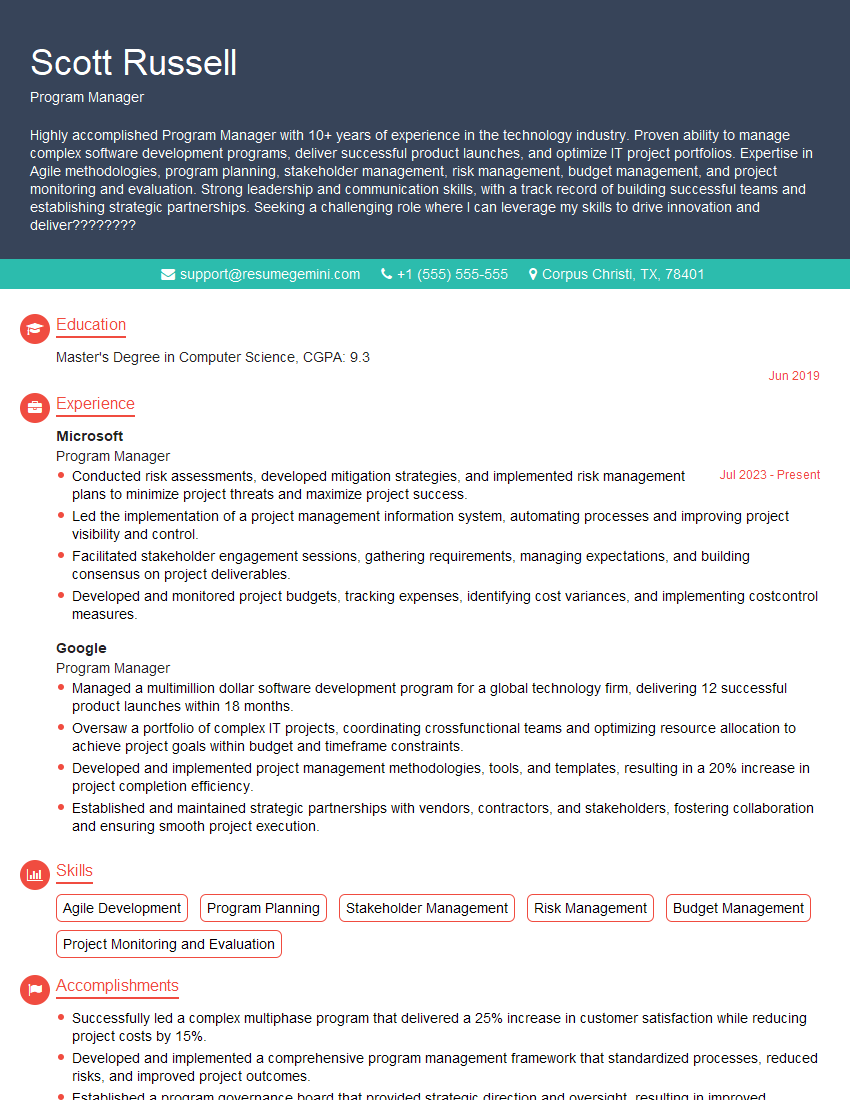
Program Manager Resume Sample

Operations Manager Resume Sample
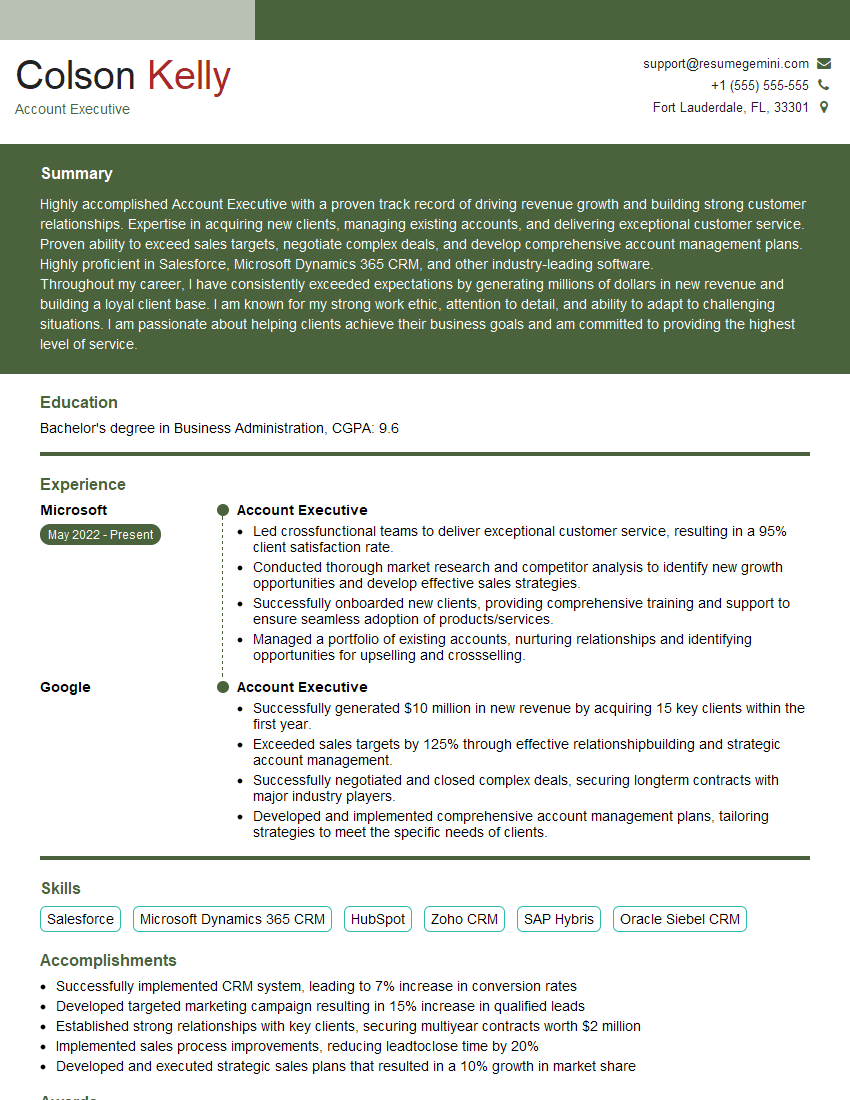
Account Executive Resume Sample
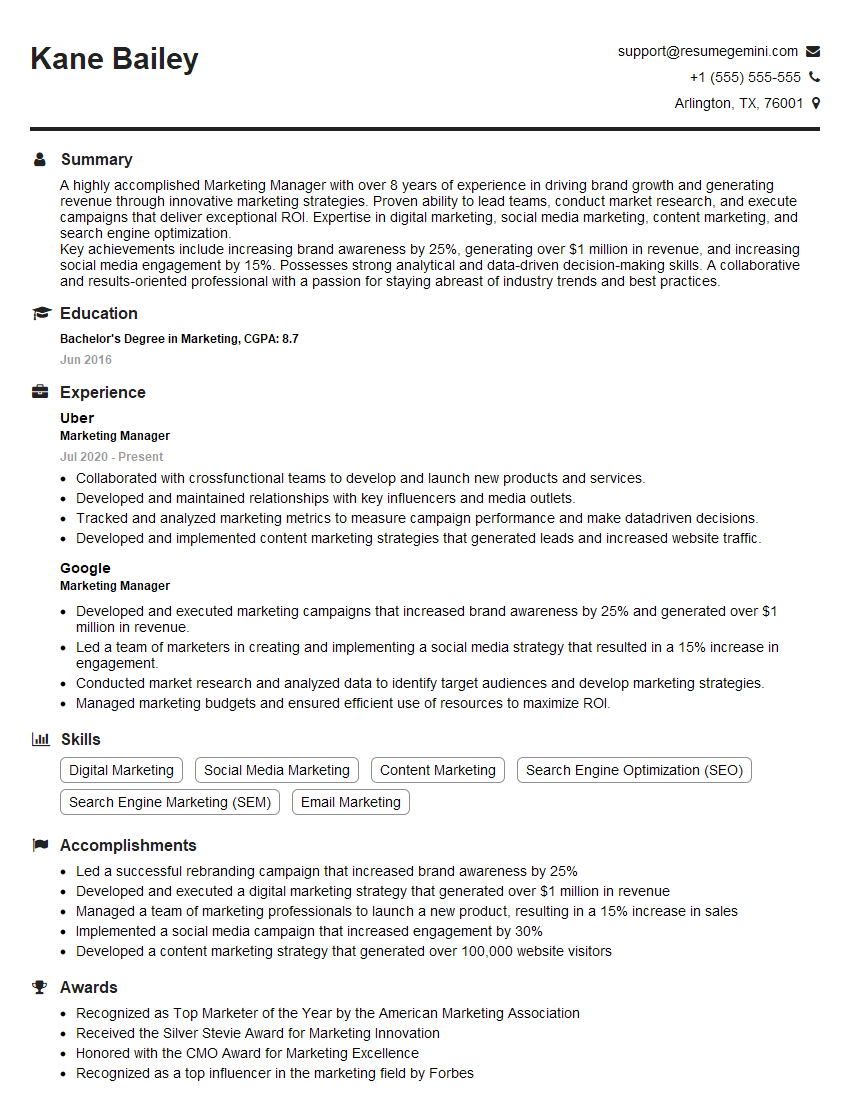
Marketing Manager Resume Sample
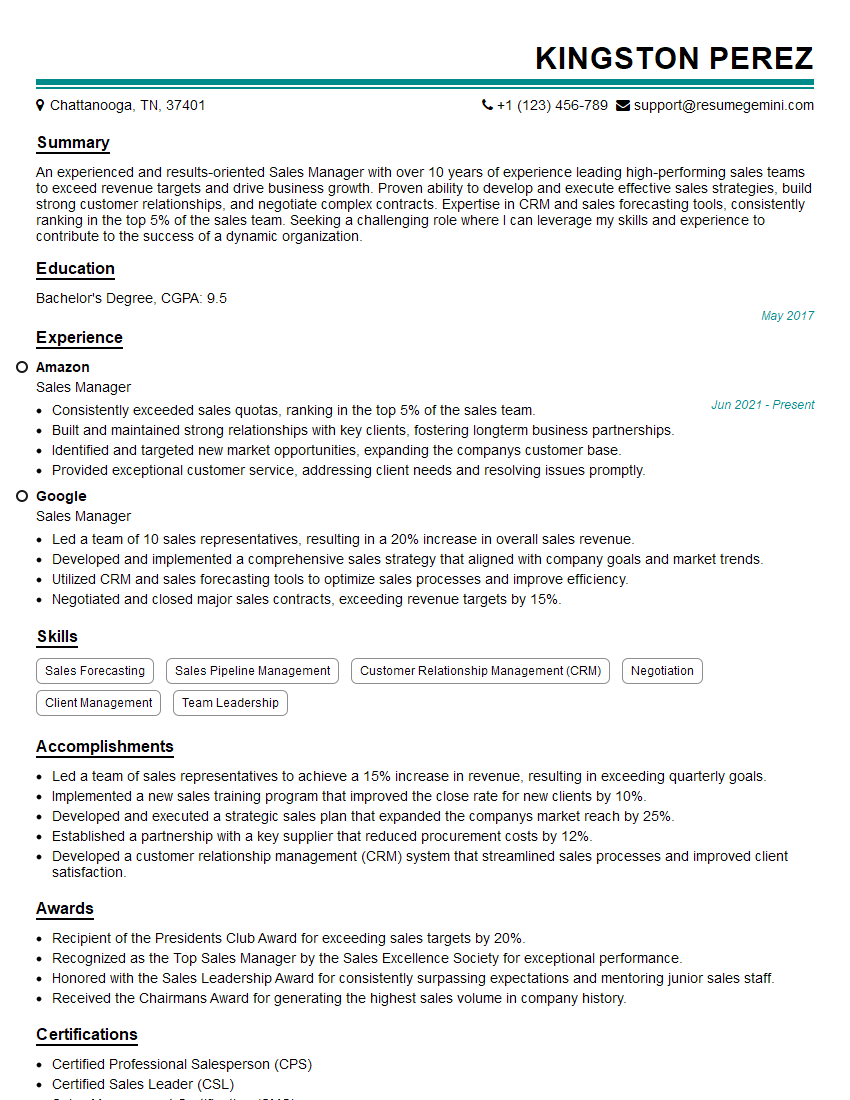
Sales Manager Resume Sample
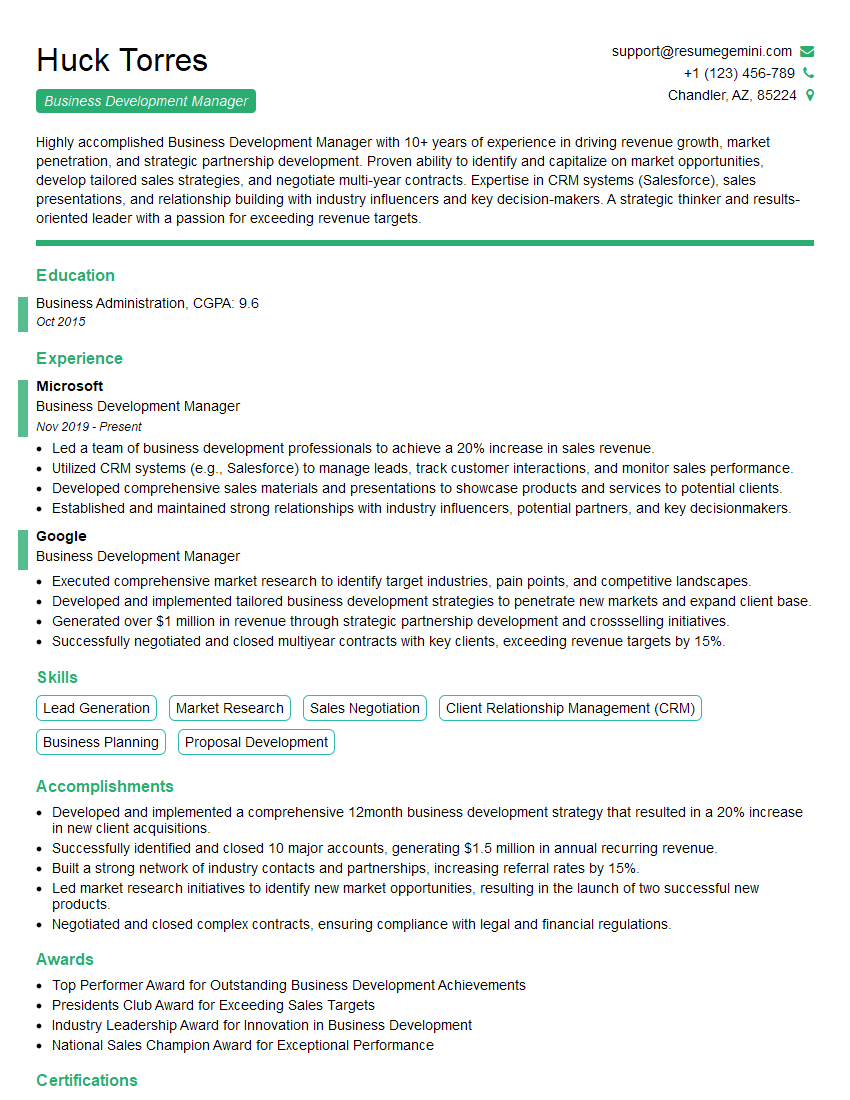
Business Development Manager Resume Sample
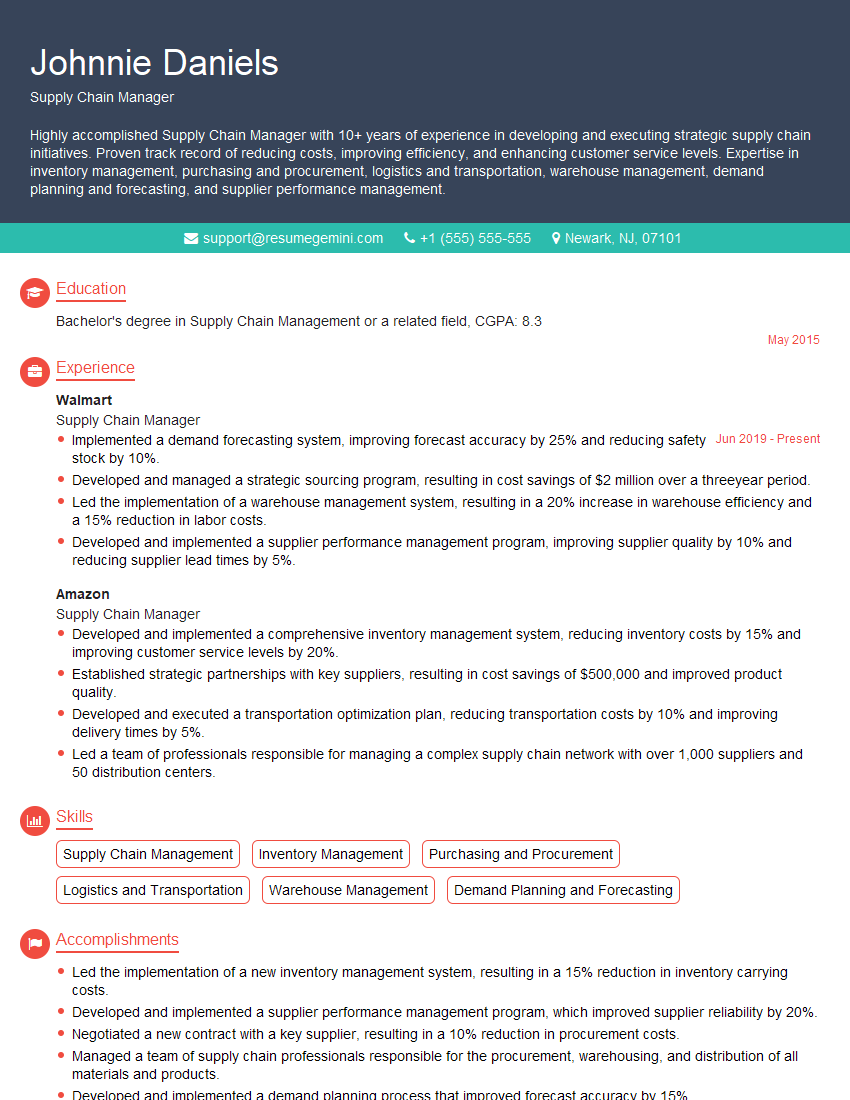
Supply Chain Manager Resume Sample

Project Manager Resume Sample
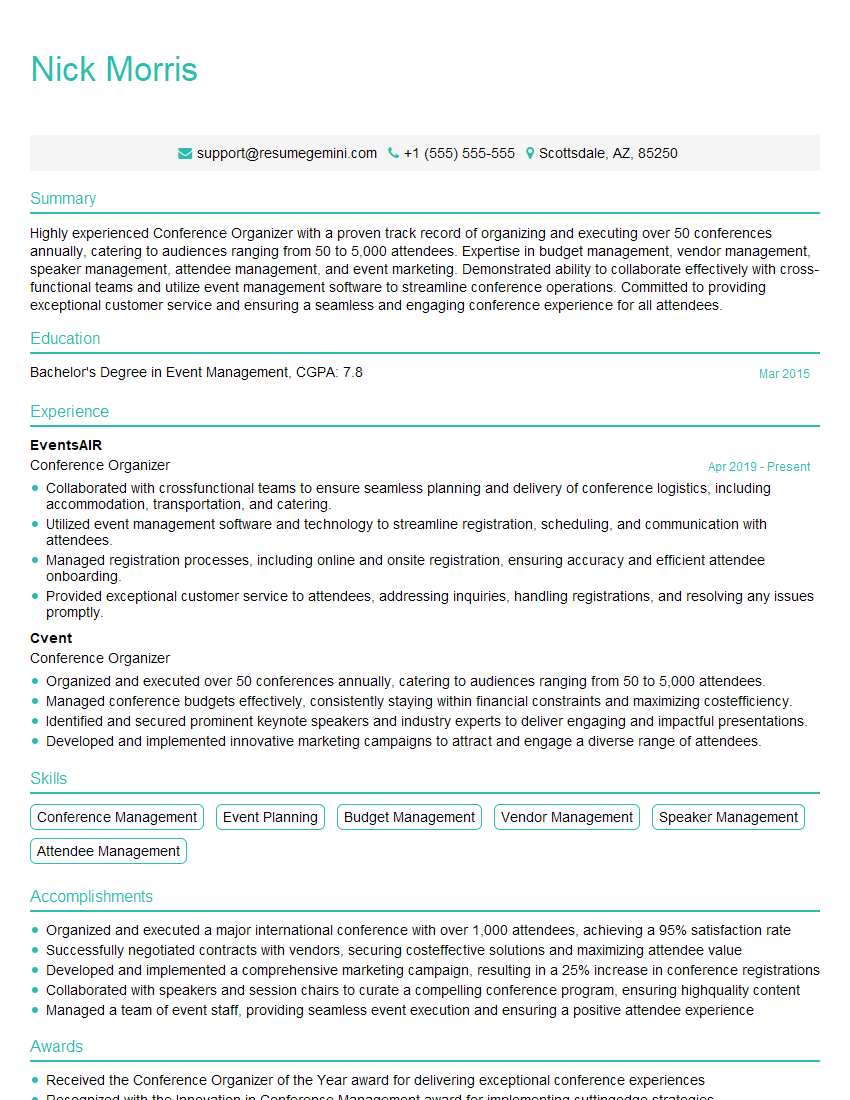
Conference Organizer Resume Sample
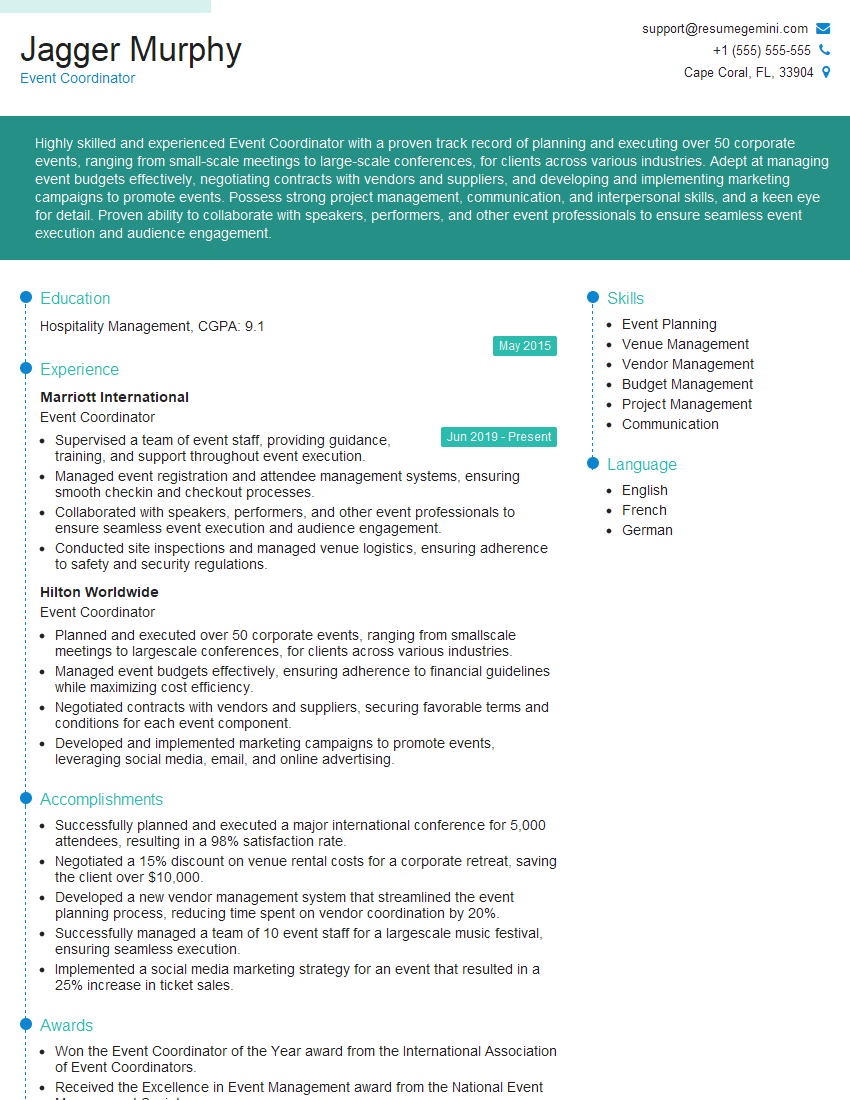
Event Coordinator Resume Sample
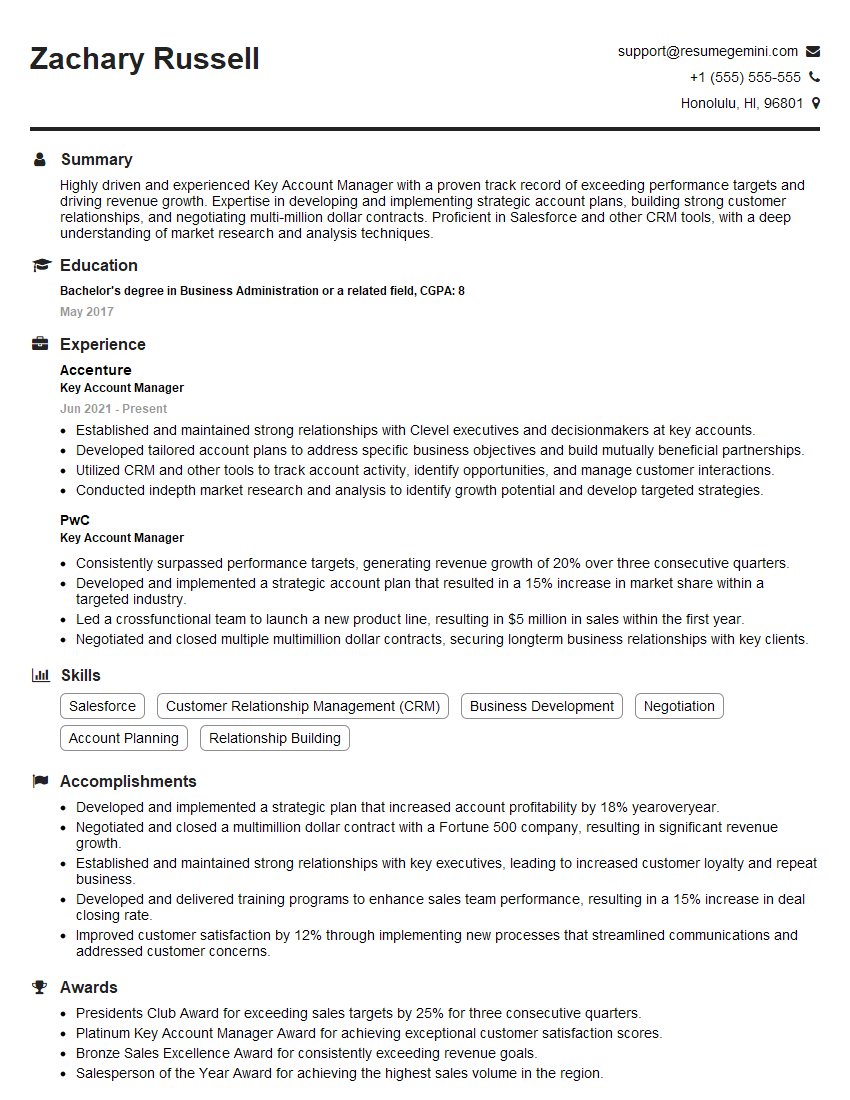
Key Account Manager Resume Sample
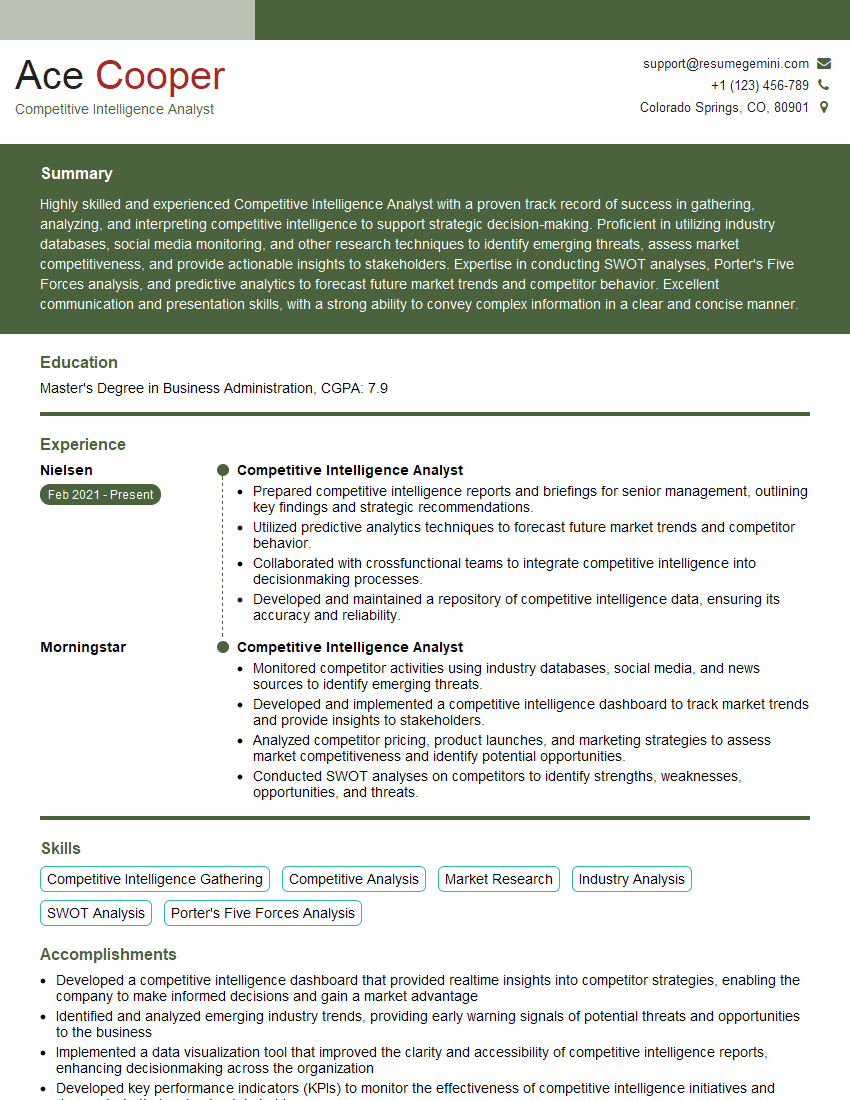
Competitive Intelligence Analyst Resume Sample
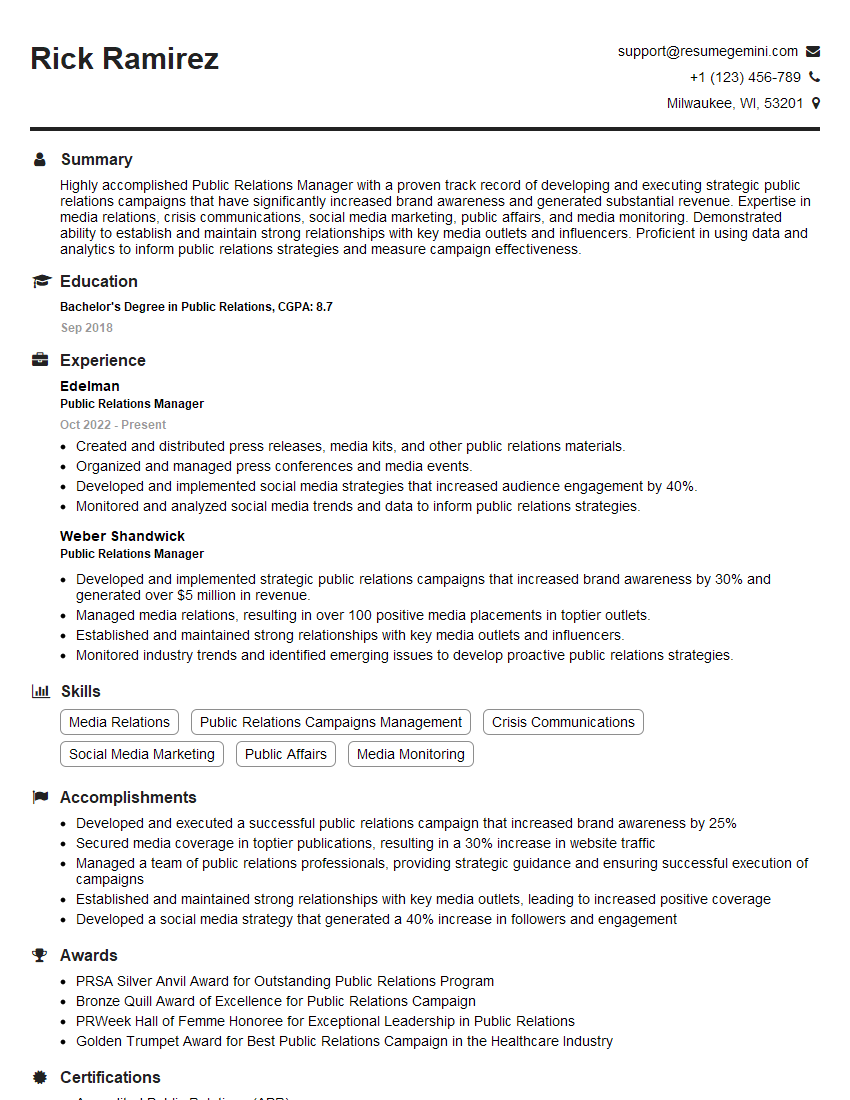
Public Relations Manager Resume Sample
Explore more articles
Users Rating of Our Blogs
Share Your Experience
We value your feedback! Please rate our content and share your thoughts (optional).
What Readers Say About Our Blog
Very informative content, great job.
good