Unlock your full potential by mastering the most common Bullfighting Knowledge and Techniques interview questions. This blog offers a deep dive into the critical topics, ensuring you’re not only prepared to answer but to excel. With these insights, you’ll approach your interview with clarity and confidence.
Questions Asked in Bullfighting Knowledge and Techniques Interview
Q 1. Describe the different passes in bullfighting.
Bullfighting passes, or suertes, are the different maneuvers a matador executes to provoke the bull and showcase skill. They are categorized based on the cape used (muleta, capote) and the bull’s reaction. The goal is to control the bull’s charge while maintaining elegance and precision. Let’s look at some key examples:
- Verónica: A fundamental pass performed with the capote (larger cape). The matador uses a flowing, rhythmic movement to guide the bull’s charge, often drawing it in close before gracefully sidestepping. Think of it as a dance with the beast.
- Pase de pecho: Another capote pass where the matador positions themselves with their chest slightly facing the bull, guiding the charge with a sweeping motion across the body. This demands exceptional timing and bravery.
- Mantilla: A pass performed with a smaller, decorative cape often featuring lace or embroidery. It’s used to showcase the matador’s artistry, frequently incorporating more fluid, artistic movements.
- Muletazo natural: This is a fundamental pass with the muleta (smaller, red cape). The matador uses a subtle ‘invitation’ to encourage the bull to charge, then executes a precise pass that brings the bull close. It demands an intimate understanding of the bull’s temperament and reactions.
- Pase de pecho with the muleta: Similar to the capote version, but performed with the smaller, stiffer muleta, requiring even greater precision and closeness to the bull.
- Cambio por la espalda: A more advanced pass with the muleta, involving a rapid change in position behind the bull, demonstrating control and supreme agility.
These are just a few of the many passes; each matador develops their personal style and repertoire of passes over time, adapting to each bull’s unique characteristics.
Q 2. Explain the role of the picador in a bullfight.
The picador’s role is a controversial but integral part of the bullfight. Mounted on horseback, the picador uses a lance (pica) to weaken the bull’s charge. This is done by piercing the bull’s shoulder muscles, aiming for the area where the muscle meets the bone – not to kill, but to tire the bull and make him drop his head, making him more manageable for the subsequent stages of the fight. While this part of the bullfight is widely debated due to animal welfare concerns, the traditional justification is to lessen the bull’s aggression and allow the matador to focus on showcasing artistry rather than simply survival.
The picador’s skill lies in precision; a poorly placed lance could severely injure or even kill the bull. The horse is also heavily protected with thick padding to withstand the force of the bull’s charge. The picador’s actions significantly influence the rest of the fight, as a bull weakened too much or not enough will alter the dynamic between the animal and the matador.
Q 3. What are the key safety measures in bullfighting?
Safety in bullfighting is paramount, focusing on the protection of both the bullfighter and the bull itself (though views differ on what constitutes proper protection for the bull). Key measures include:
- Protective clothing: The matador wears a heavily padded suit of lights (traje de luces) beneath his elaborate outer costume, providing crucial protection against the bull’s horns. The padding minimizes the impact of a gore.
- Trained personnel: A bullfight is a highly choreographed event involving many professionals besides the matador, including the picadors, banderilleros (who place darts into the bull), and the cuadrilla (the matador’s support team). Their coordination is essential to ensure the safety of everyone involved.
- Careful selection and preparation of bulls: The bulls are raised and selected specifically for their fighting capabilities, ensuring they’re strong enough for the fight but not overly aggressive. Their health is closely monitored.
- Veterinary care: Veterinarians are present throughout the fight to provide immediate care to both the bull and the matador if needed.
- Understanding of bull behavior: As detailed in other answers, matadors’ deep knowledge of bull behavior is a crucial aspect of safety, allowing them to anticipate the bull’s moves and react appropriately.
Despite these measures, bullfighting is inherently dangerous, and injuries are a risk. The goal is to mitigate risks to the extent possible, not eliminate them entirely.
Q 4. Discuss the importance of understanding bull behavior.
Understanding bull behavior is absolutely critical in bullfighting. A matador’s ability to read a bull’s posture, reactions, and temperament dictates their approach and the success (and safety) of the fight. Bulls are not mindless beasts; they exhibit a wide range of behaviors, including aggression, fear, exhaustion, and even moments of seeming calmness. A skilled matador can interpret these cues to anticipate the bull’s next move. For example:
- Head position: A lowered head often signals an imminent charge.
- Body language: A tense, rigid body indicates alertness and potential aggression, while a relaxed stance might suggest fatigue or a less intense mood.
- Eye contact: Sustained eye contact can indicate a bull is fixated on the matador and preparing to charge.
- Tail movements: A swishing tail can be a sign of agitation or impending action.
By understanding these nuances, the matador can adjust their technique accordingly. Misinterpreting these signals can lead to dangerous situations and potentially serious injuries.
Q 5. How do you assess the temperament of a bull before a fight?
Assessing a bull’s temperament before a fight involves a combination of observation and experience. Breed, size, and physical condition are important factors, but behavior is key. Prior to the fight, the bull is observed in the corrals, its reactions to stimuli noted. This is not a scientific test, but a skilled observation based on years of experience.
Experienced professionals look for clues in the bull’s demeanor: how it reacts to handlers, the intensity of its movements, and its overall level of agitation. A bull might exhibit aggressive behaviors such as pawing the ground, snorting, or tossing its head, offering strong indicators of its temperament. A calmer, more docile bull will show very different behaviors. The information gathered allows the matador to tailor their strategy for the fight. The goal isn’t to judge the bull as ‘good’ or ‘bad,’ but rather to assess its individual characteristics to plan a safe and engaging fight.
Q 6. Explain the use of the muleta and the estoque.
The muleta and the estoque are two essential tools in the matador’s arsenal, representing distinct phases of the fight.
- Muleta: This is a small, red cape, typically made of crimson silk or similar material. It’s stiffer than the capote and is used during the final stages of the fight, after the banderilleros have placed the darts. The muleta is used to closely engage the bull, provoking it to make controlled charges to showcase the matador’s skill and bravery. The matador uses the muleta to perform the most dramatic passes, leading up to the kill.
- Estoque: This is the matador’s sword, a long, thin, sharp blade. It’s used to deliver the final, fatal blow to the bull, aiming for the precise area of the heart and brain to ensure a quick death. This act requires incredible precision and nerves of steel; a single misstep can cause unnecessary suffering to the bull and put the matador in serious danger.
The use of both the muleta and the estoque demands years of practice and dedication to master both the physical skills and the understanding of the bull’s behavior needed for a successful and merciful end to the bullfight.
Q 7. Describe the different types of bullfighting capes.
Different types of capes are used in bullfighting, each serving a specific purpose. The primary distinction is between the capote and the muleta:
- Capote: This is the larger, more flowing cape, typically made of heavier fabric. It’s used in the initial stages of the fight to assess the bull’s temperament and charge, allowing the matador to control the bull’s movements and tire it out. The capote’s size and weight make it particularly effective in performing passes at a distance from the bull.
- Muleta: As described above, this is the smaller, stiffer, red cape used in the final stages of the fight, allowing for much closer engagement with the bull.
- Mantilla: A smaller, decorative cape, often used for more artistic and elegant passes.
Beyond these three main types, variations in color, fabric, and size are used. But the capote and muleta are the cornerstone tools. The choice of cape and the skillful execution of various passes are critical to the success and flow of the bullfight.
Q 8. What are the ethical considerations in bullfighting?
The ethical considerations in bullfighting are complex and highly debated. At the heart of the matter is the animal’s welfare. Critics argue that the inherent violence inflicted upon the bull constitutes animal cruelty, citing the pain and suffering the animal endures. Proponents, however, often point to the tradition’s historical significance, the strict regulations in many regions aiming to minimize suffering, and the argument that the bull’s life is viewed as having value within the context of the spectacle. Ethical considerations also extend to the level of skill and respect shown by the matador, emphasizing a fair fight rather than needless brutality. The debate involves complex intersections of cultural heritage, animal rights, and the very definition of humane treatment.
For example, the use of specific types of swords and the timing of the estocada (the final, fatal thrust) are subject to debate, with some advocating for quicker, more efficient kills to minimize suffering. The ethical implications require careful consideration of all viewpoints and a continual evaluation of practices to ensure the least amount of harm to the animal within the context of the event.
Q 9. How do you maintain physical fitness for bullfighting?
Maintaining peak physical fitness for bullfighting is crucial for survival and success. It demands a rigorous training regimen focusing on strength, agility, speed, and endurance. Think of it like preparing for a high-stakes marathon but with a much more unpredictable opponent. My training typically involves:
- Strength training: Working with weights to develop the power needed for maneuvering the cape and executing passes.
- Cardiovascular training: Running, swimming, and other endurance exercises to build stamina and prevent fatigue during the fight, which can last several minutes.
- Agility and flexibility training: Exercises to improve footwork and reflexes, enabling quick evasion of the bull’s charges.
- Specific bullfighting drills: Practicing the techniques of cape work, swordsmanship, and positioning with a trainer or in simulated environments.
Proper nutrition and adequate rest are also vital components. A healthy diet fuels the body’s performance and recovery, while sufficient sleep allows muscles to repair and reduces the risk of injury.
Q 10. Describe the process of preparing a bull for a fight.
Preparing a bull for a fight is a meticulous process involving several stages, starting long before the actual bullfight. The bulls are raised on ranches specializing in breeding fighting bulls. The process includes:
- Selective breeding: Breeders carefully select bulls with desirable traits for strength, aggression, and size, maintaining bloodlines known for their fighting capabilities.
- Raising and training: The bulls are raised in a controlled environment, sometimes including limited interaction with humans to develop their natural aggression.
- Transportation and acclimation: The bulls are carefully transported to the bullring, where they are given time to adjust to their surroundings before the fight.
- Veterinary checks: Thorough veterinary inspections ensure the bull’s health and fitness for the fight.
It’s important to note that while the process aims to ensure a fair fight, the ethics of preparing a bull for a fight remain a source of debate. Each step is aimed at maximizing the bull’s fighting capacity, but those steps are often criticized as a form of manipulation.
Q 11. Explain the significance of the different stages of a bullfight.
A bullfight is traditionally divided into three distinct stages, each with its own significance and purpose:
- Tercio de Varas (Stage of the Spears): The picadors, mounted on horseback, weaken the bull’s charge using lances. This stage is controversial due to the apparent pain it inflicts upon the animal. However, proponents claim it is necessary to reduce the bull’s strength, making for a more controlled and spectacular later fight.
- Tercio de Bandas (Stage of the Banderillas): Banderilleros on foot plant barbed sticks (banderillas) into the bull’s shoulders, further weakening and exciting the animal. This stage increases the bull’s aggression and makes the subsequent stages more dangerous and dramatic.
- Tercio de Muerte (Stage of Death): The matador takes center stage, demonstrating their skill and courage by performing various passes with the cape and sword, ultimately concluding with the estocada, the final, fatal sword thrust.
Each stage represents a progression of events, building towards the climactic conclusion. The overall performance is judged not only on the matador’s skill but also on their respect for the bull, the level of courage, and the aesthetic quality of the passes.
Q 12. What are the common injuries in bullfighting and how are they treated?
Bullfighting carries a high risk of injury for both the bull and the matador. Common injuries for matadors include:
- Goring injuries: These are the most severe, ranging from minor punctures to deep wounds involving major blood vessels or organs. Immediate medical attention is critical for stemming blood loss and preventing infection.
- Concussions and head injuries: Falls and blows from the bull’s horns can cause serious head trauma. These are often managed with observation, medication, and in some cases surgery.
- Fractures and dislocations: Falls and impacts with the bull can result in broken bones or dislocated joints. Treatment typically includes immobilization and potentially surgery.
- Lacerations and bruises: These are common, often occurring when the matador is knocked down and scraped by the ground or struck by the bull’s horns. First aid and close monitoring for infection are essential.
Treatment depends on the severity of the injury. Modern medical care, including advanced surgical techniques, significantly improves recovery rates. However, even minor injuries can carry implications for a matador’s career, potentially impacting their ability to perform at the same level.
Q 13. Describe your experience with different breeds of fighting bulls.
My experience encompasses working with several breeds of fighting bulls, each possessing unique characteristics. The most commonly used breed is the Bravo, known for its strength, aggression, and unpredictable behavior. They present a formidable challenge requiring exceptional skill and courage. Other breeds, while less common, have been used historically. Each breed presents a different set of challenges and demands specific approaches and techniques from the matador. It’s crucial to understand the temperament, strength, and style of each breed to adjust one’s strategy and technique appropriately. For instance, some bulls are known for their aggressive charges while others might be more unpredictable in their movements, requiring the matador to adapt their technique to counter their specific strengths.
Q 14. How do you manage stress and pressure during a bullfight?
Managing stress and pressure during a bullfight is paramount. It’s a situation of extreme intensity and danger. My approach combines physical and mental strategies:
- Physical preparation: Rigorous training ensures my body is ready to handle the demands of the fight, reducing the feeling of being overwhelmed. It also builds confidence in my abilities.
- Mental preparation: Meditation and visualization help center my mind and focus on the task at hand. This involves mentally rehearsing the different stages of the fight and focusing on executing the moves precisely and calmly.
- Experience and routine: Years of experience help establish a routine that reduces anxiety and creates a sense of familiarity during high-pressure situations. The routines and training are designed to build both physical and mental endurance.
- Controlled breathing: Deep, controlled breaths help regulate my heart rate and maintain composure, especially in moments of intense pressure or near-misses.
Ultimately, managing the pressure involves creating a mental and physical state where instinct and training can take over, ensuring I can react effectively in the face of the unknown. This holistic approach to preparation leads to both improved performance and reduced stress during the fight.
Q 15. Explain your understanding of bullfighting traditions and history.
Bullfighting, or corrida de toros, boasts a rich history deeply intertwined with Spanish and Iberian cultures, dating back to ancient Roman times. Its evolution from a practical method of cattle herding and ritualistic sacrifice to the highly stylized art form we know today is fascinating. Initially, it involved less formalized contests, gradually transforming into a more structured performance, with established rules and techniques. The 18th and 19th centuries witnessed the development of the modern traje de luces (suit of lights), the iconic outfit worn by the matador, and the standardization of the three stages of the fight: tercio de varas (lance work), tercio de banderillas (the placing of barbed sticks), and tercio de muerte (the kill). The evolution also included the refinement of cape work and swordsmanship, reflecting a blend of athleticism, artistry, and calculated risk-taking. Each region in Spain (and other bullfighting countries like Mexico and parts of South America) has its own distinct traditions and styles, adding to the rich tapestry of this controversial spectacle.
The tradition, however, is not without controversy, with passionate debates surrounding animal welfare. This historical context is vital to understanding the complex cultural and social implications of bullfighting today.
Career Expert Tips:
- Ace those interviews! Prepare effectively by reviewing the Top 50 Most Common Interview Questions on ResumeGemini.
- Navigate your job search with confidence! Explore a wide range of Career Tips on ResumeGemini. Learn about common challenges and recommendations to overcome them.
- Craft the perfect resume! Master the Art of Resume Writing with ResumeGemini’s guide. Showcase your unique qualifications and achievements effectively.
- Don’t miss out on holiday savings! Build your dream resume with ResumeGemini’s ATS optimized templates.
Q 16. Discuss the importance of teamwork in a bullfighting team.
Teamwork in bullfighting is paramount, a flawlessly executed corrida relies heavily on the coordinated efforts of a dedicated team. The matador is, of course, the focal point, but their success depends on the precision and courage of others. This includes the picadores (lance-bearers) who weaken the bull’s charge, the banderilleros (who plant the barbed sticks), and the mozos de espadas (assistants who maintain the arena and aid the matador). Their movements must be synchronized, almost anticipating each other’s actions. For instance, the banderilleros must skillfully position themselves to avoid the bull’s charge while executing precise placement of the banderillas, distracting the animal’s attention while protecting the matador. Miscommunication or poor coordination can easily result in serious injury or a chaotic and less effective bullfight. The team’s collective experience, skill, and trust in one another are vital to a successful performance, effectively transforming individual talents into a unified, powerful spectacle.
Q 17. How do you handle unforeseen circumstances during a bullfight?
Unforeseen circumstances are an inherent part of bullfighting. A bull might unexpectedly charge differently, be injured, or react unpredictably to the cape or the banderillas. The key to handling these situations lies in adaptability, quick thinking, and experience. For example, if a bull changes its charge unexpectedly, the matador must immediately adapt their capework, using their knowledge of the bull’s movements to redirect the animal’s trajectory, potentially employing defensive maneuvers like the tajo (a quick pass close to the body) while keeping a keen eye on his team for support. The banderilleros and picadores may need to rapidly adjust their positions based on how the bull is reacting. Many years of training and countless hours spent observing bull behavior are critical for developing the reflexes and decision-making abilities necessary to navigate these unplanned events successfully. Essentially, it’s about assessing the situation instantly, adapting your technique, and maintaining composure under intense pressure.
Q 18. Describe your experience with different bullfighting arenas.
My experience encompasses various bullfighting arenas, each with its unique characteristics influencing the fight’s dynamics. The size, shape, and even the ground conditions of the arena can impact the bull’s movement and the matador’s strategies. A smaller arena, for example, naturally reduces the bull’s space to maneuver, thus requiring closer and more precise capework. The size and temperament of the bull are also crucial factors. A larger bull, in a large arena will require more strategy, utilizing passes to control it effectively. The atmosphere, the crowd’s energy, even the sun’s position in the sky all contribute to the overall experience, influencing both the bull’s and the matador’s performance. Adapting to these various conditions is essential for successfully navigating the diverse range of challenges presented by each arena.
Q 19. What are your strategies for managing a difficult or unpredictable bull?
Managing a difficult or unpredictable bull demands patience, skill, and a profound understanding of bovine behavior. The first step is careful observation—assessing the bull’s strengths, weaknesses, and tendencies during the early stages of the fight. Is it aggressive? Defensive? Does it favor certain sides? This observation informs the choice of passes to be executed and the distances maintained. A bull that charges unpredictably might necessitate the use of passes de pecho (chest passes) to increase distance and control, or passes de rodillas (passes from the knees) to reduce the bull’s momentum. Patience is critical; forcing the bull or rushing techniques will often lead to mistakes, causing the fight to become even more dangerous. The goal is not merely to survive but to dominate the encounter gracefully and strategically. Using the cape skillfully is crucial in manipulating the bull’s movements, essentially ‘orchestrating’ its actions by directing its charges with precision and timing. This involves a delicate balance of control and calculated risk.
Q 20. How do you maintain your mental focus during a bullfight?
Maintaining mental focus during a bullfight is crucial for survival and success. It requires intense mental discipline and training. Years of preparation, both physical and mental, are essential for developing the ability to remain calm and focused under extreme pressure. Deep breathing exercises and meditation are invaluable for maintaining composure. Before the fight, I visualize the fight, rehearsing the strategies and techniques planned for the bull. During the fight, I concentrate on the immediate task at hand, focusing solely on the bull’s behavior and my next move. This requires blocking out external factors, the roaring crowd, the heat of the moment. Staying alert, avoiding distraction, and letting instinct and years of training take over is essential for performing at my best, effectively minimizing any chance of serious accidents.
Q 21. Explain the importance of proper cape work in controlling the bull.
Proper cape work is fundamental to controlling the bull and is the foundation of the bullfighter’s art. The cape acts as an extension of the matador’s body, allowing them to manipulate the bull’s movements with grace and precision. It’s not merely a matter of waving the cloth; it’s about using the cape’s flow and movement to attract, distract, and ultimately control the animal’s charge. Techniques like verónicas, caballos, and chicuelinas are specific maneuvers that each use the cape in different ways to lure the bull into specific positions, guiding its movements with subtle changes in the cape’s motion, speed, and distance. Mastering these techniques allows for the controlled execution of different passes, increasing the beauty and skill of the fight. Furthermore, proper cape work is essential for safety. By controlling the bull’s movements, the matador minimizes the risk of unpredictable charges and dangerous situations. It’s the language through which the matador communicates with the bull, shaping the course of the encounter through subtle shifts in movement and rhythm.
Q 22. Describe your experience with different types of banderillas.
My experience with banderillas encompasses a wide range, from the traditional to more modern designs. The choice of banderilla depends heavily on the bull’s temperament and the matador’s style.
- Traditional Banderillas: These are typically made of wood, with sharp points and often decorated with ribbons or colorful paper. They are designed to provoke the bull and increase its aggression, making for a more exciting spectacle. The placement is crucial; ideally, they should be firmly embedded in the bull’s shoulder muscles.
- Modern Banderillas: Some modern banderillas incorporate lighter materials or different point designs for improved penetration and reduced risk of injury to the bull. Experimentation with materials like fiberglass or even carbon fiber aims for better balance between effectiveness and minimizing trauma.
- Variations in Decoration: Even within traditional styles, there’s considerable variation. The ribbons, colors, and decorations can reflect a matador’s personal style or pay homage to particular traditions.
Over the years, I’ve worked with numerous types, constantly evaluating their effectiveness and adjusting my technique accordingly. The feel of the banderilla in the hand, the weight and balance, are all critical factors that influence placement and the overall impact on the bull’s behavior.
Q 23. What are the key elements of a successful bullfight?
A successful bullfight is a complex interplay of several key elements. It’s not merely about killing the bull; it’s about a captivating performance that blends artistry, courage, and respect for the animal. The key elements include:
- Valor and Technique: The matador must demonstrate bravery and masterful control of his body and cape. He must read the bull’s movements and react with precision, never allowing the bull to gain the upper hand.
- The Bull’s Performance: A brave and strong bull is essential. The fight’s quality depends largely on the bull’s willingness to charge and its capacity to endure the challenge.
- Emotional Connection: A successful bullfight creates an emotional connection with the audience. The drama, the tension, and the matador’s artistry all contribute to the overall experience.
- Respect and Control: While a bullfight is inherently a confrontation, a successful performance is marked by a sense of controlled aggression. It showcases the matador’s dominance without being unnecessarily cruel.
- Flow and Structure: A good bullfight follows a structure: the initial cape work to understand the bull, the banderillas to excite and tire it, and finally, the swordsmanship culminating in the final estocada (the killing blow).
Ultimately, a truly great bullfight transcends the mere spectacle and becomes a testament to both the bull’s power and the matador’s skill and mastery.
Q 24. Discuss your knowledge of bullfighting regulations and rules.
Bullfighting regulations and rules are extensive and vary slightly depending on the region (Spain, Mexico, etc.). However, core principles focus on animal welfare (as defined within the tradition) and safety for the participants. Regulations cover:
- Bull Selection: Rules govern the weight, age, and physical condition of the bulls to ensure a fair fight and minimize unnecessary suffering.
- Equipment Standards: Specifications exist for the types of swords, capes, and banderillas used, ensuring consistency and safety.
- Veterinary Oversight: Veterinarians are present at most bullfights to assess the bull’s condition and ensure compliance with regulations aimed at minimizing cruelty.
- Matador Training and Licensing: Matadors undergo extensive training and must hold licenses that demonstrate their competency and adherence to safety standards.
- Post-fight Procedures: Strict protocols are in place for handling the bull after the fight to ensure humane dispatch.
Understanding these regulations is not just a matter of compliance; it’s essential for ensuring the ethical and safe conduct of the event. Ignoring these rules could result in severe penalties, including suspension or license revocation.
Q 25. How do you prepare for a bullfight mentally and physically?
Preparation for a bullfight is both physically and mentally demanding. The mental aspect involves:
- Strategic Planning: Studying the bull’s video footage beforehand helps anticipate its behaviour and plan the fight’s strategy.
- Maintaining Calmness: Controlling nerves is critical. Techniques like meditation and visualization help achieve the focus and mental clarity needed under pressure.
- Confidence and Focus: Self-belief is crucial for a successful performance. A matador needs to be completely present in the moment and fully engaged with the bull.
The physical preparation is equally rigorous and includes:
- Rigorous Physical Training: Strength, agility, and stamina are vital. Matadors engage in a demanding physical training regime, focusing on core strength, flexibility, and cardiovascular health.
- Technique Refinement: Practicing the various bullfighting techniques — cape work, banderilla placement, swordsmanship — is essential to maintain and improve skill.
- Proper Diet and Rest: Maintaining a healthy diet and sufficient rest helps optimize physical and mental performance.
A successful bullfight is a result of this meticulous physical and mental preparation, enabling the matador to meet the extreme demands of the event.
Q 26. Explain your understanding of animal welfare in bullfighting.
Animal welfare in bullfighting is a highly debated topic. From within the tradition, the argument is made that the bulls are raised specifically for this purpose, and the fight itself is seen as a culmination of their life, a demonstration of their strength and courage. However, it’s undeniable that the bull experiences pain and suffering.
Within the framework of the tradition, the focus is on ensuring a swift and relatively painless death using specialized techniques to minimize the duration of suffering. Strict regulations attempt to guide the process toward humane dispatch. However, the ethical debate continues, with animal rights groups raising concerns about inherent cruelty regardless of the regulations.
My personal perspective is that the bulls’ care before and during the fight must be prioritized. The emphasis should be on minimizing suffering and ensuring that the bull’s death is as quick and humane as possible, within the established traditions of the art.
Q 27. Describe your experience with working with different bullfighting crews.
Working with different bullfighting crews has provided invaluable experience. Each crew has its own dynamic, established traditions, and unique approaches. I’ve learned to adapt my style and communication techniques to work effectively within diverse team environments.
- Teamwork and Coordination: Success in a bullfight heavily depends on the seamless coordination between the matador, the picadores (lancemen), the banderilleros (those who place banderillas), and the support crew. Effective communication and trust are fundamental.
- Diverse Skill Sets: Different crews excel in different areas, and collaborating with them broadens my understanding of diverse bullfighting styles and approaches.
- Shared Knowledge and Experience: The exchange of knowledge, techniques, and insights among members of a crew is a crucial learning process. I’ve benefited immensely from the cumulative expertise of seasoned professionals.
These experiences have enriched my understanding of the nuances of bullfighting, not just as a solitary act but as a collaborative performance.
Q 28. How do you handle criticism or negative feedback after a bullfight?
Criticism and negative feedback, even after a seemingly successful bullfight, are part of the profession. My approach involves:
- Self-Reflection: I carefully analyze my performance, identifying areas for improvement. This is not about dwelling on mistakes but about learning and growth.
- Constructive Critique: I seek feedback from trusted peers and mentors, focusing on objective analysis rather than emotional responses.
- Learning from Mistakes: Every bullfight presents an opportunity to learn. Even minor errors can be significant learning experiences, shaping future performances.
- Maintaining Professionalism: It’s crucial to maintain professionalism in addressing criticism, acknowledging both strengths and weaknesses in a measured way.
Ultimately, the goal is to transform criticism into a catalyst for improvement, striving for continuous progress in this demanding and highly skilled profession.
Key Topics to Learn for Bullfighting Knowledge and Techniques Interview
- Understanding the Bull’s Behavior: Learn to analyze a bull’s temperament, movement, and reactions to predict its actions in the ring. This includes recognizing signs of aggression, fear, and fatigue.
- Capote and Muletta Techniques: Master the skillful use of the capote (large cape) and muleta (smaller cape) to control and direct the bull’s movement. Practice different passes and techniques for attracting and guiding the bull.
- Swordsmanship and the Kill: Understand the precise and ethical execution of the final pass with the estoque (sword). This requires knowledge of bull anatomy and precise timing.
- Safety Procedures and Risk Management: Learn about the safety precautions necessary to minimize risks to both the bullfighter and the bull. This includes understanding the importance of proper equipment and techniques to avoid injuries.
- The History and Tradition of Bullfighting: Demonstrate knowledge of the rich history and cultural significance of bullfighting, including its evolution and various styles.
- Physical Fitness and Stamina: Discuss the demanding physical requirements of bullfighting and how to maintain the necessary strength, agility, and endurance.
- Ethical Considerations and Animal Welfare: Prepare to discuss the ethical considerations surrounding bullfighting, including arguments for and against the practice and potential ways to improve animal welfare.
Next Steps
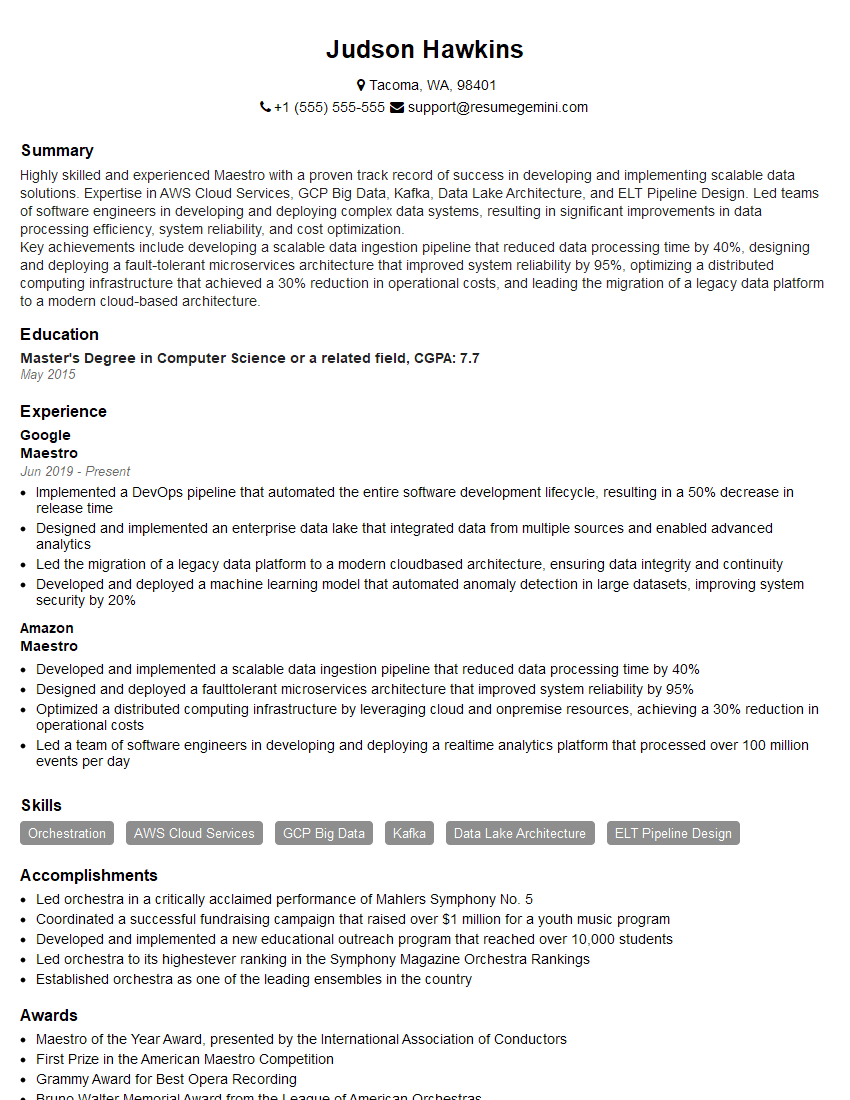
Mastering Bullfighting Knowledge and Techniques opens doors to exciting career opportunities within the industry, from professional bullfighting to training, instruction, and related fields. To maximize your job prospects, creating a strong, ATS-friendly resume is crucial. ResumeGemini is a trusted resource that can help you build a professional and impactful resume tailored to your specific skills and experience. Examples of resumes tailored to Bullfighting Knowledge and Techniques are available, showcasing the best way to present your unique expertise. Take the next step in your career journey – build a winning resume with ResumeGemini.
Explore more articles
Users Rating of Our Blogs
Share Your Experience
We value your feedback! Please rate our content and share your thoughts (optional).
What Readers Say About Our Blog
Very informative content, great job.
good