Cracking a skill-specific interview, like one for Precision cutting and sewing techniques, requires understanding the nuances of the role. In this blog, we present the questions you’re most likely to encounter, along with insights into how to answer them effectively. Let’s ensure you’re ready to make a strong impression.
Questions Asked in Precision cutting and sewing techniques Interview
Q 1. What types of cutting tools are you proficient with?
My proficiency extends to a wide range of cutting tools, each suited for specific fabrics and applications. I’m highly skilled in using rotary cutters for their efficiency on large cuts of lightweight fabrics like cotton and silk. For more intricate cuts and detailed work, I prefer using sharp, high-quality dressmaking shears, capable of handling various fabrics from delicate chiffon to sturdy denim. I also regularly utilize electric fabric shears for bulk cutting projects, significantly increasing speed and precision. Finally, I’m adept at using specialized tools like pinking shears (for preventing fraying) and pattern shears (for accurate cutting of pattern pieces). The selection of the correct tool is crucial, impacting both the quality of the cut and the overall efficiency of the process.
Q 2. Describe your experience with different fabric types and their cutting requirements.
Working with diverse fabric types is fundamental to my expertise. Each fabric presents unique cutting challenges requiring tailored approaches. Lightweight fabrics like silk or chiffon are prone to shifting and require extra care to prevent stretching or tearing. I often use a lightweight cutting mat and rotary cutter to minimize shifting. Medium-weight fabrics, such as cotton or linen, require a sharper blade to ensure clean, precise cuts. Heavier fabrics like denim or canvas require more robust tools like electric shears or very sharp shears, and careful attention to pressure and blade alignment. My experience also extends to working with woven, knit, and non-woven materials, each demanding a specific combination of tools and cutting techniques to achieve optimal results and minimize fabric waste.
Q 3. Explain the importance of accurate pattern marking and cutting.
Accurate pattern marking and cutting are paramount. Inaccurate marking leads to ill-fitting garments and wasted fabric. Think of a garment as a puzzle; each piece needs to be the correct shape and size to fit perfectly. I meticulously transfer pattern markings onto the fabric using techniques such as tracing wheels and tailor’s chalk, ensuring accuracy. Precise cutting maintains the integrity of these markings, creating pieces that assemble seamlessly. Any discrepancy, even a small one, can result in significant issues further down the line, from fitting problems to the inability to complete the garment. This precision saves time, material, and ultimately ensures a professional-looking end product.
Q 4. How do you ensure precise cutting to minimize fabric waste?
Minimizing fabric waste is a core principle of efficient cutting. I utilize several strategies: First, I carefully plan my fabric layout to maximize the use of each piece, often employing nesting techniques. This involves arranging multiple pattern pieces strategically to minimize leftover scraps. Second, I utilize accurate pattern pieces and precise cutting to prevent having to cut additional pieces due to errors. Third, I save fabric scraps for smaller projects, further reducing waste. Fourth, I understand how the grain line affects the drape and fit of the garment, ensuring I cut along the grain to prevent distortion. These practices demonstrate not just skill but a responsible approach to resource management.
Q 5. What are common fabric cutting challenges, and how do you overcome them?
Challenges abound in fabric cutting. Multi-layered fabrics can be difficult to cut through cleanly, requiring adjustments to cutting pressure and technique. Stretchy fabrics require careful handling to prevent distortion. Dealing with bias cuts requires particular care, as the fabric stretches more in this direction. To overcome these challenges, I adjust my technique to suit each fabric’s unique properties. I use specific tools for each challenge, like specialized shears for layered fabrics or pins to secure stretchy materials. My experience provides me with the adaptability to conquer any cutting obstacles.
Q 6. Describe your experience with industrial sewing machines.
I possess extensive experience with various industrial sewing machines, including single-needle and double-needle machines, coverstitch machines, and sergers. My familiarity extends to understanding machine maintenance and troubleshooting minor mechanical issues. I am proficient in adjusting stitch length, tension, and pressure, allowing me to adapt to different fabrics and sewing requirements. For example, I know how to adjust the pressure foot to prevent puckering on delicate fabrics or to increase feed dog pressure to handle multiple layers of heavy material. This mastery of industrial machines significantly increases both speed and the quality of my work.
Q 7. Explain different sewing techniques for various fabrics and seams.
Sewing techniques vary dramatically based on fabric and seam type. For example, delicate fabrics like silk require smaller stitches and gentler handling to avoid damage. I would use a fine needle and a delicate stitch length. Heavier fabrics like denim require stronger stitches and more robust needles, potentially using a heavier thread. Seam types also influence the choice of technique. French seams, for instance, are ideal for fine fabrics and create a clean, professional finish, while flat-felled seams are more durable for sturdy fabrics. For stretchy fabrics, I use sergers or overlock machines to create strong, flexible seams that prevent fraying. My understanding of these varied techniques ensures I choose the most appropriate approach for each project and fabric, achieving professional-quality results consistently.
Q 8. How do you maintain the quality and consistency of your sewing work?
Maintaining consistent, high-quality sewing work hinges on meticulous attention to detail throughout the entire process. It’s not just about the final stitch; it starts with careful fabric selection and preparation.
- Precise Cutting: I use sharp, well-maintained rotary cutters and cutting mats to ensure clean, accurate cuts. This prevents fraying and ensures all pieces fit together perfectly. Think of it like building a house – you need a solid foundation!
- Consistent Stitching: I regularly maintain my sewing machine, ensuring the tension is correct and the needle is sharp. I also utilize consistent stitch length and pressure for each project, resulting in even, durable seams. Imagine trying to bake a cake with a faulty oven – the outcome would be inconsistent!
- Quality Fabrics and Thread: Using high-quality materials significantly impacts the final product’s durability and appearance. The better the materials, the better the result. It’s like painting with premium paint – the end result is smoother, more vibrant, and long-lasting.
- Regular Checks: I perform regular quality checks throughout the process, from cutting to the final stitching, to catch any inconsistencies early on and prevent costly rework.
For instance, on a recent bespoke suit project, I meticulously checked the grain lines of the fabric before cutting, ensuring a flawless drape and a perfectly tailored fit. This commitment to detail resulted in a final product that met the client’s high expectations.
Q 9. What methods do you use to troubleshoot sewing machine malfunctions?
Troubleshooting sewing machine malfunctions requires a systematic approach. It’s like diagnosing a car problem – you need to be methodical.
- Identify the Problem: First, pinpoint the issue. Is it skipping stitches, jamming, or producing uneven tension? Observing the problem carefully is key.
- Check the Basics: Start with the simplest solutions: Is the machine properly threaded? Is the needle sharp and inserted correctly? Is the bobbin wound correctly and properly placed? These often-overlooked steps are vital.
- Tension Adjustment: Incorrect tension is a common culprit. Adjust the upper and lower tension dials, testing regularly until the stitches are even and balanced. It’s like tuning a musical instrument; fine adjustments make a significant difference.
- Cleaning and Lubrication: Regular cleaning and lubrication are essential for optimal performance. Dust and lint can clog the machine, causing malfunctions. Think of it as a car requiring regular servicing.
- Needle and Bobbin Case: Replace the needle and inspect the bobbin case for damage or obstructions. A bent or damaged needle can wreak havoc on your seams.
For example, when a client’s project was producing uneven stitching, I meticulously checked the threading, tension, and needle. It turned out to be a slightly bent needle, easily replaced and solved the problem quickly.
Q 10. Explain your understanding of seam allowances and their importance.
Seam allowances are the unstitched fabric between the stitching line and the raw edge of the fabric. They are crucial for several reasons.
- Structural Integrity: Seam allowances provide strength and support to seams, preventing them from tearing or stretching. They act as reinforcement for the stitching itself.
- Flexibility: They allow for alterations or adjustments to the garment after construction. A larger seam allowance provides more flexibility for later adjustments.
- Finishing: They provide space for various seam finishes, such as serging or pinking, which prevent fraying and improve the overall look of the garment.
- Pattern Accuracy: Consistent seam allowances are essential for accurate construction and a professional finish. If seam allowances aren’t consistent, the finished garment might be too small or too large.
For example, a standard seam allowance in many patterns is 5/8 inch. However, this can vary based on the project and fabric; certain fabrics may need a smaller seam allowance to prevent bulk.
Q 11. How do you handle fabric irregularities during cutting and sewing?
Fabric irregularities, such as knots, holes, or inconsistencies in weave, require careful handling during cutting and sewing. These are like unexpected obstacles during construction.
- Careful Examination: Before cutting, I thoroughly inspect the fabric for any irregularities. I also pre-wash all fabrics to account for shrinkage.
- Strategic Cutting: I plan my cuts to avoid or minimize the impact of irregularities. If a knot is present, I might cut around it or choose a different pattern piece placement.
- Reinforcement: For small holes, I use fabric glue or fusible interfacing to strengthen the area before sewing.
- Seam Placement: I strategically position seams to hide imperfections where possible.
- Matching Patterns: For patterns requiring matched elements, such as plaids, it’s crucial to account for variations in the pattern itself. Small shifts in the fabric pattern might need adjustment to ensure a seamless finish.
In one instance, while working with a delicate silk, I carefully avoided several small imperfections in the fabric by strategically planning the pattern pieces. The resulting garment was flawless.
Q 12. What quality control measures do you employ during your work?
Quality control is an ongoing process, not a single step. It’s like building a bridge; constant checks are essential for safety.
- Pre-Sewing Checks: Before stitching, I verify accurate cutting, pattern matching, and fabric preparation.
- In-Process Checks: During sewing, I regularly inspect stitching for consistency, tension, and overall quality. This catches mistakes early.
- Final Inspection: After completion, I perform a thorough inspection, checking seams, hems, and overall finish for any inconsistencies or flaws. This often includes a final pressing to ensure a crisp and professional finish.
- Self-Critique: I regularly analyze my work, looking for areas of improvement in technique and efficiency. Constant self-assessment helps identify weaknesses and strengthens my skills.
- Client Feedback: I actively seek and value client feedback to refine processes and ensure future projects meet their expectations.
For example, a recent client appreciated the attention to detail in the quality control of a wedding dress, citing the perfect seam alignment and finish as a testament to my meticulous work.
Q 13. Describe your experience with different types of stitches and their applications.
My experience encompasses a wide range of stitches, each suited for specific applications. Choosing the right stitch is as important as selecting the right tool.
- Straight Stitch: The most common, used for seams, topstitching, and creating darts. It’s foundational to sewing.
- Zigzag Stitch: Used for finishing seams, creating decorative effects, and attaching elastic or other materials. It prevents fraying.
- Overlock Stitch (Serger): A finishing stitch that cuts and sews raw edges simultaneously. Prevents fraying and produces a professional finish, frequently used on knit fabrics.
- Blind Hem Stitch: A near-invisible stitch used for hemming garments, providing a clean and professional look.
- Buttonhole Stitch: Creates buttonholes with varying widths and lengths, essential for garment closures.
For example, I used a blind hem stitch for a client’s bespoke trousers, ensuring an undetectable hem that enhanced the overall look of the garment. I chose an overlock stitch to finish a knit dress, preventing the fabric from unraveling.
Q 14. How do you interpret and work with sewing patterns?
Interpreting and working with sewing patterns requires careful study and understanding of its components. It’s like reading a blueprint before building a structure.
- Pattern Pieces: Each piece represents a part of the garment, such as sleeves, bodice, or pants legs. Understanding their purpose is fundamental.
- Seam Allowances: Identifying and understanding the designated seam allowances is critical for accurate cutting and construction.
- Notches and Markings: Notches and other markings on the pattern indicate matching points between pieces, ensuring accurate assembly.
- Instructions: Following instructions meticulously is vital for correct assembly. These are the step-by-step guidelines for constructing the garment.
- Fabric Layout: Planning the fabric layout is essential for efficient use of material and pattern matching, especially for patterned fabrics.
For a recent project involving a complex dress pattern, I carefully studied the instructions, making sure I completely understood each step before beginning. I meticulously marked all notches and matched the pattern accurately to produce a precise and well-fitting garment. Proper pattern interpretation is essential for successful construction.
Q 15. Explain your experience using CAD software for pattern design or cutting.
My experience with CAD software for pattern design and cutting is extensive. I’ve worked extensively with industry-standard programs like Gerber Accumark and Lectra Modaris. These programs allow for precise pattern creation, grading (sizing up or down), and marker making (optimizing fabric placement for cutting). For instance, in a recent project designing a complex tailored jacket, I used Gerber Accumark to create the initial pattern pieces, then graded them to produce sizes from XS to XXL. The software’s ability to simulate fabric drape and analyze pattern pieces for potential fit issues significantly reduced the time spent on physical prototyping and saved on material costs. I’m proficient in using the various tools available, from digitizing existing patterns to creating completely new designs from scratch using the software’s powerful drafting tools.
Furthermore, I’m comfortable exporting these patterns directly to cutting machines, ensuring seamless integration between the design and production processes. This streamlined workflow minimizes errors and maximizes efficiency. I find that the ability to manipulate and edit digital patterns in CAD is superior to traditional methods, leading to consistently better results in terms of fit, accuracy, and manufacturing.
Career Expert Tips:
- Ace those interviews! Prepare effectively by reviewing the Top 50 Most Common Interview Questions on ResumeGemini.
- Navigate your job search with confidence! Explore a wide range of Career Tips on ResumeGemini. Learn about common challenges and recommendations to overcome them.
- Craft the perfect resume! Master the Art of Resume Writing with ResumeGemini’s guide. Showcase your unique qualifications and achievements effectively.
- Don’t miss out on holiday savings! Build your dream resume with ResumeGemini’s ATS optimized templates.
Q 16. Describe your experience working with different types of sewing equipment.
My experience encompasses a wide range of sewing equipment, from basic industrial sewing machines to specialized tools like computerized embroidery machines and automated cutting systems. I’m adept at operating single-needle and multi-needle machines for various stitching techniques including flatlock, coverstitch, and blind hem stitching. I understand the nuances of different stitch types and their applications, choosing the appropriate machine and needle based on the fabric type and desired finish.
I’m also familiar with sergers (overlock machines) for clean and durable edge finishes. Working with computerized embroidery machines requires a specific skill set that I possess, allowing me to create intricate designs with high precision. Finally, I have experience using and maintaining industrial cutting machines, improving efficiency and minimizing material waste. I believe that a deep understanding of different equipment is crucial for optimizing production and achieving high-quality results. I can troubleshoot machine malfunctions and perform routine maintenance ensuring efficient, smooth production runs.
Q 17. How do you ensure the accuracy of your finished garments?
Ensuring the accuracy of finished garments is paramount. My approach is multi-faceted and begins even before the cutting stage. It involves meticulous pattern making, utilizing precise measurements and careful grading in CAD software. I then use a thorough quality check system that starts with inspecting the cut fabric for any defects before sewing. Throughout the sewing process, I perform regular quality checks, paying attention to stitch consistency, seam allowance accuracy, and overall garment construction. This includes using tools like rulers, measuring tapes, and seam gauges for precise measurements and detection of any discrepancies.
After the garment is completed, a final quality check is conducted involving a full fitting and careful inspection of all aspects of the garment. Any necessary adjustments are made before the garment is deemed finished. This detailed system ensures that each garment meets the highest standards of accuracy and precision. I believe that preventing errors early in the process is far more efficient than trying to correct them later. Implementing these checks avoids costly mistakes and results in a high-quality final product.
Q 18. What are your strategies for efficient time management during production?
Efficient time management in garment production requires careful planning and organization. I start by breaking down large projects into smaller, manageable tasks, assigning realistic timelines to each. I prioritize tasks based on their urgency and dependencies, using tools like project management software or simple checklists to keep track of progress. I also focus on optimizing my workflow. For example, I might prepare all necessary materials and tools beforehand to avoid interruptions during the sewing process. This ‘prepping’ is a crucial step to improving efficiency.
Furthermore, I regularly assess my progress and adjust my schedule as needed, adapting to unexpected challenges. I avoid multitasking whenever possible, as it can lead to decreased accuracy and increased error rates. Instead, I concentrate on completing one task thoroughly before moving on to the next. Consistent monitoring and proactive adjustment make a huge difference in maintaining project timelines. Experience has taught me that a well-structured approach and a commitment to focused work are key to efficient time management.
Q 19. How do you adapt to changes in production schedules or requirements?
Adaptability is crucial in the fast-paced world of garment production. When faced with changes in production schedules or requirements, I maintain a calm and organized approach. I first assess the impact of the changes on the existing plan and prioritize tasks accordingly. Communication is key; I promptly inform my team and relevant stakeholders of the changes and any potential delays or adjustments to the workflow. This transparent communication helps avoid confusion and maintain effective collaboration.
I then develop a revised plan, breaking down the new tasks and incorporating the changes into the existing schedule. Flexibility is essential. I’m comfortable adjusting my priorities and re-allocating resources as needed to meet the new requirements. By utilizing problem-solving skills and maintaining open communication, I’ve successfully managed various changes throughout my career, ensuring projects are completed to the highest standard despite unforeseen challenges.
Q 20. Describe your experience working within a team environment.
I thrive in team environments. My experience includes working collaboratively on numerous large-scale projects. I believe that clear communication and mutual respect are fundamental for effective teamwork. I’m adept at contributing my expertise to the team while actively listening to and valuing the contributions of others. I’m always willing to assist colleagues, sharing my knowledge and offering support whenever needed. For example, I’ve mentored junior team members, sharing my skills in pattern making and advanced sewing techniques.
I actively participate in team meetings, offering constructive feedback and collaborating on problem-solving. I believe in a collaborative spirit where everyone feels comfortable sharing ideas and contributing to the overall success of the project. A strong team dynamic is essential for producing high-quality work efficiently. My approach focuses on building a positive and supportive team environment that encourages growth and collaboration.
Q 21. Explain your understanding of safety procedures in a sewing environment.
Safety is a top priority in any sewing environment. I’m fully aware of and strictly adhere to all relevant safety procedures. This includes properly using all machinery and equipment, ensuring all guards are in place and functioning correctly. I always use appropriate safety equipment, such as safety glasses, and ensure that my workspace is clean, organized, and free from any potential hazards. Regular machine maintenance is also a key component of safety.
I’m familiar with emergency procedures and know how to respond to potential accidents, such as needle injuries or machine malfunctions. I understand the importance of proper needle disposal and the risks associated with working with sharp objects and high-speed machinery. Training and consistent adherence to safety regulations are paramount for preventing accidents and maintaining a safe working environment for myself and my colleagues. A safe workspace is a productive workspace.
Q 22. How do you maintain a clean and organized workspace?
Maintaining a clean and organized workspace is paramount in precision cutting and sewing. It’s not just about aesthetics; it directly impacts efficiency, accuracy, and safety. My approach is multifaceted:
- Designated Zones: I divide my workspace into distinct areas for cutting, sewing, pressing, and storage. This prevents clutter and streamlines workflow. For example, my cutting area has a designated mat, rulers, rotary cutter, and only the fabrics I’m currently working with.
- Regular Cleaning: I clean my workspace at the end of each day, removing scraps, dust, and any loose threads. This minimizes the risk of accidents and ensures a fresh start the next day. I regularly clean my machines, especially the bobbin area, to avoid malfunctions.
- Storage Solutions: I use clear containers and labeled drawers to store notions, patterns, and fabrics. This allows for quick retrieval of items and prevents searching through piles of materials.
- Ergonomics: I ensure my workspace is ergonomically sound, with adequate lighting, comfortable seating, and appropriate tools within easy reach. This prevents strain and fatigue, leading to improved accuracy and productivity.
Think of it like a well-organized kitchen – you can cook more efficiently and creatively when everything is in its place. A clean workspace is a reflection of professionalism and a commitment to quality.
Q 23. Describe your problem-solving skills in relation to sewing challenges.
Problem-solving is inherent to sewing, particularly in precision work. I approach challenges systematically:
- Identify the Problem: Carefully examine the issue. Is it a pattern error, fabric defect, machine malfunction, or a technique problem? Often, a second pair of eyes can be helpful in this stage.
- Analyze the Cause: Once identified, I analyze the root cause. Did I misread the pattern? Is the fabric unsuitable for the project? Is the machine needle bent or the tension incorrect? This involves careful examination of stitches, seams, and the fabric itself.
- Develop Solutions: Based on my analysis, I brainstorm potential solutions. For instance, a skipped stitch might be fixed by adjusting the machine tension or changing the needle. A poorly fitting garment might require adjustments to the pattern or different construction techniques.
- Implement and Test: I carefully implement the chosen solution, making small adjustments as needed. I always test the fix before proceeding to ensure it’s effective and doesn’t introduce new problems.
- Document Findings: For recurring problems, I document the solution and the cause to prevent future occurrences. This creates a valuable resource for efficient troubleshooting.
For example, I once encountered a consistent puckering issue while sewing a delicate silk. Through systematic troubleshooting, I identified that the needle was slightly dull and the presser foot pressure was too high. Switching the needle and reducing the pressure solved the problem.
Q 24. What is your experience with different types of pressing equipment?
My experience with pressing equipment encompasses a range of tools, each suited for specific needs. This includes:
- Household Irons: These are useful for smaller projects or quick touch-ups, especially when equipped with a steam function for delicate fabrics.
- Industrial Irons: These are heavier and more powerful, providing consistent steam and heat, which is crucial for pressing larger garments and achieving crisp lines in heavy fabrics. I’m adept at adjusting temperature and steam settings to suit different materials.
- Pressing Cloths: I use various pressing cloths, including cotton, wool, and Teflon, to protect the fabric from scorching and maintain a smooth finish.
- Seam Rollers: These are invaluable for pressing seams open, especially in tightly woven fabrics, without causing creasing.
- Clapper: Used in conjunction with an iron, a clapper helps to set creases and folds sharply, creating a crisp professional finish.
Understanding the capabilities and limitations of each piece of equipment is essential for achieving optimal results. For instance, a household iron might not generate enough steam for a bulky winter coat, while a Teflon pressing cloth is essential for avoiding shine marks on delicate fabrics.
Q 25. How do you manage stress in a high-pressure production environment?
High-pressure production environments require efficient stress management. My strategies include:
- Prioritization: I prioritize tasks based on urgency and importance, focusing on completing the most crucial elements first. This prevents feeling overwhelmed and ensures timely delivery.
- Time Management: I break down large tasks into smaller, manageable chunks. This makes the workload less daunting and allows for more frequent breaks.
- Breaks and Mindfulness: I take regular short breaks throughout the day to stretch, walk, or practice mindfulness exercises, helping to reduce fatigue and improve focus.
- Communication: Open communication with colleagues and supervisors is key. Raising concerns early and seeking assistance prevents unnecessary stress.
- Work-Life Balance: I maintain a healthy work-life balance to prevent burnout. This includes engaging in hobbies and activities outside of work to recharge and maintain perspective.
Think of it like pacing yourself during a marathon, not sprinting the entire way. A sustainable approach to managing stress ensures long-term productivity and job satisfaction.
Q 26. How do you stay updated with new technologies and techniques in the industry?
Staying updated in the ever-evolving world of precision cutting and sewing necessitates a proactive approach:
- Industry Publications: I subscribe to trade magazines and online publications to keep abreast of the latest trends, techniques, and technological advancements.
- Online Courses and Workshops: I participate in online courses and workshops offered by industry experts and educational institutions to enhance my skills and knowledge.
- Conferences and Trade Shows: Attending conferences and trade shows allows me to network with other professionals and see new technologies firsthand.
- Professional Organizations: Membership in professional organizations provides access to resources, networking opportunities, and continuing education programs.
- Hands-on Experimentation: I regularly experiment with new fabrics, techniques, and technologies to enhance my practical skills and develop my understanding.
Continuous learning is not just an option, it’s a necessity in a rapidly evolving field. It allows me to adapt to new challenges, improve my efficiency, and remain competitive.
Q 27. Describe your experience with different types of finishes and their applications.
My experience with different types of finishes is extensive, as they significantly impact the garment’s durability, appearance, and overall quality. Here are some examples:
- Seam Finishes: These include serging, pinking, overlocking, and French seams. The choice depends on the fabric type and the garment’s intended use. Serging is great for preventing fraying on woven fabrics, while French seams offer a clean, professional look for finer garments.
- Edge Finishes: These prevent fraying and add a polished look. Techniques include bindings, facings, and hems. A bound neckline looks more professional than a simple turned-under edge.
- Interfacings: These provide structure and support to collars, cuffs, and other garment components. Different interfacings (fusible, woven, knit) are chosen based on the weight and drape of the fabric.
- Embellishments: These add visual interest and enhance the garment’s aesthetic appeal. This could include embroidery, beading, or appliqué.
Selecting the right finish is crucial. For instance, a loosely woven fabric requires a more robust seam finish like serging to prevent unraveling, while a delicate silk calls for a gentle hand-finished hem to prevent damage.
Q 28. How familiar are you with different industrial sewing machine settings and maintenance?
I am highly familiar with various industrial sewing machine settings and maintenance. My experience includes:
- Stitch Length and Width: I understand how to adjust stitch length and width based on fabric type, project requirements, and desired aesthetic. A shorter stitch length is used for areas needing strength, like seams on heavy-duty clothing, while longer stitches may be used in decorative stitching.
- Tension Adjustments: I can troubleshoot and adjust upper and lower tension to achieve balanced, even stitching on various fabrics. Incorrect tension leads to skipped stitches, puckering, or broken threads.
- Needle Selection: I know how to select the appropriate needles based on fabric type, and project demands. Using the wrong needle can cause damage to the fabric or machine breakage.
- Presser Foot Pressure: I adjust the presser foot pressure to accommodate different fabric weights and thicknesses. Too much pressure can cause fabric damage, while too little can lead to inconsistent stitching.
- Routine Maintenance: I perform regular maintenance tasks like cleaning and oiling, changing needles, and replacing bobbins. This is vital for preventing machine malfunctions and extends the machine’s lifespan.
Understanding these settings and performing regular maintenance ensures efficient and high-quality sewing and prevents costly downtime.
Key Topics to Learn for Precision Cutting and Sewing Techniques Interview
- Pattern Interpretation and Manipulation: Understanding and adapting patterns for different fabrics and sizes, including grading and adjustments for fit.
- Fabric Selection and Properties: Knowledge of various fabric types, their drape, stretch, and suitability for specific garments or projects. Practical application involves choosing the right fabric for a given design and understanding its limitations.
- Cutting Techniques: Mastering precise cutting methods using different tools (e.g., rotary cutters, shears) to minimize fabric waste and ensure accurate seam allowances. This includes understanding grainlines and bias.
- Seam Construction: Proficiency in various seam finishes (e.g., serging, French seams, Hong Kong finishes) for durability and aesthetic appeal. Understanding the strengths and weaknesses of each technique based on fabric type.
- Machine Operation and Maintenance: Demonstrating knowledge of industrial sewing machines, their settings, and routine maintenance procedures to ensure optimal performance and prevent malfunctions. Troubleshooting common machine issues.
- Quality Control and Inspection: Identifying and correcting flaws in cutting and sewing, adhering to high standards of precision and accuracy. Understanding industry standards for quality control.
- Advanced Techniques (if applicable): Depending on the role, this could include specialized techniques like pleating, smocking, or specific construction methods for particular garments (e.g., tailored jackets, bridal wear).
Next Steps
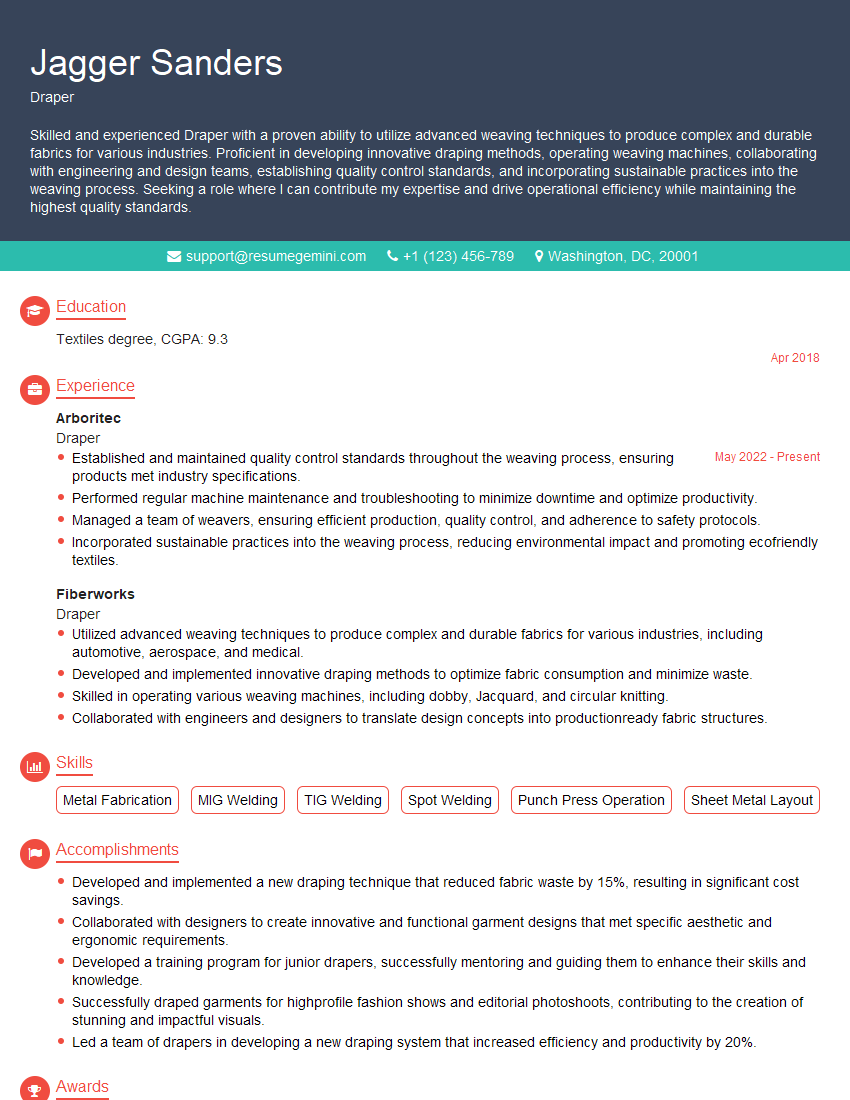
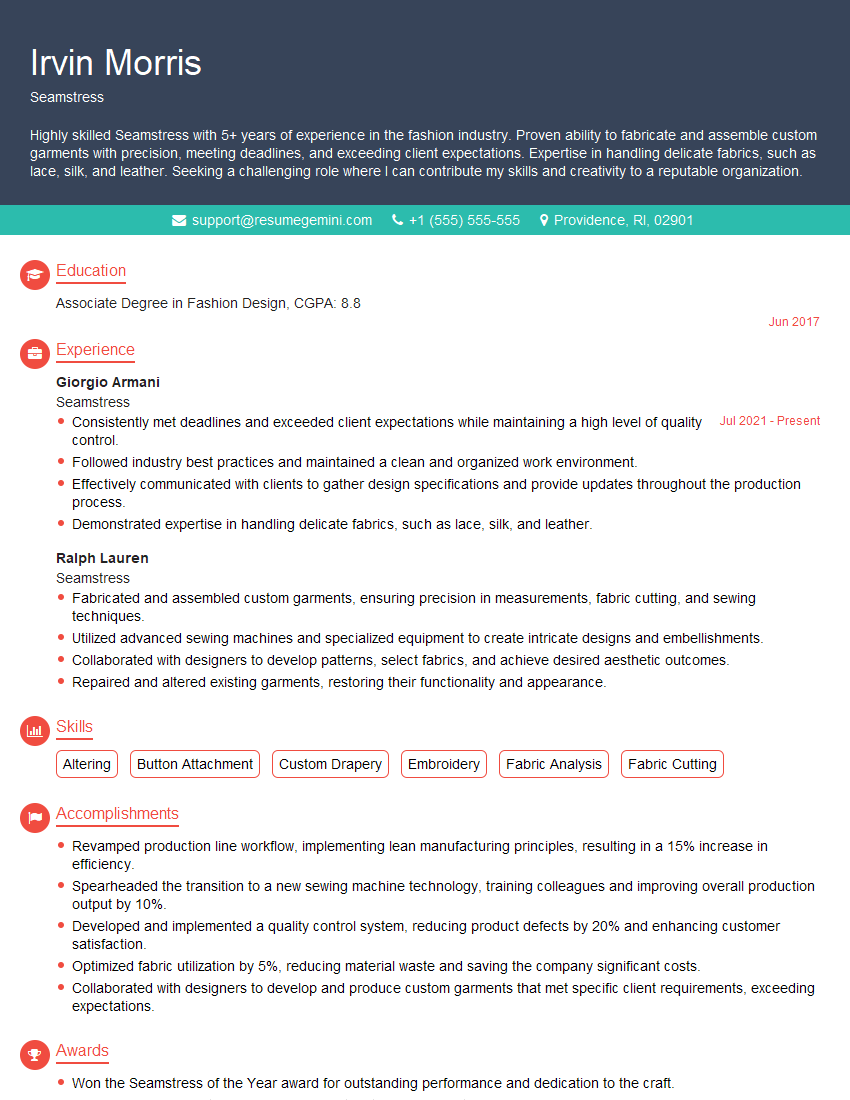
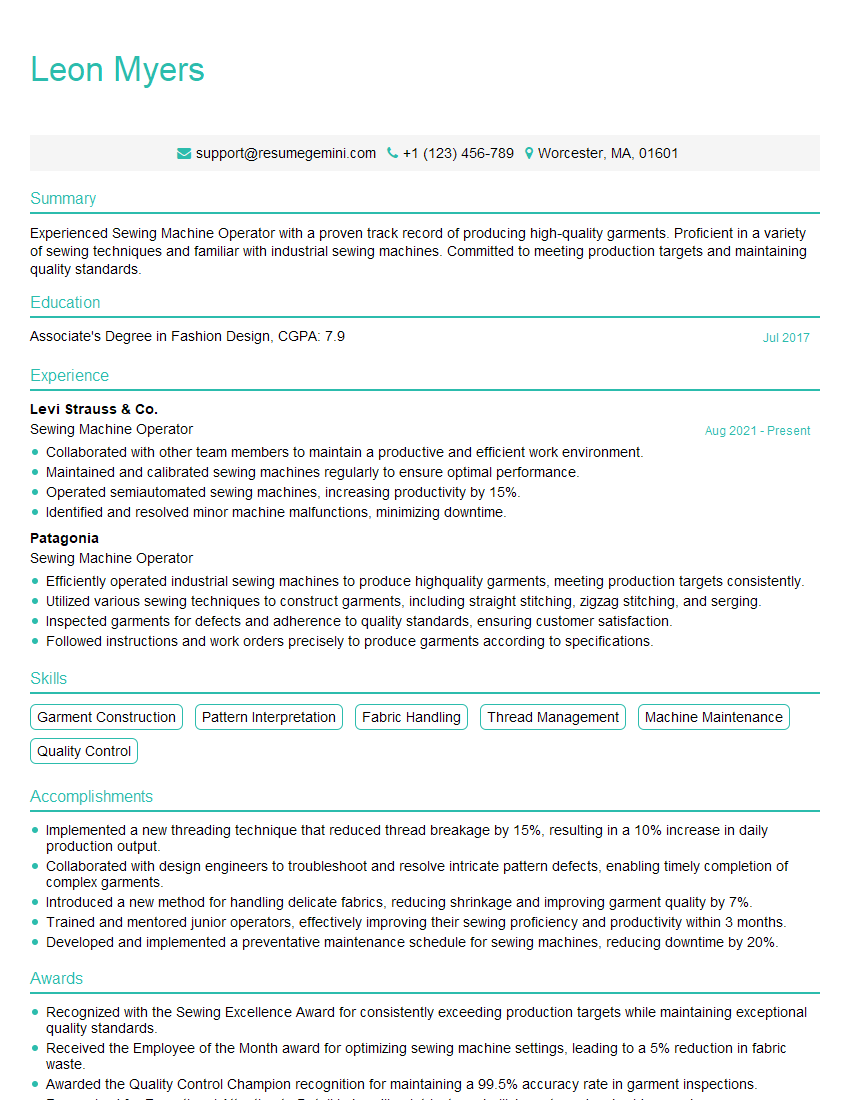
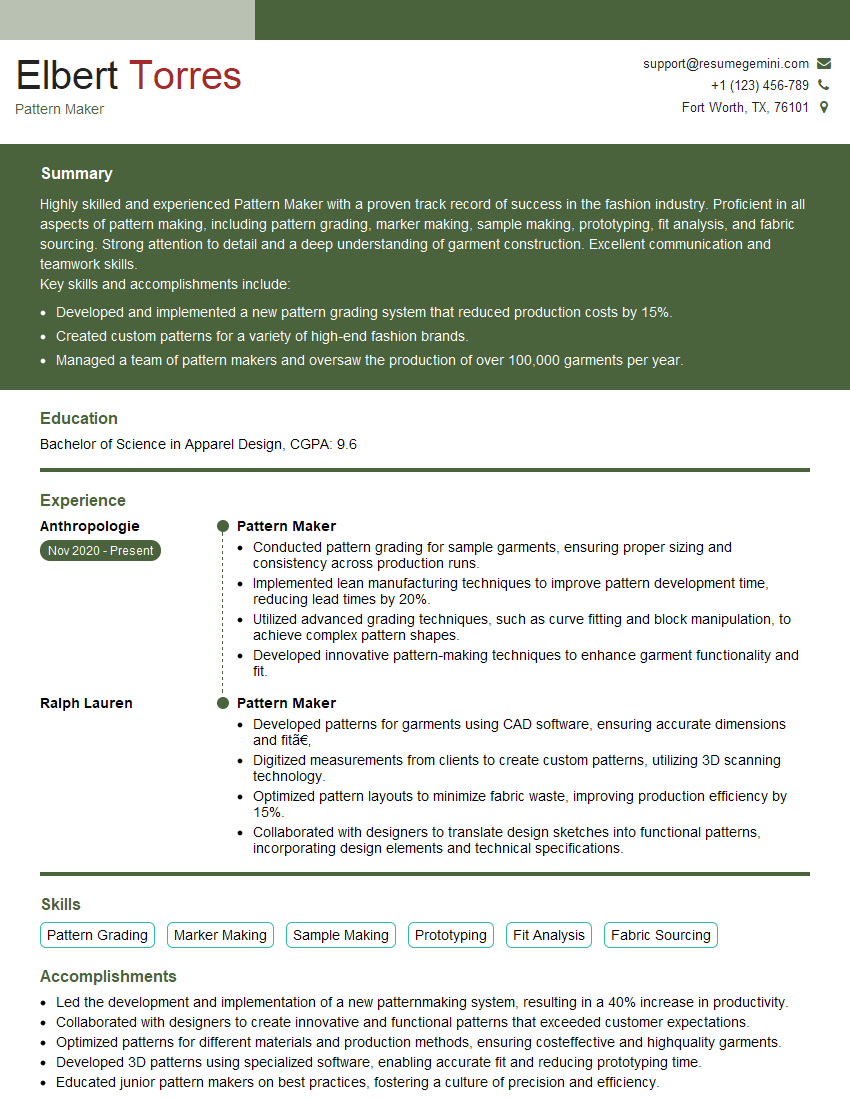
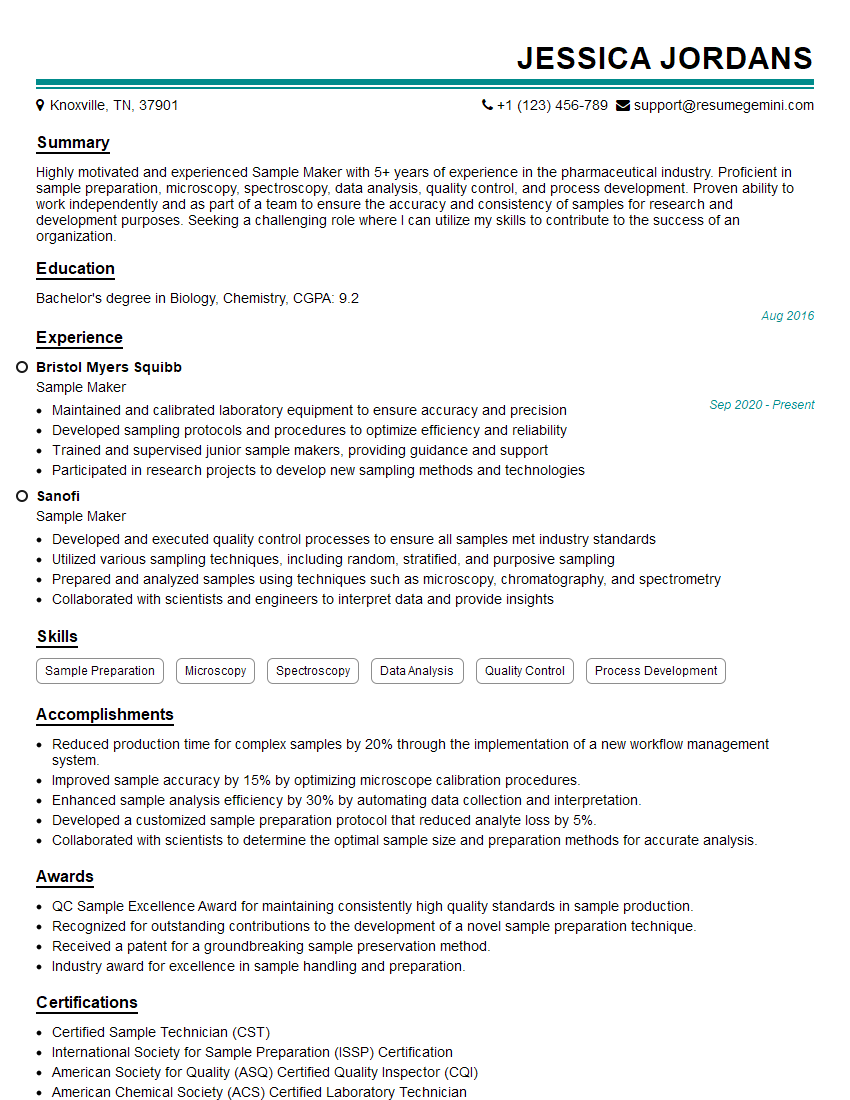
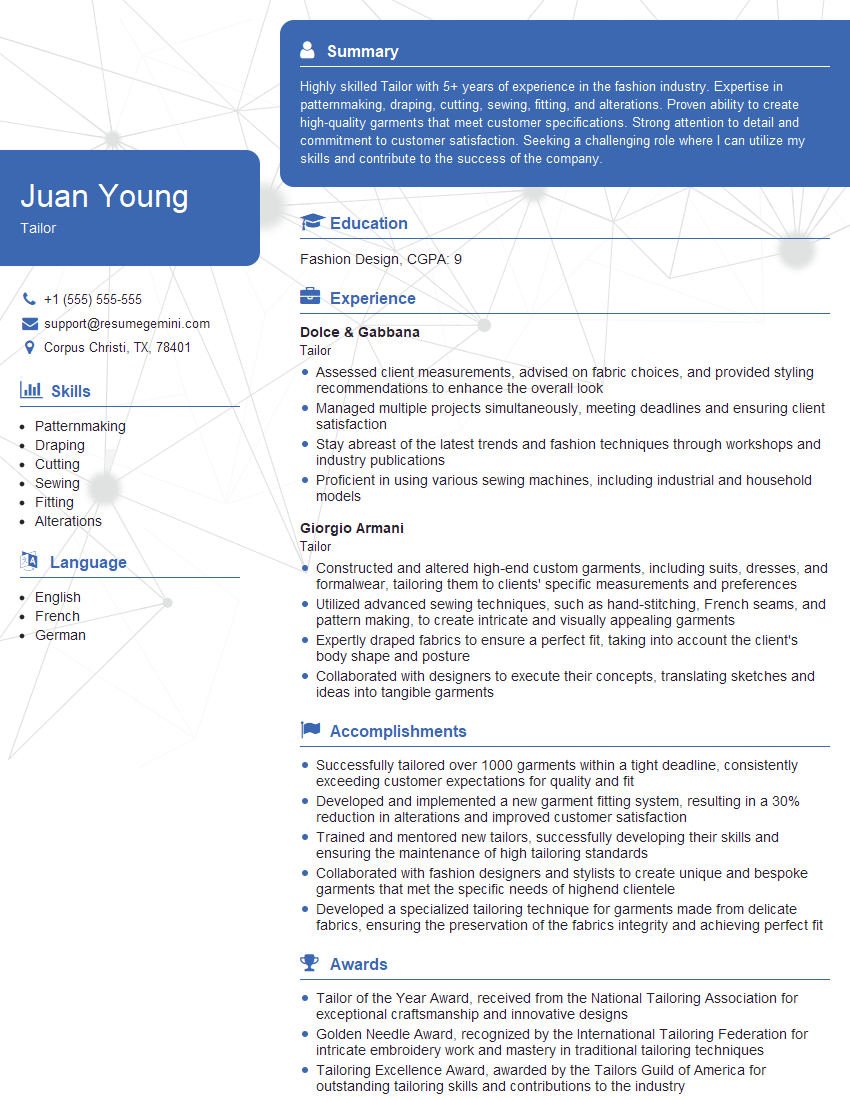
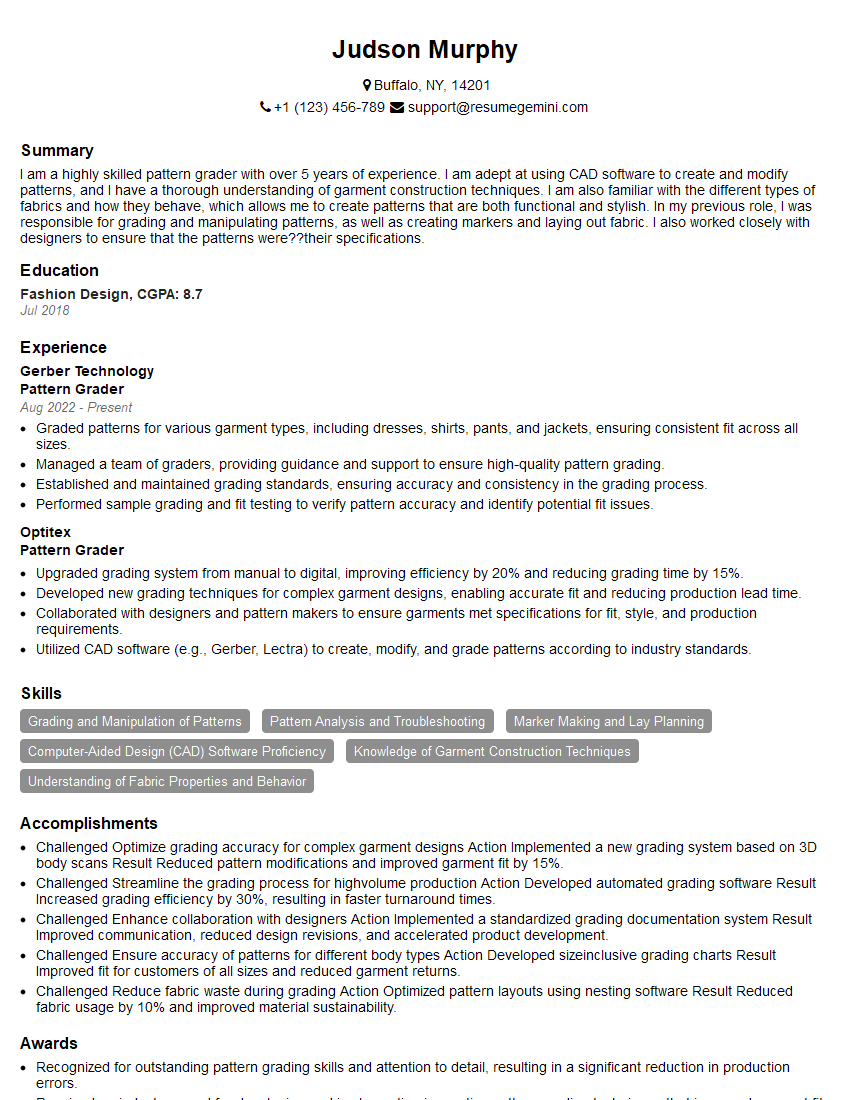
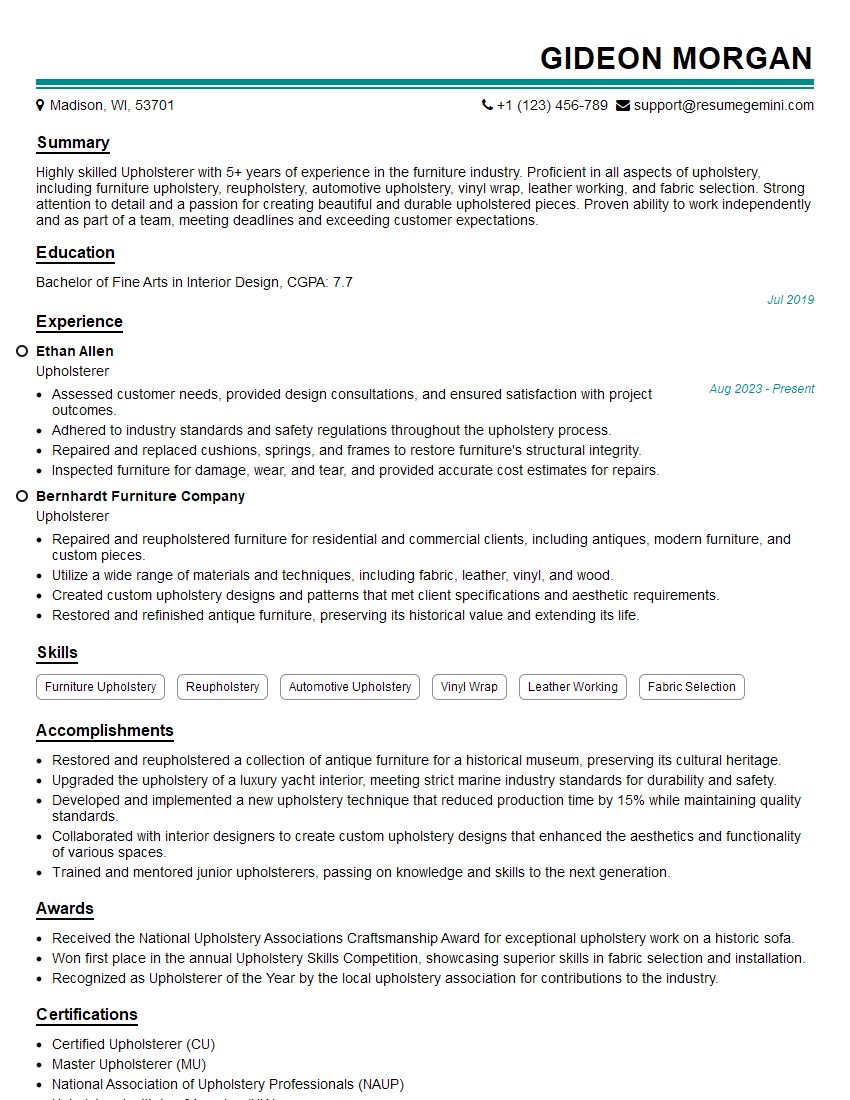
Mastering precision cutting and sewing techniques is crucial for career advancement in the fashion and garment industry. It demonstrates a commitment to quality, efficiency, and attention to detail – highly valued attributes by employers. To maximize your job prospects, create an ATS-friendly resume that highlights your skills and experience effectively. ResumeGemini is a trusted resource that can help you build a professional and impactful resume. Examples of resumes tailored to precision cutting and sewing techniques are available to guide you through the process.


Explore more articles
Users Rating of Our Blogs
Share Your Experience
We value your feedback! Please rate our content and share your thoughts (optional).
What Readers Say About Our Blog
Very informative content, great job.
good