Unlock your full potential by mastering the most common Business Acumen and Commercialization interview questions. This blog offers a deep dive into the critical topics, ensuring you’re not only prepared to answer but to excel. With these insights, you’ll approach your interview with clarity and confidence.
Questions Asked in Business Acumen and Commercialization Interview
Q 1. Explain your understanding of market segmentation and its impact on pricing strategies.
Market segmentation is the process of dividing a broad consumer or business market, normally consisting of existing and potential customers, into sub-groups of consumers based on some type of shared characteristics. This allows businesses to target their marketing efforts and pricing strategies more effectively. Instead of trying to appeal to everyone, which is inefficient and often unsuccessful, segmentation allows for a laser focus on specific customer needs and preferences.
The impact on pricing strategies is significant. Different segments have different price sensitivities. For example, a luxury car segment will be less price-sensitive than a budget-friendly car segment. Understanding these sensitivities allows businesses to:
- Premium Pricing: Charge higher prices for products or services targeting high-value, less price-sensitive segments. Think luxury goods brands like Rolex or Hermes.
- Value Pricing: Offer competitive pricing for products or services targeting price-sensitive segments. Fast fashion retailers like Zara often use this strategy.
- Penetration Pricing: Initially setting low prices to gain market share in a new segment and gradually increasing prices as the brand builds recognition. This is frequently used for new technology products.
- Skimming Pricing: Setting high prices initially for a new, innovative product and gradually lowering them over time as competitors enter the market. This is used for products that have early adopter appeal.
For example, a software company might segment its market by business size (small, medium, enterprise) and offer different pricing tiers based on the features and level of support provided to each segment. The enterprise segment may be willing to pay a much higher price for premium features and dedicated support than a small business.
Q 2. How would you analyze a company’s competitive landscape?
Analyzing a company’s competitive landscape involves a systematic evaluation of its competitors to understand their strengths, weaknesses, strategies, and potential threats. I typically use a framework that considers the following:
- Identify Key Competitors: This goes beyond just direct competitors offering the same product; consider indirect competitors offering substitute products or services that could satisfy the same customer needs.
- Competitive Analysis: For each competitor, assess their market share, pricing strategies, product offerings, marketing efforts, distribution channels, and overall financial health. Tools like SWOT analysis (Strengths, Weaknesses, Opportunities, Threats) are incredibly useful here.
- Competitive Advantage: Determine what makes each competitor unique and what their competitive advantages are. This could be cost leadership, differentiation through quality or features, strong brand reputation, or a unique niche.
- Competitive Matrix: Create a matrix that visually maps out the key competitors and their relative strengths and weaknesses across important dimensions. This helps visualize the competitive landscape and identify opportunities.
- Market Dynamics: Understand the overall market trends, growth rate, and potential disruptions. How is the market evolving, and how might this affect the competitive landscape?
For example, in analyzing the coffee market, I’d look at not just other coffee shops (direct competitors) but also tea houses, juice bars, and even energy drink companies (indirect competitors). I’d compare their pricing, store locations, loyalty programs, and product variety to understand how they compete and where opportunities exist.
Q 3. Describe a time you identified a new market opportunity.
During my time at [Previous Company Name], I noticed a gap in the market for [Specific Product/Service]. Our existing product line focused primarily on [Target Market A], but market research indicated significant unmet needs within [Target Market B]. This segment valued [Specific Feature A] and [Specific Feature B] significantly more than our existing offerings.
By analyzing customer feedback, online reviews, and industry reports, I identified a substantial opportunity to develop a new product tailored to the preferences and requirements of [Target Market B]. This involved detailed market analysis, including assessing the potential size of the target market, competitive landscape analysis, and exploring potential pricing strategies. This new product line ultimately led to a significant increase in revenue and market share.
Q 4. How do you assess the profitability of a new product or service?
Assessing the profitability of a new product or service requires a thorough cost-benefit analysis. This involves forecasting revenue and expenses to determine the potential profit margins. Here’s a breakdown:
- Cost Estimation: Detail all costs associated with development, production, marketing, and distribution. This includes fixed costs (rent, salaries) and variable costs (raw materials, manufacturing). It’s crucial to be realistic and thorough here.
- Revenue Projection: Estimate the potential sales volume at various price points. This requires market research, sales forecasting, and understanding price elasticity. Sensitivity analysis is helpful to evaluate the impact of different sales volume scenarios.
- Profit Margin Calculation: Calculate the gross profit margin (revenue – cost of goods sold) and net profit margin (revenue – all expenses). This provides an understanding of the profitability per unit and overall profitability.
- Break-Even Analysis: Determine the sales volume required to cover all costs (break-even point). This gives a crucial understanding of the minimum sales required for the product to be viable.
- Return on Investment (ROI): Calculate the ROI to assess the profitability of the investment in the new product over a specified period. This helps determine the financial attractiveness of the project compared to alternative investments.
Tools like spreadsheets and financial modeling software can be invaluable in conducting this analysis.
Q 5. What are the key financial metrics you use to monitor business performance?
Several key financial metrics are crucial for monitoring business performance. These metrics provide insights into various aspects of the business, allowing for data-driven decision-making. Some key metrics include:
- Revenue Growth: Tracks the increase or decrease in sales over time. This is a fundamental measure of business success.
- Profitability Margins (Gross, Operating, Net): Indicates the percentage of revenue remaining after deducting various costs. Higher margins suggest greater efficiency and profitability.
- Customer Acquisition Cost (CAC): Measures the cost of acquiring a new customer. This metric is crucial for understanding marketing efficiency and return on investment.
- Customer Lifetime Value (CLTV): Estimates the total revenue a customer will generate over their relationship with the company. Comparing CLTV to CAC helps determine the long-term value of customer acquisition.
- Return on Investment (ROI): Measures the profitability of various investments, including marketing campaigns, new product launches, or expansion initiatives.
- Cash Flow: Tracks the movement of cash in and out of the business. Maintaining a healthy cash flow is essential for survival and growth.
- Debt-to-Equity Ratio: Measures the proportion of debt compared to equity financing. A balanced ratio indicates healthy financial structure.
The specific metrics used will depend on the nature of the business and its stage of development. Regular monitoring and analysis of these metrics allows for quick identification of issues and proactive adjustments to the business strategy.
Q 6. How do you develop a go-to-market strategy?
Developing a go-to-market strategy is a crucial step in launching a new product or service. It outlines the plan for reaching the target market, creating demand, and achieving sales goals. My approach involves these key steps:
- Define Target Market: Identify the specific customer segment(s) you’re targeting. This includes demographic, psychographic, and behavioral characteristics.
- Value Proposition: Clearly articulate the unique value your product or service offers to the target market. What problem does it solve, and why should customers choose your offering?
- Marketing and Sales Channels: Determine the most effective channels to reach the target market. This could include digital marketing (SEO, social media, paid advertising), content marketing, direct sales, partnerships, or a combination of these.
- Pricing Strategy: Develop a pricing strategy aligned with the target market’s price sensitivity and your overall business objectives. Consider factors like cost structure, competitive pricing, and perceived value.
- Sales Process: Define the steps involved in converting prospects into customers. This may include lead generation, qualification, sales presentations, and closing.
- Metrics and Measurement: Establish key performance indicators (KPIs) to track the effectiveness of the strategy. This allows for continuous monitoring and optimization.
- Launch Plan: Develop a detailed timeline for launching the product or service, including marketing activities, sales training, and resource allocation.
Regular review and adaptation of the go-to-market strategy is crucial to ensure its effectiveness. Market conditions, customer feedback, and competitive dynamics may necessitate adjustments over time.
Q 7. Explain your understanding of different pricing models (e.g., cost-plus, value-based).
Different pricing models cater to various business objectives and market conditions. Understanding these models is critical for making informed pricing decisions.
- Cost-Plus Pricing: This method involves calculating the total cost of producing a product or service and adding a markup percentage to determine the selling price. It’s simple to implement but may not reflect market demand or competitive pressures.
Selling Price = Cost + (Cost * Markup Percentage) - Value-Based Pricing: This approach sets prices based on the perceived value the product or service delivers to the customer. It considers factors such as customer benefits, competitive offerings, and perceived quality. This method can command higher prices but requires a strong understanding of customer needs and preferences.
- Competitive Pricing: This involves setting prices based on the prices of competitors. It’s commonly used in highly competitive markets but can lead to price wars if not managed carefully.
- Premium Pricing: This involves setting prices higher than competitors to signal higher quality, exclusivity, or prestige. This is effective for luxury goods and services but requires a strong brand reputation.
- Penetration Pricing: Setting initially low prices to quickly gain market share, often used for new products entering a competitive market. Prices may increase later as market share is established.
- Skimming Pricing: Setting high prices initially for a new, innovative product to maximize profits from early adopters before gradually lowering prices.
The choice of pricing model depends on the specific circumstances of the business and the product or service being offered. A combination of models might even be employed.
Q 8. Describe your experience with forecasting revenue and market share.
Forecasting revenue and market share is crucial for strategic business planning. It involves analyzing historical data, market trends, and competitive landscape to predict future performance. My approach involves a multi-faceted strategy, combining quantitative and qualitative methods.
Quantitative methods include using statistical models like regression analysis to identify correlations between various factors (e.g., marketing spend, price, seasonality) and sales. I’ve successfully utilized time series analysis to predict seasonal fluctuations in demand for a client’s line of outdoor recreational products. This involved identifying peak and off-peak seasons and incorporating those patterns into the forecasting model.
Qualitative methods incorporate market research, expert opinions, and industry reports to adjust the quantitative predictions and account for unforeseen circumstances. For example, during a product launch, I factored in the potential impact of competitor activities by incorporating their marketing plans and potential counter-strategies into my projections.
The accuracy of these forecasts depends on the quality of data and the chosen model’s appropriateness. Regular review and adjustment of the forecast based on actual performance is essential to maintain its relevance.
Q 9. How do you identify and mitigate risks associated with new product launches?
Mitigating risks in new product launches requires a proactive and systematic approach. I employ a risk assessment framework that considers various aspects of the product lifecycle. This typically involves identifying potential problems early on, assessing their likelihood and potential impact, and developing mitigation strategies.
- Market Risk: This includes assessing market demand, competitive landscape, and potential technological disruptions. For a recent project, we conducted extensive market research to validate the market need before committing to product development, thereby reducing the risk of launching a product with little demand.
- Technical Risk: This involves assessing the feasibility of product development, manufacturing challenges, and potential quality control issues. We utilize robust testing protocols and engage early with manufacturing partners to identify and address potential technical problems.
- Financial Risk: This considers the cost of development, marketing, and production, as well as potential return on investment. Detailed financial modeling and sensitivity analysis help to identify potential financial pitfalls and adjust launch strategies accordingly.
- Regulatory Risk: This involves understanding relevant regulations and compliance requirements. Proactive engagement with relevant regulatory bodies helps minimize potential delays or issues related to regulatory approvals.
Mitigation strategies might include hedging against potential risks through alternative supply channels, insurance policies, or contingency planning. Regular monitoring of these risks throughout the product lifecycle is crucial for ensuring a smooth launch and subsequent market success.
Q 10. How do you measure the success of a marketing campaign?
Measuring the success of a marketing campaign depends on the campaign’s objectives. A well-defined set of Key Performance Indicators (KPIs) is essential. These KPIs should be aligned with the overall marketing goals and provide quantifiable data for evaluation.
Examples of KPIs include:
- Website traffic and engagement: Number of website visits, bounce rate, time spent on site, conversion rates.
- Social media engagement: Number of likes, shares, comments, reach, and follower growth.
- Lead generation: Number of leads generated, lead conversion rates, and cost per lead.
- Sales: Increase in sales revenue attributable to the campaign, return on investment (ROI).
- Brand awareness: Changes in brand perception, recall, and recognition.
Beyond simple metrics, I analyze the quality of leads and customer engagement. For example, a high number of leads with a low conversion rate might indicate a problem with the targeting or messaging of the campaign. A detailed analysis of these metrics allows for continuous improvement and optimization of future campaigns.
Q 11. Explain your understanding of the product life cycle.
The product life cycle describes the stages a product goes through from its introduction to the market to its eventual decline. Understanding this cycle is vital for making informed business decisions.
- Introduction: The product is launched, marketing focuses on building awareness and generating initial sales. Profits are typically low due to high initial investment.
- Growth: Sales increase rapidly as the product gains acceptance in the market. Profits also increase as production costs decrease.
- Maturity: Sales growth slows or plateaus as the market becomes saturated. Competition intensifies, and companies focus on maintaining market share.
- Decline: Sales begin to decline as the product becomes obsolete or loses its appeal to consumers. Companies may choose to discontinue the product or attempt to revitalize it.
Understanding the product life cycle enables strategic planning. Companies can anticipate changes in demand, adjust pricing strategies, and develop new products to extend the cycle or mitigate the effects of decline. For example, a successful revitalization strategy might involve product enhancements, market expansion, or repositioning to attract new customer segments.
Q 12. How would you approach a situation where market demand is declining?
Declining market demand requires a strategic response. My approach would involve a thorough analysis to understand the reasons for the decline and then implement appropriate strategies.
- Analyze the decline: Identify the root causes—changing consumer preferences, technological advancements, increased competition, economic factors. Market research is crucial here.
- Product innovation: Develop new features, improve quality, or create variations of the existing product to meet changing consumer needs. This might involve incorporating new technologies or adapting the product for different market segments.
- Marketing adjustments: Adjust pricing, distribution channels, and marketing messages to appeal to a new target audience or reposition the product.
- Cost reduction: Streamline operations, improve efficiency, and negotiate better deals with suppliers to enhance profitability and compete effectively in the shrinking market.
- Market exit strategy: If the decline is irreversible, plan for an orderly withdrawal from the market to minimize losses and efficiently utilize remaining resources.
A successful approach depends on adapting to the situation. For example, a company facing declining demand for a traditional product might leverage its brand recognition to introduce a new line of innovative, related products.
Q 13. Describe your experience with conducting market research.
Conducting market research is a cornerstone of successful business strategy. My experience encompasses both quantitative and qualitative methods. I’ve managed projects utilizing surveys, focus groups, interviews, competitive analysis, and data analysis from various sources.
Quantitative research helps to quantify market size, demographics, and customer preferences through statistical analysis of large datasets. For instance, I used survey data to measure customer satisfaction and identify areas for product improvement in a recent project.
Qualitative research helps to understand underlying motivations and behaviors through in-depth interviews and focus groups. In one instance, we used focus groups to understand customer perceptions of our brand compared to competitors. This gave valuable insights into brand positioning and communication strategies.
Data analysis is critical to glean meaningful insights from this research. The combination of quantitative and qualitative methods offers a holistic understanding of the market, reducing reliance on assumptions and providing a stronger basis for strategic decision-making.
Q 14. How do you develop a business plan?
Developing a comprehensive business plan is a critical step for any successful venture. My approach involves a structured process encompassing several key elements.
- Executive Summary: A concise overview of the entire plan, summarizing key aspects of the business and its goals.
- Company Description: Details about the company’s mission, vision, values, and legal structure.
- Market Analysis: A thorough analysis of the target market, including market size, trends, competition, and customer segmentation.
- Organization and Management: Information about the company’s organizational structure, management team, and key personnel.
- Service or Product Line: A detailed description of the products or services offered, including their features, benefits, and competitive advantages.
- Marketing and Sales Strategy: Outlining the marketing plan, including target audience, pricing strategy, distribution channels, and promotional activities.
- Funding Request (if applicable): Details on the amount of funding required, its intended use, and the proposed return on investment for investors.
- Financial Projections: Detailed financial forecasts, including projected income statements, balance sheets, and cash flow statements.
- Appendix: Supporting documents such as market research data, resumes of key personnel, and letters of support.
The business plan serves as a roadmap, guiding the company’s operations and providing a framework for measuring progress. Regular review and updates are essential to ensure it remains relevant and aligns with evolving market conditions.
Q 15. What are the key factors you consider when making pricing decisions?
Pricing decisions are crucial for profitability and market competitiveness. I consider several key factors, falling broadly into three categories: Cost, Competition, and Customer Value.
- Cost: This involves understanding the total cost of production, including materials, labor, overhead, and marketing. A crucial element here is determining a minimum price that ensures profitability. For example, if our production cost per unit is $10, we need to price above that to generate a profit.
- Competition: Analyzing competitor pricing is essential. Understanding their pricing strategies, product features, and target markets helps determine a competitive position. Are we going for premium pricing, value pricing, or cost leadership? Knowing the competitive landscape informs the optimal price point to capture market share.
- Customer Value: This is perhaps the most important factor. How much value does our product or service bring to the customer? Are we offering unique features, superior quality, or exceptional customer service that justifies a premium price? Perceived value often outweighs pure cost in the customer’s decision-making process. For instance, a luxury car brand focuses on customer value and brand perception, allowing them to command higher prices than comparable models.
Ultimately, effective pricing involves finding the sweet spot where cost, competition, and customer value converge to maximize revenue and profitability. This often requires iterative adjustments based on market feedback and sales data.
Career Expert Tips:
- Ace those interviews! Prepare effectively by reviewing the Top 50 Most Common Interview Questions on ResumeGemini.
- Navigate your job search with confidence! Explore a wide range of Career Tips on ResumeGemini. Learn about common challenges and recommendations to overcome them.
- Craft the perfect resume! Master the Art of Resume Writing with ResumeGemini’s guide. Showcase your unique qualifications and achievements effectively.
- Don’t miss out on holiday savings! Build your dream resume with ResumeGemini’s ATS optimized templates.
Q 16. How do you manage a team in a fast-paced commercial environment?
Managing a team in a fast-paced commercial environment requires a blend of strong leadership, clear communication, and efficient delegation. I focus on building a high-performing team that is adaptable, resilient, and driven by results.
- Clear Goals and Expectations: Setting clear, measurable, achievable, relevant, and time-bound (SMART) goals ensures everyone understands the priorities and works towards a common objective. Regular check-ins prevent misunderstandings.
- Empowerment and Delegation: I empower team members by delegating tasks and responsibilities according to their skills and strengths. This fosters ownership and accountability, leading to increased efficiency.
- Open Communication: Frequent communication, both formally and informally, is critical. This includes team meetings, one-on-one check-ins, and the use of collaborative tools to share updates and address any roadblocks promptly. Transparency builds trust.
- Agile Approach: In a fast-paced environment, adaptability is key. I encourage my team to adopt an agile approach to problem-solving and project management, embracing flexibility and iterative improvement.
- Recognition and Motivation: Recognizing and celebrating successes, both big and small, boosts team morale and reinforces positive behaviors. I focus on creating a supportive and positive work environment where individuals feel valued and motivated.
Essentially, leading a team in a dynamic environment is about building a strong, collaborative culture that is focused, adaptable, and results-oriented.
Q 17. How do you handle conflicting priorities in a commercial setting?
Conflicting priorities are common in commercial settings. My approach involves a structured prioritization process using a framework like the Eisenhower Matrix (urgent/important). This involves:
- Identify and Categorize: I first clearly define all conflicting priorities, categorizing them based on urgency and importance.
- Prioritize Based on Impact: I analyze the potential impact of each task on overall business goals. Tasks with the highest potential impact are prioritized.
- Resource Allocation: I assess the resources (time, budget, personnel) required for each task and allocate them accordingly, potentially delegating less critical tasks.
- Communication and Collaboration: I openly communicate the prioritization decisions with all stakeholders, explaining the rationale behind the choices and seeking their input.
- Regular Review and Adjustment: The commercial landscape is dynamic. I regularly review the priorities, adjusting the plan as new information emerges or priorities shift.
For example, if a critical sales deadline conflicts with a less urgent marketing project, I’ll prioritize the sales deadline, potentially adjusting the marketing timeline. Open communication is crucial to ensure everyone understands and accepts the prioritized approach.
Q 18. Describe a time you had to make a difficult decision based on limited information.
In a previous role, we needed to decide whether to launch a new product into a volatile market with limited sales data. The market was showing early signs of growth, but there wasn’t enough information to confidently predict demand. It was a high-stakes decision because a failed launch would have significant financial implications.
My approach involved:
- Data Gathering and Analysis: I collected all available information, including market research reports, competitor analysis, and preliminary sales projections, however incomplete.
- Scenario Planning: We created different scenarios based on varying levels of market adoption, ranging from optimistic to pessimistic. We then calculated the potential return on investment (ROI) for each scenario.
- Risk Assessment: We identified potential risks associated with launching the product, such as low demand, competition, and changing market dynamics. We also looked at the risks associated with delaying the launch.
- Decision Making: Based on our analysis, we opted for a phased launch approach. This involved introducing the product to a smaller, targeted segment first, gathering real-world data before scaling up to a broader market. This approach allowed us to mitigate risk while gathering valuable data.
While the limited information made the decision challenging, a structured approach based on data analysis, scenario planning, and risk assessment allowed us to make an informed choice and minimize potential negative outcomes. The phased launch proved successful, allowing us to adapt and refine our strategy based on actual market feedback.
Q 19. How do you build and maintain strong relationships with stakeholders?
Building and maintaining strong stakeholder relationships requires consistent effort and a genuine commitment to understanding their needs and perspectives. My approach focuses on:
- Active Listening: I prioritize active listening during interactions, seeking to understand their concerns, objectives, and potential challenges.
- Transparency and Open Communication: I maintain open and transparent communication, sharing information proactively and responding promptly to inquiries.
- Value Delivery: I consistently strive to deliver value to stakeholders, exceeding expectations wherever possible and proactively identifying opportunities to contribute to their success.
- Relationship Building: I invest time in building genuine relationships based on trust and mutual respect. This might involve informal interactions outside of formal meetings.
- Regular Feedback and Follow-Up: I solicit regular feedback from stakeholders to gauge their satisfaction and address any concerns promptly. Following up on commitments and agreements builds trust and reliability.
For example, I regularly meet with key clients to discuss their needs, address their concerns, and explore opportunities for collaboration. This proactive engagement strengthens relationships and ensures alignment.
Q 20. Explain your understanding of different sales methodologies.
Several sales methodologies exist, each with its own strengths and weaknesses. Understanding their nuances allows for adapting to different customer situations and sales cycles.
- Solution Selling: This focuses on understanding customer needs and presenting solutions tailored to address those specific needs. It emphasizes building trust and long-term relationships.
- Consultative Selling: Similar to solution selling, this involves acting as a trusted advisor, guiding customers toward the best solution for their business. It requires a deep understanding of the customer’s business and industry.
- Challenger Sale: This method challenges the customer’s assumptions and pushes them to consider new perspectives. It requires strong communication and the ability to tailor the approach to each customer.
- Value Selling: This emphasizes the value proposition of the product or service, highlighting its return on investment and demonstrating its impact on the customer’s bottom line.
- Product Selling: A more transactional approach that focuses on features and benefits of the product itself. Often used with simpler products or commoditized markets.
Choosing the right methodology depends on the complexity of the product or service, the customer’s buying process, and the overall sales strategy. I typically adapt my approach, blending elements from different methodologies to optimize the sales process for each unique situation.
Q 21. How do you use data to inform your business decisions?
Data is invaluable for informed business decisions. My approach involves a systematic process:
- Identify Key Metrics: I start by identifying the key performance indicators (KPIs) that are most relevant to the business goals. These might include sales revenue, market share, customer acquisition cost, and customer churn rate.
- Data Collection and Analysis: I collect data from various sources, including CRM systems, sales reports, market research, and web analytics. I use appropriate tools and techniques to analyze this data, identifying trends, patterns, and insights.
- Data Visualization: I leverage data visualization techniques to communicate insights effectively. Dashboards and reports help stakeholders understand the data and its implications.
- Hypothesis Generation and Testing: I use data to formulate hypotheses about the business and then test those hypotheses through experimentation. This might involve A/B testing marketing campaigns or analyzing the impact of price changes.
- Decision Making and Action: I translate data-driven insights into actionable strategies, using the data to inform decisions about product development, marketing, sales, and pricing. Regular monitoring of KPIs ensures that the strategies are effective.
For example, if sales data shows a decline in a particular product segment, we might investigate the underlying causes through further analysis, potentially adjusting marketing strategies or refining product offerings. Data ensures decisions are evidence-based, increasing the chances of success.
Q 22. Describe your experience with budget management and financial planning.
Budget management and financial planning are crucial for the success of any commercial venture. It involves forecasting revenue, allocating resources effectively, tracking expenses, and ensuring profitability. My experience encompasses developing detailed budgets, forecasting revenue streams based on market analysis and sales projections, and meticulously tracking expenditures against the budget. I’m proficient in using various financial planning tools and software to create comprehensive financial models, perform variance analysis, and identify areas needing adjustments. For example, in my previous role at [Previous Company Name], I was responsible for managing a $5 million annual budget for the marketing department. I developed a detailed budget that projected ROI for each marketing campaign, allowing us to optimize spending and achieve our target market share.
- Forecasting: Utilizing historical data, market trends, and sales projections to predict future financial performance.
- Budget Allocation: Distributing resources effectively across various departments and projects based on priorities and ROI potential.
- Expense Tracking: Monitoring spending against the budget and identifying variances, investigating the causes and implementing corrective actions.
- Variance Analysis: Regularly analyzing the difference between budgeted and actual figures to identify areas of overspending or underspending and inform future budget planning.
Q 23. How do you identify opportunities for cost reduction?
Identifying cost reduction opportunities requires a systematic approach. It involves a thorough review of all operational areas, identifying inefficiencies, and exploring alternative solutions. My approach typically involves:
- Process Optimization: Analyzing workflows to identify bottlenecks and redundancies, streamlining processes to minimize waste and improve efficiency. For instance, I once implemented a new inventory management system that reduced warehousing costs by 15%.
- Negotiation with Suppliers: Leveraging relationships with suppliers to negotiate better pricing and terms. I’ve successfully negotiated lower rates on raw materials, resulting in significant savings for the company.
- Technology Implementation: Exploring technological solutions to automate tasks, reduce manual labor, and improve productivity. An example would be implementing CRM software to improve sales efficiency and reduce administrative overhead.
- Outsourcing: Evaluating the possibility of outsourcing certain functions to specialized external providers to reduce operational costs. This strategy needs to be weighed against potential risks to quality and security.
- Waste Reduction: Identifying and minimizing waste in all aspects of the business – from raw materials to energy consumption. Simple initiatives like implementing recycling programs can lead to significant long-term cost savings.
The key is to find a balance between cost-cutting measures and maintaining the quality of goods or services offered.
Q 24. How do you measure the return on investment (ROI) of a commercial initiative?
Measuring the ROI of a commercial initiative is crucial for demonstrating its effectiveness and justifying future investment. The calculation itself is relatively straightforward: ROI = (Net Profit / Cost of Investment) x 100%. However, defining ‘net profit’ and ‘cost of investment’ requires careful consideration and depends on the specific initiative.
For example, when measuring the ROI of a new product launch, the ‘net profit’ would be the total revenue generated minus all associated costs (marketing, production, distribution, etc.). The ‘cost of investment’ would include all the upfront expenses related to development, manufacturing, and marketing the product. It’s crucial to consider both short-term and long-term implications.
Beyond simple calculations, a holistic view requires considering qualitative factors. Did the initiative improve brand awareness? Did it increase customer loyalty? Did it open new market segments? These factors often have significant long-term value, and a robust ROI assessment will incorporate qualitative data along with quantitative metrics.
Q 25. How do you stay up-to-date on industry trends and best practices?
Staying current on industry trends and best practices is an ongoing process that I take very seriously. My approach is multi-faceted:
- Industry Publications and Journals: Regularly reading relevant trade publications, journals, and industry-specific news sources to stay abreast of the latest developments.
- Conferences and Workshops: Attending industry conferences and workshops to network with peers and learn from experts. This allows for direct interaction and the exchange of practical insights.
- Online Courses and Webinars: Participating in online courses and webinars offered by reputable institutions to deepen my understanding of specific areas relevant to my field.
- Networking: Actively engaging in professional networking events and online communities to share information and insights with others in my field. This includes joining relevant professional associations.
- Competitive Analysis: Regularly monitoring the activities of competitors to understand their strategies, innovations, and market positioning. This informs strategic planning and helps identify potential opportunities and threats.
Continuous learning is not just about staying informed, it’s about adapting and innovating.
Q 26. Describe a situation where you had to adapt to changing market conditions.
During the launch of a new software product, we encountered unexpected competition from a significantly larger company that entered the market with a similar offering. Initially, our sales projections plummeted. To adapt, we shifted our focus from direct competition to highlighting our unique selling propositions – superior customer support and a more user-friendly interface. We strengthened our marketing messages to emphasize these differentiating factors, targeting specific niche markets where our strengths resonated more strongly. We also invested heavily in customer relationship management to cultivate strong relationships with existing clients and encourage word-of-mouth referrals. While the initial setback was significant, by adapting our strategy we eventually secured a loyal customer base and achieved sustainable growth, albeit in a different market segment than initially anticipated.
Q 27. How do you handle objections from potential customers?
Handling objections from potential customers is a crucial aspect of sales and relationship building. It’s less about overcoming objections and more about understanding and addressing the customer’s concerns. My approach is based on active listening, empathy, and providing tailored solutions.
- Active Listening: I carefully listen to the customer’s objections without interrupting, ensuring I fully understand their perspective.
- Empathy: I acknowledge and validate their concerns, demonstrating that I understand their point of view.
- Questioning: I ask clarifying questions to gain a deeper understanding of their needs and concerns.
- Addressing Concerns: I directly address the customer’s objections with factual information, offering solutions or alternatives that meet their needs.
- Building Rapport: Throughout the process, I strive to build rapport and establish trust. This strengthens the relationship and increases the likelihood of a positive outcome.
For example, if a customer objects to the price of a product, I might explore their budget and offer alternative solutions, such as a payment plan or a more basic version of the product that meets their core requirements.
Q 28. Explain your understanding of intellectual property and its commercial implications.
Intellectual property (IP) encompasses creations of the mind, such as inventions, literary and artistic works, designs, and symbols, names, and images used in commerce. Understanding its commercial implications is critical for businesses. Strong IP protection can provide a significant competitive advantage, leading to increased profitability and market share. It can be leveraged in several ways:
- Licensing: Granting others the right to use your IP in exchange for royalties. This can generate revenue streams without requiring significant capital investment.
- Franchising: Licensing your business model, brand, and operational systems to others. This can facilitate rapid expansion and market penetration.
- Sale: Selling your IP outright to another company. This can provide a significant financial return, especially if the IP is highly valuable and sought after.
- Strategic Partnerships: Collaborating with other companies to leverage each other’s IP to create innovative products or services. This can lead to synergies and expanded market reach.
- Competitive Advantage: Strong IP protection prevents competitors from copying your innovations and undermines their ability to enter the market.
However, managing IP also involves costs associated with registration, enforcement, and maintenance. Failure to adequately protect IP can result in significant financial losses and damage to brand reputation. A well-defined IP strategy is therefore an integral part of any successful commercialization plan.
Key Topics to Learn for Business Acumen and Commercialization Interview
- Market Analysis & Competitive Landscape: Understanding market size, segmentation, trends, and competitive dynamics. Practical application: Analyzing a competitor’s strengths and weaknesses to inform strategic decisions.
- Financial Acumen: Interpreting financial statements (P&L, Balance Sheet, Cash Flow), understanding key financial metrics (e.g., ROI, margin), and forecasting. Practical application: Developing a business plan with realistic financial projections.
- Pricing Strategies: Understanding various pricing models (cost-plus, value-based, competitive) and their impact on profitability and market share. Practical application: Justifying a pricing decision based on market research and cost analysis.
- Go-to-Market Strategy: Developing and executing plans to launch and sell products or services, including channel selection, marketing, and sales strategies. Practical application: Creating a marketing plan for a new product launch targeting a specific customer segment.
- Product Life Cycle Management: Understanding the stages of a product’s life cycle and adapting strategies accordingly. Practical application: Developing a strategy to revitalize a mature product or extend its life cycle.
- Sales & Revenue Growth Strategies: Developing and implementing strategies to drive revenue growth, including sales forecasting, pipeline management, and sales process optimization. Practical application: Analyzing sales data to identify areas for improvement and develop action plans.
- Strategic Partnerships & Alliances: Identifying and developing strategic partnerships to achieve business goals. Practical application: Evaluating potential partners based on strategic fit and potential synergies.
- Commercialization Processes: Understanding the steps involved in bringing a product or service to market, from concept development to launch and post-launch support. Practical application: Mapping out the commercialization process for a new innovative product.
Next Steps
Mastering Business Acumen and Commercialization is crucial for career advancement in today’s competitive landscape. Demonstrating a strong understanding of these concepts will significantly enhance your interview performance and open doors to exciting opportunities. To maximize your chances of success, focus on creating a compelling and ATS-friendly resume that highlights your relevant skills and experience. ResumeGemini is a trusted resource to help you build a professional resume that truly showcases your capabilities. Examples of resumes tailored to Business Acumen and Commercialization are available to guide you – leverage these resources to build a winning application.
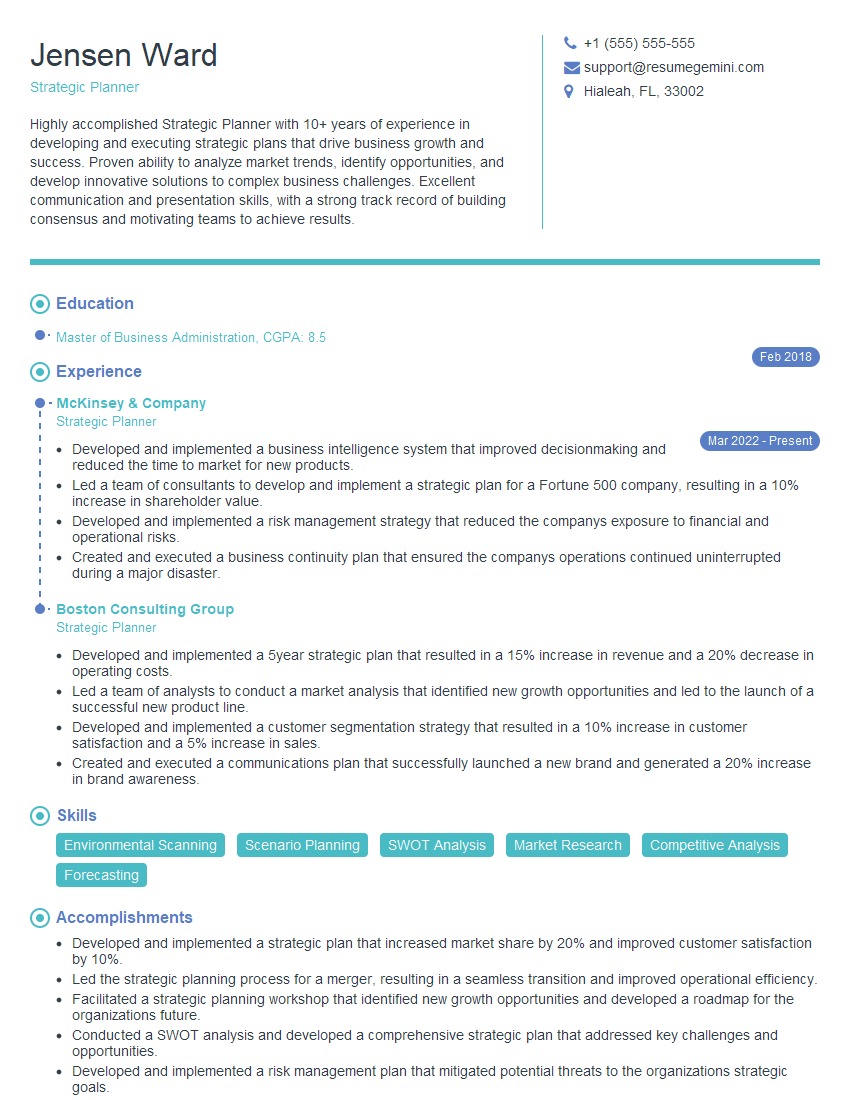
Strategic Planner Resume Sample
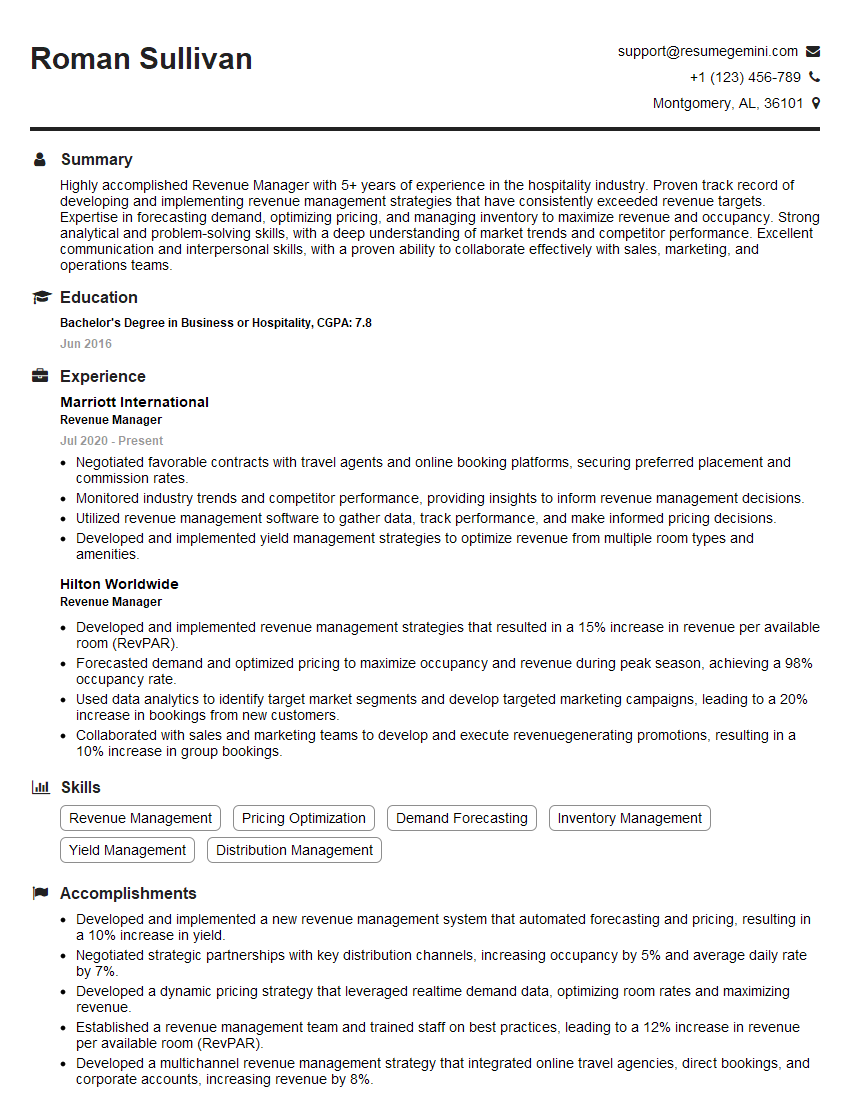
Revenue Manager Resume Sample
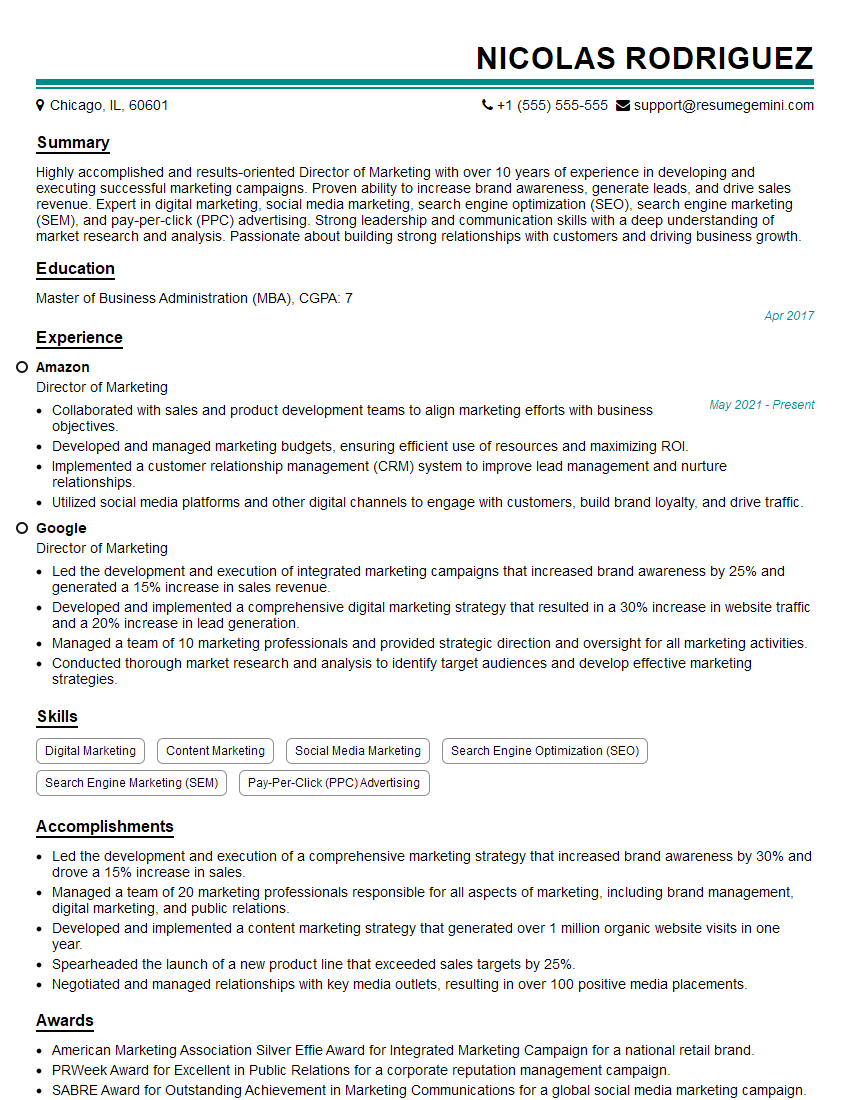
Director of Marketing Resume Sample
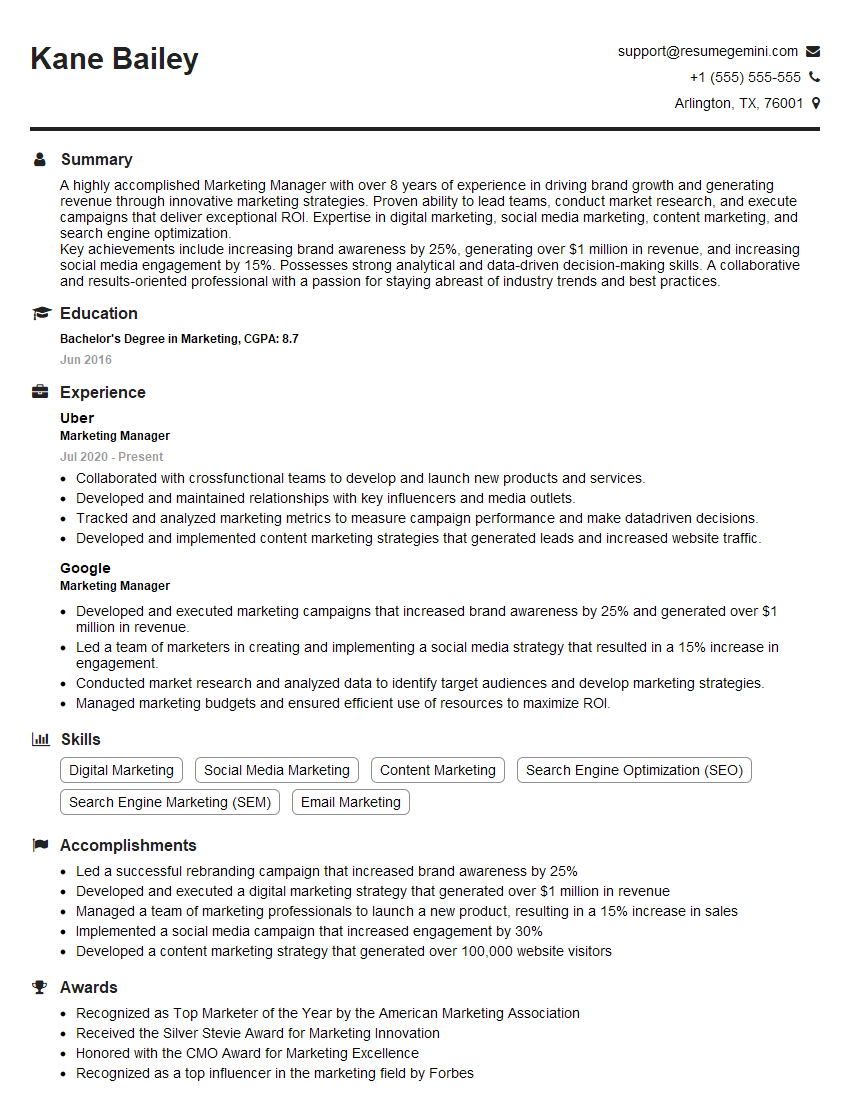
Marketing Manager Resume Sample
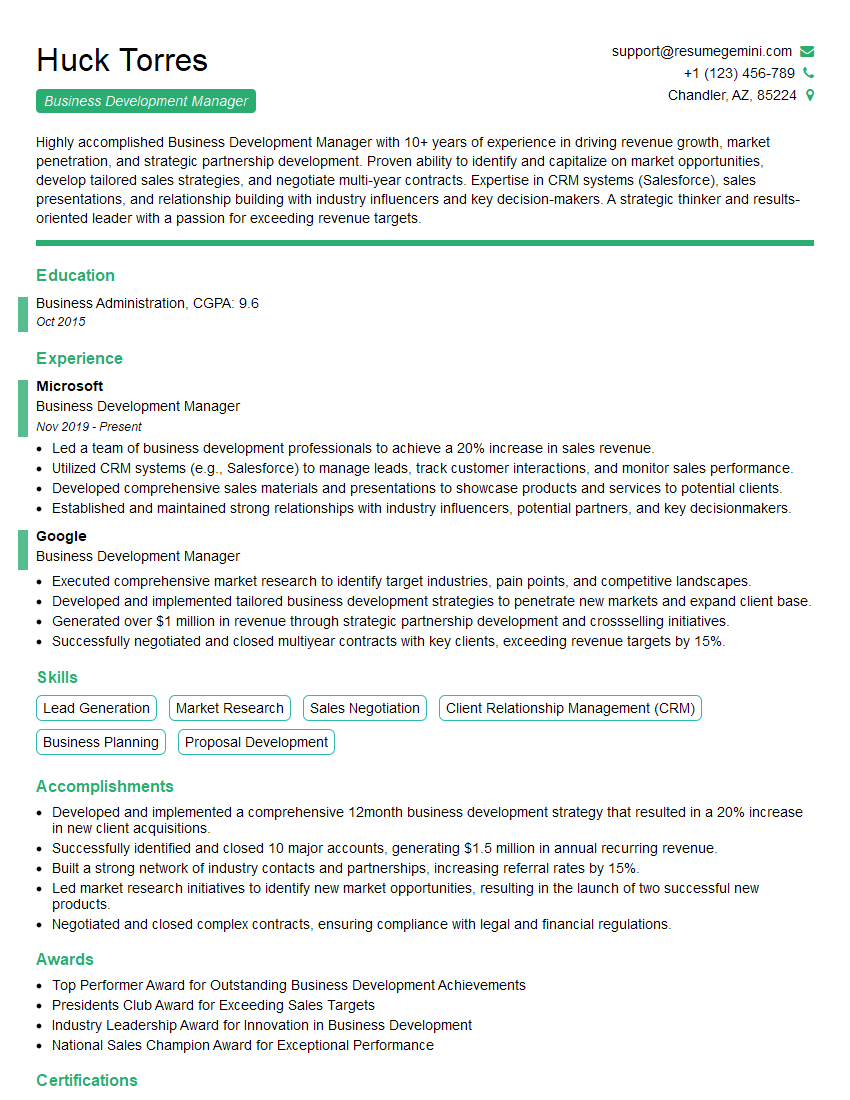
Business Development Manager Resume Sample
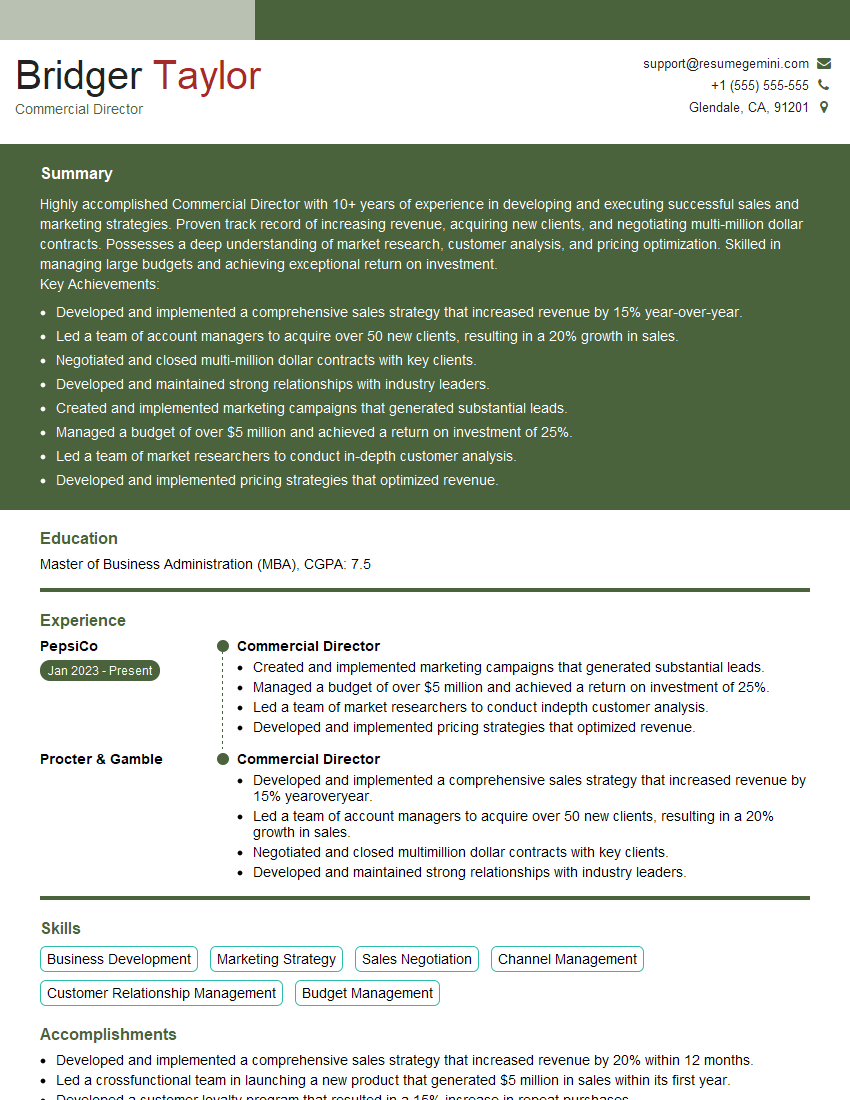
Commercial Director Resume Sample
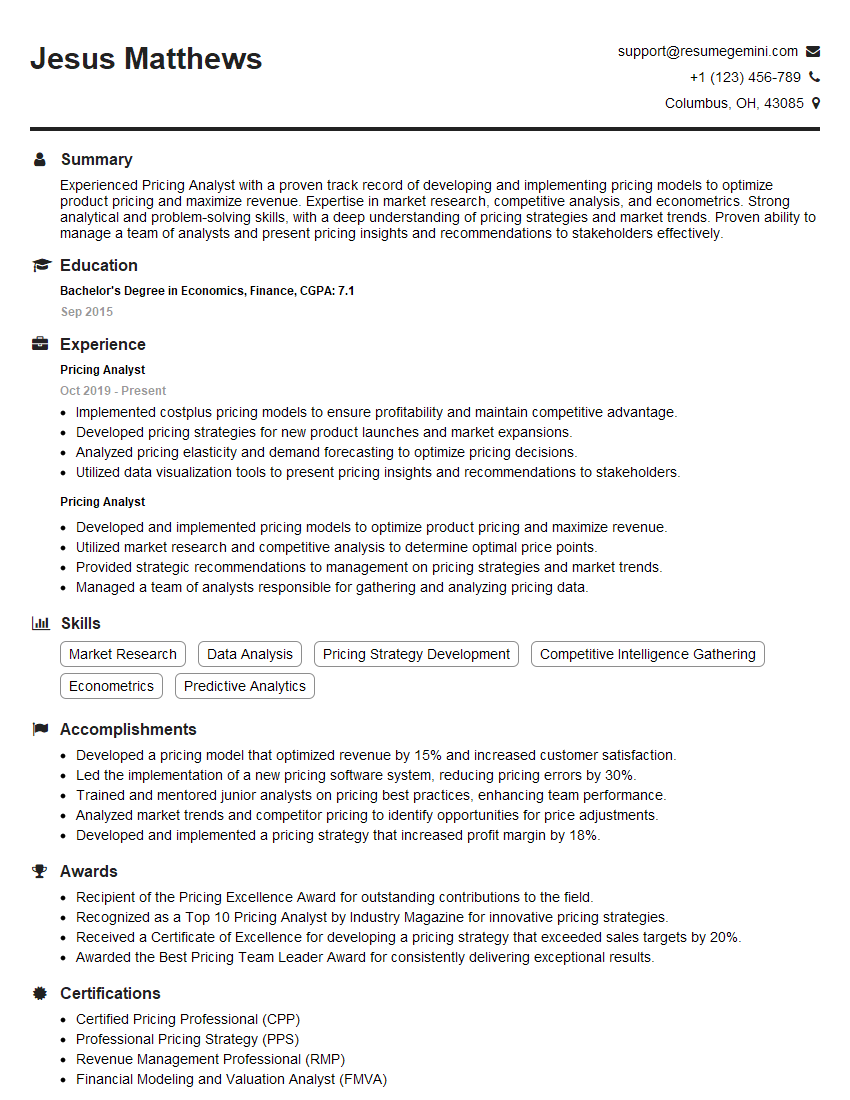
Pricing Analyst Resume Sample
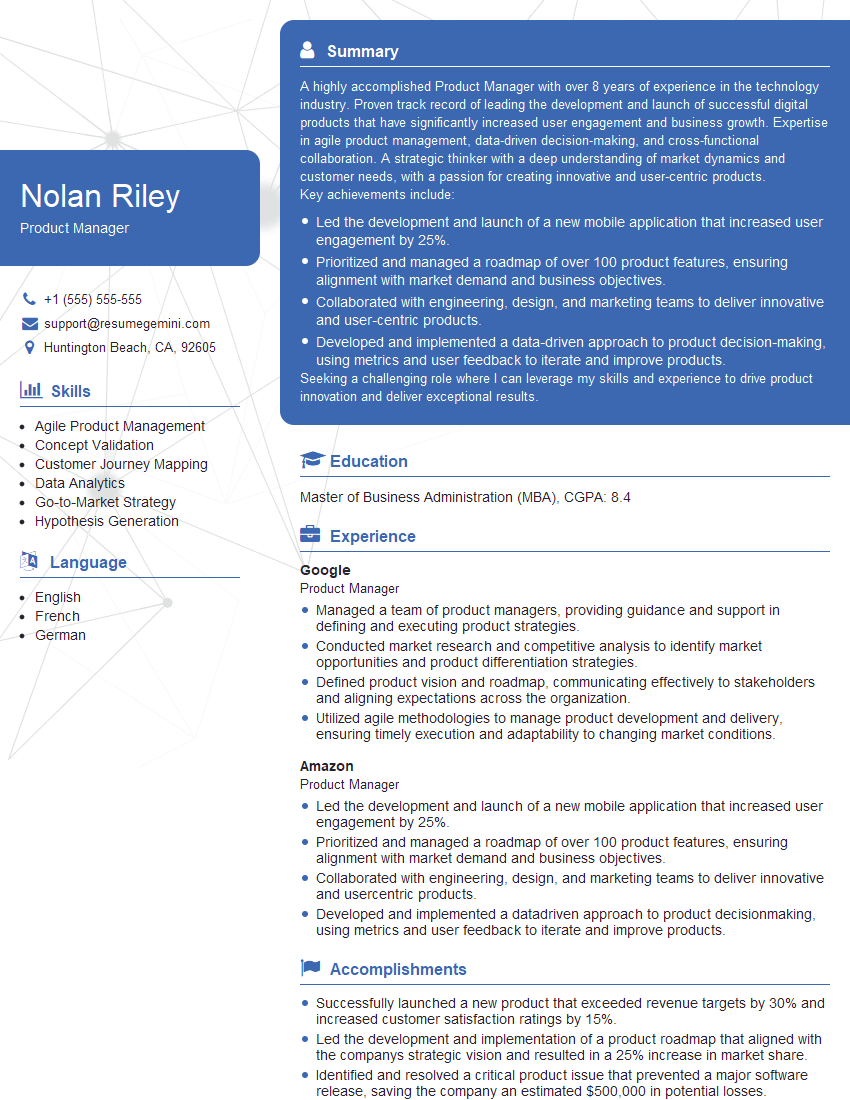
Product Manager Resume Sample
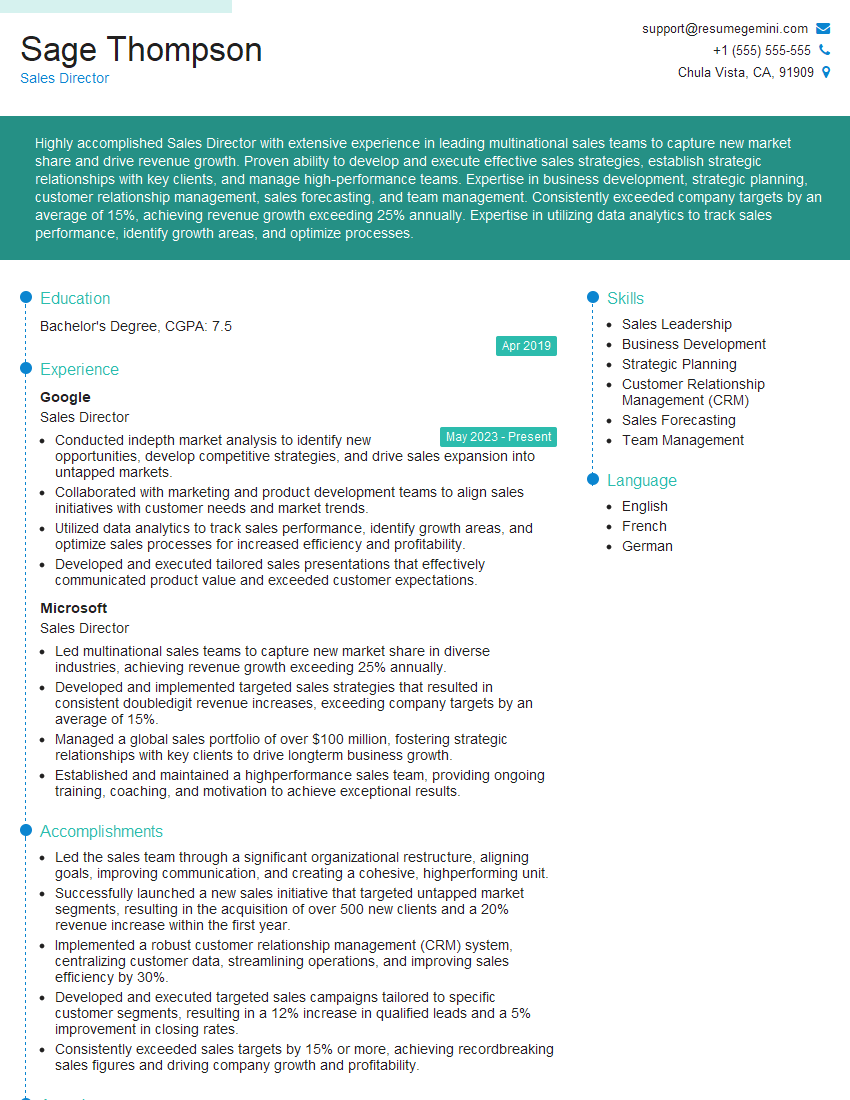
Sales Director Resume Sample
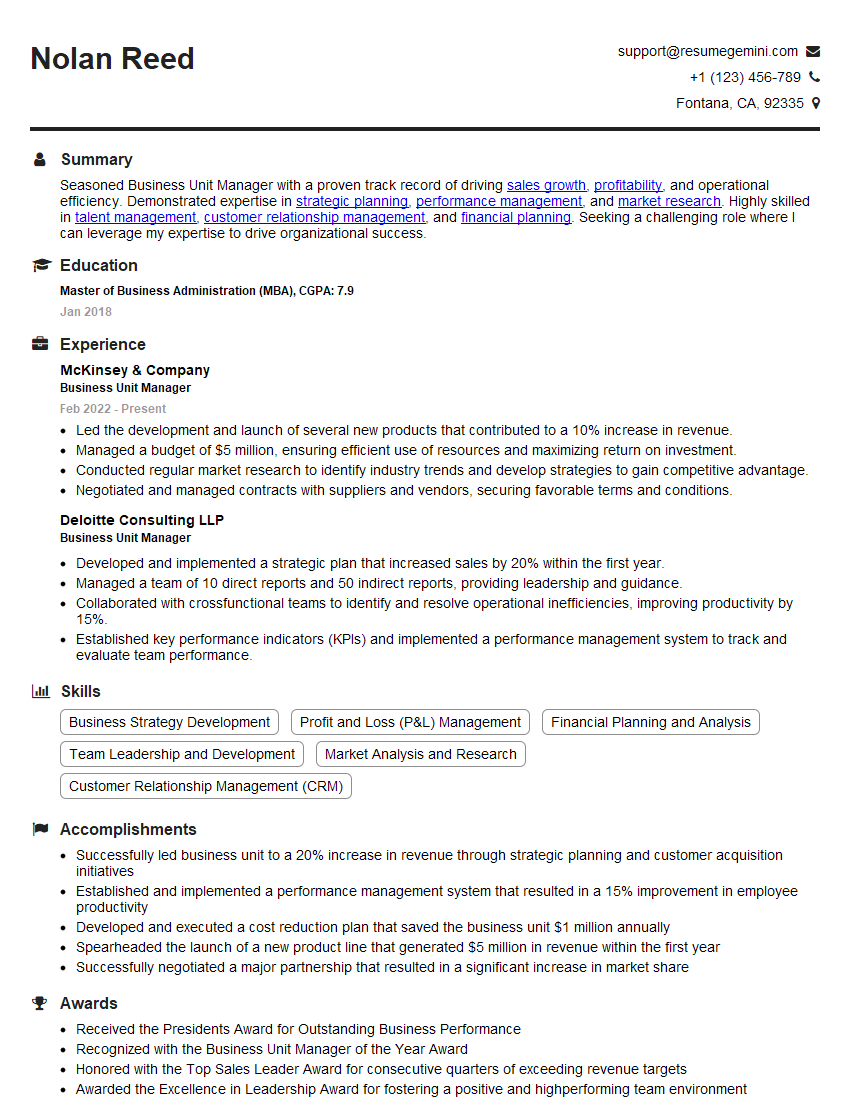
Business Unit Manager Resume Sample
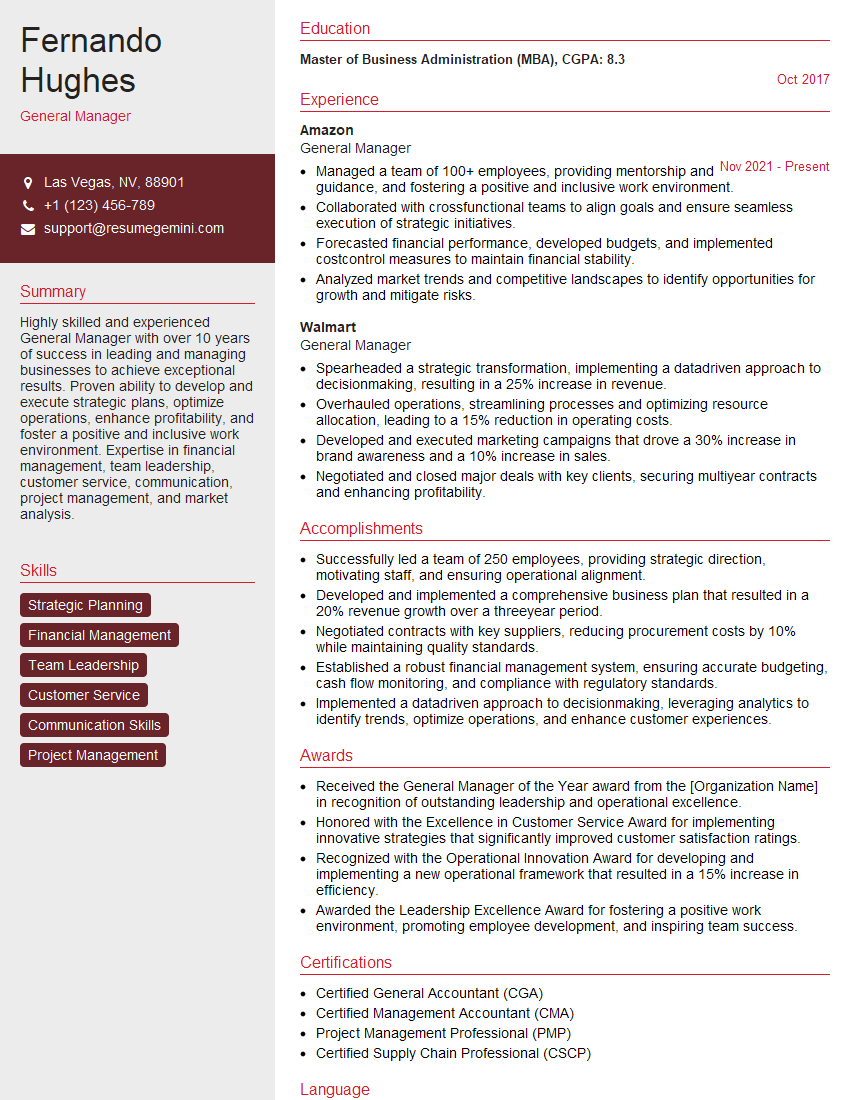
General Manager Resume Sample
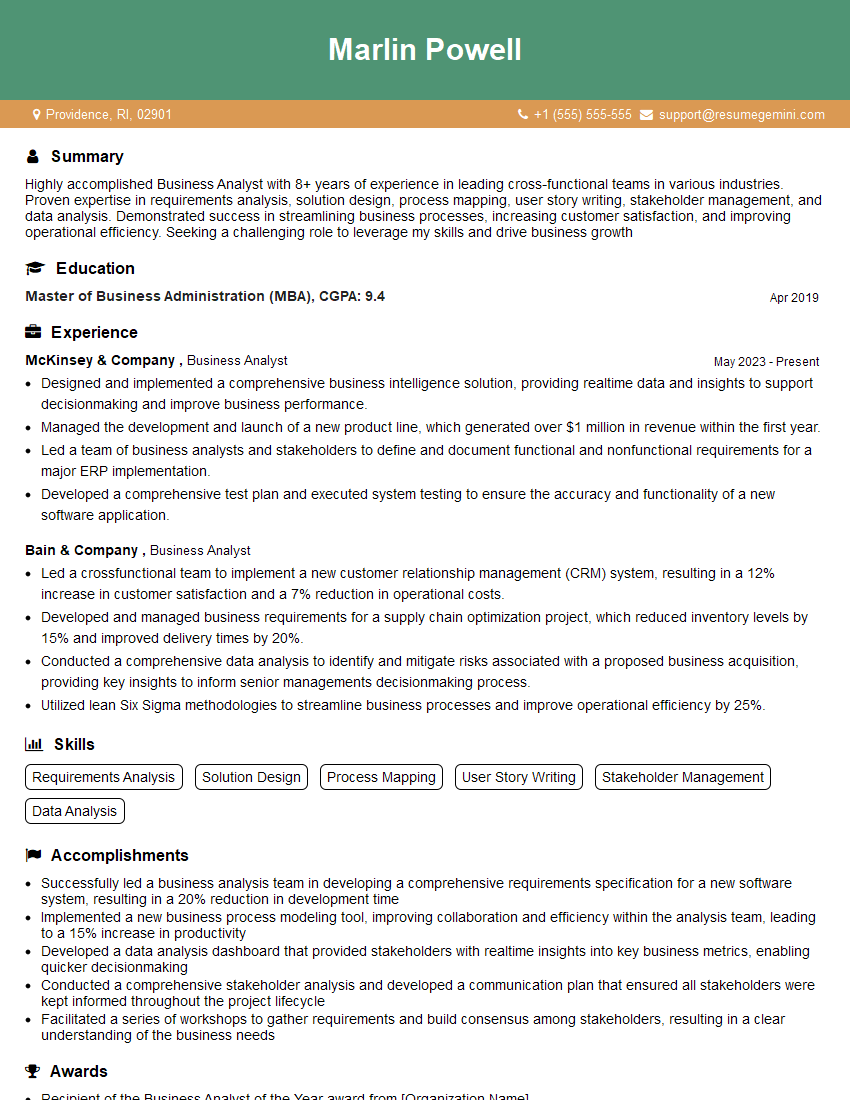
Business Analyst Resume Sample
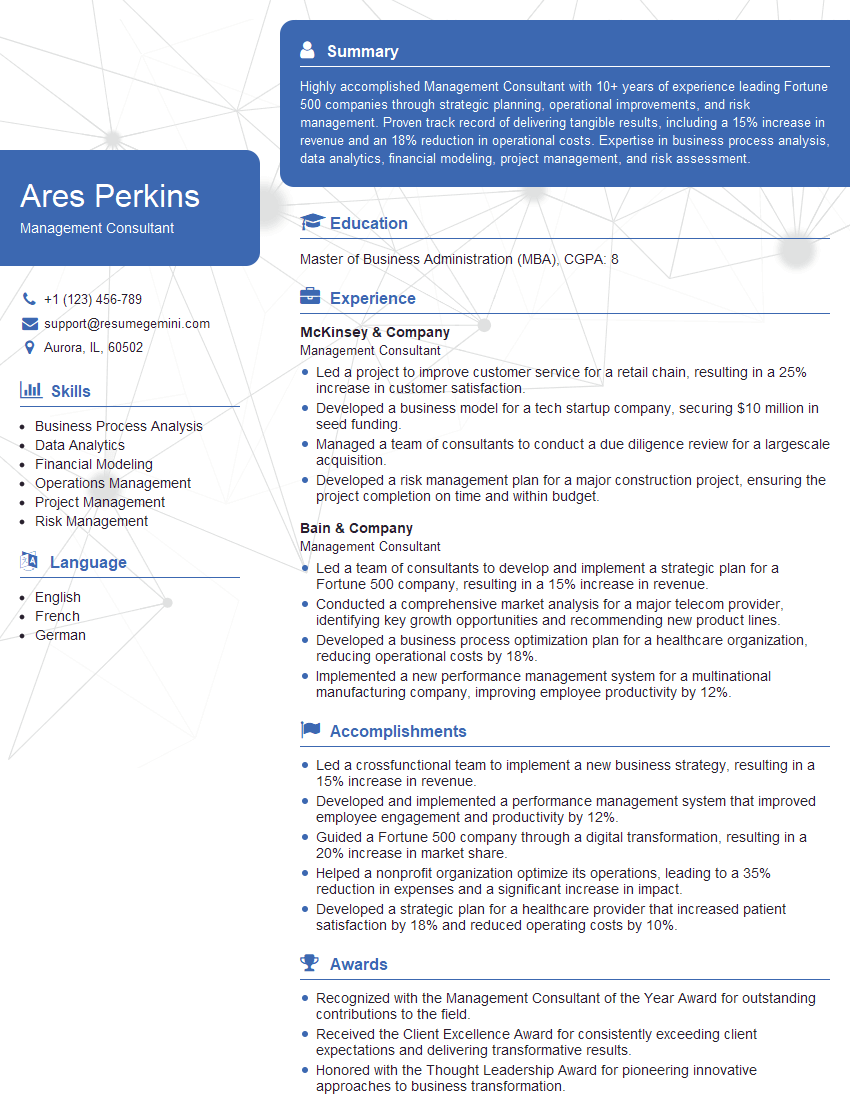
Management Consultant Resume Sample
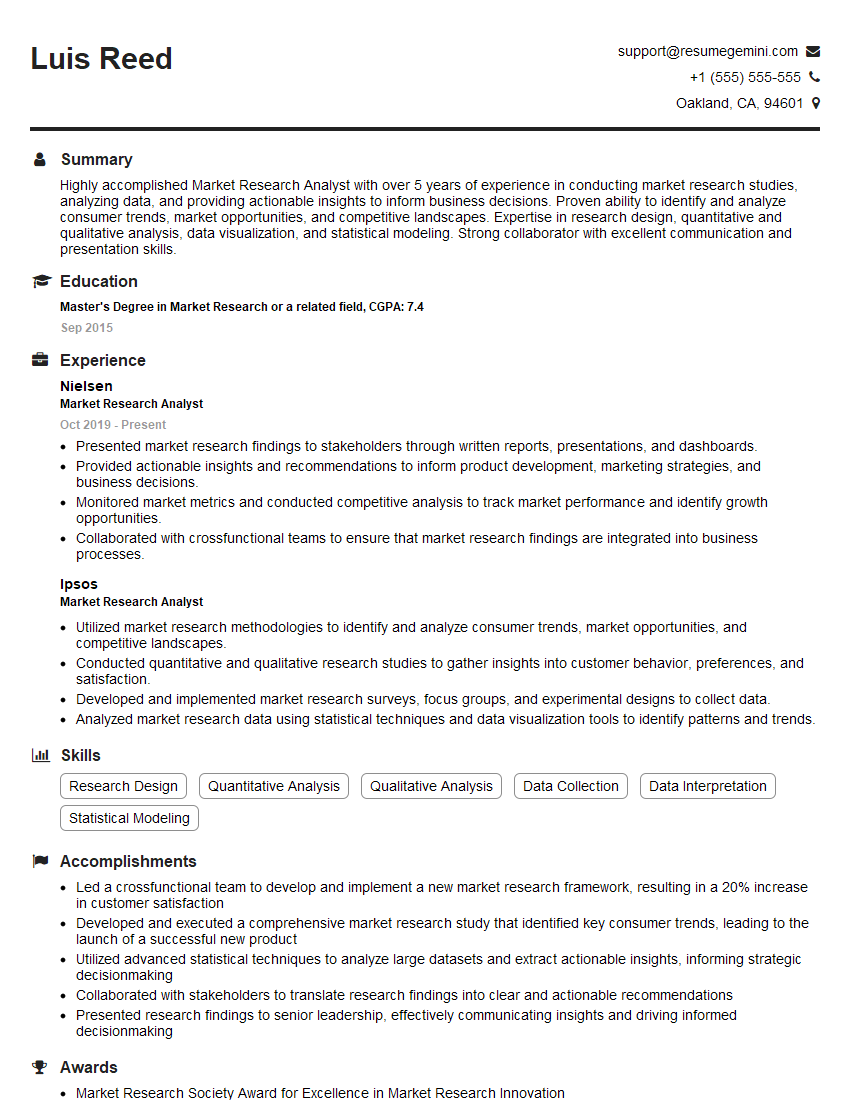
Market Research Analyst Resume Sample
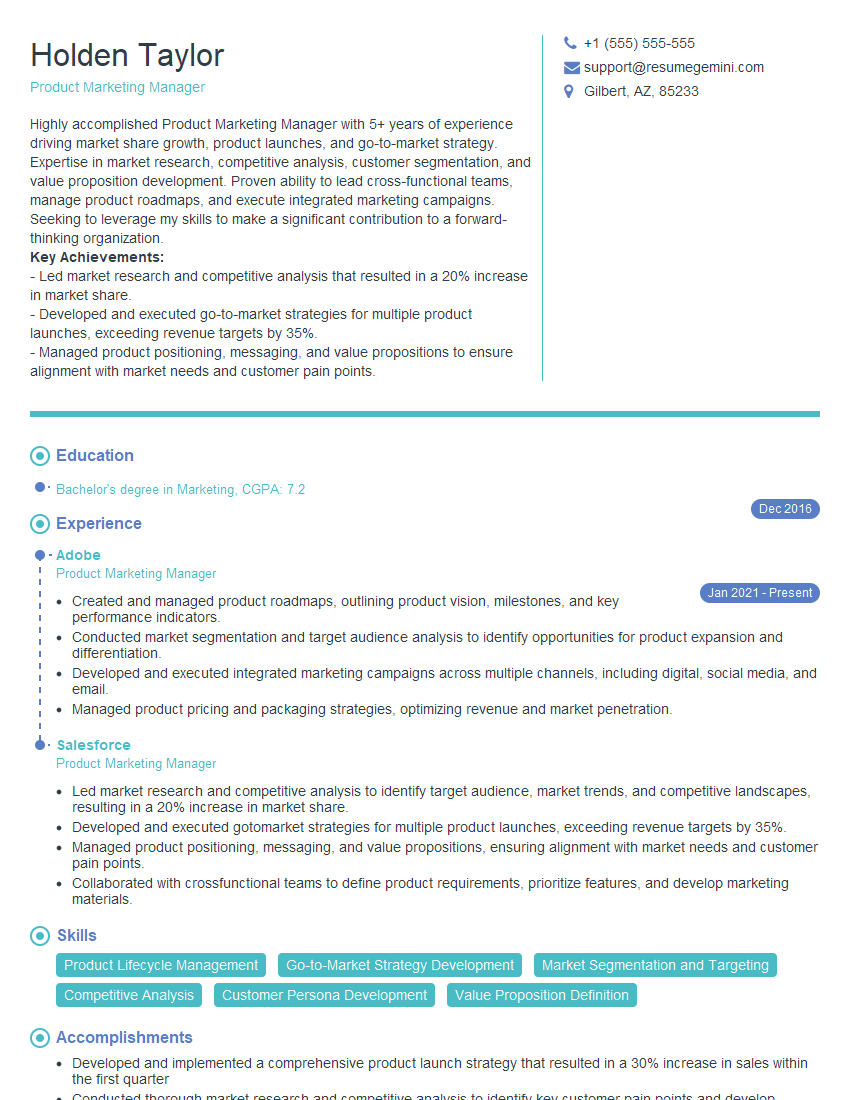
Product Marketing Manager Resume Sample
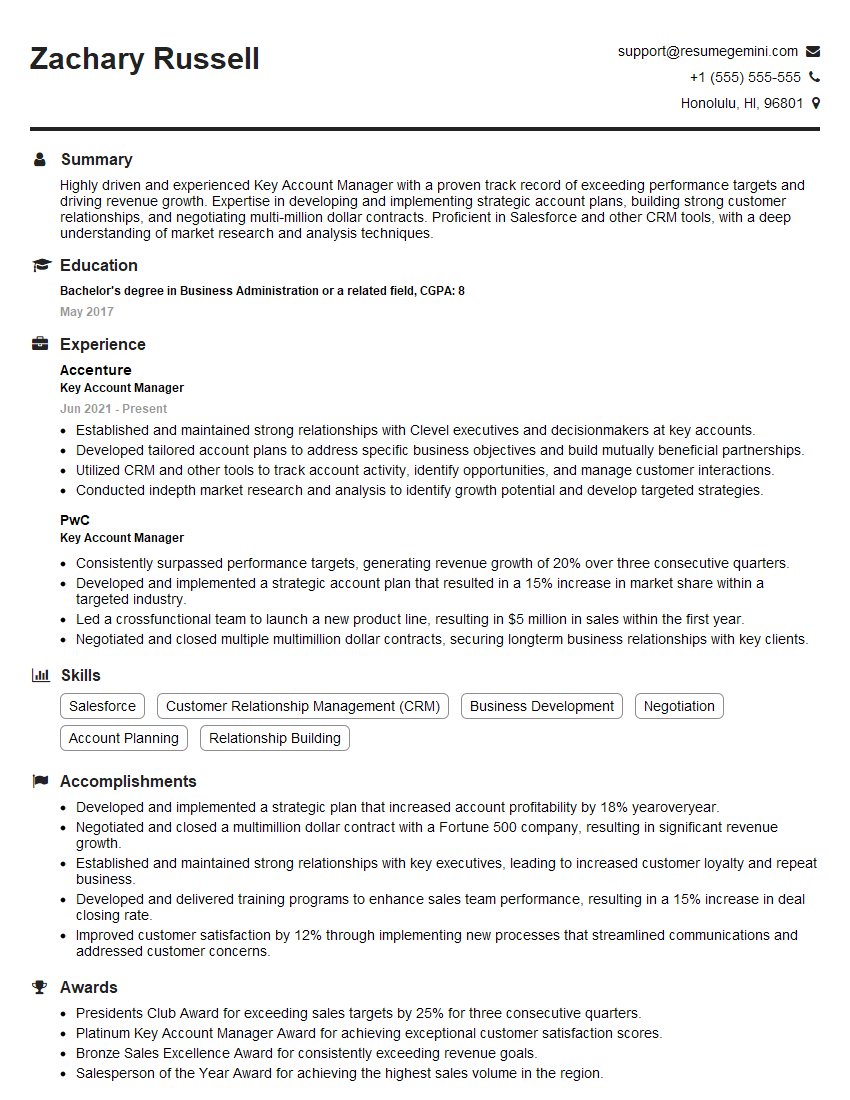
Key Account Manager Resume Sample
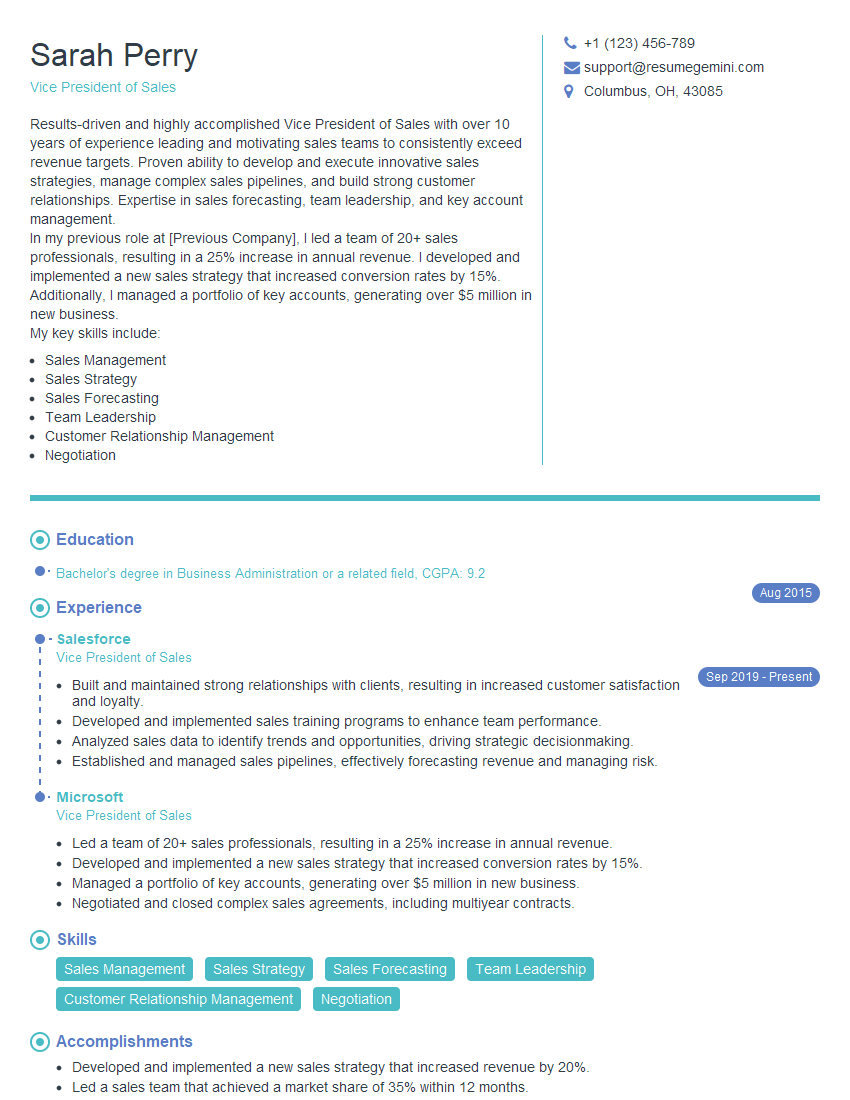
Vice President of Sales Resume Sample
- Strategic Planner
- Revenue Manager
- Director of Marketing
- Marketing Manager
- Business Development Manager
- Commercial Director
- Pricing Analyst
- Product Manager
- Sales Director
- Business Unit Manager
- General Manager
- Business Analyst
- Management Consultant
- Market Research Analyst
- Product Marketing Manager
- Key Account Manager
- Vice President of Sales
Explore more articles
Users Rating of Our Blogs
Share Your Experience
We value your feedback! Please rate our content and share your thoughts (optional).
What Readers Say About Our Blog
Very informative content, great job.
good