Unlock your full potential by mastering the most common Business Planning and Marketing interview questions. This blog offers a deep dive into the critical topics, ensuring you’re not only prepared to answer but to excel. With these insights, you’ll approach your interview with clarity and confidence.
Questions Asked in Business Planning and Marketing Interview
Q 1. Describe your experience developing a comprehensive marketing strategy.
Developing a comprehensive marketing strategy involves a systematic approach, beginning with a thorough understanding of the business’s goals and target audience. It’s not just about advertising; it’s about creating a cohesive plan that integrates all marketing efforts to achieve measurable results.
My process typically includes these key steps:
- Market Analysis: Defining the target market, identifying their needs, and understanding their behavior. This involves analyzing demographics, psychographics, and buying habits.
- Competitive Analysis: Identifying key competitors, analyzing their strengths and weaknesses, and understanding their marketing strategies. This helps in differentiating our offering and identifying market opportunities.
- SWOT Analysis: Assessing the business’s internal strengths and weaknesses, as well as external opportunities and threats. This provides a clear picture of the current market landscape and the business’s position within it.
- Marketing Objectives: Setting Specific, Measurable, Achievable, Relevant, and Time-bound (SMART) goals. For example, increasing brand awareness by 20% in six months or generating 1000 new leads in a quarter.
- Marketing Strategies: Developing strategies to achieve the objectives. This may involve a mix of digital marketing, content marketing, social media marketing, email marketing, public relations, and traditional advertising.
- Budget Allocation: Allocating resources effectively across different marketing channels based on their potential ROI and alignment with overall marketing objectives.
- Implementation & Monitoring: Executing the marketing plan and regularly monitoring its performance using key performance indicators (KPIs).
- Analysis and Optimization: Analyzing the results, identifying areas for improvement, and making necessary adjustments to the strategy.
For example, in my previous role at [Company Name], I developed a comprehensive marketing strategy that resulted in a 30% increase in lead generation within six months by focusing on targeted content marketing and social media engagement. This involved creating valuable content relevant to our target audience, optimizing our website for search engines, and running targeted advertising campaigns on social media platforms.
Q 2. Explain your process for conducting market research and analyzing competitor activities.
Conducting thorough market research and competitor analysis is crucial for any successful marketing strategy. It allows businesses to understand their target audience and position themselves effectively in the market.
My process for conducting market research involves:
- Defining Research Objectives: Clearly outlining what information needs to be gathered and how it will be used to inform marketing decisions.
- Primary Research: Gathering firsthand data through surveys, focus groups, interviews, and observational studies. This provides direct insights into customer preferences and behaviors.
- Secondary Research: Utilizing readily available data sources such as market reports, industry publications, and competitor websites. This provides a broader understanding of the market landscape.
- Data Analysis: Analyzing collected data to identify key trends, patterns, and insights. This may involve statistical analysis, data visualization, and qualitative analysis of customer feedback.
My approach to competitor analysis involves:
- Identifying Key Competitors: Determining the main competitors in the market based on product offerings, target audience, and market share.
- Analyzing Competitor Strategies: Evaluating their marketing strategies, including their pricing, product positioning, distribution channels, and promotional activities.
- Benchmarking: Comparing our own performance against key competitors to identify areas for improvement and competitive advantage.
- Competitive Advantages: Identifying areas where we can differentiate ourselves from the competition and create a unique value proposition.
For instance, while working on a project for [Client Name], I conducted extensive market research which revealed an untapped niche within their target market. This led to the development of a tailored marketing strategy that resulted in a significant increase in market share.
Q 3. How do you define and measure marketing ROI?
Marketing ROI (Return on Investment) measures the effectiveness of marketing efforts by calculating the return generated from marketing investments. It’s a crucial metric for justifying marketing spend and demonstrating the value of marketing activities.
Defining Marketing ROI involves:
- Identifying Marketing Expenses: This includes all costs associated with marketing activities such as advertising, content creation, marketing software, salaries, and events.
- Measuring Marketing Revenue: This involves tracking the revenue directly attributable to marketing initiatives. This may require sophisticated attribution modelling to trace the customer journey.
Measuring Marketing ROI can be done using various formulas, the simplest being:
(Revenue Generated - Marketing Expenses) / Marketing Expenses * 100%However, it’s not always straightforward to attribute revenue directly to specific marketing efforts. Therefore, a more holistic approach might involve tracking multiple KPIs, such as lead generation, website traffic, brand awareness, and customer satisfaction. Each KPI needs to be carefully chosen and measured with appropriate tools and methodologies.
For example, a successful email marketing campaign might be measured not just by the revenue generated but also by open rates, click-through rates, and conversion rates. This multifaceted approach provides a more comprehensive understanding of the campaign’s success.
Q 4. What are your preferred marketing channels and why?
My preferred marketing channels depend heavily on the specific business, target audience, and marketing objectives. However, I generally favor a multi-channel approach, utilizing a combination of digital and traditional methods to maximize reach and impact.
Some of my preferred channels include:
- Content Marketing: Creating valuable and engaging content (blog posts, articles, videos, infographics) to attract and retain customers. This is crucial for building brand awareness and establishing thought leadership.
- Search Engine Optimization (SEO): Optimizing website content and structure to improve organic search engine rankings. This ensures that the website is easily discoverable by potential customers searching for relevant keywords.
- Social Media Marketing: Utilizing social media platforms (Facebook, Instagram, Twitter, LinkedIn) to connect with the target audience, build brand communities, and promote products or services. This provides valuable insights into consumer preferences.
- Email Marketing: Sending targeted email campaigns to nurture leads, promote offers, and build customer relationships. This is a cost-effective way to reach a large audience and drive conversions.
- Paid Advertising (PPC): Running paid advertising campaigns on search engines (Google Ads) and social media platforms. This allows for targeted reach and measurable results.
- Influencer Marketing: Partnering with influencers to promote products or services to their followers. This can be highly effective in reaching specific demographics and building trust.
The choice of channels depends heavily on the context. For a B2B business, LinkedIn might be prioritized, while for a B2C business focusing on younger demographics, Instagram and TikTok could be more relevant. The key is to select channels that best align with the target audience’s online behavior and preferences.
Q 5. How would you handle a significant drop in sales?
A significant drop in sales warrants a swift and comprehensive response. It’s crucial to quickly diagnose the cause and implement corrective actions.
My approach involves:
- Analyzing Sales Data: Investigating sales data to identify trends, patterns, and potential causes of the decline. This involves examining sales figures across different product categories, regions, and customer segments.
- Market Research: Conducting further market research to assess the competitive landscape, consumer sentiment, and potential market shifts. This helps to determine whether external factors are at play.
- Customer Feedback: Gathering customer feedback through surveys, reviews, and social media monitoring to understand customer perceptions and identify any issues with products or services.
- Competitive Analysis: Evaluating competitor activities and strategies to understand if they have launched new products or initiatives that have impacted our sales.
- Marketing Audit: Conducting a marketing audit to assess the effectiveness of current marketing strategies and identify areas for improvement.
- Develop Corrective Actions: Based on the findings, develop and implement corrective actions, such as adjusting pricing, modifying products, improving marketing campaigns, expanding into new markets or introducing loyalty programs.
- Monitor and Adjust: Continuously monitor sales performance and make adjustments to the strategies as needed.
For example, if a drop in sales is attributed to a change in consumer preferences, it may be necessary to reformulate the product or adjust the marketing messaging to resonate with the new preferences. If the drop is due to a competitor’s aggressive marketing campaign, it may be necessary to increase marketing investments or refine the marketing strategy.
Q 6. Describe your experience with budget management in a marketing context.
Effective budget management is crucial for maximizing the ROI of marketing investments. It requires a careful balance between allocating resources to high-impact initiatives and controlling costs.
My experience with budget management involves:
- Budget Planning: Developing a detailed marketing budget that aligns with the overall business goals and marketing objectives. This involves forecasting marketing expenses, allocating resources across different marketing channels, and setting realistic targets.
- Budget Tracking: Regularly tracking marketing expenses and comparing actual spending against the budget. This involves using budgeting tools and dashboards to monitor progress and identify any variances.
- Performance Monitoring: Monitoring the performance of marketing initiatives to ensure that the investments are yielding the desired results. This involves using KPIs to track the effectiveness of different campaigns and marketing channels.
- Budget Optimization: Optimizing the marketing budget by identifying areas where costs can be reduced without sacrificing effectiveness. This may involve negotiating better rates with vendors, streamlining processes, or reallocating resources to higher-performing channels.
- Reporting and Analysis: Preparing regular reports on marketing spending and ROI to provide insights to stakeholders and inform future budget decisions.
In a previous role, I successfully managed a marketing budget of [Dollar Amount], achieving a [Percentage]% ROI by implementing a data-driven approach to budget allocation and campaign optimization. This involved regularly analyzing campaign performance and reallocating resources based on the results, allowing us to achieve cost-effectiveness.
Q 7. How do you prioritize marketing initiatives?
Prioritizing marketing initiatives is crucial for maximizing efficiency and achieving the greatest impact with limited resources. This requires a strategic approach that aligns initiatives with business goals and considers various factors.
My prioritization process involves:
- Alignment with Business Goals: The most important factor in prioritization is aligning marketing initiatives with the overall business objectives. Initiatives that directly contribute to achieving key business goals should be prioritized.
- Potential ROI: Evaluating the potential return on investment for each initiative. Those with the highest potential ROI should generally be prioritized.
- Market Opportunity: Considering the size and potential of the market opportunity. Initiatives targeting larger or faster-growing markets should typically be prioritized.
- Resource Availability: Considering the resources required (time, budget, personnel) for each initiative. Those that can be implemented with available resources should be prioritized.
- Urgency and Time Sensitivity: Considering the urgency and time sensitivity of each initiative. Those with tight deadlines or immediate impact should be prioritized.
- Risk Assessment: Assessing the potential risks and challenges associated with each initiative. Lower-risk initiatives should generally be prioritized, particularly when resources are constrained.
I often use a prioritization framework such as a weighted scoring system or a MoSCoW method (Must have, Should have, Could have, Won’t have) to systematically evaluate and rank marketing initiatives. This allows for a transparent and objective approach to prioritizing marketing activities, ensuring that the most impactful initiatives receive the necessary attention and resources.
Q 8. Explain your understanding of the marketing funnel.
The marketing funnel is a visual representation of the customer journey, from initial awareness to final purchase and beyond. It’s a crucial tool for understanding how potential customers interact with your brand and move through the various stages of the buying process. Think of it like a funnel – wide at the top where many people are aware of your brand, and narrowing down as fewer progress towards making a purchase.
- Awareness: This is the top of the funnel, where potential customers first encounter your brand through various channels like social media, advertising, or content marketing. Their awareness may be low – they might not even know they have a need your product or service solves.
- Interest: At this stage, potential customers have shown some interest in your brand or product. They might be researching solutions, reading reviews, or engaging with your content more deeply. They’re starting to consider if your offering is right for them.
- Decision: Customers are now seriously considering purchasing. They weigh the pros and cons of your product against alternatives and might be looking for more detailed information, like pricing or specifications.
- Action: The customer makes a purchase. This is the conversion point of the funnel.
- Loyalty: This is the post-purchase stage, focusing on retaining customers and encouraging repeat business through loyalty programs, excellent customer service, and continued engagement.
For example, a customer might see an ad for a new type of running shoe (Awareness), click on the ad to learn more about its features (Interest), compare it to other shoes on the website (Decision), and finally buy the shoe (Action). Building a strong relationship afterwards might involve sending them a follow-up email and encouraging them to leave a review (Loyalty).
Q 9. What experience do you have with A/B testing?
A/B testing, also known as split testing, is a crucial method for improving marketing effectiveness. It involves creating two versions (A and B) of a marketing asset – like an email, ad, or landing page – and testing them against each other to see which performs better. The key is to only change one element at a time (e.g., the headline or call-to-action button color) to isolate the impact of that specific change.
I have extensive experience designing and implementing A/B tests across various channels. For example, I once worked on a campaign where we A/B tested two different email subject lines. Version A had a more direct, benefit-driven subject line, while Version B used a more intriguing, question-based approach. By tracking the open and click-through rates of both emails, we found that Version A significantly outperformed Version B, leading to a 15% increase in conversions. This allowed us to optimize our email strategy and improve ROI.
The data collected from A/B testing informs future marketing efforts, leading to more effective campaigns and a better understanding of customer preferences.
Q 10. How familiar are you with different marketing analytics platforms (e.g., Google Analytics)?
I’m highly proficient in using various marketing analytics platforms, with Google Analytics being a core tool in my workflow. I understand how to leverage Google Analytics to track website traffic, user behavior, conversion rates, and other key performance indicators (KPIs). This includes setting up goals, creating custom reports, and using advanced segmentation to gain valuable insights into user demographics, acquisition channels, and campaign performance.
Beyond Google Analytics, I’m familiar with other platforms like Adobe Analytics, which offers more advanced features for large-scale data analysis, and various social media analytics dashboards that provide insights into the performance of social campaigns. My expertise extends to interpreting data from these platforms, translating the findings into actionable insights, and communicating those insights to stakeholders.
Q 11. Describe your experience with creating and implementing marketing campaigns.
I have a proven track record of creating and implementing successful marketing campaigns across various channels, including email marketing, social media marketing, search engine optimization (SEO), and paid advertising (PPC). My approach is data-driven, starting with a deep understanding of the target audience and clear campaign objectives. This ensures that resources are allocated effectively to achieve measurable results.
For instance, in a recent project for a B2B SaaS company, I developed a multi-channel marketing campaign focusing on lead generation. This involved optimizing their website for relevant keywords (SEO), running targeted LinkedIn ads (PPC), and nurturing leads through a series of automated email sequences. This integrated approach resulted in a 30% increase in qualified leads within three months. I meticulously tracked KPIs throughout the campaign, making adjustments as needed to maximize performance.
Q 12. How do you stay current with the latest marketing trends and technologies?
Staying current in the ever-evolving world of marketing is crucial. I regularly engage in several strategies to maintain my knowledge. This includes:
- Following industry influencers and publications: I subscribe to newsletters and podcasts from leading marketing experts and publications, keeping abreast of the latest trends and best practices.
- Attending industry conferences and webinars: These events offer valuable insights from industry leaders and provide opportunities to network with other professionals.
- Participating in online communities: Engaging in online forums and groups allows for continuous learning and the exchange of ideas.
- Continuous learning platforms: I utilize online learning platforms like Coursera and LinkedIn Learning to deepen my expertise in specific areas, such as data analytics or digital marketing strategies.
This multifaceted approach ensures I’m constantly adapting my skillset and applying the latest techniques to achieve optimal results for my clients.
Q 13. Explain your understanding of SWOT analysis.
A SWOT analysis is a strategic planning tool used to identify and evaluate the Strengths, Weaknesses, Opportunities, and Threats involved in a project or in a business venture. It involves a structured assessment of internal and external factors that can affect the achievement of objectives.
- Strengths: Internal positive attributes that give your business an advantage. Examples include strong brand reputation, innovative technology, skilled workforce.
- Weaknesses: Internal negative factors that hinder progress. Examples include outdated equipment, weak brand image, high employee turnover.
- Opportunities: External factors that can be leveraged for growth. Examples include emerging markets, new technologies, changing consumer preferences.
- Threats: External negative factors that could harm the business. Examples include intense competition, economic recession, new regulations.
A SWOT analysis is essential for informed decision-making. By understanding your strengths and weaknesses, you can capitalize on opportunities and mitigate threats. For example, a small bakery might discover a strength in its delicious pastries, a weakness in its limited online presence, an opportunity in expanding to local farmers’ markets, and a threat from a larger competitor opening nearby. This analysis then guides strategic actions, like improving the website and participating in farmers’ markets.
Q 14. How do you build and maintain relationships with clients or stakeholders?
Building and maintaining strong relationships with clients and stakeholders is paramount. My approach is built on:
- Open and transparent communication: I ensure clear, consistent, and proactive communication, keeping stakeholders informed of progress and challenges. This includes regular meetings, email updates, and reports.
- Active listening and understanding their needs: I prioritize understanding their goals, concerns, and expectations before formulating strategies. This involves asking questions, actively listening, and seeking clarification.
- Delivering on promises and exceeding expectations: I strive to deliver high-quality results that meet or exceed client expectations. This builds trust and reinforces the relationship.
- Building trust and rapport: This involves being reliable, responsive, and demonstrating genuine care for their success. It’s about building a partnership, not just a business transaction.
- Regular check-ins and feedback sessions: Consistent follow-up is vital. Regular check-ins allow for adjustments, address concerns, and reinforce the collaborative nature of the relationship.
Building strong relationships leads to long-term partnerships, increased collaboration, and more successful outcomes. It’s an investment that pays dividends in the long run.
Q 15. How familiar are you with different pricing strategies?
Pricing strategies are the methods businesses use to determine the price of their products or services. Choosing the right strategy is crucial for profitability and market competitiveness. There’s no one-size-fits-all approach; the best strategy depends on factors like target market, competition, product cost, and overall business objectives.
- Cost-Plus Pricing: This involves calculating the total cost of production and adding a predetermined markup percentage. It’s simple to understand and ensures profitability, but it might lead to overpriced products if not carefully managed. Example: A bakery calculates the cost of ingredients and labor for a cake, then adds a 50% markup to determine the selling price.
- Value-Based Pricing: This focuses on the perceived value customers place on the product. Pricing is set based on the benefits and features, not just the cost. This works well for premium products or services where customers are willing to pay a premium for quality and experience. Example: A luxury car brand prices its vehicles based on features, brand reputation, and exclusivity, rather than solely on manufacturing costs.
- Competitive Pricing: This involves setting prices based on what competitors are charging. It can be effective in established markets, but it risks a price war if not managed strategically. Example: A coffee shop sets its prices slightly below its main competitor to attract more customers.
- Penetration Pricing: This involves setting a low initial price to quickly gain market share. It’s often used for new products entering a competitive market, but it might require high sales volumes to be profitable. Example: A new streaming service offers a discounted subscription price for its first year to attract a large subscriber base.
- Premium Pricing: This involves setting high prices to signal high quality and exclusivity. This works well for luxury goods and services where brand reputation is a key selling point. Example: A designer handbag brand charges a high price to project an image of luxury and exclusivity.
In my experience, I’ve successfully implemented various pricing strategies, adapting them based on the specific needs and characteristics of each product or service. For instance, I helped a startup use penetration pricing to gain early market traction, while assisting an established company in implementing value-based pricing to highlight their unique features.
Career Expert Tips:
- Ace those interviews! Prepare effectively by reviewing the Top 50 Most Common Interview Questions on ResumeGemini.
- Navigate your job search with confidence! Explore a wide range of Career Tips on ResumeGemini. Learn about common challenges and recommendations to overcome them.
- Craft the perfect resume! Master the Art of Resume Writing with ResumeGemini’s guide. Showcase your unique qualifications and achievements effectively.
- Don’t miss out on holiday savings! Build your dream resume with ResumeGemini’s ATS optimized templates.
Q 16. Describe your experience using project management methodologies in marketing projects.
I’ve extensively utilized Agile and Waterfall methodologies in managing marketing projects. The choice depends on project specifics, but Agile’s iterative nature is usually preferred for marketing campaigns due to their dynamic nature and frequent adjustments based on data and feedback.
- Agile (Scrum/Kanban): I frequently employ Agile, particularly Scrum, for its emphasis on sprints (short, focused work periods), daily stand-ups (brief team meetings), and iterative development. This allows for flexibility and adaptation throughout the campaign. For instance, during a social media campaign, we could have a sprint dedicated to content creation, followed by another focused on A/B testing ad creatives, based on early performance data. Kanban’s visual workflow management aids in prioritizing tasks and tracking progress effectively.
- Waterfall: Waterfall is more suitable for projects with clearly defined requirements and a less iterative process. I’ve used it for long-term branding initiatives or large-scale events where change requests are less frequent. This method helps maintain a strict timeline and budget control but requires thorough planning upfront.
Regardless of the chosen methodology, meticulous project planning, task delegation, resource allocation, and consistent monitoring are critical. I use tools like Asana and Trello to track progress, manage tasks, and facilitate effective collaboration within the team.
Q 17. How do you adapt your marketing strategy to different target audiences?
Adapting marketing strategies to different target audiences is essential for maximizing impact. It involves understanding the unique characteristics, needs, and preferences of each segment and tailoring messaging, channels, and offers accordingly.
My approach involves a deep dive into market research to identify key demographic, psychographic, and behavioral attributes. This might include analyzing existing customer data, conducting surveys, and performing competitor analysis. Once I understand the target audience, I tailor the marketing mix (product, price, place, promotion) to resonate with their specific needs and preferences.
- Messaging: The language and tone used must resonate with the target audience. A younger audience might respond to informal, playful messaging, while an older audience might prefer a more formal and informative approach.
- Channels: Choosing the right channels is paramount. For example, younger audiences are highly active on platforms like TikTok and Instagram, while older audiences might be more engaged with email marketing or traditional media.
- Offers: Promotional offers should be tailored to the audience’s needs and preferences. For instance, a discount might appeal to a price-sensitive audience, while a loyalty program might be more attractive to a high-value customer segment.
For example, when launching a new product, I might target one segment with a social media campaign emphasizing its unique features and another segment with email marketing focusing on its value proposition and ease of use. Personalization, data-driven insights and continuous A/B testing is key to refining the approach.
Q 18. Explain your understanding of brand positioning and messaging.
Brand positioning and messaging are crucial for establishing a unique identity and attracting the right customers. Brand positioning defines how your brand is perceived in the marketplace relative to competitors, while messaging is the communication that conveys this position to your target audience.
Effective brand positioning requires a thorough understanding of the target market, competitive landscape, and the brand’s unique value proposition. It involves identifying a specific niche and crafting a clear and concise brand story that resonates with the target audience. For example, a coffee shop might position itself as the ‘premium coffee experience’ while a fast-food chain might position itself as the ‘convenient and affordable option’.
Brand messaging should be consistent across all platforms and touchpoints. It should clearly communicate the brand’s value proposition, personality, and promise. The messaging should be authentic, memorable, and easy to understand. I utilize a brand positioning statement— a concise internal document outlining the brand’s target market, unique selling proposition, and desired image—to guide all external messaging and brand communication efforts.
For instance, a brand positioning statement for a sustainable clothing company might be: “To environmentally conscious millennials who value ethical fashion, we are the stylish and sustainable clothing brand that offers high-quality apparel made from recycled materials, promoting a positive impact on the planet.”
Q 19. How do you measure the success of a content marketing strategy?
Measuring the success of a content marketing strategy requires a multi-faceted approach. It’s not just about vanity metrics like likes and shares; it’s about understanding whether the content is achieving its intended business objectives.
Key metrics include:
- Website traffic: Monitoring website traffic (unique visitors, page views, bounce rate) reveals the content’s reach and engagement.
- Lead generation: Tracking the number of leads generated from the content (e.g., email sign-ups, form submissions) shows its effectiveness in driving conversions.
- Engagement metrics: Analyzing metrics such as time on page, scroll depth, and social media shares helps understand audience engagement and interest.
- Conversion rates: Measuring the percentage of website visitors who complete a desired action (e.g., purchase, subscription) indicates the content’s effectiveness in driving sales or other key objectives.
- Brand awareness: Tracking brand mentions, social media sentiment, and search engine rankings helps assess the impact of the content on brand awareness and reputation.
- Return on investment (ROI): Calculating the return on investment for the content marketing campaign to assess its overall effectiveness and justify further investment.
By analyzing these metrics, we can gain insights into the performance of the content marketing strategy and make data-driven decisions to optimize it for better results. Tools like Google Analytics, social media analytics dashboards, and CRM systems play an important role in this process.
Q 20. How do you deal with conflicting priorities in a marketing role?
Conflicting priorities are common in a fast-paced marketing environment. My approach involves a structured process to manage these effectively.
- Prioritization Matrix: I often use a prioritization matrix (like Eisenhower Matrix – Urgent/Important) to categorize tasks based on urgency and importance. This helps identify which tasks need immediate attention and which can be delegated or rescheduled.
- Clear Communication: Open communication with stakeholders is essential. I proactively discuss conflicting priorities, explaining potential trade-offs and seeking agreement on a course of action. This ensures everyone is aligned and understands the rationale behind the decisions.
- Data-Driven Decisions: I rely on data and analytics to inform my decisions. This ensures that prioritization is based on objective evidence rather than subjective opinions.
- Time Management Techniques: I employ time management techniques, such as time blocking and the Pomodoro Technique, to ensure efficient task completion and avoid getting bogged down in low-priority activities.
- Delegation: When appropriate, I delegate tasks to team members to manage workload and ensure timely completion of all prioritized tasks.
Ultimately, effective prioritization requires a balance of strategic thinking, efficient execution, and clear communication to navigate competing demands and deliver results.
Q 21. Describe your experience with social media marketing.
I have extensive experience with social media marketing, encompassing strategy development, content creation, community management, and performance analysis across various platforms.
- Strategy Development: I start by defining clear objectives, identifying target audiences, and selecting the most appropriate social media platforms. This involves thorough research to understand the audience’s behavior and preferences on each platform.
- Content Creation: I create engaging and visually appealing content tailored to each platform, including text, images, videos, and stories. Content is carefully crafted to resonate with the target audience and align with the overall brand messaging.
- Community Management: I actively engage with followers, respond to comments and messages, and foster a strong online community. This builds brand loyalty and enhances customer relationships.
- Performance Analysis: I track key metrics like engagement, reach, and conversions to measure the effectiveness of campaigns. Data-driven insights inform ongoing optimization and strategy refinement. Tools like Facebook Ads Manager, Google Analytics, and various social media platform analytics dashboards are essential for this.
For example, I recently managed a successful Instagram campaign for a clothing brand, which resulted in a significant increase in follower count, website traffic, and sales. This involved developing a content calendar, creating visually appealing posts, running targeted ads, and engaging actively with the brand’s followers. My strategies are always adaptive to evolving trends and platform algorithms.
Q 22. What is your approach to developing a business plan?
Developing a robust business plan is a crucial first step for any venture. My approach is iterative and data-driven, focusing on thorough research and realistic projections. I begin with a comprehensive executive summary outlining the business’s mission, vision, and goals. This is followed by a detailed market analysis, identifying target audiences, competitive landscapes, and market trends. A strong company description section then details the business’s structure, legal form, and unique selling proposition. The organization and management section outlines the team’s expertise and organizational chart. The service or product line section provides a detailed description, including pricing strategy and production processes. The marketing and sales strategy is critical, outlining target markets, marketing channels, and sales forecasts. A comprehensive financial plan, including projected income statements, balance sheets, and cash flow statements, is essential. Finally, I include an appendix with supporting documents like market research data and resumes. Throughout the process, I emphasize flexibility; the plan is a living document, regularly reviewed and adjusted based on performance and market changes.
For example, when developing a business plan for a new sustainable coffee shop, the market analysis would include research on competitor pricing, local demographics showing demand for ethically sourced products, and a review of trends in the café industry. The financial plan would then project revenue based on these market insights, factoring in costs like rent, staffing, and coffee bean sourcing.
Q 23. How do you identify and capitalize on market opportunities?
Identifying and capitalizing on market opportunities requires a proactive and analytical approach. It starts with thorough market research to understand customer needs, preferences, and pain points. This involves analyzing industry reports, conducting surveys and focus groups, and monitoring competitor activities. Once potential opportunities are identified, a SWOT analysis (Strengths, Weaknesses, Opportunities, Threats) helps to assess the feasibility and potential impact of each opportunity. This allows for a prioritized approach, focusing on opportunities that align with the business’s strengths and minimize potential threats. Finally, a well-defined go-to-market strategy is needed to effectively launch and promote the product or service within the identified opportunity. This involves creating a compelling value proposition, choosing appropriate marketing channels, and establishing key partnerships.
For instance, noticing a growing demand for plant-based alternatives in a traditionally meat-heavy market could be a significant opportunity. A SWOT analysis would then assess factors like competition from existing plant-based brands, the potential for government subsidies, and the company’s internal capabilities in developing and marketing plant-based products. The go-to-market strategy would then outline how to best reach the target market, considering elements like social media marketing, influencer collaborations, and partnerships with relevant retailers.
Q 24. How familiar are you with different types of market segmentation?
I’m very familiar with various market segmentation strategies. These methods divide a broad consumer or business market into sub-groups of consumers based on shared characteristics. This allows for more targeted and effective marketing efforts. Key segmentation approaches include:
- Geographic segmentation: Dividing the market based on location (e.g., country, region, city).
- Demographic segmentation: Dividing the market based on characteristics like age, gender, income, education, and family size.
- Psychographic segmentation: Dividing the market based on psychological characteristics like lifestyle, values, attitudes, and interests.
- Behavioral segmentation: Dividing the market based on consumer behavior, such as purchase frequency, brand loyalty, and usage rate.
For a new line of organic skincare products, for example, geographic segmentation could involve focusing on areas known for high concentrations of environmentally conscious consumers. Demographic segmentation might target women aged 25-45 with higher disposable incomes. Psychographic segmentation would consider those who prioritize natural and sustainable products and a holistic wellness lifestyle. Finally, behavioral segmentation could identify frequent buyers of organic or high-end beauty products.
Q 25. Explain your understanding of the product life cycle.
The product life cycle describes the stages a product goes through from its introduction to the market to its eventual decline. Understanding this cycle is crucial for effective marketing and resource allocation. The typical stages are:
- Introduction: The product is launched, and sales are initially slow due to low awareness. Marketing focuses on building brand awareness and generating trial.
- Growth: Sales increase rapidly as the product gains popularity. Marketing efforts focus on expanding market share and building brand loyalty.
- Maturity: Sales growth slows, and the market becomes saturated. Marketing focuses on defending market share and extending the product’s life cycle.
- Decline: Sales decline due to changing consumer preferences or competition. Marketing may focus on niche markets or a phased product withdrawal.
Consider a new smartphone model. In the introduction phase, marketing would focus on highlighting its innovative features and generating excitement. During the growth phase, marketing emphasizes its superior performance and competitive pricing. As the product enters maturity, marketing might highlight new software updates and accessories. Finally, during decline, the company might reduce production and focus on selling remaining inventory. Effective managers anticipate these phases and prepare marketing strategies accordingly.
Q 26. How do you manage and mitigate marketing risks?
Marketing risk management involves identifying, analyzing, and mitigating potential threats to a marketing campaign’s success. My approach involves a multi-step process:
- Risk Identification: Brainstorming potential problems such as negative publicity, ineffective advertising, changing consumer preferences, or competitor actions.
- Risk Assessment: Evaluating the likelihood and potential impact of each identified risk. This often involves using quantitative and qualitative methods.
- Risk Mitigation: Developing strategies to reduce or eliminate the identified risks. This may include contingency plans, insurance, or alternative marketing channels.
- Risk Monitoring: Regularly tracking marketing performance and adjusting strategies as needed. This helps to identify emerging risks early on.
For instance, launching a new product with a controversial name poses a reputational risk. Mitigation strategies might include thorough market research to assess potential negative reactions, developing a crisis communication plan, and having alternative names prepared. Continuously monitoring social media sentiment provides real-time feedback and allows for timely responses to potential issues.
Q 27. Describe your experience in forecasting marketing performance.
Forecasting marketing performance involves predicting future outcomes based on past data and market trends. I utilize a combination of quantitative and qualitative methods. Quantitative methods include time series analysis (examining past sales data to identify trends), regression analysis (identifying relationships between marketing activities and sales), and econometric modeling (incorporating economic factors into the forecast). Qualitative methods include expert opinions, market research surveys, and sales force estimations. The accuracy of forecasts depends on the quality of data and the sophistication of the modeling techniques used. Combining both qualitative and quantitative approaches typically yields more robust and reliable predictions.
For example, predicting website traffic for an upcoming marketing campaign involves analyzing historical website data, considering the planned marketing activities (e.g., paid advertising, social media promotions), and accounting for seasonality factors. Expert opinions from marketing and sales teams can add further context and nuance to the quantitative projections, resulting in a comprehensive forecast.
Key Topics to Learn for Business Planning and Marketing Interview
- Market Analysis & Research: Understanding market size, trends, segmentation, and competitive landscape. Practical application: Developing a market research plan to identify target audiences and assess market viability for a new product.
- Marketing Strategy Development: Defining target markets, positioning, value propositions, and marketing mix (product, price, place, promotion). Practical application: Creating a go-to-market strategy for a new service, including detailed marketing channels and budget allocation.
- Business Planning Fundamentals: SWOT analysis, competitive analysis, financial projections, and risk assessment. Practical application: Building a comprehensive business plan for a startup venture, including detailed financial modeling and key performance indicators (KPIs).
- Digital Marketing & Analytics: SEO, SEM, social media marketing, email marketing, and website analytics. Practical application: Designing a digital marketing campaign to increase brand awareness and drive conversions, analyzing campaign performance using relevant metrics.
- Branding & Messaging: Developing a compelling brand story, consistent messaging, and brand guidelines. Practical application: Creating a brand identity guide for a new product, ensuring consistency across all marketing materials.
- Sales Forecasting & Budgeting: Developing accurate sales forecasts and aligning marketing budgets with business objectives. Practical application: Justifying marketing spending based on projected ROI and demonstrating a clear understanding of key financial metrics.
- Marketing ROI & Measurement: Tracking and analyzing marketing campaign performance to optimize results. Practical application: Presenting data-driven insights to demonstrate the effectiveness of marketing strategies and advocate for future investments.
Next Steps
Mastering Business Planning and Marketing is crucial for career advancement in today’s competitive landscape. A strong understanding of these areas will significantly enhance your opportunities and open doors to exciting roles with greater responsibility and impact. To maximize your chances of landing your dream job, creating an ATS-friendly resume is vital. This ensures your qualifications are effectively highlighted to recruiters and applicant tracking systems. We highly recommend using ResumeGemini to build a professional and impactful resume. ResumeGemini offers a streamlined process and provides examples of resumes tailored to Business Planning and Marketing, giving you a head start in presenting your skills and experience effectively.
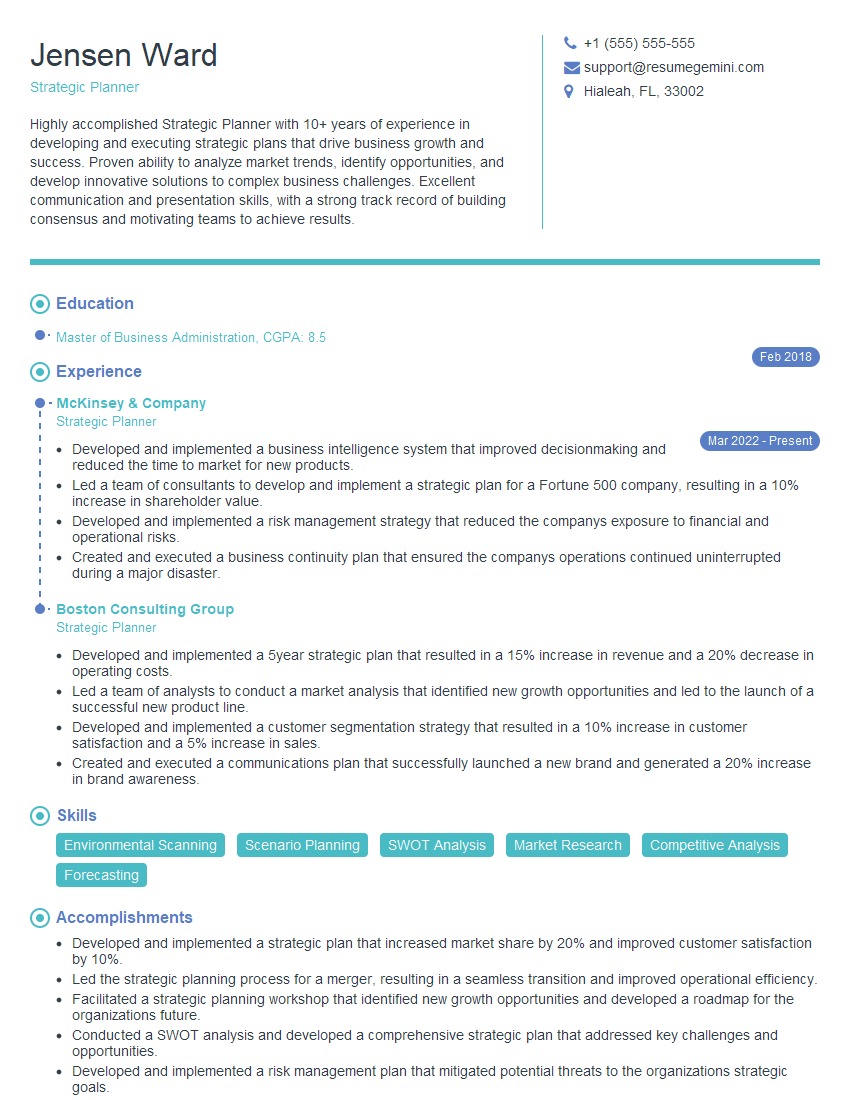
Strategic Planner Resume Sample
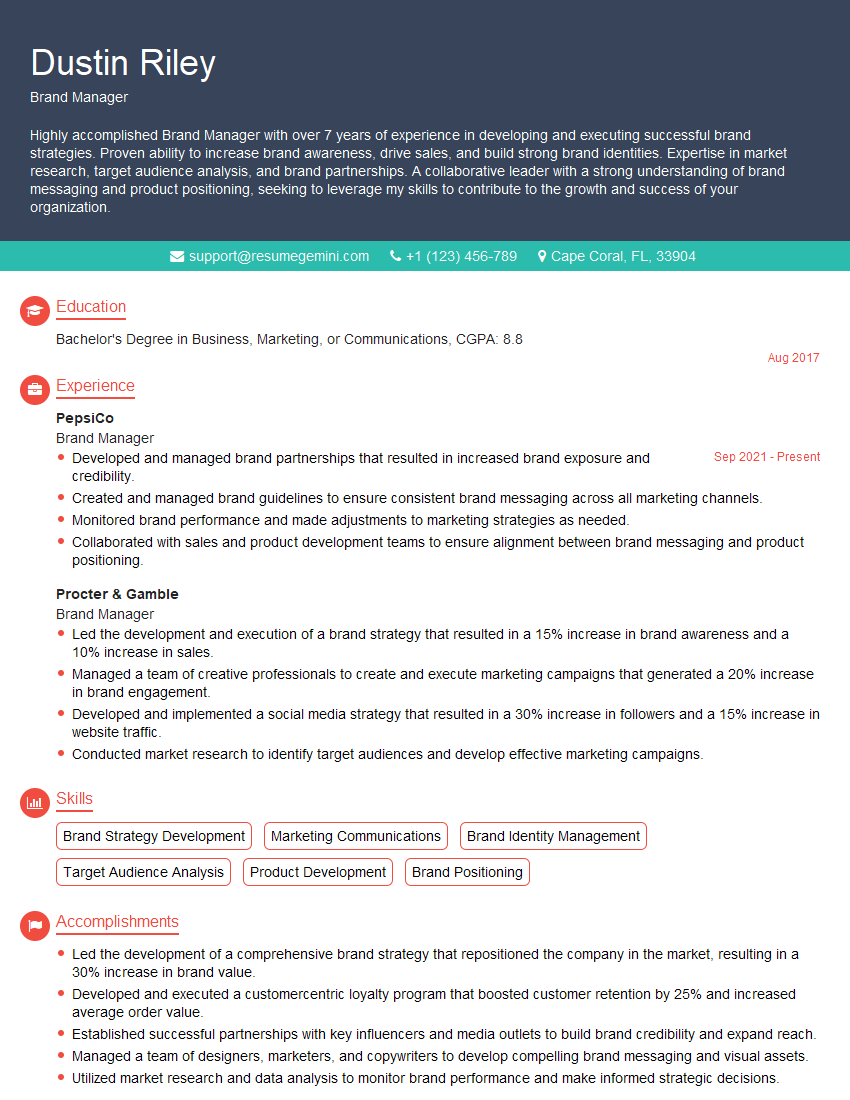
Brand Manager Resume Sample
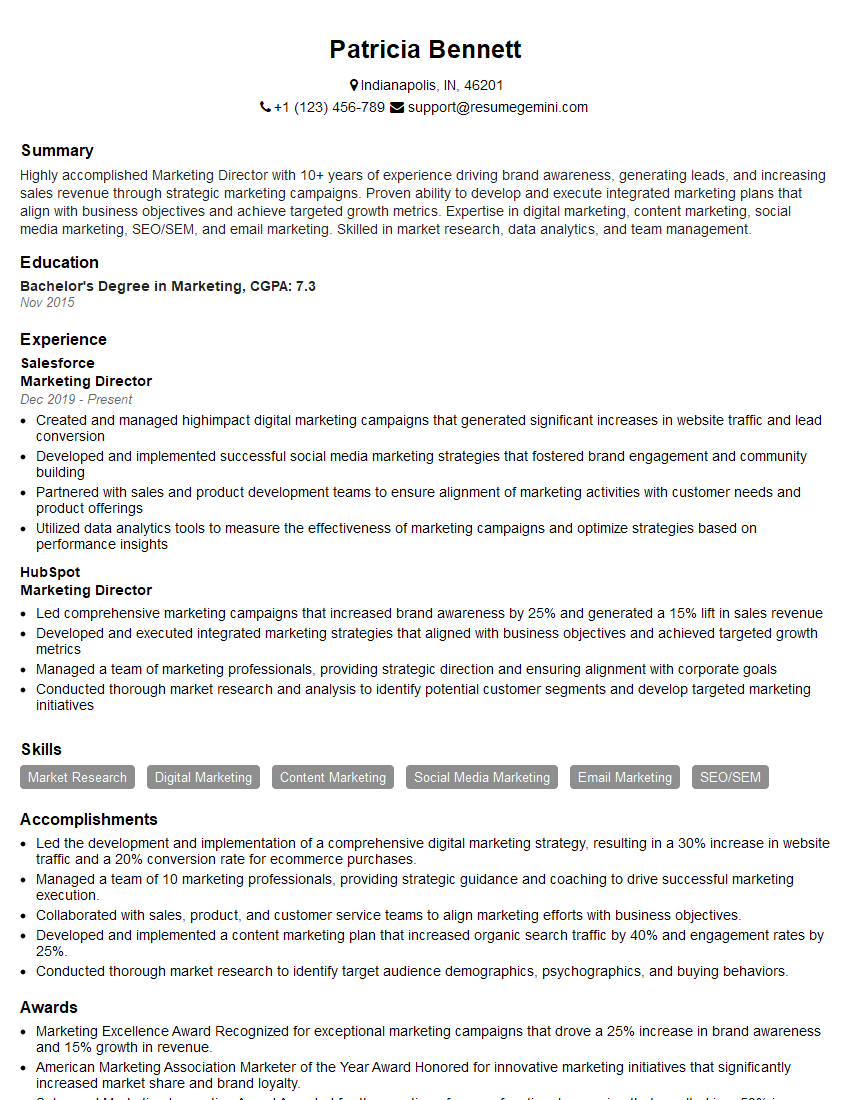
Marketing Director Resume Sample
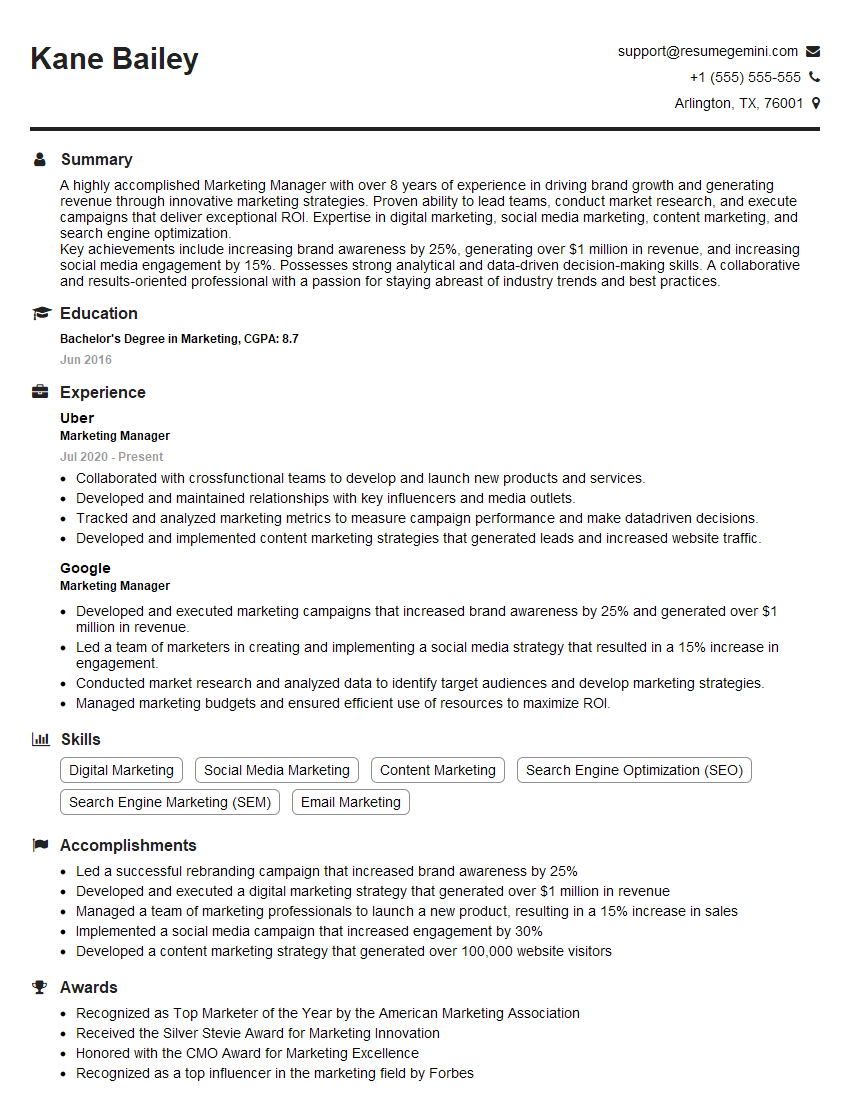
Marketing Manager Resume Sample
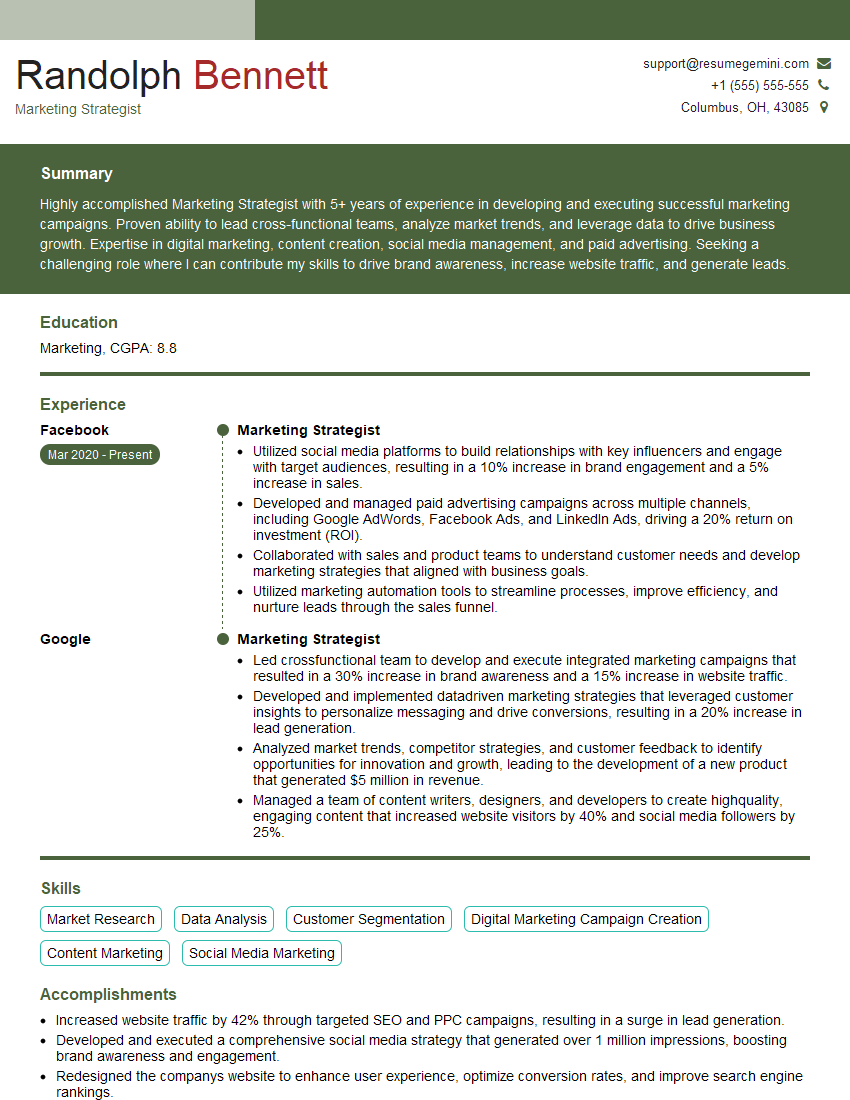
Marketing Strategist Resume Sample
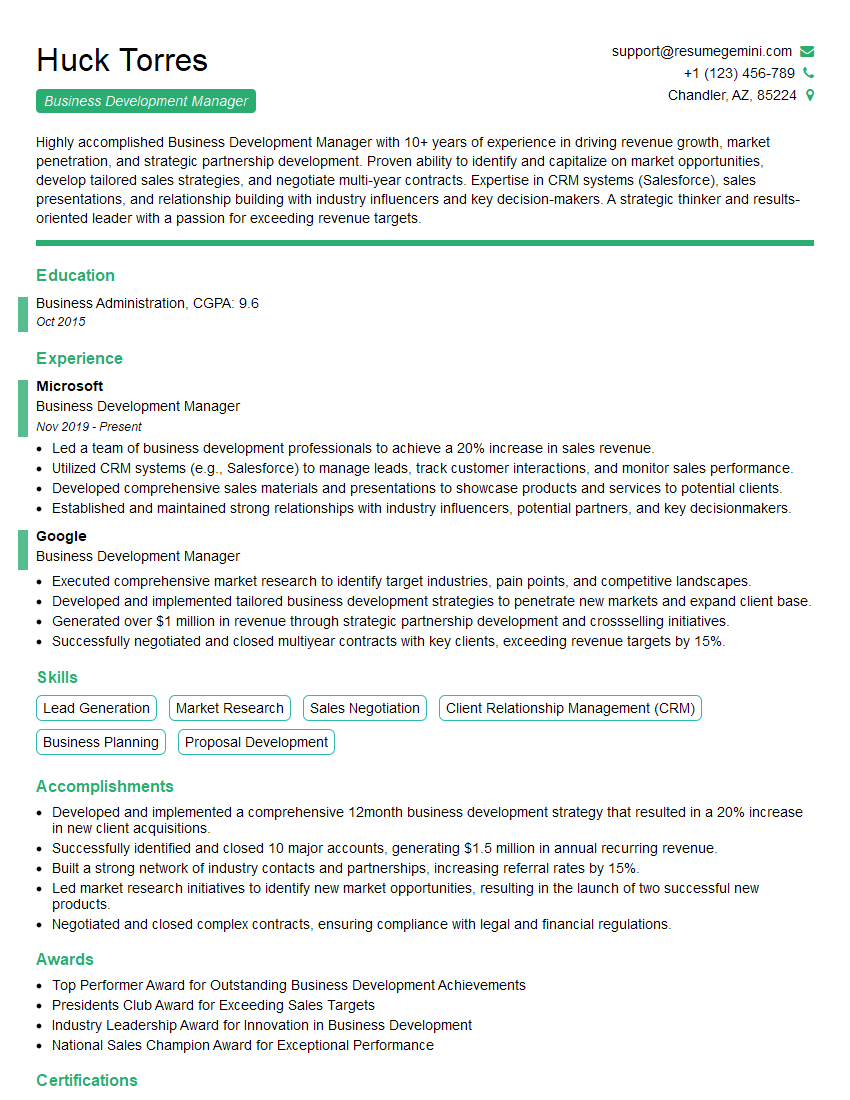
Business Development Manager Resume Sample
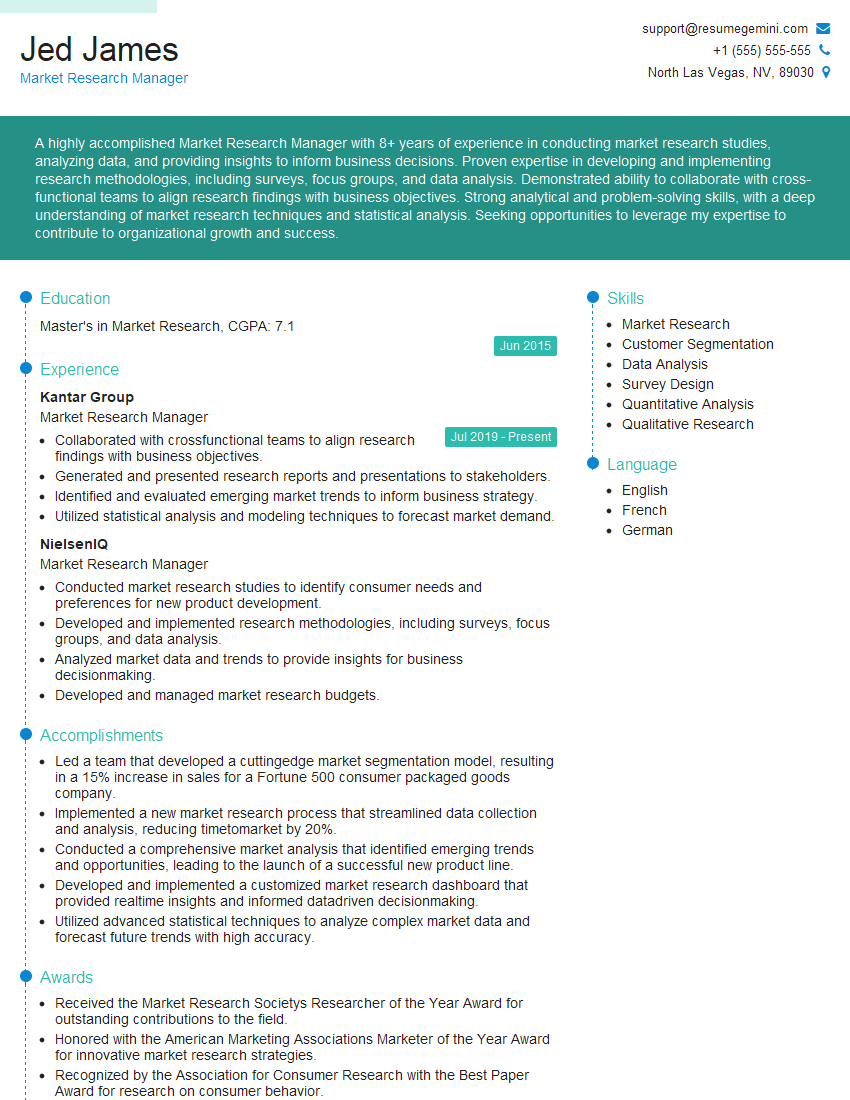
Market Research Manager Resume Sample
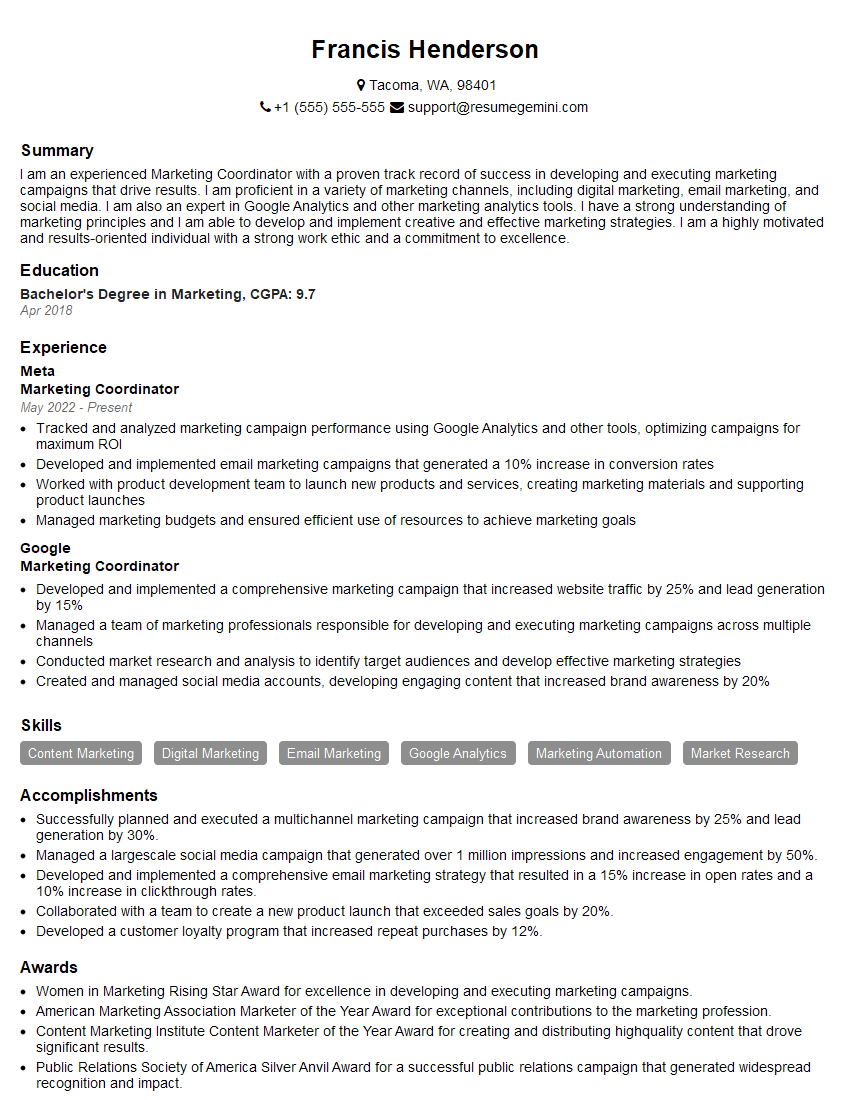
Marketing Coordinator Resume Sample
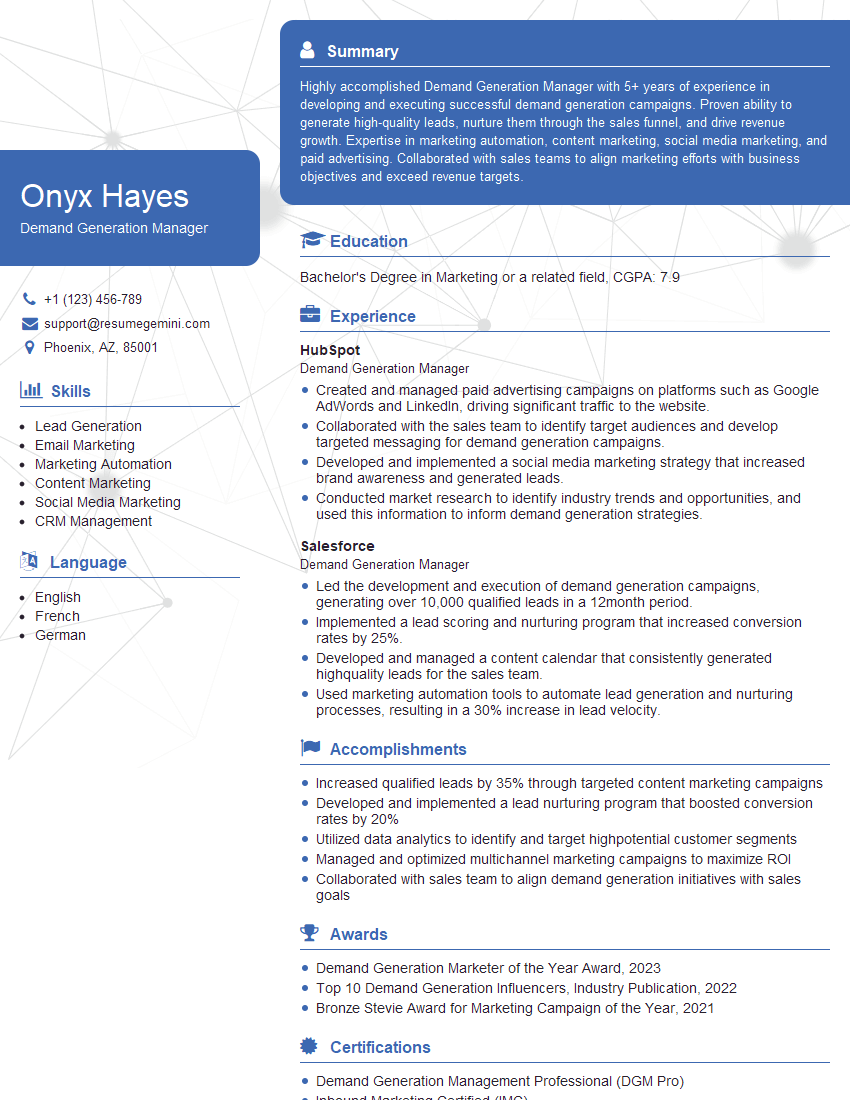
Demand Generation Manager Resume Sample
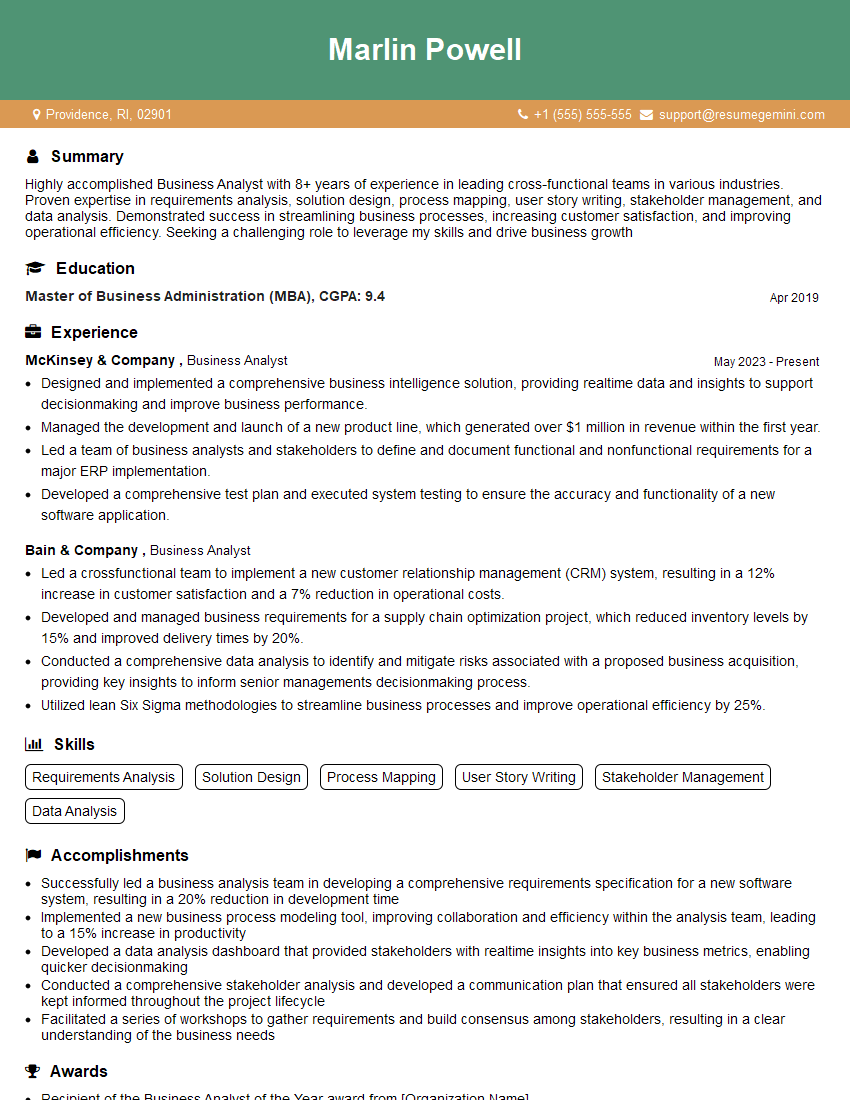
Business Analyst Resume Sample
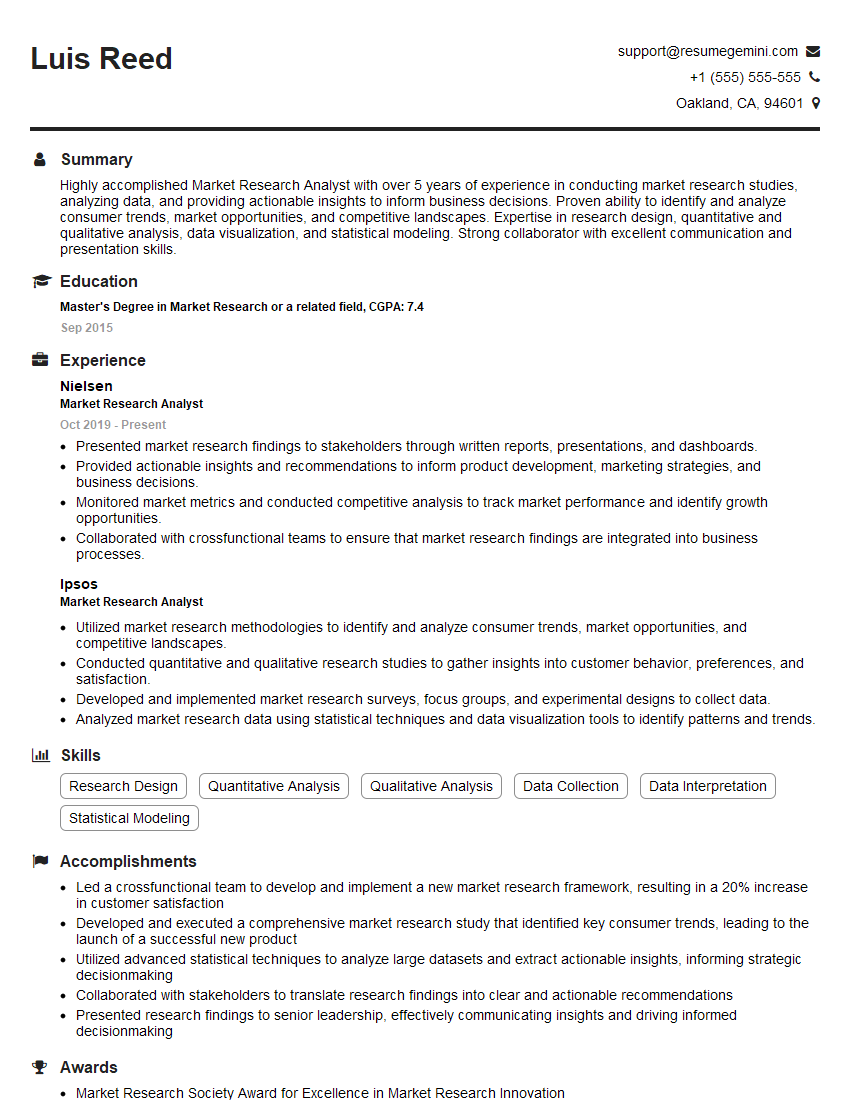
Market Research Analyst Resume Sample
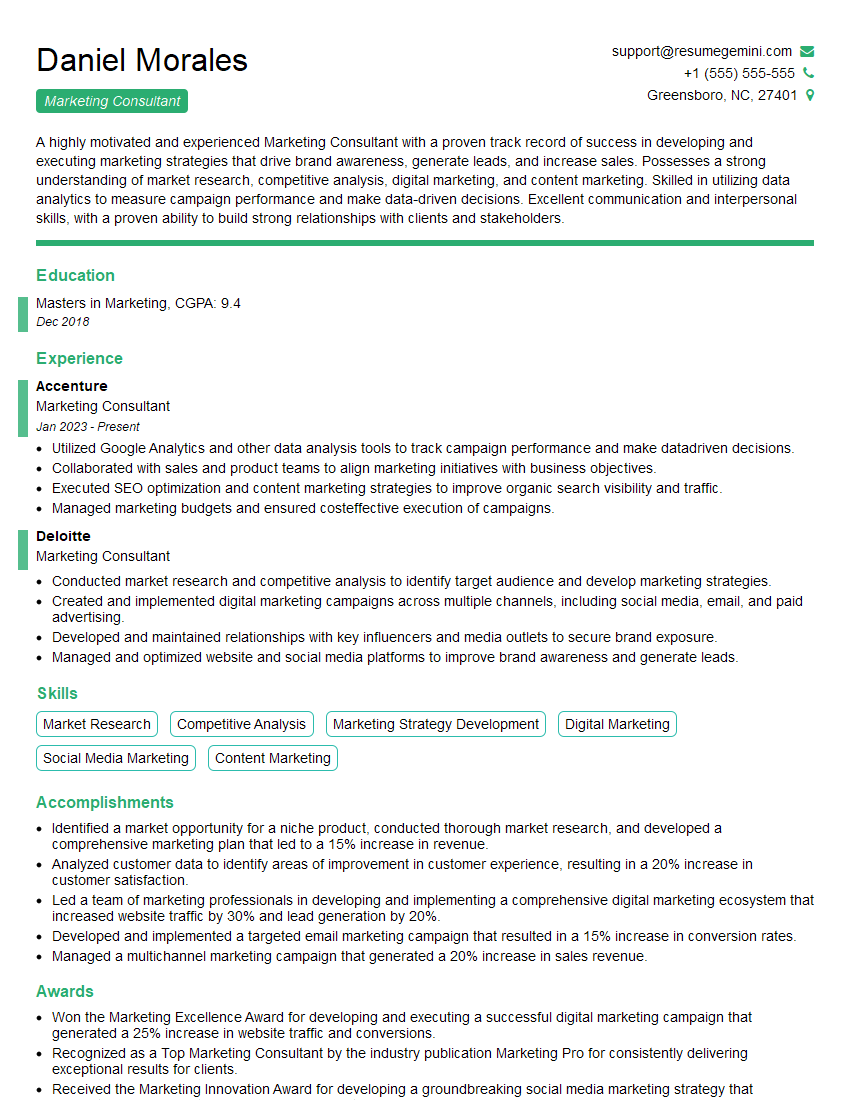
Marketing Consultant Resume Sample
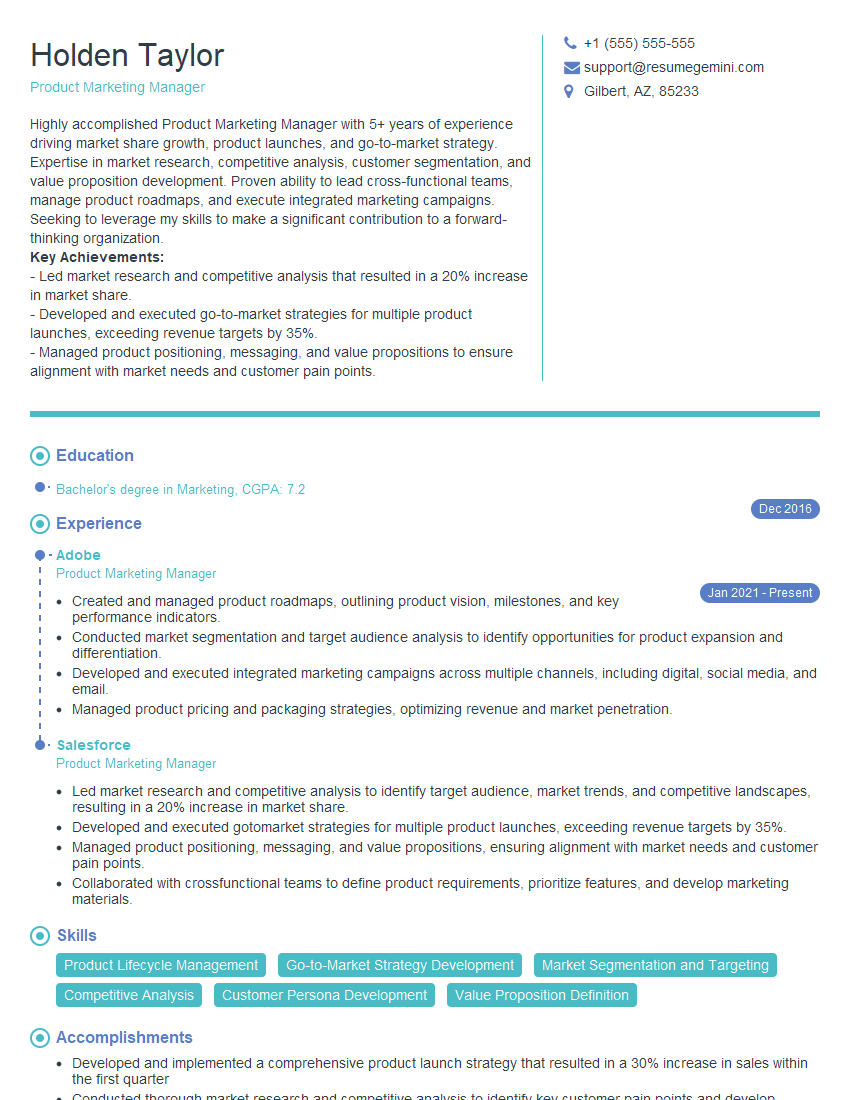
Product Marketing Manager Resume Sample

Growth Hacker Resume Sample
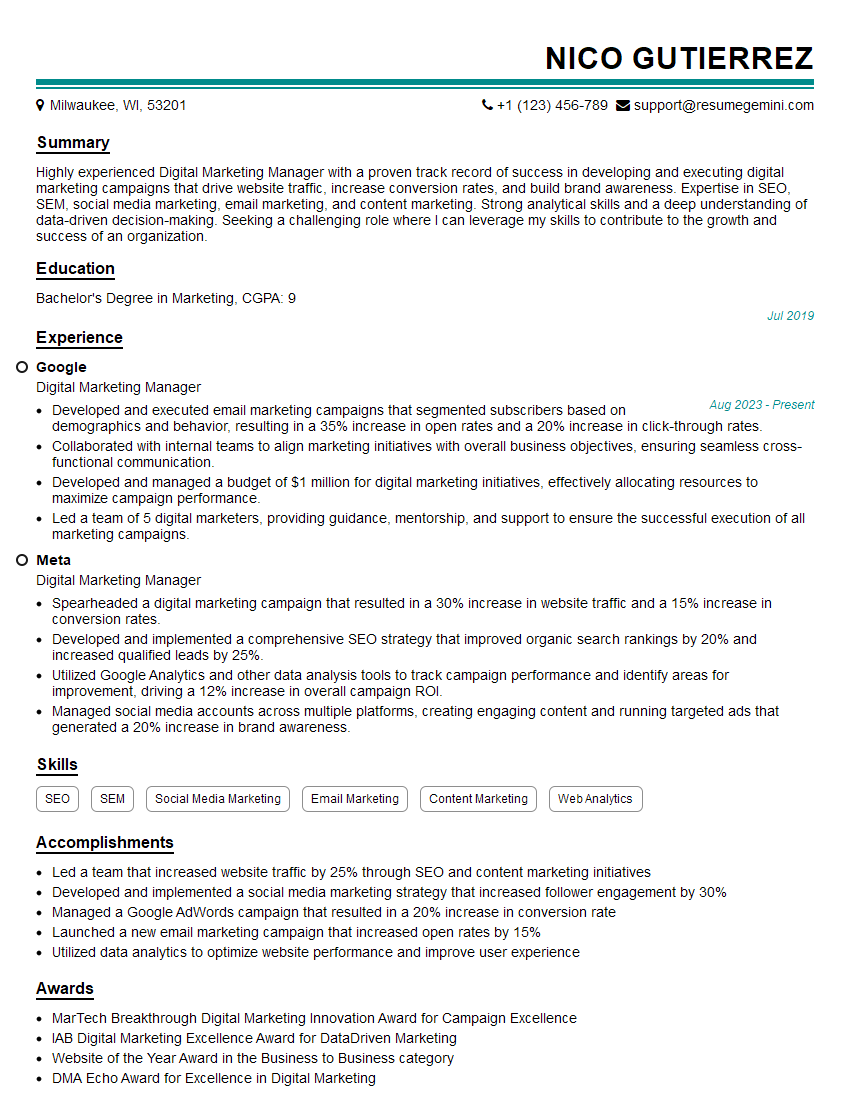
Digital Marketing Manager Resume Sample
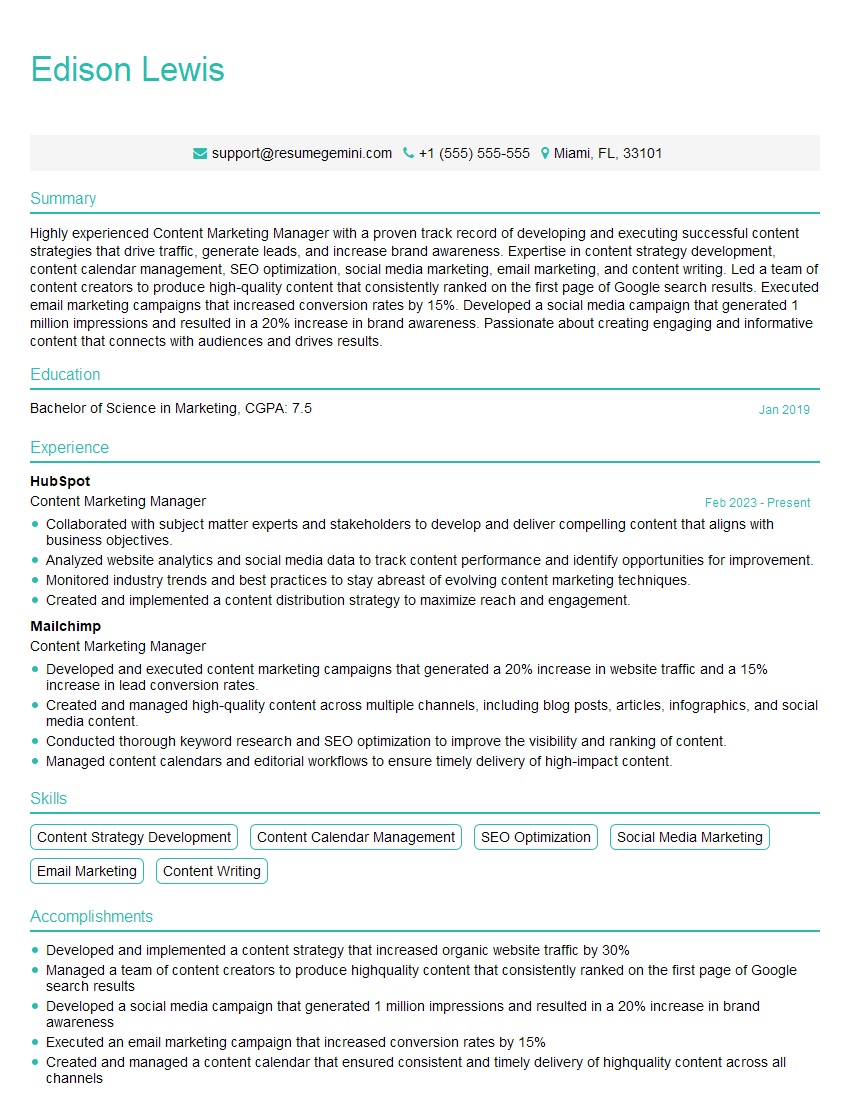
Content Marketing Manager Resume Sample

Social Media Marketing Manager Resume Sample
- Strategic Planner
- Brand Manager
- Marketing Director
- Marketing Manager
- Marketing Strategist
- Business Development Manager
- Market Research Manager
- Marketing Coordinator
- Demand Generation Manager
- Business Analyst
- Market Research Analyst
- Marketing Consultant
- Product Marketing Manager
- Growth Hacker
- Digital Marketing Manager
- Content Marketing Manager
- Social Media Marketing Manager
Explore more articles
Users Rating of Our Blogs
Share Your Experience
We value your feedback! Please rate our content and share your thoughts (optional).
What Readers Say About Our Blog
Very informative content, great job.
good