Interviews are more than just a Q&A session—they’re a chance to prove your worth. This blog dives into essential Calibration and Adjustment Techniques interview questions and expert tips to help you align your answers with what hiring managers are looking for. Start preparing to shine!
Questions Asked in Calibration and Adjustment Techniques Interview
Q 1. Explain the difference between calibration and adjustment.
Calibration and adjustment are often confused, but they are distinct processes. Think of it like this: calibration is like verifying a ruler’s accuracy against a known standard, while adjustment is like fixing a wonky ruler to make it accurate.
Calibration is the process of comparing a measuring instrument’s readings to a known standard of higher accuracy to determine the instrument’s errors. It doesn’t fix the errors, it just quantifies them. The result is often a calibration certificate that documents the instrument’s accuracy and uncertainty.
Adjustment, on the other hand, involves physically modifying the instrument to correct detected errors. For example, adjusting a scale’s balance weights to ensure zero at zero load. After an adjustment, a recalibration is usually necessary to verify the effectiveness of the adjustment.
Q 2. Describe the process of calibrating a pressure gauge.
Calibrating a pressure gauge involves comparing its readings to a known accurate pressure source, usually a calibrated pressure standard, such as a deadweight tester. Here’s a step-by-step process:
- Prepare the equipment: Gather the pressure gauge, the pressure standard (deadweight tester), connecting tubing, and any necessary adapters. Ensure all connections are secure and leak-free.
- Establish the pressure range: Determine the pressure range to be calibrated and set the pressure standard accordingly.
- Apply pressure: Gradually increase the pressure in the system, noting the readings from both the pressure gauge under test and the pressure standard. Do this at several points throughout the range.
- Record data: Carefully record the pressure values from both the gauge and the standard at each pressure step. This data will be used to create a calibration curve.
- Analyze results: Compare the pressure gauge’s readings to those of the standard. Calculate the deviations (errors) at each pressure point.
- Generate report: Based on the analysis, create a calibration report including the deviation data, the uncertainty of the calibration, and a conclusion as to whether the gauge is within acceptable tolerances.
If the gauge is outside the acceptable limits, it may require adjustment (if possible) followed by a recalibration.
Q 3. What are the common sources of error in calibration?
Many sources of error can impact calibration results. They can be broadly categorized as:
- Environmental factors: Temperature, humidity, and vibration can affect instrument readings. For instance, a thermometer might read inaccurately in a very hot environment.
- Instrument limitations: Every instrument has inherent limitations in its design and construction, leading to systematic errors (e.g., linearity, hysteresis).
- Operator error: Incorrect reading, recording, or handling of the equipment can introduce errors. For example, parallax error when reading a dial gauge.
- Standard uncertainty: The reference standard used also has an uncertainty, which propagates through the calibration process.
- Calibration equipment: Faulty or improperly maintained calibration equipment can lead to inaccurate results.
It is crucial to control and account for these errors where possible. Using proper calibration procedures and documenting all conditions helps minimize errors and improve calibration accuracy.
Q 4. How do you determine the traceability of a calibration?
Traceability in calibration ensures that the measurements are linked to internationally recognized standards, typically the International System of Units (SI). This allows for reliable comparison of measurements taken in different locations and times.
Traceability is established through an unbroken chain of calibrations, where each standard is calibrated against a standard of higher accuracy, eventually leading back to a national metrology institute or similar body. Documentation is crucial for demonstrating traceability, including calibration certificates for each standard in the chain.
For example, a company’s pressure gauge is calibrated against a secondary standard, which in turn was calibrated against a primary standard traceable to a national metrology institute. This chain of documentation demonstrates the traceability of the gauge’s calibration.
Q 5. Explain the concept of calibration uncertainty.
Calibration uncertainty quantifies the doubt associated with a measurement result. It’s essentially a measure of how much the actual value might differ from the reported value. A smaller uncertainty indicates greater confidence in the measurement.
Uncertainty is expressed as a range (e.g., ±0.5 psi). Several factors contribute to calibration uncertainty, including: the uncertainty of the standard used, environmental variations, and the instrument’s resolution and repeatability. It’s crucial to understand and report calibration uncertainty, as it indicates the quality and reliability of the measurement.
Imagine weighing a package on a scale. The displayed weight might be 10 kg, but due to uncertainties in the scale’s calibration, the actual weight could be anywhere within a range, say 9.9 kg to 10.1 kg. This range represents the uncertainty.
Q 6. What is the purpose of a calibration certificate?
A calibration certificate is a formal document that provides evidence that a measuring instrument has been calibrated against a traceable standard. It’s a crucial record for quality assurance and compliance purposes.
It typically includes:
- Instrument identification: Serial number, model, and description.
- Calibration date and method: Details of the calibration process.
- Calibration results: Values, deviations, and uncertainties.
- Traceability statement: Confirmation of traceability to national or international standards.
- Expiry date: Indicates when the calibration needs to be repeated.
- Calibration laboratory details: Accreditation information and contact details.
The certificate demonstrates that the instrument meets the required accuracy specifications, and is vital for audits, regulatory compliance, and maintaining confidence in measurement results.
Q 7. Describe different calibration methods (e.g., comparison, substitution).
Several calibration methods exist, each suited to different instruments and situations:
- Comparison Calibration: This involves simultaneously measuring a known standard and the instrument under test using the same environmental conditions. The difference in readings directly provides the error of the instrument under test. It’s commonly used for pressure gauges or thermometers.
- Substitution Calibration: Involves replacing the standard with the instrument under test in the same measuring setup. This eliminates the need for simultaneous measurements and environmental effects, hence reducing errors. Commonly used for various electronic instruments.
- Functional Calibration: This method focuses on the instrument’s overall performance rather than individual measurement points. It tests how well the instrument performs its intended function within specified tolerances. Often used for complex instruments or systems.
- In-situ Calibration: The calibration is performed in the actual working environment of the instrument. This allows for more realistic assessments of how the instrument performs in its real-world operating conditions.
The choice of calibration method depends on several factors, including the type of instrument, accuracy requirements, and available resources.
Q 8. How do you handle out-of-tolerance equipment during calibration?
Handling out-of-tolerance equipment during calibration follows a strict protocol. First, we verify the initial finding through repeat measurements. If the equipment remains out-of-tolerance, we investigate potential causes, such as environmental factors (temperature, humidity), damage to the equipment, or improper usage. A thorough inspection is crucial. Then, depending on the severity and the type of equipment, several actions are possible. Minor adjustments might be performed in-house if permitted by the manufacturer’s instructions and our accreditation. This could involve zeroing, spanning, or adjusting internal settings. However, if adjustments are beyond our capabilities or if the equipment requires repair, it’s tagged as ‘out-of-service’ and sent to a qualified service center or the manufacturer for repair or recalibration. A detailed report documenting all findings, actions taken, and the equipment’s final status is essential. Throughout, meticulous record-keeping is paramount – each step needs to be documented, ensuring traceability and meeting regulatory requirements.
For example, imagine a digital thermometer consistently reading 2°C higher than the standard. Initial verification would involve repeated measurements. If the deviation persists, we would check the probe for damage, ensure proper calibration of our reference standard, and confirm the ambient temperature is stable. If simple adjustments are insufficient, the thermometer would be sent for repair.
Q 9. What are the key considerations when selecting calibration equipment?
Selecting calibration equipment involves careful consideration of several factors. First and foremost is traceability – the equipment needs to be traceable to national or international standards. Accuracy is another critical parameter; the equipment’s uncertainty needs to be lower than the tolerance of the equipment being calibrated. The range of measurement should also be adequate, encompassing the operating range of the device under test. Environmental factors, such as temperature and humidity, affect accuracy, and the chosen equipment should be robust in the anticipated environment. Resolution also matters; the equipment should be capable of resolving the smallest significant variation in the readings. Finally, cost, ease of use, and maintenance requirements need to be considered as well. Often, we employ a cost-benefit analysis to choose the best equipment.
For instance, when calibrating a high-precision pressure gauge, we would need a calibration standard with a far higher accuracy and resolution than if we were calibrating a basic kitchen scale. Similarly, the choice of environment for calibration would need to be controlled carefully for the pressure gauge to ensure accuracy.
Q 10. Explain the importance of maintaining calibration records.
Maintaining accurate and complete calibration records is crucial for several reasons. It demonstrates compliance with regulatory standards and internal quality procedures. These records provide a complete history of the equipment’s performance, allowing us to track trends, predict potential failures, and identify any anomalies in the calibration process itself. They’re critical for audits, both internal and external, demonstrating that calibration procedures are being followed meticulously. In case of any disputes or legal issues, these records provide irrefutable proof of the equipment’s calibration status at any given point in time. These records also help track the overall efficiency of the calibration processes.
Imagine a medical device malfunctioning. Comprehensive calibration records would allow us to trace back its performance and identify when it fell out of tolerance, potentially preventing further issues or injuries.
Q 11. How do you ensure the accuracy of your calibration procedures?
Ensuring the accuracy of calibration procedures relies on a multi-pronged approach. First, we use traceable and validated calibration standards. Our procedures are based on established methodologies and accredited standards, often from ISO/IEC 17025. Regular internal audits assess the effectiveness of the calibration system. We maintain a rigorous system of control, including environmental monitoring to ensure our calibration lab maintains the right conditions. Our technicians receive regular training and competency assessments. Calibration equipment is itself regularly calibrated (calibration of calibration equipment) to maintain traceability. We also implement statistical process control techniques to monitor and identify trends and potential problems in our calibration data. Regular inter-laboratory comparisons help ensure our results are consistent with others and highlight any potential bias.
For example, we might use statistical analysis of our calibration data to identify if a particular technician is consistently producing results that deviate from the norm. This would prompt further training or investigation.
Q 12. Describe your experience with different types of calibration standards.
My experience encompasses a wide range of calibration standards. I’ve worked with primary standards, which are the most accurate and traceable standards, often maintained by national metrology institutes. These are rarely used directly for calibrations but instead used to calibrate working standards. Working standards are used for daily calibrations and are regularly calibrated against primary standards. These include various types of equipment such as digital multimeters, pressure gauges, thermometers, and weight sets. I’ve also utilized secondary standards, which are less precise than working standards, and are often used for less critical applications. The selection of the standard always depends on the requirements of the equipment under calibration and the desired level of accuracy.
For instance, I have calibrated high precision balances using calibrated weights that were traceable to national standards, while I would use a less precise thermometer to calibrate a less critical piece of equipment such as a simple oven thermometer.
Q 13. How do you troubleshoot calibration problems?
Troubleshooting calibration problems often involves a systematic approach. We start by reviewing the calibration procedure to check for errors or omissions in the methodology. Next, we examine the equipment being calibrated for any signs of damage, malfunction, or improper operation. We then investigate the calibration equipment and standards to rule out issues with their accuracy, calibration, or maintenance. Environmental factors, such as temperature and humidity fluctuations, are also considered. We may use statistical methods to analyse calibration data to identify trends or systemic errors. If the problem persists, we consult the manufacturer’s documentation or seek assistance from a specialist or experienced calibrator.
For example, inconsistent readings from a balance may indicate a faulty load cell, an issue with the calibration weights, or a problem with the instrument’s internal electronics. A methodical approach allows us to efficiently isolate the root cause.
Q 14. What software or tools are you familiar with for calibration management?
I’m proficient in several software and tools for calibration management. This includes dedicated Calibration Management Software (CMS) packages that allow for scheduling, tracking, and reporting of calibrations, generating certificates, and managing equipment records. These packages often feature features like automated alerts for upcoming calibrations, and dashboards displaying the overall status of your calibration inventory. I’m also familiar with LIMS (Laboratory Information Management Systems) which can integrate calibration data with other laboratory information, providing a comprehensive management system. Finally, I am comfortable utilizing spreadsheets like Excel for basic calibration data management and creating reports, although CMS are preferred for larger operations.
For example, I have used a CMS to track the calibration status of over 500 pieces of equipment, generating reports for audits, and ensuring compliance with our standards.
Q 15. Describe your experience with statistical process control (SPC) in calibration.
Statistical Process Control (SPC) is crucial in calibration for ensuring measurement accuracy and identifying potential issues before they impact product quality or safety. It involves using statistical methods to monitor and control a process. In calibration, we use SPC charts, like control charts (e.g., X-bar and R charts, or individuals and moving range charts), to track calibration data over time. This allows us to detect trends, shifts, and outliers that indicate potential problems with the equipment or the calibration process itself.
For example, if we’re calibrating a set of thermometers, we’d regularly record their readings against a known standard. These readings would then be plotted on a control chart. If a point falls outside the control limits, or if a trend emerges, it signals a need for investigation—maybe the thermometer is drifting, or the calibration method requires refinement. SPC helps us proactively address these issues, preventing inaccurate measurements and ensuring the reliability of our instruments.
In my experience, implementing SPC in calibration has significantly reduced the frequency of out-of-tolerance equipment and improved overall efficiency by identifying and resolving problems early on. This has translated to cost savings and enhanced product quality for clients.
Career Expert Tips:
- Ace those interviews! Prepare effectively by reviewing the Top 50 Most Common Interview Questions on ResumeGemini.
- Navigate your job search with confidence! Explore a wide range of Career Tips on ResumeGemini. Learn about common challenges and recommendations to overcome them.
- Craft the perfect resume! Master the Art of Resume Writing with ResumeGemini’s guide. Showcase your unique qualifications and achievements effectively.
- Don’t miss out on holiday savings! Build your dream resume with ResumeGemini’s ATS optimized templates.
Q 16. Explain the importance of using appropriate safety procedures during calibration.
Safety is paramount during calibration. Working with precision instruments and often dealing with potentially hazardous materials necessitates rigorous adherence to safety protocols. This includes, but is not limited to, appropriate personal protective equipment (PPE) like safety glasses, gloves, and lab coats; proper handling and disposal of hazardous materials; and a thorough understanding of the equipment’s operational and safety features. We must always follow the manufacturer’s instructions carefully.
For instance, when calibrating high-voltage equipment, special precautions are vital to prevent electrical shock. This might involve using insulated tools, working in a controlled environment, and ensuring proper grounding procedures are in place. Similarly, handling delicate or fragile instruments requires careful handling to avoid damage, which could compromise the accuracy of calibration and risk injury.
Regular safety training and drills reinforce safe practices, creating a culture of safety within the calibration team. This proactive approach minimizes the risk of accidents and ensures a safe working environment for everyone involved.
Q 17. How do you handle calibration discrepancies?
Calibration discrepancies, where the measured value deviates significantly from the expected value, require a systematic approach. The first step is to verify the discrepancy. This involves re-checking the calibration process, ensuring the standard used was accurate and traceable, and verifying the instrument’s functionality. We need to rule out procedural errors before assuming equipment malfunction.
If the discrepancy is confirmed, a thorough investigation is necessary. This might include examining the instrument for signs of physical damage, checking its operating environment (temperature, humidity), and reviewing its maintenance history. Depending on the source of the discrepancy, adjustments may be required, or the instrument may need repair or even replacement. A complete record of the discrepancy, investigation, and corrective action is crucial for traceability and compliance with quality management systems.
Let’s say we’re calibrating a pressure gauge. A significant discrepancy might prompt us to check for blockages in the pressure line or examine the gauge for internal damage. The investigation process is carefully documented, detailing each step and the findings, to ensure traceability and quality control.
Q 18. What are the different types of adjustments you’ve performed?
My experience encompasses a wide range of adjustments, depending on the type of instrument being calibrated. These include:
- Mechanical Adjustments: This involves physically adjusting components to achieve the desired calibration. Examples include adjusting the zero point on a balance scale, aligning optical components in a spectrometer, or adjusting the tension on a torque wrench.
- Electrical Adjustments: This often entails using potentiometers, variable resistors, or capacitors to fine-tune electrical signals or parameters in instruments like multimeters, oscilloscopes, or signal generators.
- Software Adjustments: Many modern instruments have embedded software that allows for calibration adjustments through specific parameters or offset correction. For example, adjusting the offset correction in a temperature logger.
- Thermal Adjustments: Adjustments related to temperature control or measurement, like calibrating temperature sensors by adjusting the internal calibration constants or changing the thermal compensation settings.
The specific adjustment techniques used vary considerably based on the instrument’s design and the nature of the calibration.
Q 19. Explain the process of adjusting a balance scale.
Adjusting a balance scale typically involves calibrating its zero point and span. The zero point adjustment ensures the scale reads zero when nothing is placed on the pan. The span adjustment ensures the scale accurately measures the weight across its entire range.
The process usually involves:
- Zero Point Adjustment: With an empty pan, use the zero adjustment knob (usually found on the front or side of the balance) to set the reading to exactly zero. This may involve a small adjustment to compensate for any inherent imbalance.
- Span Adjustment: A known standard mass (a calibrated weight) is placed on the pan. The span adjustment knob is used to adjust the reading to match the exact weight of the standard. This verifies the scale’s linearity across its measurement range.
- Verification: After adjustment, the zero point and span are rechecked to ensure accuracy. Additional checks with different standard weights across the scale’s range confirm the accuracy of the calibration.
Calibration procedures and adjustment techniques may vary slightly depending on the type and make of the balance scale, so consulting the manufacturer’s instructions is essential.
Q 20. How do you document adjustments made to equipment?
Documentation is vital for traceability and compliance. Any adjustments made to equipment must be meticulously recorded. This typically involves a calibration certificate or report that includes:
- Equipment Identification: Unique serial number or identification of the equipment.
- Date and Time of Calibration: Accurate record of when the calibration was performed.
- Calibration Standard Used: Identification and traceability information for the standard used.
- Calibration Procedure: Reference to the specific calibration procedure followed.
- Before and After Adjustment Readings: A comparison of the readings before and after adjustments were made. This shows the impact of the adjustments.
- Adjustments Made: A detailed description of any adjustments performed (e.g., zero point adjustment, span adjustment, gain adjustment). The specific values before and after adjustment should be included.
- Technician Information: Identification of the technician who performed the calibration.
- Approvals/Signatures: Signatures of those who performed and reviewed the calibration work.
This comprehensive documentation ensures the accuracy and reliability of the calibration process and provides an audit trail for quality control and compliance purposes.
Q 21. What are the potential consequences of inaccurate calibration?
Inaccurate calibration can have severe consequences, depending on the application. These can range from minor inconveniences to significant safety hazards and financial losses:
- Incorrect Measurements: The most direct consequence is inaccurate measurement, leading to unreliable data. In manufacturing, this might result in faulty products or processes.
- Quality Control Issues: Inaccurate calibration can lead to failed quality control checks, resulting in defective products reaching the market, damaging a company’s reputation and possibly causing financial losses due to recalls or lawsuits.
- Safety Hazards: In critical applications like medical equipment or process control systems, inaccurate calibration can pose serious safety risks, potentially leading to injury or even fatalities.
- Non-Compliance: In industries subject to strict regulations (e.g., pharmaceuticals, aerospace), inaccurate calibration can lead to non-compliance with industry standards and regulatory requirements, resulting in fines, penalties, or suspension of operations.
- Increased Costs: The cost of recalibration, rework, or disposal of faulty products due to inaccurate calibration is often substantial.
Therefore, regular calibration and proper maintenance of equipment are essential to mitigate these risks and ensure the safety, reliability, and compliance of operations.
Q 22. Describe your experience with different types of measurement instruments.
My experience encompasses a wide range of measurement instruments, from simple mechanical devices like micrometers and calipers to sophisticated electronic instruments such as digital multimeters, oscilloscopes, and pressure transducers. I’ve also worked extensively with specialized equipment, including temperature calibrators, spectral analyzers, and various types of scales. My experience extends to both the practical use and calibration of these instruments. For instance, I’ve calibrated precision balances used in pharmaceutical manufacturing, ensuring accuracy down to micrograms, and I’ve worked with thermocouples in high-temperature industrial processes, understanding the challenges posed by extreme environments.
- Mechanical Instruments: Proficiency in using and calibrating micrometers, calipers, dial indicators, and height gauges.
- Electronic Instruments: Extensive experience with digital multimeters (DMMs), oscilloscopes, function generators, and power supplies, including understanding their specific calibration needs and limitations.
- Specialized Instruments: Experience calibrating pressure and temperature sensors, flow meters, and specialized equipment relevant to specific industries.
This broad experience allows me to effectively troubleshoot various measurement problems and select the appropriate calibration methods depending on the specific instrument and application.
Q 23. How do you ensure the integrity of calibration data?
Maintaining the integrity of calibration data is paramount. This involves a multi-faceted approach, ensuring traceability, accuracy, and proper documentation. Firstly, we use traceable standards, meaning that the calibration standards themselves have been calibrated against even higher-level national or international standards. This creates an unbroken chain of traceability, allowing us to confidently link our measurements to universally accepted values.
Secondly, detailed documentation is crucial. Every calibration procedure should be meticulously recorded, including the instrument’s serial number, date of calibration, calibration procedures followed, results obtained, and any deviations from standard operating procedures. This documentation provides a verifiable audit trail, demonstrating the reliability of our data.
Thirdly, we employ robust quality control measures. This includes regular checks on the calibration equipment itself, ensuring its accuracy and proper functionality. We also utilize statistical process control (SPC) techniques to monitor calibration trends and identify potential problems before they significantly impact the accuracy of the measurements.
Finally, data security is a major consideration. We employ secure data storage and access control measures to prevent unauthorized access, modification, or deletion of calibration data.
Q 24. What is your understanding of ISO 17025?
ISO 17025 is an internationally recognized standard that specifies the general requirements for the competence of testing and calibration laboratories. It’s a critical framework that ensures the reliability and integrity of laboratory results. My understanding of ISO 17025 goes beyond simply knowing its requirements; I’ve actively worked in laboratories that are accredited to this standard.
This means I’m familiar with the key elements, including:
- Management System Requirements: This includes aspects like quality management, personnel competence, and document control.
- Technical Requirements: This covers the methodologies for calibration and testing, ensuring traceability, accuracy, and uncertainty assessment.
- Quality Assurance: This includes internal audits, corrective and preventive actions, and management review to continuously improve the calibration processes.
Understanding and adhering to ISO 17025 ensures that our calibration results are reliable, consistent, and internationally recognized, fostering trust and confidence in our services. In essence, it provides a framework for building a highly trustworthy and efficient calibration lab.
Q 25. Explain your experience with root cause analysis in calibration failures.
Root cause analysis (RCA) is essential when calibration failures occur. My approach typically follows a structured methodology, such as the ‘5 Whys’ technique or a more formal Fishbone diagram (Ishikawa diagram). I start by clearly defining the problem – the specific calibration failure – and then systematically investigate potential causes.
For example, if a pressure transducer consistently reads low, I might ask:
- Why is the pressure transducer reading low? (Because the sensor is damaged.)
- Why is the sensor damaged? (Because it was subjected to excessive pressure.)
- Why was it subjected to excessive pressure? (Because of a faulty pressure relief valve.)
- Why was the pressure relief valve faulty? (Because it wasn’t properly maintained.)
- Why wasn’t it properly maintained? (Because the maintenance schedule wasn’t followed.)
This process helps identify the underlying issues, enabling corrective actions to prevent recurrence. Beyond the ‘5 Whys’, I utilize data analysis, examining calibration records, maintenance logs, and environmental factors to identify patterns and trends that contribute to failures. The goal is not just to fix the immediate problem but to implement lasting solutions that enhance the overall reliability of the calibration process.
Q 26. Describe a time you had to troubleshoot a complex calibration issue.
During a pharmaceutical production line calibration, a high-precision balance showed inconsistent readings, causing significant delays and concern. Initial troubleshooting suggested a faulty balance. However, after meticulously checking the balance’s calibration, environmental factors (temperature and vibration) were suspected. My next step was to analyze environmental data using a data logger. I discovered significant temperature fluctuations during production shifts due to an inefficient HVAC system, exceeding the acceptable range for the balance’s specifications.
This led us to re-evaluate the balance’s placement and implement stricter temperature controls. We introduced a climate-controlled enclosure for the balance, significantly improving the stability of its readings. This incident highlighted the importance of considering all factors, even seemingly insignificant ones, when troubleshooting calibration issues. It also stressed the value of data logging and environmental monitoring in ensuring calibration accuracy.
Q 27. How do you stay updated on the latest calibration techniques and standards?
Staying current in the field of calibration requires a proactive approach. I regularly attend workshops and conferences, particularly those sponsored by organizations like NIST (National Institute of Standards and Technology) and other relevant professional bodies. I actively subscribe to industry-specific journals and publications, keeping abreast of the latest research and advancements in calibration techniques.
Furthermore, I maintain active memberships in professional organizations related to metrology and calibration, providing access to training opportunities, networking events, and the latest updates in calibration standards and best practices. Online resources, such as webinars and online courses, also play a crucial role in my continuous professional development. This multi-faceted approach ensures I remain at the forefront of the field, equipped with the latest knowledge and skills to tackle evolving calibration challenges.
Q 28. What are your salary expectations for this role?
Based on my experience and the requirements of this role, my salary expectations are in the range of [Insert Salary Range]. I am confident that my skills and expertise will make a significant contribution to your team.
Key Topics to Learn for Calibration and Adjustment Techniques Interview
- Measurement Uncertainty and Error Analysis: Understanding sources of error, propagation of uncertainty, and methods for minimizing measurement errors. Practical application: Analyzing data from a calibration procedure to determine the overall uncertainty.
- Calibration Standards and Traceability: Knowing the importance of traceable standards and the role of national metrology institutes. Practical application: Selecting appropriate calibration standards for a specific instrument and documenting the traceability chain.
- Calibration Methods and Procedures: Familiarity with various calibration techniques (e.g., comparison, substitution, in-situ) and the ability to select the appropriate method for a given instrument. Practical application: Developing and implementing a calibration procedure for a specific instrument.
- Adjustment Techniques: Understanding different adjustment methods for correcting instrument errors and maintaining accuracy. Practical application: Adjusting a pressure gauge to ensure accurate readings within specified tolerances.
- Calibration Software and Data Management: Proficiency in using calibration software for data acquisition, analysis, and report generation. Practical application: Utilizing calibration software to generate compliant calibration certificates.
- Statistical Process Control (SPC) in Calibration: Applying SPC techniques to monitor calibration processes and identify potential issues. Practical application: Analyzing control charts to detect trends and variations in calibration data.
- Troubleshooting and Problem-Solving: Ability to identify and resolve issues related to calibration processes and instrument malfunctions. Practical application: Diagnosing the cause of inaccurate readings from an instrument and implementing corrective actions.
Next Steps
Mastering Calibration and Adjustment Techniques opens doors to exciting career opportunities in various industries requiring precise measurements and reliable instrumentation. A strong understanding of these techniques significantly enhances your value to potential employers. To increase your chances of securing your dream role, focus on crafting an ATS-friendly resume that effectively highlights your skills and experience. ResumeGemini is a trusted resource that can help you build a professional and impactful resume. We provide examples of resumes tailored to Calibration and Adjustment Techniques to help guide you. Take the next step towards a successful career; build your best resume with ResumeGemini.
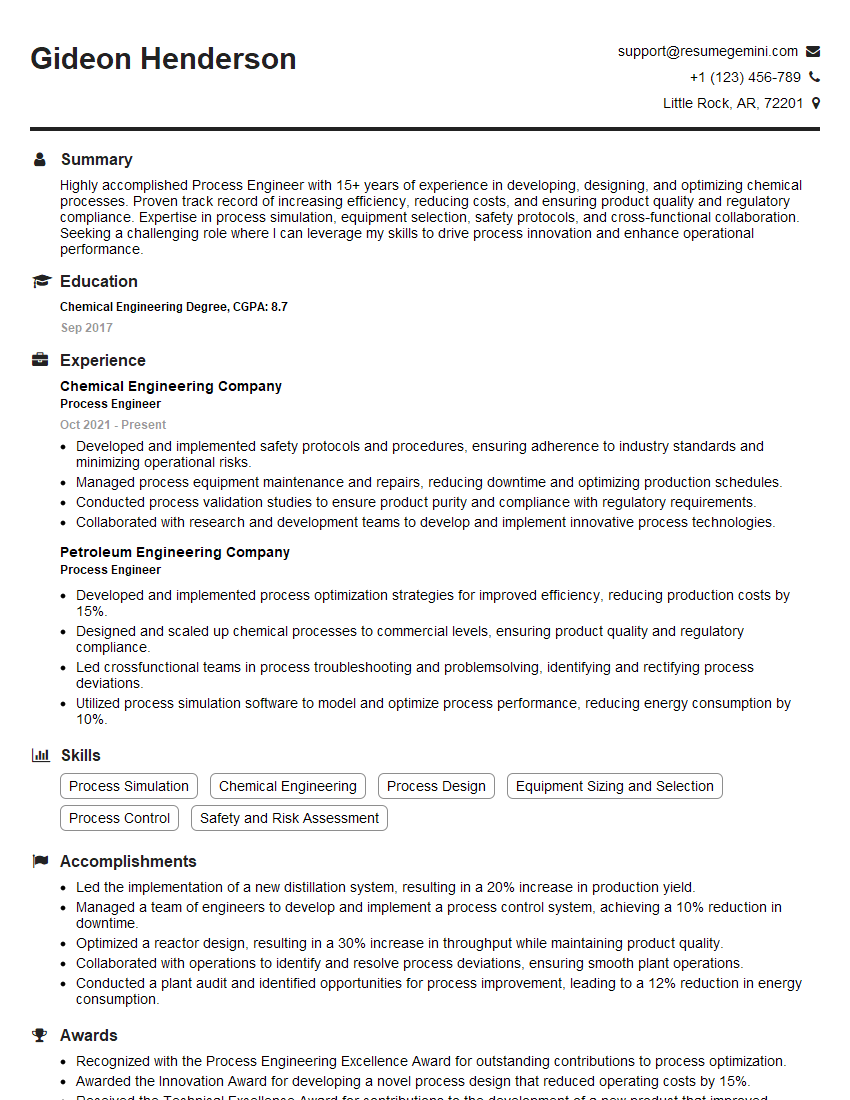
Process Engineer Resume Sample
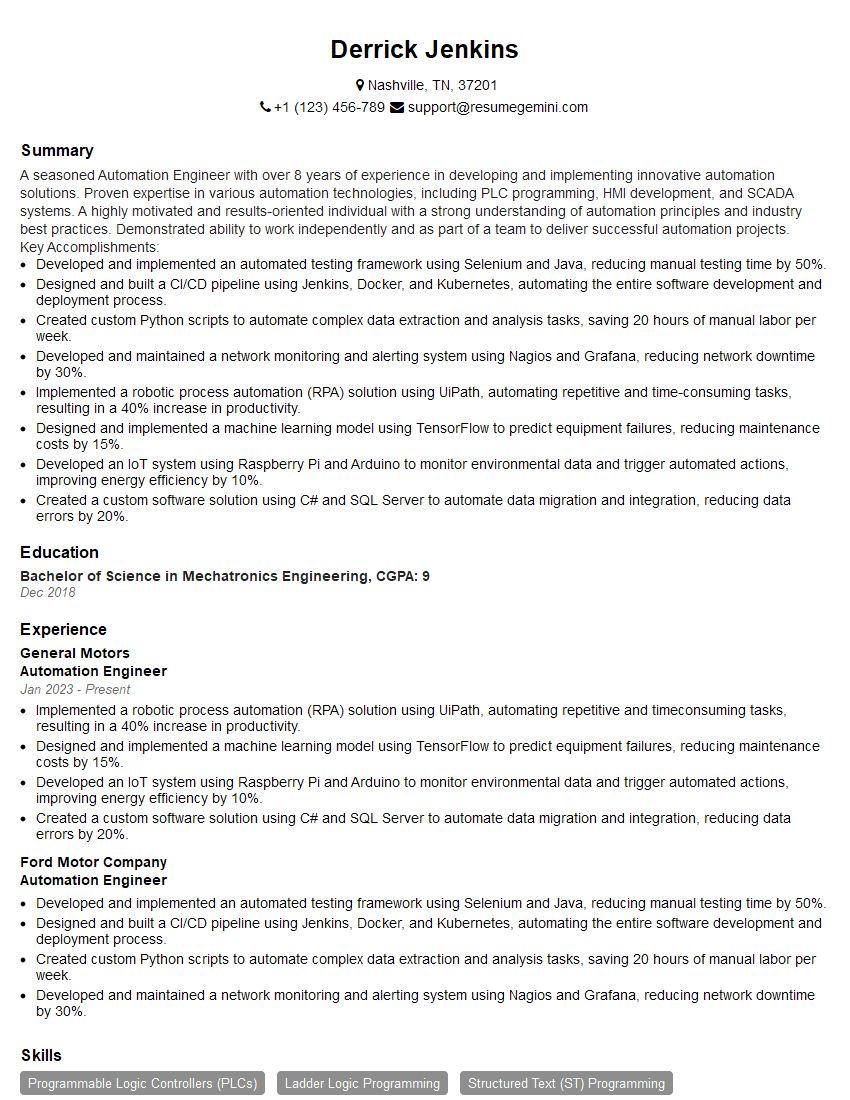
Automation Engineer Resume Sample
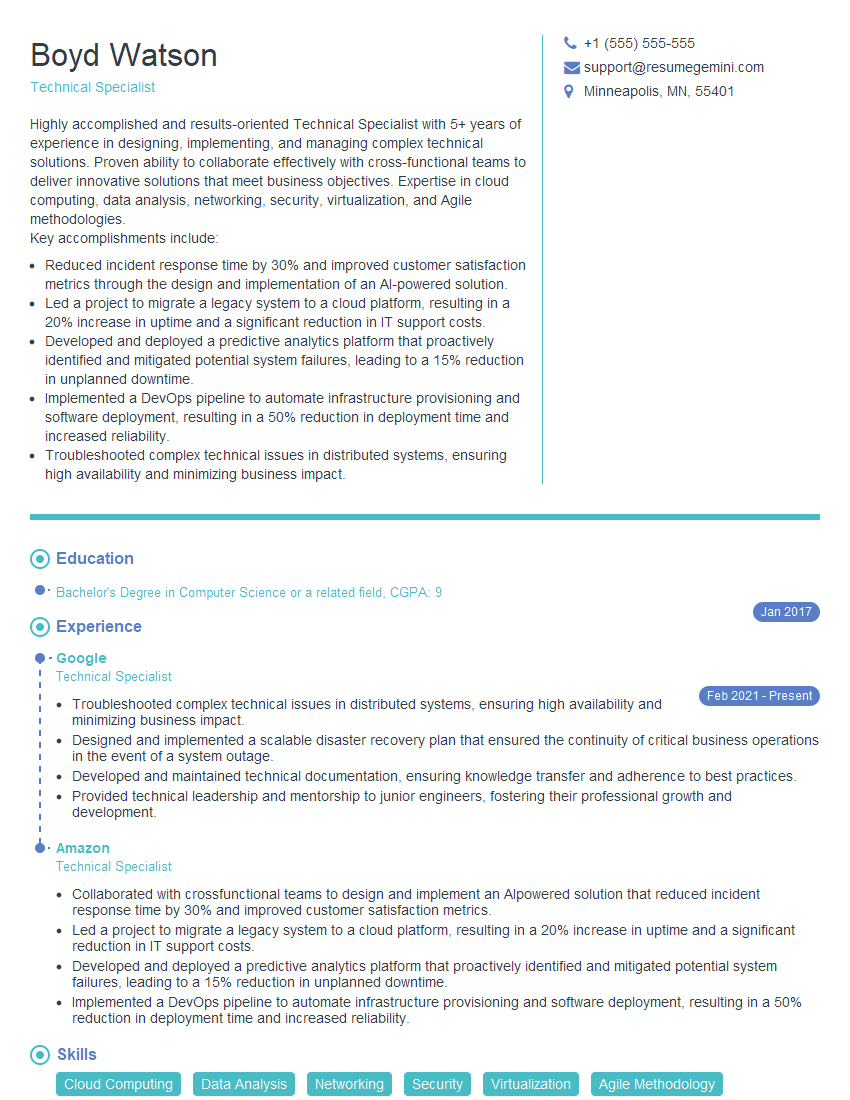
Technical Specialist Resume Sample
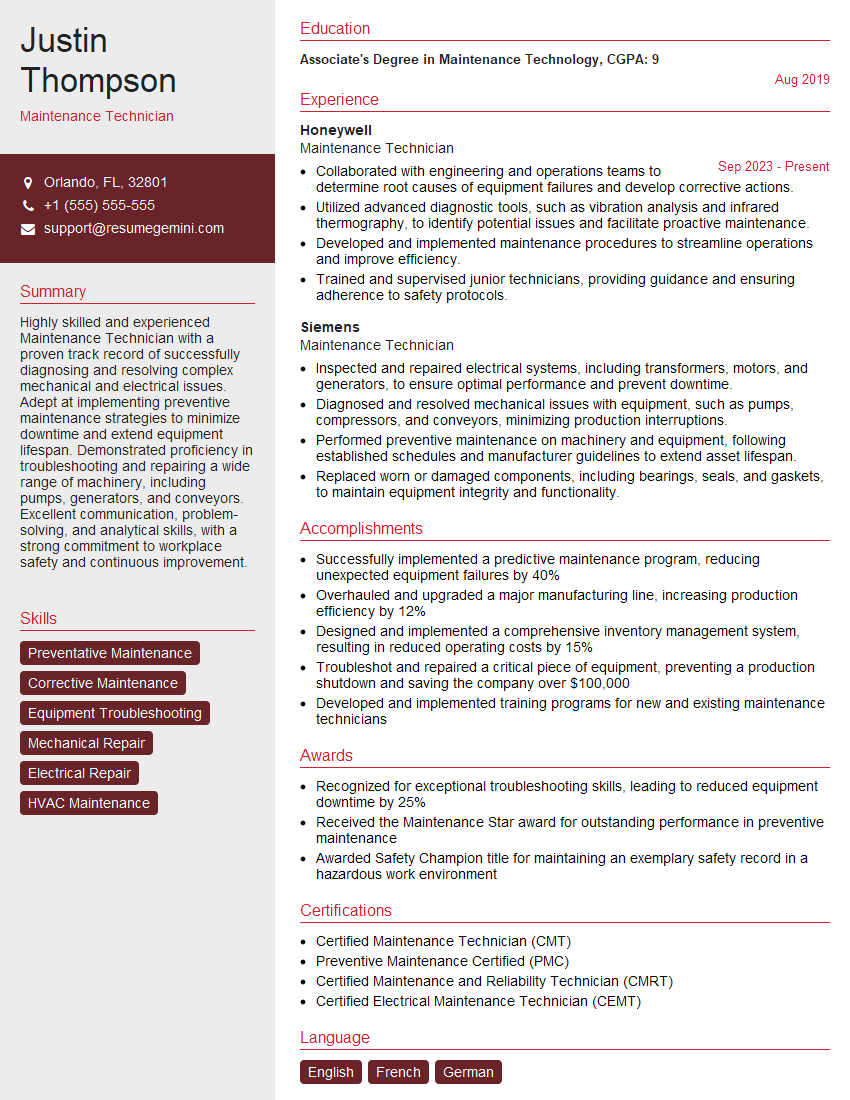
Maintenance Technician Resume Sample
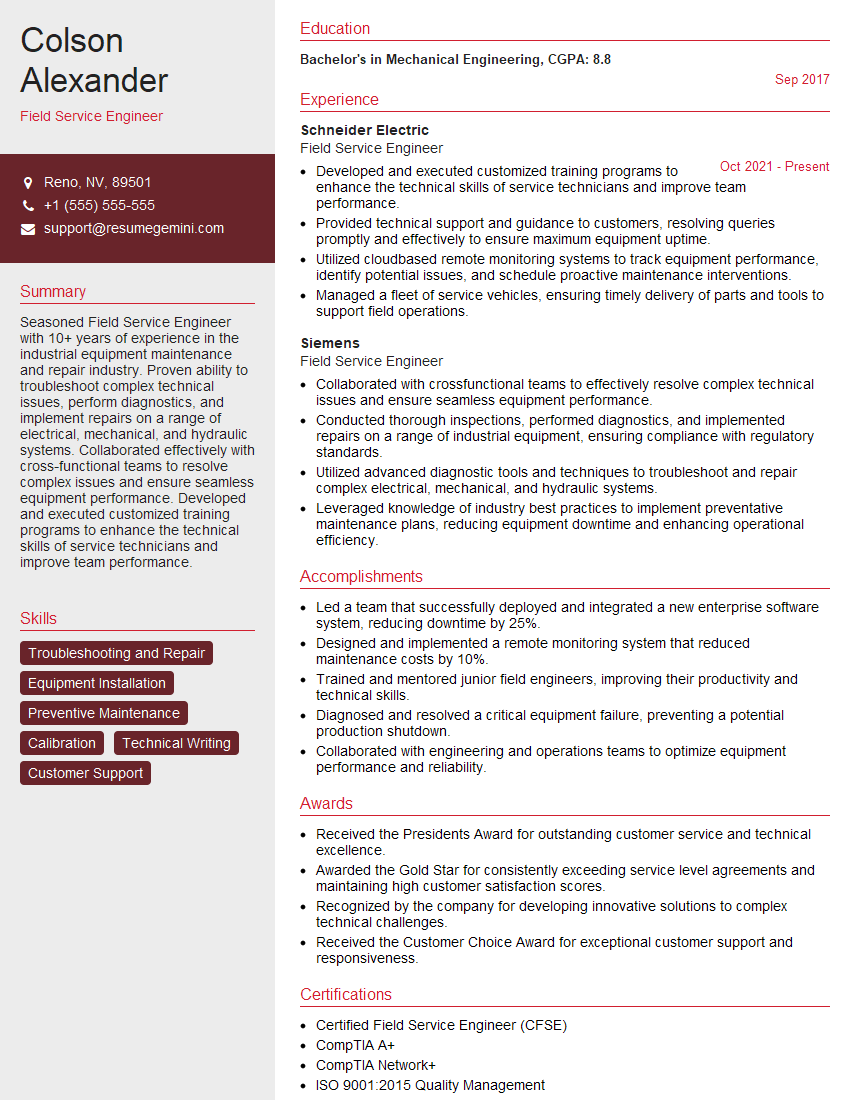
Field Service Engineer Resume Sample
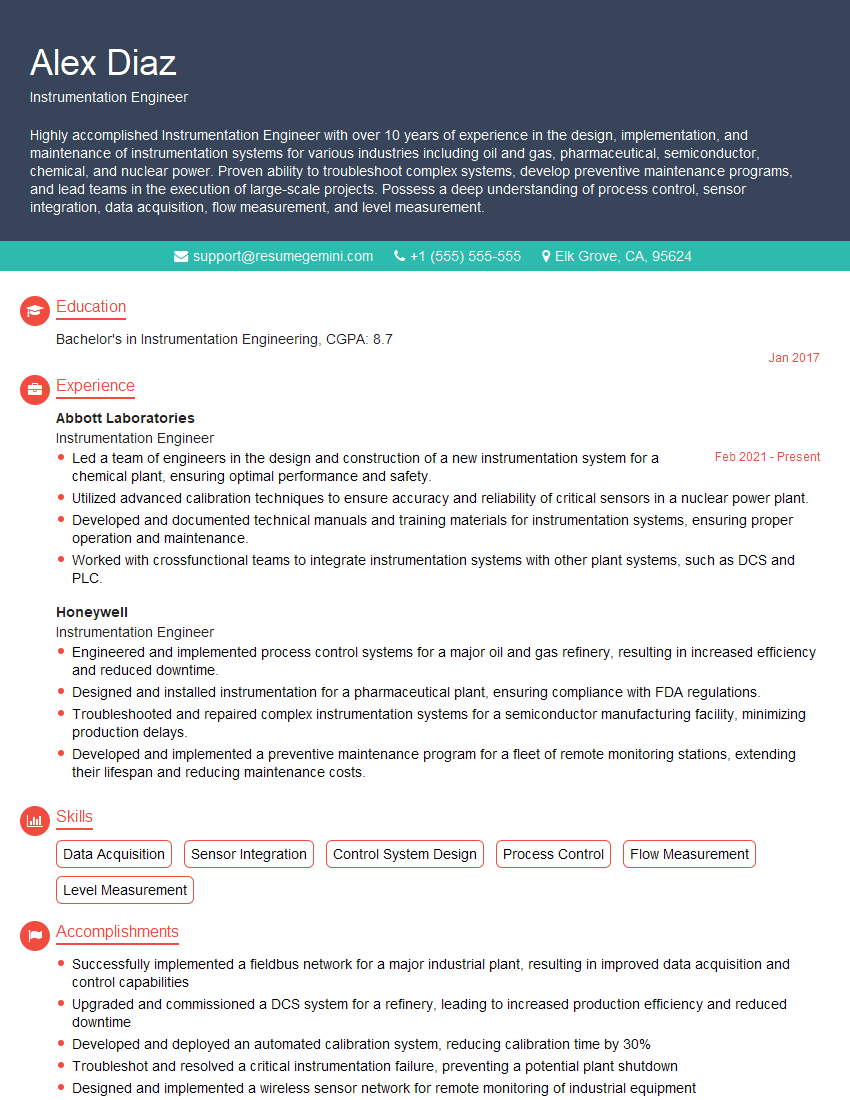
Instrumentation Engineer Resume Sample
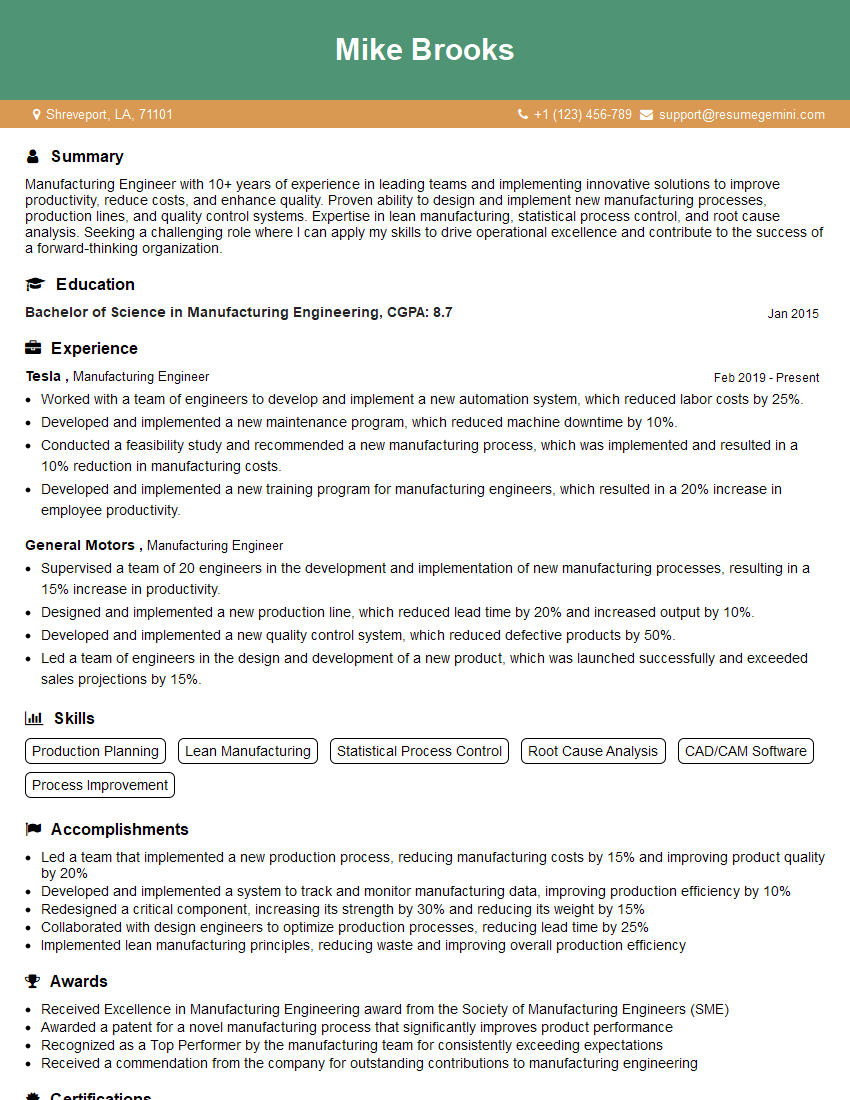
Manufacturing Engineer Resume Sample
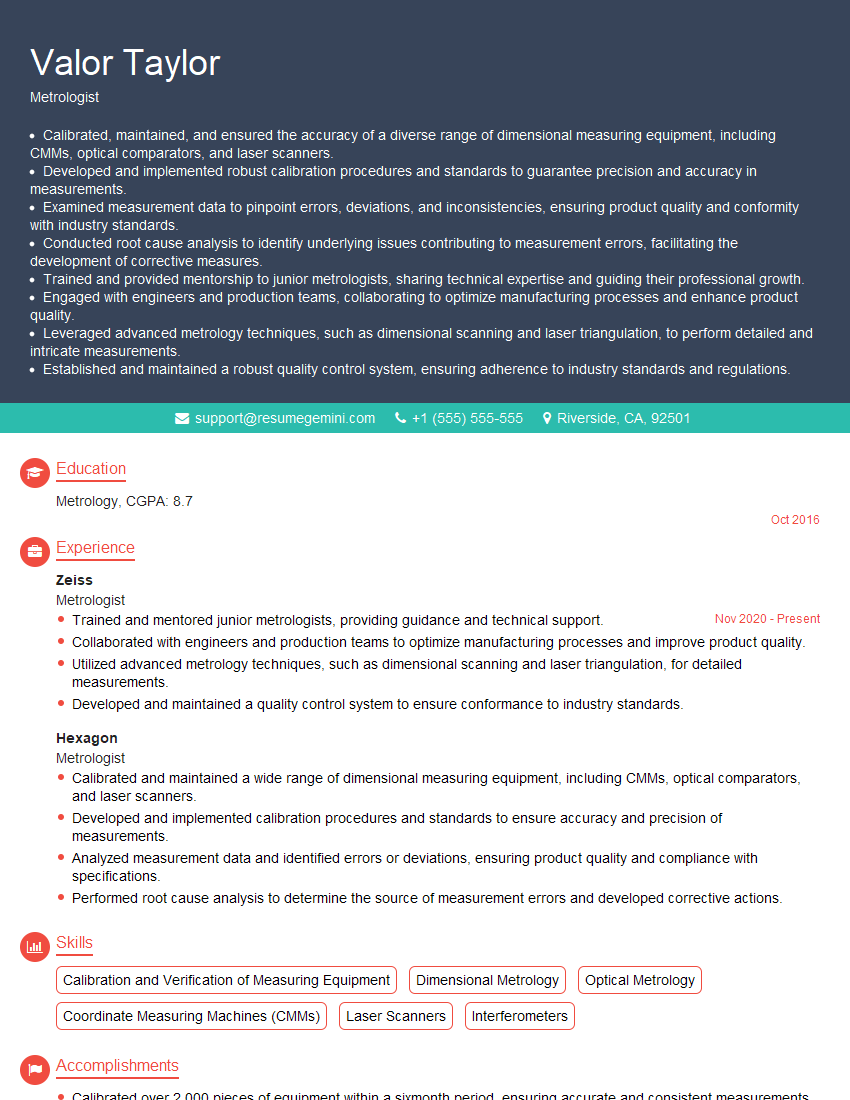
Metrologist Resume Sample
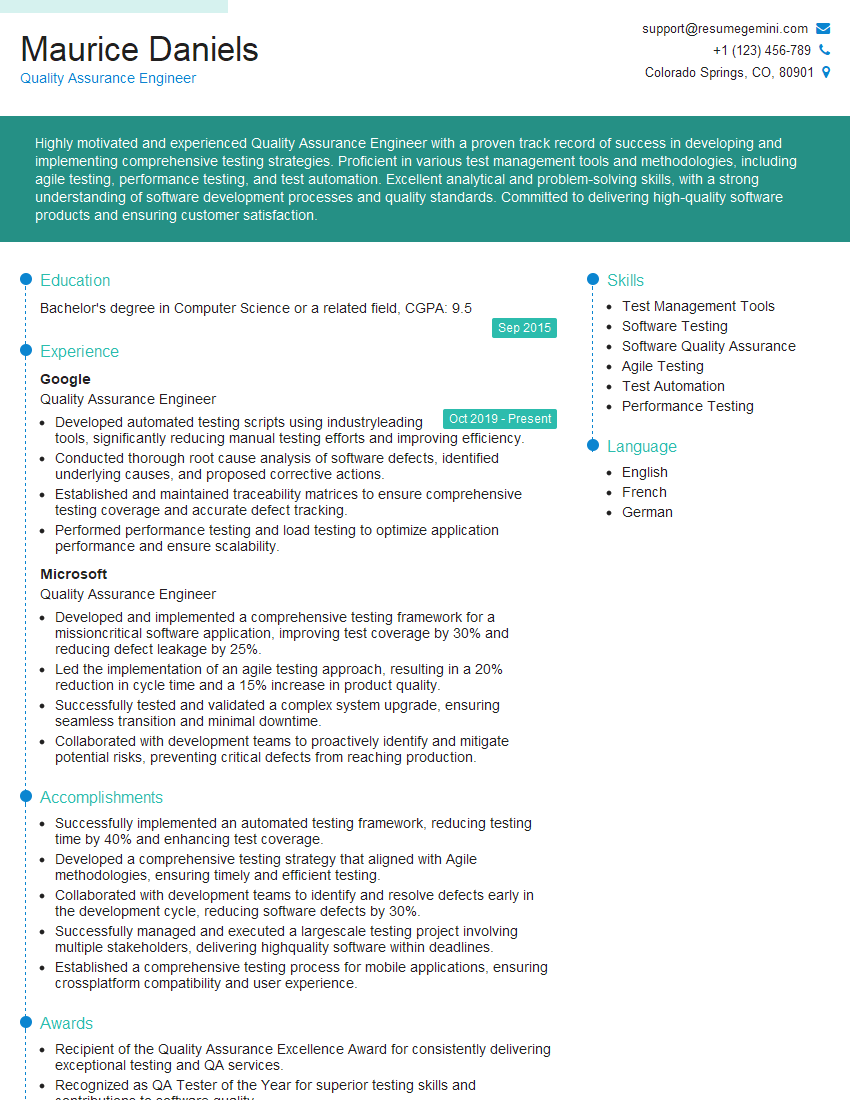
Quality Assurance Engineer Resume Sample
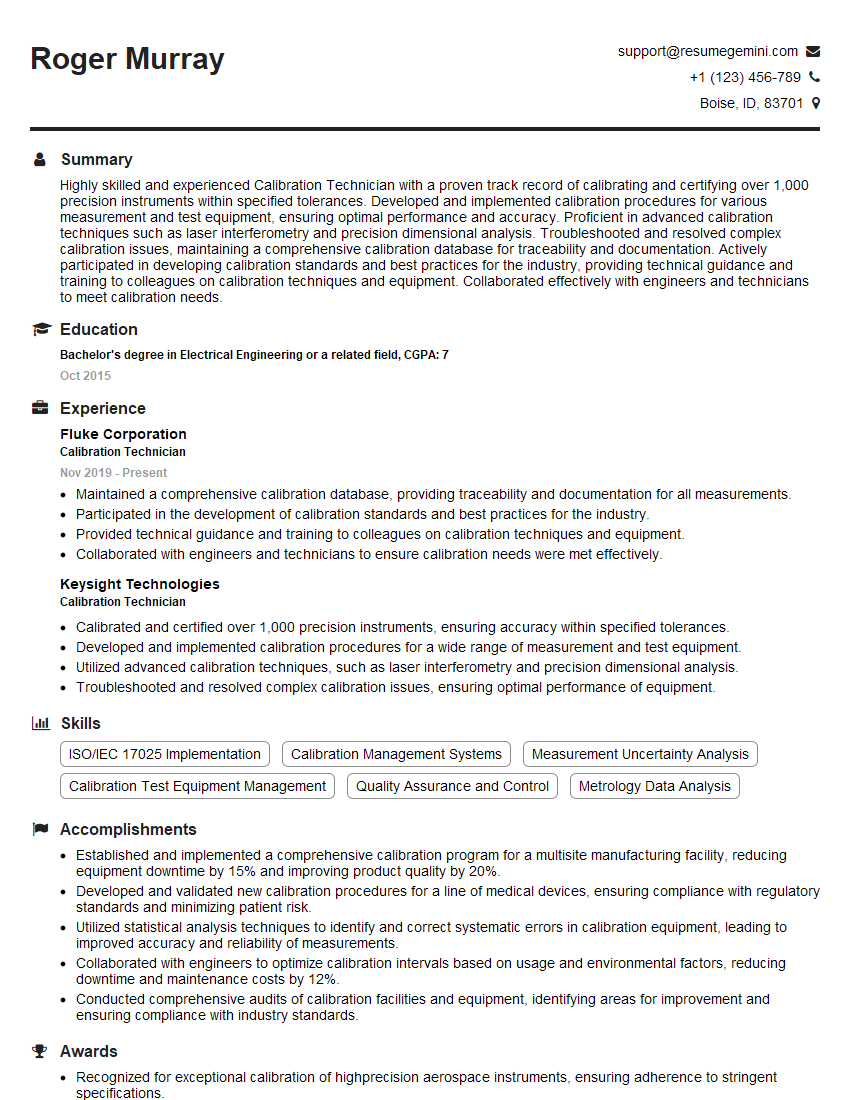
Calibration Technician Resume Sample
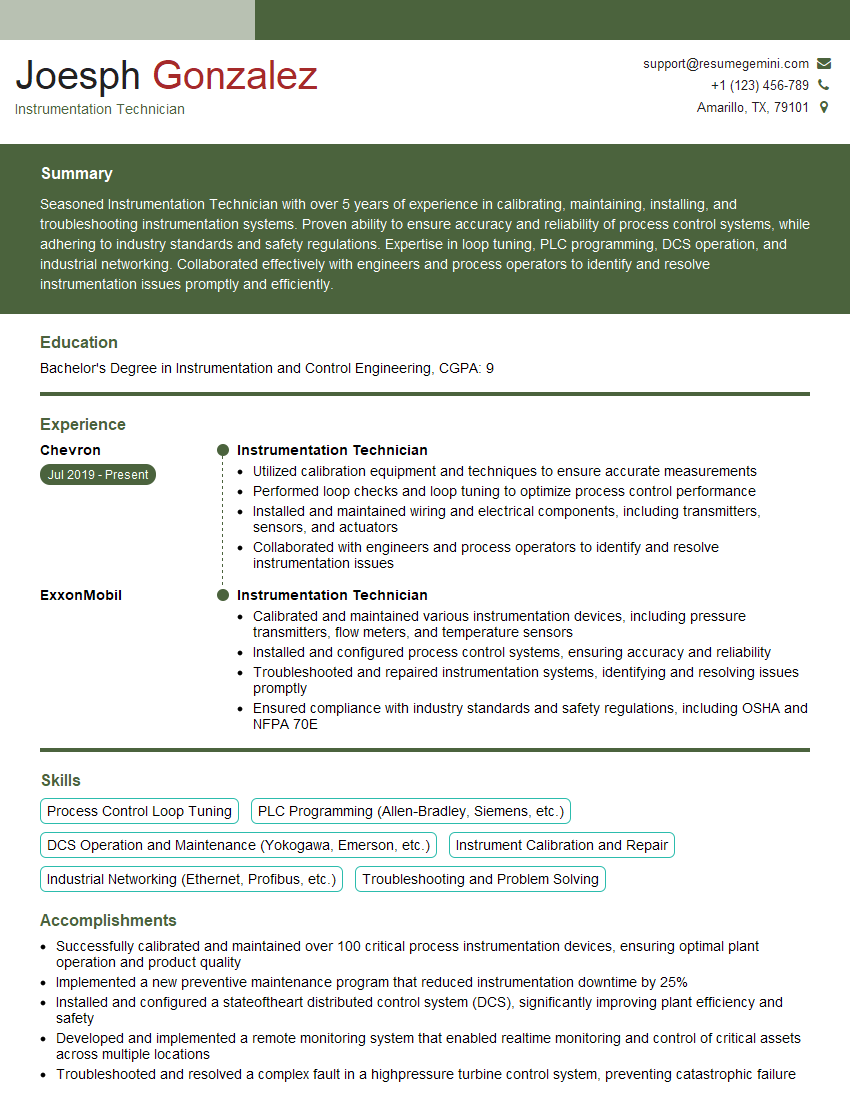
Instrumentation Technician Resume Sample
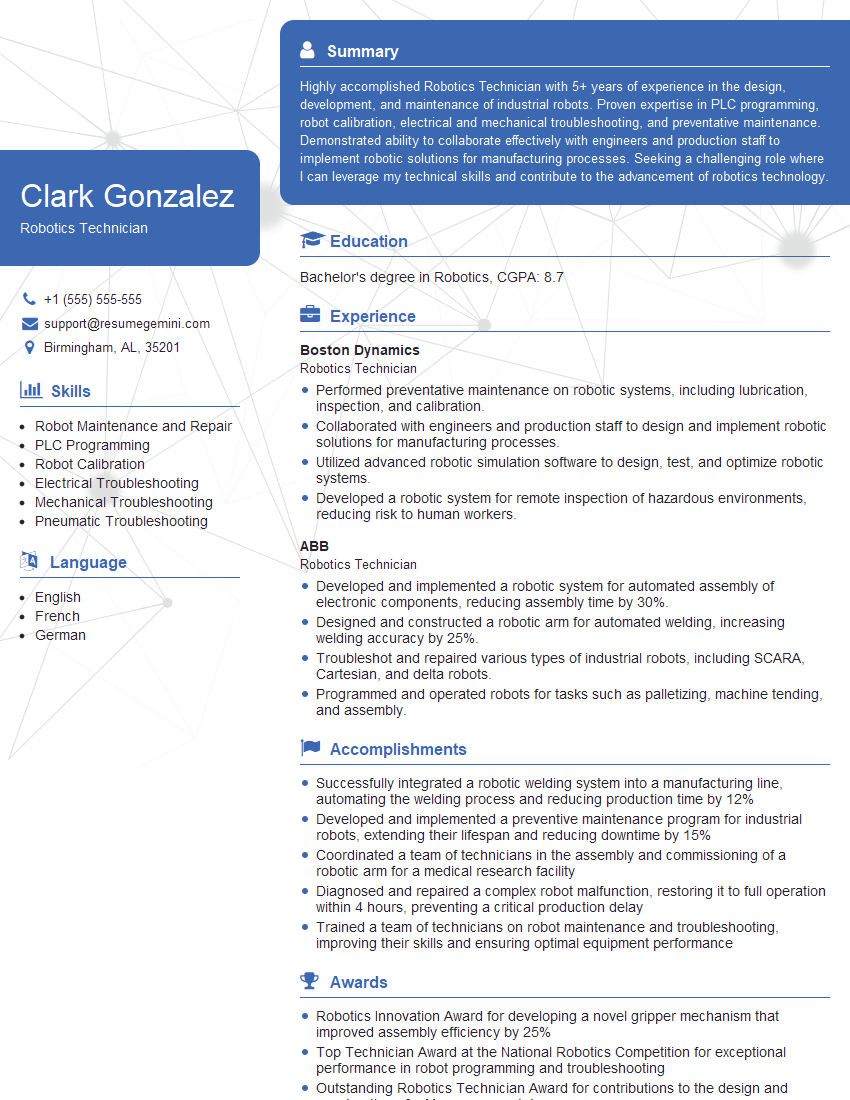
Robotics Technician Resume Sample
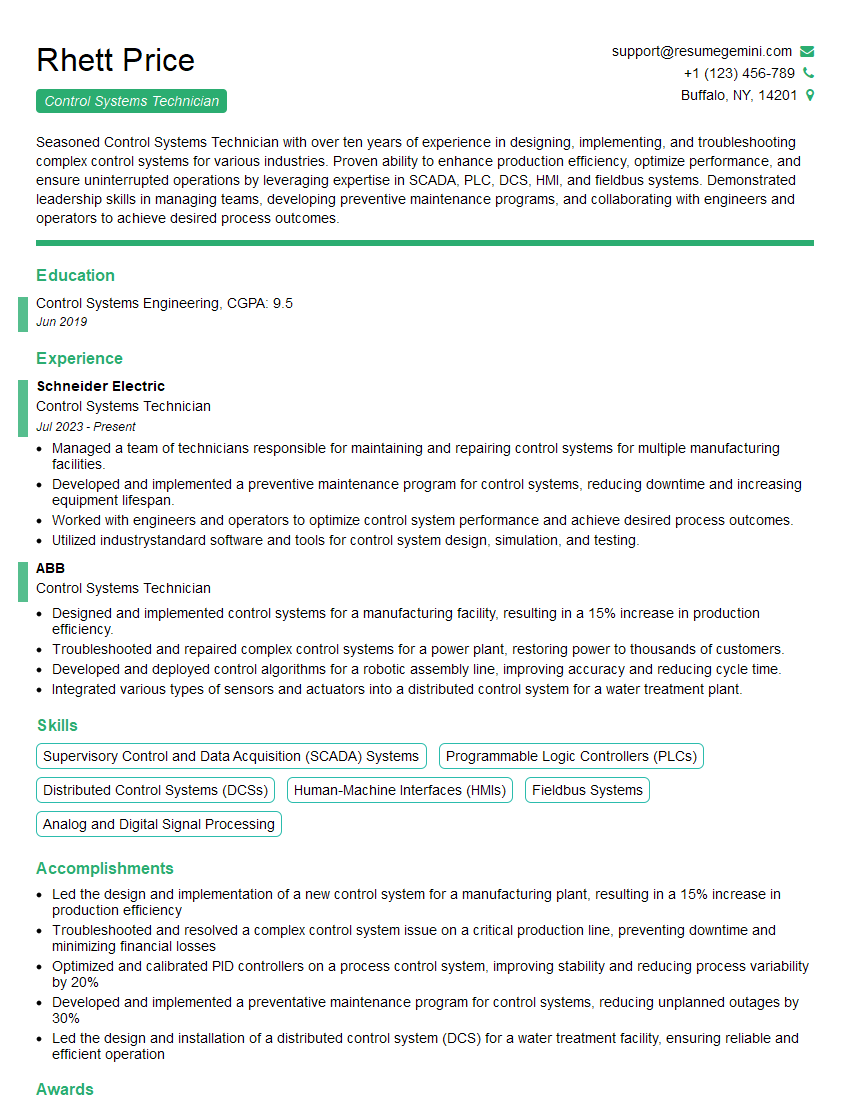
Control Systems Technician Resume Sample
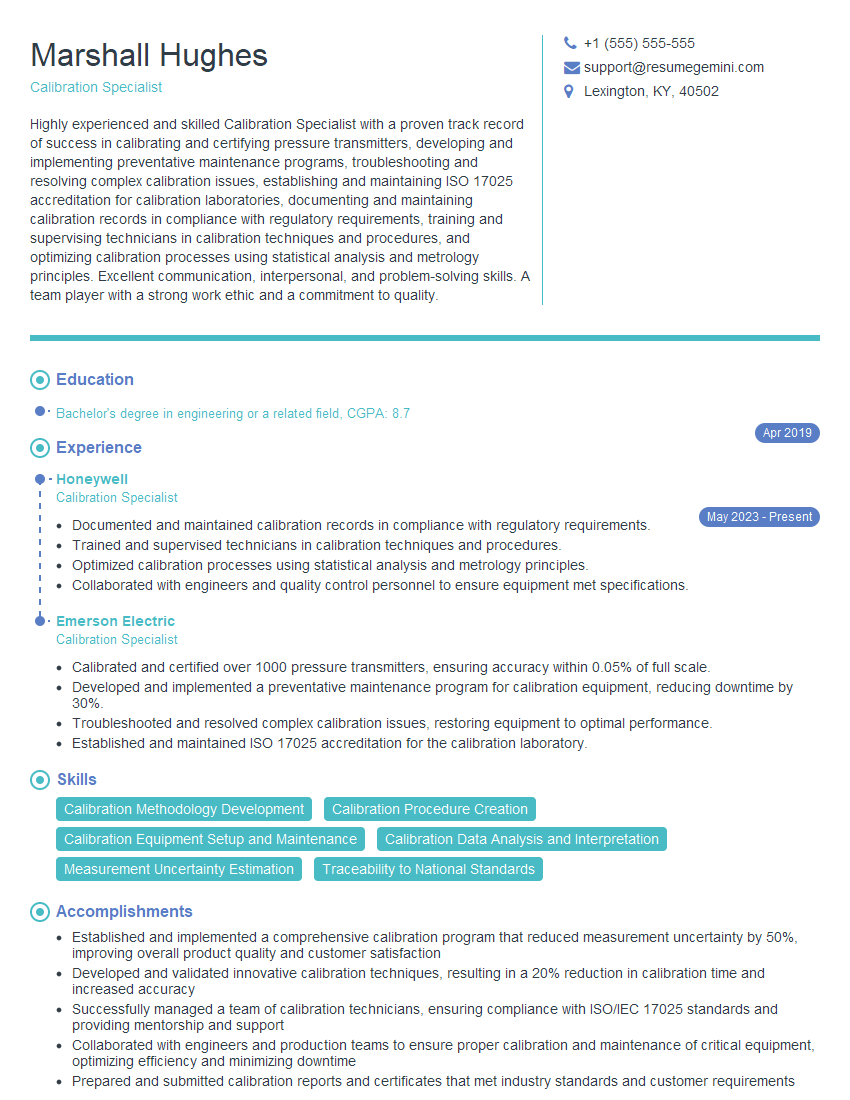
Calibration Specialist Resume Sample

Quality Control Inspector Resume Sample
- Process Engineer
- Automation Engineer
- Technical Specialist
- Maintenance Technician
- Field Service Engineer
- Instrumentation Engineer
- Manufacturing Engineer
- Metrologist
- Quality Assurance Engineer
- Calibration Technician
- Instrumentation Technician
- Robotics Technician
- Control Systems Technician
- Calibration Specialist
- Quality Control Inspector
Explore more articles
Users Rating of Our Blogs
Share Your Experience
We value your feedback! Please rate our content and share your thoughts (optional).
What Readers Say About Our Blog
Very informative content, great job.
good