Unlock your full potential by mastering the most common Callback Coordination interview questions. This blog offers a deep dive into the critical topics, ensuring you’re not only prepared to answer but to excel. With these insights, you’ll approach your interview with clarity and confidence.
Questions Asked in Callback Coordination Interview
Q 1. Describe your experience managing a high volume of callback requests.
Managing a high volume of callback requests requires a systematic approach. In my previous role, we handled upwards of 500 requests daily. This involved implementing a robust system combining technology and well-defined processes. We used a CRM (Customer Relationship Management) system to log all incoming requests, capturing details such as the client’s name, contact information, the reason for the callback, and their preferred contact time. This centralized system eliminated the risk of missed requests and allowed for efficient tracking of requests’ status.
Beyond the system, effective team management was crucial. We divided responsibilities, assigned dedicated personnel to specific tasks (e.g., initial request logging, scheduling, and callback execution), and implemented regular team meetings to address challenges and fine-tune our processes. Regular training on using the CRM and communication protocols was essential to maintaining consistency and high-quality service.
Q 2. How do you prioritize callbacks when multiple requests are received simultaneously?
Prioritizing callbacks is about balancing urgency and fairness. We employed a tiered system:
- Urgent: Clients needing immediate assistance (e.g., critical system failures, time-sensitive issues) receive top priority.
- High: Clients with pre-arranged appointments or requests with short deadlines.
- Medium: Routine inquiries or follow-ups.
- Low: General inquiries or non-urgent requests.
This system, combined with the timestamping in our CRM, ensured that urgent requests were addressed immediately while maintaining a fair queuing system for others. Think of it like a hospital triage – the most critical cases are addressed first.
Q 3. What strategies do you employ to ensure timely and efficient callback scheduling?
Timely and efficient callback scheduling hinges on several strategies. First, offering a range of scheduling options (e.g., specific timeslots, flexible windows) accommodates various client preferences. Secondly, using automated scheduling tools within our CRM provided immediate appointment suggestions based on agent availability and optimized schedules. This minimized scheduling conflicts and ensured efficient use of our team’s time. For instance, our system automatically blocked out times for meetings and breaks, preventing double-booking.
Thirdly, proactive communication is key. Confirmation emails or text messages immediately after scheduling increased compliance and reduced no-shows. Finally, regular analysis of scheduling data helped identify peak times and optimize agent schedules to match demand, reducing wait times for clients.
Q 4. Explain your process for confirming callback appointments.
Confirming appointments is a crucial step that avoids wasted time and misunderstandings. We use a two-pronged approach: automated confirmation emails/SMS messages immediately after scheduling, and a manual follow-up call or email 24-48 hours prior. The automated messages contain all the appointment details: date, time, agent name, and contact information. The manual follow-up serves as a final confirmation, addresses any queries, and offers the opportunity to reschedule if needed. This redundancy ensures that the client is well-informed and prepared for the call.
Q 5. How do you handle rescheduling requests?
Rescheduling requests happen; flexibility is key. Our process involves a simple, yet thorough, system. When a client requests a reschedule, the new time is logged in the CRM, and the original appointment is marked as canceled. A confirmation of the rescheduled appointment is sent, following the same protocols as the initial scheduling process. We are careful to document the reason for the reschedule for analysis; this helps to identify trends (e.g., common conflicts) and potentially improve the initial scheduling process.
Q 6. Describe your experience using scheduling software or tools.
My experience with scheduling software is extensive. I’ve used several CRM systems incorporating scheduling features, such as Salesforce, HubSpot, and Zoho CRM. These tools significantly streamline the process, enabling automated scheduling, reminders, and reporting. I am also proficient in using calendar integration tools that synchronize with agent calendars, avoiding double bookings and streamlining the overall management of schedules. Moreover, I’ve utilized specialized appointment scheduling platforms for more complex scenarios, which offered features like client self-service appointment booking.
Q 7. How do you manage callbacks when dealing with multiple time zones?
Managing callbacks across multiple time zones requires meticulous attention to detail. Our CRM system incorporates time zone settings, automatically calculating and displaying times in the client’s local time zone. This ensures that appointment times are accurately reflected and avoids confusion. When scheduling, agents are carefully instructed to confirm the client’s time zone and adjust appointment times accordingly. We also use tools that convert time zones automatically, preventing human error. Clear communication regarding time zones in all correspondence, including confirmation emails and reminders, is paramount.
Q 8. How do you ensure that all necessary information is gathered before a callback?
Ensuring all necessary information is gathered before a callback is crucial for efficiency and client satisfaction. It’s like preparing for a meeting – you wouldn’t show up unprepared! We achieve this through a multi-pronged approach.
- Structured Forms/Checklists: We utilize detailed forms or checklists that capture all relevant client details, the purpose of the callback, and any pre-existing information. This ensures nothing is overlooked. For example, if it’s a technical support callback, the form would include error codes, system details, and the client’s preferred contact method.
- CRM Integration: Our CRM (Customer Relationship Management) system is integrated with our callback scheduling system. This automatically pulls in client history, purchase details, previous interactions, and other relevant data points, minimizing manual data entry and reducing errors.
- Agent Training and QA: Our agents undergo rigorous training on the importance of thorough information gathering and follow standardized procedures. Quality assurance checks ensure consistency and identify any gaps in the process.
By combining these strategies, we ensure that our agents have all the information they need to conduct a productive and personalized callback, resulting in faster resolution times and higher client satisfaction.
Q 9. How do you handle missed callbacks?
Missed callbacks are unfortunate but can happen. We have a robust system to handle them effectively, prioritizing client communication and issue resolution.
- Automated Reminders/Notifications: Our system sends automated reminders to both the agent and the client regarding upcoming callbacks, minimizing the chances of a missed appointment.
- Agent Accountability: We track missed callbacks, analyzing the reasons behind them. This data helps identify areas for improvement in scheduling, training, or resource allocation.
- Immediate Follow-up: If a callback is missed, we immediately contact the client to sincerely apologize and reschedule at their earliest convenience. We often offer a time-sensitive incentive to show our commitment to their time.
- Escalation Process: For recurring missed callbacks by a specific agent, we have an escalation procedure to address the underlying issues through coaching, additional training, or if necessary, disciplinary action.
Our focus is on rectifying the situation, regaining client trust, and preventing future occurrences. We treat each missed callback as a learning opportunity to improve our process.
Q 10. How do you maintain accurate records of callback activity?
Maintaining accurate records is paramount for efficient callback coordination and accountability. We achieve this through a combination of technological solutions and well-defined processes.
- CRM Database: Our CRM system meticulously records every callback, including the scheduled time, actual time, duration, outcome, notes from the agent, and any actions taken. This provides a comprehensive audit trail.
- Automated Logging: The system automatically logs all callback activities, eliminating the need for manual recording and reducing the risk of human error. It’s like a detailed diary of every interaction.
- Regular Data Backups: We employ rigorous data backup procedures to ensure data integrity and business continuity. This protects us against data loss and ensures the long-term accessibility of crucial information.
- Data Security Protocols: We adhere to strict security protocols to protect client data, complying with all relevant regulations and maintaining confidentiality.
This robust system allows for easy access to callback history, facilitates performance analysis, and ensures compliance with data protection regulations.
Q 11. What metrics do you use to track your callback coordination performance?
We track several key metrics to evaluate our callback coordination performance. These metrics provide insights into efficiency, effectiveness, and client satisfaction.
- Callback Resolution Rate: The percentage of callbacks that successfully resolve the client’s issue.
- Average Handling Time (AHT): The average time spent on each callback. Lower AHT indicates improved efficiency.
- Callback Abandonment Rate: The percentage of callbacks that are abandoned by either the agent or the client. High rates suggest issues with scheduling or agent availability.
- Client Satisfaction Score (CSAT): We regularly survey clients to gauge their satisfaction with the callback experience.
- Missed Callback Rate: The percentage of scheduled callbacks that are missed. This metric helps pinpoint areas for improvement.
By monitoring these metrics, we can identify areas for process improvement, optimize resource allocation, and ultimately enhance the overall client experience.
Q 12. How do you proactively identify and address potential callback scheduling conflicts?
Proactive conflict identification is key to smooth callback scheduling. It’s like planning a large event – you need to avoid scheduling conflicts to ensure a smooth process.
- Real-time Scheduling System: Our scheduling system provides real-time visibility into agent availability and prevents double-booking. It’s like a shared calendar, ensuring no overlapping appointments.
- Automated Conflict Alerts: The system generates alerts for potential scheduling conflicts, allowing for proactive adjustments and preventing disruption.
- Agent Scheduling Preferences: We allow agents to input their availability preferences, taking personal constraints into account and optimizing the scheduling process.
- Load Balancing: We employ load balancing strategies to distribute callbacks evenly among agents, preventing any one agent from being overloaded.
This proactive approach minimizes scheduling conflicts, ensures optimal resource utilization, and contributes to a seamless callback experience for our clients.
Q 13. Describe a situation where you had to resolve a complex callback scheduling issue.
One time, we experienced a major system outage affecting our callback scheduling system. This resulted in a massive backlog of callbacks and significant client frustration. We immediately implemented a contingency plan.
- Manual Override: We temporarily switched to a manual callback scheduling system, prioritizing clients based on urgency and issue severity.
- Communication Strategy: We proactively communicated the system outage to all affected clients, offering sincere apologies and estimated resolution times. Transparency was key.
- Additional Resources: We deployed additional agents to handle the backlog, ensuring faster resolution times and reducing client wait times.
- Post-Outage Review: After the system was restored, we conducted a thorough review of our incident response plan and implemented improvements to enhance resilience and minimize the impact of future outages. This included redundancies and improved communication protocols.
Despite the initial disruption, our swift response and proactive communication minimized negative impact on our clients. We learned valuable lessons about the importance of disaster recovery planning and proactive client communication.
Q 14. How do you personalize the callback experience for each client?
Personalizing the callback experience is crucial for building strong client relationships. It’s about making each client feel valued and understood. We personalize the experience through several strategies.
- Agent Training: Our agents are trained to adapt their communication style to suit individual clients. They are encouraged to use the client’s name, understand their communication preferences (e.g., formal vs. informal), and address their needs effectively.
- CRM Data Utilization: Our CRM system provides agents with relevant client information, enabling them to tailor their approach based on past interactions and known preferences. It’s like having a client’s history at your fingertips.
- Personalized Greetings/Closing Remarks: Agents are encouraged to personalize greetings and closing remarks, making the interaction more engaging and memorable.
- Follow-up Communication: We implement tailored follow-up communication based on the client’s issue and feedback received during the callback. This shows continued care and commitment.
By focusing on personalized interaction, we build trust, improve client satisfaction, and foster long-term relationships.
Q 15. How do you ensure that callbacks are aligned with client preferences and availability?
Ensuring callbacks align with client preferences and availability is paramount for providing excellent customer service. It’s not just about scheduling a call; it’s about understanding the client’s needs and working around their constraints. This involves:
Flexible Scheduling Options: Offering a range of times and days, including evenings and weekends, to accommodate various schedules. This might involve using online scheduling tools that integrate with calendars.
Clear Communication: Confirming the chosen time and date via multiple channels (email, SMS, etc.) to minimize misunderstandings and ensure the client is fully aware of the appointment.
Time Zone Awareness: For international clients, double-checking time zones and adjusting accordingly is crucial to prevent missed appointments and show respect for their time.
Personalized Approach: During the initial interaction (e.g., form submission, initial contact), gathering information on preferred contact methods and available time slots. For example, asking, “What time of day works best for you?” This shows respect for the client’s time and preferences.
Career Expert Tips:
- Ace those interviews! Prepare effectively by reviewing the Top 50 Most Common Interview Questions on ResumeGemini.
- Navigate your job search with confidence! Explore a wide range of Career Tips on ResumeGemini. Learn about common challenges and recommendations to overcome them.
- Craft the perfect resume! Master the Art of Resume Writing with ResumeGemini’s guide. Showcase your unique qualifications and achievements effectively.
- Don’t miss out on holiday savings! Build your dream resume with ResumeGemini’s ATS optimized templates.
Q 16. What is your approach to handling urgent callback requests?
Handling urgent callback requests requires a swift and efficient process. My approach involves prioritizing these requests immediately and escalating them to the appropriate team member. This includes:
Dedicated Queue: Implementing a separate queue for urgent requests, ensuring they are addressed before routine calls. This could be a flagged status within a CRM.
Immediate Notification: Alerting the appropriate team member (or team) instantly about the urgent request via a system alert or direct communication. Using tools such as Slack or internal messaging apps is effective here.
Escalation Procedure: Having a clear procedure for handling extremely urgent requests, which may involve bypassing typical call routing and going directly to a senior representative.
Clear Communication with the Client: Keeping the client updated on the progress of their urgent request. This shows that their needs are being taken seriously. This might include a text message saying “We’ve received your urgent request and will get back to you within 15 minutes.”
Q 17. How do you use technology to improve callback coordination efficiency?
Technology plays a crucial role in enhancing callback coordination efficiency. I leverage various tools to streamline the process:
CRM Systems: CRMs (like Salesforce, HubSpot) allow centralized management of client interactions, scheduling, and callback requests, providing a holistic view of client history and preferences.
Automated Scheduling Tools: Online scheduling tools allow clients to book callbacks at their convenience, reducing manual coordination. Calendly or Acuity Scheduling are good examples.
Call Routing Systems: Intelligent call routing systems prioritize urgent calls and distribute them efficiently to the appropriate agents based on skills and availability.
Communication Platforms (SMS, Email): Automating reminders and confirmations via SMS or email reduces the risk of missed appointments and saves time.
Q 18. Describe your experience working with CRM systems to manage callbacks.
My experience with CRM systems in managing callbacks has been extensive and beneficial. I’ve used CRMs such as Salesforce and HubSpot to:
Centralize Client Data: Maintain a complete record of client interactions, including callback requests, notes from previous conversations, and scheduled appointments. This ensures consistency and avoids repeating information.
Track Callbacks: Monitor the status of callback requests, ensuring timely follow-up and preventing delays. This includes features for managing queues and assigning tasks.
Automate Reminders: Set automated reminders for both agents and clients regarding upcoming callbacks, reducing the chance of missed appointments.
Generate Reports: Analyze callback metrics, such as average call duration, resolution times, and client satisfaction, identifying areas for improvement.
For example, in one role, we implemented a Salesforce automation that sent automated email reminders 24 hours before a scheduled callback, improving our on-time callback rate by 15%.
Q 19. How do you maintain confidentiality when handling sensitive client information during callbacks?
Maintaining client confidentiality is paramount. My approach involves adherence to strict protocols and best practices, including:
Data Encryption: Ensuring all sensitive data is encrypted both in transit and at rest, protecting it from unauthorized access.
Access Control: Limiting access to client information to authorized personnel only, through role-based access control within the CRM and other systems.
Secure Communication Channels: Using secure communication channels for callbacks, such as encrypted conferencing systems.
Compliance with Regulations: Adhering to all relevant data privacy regulations (e.g., GDPR, CCPA), ensuring responsible handling of client data.
Regular Security Audits: Conducting regular security audits and vulnerability assessments to identify and mitigate potential risks.
Q 20. How do you handle difficult or challenging clients during callbacks?
Handling difficult or challenging clients requires patience, empathy, and a structured approach. My strategy involves:
Active Listening: Actively listening to the client’s concerns without interruption, demonstrating empathy and understanding.
Empathetic Communication: Acknowledging the client’s feelings and validating their concerns. Phrases like, “I understand your frustration,” can be very effective.
Problem-Solving Approach: Focusing on finding solutions to the client’s problems rather than engaging in arguments. This involves working collaboratively to find mutually acceptable outcomes.
De-escalation Techniques: Utilizing de-escalation techniques to calm the client down if the situation becomes heated. This includes speaking calmly and clearly, avoiding confrontational language.
Escalation Protocol: Knowing when to escalate the issue to a supervisor if the situation cannot be resolved at the initial level.
For instance, I once dealt with a very angry client who felt their issue wasn’t being addressed quickly enough. By actively listening to their concerns and offering a specific action plan to resolve the problem promptly, I was able to de-escalate the situation and turn their frustration into satisfaction.
Q 21. Explain your understanding of callback best practices.
Callback best practices encompass a holistic approach to ensure efficient and positive client interactions. Key elements include:
Timely Callbacks: Returning calls promptly, within the timeframe promised to the client.
Preparedness: Having access to the client’s information before the call to understand the context and personalize the interaction.
Professionalism: Maintaining a professional and courteous demeanor throughout the call, even when dealing with difficult clients.
Clear Communication: Communicating clearly and concisely, avoiding jargon and technical terms that the client may not understand.
Follow-up: Following up with the client after the call to ensure their issue was resolved and to gather feedback.
Documentation: Documenting all calls and interactions in the CRM, ensuring a complete record of the conversation and any agreed-upon actions.
By consistently applying these best practices, we can significantly enhance the client experience, improve operational efficiency, and build strong, trusting relationships.
Q 22. How do you measure the success of your callback coordination efforts?
Measuring the success of callback coordination isn’t just about the number of calls made; it’s about the overall client experience and efficiency. I use a multi-faceted approach. Key metrics include:
- Callback Speed: Average time between request and callback. A shorter time indicates better responsiveness. I track this using call center software and spreadsheets, setting targets for average handling time.
- Callback Completion Rate: Percentage of scheduled callbacks successfully completed. A low rate highlights potential issues with scheduling, communication, or agent availability. I analyze this data to identify bottlenecks and improve processes.
- Client Satisfaction (CSAT): Post-call surveys or feedback forms measure client happiness with the callback process and the interaction itself. This provides valuable qualitative data on areas for improvement. I aim for high CSAT scores (above 90%)
- Agent Efficiency: Measuring the number of callbacks handled per agent per hour helps assess resource allocation and identify training needs. Tracking missed calls and call abandonment rate is also crucial.
- Missed Call Rate: A high missed call rate indicates problems with scheduling or agent availability and requires investigation and improvement.
By analyzing these metrics, I can pinpoint weaknesses in the system and implement targeted improvements. For example, a consistently high missed call rate might suggest a need for additional agents or adjustments to scheduling software.
Q 23. Describe your experience with various communication channels for callbacks (phone, email, etc.).
My experience spans various communication channels for callbacks, each with its strengths and weaknesses:
- Phone Calls: Offer immediate interaction and personal touch. However, they require agent availability and can be less efficient for handling high volumes. I utilize call center software with features like automatic call distribution (ACD) and call recording for quality assurance.
- Email: Suitable for providing detailed information or scheduling callbacks at the client’s convenience. However, response times can be slower, and there’s a risk of miscommunication. I use email automation tools to send confirmations and reminders and ensure a consistent brand voice.
- SMS/Text Messaging: Excellent for brief updates, confirmations, and appointment reminders. They offer high open rates. I ensure that text messages are concise and include all necessary information. Using a dedicated SMS service provider ensures compliance with regulations.
- Chatbots/Instant Messaging: Can handle high call volumes efficiently. These are particularly useful for quick questions and initial scheduling, directing complex issues to human agents. I analyze chatbot conversation data to gauge effectiveness and improve their responses.
Choosing the right channel depends on the context. For instance, a complex technical issue warrants a phone call, whereas a simple appointment reminder is best handled via SMS.
Q 24. How do you ensure accurate and clear communication during callback scheduling?
Accurate and clear communication during callback scheduling is paramount. I follow a structured approach:
- Confirmation: Always confirm the scheduled time and date with the client, ideally through multiple channels (e.g., email confirmation after a phone call). Using automated confirmations minimizes errors.
- Clarity: Use unambiguous language. Specify the date, time, and contact person clearly. If a time zone is involved, I explicitly state it to avoid confusion.
- Multiple Options: Whenever possible, offer multiple time slots to accommodate the client’s schedule. This increases the likelihood of a successful callback.
- Reminders: Send automated reminders, especially for important callbacks or appointments.
- Recording: Where appropriate, recording scheduling conversations allows for easy verification and dispute resolution.
For example, instead of saying “Let’s talk tomorrow,” I would say “I’ve scheduled a callback for you tomorrow, June 15th, at 2 PM Eastern Time. Please let me know if this time works for you.” This level of detail prevents misunderstandings.
Q 25. What is your process for handling feedback related to callbacks?
Feedback is crucial for continuous improvement. My process involves:
- Collection: I actively solicit feedback through post-call surveys, email feedback forms, and direct customer interactions. I use both quantitative (e.g., rating scales) and qualitative (e.g., open-ended questions) methods to gain a comprehensive understanding.
- Analysis: I analyze feedback to identify trends and recurring issues. Negative feedback is investigated to understand the root cause. This might involve reviewing call recordings or agent interactions.
- Action: Based on the analysis, I implement corrective actions. This might include revising scheduling procedures, providing additional agent training, or improving communication strategies.
- Follow-up: I follow up with clients who provided negative feedback to address their concerns and demonstrate a commitment to improvement.
For example, recurring complaints about long wait times might lead to hiring more agents or optimizing the call routing system. Consistent praise for a specific agent’s helpfulness could inform training programs for other team members.
Q 26. How do you integrate callback coordination into broader client communication strategies?
Callback coordination is an integral part of a broader client communication strategy. It should be seamlessly integrated to create a unified and positive client experience. This includes:
- Alignment with Brand Voice: Callbacks should maintain a consistent brand tone and style to reinforce brand identity. This includes using consistent language and maintaining professionalism.
- Integration with CRM: Using a CRM system ensures callback details are readily available to all relevant personnel, promoting seamless handovers and reducing redundancy.
- Multi-Channel Approach: As previously discussed, using multiple channels, tailored to the specific client communication needs, ensures responsiveness and improves overall accessibility.
- Data-Driven Optimization: Using data from callbacks – such as CSAT scores, wait times, and completion rates – informs strategy adjustments and improvements to future interactions.
For example, if a client expresses interest in a specific product during a callback, that information should be immediately accessible to the sales team, ensuring a smooth transition to the next stage of the customer journey.
Q 27. How do you stay organized and manage your workload during peak callback periods?
Managing workload during peak callback periods requires meticulous planning and efficient tools:
- Predictive Scheduling: Analyzing historical data to anticipate peak times and proactively adjust staffing levels. This involves forecasting call volumes and ensuring sufficient agent availability.
- Prioritization: Establishing a clear prioritization system for callbacks, addressing urgent matters promptly. This could involve assigning urgency levels to calls based on pre-defined criteria.
- Automation: Using automated tools for tasks like appointment scheduling, confirmations, and reminders. This frees up agent time for handling more complex calls.
- Team Collaboration: Fostering strong teamwork and clear communication among agents, allowing them to support each other during busy periods. Regular team meetings ensure efficient communication and problem-solving.
- Real-time Monitoring: Using call center dashboards to monitor call volumes and agent performance in real-time, allowing for dynamic adjustments to resource allocation.
Implementing these strategies ensures efficient call handling even during peak demand, preventing long wait times and maintaining a positive client experience.
Q 28. Describe your experience training others on callback coordination procedures.
I have extensive experience training others on callback coordination procedures. My training approach is multifaceted:
- Structured Curriculum: I develop a comprehensive training program covering all aspects of callback coordination, from scheduling to handling client feedback.
- Hands-on Practice: I incorporate role-playing and simulated scenarios to provide practical experience in handling various situations. This allows trainees to develop the skills needed to deal with different scenarios.
- Mentorship: I provide ongoing mentorship and support to new team members, offering guidance and feedback on their performance. This ensures that they feel confident handling calls independently.
- Regular Updates: I conduct regular training updates to keep the team informed about changes in procedures, software updates, or new communication strategies.
- Performance Tracking: I track the performance of trainees using key metrics such as callback completion rates, CSAT scores, and adherence to procedures, providing constructive feedback for improvement.
This structured approach ensures that all team members are well-equipped to handle callbacks effectively and consistently, maintaining a high level of client service.
Key Topics to Learn for Callback Coordination Interview
- Understanding the Callback Process: Mastering the entire lifecycle of a callback, from initial contact to scheduling and follow-up.
- Prioritization and Time Management: Efficiently managing multiple callbacks, prioritizing based on urgency and importance, and effectively using scheduling tools.
- Communication & Interpersonal Skills: Developing clear, concise, and professional communication, both written and verbal, to interact with candidates and internal teams.
- Record Keeping and Data Management: Maintaining accurate and organized records of all callbacks, using appropriate CRM systems or databases.
- Problem-Solving & Conflict Resolution: Addressing scheduling conflicts, handling candidate inquiries effectively, and resolving any communication breakdowns.
- Technology Proficiency: Demonstrating familiarity with relevant scheduling software, CRM systems, and communication platforms.
- Compliance and Confidentiality: Understanding and adhering to data privacy regulations and maintaining confidentiality of candidate information.
- Metrics and Reporting: Tracking key performance indicators (KPIs) related to callback coordination and preparing reports to demonstrate efficiency.
Next Steps
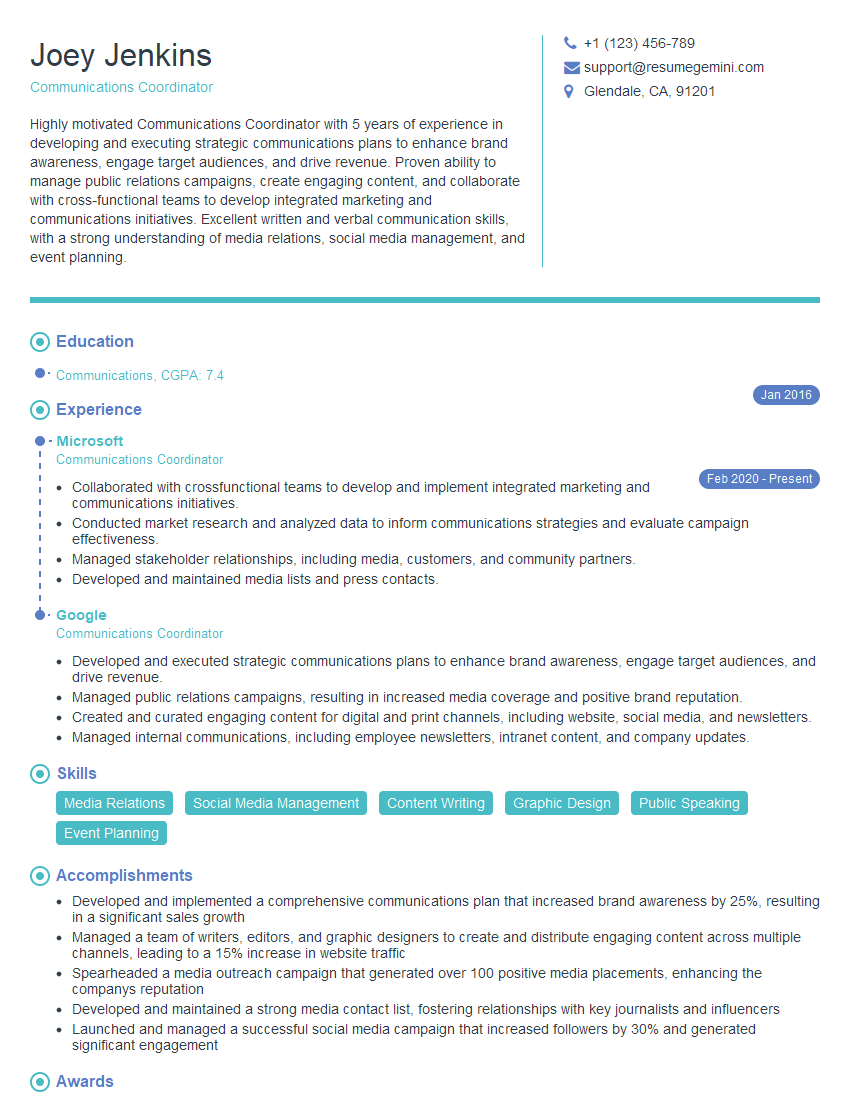
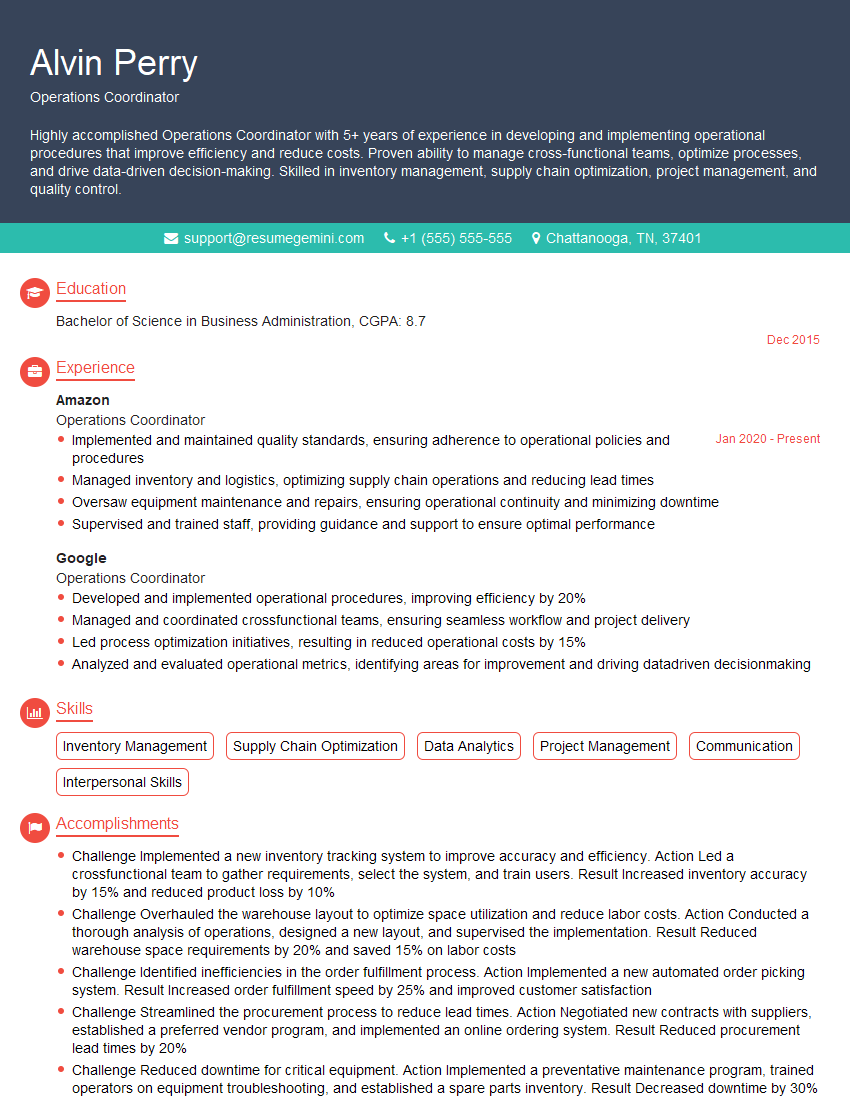
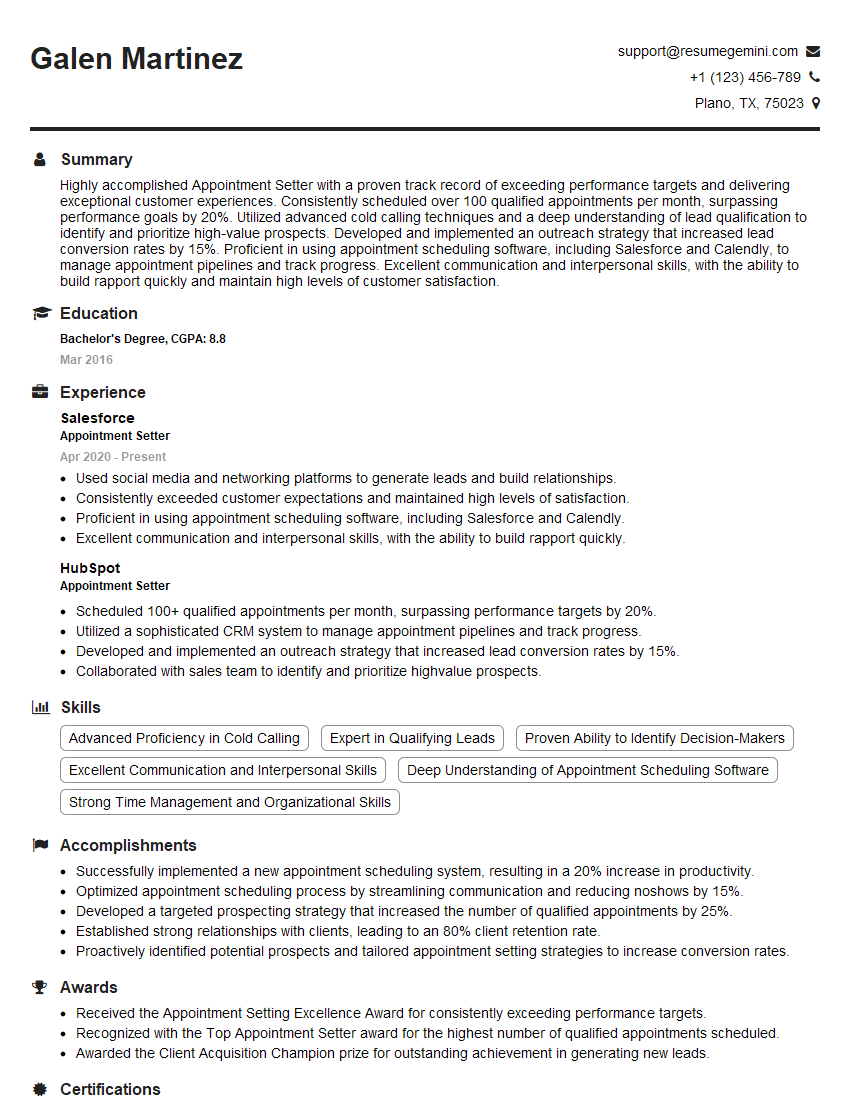
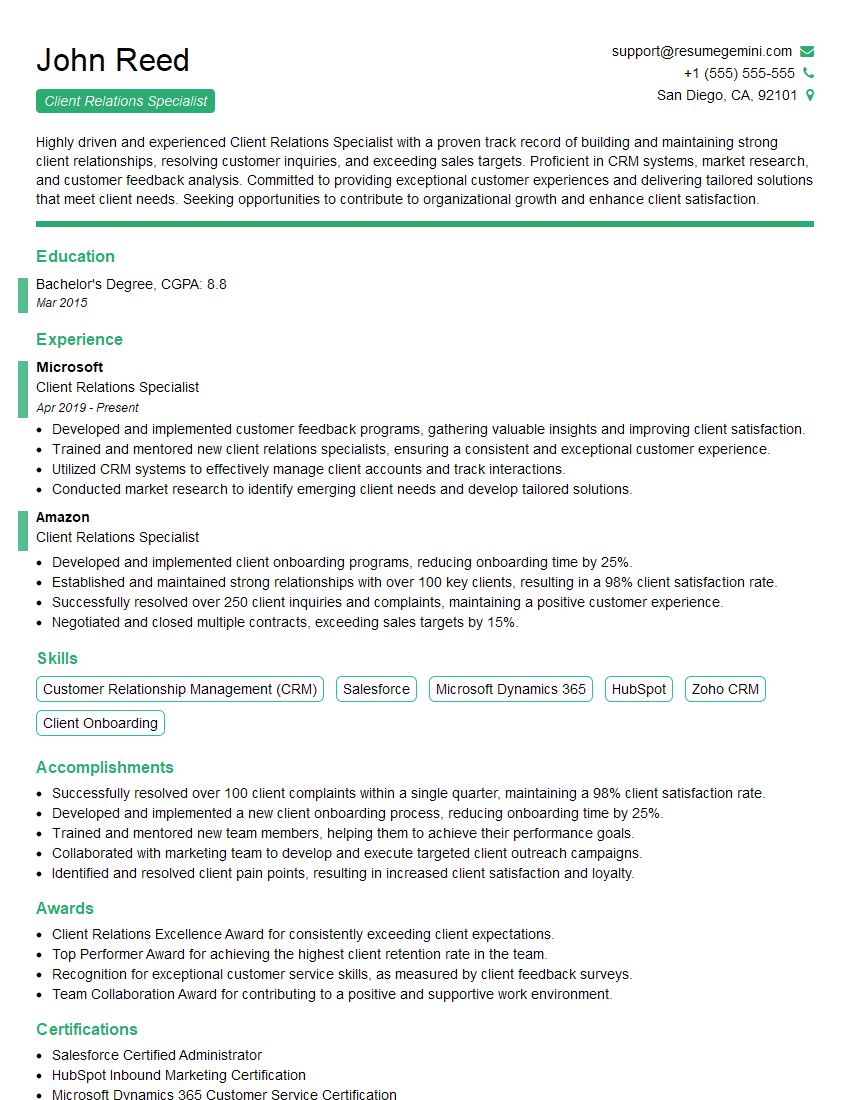
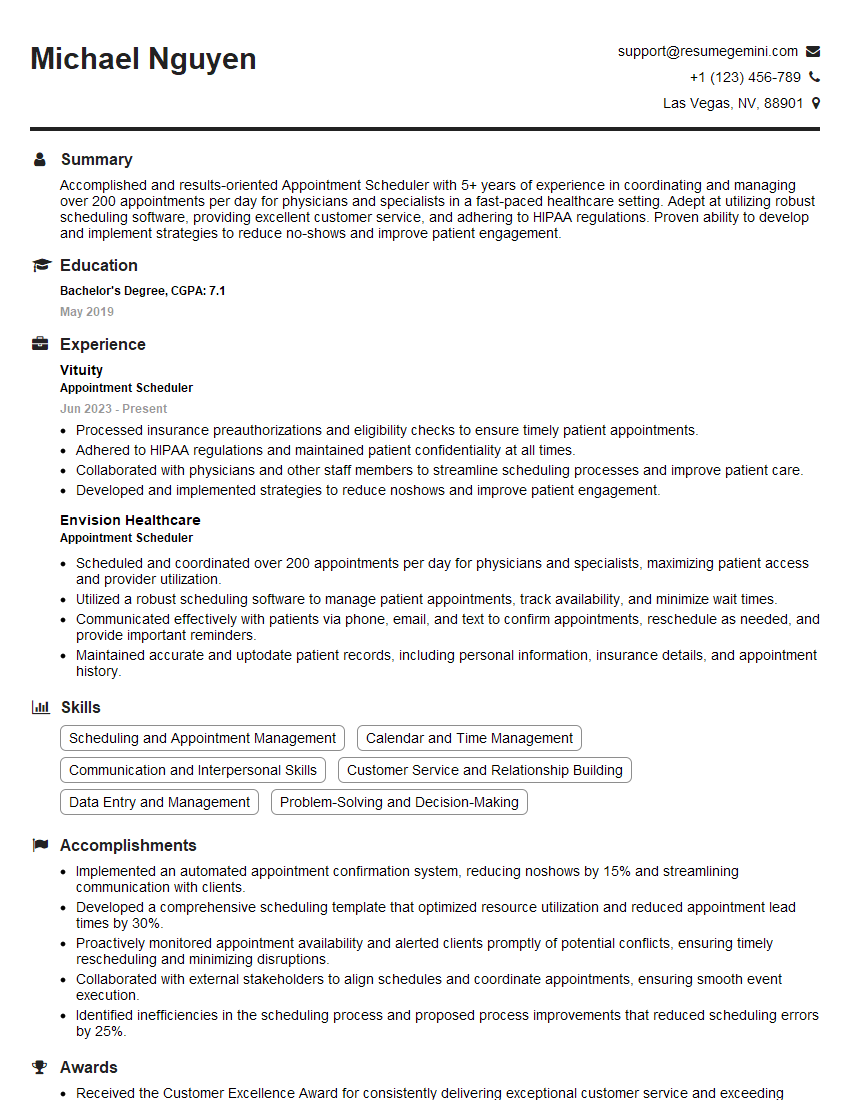
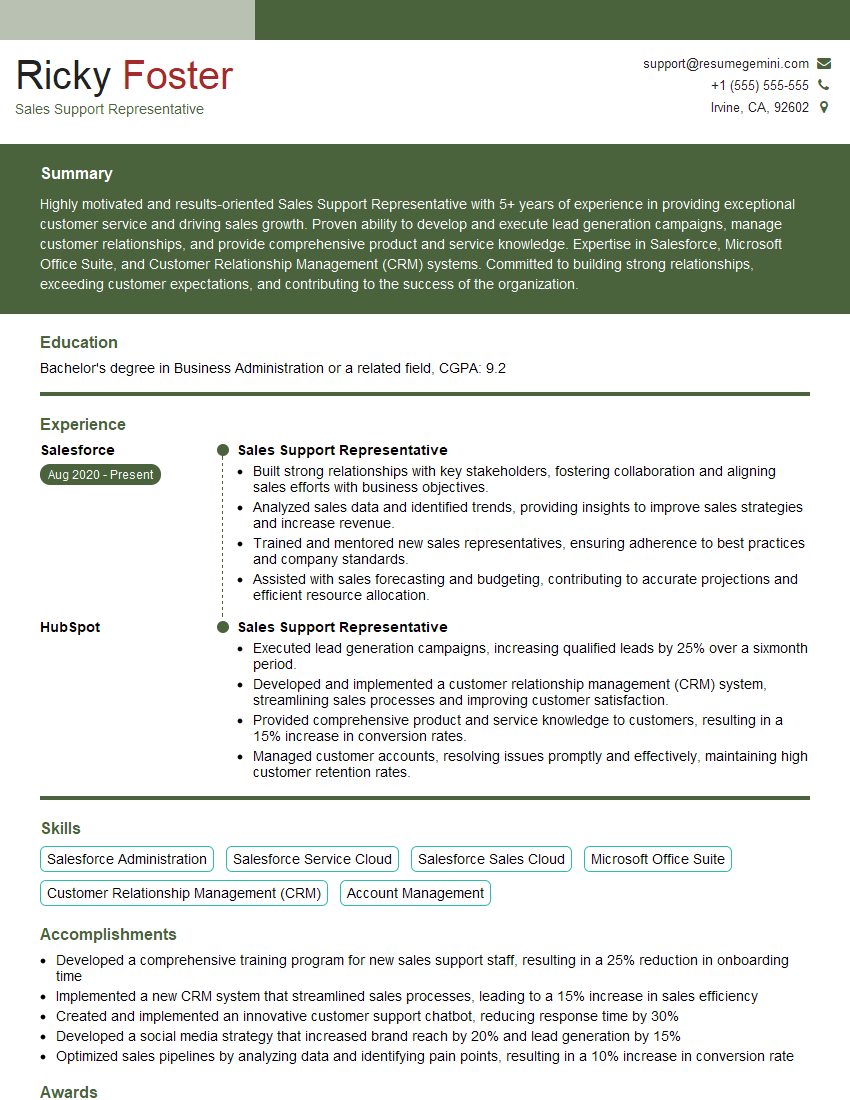
Mastering callback coordination is crucial for career advancement in many fields, demonstrating your organizational skills, communication prowess, and commitment to a positive candidate experience. A strong resume is your first impression; make it count! Building an ATS-friendly resume significantly increases your chances of getting noticed by recruiters. We recommend using ResumeGemini, a trusted resource for creating professional and impactful resumes. Examples of resumes tailored to Callback Coordination roles are available below to help guide you.

Explore more articles
Users Rating of Our Blogs
Share Your Experience
We value your feedback! Please rate our content and share your thoughts (optional).
What Readers Say About Our Blog
Hello,
we currently offer a complimentary backlink and URL indexing test for search engine optimization professionals.
You can get complimentary indexing credits to test how link discovery works in practice.
No credit card is required and there is no recurring fee.
You can find details here:
https://wikipedia-backlinks.com/indexing/
Regards
NICE RESPONSE TO Q & A
hi
The aim of this message is regarding an unclaimed deposit of a deceased nationale that bears the same name as you. You are not relate to him as there are millions of people answering the names across around the world. But i will use my position to influence the release of the deposit to you for our mutual benefit.
Respond for full details and how to claim the deposit. This is 100% risk free. Send hello to my email id: [email protected]
Luka Chachibaialuka
Hey interviewgemini.com, just wanted to follow up on my last email.
We just launched Call the Monster, an parenting app that lets you summon friendly ‘monsters’ kids actually listen to.
We’re also running a giveaway for everyone who downloads the app. Since it’s brand new, there aren’t many users yet, which means you’ve got a much better chance of winning some great prizes.
You can check it out here: https://bit.ly/callamonsterapp
Or follow us on Instagram: https://www.instagram.com/callamonsterapp
Thanks,
Ryan
CEO – Call the Monster App
Hey interviewgemini.com, I saw your website and love your approach.
I just want this to look like spam email, but want to share something important to you. We just launched Call the Monster, a parenting app that lets you summon friendly ‘monsters’ kids actually listen to.
Parents are loving it for calming chaos before bedtime. Thought you might want to try it: https://bit.ly/callamonsterapp or just follow our fun monster lore on Instagram: https://www.instagram.com/callamonsterapp
Thanks,
Ryan
CEO – Call A Monster APP
To the interviewgemini.com Owner.
Dear interviewgemini.com Webmaster!
Hi interviewgemini.com Webmaster!
Dear interviewgemini.com Webmaster!
excellent
Hello,
We found issues with your domain’s email setup that may be sending your messages to spam or blocking them completely. InboxShield Mini shows you how to fix it in minutes — no tech skills required.
Scan your domain now for details: https://inboxshield-mini.com/
— Adam @ InboxShield Mini
Reply STOP to unsubscribe
Hi, are you owner of interviewgemini.com? What if I told you I could help you find extra time in your schedule, reconnect with leads you didn’t even realize you missed, and bring in more “I want to work with you” conversations, without increasing your ad spend or hiring a full-time employee?
All with a flexible, budget-friendly service that could easily pay for itself. Sounds good?
Would it be nice to jump on a quick 10-minute call so I can show you exactly how we make this work?
Best,
Hapei
Marketing Director
Hey, I know you’re the owner of interviewgemini.com. I’ll be quick.
Fundraising for your business is tough and time-consuming. We make it easier by guaranteeing two private investor meetings each month, for six months. No demos, no pitch events – just direct introductions to active investors matched to your startup.
If youR17;re raising, this could help you build real momentum. Want me to send more info?
Hi, I represent an SEO company that specialises in getting you AI citations and higher rankings on Google. I’d like to offer you a 100% free SEO audit for your website. Would you be interested?
Hi, I represent an SEO company that specialises in getting you AI citations and higher rankings on Google. I’d like to offer you a 100% free SEO audit for your website. Would you be interested?
good