The thought of an interview can be nerve-wracking, but the right preparation can make all the difference. Explore this comprehensive guide to Cargo Inspection and Verification interview questions and gain the confidence you need to showcase your abilities and secure the role.
Questions Asked in Cargo Inspection and Verification Interview
Q 1. Explain the different types of cargo inspection methods.
Cargo inspection methods vary depending on the type of cargo, the destination, and the specific requirements of the involved parties. They generally fall into these categories:
- Visual Inspection: This is the most common method, involving a thorough visual examination of the cargo’s exterior and, if accessible, its interior. We check for damage, discrepancies in quantity, and signs of tampering. Think of it like a detailed visual assessment of a package before accepting delivery – are there any dents, tears, or unusual markings?
- Quantity Inspection: This involves verifying the actual quantity of goods against the declared quantity on shipping documents. This can include counting individual items, weighing the cargo, or measuring volumes. For example, confirming that a shipment of 1000 boxes of apples actually contains 1000 boxes.
- Quality Inspection: This is focused on assessing the quality of the goods, often involving sampling and testing. This is especially critical for perishable goods or manufactured products with specific quality standards. For instance, testing the sugar content of a shipment of oranges or the functionality of a batch of electronics.
- Weight Inspection: This method uses scales to determine the weight of the cargo and compare it to the declared weight. It’s crucial for ensuring accurate invoicing and preventing discrepancies. Imagine a truckload of grain – its weight needs precise verification.
- Dimensional Inspection: This method focuses on measuring the dimensions (length, width, height) of cargo units, especially important for oversized or oddly shaped goods to ensure compatibility with transport and storage facilities. This is vital for containerized shipping where space is at a premium.
Often, a combination of these methods is used for a comprehensive inspection.
Q 2. Describe your experience with pre-shipment inspection.
Pre-shipment inspection (PSI) is a crucial part of my work. I have extensive experience conducting PSIs for various clients across diverse industries. My role involves visiting the supplier’s premises to inspect goods before they are shipped. This ensures that the goods meet the buyer’s specifications and quality standards before they’re loaded onto a vessel or other mode of transportation. For example, I recently conducted a PSI on a shipment of textiles destined for Europe. I verified the fabric type, color, dimensions, and overall quality against the order specifications. Any discrepancies were documented and communicated immediately to all stakeholders.
During PSI, I meticulously check all aspects, including documentation (commercial invoice, packing list, certificate of origin etc.), packaging, labeling, and the goods themselves. Using checklists and standardized procedures ensures a thorough and consistent assessment. I’ve found that good communication with the supplier is key to a smooth PSI. Addressing concerns early on prevents delays and costly disputes later.
Q 3. How do you identify potential cargo discrepancies during inspection?
Identifying cargo discrepancies requires a keen eye for detail and a systematic approach. I start by carefully comparing the actual cargo with the accompanying documentation (commercial invoice, packing list, bill of lading). Discrepancies can be evident in several ways:
- Quantity Discrepancies: The actual number of units, weight, or volume may differ from what’s stated on the documents.
- Quality Discrepancies: The goods may not meet the required quality standards, such as damage, defects, or non-conformance to specifications.
- Packaging Discrepancies: Damage to packaging, incorrect labeling, or inadequate protection can indicate potential issues with the goods.
- Documentation Discrepancies: Inconsistent information across different documents, missing documents, or inaccurate descriptions can raise red flags.
- Security Concerns: Signs of tampering, unauthorized access, or missing seals indicate potential theft or substitution.
For example, a recent inspection revealed a discrepancy in the weight of a consignment of coffee beans, which led to a further investigation revealing a packaging issue that had caused weight loss.
Q 4. What are the key elements of a comprehensive cargo inspection report?
A comprehensive cargo inspection report is crucial for transparency and accountability. It should include the following key elements:
- Inspection Date and Location: Clearly stating when and where the inspection took place.
- Client Information: Identifying the parties involved (importer, exporter, etc.).
- Cargo Description: Detailed description of the goods, including quantity, type, and packaging.
- Inspection Method(s): Detailing the methods used (visual, quantity, quality, etc.).
- Inspection Findings: A clear and concise summary of the findings, including any discrepancies or damages.
- Photographs/Videos: Visual evidence supporting the inspection findings.
- Inspector’s Signature and Credentials: Providing verification of the inspector’s qualifications and the report’s authenticity.
- Conclusion and Recommendations: Summarizing the overall status of the cargo and suggesting actions to address any identified problems.
The report should be objective, accurate, and unbiased, providing a clear picture of the cargo’s condition at the time of inspection.
Q 5. How do you handle discrepancies found during a cargo inspection?
Handling discrepancies is a crucial aspect of cargo inspection. My approach involves:
- Documentation: Thoroughly documenting all discrepancies, including photographic evidence.
- Communication: Promptly informing all parties involved (shipper, consignee, insurers) about the findings.
- Verification: If possible, verifying the discrepancies with the involved parties, trying to determine the root cause.
- Negotiation: Working collaboratively with all stakeholders to agree on a solution to address the discrepancies, potentially including repairs, replacements, or discounts.
- Reporting: Preparing a detailed report that documents all the discrepancies, actions taken, and the final outcome.
For instance, I once encountered a case where a significant portion of a shipment of electronics was damaged. After documenting the damage and communicating with all parties, we agreed on a solution where the damaged units were replaced. The entire process was meticulously documented, ensuring everyone was informed and agreed upon the resolution.
Q 6. Explain your understanding of Incoterms and their impact on cargo inspection.
Incoterms (International Commercial Terms) are a set of standardized trade terms published by the International Chamber of Commerce (ICC). They define the responsibilities of buyers and sellers for the transport of goods, significantly influencing cargo inspection. The Incoterms rule chosen impacts when and where the risk of loss or damage transfers from seller to buyer, which directly affects who is responsible for arranging and paying for the inspection.
For example, under CIF (Cost, Insurance, and Freight), the seller is responsible for shipping the goods and arranging insurance up to the port of destination. They would likely arrange the pre-shipment inspection. However, under FOB (Free on Board), the risk transfers at the port of loading, meaning the buyer is responsible for arranging and paying for inspection at the destination. Understanding the specific Incoterms is critical in determining who is responsible for the inspection and its associated costs.
Misunderstanding Incoterms can lead to costly disputes. My expertise lies in understanding how different Incoterms affect the inspection process and ensuring that my work aligns with the agreed-upon responsibilities of the buyer and seller.
Q 7. Describe your experience with different types of cargo (e.g., hazardous materials, perishable goods).
My experience encompasses a wide range of cargo types, each requiring specific inspection techniques and considerations:
- Hazardous Materials: Inspecting hazardous materials requires specialized knowledge and adherence to stringent safety regulations. I’m trained in identifying and handling various hazardous materials, understanding their proper packaging, labeling, and transportation requirements. This involves using specialized equipment and following strict safety protocols to prevent accidents.
- Perishable Goods: Inspecting perishable goods (fruits, vegetables, meat, etc.) requires checking their temperature, condition, and packaging to ensure they remain fit for consumption. This involves using calibrated temperature monitoring equipment and carefully assessing the appearance and smell of the goods.
- Manufactured Goods: I frequently inspect manufactured goods, checking for quality defects, conformity to specifications, and proper packaging. This might involve sampling and testing or reviewing certificates of conformity.
- Bulk Cargo: Inspecting bulk cargo (grain, minerals, etc.) often involves assessing the quantity, quality, and condition of the cargo, potentially through sampling techniques and laboratory testing.
Each type of cargo presents unique challenges, demanding detailed knowledge and experience to ensure the inspection is thorough and accurate. I adapt my approach based on the specific nature of the goods and applicable regulations.
Q 8. How do you ensure the accuracy and reliability of your inspection findings?
Accuracy and reliability in cargo inspection are paramount. We achieve this through a multi-pronged approach that emphasizes meticulousness, standardized procedures, and quality control.
- Adherence to International Standards: We strictly follow internationally recognized standards like ISO 28000 (Supply Chain Security Management Systems) and relevant industry-specific guidelines. This ensures consistency and comparability across different inspections.
- Calibration and Maintenance of Equipment: All measuring instruments, scales, moisture meters, and other testing equipment are regularly calibrated and maintained to ensure accurate readings. We keep detailed logs of calibration dates and results.
- Cross-Verification and Double-Checking: Wherever possible, we implement a system of checks and balances. This might involve two inspectors independently verifying the quantity or quality of a shipment, or comparing findings from different testing methods.
- Detailed Documentation and Reporting: Comprehensive documentation is crucial. Our reports include clear descriptions of the inspection process, methodologies used, findings, photographs, and any discrepancies noted. This transparency fosters accountability and allows for review and validation.
- Regular Training and Competency Assessments: Our inspectors undergo regular training on new techniques, industry best practices, and updated regulations. Proficiency is assessed through continuous evaluations and audits to maintain a high standard of skill.
For instance, during a grain inspection, we’d use calibrated moisture meters to verify the moisture content against contract specifications, and our findings would be meticulously documented with photographic evidence of the sampling process.
Q 9. What are the common causes of cargo damage or loss?
Cargo damage and loss can stem from a variety of sources, often intertwined. They can be broadly categorized as:
- Improper Handling and Stowage: This is a major culprit. Poor loading techniques, inadequate securing of cargo, and unsuitable stacking can lead to crushing, damage during transit, and shifting of goods.
- Environmental Factors: Exposure to extreme temperatures, humidity, or rain can degrade perishable goods or damage sensitive materials. For example, electronics are susceptible to moisture damage, while certain foods spoil quickly if refrigeration isn’t maintained.
- Pests and Vermin: Infestation by insects or rodents can contaminate food products, damage packaging, and lead to significant losses. Regular fumigation and proper storage are crucial preventative measures.
- Theft and Pilferage: Cargo theft occurs throughout the supply chain, from loading docks to transit points. This ranges from the outright theft of entire containers to smaller-scale pilferage of individual items.
- Packaging Defects: Inadequate or damaged packaging leaves cargo vulnerable to damage during transport. Even seemingly minor tears or weaknesses can cause problems.
- Accidents and Natural Disasters: Ship collisions, fires, storms, and other unforeseen events can cause catastrophic damage to cargo.
Think of a shipment of fragile ceramics – inadequate packaging combined with rough handling during transit could lead to significant breakage. Similarly, a container of coffee beans exposed to prolonged rain might become contaminated and unsaleable.
Q 10. How do you utilize technology (e.g., software, imaging) in cargo inspection?
Technology plays a significant role in modern cargo inspection, enhancing both efficiency and accuracy.
- Digital Imaging and Video Recording: High-resolution cameras and drones are used to document the condition of cargo, capturing visible damage and providing visual evidence for reports. Video recordings can track the loading and unloading process, aiding in investigations of damage claims.
- Cargo Tracking Systems (GPS): Real-time tracking of shipments enables monitoring of location and conditions throughout the journey, alerting us to potential delays or issues.
- Non-Destructive Testing (NDT): Techniques such as X-ray and ultrasound scanning allow us to inspect the interior of packages without causing damage, revealing hidden defects or contraband.
- Software for Data Analysis: Specialized software helps to manage and analyze inspection data, generating reports, tracking trends, and identifying areas for improvement. It can also streamline communication among stakeholders.
- Portable Testing Devices: Handheld devices, such as moisture meters, thermometers, and chemical analyzers, allow for on-site testing, providing immediate results and ensuring rapid turnaround times.
For instance, using thermal imaging cameras we can quickly identify areas of a container that are unusually warm, suggesting potential problems such as concealed heating elements or a fire hazard. GPS tracking lets us see if a shipment was exposed to extreme temperatures during transit, supporting damage claims.
Q 11. Describe your experience with cargo sampling and testing procedures.
Cargo sampling and testing are essential for determining the quality and conformity of goods. Procedures vary depending on the nature of the commodity but generally involve:
- Representative Sampling: This is crucial to obtain a sample that accurately reflects the whole shipment’s characteristics. We use techniques such as stratified random sampling to ensure fairness and avoid bias.
- Proper Handling and Preservation: Samples must be carefully handled and stored to prevent deterioration or contamination. This may include sealing them in airtight containers, refrigerating them, or using preservatives.
- Laboratory Testing: Samples are sent to accredited laboratories for various tests depending on the cargo, such as moisture content analysis, chemical composition testing, or microbial testing.
- Documentation of Procedures: Every step of the sampling and testing process is meticulously documented, including the location of the sample, the methodology used, and the results obtained. This forms a crucial part of the inspection report.
For example, inspecting a bulk shipment of wheat involves extracting samples from different parts of the cargo using a specialized probe. These samples are then sent to a laboratory to determine the moisture content, protein level, and potential contamination.
Q 12. How do you maintain accurate documentation throughout the inspection process?
Maintaining accurate documentation is critical for transparency and accountability. We use a combination of methods to ensure this:
- Digital Record-Keeping: Most of our documentation is digital, using specialized software designed for cargo inspection. This allows for easy storage, retrieval, and sharing of information.
- Standardized Templates and Checklists: Pre-designed forms and checklists help to ensure consistent and comprehensive documentation across all inspections.
- Photographs and Video Evidence: Visual evidence significantly supplements written reports, providing a clear picture of the cargo’s condition.
- Chain of Custody: Strict chain-of-custody procedures are implemented for samples to maintain their integrity and ensure traceability. Every transfer is recorded.
- Data Backup and Security: Regular backups of all data are performed to prevent loss due to technical failures or other unforeseen events. Data security is ensured through access controls and encryption.
Our software automatically generates reports with all relevant data, including photos and test results, ensuring consistency and minimizing the potential for errors.
Q 13. What safety procedures do you follow during cargo inspections?
Safety is our top priority. We follow a strict set of procedures:
- Risk Assessment: Before commencing any inspection, a risk assessment is conducted to identify potential hazards, such as hazardous materials, confined spaces, or heavy equipment.
- Personal Protective Equipment (PPE): Appropriate PPE is worn at all times, including safety helmets, gloves, safety glasses, and high-visibility clothing. This varies based on the specific cargo and environment.
- Working at Heights Safety: If working at height is necessary, we strictly adhere to safety regulations and may employ safety harnesses and other fall protection equipment.
- Hazardous Materials Handling: Specific training and protocols are followed when handling hazardous materials to prevent accidents and comply with relevant regulations.
- Emergency Procedures: Emergency plans are established before inspections, including procedures for communication, evacuation, and first aid. We ensure everyone on site is aware of these procedures.
For instance, when inspecting a container of chemicals, we’d wear specialized suits and respirators, and work under strict supervision, ensuring the container is properly ventilated before entry. We also make sure to have access to the site’s emergency response plans.
Q 14. How do you handle challenging situations or conflicts during an inspection?
Challenging situations and conflicts can arise during inspections. Our approach emphasizes professionalism, communication, and adherence to procedure.
- Open Communication: We maintain open and respectful communication with all parties involved, including shippers, receivers, and port authorities. Clearly explaining the inspection process and our findings helps to prevent misunderstandings.
- Objective and Impartial Approach: We strive to maintain objectivity and impartiality in all situations, reporting our findings accurately, regardless of pressure from any stakeholder. Our integrity is paramount.
- Documentation of Disputes: Any disagreements or disputes are meticulously documented, including the nature of the disagreement, actions taken, and the resolution reached. This creates a record for future reference.
- Escalation Procedures: If a situation cannot be resolved at the inspection site, we have established escalation procedures to involve senior personnel or relevant authorities. This helps to ensure fairness and provide a formal avenue for dispute resolution.
- Mediation if Necessary: In some cases, mediation by a neutral third party might be considered to help resolve complex conflicts or disputes.
For example, if a shipper disputes our findings on the condition of their cargo, we would review our documentation and evidence carefully, explain our methods in detail, and offer to re-inspect relevant portions, if appropriate. If the dispute remains unresolved, we may involve our supervisors or relevant authorities.
Q 15. Explain your understanding of relevant international standards and regulations.
International standards and regulations governing cargo inspection and verification are crucial for ensuring global trade security and compliance. These frameworks aim to standardize procedures, minimize discrepancies, and prevent fraudulent activities. My understanding encompasses a range of key instruments, including:
International Maritime Organization (IMO) regulations: These cover aspects like the International Ship and Port Facility Security (ISPS) Code, which mandates security measures for ships and port facilities to prevent acts of terrorism and other security threats. This influences the inspection process, requiring verification of security measures and documentation.
World Customs Organization (WCO) guidelines: The WCO’s SAFE Framework of Standards to Secure and Facilitate Global Trade provides a set of recommendations for customs administrations worldwide to enhance security and streamline processes. This impacts how we verify customs documentation and ensure compliance with trade regulations.
International Standards Organization (ISO) standards: ISO standards, like those related to quality management (ISO 9001) and environmental management (ISO 14001), guide best practices in the inspection process. These ensure consistency and adherence to international quality standards in the way we perform inspections and maintain records.
National regulations: Each country also has its own specific regulations concerning customs, import/export controls, and cargo inspection. Knowing these is essential for ensuring compliance in different jurisdictions. For example, the US Customs and Border Protection (CBP) has its own stringent requirements that differ from, say, those of the European Union.
Understanding these regulations is not just about knowing the rules; it’s about applying them effectively and adapting to changes. For example, recent shifts in global security concerns may require updates to inspection procedures and increased scrutiny of specific cargo types.
Career Expert Tips:
- Ace those interviews! Prepare effectively by reviewing the Top 50 Most Common Interview Questions on ResumeGemini.
- Navigate your job search with confidence! Explore a wide range of Career Tips on ResumeGemini. Learn about common challenges and recommendations to overcome them.
- Craft the perfect resume! Master the Art of Resume Writing with ResumeGemini’s guide. Showcase your unique qualifications and achievements effectively.
- Don’t miss out on holiday savings! Build your dream resume with ResumeGemini’s ATS optimized templates.
Q 16. Describe your experience with different inspection equipment and tools.
My experience with inspection equipment and tools spans a wide range, from basic hand tools to sophisticated technological devices. This includes:
Hand tools: These are essential for physical inspections, including hammers, screwdrivers, and various measuring tools for verifying dimensions and quantities. For example, I’ve used these extensively to check for concealed compartments in containers during a suspected smuggling investigation.
Non-destructive testing (NDT) equipment: This includes devices like ultrasonic thickness gauges for measuring the thickness of materials without causing damage, and radiation detectors for identifying radioactive materials. I once used radiation detectors to scan a shipment of scrap metal, revealing unexpectedly high levels of radiation.
Moisture meters: Crucial for assessing the condition of goods susceptible to moisture damage, particularly agricultural products and certain types of manufactured goods. This ensures we are accurate in assessing the cargo’s condition.
Sampling equipment: This is key for taking representative samples of cargo for laboratory testing, particularly for chemical composition or other quality control purposes. Proper sampling techniques are paramount for ensuring accurate results.
Portable X-ray and gamma-ray scanners: These advanced tools allow for non-invasive inspection of cargo containers to identify concealed objects or illicit materials. Recently, we used a mobile X-ray scanner to detect undeclared electronics in a shipment of supposedly empty pallets.
The choice of tools depends heavily on the type of cargo, the risk assessment, and the specific objectives of the inspection. Proper training and certification in the use of this equipment are paramount for ensuring safety and accuracy.
Q 17. How do you prioritize tasks and manage your time effectively during inspections?
Effective task prioritization and time management during cargo inspections are crucial for efficiency and meeting deadlines. My approach involves a combination of planning and flexible adaptation:
Pre-inspection planning: Before commencing an inspection, I carefully review all relevant documents, including shipping manifests, invoices, and any risk assessments. This allows me to identify high-risk areas and prioritize accordingly.
Risk-based approach: I prioritize inspections based on the perceived risk. High-risk shipments, those flagged for potential security threats or non-compliance, receive immediate attention. A recent case involved an urgent inspection of a container flagged for suspicious activity – the timely inspection prevented a large-scale smuggling operation.
Teamwork and delegation: When working with a team, I delegate tasks based on individual expertise and experience, ensuring efficient workload distribution. Clear communication and regular updates are essential to avoid delays.
Flexibility and adaptation: Unforeseen issues may arise during inspections. I adapt my approach accordingly and remain flexible, ensuring the timely completion of the task. For example, if we encounter a major discrepancy, this requires immediate investigation and report alteration, impacting the timeline.
Using checklists and documented procedures helps maintain consistency and reduces the likelihood of overlooking crucial steps. Regular review of my time management techniques ensures continuous improvement and adaptation to the specific requirements of each inspection.
Q 18. What are the key legal and ethical considerations in cargo inspection?
Legal and ethical considerations are paramount in cargo inspection. The process must always be conducted lawfully and with integrity. Key aspects include:
Legal compliance: Adhering to all relevant laws and regulations of the jurisdiction, including customs laws, trade regulations, and data protection laws, is crucial. This avoids legal repercussions and maintains professional credibility.
Impartiality and objectivity: Inspections must be conducted impartially, avoiding any bias or influence that might compromise the accuracy and objectivity of the findings. This demands scrupulous attention to detail and recording all steps in the procedure.
Confidentiality: Protecting the confidentiality of information obtained during inspections, respecting client data privacy and trade secrets, is vital. This requires secure data handling and storage practices.
Due process: Providing all parties involved with fair and equitable treatment throughout the inspection process is important. This includes clear communication and opportunities to address any concerns or disputes.
Transparency: Maintaining transparency in procedures and reporting findings in a clear and understandable manner fosters trust and accountability. This includes using plain language to ensure all parties understand the report.
Ethical breaches, such as accepting bribes or manipulating inspection results, are highly detrimental and can lead to severe penalties and damage to one’s reputation. Maintaining the highest ethical standards is essential for upholding trust and integrity in the industry.
Q 19. How do you ensure the confidentiality and security of inspection data?
Ensuring the confidentiality and security of inspection data is crucial for maintaining integrity and complying with regulations. My approach involves:
Secure data storage: Using encrypted storage devices and secure servers to protect sensitive information from unauthorized access. This ensures only authorized personnel can access it.
Access control: Implementing strict access control measures, limiting access to authorized personnel only, with password protection and regular audits of access logs.
Data encryption: Employing strong encryption methods for all sensitive data during transmission and storage to prevent unauthorized disclosure.
Data anonymization: Where possible, anonymizing data to protect the identity of individuals and businesses involved.
Regular security audits: Conducting regular security audits to assess vulnerabilities and identify potential threats to data security.
Incident response plan: Having a clear incident response plan in place to handle any potential data breaches or security incidents.
Compliance with relevant data protection laws and regulations, such as GDPR or CCPA, is fundamental to maintaining ethical practices. A breach of data confidentiality can have serious consequences for both the client and the inspection agency.
Q 20. How do you communicate effectively with clients, stakeholders, and customs officials?
Effective communication is crucial for successful cargo inspections. My approach focuses on clarity, empathy, and professionalism. I communicate with:
Clients: I maintain open communication, providing regular updates and clearly explaining the inspection process, findings, and any potential implications. Active listening ensures their concerns are addressed.
Stakeholders: This includes freight forwarders, shipping lines, and other involved parties. Clear and concise communication ensures everyone is informed and aware of their responsibilities.
Customs officials: I communicate professionally and respectfully, providing all necessary documentation and cooperating fully with any requests for information. Clear and accurate reporting is crucial here.
I use a variety of communication methods, including email, phone calls, and face-to-face meetings, selecting the most appropriate approach for each situation. For example, a complex issue might require a face-to-face meeting to ensure clarity and avoid misunderstandings. Clear, concise written reports are essential for recording findings and maintaining a record of the inspection. Cultural sensitivity is also vital in international communications.
Q 21. Describe your experience with dispute resolution related to cargo inspections.
Dispute resolution related to cargo inspections requires a calm, methodical approach focusing on facts and evidence. My experience includes:
Documentation: Maintaining detailed and accurate records of the inspection process, including photographs, videos, and supporting documentation, is crucial. This provides irrefutable evidence in case of a dispute.
Open communication: Attempting to resolve disputes through open communication and negotiation with all involved parties, focusing on finding mutually acceptable solutions.
Mediation: If negotiation fails, using mediation services to facilitate a resolution, with a neutral third party helping to find common ground.
Arbitration or litigation: In situations where other methods fail, arbitration or litigation may be necessary, utilizing evidence gathered during the inspection and adhering to the relevant legal frameworks.
A recent dispute involved a disagreement over the condition of a shipment of perishable goods. By presenting comprehensive documentation, including photographic evidence and temperature logs, I successfully supported the client’s claim, demonstrating the value of meticulous record-keeping. A strong understanding of legal processes and regulations and clear communication are vital in handling disputes.
Q 22. What are your strengths and weaknesses as a cargo inspector?
My greatest strength as a cargo inspector lies in my meticulous attention to detail and my ability to synthesize complex information quickly. I’m adept at identifying discrepancies, whether it’s a mismatch in documentation, a concealed damage, or a potential safety hazard. I’m also a highly effective communicator, capable of explaining complex findings clearly to both technical and non-technical audiences. This is crucial for collaborating with clients, port authorities, and other stakeholders. For example, I once identified a discrepancy in the declared weight of a container shipment of machinery which, if overlooked, could have led to instability during transport and potential damage.
A weakness I’m actively working on is delegation. In the past, I’ve tended to take on too much responsibility, fearing that tasks won’t be completed to my exacting standards. However, I’ve been actively developing my leadership and team-building skills through participation in professional development courses and by actively seeking opportunities to mentor junior inspectors. I’m confident in my ability to effectively manage and delegate tasks while maintaining the highest level of quality control.
Q 23. How do you stay updated on the latest industry trends and regulations?
Staying current in the dynamic world of cargo inspection requires a multi-pronged approach. I regularly subscribe to and actively read industry publications like the Journal of Commerce and various trade magazines specific to the types of cargo I inspect (e.g., specialized publications for perishable goods, hazardous materials, etc.). I also actively participate in professional organizations like the International Cargo Inspection Association, attending their conferences and webinars. This allows me to network with other professionals and learn about new techniques and regulatory changes. Furthermore, I utilize online resources, such as government websites (e.g., the websites of relevant customs agencies), to stay informed about updates in regulations and best practices. Finally, I regularly review and update my knowledge of international conventions like the SOLAS and IMDG codes relevant to my work.
Q 24. What are your salary expectations?
My salary expectations are commensurate with my experience and skills, and align with the industry standard for a cargo inspector with my qualifications and proven track record. I am open to discussing a competitive salary range based on the specific details of the position and the overall compensation package.
Q 25. Why are you interested in this specific cargo inspection position?
I’m particularly interested in this cargo inspection position because of [Company Name]’s reputation for excellence and its commitment to [mention specific company value or project that aligns with your interests]. The opportunity to work with a team known for its expertise in [mention specific area of expertise] is extremely appealing. Furthermore, the chance to contribute to the smooth and efficient flow of international trade by ensuring the integrity and safety of cargo aligns perfectly with my professional goals. I’m particularly drawn to [mention a specific aspect of the job description that excites you].
Q 26. Describe a time you had to solve a complex problem during a cargo inspection.
During an inspection of a shipment of pharmaceuticals, I discovered a significant temperature discrepancy in one of the refrigerated containers. The temperature logs indicated consistent cooling, but my own monitoring equipment showed a considerable fluctuation. This could have jeopardized the stability and efficacy of the medication. Instead of simply reporting the discrepancy, I systematically investigated the issue. I examined the container’s cooling system, checked the seal integrity, and reviewed the transportation route. I found that a faulty sensor within the container’s monitoring system was responsible for the inaccurate readings. I immediately reported this to the shipping company and port authority and collaborated with them to ensure the pharmaceuticals were either rerouted to a climate-controlled facility or expedited to their final destination to mitigate potential spoilage.
Q 27. How do you handle pressure and deadlines in a fast-paced environment?
The cargo inspection field is inherently fast-paced and often requires working under pressure. I thrive in this environment. My approach is to prioritize tasks effectively, using tools like checklists and detailed inspection reports to maintain organization and track progress. I’m also proficient in utilizing technology to streamline the process and maximize efficiency, which allows me to remain calm and focused even when facing tight deadlines. For instance, I’ve developed a system for documenting findings using specialized software that facilitates quick and accurate reporting, allowing me to meet deadlines without compromising quality. Furthermore, I maintain open communication with colleagues and clients to ensure that everyone is aware of potential delays or challenges and to seek collaborative solutions.
Q 28. What is your availability to travel for cargo inspections?
I am fully available to travel domestically and internationally for cargo inspections. I possess a valid passport and am comfortable adapting to various work environments and time zones. My flexibility and adaptability make me a valuable asset in this global industry.
Key Topics to Learn for Cargo Inspection and Verification Interview
- Cargo Documentation & Compliance: Understanding various shipping documents (Bill of Lading, Packing List, Commercial Invoice), international trade regulations, and customs procedures. Practical application: Analyzing documentation for discrepancies and potential risks.
- Cargo Examination Techniques: Mastering physical inspection methods, including visual inspection, sampling techniques, and the use of specialized equipment (e.g., scanners, moisture meters). Practical application: Identifying concealed goods, damaged cargo, or inconsistencies between documentation and physical cargo.
- Risk Assessment & Mitigation: Developing skills in identifying high-risk cargo and potential security threats. Practical application: Implementing appropriate inspection strategies to minimize risks and ensure compliance.
- Safety & Security Procedures: Understanding and adhering to safety protocols in cargo handling, hazardous materials identification, and security best practices. Practical application: Ensuring a safe and secure inspection environment and preventing accidents.
- Reporting & Documentation: Accurately documenting inspection findings, preparing detailed reports, and communicating effectively with stakeholders. Practical application: Creating clear and concise reports that accurately reflect the inspection process and findings.
- International Standards & Regulations: Familiarity with relevant international standards and regulations governing cargo inspection and verification (e.g., ISPS Code, various customs regulations). Practical application: Ensuring compliance with relevant legal frameworks.
- Problem-Solving & Decision-Making: Developing critical thinking skills to effectively analyze complex situations, identify discrepancies, and make informed decisions during the inspection process. Practical application: Addressing unexpected issues and effectively resolving conflicts during the inspection.
Next Steps
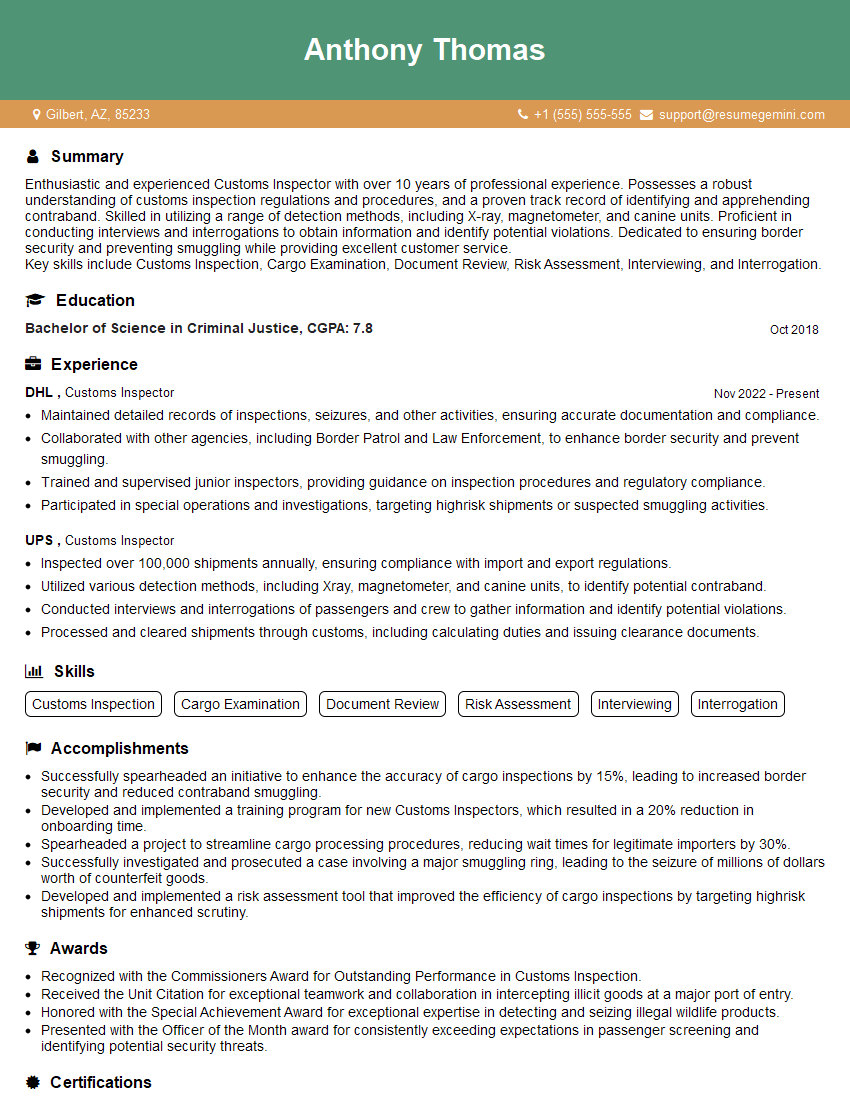
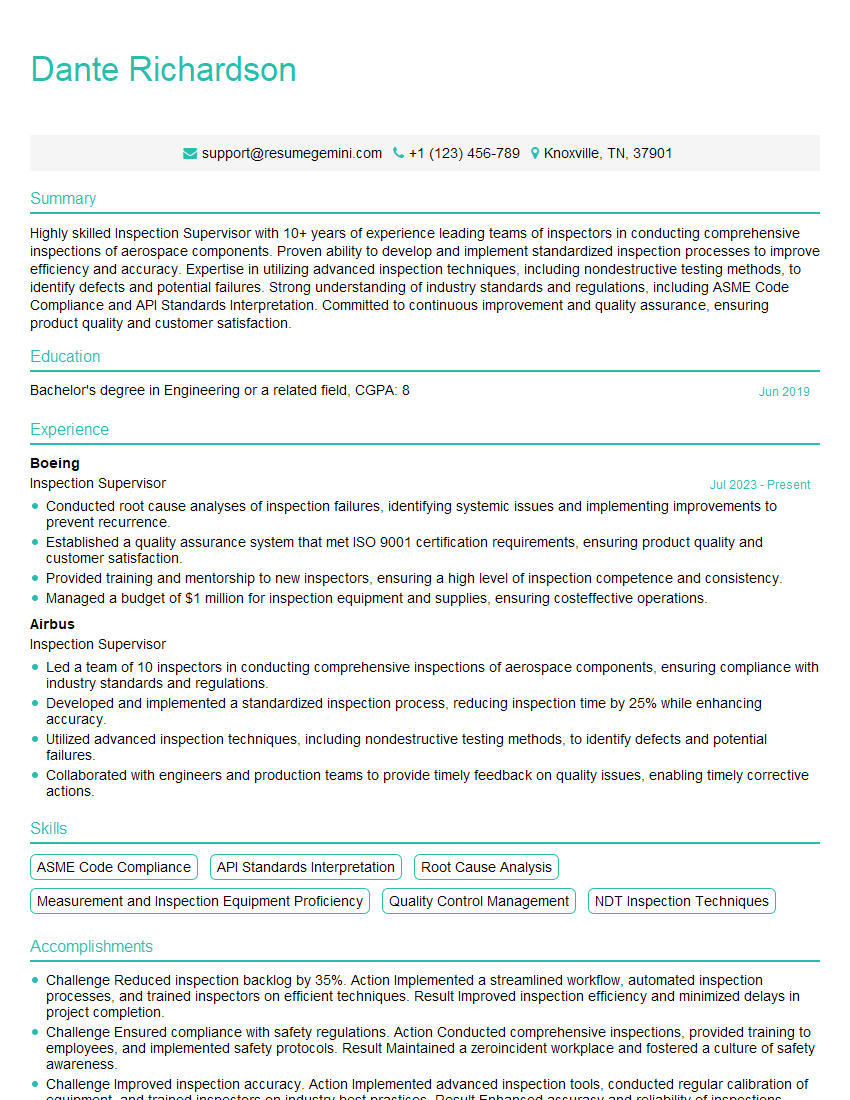
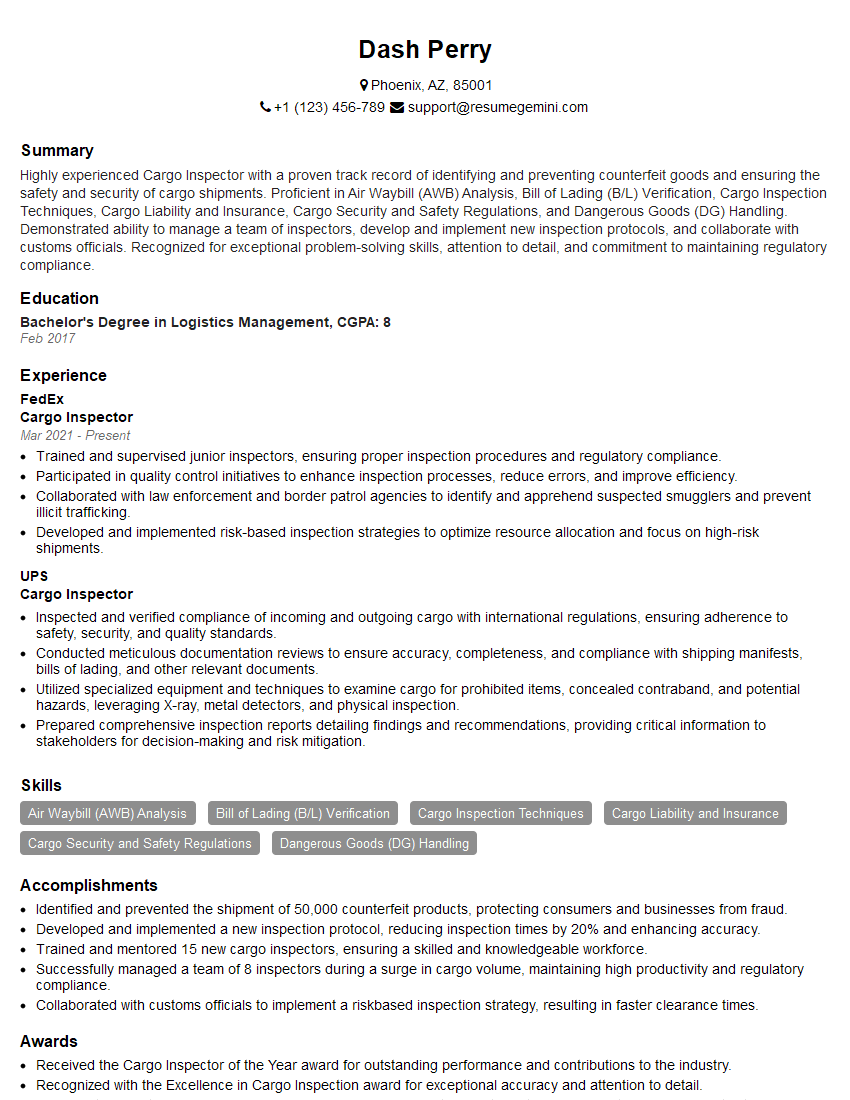
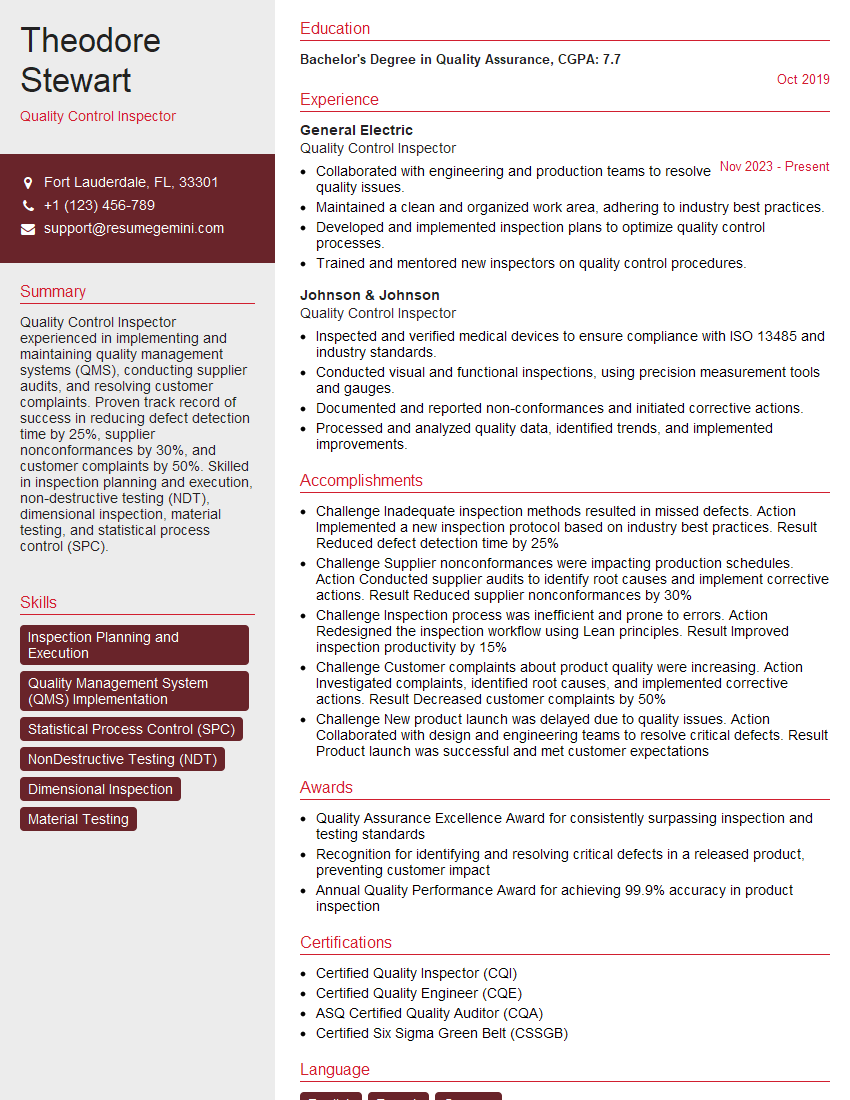
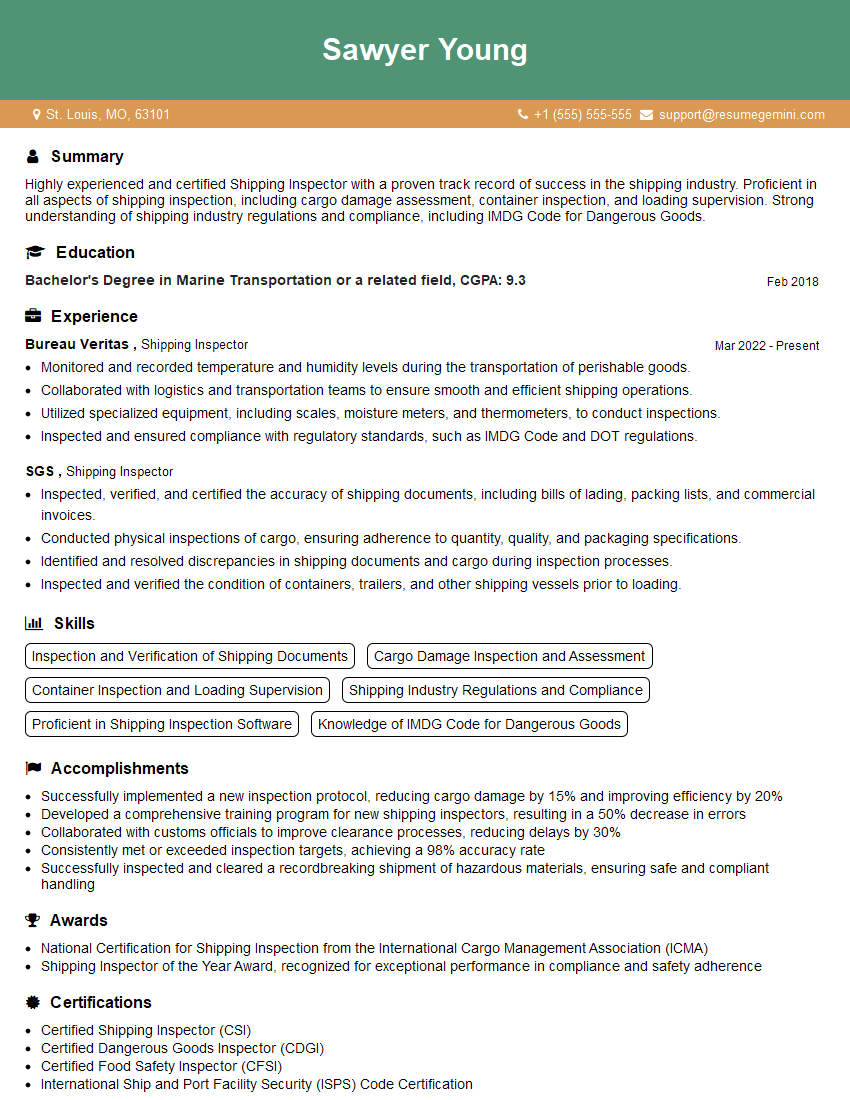
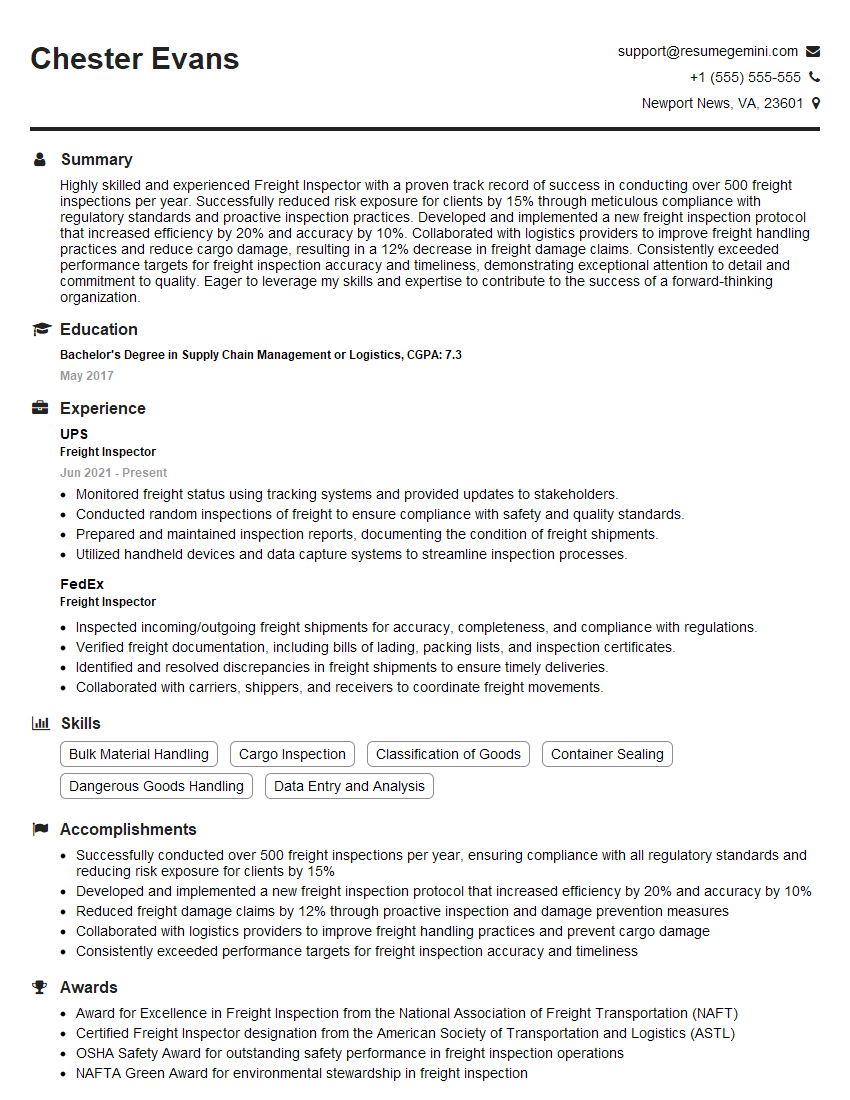
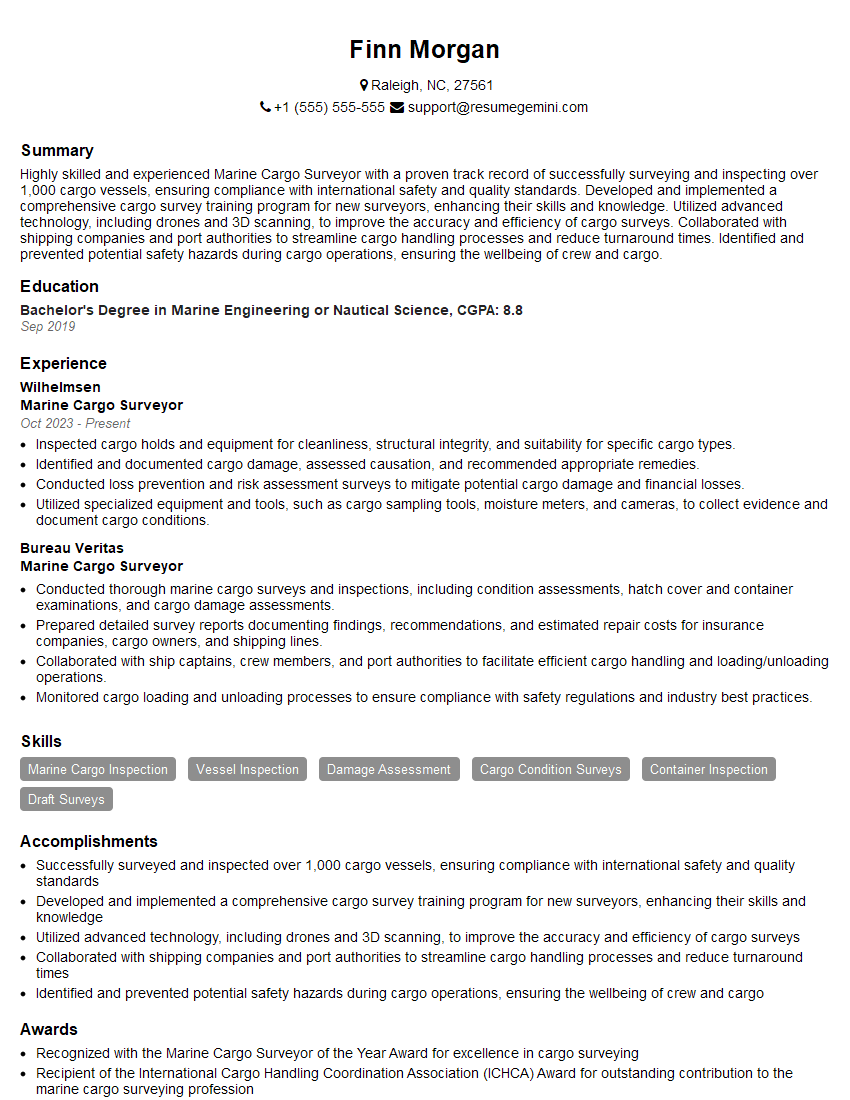
Mastering Cargo Inspection and Verification opens doors to a rewarding career with significant growth potential in a dynamic global industry. To maximize your job prospects, creating a strong, ATS-friendly resume is crucial. ResumeGemini is a trusted resource that can help you build a professional resume that highlights your skills and experience effectively. ResumeGemini provides examples of resumes tailored to Cargo Inspection and Verification, ensuring your application stands out from the competition. Take advantage of these resources to present yourself as the ideal candidate!

Explore more articles
Users Rating of Our Blogs
Share Your Experience
We value your feedback! Please rate our content and share your thoughts (optional).
What Readers Say About Our Blog
Very informative content, great job.
good