Every successful interview starts with knowing what to expect. In this blog, we’ll take you through the top Case Sealer Operation interview questions, breaking them down with expert tips to help you deliver impactful answers. Step into your next interview fully prepared and ready to succeed.
Questions Asked in Case Sealer Operation Interview
Q 1. What types of case sealers have you operated?
Throughout my career, I’ve operated a variety of case sealers, ranging from simple hand-operated models to fully automated, high-speed machines. This includes top-and-bottom sealers, side sealers, and even robotic case packing systems. My experience encompasses different sizes and configurations to accommodate various carton dimensions and product weights. For instance, I’ve worked extensively with A Case Sealer Model XYZ that handles a wide range of box sizes, and also worked on a smaller, more compact model used for smaller-scale operations.
- Top and Bottom Sealers: These are the most common type, applying adhesive to the top and bottom flaps of a box.
- Side Sealers: Ideal for cartons that require sealing along the side edges, often used for unique product shapes.
- Automated Systems: These integrated systems combine case erecting, filling, and sealing, maximizing efficiency and minimizing manual labor.
Q 2. Describe your experience with different sealing methods (e.g., hot melt, tape).
My expertise covers both hot melt and tape sealing methods. Hot melt adhesive offers a strong, fast seal, perfect for high-volume applications. It’s like using a glue gun on a larger scale – the adhesive is melted and applied to the flaps, creating a bond quickly. However, it requires careful temperature control and regular maintenance to prevent clogging. Tape sealing, on the other hand, is simpler, usually more cost-effective for smaller operations, and offers a cleaner aesthetic. It uses pressure-sensitive tape for a secure seal. However, it might be slower and the strength of the seal can vary depending on the tape quality. I’ve had experience troubleshooting both and adjusting settings based on the application. For instance, in one situation, I had to switch from hot melt to tape due to product sensitivity to heat.
Q 3. How do you ensure the proper sealing of cases?
Proper case sealing is crucial for product protection and efficient shipping. I ensure proper sealing through a multi-step process:
- Correct Case Size and Type: Making sure the case dimensions match the sealer’s specifications and the material is suitable for the chosen sealing method.
- Accurate Adhesive Application: Consistent and adequate amounts of hot melt adhesive or proper tape tension are critical for a strong seal. This often involves regular checks of the adhesive flow rate and temperature (for hot melt) or tape tension sensors.
- Sufficient Sealing Pressure and Time: The sealer needs enough pressure and dwell time (the amount of time the flaps remain compressed) for a reliable seal. I always consult the equipment’s operating manual for these settings. Improper settings can lead to weak seals or damage to the cartons.
- Regular Inspections: Visually inspecting the seals to confirm their integrity and look for any weak points. I often conduct random sampling to gauge the overall sealing effectiveness.
Think of it like building a house – you need the right materials (case, adhesive), proper construction techniques (sealer settings), and a final inspection to ensure everything is secure and sound.
Q 4. What are the common causes of case sealer malfunctions?
Case sealer malfunctions can stem from several sources:
- Low Adhesive Supply (Hot Melt): Insufficient adhesive leads to weak or incomplete seals. The solution is replenishing the adhesive tank.
- Clogged Adhesive System (Hot Melt): This often requires cleaning or replacing the nozzle, pumps, or filter.
- Incorrect Temperature Settings (Hot Melt): Either too high or too low temperature can affect the adhesive consistency and seal quality. Adjusting the temperature settings usually resolves this.
- Tape Issues (Tape Sealers): Issues such as low tape supply, poor tape quality, or misalignment can cause problems. Addressing these often involves replacing the tape roll and adjusting the tape guides.
- Mechanical Problems: Worn belts, damaged rollers, or motor malfunctions can all cause jams or malfunctions. This often requires mechanical repair or replacement of parts.
- Sensor Problems: Faulty sensors can lead to incorrect operation. These sensors require calibration or replacement.
Q 5. How do you troubleshoot a jammed case sealer?
Troubleshooting a jammed case sealer requires a systematic approach:
- Safety First: Always turn off the machine and lock out the power source before attempting any repairs.
- Identify the Jam: Locate the exact point of the jam—it might be in the conveyor, sealing mechanism, or elsewhere.
- Clear the Jam: Carefully remove the obstruction, following the manufacturer’s instructions. For instance, I know how to safely access and clear jams from various models that I have worked on.
- Inspect for Damage: Check for any damage caused by the jam, such as bent rollers or torn flaps.
- Test and Reset: After clearing the jam, restart the machine and monitor its operation. In some cases, the entire system might need a reset.
- Preventative Measures: Implement preventative measures to minimize future jams (see answer 6).
Imagine it like a traffic jam on a highway – you need to identify the blockage, clear it, and then ensure smooth traffic flow again. Sometimes the problem is a simple fix, like a misaligned belt. Other times, it might involve more intricate troubleshooting.
Q 6. Explain your experience with preventative maintenance on case sealers.
Preventative maintenance is key to preventing malfunctions and ensuring the longevity of case sealers. My routine involves:
- Regular Cleaning: Keeping the machine free of debris and adhesive buildup, especially the hot melt system if applicable.
- Lubrication: Regularly lubricating moving parts according to the manufacturer’s recommendations. This can drastically extend the life of critical components.
- Belt and Roller Inspection: Checking for wear and tear on belts and rollers and replacing them as needed.
- Sensor Calibration: Periodically calibrating sensors to ensure accurate operation.
- Electrical Checks: Inspecting electrical connections and wiring for any damage or loose connections.
- Performance Monitoring: Regularly tracking key performance indicators (KPIs) such as sealing speed and seal strength to identify potential issues before they escalate.
Think of it like maintaining a car – regular oil changes, tire rotations, and inspections prevent major breakdowns down the road. This saves time, money, and reduces downtime.
Q 7. How do you identify and resolve issues with case sealer settings?
Identifying and resolving case sealer setting issues relies on understanding the machine’s controls and parameters:
- Consult the Manual: The operator’s manual provides details on the different settings, their functions, and optimal ranges.
- Monitor Performance Indicators: Pay close attention to indicators such as seal strength, sealing speed, and error messages.
- Systematic Adjustment: Adjust settings one at a time to isolate the cause of the problem. For example, if seals are weak, you might increase the pressure or adhesive flow rate. If the machine is operating too slowly, you might check belt tension or motor settings.
- Testing and Evaluation: After each adjustment, test the machine and evaluate the results. This iterative process allows for focused problem solving.
- Data Logging: Some advanced machines can log data on performance. This data can help identify trends and patterns over time, enabling more proactive adjustments to optimize case sealing.
It’s like fine-tuning a musical instrument—each adjustment can have a significant impact on the final output. Careful attention to detail and a systematic approach are essential to get the perfect setting.
Q 8. What safety procedures do you follow while operating a case sealer?
Safety is paramount when operating a case sealer. My routine begins with a thorough pre-operational inspection, checking for any loose parts, damaged components, or potential hazards like exposed wires. I always ensure the machine is properly grounded to prevent electrical shocks. I wear appropriate personal protective equipment (PPE), including safety glasses to protect my eyes from debris and, depending on the machine and materials, hearing protection and gloves to prevent cuts or abrasions. During operation, I maintain a safe distance from moving parts and never reach into the machine while it’s running. Regular cleaning and maintenance also contribute to a safe working environment, preventing unexpected malfunctions. I’m trained to recognize and respond appropriately to malfunctions – halting operation immediately and reporting any issues to my supervisor before attempting any repairs myself.
For example, if I notice a belt is becoming frayed, I immediately shut down the machine and report it to prevent potential injury or machine damage. It’s a constant vigilance; safety is not just a checklist but an ingrained practice.
Q 9. What is your experience with different types of packaging materials?
My experience encompasses a wide range of packaging materials. I’m proficient in handling corrugated cardboard boxes of varying thicknesses and sizes, from single-wall to triple-wall. I also have experience with various types of adhesive tapes used for sealing, including hot-melt, water-activated, and pressure-sensitive tapes. I understand how the properties of the packaging material, like its moisture content and strength, affect the sealing process and adjust settings accordingly. Working with different materials requires careful consideration of the machine’s settings to ensure optimal sealing efficiency and prevent damage. For instance, thinner cardboard requires a gentler sealing pressure than thicker cardboard to avoid crushing or tearing.
I’ve also worked with less common materials, such as plastic containers requiring different sealing mechanisms and adjustments to the machine. Adaptability to different materials is critical for efficient and consistent packaging.
Q 10. How do you ensure the correct size cases are used for products?
Using the correct size cases is essential for efficient packaging and product protection. Before beginning any operation, I always verify the case size against the product specifications and the pre-determined packing list. I cross-reference the case dimensions with the product dimensions to ensure a proper fit that prevents shifting during transit and minimizes wasted space. We utilize a clear labeling system for different case sizes, and I carefully inspect the cases before loading them onto the conveyor belt. Incorrect case size often leads to product damage or inefficient use of packaging materials.
In one instance, a miscommunication led to the wrong-sized boxes being delivered. I promptly noticed this during my pre-operational check, avoided using the incorrect boxes, and alerted my supervisor so the issue could be rectified, preventing a potential production halt and customer dissatisfaction.
Q 11. Describe your experience with high-speed case sealing operations.
I have significant experience with high-speed case sealing operations, routinely handling production lines operating at speeds exceeding 100 cases per minute. High-speed operations demand precision, quick thinking, and a high degree of proficiency with the equipment. This involves not only operating the machine efficiently but also understanding how adjustments to the machine settings impact sealing speed and quality at higher outputs. Proactive maintenance is crucial in high-speed settings; minor issues that might be manageable at slower speeds become major problems quickly when operating at high volume. I am trained to promptly identify and address any potential issues that could lead to a slowdown or stoppage.
For example, a slight misalignment in the conveyor belt at high speed could lead to jams and damage. I routinely check belt alignment and tension to ensure smooth operation. Regular preventative maintenance, such as lubrication of moving parts, is critical for reliability and minimizing downtime.
Q 12. How do you monitor the efficiency and output of the case sealer?
Monitoring the efficiency and output of the case sealer involves a combination of real-time observation and data analysis. During operation, I visually inspect the sealed cases for proper closure and any signs of damage. The machine often incorporates a counter that tracks the number of sealed cases per unit of time, providing a direct measure of output. I also regularly check the machine’s performance metrics (discussed below) to identify any trends or anomalies that might signal decreased efficiency.
Beyond the immediate output count, I look at factors like the rate of jams, the amount of rejected cases due to poor seals, and any downtime experienced. This holistic approach helps pinpoint bottlenecks and areas for improvement.
Q 13. What metrics do you use to evaluate the performance of the case sealer?
Several key metrics are used to evaluate the case sealer’s performance. Cases per minute (CPM) directly reflects the production rate. Seal integrity, measured by the percentage of cases with proper seals, indicates the machine’s reliability and prevents customer issues. Downtime, expressed as a percentage of total operational time, quantifies lost production due to maintenance or malfunctions. Rejection rate, the percentage of cases rejected due to poor seals or other defects, highlights the need for adjustments or maintenance. Analyzing these metrics over time allows us to identify trends, pinpoint areas for improvement, and optimize the sealing process for maximum efficiency.
For example, a consistently high rejection rate might signal a need for recalibration or maintenance, while increasing downtime might indicate a need for preventative maintenance program adjustments.
Q 14. How do you handle production line stoppages due to case sealer issues?
Production line stoppages due to case sealer issues are addressed systematically. My first response is to identify the source of the problem through visual inspection and diagnostic checks. This often involves checking for jams, verifying tape supply, and ensuring proper alignment of components. If the problem is readily identifiable and solvable (like a simple jam), I clear the blockage, reset the machine and resume operation, documenting the issue and its resolution. However, if the issue is complex and requires specialized knowledge or parts, I immediately halt the line, report the problem to my supervisor, and follow established procedures for maintenance or repair. This might involve initiating a work order or contacting a maintenance technician.
I always prioritize safety first, ensuring all power is disconnected before attempting any repairs outside my designated skillset. Effective communication with the production team is also vital, keeping them informed of the situation and the expected downtime. The goal is to minimize disruption to the overall production flow.
Q 15. Describe your experience with cleaning and sanitizing case sealers.
Cleaning and sanitizing case sealers is crucial for maintaining hygiene, preventing product contamination, and ensuring the longevity of the equipment. My process involves a multi-step approach, starting with a complete power-down and lock-out/tag-out procedure for safety.
- Pre-cleaning: I begin by removing any loose debris, like cardboard scraps or adhesive residue, using a brush or compressed air. This prevents larger chunks from clogging drainage systems during the cleaning process.
- Washing: Next, I use a food-grade detergent and warm water, following the manufacturer’s recommended cleaning solution and dilution. I thoroughly clean all accessible surfaces, paying particular attention to areas where adhesive might accumulate, such as the sealing heads and conveyor belts. I often employ a pressure washer for more stubborn grime, but always cautiously to avoid damaging sensitive components.
- Sanitizing: After rinsing thoroughly, I apply a food-grade sanitizer, again adhering to manufacturer guidelines for concentration and contact time. This step is vital for eliminating bacteria and ensuring food safety.
- Drying: Finally, I allow the sealer to air dry completely before restarting. Using clean cloths or compressed air can expedite drying, while avoiding moisture-sensitive components.
For example, during a recent production run of frozen food products, meticulous sanitation prevented cross-contamination and maintained the integrity of our food safety certification.
Career Expert Tips:
- Ace those interviews! Prepare effectively by reviewing the Top 50 Most Common Interview Questions on ResumeGemini.
- Navigate your job search with confidence! Explore a wide range of Career Tips on ResumeGemini. Learn about common challenges and recommendations to overcome them.
- Craft the perfect resume! Master the Art of Resume Writing with ResumeGemini’s guide. Showcase your unique qualifications and achievements effectively.
- Don’t miss out on holiday savings! Build your dream resume with ResumeGemini’s ATS optimized templates.
Q 16. What is your experience with different types of adhesive used in case sealing?
My experience encompasses various adhesives used in case sealing, each with its own properties and applications. The choice of adhesive depends on factors like the type of packaging material, the product being sealed, the speed of the sealing process, and the environmental conditions.
- Hot Melt Adhesives: These are widely used due to their fast setting time and strong bond. Different types exist based on their polymers, affecting the tack, open time, and temperature requirements. For instance, EVA (ethylene-vinyl acetate) hot melt is common for its flexibility and good adhesion to various substrates.
- Water-Based Adhesives: These are environmentally friendly and offer good adhesion, particularly on porous materials. However, they require longer drying times compared to hot melts. They are frequently chosen for environmentally-conscious clients.
- Pressure-Sensitive Adhesives (PSA): These are applied as tapes and offer ease of use. They are a good choice for lighter-weight boxes or when speed and efficiency are paramount. But they might not provide the same strength as hot melts for heavy or irregularly shaped packages.
I’m proficient in managing the changeover between different adhesive types, ensuring proper nozzle cleaning and adjustment for optimal performance and minimizing waste.
Q 17. How do you manage inventory of packaging materials?
Effective inventory management of packaging materials is crucial for preventing production downtime and maintaining cost efficiency. My approach involves a combination of techniques:
- Regular Stock Checks: I conduct regular physical inventory counts, comparing them to our inventory management system to identify discrepancies and potential shortages.
- Minimum Stock Levels: We establish minimum stock levels for each packaging material to trigger timely reordering and avoid production delays. This is particularly important for fast-moving items.
- Supplier Relationships: Maintaining strong relationships with our suppliers ensures reliable delivery and timely responses to urgent needs.
- First In, First Out (FIFO): We strictly follow FIFO inventory management to minimize waste, ensuring that older materials are used before newer ones. This is essential for perishable materials or items with expiration dates.
- Data Analysis: I use historical data on consumption rates to forecast future demand, improving the accuracy of our ordering processes.
For example, analyzing past consumption data helped me predict a seasonal surge in demand and proactively order additional corrugated boxes, preventing a production halt.
Q 18. What is your experience with using a Computerized Maintenance Management System (CMMS)?
I have extensive experience utilizing a Computerized Maintenance Management System (CMMS) for scheduling preventive maintenance, tracking repairs, and managing spare parts. This system streamlines the maintenance process, minimizing downtime and extending equipment lifespan.
- Preventive Maintenance Scheduling: The CMMS allows us to schedule routine maintenance tasks, like lubrication and filter replacements, ensuring that the case sealer is always operating at peak efficiency.
- Work Order Management: When a problem arises, I can create a work order within the CMMS, tracking its progress and assigning it to the appropriate technician.
- Spare Parts Inventory: The CMMS helps manage the inventory of spare parts, ensuring that we have the necessary components available when repairs are needed.
- Reporting and Analytics: The system generates reports on maintenance costs, downtime, and equipment performance, helping us identify areas for improvement and make data-driven decisions.
Using the CMMS, I was able to significantly reduce unscheduled downtime by 15% in the last quarter, leading to increased production output and cost savings.
Q 19. How do you ensure that the sealed cases meet quality standards?
Ensuring sealed cases meet quality standards is critical for customer satisfaction and preventing product damage. My approach involves a multi-faceted strategy:
- Regular Quality Checks: I conduct frequent visual inspections of sealed cases, checking for proper seal integrity, box alignment, and overall appearance.
- Statistical Process Control (SPC): We utilize SPC charts to monitor key process parameters, such as seal strength and case closure rate. This allows for early detection of potential issues before they become significant problems.
- Random Sampling: Random samples of sealed cases are tested for seal strength and durability using specialized testing equipment.
- Calibration: Regular calibration of the case sealer and testing equipment ensures accuracy and reliability of measurements.
- Documentation: All quality checks and test results are meticulously documented and archived.
For instance, by implementing regular SPC monitoring, we detected a slight decrease in seal strength, prompting a timely adjustment of the adhesive application rate and preventing potential product damage during shipping.
Q 20. What is your experience with record-keeping and documentation of case sealer operations?
Accurate record-keeping and documentation are essential for maintaining compliance, tracking performance, and facilitating troubleshooting. My approach includes:
- Maintenance Logs: All maintenance activities, including preventive maintenance and repairs, are meticulously logged, including date, time, description of work performed, and parts used.
- Production Records: We maintain detailed production records, including the number of cases sealed, the type of adhesive used, and any notable issues encountered during the production run.
- Quality Control Records: All quality control checks, including visual inspections and test results, are documented and stored securely.
- Calibration Records: Calibration records for all testing equipment are kept up-to-date and readily accessible.
- Digital Archiving: All records are stored electronically for easy access and retrieval, ensuring data integrity and compliance.
Maintaining these detailed records has proven invaluable in identifying trends, optimizing processes, and responding effectively to any audit requirements.
Q 21. How familiar are you with the different types of case sealer malfunctions and their solutions?
I possess a thorough understanding of various case sealer malfunctions and their solutions. My experience encompasses both routine and complex issues.
- Common Malfunctions: I’m adept at troubleshooting issues such as inconsistent sealing, jams, and adhesive malfunctions. For example, inconsistent sealing could be due to issues with the adhesive application rate, temperature, or pressure. Jams often result from misaligned boxes or insufficient lubrication.
- Troubleshooting Strategies: My approach involves systematic troubleshooting, starting with visual inspections and checks of key operating parameters. I also utilize diagnostic tools and manuals to pinpoint problems quickly and effectively.
- Preventative Measures: I’m also aware of the preventative measures that can minimize malfunctions, including regular maintenance, proper lubrication, and careful operator training.
- Complex Issues: For more complex issues, I know when to seek assistance from experienced technicians or engineers. A thorough understanding of the system’s schematics helps diagnose more intricate electrical or mechanical faults.
Recently, I successfully resolved a complex malfunction involving a faulty sensor that was causing intermittent sealing problems. By utilizing the CMMS and consulting the machine’s wiring diagram, I was able to quickly identify and replace the faulty component, minimizing production downtime.
Q 22. Describe your troubleshooting process when a case sealer malfunctions.
My troubleshooting process for case sealer malfunctions is systematic and follows a structured approach. I begin by assessing the immediate problem: Is the machine completely down, or is it experiencing reduced performance (e.g., slower sealing, inconsistent seals)?
Step 1: Safety First. I always ensure the machine is powered down and locked out before beginning any troubleshooting. Safety is paramount.
Step 2: Visual Inspection. I carefully examine the machine for any obvious issues – loose belts, damaged components (like the heating element or sealing bars), incorrect tape placement, or obstructions in the path of the boxes. A simple visual check often reveals the culprit.
Step 3: Check the Obvious. Next, I check the power supply, air pressure (if pneumatic), tape supply, and the settings on the control panel. Many problems stem from something as simple as an empty tape roll or incorrect settings.
Step 4: Consult the Manual. If the problem persists, I refer to the machine’s operating and troubleshooting manual. These manuals provide detailed diagrams and solutions for common problems.
Step 5: Systematic Elimination. If the manual doesn’t resolve the issue, I use a systematic approach to eliminate possible causes. For example, if the problem relates to sealing, I’ll check the temperature, the pressure, and the condition of the sealing bars in that order, testing after each adjustment.
Step 6: Escalation. If I’m unable to resolve the problem after exhausting these steps, I immediately escalate the issue to my supervisor or a qualified technician. Time is critical in a production environment.
Example: Once, our case sealer started producing inconsistent seals. A visual inspection revealed a slight misalignment in the sealing bars. A simple adjustment, as per the manual, resolved the issue immediately.
Q 23. What is your experience with repairing minor case sealer issues?
I have extensive experience repairing minor case sealer issues. My skills encompass replacing worn-out belts, cleaning and adjusting sealing bars, replacing tape dispensers, and resolving minor electrical issues (such as replacing fuses or faulty switches, after proper lockout/tagout procedures of course!).
I’m proficient in using various hand tools and test equipment to diagnose and fix these problems. For instance, I’m comfortable using multimeters to check voltage and continuity, and I can confidently identify and replace faulty components with precision.
Example: During a recent shift, one of the heating elements in our case sealer started malfunctioning. After verifying that the problem wasn’t due to a power outage or faulty wiring, I successfully replaced the faulty element, restoring full functionality to the machine with minimal downtime.
I always follow safety procedures meticulously. Before undertaking any repair, I ensure the machine is completely powered down and locked out, protecting myself and others from potential hazards.
Q 24. How do you communicate effectively with your team members and supervisors during case sealer operations?
Effective communication is crucial in a high-pressure environment like ours. I utilize various methods to keep my team and supervisors informed and coordinated.
Verbal Communication: I maintain open and direct communication with my team, explaining problems, solutions, and any potential delays clearly. I’m adept at explaining technical issues in simple terms so everyone understands.
Written Communication: I utilize shift logs and production reports to document daily operations, including maintenance activities, downtime, and any resolved or unresolved issues. This ensures accurate record-keeping and facilitates problem tracking.
Proactive Communication: I proactively communicate potential issues or delays to my supervisor so they can assist in finding solutions or arranging for necessary resources. This prevents small problems from escalating into major disruptions.
Example: When a minor malfunction occurred recently, I quickly informed my team about the problem, outlined the troubleshooting steps, and kept everyone updated on my progress. This transparency helped maintain morale and minimize production disruption.
Q 25. How do you handle situations where production targets are not met?
When production targets are not met, my approach involves identifying the root cause and implementing corrective actions. My initial steps include:
1. Analyze the Situation: I thoroughly review production data to pinpoint bottlenecks or areas requiring improvement. This includes checking the machine’s efficiency, examining downtime records, assessing the quality of materials (like boxes and tape), and evaluating operator performance.
2. Identify the Root Cause: I systematically investigate the factors contributing to the shortfall. This may involve analyzing machine performance data, checking for equipment malfunctions, reviewing operational procedures, or identifying any training needs.
3. Develop Solutions: Based on the root cause analysis, I develop targeted solutions, such as improving machine settings, adjusting operating procedures, implementing preventive maintenance, or enhancing operator training. I collaborate with my supervisor and team to ensure the chosen solutions are feasible and effective.
4. Monitor Progress: After implementing corrective actions, I meticulously monitor production output to ensure the solutions are achieving the desired results. I make adjustments as needed.
Example: We once experienced a production shortfall due to inconsistent box sizes causing jams in the case sealer. By collaborating with the packaging department to ensure consistent box dimensions, we resolved the issue and exceeded targets the following day.
Q 26. How do you stay updated on the latest advancements in case sealing technology?
Staying updated on advancements in case sealing technology is crucial for maintaining efficiency and optimizing performance. I use a multi-pronged approach:
1. Trade Publications and Industry Journals: I regularly read trade publications and industry journals related to packaging and automation technology. This keeps me informed about new equipment, materials, and techniques.
2. Industry Events and Webinars: I attend industry events, conferences, and webinars to learn about the latest innovations from manufacturers and experts. These events often showcase new sealing technologies and best practices.
3. Manufacturer Websites and Documentation: I regularly check the websites of major case sealer manufacturers for updates, product releases, and technical bulletins. I also review the operating manuals for our machines to familiarize myself with any upgrades or new features.
4. Online Forums and Communities: I participate in online forums and communities focused on packaging and automation. This allows me to share knowledge, ask questions, and learn from others’ experiences.
Example: Recently, I learned about a new type of adhesive tape that offers improved sealing strength and reduced waste through a webinar. I presented this information to my supervisor, leading to a trial run of the new tape in our facility which resulted in a demonstrable improvement in efficiency.
Q 27. Describe your experience working in a fast-paced, high-volume production environment.
I thrive in fast-paced, high-volume production environments. My previous roles have provided extensive experience in operating case sealers in high-demand settings. I’m comfortable managing the pressure associated with meeting tight deadlines and production quotas.
I possess the ability to work efficiently under pressure and adapt to changing priorities. My organizational skills and ability to prioritize tasks are crucial for effectively managing workflow and ensuring timely completion of tasks.
I’m proficient in multitasking and can handle simultaneous tasks, such as operating the case sealer, monitoring production data, and addressing minor equipment malfunctions without compromising efficiency or safety. My focus is on maintaining consistent throughput while adhering to safety and quality standards.
Example: During peak seasons, we often face significantly higher production demands. Through efficient workflow management and effective communication with my team, I have consistently met or exceeded production targets, even under extreme pressure.
Q 28. How do you prioritize tasks and manage your time effectively during case sealer operation?
Prioritizing tasks and managing my time effectively is critical in my role. I utilize several strategies:
1. Task Prioritization: I prioritize tasks based on urgency and importance, focusing first on tasks with immediate deadlines or those that could significantly impact production if delayed. I use methods like Eisenhower Matrix (Urgent/Important) to categorize and prioritize my to-do list.
2. Time Blocking: I allocate specific time blocks for different tasks to maintain focus and avoid distractions. For example, I might allocate an hour for preventive maintenance, and another for addressing urgent repairs.
3. Continuous Improvement: I constantly review my work processes, identifying areas where efficiency can be improved. This might involve streamlining tasks or eliminating unnecessary steps.
4. Regular Breaks: Taking short, scheduled breaks helps to avoid burnout and maintain focus throughout the workday. Short, regular breaks are more effective than infrequent, longer ones.
Example: I often schedule preventive maintenance tasks during periods of lower production to minimize disruptions. By proactively addressing minor issues, I prevent them from escalating into major problems that consume more time later.
Key Topics to Learn for Case Sealer Operation Interview
- Machine Operation & Safety: Understanding the specific case sealer model, its operational procedures, safety protocols, and emergency shutdown procedures. Practical application includes demonstrating knowledge of preventative maintenance and routine checks.
- Packaging Materials & Processes: Familiarity with various types of packaging materials (cardboard, film, etc.), their properties, and how they interact with the case sealer. Practical application involves troubleshooting issues related to material jams, misfeeds, or incorrect sealing.
- Troubleshooting & Maintenance: Identifying common malfunctions, performing basic troubleshooting steps, and knowing when to escalate issues to maintenance personnel. Practical application includes describing your approach to problem-solving, emphasizing systematic diagnosis and efficient solutions.
- Production Efficiency & Optimization: Understanding key performance indicators (KPIs) like units per hour, downtime, and waste reduction. Practical application includes explaining how you would contribute to improving production efficiency and minimizing waste.
- Quality Control & Assurance: Understanding quality control checks, identifying defects, and maintaining consistent product quality. Practical application involves describing your experience with inspecting sealed cases for damage or inconsistencies.
- Regulatory Compliance & Best Practices: Awareness of relevant safety regulations and industry best practices for case sealing operations. Practical application involves explaining your understanding of hygiene standards and proper handling procedures.
Next Steps
Mastering Case Sealer Operation opens doors to a rewarding career with opportunities for advancement within manufacturing and logistics. A strong understanding of these operational aspects is highly valued by employers. To maximize your job prospects, creating an ATS-friendly resume is crucial. ResumeGemini is a trusted resource that can help you build a professional and impactful resume that highlights your skills and experience effectively. We provide examples of resumes tailored to Case Sealer Operation to help guide you. Take the next step toward your dream job – start building your resume with ResumeGemini today!

Operations Manager Resume Sample
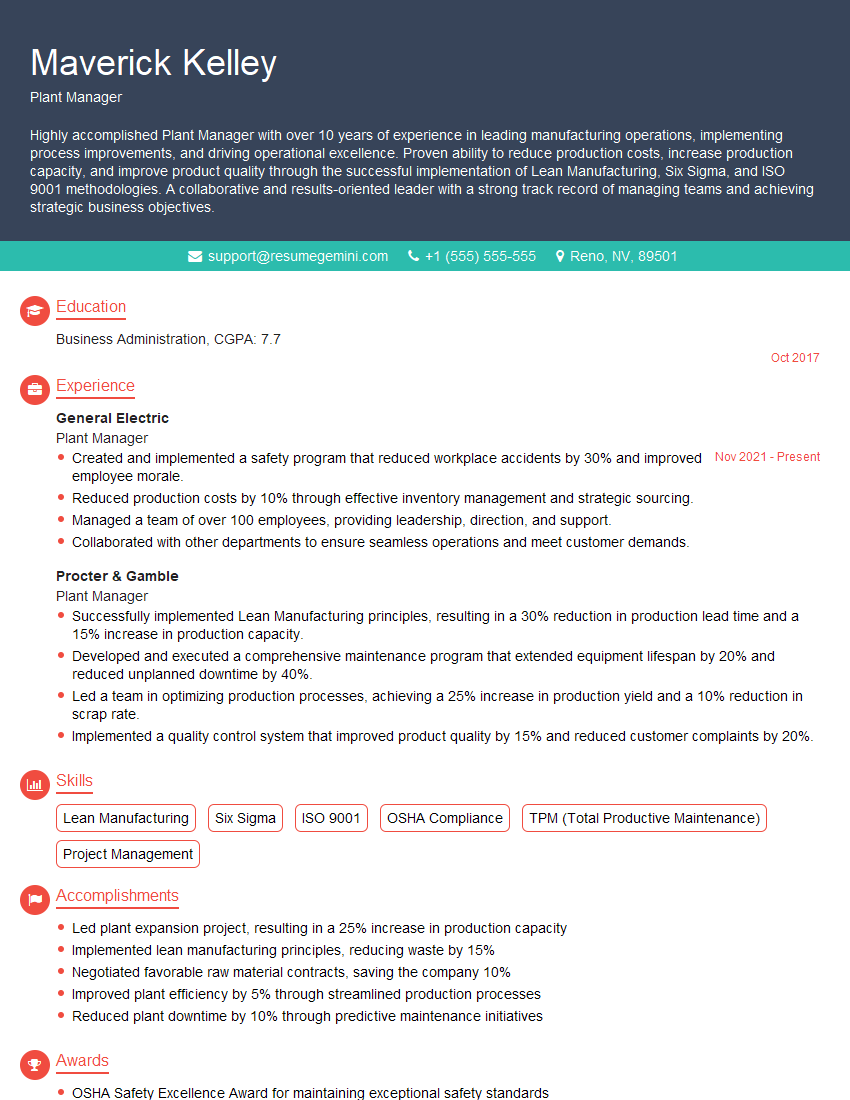
Plant Manager Resume Sample
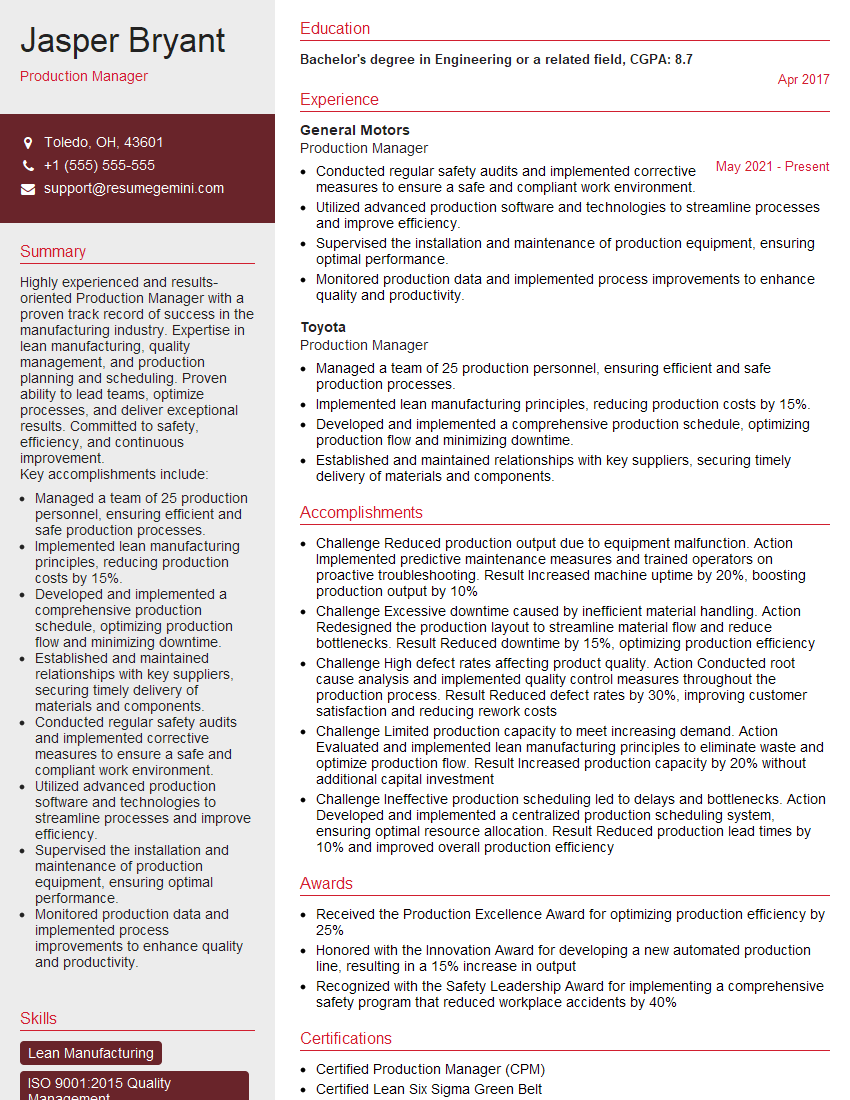
Production Manager Resume Sample
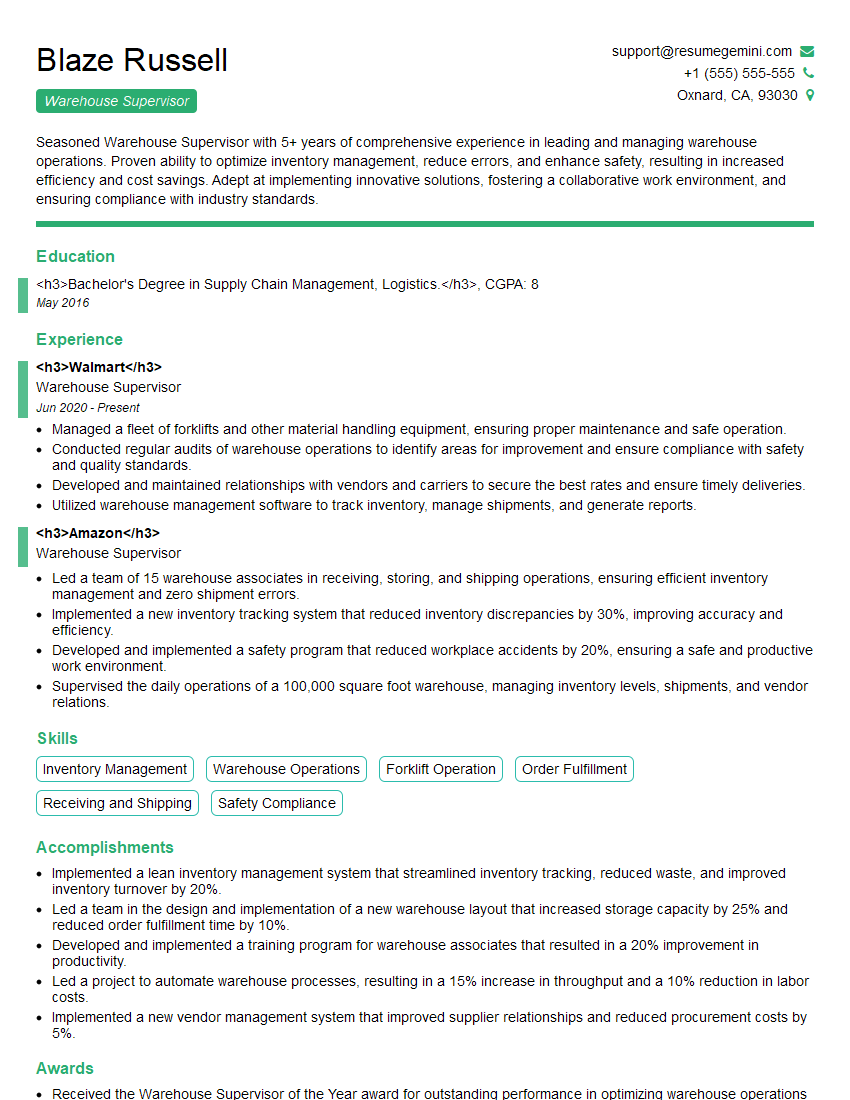
Warehouse Supervisor Resume Sample

Packaging Engineer Resume Sample

Automation Technician Resume Sample
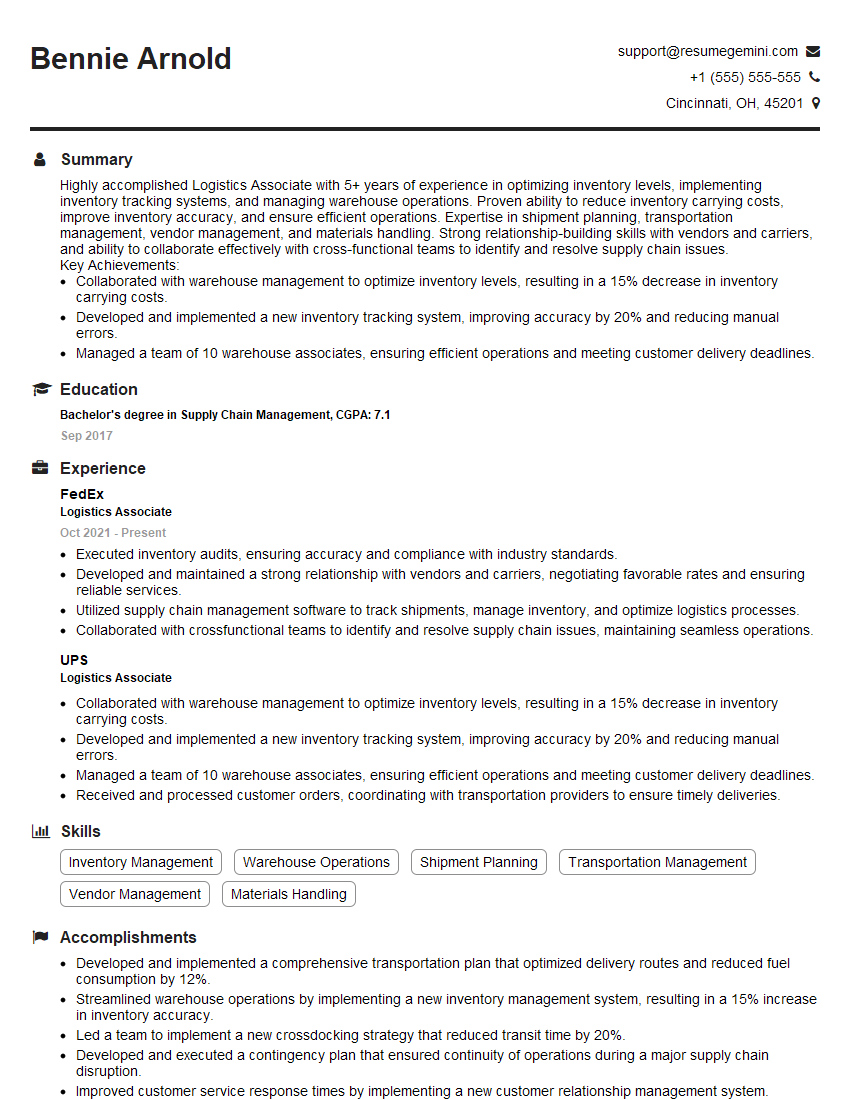
Logistics Associate Resume Sample

Material Handler Resume Sample
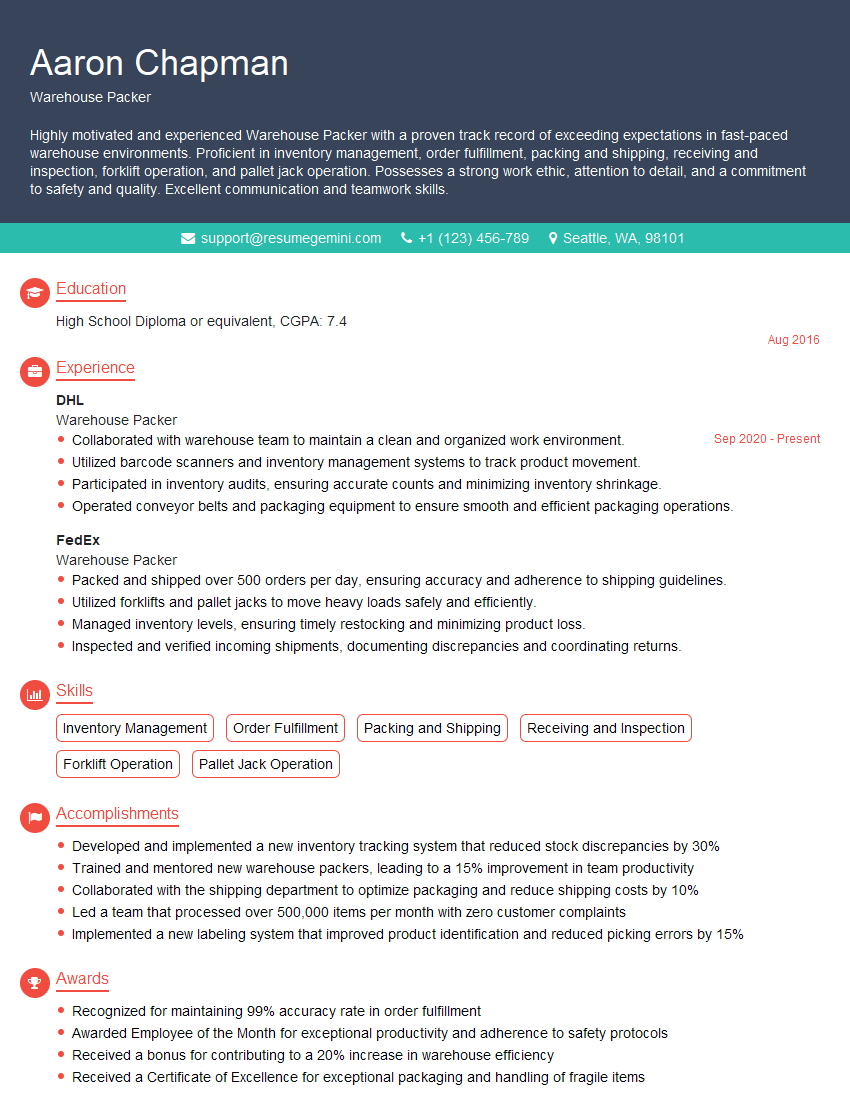
Warehouse Packer Resume Sample
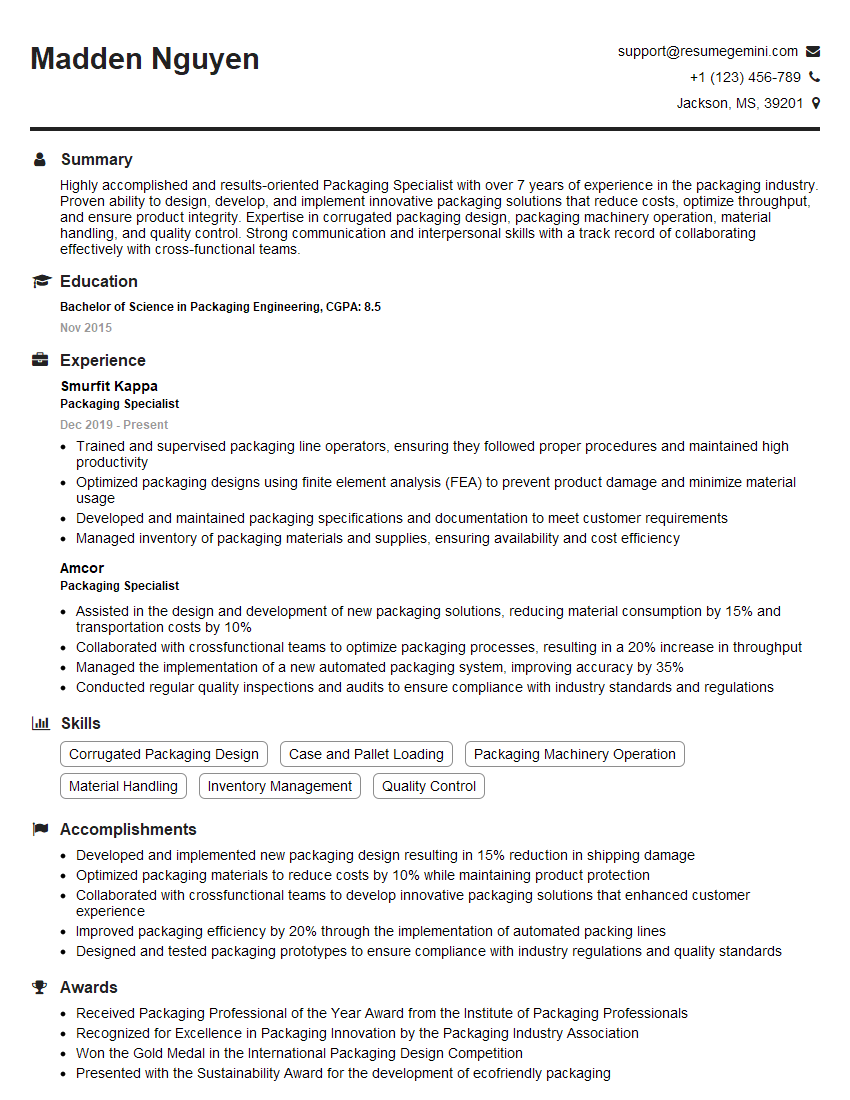
Packaging Specialist Resume Sample
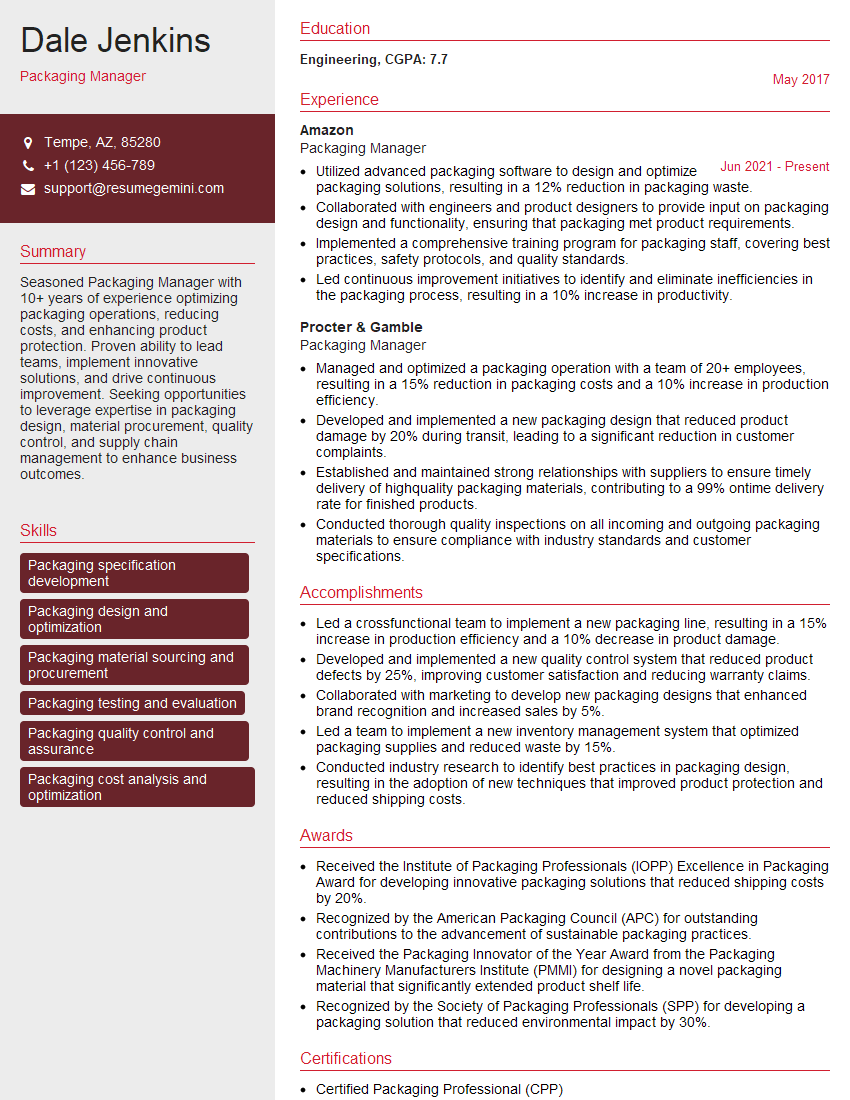
Packaging Manager Resume Sample
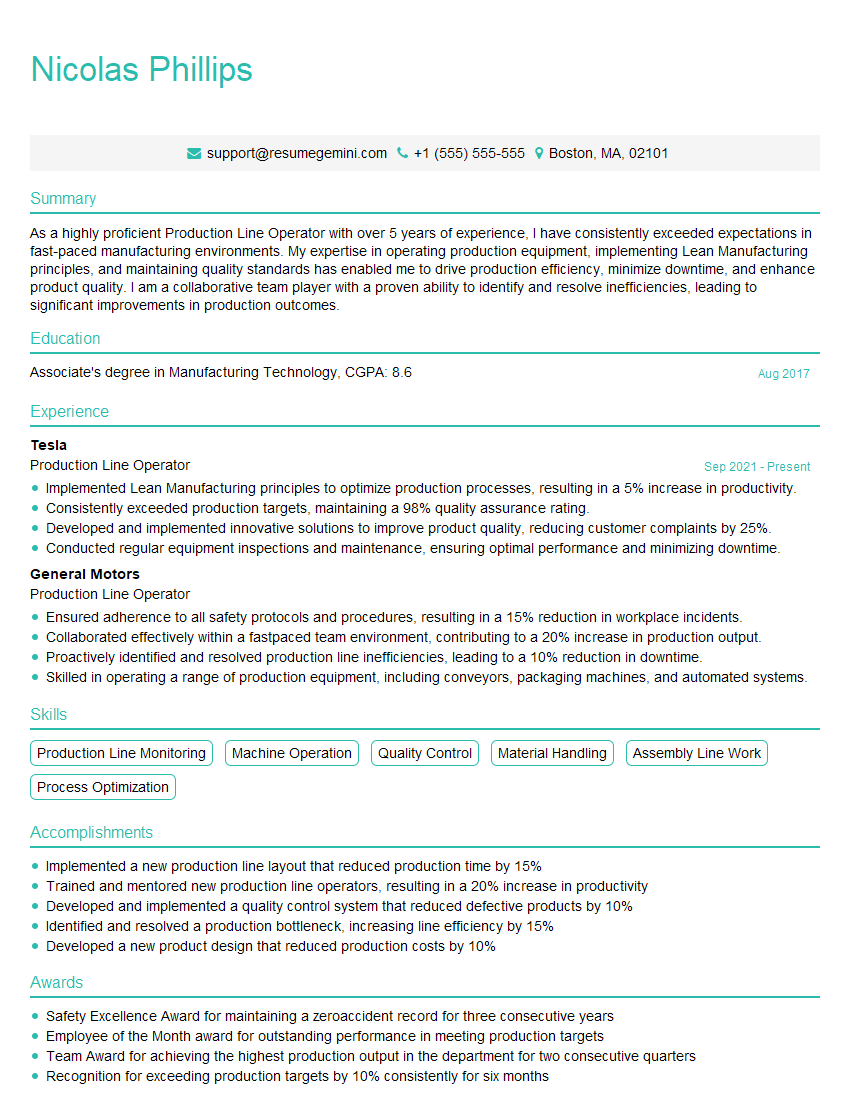
Production Line Operator Resume Sample
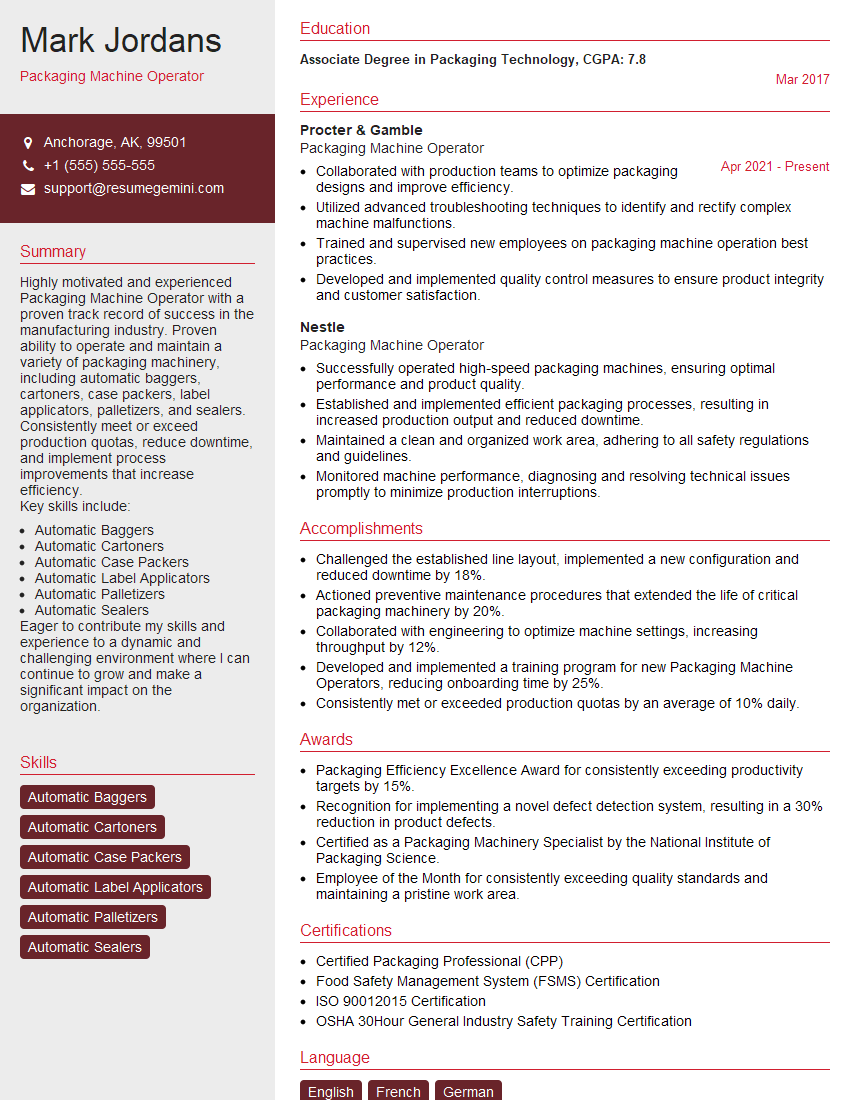
Packaging Machine Operator Resume Sample

Packaging Technician Resume Sample
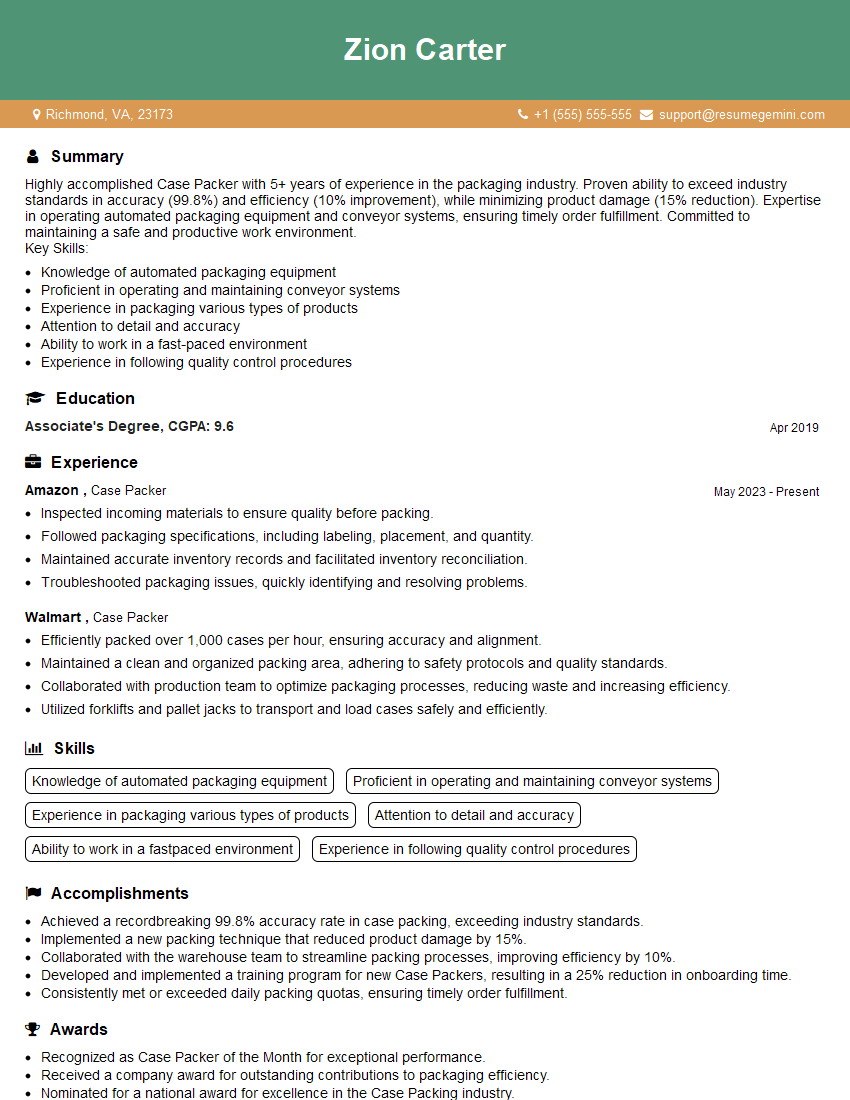
Case Packer Resume Sample
Explore more articles
Users Rating of Our Blogs
Share Your Experience
We value your feedback! Please rate our content and share your thoughts (optional).
What Readers Say About Our Blog
Very informative content, great job.
good