Unlock your full potential by mastering the most common Expertise in Mechanical Engineering Systems interview questions. This blog offers a deep dive into the critical topics, ensuring you’re not only prepared to answer but to excel. With these insights, you’ll approach your interview with clarity and confidence.
Questions Asked in Expertise in Mechanical Engineering Systems Interview
Q 1. Explain the difference between static and dynamic analysis.
Static analysis examines a system under constant loads and conditions, meaning the system’s properties and loads don’t change over time. Think of a bridge supporting its own weight – the load is essentially constant. Dynamic analysis, on the other hand, considers how a system responds to time-varying loads or conditions. Imagine the same bridge during an earthquake – the loads and the bridge’s response are constantly changing.
The key difference lies in the consideration of time. Static analysis simplifies the problem significantly, often using simpler mathematical methods. It’s suitable when inertial and damping forces are negligible. Dynamic analysis is more complex, requiring sophisticated techniques to capture the system’s behavior over time, often involving differential equations and numerical methods. This is crucial for designing systems that experience vibrations, shocks, or other dynamic effects, ensuring they can withstand those forces.
Example: A static analysis might be used to determine the stress in a beam under a fixed load, while a dynamic analysis would be necessary to analyze the vibration of the same beam subjected to a sudden impact.
Q 2. Describe your experience with CAD software (e.g., SolidWorks, AutoCAD).
I have extensive experience using both SolidWorks and AutoCAD, spanning over [Number] years. In SolidWorks, I’ve been proficient in 3D modeling, assembly design, creating detailed drawings, and performing simulations. I’ve used it extensively for designing complex mechanical assemblies, including [mention specific examples, e.g., robotic arms, engine components]. My SolidWorks skills include utilizing features like surface modeling, parametric design, and simulation tools.
AutoCAD has been primarily used for 2D drafting and detailed design drawings. I’m skilled in creating accurate technical drawings, including dimensioning, tolerancing, and creating detailed views. This has been invaluable in creating manufacturing documentation and collaborating with manufacturing engineers. A recent project involved using AutoCAD to design a [mention specific project, e.g., fixture for a manufacturing process], requiring precision in dimensions and tolerances for optimal functionality. I’m comfortable with both software packages and can adapt my workflow based on the specific project requirements.
Q 3. How familiar are you with Finite Element Analysis (FEA)?
I am very familiar with Finite Element Analysis (FEA). FEA is a powerful numerical method used to predict how a product reacts to real-world forces, vibration, heat, fluid flow, and other physical effects. I have experience using FEA software like [mention specific software, e.g., ANSYS, Abaqus] to simulate various scenarios and optimize designs.
My experience includes meshing complex geometries, defining material properties, applying boundary conditions, and interpreting the results, including stress, strain, displacement, and fatigue life. I’ve used FEA to identify potential failure points, optimize component designs for weight reduction while maintaining structural integrity, and validate designs against regulatory requirements. For example, I used FEA to analyze the stress distribution in a [mention a specific component] to ensure it could withstand the operating loads without failure.
Q 4. What are your experiences with Computational Fluid Dynamics (CFD)?
My experience with Computational Fluid Dynamics (CFD) is focused on [mention areas of expertise, e.g., external aerodynamics, internal flow analysis]. I’ve used CFD software such as [mention specific software, e.g., ANSYS Fluent, OpenFOAM] to model and analyze fluid flow and heat transfer in various applications.
This includes defining meshing strategies for complex geometries, selecting appropriate turbulence models, setting boundary conditions, and interpreting results such as velocity fields, pressure distributions, and temperature gradients. I used CFD to optimize the design of a [mention a specific component or system, e.g., heat exchanger] to improve its efficiency by reducing pressure drop and enhancing heat transfer. My understanding extends to both steady-state and transient simulations, allowing me to address a broad range of fluid flow problems.
Q 5. Explain your understanding of stress concentration and how to mitigate it.
Stress concentration refers to the localized increase in stress that occurs at points of geometric discontinuity, such as holes, fillets, or sharp corners. These regions experience significantly higher stresses than the nominal stress in the surrounding material, increasing the likelihood of failure. Imagine a piece of paper – tearing it easily along a straight line is simple, but making a small hole in it first and then tearing it from that point requires far less effort, representing stress concentration.
To mitigate stress concentration, several techniques can be employed. These include:
- Radius increase at fillets and corners: Smoothing sharp corners and increasing the radii of fillets reduces stress concentration significantly. This is a fundamental principle in design for strength.
- Adding reinforcing features: Reinforcements can be strategically placed in areas prone to high stress. For example, using ribs or stiffeners can redistribute stress more effectively.
- Optimizing geometry: Careful consideration of the component’s shape can minimize stress concentration. For instance, using elliptical holes instead of circular ones can reduce stress build-up.
- Material selection: Choosing materials with higher tensile strength and better fatigue properties helps components withstand higher stresses and resist failure.
FEA is a crucial tool in identifying and addressing stress concentration points, allowing engineers to refine the design and optimize for strength and durability.
Q 6. How would you approach designing for manufacturability?
Designing for manufacturability (DFM) is a critical aspect of engineering design. It involves considering the manufacturing processes early in the design stage to ensure that the product is not only functional but also cost-effective and efficient to produce. DFM principles aim to minimize manufacturing costs, lead times, and defects.
My approach to DFM includes:
- Understanding manufacturing processes: I familiarize myself with various manufacturing processes like casting, machining, forging, injection molding, etc. Understanding their capabilities and limitations allows for design choices that are both feasible and cost-effective.
- Material selection considering manufacturability: Material selection should consider factors like machinability, weldability, formability, and casting characteristics. Choosing an easily machinable material can significantly reduce manufacturing costs and time.
- Simplifying geometry: Complex geometries increase production cost and time. Streamlining designs using simpler shapes, reducing the number of features, and avoiding tight tolerances lead to higher efficiency.
- Tolerances: Defining appropriate manufacturing tolerances is critical. Excessive precision increases manufacturing complexity, while insufficient tolerance may lead to assembly issues or part failures.
- Collaboration with manufacturing engineers: Close collaboration with manufacturing experts throughout the design process allows for early identification and resolution of potential issues, resulting in a design that is both functional and producible.
DFM often involves trade-offs between design optimization and manufacturing feasibility. My goal is always to find the optimal balance that meets performance requirements while optimizing manufacturing costs and time.
Q 7. Describe your experience with tolerance analysis.
Tolerance analysis is the process of determining the impact of manufacturing tolerances on the overall performance and functionality of a product. Manufacturing processes inherently have variations, and these variations accumulate through the assembly of multiple parts. A tolerance analysis helps identify whether these variations could lead to unacceptable performance or assembly issues.
My experience includes performing both statistical tolerance analysis (using methods like root sum square or Monte Carlo simulation) and worst-case tolerance analysis. Statistical analysis provides a probabilistic assessment, while worst-case analysis considers the most extreme combinations of tolerances. The choice of method depends on the application’s sensitivity to tolerances and the acceptable risk level.
Example: In the design of an assembly with tight dimensional requirements, performing a tolerance analysis helps determine the necessary precision of individual components to ensure the assembly functions as intended. It helps prevent costly redesigns or rework later in the process. Software tools like [mention specific software] are often employed to facilitate tolerance analysis, automating calculations and providing valuable visualizations of tolerance stack-ups.
Q 8. How do you ensure the quality and reliability of your designs?
Ensuring the quality and reliability of my designs is paramount. My approach is multifaceted and begins even before the design process itself. It involves a rigorous process encompassing several key stages:
- Thorough Requirements Gathering: I start by meticulously understanding the client’s needs and operational environment. This includes potential failure modes and their consequences. For example, a design for a deep-sea submersible requires vastly different quality and reliability standards than a simple consumer product.
- Robust Design Principles: I employ robust design principles, focusing on minimizing the impact of variations in manufacturing tolerances, material properties, and operating conditions. This might involve using design of experiments (DOE) to optimize critical parameters.
- Finite Element Analysis (FEA): FEA is a cornerstone of my design process. It allows for the prediction of stress, strain, and other critical parameters under various load conditions, ensuring that the design can withstand expected forces. I regularly use software like ANSYS or ABAQUS to validate designs.
- Material Selection: Careful consideration is given to material selection, considering not only strength and cost but also factors like corrosion resistance, fatigue life, and environmental impact. I often consult material property databases and collaborate with materials scientists to make informed decisions.
- Prototyping and Testing: I firmly believe in the power of prototyping and rigorous testing. This could range from simple physical prototypes to advanced simulations, allowing me to identify and rectify potential weaknesses before mass production. For instance, I might create 3D-printed prototypes for initial functionality tests followed by more robust testing on CNC-machined prototypes.
- Quality Control Measures: Throughout the manufacturing process, I work closely with the manufacturing team to implement robust quality control checks and procedures to catch defects early.
By combining these techniques, I consistently deliver high-quality, reliable designs that meet and exceed client expectations. For example, on a recent project designing a high-pressure hydraulic pump, rigorous FEA and extensive material testing ensured that the pump performed flawlessly under extreme pressure, exceeding the initial performance specifications.
Q 9. Describe your experience with different manufacturing processes (e.g., machining, casting, molding).
My experience spans a broad range of manufacturing processes, each offering unique advantages and challenges:
- Machining: I’m proficient in CNC machining, possessing experience with various milling and turning operations. This process offers high precision and surface finish, ideal for complex geometries and demanding applications. I have used machining to create prototypes and small production runs of components requiring tight tolerances.
- Casting: I understand various casting methods such as sand casting, investment casting, and die casting. Casting is particularly effective for creating complex shapes and large-scale components. I’ve worked on projects where casting was chosen for its cost-effectiveness in producing high-volume parts.
- Molding: My expertise includes injection molding, rotational molding, and blow molding. Injection molding is excellent for high-volume production of plastic parts, while rotational molding offers versatility in producing hollow parts. I’ve leveraged molding processes to design and manufacture lightweight components for consumer products.
Choosing the appropriate manufacturing process requires careful consideration of factors such as part geometry, material properties, production volume, and cost. For instance, while injection molding is economical for large volumes, machining might be necessary for small runs of highly intricate parts. I strive to balance these factors to deliver optimal solutions.
Q 10. Explain your understanding of thermodynamics and its application in mechanical systems.
Thermodynamics is fundamental to mechanical engineering. It governs the conversion of energy between heat and mechanical work. Understanding thermodynamics is crucial for designing efficient and reliable mechanical systems.
- First Law of Thermodynamics (Conservation of Energy): This law states that energy cannot be created or destroyed, only transformed. In mechanical systems, this manifests in the energy transfer between various components, such as engines, turbines, and heat exchangers. For instance, in designing an internal combustion engine, understanding this law is key to optimizing fuel efficiency.
- Second Law of Thermodynamics (Entropy): This law establishes the directionality of energy flow, introducing the concept of entropy, or disorder. It dictates the limitations on efficiency of energy conversion processes. Understanding this is crucial in designing systems that minimize energy loss due to friction or heat transfer.
- Applications in Mechanical Systems: Thermodynamics finds application across a wide range of mechanical systems. This includes designing power plants, HVAC systems, refrigeration cycles, and internal combustion engines. For example, in designing a refrigeration system, I need to account for the thermodynamic cycle to achieve optimal cooling performance.
I routinely apply thermodynamic principles using software tools and hand calculations to analyze system performance, optimize efficiency, and ensure the safe and reliable operation of mechanical systems. Misunderstanding thermodynamics can lead to inefficiencies or even catastrophic failures.
Q 11. How do you handle conflicting project priorities and deadlines?
Conflicting priorities and deadlines are common in engineering projects. I approach these challenges using a structured and proactive approach:
- Prioritization Matrix: I start by creating a prioritization matrix, weighing the importance and urgency of each task. This helps to focus on the most critical activities first.
- Communication and Collaboration: Open communication with the project team and stakeholders is crucial. I clearly communicate potential conflicts and collaboratively work towards solutions, exploring options like re-allocating resources or adjusting deadlines.
- Risk Assessment: I proactively assess potential risks associated with prioritizing certain tasks over others and develop contingency plans to mitigate them.
- Scope Management: If necessary, I work with the project manager to re-evaluate project scope and potentially reduce tasks or re-prioritize features to meet deadlines.
- Time Management Techniques: I’m proficient in using time management techniques such as the Pomodoro technique or timeboxing to maximize productivity and ensure that tasks are completed efficiently.
In a recent project with tight deadlines, I effectively communicated resource constraints to stakeholders, leading to a revised scope that allowed us to successfully deliver a functional prototype within the revised timeframe, without compromising the core functionality.
Q 12. Describe a time you had to troubleshoot a mechanical system failure.
During a project involving a robotic arm, the arm unexpectedly started exhibiting erratic movements and eventually failed to respond to commands. My troubleshooting process followed these steps:
- Gather Information: I began by collecting data on the failure, including error messages, sensor readings, and witness accounts.
- Systematic Investigation: I systematically checked each component, starting with the most likely sources of failure such as power supply, motor controllers, and sensors.
- Testing and Validation: I tested each component individually using dedicated testing equipment to isolate the faulty part. I utilized oscilloscopes to examine the signals and confirmed that the issue stemmed from a faulty motor controller.
- Root Cause Analysis: After identifying the faulty motor controller, I performed a root cause analysis to determine the underlying reason for the failure. I discovered that the controller’s heat sink was improperly mounted, causing overheating and eventual failure.
- Solution Implementation: I implemented a solution by replacing the faulty motor controller and ensuring proper heat sink mounting. I also added additional safety mechanisms to prevent future occurrences.
This experience highlighted the importance of systematic troubleshooting, careful component selection, and thorough testing in ensuring the reliability of complex mechanical systems.
Q 13. What is your experience with designing for specific industry standards (e.g., ASME, ISO)?
I have extensive experience designing to various industry standards, including ASME and ISO. My understanding encompasses both the technical specifications and the broader implications of adhering to these standards:
- ASME (American Society of Mechanical Engineers): I’m familiar with numerous ASME codes and standards, particularly those related to pressure vessels, boilers, and piping systems. Adherence to these standards ensures safety and reliability. I regularly consult the ASME Boiler and Pressure Vessel Code (BPVC) for relevant design requirements.
- ISO (International Organization for Standardization): I’m experienced with various ISO standards, including ISO 9001 (Quality Management Systems) and ISO 14001 (Environmental Management Systems). These standards guide the design, development, production, and maintenance processes, ensuring quality, consistency, and environmental responsibility.
For instance, while designing a pressure vessel, I ensure strict adherence to ASME Section VIII, Division 1, which dictates design, fabrication, and inspection criteria to prevent catastrophic failures. The integration of these standards into the design process is not merely compliance; it’s a commitment to building high-quality, safe, and reliable systems.
Q 14. Explain your understanding of different types of materials and their properties.
Understanding materials and their properties is crucial for designing effective and reliable mechanical systems. My knowledge encompasses a wide range of materials, including:
- Metals: I’m familiar with ferrous materials (steels, cast irons) and non-ferrous materials (aluminum alloys, copper alloys, titanium alloys). My understanding extends to their mechanical properties (strength, hardness, ductility), thermal properties (conductivity, expansion), and corrosion resistance. For instance, choosing between stainless steel and aluminum for a particular application depends on factors such as corrosion resistance, weight, and cost.
- Polymers: I have expertise in various polymers, including thermoplastics (ABS, polyethylene) and thermosets (epoxy resins, polyesters). I consider their strength, stiffness, elasticity, and chemical resistance. The selection of polymers depends largely on the intended application and its environmental conditions.
- Ceramics and Composites: I’m knowledgeable about ceramic materials (alumina, zirconia) and composite materials (fiber-reinforced polymers, carbon fiber composites). Their high strength-to-weight ratio and unique properties make them suitable for specialized applications.
Material selection is not a simple matter of strength; it involves a careful balancing of multiple factors, including cost, weight, manufacturability, and environmental impact. I regularly utilize material property databases and consult with material specialists to ensure that the selected material is the most appropriate for the given design constraints.
Q 15. How familiar are you with control systems and their implementation in mechanical systems?
Control systems are the backbone of many modern mechanical systems, ensuring they operate as intended. They involve using sensors to monitor a system’s performance, comparing that performance to a desired setpoint, and then using actuators to make adjustments. Think of a cruise control system in a car – the sensor monitors speed, the setpoint is the desired speed, and the actuator (the engine throttle) adjusts to maintain the setpoint. My familiarity encompasses a wide range of control strategies, from simple Proportional-Integral-Derivative (PID) controllers to more advanced model predictive control (MPC) techniques. I’ve implemented these in various applications, including robotic arms, automated manufacturing processes, and HVAC systems, using both analog and digital control methods. For example, in one project, I designed a PID controller to regulate the temperature of a chemical reactor, ensuring consistent product quality and safety.
In implementing these systems, I consider factors like stability analysis (ensuring the system doesn’t oscillate uncontrollably), robustness (how well it handles unexpected disturbances), and tuning (optimizing the controller parameters for best performance). I’m proficient in using software like MATLAB and Simulink for modeling, simulation, and implementation.
Career Expert Tips:
- Ace those interviews! Prepare effectively by reviewing the Top 50 Most Common Interview Questions on ResumeGemini.
- Navigate your job search with confidence! Explore a wide range of Career Tips on ResumeGemini. Learn about common challenges and recommendations to overcome them.
- Craft the perfect resume! Master the Art of Resume Writing with ResumeGemini’s guide. Showcase your unique qualifications and achievements effectively.
- Don’t miss out on holiday savings! Build your dream resume with ResumeGemini’s ATS optimized templates.
Q 16. Describe your experience with robotics and automation.
My experience in robotics and automation spans several years and a variety of projects. I’ve worked extensively on designing and implementing robotic systems for tasks like material handling, assembly, and welding. This includes experience with both industrial robots (such as those from FANUC or ABB) and collaborative robots (cobots). I’ve worked with various robot programming languages like RAPID and ROS (Robot Operating System). One particular project involved developing an automated guided vehicle (AGV) system for an automotive factory, significantly improving efficiency and reducing labor costs. This project required expertise in path planning, sensor integration (LIDAR, ultrasonic), and safety protocols.
Beyond individual robots, I’ve also been involved in the design of complete automated manufacturing cells. This entails integrating robots with other automated equipment, such as conveyor systems and vision systems, to create a seamless and efficient production line. Understanding the interplay between the various components, and designing robust communication protocols, is crucial in these integrated systems.
Q 17. How would you approach designing a system for optimal energy efficiency?
Designing for optimal energy efficiency requires a holistic approach, considering the entire system lifecycle from design to operation and disposal. I would begin by performing a thorough energy audit to identify major energy consumption sources. This involves analyzing the system’s components, operating parameters, and energy flows. For example, in a manufacturing plant, this might involve studying motor efficiency, compressor performance, and lighting systems.
Next, I would employ several strategies. This might include using high-efficiency components (such as energy-efficient motors and drives), optimizing system operation through control systems (reducing idling time, optimizing process parameters), and employing energy recovery techniques (such as using waste heat for heating other parts of the facility). Material selection plays a crucial role; for instance, utilizing lighter materials can reduce energy required for movement and transportation. Finally, implementing monitoring systems allows for continuous assessment and refinement of energy efficiency measures.
A case study from my experience involved optimizing the HVAC system in a large office building. Through a combination of control system upgrades and equipment replacements, we achieved a 20% reduction in energy consumption without compromising occupant comfort.
Q 18. Explain your understanding of vibration analysis and damping techniques.
Vibration analysis is crucial for ensuring the reliability and safety of mechanical systems. Undesirable vibrations can lead to fatigue failure, noise pollution, and reduced performance. My understanding encompasses both experimental and analytical techniques. Experimental methods include using accelerometers to measure vibrations and performing frequency analysis using tools like Fast Fourier Transforms (FFTs). Analytical methods involve creating mathematical models of the system to predict its vibrational behavior, often using Finite Element Analysis (FEA) software.
Damping techniques are used to reduce unwanted vibrations. These can be passive, such as using dampers or viscoelastic materials, or active, which involve using actuators and control systems to counteract vibrations. The choice of damping method depends on the specific application and the frequency range of the vibrations. For instance, in designing a suspension system for a vehicle, passive damping using shock absorbers is common. However, in precision machinery, active damping might be necessary to achieve very low vibration levels. I’ve used both passive and active damping techniques in projects involving reducing vibrations in turbines and high-speed machinery.
Q 19. What is your experience with testing and validation of mechanical systems?
Testing and validation are essential steps in ensuring a mechanical system meets its design specifications and performs reliably. My experience includes a range of testing methodologies, from simple static load tests to more complex dynamic tests simulating real-world operating conditions. This includes environmental testing (temperature, humidity, pressure), fatigue testing (to determine the system’s endurance under repeated loading), and functional testing (to verify that the system meets its intended purpose). I am proficient in designing test plans, conducting experiments, analyzing data, and preparing comprehensive test reports.
For instance, in a project involving a new type of aircraft landing gear, we conducted extensive fatigue testing to ensure it could withstand the stresses of repeated landings over its lifespan. Data analysis was performed using statistical methods to determine the system’s fatigue life and identify potential failure points.
Q 20. Describe your experience with project management tools and methodologies.
Effective project management is critical for delivering successful engineering projects on time and within budget. I have extensive experience using various project management tools and methodologies, including Agile, Waterfall, and Scrum. My familiarity with software like Microsoft Project and Jira allows me to effectively plan, track, and manage projects of varying complexity. I understand the importance of clearly defining project scope, creating detailed work breakdown structures (WBS), and managing project risks.
Furthermore, I’m adept at collaborating effectively with cross-functional teams, fostering communication, and ensuring alignment with project goals. I have utilized these methodologies in various projects, including the design and implementation of automated systems and the development of new mechanical components. In one project, using Agile methodologies, we successfully delivered a complex robotic system ahead of schedule and under budget by efficiently managing tasks and prioritizing critical features.
Q 21. Explain your understanding of failure modes and effects analysis (FMEA).
Failure Modes and Effects Analysis (FMEA) is a systematic approach to identifying potential failure modes in a system and assessing their potential impact. It’s a proactive risk management technique used to prevent failures before they occur. I’m proficient in conducting FMEA studies, which involve identifying potential failure modes, assessing their severity, occurrence, and detection, and then calculating a risk priority number (RPN) for each failure mode. This allows us to prioritize mitigation efforts and focus on the most critical risks.
The process typically involves creating a table listing potential failure modes, their causes, effects, and severity, occurrence, and detection ratings. High RPN values indicate failure modes requiring immediate attention. Mitigation strategies are then developed to reduce the RPN. I have applied FMEA in various projects, such as the design of automotive braking systems and medical devices, to improve system reliability and safety. The proactive nature of FMEA is invaluable in minimizing the risk of catastrophic failures.
Q 22. How do you stay updated on the latest advancements in mechanical engineering?
Staying current in the rapidly evolving field of mechanical engineering requires a multifaceted approach. I leverage several key strategies:
- Professional Journals and Publications: I regularly read journals like ASME Journal of Mechanical Design and Journal of Manufacturing Science and Engineering to stay abreast of cutting-edge research and advancements in various sub-disciplines.
- Conferences and Workshops: Attending industry conferences, such as those hosted by ASME or IEEE, provides invaluable networking opportunities and exposure to the latest technological breakthroughs. I actively participate in Q&A sessions and discussions to deepen my understanding.
- Online Resources and Courses: Platforms like Coursera, edX, and LinkedIn Learning offer a wealth of specialized courses and webinars on emerging technologies, allowing for continuous professional development. I frequently take courses related to areas like additive manufacturing or robotics to enhance my expertise.
- Industry News and Blogs: Following reputable industry news sources and blogs keeps me informed about current trends, technological innovations, and market developments. This helps me anticipate future challenges and opportunities.
- Networking: Engaging with fellow engineers through professional organizations and online communities fosters knowledge sharing and collaborative learning. Discussions with colleagues often spark new ideas and perspectives.
This combined approach ensures that my knowledge remains relevant and I’m well-prepared to tackle the challenges of modern mechanical engineering.
Q 23. Describe your experience with working in cross-functional teams.
I have extensive experience collaborating within cross-functional teams. In my previous role at [Previous Company Name], I was part of a team developing a new automated assembly line. This team included mechanical engineers (myself), electrical engineers, software engineers, and manufacturing specialists. Effective collaboration was crucial for success.
My approach centers on:
- Clear Communication: I emphasize clear and concise communication, using both verbal and written methods. Regular team meetings, detailed documentation, and the use of project management software (e.g., Jira) were essential.
- Active Listening and Respectful Collaboration: I actively listen to the perspectives of team members from different disciplines, valuing their unique expertise. This fosters mutual respect and a collaborative environment.
- Conflict Resolution: Inevitably, disagreements arise. I utilize a collaborative approach to conflict resolution, focusing on finding solutions that meet the needs of all stakeholders. Prioritizing the project’s overall goals is key.
- Defined Roles and Responsibilities: A clearly defined scope of work for each team member helps prevent redundancy and ensures efficient workflow. Regular check-ins help maintain alignment.
The automated assembly line project successfully launched on time and under budget, a testament to the strength of our cross-functional teamwork. I believe my experience has honed my ability to effectively navigate the complexities of multidisciplinary projects.
Q 24. Explain your understanding of system integration and its challenges.
System integration is the process of combining different subsystems into a unified, functional system. Think of it like assembling a complex puzzle; each piece represents a subsystem (e.g., mechanical components, software controls, electrical systems), and the final assembled puzzle is the integrated system. In mechanical engineering, this is crucial for creating functional machines and processes.
Challenges in system integration are numerous:
- Interface Compatibility: Ensuring that different subsystems seamlessly interact requires careful consideration of interfaces. This includes mechanical, electrical, and software interfaces. Mismatch can lead to system failure.
- Testing and Validation: Thorough testing is essential to verify that the integrated system functions as designed. This can be complex, requiring diverse testing scenarios.
- Troubleshooting and Debugging: Identifying and resolving issues in an integrated system can be challenging due to the interaction of multiple components. System-level diagnostics and debugging skills are essential.
- Cost and Time Constraints: System integration is often a complex and time-consuming process, demanding careful project management to stay within budget and schedule.
- Communication and Coordination: Effective communication between different engineering disciplines is paramount to ensure alignment and avoid conflicts.
Overcoming these challenges requires meticulous planning, robust testing, and effective communication. A structured approach, utilizing tools like system modeling and simulation, is crucial for successful system integration.
Q 25. How would you handle a situation where design specifications are unclear?
Unclear design specifications are a common challenge in engineering. My approach is systematic:
- Clarify with Stakeholders: I would initiate a meeting with the relevant stakeholders (clients, project managers, design engineers) to clarify the ambiguous aspects. I’d use open-ended questions to understand the underlying requirements and intentions.
- Document the Clarifications: All clarifications and decisions must be documented formally to avoid future misunderstandings. This documentation serves as a reference point for the entire team.
- Gap Analysis: Once ambiguities are addressed, I perform a gap analysis to determine if existing design plans need revisions. This may involve modifying CAD models or simulation setups.
- Risk Assessment: I identify potential risks associated with the unclear specifications, and develop mitigation strategies. This proactive approach minimizes potential project delays and cost overruns.
- Iterative Design Process: I advocate for an iterative design process, allowing for regular reviews and adjustments based on feedback and newly acquired information. This ensures that the final design meets the intended requirements.
Ultimately, proactive communication and meticulous documentation are crucial for navigating situations with unclear specifications.
Q 26. Describe your experience with developing and presenting technical reports.
I have extensive experience in developing and presenting technical reports. My process involves:
- Clear and Concise Writing: I utilize a structured writing style with clear headings, subheadings, and bullet points for readability. Jargon is avoided unless essential, and it’s always defined clearly.
- Data Visualization: I use tables, graphs, and charts to present data effectively. Visual aids significantly enhance the understanding and impact of the report.
- Accurate Data Presentation: All data and calculations presented are meticulously checked for accuracy and consistency. Appropriate references are included to ensure credibility.
- Professional Formatting: Reports follow a consistent format, including appropriate fonts, margins, and page numbers. This demonstrates professionalism and enhances readability.
- Effective Presentations: When presenting findings, I focus on clarity and conciseness, tailoring the presentation to the audience’s technical expertise. Using visuals during presentations significantly enhances engagement.
For example, in a recent project involving the optimization of a heat exchanger, my report detailed the design methodology, simulation results, and cost-benefit analysis. The clear presentation facilitated informed decision-making by project stakeholders.
Q 27. How do you approach problem-solving in a complex mechanical system?
Problem-solving in complex mechanical systems requires a structured approach. I typically follow these steps:
- Problem Definition: Clearly define the problem, identifying its scope and symptoms. This step ensures that we’re addressing the root cause, not just the symptoms.
- Data Collection: Gather relevant data through experiments, simulations, or literature reviews. Thorough data collection is crucial for effective diagnosis.
- Root Cause Analysis: Utilize techniques like fishbone diagrams (Ishikawa diagrams) or 5 Whys to pinpoint the root cause of the problem. This helps in creating effective, long-term solutions.
- Solution Generation: Brainstorm potential solutions, considering feasibility, cost-effectiveness, and potential impact on other system components.
- Solution Evaluation: Evaluate the proposed solutions using various criteria, such as cost, risk, and potential benefits. This step often involves simulations or prototyping.
- Implementation and Testing: Implement the chosen solution and thoroughly test its effectiveness. Data analysis is crucial to confirm that the problem is resolved.
- Documentation: Document the entire problem-solving process, including the problem definition, root cause analysis, solution implementation, and results. This creates a valuable reference for future issues.
For example, when troubleshooting a vibration issue in a robotic arm, I followed this process, utilizing vibration analysis techniques and finite element analysis to pinpoint a resonance issue, ultimately redesigning a critical component to resolve the problem.
Q 28. What are your salary expectations for this role?
My salary expectations for this role are in the range of $[Lower Bound] to $[Upper Bound] annually. This range reflects my experience, skills, and the responsibilities associated with this position. I am open to discussing this further based on a detailed understanding of the role’s specific requirements and the company’s compensation structure.
Key Topics to Learn for Expertise in Mechanical Engineering Systems Interview
- Thermodynamics and Heat Transfer: Understand fundamental principles, including thermodynamic cycles (Rankine, Brayton, Otto), heat exchangers, and applications in power generation and HVAC systems. Be prepared to discuss practical examples and calculations.
- Fluid Mechanics: Master concepts like fluid statics, dynamics, Bernoulli’s principle, pipe flow, and pump/compressor characteristics. Prepare to analyze fluid systems and solve related problems.
- Solid Mechanics and Materials Science: Develop a strong understanding of stress, strain, failure theories, material properties, and fatigue analysis. Be ready to discuss the selection of materials for specific applications.
- Design and Manufacturing Processes: Familiarize yourself with CAD/CAM software, different manufacturing techniques (machining, casting, forging), and design for manufacturability principles. Be prepared to discuss design choices and their impact on manufacturing.
- Control Systems: Understand basic control system concepts, feedback loops, and PID controllers. Be ready to discuss applications in automation and robotics within mechanical systems.
- Robotics and Mechatronics: Explore the integration of mechanical, electrical, and computer systems. Understand robotic kinematics, dynamics, and control. Prepare to discuss robotic applications in various industries.
- Vibration and Acoustics: Understand vibration analysis techniques, modal analysis, and noise reduction strategies. Be ready to discuss applications in structural design and noise control.
- Problem-Solving and Analytical Skills: Practice approaching complex engineering problems systematically, utilizing appropriate analytical tools and demonstrating your ability to break down problems into manageable components.
Next Steps
Mastering Expertise in Mechanical Engineering Systems is crucial for career advancement, opening doors to exciting opportunities in diverse sectors. A well-crafted resume is your key to unlocking these opportunities. An ATS-friendly resume, optimized for applicant tracking systems, significantly improves your chances of getting noticed by recruiters. We strongly encourage you to use ResumeGemini, a trusted resource for building professional and effective resumes. ResumeGemini provides examples of resumes tailored specifically to Expertise in Mechanical Engineering Systems, helping you showcase your skills and experience in the best possible light. Take the next step towards your dream career today!
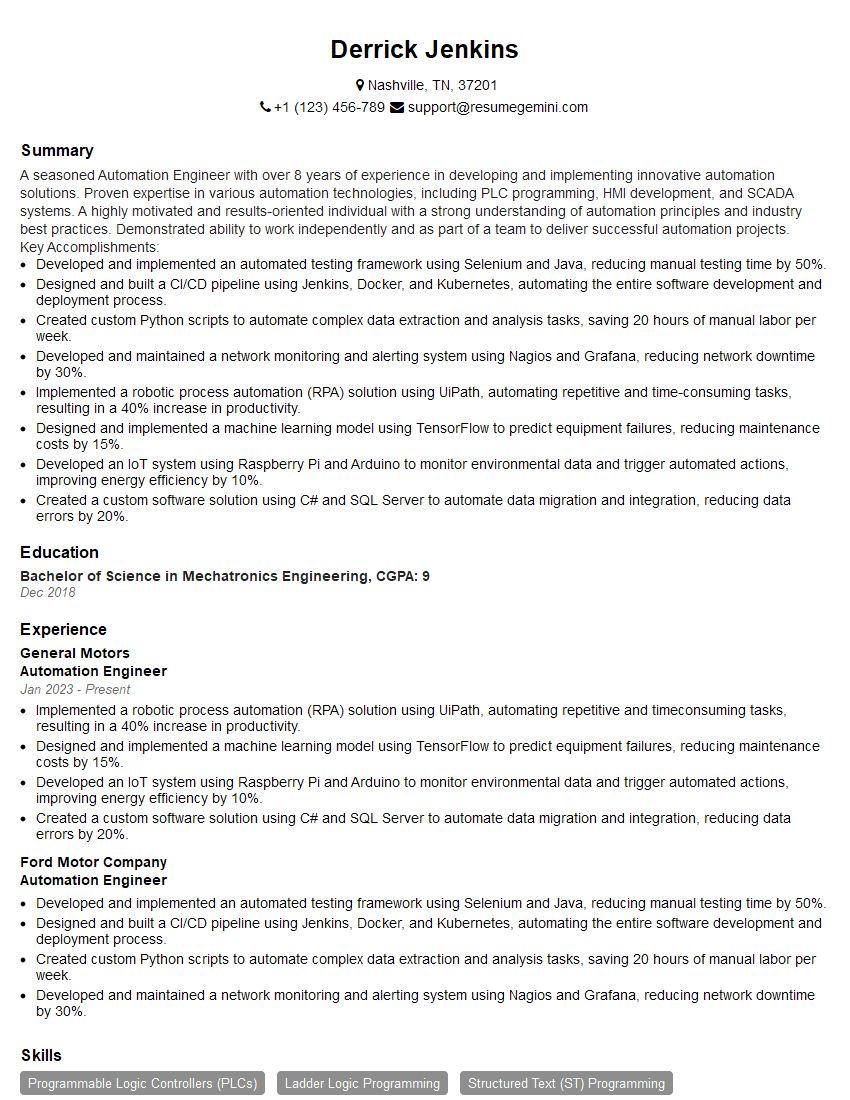
Automation Engineer Resume Sample
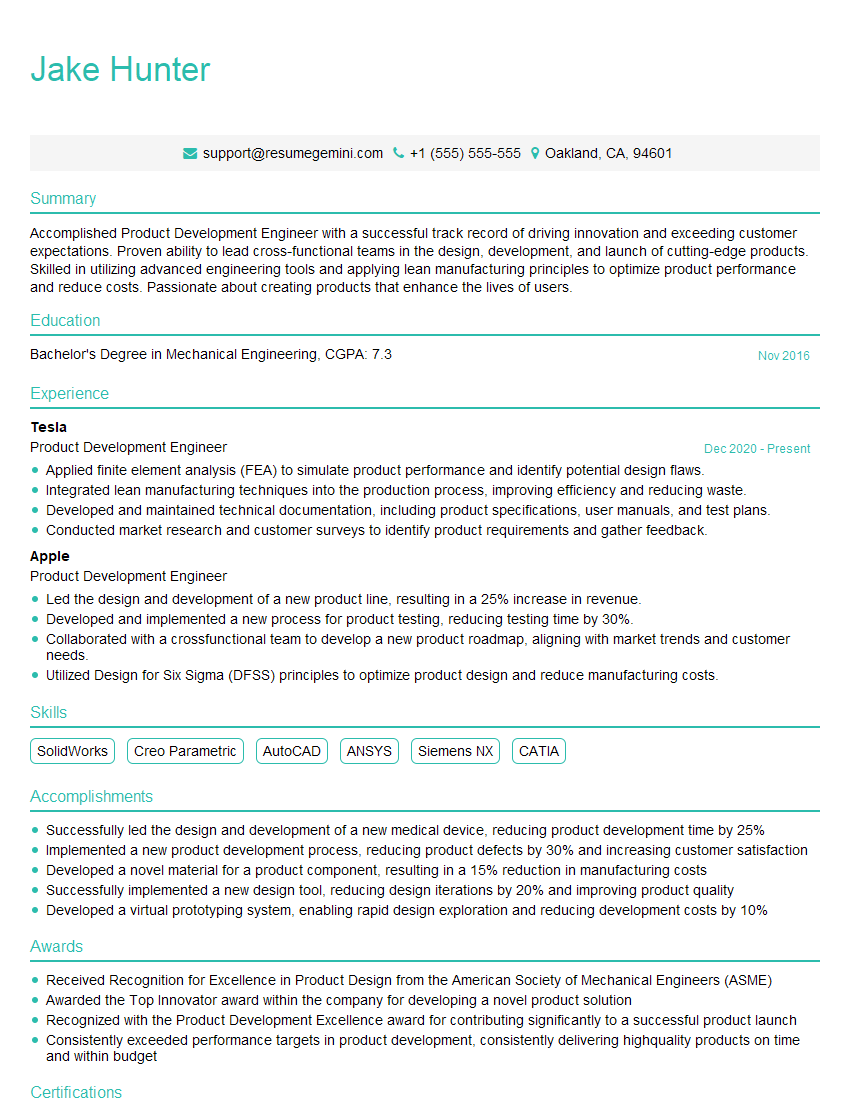
Product Development Engineer Resume Sample
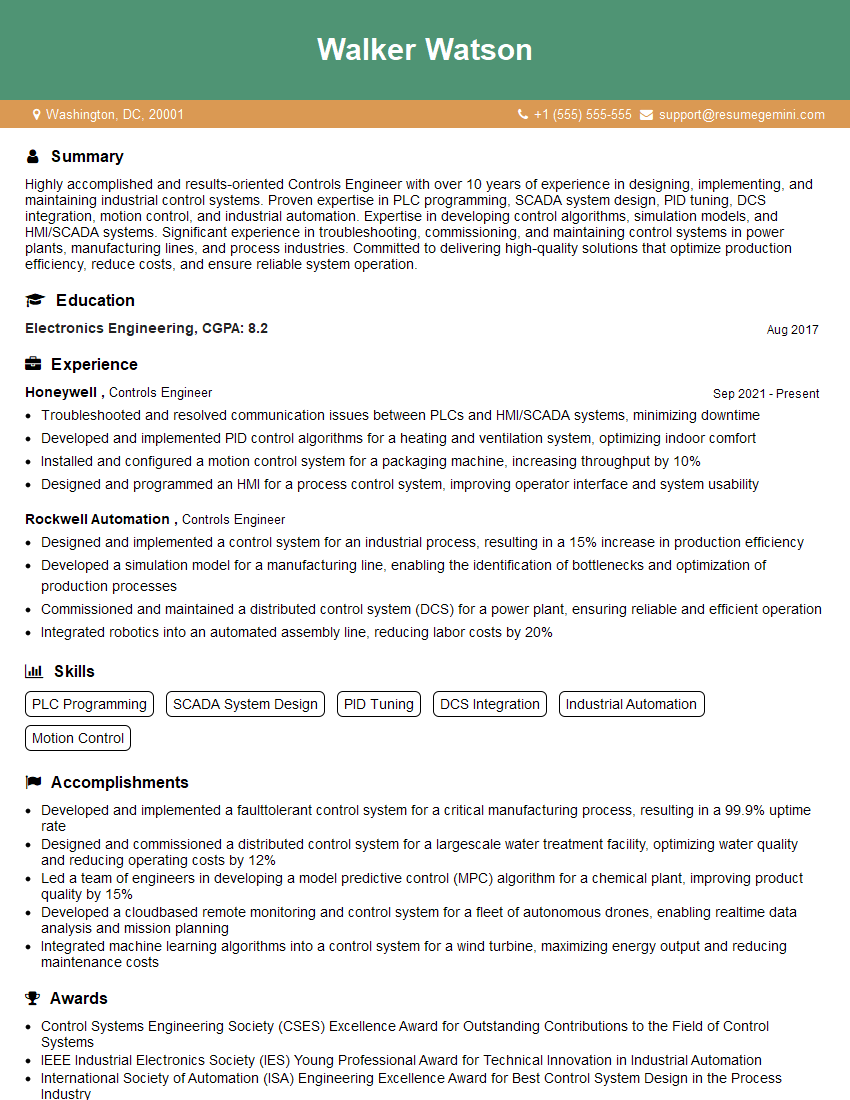
Controls Engineer Resume Sample
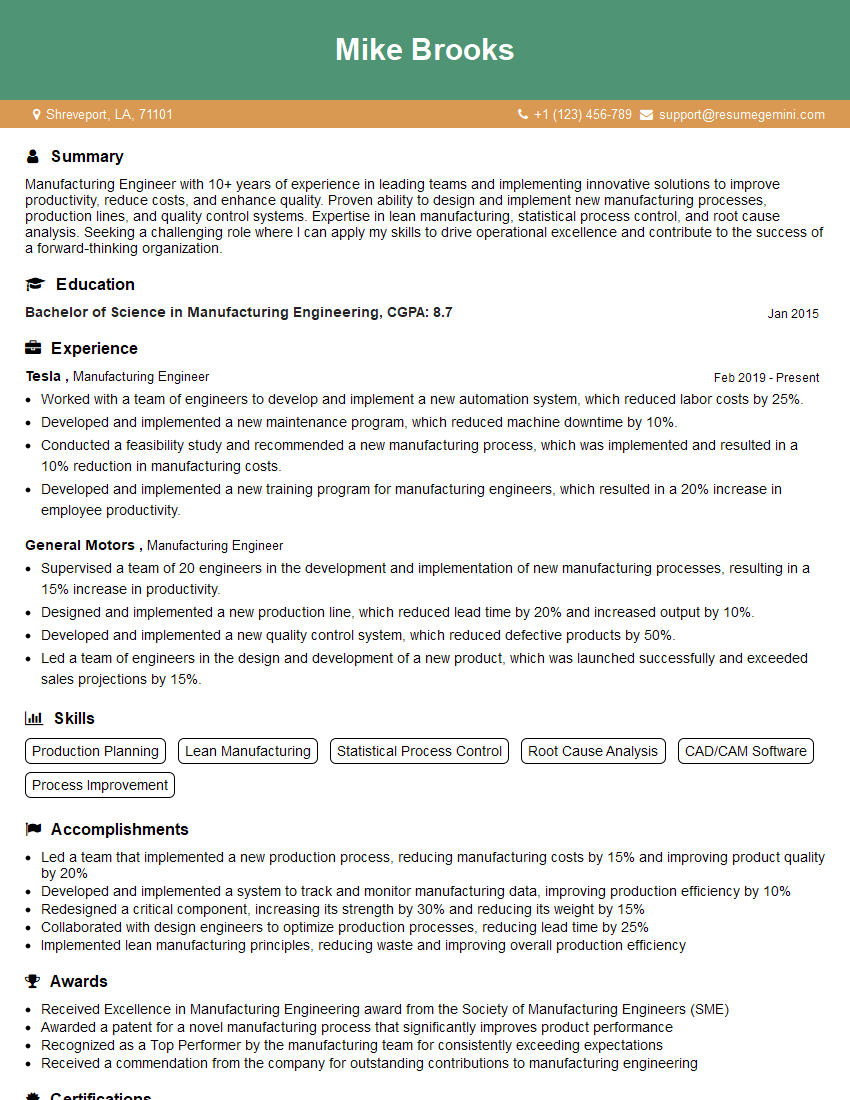
Manufacturing Engineer Resume Sample
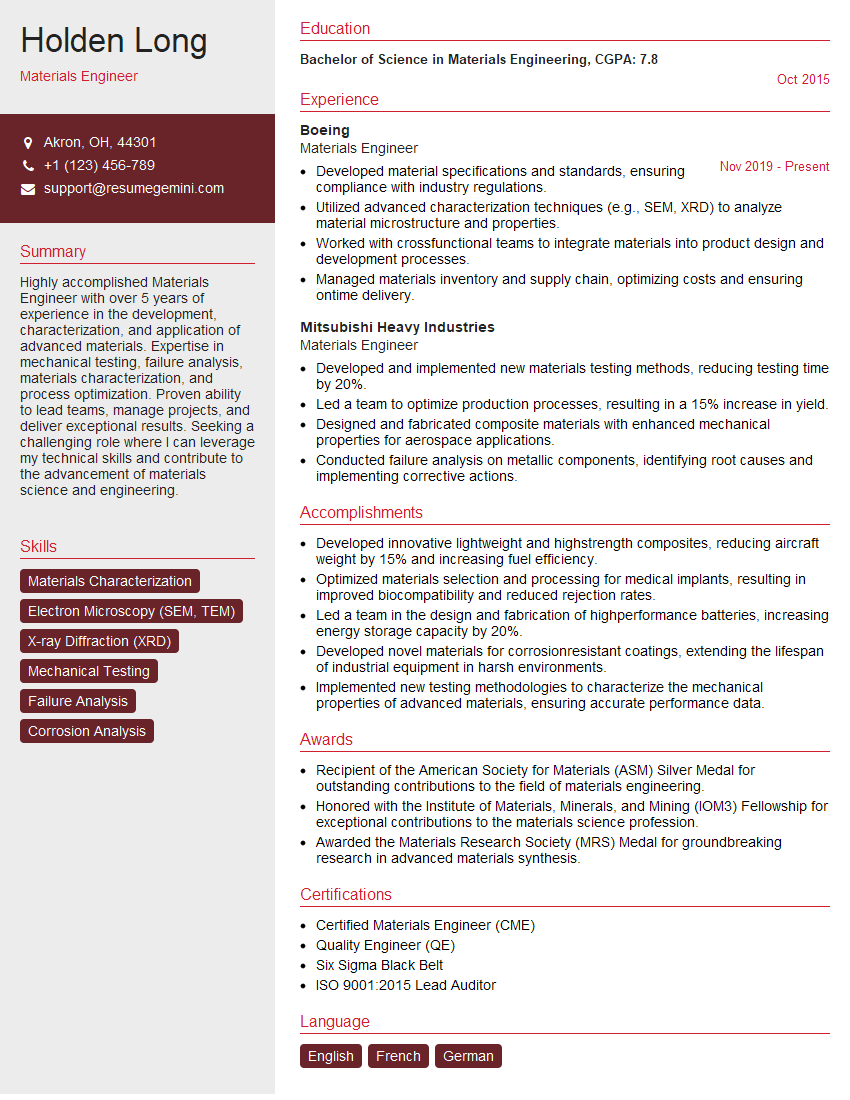
Materials Engineer Resume Sample
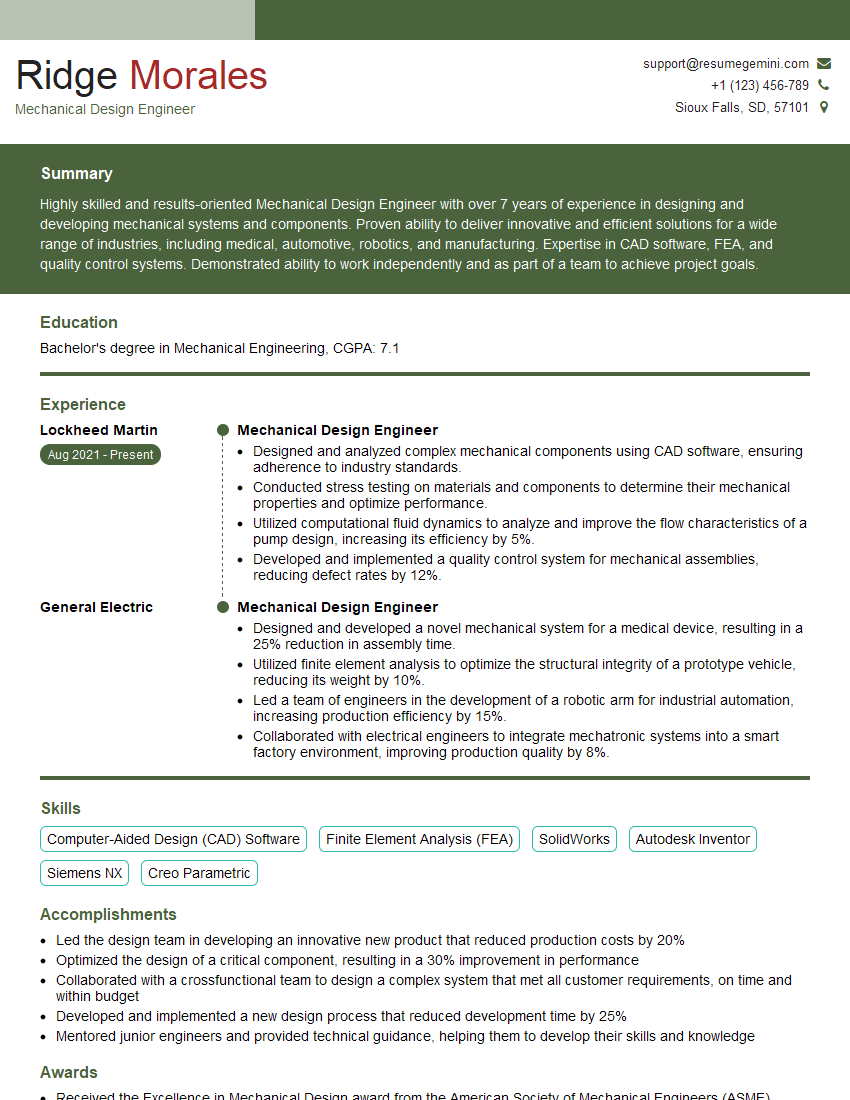
Mechanical Design Engineer Resume Sample
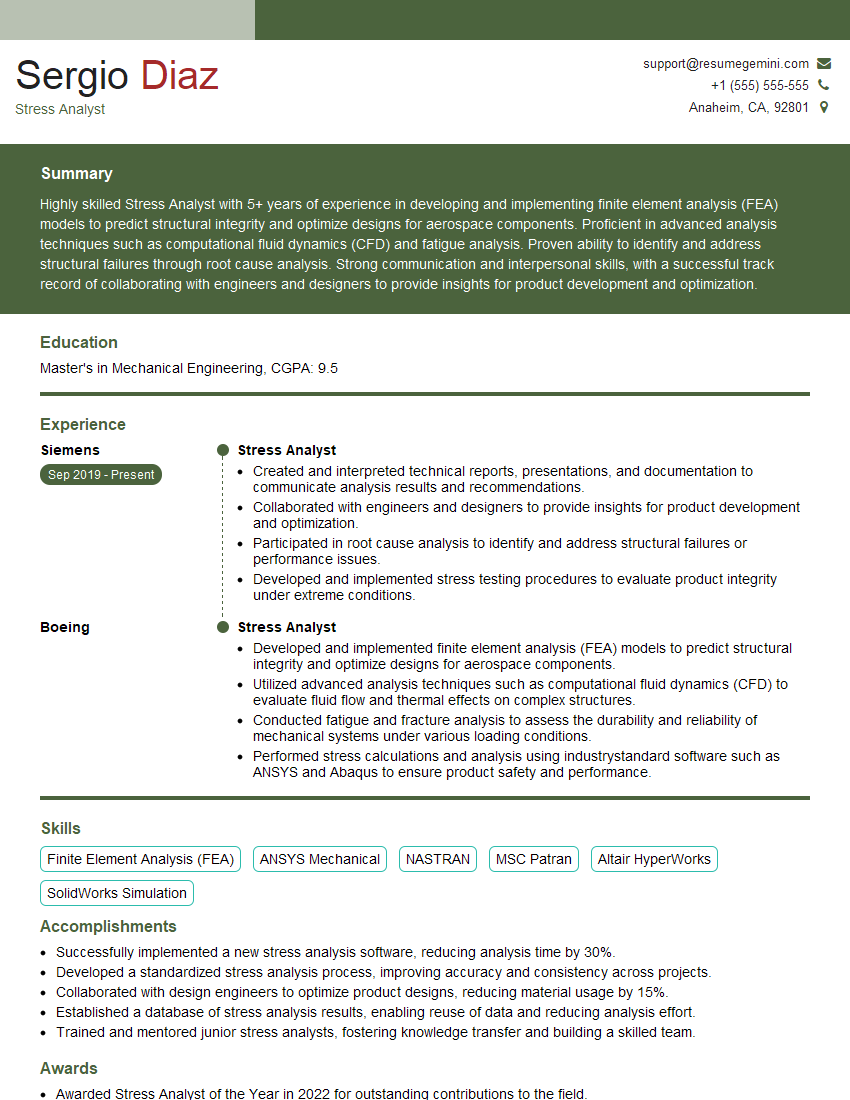
Stress Analyst Resume Sample
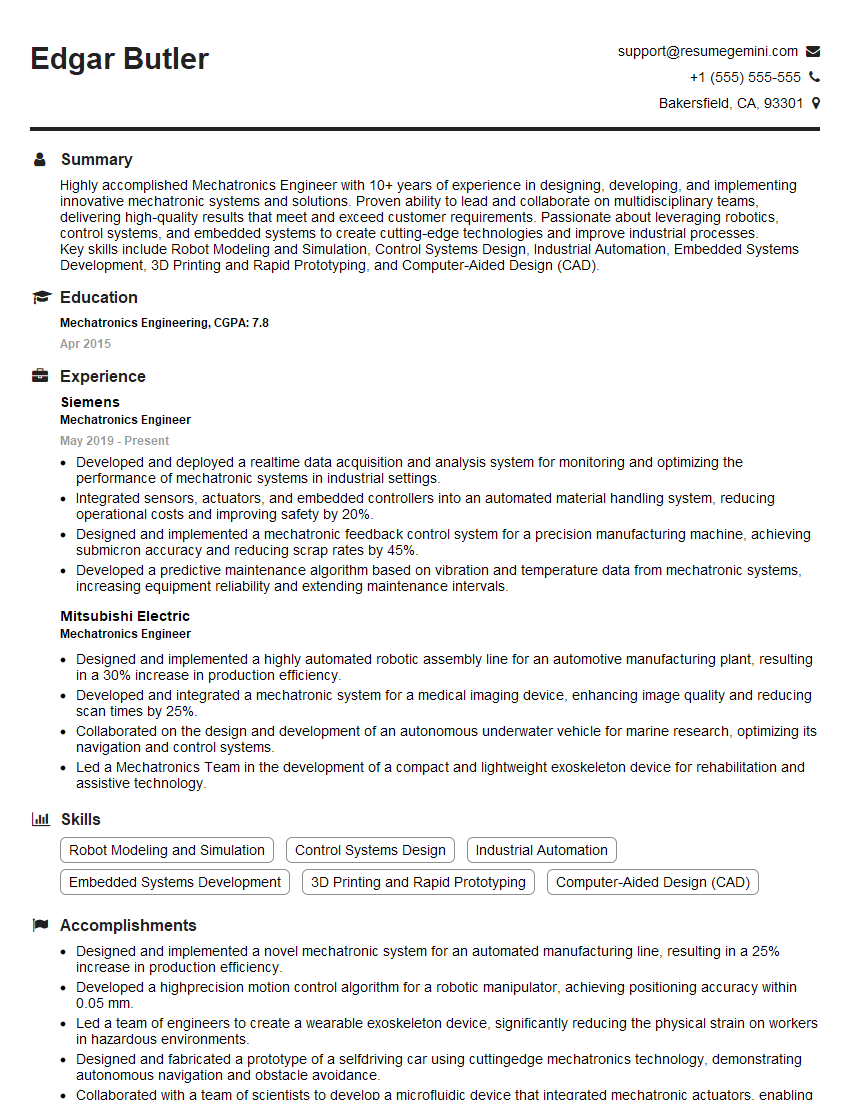
Mechatronics Engineer Resume Sample
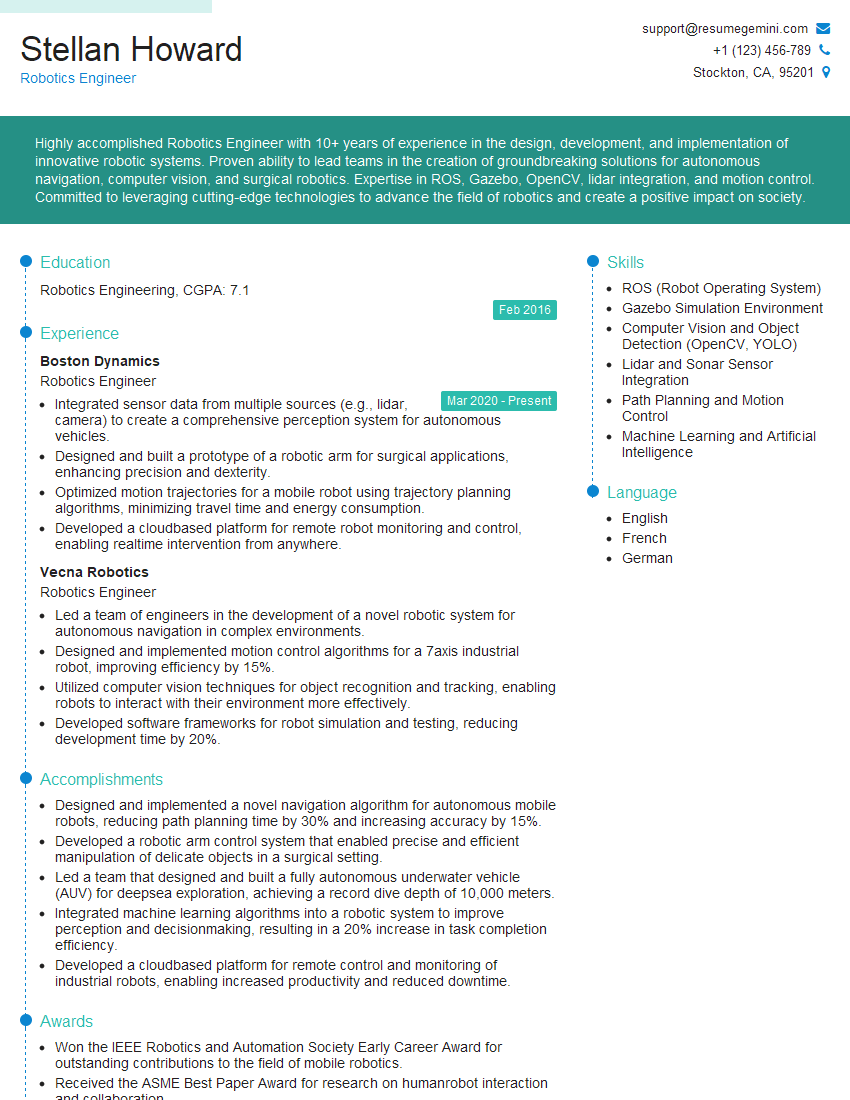
Robotics Engineer Resume Sample
Explore more articles
Users Rating of Our Blogs
Share Your Experience
We value your feedback! Please rate our content and share your thoughts (optional).
What Readers Say About Our Blog
Very informative content, great job.
good