Unlock your full potential by mastering the most common Castration and Dehorning interview questions. This blog offers a deep dive into the critical topics, ensuring you’re not only prepared to answer but to excel. With these insights, you’ll approach your interview with clarity and confidence.
Questions Asked in Castration and Dehorning Interview
Q 1. Describe the different methods of castration in cattle.
Castration in cattle involves several methods, each with its own advantages and disadvantages. The choice of method often depends on factors such as the age of the calf, available resources, and the expertise of the person performing the procedure. Common methods include:
- Surgical Castration: This involves using a sharp instrument, such as a scalpel or emasculator, to remove the testicles. It’s a precise method but requires more skill and can lead to more bleeding if not performed correctly. There are variations within surgical castration; for instance, open castration involves completely removing the scrotum, while closed castration involves making smaller incisions.
- Banding: This is a non-surgical method using a rubber ring placed around the scrotum to restrict blood flow, causing the testicles to atrophy and eventually slough off. It’s less invasive and generally simpler to perform, but it can be slower and requires careful monitoring to ensure the process completes without complications.
- Burdizzo Emasculator: This instrument crushes the spermatic cord without cutting, causing the testicles to atrophy. It’s a less invasive technique than open surgery but still requires skill to ensure proper application and prevent incomplete castration.
- Elastrator: Similar to banding, but uses an elastrator instrument to apply a rubber ring. It’s faster than banding with a standard rubber ring but still requires attention to proper placement.
The age of the calf significantly influences the chosen method. Younger calves generally tolerate banding and elastration better, while surgical methods might be preferred for older animals.
Q 2. What are the advantages and disadvantages of surgical castration versus banding?
Surgical castration, while requiring more skill and potentially causing more initial trauma, offers a quicker and more definitive outcome. It typically leads to less pain in the long run compared to banding, which can cause prolonged discomfort as the testicles atrophy. However, banding has the advantage of being less invasive, requiring less equipment and expertise. It’s often quicker to perform on multiple animals. Think of it like this: surgery is like a quick, precise amputation, while banding is like slowly cutting off the circulation.
Surgical Castration Advantages: Faster, more complete castration, less potential for long-term complications.
Surgical Castration Disadvantages: Requires more skill, potential for greater initial bleeding and pain, requires more specialized equipment.
Banding Advantages: Less invasive, simpler technique, less specialized equipment required.
Banding Disadvantages: Slower process, potentially more prolonged pain and discomfort, higher risk of infection if not properly performed, higher rate of incomplete castration if done incorrectly.
Q 3. Explain the procedure for dehorning calves using a dehorner.
Dehorning calves using a dehorner is a relatively straightforward procedure but requires careful execution to minimize pain and complications. The optimal time for dehorning is when the calf is young, ideally before the horns are fully developed (around 2-4 weeks old). Different types of dehorners exist, including electric, chemical, and Barnes dehorners. Here’s a step-by-step guide using a Barnes dehorner:
- Restraint: Securely restrain the calf to prevent movement and ensure safety. This might involve using a calf chute or other appropriate restraint mechanisms.
- Preparation: Clean the area around the horn bud with an antiseptic solution.
- Dehorning: Using the Barnes dehorner, place the instrument around the horn bud, ensuring that the cutting edge is correctly positioned. Apply firm, even pressure to remove the horn bud cleanly.
- Post-procedure Care: Apply a styptic powder or other haemostatic agent to control bleeding. Monitor the calf for signs of infection or excessive bleeding.
Important Note: Electric dehorners require additional safety precautions and training to prevent burns. Chemical dehorning involves the application of caustic substances that can be painful and require careful handling. All methods should be performed by someone trained and experienced in the process.
Q 4. How do you ensure proper pain management during castration and dehorning?
Proper pain management is crucial during both castration and dehorning to minimize animal suffering and promote healing. This typically involves a combination of pre-operative, intra-operative, and post-operative pain relief strategies. The specific choices depend on the method used, the age of the animal, and local regulations.
- Pre-operative analgesia: Administering an analgesic (pain reliever) like a non-steroidal anti-inflammatory drug (NSAID) before the procedure can significantly reduce pain.
- Local anesthesia: In surgical castration, a local anesthetic can numb the area, minimizing pain during the procedure itself.
- Post-operative analgesia: Continuing analgesic administration for several days post-procedure helps manage pain during the healing process. Regular monitoring of the animal is crucial to ensure the analgesia is effective and adjust the treatment as needed.
In some jurisdictions, the use of analgesics is mandated, especially in situations where the animal is subjected to a potentially more painful procedure.
Q 5. What are the common complications associated with castration and dehorning?
Complications associated with castration and dehorning can range from minor to severe. They include:
- Hemorrhage: Excessive bleeding is a common concern, especially with surgical castration. Careful technique and the use of haemostatic agents can minimize this risk.
- Infection: Bacterial infection can occur at the wound site if proper aseptic techniques are not followed. Prompt treatment with antibiotics is essential to resolve infections.
- Incomplete castration/dehorning: This can lead to regrowth of horns or continued testosterone production. Careful technique and proper training are key to preventing this.
- Pain and discomfort: Even with proper pain management, pain and discomfort can occur, affecting the animal’s well-being. Regular monitoring and appropriate analgesia are necessary.
- Shock: In severe cases, significant blood loss or pain can result in shock. Immediate veterinary attention is required in such circumstances.
- Scrotal abscess: This can develop following banding or surgical castration if infection occurs.
Preventing complications involves careful selection of the method, proper restraint and technique during the procedure, appropriate pain management, and attentive post-operative care. Regular monitoring is crucial for early detection and treatment of any complications.
Q 6. How do you identify and treat post-operative infections following castration?
Post-operative infections following castration can manifest as swelling, redness, heat, and discharge from the wound site. The animal may also exhibit signs of lethargy, fever, and loss of appetite. Prompt identification is crucial for effective treatment.
Treatment: Early identification is key. If an infection is suspected, veterinary examination is necessary. Treatment typically involves:
- Cleaning the wound: Gentle cleaning of the wound site with an antiseptic solution.
- Systemic antibiotics: Administering antibiotics to target the underlying infection. The choice of antibiotic depends on the causative organism, if identified through culture and sensitivity testing.
- Drainage: In cases of significant abscess formation, surgical drainage might be required to remove pus and debris.
- Pain relief: Administering pain relief medication to manage discomfort associated with the infection.
Preventing post-operative infections involves maintaining strict aseptic techniques during the procedure, ensuring proper wound healing, and administering prophylactic antibiotics in high-risk cases. Regular monitoring for signs of infection is vital for early intervention.
Q 7. What are the best practices for animal welfare during these procedures?
Best practices for animal welfare during castration and dehorning emphasize minimizing pain and distress. This involves several key considerations:
- Proper restraint: Using effective and humane restraint methods to minimize stress and prevent injury to both the animal and the operator.
- Appropriate pain management: Employing pre-, intra-, and post-operative analgesia to control pain throughout the process. The type and dosage of analgesic should be carefully selected based on the animal’s age, size, and the procedure performed.
- Minimally invasive techniques: Choosing the least invasive method appropriate for the animal’s age and the circumstances.
- Experienced personnel: Procedures should be performed only by trained and experienced individuals who can execute the techniques quickly and efficiently, minimizing animal suffering.
- Aseptic techniques: Strict adherence to aseptic techniques during the procedure reduces the risk of infection.
- Post-operative care: Providing appropriate post-operative care, including pain relief, monitoring for complications, and treating any infections promptly.
- Environmental considerations: Performing the procedures in a calm and quiet environment can help to reduce stress on the animal.
Adhering to these best practices is not only ethically responsible but also economically beneficial. Animals that experience less pain and stress recover faster, leading to improved productivity and reduced veterinary costs.
Q 8. Describe your experience with different types of dehorning instruments.
My experience encompasses a wide range of dehorning instruments, each suited to different animal ages and sizes, and operator preferences. For calves, we often use caustic paste, which chemically destroys the horn buds. This is typically done within the first few weeks of life. For older animals, mechanical methods are more common. These include Barnes dehorners, which are used to encircle and remove the horn base, and guillotine dehorners, which cleanly sever the horn. Electric dehorners are also used, providing quick, cauterized removal, minimizing bleeding. Each instrument requires precise technique to avoid excessive tissue damage and ensure proper healing. I’ve also worked with saw dehorners for larger animals and those with very large horns, and even laser dehorning systems in some larger commercial operations. The choice of instrument is crucial; selecting the wrong one can lead to complications like infection or excessive bleeding.
- Caustic Paste: Ideal for very young calves but requires precise application.
- Barnes Dehorner: Effective for various sizes, allows for controlled removal.
- Guillotine Dehorner: Quick and efficient but requires skill to avoid damaging the surrounding tissue.
- Electric Dehorner: Fast and minimizes bleeding through cautery but requires careful use to avoid burning surrounding tissue.
- Saw Dehorner: Used for very large horns, but requires expertise and often more pain management.
Q 9. How do you handle a difficult or aggressive animal during these procedures?
Handling aggressive animals during castration or dehorning is paramount for both animal welfare and operator safety. Restraint is crucial, and the method depends on the animal’s species and temperament. For cattle, we use head catches and side-restraining chutes, allowing for secure handling while minimizing stress. For goats, a similar approach is used with specialized restraining equipment. Sometimes, tranquilizers are necessary to ensure the safety of the animal and the handlers, especially in cases of extreme aggression. It’s critical to work quickly and efficiently once the animal is restrained to reduce the overall stress and duration of the procedure. Proper training and experience are crucial to handle these situations safely and effectively, and a team approach always offers added safety and efficiency. Remembering that a calm and controlled approach minimizes the animal’s stress response is key to success.
Q 10. What are the legal and ethical considerations surrounding castration and dehorning?
Legal and ethical considerations surrounding castration and dehorning are multifaceted. Laws vary by jurisdiction, but generally, these procedures must be performed humanely, minimizing pain and distress. This necessitates appropriate pain management strategies, including local anesthesia or analgesics in many cases. The age at which procedures are carried out is also legally regulated in some areas, primarily to avoid excessive pain and stress on younger animals. Ethical considerations center around the balance between the animal’s welfare and the economic benefits of these procedures (e.g., reduced aggression in cattle, easier handling, reduced risk of injury). There’s ongoing debate about the necessity of dehorning, with some advocating for selective breeding of polled (naturally hornless) animals as a more humane approach. Veterinary oversight and compliance with best practices are critical to ensure both legal and ethical compliance.
Q 11. What are the age recommendations for castration and dehorning of different livestock species?
Age recommendations vary by species and the chosen method. For cattle, castration is ideally performed before weaning (typically 6-8 weeks old) using surgical methods for young calves or banding for slightly older calves. Dehorning is best done within the first few weeks of life using caustic paste, while older calves may require other methods as discussed earlier. For sheep and goats, castration is commonly done before weaning or at a few months old, depending on the method (surgical, banding, or elastrator). Dehorning is typically done similarly to cattle, with caustic paste preferred for young animals and surgical methods for older animals. Always check specific local guidelines as regulations can vary slightly by region.
Q 12. How do you choose the appropriate method of castration based on the age and size of the animal?
Method selection depends on several factors: the animal’s age, size, species, and the available resources. Young calves are usually castrated surgically with local anesthesia, while slightly older animals can be banded or elastrated. For larger animals, surgical castration might be necessary, often with additional pain relief. Banding or elastration is generally unsuitable for older animals. Similarly, dehorning methods adapt to age. Caustic paste works well for very young animals, while guillotine, Barnes, or saw dehorners are used for older animals with established horns. A veterinary professional’s guidance is crucial for selecting the appropriate method for each individual animal to ensure both effectiveness and animal welfare.
Q 13. What are the signs of successful castration and dehorning?
Successful castration is indicated by the absence of testes in the scrotum, and the healing incision (if surgically performed) showing signs of normal healing, such as minimal swelling and no signs of infection. Successful dehorning is indicated by the complete removal of the horn and the absence of bleeding or infection at the dehorning site. The healing process should be uncomplicated, with minimal swelling and inflammation. However, monitoring for several days after the procedure is essential to ensure there are no complications. A healthy appetite and normal behavior following the procedure are further indicators of success.
Q 14. How do you monitor animals for complications after these procedures?
Post-procedure monitoring is crucial. Animals should be observed for several days, checking for signs of infection (swelling, heat, discharge at the incision site), excessive bleeding, pain (reluctance to move, abnormal posture), or any changes in behavior or appetite. Regular temperature checks can help detect early signs of infection. Any signs of complications should prompt immediate veterinary attention. Keeping the animals in a clean, dry environment also contributes to proper healing and minimizes infection risks. In large-scale operations, a clear record-keeping system is essential to track the procedure, the animal’s response, and any complications observed. Early detection and intervention significantly improve the outcome and prevent unnecessary suffering.
Q 15. What are the different types of anesthetic agents used in these procedures?
The choice of anesthetic agent for castration and dehorning depends on several factors, including the species, age, and health of the animal, as well as the procedure’s complexity and the practitioner’s experience. We typically utilize a combination of agents for optimal results and animal welfare.
- Local Anesthetics: These numb the specific area of the procedure, minimizing pain. Lidocaine and bupivacaine are common choices, often injected directly into the site. For example, in goat castration, we might infiltrate the scrotal skin and underlying tissues with lidocaine.
- Sedatives: These calm the animal, making handling easier and reducing stress. Xylazine is a frequently used sedative, especially in cattle and sheep. It provides muscle relaxation and reduces the animal’s perception of pain.
- General Anesthetics: These induce a state of unconsciousness, allowing for more complex procedures. While less common for routine castration and dehorning, general anesthesia may be necessary for challenging cases or very young animals. Isoflurane and sevoflurane are inhalant anesthetics frequently used in veterinary practice in such situations.
- Analgesics: Pain relievers (discussed in the next question) are crucial alongside anesthetics for effective post-operative pain management. They are not anesthetics themselves, but work synergistically to ensure animal comfort.
The selection of the anesthetic protocol is carefully considered and tailored to each individual animal to ensure optimal pain management and a safe procedure.
Career Expert Tips:
- Ace those interviews! Prepare effectively by reviewing the Top 50 Most Common Interview Questions on ResumeGemini.
- Navigate your job search with confidence! Explore a wide range of Career Tips on ResumeGemini. Learn about common challenges and recommendations to overcome them.
- Craft the perfect resume! Master the Art of Resume Writing with ResumeGemini’s guide. Showcase your unique qualifications and achievements effectively.
- Don’t miss out on holiday savings! Build your dream resume with ResumeGemini’s ATS optimized templates.
Q 16. Describe your experience with administering analgesics to livestock.
Administering analgesics is paramount to ensuring the welfare of the animals after castration or dehorning. My approach focuses on preemptive analgesia, meaning pain relief is started *before* the procedure begins, to prevent pain signaling from occurring in the first place. This is crucial for minimizing stress and discomfort.
I have extensive experience with a variety of analgesic agents, including non-steroidal anti-inflammatory drugs (NSAIDs) like meloxicam and flunixin meglumine. These reduce inflammation and pain. For example, a single injection of meloxicam before dehorning a calf can significantly reduce post-operative pain and inflammation. In cases requiring more potent pain relief, I may also use opioids such as butorphanol, though these are used more cautiously due to potential side effects. The route of administration varies – injections are most common, but oral formulations are used when appropriate.
I always meticulously document the type and dose of analgesic used, the timing of administration, and the animal’s response. Regular post-operative monitoring is critical to assess the effectiveness of the analgesia and to make adjustments as needed. A calm, pain-free animal recovers quicker and is less susceptible to complications.
Q 17. How do you maintain a clean and sterile environment during these procedures?
Maintaining a clean and sterile environment is critical in preventing infection during and after castration and dehorning. Think of it like a surgical suite for livestock. We start with thorough preparation of the work area.
- Pre-procedure Cleaning: The area where the procedure will be performed is meticulously cleaned and disinfected with an appropriate disinfectant (discussed in the next question) prior to the arrival of the animals. This includes removing any manure, debris, and vegetation.
- Instrument Sterilization: All instruments are sterilized using an autoclave or other approved methods. This ensures that no microorganisms remain on the instruments that could contaminate the wound.
- Aseptic Technique: Throughout the procedure, strict aseptic technique is practiced to prevent contamination from skin flora or the environment. This includes wearing sterile gloves and using sterile drapes around the surgical site.
- Personal Hygiene: Clean hands and appropriate protective clothing, including gowns and masks, are essential to minimize the risk of introducing pathogens.
By adhering to these stringent protocols, we significantly reduce the risk of infections, ensuring faster healing and animal well-being.
Q 18. What is your experience with different types of disinfectants and antiseptics?
My experience encompasses a wide range of disinfectants and antiseptics, each with its own properties and applications. The choice depends on the specific situation and the type of microorganism being targeted.
- Disinfectants: These are used to clean surfaces and equipment. Common examples include iodophores (e.g., povidone-iodine), chlorhexidine, and quaternary ammonium compounds. These agents are effective against a broad spectrum of bacteria, fungi, and viruses.
- Antiseptics: These are applied directly to the animal’s skin to reduce the microbial load before the procedure. Again, povidone-iodine and chlorhexidine are frequently used, chosen for their effectiveness and relative safety for animal tissue.
I am always mindful of the potential toxicity of these substances and ensure that I use them appropriately and at the correct concentrations. Proper dilution and application methods are essential to prevent harm to the animal while maximizing their efficacy.
For example, we might use a chlorhexidine solution to scrub the surgical site on a goat prior to castration. Then, after the procedure, we might spray the area with a dilute iodophor solution to help prevent infection.
Q 19. What are the biosecurity measures to prevent the spread of disease during these procedures?
Biosecurity measures are crucial in preventing the spread of disease during and after castration and dehorning procedures. These procedures can create entry points for infections if not handled carefully.
- Cleanliness and Disinfection: This is the foundation of biosecurity. Thorough cleaning and disinfection of the working area, equipment, and instruments as already described are paramount.
- Isolation of Sick Animals: Any animal exhibiting signs of illness should be separated from the healthy animals to prevent cross-contamination. Sick animals should ideally be treated separately by a veterinarian.
- Traffic Control: Limiting access to the procedure area to authorized personnel only helps to minimize the introduction and spread of pathogens.
- Proper Waste Disposal: As discussed in the following question, proper disposal of animal waste and used instruments is crucial in preventing environmental contamination and the spread of disease.
- Vaccination Programs: Maintaining a robust vaccination program for the livestock herd contributes to overall herd health and reduces the susceptibility to diseases.
Following these steps carefully minimizes the risk of disease outbreaks in the herd and protects both the animals and the farm’s production.
Q 20. How do you dispose of animal waste and used instruments properly?
Proper disposal of animal waste and used instruments is crucial for maintaining hygiene and preventing environmental contamination. This is especially important because animal waste can contain pathogens that could spread disease.
- Animal Waste: Manure and other animal waste are disposed of according to local regulations and best practices. This often involves composting or safe disposal in designated areas to prevent environmental contamination and the spread of pathogens.
- Used Instruments: Used instruments are thoroughly cleaned and sterilized before reuse or are appropriately disposed of if they are single-use. Sharps are disposed of in designated puncture-resistant containers to prevent injuries. In some regions, incineration is necessary to destroy any potential pathogens.
Following these procedures strictly helps prevent the spread of disease, safeguards human and animal health, and ensures responsible environmental stewardship.
Q 21. Describe your experience working with different breeds of livestock.
Throughout my career, I’ve gained extensive experience working with various livestock breeds, each presenting unique challenges and considerations. My work has included cattle (dairy and beef breeds such as Holstein, Angus, and Hereford), sheep (Suffolk, Dorset, Merino), goats (Boer, Nubian), and pigs.
The differences in breed size, temperament, and anatomical features influence the techniques and anesthetic protocols I employ. For example, a large bull requires a different anesthetic approach compared to a small goat kid. Similarly, a nervous breed of sheep might need a gentler handling technique compared to a more docile breed. My adaptable approach, coupled with detailed understanding of animal behavior, ensures both the safety of the animals and the efficacy of the procedures.
In each case, understanding species-specific anatomy is critical to the success and safety of the procedure. Improper technique in one breed may be catastrophic in another. This means constant learning and adaptation to best serve the animals in my care.
Q 22. Explain the importance of proper restraint techniques in these procedures.
Proper restraint is paramount in castration and dehorning to ensure both animal and human safety, and to minimize pain and stress. Think of it like this: you wouldn’t perform surgery on a human who could thrash around uncontrollably. The same principle applies to animals.
For cattle: We use a variety of techniques depending on the animal’s temperament and size, including head and tail restraints, casting devices (to safely lay the animal down), and sometimes sedation. A properly trained team is essential for effective and safe restraint, ensuring the animal is held securely yet comfortably.
For goats and sheep: These animals often require different approaches, involving specialized holding techniques and perhaps a ‘tail hold’ to maintain control. The smaller size means more careful, controlled movement is necessary.
Improper restraint can lead to injury for both the animal (bruising, fractures, lacerations) and the handler (kicks, horns, bites). It can also result in incomplete or poorly performed procedures, leading to complications like infection or hemorrhage.
Q 23. What is your understanding of the role of nutrition in post-operative recovery?
Nutrition plays a crucial role in post-operative recovery. Animals undergoing castration and dehorning experience stress and potential tissue damage, requiring increased energy for healing and immune function. Think of it as providing the building blocks for repair.
High-quality feed: Providing access to clean, high-quality feed, rich in protein and energy, is essential to support tissue repair and promote a robust immune response. Animals need to replenish their energy stores depleted by stress.
Clean water: Access to fresh, clean water is crucial for hydration and overall health. Dehydration can exacerbate complications.
Monitoring intake: We closely monitor feed and water intake to ensure adequate consumption and address any issues promptly. A drop in appetite might signify pain or infection, necessitating intervention.
Specific dietary needs: In some cases, animals might require supplements like probiotics to support gut health, or pain medications that might affect appetite. We tailor the approach based on the animal’s specific needs and the complexity of the procedure.
Q 24. Describe your experience with emergency situations during castration and dehorning.
In my experience, emergency situations are thankfully infrequent but can range from severe hemorrhage to uncontrolled pain and infection. One example involved a goat that developed significant bleeding after castration. We immediately applied direct pressure, ensuring the animal remained calm and secured, and then contacted a veterinarian who prescribed additional treatments to control the bleeding.
Rapid response: Effective emergency management relies on swift assessment, immediate action, and access to veterinary support. Having a clear protocol in place is crucial.
Infection control: Another example involved prompt antibiotic treatment in a sheep where an infection developed after dehorning. Early identification and treatment prevent serious complications.
Pain management: We always have appropriate pain relief available and administer it as needed. Uncontrolled pain is not only inhumane but can also lead to complications.
Q 25. How do you ensure the safety of both the animals and the personnel involved?
Animal and personnel safety are intertwined and addressed through a multi-layered approach.
Proper training: All personnel involved undergo rigorous training on safe restraint techniques, sterile procedures, and emergency response. This is fundamental.
Appropriate equipment: Using sharp, well-maintained instruments and appropriate safety equipment (gloves, protective clothing) is crucial. Dull instruments increase the risk of injury to both the animal and the operator.
Environmental safety: The work area should be clean, well-lit, and designed to minimize the risk of slips, trips, and falls. Reducing environmental hazards makes the procedure safer for everyone.
Calm demeanor: Maintaining a calm, controlled environment and handling the animal gently significantly reduces the risk of aggressive behavior. A stressed animal is more likely to react defensively.
Q 26. What are the potential long-term effects of castration and dehorning on animal health and welfare?
The long-term effects of castration and dehorning can vary depending on the animal’s age, breed, and the procedure’s execution. However, some potential long-term effects need careful consideration.
Castration: In most cases, castration results in reduced aggression and altered behavior but also might impact reproductive function and potentially increase the risk of certain diseases (e.g., in some bull breeds, urinary calculi are more common in castrated males). Ethical considerations around impacting natural animal behaviors must be considered.
Dehorning: Improperly performed dehorning can lead to scarring, infections, and even nerve damage causing facial nerve paralysis. Pain management is critical to minimize these adverse outcomes. Ethical considerations about preventing natural growth are relevant as well.
Animal welfare implications: The procedures should be performed by skilled individuals to minimize pain and stress. The goal is always to reduce negative impacts to the greatest extent possible. Post-operative care is also crucial for minimizing long-term issues.
Q 27. How do you record and track data related to these procedures?
Accurate record-keeping is vital for both traceability and quality control.
Individual animal records: We maintain detailed records for each animal, including identification number, date of procedure, procedure type (castration, dehorning method), any medications administered, and any observed complications. This data helps track individual animal health and inform future decisions.
Database management: These records are typically stored in a computerized database allowing for efficient data retrieval and analysis. The software makes it easier to track trends, manage inventory, and create reports.
Auditing and compliance: These records are regularly audited to ensure compliance with all relevant regulations and best practices.
Q 28. Describe your experience with training others in castration and dehorning techniques.
I have extensive experience training others in these procedures, emphasizing both the technical skills and the ethical considerations involved.
Hands-on training: My training programs involve extensive hands-on practice under close supervision, starting with demonstrations and gradually progressing to independent performance. It is important for people to master the skills before working independently.
Emphasis on safety: Safety is always the primary focus, emphasizing proper restraint techniques, sterile procedures, and emergency response. I always emphasize best practices when it comes to the safety of both the animals and the handlers.
Ethical considerations: We discuss the ethical implications of these procedures, the importance of minimizing pain and stress, and the responsible use of analgesics. These procedures, while sometimes necessary, need to be performed responsibly.
Continuing education: Ongoing professional development and the sharing of best practices ensures that techniques remain up-to-date and that individuals continue to develop their skills. Staying updated with current best practices is essential.
Key Topics to Learn for Castration and Dehorning Interview
- Animal Welfare and Handling: Understanding best practices for safe and humane animal restraint and handling during procedures.
- Castration Techniques: Mastering various castration methods (surgical, banding, etc.), their applications, and associated risks and benefits for different animal species and ages.
- Dehorning Techniques: Familiarizing yourself with different dehorning methods (disbudding, dehorning with various tools), their suitability for various ages and breeds, and associated pain management strategies.
- Pain Management and Anesthesia: Understanding the importance of pain management and appropriate anesthetic protocols to minimize animal suffering during and after procedures.
- Post-operative Care: Knowledge of proper wound care, monitoring for complications, and administering necessary treatments post-castration and dehorning.
- Equipment and Instrument Sterilization: Understanding the importance of proper sterilization techniques to prevent infection and ensure biosecurity.
- Legal and Ethical Considerations: Familiarity with relevant regulations, best practices, and ethical implications of castration and dehorning procedures.
- Troubleshooting and Problem-Solving: Developing the ability to identify and address potential complications during and after procedures.
- Record Keeping and Documentation: Understanding the importance of accurate and complete record-keeping for traceability and compliance.
- Disease Prevention and Biosecurity: Understanding how proper procedures minimize the risk of disease transmission.
Next Steps
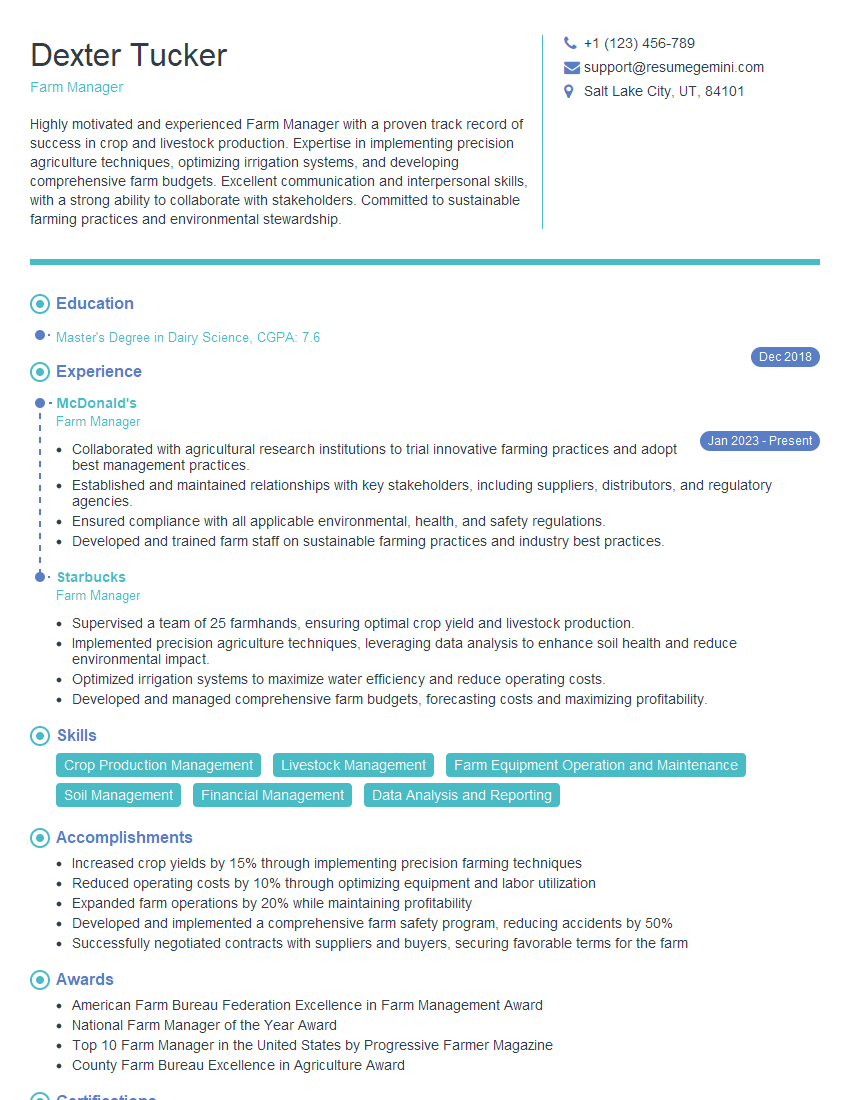
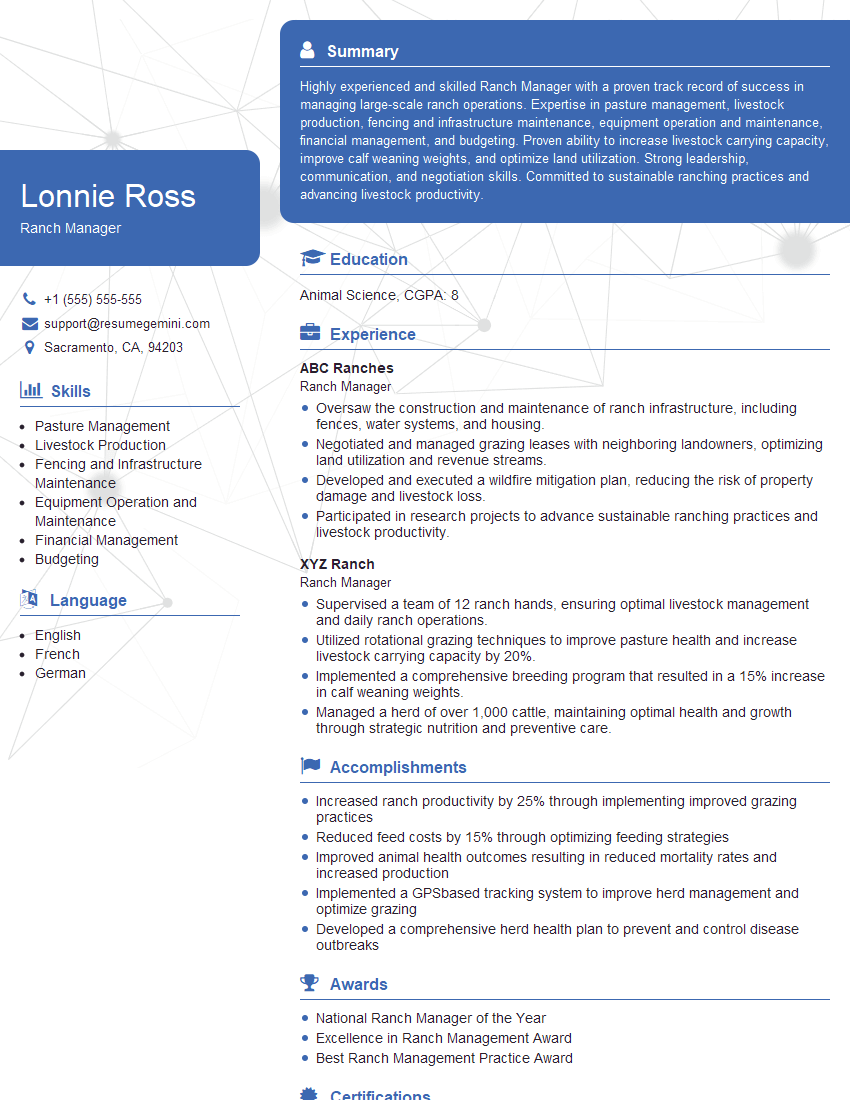
Mastering castration and dehorning techniques is crucial for career advancement in animal agriculture and veterinary fields. These skills demonstrate a commitment to animal welfare and efficiency, making you a highly desirable candidate. To significantly enhance your job prospects, create an ATS-friendly resume that highlights your relevant skills and experience. ResumeGemini is a trusted resource for building professional and effective resumes. Utilize their tools to craft a compelling document that showcases your expertise. Examples of resumes tailored to the Castration and Dehorning field are available through ResumeGemini to guide you.





Explore more articles
Users Rating of Our Blogs
Share Your Experience
We value your feedback! Please rate our content and share your thoughts (optional).
What Readers Say About Our Blog
Very informative content, great job.
good