Interviews are opportunities to demonstrate your expertise, and this guide is here to help you shine. Explore the essential A&R Strategy Development interview questions that employers frequently ask, paired with strategies for crafting responses that set you apart from the competition.
Questions Asked in A&R Strategy Development Interview
Q 1. Explain your understanding of A&R strategy and its role in a record label.
A&R, or Artists and Repertoire, strategy is the lifeblood of a record label. It’s the comprehensive plan for discovering, developing, and promoting musical talent. It encompasses everything from identifying promising artists to crafting their overall image, managing their releases, and ultimately, maximizing their commercial success. Think of it as the label’s blueprint for building a sustainable and profitable roster. A strong A&R strategy ensures the label invests wisely in artists who have the potential to connect with audiences and generate revenue, while also fostering creative growth and artistic integrity.
The A&R team is responsible for identifying trends, understanding market demands, and nurturing artists’ potential. They act as a bridge between the creative vision of the artist and the commercial goals of the record label. Their role is vital in shaping the label’s identity and defining its sonic landscape. Without a robust A&R strategy, a label risks signing artists who lack market appeal or fail to deliver on their commercial potential.
Q 2. Describe your process for identifying and evaluating emerging musical talent.
My process for identifying and evaluating emerging talent is multi-faceted and relies on a blend of proactive and reactive methods. I actively scout for new artists through various channels: attending live shows, reviewing online platforms like SoundCloud and Bandcamp, engaging with music blogs and industry publications, and attending industry showcases and conferences. I also rely on referrals from producers, managers, and other industry professionals within my network.
Evaluation involves a detailed assessment of the artist’s musicality, originality, stage presence, songwriting skills, and overall potential for growth. This includes listening to their music extensively, studying their online presence, and ideally, seeing them perform live. I analyze their existing fanbase, their social media engagement, and their overall market appeal. I always consider the artist’s artistic vision and long-term potential, not just immediate commercial success. A crucial aspect is evaluating their work ethic, professionalism, and overall adaptability – a collaborative spirit is key to a successful artist-label relationship.
Q 3. How do you assess the market potential of a new artist or musical genre?
Assessing market potential involves a combination of qualitative and quantitative analysis. We begin by researching the artist’s genre, identifying its current popularity and trajectory. We analyze existing market data, including streaming numbers, radio airplay, and sales figures of similar artists. We study demographics – who is listening to this type of music, where are they located, and what are their other consumption habits? This is done through market research reports, data analytics tools, and social media listening.
We also consider the uniqueness of the artist’s sound and whether it fills a gap in the market or offers a fresh perspective. This qualitative element involves a gut feeling, experience and an understanding of trends, combined with the data. For example, if a new artist’s sound combines elements of established genres with a novel twist that has potential to resonate with a broad audience, this signifies high market potential. However, a niche sound might require a more targeted, long-term strategy. Ultimately, the assessment aims to predict the artist’s likely reach, appeal and overall marketability.
Q 4. What metrics do you use to measure the success of an A&R strategy?
Measuring the success of an A&R strategy isn’t solely about immediate chart performance. While sales figures, streaming numbers, and chart positions are important metrics, a holistic view is necessary. We track key performance indicators (KPIs) such as:
- Streaming and sales figures: This directly reflects commercial success and audience engagement.
- Social media engagement: This indicates audience growth and connection.
- Touring revenue: This demonstrates the artist’s ability to connect with a live audience.
- Critical acclaim: Reviews and media coverage contribute to brand building and reputation.
- Artist development milestones: Tracking progress on album releases, collaborations, and creative projects demonstrates long-term growth.
- Return on investment (ROI): This measures the financial efficiency of the A&R investment.
By tracking these metrics, we can assess the effectiveness of our strategy and make data-driven decisions regarding future artist development and resource allocation.
Q 5. How do you build and maintain relationships with artists and their management teams?
Building strong relationships with artists and their management is paramount. It’s a continuous process built on trust, transparency, and mutual respect. Open communication is crucial – regular meetings, feedback sessions, and clear expectations are key to a successful partnership. I strive to be accessible, responsive to their needs, and always act in the artist’s best interests.
I invest time in getting to know the artist personally, understanding their creative vision, their long-term goals, and any concerns they may have. I actively involve them in every step of the process, from creative direction to marketing and promotion, ensuring they feel valued and empowered. With management teams, collaboration is key; I aim to be a collaborative partner, not simply a decision-maker. This involves sharing data, discussing strategies, and working together to achieve shared goals. This mutual respect and transparency build lasting relationships that benefit both the artist and the label.
Q 6. Describe your experience with artist development and creative direction.
Artist development and creative direction are critical to my role. It goes beyond simply signing an artist; it involves nurturing their talent and guiding their creative evolution. This involves working closely with the artist and their team to refine their sound, develop their songwriting, and refine their stage presence. I might suggest collaborations with other artists, producers, or songwriters to broaden their musical horizons. I would also help guide the aesthetic direction of their music videos, album art, and overall brand identity, ensuring it aligns with their artistic vision and market appeal.
For example, I might suggest that an artist experiment with different instrumentation or production styles to enhance their sound. Or, I might help guide them in developing a cohesive narrative for their album or EP, ensuring a consistent brand image across various platforms. This is a delicate balance; I aim to provide creative guidance and support without stifling their individuality or creativity. The ultimate goal is to help the artist reach their full potential while maintaining their artistic integrity.
Q 7. Explain your approach to budgeting and resource allocation for A&R projects.
Budgeting and resource allocation for A&R projects require a strategic approach. It begins with a detailed assessment of the artist’s potential and the resources required to achieve their goals. This involves forecasting projected costs across various stages: recording, production, marketing, promotion, touring, and artist development.
We allocate resources strategically, prioritizing areas that offer the highest potential return on investment. For example, if the market research indicates a strong potential for international appeal, we might allocate a larger budget to international promotion and marketing. Conversely, an artist with an already established local fanbase might benefit more from a focus on touring and local radio promotion. Regular monitoring and review of budget allocation is essential, allowing for flexibility and adjustments as the artist’s career progresses and market dynamics evolve. Ultimately, the goal is to use resources wisely to maximize the artist’s potential and return on investment for the label.
Q 8. How do you handle disagreements or conflicts within the A&R team?
Disagreements are inevitable in any collaborative environment, especially A&R where subjective opinions on artistic merit are central. My approach emphasizes open communication and respectful debate. We start by clearly defining the issue at hand, ensuring everyone understands the context and the differing perspectives. I facilitate a structured discussion, encouraging each team member to articulate their reasoning and supporting evidence. We actively listen to each other, aiming for understanding rather than immediate agreement. If a consensus can’t be reached, I work to find a compromise that balances the diverse viewpoints, or propose a phased approach to test different ideas and gather data to inform a final decision. Ultimately, the goal is a unified team working towards a shared objective, even if individual preferences aren’t fully realized in every instance. A successful outcome is about the health of the team dynamic as much as the specific artist choice.
Q 9. Describe a time you had to adapt your A&R strategy due to unforeseen circumstances.
During the initial rollout of a promising new artist, we anticipated strong digital engagement based on their early data. However, unforeseen circumstances arose when a major competitor released a similar-sounding artist simultaneously. This created significant market saturation and diluted our marketing efforts. To adapt, we quickly pivoted our strategy. Instead of focusing solely on broad digital reach, we intensified our efforts on targeted social media campaigns, emphasizing the unique aspects of our artist’s sound and personality. We also explored non-traditional media partnerships and collaborated with influencers who aligned with the artist’s aesthetic. This allowed us to build a more loyal, engaged fanbase within a niche, mitigating the impact of the unexpected competition and ensuring the artist’s long-term viability. The experience highlighted the importance of flexibility and agility in navigating a dynamic market.
Q 10. How do you stay current with music industry trends and emerging artists?
Staying ahead of the curve in the music industry requires a multi-faceted approach. I regularly monitor industry publications like Billboard and Variety, and attend relevant conferences and showcases (SXSW, CMJ, etc.). I also leverage data analytics platforms to identify emerging trends in streaming data, social media engagement, and playlist additions. Beyond the established platforms, I actively scout independent artists through Bandcamp, SoundCloud, and smaller festivals. I engage with music blogs, podcasts, and online radio shows to discover artists that might be overlooked by mainstream media. Building strong relationships with independent promoters, managers, and booking agents is crucial for gaining early access to fresh talent. Finally, I regularly network with other A&R professionals to exchange ideas and gain insights. This holistic approach ensures I’m exposed to the widest possible range of musical talent and industry developments.
Q 11. What is your approach to identifying and mitigating risks associated with signing new artists?
Identifying and mitigating risks when signing new artists is crucial for the label’s financial health and long-term success. My approach starts with a comprehensive due diligence process. This involves thoroughly researching the artist’s online presence, analyzing their streaming data, and reviewing their past performance data (if available). We conduct thorough background checks and carefully examine their existing contracts to identify potential liabilities. We assess the artist’s team – manager, lawyer, publicist – and evaluate their competence and reputation. A crucial part is evaluating the artist’s potential for longevity and adaptability. We’re not just looking for immediate chart success, but for artists with the talent, resilience, and work ethic to build a sustainable career. We also assess market risks, considering genre saturation and competitive landscapes. The contract negotiation phase is where risk mitigation truly comes into play, including carefully crafted clauses regarding creative control, revenue sharing, and termination rights. This balanced approach allows us to enthusiastically support artists while safeguarding the label’s interests.
Q 12. How do you leverage data and analytics in your A&R decision-making process?
Data and analytics are no longer optional; they are essential components of effective A&R decision-making. We utilize various tools to analyze streaming data, social media engagement, and geographical listening patterns. This helps us understand an artist’s current audience and identify potential for growth. For example, we use tools that track song performance across different platforms (Spotify, Apple Music, YouTube) to evaluate which songs resonate best with listeners and identify trends in their listening behavior. We also utilize social media analytics to assess an artist’s engagement levels, the demographics of their followers, and their overall online presence. This helps inform decisions regarding marketing and promotion. For example, a high ratio of YouTube views to Spotify streams might indicate the artist’s music is more easily discovered through video content and we may prioritize that in our marketing efforts. Analyzing this data allows us to make more informed and data-driven decisions about which artists to sign and how best to promote their music, minimizing risks and maximizing the potential for success.
Q 13. Describe your experience with negotiating contracts with artists and their representatives.
Negotiating contracts requires a delicate balance of legal expertise and relationship building. My experience emphasizes open communication and mutual respect. I always begin by building a strong rapport with the artist and their representatives, fostering a collaborative atmosphere rather than an adversarial one. I clearly articulate the label’s expectations, outlining the financial terms, creative parameters, and marketing strategies. Simultaneously, I actively listen to the artist’s concerns and aspirations, making every effort to address their needs within the framework of a commercially viable agreement. I believe that a well-negotiated contract should be mutually beneficial, promoting a healthy and sustainable long-term partnership. Understanding the artist’s career goals and aligning those with the label’s objectives ensures a contract that is not just legally sound but also conducive to creative flourishing. I always work with legal counsel to ensure all aspects are legally compliant and protect both parties’ interests.
Q 14. How do you balance creative vision with commercial considerations in your A&R work?
Balancing creative vision and commercial considerations is the core challenge and the ultimate goal of successful A&R. It’s not a matter of choosing one over the other; it’s about finding the intersection. I believe that commercially successful music is often rooted in authentic creative expression. My approach starts with a deep appreciation of the artist’s creative vision. We discuss their artistic goals, their influences, and their aspirations for the project. Simultaneously, I analyze the current market trends, identifying potential niches and opportunities for success. This process is iterative; the creative vision informs commercial strategies, and market insights help shape the artistic direction. The ideal outcome is a collaborative process where the artist’s integrity is preserved, and the music has the potential to reach a significant audience. Ultimately, a financially successful artist is often a creatively fulfilled artist, and vice-versa.
Q 15. Explain your understanding of different music genres and their respective markets.
Understanding music genres and their markets requires a nuanced approach. It’s not just about identifying the genre (e.g., Pop, Hip-Hop, Country, Electronic), but also understanding its subgenres and the specific audience within each. For instance, within Pop, you have subgenres like Synth-Pop, K-Pop, and Latin Pop, each with distinct sonic characteristics and fan bases. Market analysis involves studying demographics, listening habits (platforms used, preferred listening times), spending power, and cultural trends influencing each segment.
For example, the market for K-Pop is globally significant, demanding specific marketing strategies targeting a young, highly engaged, and digitally savvy demographic, while Country music often relies on traditional media like radio and strong live performance components. Understanding these differences allows for targeted A&R strategies – identifying artists that fit the market’s demand and crafting campaigns to effectively reach the target audience.
- Pop: Broad appeal, diverse subgenres, strong streaming presence.
- Hip-Hop: Strong youth engagement, significant influence on fashion and culture, diverse subgenres with varying market appeal.
- Country: Significant radio play, strong live performance culture, loyal fanbase.
- Electronic: Diverse subgenres (House, Techno, Dubstep), festival culture, strong online community.
Career Expert Tips:
- Ace those interviews! Prepare effectively by reviewing the Top 50 Most Common Interview Questions on ResumeGemini.
- Navigate your job search with confidence! Explore a wide range of Career Tips on ResumeGemini. Learn about common challenges and recommendations to overcome them.
- Craft the perfect resume! Master the Art of Resume Writing with ResumeGemini’s guide. Showcase your unique qualifications and achievements effectively.
- Don’t miss out on holiday savings! Build your dream resume with ResumeGemini’s ATS optimized templates.
Q 16. How do you identify and nurture talent across diverse musical styles and backgrounds?
Identifying and nurturing talent across diverse musical styles and backgrounds is a multifaceted process. It starts with active scouting – attending live shows, reviewing submissions online, collaborating with industry professionals (managers, producers), and actively researching emerging artists on various platforms.
Nurturing talent demands personalized development plans. This involves understanding the artist’s unique strengths, weaknesses, and creative vision. It’s not a one-size-fits-all approach. For example, an artist proficient in songwriting might need guidance in performance, while another might need help building an online presence. Providing mentorship, access to resources (studio time, vocal coaching, songwriting workshops), and connecting them with appropriate industry professionals are vital. Open communication and understanding the artist’s long-term goals are crucial for fostering a successful and collaborative relationship.
For example, I once discovered a talented singer-songwriter through an online platform. Their music was a unique blend of folk and electronic music. Instead of trying to force them into a pre-defined genre, we worked together to define their brand, emphasizing their creative individuality. This resulted in a more authentic and successful launch.
Q 17. Describe your experience with A&R in different media formats (streaming, radio, etc.).
My A&R experience spans various media formats. Early in my career, radio play was paramount; securing airtime on major stations was a crucial step in building an artist’s profile. This involved building relationships with program directors and understanding the nuances of radio programming – playlist rotation, target demographics, and current trends. Now, streaming platforms are dominant. A&R in this context involves tracking platform analytics (Spotify, Apple Music, etc.), understanding algorithm impacts on playlist placement, and using data-driven strategies for song selection and campaign deployment. This includes understanding which songs are most effective for different streaming placements and tailoring releases to maximize reach. Video platforms (YouTube, TikTok) are also incredibly important; we leverage their reach to engage new audiences through music videos, lyric videos, and behind-the-scenes content. A comprehensive A&R strategy must integrate all these media channels for holistic reach and impact.
Q 18. What are your thoughts on the use of social media and digital marketing in A&R strategy?
Social media and digital marketing are integral to modern A&R strategy. They offer unprecedented opportunities for artist discovery, fan engagement, and data-driven decision-making. Identifying artists through platforms like TikTok and Instagram has become essential. We use analytics to understand audience engagement with an artist’s content: likes, shares, comments, and follower growth help gauge interest levels and provide valuable insights into their potential fanbase. We can then tailor marketing campaigns to reach specific demographics and improve visibility across social media channels. Targeted advertising allows us to reach precise audiences and increase song downloads or streams.
For example, analyzing hashtag trends on TikTok can help identify burgeoning musical styles and artists gaining traction organically. Understanding these trends helps in proactively identifying artists early in their careers and shaping their marketing approach based on their platform presence.
Q 19. How do you utilize A&B testing and other data-driven methodologies in your A&R approach?
A/B testing and data-driven methodologies are crucial for optimizing A&R decisions. We utilize A/B testing for various aspects of artist promotion, such as comparing different versions of album artwork, song titles, or marketing copy. By analyzing data from these tests, we can identify what resonates best with the target audience and optimize our strategies accordingly. This data-driven approach extends to playlist placements on streaming services and analyzing the performance of different marketing campaigns. We use analytics tools to track key metrics like streams, downloads, social media engagement, and radio airplay, allowing for continuous refinement of our strategies.
For example, we might A/B test two different music videos for the same song, analyzing engagement metrics to determine which version is more effective at driving streams and attracting new listeners. This allows for a more efficient allocation of resources and a higher return on investment.
Q 20. Explain your approach to building a sustainable A&R pipeline.
Building a sustainable A&R pipeline involves a multi-pronged approach focusing on long-term growth. It starts with a diverse talent search strategy. This encompasses attending showcases, reviewing online submissions, collaborating with music schools and colleges, attending festivals, and networking with other industry professionals. It is also essential to establish strong relationships with managers, producers, and other key players who can help identify promising talent. Beyond active scouting, we focus on nurturing long-term relationships with artists and actively fostering a supportive environment. This includes regular communication, clear expectations, and consistent feedback. We also continually refine our scouting and selection processes by analyzing data and feedback, seeking to improve our efficiency in identifying and developing successful artists.
Q 21. How do you handle rejection or unsuccessful artist signings?
Rejection and unsuccessful signings are inevitable parts of the A&R process. It’s crucial to approach these situations with professionalism and a focus on learning and improvement. We analyze what went wrong – was it an issue with the artist’s music, the marketing strategy, timing, or unforeseen market factors? This post-mortem analysis is essential for growth. Maintaining positive relationships with artists, even if a signing doesn’t happen, is critical. We often offer feedback and guidance, keeping the door open for future collaborations. Learning from mistakes, adapting strategies, and maintaining a positive attitude are vital for long-term success in A&R.
Q 22. Describe your experience with building and leading an A&R team.
Building and leading an A&R team requires a blend of artistic intuition, strategic thinking, and strong leadership. My approach centers around fostering a collaborative, yet results-oriented environment. I begin by clearly defining roles and responsibilities, ensuring each team member understands their contribution to the overall A&R strategy. This includes talent scouts focusing on specific genres or demographics, A&R coordinators handling administrative tasks and artist relations, and senior A&R executives overseeing the strategic direction.
I believe in empowering my team. This involves providing them with the resources and autonomy they need to make independent decisions, while also offering mentorship and guidance. For example, I’ve mentored junior scouts by providing feedback on their artist evaluations and guiding them on negotiation strategies. Regular team meetings, both formal and informal, are crucial for knowledge sharing, feedback loops, and fostering a sense of shared purpose. Ultimately, a successful A&R team is a well-oiled machine, where each member’s individual strengths contribute to the collective goal of identifying and developing promising artists.
In one instance, I restructured a struggling A&R team by implementing a data-driven approach to artist discovery. We integrated analytics tools to track the success of different scouting strategies, allowing us to refine our approach and allocate resources more effectively. This led to a significant increase in the number of successful signings within a year.
Q 23. How do you collaborate effectively with other departments within a record label (marketing, promotions, etc.)?
Effective collaboration across departments is fundamental to an artist’s success. My experience demonstrates the importance of clear communication, shared goals, and mutual respect. I see A&R as the heart of the process, providing the core artistic vision. However, marketing, promotions, and other departments are critical for bringing that vision to life.
I regularly attend cross-departmental meetings to discuss upcoming releases, share artist insights, and align strategies. For example, before a major marketing campaign launch, I work closely with the marketing team to ensure the campaign accurately reflects the artist’s identity and musical style, as perceived by the A&R team. I also ensure that the promotional team understands the unique selling points of each artist, helping them tailor their strategies for maximum impact. Open communication channels, including regular email updates and informal check-ins, ensure everyone stays informed and aligned throughout the entire project lifecycle. This collaborative approach allows us to create a cohesive and impactful artist narrative across all platforms.
Q 24. Describe your experience with international A&R strategies.
International A&R strategies demand a deep understanding of diverse musical landscapes and cultural nuances. My experience includes identifying and developing talent in various global markets, requiring adaptation of our scouting methods and artist development strategies to the specific regional context. This involves researching local musical trends, identifying key influencers, and collaborating with local promoters and industry professionals.
For instance, when expanding into the Latin American market, I developed a strategy that focused on collaborating with local producers and artists to create authentic music that resonated with local audiences. This involved adapting our artist development programs to the local cultural context and ensuring that our marketing strategies reflected the unique characteristics of the regional market. The key is to avoid a ‘one-size-fits-all’ approach and instead tailor the strategy to reflect the unique cultural values and musical preferences of each target market. Understanding local copyright laws and music distribution regulations is also vital for successful international expansion.
Q 25. How do you navigate the ethical considerations involved in talent scouting and artist relations?
Ethical considerations are paramount in A&R. Transparency, fairness, and respect for artists are core principles guiding my work. This starts with clear and legally sound contracts, ensuring artists understand their rights and responsibilities. I prioritize building strong, trusting relationships with artists, fostering open communication and mutual respect.
Ethical talent scouting requires careful consideration of potential conflicts of interest. I avoid making promises I cannot keep and ensure all interactions are conducted with integrity. Addressing potential power imbalances is also crucial. I’ve made sure that artists are represented fairly in negotiations and always have access to independent legal advice when needed. Maintaining meticulous records of all interactions and agreements provides crucial transparency and accountability. By consistently upholding ethical standards, we build strong, lasting relationships with artists based on mutual trust and respect.
Q 26. Explain your understanding of intellectual property rights and their relevance to A&R.
Understanding intellectual property rights (IPR) is crucial for A&R professionals. This includes copyright, neighbouring rights, and performance rights. Copyright protects the musical composition and lyrics, while neighbouring rights protect the performers’ contributions. Performance rights concern the public performance of music.
In A&R, it’s critical to ensure that all agreements are legally sound and protect the rights of both the label and the artist. This involves obtaining clear ownership documentation for all musical works, properly licensing samples and other copyrighted material, and ensuring that all contracts comply with local and international laws. Negligence in this area can lead to expensive legal battles and reputational damage. I always work closely with legal counsel to ensure compliance and minimize risks.
Q 27. Describe your experience with analyzing market trends and identifying opportunities for new artists.
Analyzing market trends and identifying opportunities for new artists requires a blend of data analysis and intuition. I leverage various tools and techniques, including market research reports, social media analytics, and streaming platform data, to understand emerging trends and identify gaps in the market. For instance, analyzing streaming charts helps me identify emerging genres and subgenres, allowing me to proactively scout for artists within those spaces.
I also actively engage with music blogs, online communities, and industry events to stay updated on the latest trends and discover upcoming talent. This blend of quantitative data and qualitative insights allows for a comprehensive understanding of the musical landscape. A successful A&R strategy requires a willingness to adapt and embrace change. The music industry is dynamic and staying ahead of the curve is essential for sustained success. It’s about spotting the next big thing before anyone else does, and a proactive, informed approach is crucial for this.
Key Topics to Learn for A&R Strategy Development Interview
- Market Research & Analysis: Understanding current music trends, identifying emerging artists, and analyzing competitor strategies. Practical application: Developing a market report outlining potential for a specific genre or artist.
- Artist Development & Scouting: Identifying and nurturing talent, developing artist brands, and creating long-term artist strategies. Practical application: Designing a comprehensive artist development plan, including marketing and promotional strategies.
- Budgeting & Resource Allocation: Effectively managing A&R budgets, prioritizing projects, and optimizing resource utilization. Practical application: Creating a detailed budget proposal for a new artist signing, justifying resource allocation.
- A&R Technology & Data Analysis: Utilizing data analytics tools to inform decision-making, track campaign performance, and identify key insights. Practical application: Interpreting streaming data to inform artist promotion and playlist placement strategies.
- Legal & Contractual Understanding: Familiarity with music industry contracts, rights management, and legal considerations. Practical application: Understanding the implications of different contract clauses and their impact on artist relationships.
- Collaboration & Communication: Effective communication and collaboration with artists, producers, managers, and internal teams. Practical application: Developing and presenting compelling proposals to secure funding or artist signings.
Next Steps
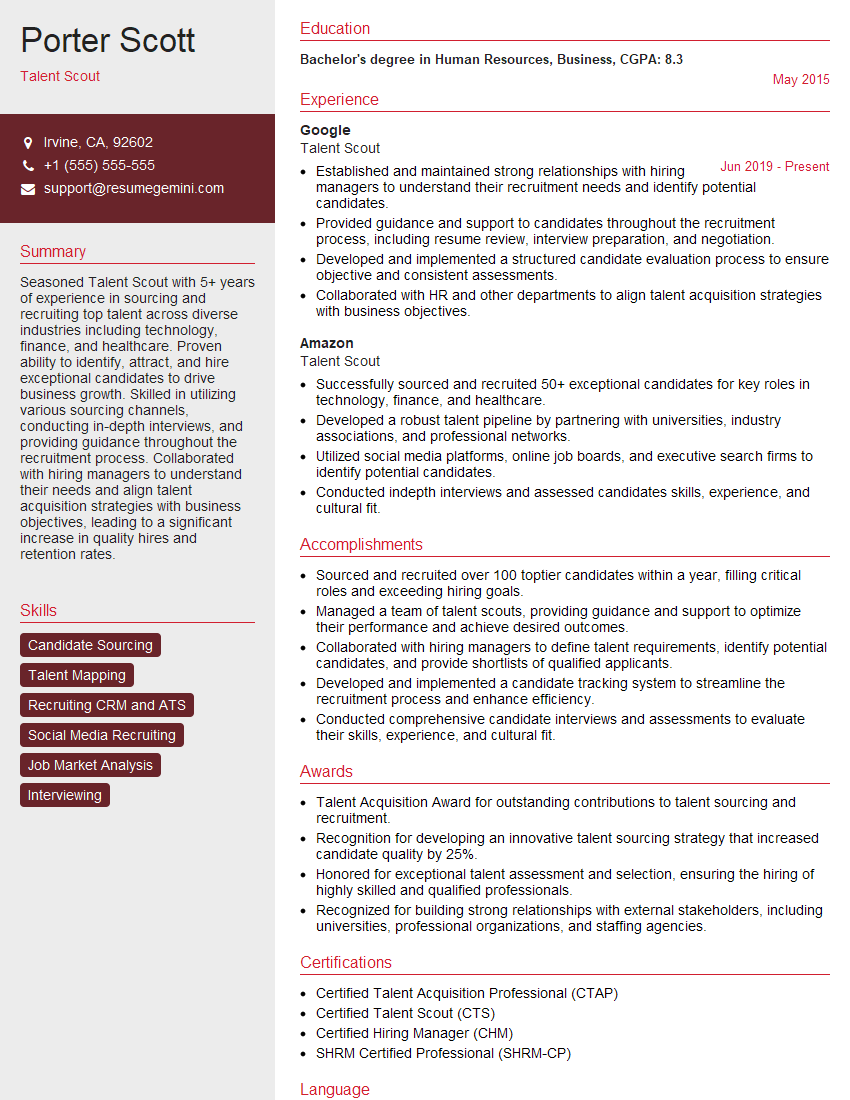
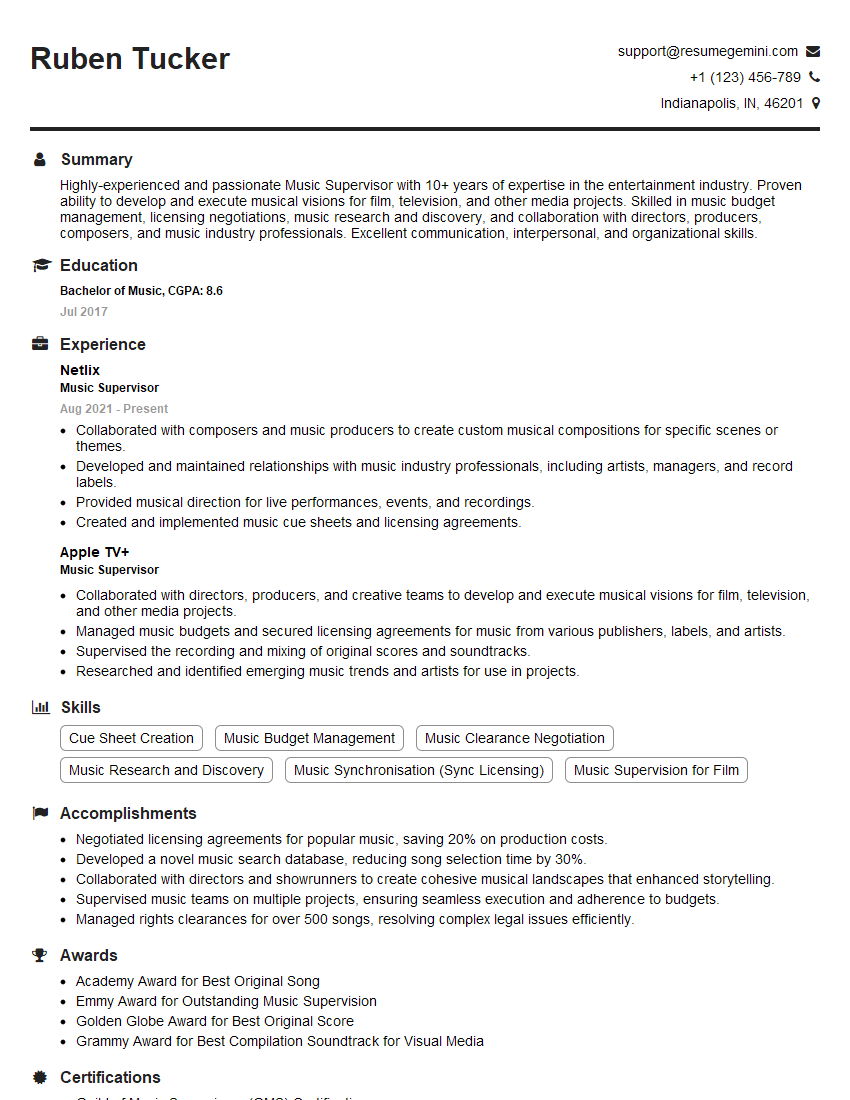
Mastering A&R Strategy Development is crucial for career advancement in the dynamic music industry. A strong understanding of these concepts will significantly enhance your interview performance and open doors to exciting opportunities. To further strengthen your candidacy, focus on building an ATS-friendly resume that effectively showcases your skills and experience. ResumeGemini is a trusted resource to help you craft a compelling and professional resume that will get noticed. We provide examples of resumes tailored specifically to A&R Strategy Development roles to guide you. Take the next step towards your dream job today!
Explore more articles
Users Rating of Our Blogs
Share Your Experience
We value your feedback! Please rate our content and share your thoughts (optional).
What Readers Say About Our Blog
Very informative content, great job.
good