Are you ready to stand out in your next interview? Understanding and preparing for Cattle Handling and Restraint interview questions is a game-changer. In this blog, we’ve compiled key questions and expert advice to help you showcase your skills with confidence and precision. Let’s get started on your journey to acing the interview.
Questions Asked in Cattle Handling and Restraint Interview
Q 1. Describe the different methods of cattle restraint you are familiar with.
Cattle restraint methods aim to safely control cattle for various procedures like veterinary examinations, vaccination, branding, or transport. The approach must prioritize both animal welfare and handler safety. Methods range from low-stress techniques to more restrictive measures depending on the situation and animal temperament.
- Low-Stress Handling: This focuses on understanding cattle behavior and using calm, quiet movements to guide them. It involves using solid, well-defined pathways, curved chutes to encourage forward movement, and avoiding sudden noises or movements. This method is ideal for most routine procedures.
- Halter and Lead Rope: A simple halter placed correctly allows for some control, particularly for individual animals. The lead rope should never be used to pull harshly but rather to guide and gently direct the animal.
- Chutes and Squeeze Chutes: These are essential for procedures requiring more control. A chute funnels cattle into a narrow passage, while a squeeze chute further restricts movement, allowing for safe access to all body areas. The design of these should allow for easy escape in emergencies.
- Nose Rings and Nose Tongs: These are typically used as supplementary restraint for more difficult or aggressive animals. It is imperative to use these correctly and never for prolonged periods, to avoid causing pain or injury.
- Chemical Restraint: This involves using sedatives or tranquilizers, usually administered by a veterinarian, to calm agitated or dangerous animals. This is reserved for situations where other methods are insufficient and should always prioritize animal safety.
Q 2. Explain the importance of proper cattle handling techniques for animal welfare.
Proper cattle handling is paramount for animal welfare. Rough or stressful handling can lead to significant physical and psychological harm, impacting productivity, meat quality, and the animal’s overall health. Stress can cause increased heart rate, elevated cortisol levels (the stress hormone), and reduced immune function, making them more susceptible to illness. Bruising, broken bones, and even death are sadly possible outcomes of improper handling. Low-stress handling minimizes these risks and prioritizes the animal’s well-being, aligning with ethical farming practices.
For instance, I recall working with a farmer who implemented low-stress handling techniques. He saw a significant decrease in injuries among his herd and a marked improvement in milk production. This demonstrates the direct link between humane handling and positive animal welfare outcomes.
Q 3. What are the common safety hazards associated with cattle handling, and how do you mitigate them?
Cattle handling presents various safety hazards for handlers. These hazards are often caused by the unpredictable nature of cattle and the force they can exert. Some common hazards include:
- Kicking: Cattle can inflict serious injury with powerful kicks to the legs, chest, or head. Always maintain a safe distance and observe their body language.
- Charging: Frightened or agitated cattle can charge unexpectedly, leading to injury or being trampled.
- Horns: Horns can cause severe lacerations and puncture wounds. Appropriate handling equipment, like chutes and headgates, minimizes this risk.
- Crushing: Handlers can be crushed between cattle, especially in confined spaces. Careful positioning and awareness are crucial.
Mitigation Strategies:
- Proper Training: Thorough training on safe handling techniques is vital. This includes understanding cattle behavior and using appropriate equipment.
- Use of Appropriate Equipment: Chutes, squeeze chutes, and headgates provide a controlled environment. Regular equipment maintenance ensures its effectiveness and safety.
- Awareness of Surroundings: Always be aware of the cattle’s position and movement. Avoid blind spots and anticipate potential reactions.
- Teamwork: Working as a team allows for better control and minimizes the risk of accidents.
Q 4. How do you handle aggressive or frightened cattle?
Handling aggressive or frightened cattle requires a calm and controlled approach. The key is to understand the root cause of their behavior (fear, pain, previous negative experiences). Never approach a frightened animal directly. Instead, use slow movements and quiet speech to try to calm them. Providing escape routes can often reduce stress. If necessary, chemical restraint might be required, but this should be a last resort, overseen by a veterinarian.
For instance, I once encountered a bull that was highly aggressive due to a previous injury. Instead of rushing in, we used low-stress techniques and a distraction, moving him with a small group of calm cows towards a chute. This strategy worked better than any aggressive methods would have.
Q 5. Describe your experience with different types of cattle handling equipment (e.g., chutes, squeeze chutes, headgates).
My experience with cattle handling equipment is extensive. I’ve worked with various designs of chutes, squeeze chutes, and headgates. The quality and design of this equipment significantly impacts both animal welfare and handler safety. Well-designed chutes, for instance, have smooth surfaces to prevent injury, solid construction, and a sufficient curve to encourage smooth movement. I’ve found that squeeze chutes with good padding and adjustable sides are invaluable for animals of varying sizes and temperaments. Headgates should allow for secure restraint while minimizing stress.
I’ve also worked with various types of hydraulic and manual squeeze chutes, each with its own advantages and disadvantages. The choice often depends on the size of the operation and budget.
Q 6. What are the signs of stress or injury in cattle, and how do you respond?
Recognizing signs of stress and injury in cattle is essential for appropriate response and preventing further harm. Stress indicators can be behavioral or physiological. Behavioral signs include excessive vocalization, restlessness, rapid breathing, pawing, and attempts to escape. Physiological signs might include elevated heart rate, dilated pupils, increased salivation, and abnormal postures.
Injury signs vary but can include obvious wounds, lameness, swelling, and behavioral changes like isolation or reluctance to move. My immediate response involves assessing the situation, providing immediate relief (if needed, such as separating the animal), and seeking veterinary attention if necessary. Detailed record-keeping of such incidents helps to identify underlying problems and improve handling practices.
Q 7. Explain your understanding of cattle behavior and how it impacts handling techniques.
Understanding cattle behavior is foundational to safe and effective handling. Cattle are herd animals with a strong flight response. They are easily startled by sudden movements, loud noises, and unfamiliar objects. They have a natural preference for following and a strong aversion to being isolated or confined. Their vision is panoramic, but their depth perception is limited.
This knowledge informs handling techniques. For example, understanding their flight zone (the distance at which they will move away from a perceived threat) is critical. Working within this zone, using curved chutes to minimize sudden turns, and maintaining a calm demeanor are all part of effective low-stress handling, promoting cooperation and safety.
Q 8. How do you ensure the safety of both yourself and the cattle during handling procedures?
Ensuring the safety of both myself and the cattle is paramount. It’s not just about following procedures; it’s about anticipating potential hazards and proactively mitigating risks. This involves a multi-pronged approach encompassing proper facility design, appropriate handling techniques, and a thorough understanding of cattle behavior.
Facility Design: Well-designed handling facilities are crucial. Features like properly functioning squeeze chutes, curved alleys to encourage forward movement, and sufficient space to prevent overcrowding are essential. Solid, well-maintained fences prevent escapes and injuries. Good lighting is also critical for visibility, especially in low-light conditions.
Handling Techniques: Gentle but firm handling is key. Avoid sudden movements or loud noises which can spook the animals. Using calm, quiet commands and understanding their body language will make them more cooperative. Employing the principles of low-stress handling such as moving cattle in a calm manner at their own pace can significantly reduce stress and risk of injury.
Understanding Cattle Behavior: Cattle are herd animals; they follow each other. This can be utilized when moving them, but you must also be aware that they are easily startled. Their flight zone, the distance at which they will feel threatened and flee, must be understood and respected. Keeping the cattle moving will be safer than stopping abruptly.
Personal Protective Equipment (PPE): Always use appropriate PPE, including sturdy boots, gloves, and possibly even a hard hat when working around cattle. This protects you from injuries from kicks, horns, or other hazards.
Q 9. What are your preferred methods for moving cattle in various situations (e.g., loading, unloading, herding)?
Moving cattle effectively requires adapting techniques to the specific situation. Understanding their behavior is key to successful and safe movement.
Loading: Using well-designed ramps and chutes that gently incline make the process easier. Cattle should be moved slowly and calmly. Using a “leader” animal to encourage the others is often helpful. Avoid using electric prods unless absolutely necessary, and even then only sparingly and carefully.
Unloading: The process is much like loading, in reverse. The key is to ensure there is sufficient space and a clear pathway for the cattle to exit. Again, patience and calm demeanor are crucial.
Herding: Understanding the cattle’s flight zone is essential here. Move slowly and calmly, using your body and subtle movements to guide them. Avoid sudden movements or aggressive behavior. Using dogs trained for cattle herding can be highly effective and humane.
In all situations, anticipate potential problems and have a plan for addressing them. For example, having someone at the exit to guide the cattle can prevent bottlenecks and stressful situations.
Q 10. Describe your experience with cattle vaccinations and other routine procedures.
I have extensive experience administering cattle vaccinations and other routine procedures. This involves careful handling to minimize stress on the animal and ensure the safety of myself and others. The key is precision and efficiency while maintaining a calm environment.
Vaccinations: This requires knowledge of the proper vaccination technique for each vaccine, including the appropriate dosage, injection site, and necessary safety precautions. Accurate record-keeping is essential, documenting the date, vaccine type, lot number, and animal ID. Using a properly functioning and sterilized needle is essential to reduce infection risks.
Other Routine Procedures: This can include things like de-worming, ear tagging, and treating minor injuries. Similar to vaccinations, proper handling and hygiene are vital to minimize stress and infection risks. Understanding the anatomical landmarks for injections and other procedures is also crucial for safe and effective administration.
In all cases, proper sanitation is vital. All instruments must be thoroughly cleaned and sterilized to prevent the spread of disease. Maintaining accurate records for all procedures is essential for herd health management and traceability.
Q 11. How do you handle sick or injured cattle?
Handling sick or injured cattle requires a combination of observation, assessment, and prompt action. Early intervention is crucial for positive outcomes.
Observation: Careful observation is the first step. Note any signs of illness or injury such as lethargy, lameness, changes in appetite, or unusual behavior. Record these observations meticulously.
Assessment: Determine the severity of the problem. Minor injuries may be treated on-site, while more serious cases require veterinary attention. Body temperature should be checked.
Treatment: Minor injuries might involve cleaning and bandaging wounds. For more serious issues, prompt veterinary consultation is essential. Isolation of sick animals is vital to prevent the spread of illness.
Record Keeping: Maintaining accurate and detailed records is essential, including the date, symptoms, treatment given, and response to treatment. This information is invaluable for tracking the herd’s health and making informed management decisions.
In some cases, humane euthanasia may be necessary if an animal is suffering from a severe and incurable condition. This decision should be made in consultation with a veterinarian.
Q 12. What are the best practices for maintaining clean and safe cattle handling facilities?
Maintaining clean and safe cattle handling facilities is vital for animal welfare, worker safety, and overall herd health. This is achieved through regular cleaning, disinfection, and a commitment to best practices.
Regular Cleaning: This involves removing manure, spilled feed, and other debris from all areas of the facility. Regular sweeping, washing, and pressure washing are required. Frequency depends on the size and type of facility, but it should be done frequently enough to prevent buildup of organic matter.
Disinfection: Regular disinfection using appropriate disinfectants is essential to kill pathogens and prevent the spread of disease. Specific disinfectants will be chosen depending on the pathogens being targeted.
Pest Control: Implementing effective pest control measures is vital in preventing infestation by insects and rodents. Regular inspection and preventative measures are required.
Maintenance: Regular maintenance of fences, gates, chutes, and other equipment is critical to ensure safety and prevent injuries to both animals and workers. Damaged equipment should be promptly repaired or replaced.
Waste Management: Proper manure and waste disposal is critical to preventing environmental contamination and disease spread. Manure should be appropriately handled and disposed of in compliance with environmental regulations.
Q 13. Explain your understanding of cattle health and disease prevention.
My understanding of cattle health and disease prevention is comprehensive, encompassing various aspects of animal husbandry and veterinary medicine. It’s a holistic approach.
Nutrition: Proper nutrition is foundational to good health. This includes providing a balanced diet tailored to the age, breed, and production stage of the cattle. Deficiencies can lead to various health problems.
Biosecurity: Strict biosecurity measures are critical in preventing the introduction and spread of diseases. This includes limiting access to the facility, implementing quarantine procedures for new animals, and practicing good hygiene.
Vaccination Programs: A well-structured vaccination program, tailored to the specific diseases prevalent in the region, is essential for protecting the herd. This program should be updated as needed based on current disease risks.
Parasite Control: Regular deworming programs are vital in managing internal and external parasites, which can significantly impact animal health and productivity.
Environmental Management: Maintaining a clean and dry environment is essential for preventing various health problems. Overcrowding, poor ventilation, and exposure to the elements can contribute to disease.
Early detection and prompt treatment of illnesses are essential to minimizing their impact on the herd. Regular health checks and maintaining accurate records are vital for early identification of health issues.
Q 14. What are your skills in identifying and addressing common cattle health issues?
Identifying and addressing common cattle health issues requires keen observation, knowledge of cattle anatomy and physiology, and the ability to interpret clinical signs. My experience allows me to effectively diagnose and treat a range of common problems.
Lameness: This can be caused by various factors, including foot rot, injuries, or nutritional deficiencies. Careful observation of gait, posture, and the affected limb can help identify the underlying cause.
Respiratory Problems: Signs such as coughing, nasal discharge, and labored breathing can indicate respiratory infections such as bovine respiratory disease complex (BRDC). Early detection and treatment are crucial.
Digestive Disorders: Conditions like bloat, acidosis, and diarrhea can significantly impact cattle health. Identifying the cause, often through observation of the animal’s behavior and manure, is the first step toward treatment.
Reproductive Problems: Problems such as infertility, retained placenta, and metritis can affect reproductive performance. Regular reproductive health checks are essential for early detection and intervention.
When faced with a health issue I can’t diagnose or treat, I immediately consult a veterinarian. This ensures the animal receives appropriate care and prevents potentially serious complications.
Q 15. Describe your experience with castration, dehorning, and other common cattle husbandry practices.
Castration, dehorning, and other routine cattle husbandry practices are crucial for animal welfare and herd management. My experience encompasses a wide range of techniques, always prioritizing animal comfort and minimizing stress.
Castration: I’m proficient in both surgical and non-surgical methods, selecting the appropriate technique based on the age of the calf and herd protocols. Surgical castration, while requiring more skill, offers greater precision. Non-surgical methods, such as using elastrator rings, are suitable for younger calves but require careful monitoring to prevent complications. Proper pain management, including the use of local anesthetics, is always implemented.
Dehorning: Similar to castration, dehorning techniques vary depending on the age of the animal and the available tools. For calves, disbudding (removal of horn buds) is common, often using a hot iron or chemical cautery. Older cattle may require the use of dehorners, which necessitates proper restraint and precise technique to avoid injury. Again, pain management is a top priority.
Other Practices: My experience also includes vaccinating, branding (both hot and freeze branding), and treating common ailments. I’m adept at recognizing signs of illness or injury in cattle, and I know when to consult with a veterinarian.
Throughout all these procedures, safety for both the animal and handler is paramount. I employ safe handling practices, including proper restraint and using appropriate tools and equipment. I also ensure that all procedures are performed in a clean and hygienic environment to minimize the risk of infection.
Career Expert Tips:
- Ace those interviews! Prepare effectively by reviewing the Top 50 Most Common Interview Questions on ResumeGemini.
- Navigate your job search with confidence! Explore a wide range of Career Tips on ResumeGemini. Learn about common challenges and recommendations to overcome them.
- Craft the perfect resume! Master the Art of Resume Writing with ResumeGemini’s guide. Showcase your unique qualifications and achievements effectively.
- Don’t miss out on holiday savings! Build your dream resume with ResumeGemini’s ATS optimized templates.
Q 16. How do you maintain accurate records of cattle handling procedures?
Maintaining accurate records is fundamental to responsible cattle management. I utilize a combination of digital and physical record-keeping systems.
Digital Records: I typically use herd management software to track individual animal information, including birth dates, breed, weight, vaccinations, treatments administered, and details of any procedures like castration or dehorning. This software allows for easy data retrieval and analysis, facilitating informed decision-making related to herd health and productivity.
Physical Records: While digital records are my primary method, I also maintain physical records as a backup and for quick reference in the field. This typically includes individual animal tags, ear tags, and a well-maintained herd register. These records contain key details, acting as a valuable secondary source.
Data Accuracy: Data accuracy is ensured through diligent record-keeping practices. All entries are made immediately after procedures are completed, and any updates are recorded consistently. Regular data backups and cross-referencing of digital and physical records ensure data integrity.
Example: After castrating a calf, I immediately record the date, the method used, the calf’s identification number, any pain medication administered, and any observed post-procedure reactions. This information is inputted into the software and cross-referenced with the calf’s physical tag.
Q 17. How do you ensure compliance with relevant regulations and safety standards in cattle handling?
Compliance with regulations and safety standards is non-negotiable. I’m thoroughly familiar with all relevant legislation and best practices concerning cattle handling in my region, including those related to animal welfare, biosecurity, and workplace safety.
Regulations: I regularly review updated regulations to stay current with any changes. This includes familiarizing myself with specific laws regarding animal transport, slaughter, and the use of medications.
Safety Standards: I prioritize safe working practices by using appropriate personal protective equipment (PPE), including gloves, protective eyewear, and sturdy footwear. I meticulously maintain equipment to ensure its functionality and safety. I also emphasize safe handling techniques that minimize the risk of injury to both myself and the cattle.
Training: Ongoing professional development, including attending workshops and training sessions on safe cattle handling, is integral to my approach. This ensures I maintain up-to-date knowledge on best practices and emerging safety guidelines.
Example: Before performing any procedure, I ensure the cattle are properly restrained using safe and humane methods, minimizing stress and reducing the risk of injury. I understand and adhere to weight limits for equipment, ensuring no overload occurs.
Q 18. Describe your experience working with different breeds of cattle.
My experience spans a diverse range of cattle breeds, including Angus, Hereford, Charolais, and Simmental, among others. Each breed exhibits unique characteristics that influence handling approaches.
Breed-Specific Traits: For instance, some breeds are known for their calmer temperament, while others may be more excitable. Certain breeds may be more prone to specific health issues requiring customized handling. This knowledge allows me to tailor my techniques accordingly.
Example: Handling a large, aggressive bull requires significantly different techniques compared to working with a docile calf. I understand the nuances of handling each breed to ensure a calm and efficient process. This includes recognizing breed-specific behavioral cues and adjusting my approach based on the animal’s reactions.
Q 19. How do you adapt your handling techniques based on the age and temperament of the cattle?
Adapting handling techniques based on age and temperament is crucial for effective and humane cattle management.
Age: Calves require gentler handling than adult cattle. Their smaller size and less developed musculature demand a more delicate touch. Restraint methods must be age-appropriate to avoid causing injury. Adult cattle, however, often require more robust handling techniques, particularly mature bulls.
Temperament: Cattle temperament varies considerably. Some animals are naturally calm and docile, requiring minimal restraint. Others may be more excitable or aggressive, demanding more careful and experienced handling. Recognizing and responding to individual temperaments minimizes stress and risk.
Example: A young, fearful calf might be gently guided into a chute using quiet vocalizations and calm movements. Conversely, a large, aggressive bull might need to be restrained using specialized equipment, possibly requiring multiple handlers to ensure safety. Understanding the specific needs of each animal based on age and temperament is key to successful handling.
Q 20. What is your experience with using technology to improve cattle handling efficiency?
Technology plays a significant role in enhancing cattle handling efficiency and improving animal welfare.
Automated Systems: I’ve worked with automated sorting systems that utilize RFID tags and cameras to identify and sort cattle quickly and accurately based on various criteria (weight, breed, etc.). These systems reduce stress by minimizing the need for manual handling and sorting.
Data Analytics: Herd management software provides valuable data analysis capabilities, allowing for proactive management of herd health and productivity. Trends in animal health, weight gain, and reproductive performance can be identified and addressed efficiently.
Remote Monitoring: Some systems incorporate remote monitoring capabilities, allowing for continuous observation of animals, especially crucial in cases of illness or injury. This allows for timely intervention, leading to better outcomes.
Example: Using RFID tags on cattle allows for instant identification during vaccinations, treatment, or sorting. This minimizes handling time and reduces animal stress. The data collected from these tags, including weight and health metrics, is automatically logged into the herd management system, enabling informed decision-making.
Q 21. Describe your problem-solving skills in challenging cattle handling scenarios.
Challenging cattle handling scenarios require quick thinking, problem-solving skills, and a calm demeanor.
Scenario 1: Aggressive Bull: If a bull becomes aggressive during handling, my first priority is the safety of myself and others. I would employ specialized restraint techniques, possibly requiring additional handlers or specialized equipment, ensuring a safe and controlled environment before proceeding. I would also assess if the animal requires veterinary attention.
Scenario 2: Injured Animal: If an animal is injured, I’d prioritize its immediate care. I would assess the severity of the injury, provide first aid if possible, and contact a veterinarian immediately. The animal’s safety and comfort are paramount.
Scenario 3: Equipment Malfunction: In case of equipment malfunction, I would troubleshoot the problem, ensuring the safety of both the cattle and personnel. If the problem cannot be resolved quickly, I would either improvise a solution or cease operations until the equipment is repaired.
Approach: My problem-solving approach involves a systematic process: assess the situation, identify the problem, prioritize safety, formulate a solution, and implement it safely and efficiently. I always maintain a calm and controlled demeanor, reducing stress for both the cattle and the handling team.
Q 22. How do you work effectively as part of a team in a cattle handling environment?
Effective teamwork in cattle handling is paramount for safety and efficiency. It’s about clear communication, shared responsibility, and mutual respect. We operate as a well-oiled machine, each member understanding their role and supporting others.
- Clear Communication: Before any handling operation, we have a pre-operation briefing. We discuss the specific tasks, the cattle’s temperament, and potential hazards. We establish clear hand signals and verbal cues to ensure everyone is on the same page. For instance, a specific hand signal might indicate the need to slow down the movement of cattle through a chute.
- Shared Responsibility: Everyone is responsible for the safety of both the cattle and their colleagues. This includes actively watching for potential problems and offering assistance to others as needed. If one person notices a cow exhibiting stress, they immediately alert the team so we can adjust our approach.
- Mutual Respect: We value each team member’s experience and expertise. We foster an environment where everyone feels comfortable speaking up if they have a concern or a better idea. Open dialogue and constructive feedback are key to continuous improvement. For example, a less experienced handler might suggest a change to the handling procedure that proves to be beneficial.
Q 23. What is your approach to training new staff in safe and effective cattle handling?
Training new staff is a crucial aspect of safe and effective cattle handling. My approach emphasizes both theoretical knowledge and practical hands-on experience. I always start with the basics, gradually building their skills and confidence.
- Classroom Training: I begin with a classroom session covering animal behavior, cattle handling techniques, safety procedures, and relevant legislation. This includes presentations, discussions, and videos demonstrating best practices.
- Hands-on Training: The classroom learning is followed by supervised practical training in a real-world setting. I start with low-stress situations and gradually increase the complexity. I carefully monitor their performance, providing constructive feedback and guidance. I emphasize the importance of observing the animals’ body language and understanding their reactions to different stimuli.
- Mentorship and Observation: New staff members are paired with experienced handlers for ongoing mentorship. I encourage open communication and continuous observation, ensuring that they develop a strong understanding of safe and effective handling techniques.
- Continuous Learning: I encourage continuous professional development and participation in workshops or training sessions to keep their skills sharp and up-to-date.
Q 24. Explain your knowledge of animal welfare legislation related to cattle handling.
My understanding of animal welfare legislation related to cattle handling is comprehensive. I’m well-versed in regulations designed to minimize stress and pain during handling, transport, and slaughter. This includes knowing the specific requirements for facilities, equipment, and handling procedures to ensure compliance with the law.
Key aspects of the legislation I’m familiar with include regulations regarding:
- Stunning and Slaughter: Understanding the humane methods for stunning and slaughter to minimize suffering.
- Transportation: Ensuring cattle are transported safely and humanely, with adequate space, ventilation, and rest periods.
- Facility Design: Compliance with standards for facility design, including appropriate handling facilities, such as raceways and squeeze chutes.
- Personnel Training: Requiring adequate training for personnel involved in cattle handling to ensure competency and adherence to best practices.
Staying updated on changes to legislation is crucial. Regular review of the relevant guidelines and participation in industry updates ensure continued compliance. Non-compliance can lead to significant penalties, including fines and reputational damage.
Q 25. Describe your understanding of the principles of positive reinforcement in cattle training.
Positive reinforcement is a cornerstone of modern cattle handling. It’s about rewarding desired behaviors to encourage them and discouraging unwanted ones through avoidance of negative consequences. This builds a positive association between human interaction and a calm, cooperative response from the cattle.
- Rewarding Calm Behavior: Gentle handling, quiet speech, and a calm demeanor encourage the cattle to remain relaxed. Rewards can be as simple as a quiet voice, gentle scratches, or the release of pressure from a restraint.
- Avoiding Punishment: Avoid using physical punishment or harsh verbal commands. These can create fear and anxiety, making the cattle harder to handle and potentially leading to dangerous situations.
- Creating Positive Associations: Pair positive experiences, such as feeding, with the handling process. This creates a positive association for the animal, reducing stress and resistance.
- Observing Body Language: Understanding cattle body language is critical. Recognizing signs of stress or discomfort allows for immediate adjustments to the handling technique. We adjust our techniques and the pace accordingly.
Q 26. How do you handle conflicts or disagreements with colleagues regarding cattle handling techniques?
Disagreements regarding cattle handling techniques are inevitable, and constructive conflict resolution is vital for safety and efficiency. My approach prioritizes open communication, respectful discussion, and a focus on finding solutions that benefit both the cattle and the team.
- Active Listening: I begin by actively listening to all perspectives, ensuring that everyone feels heard and understood.
- Data-Driven Decision Making: If the disagreement involves specific techniques, we analyze the available data, including animal behavior and safety records, to support our arguments.
- Collaborative Problem Solving: We work together to brainstorm different solutions, drawing on each person’s expertise and experience. Compromise and a willingness to adapt are critical. For example, if a discussion involves whether to use a certain type of chute for a specific breed of cattle, we analyze previous experience using this chute with that breed, looking at safety and stress levels.
- Seeking External Expertise: If we are unable to reach a consensus, we seek the guidance of a more experienced handler or an animal welfare specialist to provide a neutral perspective.
Q 27. Describe a time when you had to deal with a particularly challenging cattle handling situation. What was your approach, and what was the outcome?
One particularly challenging situation involved a group of very stressed, aggressive bulls. They had been subjected to poor handling practices in the past, resulting in heightened fear and aggression. Our usual methods were ineffective.
My approach involved a phased and patient strategy.
- Assessment and Planning: I first observed their behavior, noting their reactions to different stimuli. I collaborated with my team to develop a revised handling plan focusing on minimizing stress and maximizing control. This included using a different chute system, employing a quieter handling approach, and strategically using visual barriers to decrease their anxiety.
- Slow and Steady Approach: We used a slow, deliberate approach, allowing them to adapt to the new procedures gradually, avoiding any sudden movements that might trigger aggressive behavior.
- Positive Reinforcement: We focused on positive reinforcement, rewarding calm behavior with gentle handling and quiet words.
- Teamwork and Coordination: Precise teamwork was crucial, with clear communication and coordination of actions. Each team member knew their specific role, creating a predictable and controlled environment.
The outcome was successful. By patiently and systematically applying positive reinforcement techniques and minimizing stressful stimuli, we were able to successfully handle the bulls without incident. The experience underscored the importance of adapting techniques to the specific needs of the cattle and the value of teamwork in challenging situations.
Key Topics to Learn for Cattle Handling and Restraint Interview
- Cattle Behavior and Psychology: Understanding herd dynamics, flight zone, and individual animal temperament to predict reactions and ensure safe handling.
- Safe Handling Techniques: Practical application of low-stress handling principles, including proper use of chutes, squeeze chutes, and other restraint equipment. This includes understanding and demonstrating knowledge of different handling methods for various cattle breeds and ages.
- Restraint Methods: Mastering various restraint techniques, from nose tongs and halters to more advanced methods, ensuring animal welfare and personal safety. Understanding the ethical considerations of each method.
- Facility Design and Layout: Knowledge of effective facility design for minimizing stress on cattle during procedures like vaccinations, examinations, and treatments.
- Emergency Procedures: Preparation for handling unexpected situations, such as aggressive animals or equipment malfunctions, ensuring both animal and handler safety.
- Animal Welfare and Ethics: Demonstrating a strong commitment to animal welfare, understanding regulations and best practices for humane handling and restraint.
- Health and Safety Regulations: Familiarity with relevant health and safety regulations and procedures related to cattle handling and restraint to ensure compliance and risk mitigation.
- Problem-Solving and Decision-Making: Analyzing situations involving challenging animals or equipment issues and adapting your approach for effective and safe resolution.
Next Steps
Mastering Cattle Handling and Restraint is crucial for career advancement in the agriculture and livestock industries. Proficiency in these skills demonstrates competence, commitment to animal welfare, and enhances your value to potential employers. To maximize your job prospects, creating a strong, ATS-friendly resume is essential. ResumeGemini is a trusted resource that can help you build a professional and impactful resume tailored to highlight your expertise in Cattle Handling and Restraint. Examples of resumes specifically designed for this field are available through ResumeGemini, helping you showcase your skills effectively and increase your chances of landing your dream job.
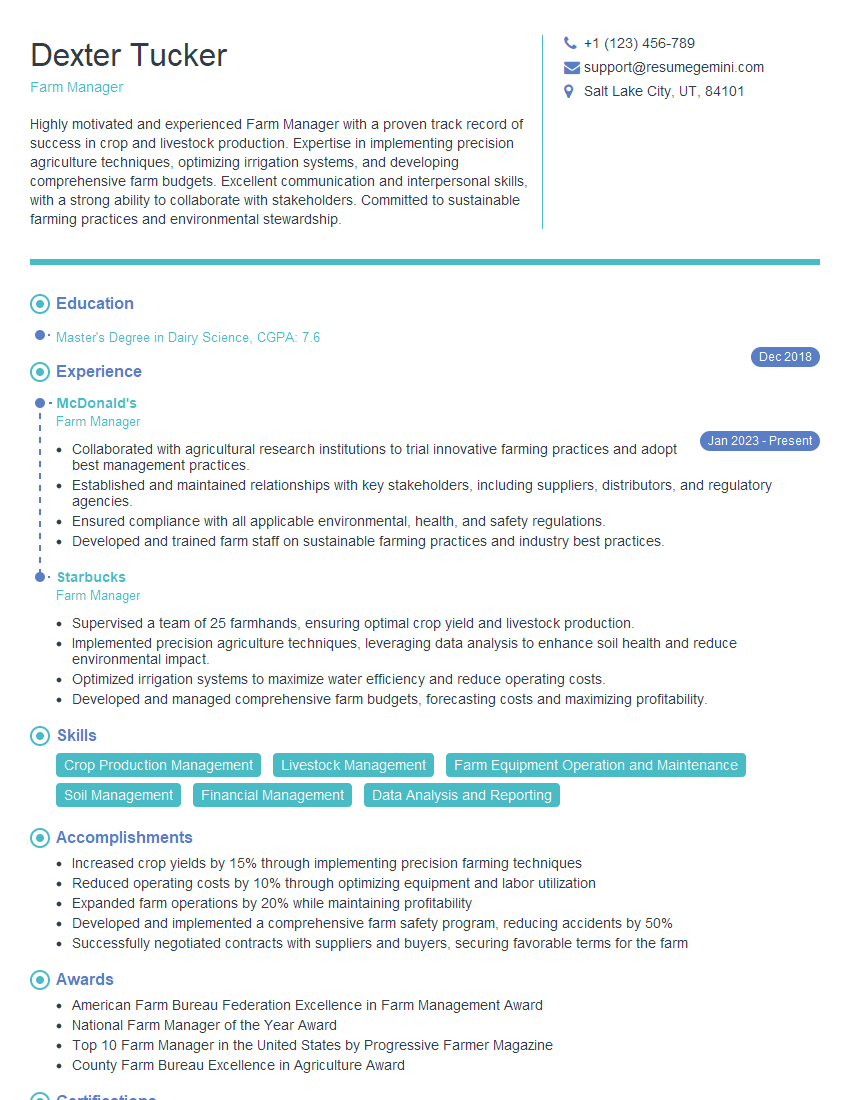
Farm Manager Resume Sample
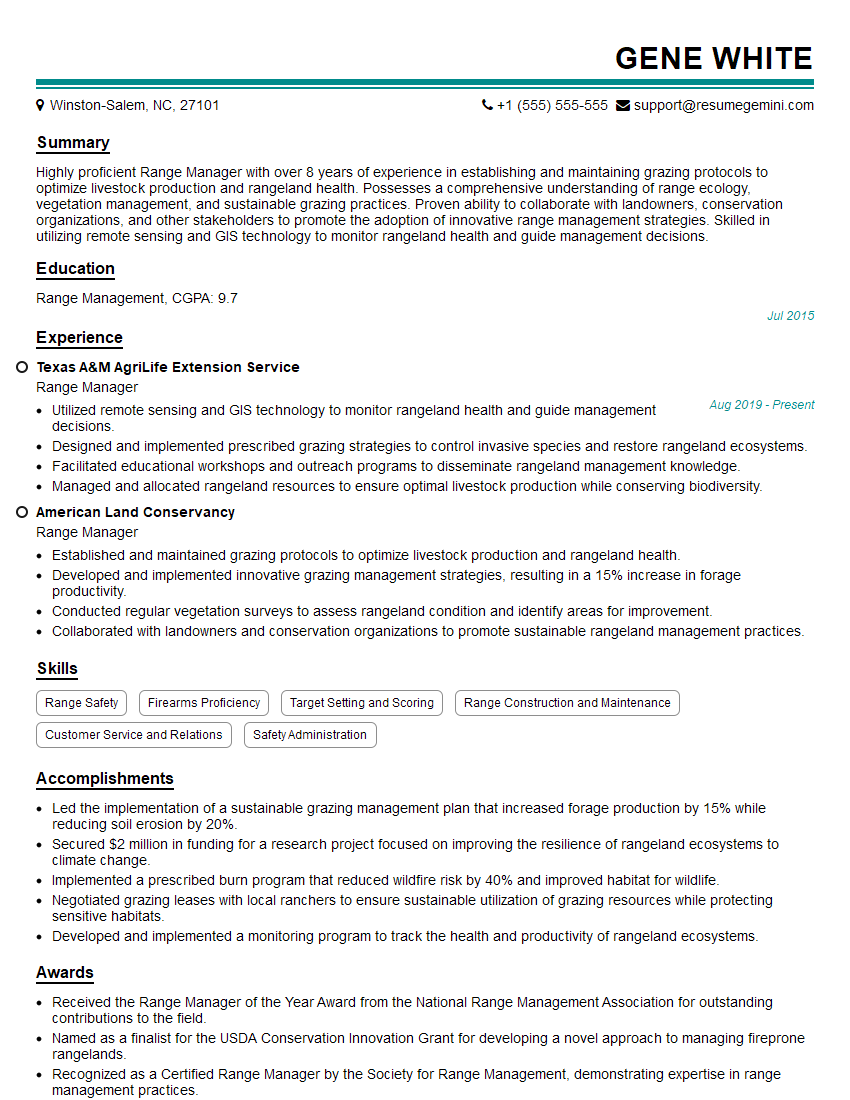
Range Manager Resume Sample
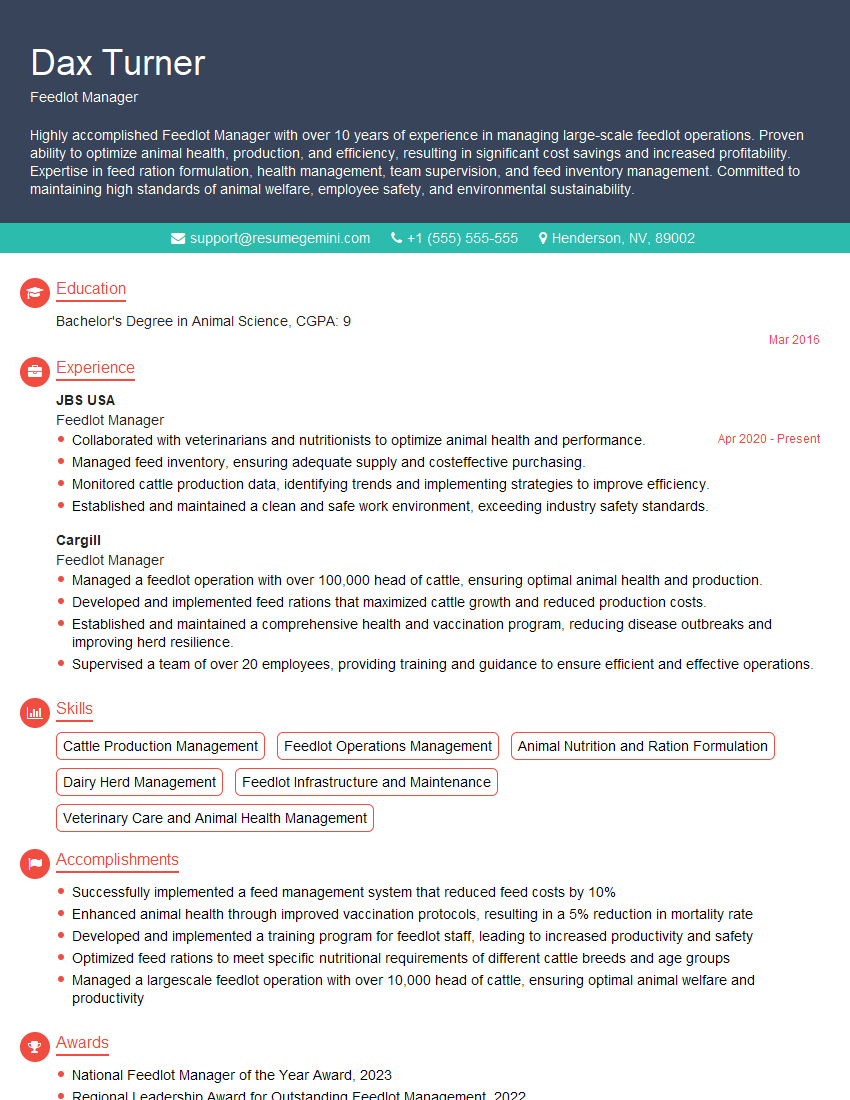
Feedlot Manager Resume Sample
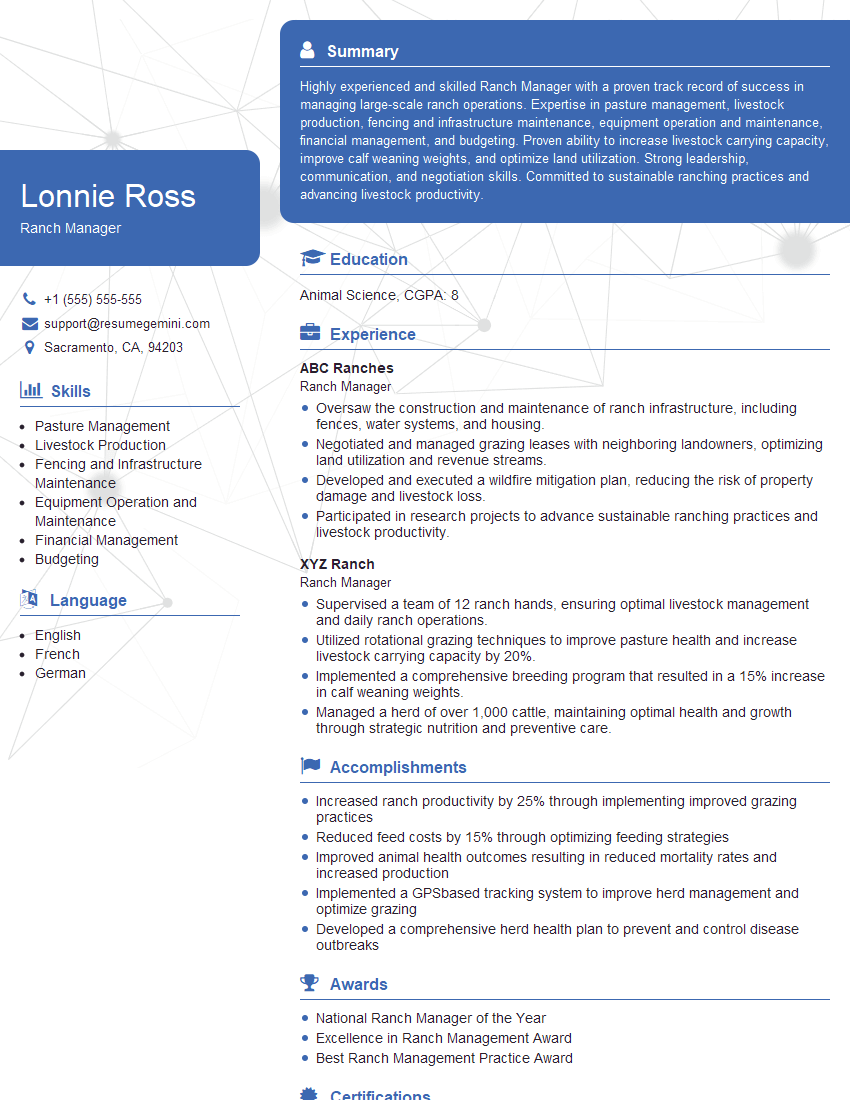
Ranch Manager Resume Sample
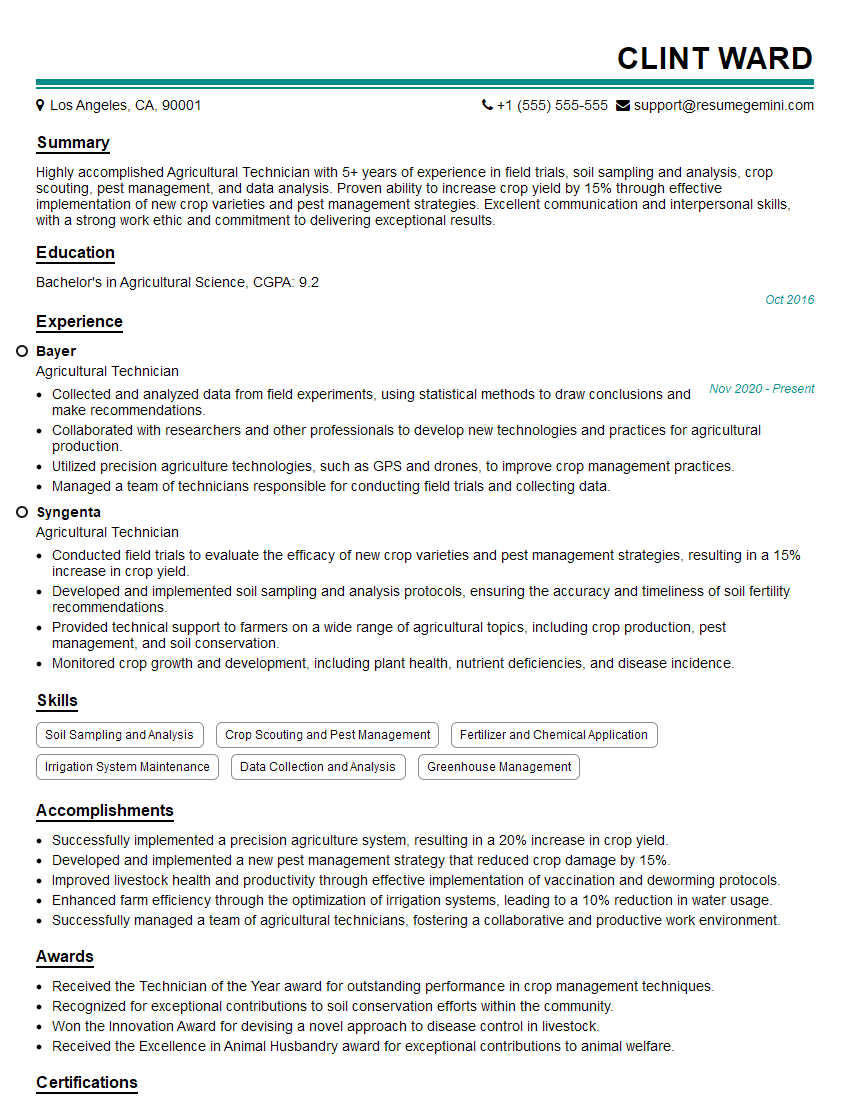
Agricultural Technician Resume Sample
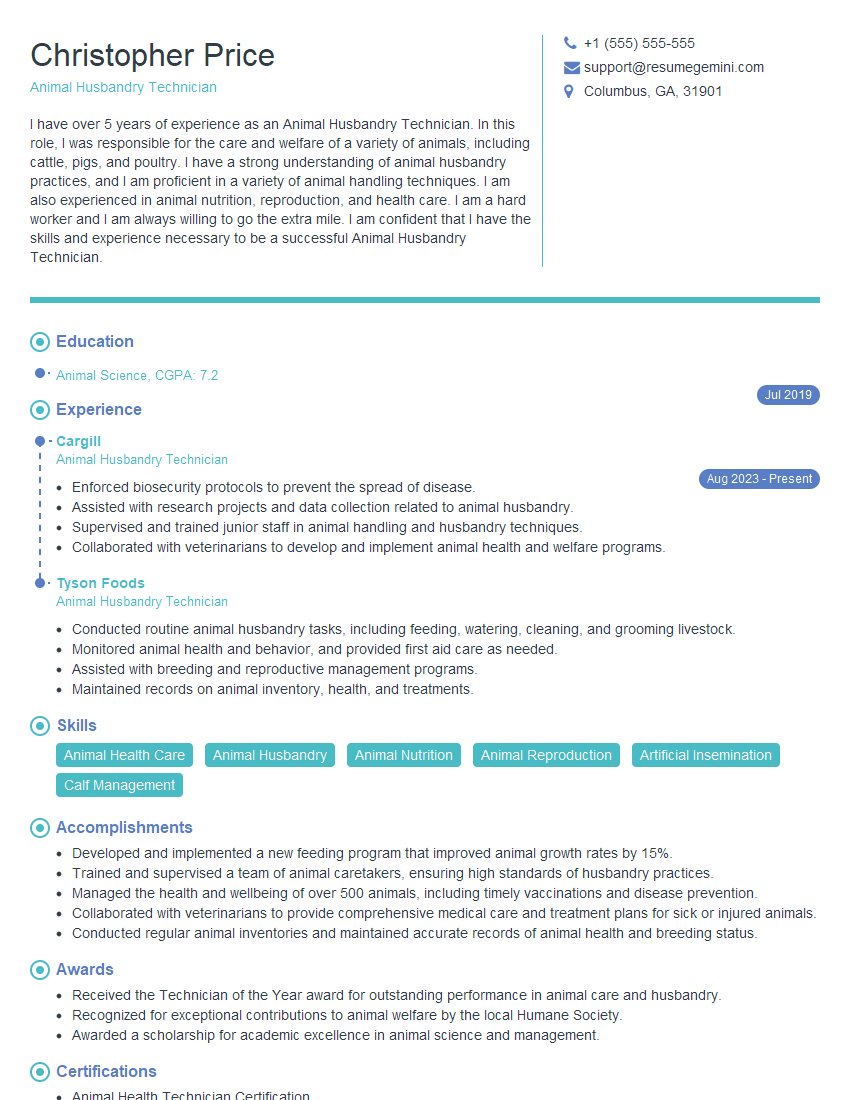
Animal Husbandry Technician Resume Sample

Dairy Farm Worker Resume Sample
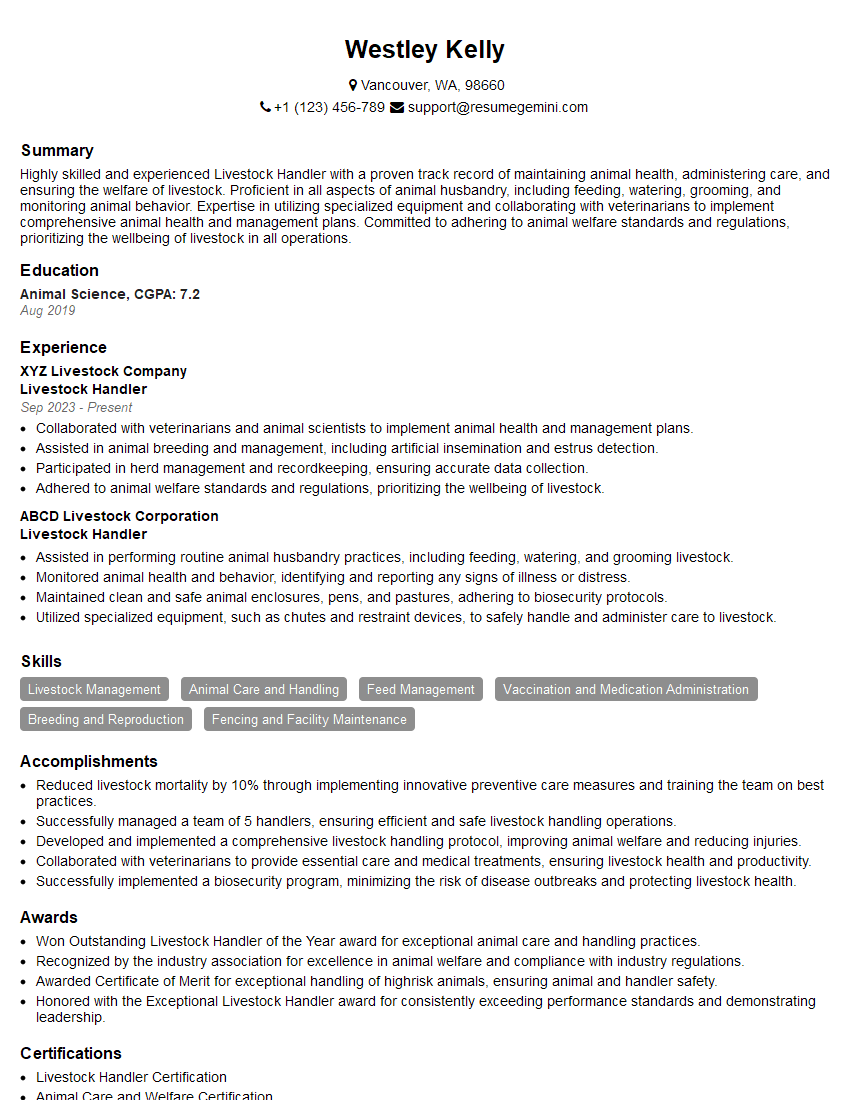
Livestock Handler Resume Sample
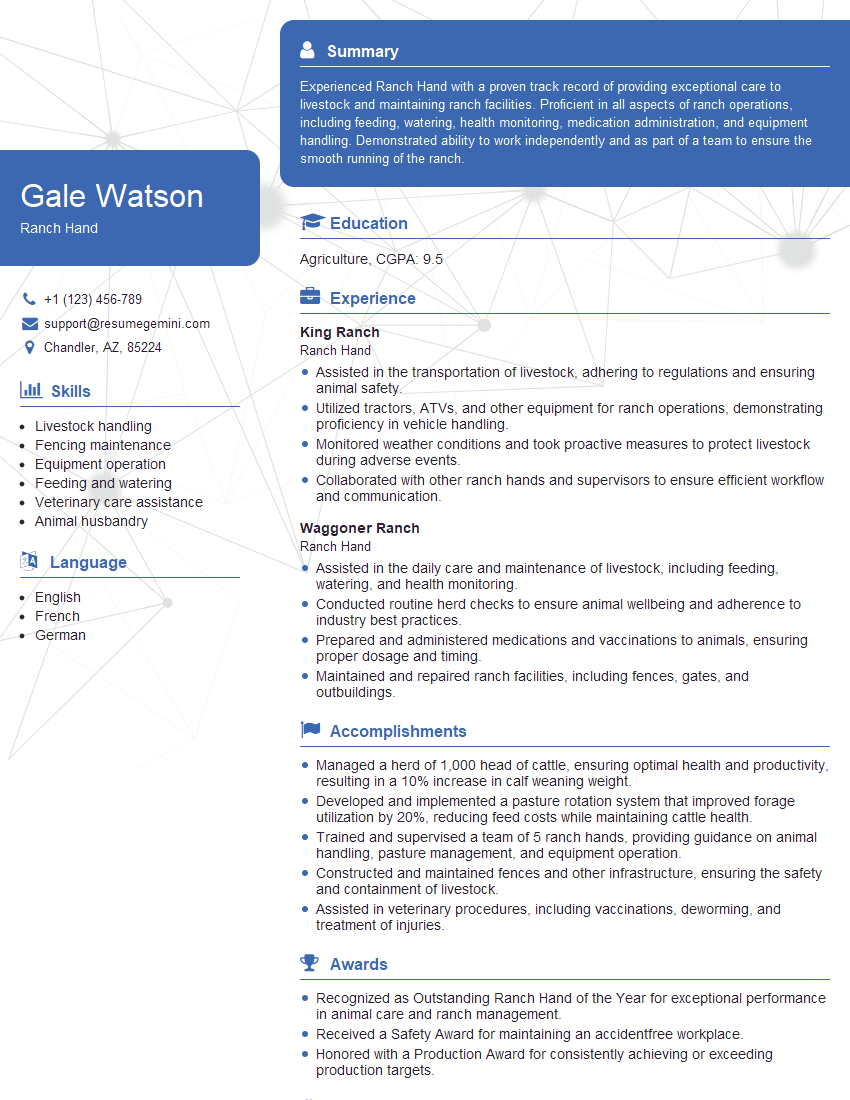
Ranch Hand Resume Sample
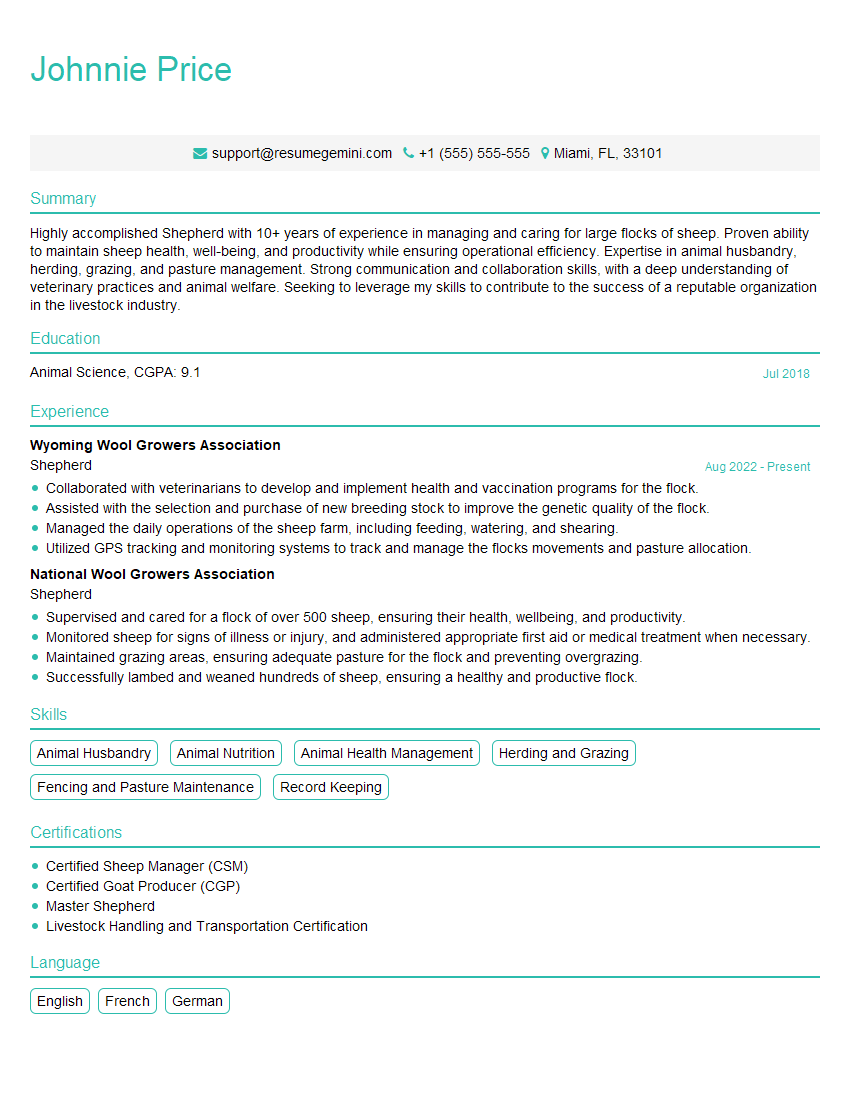
Shepherd Resume Sample
Explore more articles
Users Rating of Our Blogs
Share Your Experience
We value your feedback! Please rate our content and share your thoughts (optional).
What Readers Say About Our Blog
Very informative content, great job.
good