Feeling uncertain about what to expect in your upcoming interview? We’ve got you covered! This blog highlights the most important Cattle Restraint and Immobilization interview questions and provides actionable advice to help you stand out as the ideal candidate. Let’s pave the way for your success.
Questions Asked in Cattle Restraint and Immobilization Interview
Q 1. Describe the proper procedure for using a head gate.
Proper head gate use is fundamental to safe cattle handling. A head gate is a device that securely confines an animal’s head, allowing for procedures like vaccinations, ear tagging, or veterinary examinations. The procedure involves several crucial steps to ensure both animal and handler safety.
- Approach the animal calmly and confidently: Sudden movements or loud noises can frighten cattle, leading to unpredictable behavior. A gentle, slow approach is key.
- Guide the animal into the head gate: Use quiet commands and gentle pressure to encourage the animal to enter. Avoid sudden force, which can cause stress and injury.
- Secure the head gate: Ensure the head gate is properly latched, firmly holding the animal’s head. Double-check the mechanism to avoid accidental release.
- Perform the procedure efficiently: Once the animal is restrained, perform the necessary tasks quickly and carefully to minimize stress.
- Release the animal carefully: Unlatch the head gate slowly and allow the animal to exit calmly. Be prepared for them to move quickly once released.
Example: Imagine you need to administer a vaccine. After properly restraining the cow in the head gate, you’d quickly and efficiently administer the vaccine, then release the cow back into the herd. Never leave the animal unattended while restrained.
Q 2. Explain the risks associated with improper cattle restraint.
Improper cattle restraint poses significant risks to both the animal and the handler. Injuries are a major concern. Animals improperly restrained might struggle violently, leading to injuries from kicks, horns, or even trampling. Handlers risk sprains, bruises, broken bones, and even more severe injuries. Furthermore, poorly restrained animals experience unnecessary stress and pain, potentially impacting their health and productivity.
- Injury to animal: Broken bones, bruises, lacerations, and psychological trauma.
- Injury to handler: Bruises, sprains, fractures, and crushing injuries.
- Reduced animal welfare: Prolonged stress, fear, and pain.
- Economic losses: Injury-related treatment costs, reduced productivity, and potential animal death.
Example: If a calf is restrained too tightly, it could experience suffocation or circulatory problems. Conversely, if the restraint is too loose, the animal could easily break free, resulting in injury to itself or the handler.
Q 3. What are the different methods for restraining a calf?
Restraining a calf requires careful consideration of its age and temperament. Several methods exist, each with its own advantages and limitations.
- Manual restraint: This involves holding the calf firmly but gently, usually by one or more individuals. This is suitable for brief procedures but can be physically demanding and requires multiple people for larger calves.
- Halter and lead rope: A halter provides control over the calf’s head, allowing for easier guidance and manipulation. The lead rope offers additional control, but should never be used to choke or restrict breathing.
- Casting ropes: These specialized ropes allow for the safe and controlled immobilization of a calf for procedures requiring more extensive restraint, such as veterinary examinations or branding.
- Calf-sized chutes and head gates: These are specifically designed for calves, offering a safe and secure way to hold them in place. They allow for performing various tasks like vaccinations or treatments.
Example: For a simple vaccination, a halter and lead rope might suffice. However, for a more involved procedure like dehorning, a casting rope or a calf chute would be necessary for the safety of both the animal and handler.
Q 4. How do you handle an aggressive or frightened animal?
Handling aggressive or frightened animals requires a calm and patient approach, prioritizing safety for both the animal and the handler. Avoid sudden movements or loud noises. A slow, steady approach is crucial. Understanding the animal’s body language is key to predicting potential aggression. Signs of fear or aggression include tense muscles, wide eyes, ears laid back, tail swishing, and pawing the ground.
- Patience: Allow the animal to calm down before attempting any procedures. Never rush the process.
- Calm demeanor: Speak in a soft, reassuring tone. Avoid sudden movements.
- Appropriate restraint: Use the least restrictive but most effective restraint method. Never use force that could cause unnecessary pain or injury.
- Professional assistance: If the animal is extremely aggressive or dangerous, seek help from experienced handlers or a veterinarian.
Example: If a bull is charging, provide ample space and create a clear path of escape for yourself and others. You should only attempt to restrain the bull using appropriate and safe methods with the aid of experienced handlers.
Q 5. What are the ethical considerations in cattle restraint?
Ethical considerations in cattle restraint are paramount. The core principle is to minimize stress, pain, and fear experienced by the animal. This involves using the most humane restraint techniques, performing procedures efficiently, and ensuring proper animal welfare throughout the process.
- Minimizing stress and pain: Use appropriate restraint methods and avoid unnecessary force. Keep procedures as brief as possible.
- Proper handling techniques: Train handlers on safe and humane handling practices. Regular training on updated restraint procedures is essential.
- Respect for the animal: Recognize cattle as sentient beings capable of experiencing stress and fear. Treat each animal with respect.
- Compliance with regulations: Adhere to all relevant animal welfare regulations and guidelines.
Example: Providing adequate resting periods between procedures and ensuring the animal has access to food and water after restraint are crucial aspects of ethical cattle handling.
Q 6. Describe your experience with various types of restraining equipment.
My experience encompasses a wide range of restraining equipment used in cattle handling, including head gates of various designs (both squeeze chutes and free-standing types), casting ropes (with different knotting techniques for varying levels of restraint), halters and lead ropes (from simple rope halters to more specialized types), and various types of chutes designed for different herd sizes and handling needs. I’ve also worked with specialized equipment like hydraulic chutes that can restrain larger or more aggressive animals more effectively.
I am proficient in assessing which equipment is most appropriate for a given situation, animal size, and procedure, and I am well-versed in the safe and effective use of all equipment mentioned.
Example: I’ve found that for routine vaccinations, a simple head gate is usually sufficient. However, for more extensive procedures like castration or dehorning, a squeeze chute provides the necessary level of restraint and control for the animal’s safety and the handlers’ protection.
Q 7. Explain the importance of animal welfare in restraint practices.
Animal welfare is not merely an ethical consideration but a crucial factor in effective and safe cattle handling. Stressed or frightened animals are more likely to struggle, increasing the risk of injury to both the animal and the handler. Proper restraint minimizing stress leads to improved animal health, reduced production losses, and higher-quality products.
Furthermore, considering animal welfare builds trust between the handler and the animal. A calm and humane approach minimizes fear and reduces the potential for aggressive reactions. This approach fosters a more efficient and productive working environment.
Example: A stressed cow will produce less milk and have compromised immunity, costing a producer time, money, and animals. Using humane restraint maximizes productivity and profit while also upholding ethical standards.
Q 8. How do you identify signs of stress or injury in a restrained animal?
Identifying stress or injury in a restrained animal requires keen observation and understanding of cattle behavior. We look for a range of subtle and overt signs.
- Physiological Signs: Increased heart rate (detected by palpating the heart or using a heart rate monitor), rapid or labored breathing (panting, flared nostrils), excessive salivation, sweating (though less noticeable in cattle than in other species), dilated pupils, and pale gums can all indicate stress or pain.
- Behavioral Signs: Restlessness, excessive vocalizations (bellowing, mooing), attempts to escape the restraint, muscle tension or trembling, aggressive behavior (kicking, head-butting), changes in posture (hunched back, lowered head), and reluctance to move or shift weight are all significant indicators.
- Physical Signs of Injury: Look for obvious wounds, bleeding, swelling, lameness, or any signs of bruising. Feel for tenderness or pain when gently palpating the body.
For example, a cow persistently struggling against a head gate, despite seemingly gentle restraint, may be experiencing pain from an underlying injury that needs attention. Regular observation throughout the procedure is crucial; a change in behavior can be a vital clue.
Q 9. What are the safety protocols you follow when restraining cattle?
Safety is paramount in cattle restraint. My protocols prioritize both animal and handler welfare.
- Proper Equipment: I always use well-maintained, appropriate equipment for the size and temperament of the animal. This includes sturdy chutes, head gates, and restraining devices, ensuring they are correctly fitted and functional.
- Understanding Cattle Behavior: I approach each animal calmly and confidently, avoiding sudden movements or loud noises which can startle them. Knowing their ‘flight zone’ – the distance at which they’ll move away from you – is key to minimizing stress.
- Teamwork: Whenever possible, I work with a team, assigning roles and clear communication. Multiple handlers allow for better control and reduce the risk of injury to both animals and people.
- Personal Protective Equipment (PPE): I always wear appropriate PPE, including sturdy gloves, long sleeves, and protective eyewear. Steel-toed boots are essential to prevent foot injuries from kicks.
- Escape Routes: I ensure that there are safe escape routes for both the animal and handlers in case of unforeseen circumstances.
- Emergency Plan: We have a well-defined emergency plan in case of accidents, including access to emergency veterinary care.
For instance, using a poorly maintained chute could lead to an animal escaping, potentially injuring itself or the handler.
Q 10. What are the common causes of injury during cattle restraint?
Injuries during cattle restraint can stem from several causes.
- Improper Restraint Techniques: Incorrect use of equipment or applying too much pressure can cause bruises, fractures, dislocations, or other injuries. For instance, improperly adjusted head gates can cause pressure on the animal’s eyes or throat.
- Animal Behavior: Cattle are powerful animals; kicks, head butts, and sudden movements can result in injuries to handlers. Stress and fear can exacerbate their natural reactions.
- Equipment Malfunction: Faulty or poorly maintained equipment (e.g., broken chute panels, malfunctioning head gates) poses a risk of injury to both the animal and handlers.
- Pre-existing Conditions: Cattle with pre-existing injuries or health problems are more susceptible to further injury during restraint.
For example, a poorly trained handler might apply excessive pressure to a rope, causing nerve damage to a limb.
Q 11. How do you prevent injuries to both the animal and the handler?
Injury prevention involves a multi-faceted approach focusing on both proper techniques and environmental safety.
- Training: Thorough training in cattle handling techniques is crucial for both the safety of the animals and the handlers. This includes understanding animal behavior, appropriate restraint methods, and emergency response.
- Calm and Controlled Approach: A calm demeanor and deliberate movements are essential in minimizing animal stress and reducing the risk of aggressive reactions.
- Proper Equipment Use: Regularly inspect and maintain all equipment to ensure it’s functioning correctly and safely.
- Adequate Space: Provide sufficient space around the animal to avoid confinement stress and reduce the chance of accidental injuries.
- Pre-Procedure Assessment: Assess each animal’s health and temperament prior to restraint. Identify any signs of illness or injury that could complicate the procedure.
- Post-Procedure Assessment: After restraint, carefully observe the animal for any signs of injury and provide necessary veterinary care if needed.
For example, regular training on proper head gate use minimizes the risk of causing damage to the animal’s eyes and neck.
Q 12. Describe your experience with chemical immobilization of cattle.
My experience with chemical immobilization involves administering drugs to sedate or anesthetize cattle before procedures. This is always done under the direct supervision of a veterinarian. The choice of drug, dosage, and route of administration are determined by the veterinarian based on the animal’s species, age, health status, and the intended procedure.
Commonly used agents include xylazine, detomidine, and ketamine, often in combination. We carefully monitor the animal’s vital signs (heart rate, respiration, blood pressure) throughout the immobilization process using appropriate equipment such as pulse oximetry. Post-immobilization care is crucial, and includes monitoring the animal until full recovery and providing supportive care as needed.
I meticulously follow all protocols to minimize the risks associated with chemical restraint, including proper drug storage, disposal, and documentation. Safety for both the animal and the personnel administering the drugs is paramount.
Q 13. What are the advantages and disadvantages of different restraint methods?
Different restraint methods offer various advantages and disadvantages.
- Physical Restraint (e.g., chutes, head gates): Advantages include relatively low cost and ease of use for routine procedures. Disadvantages include the potential for injury to both the animal and the handler if not used properly and the potential for inducing stress in the animal.
- Chemical Immobilization: Advantages include ease of handling for dangerous or difficult animals and the ability to perform more complex procedures. Disadvantages include the risks associated with drug administration, the need for skilled personnel, the cost of the drugs, and potential side effects.
The best method depends on the specific situation, the animal’s temperament, the procedure to be performed, and the expertise of the handler. For example, a simple blood sample might only require a quick restraint in a chute, whereas a surgical procedure would necessitate chemical immobilization.
Q 14. How do you adapt your technique to different breeds and sizes of cattle?
Adapting techniques to different breeds and sizes is crucial for safe and effective restraint. Larger breeds require stronger equipment and potentially more handlers. Smaller breeds might require modifications to standard equipment to prevent injury.
Breed temperament also plays a significant role. Some breeds are naturally more docile, while others can be more aggressive or excitable. My approach adjusts accordingly. With more excitable breeds, I focus on creating a calming environment, using slow, deliberate movements, and avoiding sudden noises.
I take into account individual variations within breeds as well. An older or injured animal will require a more gentle and cautious approach than a young, healthy animal. This personalized approach ensures the safety and well-being of each animal under my care.
Q 15. What is your understanding of the relevant regulations for animal welfare?
Animal welfare regulations are paramount in cattle handling. My understanding encompasses a broad range of legislation and guidelines, focusing on minimizing stress and pain throughout the process. This includes adherence to national and, where applicable, international standards on humane handling, transport, and slaughter. Key aspects include ensuring adequate space, avoiding unnecessary rough handling, using appropriate restraint techniques, and providing timely veterinary attention if needed. Specific regulations vary by jurisdiction, but the overarching principle is always the ethical treatment of animals. For instance, the Animal Welfare Act (or its equivalent in different countries) provides a legal framework, while industry best practices further refine the standards. Failure to comply can result in penalties, ranging from fines to the suspension of operating licenses.
Career Expert Tips:
- Ace those interviews! Prepare effectively by reviewing the Top 50 Most Common Interview Questions on ResumeGemini.
- Navigate your job search with confidence! Explore a wide range of Career Tips on ResumeGemini. Learn about common challenges and recommendations to overcome them.
- Craft the perfect resume! Master the Art of Resume Writing with ResumeGemini’s guide. Showcase your unique qualifications and achievements effectively.
- Don’t miss out on holiday savings! Build your dream resume with ResumeGemini’s ATS optimized templates.
Q 16. Explain the process of safely moving cattle from one location to another.
Safely moving cattle requires a methodical approach prioritizing both animal and human safety. It begins with proper planning, assessing the herd’s temperament and the environment. Using well-maintained, appropriate facilities is crucial. We typically employ a system of calm, controlled movements, using trained personnel, and understanding cattle behavior. For example, cattle are naturally herd animals; they follow the lead of others. We leverage this by quietly guiding the lead animals, encouraging the rest to follow. Obstacles are identified and addressed beforehand, and the environment is kept calm to reduce stress. Appropriate driving techniques, such as using gentle pressure and never using excessive force or aggressive shouting, are vital. During the move, we observe the animals for signs of distress such as excessive panting, rapid breathing, or unusual behavior and adjust accordingly. The movement needs to be paced appropriately, with breaks if required to allow them to rest.
Q 17. How do you handle a situation where equipment malfunctions during restraint?
Equipment malfunction during restraint is a serious situation requiring immediate and calm action. The first step is to assess the situation: Is the animal at risk of injury? Is there immediate danger to the handler(s)? Safety is always the priority. If the malfunction doesn’t directly endanger the animal, we prioritize securing the animal using alternative, safe methods. This may involve using improvisational techniques based on available resources, like rope or readily available materials (always prioritizing safety and the animal’s well-being). If the malfunction compromises the animal’s safety, the animal’s release from the restraint is attempted. If the animal poses a threat to handlers, the personnel need to follow the pre-established safety procedures. We will then troubleshoot the equipment or replace it if possible, always ensuring the animal’s well-being and handler safety. Post-incident, a thorough report and investigation are carried out to prevent future occurrences.
Q 18. What is your experience with training others in cattle restraint techniques?
I have extensive experience training others in cattle restraint techniques. My training programs emphasize both theoretical knowledge and practical skills. I employ a hands-on approach, starting with classroom sessions covering animal behavior, physiology, and the rationale behind different restraint methods. This is followed by supervised practical sessions, initially with less challenging animals before progressing to more complex scenarios. I focus on building proficiency in using various equipment, including chutes, headgates, and restraining devices, always highlighting the importance of safety. I also cover emergency procedures and troubleshooting. Regular assessments and feedback are given, ensuring competency. The training emphasizes ethical considerations and animal welfare, reinforcing the importance of minimizing stress and pain. I’ve found that trainees respond well to a combination of clear instructions, demonstrations, and interactive practice.
Q 19. Describe a situation where you had to improvise a restraint method.
During a routine vaccination, our headgate malfunctioned. The cow was already partially restrained, but escape was imminent. I quickly assessed the situation, utilizing readily available materials – some heavy-duty rope and several strong team members – to create a makeshift restraint system. We secured the cow’s legs and head, enabling the vet to quickly complete the vaccination. This improvised method focused on minimal stress for the animal and maximum safety for the team. The incident highlighted the importance of having contingency plans for equipment failure. After this experience, we reviewed and strengthened our emergency protocols and invested in more robust equipment.
Q 20. How do you ensure the safety of your colleagues during cattle handling?
Ensuring the safety of colleagues is non-negotiable. We always work as a team, with clear communication being paramount. This includes establishing a buddy system for high-risk procedures, adhering to strict safety protocols, and using appropriate personal protective equipment (PPE). Regular safety briefings and training refreshers remind everyone of potential hazards and safe working practices. We emphasize recognizing and responding to signs of animal distress to prevent accidents, and a clear understanding of emergency procedures is critical. Everyone understands their roles and responsibilities. Regular risk assessments identify potential issues and allow us to mitigate them proactively. For instance, before handling aggressive animals, we might use additional personnel and implement specific strategies to avoid close contact.
Q 21. What are the signs of bovine respiratory disease and how does restraint impact this?
Bovine respiratory disease (BRD) manifests in various ways, including coughing, nasal discharge, labored breathing, fever, and reduced appetite. Restraint can impact BRD-affected cattle in different ways. While restraint is often necessary for treatment and examination, stressful or prolonged restraint can exacerbate the condition, causing further respiratory distress and potentially weakening the animal. Gentle, efficient restraint minimizes stress and allows for easier administration of medications. Recognizing the signs of BRD is critical for timely intervention and to adjust the restraint approach. For instance, an animal with severe respiratory distress might need a shorter restraint duration to avoid further stress. Proper handling and minimizing stress are vital in managing BRD, assisting the animal’s recovery, and reducing morbidity and mortality.
Q 22. How do you minimize stress on cattle during procedures?
Minimizing stress in cattle during procedures is paramount for their welfare and the accuracy of any results. Stress can manifest in physiological changes like increased heart rate and cortisol levels, affecting the procedure’s outcome and potentially harming the animal. We achieve this through a multi-pronged approach.
- Calm and Gentle Handling: Using slow, deliberate movements and a quiet, reassuring demeanor significantly reduces stress. Think of it like interacting with a nervous pet – patience is key.
- Familiarization and Habituation: Allowing cattle to become accustomed to handlers, equipment (like the squeeze chute), and the general environment prior to procedures reduces anxiety. This could involve simply spending time near the equipment, allowing them to investigate it at their own pace.
- Appropriate Restraint Techniques: Using the least restrictive method of restraint necessary minimizes discomfort. We should always prioritize the use of gentler methods if effective.
- Pre-procedure Preparation: Making sure all equipment is in good working order and ready to go helps prevent delays and unnecessary handling during the actual procedure. Smooth execution reduces stress.
- Post-procedure Care: Providing access to food, water, and a comfortable environment after the procedure promotes quicker recovery and reduces the lingering effects of stress.
For example, before vaccinating a calf, I would spend a few minutes letting it sniff my hand, then gently touch its back and shoulder before moving to the injection site. This helps to build trust and minimize its fear response.
Q 23. What is your experience with using squeeze chutes and other restraining devices?
I have extensive experience with various restraint devices, primarily squeeze chutes and headgates. Squeeze chutes are essential for safe and efficient handling of cattle, especially during procedures requiring close proximity, such as vaccinations, blood draws, or hoof trimming. They provide a controlled environment that minimizes risk to both the animal and the handler.
My experience includes operating both hydraulic and manual squeeze chutes. The key is proper training and understanding of how each mechanism works to ensure safe and effective use. I’m also proficient in using headgates, which allow for secure head restraint, essential for procedures like dehorning or branding. I’ve worked with a variety of designs, recognizing the strengths and limitations of each.
Beyond squeeze chutes and headgates, I’m familiar with other restraint methods, such as using ropes and halters appropriately for specific situations, always prioritizing animal welfare and safety. Incorrect usage of any restraint equipment can be dangerous.
Q 24. Describe your knowledge of cattle behavior and how it affects restraint.
Understanding cattle behavior is fundamental to safe and effective restraint. Cattle are herd animals with a strong flight response. They are easily startled by sudden movements or loud noises. Their visual field is wider than ours, so they notice more than we might expect. This impacts their perception of threat.
Flight zone is a crucial concept: it’s the area around the animal where it feels threatened and will move away. Entering their flight zone can trigger a strong escape reaction. Knowing how to work with and around the flight zone is key to minimizing stress. It’s why slow, deliberate movements are so important.
Understanding their herd behavior is also crucial. Cattle are very social and tend to follow each other. Separating one from the herd induces stress. Procedures are ideally conducted in a manner that keeps the herd visible and within earshot, minimizing isolation distress.
Another critical aspect is understanding their natural behaviors: For instance, they might try to kick or rear up when they feel threatened or uncomfortable. Anticipating such reactions enables us to mitigate potential harm to both the animal and the handler.
Q 25. How do you assess the health of a cow before applying restraint?
Before applying any restraint, a thorough visual assessment of the animal’s health is necessary. This includes:
- General Appearance: Checking for signs of illness like lameness, respiratory distress, or unusual behavior (lethargy, isolation). Note any obvious wounds or injuries.
- Body Condition Score (BCS): Assessing body condition helps determine nutritional status. An emaciated cow may be more sensitive to stress.
- Temperament: Observe the animal’s overall demeanor. A particularly aggressive or fearful animal may require extra caution and specific restraint techniques.
- Hydration Status: Assess for signs of dehydration, which can influence the animal’s ability to cope with stress.
Any concerns identified during the assessment may require modifying the restraint procedure or even postponing it until the animal receives appropriate veterinary attention. This preemptive step ensures the safety and well-being of the animal throughout the process.
Q 26. What is your experience with different types of halters and ropes for cattle?
My experience encompasses various types of halters and ropes used for cattle restraint. Halters provide controlled head restraint, crucial for many procedures. I’m proficient with different types such as the slip-lead halter and the more secure rope halter. Knowing which halter is appropriate for a given situation and animal is key.
Rope work is a skill requiring both knowledge and practice. I’m experienced with using different knots and techniques to secure cattle safely, such as tying a proper knot for restraining a cow to a post while applying local anesthesia to a hoof, while avoiding causing unnecessary stress or injury. Improper use of ropes can lead to injuries; securing a rope correctly is vital.
The choice of halter and rope depends on the individual animal’s temperament, the procedure’s requirements, and the available resources. Safety is paramount, always selecting the method that minimizes the risk of injury to the animal and handler.
Q 27. How do you determine the appropriate level of restraint needed for a given situation?
Determining the appropriate restraint level is crucial and depends on several factors:
- The Procedure: A simple vaccination requires less restraint than a surgical procedure. A more invasive procedure demands a higher level of control.
- The Animal’s Temperament: A docile cow requires less restraint than a more aggressive one. Prior experience with an individual animal can inform the best approach.
- The Handler’s Skill and Experience: Experienced handlers might employ less restrictive methods than those with limited experience. Safety is always the priority.
- Available Facilities and Equipment: The facilities and equipment available can influence the restraint choices.
The goal is always to use the least restrictive method possible while ensuring the safety of both the animal and the handler. Over-restraining causes unnecessary stress and potential injury, while under-restraining can lead to accidents. A skilled handler is adept at judging the right level of restraint for each unique situation.
Q 28. What steps would you take if a restrained animal becomes injured?
If a restrained animal becomes injured, immediate action is vital. The steps I would take include:
- Assess the Injury: Quickly determine the nature and severity of the injury. This includes checking for bleeding, fractures, or other visible trauma.
- Release Restraint Carefully: Safely release the restraint, avoiding any further injury. Slow and controlled movements are crucial.
- Provide First Aid: If appropriate, administer immediate first aid, such as controlling bleeding or splinting a fracture. This requires training and appropriate equipment.
- Contact Veterinary Assistance: Immediately call a veterinarian for evaluation and treatment. Explain the situation clearly and provide details of the injury.
- Document the Incident: Thoroughly document the injury, the circumstances surrounding it, and the steps taken. This is important for record-keeping and potential investigation.
Prevention is key. Regular equipment checks, proper training, and understanding cattle behavior minimizes the risk of injuries, but knowing how to respond effectively to an accident is critical.
Key Topics to Learn for Cattle Restraint and Immobilization Interview
- Cattle Behavior and Temperament: Understanding bovine behavior in various situations (stress, illness, etc.) and adapting restraint techniques accordingly.
- Restraint Techniques: Mastering various methods like halter and lead rope use, squeeze chutes, head gates, and other specialized equipment. Practical application includes demonstrating proficiency and safety in each technique.
- Immobilization Methods: Knowledge of chemical immobilization techniques (e.g., using appropriate sedatives and anesthetics), their proper administration, and potential side effects. Understanding the importance of animal welfare and minimizing stress during this process.
- Safety Procedures and Risk Management: Prioritizing personal safety and the safety of the animals. Understanding and implementing appropriate safety protocols for each restraint and immobilization procedure. This includes recognizing and mitigating potential hazards.
- Equipment Maintenance and Operation: Demonstrating knowledge of the proper maintenance, operation, and troubleshooting of various restraint and immobilization equipment.
- Emergency Procedures: Understanding and being prepared to handle emergency situations, such as unexpected animal behavior or equipment malfunction. Knowing how to safely react and provide appropriate assistance.
- Ethical Considerations and Animal Welfare: Demonstrating a strong commitment to animal welfare and ethical treatment during all procedures. Understanding best practices for minimizing stress and pain.
- Legal and Regulatory Compliance: Understanding relevant regulations and guidelines concerning cattle handling and immobilization in your area.
Next Steps
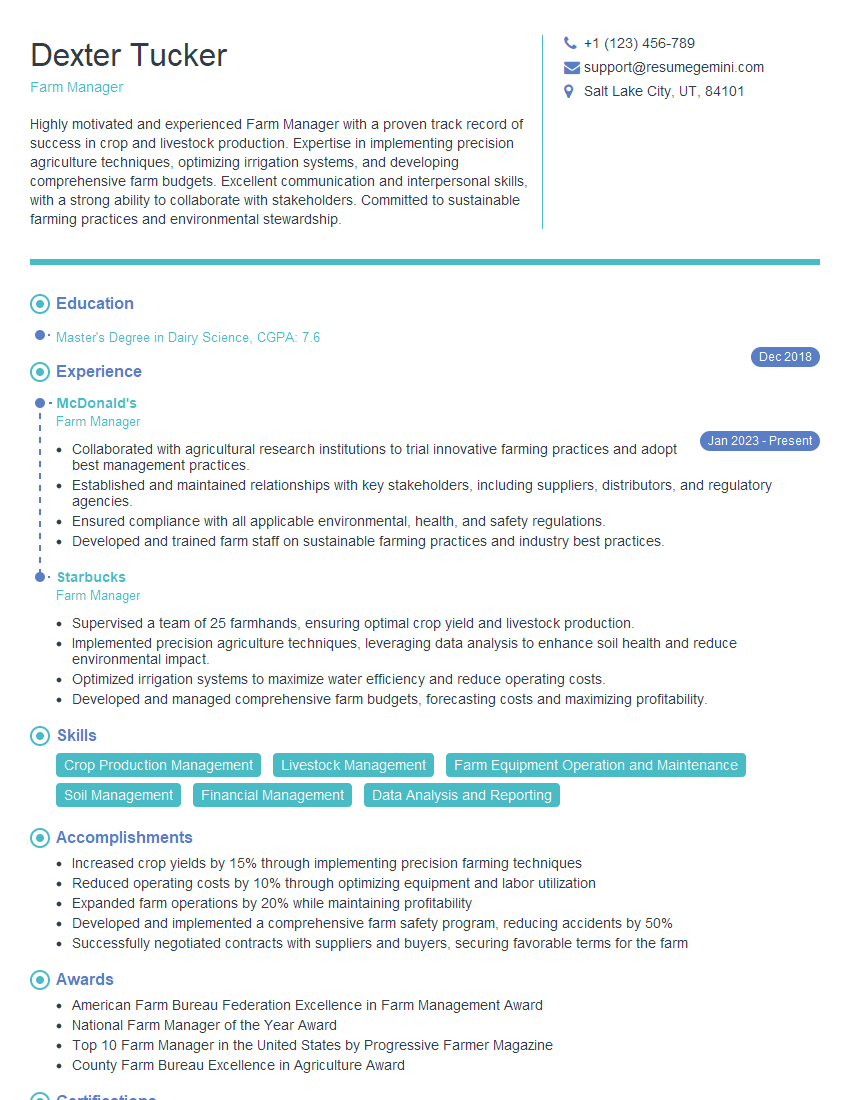
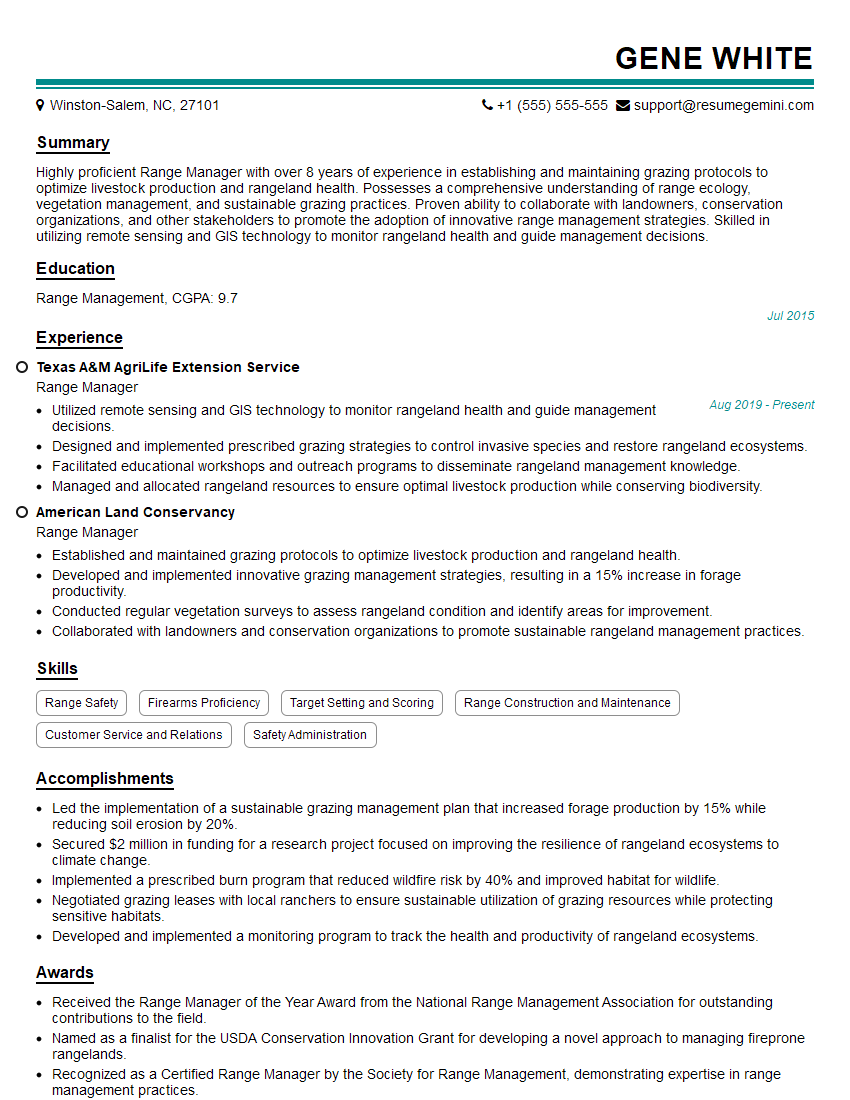
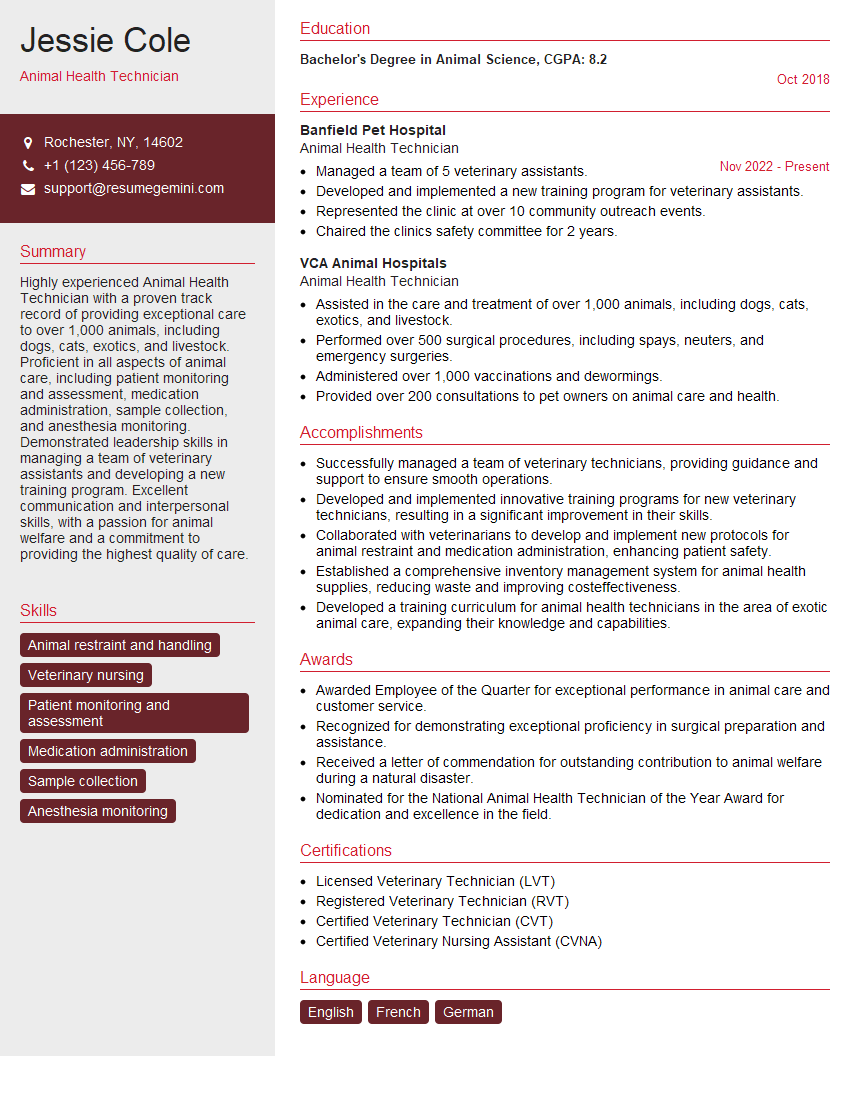
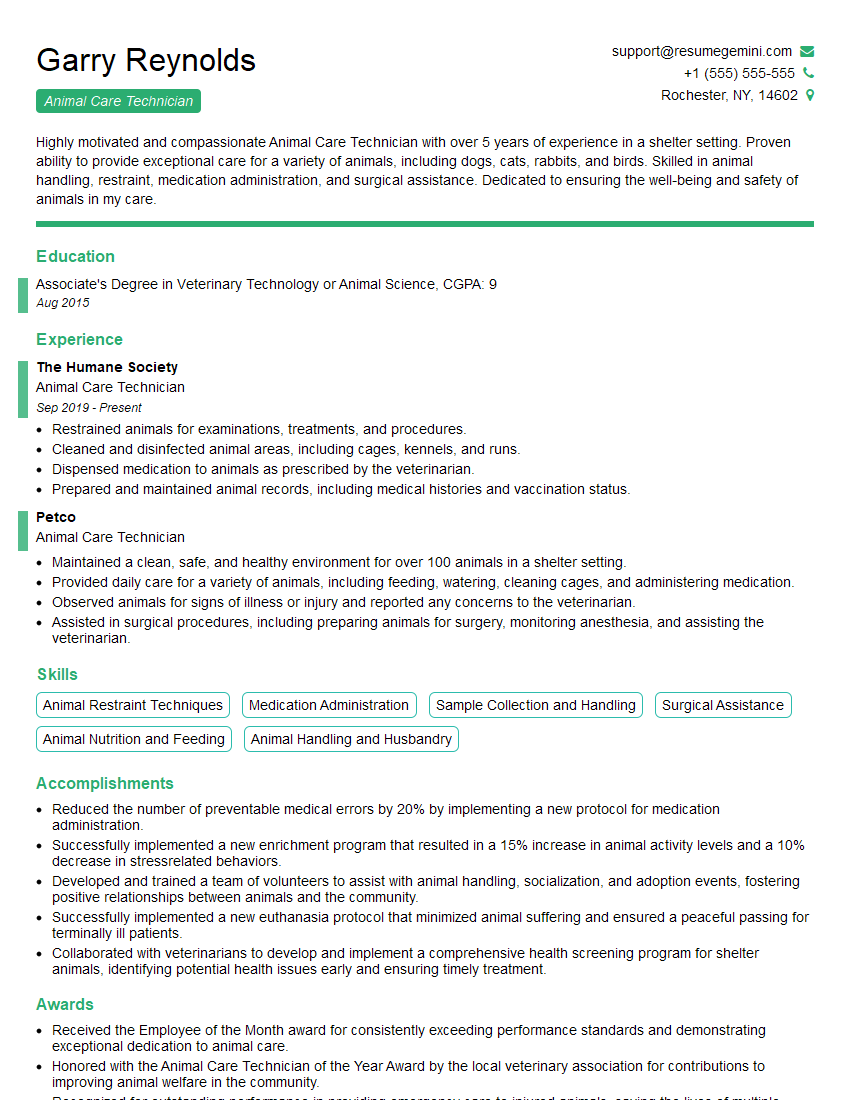
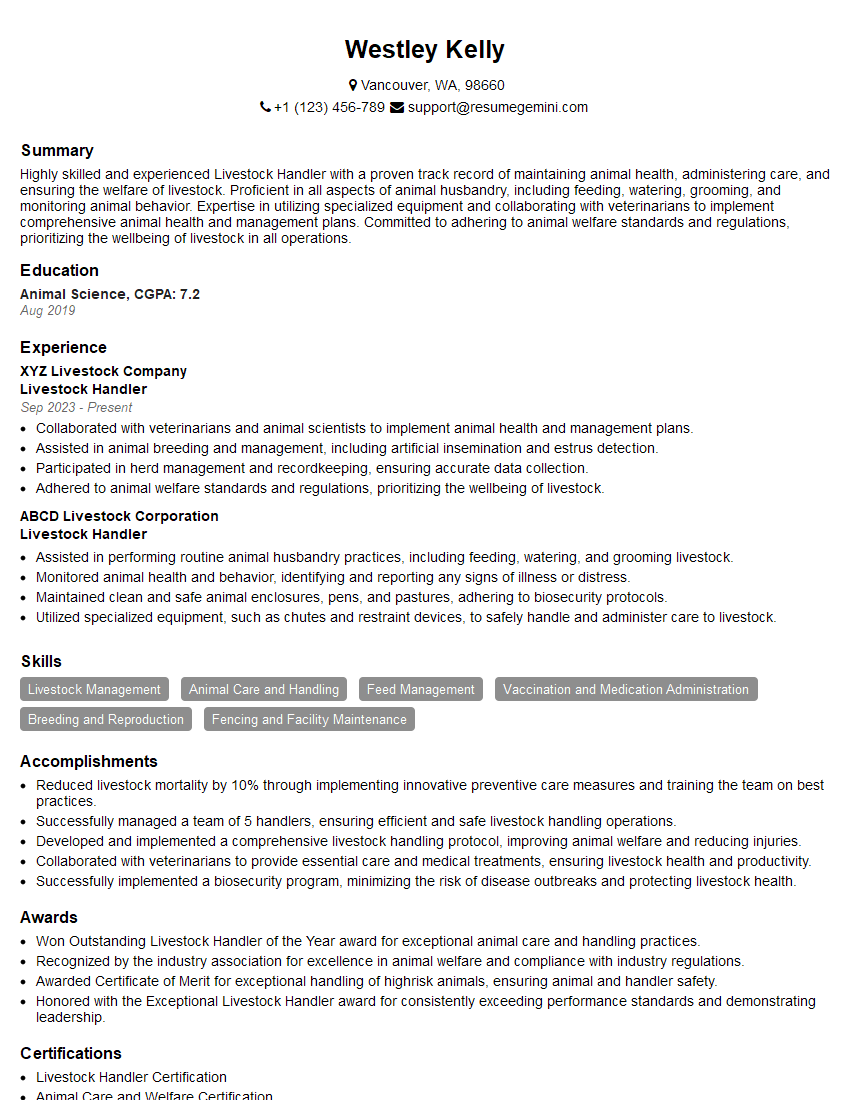
Mastering cattle restraint and immobilization is crucial for career advancement in the agricultural and veterinary sectors. It demonstrates a commitment to both animal welfare and safe working practices. To significantly improve your job prospects, focus on creating an ATS-friendly resume that highlights your skills and experience effectively. ResumeGemini is a trusted resource to help you build a professional and impactful resume. We provide examples of resumes tailored to the Cattle Restraint and Immobilization field to help you showcase your expertise and secure your dream role.

Explore more articles
Users Rating of Our Blogs
Share Your Experience
We value your feedback! Please rate our content and share your thoughts (optional).
What Readers Say About Our Blog
Very informative content, great job.
good