The right preparation can turn an interview into an opportunity to showcase your expertise. This guide to CBRN Contingency Planning interview questions is your ultimate resource, providing key insights and tips to help you ace your responses and stand out as a top candidate.
Questions Asked in CBRN Contingency Planning Interview
Q 1. Describe the different types of CBRN threats and their potential impact.
CBRN threats encompass Chemical, Biological, Radiological, and Nuclear hazards. These pose diverse challenges, impacting human health, infrastructure, and the environment in varying ways.
- Chemical threats involve the intentional release of toxic industrial chemicals (TICs) like chlorine gas or nerve agents, causing immediate injury or death through inhalation or skin contact. For example, a terrorist attack releasing Sarin gas in a crowded area would have devastating consequences.
- Biological threats include the deliberate spread of pathogenic bacteria, viruses, or toxins, potentially causing widespread illness, death, and social disruption. Anthrax attacks via mail represent a historical example of this.
- Radiological threats involve the dispersal of radioactive materials, leading to exposure and potential long-term health effects like cancer. The Chernobyl disaster is a stark example of the devastating consequences of a radiological incident.
- Nuclear threats, although less likely, involve the detonation of a nuclear weapon, resulting in immediate devastation and long-term radioactive contamination. The effects are catastrophic and far-reaching, affecting multiple generations.
The impact of each threat type varies based on the agent’s toxicity, method of dispersal, environmental conditions, and the preparedness of the affected population. Effective contingency planning addresses these varied risks.
Q 2. Explain the process of developing a CBRN contingency plan.
Developing a CBRN contingency plan is a multi-step process requiring collaboration among various stakeholders. It involves a cyclical process of planning, exercising, evaluating, and updating.
- Risk Assessment: Identify potential CBRN threats specific to the area and assess their likelihood and potential impact. This includes considering vulnerabilities and critical infrastructure.
- Resource Identification: Inventory available resources (personnel, equipment, communication systems, medical supplies) to respond to various scenarios. Gaps should be identified and addressed.
- Plan Development: Develop detailed procedures for early detection, warning, prevention, response (including evacuation, decontamination, medical treatment), and recovery. These need to be clearly defined and easy to understand.
- Training and Exercises: Train personnel on their roles and responsibilities using realistic simulations and exercises to ensure preparedness and identify areas for improvement. Tabletop exercises and full-scale drills are invaluable here.
- Communication Plan: Establish clear communication channels and protocols to ensure timely and effective information dissemination among responders, the public, and other stakeholders.
- Plan Review and Update: Regularly review and update the contingency plan based on lessons learned, changes in threat assessments, technological advancements, and evolving best practices.
The process requires collaboration across multiple agencies including emergency responders, healthcare professionals, law enforcement, and government officials.
Q 3. What are the key elements of a comprehensive CBRN risk assessment?
A comprehensive CBRN risk assessment is crucial for effective contingency planning. It systematically identifies and evaluates potential threats, vulnerabilities, and consequences.
- Threat Identification: Identify potential CBRN agents, their sources, and possible attack vectors (e.g., airborne, waterborne, foodborne). Consider both deliberate acts of terrorism and accidental releases.
- Vulnerability Analysis: Assess the susceptibility of critical infrastructure (power plants, water treatment facilities, hospitals), populations (age, health status), and geographic locations to various CBRN events.
- Consequences Analysis: Evaluate the potential impact of different CBRN events on human health, infrastructure, and the economy. Consider both short-term and long-term effects.
- Likelihood Assessment: Estimate the probability of different CBRN events occurring based on historical data, threat intelligence, and expert judgment.
- Risk Prioritization: Rank CBRN threats based on their likelihood and potential consequences to guide resource allocation and response planning. This allows for a focus on the most probable and harmful scenarios.
The results of this assessment directly inform the development of the contingency plan, prioritizing preparedness measures for the most significant risks.
Q 4. How do you determine the appropriate response level for a CBRN incident?
Determining the appropriate response level for a CBRN incident depends on several factors including the type and amount of agent released, the extent of contamination, the number of casualties, and the potential for further spread.
Many jurisdictions use a tiered response system (e.g., Level 1, Level 2, Level 3), escalating resources and actions as the severity of the event increases. Level 1 might involve local responders, while Level 3 may require regional or national mobilization.
Factors considered include:
- Agent identification and quantity: A small release of a relatively benign chemical will have a different response than a large release of a highly toxic nerve agent.
- Casualty numbers and severity: The number of people affected and the severity of their injuries directly impacts the resource needs.
- Area of contamination: A localized contamination will require fewer resources than widespread contamination requiring large-scale evacuations.
- Potential for spread: Factors like weather conditions and the nature of the agent influence how far it could spread.
The decision-making process often involves expert consultation and real-time assessment of the situation.
Q 5. What are the roles and responsibilities of different personnel during a CBRN response?
Effective CBRN response relies on the coordinated efforts of various personnel. Roles and responsibilities vary but are generally well defined.
- First Responders (Police, Fire, EMS): Initial responders secure the scene, provide immediate medical assistance, and control access.
- CBRN Specialists: Identify the agent, assess the extent of contamination, and advise on appropriate response strategies. They typically have specialized training and equipment.
- Medical Personnel: Provide medical treatment to casualties, including decontamination and administering antidotes if available. They may set up triage and treatment areas.
- Public Health Officials: Monitor the health of affected populations, track the spread of disease, and implement public health measures such as vaccinations or prophylaxis.
- Law Enforcement: Maintain order, control access, investigate the incident, and apprehend perpetrators (if applicable).
- Military (if necessary): May be called in for large-scale incidents requiring specialized equipment or personnel.
- Decontamination Teams: Specialized teams responsible for decontaminating personnel and equipment.
Clear communication and coordination are essential to ensure effective response. Pre-planned roles and responsibilities help to mitigate confusion and improve efficiency during a crisis.
Q 6. Describe the personal protective equipment (PPE) used in CBRN response.
Personal Protective Equipment (PPE) for CBRN response varies depending on the anticipated threat. It’s crucial for safeguarding responders from exposure to hazardous materials.
- Level A suits: Provide the highest level of protection, typically used for dealing with unknown or highly hazardous substances. They are completely encapsulating, with a self-contained breathing apparatus (SCBA).
- Level B suits: Offer a high level of protection, but the respiratory protection is provided by a SCBA separate from the suit itself.
- Level C suits: Provide moderate protection, usually using an air-purifying respirator (APR) rather than a SCBA.
- Level D suits: Offer the lowest level of protection, often just coveralls, gloves, and eye protection. Used in situations where the risk is minimal.
- Respiratory protection: SCBAs and APRs are essential for preventing inhalation of hazardous materials. The choice depends on the concentration and nature of the airborne contaminants.
- Gloves and boots: Chemical-resistant gloves and boots prevent skin contact with hazardous materials.
- Eye protection: Goggles or face shields protect the eyes from splashes and airborne contaminants.
The selection of appropriate PPE requires a risk assessment and consideration of the specific CBRN agent involved. Proper training in the use and limitations of each type of PPE is crucial.
Q 7. Explain the decontamination procedures for personnel and equipment after a CBRN incident.
Decontamination procedures are critical for removing CBRN agents from personnel and equipment after an incident. The goal is to minimize further exposure and prevent the spread of contamination.
Personnel Decontamination: Usually involves a two-stage process:
- Gross Decontamination: This initial stage removes the bulk of the contaminant using methods like showering with soap and water, or using specialized wipes or solutions.
- Fine Decontamination: This second stage focuses on removing any remaining traces of contamination. It may involve more thorough washing, specialized cleaning agents, or even medical procedures.
Equipment Decontamination: Methods depend on the type of equipment and the nature of the contaminant. This could involve washing, scrubbing, using specialized cleaning solutions, incineration, or even disposal of the contaminated equipment.
Key considerations for both personnel and equipment decontamination:
- Safety of personnel conducting decontamination: Decontamination personnel must also wear appropriate PPE to prevent secondary contamination.
- Effectiveness of the decontamination process: Monitoring is crucial to ensure the effectiveness of the decontamination methods used.
- Waste management: Proper handling and disposal of contaminated materials are essential to prevent environmental contamination.
- Documentation: Detailed records of the decontamination process are essential for tracking and evaluating effectiveness.
The specific decontamination procedures should be tailored to the type of CBRN agent involved and are often detailed in the CBRN contingency plan.
Q 8. What are the key communication strategies for managing a CBRN incident?
Effective communication during a CBRN (Chemical, Biological, Radiological, Nuclear) incident is paramount. It’s the backbone of a successful response, ensuring coordinated actions and minimizing casualties. We rely on a multi-faceted approach, encompassing several key strategies.
- Clear and Concise Messaging: Information must be easily understood by all stakeholders, regardless of their technical background. We use plain language, avoiding jargon, and focusing on the critical information: the nature of the threat, the affected area, and immediate actions to take.
- Multiple Communication Channels: We utilize diverse channels to ensure message delivery, even in the face of infrastructure failures. This includes traditional methods like radio and telephone, alongside modern technologies such as text messaging, satellite communication, and dedicated emergency alert systems.
- Designated Spokespersons: Centralizing communication through designated spokespersons prevents misinformation and ensures consistent messaging to the public, media, and other agencies. This maintains trust and facilitates coordinated response efforts.
- Real-Time Information Sharing: Using common operating pictures (COPs) and digital platforms allows real-time sharing of critical information, including threat assessments, resource allocation, and casualty updates. This facilitates collaborative decision-making and resource optimization.
- Public Information Campaigns: Before, during, and after an incident, public information campaigns educate the public on protective measures and emergency procedures. This reduces panic and ensures compliance with safety directives.
For example, during a simulated anthrax release, our team used a combination of radio broadcasts to alert first responders, SMS alerts to inform the public within the affected zone about shelter-in-place orders, and a dedicated website providing updates and safety guidelines.
Q 9. How do you coordinate with other agencies during a CBRN response?
Coordination during a CBRN response is crucial and requires seamless collaboration across numerous agencies. This involves establishing clear lines of authority, pre-planned communication protocols, and shared operational objectives.
- Incident Command System (ICS): We use the ICS framework, a standardized approach for managing incidents, ensuring a unified command structure and clear roles and responsibilities. This allows for efficient resource allocation and coordinated actions among various agencies.
- Pre-Incident Agreements: Mutual aid agreements and memorandums of understanding (MOUs) with other agencies, such as law enforcement, fire departments, healthcare providers, and the military, are vital. These agreements outline roles, responsibilities, and resource allocation in advance, avoiding delays and confusion during the incident.
- Joint Exercises and Training: Regular joint exercises and training sessions simulate real-world scenarios, improving inter-agency coordination and communication. This allows us to identify and address potential bottlenecks in the response process.
- Information Sharing Platforms: Dedicated communication platforms, such as secure web portals or dedicated radio frequencies, enable real-time information exchange between agencies, reducing delays and facilitating coordinated decision-making.
- Liaison Officers: Deploying liaison officers to various agencies facilitates real-time communication and ensures that all agencies are working in sync, minimizing duplication of effort and maximizing efficiency.
For instance, in a simulated chemical spill scenario, our liaison officer with the local fire department coordinated the decontamination efforts, ensuring a consistent and effective approach that minimized risks to both responders and the affected public.
Q 10. What are the legal and regulatory requirements related to CBRN incidents?
Legal and regulatory requirements related to CBRN incidents are complex and multifaceted, varying significantly depending on jurisdiction and the specific nature of the incident. Understanding these requirements is crucial for a lawful and effective response.
- National and International Laws: Compliance with national and international laws regarding hazardous materials, emergency response, and the handling of sensitive materials is paramount. This includes adhering to regulations outlined in conventions such as the Chemical Weapons Convention (CWC).
- Environmental Regulations: Strict environmental regulations govern the cleanup and remediation of CBRN incidents, minimizing environmental impact and protecting human health. This often necessitates adhering to specific procedures and protocols outlined by environmental agencies.
- Public Health Laws: Public health laws guide the management of casualties and the prevention of disease outbreaks, including mandates for quarantines, medical treatment, and public health advisories.
- Emergency Powers: Governments often have emergency powers that allow for extraordinary actions during CBRN incidents, such as evacuations, curfews, and restrictions on movement. These powers must be used judiciously and in accordance with existing legal frameworks.
- Data Privacy Laws: Handling personal information of affected individuals necessitates strict adherence to data privacy laws and regulations, ensuring the protection of sensitive data while managing the emergency response effectively.
For example, during the cleanup of a simulated radiological incident, careful adherence to radiation protection regulations, documented according to specified protocols, was essential to both ensure worker safety and comply with environmental legislation.
Q 11. Describe your experience with CBRN incident simulation exercises.
I have extensive experience participating in and leading CBRN incident simulation exercises. These exercises are crucial for testing and refining our response plans, identifying weaknesses, and training personnel.
- Full-Scale Exercises: I’ve been involved in large-scale exercises simulating various CBRN scenarios, involving multiple agencies and hundreds of participants. These exercises often involve realistic scenarios and stress testing our communication systems, resource allocation, and response protocols.
- Tabletop Exercises: I’ve participated in tabletop exercises focusing on specific aspects of CBRN response. These exercises allow us to discuss and analyze potential problems, develop contingency plans, and improve decision-making processes in a low-pressure environment.
- Functional Exercises: I’ve participated in functional exercises focusing on specific functions within the response, such as decontamination procedures or medical triage. These exercises ensure that personnel are well-trained in their roles and can perform their tasks effectively during an actual incident.
- After-Action Reports: Following each exercise, I contribute to the development of comprehensive after-action reports, analyzing successes, identifying areas for improvement, and developing recommendations for future training and preparedness initiatives.
One particularly valuable exercise involved a simulated chemical attack on a public transport system. The exercise highlighted the need for improved communication protocols between transit authorities and emergency responders, which we subsequently addressed in our updated response plans. This led to a significant reduction in response times in subsequent simulations.
Q 12. How do you ensure the effectiveness of a CBRN contingency plan?
Ensuring the effectiveness of a CBRN contingency plan is an ongoing process, requiring regular review, updates, and testing. Several key strategies contribute to this ongoing process.
- Regular Review and Updates: The plan must be reviewed and updated regularly, incorporating lessons learned from past incidents, technological advancements, and changes in regulatory requirements. This ensures the plan remains relevant and effective.
- Realistic Scenarios: The plan should be based on realistic scenarios, considering the specific threats and vulnerabilities relevant to the community. Generic plans are often inadequate and lead to inefficiencies during actual incidents.
- Stakeholder Involvement: Involving all relevant stakeholders, including first responders, healthcare providers, government agencies, and community members, is crucial in ensuring the plan is comprehensive, feasible, and acceptable to all involved.
- Testing and Validation: Regular testing through exercises and drills is essential to identify weaknesses, improve coordination, and ensure that the plan functions effectively in practice. This should include full-scale exercises, tabletop exercises, and functional exercises.
- Resource Allocation: The plan must outline the resources required for an effective response, including personnel, equipment, and funding. Ensuring sufficient resources are available is vital for effective response.
For example, we recently updated our plan to incorporate a new decontamination technique and integrated it into our training program, resulting in a significant improvement in our efficiency during subsequent simulation exercises.
Q 13. Explain the importance of post-incident analysis in improving CBRN response capabilities.
Post-incident analysis (PIA) is crucial for improving CBRN response capabilities. It provides valuable insights into the effectiveness of the response, identifies areas for improvement, and informs future preparedness initiatives.
- Identify Strengths and Weaknesses: PIA meticulously examines all aspects of the response, identifying both strengths and weaknesses in the planning, execution, and coordination of the response. This includes assessing communication effectiveness, resource utilization, and the efficacy of various protocols.
- Lessons Learned: The process extracts valuable lessons learned from the incident, helping us understand what worked well and what needs improvement. This feedback loop is essential for continuous improvement and enhanced preparedness.
- Improved Plans and Procedures: The findings of the PIA directly inform updates to contingency plans, training programs, and response procedures. This ensures that future responses are better prepared to handle similar situations.
- Enhanced Inter-agency Coordination: PIA identifies opportunities for improved collaboration between agencies, strengthening partnerships and streamlining response efforts. This helps address any communication or coordination gaps revealed during the incident.
- Improved Resource Allocation: PIA helps to refine resource allocation strategies, identifying resources that were lacking or were underutilized during the response. This ensures that future responses have the necessary resources to effectively manage incidents.
For instance, a PIA following a simulated train derailment involving hazardous materials revealed deficiencies in our communication protocols between dispatch centers and on-site responders. Subsequently, we implemented a new real-time communication system, improving coordination and response times.
Q 14. What are some of the common challenges in CBRN contingency planning?
Developing and implementing effective CBRN contingency plans presents numerous challenges.
- Resource Constraints: Securing sufficient funding, personnel, and equipment can be a major challenge. CBRN response requires specialized training, equipment, and infrastructure, which can be costly.
- Complexity of Threats: The diverse nature of CBRN threats, their potential consequences, and the complexity of response measures can make planning challenging. Adapting to different scenarios and threats requires flexible and robust plans.
- Maintaining Preparedness: Maintaining a high level of preparedness over time requires ongoing training, exercises, and plan updates. This can be challenging due to resource constraints and competing priorities.
- Inter-agency Coordination: Effective coordination among multiple agencies with varying jurisdictions, protocols, and communication systems can be difficult. Clear lines of authority, pre-incident agreements, and regular joint exercises are essential for effective collaboration.
- Public Perception and Communication: Managing public perception during a CBRN incident is critical. Effective communication is essential to minimize panic, maintain public trust, and ensure compliance with safety directives.
One significant challenge is keeping up with evolving threats. New chemical and biological agents, sophisticated delivery methods, and emerging technologies necessitate ongoing research, adaptation of response plans, and advanced training for responders.
Q 15. How do you address the psychological impact of a CBRN incident on responders and the public?
Addressing the psychological impact of a CBRN incident requires a multifaceted approach focusing on both responders and the public. For responders, this involves pre-incident training on stress management techniques, including recognizing signs of burnout and utilizing peer support systems. Post-incident, critical incident stress debriefings (CISDs) are crucial. These facilitated sessions provide a safe space to process emotions, share experiences, and normalize reactions. We also implement robust mental health resources, including access to counselors and therapists specializing in trauma.
For the public, clear, consistent, and empathetic communication is paramount. We aim to minimize misinformation and anxiety through regular updates delivered via various channels—social media, local news, community meetings—using simple, easily understandable language. Establishing community support networks and providing access to mental health resources specific to the community’s needs are equally vital.
For example, during a simulated anthrax release exercise, we observed increased anxiety amongst responders who lacked prior experience with decontamination procedures. Implementing a detailed pre-exercise briefing, combined with a well-structured post-exercise debriefing that included stress management strategies, noticeably reduced anxiety levels in subsequent exercises.
Career Expert Tips:
- Ace those interviews! Prepare effectively by reviewing the Top 50 Most Common Interview Questions on ResumeGemini.
- Navigate your job search with confidence! Explore a wide range of Career Tips on ResumeGemini. Learn about common challenges and recommendations to overcome them.
- Craft the perfect resume! Master the Art of Resume Writing with ResumeGemini’s guide. Showcase your unique qualifications and achievements effectively.
- Don’t miss out on holiday savings! Build your dream resume with ResumeGemini’s ATS optimized templates.
Q 16. Describe your experience with different CBRN detection and monitoring technologies.
My experience encompasses a wide range of CBRN detection and monitoring technologies. This includes portable and fixed-site radiation detectors like Geiger counters and spectrometers to identify and measure ionizing radiation. I’ve worked extensively with chemical detection equipment, including colorimetric tubes, gas chromatography-mass spectrometry (GC-MS) systems for identifying unknown chemical agents, and handheld sensors that can detect nerve agents, blister agents, and toxic industrial chemicals (TICs). In the biological realm, my experience includes using biosensors for rapid pathogen detection, polymerase chain reaction (PCR) based technologies for more precise identification, and environmental sampling techniques to detect biological agents in air, water, and soil.
Furthermore, I have experience integrating these technologies into larger monitoring systems, leveraging real-time data transmission and analysis to inform rapid response strategies. For example, in one exercise, a network of strategically placed sensors provided early warning of a simulated chlorine gas release, enabling rapid evacuation and mitigation efforts.
Q 17. Explain the process of establishing and maintaining a CBRN emergency response team.
Establishing and maintaining a CBRN emergency response team requires a structured, multi-stage approach. First, a core team is selected based on expertise in relevant fields—medicine, hazardous materials handling, law enforcement, and public health. Then, comprehensive training programs, covering theoretical knowledge and practical skills, are developed and implemented. This training should be ongoing and regularly updated to reflect advancements in technology and best practices.
Regular drills and exercises are critical for maintaining proficiency and team cohesion. These exercises simulate various scenarios, testing the team’s preparedness and response capabilities. Post-exercise evaluations help identify areas for improvement. Establishing clear command structures and communication protocols is vital for effective coordination during an actual incident. Finally, maintaining detailed records of training, equipment, and personnel is essential for accreditation and continuous improvement. The team should also regularly review and update its contingency plans to address potential threats and vulnerabilities.
For instance, one team I helped establish used a tiered approach to training, with initial basic training followed by specialized training for specific roles (e.g., decontamination, medical support). This allowed for flexibility and efficient deployment of resources.
Q 18. How do you incorporate lessons learned from past incidents into future planning?
Incorporating lessons learned from past incidents is fundamental to improving future CBRN contingency planning. This involves a systematic process: First, a thorough post-incident analysis is conducted, identifying successes, failures, and areas requiring improvement. This analysis often involves interviews with responders, reviews of operational records, and a critical examination of communication and coordination aspects.
Next, specific recommendations for improvement are generated based on the analysis findings. These recommendations are then integrated into revised contingency plans, training programs, and equipment acquisition strategies. Regular reviews of these updated plans and programs are essential to maintain their effectiveness and relevance. Finally, knowledge sharing and collaboration with other agencies and organizations are crucial for disseminating lessons learned and fostering best practices across the CBRN response community.
For example, following a simulated chemical spill, we discovered a communication breakdown between emergency responders and the public health department. This led to the integration of a dedicated communication officer in the emergency response team and the development of improved communication protocols for future incidents.
Q 19. What is your understanding of the different types of CBRN agents and their effects?
CBRN agents encompass a broad spectrum of hazardous materials, each with unique properties and effects. Chemical agents include nerve agents (e.g., sarin, VX), blister agents (e.g., mustard gas), choking agents (e.g., chlorine, phosgene), and blood agents (e.g., cyanide). These agents affect the body through various mechanisms, leading to symptoms ranging from respiratory distress and skin blistering to neurological dysfunction and death.
Biological agents comprise bacteria (e.g., anthrax, plague), viruses (e.g., Ebola, smallpox), and toxins (e.g., botulinum toxin, ricin). Their effects depend on the specific agent, dose, and route of exposure. They can cause a range of illnesses, from mild flu-like symptoms to severe, life-threatening diseases. Radiological agents involve ionizing radiation, including alpha, beta, gamma, and neutron radiation. Exposure can lead to acute radiation sickness, long-term health issues, and cancer. Nuclear agents involve the detonation of nuclear weapons, resulting in immediate blast effects, thermal radiation burns, and long-term radioactive contamination.
Understanding the specific properties and effects of each agent is crucial for developing appropriate response strategies, including protective measures, decontamination procedures, and medical treatment.
Q 20. Describe your experience with developing and implementing training programs for CBRN response.
My experience in developing and implementing CBRN response training programs emphasizes a blend of theoretical knowledge, practical skills, and realistic simulations. These programs are tailored to the specific roles and responsibilities of the responders. For example, medical personnel receive specialized training in managing CBRN casualties, including the use of antidotes and supportive care. First responders are trained in hazard identification, protective measures, and initial stabilization of victims.
Training incorporates various methods, including classroom lectures, hands-on exercises, realistic simulations, and tabletop exercises that focus on decision-making and communication. Technology plays a significant role, with the use of virtual reality (VR) and augmented reality (AR) simulations to provide immersive training experiences. Regular assessments and evaluations ensure that responders maintain proficiency and are prepared to handle a range of scenarios. Post-training feedback and continuous improvement are crucial aspects of the process.
A memorable example was developing a training program that used a VR simulation of a chemical plant explosion, allowing trainees to experience the chaos and complexities of such an event in a safe environment.
Q 21. How do you ensure the security and integrity of CBRN materials?
Ensuring the security and integrity of CBRN materials requires a multi-layered approach combining physical security, strict access control, and robust accountability measures. Physical security involves secure storage facilities with advanced alarm systems, surveillance equipment, and environmental controls to prevent unauthorized access or theft. Access control relies on rigorous background checks, strict authorization procedures, and regular audits to track the movement and use of CBRN materials.
Accountability involves meticulous record-keeping, including detailed inventories, chain-of-custody documentation, and regular inspections. Personnel handling CBRN materials undergo extensive training on safe handling procedures and security protocols. Regular vulnerability assessments identify potential weaknesses in security systems, allowing for timely improvements. Collaboration with law enforcement and intelligence agencies is essential for detecting and preventing illicit trafficking of CBRN materials.
For example, we implemented a system using RFID tags to track CBRN materials throughout their lifecycle, from acquisition to disposal, enhancing accountability and security.
Q 22. Explain your knowledge of emergency response protocols and procedures.
Emergency response protocols and procedures for CBRN (Chemical, Biological, Radiological, and Nuclear) incidents are complex, multi-layered systems designed to minimize harm and effectively manage the crisis. They typically follow a standardized Incident Command System (ICS) framework, ensuring a coordinated and efficient response. This framework establishes clear roles and responsibilities, enabling seamless communication and collaboration amongst various agencies and personnel.
Key elements include:
- Pre-incident planning: This involves hazard identification, risk assessment, development of response plans, resource allocation, and training exercises.
- Incident detection and notification: Rapid and accurate detection of the CBRN event is critical. This often involves sophisticated sensor technologies and communication systems to relay alerts to relevant authorities and the public.
- Initial response: This phase focuses on securing the area, protecting responders, evacuating those at risk, and providing initial medical care. It emphasizes using appropriate Personal Protective Equipment (PPE).
- Containment and control: Actions are taken to prevent further spread of the contaminant, often involving decontamination procedures and controlling the environment.
- Recovery and remediation: This long-term phase focuses on restoring the affected area to a safe condition. It includes decontamination, waste management, and environmental monitoring.
- Post-incident analysis: A critical review of the response, identifying areas for improvement in future planning and operations.
For example, during a suspected chemical leak, the response would involve establishing a perimeter, identifying the chemical, using specialized equipment to contain the leak, and implementing decontamination procedures for personnel and equipment. The ICS framework would ensure smooth coordination between various teams – police, fire, emergency medical services, and environmental agencies.
Q 23. How familiar are you with different types of protective equipment used in CBRN responses?
Familiarity with various types of protective equipment is crucial in CBRN response. The choice of PPE depends on the specific threat and the level of protection required. Different levels of protection exist, from basic respirators and gloves to fully encapsulating suits.
- Respiratory protection: Includes respirators, ranging from simple dust masks to self-contained breathing apparatus (SCBA) offering complete respiratory protection. The selection depends on the specific hazard.
- Skin and eye protection: Protective clothing varies from basic coveralls to chemical-resistant suits, including gloves, boots, and eye protection. These must be chosen based on the chemical’s properties (e.g., permeation resistance).
- Decontamination equipment: This is critical for removing contaminants from personnel and equipment, and includes showers, decontamination solutions, and specialized tools.
- Detection equipment: Personal and area detection devices identify the presence and type of CBRN agents.
For instance, in a radiological event, responders might use dosimeters to measure radiation levels and wear radiation-shielding clothing. In a chemical spill, responders might wear Level A suits, providing the highest level of protection against hazardous materials.
Q 24. What is your understanding of the role of risk assessment in CBRN contingency planning?
Risk assessment is the cornerstone of effective CBRN contingency planning. It’s a systematic process that identifies potential hazards, analyzes their likelihood and consequences, and determines the appropriate level of preparedness and response. A thorough risk assessment helps prioritize resources, develop targeted mitigation strategies, and measure the effectiveness of implemented controls.
The process typically involves:
- Hazard identification: Identifying all potential CBRN threats relevant to the area or organization.
- Vulnerability assessment: Determining the potential impact of each hazard on people, assets, and the environment.
- Risk analysis: Combining hazard identification and vulnerability assessment to calculate the likelihood and severity of each potential event.
- Risk evaluation: Prioritizing risks based on their potential impact and likelihood. This informs decision-making regarding resource allocation.
- Risk mitigation: Developing and implementing strategies to reduce or eliminate the identified risks.
For example, a hospital might conduct a risk assessment identifying the vulnerability of its patients and staff to a biological attack. This assessment could lead to establishing a dedicated isolation unit, acquiring specialized PPE, and developing protocols for handling bioterrorism incidents.
Q 25. How do you handle conflicting priorities during a CBRN incident?
Conflicting priorities during a CBRN incident are common. Effective leadership and a robust decision-making framework are essential for resolving these conflicts. I would approach this using a structured method such as:
- Prioritize based on immediate threats: Focus on actions that directly save lives and prevent further harm. This might mean prioritizing evacuation of a high-risk area over securing a less-critical location.
- Utilize the ICS framework: This provides a clear structure for communication and decision-making, ensuring all relevant information is considered.
- Engage in collaborative decision-making: Involve all relevant stakeholders—emergency responders, medical personnel, public health officials, etc.—to ensure a balanced perspective and informed consensus.
- Employ decision matrices: Use weighted criteria to objectively compare conflicting options and prioritize actions based on factors such as likelihood, severity, and resource availability.
- Documentation and transparency: Maintain meticulous records of decisions made, justifying choices and enabling post-incident analysis.
For instance, if faced with limited decontamination resources, I would prioritize decontamination of the most severely exposed individuals first, followed by those with more minor contamination, based on medical triage protocols.
Q 26. What are the key performance indicators (KPIs) used to evaluate the effectiveness of a CBRN response?
Key Performance Indicators (KPIs) for evaluating CBRN response effectiveness are crucial for continuous improvement. They should track various aspects of the entire response cycle, from preparedness to recovery.
- Timeliness of response: How quickly the initial response was deployed and key actions implemented.
- Effectiveness of containment and control: The extent to which the spread of the contaminant was limited.
- Number of casualties and injuries: A direct measure of the impact of the event and the response.
- Effectiveness of decontamination: The success rate of removing contamination from personnel and equipment.
- Public health impact: Monitoring the incidence of illness and mortality related to the incident.
- Resource utilization: Efficient allocation and management of personnel, equipment, and supplies.
- Post-incident recovery time: How long it takes for the affected area to return to normal operations.
These KPIs should be measured using quantitative data, where possible, such as response times, number of casualties, and decontamination success rates. These data can inform future planning and improve preparedness.
Q 27. Describe a time you had to make a difficult decision during a crisis or emergency situation.
During a simulated anthrax release exercise, we faced a critical decision regarding resource allocation. Our initial assessment indicated a much larger affected area than initially anticipated, meaning insufficient decontamination teams and supplies to cover all affected zones immediately. The decision was whether to prioritize decontamination of the highly populated central zone or to spread our resources thinly across all affected areas, risking a less effective decontamination overall.
After careful consideration of available resources, potential casualties in each zone, and advice from public health experts, we prioritized the highly populated central zone. This meant a delay in decontamination of other zones, but minimized the potential for widespread casualties in the most vulnerable area. Post-exercise analysis showed this decision was effective in mitigating severe impacts in the central area. This experience highlighted the importance of rapid yet informed decision-making under pressure, and the critical role of effective communication and collaboration.
Q 28. How do you stay up-to-date on the latest developments in CBRN defense and response?
Staying current in the dynamic field of CBRN defense and response requires a multi-faceted approach.
- Professional development courses and conferences: Attending conferences, workshops, and training courses provides access to the latest research, technologies, and best practices.
- Peer-reviewed journals and publications: Regularly reviewing scientific literature keeps me informed about new discoveries in threat detection, mitigation, and response.
- Government agencies and professional organizations: Monitoring updates and publications from organizations like the CDC, WHO, and national defense agencies provides crucial information on emerging threats and response guidelines.
- Networking and collaboration: Participating in professional networks and collaborating with experts allows for knowledge sharing and staying abreast of current developments.
- Field exercises and simulations: Participating in realistic training scenarios provides valuable practical experience and reinforces theoretical knowledge.
This commitment ensures that my knowledge and skills remain relevant and effective in addressing evolving CBRN challenges.
Key Topics to Learn for CBRN Contingency Planning Interview
- Hazard Identification and Risk Assessment: Understanding the various CBRN agents, their properties, and potential impact on populations and infrastructure. This includes evaluating vulnerability and analyzing potential scenarios.
- Consequence Management: Developing and implementing strategies for mitigation, response, and recovery in the event of a CBRN incident. Consider practical application in diverse environments and scenarios (e.g., urban, rural, industrial).
- Protective Measures and Personal Protective Equipment (PPE): Knowledge of appropriate PPE selection, decontamination procedures, and safe handling of contaminated materials. This includes understanding limitations and best practices.
- Communication and Coordination: Understanding the importance of clear and effective communication protocols during a crisis. This includes interagency coordination, public information, and emergency notification systems.
- Legal and Ethical Considerations: Familiarization with relevant laws, regulations, and ethical guidelines related to CBRN response. This includes considerations for civil liberties and international cooperation.
- Training and Exercises: Importance of realistic training exercises, drills, and simulations in developing effective response capabilities. Discuss the value of different training methodologies and their impact on preparedness.
- Resource Management and Logistics: Planning for and managing resources (personnel, equipment, supplies) effectively during a CBRN event. This includes resource allocation, supply chain management, and logistical challenges in different scenarios.
- Recovery and Remediation: Strategies for restoring affected areas and supporting community recovery after a CBRN incident. This includes environmental remediation, infrastructure repair, and psychological support.
Next Steps
Mastering CBRN Contingency Planning significantly enhances your career prospects in emergency management, public health, and national security. A strong understanding of these concepts is highly sought after by employers. To maximize your job search success, focus on crafting an ATS-friendly resume that showcases your skills and experience effectively. ResumeGemini is a trusted resource that can help you build a professional and impactful resume. They provide examples of resumes tailored specifically to CBRN Contingency Planning to help you get started. Invest time in building a compelling resume – it’s your first impression on potential employers.
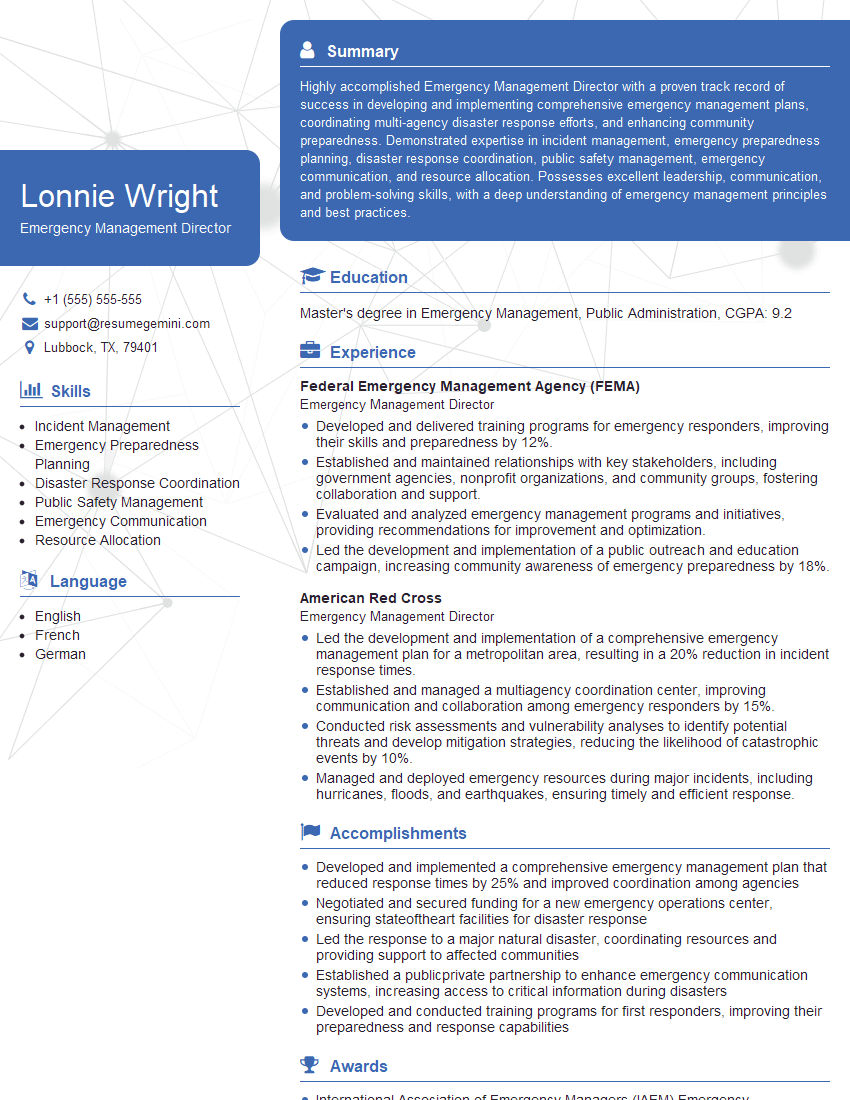
Emergency Management Director Resume Sample
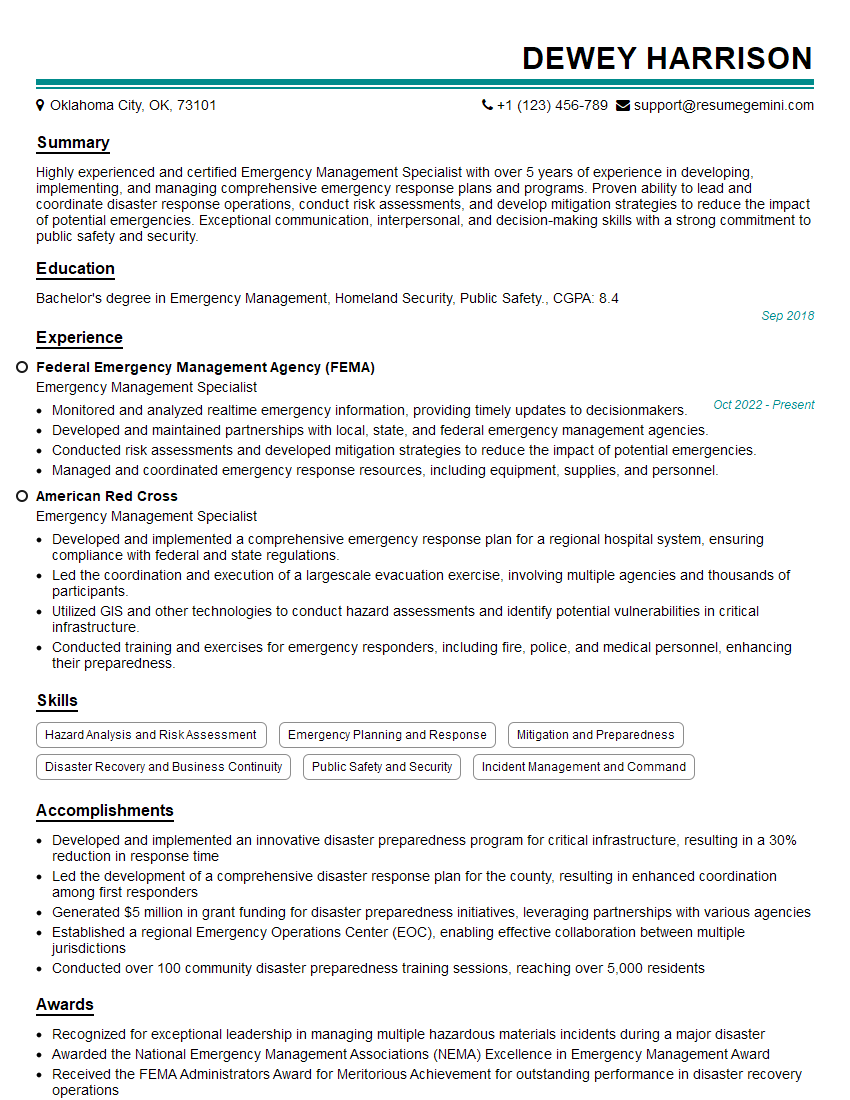
Emergency Management Specialist Resume Sample
Security Manager Resume Sample
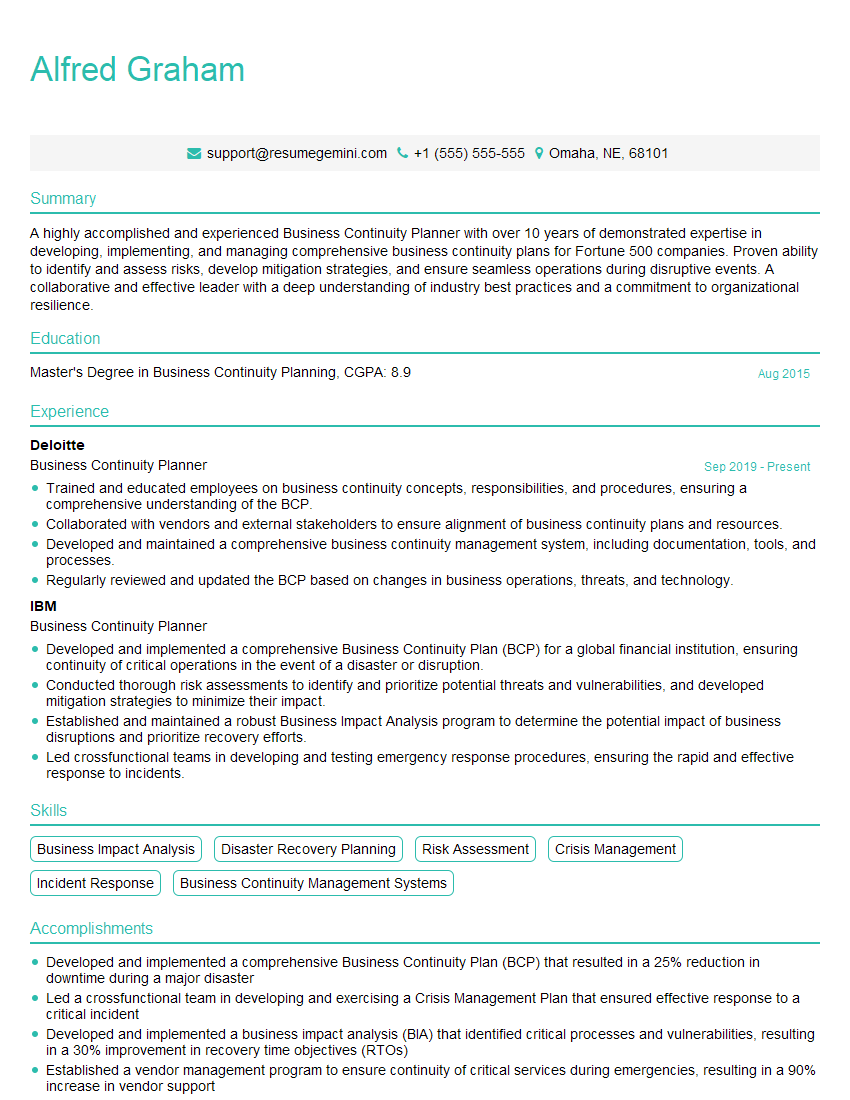
Business Continuity Planner Resume Sample
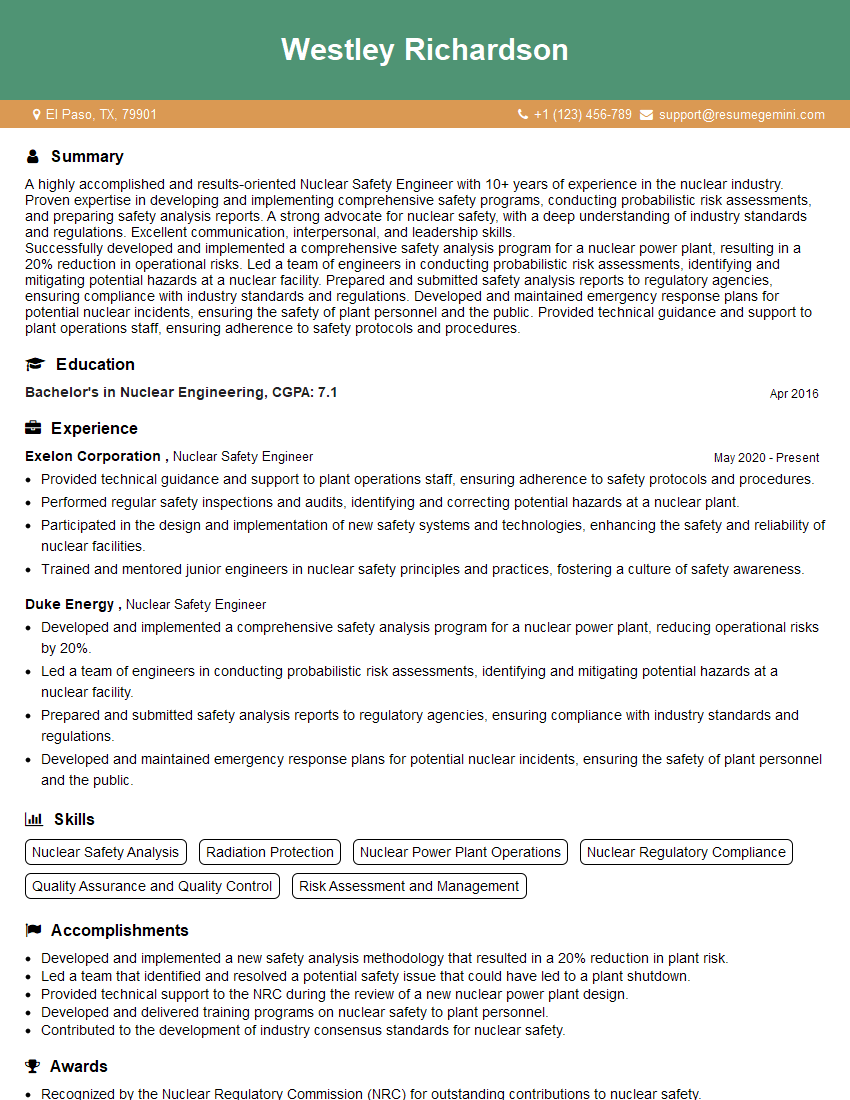
Nuclear Safety Engineer Resume Sample
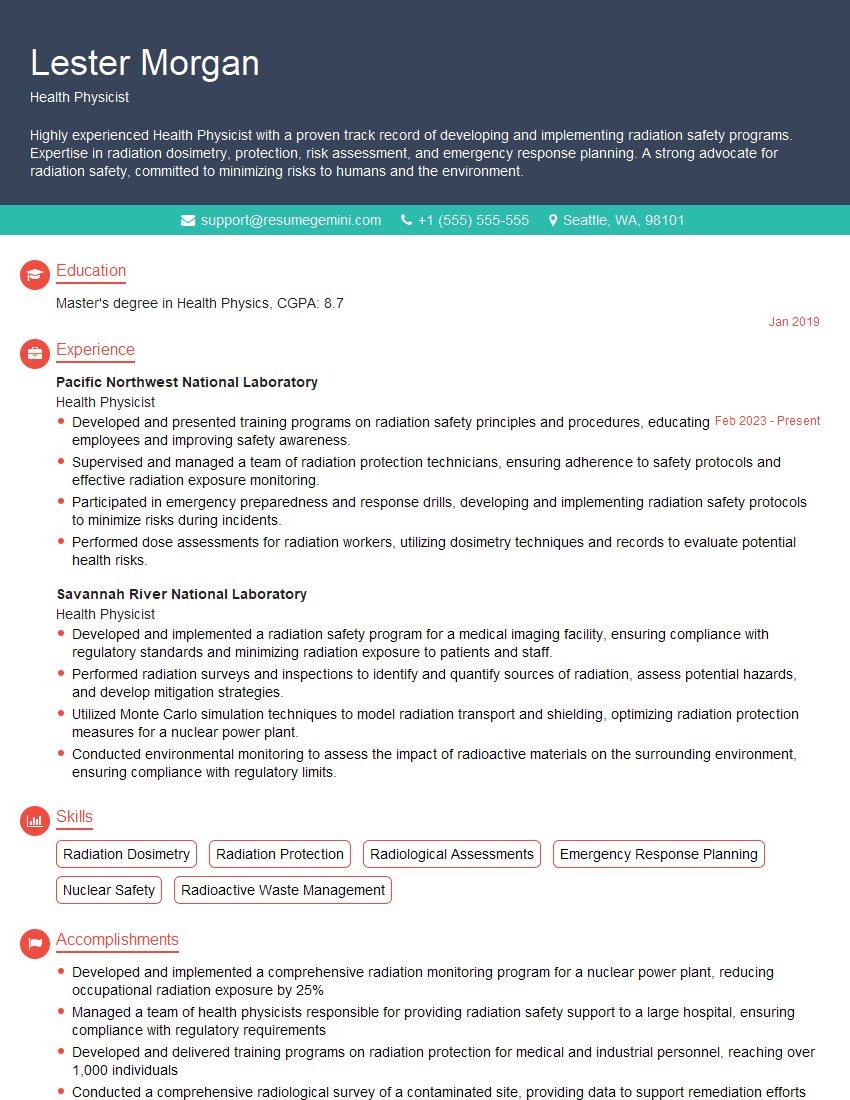
Health Physicist Resume Sample
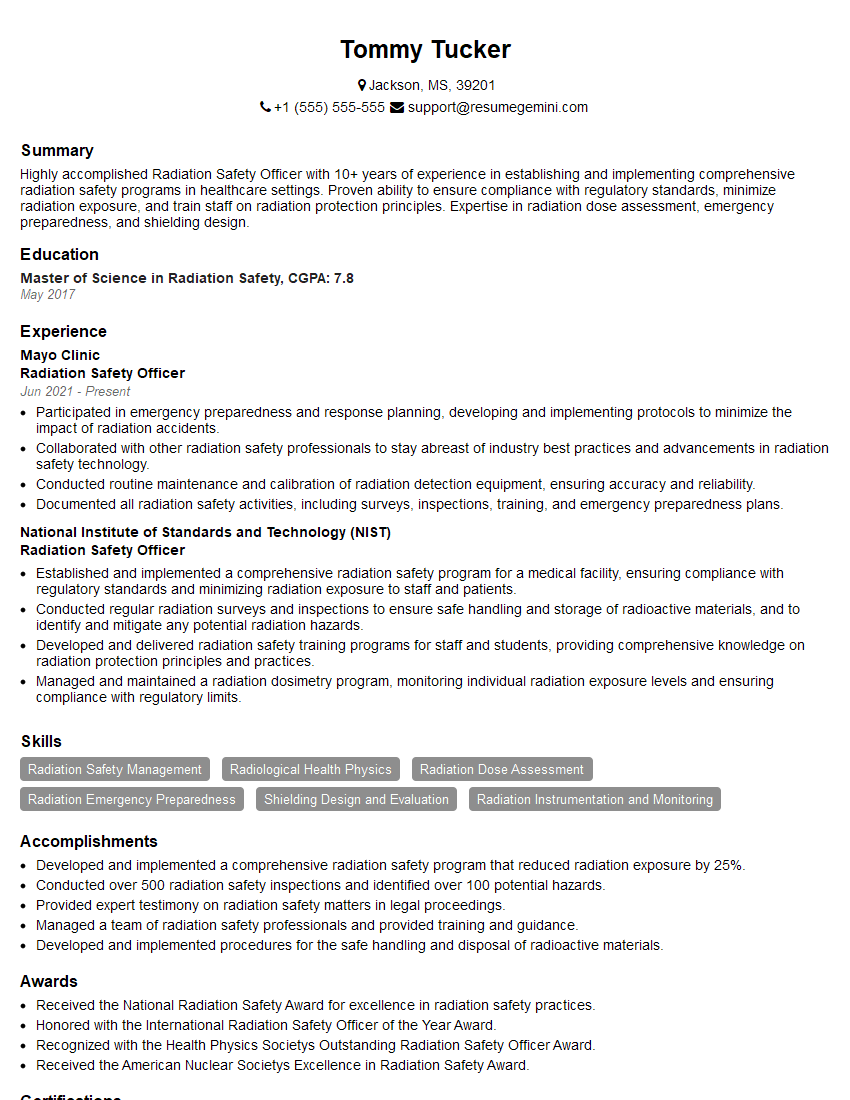
Radiation Safety Officer Resume Sample
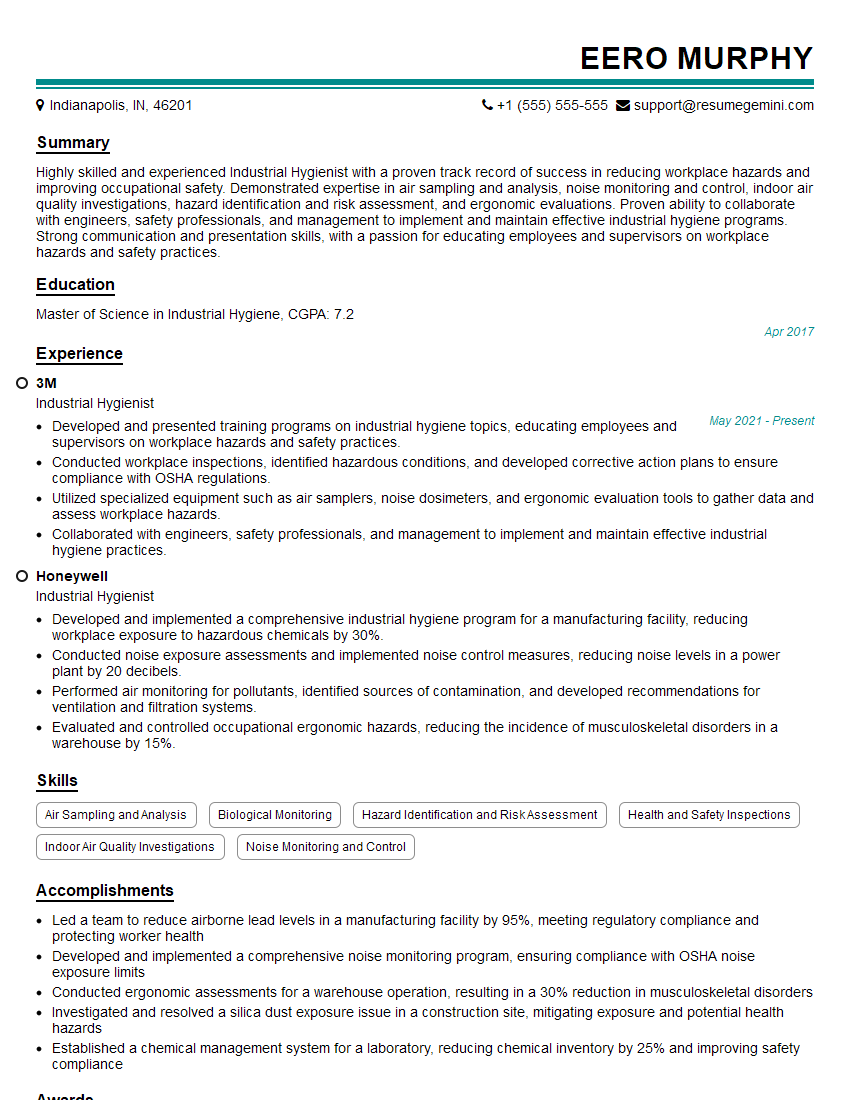
Industrial Hygienist Resume Sample
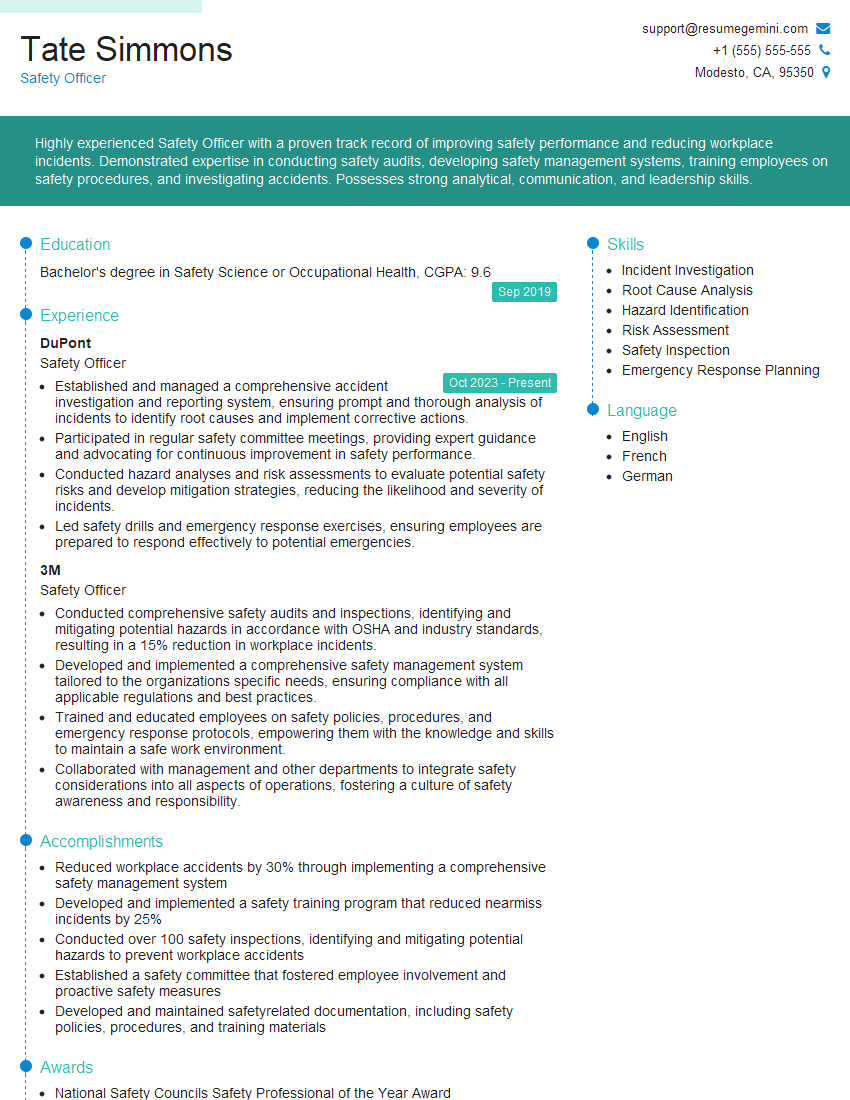
Safety Officer Resume Sample
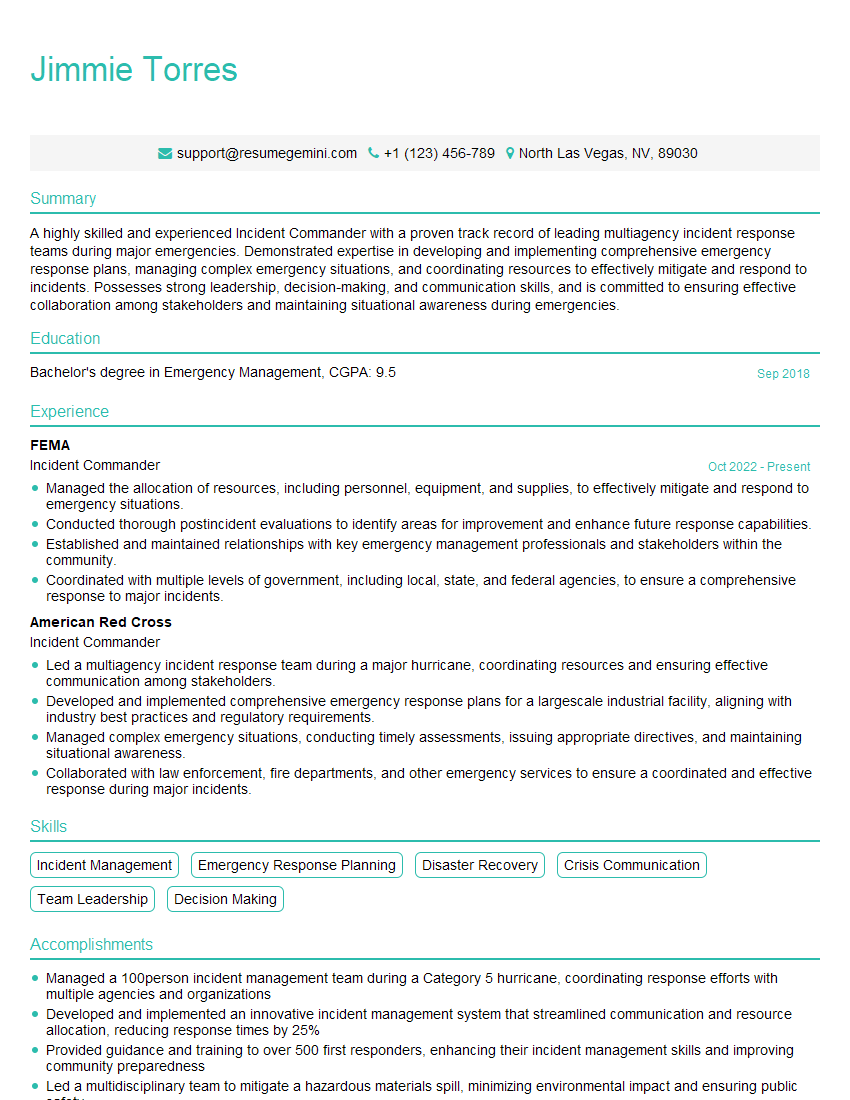
Incident Commander Resume Sample
Explore more articles
Users Rating of Our Blogs
Share Your Experience
We value your feedback! Please rate our content and share your thoughts (optional).
What Readers Say About Our Blog
Very informative content, great job.
good