Preparation is the key to success in any interview. In this post, we’ll explore crucial Recruiting and Talent Identification interview questions and equip you with strategies to craft impactful answers. Whether you’re a beginner or a pro, these tips will elevate your preparation.
Questions Asked in Recruiting and Talent Identification Interview
Q 1. Describe your experience with different sourcing techniques.
My sourcing strategy is multifaceted, leveraging a blend of active and passive techniques. Active sourcing involves proactively searching for candidates on platforms like LinkedIn, professional networking sites, and job boards. I use Boolean search strings, like "(Data Scientist) AND (Python) AND (Machine Learning)", to refine my searches. Passive sourcing, on the other hand, focuses on engaging with potential candidates who aren’t actively seeking new roles. This might involve attending industry events, participating in online communities, or using social media to connect with individuals possessing the desired skills. I also utilize referral programs, tapping into my existing network and encouraging employees to recommend qualified candidates. For example, I recently found a top-performing software engineer through a referral program, significantly reducing recruitment time and improving the quality of hire.
Beyond these core strategies, I’m adept at using niche job boards specific to certain industries or skill sets, as well as engaging with talent aggregators who compile candidate profiles from various sources. Finally, I regularly monitor competitor activity to understand the talent landscape and identify potentially suitable candidates currently employed elsewhere.
Q 2. How do you assess candidate fit for a specific role?
Assessing candidate fit involves a multi-step process focused on evaluating both hard skills and soft skills, as well as cultural alignment. I start with a thorough review of the job description to identify the essential qualifications and desired attributes. Then, I employ a combination of techniques to assess these attributes. This includes analyzing resumes and cover letters to verify skills and experience; conducting structured interviews focusing on behavioral questions (e.g., “Tell me about a time you failed”), technical assessments tailored to the role, and situational judgement tests.
Crucially, I also involve the hiring manager in the process to ensure their buy-in and gain valuable insight into the team dynamics and specific requirements of the role. Furthermore, I might conduct reference checks to validate the candidate’s past performance and gain additional perspectives. The goal isn’t merely to find someone who meets minimum requirements but to identify someone who truly excels and aligns with the company’s culture and the team’s dynamic. This holistic approach significantly reduces the risk of mis-hires.
Q 3. Explain your process for screening resumes and applications.
My resume screening process is efficient yet thorough. I first use keyword search within the ATS to filter out applications that don’t meet the basic requirements of the role. Then, I carefully review the remaining resumes, paying close attention to keywords and quantifiable achievements. I look for evidence of career progression, skill development, and alignment with the job description’s responsibilities. I also pay attention to the candidate’s communication style and the overall clarity and professionalism of their resume and cover letter.
For example, I might prioritize candidates who quantify their accomplishments with data (e.g., “Increased sales by 15%” instead of “Increased sales”). Resumes that are poorly formatted or contain grammatical errors are often quickly eliminated, as they reflect a lack of attention to detail and professional presentation. This initial screening stage helps me to quickly identify the most promising candidates for further evaluation.
Q 4. What metrics do you use to measure the effectiveness of your recruiting efforts?
Measuring the effectiveness of my recruiting efforts requires a blend of quantitative and qualitative metrics. Key quantitative metrics include time-to-fill (the time it takes to fill a vacant position), cost-per-hire, and offer acceptance rate. These metrics provide a clear picture of efficiency and cost-effectiveness. However, equally important are qualitative metrics that measure the long-term impact of my hiring decisions. These include employee retention rates, employee performance ratings, and feedback from hiring managers on the quality of hire.
For instance, a low time-to-fill might be positive, but if the hires have high turnover rates, it indicates a problem with the selection process. By tracking these metrics over time, I can identify trends, pinpoint areas for improvement, and continuously refine my strategies to optimize the recruiting process. Regular analysis of these metrics is essential to demonstrating the value and impact of the recruitment function.
Q 5. How do you handle high-volume recruiting?
High-volume recruiting requires a structured and scalable approach. Automation plays a crucial role in streamlining the process. This might involve leveraging ATS features for automated screening, email sequences for candidate communication, and scheduling tools for efficient interview coordination. I also utilize standardized interview processes and evaluation forms to ensure consistency and fairness across a large number of candidates.
Furthermore, prioritizing candidates based on specific qualifications and using pre-screening questionnaires can help filter out unsuitable applicants early in the process. While efficiency is paramount, I maintain a focus on providing a positive candidate experience even in high-volume situations, ensuring clear communication and prompt feedback at every stage. A well-organized system ensures that no applicant feels overlooked.
Q 6. Describe your experience with applicant tracking systems (ATS).
I have extensive experience with several Applicant Tracking Systems (ATS), including Taleo, Workday, and Greenhouse. My expertise extends beyond basic functionality, encompassing the use of advanced features such as candidate relationship management (CRM), reporting and analytics, and workflow automation. I’m proficient in configuring ATS systems to optimize the recruitment process, including building custom workflows, creating and managing job postings, and tracking candidate progress throughout the pipeline.
For instance, I regularly leverage ATS reporting to analyze time-to-fill trends, identify bottlenecks, and measure the effectiveness of different sourcing channels. My understanding of ATS functionalities enables me to maximize the efficiency and effectiveness of our recruitment efforts, streamlining the process and improving overall candidate experience.
Q 7. How do you build relationships with hiring managers?
Building strong relationships with hiring managers is essential for effective recruitment. This is achieved through proactive communication, active listening, and a collaborative approach. I establish a clear understanding of their needs and expectations by conducting thorough job requirement discussions, understanding the team’s dynamics, and defining success metrics for the role. I regularly update them on the progress of the search, providing regular feedback on candidate progress and addressing any questions or concerns.
Transparency and open communication are crucial. I view myself as a strategic partner to the hiring manager, providing insights and guidance beyond simply filling the position. By actively seeking feedback and tailoring my approach to their needs, I build trust and foster a strong working relationship. This collaborative partnership ensures that I’m recruiting candidates who are not only qualified but also a good fit for their team and the organization’s culture.
Q 8. What is your approach to negotiating salary and benefits with candidates?
Salary and benefits negotiation requires a delicate balance between advocating for the company and ensuring the candidate feels valued. My approach begins with thorough research. Before any negotiation, I understand the market rate for the specific role and location, considering the candidate’s experience and skills. I also know the company’s salary range for the position.
During the negotiation, I focus on a collaborative approach. I present the company’s offer, explaining the rationale behind it, and then actively listen to the candidate’s expectations. I try to find common ground, perhaps by offering alternative benefits like flexible work arrangements, professional development opportunities, or bonuses. Negotiation is a two-way street; it’s about finding a mutually beneficial agreement. I’ve successfully negotiated compensation packages by highlighting the overall value proposition of the company – beyond just salary, showcasing career growth potential, team culture, and benefits package. For example, I once helped a candidate understand that while the initial salary offer was slightly below their expectation, the company’s rapid growth and stock options provided significantly higher long-term earning potential, ultimately leading to a successful agreement.
Q 9. How do you manage candidate expectations throughout the recruitment process?
Managing candidate expectations is crucial for a positive recruitment experience. Transparency is key. From the initial contact, I set clear expectations about the timeline, the interview process, and the next steps. I provide regular updates, even if it’s just a brief email confirming receipt of their application or letting them know when to expect a response.
Realistic communication is also essential. If a candidate is not selected, I explain the reasons in a professional and respectful manner. I avoid vague feedback and try to provide constructive criticism that can help them improve their job search. For instance, I might say, “While your skills are impressive, the selected candidate had more direct experience in X.” Building trust and managing expectations consistently throughout the recruitment process leads to a positive candidate experience, even if they aren’t selected. This also contributes to building a strong employer brand.
Q 10. How do you identify passive candidates?
Identifying passive candidates – those not actively seeking new jobs – requires a more proactive approach than simply reviewing applications. My strategy involves a multi-pronged approach: leveraging my network, utilizing professional platforms, and conducting targeted research.
- Networking: I actively engage with my professional network through industry events, conferences, and online forums, looking for individuals who possess the desired skills and experience.
- Professional Platforms: LinkedIn Recruiter is a powerful tool (more on that in the next question). I also use Boolean search strings to identify individuals with specific skills and experience on job boards and other professional platforms.
- Targeted Research: I research companies known for having talented individuals in my target area and identify potential candidates through their websites, publications, and news articles.
Once identified, engaging passive candidates requires a personalized and persuasive approach. Highlighting the unique aspects of the role and the company culture is key, focusing on career progression and opportunity. I frequently use informational interviews as a first step to build rapport and gauge their interest.
Q 11. Explain your experience using LinkedIn Recruiter.
LinkedIn Recruiter is an integral part of my recruiting workflow. I use it to find and engage passive candidates, source talent based on specific criteria, and track my recruiting activities.
My experience includes utilizing advanced search techniques, including Boolean operators ("(Java OR Python) AND (Senior Developer)"), to refine my search results and target ideal candidates. I leverage LinkedIn’s features such as InMail to reach out to passive candidates with personalized messages highlighting relevant projects and skills. I also track my interactions using the platform’s built-in tools, monitoring response rates and adjusting my outreach strategy as needed. I regularly analyze my recruiter analytics to optimize search parameters and messaging, increasing the effectiveness of my outreach efforts. This data-driven approach ensures efficiency and maximizes the ROI of my time spent using the platform.
Q 12. How do you handle difficult candidates or situations during the interview process?
Handling difficult candidates or situations requires diplomacy, empathy, and a structured approach. A candidate’s behavior might stem from various factors, including anxiety, misunderstanding, or even a poor fit for the role.
My strategy involves active listening, maintaining a professional demeanor, and clearly articulating expectations. If a candidate is exhibiting unprofessional behavior, I address it directly and professionally, setting boundaries while still being respectful. If there are misunderstandings, I clarify information patiently. If the situation escalates, I might consult with my supervisor or HR department. For instance, I had a candidate who was aggressively demanding a higher salary than was possible. By actively listening to their concerns about work-life balance and career growth, I was able to offer alternative incentives that addressed their needs and satisfied the company budget constraints. It’s important to remember that a respectful, empathetic approach can often diffuse difficult situations and maintain a positive image of the company, even when a candidate isn’t selected.
Q 13. How do you ensure diversity and inclusion in your recruiting efforts?
Ensuring diversity and inclusion is not merely a best practice; it’s a business imperative. My approach involves proactively incorporating diversity into every stage of the recruitment process. This starts with crafting inclusive job descriptions that avoid gendered or biased language.
I utilize diverse sourcing channels to reach a wider pool of candidates, including partnering with organizations that support underrepresented groups and leveraging job boards and platforms that attract diverse talent. I ensure the interview process is fair and unbiased, using standardized interview questions and blind resume reviews to mitigate unconscious bias. Finally, I track diversity metrics to monitor progress and identify areas for improvement. We regularly review our recruitment strategies to ensure we are reaching a diverse range of candidates and creating an inclusive work environment. This has resulted in a workforce that better reflects the diversity of the community we serve, leading to enhanced creativity and innovation.
Q 14. Describe your experience with behavioral interviewing.
Behavioral interviewing focuses on assessing a candidate’s past behavior to predict their future performance. I use a structured approach, asking open-ended questions that begin with words like “Tell me about a time…” These questions are designed to elicit specific examples of how the candidate has handled situations relevant to the job requirements.
For example, to assess problem-solving skills, I might ask, “Tell me about a time you faced a challenging problem at work. How did you approach it, and what was the outcome?” I then use the STAR method (Situation, Task, Action, Result) to guide the candidate’s response and ensure I get a comprehensive understanding of their approach. I analyze their responses, paying attention to the actions they took, the challenges they faced, and the results they achieved. I compare the examples provided with the requirements of the role. This method helps me assess not just their skills but also their work ethic, problem-solving abilities, and decision-making capabilities, creating a stronger prediction of their future success in the role.
Q 15. What is your experience with different interview formats (e.g., phone screens, panel interviews)?
Throughout my career, I’ve extensively utilized various interview formats, each serving a unique purpose in the candidate selection process. Phone screens are highly efficient for initial screening, allowing me to quickly assess basic qualifications and communication skills. I typically use a structured approach with pre-defined questions to ensure consistency and fairness. For example, I might ask about a candidate’s experience with a specific technology or their approach to problem-solving in past roles.
Panel interviews, involving multiple stakeholders, are invaluable for evaluating candidate fit across different departments or perspectives. The structured nature of these interviews ensures every evaluator has the opportunity to assess the candidate’s skills and experience thoroughly. I find it beneficial to assign each panelist specific areas of focus, facilitating a comprehensive evaluation. For instance, one panelist might focus on technical skills, while another focuses on leadership capabilities. Finally, I also incorporate behavioral interviews, focusing on past experiences to predict future performance, and technical interviews to assess practical abilities relevant to the role. This blended approach offers a comprehensive understanding of a candidate’s suitability.
Career Expert Tips:
- Ace those interviews! Prepare effectively by reviewing the Top 50 Most Common Interview Questions on ResumeGemini.
- Navigate your job search with confidence! Explore a wide range of Career Tips on ResumeGemini. Learn about common challenges and recommendations to overcome them.
- Craft the perfect resume! Master the Art of Resume Writing with ResumeGemini’s guide. Showcase your unique qualifications and achievements effectively.
- Don’t miss out on holiday savings! Build your dream resume with ResumeGemini’s ATS optimized templates.
Q 16. How do you measure candidate engagement throughout the hiring process?
Measuring candidate engagement is crucial for optimizing the hiring process and enhancing the candidate experience. I employ several methods to track this. Firstly, prompt and consistent communication is key. I ensure candidates receive timely updates on the progress of their application at every stage. This proactive communication demonstrates respect for their time and keeps them informed. Secondly, I actively solicit feedback throughout the process. Following each interview, I send a brief survey asking about their experience and suggestions for improvement. This valuable feedback helps me refine the process and identify areas needing attention.
Beyond formal feedback, I observe subtle cues during interviews. Active listening, thoughtful responses, and insightful questions reflect a highly engaged candidate. Conversely, delayed responses, lack of preparation, or disinterest during the conversation might indicate a lack of engagement. This holistic approach, combining direct feedback mechanisms with observational cues, provides a comprehensive understanding of candidate engagement.
Q 17. How do you provide feedback to candidates, both positive and negative?
Providing timely and constructive feedback is vital, irrespective of whether the outcome is positive or negative. For successful candidates, I emphasize their strengths, highlighting the qualities that impressed the hiring team. I clearly outline the next steps in the onboarding process, ensuring a smooth transition. For example, I might say, “Your technical skills and problem-solving approach were particularly impressive, and we’re excited to offer you the role of Software Engineer. We’ll be sending you the offer letter shortly.”
When delivering negative feedback, I aim for sensitivity and professionalism. I avoid generic rejections and instead provide specific, constructive criticism based on their performance. For example, I might say, “While your experience is impressive, your communication style wasn’t quite the right fit for this role. However, we were impressed with your [specific skill], and suggest focusing on [area for improvement] in your future applications.”
Q 18. What is your experience with background checks and reference checks?
Background checks and reference checks are essential components of a thorough candidate evaluation process, providing crucial insights into a candidate’s history and character. I utilize reputable third-party vendors specializing in background checks, ensuring compliance with relevant laws and regulations. These checks typically include criminal record checks, education verification, and employment history verification. The scope of the background check is tailored to the specific role and company policy.
Reference checks involve contacting previous employers or supervisors to gather feedback on a candidate’s work ethic, performance, and overall suitability for the role. I utilize a structured approach, asking targeted questions to gauge the candidate’s performance and professionalism. I always obtain the candidate’s consent before contacting their references and ensure I’m asking only relevant and legally permissible questions. This two-pronged approach provides a detailed and reliable assessment of a candidate’s suitability.
Q 19. How do you handle candidates who are not a good fit for the role?
Handling candidates who aren’t a good fit requires sensitivity and professionalism. My approach prioritizes maintaining a positive relationship with the candidate, even if they’re not selected. I always provide prompt and clear feedback, explaining why they weren’t selected for the role, even if it is a generic explanation. For example, I might say, “While your qualifications were impressive, we’ve decided to move forward with other candidates whose skills and experience align more closely with the specific requirements of this role.” This honest, respectful communication leaves the door open for future opportunities.
Furthermore, I often suggest alternative opportunities within the company or network with them, connecting them with potential employers whose needs might better align with their capabilities. This shows consideration for their career trajectory and strengthens our employer brand. This positive approach maintains a professional image and supports future talent pipelines.
Q 20. Describe a time you had to fill a difficult-to-fill position.
One particularly challenging role I had to fill was for a Senior DevOps Engineer with expertise in a niche technology. The difficulty stemmed from the limited talent pool possessing the required skillset and experience. My strategy involved a multi-pronged approach. Firstly, I broadened my search beyond traditional job boards, utilizing specialized networking platforms and professional associations. Secondly, I revised the job description, emphasizing the most critical skills and experience to attract a more targeted pool of applicants.
Moreover, I adjusted our compensation and benefits package to make it more competitive with market rates for this highly specialized skillset. I also collaborated closely with our engineering team to assess the feasibility of internal training or mentorship for candidates with transferable skills. Finally, I significantly increased the time allocated for the recruitment process, recognizing the longer search time required for a difficult-to-fill position. Through this comprehensive strategy, we successfully filled the position with a highly qualified candidate who exceeded our expectations.
Q 21. What is your understanding of employment law and regulations?
Understanding employment law and regulations is paramount in the recruiting process. This includes a strong grasp of federal and state laws pertaining to equal opportunity employment, discrimination, fair labor practices, and data privacy. I’m proficient in complying with regulations such as the Americans with Disabilities Act (ADA), Title VII of the Civil Rights Act, and the Fair Credit Reporting Act (FCRA), ensuring all recruiting practices are compliant and ethical.
I ensure that all job postings are compliant with equal opportunity employment guidelines, and all interview questions avoid discriminatory inquiries. I’m also well-versed in the legal aspects of background checks, ensuring these checks are conducted legally and ethically, obtaining candidate consent and providing proper disclosure. Maintaining this level of legal knowledge allows me to mitigate risk and ensure a legally sound hiring process.
Q 22. How do you stay up-to-date with industry best practices and trends in recruiting?
Staying current in the dynamic field of recruiting requires a multi-pronged approach. I actively engage in several key strategies:
- Professional Networking: I regularly attend industry conferences like SHRM (Society for Human Resource Management) annual conferences and smaller, niche events focusing on talent acquisition. These events provide opportunities to learn about new technologies and strategies directly from experts and peers.
- Industry Publications and Research: I subscribe to leading recruiting publications such as HR Dive, Recruiter.com, and SHRM’s resources, and regularly read research reports from firms like Gartner and Bersin by Deloitte. This keeps me informed on emerging trends in areas like AI-driven recruitment, candidate experience, and diversity and inclusion.
- Online Learning Platforms and Webinars: Platforms like LinkedIn Learning, Coursera, and Udemy offer valuable courses on advanced recruiting techniques, sourcing strategies, and candidate assessment methodologies. I actively participate in webinars and online workshops to stay abreast of best practices.
- Following Thought Leaders: I follow influential thought leaders and recruiters on social media platforms like LinkedIn and Twitter. Their insights and shared articles often highlight cutting-edge developments in the field.
By combining these methods, I ensure my knowledge base remains current and relevant, enabling me to adapt my strategies to the evolving needs of the recruiting landscape.
Q 23. What is your preferred method for onboarding new hires?
My preferred onboarding method is a blended approach that combines structured elements with personalized touches, focusing on creating a welcoming and supportive environment. It’s designed to integrate new hires smoothly and quickly. This method includes:
- Pre-boarding: Before the first day, new hires receive a welcome package containing important information about the company, their team, and their role. This helps them familiarize themselves with the company culture and reduce anxiety about the start date.
- Structured First Week: The first week is carefully planned with a focus on introductions, team building, and completing essential paperwork. This provides a clear roadmap for the new employee.
- Mentorship Program: New hires are paired with a mentor within the company who can provide guidance, support, and answer questions. This personalized touch helps with building relationships and navigating the company culture.
- Ongoing Training and Development: We don’t simply stop onboarding after the first week. Ongoing training and development opportunities are provided to help new hires continue to grow and succeed in their roles.
- Regular Check-ins: I regularly check in with new hires during their first few months to address any challenges, offer support, and ensure they’re feeling integrated into the team.
This holistic approach ensures a positive and productive start for every new employee.
Q 24. How do you measure the success of your onboarding process?
Measuring the success of an onboarding program requires a multi-faceted approach. I focus on both quantitative and qualitative data to gain a comprehensive understanding.
- Time to Productivity: How quickly are new hires becoming productive and contributing to the team? This can be measured through performance reviews, project completion timelines, and manager feedback.
- Employee Retention: A successful onboarding program should contribute to higher retention rates. Tracking employee turnover among new hires helps assess the program’s impact.
- Employee Satisfaction Surveys: Regular surveys provide valuable feedback on the new hire experience. This helps identify areas for improvement and highlight what’s working well.
- Manager Feedback: Managers’ perspectives are crucial. Gathering their input on the ease of integrating new hires and their overall performance offers important insights.
- 30-60-90 Day Reviews: These provide structured opportunities for feedback and goal setting, allowing for early intervention and course correction if needed.
By analyzing this data, I can continuously refine our onboarding process and ensure it remains effective in supporting new hires.
Q 25. How do you identify and address potential biases in your recruiting process?
Addressing bias in recruiting is a critical aspect of ensuring fairness and building diverse teams. I employ several strategies:
- Blind Resume Screening: Removing identifying information like names and schools from resumes during the initial screening process helps mitigate unconscious bias based on demographics.
- Structured Interviews: Using standardized interview questions and scoring rubrics ensures consistent evaluation of candidates, reducing subjective judgments and personal biases.
- Diverse Interview Panels: Including individuals from diverse backgrounds in the interview process provides multiple perspectives and helps identify potential biases.
- Regular Bias Training: Participating in and implementing ongoing training programs on unconscious bias for all recruiters helps raise awareness and promote fairer practices.
- Data Analysis: Regularly analyzing recruitment data to identify potential disparities in hiring outcomes across different demographic groups allows for proactive adjustments to the process.
- Utilizing AI tools cautiously: While AI can automate parts of the process, it’s important to be aware that AI algorithms can inherit and amplify existing biases if not carefully designed and monitored.
A commitment to continuous improvement and a culture of inclusivity are essential in addressing potential biases throughout the recruiting process. It’s an ongoing effort, not a one-time fix.
Q 26. Describe your experience with employer branding and talent marketing.
Employer branding and talent marketing are critical for attracting top talent. My experience encompasses developing and executing strategies to enhance a company’s reputation and appeal to potential candidates.
- Developing Employer Value Propositions (EVPs): I work with leadership to define and communicate the unique aspects of working for the company—from culture and values to career development opportunities. This forms the foundation of all talent marketing efforts.
- Social Media Engagement: I utilize platforms like LinkedIn, Twitter, and Instagram to showcase the company culture, employee experiences, and career opportunities, creating engaging content that attracts and resonates with potential candidates.
- Content Marketing: Creating valuable content such as blog posts, articles, and videos highlighting company culture, employee stories, and career paths helps attract and engage potential candidates.
- Career Site Optimization: I optimize the company’s career website to provide a positive candidate experience and make it easy for applicants to find relevant job opportunities and learn about the company.
- Recruitment Events: I actively participate in and organize recruitment events such as career fairs and networking events to connect directly with potential candidates.
By combining these approaches, I help create a strong employer brand that attracts and engages the right talent.
Q 27. What are your salary expectations for this role?
My salary expectations are commensurate with my experience and the requirements of this role. Based on my research of similar positions in the market and considering my skills and contributions, I am targeting a salary range of [Insert Salary Range Here]. I am, however, open to discussing this further and am confident we can reach a mutually agreeable compensation package that reflects the value I bring to your organization.
Q 28. What are your short-term and long-term career goals?
My short-term goals focus on making significant contributions to your team. I aim to quickly integrate, master the specific challenges of this role, and exceed expectations within my first year. This includes developing expertise in [mention specific technologies or processes relevant to the role] and establishing strong working relationships with team members.
Long-term, I envision a path of continued growth and leadership within your organization. I’m highly motivated to develop my skills in [mention area of expertise you want to develop] and ultimately aim to take on increasing responsibilities, potentially moving into a management or leadership role within [timeframe] years. I’m eager to contribute to the company’s overall success and see myself as a long-term member of your team.
Key Topics to Learn for Recruiting and Talent Identification Interview
- Sourcing Strategies: Understanding various sourcing techniques (e.g., Boolean search, LinkedIn Recruiter, networking) and their effective application across different industries and roles. Practical application: Develop a sourcing strategy for a specific hard-to-fill role.
- Candidate Assessment: Mastering techniques for evaluating candidates’ skills, experience, and cultural fit. Practical application: Design a structured interview process to assess specific competencies for a given job description.
- Interview Techniques: Developing strong interviewing skills, including behavioral questioning, competency-based interviewing, and effective communication to gather insightful information. Practical application: Practice conducting mock interviews, focusing on active listening and insightful questioning.
- Diversity, Equity, and Inclusion (DE&I) in Recruiting: Understanding and implementing strategies to promote a diverse and inclusive candidate pool and workplace. Practical application: Analyze a job description for potential bias and suggest improvements for broader reach.
- Applicant Tracking Systems (ATS): Understanding how ATS works and optimizing resumes and applications for maximum impact. Practical application: Research and compare different ATS platforms and their functionalities.
- Employer Branding and Candidate Experience: Understanding the importance of creating a positive candidate experience throughout the recruitment process. Practical application: Design an improved candidate experience for a specific company, from application to onboarding.
- Metrics and Reporting: Tracking key recruitment metrics (e.g., time-to-hire, cost-per-hire) and using data to improve recruiting strategies. Practical application: Develop a dashboard to track and analyze relevant recruitment metrics.
- Legal Compliance in Recruiting: Understanding and adhering to relevant employment laws and regulations (e.g., equal opportunity employment, data privacy). Practical application: Identify potential legal risks in a given recruiting scenario.
Next Steps
Mastering Recruiting and Talent Identification is crucial for a successful and rewarding career in Human Resources. It opens doors to leadership roles and allows you to significantly impact an organization’s growth and success. To maximize your job prospects, create an ATS-friendly resume that showcases your skills and experience effectively. ResumeGemini is a trusted resource for building professional and impactful resumes, and we provide examples specifically tailored to Recruiting and Talent Identification to help you present yourself in the best possible light. Invest the time to craft a compelling narrative that reflects your unique talents and contributions. Your future self will thank you!

Sourcing Specialist Resume Sample
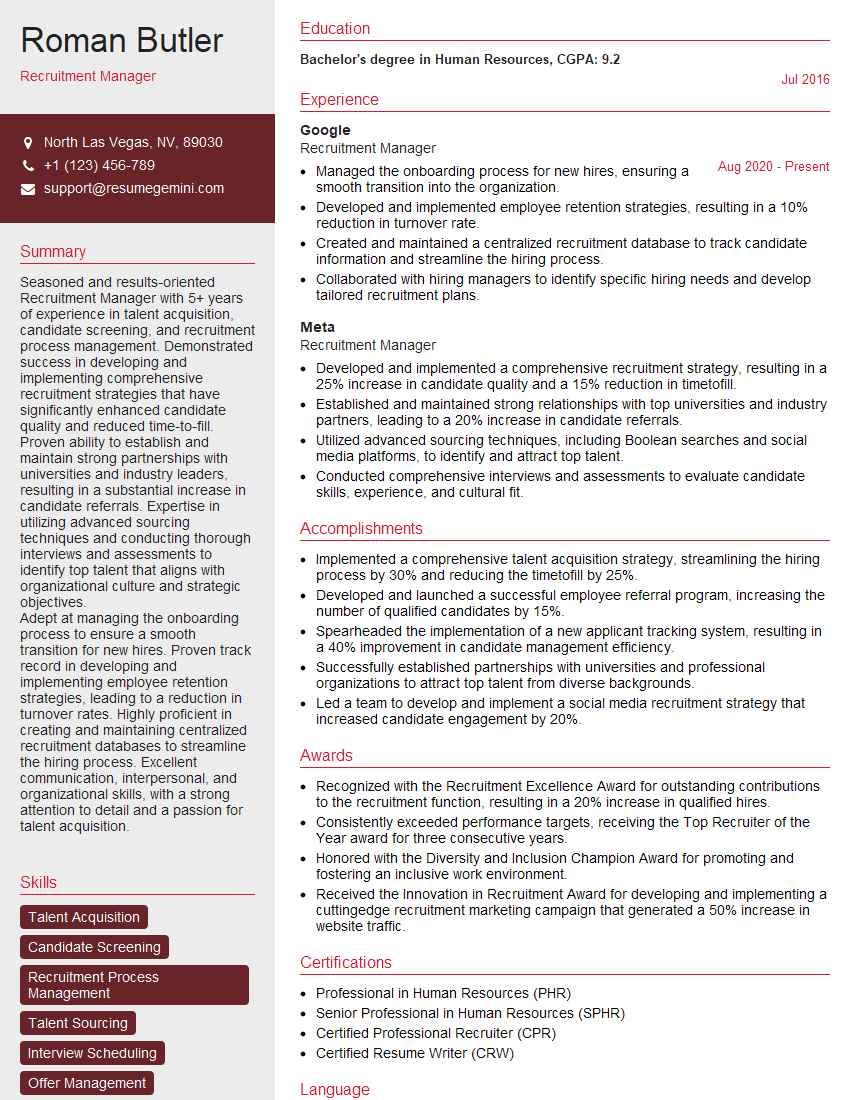
Recruitment Manager Resume Sample
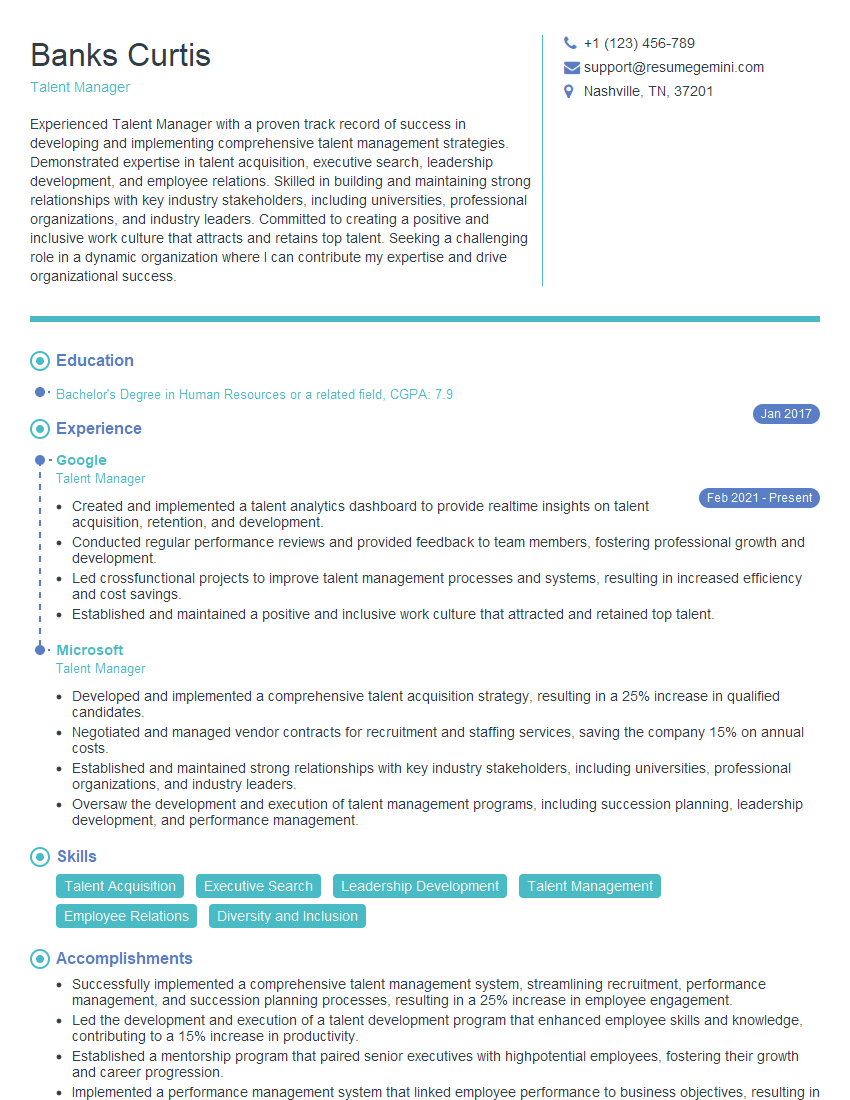
Talent Manager Resume Sample
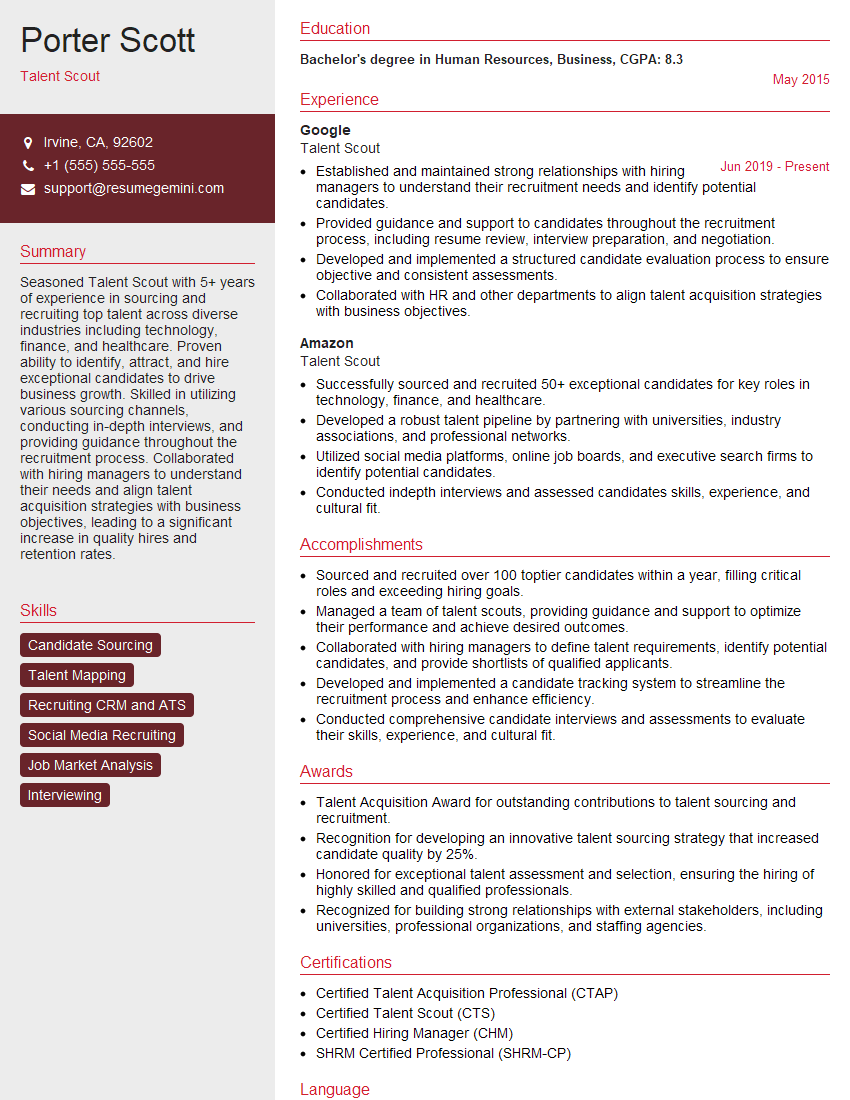
Talent Scout Resume Sample
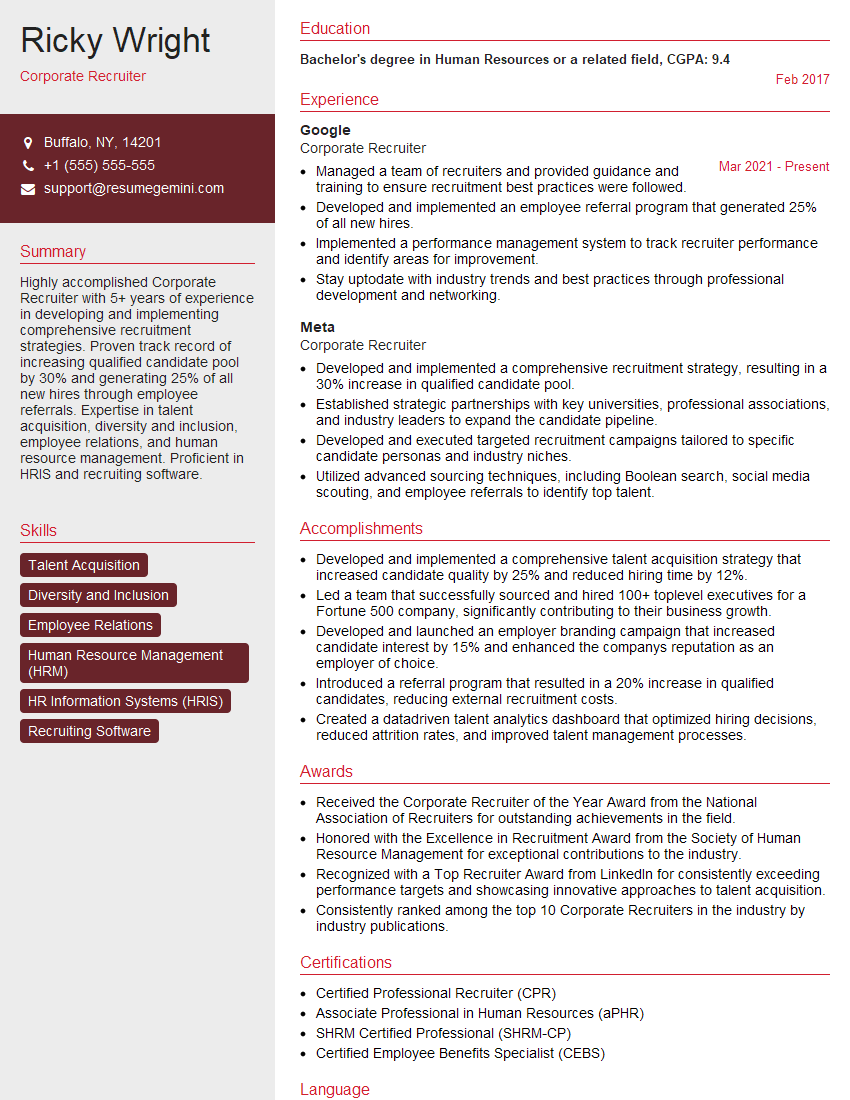
Corporate Recruiter Resume Sample
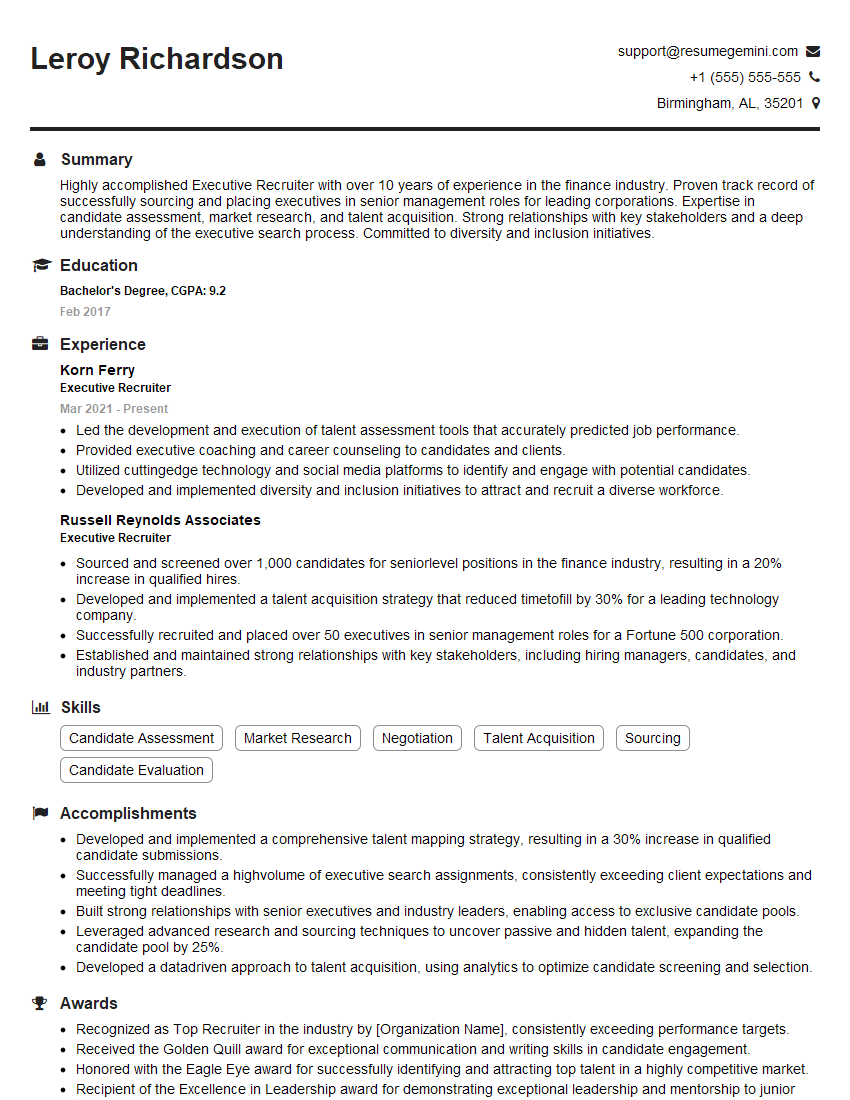
Executive Recruiter Resume Sample
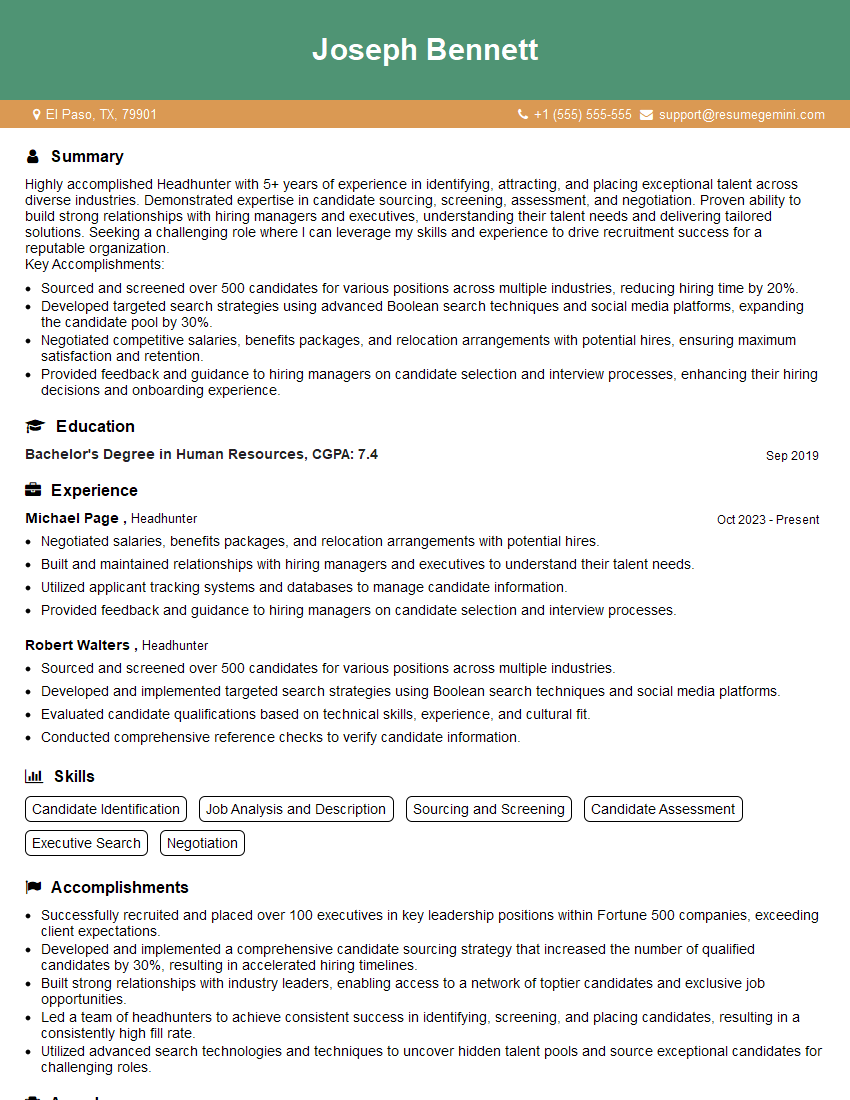
Headhunter Resume Sample
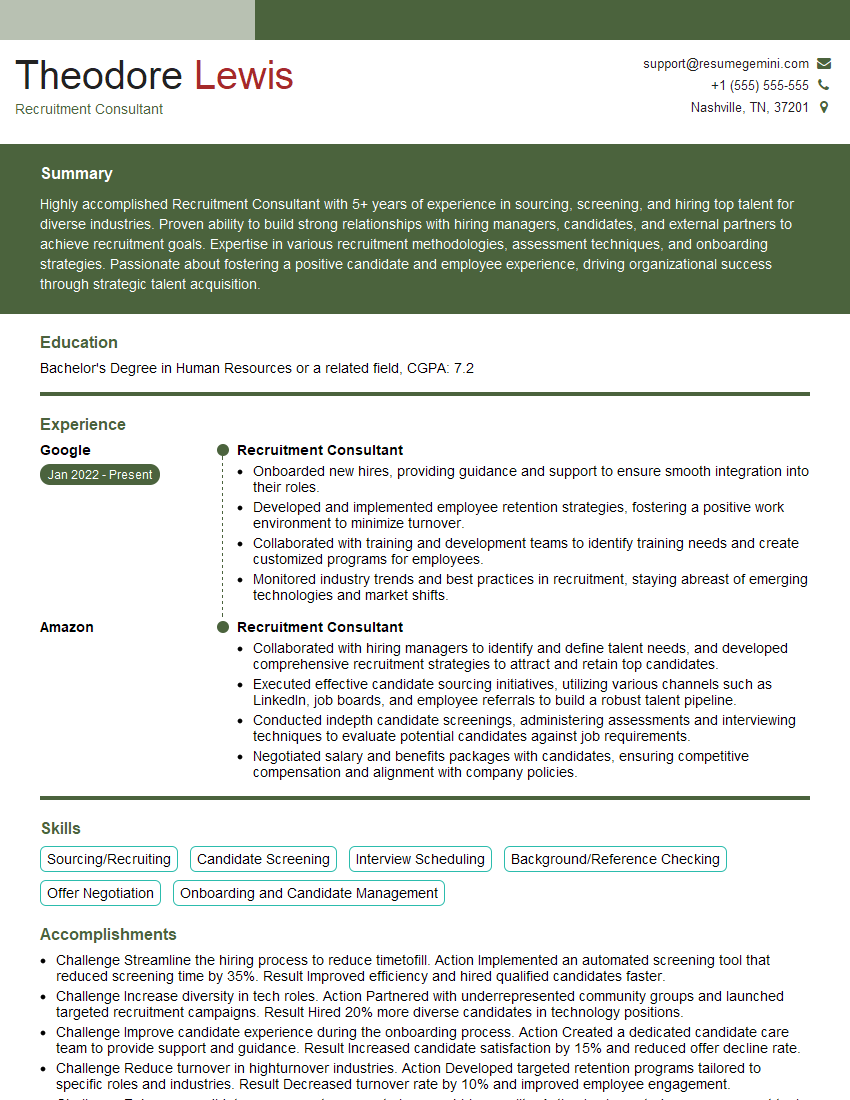
Recruitment Consultant Resume Sample
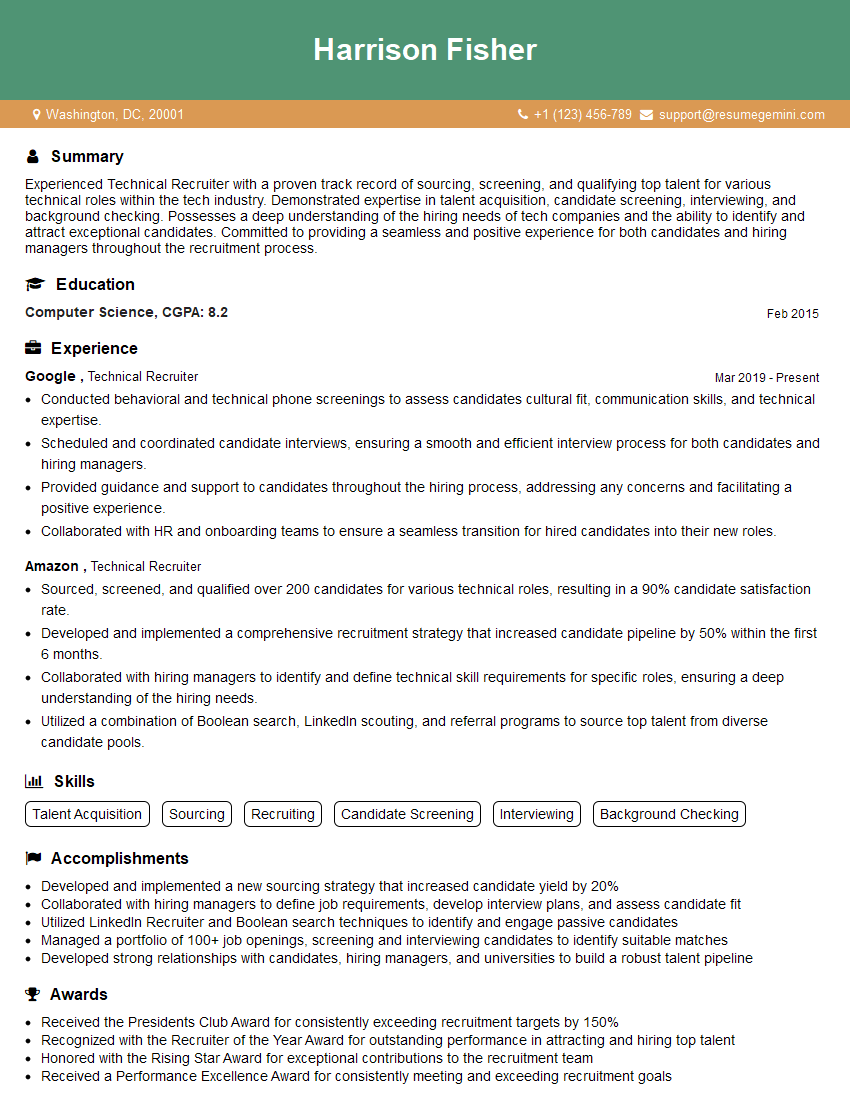
Technical Recruiter Resume Sample
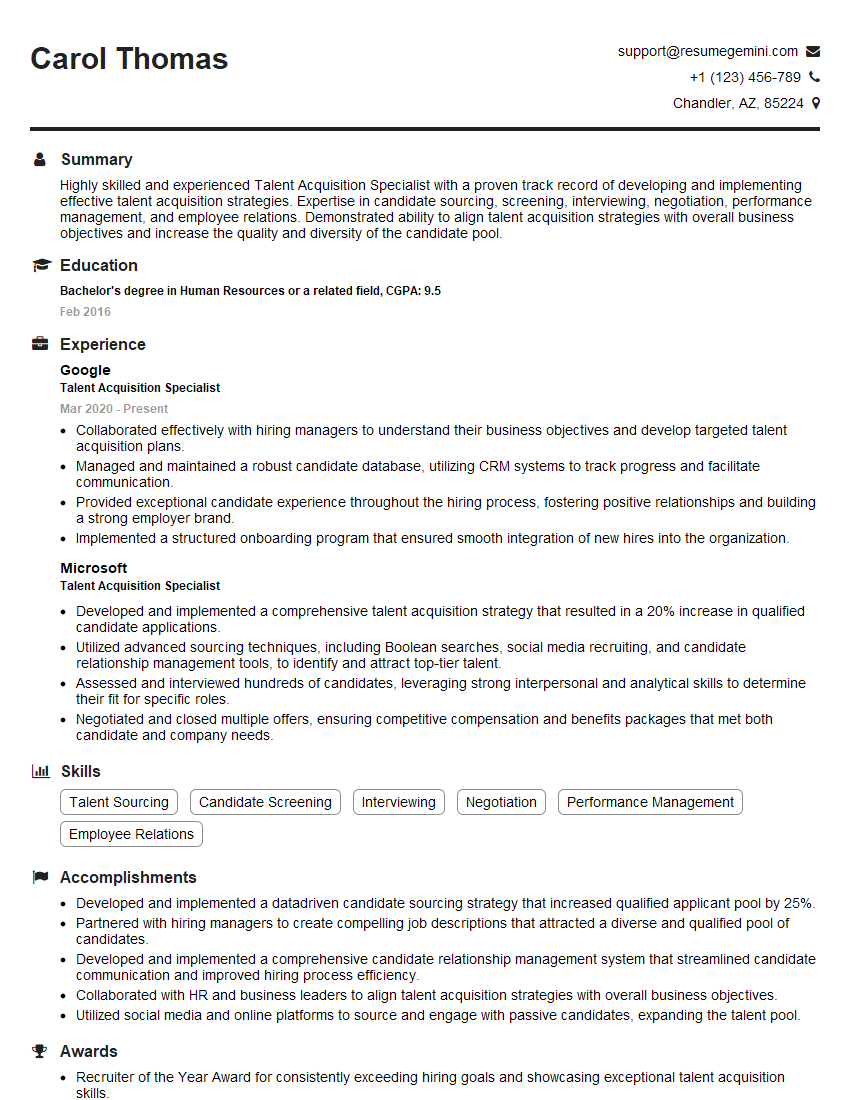
Talent Acquisition Specialist Resume Sample
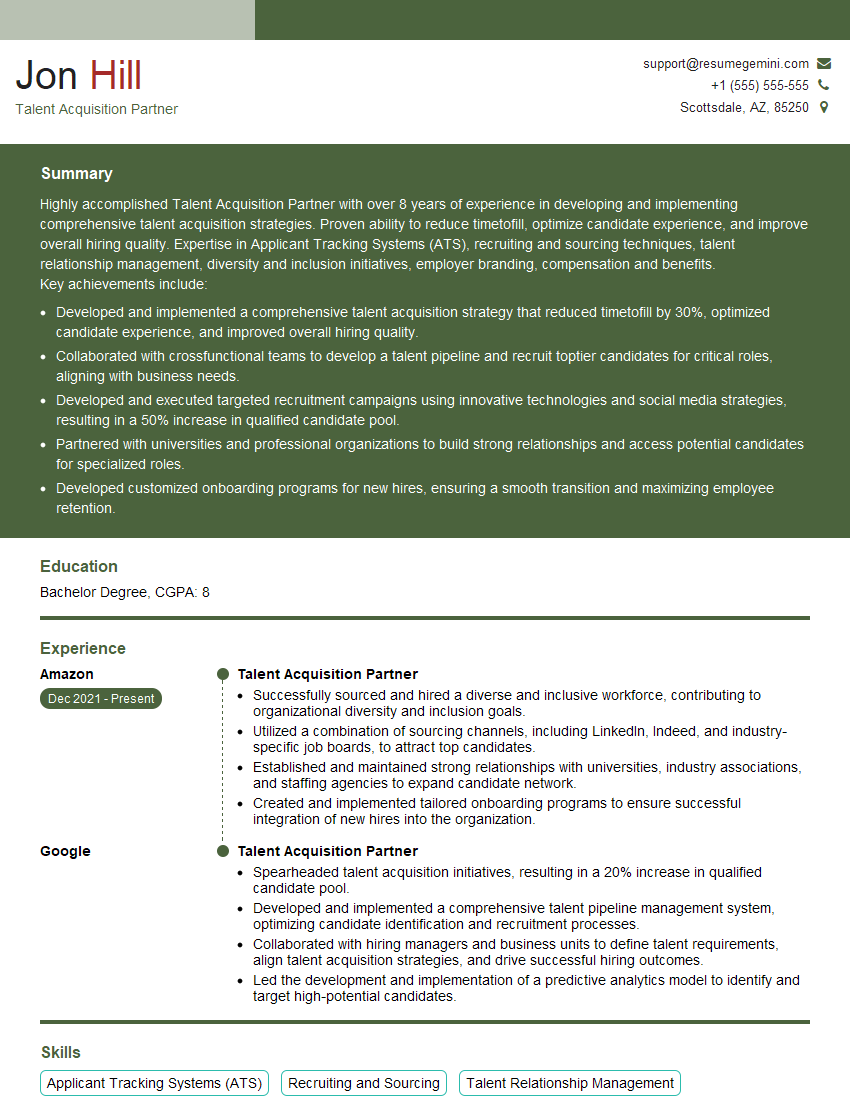
Talent Acquisition Partner Resume Sample
Explore more articles
Users Rating of Our Blogs
Share Your Experience
We value your feedback! Please rate our content and share your thoughts (optional).
What Readers Say About Our Blog
Very informative content, great job.
good