Feeling uncertain about what to expect in your upcoming interview? We’ve got you covered! This blog highlights the most important CDL (Commercial Driver’s License) interview questions and provides actionable advice to help you stand out as the ideal candidate. Let’s pave the way for your success.
Questions Asked in CDL (Commercial Driver’s License) Interview
Q 1. What are the different classes of CDL licenses and their restrictions?
CDL classes categorize the types of vehicles you’re permitted to operate. The most common classes are Class A, B, and C, each with its own set of restrictions. Think of it like a tiered system, with Class A being the most inclusive and Class C the least.
- Class A: Allows you to drive any combination of vehicles with a Gross Combination Weight Rating (GCWR) of 26,001 or more pounds provided the towed vehicle(s) has a GVWR exceeding 10,000 pounds. For example, this includes driving a tractor-trailer combination. Restrictions can include specific vehicle types or hazardous materials.
- Class B: Permits driving a single vehicle with a GVWR of 26,001 or more pounds, or any combination of vehicles with a GCWR of 26,001 or more pounds where the towed vehicle(s) has a GVWR of 10,000 pounds or less. Think of a large box truck or a bus. Restrictions can apply based on vehicle type or passenger capacity.
- Class C: Allows you to drive any vehicle that doesn’t meet the requirements for Class A or B, but is designed to transport 16 or more passengers, including the driver, or is used to transport hazardous materials. This could be a smaller delivery truck or a 15-passenger van. Restrictions vary depending on the transported goods or passengers.
Each class can have additional restrictions placed upon it based on state regulations or company policies.
Q 2. Explain the importance of pre-trip inspections.
Pre-trip inspections are crucial for safety and preventing accidents. They’re a systematic check of your vehicle before you start driving, identifying any potential issues that could lead to breakdowns or endanger you and others on the road. Imagine it as a thorough health check for your truck before a long journey.
A comprehensive pre-trip inspection includes checking:
- Tires: Tread depth, pressure, and overall condition. Look for any cuts, bulges, or signs of wear.
- Lights and Signals: Ensure all lights, turn signals, brake lights, and hazard lights are working correctly.
- Brakes: Check for proper functionality and responsiveness.
- Mirrors: Verify that all mirrors are properly adjusted and provide a clear view of your surroundings.
- Wheels and Axles: Inspect for proper tightening and lubrication.
- Fluids: Check engine oil, coolant, brake fluid, and power steering fluid levels.
- Leaks: Look for any signs of fluid leaks under the vehicle.
- Cargo Securement: Ensure the load is properly secured and won’t shift during transit.
Proper documentation of the inspection is also essential, protecting both you and your employer.
Q 3. Describe the proper procedure for securing a load.
Securing a load is paramount to prevent accidents and ensure safe transportation. An improperly secured load can shift, causing instability, loss of control, and potentially serious injuries or fatalities. Think of it like building a sturdy foundation for your cargo.
The procedure involves:
- Properly distribute the weight: Distribute the load evenly to maintain balance and stability.
- Use appropriate tie-downs: Use strong, durable tie-downs in sufficient quantity and properly rated for the load’s weight.
- Follow the 4-point securement rule: Secure the load with at least four tie-downs—two at the front and two at the back—for maximum stability. Additional tie-downs might be required based on cargo type and weight.
- Avoid over-tightening: Tighten tie-downs securely but avoid over-tightening, which can damage the cargo or the tie-downs.
- Regular checks: Perform periodic checks during the journey to ensure the load remains securely fastened.
Always adhere to the relevant regulations and best practices for securing specific types of cargo.
Q 4. How do you maintain a safe following distance?
Maintaining a safe following distance is crucial to prevent rear-end collisions. This distance allows you to react safely to unexpected events such as sudden braking or obstacles in the road. A good rule of thumb is the 3-second rule.
The 3-Second Rule: Choose a fixed point on the road ahead (such as a signpost or a tree). When the vehicle in front of you passes that point, start counting slowly: ‘one thousand one, one thousand two, one thousand three’. If you reach the point before you finish counting, you’re following too closely. Increase your following distance.
This distance needs to be adjusted based on conditions such as road surface, weather (rain, snow, ice), and speed. In adverse conditions, increase your following distance significantly for improved safety.
Q 5. What are the regulations regarding hours of service (HOS)?
Hours of Service (HOS) regulations are designed to prevent driver fatigue, a major factor in trucking accidents. These regulations limit the number of hours a commercial driver can work in a given timeframe, ensuring adequate rest and preventing drivers from operating vehicles while excessively tired. These regulations are meticulously tracked using electronic logging devices (ELDs) or paper logs in some cases.
Key components include:
- Maximum driving time: Drivers are typically limited to 11 hours of driving in a 14-hour on-duty period.
- 30-minute break: After 8 hours of continuous driving, a 30-minute break is required.
- Daily and weekly limits: Total driving hours are limited within a 24-hour and 7-day period. These limits vary depending on regulations.
- Rest periods: Drivers need a minimum amount of consecutive off-duty time.
Violating HOS regulations can lead to severe penalties, including fines and suspension of driving privileges. It’s imperative to strictly adhere to these rules for the safety of yourself and others on the road.
Q 6. Explain the different types of endorsements (Hazmat, Passenger, etc.)
CDL endorsements add specific authorization to your license, allowing you to operate certain types of vehicles or transport specific cargo. Think of them as specialized add-ons to your core license.
- Hazmat (Hazardous Materials): Authorizes the transportation of hazardous materials, requiring additional training and background checks.
- Passenger (P): Allows you to drive vehicles designed to transport 16 or more passengers, including the driver. This often requires additional training in passenger safety procedures.
- School Bus (S): Allows you to drive school buses, requiring specific training related to child safety and route planning.
- Tanker (N): Allows you to operate vehicles with tanks or bulk liquids. This requires understanding safe handling procedures for liquids and gases.
- Doubles/Triples (T): Authorizes the operation of vehicles towing two or three trailers. This requires advanced skills in maneuvering and maintaining control of these larger combinations.
Specific endorsement requirements vary by state, but all require additional training and testing beyond the standard CDL requirements. Remember, an endorsement expands your capabilities but also increases your responsibilities.
Q 7. How do you handle a tire blowout?
A tire blowout can be a dangerous situation, requiring quick and decisive action to avoid an accident. The key is to maintain control and bring the vehicle to a safe stop.
Steps to handle a tire blowout:
- Maintain a firm grip on the steering wheel: Avoid overreacting or jerking the wheel.
- Ease off the accelerator gradually: Avoid sudden braking.
- Steer the vehicle smoothly onto the shoulder or a safe location: Avoid sudden lane changes.
- Once the vehicle is under control, gently apply the brakes: Avoid hard braking.
- Turn on your hazard lights: Warn other drivers.
- Once safely stopped, assess the situation and determine the best course of action: If safe to do so, change the tire. If not, call for assistance.
Regular tire maintenance and inspections can significantly reduce the risk of blowouts, but knowing how to respond properly is crucial for safety.
Q 8. What actions do you take in case of a vehicle malfunction?
My first priority in case of a vehicle malfunction is safety. I immediately activate hazard lights and safely pull over to the side of the road, away from traffic if possible. Then, I assess the situation: Is it a minor issue I can handle myself (like a flat tire), or something more serious requiring roadside assistance?
For minor issues, I follow established safety procedures, like using proper jacking techniques if changing a tire. For serious malfunctions, I contact my dispatcher immediately, providing them with my location, the nature of the problem, and any potential safety hazards. I wait for instructions and remain alert to my surroundings. I also document the malfunction and any actions taken in my logbook, which is crucial for compliance and insurance purposes.
For example, if my engine overheats, I’ll pull over, turn off the engine, and let it cool down before attempting anything else. I would never try to open the radiator cap while it’s hot. This methodical approach minimizes risks and ensures I handle the situation correctly, protecting myself, my cargo, and other drivers.
Q 9. Describe your experience with different types of trailers.
I have extensive experience with various trailer types, including dry vans, refrigerated trailers (reefers), flatbeds, and tankers. Each type requires specific handling and securing techniques. Dry vans are the most common; they’re essentially large boxes for transporting goods. I’m comfortable with securing cargo properly inside to prevent shifting during transit.
Refrigerated trailers demand extra attention to temperature control and ensuring the reefer unit functions correctly. This includes regularly checking temperature readings and reporting any malfunctions. Flatbeds require specialized skills in securing cargo using chains, straps, and other restraints to prevent shifting or falling. Finally, tankers involve knowledge of hazardous materials handling, ensuring proper weight distribution, and following specific regulations for transporting liquids or gases.
My experience covers different sizes and configurations of these trailers, contributing to my adaptability in various situations. I’m always careful to inspect each trailer before loading, checking for any damage or issues that could impact safety or cargo integrity.
Q 10. How do you navigate using GPS and maps?
I use GPS and maps in conjunction to ensure safe and efficient navigation. I primarily rely on GPS for real-time routing and traffic updates, but I always have a physical map as a backup, especially in areas with spotty cell service. Before embarking on a trip, I plan my route carefully using both tools, noting potential challenges like construction zones or low bridges.
While following the GPS, I remain vigilant and aware of my surroundings. I don’t blindly trust the GPS; I constantly compare it with the physical map and use my own judgment when encountering unexpected road closures or detours. For example, if the GPS directs me down a road that seems unsafe or unsuitable for my vehicle, I’ll consult the map and find an alternative route. It’s crucial to maintain situational awareness and not become solely dependent on technology.
Q 11. Explain your understanding of ELD (Electronic Logging Device) regulations.
ELD regulations mandate the use of electronic logging devices to record a driver’s hours of service (HOS). These devices automatically track driving time, on-duty time, and off-duty time, ensuring compliance with federal regulations aimed at preventing driver fatigue. Understanding ELD regulations is crucial for legal operation and avoiding penalties.
My understanding covers all aspects of ELD use, including proper logbook maintenance, accurate recording of duty status changes, and the identification and resolution of potential issues such as malfunctions or data discrepancies. I know how to manage my HOS effectively to avoid exceeding limits and ensuring I’m always operating legally and safely. This includes understanding the different duty statuses (driving, on-duty not driving, sleeper berth, off-duty) and when to switch between them accurately. I regularly review my logs and ensure they are correct before submitting them.
Q 12. How do you handle challenging weather conditions (rain, snow, ice)?
Handling challenging weather conditions requires a proactive and cautious approach. Before setting out in inclement weather, I check the forecast and adjust my plans accordingly. If conditions are severe, I might delay my departure or even decline the assignment if it compromises safety.
In rain, I reduce my speed significantly, maintain a greater following distance, and use my headlights for better visibility. In snow or ice, I drive even slower, carefully accelerating and braking to avoid skidding. I’m well-versed in winter driving techniques, such as using a lower gear for better traction and avoiding sudden maneuvers. I always check tire pressure and tread depth before driving in winter conditions and ensure my vehicle is appropriately equipped for the weather (e.g., winter tires or chains if required).
Safety is paramount; if the weather deteriorates drastically during my trip, I will find a safe place to pull over and wait for conditions to improve before continuing.
Q 13. What is your experience with loading and unloading procedures?
My experience with loading and unloading procedures spans various cargo types and equipment. I’m proficient in using various methods, from manually loading and unloading smaller items to operating forklifts or pallet jacks for larger quantities. I am always mindful of weight distribution and cargo securing to prevent accidents and damage.
I follow all safety protocols, including wearing appropriate safety gear and using proper lifting techniques. Before loading, I inspect the trailer to ensure it’s clean and adequately prepared for the shipment. During loading and unloading, I carefully check for any damage to the cargo or the equipment. I understand weight limits and how to distribute weight evenly throughout the trailer to maintain stability and prevent overloading.
I’m also familiar with different types of loading docks and their specific requirements. I always communicate with dock personnel to ensure smooth and efficient operations, minimizing delays and ensuring safety.
Q 14. Describe your knowledge of DOT regulations.
My knowledge of DOT (Department of Transportation) regulations is comprehensive and covers various aspects of commercial driving. I understand and comply with HOS rules, vehicle maintenance requirements (pre-trip and post-trip inspections), hazardous materials regulations, and safety standards.
I regularly review updates and changes to DOT regulations to ensure I maintain compliance. Understanding these regulations is not just about avoiding penalties; it’s about ensuring the safety of myself, other drivers, and the public. It’s a commitment to responsible driving practices and contributes to the safe movement of goods across the country.
I am familiar with specific regulations regarding driver qualification files, vehicle registration, and insurance requirements. I understand the importance of proper documentation and record-keeping to demonstrate compliance with all applicable regulations.
Q 15. How do you ensure compliance with safety regulations?
Ensuring compliance with safety regulations is paramount in my profession. It’s not just about avoiding fines; it’s about protecting lives and preventing accidents. My approach is multifaceted and proactive.
- Pre-Trip Inspections: I meticulously perform thorough pre-trip inspections, checking everything from tire pressure and lights to fluid levels and brake functionality. I document any issues immediately. Think of it like a doctor performing a check-up before surgery – you wouldn’t operate without it!
- Hours of Service Regulations (HOS): I religiously adhere to HOS regulations, using electronic logging devices (ELDs) accurately and ensuring I get sufficient rest. I understand the severe consequences of exceeding these limits and prioritize my well-being and the safety of others. I treat the ELD like a vital patient monitoring system.
- Vehicle Maintenance: I report any mechanical issues promptly to my dispatcher. Regular maintenance isn’t just about avoiding breakdowns; it’s a critical safety measure.
- Following Traffic Laws: This seems basic, but consistently following speed limits, traffic signals, and right-of-way rules is the foundation of safe driving. I always anticipate the actions of other drivers and remain extra vigilant in adverse weather conditions.
- Substance Abuse Policy: I strictly abide by the company’s substance abuse policy, understanding that impairment of any kind is unacceptable behind the wheel.
Compliance isn’t a checklist; it’s a mindset. It’s about constant vigilance and a commitment to responsible driving practices.
Career Expert Tips:
- Ace those interviews! Prepare effectively by reviewing the Top 50 Most Common Interview Questions on ResumeGemini.
- Navigate your job search with confidence! Explore a wide range of Career Tips on ResumeGemini. Learn about common challenges and recommendations to overcome them.
- Craft the perfect resume! Master the Art of Resume Writing with ResumeGemini’s guide. Showcase your unique qualifications and achievements effectively.
- Don’t miss out on holiday savings! Build your dream resume with ResumeGemini’s ATS optimized templates.
Q 16. How do you handle aggressive or impatient drivers?
Dealing with aggressive or impatient drivers requires a calm and defensive approach. My priority is always safety – my safety and the safety of others.
- Maintaining Distance: I increase my following distance to give myself more reaction time. This is like creating a safety buffer zone.
- Avoiding Confrontation: I avoid engaging in aggressive behavior or responding to provocation. A simple nod of acknowledgement is sufficient. Responding in kind can escalate a situation rapidly.
- Changing Lanes Strategically: If possible, I move to a different lane to create more distance. This reduces the risk of a collision from an impatient driver.
- Reporting Incidents: If a driver’s actions are particularly dangerous or illegal, I note their license plate number and report the incident to the appropriate authorities.
- Mental Preparation: I acknowledge that other drivers may exhibit unpredictable behaviors, and I mentally prepare myself to remain calm and patient.
My focus is on maintaining control and avoiding conflict. It’s like navigating a storm – the best response is often to steer clear and ride it out.
Q 17. Explain your experience with logbook maintenance.
Logbook maintenance is crucial for compliance and accurate record-keeping. My experience involves meticulous attention to detail and strict adherence to regulations.
- Accuracy: I ensure all entries are accurate, including dates, times, locations, and driving hours. Every entry is meticulously checked for accuracy.
- Completeness: I never leave any entries incomplete or missing. Incomplete records can lead to significant legal issues.
- Legibility: I maintain clear and legible records, whether using electronic or paper logs. Clear handwriting or an easily readable digital format is key.
- Compliance with Regulations: I understand and adhere to all relevant regulations regarding logbook completion and record retention. I understand the regulations are in place to prevent driver fatigue.
- Regular Review: I regularly review my logbooks to ensure accuracy and identify any potential issues early on. This proactive approach helps prevent more significant problems later.
Consider a logbook as the flight recorder for a truck – it provides invaluable information in case of an incident or audit.
Q 18. Describe your approach to managing fatigue.
Managing fatigue is critical for safety. My approach is proactive and multi-layered.
- Sufficient Sleep: I prioritize getting at least eight hours of quality sleep every night. This is non-negotiable for me.
- Regular Breaks: I take regular breaks during my driving shifts, including short rest stops and longer breaks for meals and rest. I understand that even short periods of rest can make a significant difference.
- Hydration and Nutrition: I maintain proper hydration and nutrition throughout the day. Dehydration and poor diet can increase fatigue levels.
- Awareness of Fatigue Symptoms: I am keenly aware of the signs of fatigue, such as yawning, difficulty concentrating, and heavy eyelids. If I feel fatigued, I immediately stop driving and find a safe place to rest.
- Planning for Rest Stops: I plan my routes and breaks strategically, knowing the location of safe rest stops and avoiding driving late into the night if possible. This allows me to anticipate potential fatigue-related issues.
Fatigue management is not just about personal well-being, it’s about ensuring I’m driving safely and responsibly, it’s about saving lives.
Q 19. How do you prioritize safety during your driving duties?
Prioritizing safety during my driving duties is ingrained in my approach. It’s not a matter of choice; it’s a responsibility.
- Defensive Driving: I practice defensive driving techniques, constantly anticipating potential hazards and adjusting my driving accordingly.
- Weather Awareness: I carefully monitor weather conditions and adjust my speed and driving style appropriately. This includes being prepared for sudden changes in weather.
- Vehicle Maintenance: Regularly checking the vehicle’s condition and reporting any issues promptly. It’s like getting your car serviced regularly—it prevents major issues down the road.
- Adherence to Regulations: Following all applicable traffic laws and regulations meticulously.
- Communication: Maintaining clear communication with dispatchers and other drivers about my location and any potential issues.
Safety is not merely a priority; it’s the foundation upon which my entire driving practice rests.
Q 20. What are the signs of a fatigued driver?
Recognizing the signs of a fatigued driver is crucial for both personal safety and the safety of others. There are various signs to watch out for, both in oneself and others.
- Yawning excessively: Constant yawning can be a clear indicator of fatigue.
- Difficulty concentrating: Struggling to focus on the road, missing exits, or drifting into lanes are warning signs.
- Heavy eyelids/blinking excessively: Eyes feeling heavy or struggling to stay open.
- Slow reaction times: A delayed reaction to changing traffic conditions.
- Microsleeps: Brief moments of sleep while driving, extremely dangerous!
If you notice any of these symptoms in yourself or another driver, it’s essential to pull over and rest immediately. It’s like a warning light on a dashboard – pay attention!
Q 21. How do you handle a breakdown on the road?
Handling a breakdown on the road requires a calm and systematic approach, prioritizing safety above all else.
- Safe Location: I move the vehicle to a safe location, away from traffic if possible. Safety first!
- Hazard Lights: I immediately activate the hazard lights to warn other drivers.
- Warning Devices: If necessary, I use warning devices (triangles, flares) to alert approaching vehicles.
- Contacting Support: I contact my dispatcher or roadside assistance immediately, providing my location and the nature of the problem.
- Passenger Safety: If I have passengers, I ensure their safety and well-being.
- Remain Calm: I remain calm and patient, waiting for assistance while avoiding unnecessary risk.
A breakdown is an emergency situation; remaining calm and following these steps will minimize the risks involved.
Q 22. Describe your experience with different types of cargo.
Throughout my career, I’ve handled a wide variety of cargo, encompassing everything from delicate electronics requiring specialized climate-controlled transport to heavy machinery demanding secure and precise load placement. My experience includes:
- Oversized and Overweight Loads: I’ve successfully transported numerous oversized and overweight loads, requiring careful route planning, permit acquisition, and adherence to stringent safety protocols. For instance, I transported a massive transformer for a power plant, requiring multiple escort vehicles and specialized lowboy trailers.
- Hazardous Materials (HazMat): I’m fully certified in handling hazardous materials, and I’m experienced in the meticulous paperwork, securement procedures, and emergency response protocols necessary for the safe transport of various classes of hazardous goods. I’ve handled everything from flammable liquids to corrosive chemicals.
- Temperature-Sensitive Goods: My experience includes transporting pharmaceuticals, food products, and other temperature-sensitive goods requiring refrigeration or controlled temperature units. Maintaining the proper temperature chain is crucial and I’ve proven capable of managing this with accuracy and precision.
- General Freight: I’m highly proficient in handling general freight, including palletized goods, bulk items, and less-than-truckload (LTL) shipments. I’m adept at optimizing load space to maximize efficiency and safety.
This diverse experience has honed my skills in load planning, securement techniques, and adherence to all relevant regulations, ensuring safe and timely delivery every time.
Q 23. What is your knowledge of different types of braking systems?
Understanding braking systems is paramount for safe operation of heavy commercial vehicles. My knowledge encompasses several key systems:
- Hydraulic Braking Systems: These are the most common type, using hydraulic pressure to actuate the brakes. I understand the importance of regular inspections for leaks, worn components, and proper fluid levels. I’m familiar with diagnosing common issues such as brake fade and understand the importance of brake adjustment for optimal stopping power.
- Air Braking Systems: Essential for larger trucks and trailers, air brake systems use compressed air to engage the brakes. I’m proficient in understanding the complexities of the air compressor, air tanks, brake chambers, and the various safety valves involved. Regular pre-trip inspections covering air pressure, leaks, and proper functionality are second nature to me.
- Anti-lock Braking Systems (ABS): ABS prevents wheel lock-up during braking, improving vehicle control, particularly on slippery surfaces. I understand how ABS functions and recognize its limitations. The feel of the ABS activating in various conditions is something I have considerable experience with.
- Exhaust Brakes/Jake Brakes: These engine-driven brakes help slow down the vehicle, reducing wear and tear on the service brakes. I know how to use them safely and effectively, understanding their limitations and how to avoid potential damage.
Regular maintenance and familiarity with the braking systems’ intricacies are critical for preventing accidents and ensuring safe operation.
Q 24. Explain your understanding of vehicle stability and control.
Vehicle stability and control are paramount, especially when operating large commercial vehicles. My understanding is built on years of practical experience and encompasses:
- Center of Gravity: I’m acutely aware of how the center of gravity impacts handling, especially when carrying unevenly distributed loads. I always ensure proper weight distribution to minimize risks of rollovers.
- Load Securement: Proper load securement is essential for stability. I’m proficient in various methods of securing cargo, using appropriate straps, chains, and other devices to prevent shifting or movement while in transit.
- Defensive Driving Techniques: I practice defensive driving techniques consistently, maintaining a safe following distance, scanning the road ahead for potential hazards, and anticipating the actions of other drivers. This includes adjusting speed based on weather conditions and road surface.
- Emergency Procedures: I’m well-versed in emergency procedures, including proper techniques for handling skids, tire blowouts, and other unforeseen events. This includes knowing when to use the appropriate braking system and how to maintain control of the vehicle in a crisis.
Understanding these factors allows me to proactively mitigate risks, maintain control, and ensure the safety of myself and others on the road.
Q 25. How do you react to unexpected situations on the road?
My reaction to unexpected situations on the road is always based on a prioritized approach to safety and legal compliance. I follow a structured process:
- Assess the Situation: Quickly assess the hazard, determining the potential impact and identifying possible escape routes.
- Maintain Control: My priority is to maintain control of the vehicle. This involves avoiding sudden maneuvers and maintaining a smooth response.
- Take Evasive Action: If necessary, I perform an evasive maneuver to avoid a collision, always prioritizing safety and the preservation of life and property.
- Communicate: If appropriate, I communicate with other drivers or emergency services using proper signaling techniques and by pulling over to a safe location.
- Document the Event: Following the event, I document the situation including the time, location, and any other relevant details. If necessary, I report it to the relevant authorities.
For example, if confronted with a sudden lane closure, I’d smoothly reduce speed, signal my intentions, and find a safe lane change, rather than panic braking.
Q 26. What are your strategies for avoiding accidents?
My strategies for avoiding accidents are proactive and multifaceted:
- Defensive Driving: I am a firm believer in defensive driving – anticipating potential hazards, maintaining a safe following distance, and being aware of blind spots. This includes reducing speed proactively in adverse weather conditions.
- Vehicle Maintenance: Regular vehicle inspections, including brakes, tires, lights, and other critical systems are crucial for preventing mechanical failures that could lead to accidents.
- Fatigue Management: I prioritize adequate rest and avoid driving when fatigued. This includes planning trips to allow for sufficient breaks and adherence to hours-of-service regulations.
- Following Regulations: I meticulously follow all traffic laws, speed limits, and hours-of-service regulations. Adherence to these is the foundation of accident prevention.
- Proper Load Securement: Ensuring the cargo is properly secured prevents shifting during transit, reducing the risk of accidents.
By consistently employing these strategies, I significantly reduce the chances of being involved in an accident.
Q 27. Explain your understanding of basic vehicle maintenance.
Basic vehicle maintenance is integral to safe and efficient operation. My knowledge covers:
- Pre-Trip Inspections: I perform thorough pre-trip inspections, checking tires, lights, fluids, brakes, and other critical systems before each trip. I document any issues found.
- Fluid Checks: Regular checks of engine oil, coolant, brake fluid, and power steering fluid are crucial. I understand the implications of low fluid levels and know when to add or change fluids.
- Tire Pressure: Maintaining proper tire pressure is vital for fuel economy and safety. I check and adjust tire pressure regularly.
- Brake Inspection: Regular checks of brake linings, drums/rotors, and the brake system’s overall health are essential. I can identify and report any signs of wear or damage.
- Light Checks: Ensuring all lights are functioning correctly is crucial for safety, especially at night and in poor visibility. I check headlights, taillights, turn signals, brake lights and hazard lights.
My commitment to regular vehicle maintenance ensures the longevity of the vehicle and, more importantly, minimizes the risk of mechanical failures that could compromise safety.
Q 28. What are your salary expectations?
My salary expectations are commensurate with my experience, skill set, and the responsibilities associated with this role. Based on my research of comparable positions and considering my extensive experience in long-haul trucking, safe driving record, and specialized certifications, I am seeking a salary in the range of [Insert Salary Range]. I am open to discussing this further based on a more comprehensive understanding of the complete compensation package.
Key Topics to Learn for CDL (Commercial Driver’s License) Interview
- Vehicle Inspection: Understanding pre-trip and post-trip inspection procedures, identifying potential safety hazards, and documenting findings. This includes knowing regulations and the consequences of operating an unsafe vehicle.
- Safe Driving Practices: Applying defensive driving techniques, understanding the limitations of large vehicles, and managing risk in various driving conditions (e.g., inclement weather, heavy traffic). Practical application involves demonstrating knowledge of safe following distances, proper lane positioning, and hazard perception.
- Regulations and Compliance: Familiarity with federal and state regulations related to hours of service (HOS), weight limits, and other compliance requirements. This also involves understanding how to maintain accurate logs and documentation.
- Vehicle Operation: Demonstrating a thorough understanding of operating a commercial vehicle, including proper shifting techniques, backing maneuvers, and coupling/uncoupling procedures. Be ready to discuss specific challenges and how you’d overcome them.
- Load Securement: Knowing the proper techniques for securing different types of cargo, understanding weight distribution, and complying with safety regulations related to load stability. Discuss problem-solving approaches for unexpected load shifts.
- Communication and Customer Service: Highlighting your ability to communicate effectively with dispatchers, customers, and other drivers. This includes demonstrating professionalism, clear communication, and problem-solving skills in challenging situations.
Next Steps
Mastering your CDL opens doors to a rewarding career with excellent earning potential and opportunities for advancement. A strong resume is crucial for showcasing your skills and experience to potential employers. To maximize your job prospects, create an ATS-friendly resume that highlights your key qualifications and accomplishments. ResumeGemini is a valuable resource for building a professional and impactful resume that will impress recruiters. Examples of resumes tailored to the CDL industry are available through ResumeGemini, helping you present yourself effectively and land your dream job.
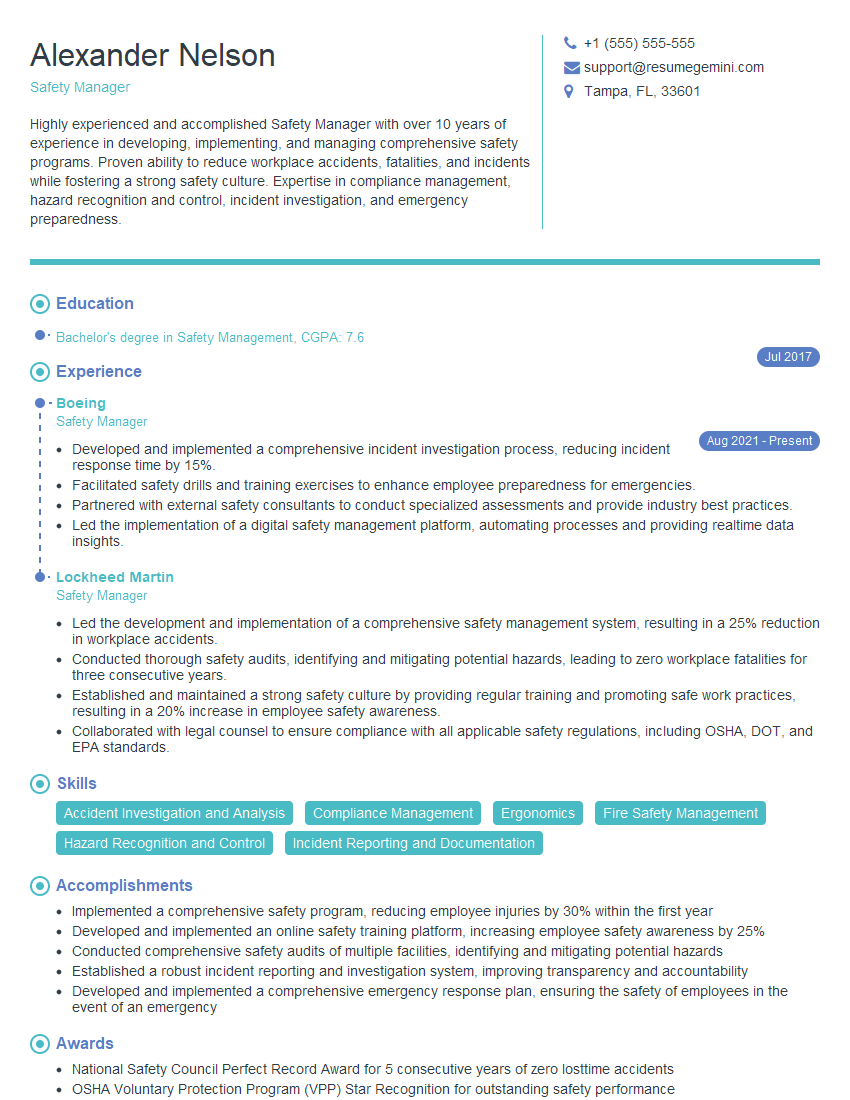
Safety Manager Resume Sample
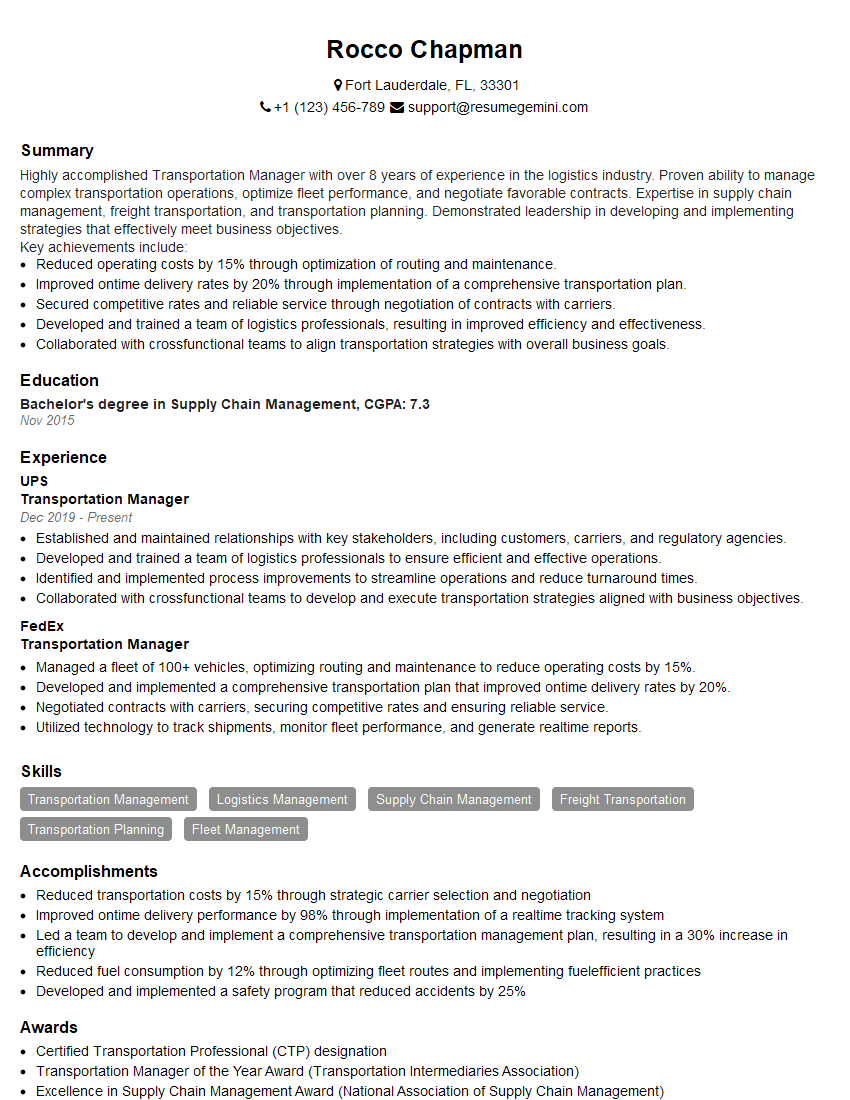
Transportation Manager Resume Sample
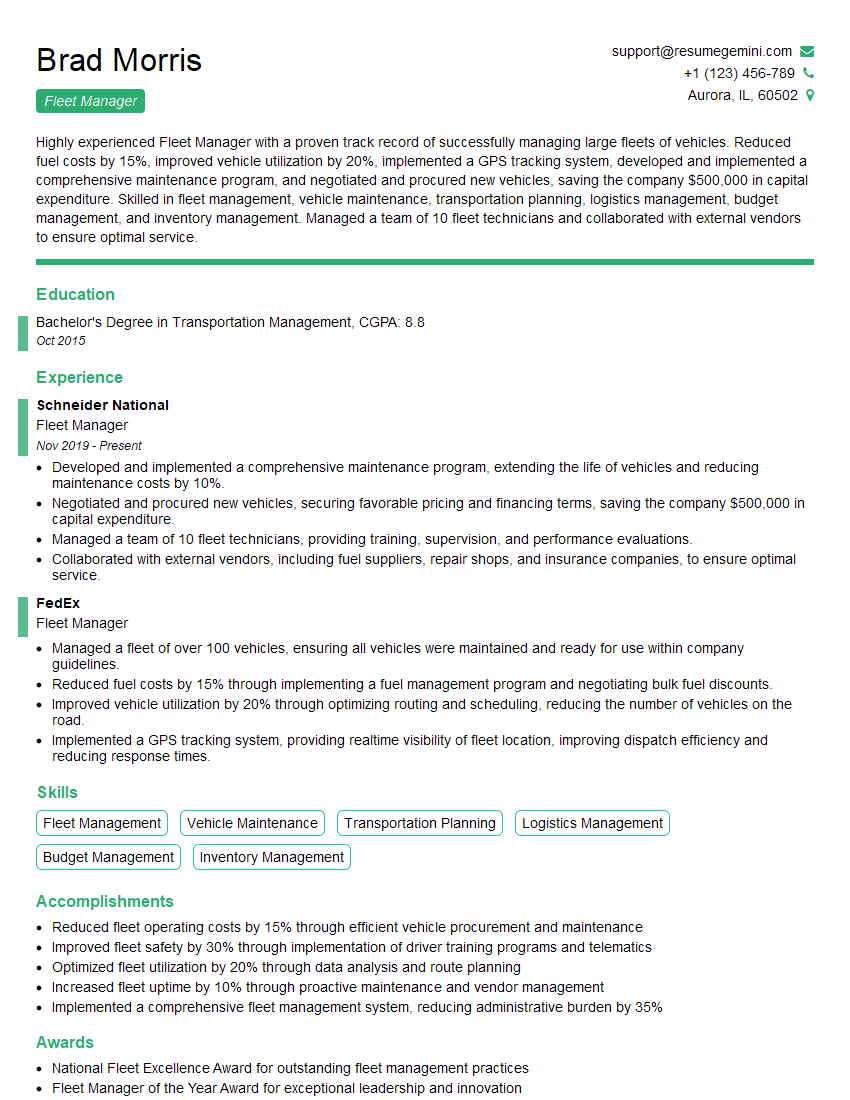
Fleet Manager Resume Sample
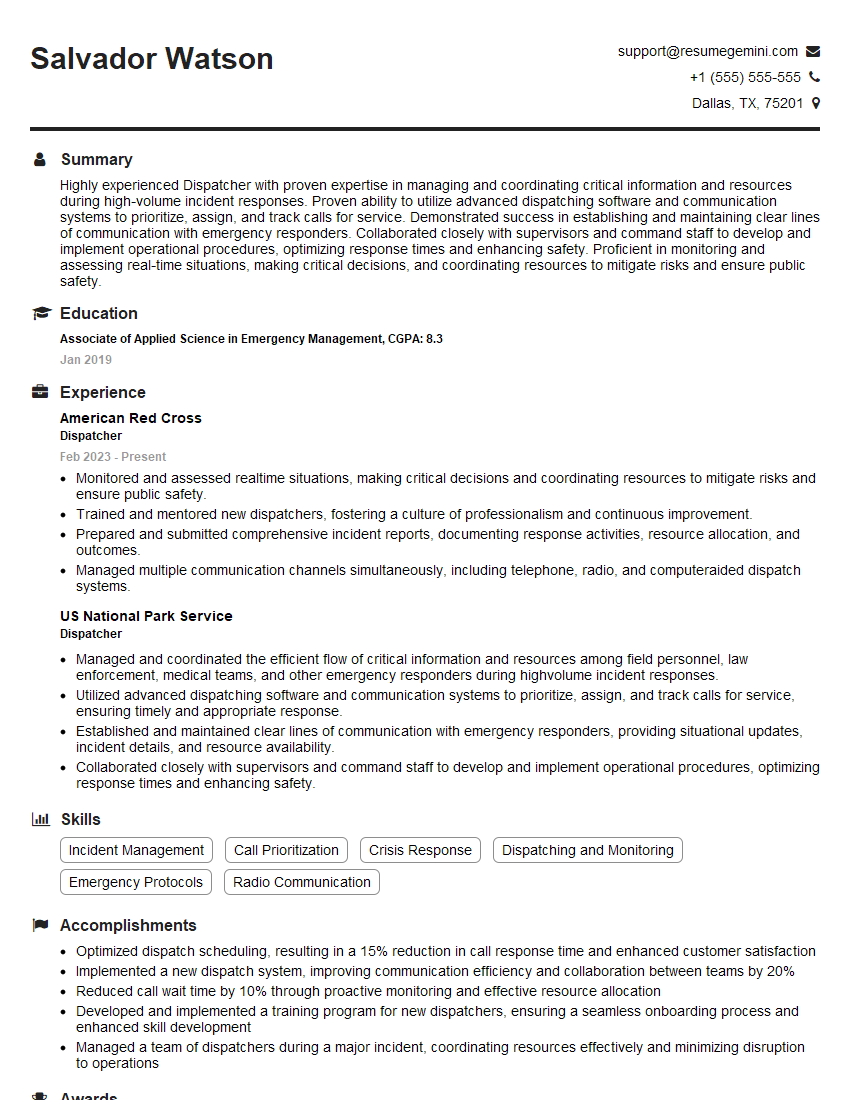
Dispatcher Resume Sample
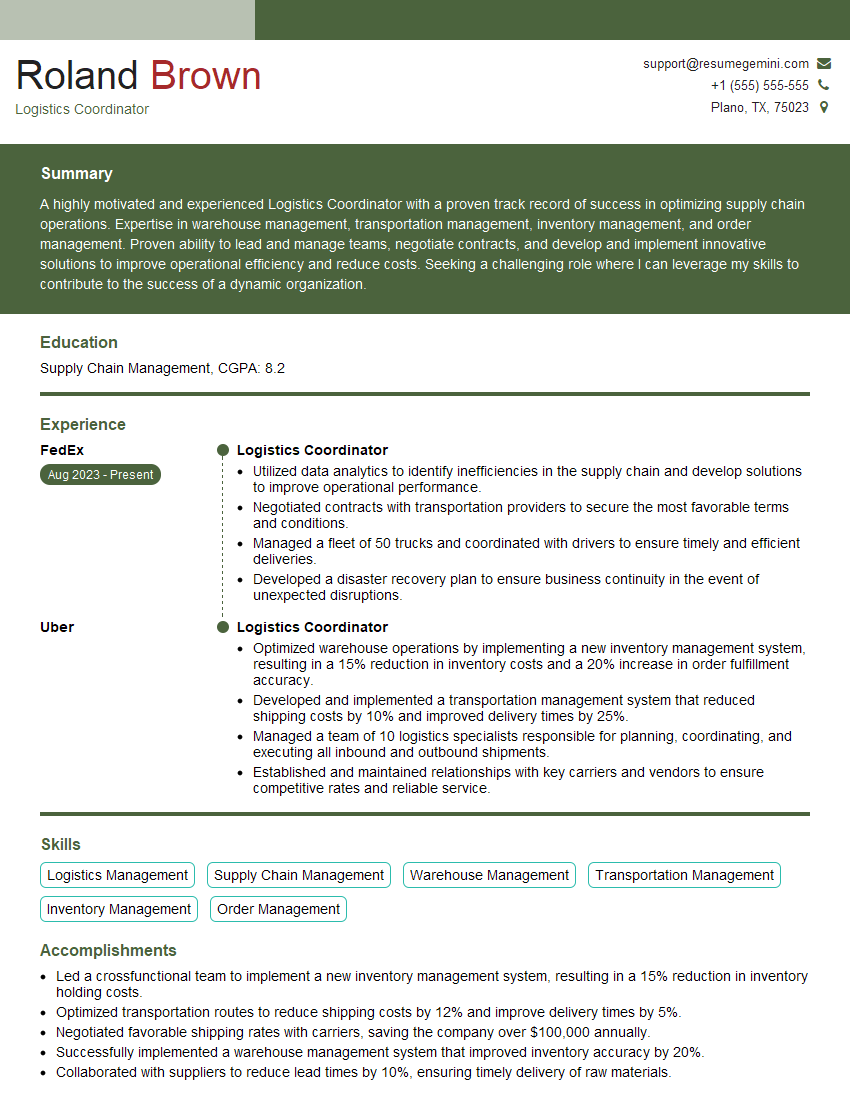
Logistics Coordinator Resume Sample
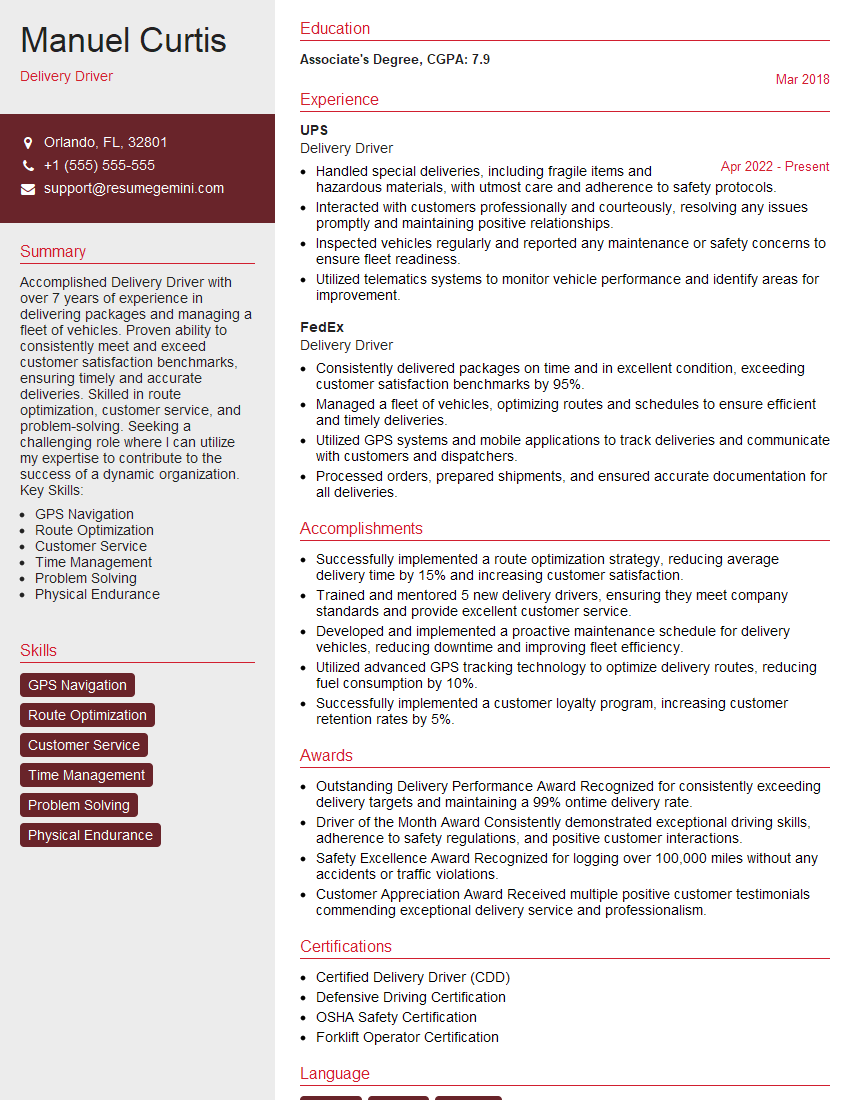
Delivery Driver Resume Sample
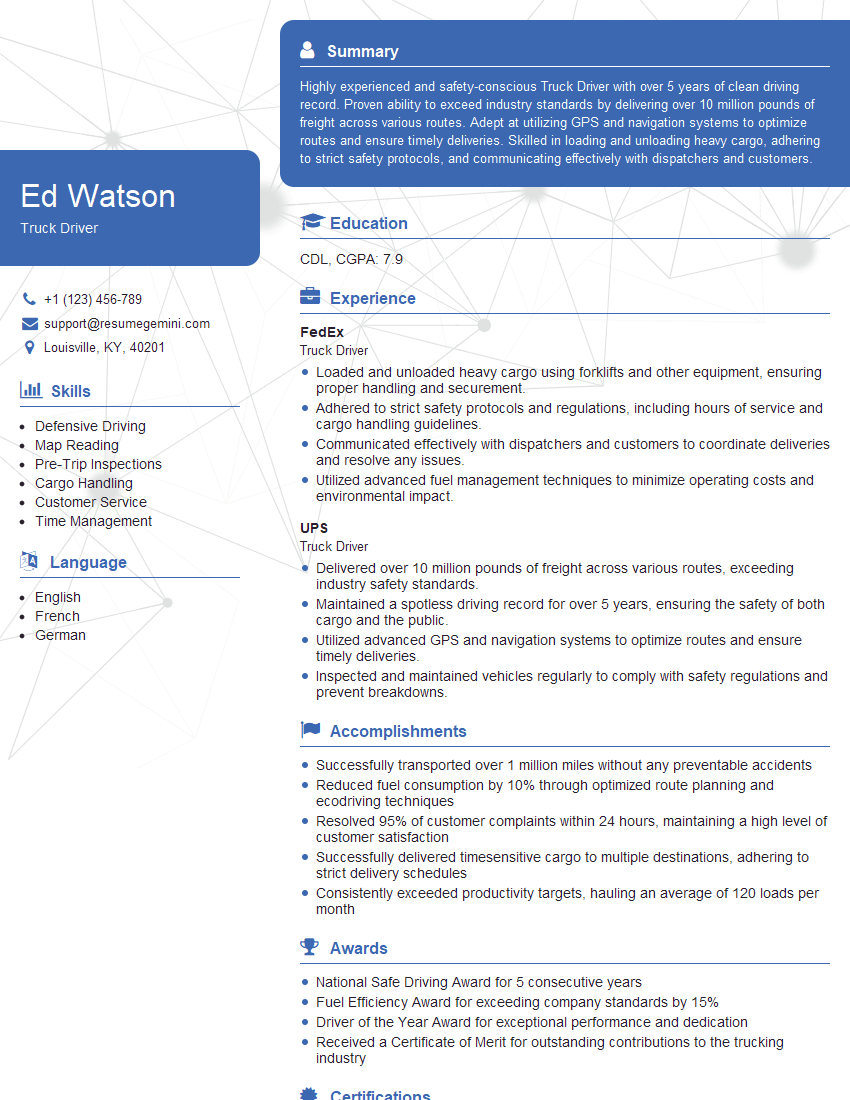
Truck Driver Resume Sample
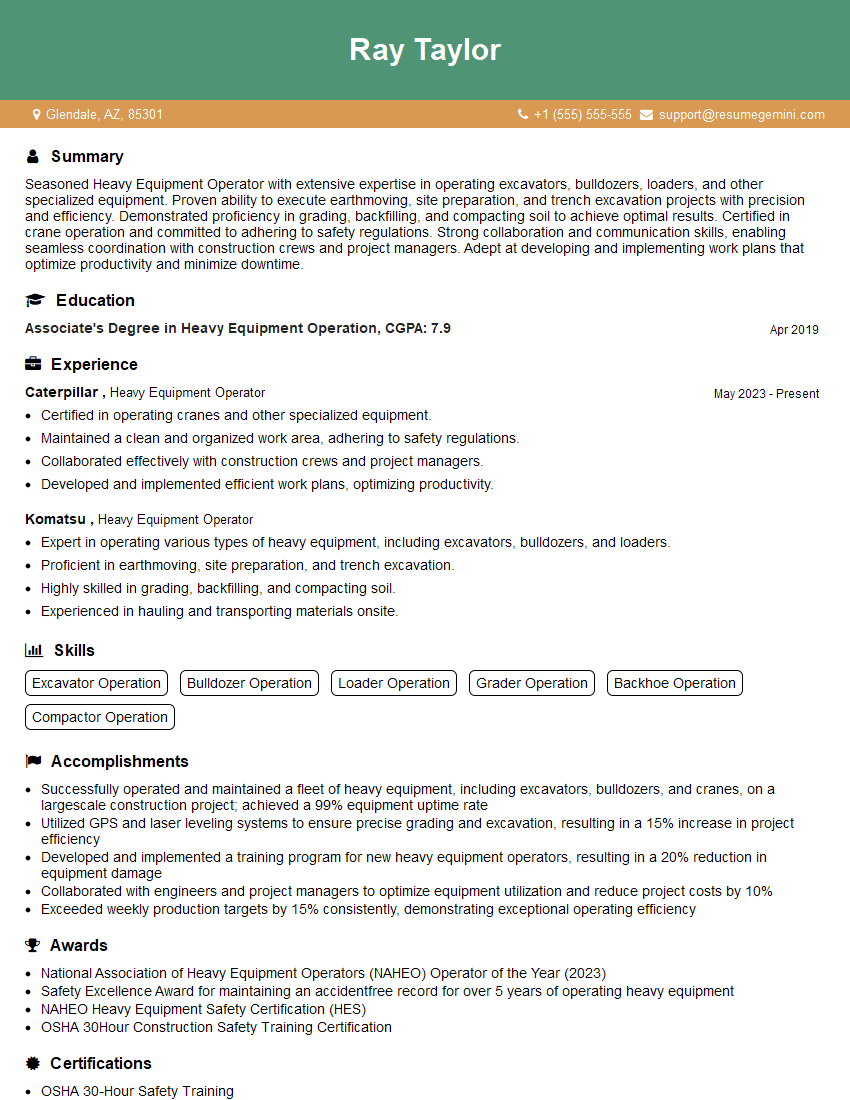
Heavy Equipment Operator Resume Sample
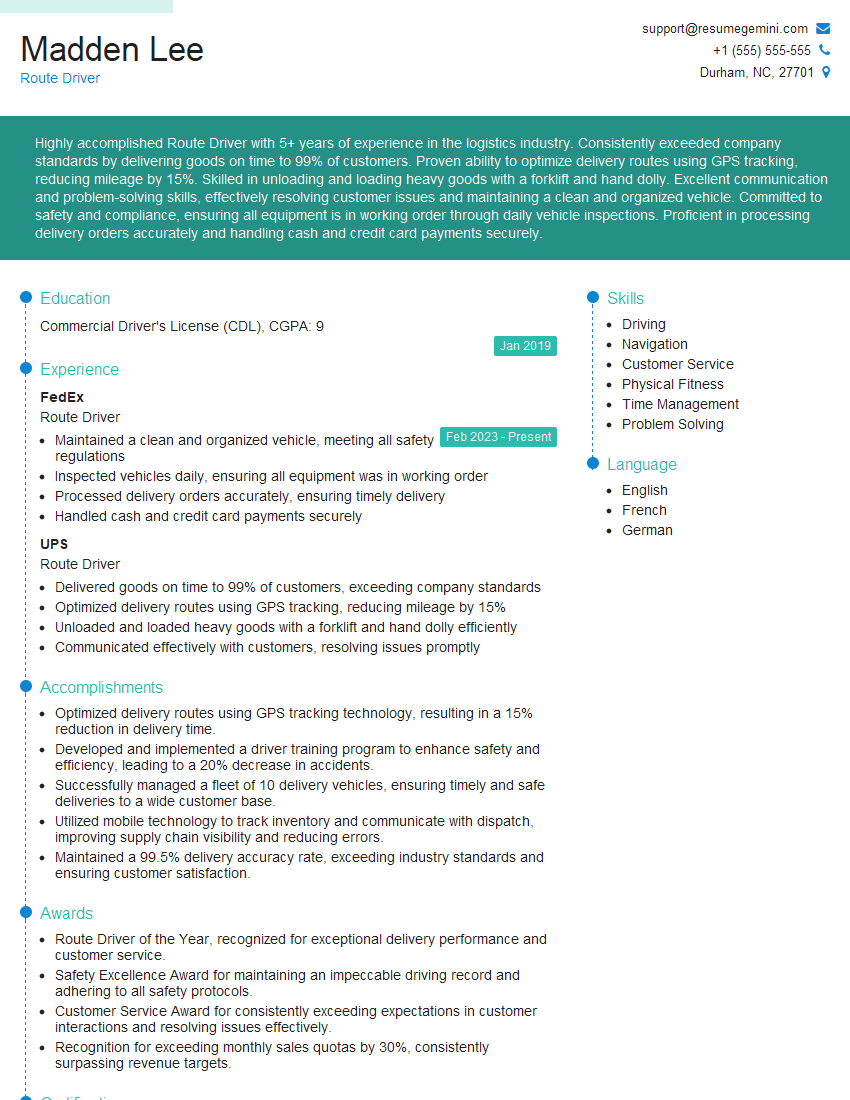
Route Driver Resume Sample
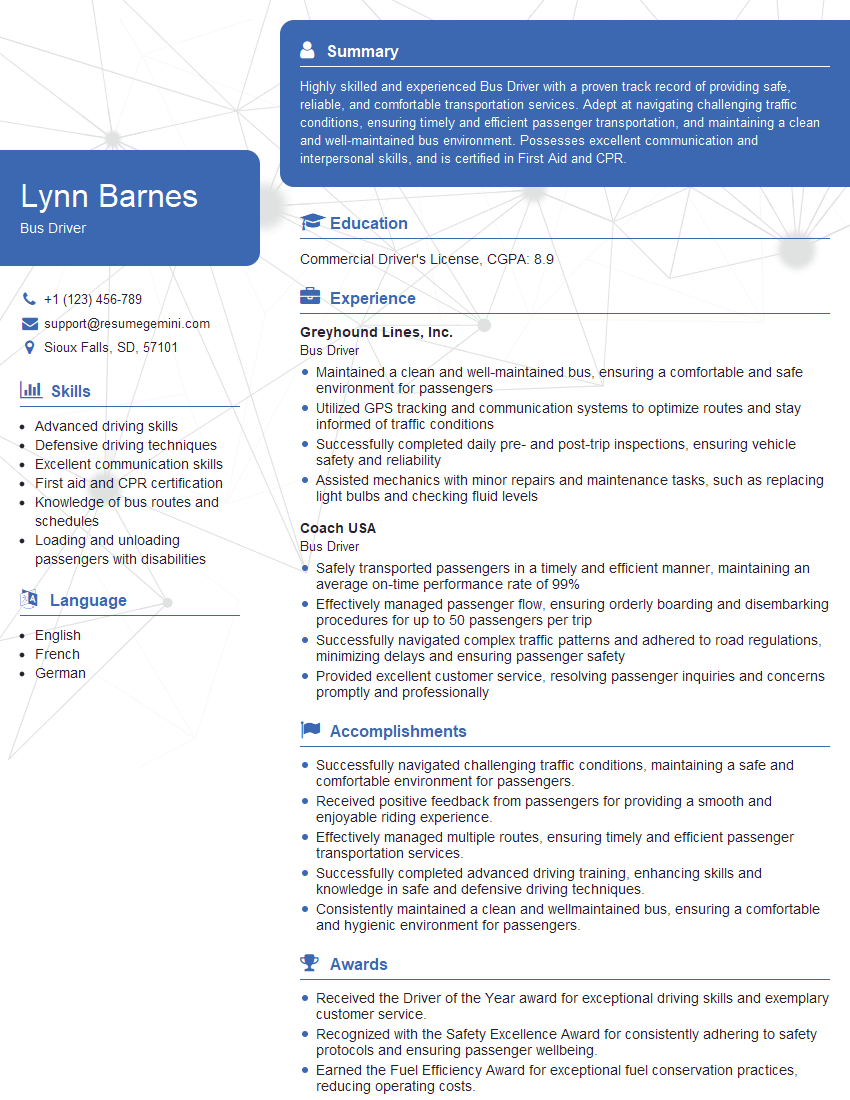
Bus Driver Resume Sample
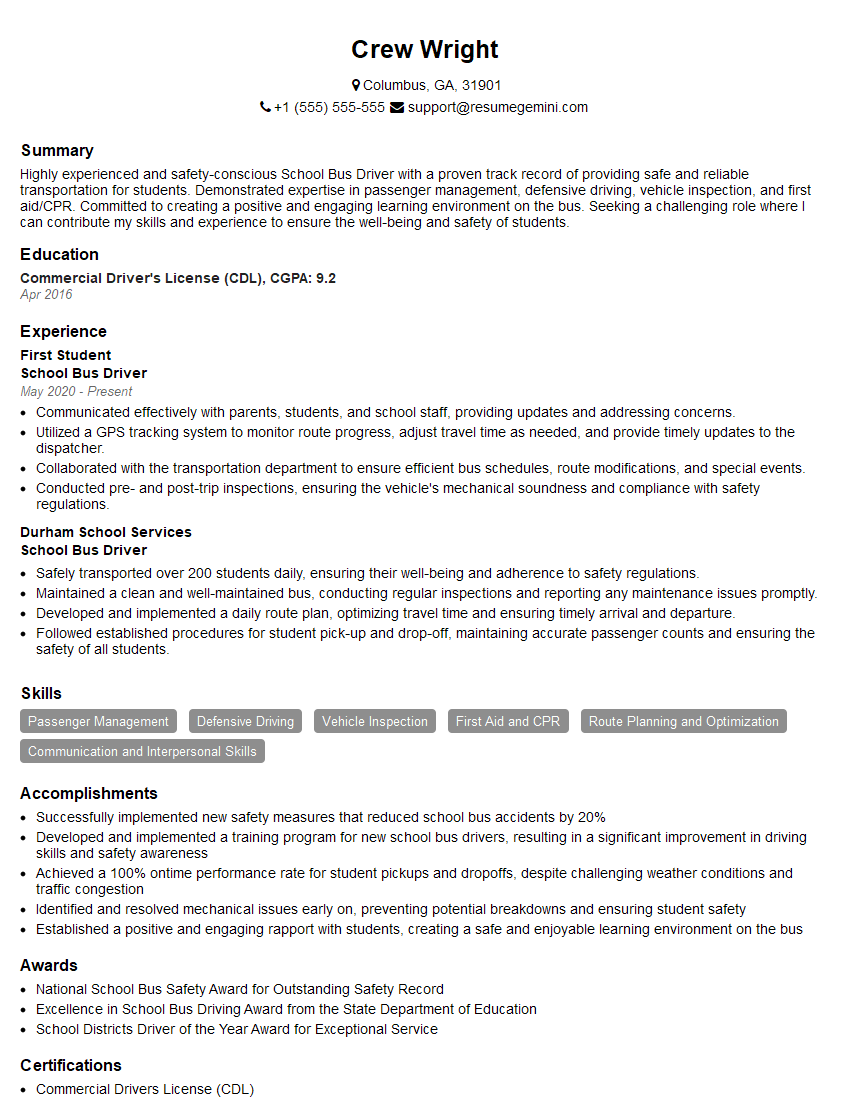
School Bus Driver Resume Sample
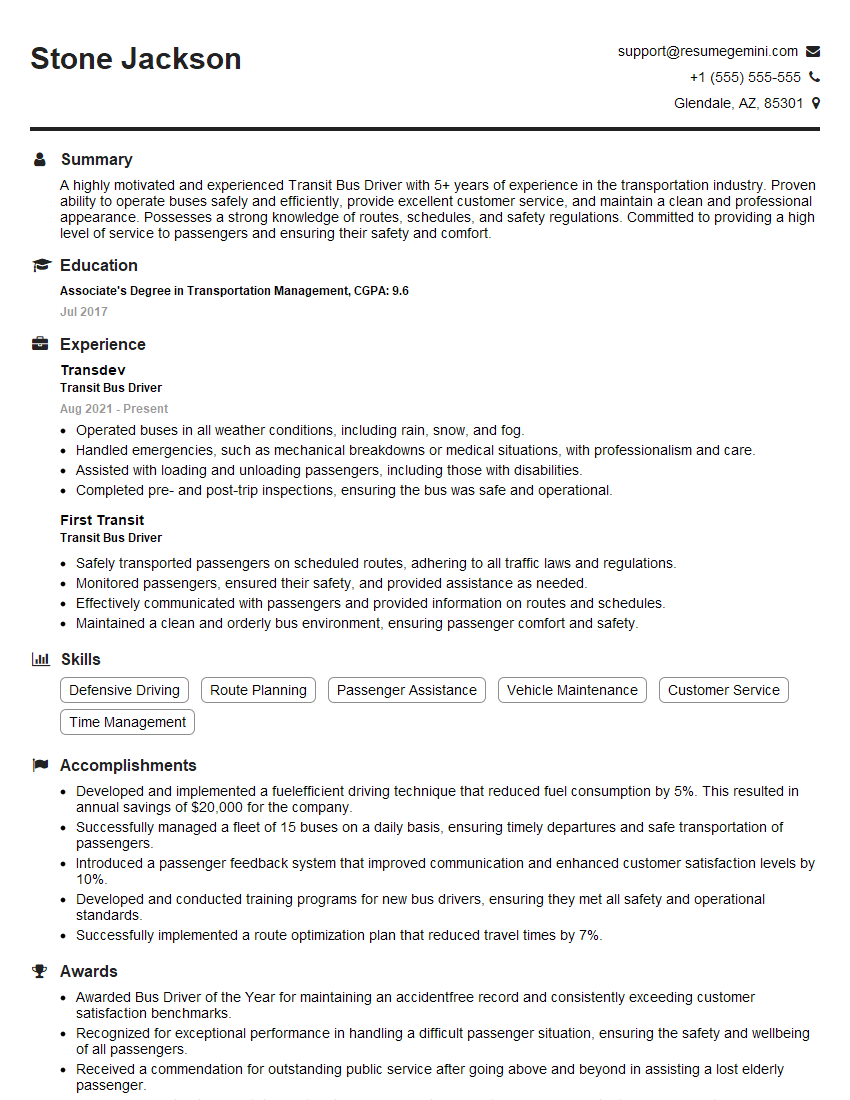
Transit Bus Driver Resume Sample
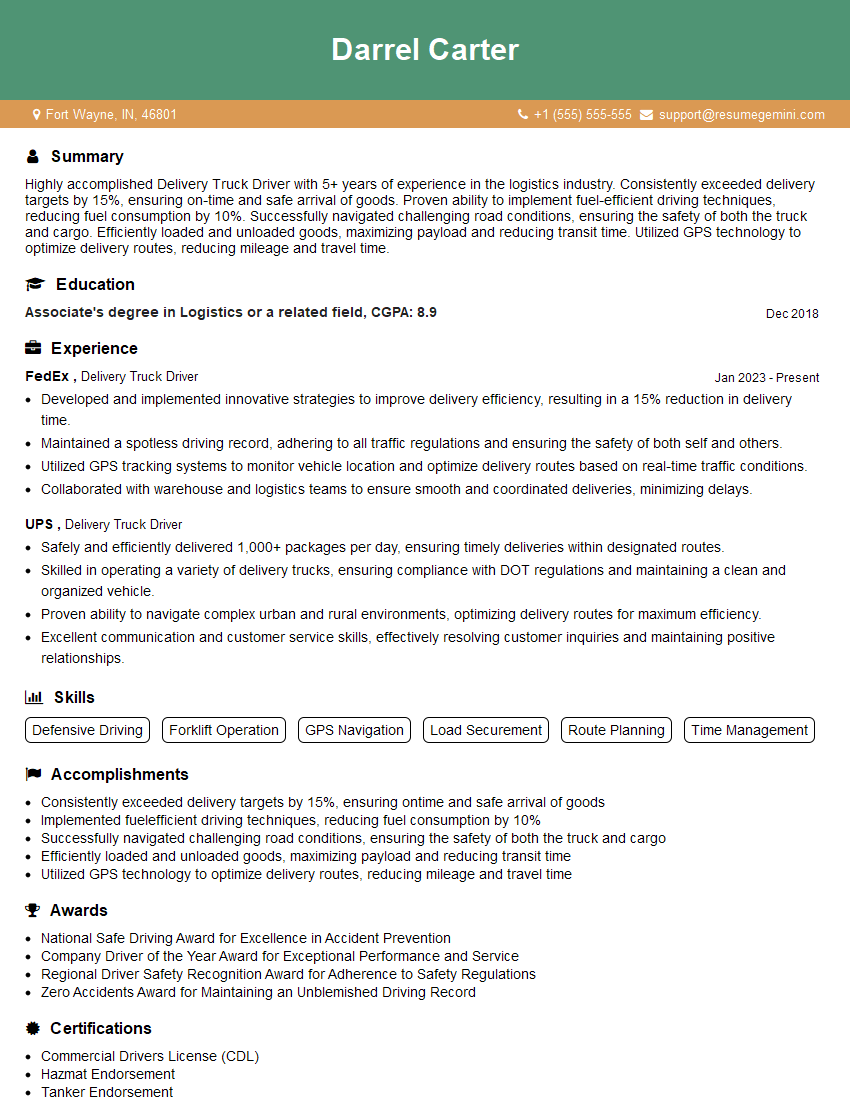
Delivery Truck Driver Resume Sample
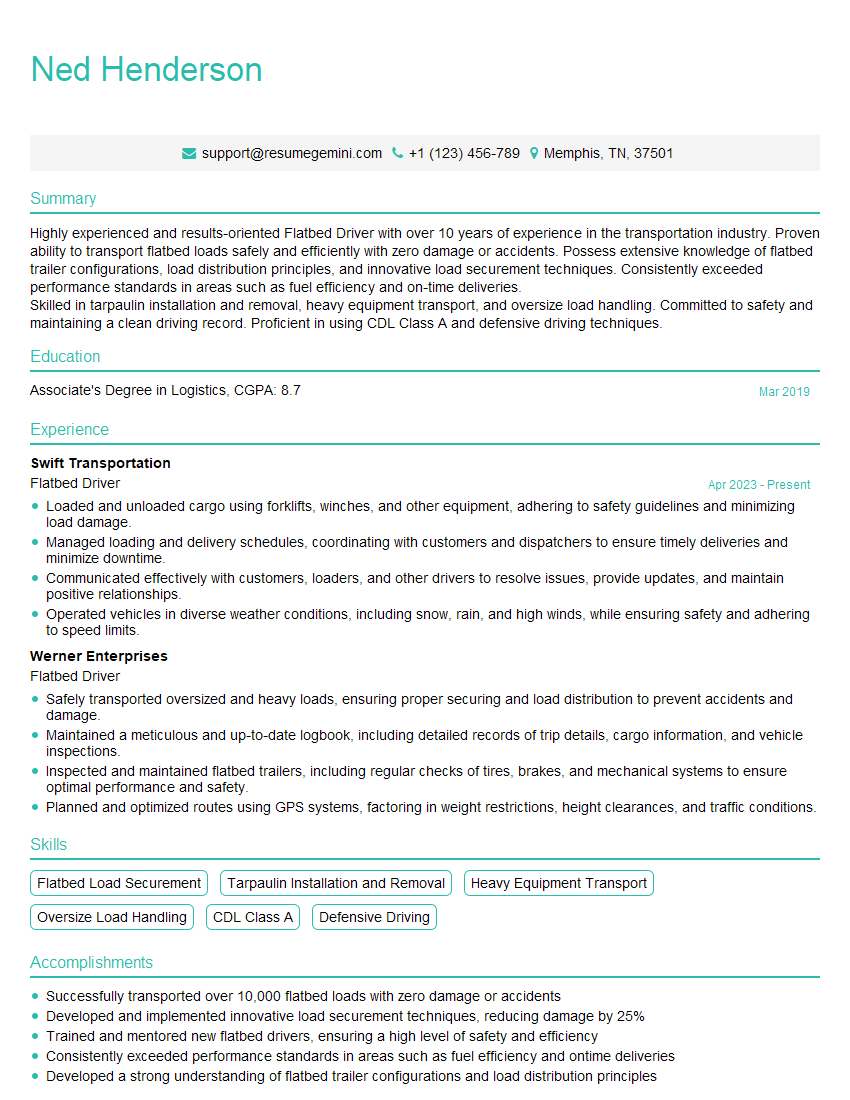
Flatbed Driver Resume Sample
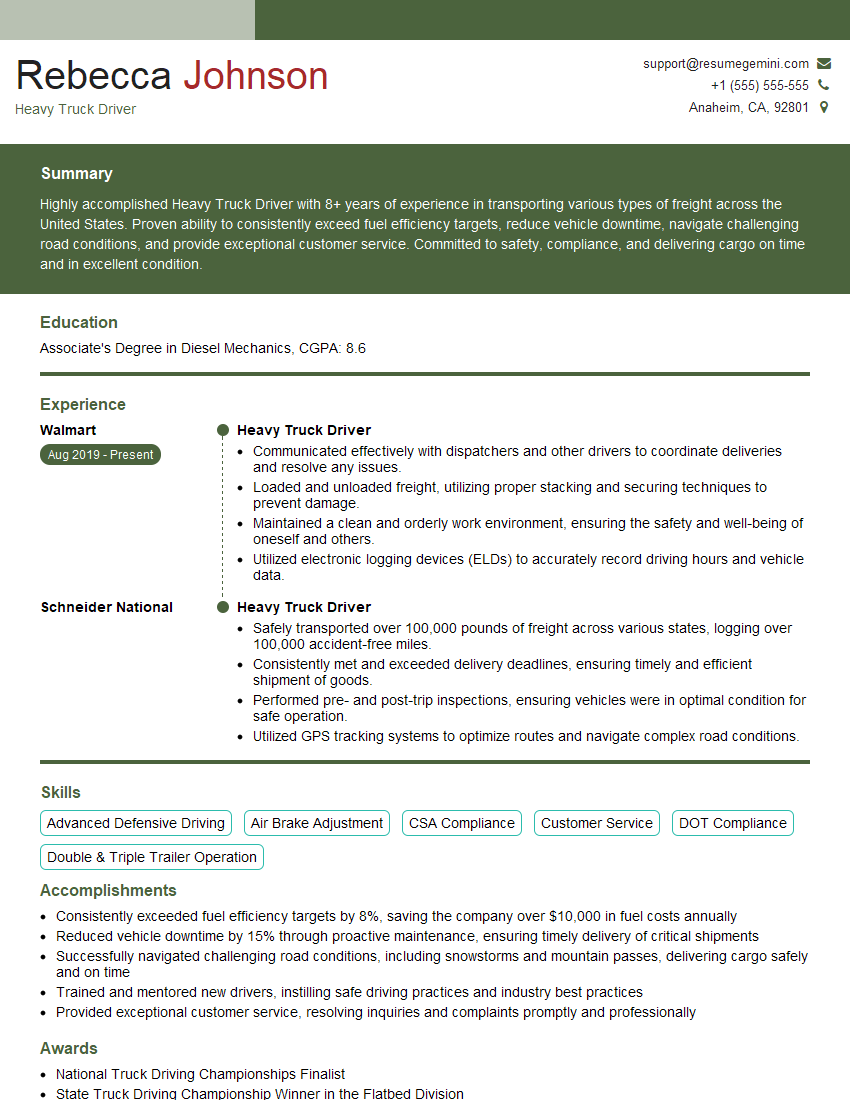
Heavy Truck Driver Resume Sample
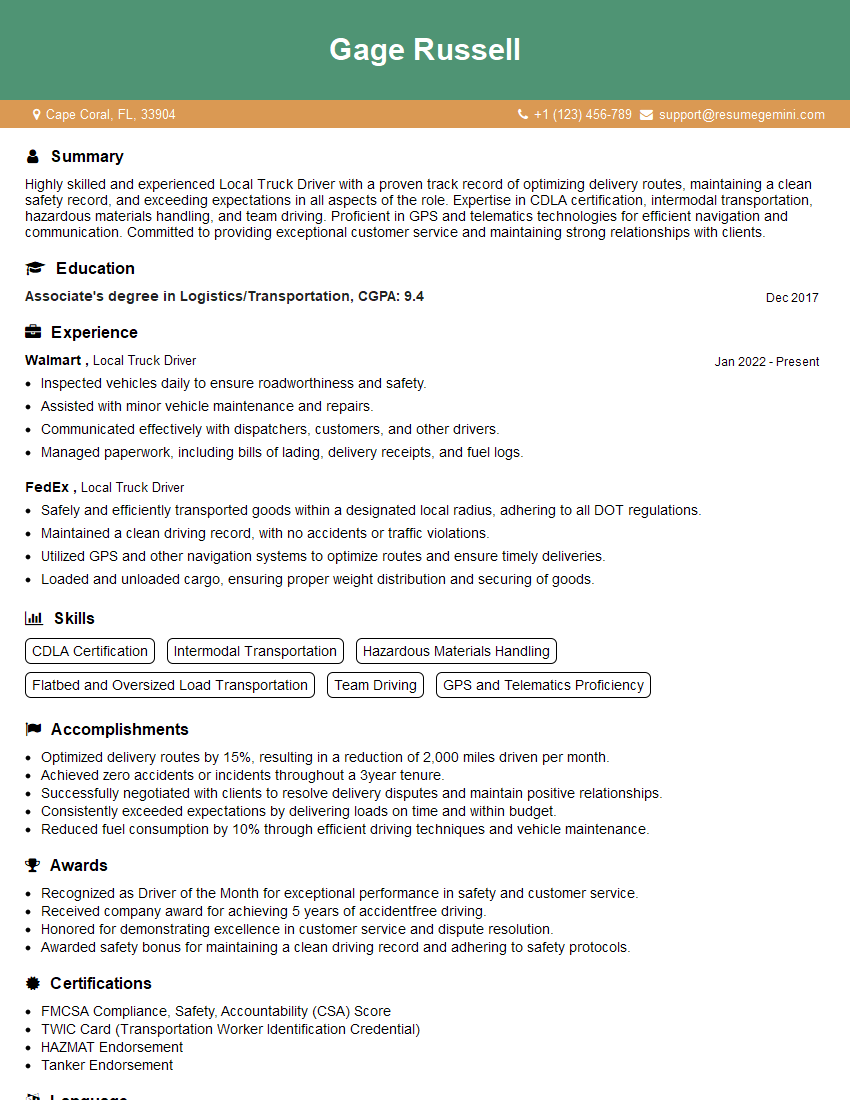
Local Truck Driver Resume Sample
Explore more articles
Users Rating of Our Blogs
Share Your Experience
We value your feedback! Please rate our content and share your thoughts (optional).
What Readers Say About Our Blog
Very informative content, great job.
good