Cracking a skill-specific interview, like one for Certified Food Handler, requires understanding the nuances of the role. In this blog, we present the questions you’re most likely to encounter, along with insights into how to answer them effectively. Let’s ensure you’re ready to make a strong impression.
Questions Asked in Certified Food Handler Interview
Q 1. What are the five most critical food safety principles?
The five most critical food safety principles, often remembered by the acronym HACCP (Hazard Analysis and Critical Control Points), are foundational to preventing foodborne illnesses. They are:
- Keep it clean: Maintain a high standard of hygiene throughout the entire food handling process. This includes washing hands frequently, cleaning and sanitizing surfaces, and protecting food from contamination.
- Separate raw and cooked: Avoid cross-contamination by storing and preparing raw foods (like meat, poultry, and seafood) separately from ready-to-eat foods. This prevents pathogens from raw foods from spreading to cooked or safe foods.
- Cook thoroughly: Ensure food is cooked to the correct internal temperature to kill harmful bacteria and microorganisms. Using a food thermometer is crucial for verifying proper cooking temperatures.
- Keep food at safe temperatures: Store and display food at safe temperatures to prevent the growth of harmful bacteria. This means keeping cold foods cold (below 40°F or 4°C) and hot foods hot (above 140°F or 60°C).
- Use safe water and raw materials: Use clean and safe water for all food preparation and ensure all raw materials are sourced from reputable suppliers and are handled safely.
Imagine a scenario where a chef doesn’t separate raw chicken from a salad: the juices from the raw chicken could contaminate the salad, potentially causing illness. Following these principles minimizes such risks dramatically.
Q 2. Explain the temperature danger zone and its significance.
The temperature danger zone is the range of temperatures (40°F to 140°F or 4°C to 60°C) where bacteria multiply rapidly. Think of it as the ‘danger zone’ for food. Bacteria grow exponentially within this temperature range, and even small amounts of harmful bacteria can cause illness. Keeping food outside this temperature zone is vital.
Imagine leaving a pot of stew at room temperature for hours. Bacteria would grow prolifically, creating a serious risk of foodborne illness. Similarly, improperly refrigerated leftovers can fall within the danger zone, causing the same hazard. Prompt refrigeration or reheating to above 140°F is necessary to prevent this.
Q 3. How do you properly wash your hands?
Proper handwashing is fundamental in preventing food contamination. It’s a simple yet highly effective practice. Here’s the correct procedure:
- Wet your hands with clean, running water (warm or cold).
- Apply soap.
- Rub your hands together vigorously for at least 20 seconds, scrubbing all surfaces, including under your nails.
- Rinse thoroughly under running water.
- Dry your hands using a clean towel or air dryer.
Think of it like this: imagine washing your hands for the time it takes to sing the ‘Happy Birthday’ song twice. This ensures adequate scrubbing time.
Q 4. Describe the correct procedure for cleaning and sanitizing kitchen surfaces.
Cleaning and sanitizing are two distinct processes crucial for maintaining a hygienic kitchen. Cleaning removes visible soil and food particles, while sanitizing kills most bacteria.
- Cleaning: First, scrape or remove any visible food debris. Then, wash the surface with hot, soapy water, using a clean sponge or cloth. Rinse thoroughly with clean water.
- Sanitizing: After cleaning, apply a food-safe sanitizer according to the manufacturer’s instructions. Allow the surface to air dry. Common sanitizers include chlorine-based solutions or quaternary ammonium compounds.
For example, after prepping raw chicken on a cutting board, you’d first clean it with hot, soapy water and then sanitize it with a food-grade sanitizer to eliminate any remaining bacteria.
Q 5. What are the common signs of food contamination?
Several signs indicate food contamination. These can include:
- Off-odors: An unusual or sour smell is a significant warning sign.
- Changes in appearance: Mold growth, discoloration, or unusual texture changes (e.g., slimy texture) should raise concerns.
- Changes in taste: A sour, bitter, or unusual taste is a clear indication of possible contamination.
- Spoilage: Signs of spoilage like bubbles or unusual gas production.
- Visible signs of insects or pests: This directly indicates contamination and unsanitary conditions.
For instance, if a can of soup is bulging or has a strange smell, it is strongly suggested to discard it to avoid any possible food poisoning.
Q 6. How do you prevent cross-contamination?
Cross-contamination occurs when pathogens from one food source transfer to another. To prevent this:
- Separate raw and cooked foods: Use different cutting boards, utensils, and containers for raw and cooked foods.
- Wash hands and surfaces frequently: Wash hands thoroughly after handling raw foods and sanitize surfaces.
- Store food properly: Keep raw foods below cooked foods in the refrigerator to avoid dripping.
- Cook food to safe temperatures: Ensure that food is thoroughly cooked to kill potential pathogens.
- Use designated tools and equipment: Use separate utensils, cutting boards and serving dishes for raw and cooked foods.
Imagine using the same knife to cut raw chicken and then sliced tomatoes for a salad without cleaning and sanitizing: the bacteria from the chicken would directly contaminate the salad.
Q 7. What is FIFO and why is it important?
FIFO stands for ‘First-In, First-Out’. It’s a stock rotation method where the oldest food items are used or sold before newer ones. This is crucial for preventing food spoilage and reducing the risk of foodborne illnesses.
Imagine a restaurant’s stockroom. Using FIFO means checking expiry dates and ensuring the oldest items are placed at the front, making them the first to be used. This prevents older items from becoming spoiled and wasted.
Q 8. How do you store potentially hazardous foods?
Potentially hazardous foods, often called PHF, are foods that support the rapid growth of harmful bacteria. These foods must be stored correctly to prevent foodborne illness. The key is to keep them at temperatures that either inhibit bacterial growth (cold holding) or kill bacteria (hot holding).
- Cold Holding: PHFs must be kept at 41°F (5°C) or below. Think of it like this: bacteria are like tiny hibernating bears—cold temperatures slow them down, preventing them from multiplying rapidly. This involves using refrigerators that are properly calibrated and consistently monitored. Food should be shallowly stored to promote quicker cooling.
- Hot Holding: If you’re keeping PHFs hot, maintain a temperature of 135°F (57°C) or above. This is like a very hot sauna for bacteria—they can’t survive at such high temperatures. Use warming units that consistently maintain the correct temperature. Never let hot foods sit at room temperature for extended periods.
- Time-Temperature Abuse: This is when food spends too long in the ‘danger zone’ (between 41°F and 135°F), allowing bacteria to flourish. It’s crucial to minimize the time food stays within this temperature range.
Example: Imagine you’ve prepared a large batch of chicken salad. You should immediately refrigerate it in shallow containers to ensure it cools down rapidly, reaching 41°F within four hours. This prevents the growth of harmful bacteria like Salmonella.
Q 9. What are the proper procedures for handling raw meat, poultry, and seafood?
Handling raw meat, poultry, and seafood requires strict procedures to prevent cross-contamination—the transfer of bacteria from raw foods to other foods or surfaces.
- Separate Storage: Always store raw meat, poultry, and seafood separately from ready-to-eat foods. Imagine it like this: you wouldn’t want to put your clean clothes in the same bag as your muddy boots. Use separate cutting boards, utensils, and containers.
- Thorough Cleaning: Wash your hands thoroughly with soap and water before and after handling raw products. Clean and sanitize all surfaces (cutting boards, countertops, utensils) that have come into contact with raw foods. Consider using a commercial sanitizer following the manufacturer’s instructions.
- Safe Thawing: Never thaw food at room temperature. Do so in the refrigerator, under cold running water, or in the microwave. Thawed food shouldn’t be refrozen.
- Proper Cooking: Cook all raw meat, poultry, and seafood to safe internal temperatures. Use a food thermometer to check the temperature to ensure proper cooking. For example, poultry needs to reach 165°F (74°C), and ground meat should reach 160°F (71°C).
Example: When preparing a meal that includes raw chicken and salad, always start with the chicken, then wash your hands, cutting board, and knife thoroughly before prepping the salad. This is a very simple but effective way to prevent cross-contamination.
Q 10. What are the signs of food spoilage?
Recognizing food spoilage is vital to preventing foodborne illness. Signs vary depending on the food, but here are some key indicators:
- Unpleasant Odor: A sour, foul, or unusual smell is a strong warning sign. Trust your nose!
- Changes in Appearance: Look for discoloration, mold growth (fuzzy patches), slime, or unusual texture (mushy or unusually soft).
- Off Flavors: Food that tastes sour, bitter, or otherwise off is likely spoiled. Even a slight change in taste can be a red flag.
- Changes in Texture: Slimy or slimy surfaces suggest bacterial growth.
Example: If your milk has a sour smell and tastes tangy, it’s spoiled. Similarly, a slimy piece of meat should be discarded immediately. Discard any food that shows any signs of spoilage, even if only a small portion is affected.
Q 11. Explain the importance of personal hygiene in food handling.
Personal hygiene is paramount in food handling. It prevents the transfer of harmful bacteria from your body to food, thereby minimizing the risk of foodborne illnesses.
- Handwashing: Wash your hands thoroughly with soap and water for at least 20 seconds before starting food preparation and after touching raw foods, hair, your face, or anything else that could transfer bacteria.
- Clean Uniforms: Wear clean clothes and aprons and change them as needed.
- Hair Restraints: Keep your hair tied back to prevent it from falling into food. Wear a hairnet if required.
- Gloves: Use disposable gloves when handling food, particularly ready-to-eat items. Change gloves frequently and never reuse them.
- Avoiding Touching Your Face: Avoid touching your face, eyes, nose, and mouth while handling food.
Example: Imagine a cook who doesn’t wash their hands after using the restroom. They could easily transfer bacteria like E. coli to the food they’re preparing, resulting in a serious foodborne illness outbreak.
Q 12. What are the guidelines for handling allergens?
Food allergies can be life-threatening. Proper allergen handling is essential to prevent cross-contamination and ensure the safety of customers with allergies.
- Clear Labeling: Clearly label all ingredients and ensure that all staff are aware of allergens contained in dishes.
- Separate Preparation Areas: Designate separate prep areas for allergen-containing foods to prevent cross-contamination.
- Dedicated Utensils and Equipment: Use separate utensils, cutting boards, and other equipment for foods containing common allergens. Avoid cross-contamination.
- Thorough Cleaning: Thoroughly clean and sanitize all surfaces and equipment after handling allergenic foods.
- Staff Training: Staff must receive thorough training on allergen awareness and handling procedures. They must be able to identify and avoid cross-contamination.
Example: In a restaurant, if someone is allergic to peanuts, there must be a clear protocol to prevent any peanut products from contaminating other dishes. This would include dedicated prep areas, utensils, and meticulous cleaning procedures.
Q 13. How do you identify and address pest infestations?
Pest infestations are a serious threat to food safety. Early detection and swift action are crucial.
- Regular Inspections: Regularly inspect your facility for signs of pests, like droppings, nests, or live insects. Check all areas, including storage rooms, trash areas, and entry points.
- Good Sanitation Practices: Maintain high levels of cleanliness throughout the facility. Properly store food, promptly clean up spills, and empty trash regularly to remove attractants.
- Preventative Measures: Seal cracks and crevices to prevent pests from entering the facility. Use screens on windows and doors.
- Pest Control Services: If you detect an infestation, contact a licensed pest control professional immediately. They can identify the pest, determine the extent of the infestation, and implement effective control measures.
Example: A restaurant owner notices rodent droppings near the storage area. They should immediately contact a pest control company to address the issue before it escalates. They should also thoroughly clean the area and implement measures to prevent future infestations.
Q 14. What are the appropriate procedures for using a thermometer to check food temperatures?
Using a food thermometer correctly is crucial for ensuring food safety. It’s the only reliable way to determine if food has reached a safe internal temperature.
- Calibration: Check the thermometer’s accuracy regularly by placing it in ice water (should read 32°F or 0°C).
- Placement: Insert the thermometer into the thickest part of the food, avoiding bone or fat. For ground meat, insert in multiple locations.
- Wait Time: Allow the thermometer to remain in the food for 15-20 seconds to ensure an accurate reading.
- Reading the Temperature: Observe the temperature displayed and ensure it has reached the minimum safe internal temperature for the specific food.
- Cleaning and Sanitization: After each use, clean and sanitize your thermometer according to the manufacturer’s instructions.
Example: When cooking a chicken breast, insert the thermometer into the thickest part of the breast, avoiding the bone. Ensure the thermometer reads 165°F (74°C) before serving the chicken to guarantee that it’s fully cooked and safe to eat.
Q 15. What should you do if you notice a food safety violation?
If I notice a food safety violation, my first priority is to ensure the immediate safety of the food and prevent further contamination. This involves taking swift action depending on the severity of the violation. For instance, if I see improperly stored food at a temperature that promotes bacterial growth, I would immediately remove it and report it to my supervisor. A minor violation, like a slightly unclean utensil, would be addressed immediately by cleaning and sanitizing it, and reporting it so processes can be improved. The most critical aspect is documenting the violation – recording what was observed, where, when, and the actions taken. This documentation serves as evidence and protects both the establishment and the consumers.
Depending on the severity, I would escalate the issue up the chain of command, potentially notifying the health inspector if the violation poses a significant risk to public health. My goal is to ensure that any violation is remedied promptly and prevents recurrence through process adjustments. For example, if repeated temperature violations occur with a specific refrigerator, a maintenance check or replacement might be necessary.
Career Expert Tips:
- Ace those interviews! Prepare effectively by reviewing the Top 50 Most Common Interview Questions on ResumeGemini.
- Navigate your job search with confidence! Explore a wide range of Career Tips on ResumeGemini. Learn about common challenges and recommendations to overcome them.
- Craft the perfect resume! Master the Art of Resume Writing with ResumeGemini’s guide. Showcase your unique qualifications and achievements effectively.
- Don’t miss out on holiday savings! Build your dream resume with ResumeGemini’s ATS optimized templates.
Q 16. How do you properly dispose of waste and cleaning materials?
Proper waste disposal and cleaning material handling are crucial to maintaining a sanitary environment and preventing cross-contamination. Waste should be segregated into appropriate bins – food waste, recyclable materials, and general waste. Food waste containers should be tightly sealed and emptied regularly to prevent pest infestations and odors. Cleaning materials should be stored separately from food and in designated areas, ideally in locked cabinets to prevent accidental ingestion or misuse. Used cleaning cloths should be laundered regularly at a high temperature, and disposable materials should be immediately discarded in appropriate waste containers. All cleaning solutions should be used according to the manufacturer’s instructions, paying special attention to dilution ratios and safety precautions. Proper labeling of cleaning solutions and ensuring sufficient ventilation during cleaning are also essential safety measures.
For example, in a restaurant setting, I would ensure that all cleaning solutions are clearly labeled and stored securely. All cleaning cloths would be laundered according to the established procedure, which would include high temperature washing and sanitizing. We would have dedicated bins for different waste streams, and a strict schedule for emptying them.
Q 17. What are the different types of foodborne illnesses?
Foodborne illnesses, also known as food poisoning, are caused by consuming contaminated food or beverages. There’s a wide variety of pathogens that can cause these illnesses, leading to different symptoms and severities. Some common types include:
- Bacterial Infections: Caused by bacteria like Salmonella (often from poultry, eggs), E. coli (frequently found in undercooked beef and contaminated produce), Listeria (commonly found in unpasteurized dairy products and processed meats), and Campylobacter (often found in undercooked poultry).
- Viral Infections: Viruses such as Norovirus (highly contagious and often spread through contaminated food handlers) and Hepatitis A (can be transmitted through contaminated shellfish).
- Parasitic Infections: Parasites like Toxoplasma gondii (often found in undercooked meat) and various other parasites from consuming undercooked fish or contaminated water.
- Toxin-Mediated Illnesses: These are caused by toxins produced by bacteria, like Staphylococcus aureus (found in improperly stored food) and Clostridium botulinum (found in improperly canned foods).
Each type presents different symptoms, ranging from mild gastrointestinal upset to severe complications requiring hospitalization. Early identification and treatment are crucial in managing foodborne illnesses.
Q 18. How are foodborne illnesses prevented?
Preventing foodborne illnesses relies on a multi-faceted approach that focuses on controlling hazards at every stage of food handling, from receiving to serving. This includes:
- Proper Temperature Control: Maintaining food at safe temperatures (below 4°C for refrigeration and above 60°C for hot holding) significantly inhibits bacterial growth.
- Hygiene Practices: Frequent handwashing with soap and water, wearing clean clothing, and using proper sanitation techniques prevent contamination.
- Cross-Contamination Prevention: Separating raw and cooked foods, using separate cutting boards and utensils, and preventing contact between contaminated and clean surfaces.
- Proper Food Storage: Using appropriate storage containers, ensuring FIFO (First In, First Out) rotation, and monitoring expiration dates.
- Thorough Cooking: Ensuring food is cooked to the proper internal temperature to kill harmful pathogens.
- Safe Water and Ice: Utilizing clean and safe water and ice to avoid contamination.
- Pest Control: Implementing measures to control pests that can contaminate food.
Employing these practices diligently minimizes the risks and creates a safe environment for both food handlers and consumers. Regular staff training and adherence to food safety regulations are also crucial elements of a preventive program.
Q 19. What are the proper procedures for receiving and storing food deliveries?
Receiving and storing food deliveries requires careful attention to detail to ensure food safety and quality. Upon delivery, I would first check the temperature of refrigerated items using a calibrated thermometer. Temperatures should be consistently below 4°C. I’d then inspect the food for any signs of damage, spoilage, or contamination. This includes checking for dented cans, broken seals, unusual odors, or visible mold. The delivery should also be accompanied by relevant documentation such as invoices and delivery notes, which are then checked against the order. Any discrepancies should be reported immediately.
Proper storage is equally important. Food items should be stored according to their specific temperature requirements and FIFO principles. Shelving should be organized to ensure proper air circulation and prevent cross-contamination. The storage area should be maintained at a clean and sanitary condition, regularly checked for pest activity, and thoroughly cleaned on a schedule. Proper labeling of stored food with the date of receipt and use-by date is essential for efficient inventory management and reducing waste.
For example, if a delivery of frozen chicken arrives with a temperature above -18°C, I would immediately reject the delivery and notify the supplier. Similarly, if cans show signs of bulging, I would report this as a potential contamination risk. This careful inspection and storage help guarantee food safety and minimize potential issues.
Q 20. Describe your experience with maintaining a clean and sanitary work environment.
Maintaining a clean and sanitary work environment has always been a top priority for me. My experience includes thorough cleaning and sanitizing procedures, ensuring that all surfaces, equipment, and utensils are kept clean and free from debris. I am familiar with various cleaning agents and their appropriate uses, and I always follow established procedures for cleaning and sanitization, ensuring proper dilution of chemicals. I am also proficient in using various cleaning equipment effectively and safely. In previous roles, I developed and implemented a cleaning schedule to ensure systematic and consistent cleaning throughout the day, addressing different areas and equipment according to their usage.
I’m diligent in following safety procedures regarding handling chemicals, always wearing appropriate protective gear such as gloves and aprons where needed. Additionally, I actively participate in pest control procedures, reporting any pest sightings immediately to prevent contamination. I understand the importance of personal hygiene, maintaining high standards of cleanliness, and ensuring proper handwashing throughout my workday. This ensures that I’m minimizing the risks of contaminating food and the work environment.
Q 21. What is your understanding of HACCP?
HACCP, or Hazard Analysis and Critical Control Points, is a systematic, preventative approach to food safety. It focuses on identifying potential hazards throughout the food production process and implementing control measures at critical points to prevent or eliminate those hazards. Instead of reacting to contamination, HACCP works proactively to minimize risks.
The seven principles of HACCP are:
- Conduct a hazard analysis: Identify potential biological, chemical, and physical hazards.
- Determine critical control points (CCPs): Points in the process where control can be applied to prevent or eliminate a hazard.
- Establish critical limits: Set measurable limits for each CCP to ensure safety.
- Establish monitoring procedures: Regularly monitor CCPs to ensure limits are met.
- Establish corrective actions: Define steps to take if a CCP deviates from its limit.
- Establish verification procedures: Verify that the HACCP plan is working effectively.
- Establish record-keeping and documentation procedures: Keep detailed records of the entire process.
Implementing a HACCP plan involves a detailed analysis of the entire food production process, from ingredient sourcing to final product delivery. It requires a thorough understanding of potential hazards and the establishment of clear, documented procedures to manage them. This ensures food safety and helps minimize the risk of foodborne illnesses.
Q 22. How do you handle a situation where a customer complains about food safety?
Handling a customer complaint about food safety requires a calm and professional approach. My first step is to listen attentively and empathize with the customer’s concern. I would never dismiss their complaint, even if it seems unfounded. I’d then ask clarifying questions to understand the specifics of their issue – what dish, what was wrong with it, when did they consume it, and what symptoms, if any, they are experiencing. This detailed information helps determine the next steps.
Depending on the nature of the complaint, I might take several actions. If it involves a potential contamination or foodborne illness, I would immediately report it to my supervisor. We would then follow established protocols, which might include isolating the affected food item, reviewing food preparation logs for potential errors, and notifying the relevant health authorities. A thorough investigation is crucial. For less serious complaints, like a minor issue with food quality, I might offer an immediate apology and a replacement dish or a refund, depending on company policy.
Throughout the process, maintaining a calm and reassuring demeanor is key. Transparency is essential; I’d explain the steps being taken to address the issue and assure the customer that their safety and satisfaction are top priorities. Documenting the entire interaction, including the complaint, the steps taken, and the outcome, is vital for both internal review and potential legal purposes.
Q 23. What are your skills in following food preparation recipes and procedures?
I possess a high level of proficiency in following food preparation recipes and procedures. My skills encompass accurately measuring ingredients, understanding the sequence of steps, and maintaining consistent quality and portion sizes. I am adept at adapting recipes when necessary while adhering to food safety standards. For instance, if a recipe calls for a specific ingredient unavailable at that moment, I can find a suitable substitute based on its functional role in the recipe, without compromising the dish’s safety or quality.
I am familiar with various culinary techniques, including knife skills, cooking methods (e.g., grilling, roasting, sautéing, boiling), and food preservation techniques. I can interpret different types of recipe formats, including those that are written, diagrammatic, or video-based. My experience includes working with standardized recipes in high-volume settings, where consistency and accuracy are paramount. I always cross-check my work and meticulously follow temperature guidelines to ensure food safety.
I’m confident in my ability to perform various tasks such as preparing stocks, sauces, and doughs from scratch. In my previous role, I consistently received positive feedback regarding the quality and consistency of the dishes I prepared, demonstrating my skill in translating recipes into high-quality food products. I am also comfortable in quickly adjusting recipes to accommodate changes in order volume or ingredient availability.
Q 24. Explain your knowledge of food labeling and ingredient identification.
My understanding of food labeling and ingredient identification is comprehensive. I know how to interpret nutrition facts panels, allergen information, and best-by/use-by dates. I am familiar with the regulations surrounding accurate and truthful labeling practices. I can identify potential hazards associated with mislabeled or improperly stored ingredients, such as spoilage or cross-contamination.
I understand the importance of properly identifying ingredients, especially concerning allergens. For example, I can distinguish between different types of nuts or identify potential cross-contamination risks if a shared utensil was used to prepare foods containing allergens. I am also aware of the different types of food labeling required by law, including those required to identify genetically modified (GM) ingredients.
Furthermore, I am adept at identifying ingredients using various means, including physical inspection, checking labels, and referring to the recipe. This ensures that the correct ingredients are used for food preparation and minimizes any chance of mistakes which could affect food safety or taste.
Q 25. Describe your experience with proper equipment usage and maintenance.
I have extensive experience with proper equipment usage and maintenance in a food preparation environment. This includes a wide range of equipment such as ovens, stoves, refrigerators, freezers, slicers, mixers, and dishwashers. I know how to operate each piece of equipment safely and efficiently, following manufacturer’s instructions and adhering to safety protocols.
My knowledge of equipment maintenance is equally strong. I understand the importance of regular cleaning and sanitation to prevent bacterial growth and cross-contamination. I know how to identify and report equipment malfunctions promptly, to avoid any risks to food safety or worker safety. For instance, I know how to check the temperature of refrigerators and freezers regularly to ensure they are operating within the safe temperature range. I am also trained on proper cleaning procedures for all kitchen equipment, minimizing the risks of bacterial growth.
In my previous role, I regularly performed preventative maintenance tasks, such as cleaning and lubricating equipment parts, extending the lifespan of the equipment and ensuring optimal performance. I am familiar with different types of cleaning agents and their applications, ensuring proper sanitization.
Q 26. How do you prevent workplace accidents in a food preparation environment?
Preventing workplace accidents in a food preparation environment is crucial. My approach is multifaceted and focuses on proactive measures. First and foremost, I always follow established safety guidelines and regulations. This includes using appropriate personal protective equipment (PPE) such as gloves, aprons, and non-slip shoes. I also ensure that the kitchen area is kept clean and clutter-free to prevent falls or slips.
Safe handling of knives and other sharp tools is critical. I always use the correct knife for the job and maintain sharp blades to minimize the risk of accidents. I also adopt proper lifting techniques to prevent back injuries. When working with hot surfaces or equipment, I always exercise caution and use appropriate heat-resistant gloves or utensils.
Furthermore, reporting any potential hazards immediately is vital. This includes reporting spills, broken equipment, or any unsafe practices observed. Regular training and awareness programs enhance safety protocols, ensuring everyone in the team is well-informed and follows the same procedures. Finally, I actively participate in team discussions on safety issues and contribute to a culture of safety within the workplace.
Q 27. Explain your understanding of food safety regulations.
My understanding of food safety regulations is thorough. I am familiar with local, state, and federal regulations concerning food handling, storage, and preparation. This includes regulations related to temperature control, handwashing, personal hygiene, pest control, and the prevention of cross-contamination. I understand the critical importance of maintaining proper food temperatures to prevent bacterial growth – specifically the danger zone between 40°F and 140°F.
I know the importance of proper handwashing techniques and the use of gloves when appropriate. I am familiar with regulations surrounding allergen labeling and the proper handling of potentially hazardous foods such as raw meat and poultry. I also understand the requirements for proper waste disposal and the importance of preventing pest infestations.
My knowledge extends to understanding the consequences of non-compliance, including potential fines, closures, and legal repercussions. I am committed to maintaining a safe and compliant food preparation environment and am always prepared to review and update my knowledge to stay abreast of changes in regulations.
Q 28. What are your strengths and weaknesses related to food handling and safety?
One of my greatest strengths is my meticulous attention to detail. I believe this is essential for food safety, ensuring that every step in the preparation process is followed correctly. I am also a quick learner and adapt readily to new situations and procedures, whether it’s a new recipe or a change in food safety regulations.
A potential area for development is my experience with handling exceptionally high-volume food preparation situations under extreme time pressure. While I can handle pressure effectively, I aim to enhance my ability to manage large order volumes and maintain efficiency without compromising safety or quality. I am proactively seeking opportunities to expand my experience in this area.
Key Topics to Learn for Your Certified Food Handler Interview
Ace your interview by mastering these essential areas. Understanding both the theory and practical application will set you apart.
- Food Safety Principles: Understanding the core principles of food safety, including temperature control, proper handwashing, and cross-contamination prevention. Think about how these principles apply in a real-world kitchen setting.
- Personal Hygiene and Practices: Demonstrate knowledge of appropriate attire, handwashing techniques, and the prevention of personal contamination. Be prepared to discuss scenarios where hygiene lapses could lead to foodborne illness.
- Food Handling and Storage: Master the safe handling, storage, and preparation of various food types, including proper refrigeration temperatures and FIFO (First-In, First-Out) methods. Consider how you would manage a busy kitchen environment while maintaining these standards.
- Cleaning and Sanitizing Procedures: Explain the differences between cleaning and sanitizing, and outline proper procedures for different surfaces and equipment. Be ready to discuss effective sanitizing solutions and their appropriate usage.
- Pest Control and Prevention: Discuss strategies for preventing pest infestations and managing potential contamination risks. Prepare examples of practical steps to maintain a pest-free environment.
- Allergen Awareness and Management: Showcase your understanding of common food allergens and the importance of preventing cross-contamination. Be ready to discuss safe handling practices to avoid allergic reactions.
Next Steps: Unlock Your Career Potential
A Certified Food Handler credential significantly enhances your career prospects in the food service industry, opening doors to a wider range of opportunities and potentially higher earning potential. Now is the time to polish your resume and make a strong impression on potential employers.
Crafting an ATS-friendly resume is crucial for getting noticed by hiring managers. To help you create a compelling and effective resume that highlights your skills and experience, we recommend using ResumeGemini. ResumeGemini provides a user-friendly platform to build a professional resume and, conveniently, includes examples of resumes tailored specifically for Certified Food Handler positions. This will give you a head start in showcasing your qualifications effectively.
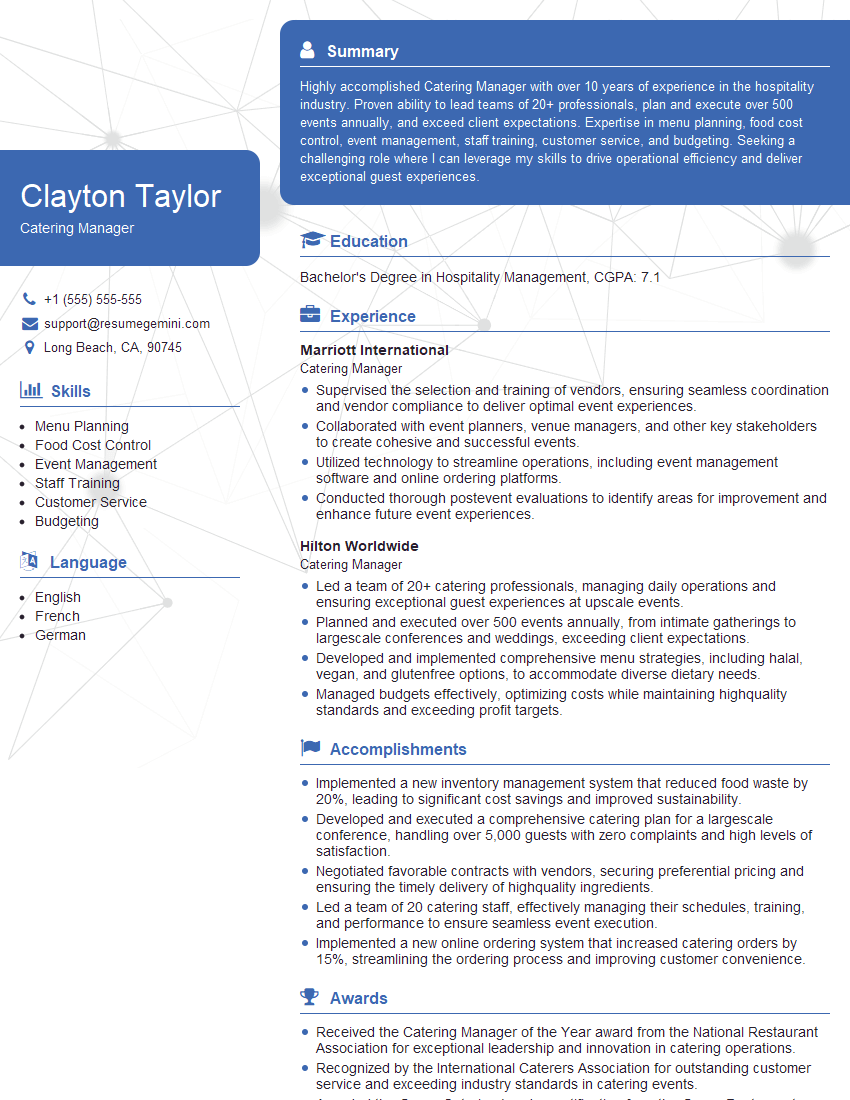
Catering Manager Resume Sample
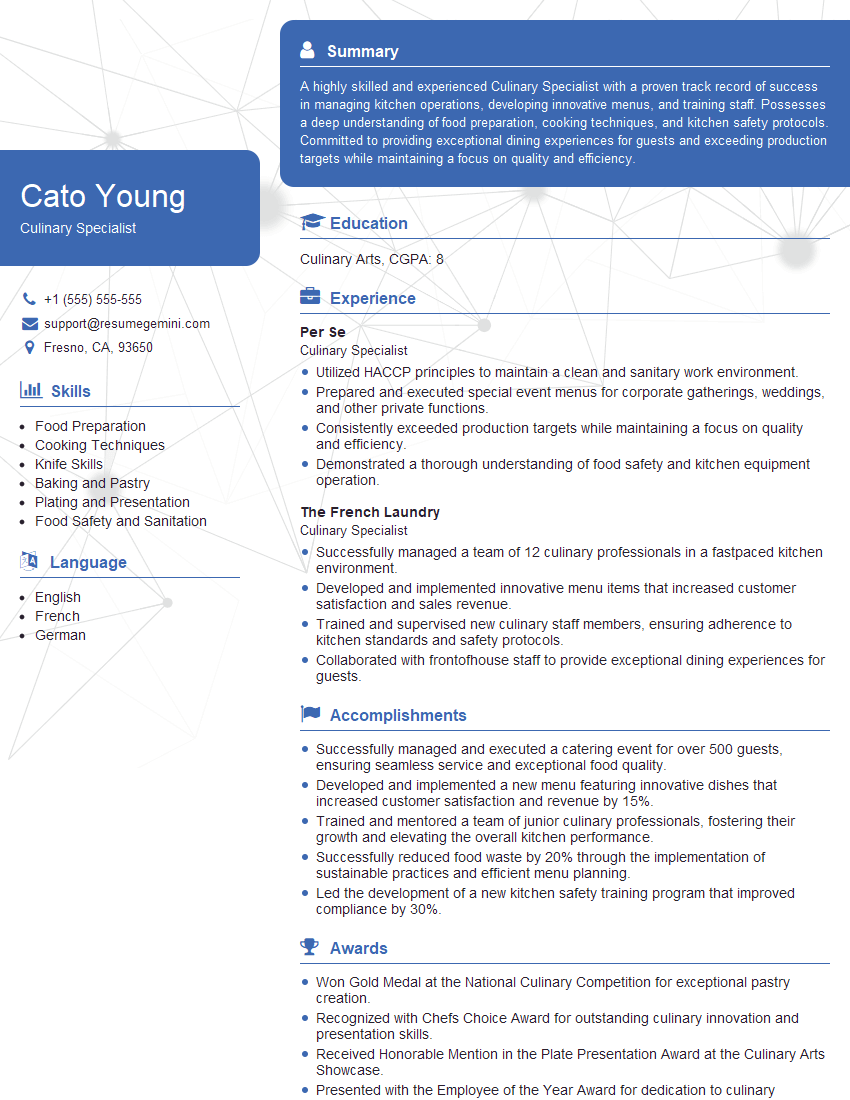
Culinary Specialist Resume Sample
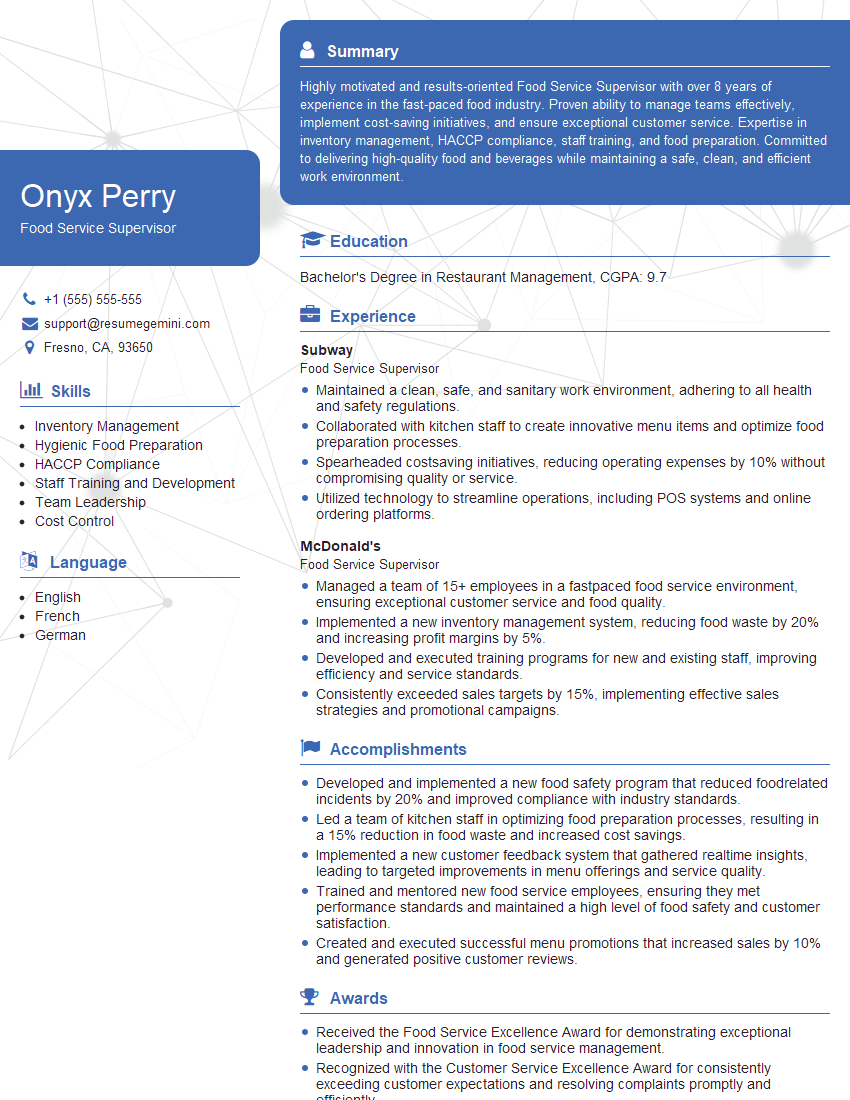
Food Service Supervisor Resume Sample
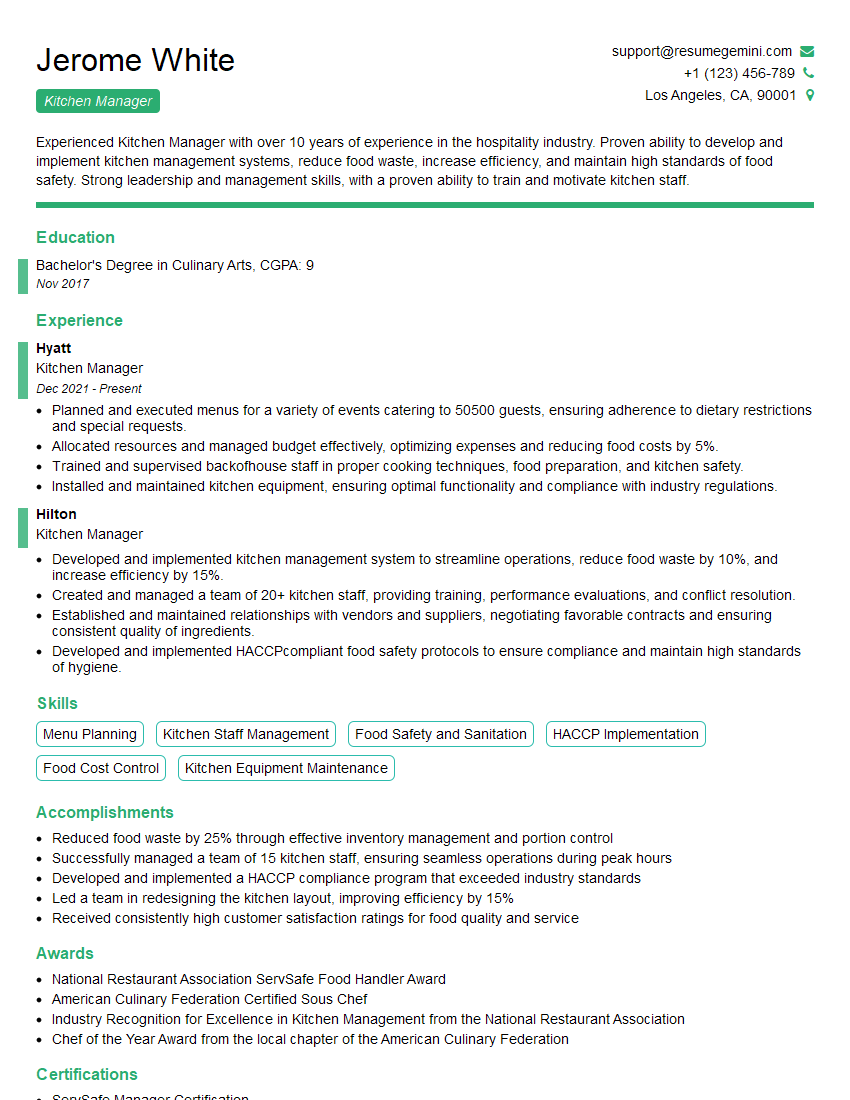
Kitchen Manager Resume Sample
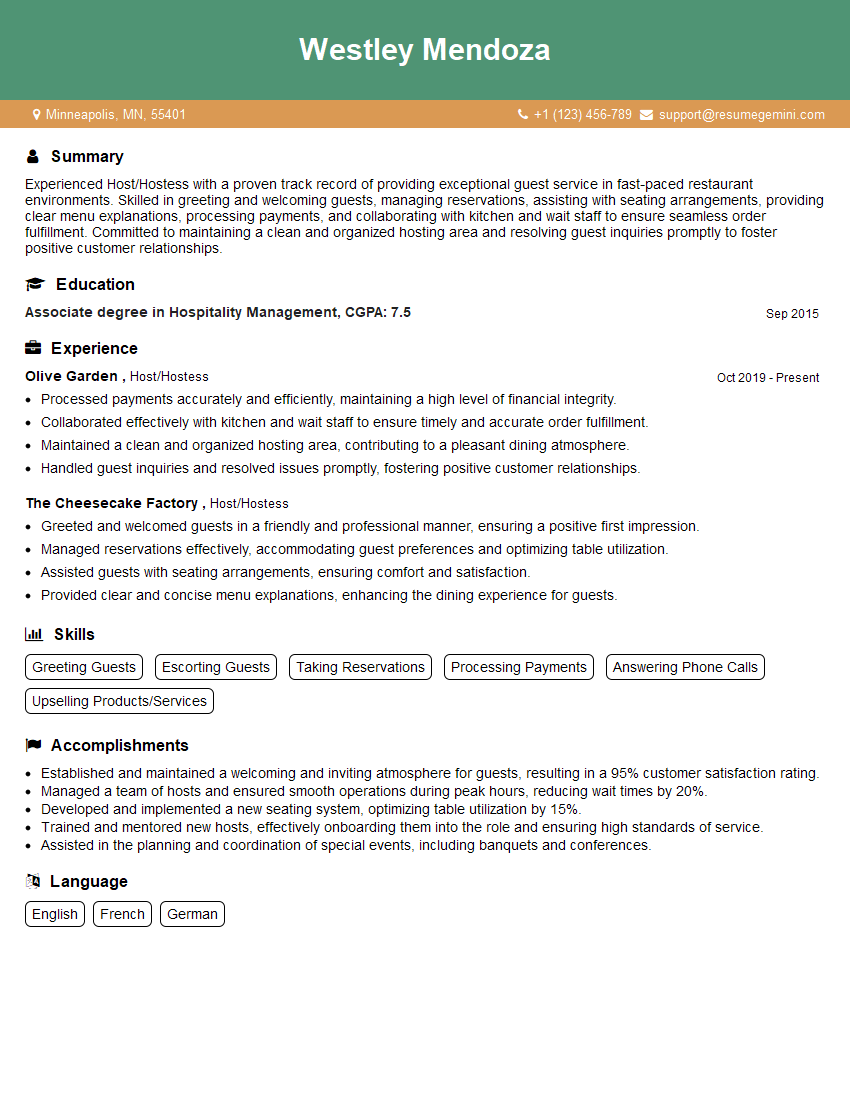
Host/Hostess Resume Sample
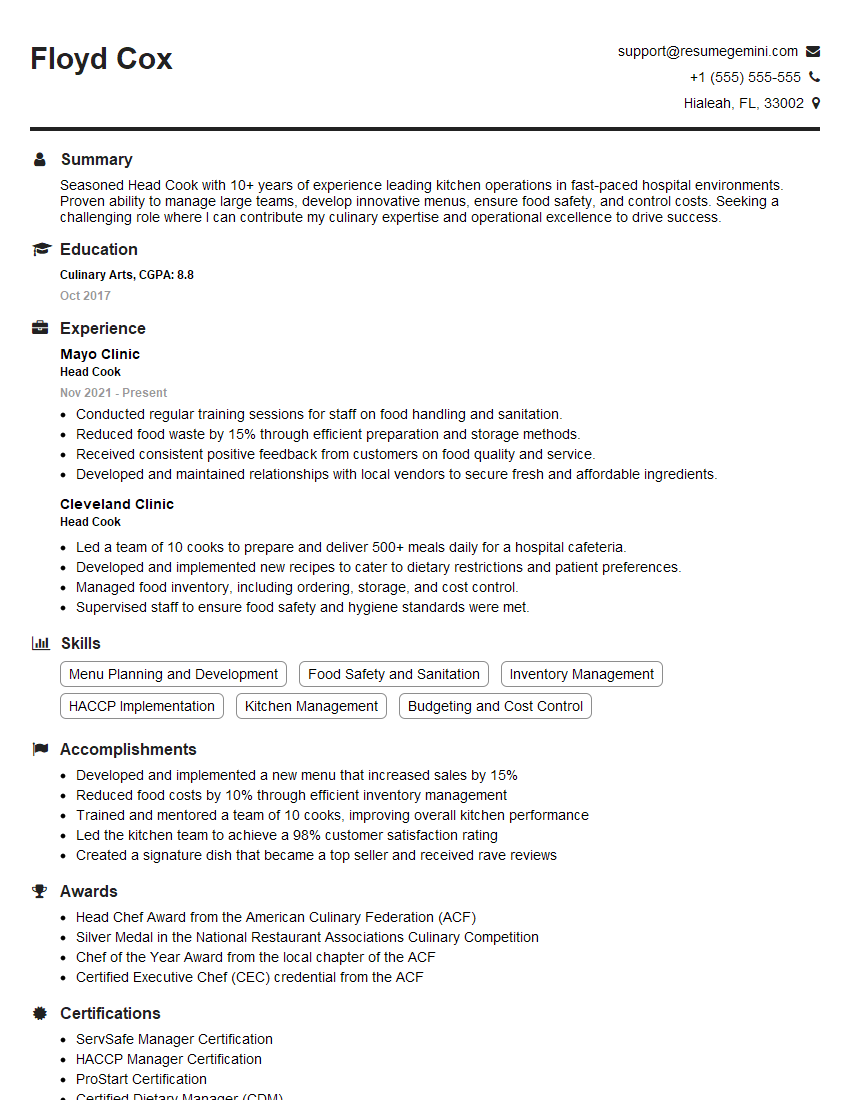
Head Cook Resume Sample
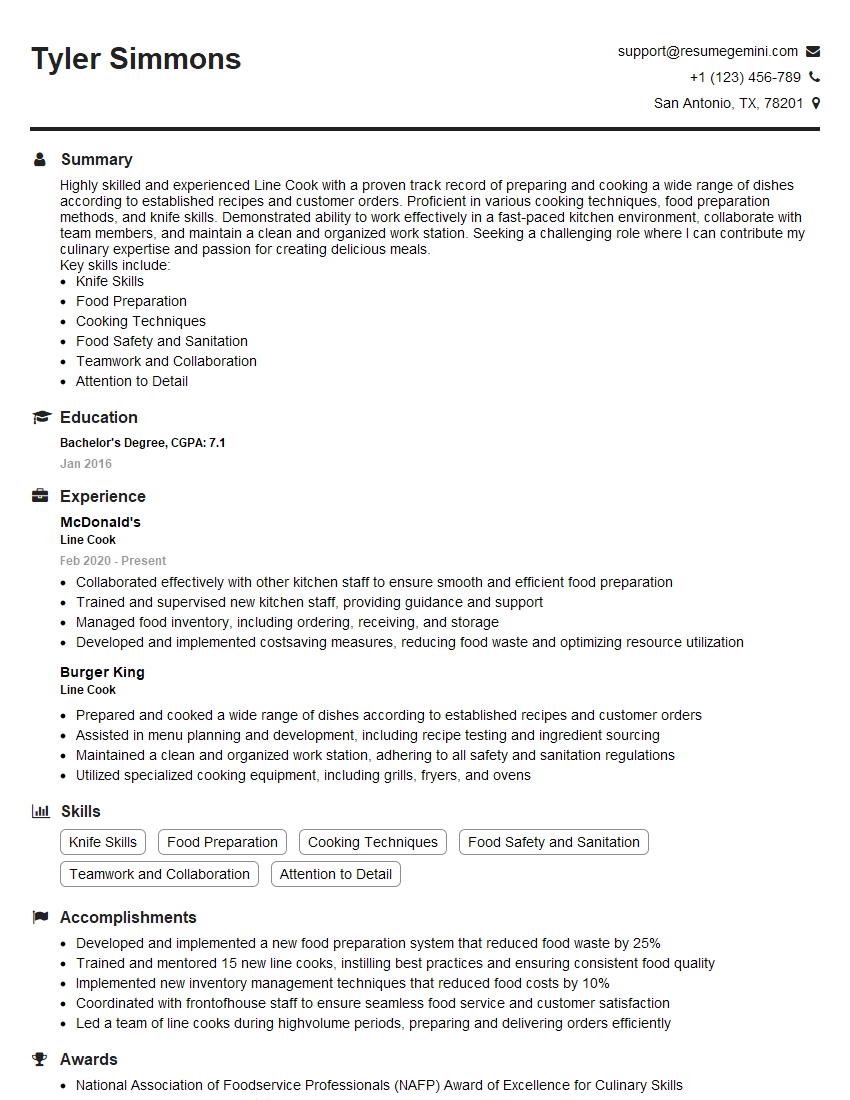
Line Cook Resume Sample
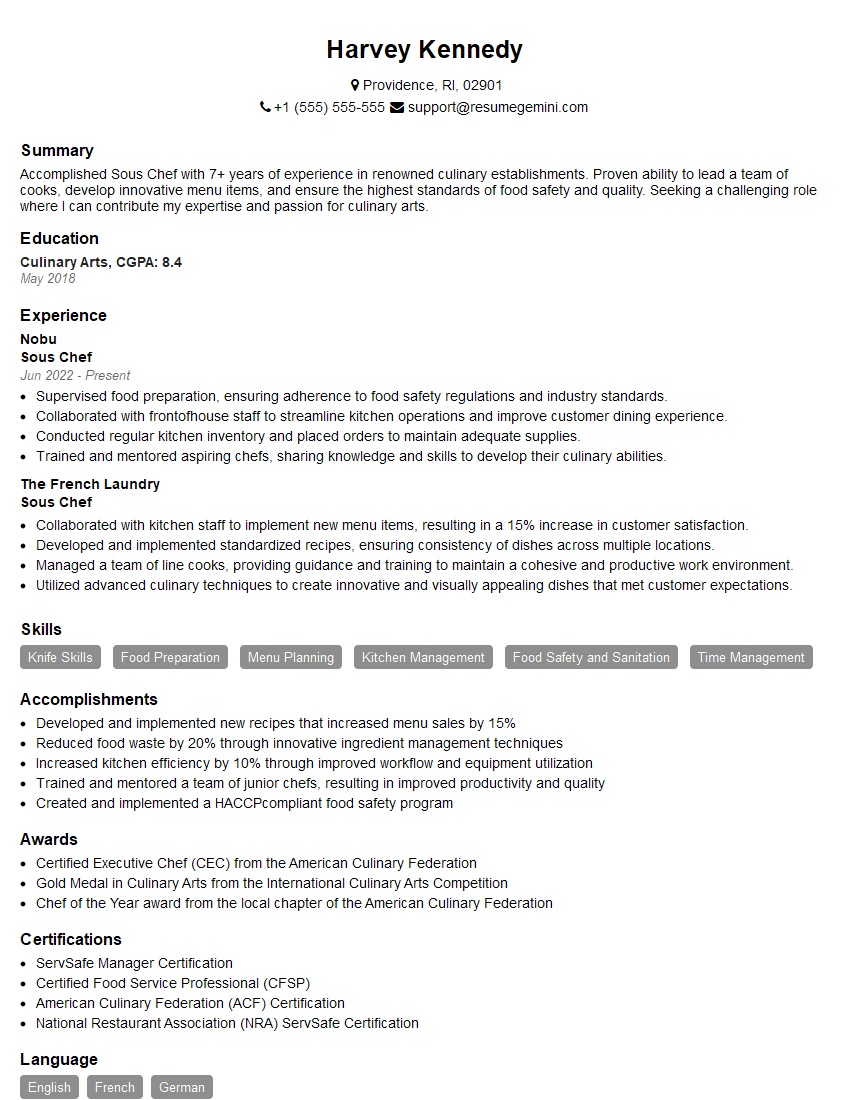
Sous Chef Resume Sample
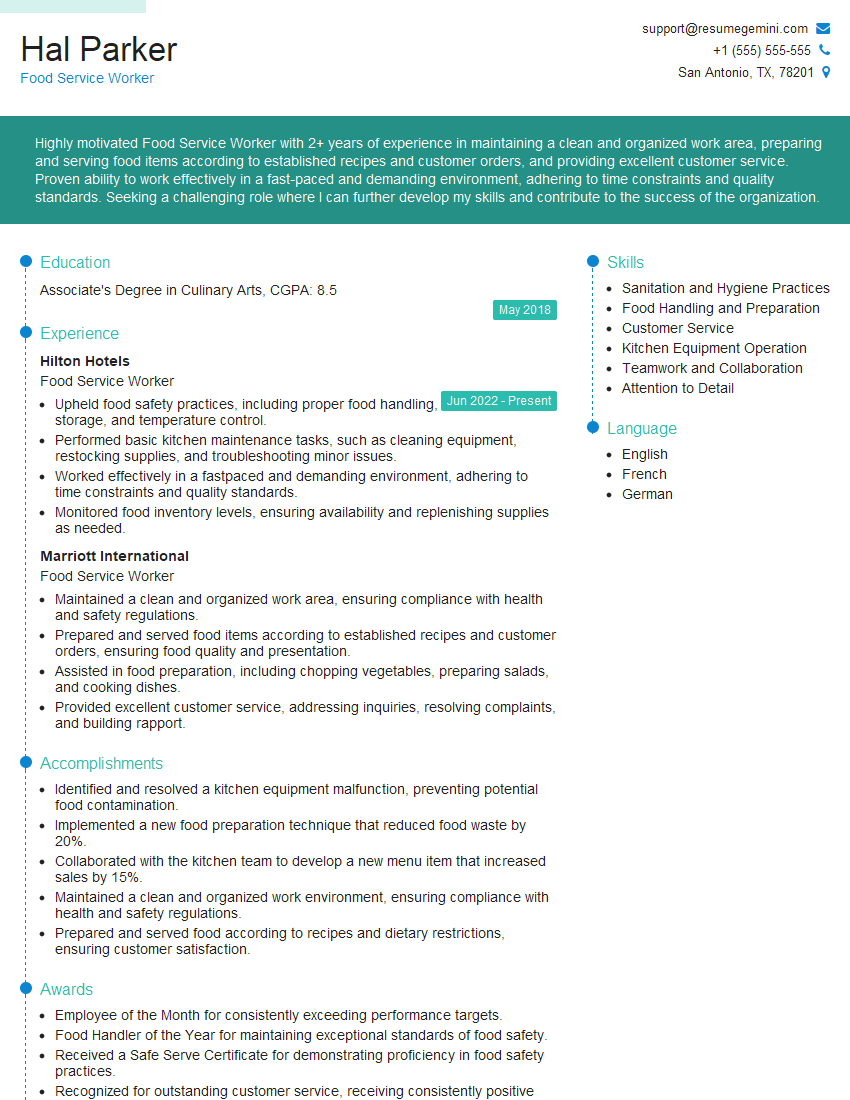
Food Service Worker Resume Sample
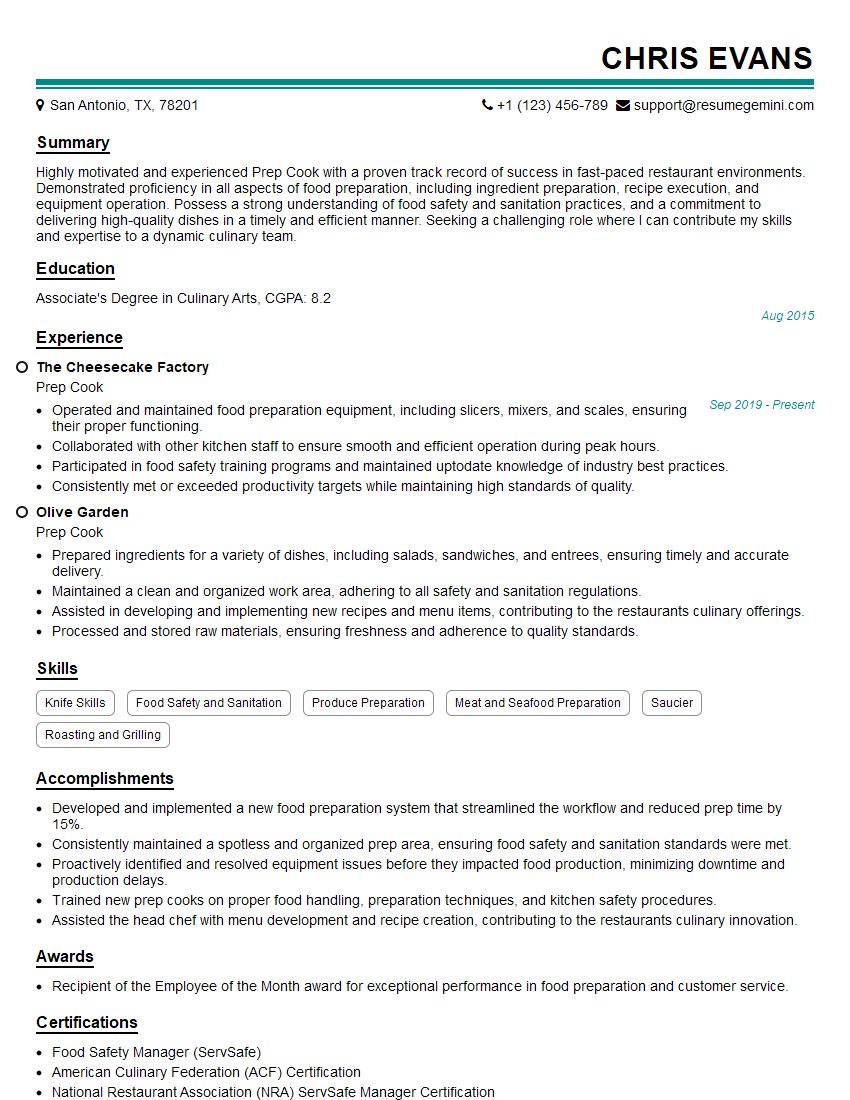
Prep Cook Resume Sample

Chef De Partie Resume Sample
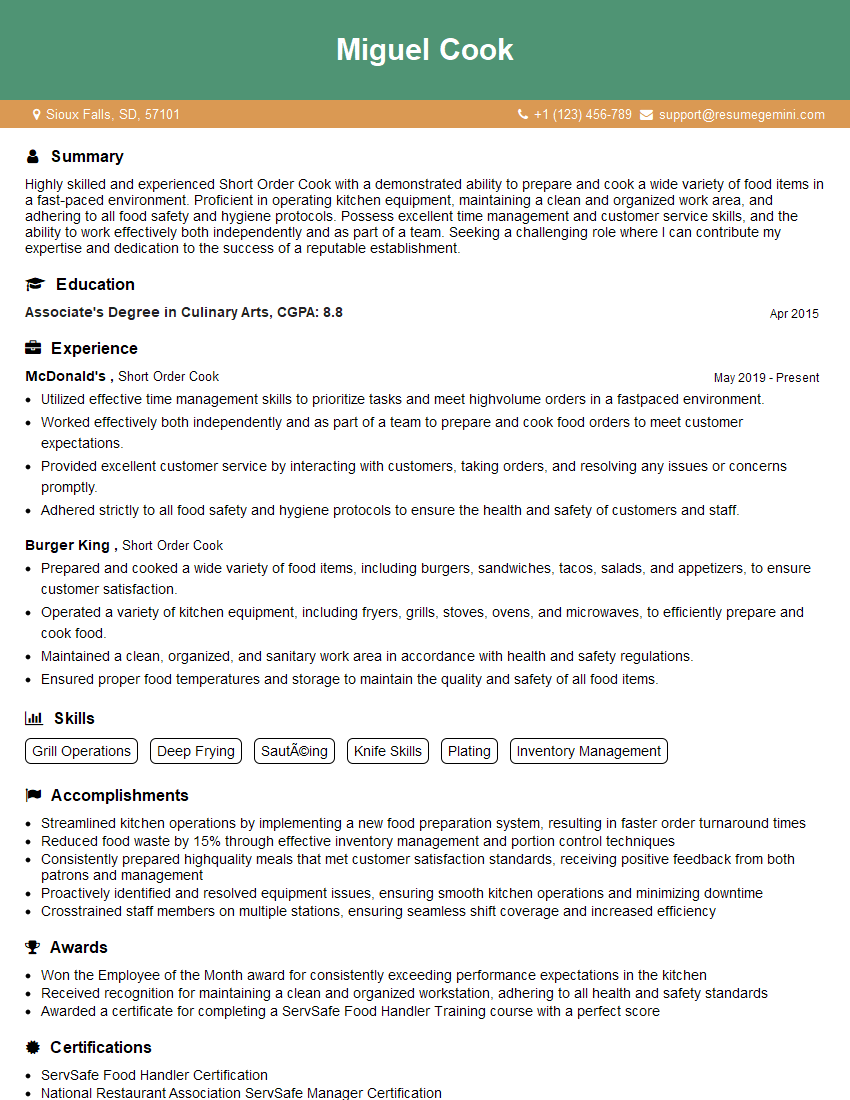
Short Order Cook Resume Sample
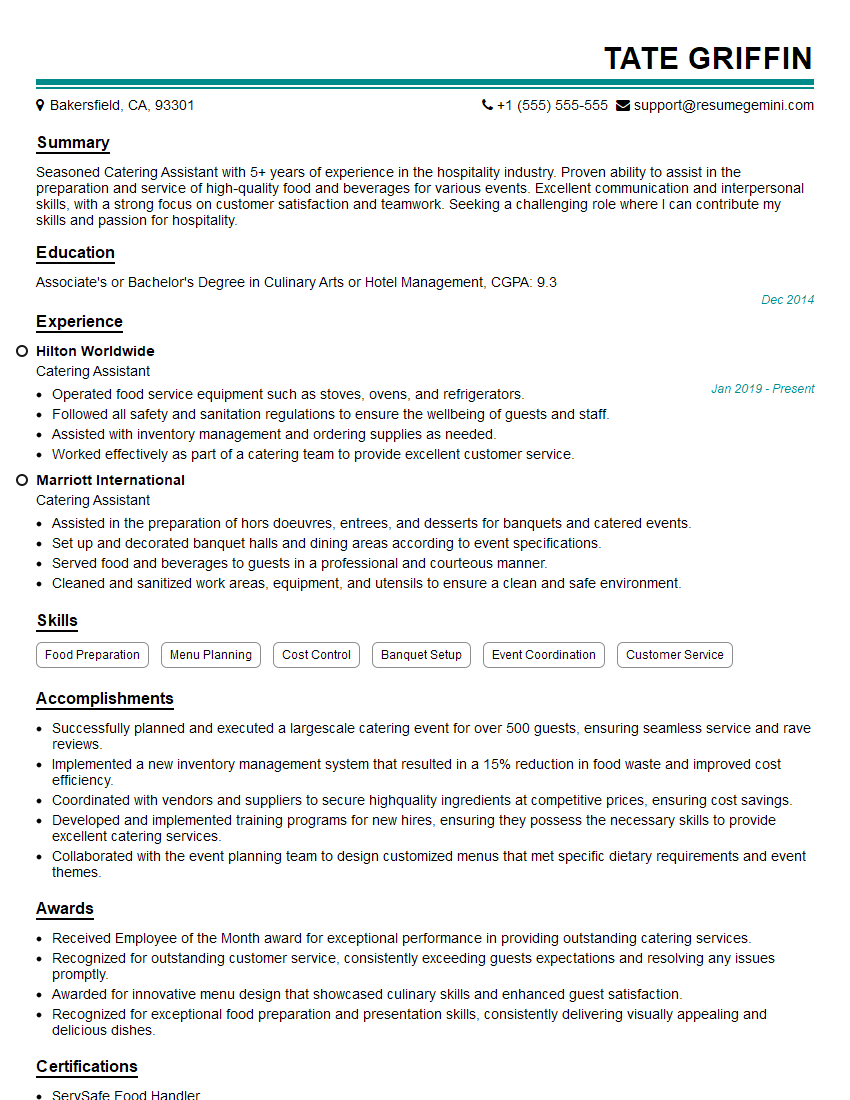
Catering Assistant Resume Sample
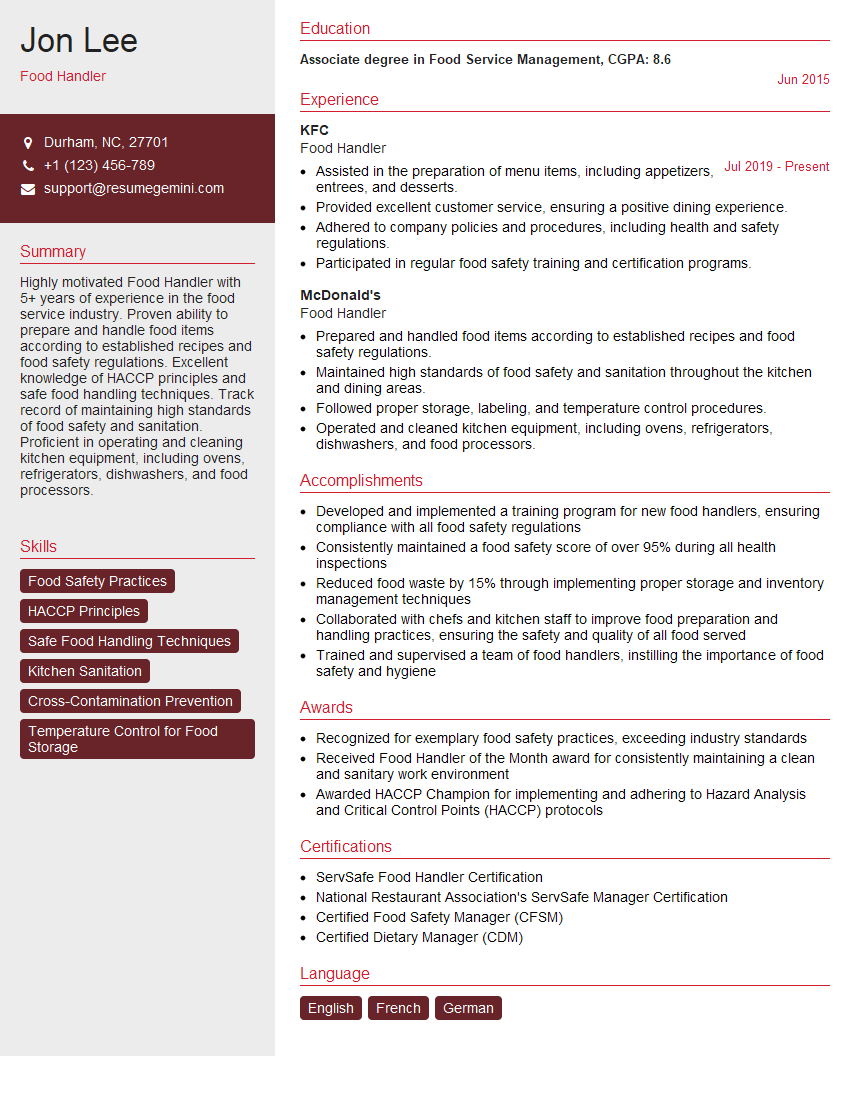
Food Handler Resume Sample
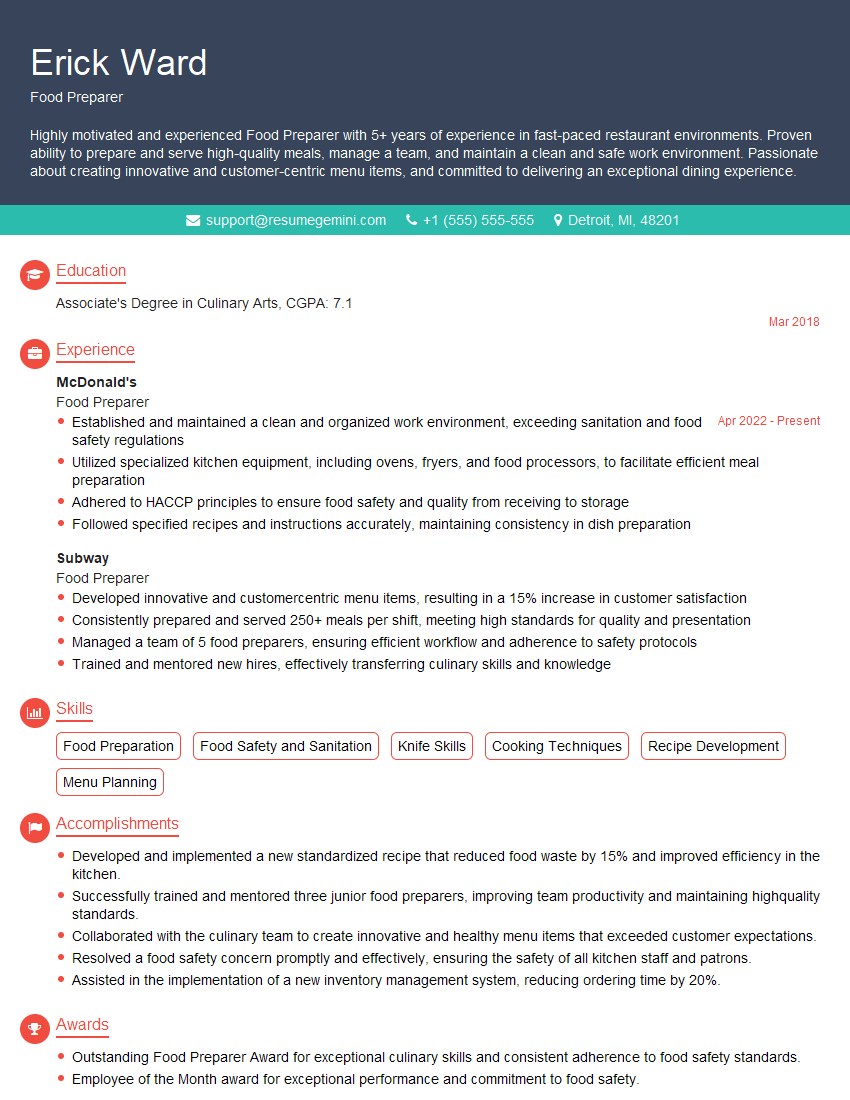
Food Preparer Resume Sample
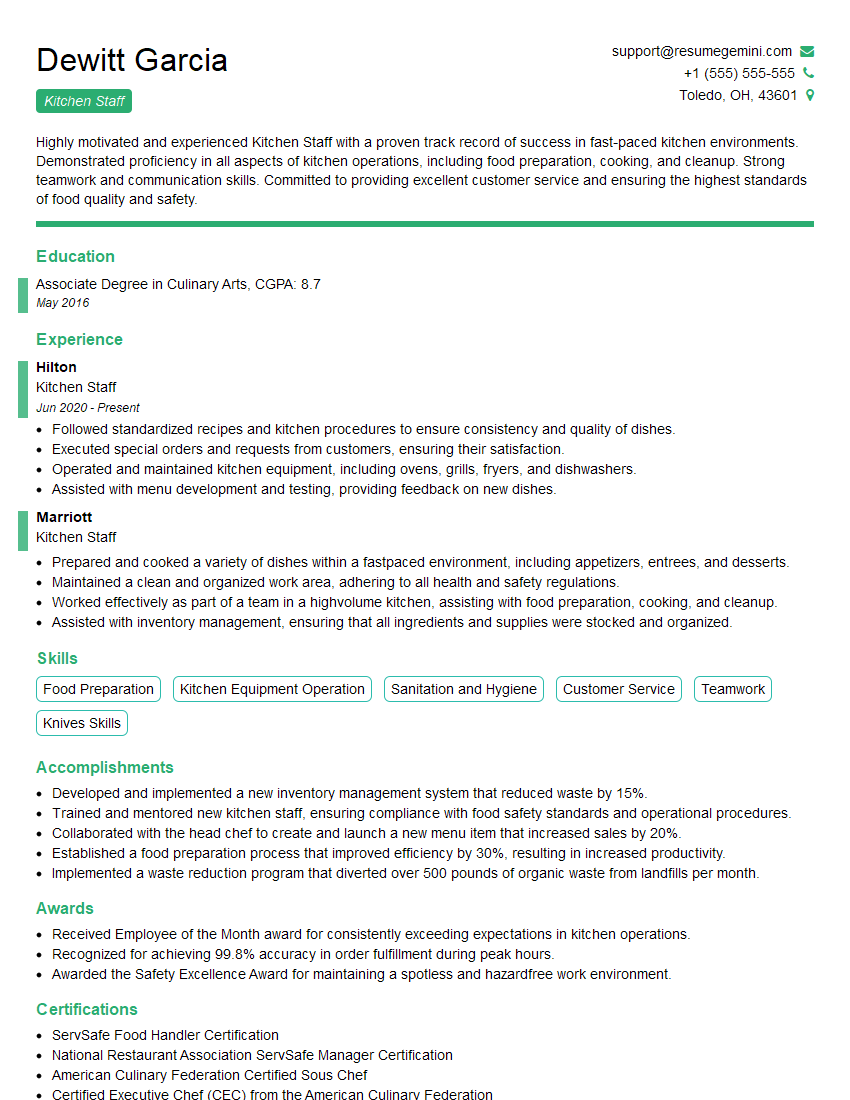
Kitchen Staff Resume Sample
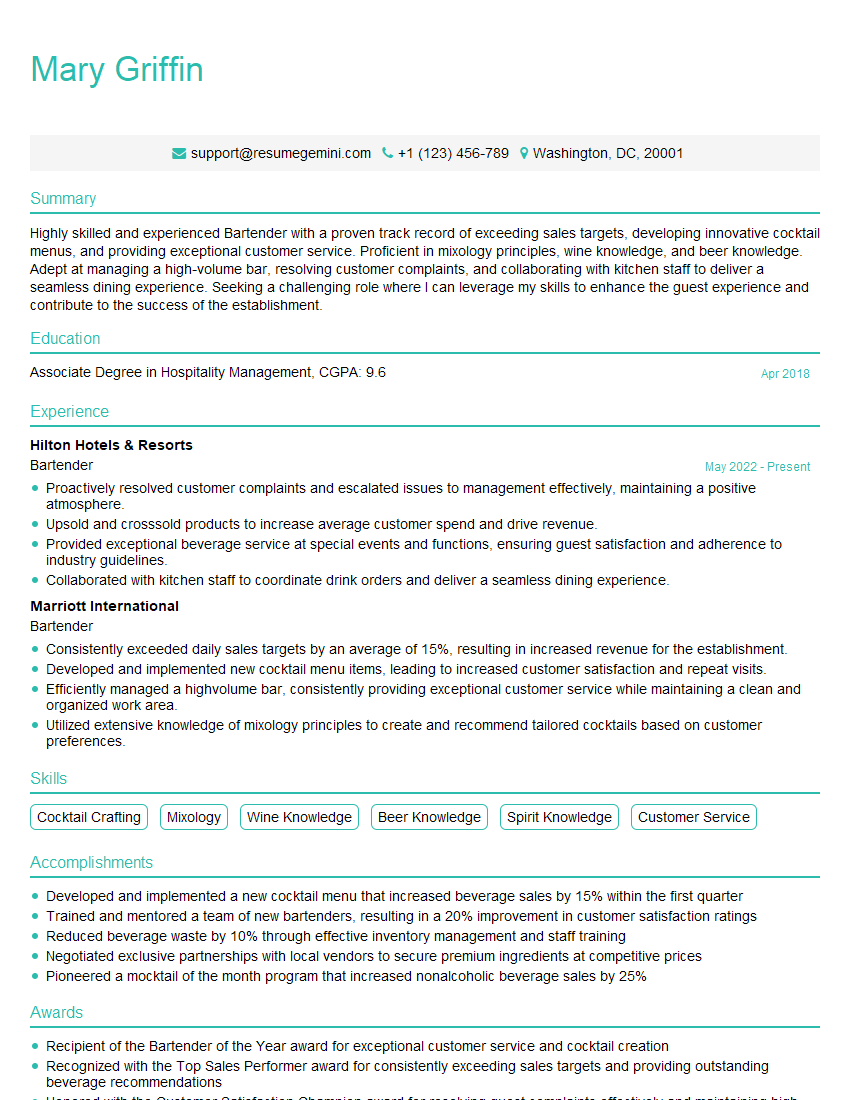
Bartender Resume Sample
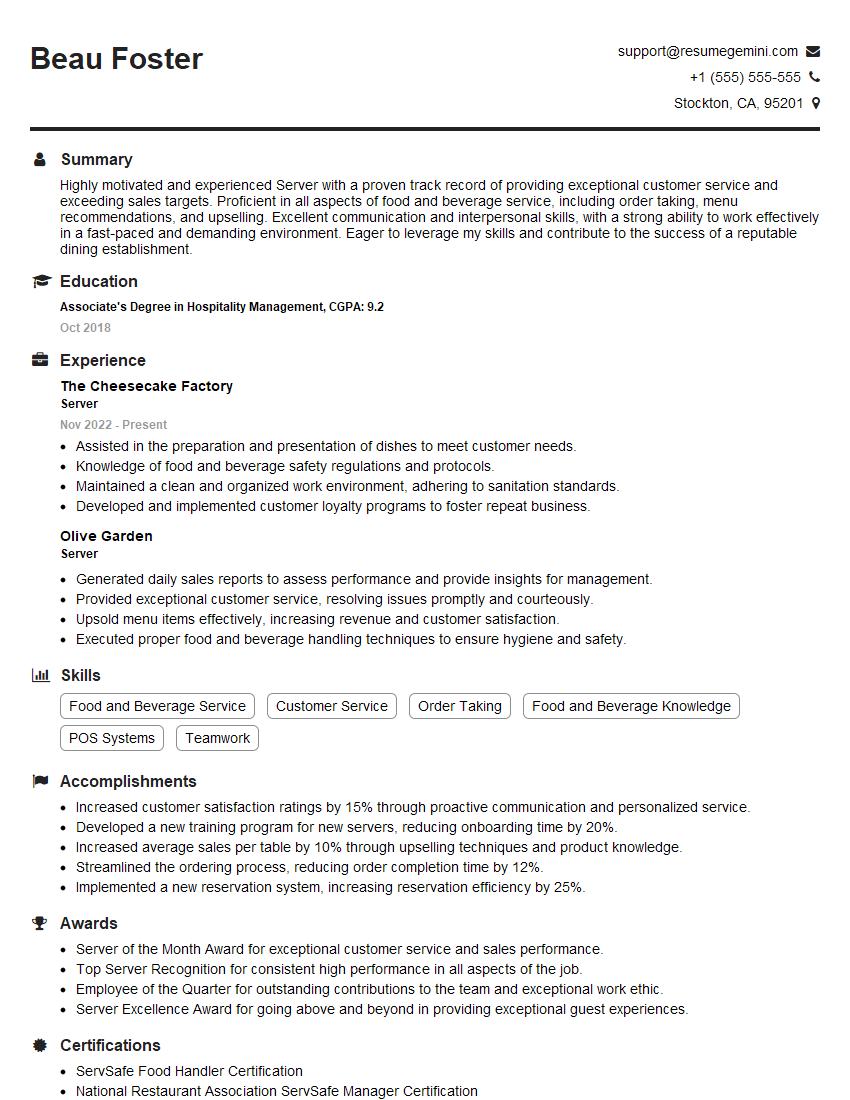
Server Resume Sample
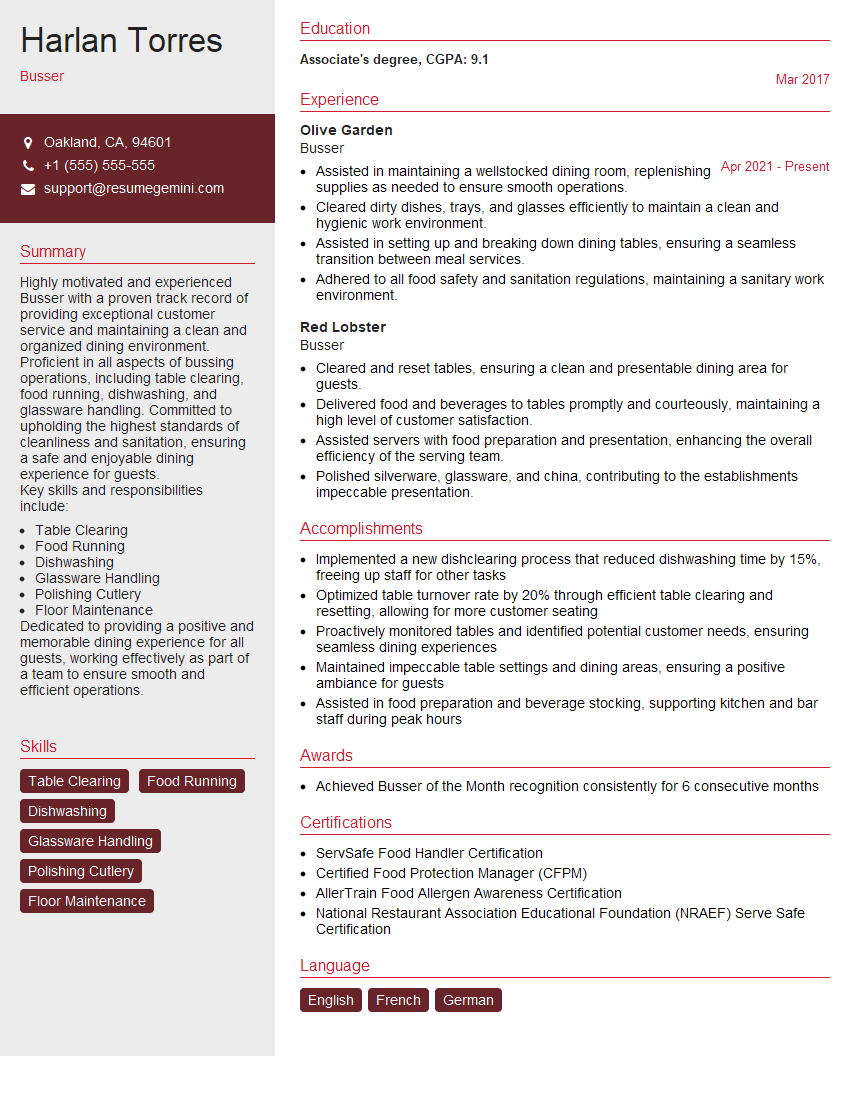
Busser Resume Sample
Explore more articles
Users Rating of Our Blogs
Share Your Experience
We value your feedback! Please rate our content and share your thoughts (optional).
What Readers Say About Our Blog
Very informative content, great job.
good