Are you ready to stand out in your next interview? Understanding and preparing for CFR 21 Part 820 interview questions is a game-changer. In this blog, we’ve compiled key questions and expert advice to help you showcase your skills with confidence and precision. Let’s get started on your journey to acing the interview.
Questions Asked in CFR 21 Part 820 Interview
Q 1. Explain the key requirements of 21 CFR Part 820.
21 CFR Part 820, the FDA’s Quality System Regulation (QSR), establishes the minimum requirements for quality systems in the manufacturing and distribution of medical devices. It’s essentially a blueprint for ensuring the safety and effectiveness of these devices. The key requirements cover the entire product lifecycle, from design and development to post-market surveillance. Think of it as a comprehensive checklist ensuring every step in the process is meticulously controlled.
- Device Design and Development: This includes risk management, verification, and validation of the device’s design to meet its intended use.
- Production and Process Controls: Maintaining consistent manufacturing processes and preventing defects. This involves using validated processes and keeping detailed records.
- Quality Control: Testing and inspection to ensure products meet specifications and quality standards.
- Corrective and Preventive Action (CAPA): A robust system for identifying, investigating, and addressing quality problems to prevent recurrence.
- Recordkeeping and Documentation: Meticulous record-keeping is paramount to demonstrate compliance and trace product history.
- Supplier Controls: Ensuring that suppliers meet quality standards and provide compliant materials and components.
- Personnel: Having adequately trained and qualified personnel who understand and follow quality procedures.
Failing to adhere to any of these elements can result in FDA scrutiny, potential recalls, and legal repercussions. It’s all about ensuring patient safety.
Q 2. Describe your experience with CAPA investigations and resolution.
My experience with CAPA investigations spans over [Number] years, encompassing various types of deviations, from minor documentation errors to more significant manufacturing defects. I’ve led numerous investigations, applying a systematic approach rooted in root cause analysis techniques like the 5 Whys and fishbone diagrams. My process typically involves:
- Immediate Containment: First, we isolate the problem to prevent further non-conforming product from being released.
- Investigation: A thorough investigation is then conducted, involving data collection, interviews with relevant personnel, and a review of relevant records. This process helps pinpoint the root cause.
- Corrective Actions: Once the root cause is identified, corrective actions are implemented to address the immediate problem. This could involve retraining staff, improving processes, or replacing defective equipment.
- Preventive Actions: To prevent recurrence, preventive actions are implemented to address the underlying systemic issues. This may involve process improvements, updated Standard Operating Procedures (SOPs), or new control systems.
- Effectiveness Verification: Finally, we verify the effectiveness of the implemented corrective and preventive actions. This ensures that the problem is truly solved and won’t reoccur.
For example, I once investigated a deviation where several batches of a medical device failed a critical performance test. Through a thorough investigation, we uncovered a flaw in the calibration procedure for a key piece of testing equipment. We recalibrated the equipment, updated our calibration SOPs, and retrained the personnel involved, effectively resolving the issue and preventing future recurrences.
Q 3. How do you ensure compliance with 21 CFR Part 820.100 (Organization)?
21 CFR Part 820.100 mandates a well-defined organizational structure with assigned responsibilities and authorities for quality systems. To ensure compliance, we implement a structured approach, including:
- Designated Management Representative: A senior manager is designated with overall responsibility for the quality system. This person ensures that appropriate resources are available and that the system functions effectively.
- Clearly Defined Roles and Responsibilities: Each member of the team has clearly defined roles and responsibilities relating to quality. This prevents confusion and ensures accountability.
- Documented Organization Chart: A formal organizational chart shows reporting relationships and ensures clear lines of communication.
- Regular Management Reviews: The quality system’s performance is reviewed by management at defined intervals, addressing key performance indicators (KPIs) and making necessary improvements. This keeps the system current and effective.
- Training Program: We have a robust training program to ensure all personnel understand their roles, the requirements of 21 CFR Part 820, and our internal quality procedures.
In essence, we establish a clear organizational structure with clear lines of responsibility, training, and regular review processes. This creates a proactive, accountable environment that fosters compliance and continuous improvement.
Q 4. Explain your understanding of 21 CFR Part 820.250 (Corrective and Preventive Action).
21 CFR Part 820.250 on Corrective and Preventive Action (CAPA) is crucial for continuous improvement. It describes a systematic process for identifying, investigating, and resolving quality issues. It’s not just about fixing problems; it’s about preventing them from happening again. The key elements are:
- Deviation Reporting: Any deviation from established procedures must be reported immediately and investigated.
- Investigation: Thorough investigation to determine the root cause using tools such as 5 Whys and fishbone diagrams.
- Corrective Actions: Actions taken to correct the immediate problem. This may include rework, scrap, or other immediate measures.
- Preventive Actions: Actions taken to prevent recurrence. This might include process changes, additional training, or equipment upgrades.
- Effectiveness Verification: Verifying that the implemented CAPA actually solves the problem and prevents future occurrences.
- Documentation: Every step of the CAPA process must be meticulously documented.
Effective CAPA is like a feedback loop for continuous improvement. Each incident becomes an opportunity to learn and strengthen the quality system. Failure to properly implement CAPA can lead to recurring problems and regulatory issues.
Q 5. How would you handle a deviation from established procedures?
Handling a deviation from established procedures requires a prompt and systematic response. The process begins with immediate action to prevent further deviations, followed by a detailed investigation. Here’s a step-by-step approach:
- Immediate Action: Stop the process to prevent the creation of non-conforming product, if applicable. Secure any potentially affected materials.
- Deviation Report: A formal deviation report is filed, documenting the details of the deviation, including date, time, location, personnel involved, and the nature of the deviation. This report should clearly outline what happened.
- Investigation: We conduct a thorough investigation using root cause analysis tools to identify the underlying cause(s) of the deviation. This may involve interviews with personnel, reviewing production records, and inspecting equipment.
- Corrective Action: Once the root cause is identified, corrective actions are implemented to address the immediate problem. This could include employee retraining, equipment recalibration, or process adjustments.
- Preventive Action: To prevent future occurrences, preventive actions are put in place. This might involve revising SOPs, implementing new quality controls, or improving training programs.
- CAPA Implementation and Review: The corrective and preventive actions are implemented, documented, and reviewed for effectiveness.
- Management Review: The deviation and implemented CAPA are reviewed by management during a periodic management review.
The entire process is documented and tracked to ensure accountability and transparency. This systematic response ensures patient safety and compliance with 21 CFR Part 820.
Q 6. Describe your experience with conducting internal audits.
I have extensive experience conducting internal audits, both leading and participating in audits across multiple departments. My approach follows a structured methodology, including:
- Audit Planning: Defining the scope, objectives, and schedule of the audit. Selecting the audit team members with relevant expertise is crucial. This often includes specifying procedures, records and processes which will be reviewed.
- Audit Execution: Conducting the audit following a pre-defined checklist or audit plan. This involves reviewing documentation, observing processes, and interviewing personnel. Objective evidence is gathered to support any findings.
- Audit Reporting: Preparing a comprehensive audit report detailing audit findings, non-conformances, and recommendations for improvement. This report should be objective and factual, supported by evidence from the audit.
- Management Review: Presenting audit findings to management to discuss corrective and preventive actions (CAPA) required to address the noted non-conformances.
- Follow-up: Ensuring that the recommended CAPAs are implemented and verified to prevent recurrence of identified issues.
During an audit, I emphasize objectivity, professionalism, and constructive feedback. The goal is not to find fault but to identify areas for improvement within the quality system and promote continuous improvement. I’ve witnessed firsthand how effectively conducted internal audits prevent significant problems down the road.
Q 7. How familiar are you with FDA regulations and guidance documents related to 21 CFR Part 820?
I am very familiar with FDA regulations and guidance documents related to 21 CFR Part 820. My knowledge extends beyond the regulation itself to encompass supporting guidance documents, FDA warning letters, and industry best practices. This includes a deep understanding of:
- FDA Guidance Documents: I regularly review FDA guidance documents to stay current on best practices and interpretations of the regulations. This keeps me informed on evolving expectations and helps in developing appropriate internal procedures.
- Warning Letters: Analyzing FDA warning letters allows me to identify common areas of non-compliance and proactively address potential vulnerabilities within our own quality systems.
- Industry Best Practices: I stay abreast of industry best practices and benchmarks to continually improve our quality systems and maintain a competitive edge.
- Medical Device Reporting (MDR): I am well-versed in MDR procedures and understand the importance of timely and accurate reporting.
This comprehensive understanding ensures that our quality system is not only compliant with the regulations but also best-in-class. It’s about being proactive and anticipating potential issues before they become major problems.
Q 8. What is your experience with document control in a regulated environment?
My experience with document control in a regulated environment is extensive. I’ve worked in several companies that manufacture medical devices, and in each role, meticulous document control was paramount. This involved establishing and maintaining a comprehensive document management system, ensuring version control, and implementing robust procedures for document creation, review, approval, distribution, and archival. Think of it like this: imagine building a house. You wouldn’t start without blueprints, and you certainly wouldn’t use outdated or incorrect ones. Similarly, in a regulated environment, accurate and controlled documents are the foundation of compliance. This includes procedures, specifications, training records, and any other documentation that impacts the quality and safety of the product. We used a combination of electronic document management systems (EDMS) and physical filing systems, always ensuring complete traceability and audit readiness. For example, we used a unique document identification system and implemented a change control process to manage revisions, ensuring only the most up-to-date versions were in use.
Q 9. Explain your understanding of Design Control (21 CFR 820.30).
21 CFR 820.30, Design Control, is the cornerstone of developing safe and effective medical devices. It’s a systematic approach that ensures the device meets its intended use. It’s not just about creating a design; it’s about proactively managing every step of the design process. This involves defining user needs, developing design input, generating design outputs, performing design verification and validation, and ultimately, transferring the design to manufacturing. Imagine designing a car – you wouldn’t just start building without detailed specifications, testing prototypes, and ensuring all safety features are functioning. Design control involves similar steps, ensuring each stage is documented and controlled. Key aspects include:
- Design Input: Clearly defining user needs and translating them into device requirements.
- Design Output: Describing the device’s specifications, drawings, and other documentation necessary to manufacture the product.
- Design Review: A formal process to review the design at critical stages, evaluating its feasibility, safety, and effectiveness.
- Design Verification: Testing to ensure the design meets the specified requirements.
- Design Validation: Testing to confirm the device meets user needs and intended use.
- Design Transfer: The documented process of transferring the approved design to the manufacturing department.
Failure to adhere to design control can lead to serious consequences, including product recalls, regulatory actions, and potential harm to patients.
Q 10. How do you ensure the accuracy and traceability of manufacturing records?
Ensuring accuracy and traceability of manufacturing records is critical for compliance. This is achieved through a combination of meticulous record-keeping practices and robust quality systems. We employed systems that captured data electronically whenever possible, employing barcodes and RFID technology to track components, and providing unique serial numbers for finished products. All entries need to be clear, concise, accurate, and signed. Think of it as creating a detailed audit trail; every step of the manufacturing process should be documented. We used systems with built-in audit trails for complete transparency and accountability. In cases of manual recording, we maintained meticulous records using standardized forms and procedures. Regular internal audits and quality checks verify the accuracy and completeness of records. Any discrepancies are investigated immediately, and corrective actions are documented. For example, if a batch record shows a deviation from the specifications, the issue is investigated thoroughly to understand the root cause and prevent recurrence.
Q 11. Describe your experience with change control processes.
My experience with change control processes is built on implementing and adhering to formal procedures. Changes, no matter how small, can affect product quality, safety, and regulatory compliance. Our change control system typically followed these steps:
- Change Request: Initiating a formal request detailing the proposed change and its rationale.
- Impact Assessment: Evaluating the potential impact of the change on the design, manufacturing process, and regulatory compliance.
- Review and Approval: Submitting the request to relevant personnel for review and approval based on established criteria.
- Implementation: Implementing the approved change under controlled conditions.
- Verification: Verifying the effectiveness of the change and its impact on the product.
- Documentation: Meticulously documenting the entire change process.
Consider a scenario where a supplier changes a raw material. Our change control process would ensure the impact on the final product is carefully assessed and approved before implementation. Without a robust system, a seemingly minor change can cascade into significant problems.
Q 12. Explain your understanding of nonconforming materials and product handling.
Nonconforming materials and products are those that fail to meet predetermined specifications. Handling these requires a systematic approach to prevent their use in finished products. Our process involved identification, segregation, evaluation, and disposition. If a nonconforming material is discovered, it is immediately quarantined, labeled accordingly, and investigated. This investigation determines the root cause, assesses the impact on product quality, and determines the appropriate action. The options are typically rework, repair, scrap, or concession (if approved). This process is thoroughly documented, ensuring traceability and accountability. Imagine finding a defective part in a car assembly line. You wouldn’t just ignore it; you’d isolate it, investigate why it failed, and decide whether it can be fixed or needs to be discarded. The same principle applies to medical device manufacturing.
Q 13. How do you ensure that your processes are compliant with 21 CFR Part 820?
Ensuring compliance with 21 CFR Part 820 is a continuous effort, not a one-time task. It’s about creating and maintaining a quality system that incorporates all the regulations. This starts with a thorough understanding of the requirements, developing and implementing written procedures for each element of the quality system, and assigning responsibility for adherence. We conducted regular internal audits and management reviews to assess our compliance. Corrective and preventive actions (CAPA) are essential for addressing any non-conformances. Training is crucial to ensure all personnel understand their roles and responsibilities. Regular updates to our procedures and quality system are critical to adapt to changes in regulations and technology. Essentially, it’s about fostering a culture of quality and compliance throughout the organization – a constant focus on doing things right the first time and consistently striving for improvement.
Q 14. What is your experience with quality risk management?
Quality risk management (QRM) is a systematic process to identify, analyze, evaluate, control, and monitor risks throughout the product lifecycle. My experience involves implementing risk management methodologies such as Failure Mode and Effects Analysis (FMEA) and Hazard Analysis and Risk Control (HACR). We used a risk-based approach to determine the appropriate level of control for each process. This involves identifying potential hazards, assessing their likelihood and severity, and implementing controls to mitigate the risks. Risk assessments are regularly reviewed and updated to reflect changes in the design, manufacturing process, or regulatory requirements. Imagine building a bridge – you wouldn’t just build it without assessing the risk of collapse due to various factors, such as wind, earthquakes, and material fatigue. Similarly, QRM ensures that all potential risks are identified, assessed, and mitigated in the medical device manufacturing process.
Q 15. How would you handle a situation where nonconforming product is released?
The release of nonconforming product is a serious breach of CFR 21 Part 820 and can have severe consequences, including product recalls, regulatory actions, and reputational damage. It should never happen intentionally. If it does, a thorough investigation is crucial to understand the root cause and prevent recurrence.
My approach would involve the following steps:
- Immediate Containment: Immediately quarantine the nonconforming product to prevent further distribution or use. This is paramount to mitigate potential harm.
- Investigation: Launch a comprehensive investigation to determine the root cause of the nonconformity. This involves reviewing manufacturing records, equipment logs, and interviewing relevant personnel. We’d use tools like fault tree analysis or 5 Whys to get to the core issue.
- Corrective and Preventive Actions (CAPA): Based on the investigation findings, implement effective CAPAs to prevent recurrence. This may involve changes to procedures, equipment upgrades, or employee retraining. Crucially, we’d verify CAPA effectiveness.
- Disposition: Determine the appropriate disposition of the nonconforming product. This could include scrapping, rework (if feasible and validated), or, as a last resort, if the risk to patients is minimal and fully mitigated through appropriate controls, potentially considering a documented and justified release with full traceability and notification to relevant parties. This is extremely rare and requires rigorous justification and approval at a high level.
- Documentation: Meticulously document all steps of the process, including the investigation, CAPA implementation, and disposition of the product. This documentation is crucial for audits and regulatory inspections.
- Notification: If appropriate, notify relevant authorities and customers, depending on the severity and potential risk of the nonconforming product.
For example, imagine a batch of tablets failed a dissolution test. We’d immediately quarantine the batch, investigate (e.g., was there a problem with the granulation process?), implement corrective actions (e.g., recalibrate the granulator, review the SOP), and then determine if the batch can be reworked or needs to be scrapped. The entire process would be rigorously documented and reviewed.
Career Expert Tips:
- Ace those interviews! Prepare effectively by reviewing the Top 50 Most Common Interview Questions on ResumeGemini.
- Navigate your job search with confidence! Explore a wide range of Career Tips on ResumeGemini. Learn about common challenges and recommendations to overcome them.
- Craft the perfect resume! Master the Art of Resume Writing with ResumeGemini’s guide. Showcase your unique qualifications and achievements effectively.
- Don’t miss out on holiday savings! Build your dream resume with ResumeGemini’s ATS optimized templates.
Q 16. Explain your understanding of quality system inspections by regulatory authorities.
Quality system inspections by regulatory authorities, such as the FDA, are critical to ensuring compliance with CFR 21 Part 820. These inspections are thorough assessments of a company’s quality management system, verifying its effectiveness in producing safe and effective medical devices. Inspectors examine documentation, processes, and facilities to ensure compliance with all applicable regulations.
My understanding includes:
- Pre-inspection preparation: This is crucial, involving a thorough review of all relevant documentation and procedures to ensure compliance. Mock inspections are highly valuable.
- The inspection itself: Inspectors will review documents like design history files, manufacturing records, complaint files, and training records. They’ll also observe processes and interview employees. Open communication and transparency are key during the inspection.
- Responding to observations: Any observations (or findings) from the inspectors need to be addressed promptly and professionally with detailed corrective and preventive actions (CAPAs). A formal response, typically involving a detailed report, is always required.
- Post-inspection follow-up: After the inspection, it’s important to follow up on any observations and ensure that all CAPAs are implemented effectively. This often involves regular monitoring and review.
A successful inspection demonstrates a company’s commitment to quality and regulatory compliance. Failures can lead to warning letters, import alerts, and even facility closures.
Q 17. Describe your experience with supplier audits and management.
Supplier audits and management are essential aspects of ensuring product quality and safety. They verify that suppliers meet the required standards and provide materials and services that conform to our specifications. My experience encompasses the entire process.
This involves:
- Supplier Selection: Thorough evaluation of potential suppliers, considering their quality systems, capabilities, and compliance history.
- Audit Planning: Developing audit plans based on the supplier’s processes and our specific requirements. This might include checklists, questionnaires, and specific areas of focus.
- Conducting Audits: Performing on-site audits of suppliers’ facilities, reviewing documentation, and interviewing personnel. This is about verifying their processes against regulatory requirements and our internal standards.
- Corrective Action: Addressing any nonconformities identified during the audit, working with suppliers to implement corrective and preventive actions (CAPAs).
- Ongoing Monitoring: Continuously monitoring supplier performance through regular audits, performance reviews, and ongoing communication.
For instance, we might audit a supplier of raw materials, verifying their storage conditions, testing procedures, and traceability systems. If a nonconformity is found, we’d work with the supplier to rectify the issue and prevent recurrence. We would continue to monitor them closely for continued compliance.
Q 18. How do you measure and track key quality metrics?
Measuring and tracking key quality metrics is critical for continuous improvement. These metrics provide insights into process performance, product quality, and overall system effectiveness.
The metrics I typically track include:
- Defect rates: Measuring the number of defects per unit of production.
- Yield: The percentage of good units produced.
- Customer complaints: The number and type of customer complaints received.
- CAPA effectiveness: The rate of recurrence of previously addressed issues.
- On-time delivery: Measuring the percentage of orders delivered on time.
- Supplier performance: Tracking key metrics of supplier performance, like on-time delivery, defect rates, and compliance.
These metrics are tracked using various systems such as spreadsheets, databases, and quality management software. Regular review and analysis of these metrics provide opportunities for process improvement and proactive problem-solving. For example, a rising defect rate might signal a problem with a specific process or piece of equipment, prompting an investigation and corrective action.
Q 19. Explain your understanding of the importance of training in a GMP environment.
Training is absolutely fundamental in a GMP (Good Manufacturing Practices) environment. It ensures that all personnel are competent to perform their tasks, contributing to consistent product quality and regulatory compliance.
The importance of training includes:
- Compliance: Meeting regulatory requirements for personnel training and competency.
- Quality: Ensuring that all personnel understand and follow GMP principles and procedures.
- Safety: Training employees on safety procedures and hazard recognition to prevent accidents and injuries.
- Consistency: Maintaining consistent product quality by ensuring that all personnel perform their tasks according to established procedures.
- Continuous Improvement: Training enables employees to improve their skills and contribute to process improvements.
We implement a comprehensive training program that covers all aspects of GMP, including specific job functions, SOPs, quality systems, and regulatory requirements. Training is documented, and competency is assessed regularly. This ensures everyone is up-to-date on procedures and industry best practices. Regular refresher training reinforces learning and keeps employees abreast of any changes or updates.
Q 20. How do you ensure the proper calibration and maintenance of equipment?
Proper calibration and maintenance of equipment are essential to ensure accurate and reliable results and to prevent product failures. A comprehensive program is needed.
My approach includes:
- Calibration Schedule: Establishing a preventive maintenance schedule for all equipment, including regular calibration according to manufacturer’s instructions and regulatory guidelines. This schedule is often based on frequency of use and criticality of the equipment.
- Calibration Procedures: Defining detailed calibration procedures that include the use of traceable standards, documentation requirements, and acceptance criteria. The procedures should ensure accuracy and traceability.
- Maintenance Procedures: Establishing detailed procedures for preventive and corrective maintenance, including lubrication, cleaning, and repair. These should follow manufacturer’s recommendations.
- Record Keeping: Meticulously documenting all calibration and maintenance activities. This documentation includes calibration certificates, maintenance logs, and repair records. This ensures traceability and provides audit trails.
- Personnel Training: Training personnel on the proper calibration and maintenance procedures for all equipment they use. This ensures proper and safe handling.
For example, a critical piece of equipment like a high-performance liquid chromatograph (HPLC) requires frequent calibration using certified standards. The calibration process, including the results, would be fully documented. Regular preventative maintenance, like changing filters, is also crucial to maintain its accuracy and extend its operational life.
Q 21. Describe your experience with complaint handling procedures.
Effective complaint handling is crucial for ensuring product safety and maintaining customer trust. A well-defined procedure is paramount to identifying trends and implementing corrective actions.
My experience includes:
- Complaint Receipt: Establishing a system for receiving and documenting all complaints, regardless of the source (customer, distributor, etc.).
- Complaint Investigation: Conducting a thorough investigation of each complaint to determine the root cause. This may involve reviewing manufacturing records, testing samples, and interviewing relevant personnel.
- Corrective Action: Implementing appropriate corrective and preventive actions (CAPAs) to prevent similar complaints in the future. This could include design changes, process improvements, or employee retraining.
- Response to Complainant: Providing a timely and appropriate response to the complainant, informing them of the investigation findings and any actions taken.
- Complaint Tracking and Reporting: Tracking and reporting on all complaints to identify trends and assess the effectiveness of corrective actions.
For instance, if we receive a complaint about a defective product, we would initiate a comprehensive investigation, determine the root cause, implement appropriate CAPAs, and respond to the customer. We would also review similar past complaints to look for recurring problems and implement preventative measures accordingly. This data contributes to continuous improvement.
Q 22. What is your experience with implementing and maintaining quality management systems?
My experience spans over 10 years in implementing and maintaining Quality Management Systems (QMS) compliant with CFR 21 Part 820, specifically within the medical device industry. This includes the entire lifecycle, from initial design and development through manufacturing, distribution, and post-market surveillance. I’ve led teams in developing and documenting QMS procedures, implementing corrective and preventive actions (CAPA), conducting internal audits, and managing regulatory inspections. I’m proficient in using various QMS software platforms to track, analyze, and report quality data. For example, in my previous role, I successfully implemented a new QMS based on ISO 13485, integrating it seamlessly with our existing ERP system, leading to a 20% reduction in non-conformances within the first year.
My approach emphasizes a risk-based methodology, focusing on identifying and mitigating potential quality issues proactively. I’m adept at tailoring QMS elements to specific business needs while maintaining regulatory compliance. A key component is fostering a culture of quality throughout the organization, empowering employees at all levels to contribute to continuous improvement.
Q 23. Explain your understanding of root cause analysis techniques.
Root Cause Analysis (RCA) is crucial for preventing recurring quality issues. I’m experienced in several techniques, including the 5 Whys, Fishbone diagrams (Ishikawa diagrams), Fault Tree Analysis (FTA), and Failure Mode and Effects Analysis (FMEA). Each has its strengths and weaknesses, and the best choice depends on the specific situation.
For example, the 5 Whys method is simple and effective for quickly identifying the root cause of straightforward issues by repeatedly asking “Why?” until the fundamental reason is uncovered. A Fishbone diagram helps visually organize potential causes, brainstorming contributing factors categorized by categories such as materials, methods, machinery, manpower, etc. FTA is more suitable for complex systems where multiple failures can contribute to a single event, while FMEA proactively identifies potential failure modes before they occur, allowing for preventative measures. I always document the RCA process meticulously, including the methodology used, the identified root cause(s), and the implemented corrective actions.
Q 24. How would you validate a new process or piece of equipment?
Validating a new process or equipment is critical to ensure it consistently produces products meeting predetermined specifications and quality standards. This involves a structured approach, typically including design qualification (DQ), installation qualification (IQ), operational qualification (OQ), and performance qualification (PQ).
DQ verifies that the design of the process or equipment meets the intended use and regulatory requirements. IQ confirms that the equipment is installed correctly and operates as intended. OQ verifies that the equipment operates within its predetermined parameters under specified conditions. Finally, PQ demonstrates that the process or equipment consistently produces the desired results under normal operating conditions. Each phase involves detailed documentation, including protocols, test results, and deviation reports. For instance, when validating a new automated filling machine, IQ would confirm proper installation and connections, OQ would verify accurate parameter settings, and PQ would confirm consistent fill volumes within acceptable tolerances.
Q 25. Describe your experience with performing quality control testing.
My experience in quality control testing encompasses a wide range of techniques, including physical, chemical, and microbiological testing depending on the product. I’ve developed and executed test plans, performed sample selection and testing, analyzed results, and documented findings according to established procedures and specifications. I’m proficient in using various analytical instruments, and I understand the importance of accurate calibration and maintenance. A key aspect is ensuring traceability and maintaining the integrity of test data. For example, in my previous role, I was responsible for implementing a new statistical process control (SPC) system to monitor critical process parameters in manufacturing, significantly reducing product variability.
Beyond routine testing, I have extensive experience in investigating out-of-specification (OOS) results and non-conforming materials. This includes identifying the root cause of the issue, conducting thorough investigations, and implementing corrective and preventive actions to avoid recurrence. These investigations are thoroughly documented, following established procedures, and presented to management for review and approval.
Q 26. Explain your understanding of the importance of data integrity.
Data integrity is paramount in ensuring the reliability and validity of quality records and regulatory compliance. It refers to the completeness, consistency, accuracy, and trustworthiness of data throughout its lifecycle. CFR 21 Part 11 specifically addresses electronic records and signatures, emphasizing the need for secure systems and processes to protect data integrity. Maintaining data integrity requires a robust system of controls including access controls, audit trails, electronic signatures, and regular data backups.
Loss of data integrity can lead to inaccurate conclusions, compromised product quality, regulatory non-compliance, and reputational damage. I consistently emphasize the importance of data integrity throughout my work, emphasizing careful data entry, proper documentation practices, and robust data management systems. This includes training personnel on proper data handling procedures and implementing regular audits to ensure adherence to standards.
Q 27. How do you handle discrepancies between quality records and production records?
Discrepancies between quality records and production records are serious issues requiring immediate attention. My approach involves a structured investigation, including review of both sets of records to identify the source of the discrepancy. This often involves cross-referencing data, interviewing personnel involved, and examining associated documentation. The investigation will determine whether the discrepancy resulted from human error, equipment malfunction, or systemic problems. The goal is to establish the facts, identify the root cause, and implement appropriate corrective actions.
A thorough investigation report is crucial, including a clear description of the discrepancy, the investigation methodology, findings, root cause analysis, and corrective and preventive actions. In addition, an appropriate CAPA (Corrective and Preventive Action) plan should be created and implemented to prevent similar events from occurring again. This process ensures that any deviations from established procedures are identified and addressed promptly, safeguarding product quality and regulatory compliance.
Q 28. Describe a time you identified a significant quality issue and how you addressed it.
In a previous role, we experienced an unexpectedly high failure rate in a critical component of a medical device. Initial investigations pointed to a potential problem with the supplier’s manufacturing process. I led a cross-functional team that included representatives from quality assurance, engineering, manufacturing, and procurement. We conducted a thorough investigation, using a combination of root cause analysis techniques, including FMEA and the 5 Whys. This revealed a weakness in the supplier’s quality control process, specifically a lack of adequate process validation and insufficient monitoring of critical process parameters.
To address the issue, we collaborated with the supplier to implement corrective actions, including process improvements, enhanced quality control procedures, and additional testing. This involved close monitoring of the supplier’s performance, and we ultimately implemented a robust supplier management system to prevent similar future problems. The situation reinforced the importance of robust supplier relationships and thorough risk assessment throughout the supply chain. This experience demonstrated the value of a collaborative and proactive approach in addressing quality issues, leading to improved product quality, strengthened supplier relationships, and increased regulatory confidence.
Key Topics to Learn for CFR 21 Part 820 Interview
- Quality Management System (QMS): Understanding the core principles and implementation of a robust QMS compliant with 21 CFR Part 820. This includes documenting procedures, processes, and responsibilities.
- Design Controls: Mastering the design control process, from initial design input through verification and validation. Be prepared to discuss practical applications and problem-solving related to design failures or deviations.
- Production and Process Controls: Thoroughly understand the regulations surrounding production processes, including equipment calibration, cleaning validation, and process validation. Be ready to discuss practical examples of maintaining control throughout the manufacturing process.
- Corrective and Preventive Actions (CAPA): Demonstrate a thorough understanding of the CAPA process, including investigation techniques, root cause analysis, and effective corrective actions. Be prepared to discuss case studies.
- Quality Audits and Inspections: Familiarize yourself with different types of quality audits (internal, external) and how to prepare for and conduct them effectively. Understand FDA inspection procedures and expectations.
- Documentation and Record Keeping: Understand the importance of accurate, complete, and readily accessible records. This is crucial for demonstrating compliance and traceability.
- Personnel and Training: Be prepared to discuss the importance of properly trained personnel and the role of training programs in maintaining compliance. Consider discussing various training methodologies.
- Complaints Handling: Understand the requirements for handling customer complaints and the importance of prompt investigation and resolution.
- Supplier Controls: Understand how to effectively manage and control suppliers to ensure consistent quality of materials and services.
Next Steps
Mastering CFR 21 Part 820 is paramount for career advancement in regulated industries. A strong understanding of these regulations opens doors to higher-level positions and demonstrates your commitment to quality and compliance. To maximize your job prospects, create an ATS-friendly resume that highlights your relevant skills and experience. ResumeGemini is a trusted resource that can help you build a professional and impactful resume, ensuring your qualifications stand out. Examples of resumes tailored to CFR 21 Part 820 expertise are available to guide you.
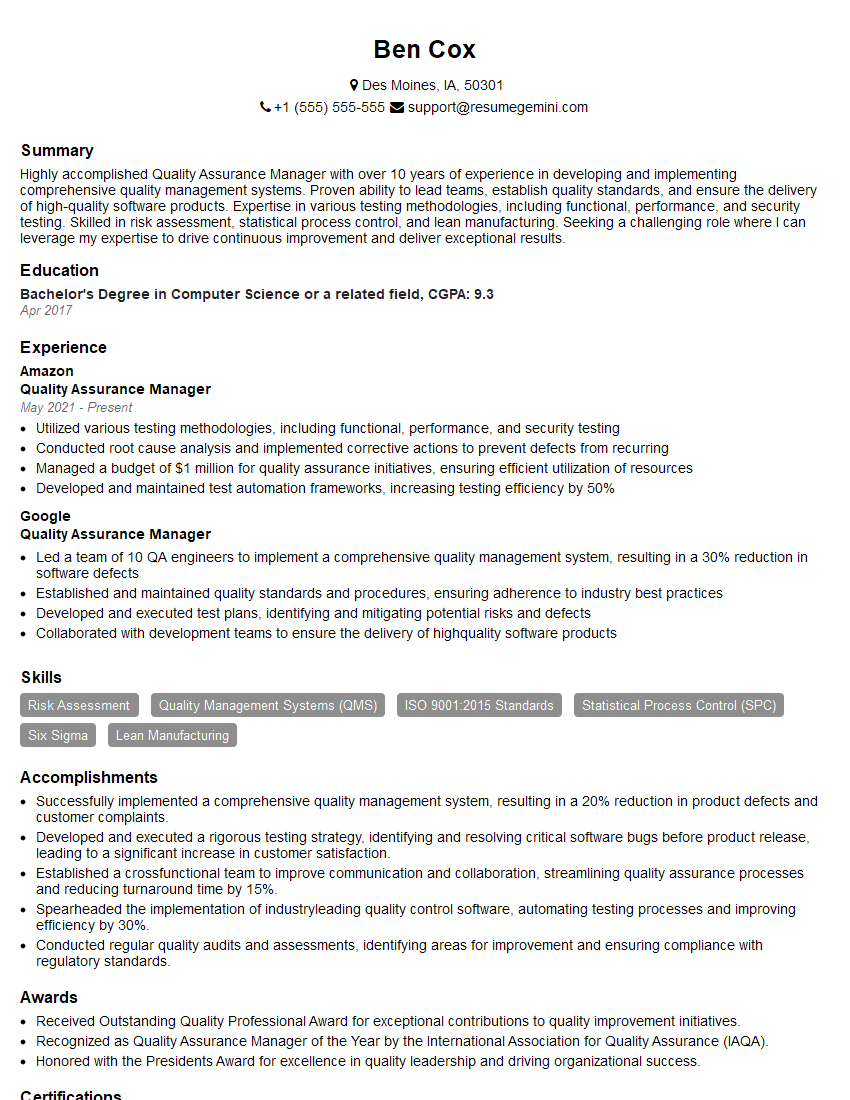
Quality Assurance Manager Resume Sample
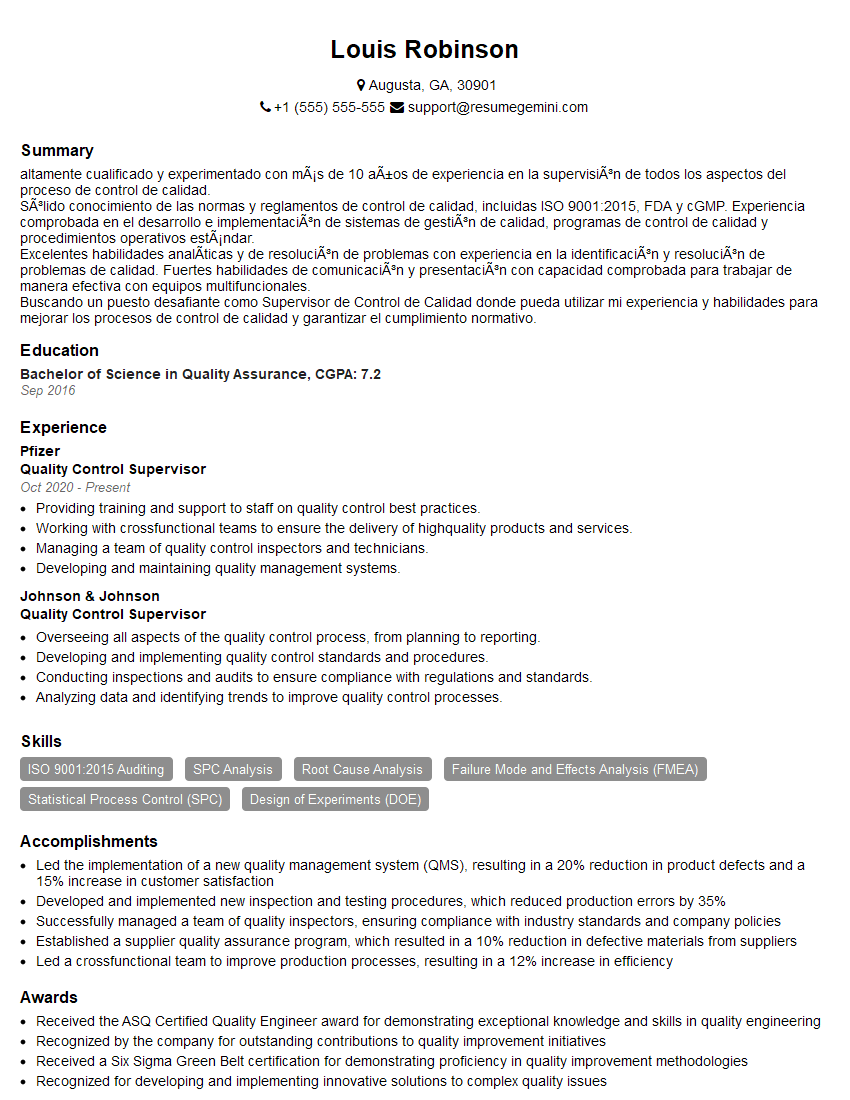
Quality Control Supervisor Resume Sample
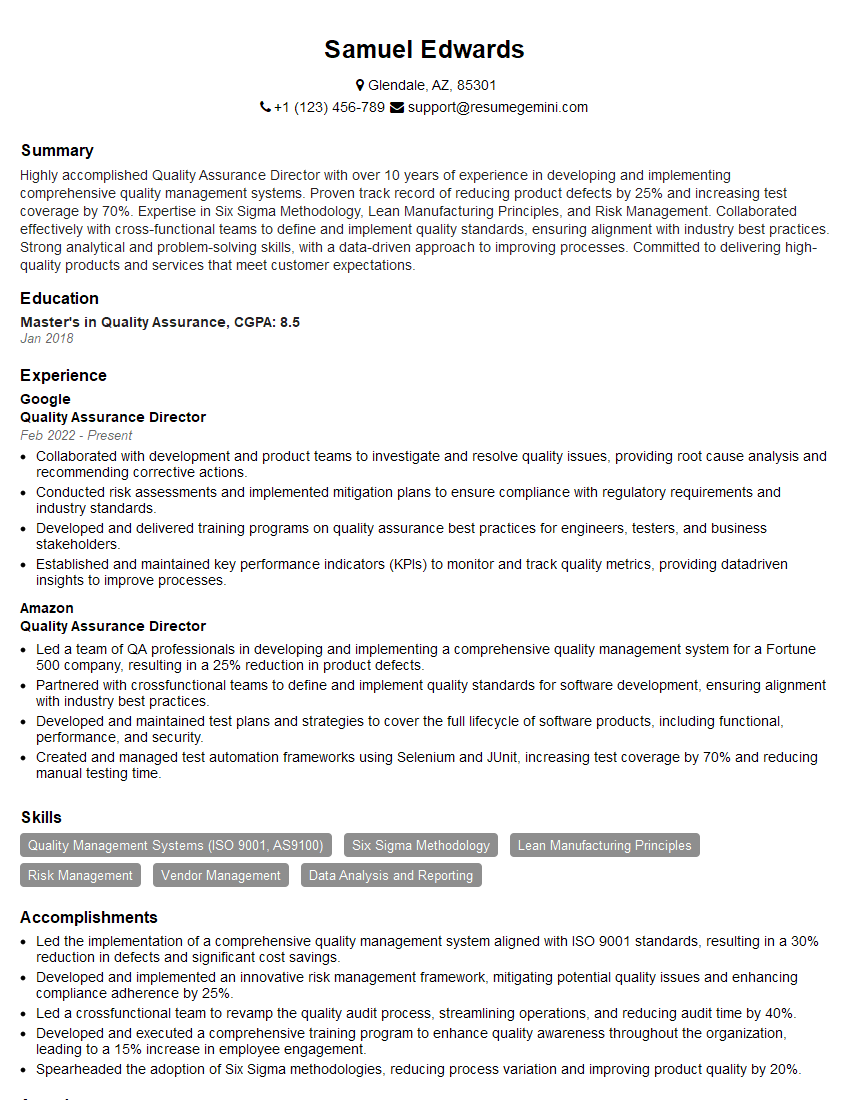
Quality Assurance Director Resume Sample
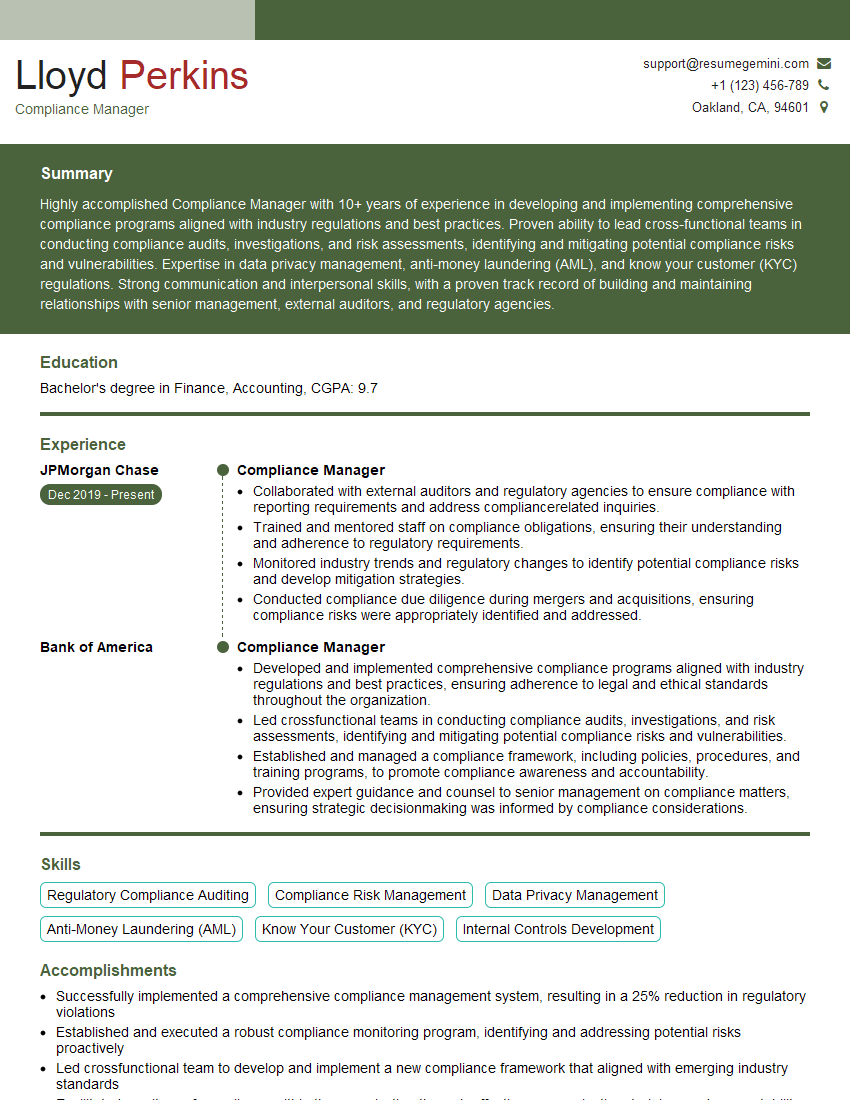
Compliance Manager Resume Sample
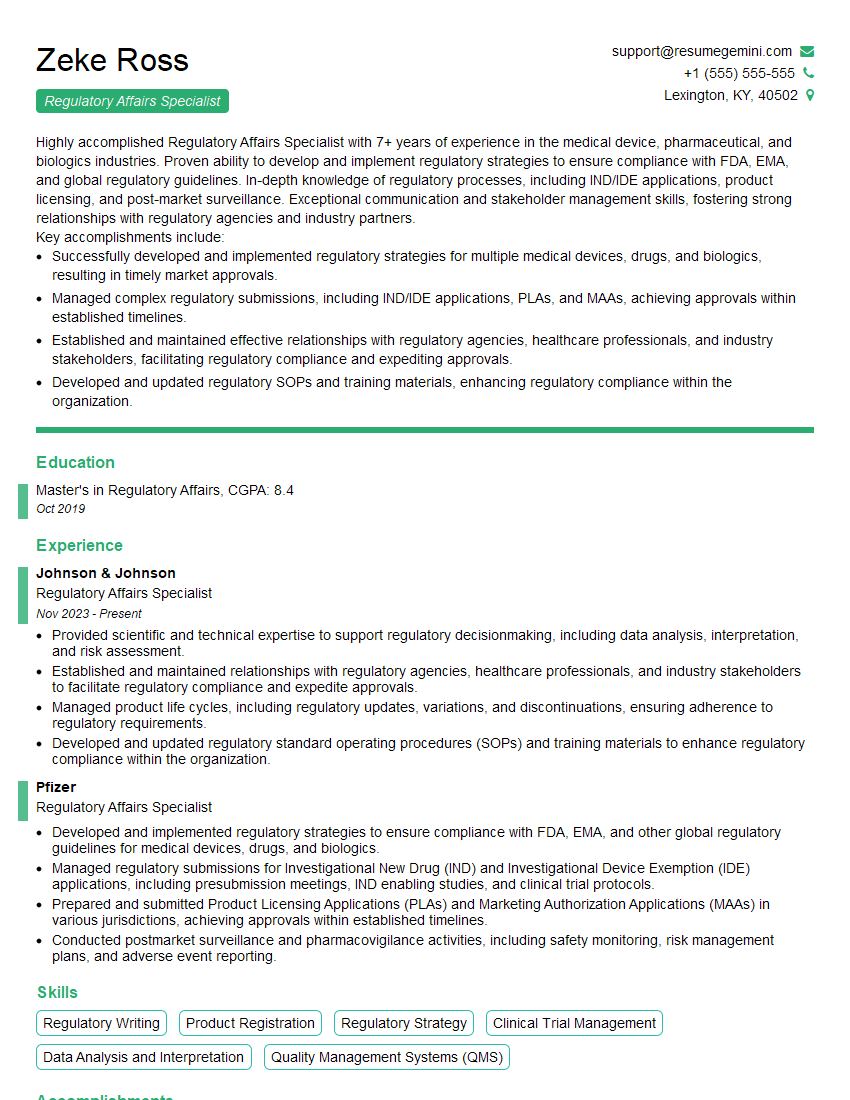
Regulatory Affairs Specialist Resume Sample
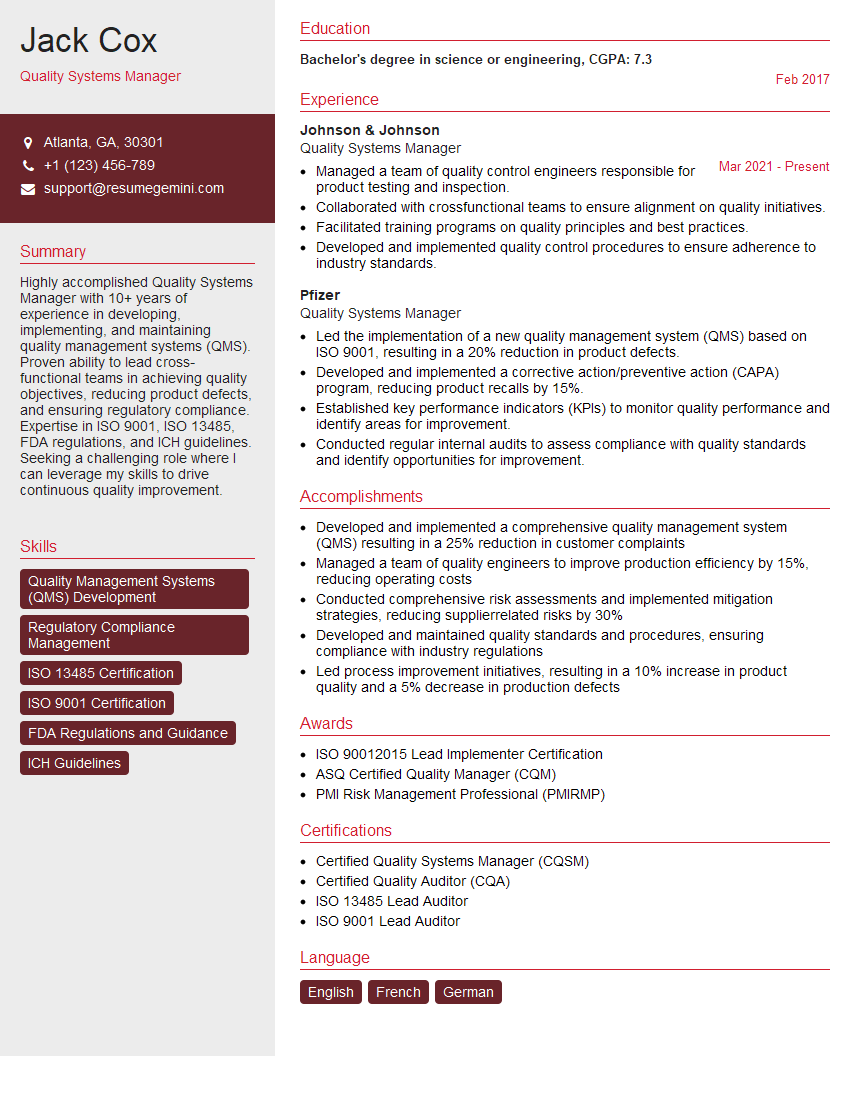
Quality Systems Manager Resume Sample
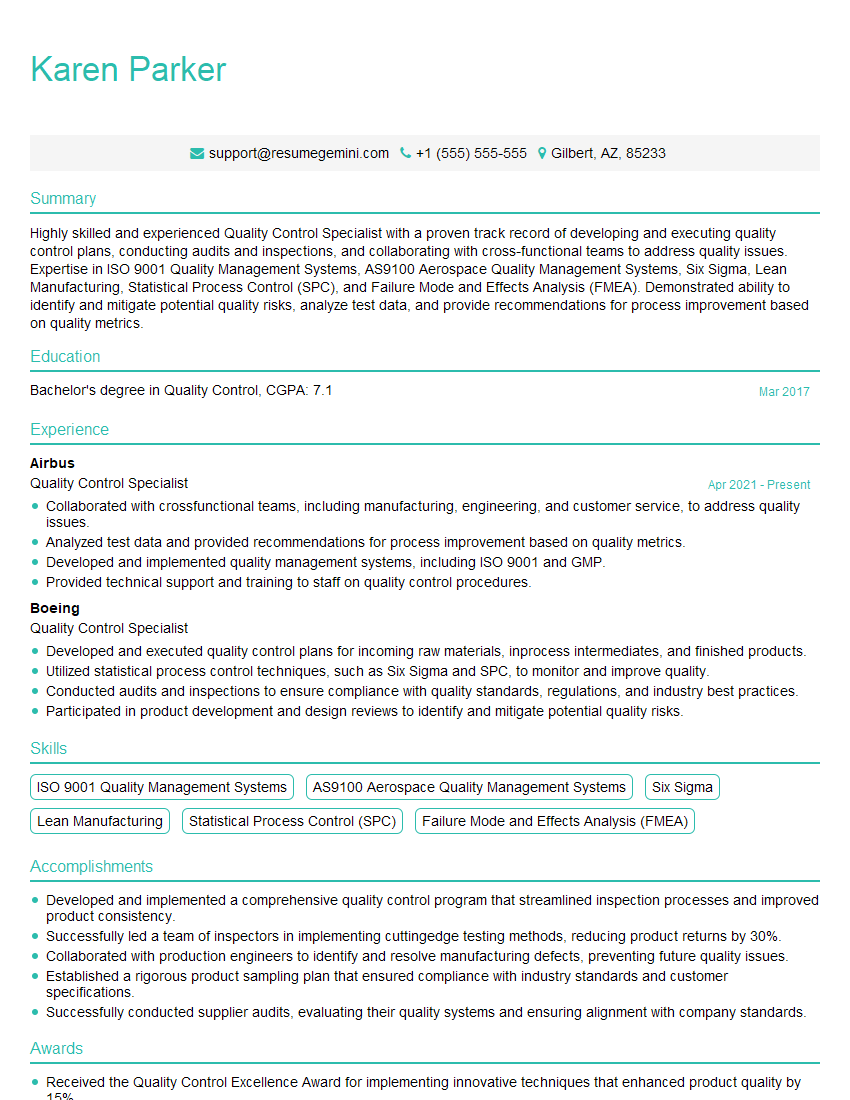
Quality Control Specialist Resume Sample
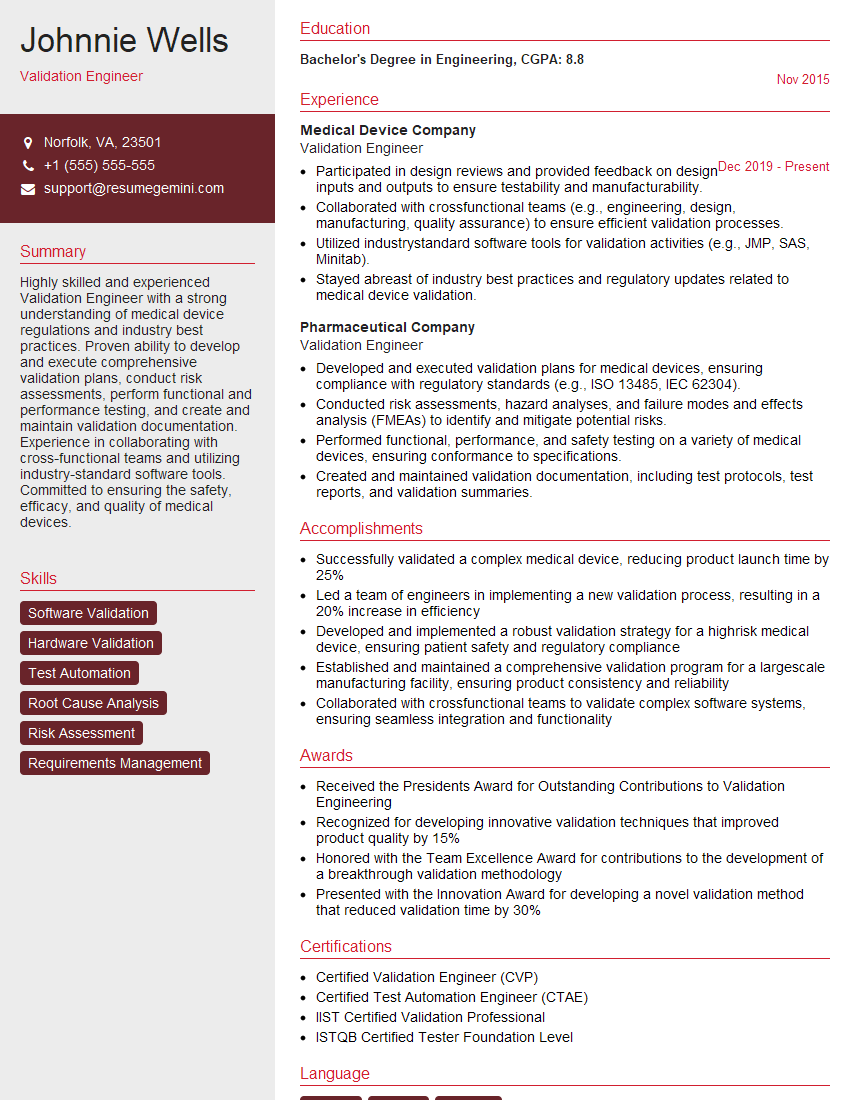
Validation Engineer Resume Sample
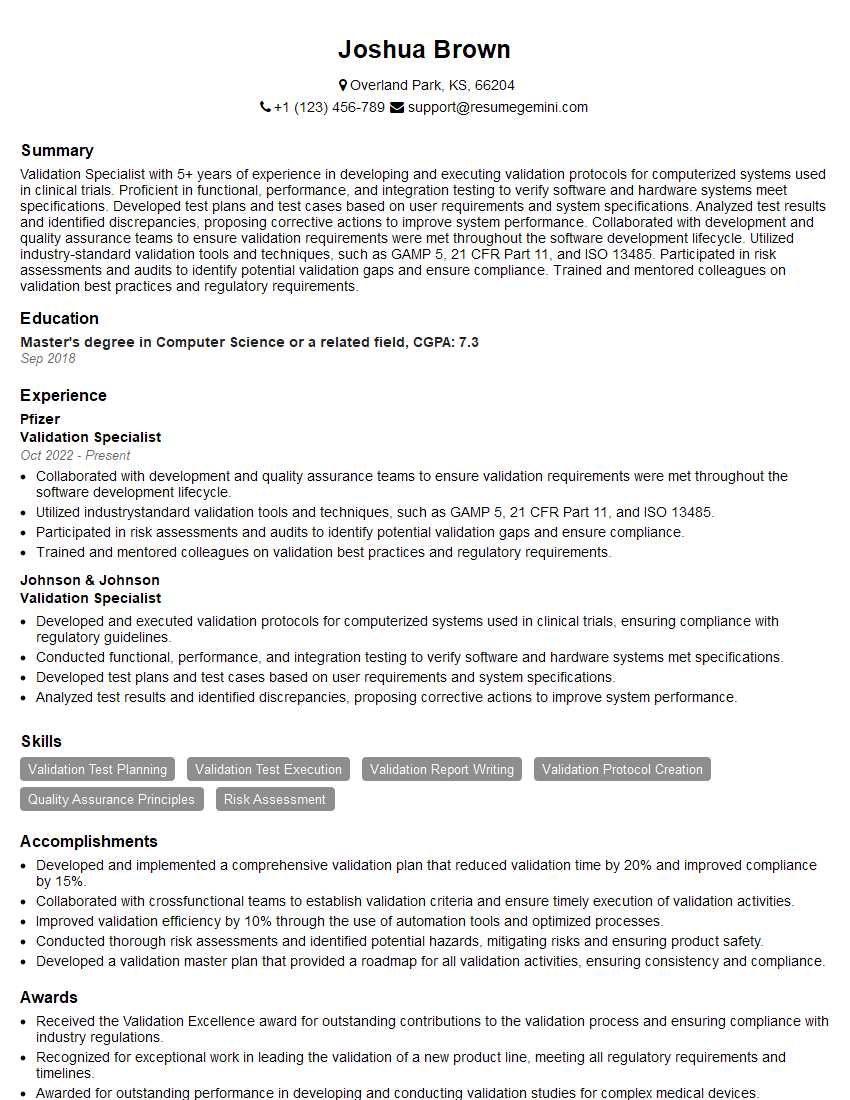
Validation Specialist Resume Sample
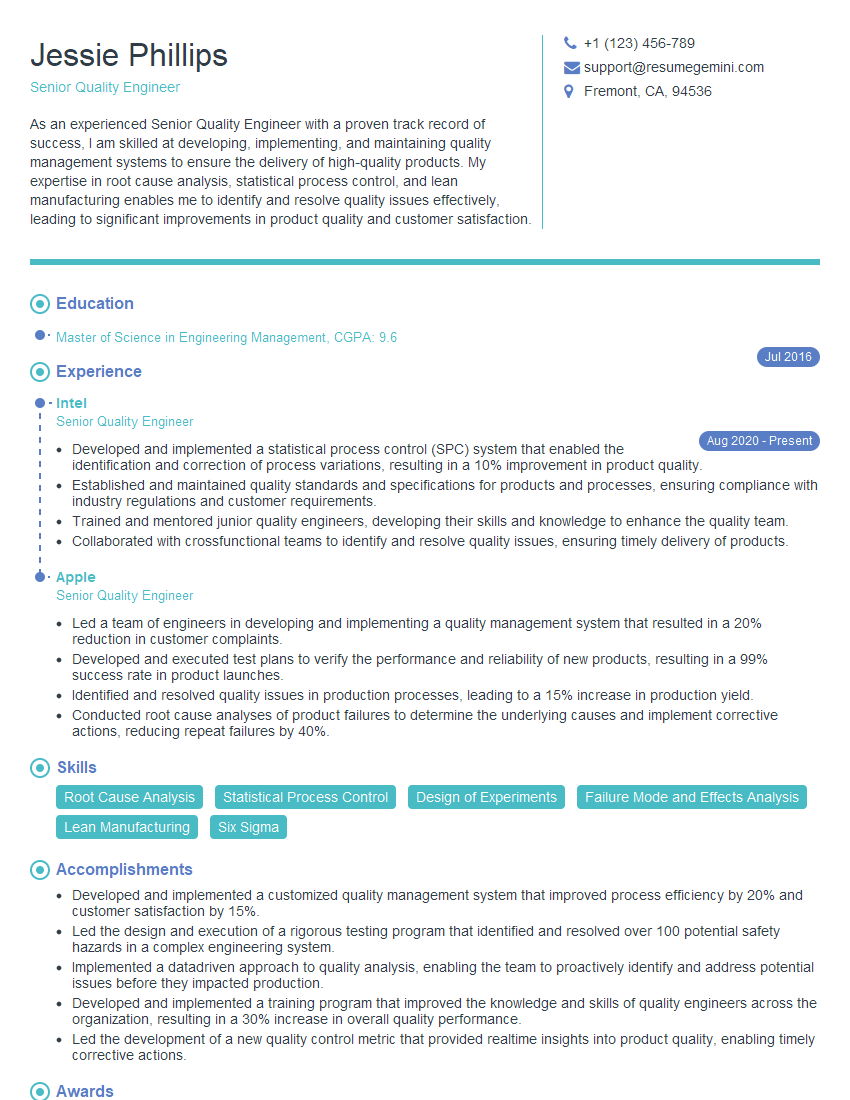
Senior Quality Engineer Resume Sample
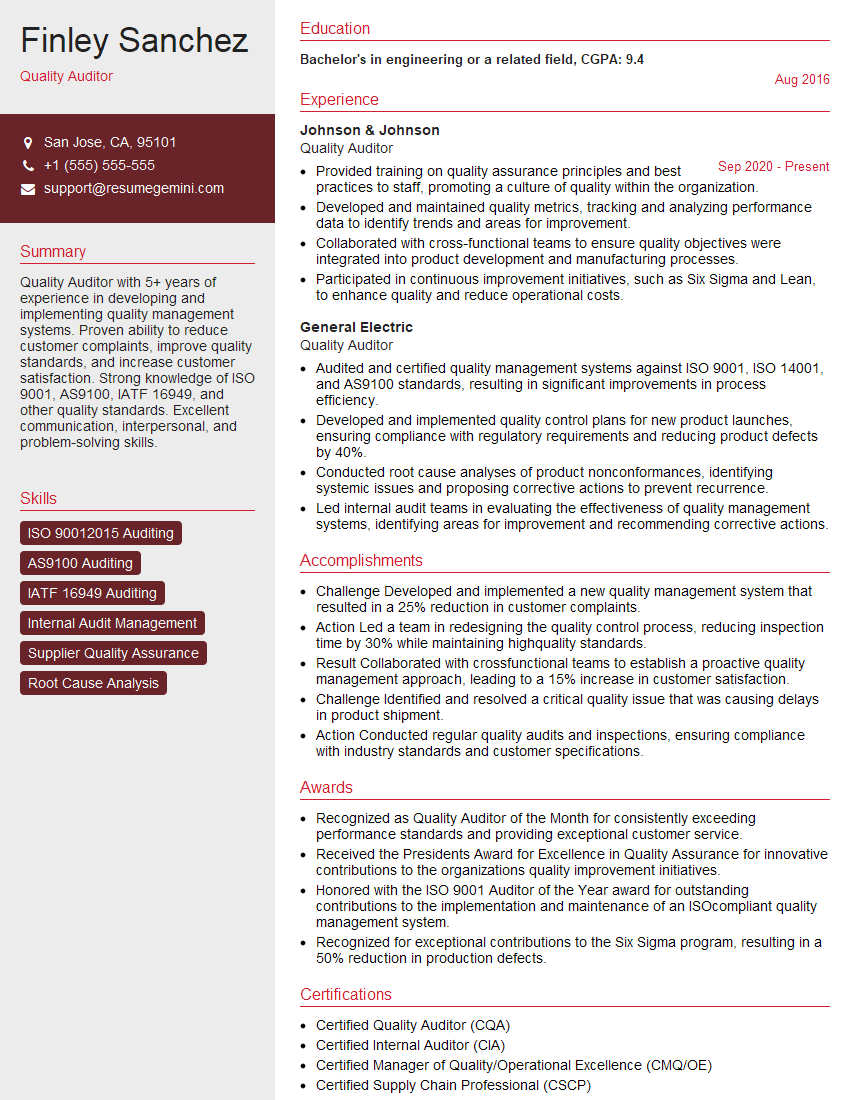
Quality Auditor Resume Sample
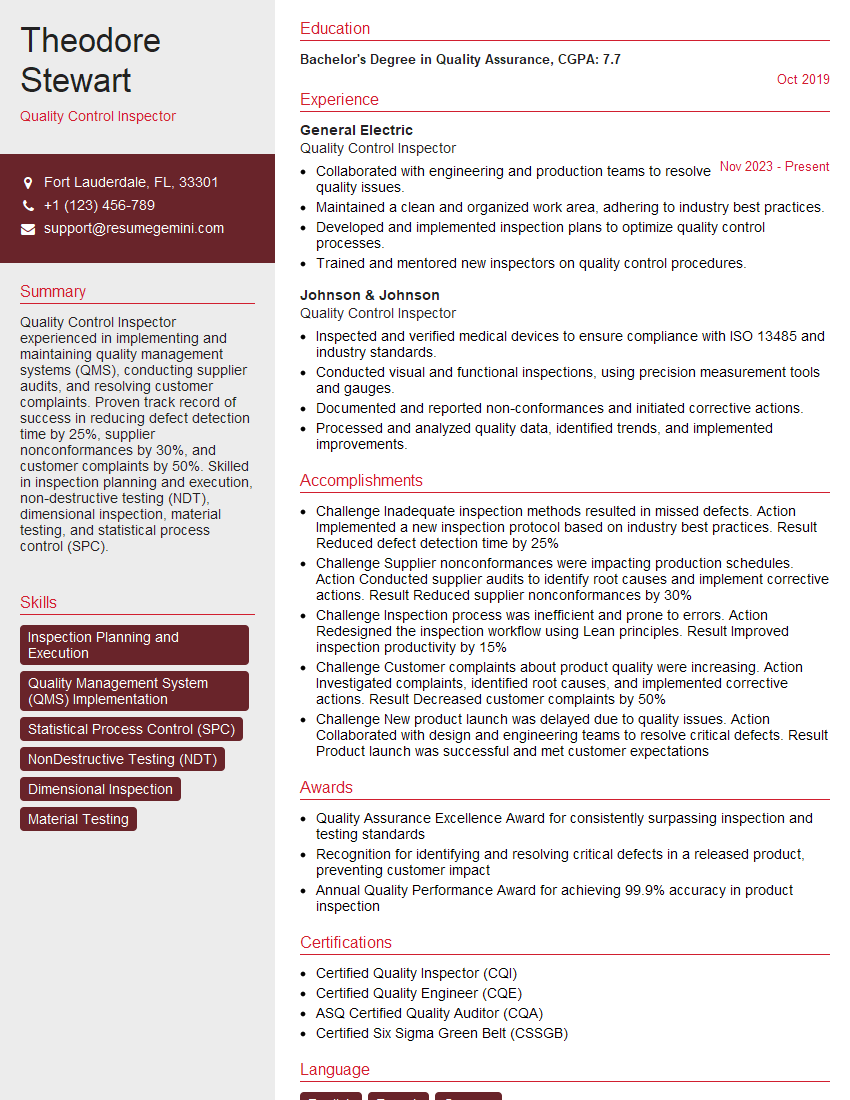
Quality Control Inspector Resume Sample
Explore more articles
Users Rating of Our Blogs
Share Your Experience
We value your feedback! Please rate our content and share your thoughts (optional).
What Readers Say About Our Blog
Very informative content, great job.
good