Feeling uncertain about what to expect in your upcoming interview? We’ve got you covered! This blog highlights the most important Visual Assessment interview questions and provides actionable advice to help you stand out as the ideal candidate. Let’s pave the way for your success.
Questions Asked in Visual Assessment Interview
Q 1. Explain the different types of visual assessment techniques.
Visual assessment techniques span a wide range, depending on the application and the nature of the visual data. They can be broadly categorized into subjective and objective methods.
- Subjective methods rely on human observation and interpretation. Examples include:
- Visual grading scales: These use standardized scales (e.g., 1-5 scale for severity of a defect) to rate the visual characteristics of an object or image. Think of a doctor assessing the redness of a rash using a color chart.
- Expert opinion: Experienced professionals assess images based on their knowledge and experience. For instance, a geologist analyzing satellite images to identify geological formations.
- Objective methods employ computational tools and algorithms to quantify visual characteristics. Examples include:
- Image analysis software: Software like ImageJ or MATLAB can measure features like area, perimeter, color, and texture. This is vital in medical imaging, analyzing microscopic images for cell counts or identifying cancerous regions.
- Computer vision algorithms: Advanced techniques like deep learning can be used to automatically detect and classify objects within images. Think of self-driving cars using cameras to identify pedestrians and traffic signals.
- Colorimetry: This involves using instruments to precisely measure and quantify color, critical in quality control for industries such as printing and textiles.
The choice of technique depends heavily on the context. A quick, qualitative assessment might suffice in some cases, while highly accurate, quantitative measurements are necessary in others.
Q 2. Describe your experience with image processing software.
I have extensive experience with various image processing software packages, including ImageJ, MATLAB, and specialized software for microscopy image analysis. My expertise extends beyond basic image manipulation; I’m proficient in advanced techniques such as image segmentation, feature extraction, and statistical analysis of image data. For example, in a recent project involving analyzing microscopic images of plant cells, I utilized ImageJ to automate the counting of chloroplasts within each cell, providing statistically significant data on cellular health.
In MATLAB, I’ve developed custom scripts for image registration and analysis, solving complex problems involving aligning images taken from different angles or with varying illumination. This was crucial in a project where we analyzed aerial drone images to map deforestation patterns.
Q 3. How do you ensure accuracy and consistency in visual assessments?
Ensuring accuracy and consistency in visual assessments is paramount. I achieve this through a combination of strategies:
- Standardized protocols: Following clear, well-defined procedures is crucial. This includes using calibrated equipment, consistent lighting conditions, and standardized grading scales. It’s like following a recipe precisely to ensure consistent results in baking.
- Blind assessment: Where possible, assessments should be conducted without prior knowledge of the samples’ identity. This minimizes bias and ensures objectivity. This is standard practice in clinical trials.
- Multiple assessors: Having multiple individuals assess the same images and comparing their results helps identify discrepancies and improve inter-rater reliability. This approach is fundamental to building confidence in the results.
- Quality control: Regular checks on the equipment, calibration, and assessor performance are vital to maintain accuracy over time.
- Statistical analysis: Applying statistical methods such as inter-rater reliability calculations helps quantify the level of agreement among assessors and identify potential sources of error.
Q 4. What are the common challenges in visual assessment, and how do you overcome them?
Common challenges in visual assessment include:
- Subjectivity and bias: Human perception is inherently subjective, leading to inconsistencies. This is mitigated by using standardized protocols and multiple assessors.
- Variability in lighting and image quality: Differences in lighting conditions can significantly affect visual interpretation. This is addressed through controlled lighting environments and image preprocessing techniques.
- Ambiguous or unclear data: Sometimes images are poorly defined or contain artifacts. Techniques like image enhancement and careful consideration of context are necessary.
- Time constraints: Manual assessment can be time-consuming, especially for large datasets. Automated methods can alleviate this, but careful validation is crucial.
I overcome these challenges by adopting a multi-faceted approach: combining objective and subjective methods, using advanced image processing techniques, implementing rigorous quality control measures, and selecting the most appropriate assessment method based on the specific application and available resources.
Q 5. Explain your understanding of colorimetry and its relevance to visual assessment.
Colorimetry is the science and technology of measuring, specifying, converting, and adapting colors. It’s essential in visual assessment because color is often a critical feature in evaluating various aspects of images or objects. For instance, in food quality control, colorimetry can assess the ripeness of fruits by precisely measuring their color.
Instruments like spectrophotometers measure the spectral reflectance or transmittance of a sample, which then enables the quantitative description of color using color spaces like CIE XYZ or Lab. This objective measurement eliminates subjective interpretations and ensures consistent evaluation. In a quality control scenario, this ensures products meet specific color standards.
Colorimetry is relevant to various visual assessment applications, including textile and printing industries, medical imaging (e.g., determining hemoglobin levels from blood samples), and remote sensing (analyzing vegetation health based on spectral reflectance).
Q 6. How do you handle ambiguous or unclear visual data?
Handling ambiguous or unclear visual data requires a careful and systematic approach:
- Image enhancement techniques: Techniques like contrast adjustment, noise reduction, and sharpening can improve the clarity of images. This often makes subtle details more visible.
- Contextual information: Consider any available contextual information. For instance, if the image is part of a larger dataset, examining neighboring images might provide clues about the ambiguous region.
- Expert consultation: Consulting with specialists or domain experts can shed light on ambiguous aspects. Their knowledge and experience can often lead to more accurate interpretation.
- Data augmentation: In some cases, additional data or images might be needed to clarify the ambiguity. This might involve acquiring new images or using other imaging modalities.
- Accepting uncertainty: It’s crucial to acknowledge when data is genuinely unclear and impossible to interpret with confidence. This transparency is essential for accurate reporting and decision-making.
Q 7. Describe your experience with different lighting conditions and their impact on visual assessments.
Different lighting conditions significantly impact visual assessments. Variations in intensity, color temperature, and direction of light can alter the appearance of objects and images, leading to inaccuracies. This is why controlled lighting is paramount in many assessment protocols.
My experience includes working in various lighting scenarios, from controlled laboratory settings to uncontrolled outdoor environments. I’ve addressed these challenges by:
- Using calibrated light sources: In laboratory settings, using light sources with known spectral properties ensures consistency.
- Image preprocessing: Applying image processing techniques, like white balance correction and shading correction, can mitigate the effects of non-uniform lighting.
- Using specialized equipment: Specialized cameras and sensors designed to work in low-light or specific spectral ranges are employed when necessary. This is commonly found in forensic image analysis.
- Developing lighting-invariant algorithms: In cases involving automated visual assessment, I develop algorithms designed to minimize the influence of varying lighting conditions.
Understanding and compensating for the impact of lighting is critical to obtaining reliable and repeatable visual assessment results.
Q 8. How do you document and report your findings from visual assessments?
Documenting and reporting visual assessment findings requires a systematic approach to ensure clarity, reproducibility, and traceability. My process typically involves a combination of detailed written reports, annotated images, and potentially video recordings, depending on the complexity of the assessment.
Report Structure: A typical report begins with an introduction outlining the assessment’s objective, methodology, and scope. This is followed by a section detailing the findings, often organized by category or defect type. Each finding includes a clear description, location (using precise coordinates if applicable), severity rating (e.g., minor, major, critical), and supporting evidence (e.g., image with annotations, measurements).
Image Annotation: I use specialized software to annotate images directly, highlighting specific areas of concern. These annotations include labels, measurements, and even freehand sketches to clarify complex findings. This makes it easy for others to understand my observations and reproduce the assessment.
Data Management: All data, including images, annotations, and reports, is meticulously stored in a secure, version-controlled system to ensure data integrity and prevent loss. This system allows for easy retrieval and sharing of assessment data.
Example: In a recent bridge inspection, I documented cracks in the concrete using annotated photos, specifying crack length, width, and location using a coordinate system referenced to a detailed bridge map. My report included a severity assessment based on established engineering standards, allowing for prioritization of repair work.
Q 9. What are the key performance indicators (KPIs) you use to measure the effectiveness of your visual assessment process?
Key Performance Indicators (KPIs) for visual assessment processes are crucial for evaluating efficiency and accuracy. The specific KPIs used depend on the application, but some common ones include:
- Accuracy: Measured by comparing assessment results with a gold standard or a consensus among multiple assessors. This helps determine the reliability of the assessment method.
- Precision: Reflects the consistency of repeated measurements or assessments by the same assessor. High precision indicates a low degree of variability.
- Recall: Measures the ability of the assessment process to identify all instances of a particular defect or characteristic. A low recall indicates that some defects are missed.
- Time Efficiency: Tracks the time taken to complete assessments. Reducing assessment time without compromising accuracy is a key goal.
- Defect Density: Useful for tracking the overall quality or defect rate in a population of items under assessment.
- Cost-Effectiveness: Assesses the overall cost of the assessment process against the benefits obtained, such as preventing costly failures.
Example: In a manufacturing setting, we monitor the defect density (number of defects per unit) to track production quality. We also track the time taken per unit to assess efficiency. By analyzing these KPIs over time, we can identify trends and areas for improvement.
Q 10. Explain your experience with statistical process control (SPC) in relation to visual assessment.
Statistical Process Control (SPC) provides valuable tools for monitoring and improving the consistency and accuracy of visual assessment processes. It helps identify sources of variation and prevent defects from occurring.
Control Charts: I use control charts, such as X-bar and R charts or p-charts, to track key metrics from visual assessments over time. This allows me to monitor the stability of the assessment process and detect any significant shifts in the average or variability of measurements. For example, if the average defect density suddenly increases, the control chart will signal an out-of-control condition, prompting an investigation into the underlying cause.
Process Capability Analysis: Process capability analysis helps determine whether the assessment process is capable of meeting specified requirements. It quantifies the variability of the assessment results and compares it to the acceptable tolerance limits. This is crucial for ensuring that the assessment results are reliable and meaningful.
Example: In a quality control inspection, we use control charts to track the number of surface defects found on a particular product. If the chart indicates a shift in the average number of defects, we investigate potential causes such as machine malfunction or changes in raw materials. Process capability analysis ensures the inspection process is capable of identifying defects within the acceptable tolerance limits.
Q 11. How do you ensure the reliability and validity of your visual assessment methods?
Ensuring the reliability and validity of visual assessment methods is paramount. Reliability refers to the consistency of the assessment, while validity refers to the accuracy of the assessment in measuring what it intends to measure.
Reliability: I enhance reliability through:
- Standardized Procedures: Using detailed, step-by-step procedures ensures consistency among assessors.
- Inter-rater Reliability Testing: Multiple assessors independently evaluate the same items. High agreement indicates high reliability.
- Intra-rater Reliability Testing: The same assessor evaluates the same items at different times. High consistency indicates high reliability.
Validity: I ensure validity through:
- Clear Definitions: Defining the characteristics being assessed precisely minimizes ambiguity.
- Reference Standards: Using well-defined reference standards or calibrated instruments ensures accurate measurements.
- Expert Validation: Having experts review the assessment methods and results ensures accuracy.
Example: To ensure the validity of a visual assessment of wood quality, we develop a detailed grading scale with clear definitions of each grade, along with color images illustrating examples of each grade. We then conduct inter-rater reliability tests to ensure multiple assessors consistently apply the grading scale.
Q 12. Describe your experience with different types of image distortion and how to correct them.
Experience with image distortion is crucial in visual assessment. Various types of distortions can significantly impact the accuracy of assessments. Here are some common ones and their correction methods:
- Geometric Distortion: This involves warping or skewing of the image, often caused by lens imperfections or camera angle. Corrections involve using software tools to geometrically correct the image, ensuring straight lines remain straight.
- Radiometric Distortion: This involves inconsistencies in brightness or color across the image, potentially caused by uneven lighting or sensor defects. Corrections involve techniques such as histogram equalization or color balancing to normalize the image’s brightness and color.
- Atmospheric Distortion: This occurs due to atmospheric conditions like haze or fog. Corrections involve image dehazing techniques, which enhance contrast and visibility.
Correction Methods: I use specialized image processing software with tools for geometric transformations (e.g., affine transformations), histogram equalization, color correction, and dehazing. More complex distortions may require advanced algorithms or even manual correction.
Example: In aerial photography used for infrastructure inspection, geometric distortion due to camera angle and terrain variations needs to be corrected using georeferencing and orthorectification techniques to create accurate maps.
Q 13. How do you handle inconsistencies in image quality?
Handling inconsistencies in image quality is essential for accurate visual assessments. These inconsistencies can arise from varying lighting conditions, camera settings, or sensor defects.
Strategies:
- Standardized Imaging Protocols: Implementing strict protocols for image acquisition, such as controlled lighting and consistent camera settings, minimizes variability.
- Image Preprocessing: Applying image enhancement techniques such as brightness/contrast adjustments, noise reduction, and sharpening can improve uniformity.
- Data Normalization: Statistical methods can be used to normalize image data, accounting for variations in lighting and other factors.
- Training and Calibration: Thoroughly training assessors to recognize and account for variations in image quality is crucial.
Example: When inspecting products on a production line, we use standardized lighting conditions and camera settings to ensure image consistency. If variations still occur, image preprocessing techniques are applied to normalize brightness and contrast before assessment.
Q 14. What are the ethical considerations in conducting visual assessments?
Ethical considerations in visual assessments are vital, ensuring fairness, objectivity, and respect for individuals and data privacy.
Key Considerations:
- Bias Mitigation: Awareness of potential biases (e.g., confirmation bias) is crucial. Using multiple assessors, standardized procedures, and blind assessments can reduce bias.
- Data Privacy: When assessments involve personal information (e.g., medical images), strict adherence to privacy regulations and data protection protocols is essential.
- Transparency and Accountability: Assessment methods and results should be transparent and auditable. Clear documentation and justification of findings are crucial.
- Informed Consent: When assessments involve human subjects, obtaining informed consent is crucial, especially for medical or sensitive applications.
Example: In medical image analysis, patient confidentiality must be strictly maintained. All data should be anonymized or de-identified before analysis, and access should be restricted to authorized personnel. Furthermore, the assessment process should be documented meticulously to ensure transparency and reproducibility.
Q 15. How do you stay up-to-date with the latest advancements in visual assessment technologies?
Staying current in the rapidly evolving field of visual assessment requires a multi-pronged approach. I actively participate in professional organizations like the SPIE (International Society for Optics and Photonics) and attend their conferences and workshops. This allows me to network with leading researchers and practitioners and learn about cutting-edge techniques firsthand. I also regularly read peer-reviewed journals such as Applied Optics and Optical Engineering, focusing on articles related to image processing, machine learning in visual inspection, and advancements in sensor technology. Finally, I leverage online resources such as arXiv preprints and industry blogs to stay abreast of the latest developments in specific areas, like deep learning for defect detection or the application of hyperspectral imaging in quality control. This combination of formal and informal learning ensures I’m constantly updating my knowledge and skills.
Career Expert Tips:
- Ace those interviews! Prepare effectively by reviewing the Top 50 Most Common Interview Questions on ResumeGemini.
- Navigate your job search with confidence! Explore a wide range of Career Tips on ResumeGemini. Learn about common challenges and recommendations to overcome them.
- Craft the perfect resume! Master the Art of Resume Writing with ResumeGemini’s guide. Showcase your unique qualifications and achievements effectively.
- Don’t miss out on holiday savings! Build your dream resume with ResumeGemini’s ATS optimized templates.
Q 16. Explain your experience with automation in visual assessment.
My experience with automation in visual assessment spans several projects. In one instance, I led the development of a system for automated inspection of printed circuit boards (PCBs). We used a combination of machine vision techniques, including image segmentation and feature extraction, coupled with a machine learning model trained on a large dataset of defect images. This automated system significantly reduced inspection time and improved accuracy compared to manual inspection, resulting in a 30% increase in throughput and a 15% reduction in error rate. In another project, involving the automated quality control of textiles, we employed computer vision algorithms to identify flaws like inconsistencies in weave or color variations. The key here was developing robust algorithms that could handle variations in lighting and fabric texture. These projects demonstrated the power of automation in enhancing speed, accuracy, and consistency in visual assessments while reducing reliance on manual processes.
Q 17. Describe your experience with different types of visual defects or anomalies.
My experience encompasses a wide range of visual defects and anomalies across various industries. In manufacturing, I’ve worked extensively with surface defects like scratches, dents, cracks, and discoloration on products ranging from automotive parts to consumer electronics. In medical imaging, I’ve analyzed anomalies such as lesions, tumors, and fractures in X-rays, CT scans, and MRI images. Within the agricultural sector, I’ve dealt with identifying plant diseases and pest infestations through image analysis. Each type of defect requires a unique approach tailored to the specific imaging modality, characteristics of the defect, and the level of detail required for accurate identification. For instance, detecting microscopic cracks in a metal component necessitates high-resolution imaging and sophisticated image processing techniques, unlike identifying larger-scale surface imperfections. Understanding the underlying physics and characteristics of each defect is crucial for selecting appropriate image acquisition and processing methods.
Q 18. How do you prioritize tasks in a high-volume visual assessment environment?
Prioritization in high-volume visual assessment environments is critical. I utilize a combination of strategies. Firstly, I employ a risk-based approach. Defects with higher potential impact on product safety or functionality are given precedence. Secondly, I leverage automation where possible. Routine and repetitive tasks are automated, freeing up time for more complex or critical assessments. Thirdly, I use project management tools to track tasks, deadlines, and resource allocation. This allows for effective prioritization based on urgency and importance. Finally, I maintain open communication with stakeholders to ensure alignment on priorities and address any unexpected issues promptly. Thinking of it as a triage system in a hospital is helpful; the most critical cases are addressed first, while less urgent ones are dealt with according to their severity.
Q 19. Explain your experience with using different measurement tools for visual assessment.
My experience includes proficiency with a variety of measurement tools for visual assessment. These include traditional tools like calipers and micrometers for dimensional measurements, as well as advanced optical instruments such as microscopes for high-resolution imaging and spectrophotometers for color analysis. I’m also proficient in using digital image analysis software, including tools like ImageJ and MATLAB, to perform quantitative measurements on images, extracting features like area, perimeter, and texture. Furthermore, I have experience with specialized measurement tools depending on the application – for example, using laser scanning systems for 3D surface profiling or hyperspectral imaging systems to capture detailed spectral information. The choice of tool depends heavily on the nature of the defect, the required level of precision, and the overall project objectives.
Q 20. How do you interpret visual data in the context of the overall project goals?
Interpreting visual data within the context of project goals is fundamental. I begin by clearly defining the objectives of the visual assessment: What defects are we looking for? What level of accuracy is required? What are the acceptance criteria? This ensures that the data analysis is focused and relevant. Next, I apply appropriate statistical methods to analyze the data, accounting for factors like variability and uncertainty. The results are then presented in a clear and concise manner, often using visualizations such as histograms, scatter plots, and images with superimposed annotations. Finally, I relate the findings back to the project goals, identifying areas of concern and making recommendations based on the analysis. For example, if a project goal is to reduce the defect rate below 1%, and the analysis reveals a 1.5% defect rate, I would recommend targeted interventions to address the root causes of the defects, perhaps involving process improvements or equipment upgrades.
Q 21. Describe your experience with collaborative visual assessment projects.
Collaborative visual assessment projects demand strong communication and teamwork. I’ve worked on numerous projects involving engineers, scientists, technicians, and quality control personnel. Effective communication is paramount, employing tools such as shared online platforms for data storage, annotation, and discussion. I often facilitate regular meetings to discuss progress, troubleshoot issues, and ensure everyone is aligned on objectives and methodologies. A collaborative environment ensures that diverse perspectives are considered, leading to more robust and comprehensive assessments. For example, in a project evaluating the surface quality of a new material, collaboration between material scientists, image processing experts, and manufacturing engineers was crucial for successful analysis and actionable recommendations.
Q 22. How do you manage your time effectively during a visual assessment task?
Effective time management during a visual assessment is crucial for accuracy and efficiency. My approach involves a structured, multi-stage process. First, I carefully review the assessment criteria and objectives to understand the specific goals. This ensures I focus my efforts on the most relevant aspects. Next, I develop a detailed checklist or workflow to systematically examine the visual data, avoiding redundancy and omissions. I then allocate specific time blocks to each stage, factoring in potential delays or unexpected findings. Regular breaks are incorporated to maintain focus and prevent fatigue. Finally, I utilize tools that enhance efficiency, such as image annotation software, allowing me to track progress and record findings accurately. For instance, when assessing the structural integrity of a bridge, I would dedicate specific time slots to examining each pier, abutment and deck, using a pre-defined checklist and logging my observations electronically.
Q 23. Explain your understanding of different image formats and their suitability for visual assessment.
Understanding image formats is fundamental to visual assessment. Different formats offer varying levels of compression, color depth, and resolution, influencing the quality and suitability of the image for analysis. For instance:
- JPEG: A lossy format, ideal for photographs with high color depth, but unsuitable for assessments requiring fine detail because compression can introduce artifacts.
- TIFF: A lossless format, excellent for preserving detail and suitable for high-resolution images used in medical or forensic assessments.
- PNG: A lossless format offering good compression and transparency support, suitable for images with text or sharp lines, like technical drawings.
- RAW: Uncompressed or minimally processed image formats which capture maximum information from the sensor. Crucial for applications where the highest possible image quality is required, for instance in remote sensing or microscopic imaging. They require specialized software for processing.
The choice depends entirely on the assessment. If I’m assessing a landscape for erosion patterns, a high-resolution TIFF might be ideal. If the assessment involves microscopic images, RAW is preferred. Selecting the right format ensures the highest quality visual data is used to avoid misinterpretations due to compression artifacts.
Q 24. How do you deal with conflicting interpretations of visual data?
Conflicting interpretations of visual data are common, and addressing them requires a methodical approach. I start by meticulously documenting all observations and their supporting evidence, including image annotations and measurement data. I then systematically compare the different interpretations, identifying the sources of disagreement. This could stem from differing perspectives, analytical techniques, or limitations in the data itself. To resolve these conflicts, I engage in peer review or consult relevant literature or expert opinions. Consideration is given to the limitations of each perspective and any potential biases. Quantifiable data, wherever available, helps to resolve differences. If the differences persist, a further investigation may be needed, possibly involving additional data acquisition or analysis techniques. For example, in a medical image assessment, conflicting opinions on the presence of a lesion could be resolved by consulting additional specialists or obtaining a higher-resolution image.
Q 25. What are the limitations of visual assessment, and how do you mitigate them?
Visual assessment, while powerful, has limitations. Subjectivity is a major concern, as different individuals might perceive the same visual data differently. This is mitigated through standardized protocols, clear assessment criteria, and ideally, multiple assessors for inter-rater reliability. Another limitation is the potential for bias, either conscious or unconscious. Blind assessments, where the assessor is unaware of contextual information, can minimize this. Finally, visual assessment may be limited by image quality, resolution, or the availability of data. Mitigation involves using high-quality images, appropriate imaging techniques, and ensuring sufficient data is acquired. For instance, a blurry image of a fracture may lead to an inaccurate assessment. Employing multiple views or higher resolution images could help mitigate this.
Q 26. Describe your experience with training others in visual assessment techniques.
I have extensive experience training others in visual assessment techniques. My approach involves a blend of theoretical instruction and hands-on practical exercises. I begin by establishing a strong foundation in relevant principles, emphasizing the importance of objectivity and avoiding bias. This is often followed by guided practice using examples of correctly and incorrectly performed assessments. I provide constructive feedback and address individual learning styles and needs, incorporating case studies and real-world examples to make learning more engaging. The training is concluded with a formal assessment to evaluate competency and identify areas for improvement. In one instance, I trained a team of engineers in assessing the condition of power lines using drone imagery; I combined lectures on image interpretation techniques with practical exercises analyzing sample images and providing constructive feedback.
Q 27. How do you handle unexpected findings or results during a visual assessment?
Unexpected findings during visual assessment require careful consideration. My response involves a structured approach: Firstly, I document the unexpected finding meticulously, including detailed descriptions, images, and measurements. Secondly, I investigate the potential causes of this unexpected result; is it due to an error in data acquisition, an overlooked factor, or an actual anomaly? Thirdly, I evaluate the significance of the finding within the context of the assessment’s goals. Is this a critical observation or a minor deviation? Fourthly, depending on the significance, I may need to consult with colleagues, seek additional data or analysis, or adjust the assessment plan to address the unforeseen situation. For example, discovering an unexpected crack in a building’s foundation during a routine inspection would necessitate further investigation, possibly involving structural engineers and more in-depth testing.
Q 28. Explain your experience using different software for visual data analysis.
I am proficient in several software packages for visual data analysis. My experience includes using image editing software like Adobe Photoshop for image enhancement and annotation, as well as specialized software for 3D modeling and image analysis. For quantitative analysis, I have used image processing software, like ImageJ, for measuring distances, areas, and other features. For remote sensing applications, I have experience with ERDAS Imagine and ENVI for processing satellite and aerial imagery. My choice of software depends on the specific assessment task and the nature of the visual data. For example, when evaluating the texture of a material using microscopic images, ImageJ’s measurement capabilities are crucial, whereas for analysis of aerial photographs for land use change, ERDAS Imagine would be more suitable due to its geo-referencing capabilities.
Key Topics to Learn for Visual Assessment Interviews
- Image Analysis Techniques: Understand fundamental image processing concepts like filtering, segmentation, and feature extraction. Explore different algorithms and their applications in visual assessment tasks.
- Object Detection and Recognition: Learn about various object detection models (e.g., YOLO, Faster R-CNN) and their practical application in identifying and classifying objects within images relevant to the assessment.
- Image Classification and Segmentation: Master different approaches to classifying images into predefined categories and segmenting images into meaningful regions, highlighting the practical implications for specific visual assessment scenarios.
- Visual Data Preprocessing and Augmentation: Understand the importance of data cleaning, normalization, and augmentation techniques to improve the accuracy and robustness of visual assessment models.
- Performance Evaluation Metrics: Familiarize yourself with key metrics used to evaluate the performance of visual assessment systems, such as precision, recall, F1-score, and IoU (Intersection over Union). Understand their implications and how to interpret them.
- Deep Learning Architectures for Visual Assessment: Explore Convolutional Neural Networks (CNNs) and their variations, understanding their strengths and weaknesses in different visual assessment tasks. Consider exploring Recurrent Neural Networks (RNNs) where applicable.
- Problem-Solving and Debugging Strategies: Practice troubleshooting common issues in visual assessment projects, such as dealing with noisy data, improving model accuracy, and optimizing performance.
Next Steps
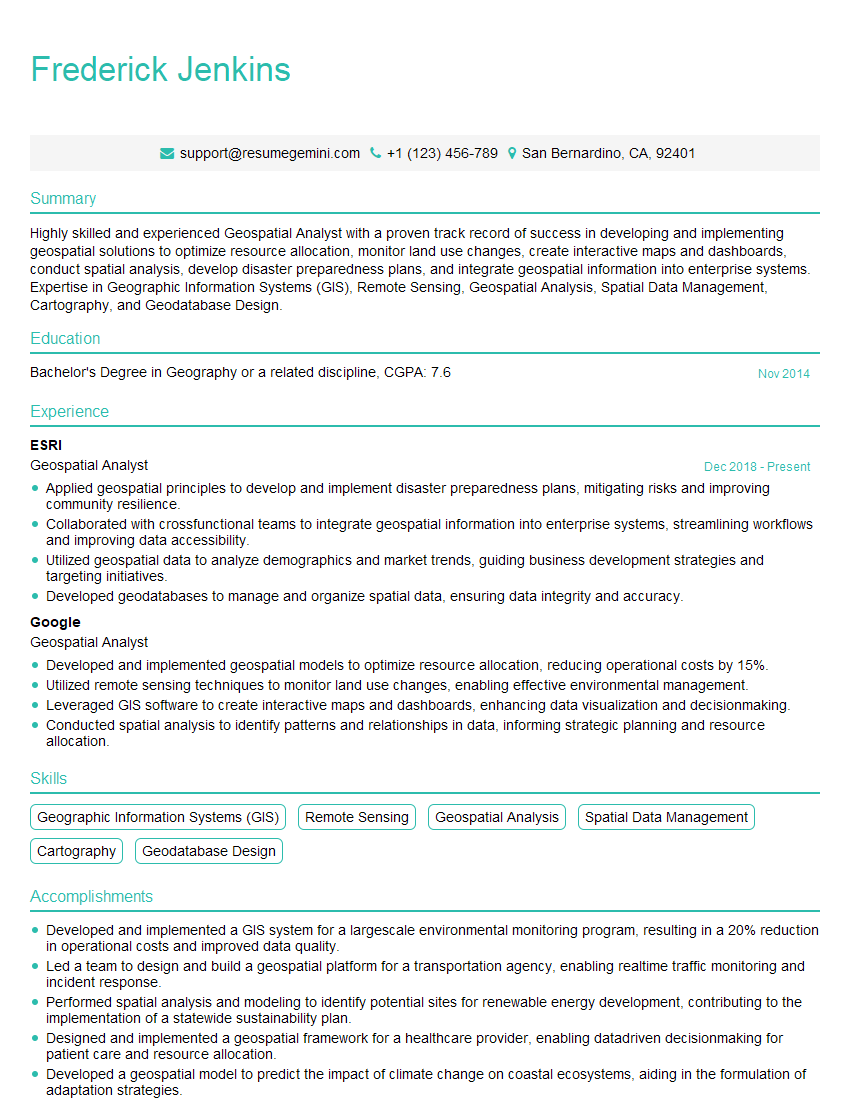
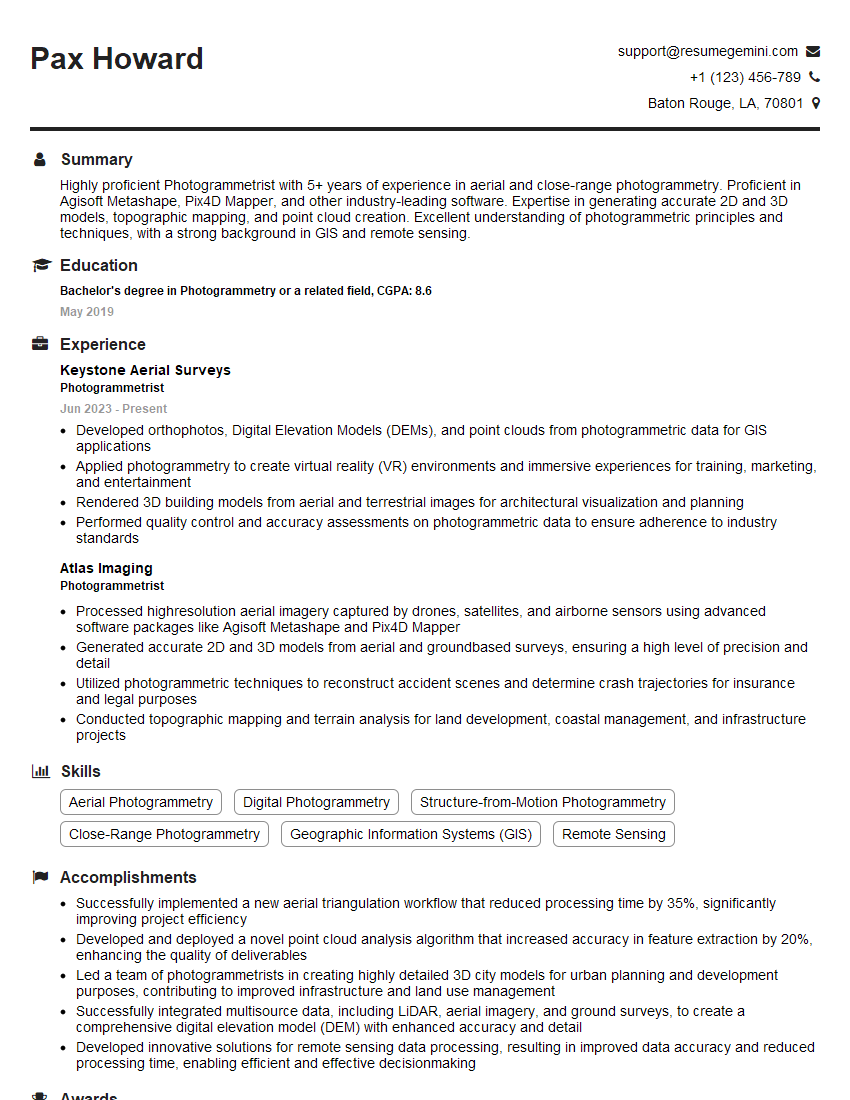
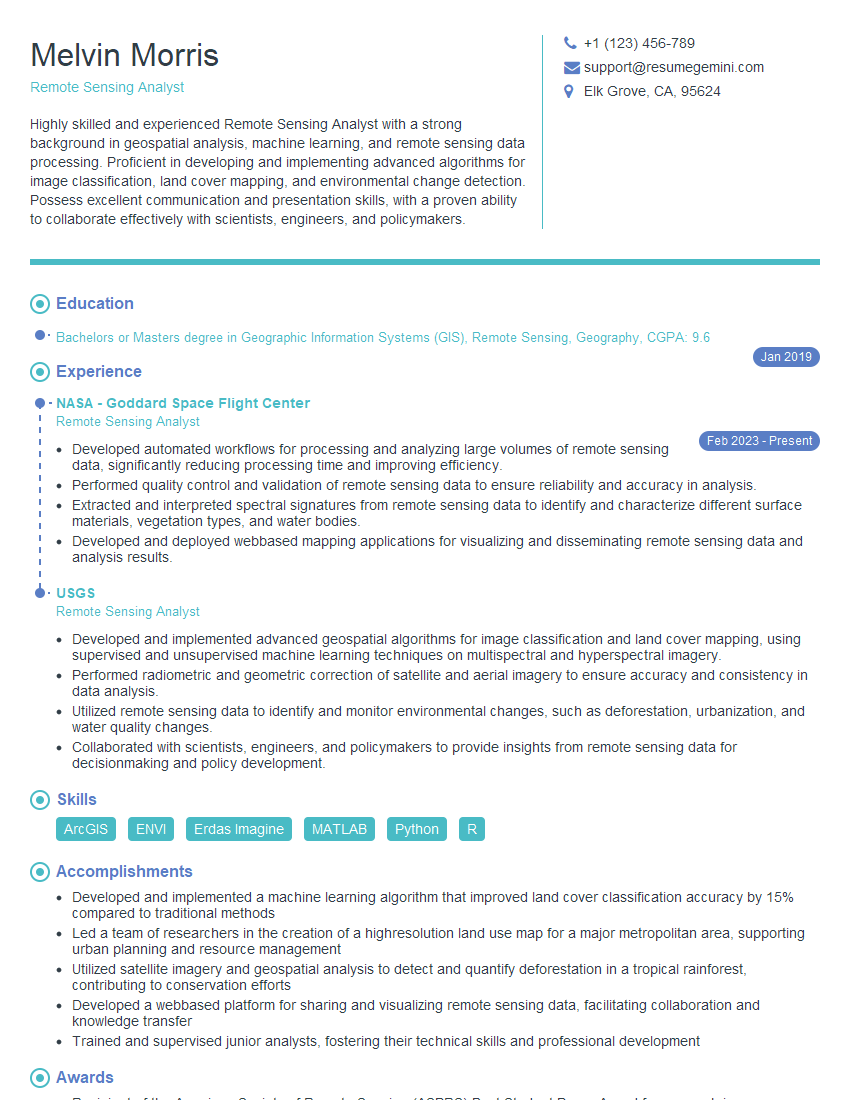
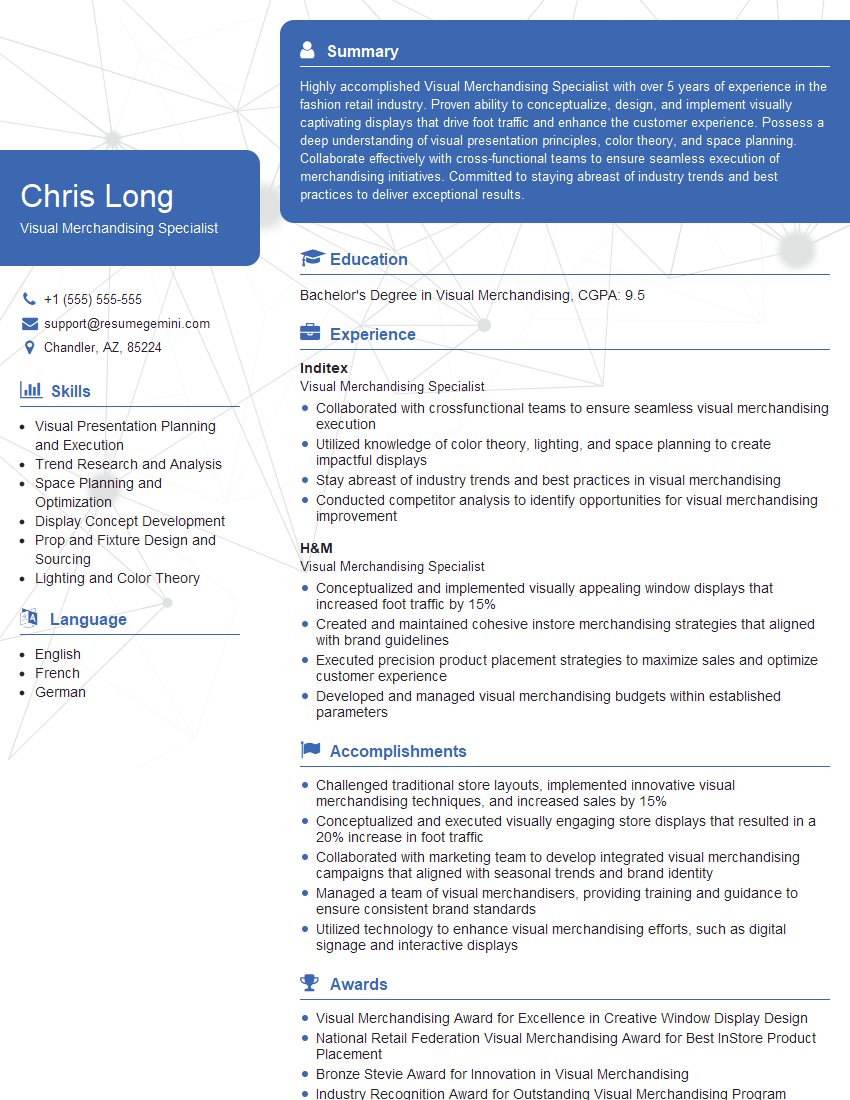
Mastering Visual Assessment opens doors to exciting career opportunities in fields like autonomous driving, medical imaging, and quality control. A strong foundation in these techniques is highly sought after by employers. To significantly improve your chances, create an ATS-friendly resume that showcases your skills and experience effectively. ResumeGemini is a trusted resource to help you build a professional and impactful resume that gets noticed. Examples of resumes tailored to Visual Assessment roles are available to guide you. Take the next step towards your dream job today!


Explore more articles
Users Rating of Our Blogs
Share Your Experience
We value your feedback! Please rate our content and share your thoughts (optional).
What Readers Say About Our Blog
Very informative content, great job.
good