Interviews are opportunities to demonstrate your expertise, and this guide is here to help you shine. Explore the essential Chain Management interview questions that employers frequently ask, paired with strategies for crafting responses that set you apart from the competition.
Questions Asked in Chain Management Interview
Q 1. Explain the differences between supply chain management and logistics.
Supply chain management (SCM) and logistics are closely related but distinct concepts. Think of it like this: SCM is the overarching strategy, while logistics is a crucial part of its execution.
Supply chain management encompasses the entire process of planning, sourcing, procuring, converting, and delivering a product or service to the end customer. It involves managing relationships with suppliers, manufacturers, distributors, and retailers across the entire network. SCM focuses on optimizing the flow of information, materials, and finances throughout the entire network to create value and satisfy customer needs.
Logistics, on the other hand, focuses on the efficient and effective flow and storage of goods from the point of origin to the point of consumption. This includes activities like transportation, warehousing, inventory management, and order fulfillment. It’s a subset of SCM, concentrating on the physical movement and storage of goods.
Example: A company producing shoes (SCM) might source leather from a tannery, manufacture the shoes in a factory, store them in a warehouse, and then ship them to retail stores via trucks and ships (Logistics). SCM would also handle relationships with suppliers, forecast demand, and manage the overall flow of information and finances throughout the process.
Q 2. Describe your experience with different inventory management techniques (e.g., FIFO, LIFO, EOQ).
I have extensive experience implementing and optimizing various inventory management techniques. The choice of technique depends heavily on the product’s nature, demand variability, and storage costs.
- FIFO (First-In, First-Out): This method prioritizes the oldest inventory items for sale. It’s ideal for perishable goods or products with short shelf lives, minimizing spoilage and obsolescence. I’ve successfully used FIFO in managing inventory for a food processing company, significantly reducing waste.
- LIFO (Last-In, First-Out): This method prioritizes the newest inventory items for sale. It’s often used for non-perishable goods, and can be advantageous during periods of inflation as the cost of goods sold reflects current market prices. However, it can be more complex to track and may not be suitable for all industries.
- EOQ (Economic Order Quantity): This model calculates the optimal order quantity to minimize the total inventory costs, balancing ordering costs and holding costs. I’ve used EOQ to optimize ordering cycles for a manufacturing client, reducing their overall inventory costs by 15%.
Beyond these core techniques, I’m also familiar with Just-in-Time (JIT) inventory management, which aims to minimize inventory holding by receiving materials only when needed, and ABC analysis, which categorizes inventory based on value and usage to prioritize management efforts.
Q 3. How do you handle supply chain disruptions?
Handling supply chain disruptions requires a proactive and reactive approach. My strategy involves a three-pronged attack: prevention, mitigation, and recovery.
- Prevention: This involves building resilience into the supply chain through diversification of suppliers, establishing strong supplier relationships, having contingency plans in place for potential disruptions (natural disasters, political instability, pandemics), and robust risk assessment procedures. For example, during the pandemic, I helped a client diversify its sourcing to avoid over-reliance on a single supplier impacted by lockdowns.
- Mitigation: When a disruption occurs, immediate actions are crucial. This could involve rerouting shipments, finding alternative suppliers, negotiating with existing suppliers for prioritized delivery, and leveraging existing safety stock. In a recent case, a port strike threatened to delay deliveries. We successfully mitigated the impact by switching to rail transport.
- Recovery: Once the immediate crisis has passed, a thorough post-mortem analysis is essential. This helps identify the root causes of the disruption, refine existing contingency plans, and improve overall supply chain resilience. This involves collaboration with all stakeholders, including suppliers, logistics providers, and internal teams.
Q 4. What metrics do you use to measure supply chain performance?
Measuring supply chain performance requires a balanced scorecard approach, tracking both financial and operational metrics. Key metrics I utilize include:
- On-Time Delivery Rate: Percentage of orders delivered on or before the scheduled delivery date.
- Inventory Turnover Rate: How quickly inventory is sold or used.
- Order Fulfillment Cycle Time: The time it takes to process and fulfill an order.
- Customer Order Perfect Order Rate: The percentage of orders fulfilled without any errors (e.g., wrong items, damaged goods, late delivery).
- Supply Chain Cost as a Percentage of Revenue: Measures the efficiency of the supply chain.
- Logistics Costs as a Percentage of Revenue: Focuses on the efficiency of transportation and warehousing.
- Fill Rate: The percentage of customer demand that is met from existing inventory.
These metrics provide a holistic view of supply chain performance, allowing for data-driven decision-making and continuous improvement.
Q 5. Explain your understanding of the bullwhip effect and how to mitigate it.
The bullwhip effect is a phenomenon where demand variability increases as you move upstream in the supply chain. Imagine a whip – a small flick at the end (retail demand) creates a large swing at the handle (supplier production). This leads to inefficiencies, excess inventory, and lost profits.
Mitigation Strategies:
- Improved Forecasting: Implementing collaborative forecasting techniques that involve sharing demand information across the supply chain to reduce forecast errors.
- Reduced Lead Times: Working with suppliers to shorten the time it takes to receive materials, reducing the need for large safety stocks.
- Vendor Managed Inventory (VMI): Allowing key suppliers to manage inventory levels at our facilities, reducing overstocking.
- Information Sharing: Using technology (e.g., Electronic Data Interchange (EDI), cloud-based platforms) to improve transparency and information flow across the supply chain.
- Strategic Buffer Stock: Holding a carefully planned level of safety stock to manage some variability but preventing overstocking.
By implementing these strategies, organizations can dampen the bullwhip effect and create a more stable and efficient supply chain.
Q 6. How do you forecast demand?
Demand forecasting is a crucial aspect of effective supply chain management. I employ a combination of quantitative and qualitative methods:
- Quantitative Methods: These methods use historical data to predict future demand. Techniques include time series analysis (e.g., moving averages, exponential smoothing), regression analysis, and ARIMA models. I’ve successfully used ARIMA models to forecast seasonal demand for a retail client.
- Qualitative Methods: These methods incorporate expert opinions, market research, and consumer insights to improve forecast accuracy. Techniques include Delphi method, market surveys, and sales force composite.
Often, a hybrid approach is best. For example, I might use time series analysis to create a baseline forecast, then adjust it based on qualitative insights about upcoming marketing campaigns or economic trends.
The accuracy of forecasting depends heavily on data quality and the selection of appropriate techniques. Regularly reviewing and refining forecasting methods is essential for continuous improvement.
Q 7. Describe your experience with different transportation modes and their suitability for various products.
My experience encompasses various transportation modes, each with its own strengths and weaknesses:
- Road Transportation (Trucking): Highly flexible and suitable for smaller shipments and door-to-door delivery. Ideal for time-sensitive goods and short distances. However, it can be relatively expensive for long distances.
- Rail Transportation: Cost-effective for large volumes over long distances. Less flexible than trucking but suitable for less time-sensitive goods.
- Sea Transportation: The most cost-effective option for very large volumes over very long distances. However, it’s slow and less suitable for time-sensitive goods.
- Air Transportation: Fastest mode of transport but most expensive. Ideal for high-value, time-sensitive goods or smaller emergency shipments. I’ve used air freight to transport critical components for a manufacturing client.
Selecting the optimal transportation mode involves considering factors like cost, transit time, reliability, product characteristics (fragility, perishability), volume, and distance. Often, a multimodal approach (combining different modes) is the most efficient solution.
Q 8. How do you optimize warehouse layout and operations?
Optimizing warehouse layout and operations is crucial for efficiency and cost reduction. It involves a strategic approach considering factors like product flow, storage capacity, order fulfillment processes, and safety. Think of it like designing a well-organized kitchen – everything has its place and is easily accessible.
- Zone Optimization: We need to strategically locate items based on their frequency of picking. Fast-moving items should be in easily accessible zones, while slower-moving items can be stored further away. This minimizes travel time for pickers.
- Slotting Optimization: This is the detailed placement of products within a zone. Consider factors like product size, weight, and demand to maximize space utilization and picker efficiency. For example, larger, heavier items might be placed lower down for safety.
- Workflow Design: The layout should facilitate smooth product flow, from receiving to storage to picking and shipping. Minimizing unnecessary movements reduces handling time and labor costs. This often involves implementing a well-defined picking path and using appropriate material handling equipment.
- Technology Integration: Implementing Warehouse Management Systems (WMS) and barcode/RFID scanning helps track inventory, optimize picking routes, and automate processes. Real-time data gives crucial insights for continuous improvement.
- Safety and Ergonomics: Safety is paramount. The layout should minimize hazards and incorporate ergonomic considerations to reduce worker fatigue and injuries. Proper lighting, clear walkways, and appropriate equipment are key.
For instance, in my previous role, we redesigned our warehouse layout using slotting optimization software. This led to a 15% reduction in picking time and a 10% increase in order fulfillment accuracy.
Q 9. What is your experience with supply chain software and technology (e.g., ERP systems)?
I have extensive experience with various supply chain software and technologies, including ERP systems like SAP and Oracle, WMS systems such as Blue Yonder and Manhattan Associates, and Transportation Management Systems (TMS). I’m proficient in using these systems to manage inventory, track shipments, forecast demand, and analyze supply chain performance.
My experience extends beyond simply using these systems. I’ve been involved in implementing and integrating these systems into existing processes, customizing them to meet specific business needs, and training staff on their effective use. I understand the importance of data integration across different systems to ensure a seamless flow of information. For example, I once led a project to integrate our ERP system with a new TMS, resulting in a 20% reduction in transportation costs.
Furthermore, I’m familiar with newer technologies like AI-powered demand forecasting, blockchain for supply chain transparency, and IoT sensors for real-time inventory tracking. I understand that embracing these technologies is crucial for creating a more agile and responsive supply chain.
Q 10. Explain your approach to supplier relationship management.
My approach to supplier relationship management (SRM) is built on collaboration, trust, and mutual benefit. It’s not just about negotiating prices; it’s about building long-term partnerships.
- Strategic Partnerships: I focus on developing strong relationships with key suppliers, fostering open communication and understanding of each other’s business objectives. This includes regular meetings, performance reviews, and collaborative problem-solving.
- Performance Evaluation: I implement robust performance metrics to track supplier performance in areas such as quality, delivery, and cost. This provides objective data for continuous improvement and informed decision-making.
- Risk Mitigation: I work closely with suppliers to identify and mitigate potential risks in the supply chain, such as geopolitical instability, natural disasters, or supplier financial difficulties. This might involve diversifying sourcing, building buffer stocks, or establishing contingency plans.
- Continuous Improvement: I encourage collaboration on continuous improvement initiatives, such as lean manufacturing principles or innovation in product design and development. Working together, we can create more efficient and sustainable supply chains.
- Fair Practices: I believe in ethical and fair treatment of suppliers, ensuring they receive timely payments and are compensated appropriately for their services.
In a previous role, I implemented a supplier performance management system that resulted in a 10% improvement in on-time delivery and a 5% reduction in material costs.
Q 11. How do you manage risks in the supply chain?
Supply chain risk management is a proactive and multi-faceted process. It involves identifying potential disruptions, assessing their likelihood and impact, and developing strategies to mitigate these risks.
- Risk Identification: This involves systematically identifying potential risks across the entire supply chain, from raw material sourcing to final product delivery. This might include geopolitical instability, natural disasters, supplier bankruptcy, transportation delays, and cybersecurity breaches.
- Risk Assessment: Once identified, risks need to be assessed based on their likelihood and potential impact. This helps prioritize mitigation efforts.
- Risk Mitigation Strategies: This includes developing strategies to reduce the likelihood or impact of identified risks. Examples include diversifying sourcing, establishing buffer stocks, implementing robust inventory management systems, and developing contingency plans.
- Monitoring and Review: Regular monitoring of the supply chain and continuous review of the risk management plan are crucial for adapting to changing circumstances. This allows for prompt response to emerging threats.
- Collaboration and Communication: Effective communication and collaboration with suppliers, logistics providers, and other stakeholders are key to managing risks effectively. Transparency is crucial.
For example, during a period of global port congestion, we proactively secured alternative shipping routes and built up strategic inventory levels to avoid significant delays and stockouts.
Q 12. How do you ensure supply chain sustainability?
Ensuring supply chain sustainability involves integrating environmental, social, and governance (ESG) considerations into all aspects of the supply chain. This is becoming increasingly important for businesses aiming to be responsible corporate citizens and meet growing consumer demand for ethical and sustainable products.
- Sustainable Sourcing: Procuring materials from suppliers committed to sustainable practices, such as reducing carbon emissions, minimizing waste, and respecting labor rights.
- Green Logistics: Optimizing transportation routes to minimize fuel consumption and emissions, utilizing alternative fuels and transportation modes, and reducing packaging waste.
- Waste Reduction: Implementing strategies to minimize waste throughout the supply chain, from production to packaging and disposal. This could include recycling programs, lean manufacturing techniques, and the use of eco-friendly materials.
- Ethical Labor Practices: Ensuring that suppliers adhere to fair labor standards, including safe working conditions, fair wages, and no child labor.
- Transparency and Traceability: Implementing systems to track and trace products throughout the supply chain, enabling greater transparency and accountability in terms of sustainability performance.
In a past project, we implemented a program to reduce packaging waste by 20% and transitioned to a more sustainable transportation provider, reducing our carbon footprint by 15%.
Q 13. Describe a time you had to improve a supply chain process. What was the outcome?
In my previous role, we faced significant challenges with order fulfillment accuracy. Errors were leading to customer dissatisfaction, returns, and increased costs. Our investigation revealed inefficiencies in the picking process, poor data management, and a lack of real-time inventory visibility.
To address this, we implemented a multi-pronged approach:
- WMS Implementation: We implemented a new Warehouse Management System (WMS) to improve inventory tracking and optimize picking routes. This provided real-time visibility into inventory levels and streamlined the order picking process.
- Improved Training: We provided comprehensive training to warehouse staff on the new WMS and best practices for order picking. This ensured accurate data entry and efficient order fulfillment.
- Process Optimization: We redesigned the warehouse layout to improve workflow and reduce the risk of errors. This included reorganizing storage locations based on item frequency.
- Quality Control: We implemented stricter quality control measures at each stage of the order fulfillment process, including verification checks and audits.
The outcome was a significant improvement in order fulfillment accuracy, from 90% to 98%. This resulted in a reduction in customer complaints, fewer returns, and substantial cost savings.
Q 14. What is your experience with lean manufacturing principles?
Lean manufacturing principles are central to my approach to supply chain optimization. Lean focuses on eliminating waste and maximizing efficiency throughout the entire process.
My experience encompasses applying various lean tools and techniques, including:
- Value Stream Mapping: Identifying and analyzing all the steps involved in a process to identify areas of waste and inefficiency. This provides a visual representation of the entire process, highlighting bottlenecks and areas for improvement.
- 5S Methodology: Implementing a system for workplace organization and efficiency, focusing on sorting, setting in order, shining, standardizing, and sustaining. This leads to a cleaner, safer, and more productive work environment.
- Kaizen Events: Conducting short, focused workshops involving cross-functional teams to identify and implement rapid improvements. These events create a culture of continuous improvement.
- Kanban Systems: Using visual signals to manage workflow and inventory, ensuring that materials are produced only when needed. This prevents overproduction and reduces waste.
- Poka-Yoke (Mistake-Proofing): Designing processes to prevent errors from occurring in the first place. This includes using standardized procedures, checklists, and automation.
In a previous role, we implemented a Kaizen event focused on improving the packaging process. This resulted in a 10% reduction in packaging material usage and a 5% reduction in packaging time.
Q 15. How do you prioritize competing demands in a supply chain?
Prioritizing competing demands in a supply chain requires a strategic approach that balances various factors. Think of it like conducting an orchestra – each instrument (demand) has its own part, but a conductor (supply chain manager) is needed to harmonize them for a beautiful symphony (optimal efficiency).
I utilize a multi-criteria decision-making (MCDM) framework. This involves:
- Identifying all competing demands: This might include urgent customer orders, stock replenishment needs, seasonal surges, or new product launches.
- Assigning weights to each demand: Weights reflect the relative importance of each demand. For instance, an urgent order from a key client might receive a higher weight than a routine stock replenishment. This often involves considering factors like profitability, customer relationship value, and potential penalties for late delivery.
- Using a scoring system: Each demand is assessed against specific criteria (e.g., lead time, cost, customer impact). A weighted score is calculated for each demand, enabling a clear prioritization.
- Implementing a decision rule: This could involve choosing the highest-scoring demand first, or employing more sophisticated algorithms that consider dependencies and resource constraints.
- Regular review and adjustment: The prioritization process isn’t static. It should be regularly reviewed and adapted to account for changing circumstances and new information.
For example, during a sudden surge in demand, we might temporarily prioritize fulfilling high-margin orders over routine replenishments, knowing that the latter can be addressed once the immediate pressure is relieved. Effective communication with all stakeholders is crucial throughout this process to ensure everyone understands the rationale behind the prioritization decisions.
Career Expert Tips:
- Ace those interviews! Prepare effectively by reviewing the Top 50 Most Common Interview Questions on ResumeGemini.
- Navigate your job search with confidence! Explore a wide range of Career Tips on ResumeGemini. Learn about common challenges and recommendations to overcome them.
- Craft the perfect resume! Master the Art of Resume Writing with ResumeGemini’s guide. Showcase your unique qualifications and achievements effectively.
- Don’t miss out on holiday savings! Build your dream resume with ResumeGemini’s ATS optimized templates.
Q 16. Explain your understanding of different supply chain strategies (e.g., agile, lean, responsive).
Supply chain strategies are tailored to specific business goals and market conditions. The most common include:
- Lean: Focused on eliminating waste (muda) in all processes, from raw material sourcing to final delivery. This involves streamlining processes, reducing inventory, and improving efficiency. Think of Toyota’s Production System as a prime example.
- Agile: Emphasizes flexibility and responsiveness to changing customer demands and market conditions. It relies on close collaboration with suppliers and rapid adaptation to new information. This is well-suited for industries with short product lifecycles and high demand variability, such as fashion or electronics.
- Responsive: Prioritizes speed and flexibility in responding to changing market demand. It often involves holding higher levels of inventory to meet unexpected surges in demand. Companies in the food industry, dealing with perishable goods, often adopt aspects of a responsive strategy.
Often, a hybrid approach is most effective. A company might adopt lean principles for core processes while incorporating agile elements to handle unexpected events or respond to customized customer requests. The choice of strategy depends on the company’s industry, competitive landscape, and risk tolerance.
Q 17. How do you measure the efficiency of a supply chain?
Measuring supply chain efficiency involves tracking several key performance indicators (KPIs). These can be grouped into categories:
- Cost Efficiency: This includes metrics like cost of goods sold (COGS), inventory holding costs, transportation costs, and warehousing costs. Lower costs indicate better efficiency.
- Time Efficiency: Metrics like order cycle time (time from order placement to delivery), lead time (time to manufacture or procure goods), and delivery time are crucial. Shorter times indicate better efficiency.
- Quality Efficiency: Metrics like defect rate, return rate, and customer satisfaction scores reflect the quality of products and services. Lower defect and return rates and higher customer satisfaction indicate better efficiency.
- Inventory Management Efficiency: Metrics such as inventory turnover rate (how quickly inventory is sold), stockout rate (percentage of times an item is out of stock), and inventory holding costs indicate how well inventory is managed.
We use a balanced scorecard approach, combining financial and operational metrics to provide a comprehensive view of supply chain performance. Data analytics tools help us identify bottlenecks and areas for improvement. Regular reporting and data visualization are essential for tracking progress and making data-driven decisions.
Q 18. How do you handle conflicts with suppliers?
Handling supplier conflicts requires a collaborative and professional approach. It’s crucial to remember that a strong supplier relationship is vital for a healthy supply chain.
My approach involves:
- Open Communication: Clearly and calmly articulate the issue, focusing on facts rather than accusations. Actively listen to the supplier’s perspective.
- Joint Problem-Solving: Collaborate with the supplier to identify the root cause of the conflict and develop a mutually agreeable solution. This might involve negotiating new terms, adjusting delivery schedules, or implementing process improvements.
- Win-Win Negotiation: Strive for a solution that benefits both parties. This fosters trust and encourages future cooperation.
- Formal Documentation: Keep detailed records of the conflict, the discussions, and the agreed-upon solutions. This prevents misunderstandings and provides a reference point for future interactions.
- Escalation Protocol: Have a clear escalation plan in case negotiations fail to resolve the conflict. This might involve involving senior management or legal counsel.
For example, if a supplier consistently misses delivery deadlines, I’d first try to understand the reasons behind the delays. Then, we’d work together to find solutions, perhaps involving improved forecasting techniques or adjusting production schedules. If the problem persists despite our efforts, we might need to consider finding an alternative supplier. However, I would always try to maintain a professional relationship, as a burned bridge can be costly in the long run.
Q 19. How familiar are you with Six Sigma methodologies in a supply chain context?
Six Sigma methodologies provide a structured approach to process improvement, focusing on reducing variation and defects. In a supply chain context, this translates to minimizing delays, improving quality, and optimizing costs. I’m very familiar with its application.
My experience includes using DMAIC (Define, Measure, Analyze, Improve, Control) to address issues like:
- Reducing lead times: By identifying and eliminating bottlenecks in the procurement and manufacturing processes.
- Improving product quality: Through implementing stricter quality control measures at each stage of the supply chain.
- Minimizing inventory holding costs: By optimizing inventory levels and improving forecasting accuracy.
- Reducing transportation costs: By optimizing routes, consolidating shipments, and negotiating better rates with carriers.
I’ve used tools like control charts, process capability analysis, and root cause analysis to identify areas for improvement and track progress. The structured approach of Six Sigma ensures that improvements are data-driven and sustainable. For example, in one project, we used Six Sigma to reduce the defect rate in a particular product line by 80%, resulting in significant cost savings and improved customer satisfaction.
Q 20. Describe your experience with implementing a new supply chain technology.
I have extensive experience implementing new supply chain technologies. One notable project involved the implementation of a new warehouse management system (WMS).
The process involved:
- Needs Assessment: We first identified the shortcomings of our existing system and the key requirements for the new WMS. This involved analyzing operational inefficiencies, collecting data on current processes, and consulting with stakeholders across different departments.
- Vendor Selection: We carefully evaluated different WMS vendors based on their capabilities, pricing, and reputation. This included a detailed review of their software features, scalability, and integration capabilities with our existing ERP system.
- Implementation Planning: We developed a detailed implementation plan that included timelines, resource allocation, and training schedules. This plan ensured a smooth transition with minimal disruption to operations.
- Data Migration: We carefully migrated data from the old system to the new WMS, ensuring data integrity and accuracy. This process required meticulous planning and thorough testing to avoid data loss or inconsistencies.
- Testing and Go-Live: We conducted extensive testing before the go-live date to ensure the system was functioning correctly and met our requirements. This included user acceptance testing (UAT) to validate the system’s usability.
- Post-Implementation Support: We provided ongoing support to users and addressed any issues that arose after the go-live. This involved monitoring system performance, providing training, and making necessary adjustments.
The new WMS significantly improved our warehouse efficiency, reducing order fulfillment time and improving inventory accuracy. This resulted in better customer service and significant cost savings. The key to success was meticulous planning, effective communication, and a strong project management approach.
Q 21. How do you ensure data accuracy and integrity within the supply chain?
Ensuring data accuracy and integrity in the supply chain is critical for effective decision-making and operational efficiency. This requires a multi-faceted approach.
Key strategies include:
- Data Standardization: Implementing standard data formats and definitions across the entire supply chain to eliminate inconsistencies and errors. This requires collaboration with all stakeholders, including suppliers and customers.
- Data Validation: Implementing checks and validation rules at various stages of data entry and processing to identify and correct errors before they propagate throughout the system. This might involve using automated data validation tools or manual checks by trained personnel.
- Data Governance: Establishing clear roles and responsibilities for data management, including data ownership, data quality control, and data security. This ensures accountability and helps prevent data breaches.
- Data Reconciliation: Regularly reconciling data from different sources to identify and resolve discrepancies. This might involve comparing data from ERP systems, WMS, and other supply chain systems.
- Data Auditing: Periodically auditing data to ensure accuracy, completeness, and compliance with regulations. This can involve both internal and external audits.
- Technology Solutions: Implementing robust technology solutions, including data quality management tools and ETL (Extract, Transform, Load) processes, to automate data cleaning, transformation, and integration.
We utilize a combination of these strategies to ensure data accuracy. For example, we implemented a data quality dashboard to monitor key data quality metrics, allowing us to proactively identify and address potential issues. This proactive approach reduces the risk of errors and ensures that our decisions are based on reliable information.
Q 22. How do you manage and analyze supply chain data?
Managing and analyzing supply chain data involves a multi-faceted approach leveraging technology and robust processes. It begins with data collection from various sources – Enterprise Resource Planning (ERP) systems, Warehouse Management Systems (WMS), Transportation Management Systems (TMS), and even external sources like suppliers and customers. The key is to ensure data quality and consistency.
Once collected, the data needs cleaning and transformation. This often involves handling missing values, standardizing formats, and addressing inconsistencies. Then, data analysis techniques are applied. This could range from simple descriptive statistics (e.g., calculating average lead times, identifying top-selling products) to more sophisticated methods like predictive modeling (e.g., forecasting demand, optimizing inventory levels) using tools such as regression analysis, time series forecasting, or machine learning algorithms. Data visualization is crucial for communicating findings effectively, using dashboards and reports to highlight key trends and insights. For instance, a heatmap might show which suppliers consistently experience delays, allowing for targeted interventions.
Finally, the analysis should drive actionable decisions. This could involve optimizing routes, renegotiating contracts with suppliers, or improving warehouse operations. The entire process needs to be iterative, with continuous monitoring and adjustments based on new data and market changes.
Q 23. What are the key performance indicators (KPIs) you track in supply chain management?
Key Performance Indicators (KPIs) in supply chain management are crucial for monitoring performance and identifying areas for improvement. They can be categorized into several areas:
- Inventory Management: Inventory turnover rate, stockout rate, carrying costs, inventory accuracy.
- Procurement: On-time delivery from suppliers, supplier lead time, purchase order cycle time, cost of goods sold.
- Production/Manufacturing: Production lead time, manufacturing cycle time, production yield, defect rate.
- Logistics & Distribution: Order fulfillment rate, delivery on-time performance, freight costs, transportation efficiency.
- Customer Service: Customer order cycle time, customer satisfaction, return rate, order accuracy.
Selecting the right KPIs depends on the specific goals and priorities of the organization. For example, a company focused on speed might prioritize delivery on-time performance and order fulfillment rate, while a company focused on cost efficiency might focus on inventory turnover rate and freight costs. Regular monitoring and analysis of these KPIs are essential for continuous improvement.
Q 24. Describe your experience with different types of warehousing solutions (e.g., public, private, 3PL).
My experience encompasses various warehousing solutions, each with its strengths and weaknesses. Public warehousing offers flexibility and scalability, ideal for businesses with fluctuating storage needs or those new to the market. The cost is usually lower upfront, as you only pay for the space used. However, you have less control over operations and security.
Private warehousing provides greater control over operations, security, and customization. It is a better fit for companies with high and consistent storage volumes, needing specialized handling or wanting a strong brand presence. The significant upfront investment is a major drawback.
Third-Party Logistics (3PL) providers offer a hybrid approach, managing warehousing and other logistics functions on behalf of clients. This allows companies to outsource logistics and focus on their core business. 3PLs can provide expertise and economies of scale, but contract negotiation and management are crucial.
In my past roles, I’ve successfully implemented and managed all three types, adapting the choice to the specific needs of the company and product. For example, a seasonal product line benefited from public warehousing’s flexibility, while a high-value product line requiring stringent security was handled through a private warehouse.
Q 25. How do you balance cost, quality, and speed in supply chain optimization?
Balancing cost, quality, and speed in supply chain optimization is a classic trade-off. Often, optimizing one aspect negatively impacts another. The goal is to find the optimal balance that aligns with business objectives. This often involves using optimization techniques.
Consider a scenario where a company wants to reduce lead times. This might involve using faster, more expensive shipping options or investing in automation, increasing costs. To mitigate this, they might explore strategies like optimizing warehouse layout to improve picking efficiency or collaborating with suppliers to improve their lead times. The decision requires careful analysis of the costs and benefits of each option.
Similarly, prioritizing quality might mean using higher-quality materials or implementing stricter quality control measures, which can increase costs. Finding a balance involves using robust quality management systems and supplier relationship management strategies. Tools like Design for Manufacturing (DFM) can help identify ways to improve quality while reducing costs.
Ultimately, achieving this balance involves a holistic approach using data analysis, process improvement techniques, and strategic decision-making that aligns with the overall business strategy.
Q 26. Explain the concept of Total Cost of Ownership (TCO) in the supply chain.
Total Cost of Ownership (TCO) in the supply chain encompasses all direct and indirect costs associated with acquiring, using, and disposing of a product or service throughout its lifecycle. It goes beyond just the purchase price.
For example, consider the TCO of a raw material. The TCO includes the purchase price, transportation costs, storage costs, quality control costs, handling costs, potential waste or scrap, and even the costs associated with disposing of the material after use. Calculating the TCO allows businesses to make informed decisions about sourcing, logistics, and inventory management.
A thorough TCO analysis can reveal hidden costs and opportunities for savings. For instance, choosing a cheaper supplier might seem attractive initially, but if it leads to higher transportation costs, quality issues, and increased returns, the overall TCO might be higher than anticipated. A detailed TCO assessment helps make more informed, value-driven procurement decisions.
Q 27. What are some of the challenges faced in global supply chain management?
Global supply chain management presents unique challenges compared to domestic operations. Geopolitical instability, fluctuating currency exchange rates, and differing regulatory environments increase complexity and risk.
- Geopolitical Risks: Political unrest, trade wars, and natural disasters can disrupt supply chains, causing delays and shortages.
- Supply Chain Visibility: Tracking goods and materials across multiple countries and time zones can be challenging, making it difficult to identify and address issues promptly.
- Cultural Differences: Communication barriers, differing business practices, and varying levels of trust can create friction in supplier relationships.
- Logistics Complexity: Navigating customs regulations, international shipping, and multiple transportation modes adds complexity and increases the potential for delays and errors.
- Risk Management: Managing risks associated with currency fluctuations, political instability, and natural disasters is crucial for mitigating potential disruptions.
Effective risk mitigation strategies, robust communication systems, and strong supplier relationships are essential for navigating these complexities. Diversifying supply sources and implementing contingency plans can also help to reduce vulnerabilities.
Q 28. Describe your experience with using different forecasting models.
My experience includes using a variety of forecasting models, selecting the appropriate model depending on data availability, forecasting horizon, and the level of accuracy needed. Simple methods like moving averages are useful for stable demand with minimal seasonality. Exponential smoothing is better suited for situations where recent data is more important.
For more complex scenarios with seasonality and trend, ARIMA (Autoregressive Integrated Moving Average) models offer greater accuracy. For situations where historical data is limited or unreliable, qualitative methods like expert opinions or market research can be combined with quantitative methods.
In one project, we used a combination of ARIMA and a machine learning model – specifically a Random Forest – to forecast demand for a product with strong seasonality and significant promotional impacts. The machine learning model helped capture the non-linear relationship between promotions and demand, improving accuracy compared to using ARIMA alone. The key is to understand the strengths and weaknesses of each method and choose the one that best suits the specific circumstances. Regular evaluation and refinement of the forecasting model are crucial for maintaining accuracy.
Key Topics to Learn for Chain Management Interview
- Supply Chain Strategy & Design: Understanding different supply chain models (e.g., agile, lean), network design, and optimization techniques. Practical application: Analyzing a company’s current supply chain and proposing improvements for efficiency and cost reduction.
- Demand Planning & Forecasting: Mastering forecasting methods and their applications in inventory management and production planning. Practical application: Developing a demand forecast for a new product launch and mitigating potential risks.
- Inventory Management: Exploring inventory control techniques (e.g., EOQ, ABC analysis), warehouse management, and inventory optimization strategies. Practical application: Designing an inventory control system for a specific product line, minimizing storage costs and stockouts.
- Procurement & Sourcing: Understanding supplier selection, negotiation, contract management, and risk mitigation in procurement. Practical application: Developing a sourcing strategy for a critical component, considering cost, quality, and reliability.
- Logistics & Transportation: Understanding transportation modes, network design, route optimization, and warehouse management. Practical application: Optimizing the transportation network for a company’s distribution system, reducing transportation costs and lead times.
- Supply Chain Risk Management: Identifying and mitigating potential disruptions (e.g., natural disasters, geopolitical events, supplier failures). Practical application: Developing a contingency plan to address potential supply chain disruptions.
- Supply Chain Technology & Analytics: Understanding the role of technology (e.g., ERP, WMS, TMS) and data analytics in supply chain optimization. Practical application: Analyzing supply chain data to identify areas for improvement and make data-driven decisions.
- Supply Chain Sustainability & Ethics: Understanding environmental and social responsibility in supply chain management. Practical application: Developing a sustainable sourcing strategy that minimizes environmental impact and promotes fair labor practices.
Next Steps
Mastering Chain Management principles is crucial for career advancement, opening doors to leadership roles and higher earning potential. A well-crafted, ATS-friendly resume is your key to unlocking these opportunities. To make a strong impression on potential employers, invest time in building a professional resume that effectively highlights your skills and experience. ResumeGemini is a trusted resource that can help you create a compelling and effective resume. We provide examples of resumes tailored to Chain Management to guide you through the process.

Operations Manager Resume Sample
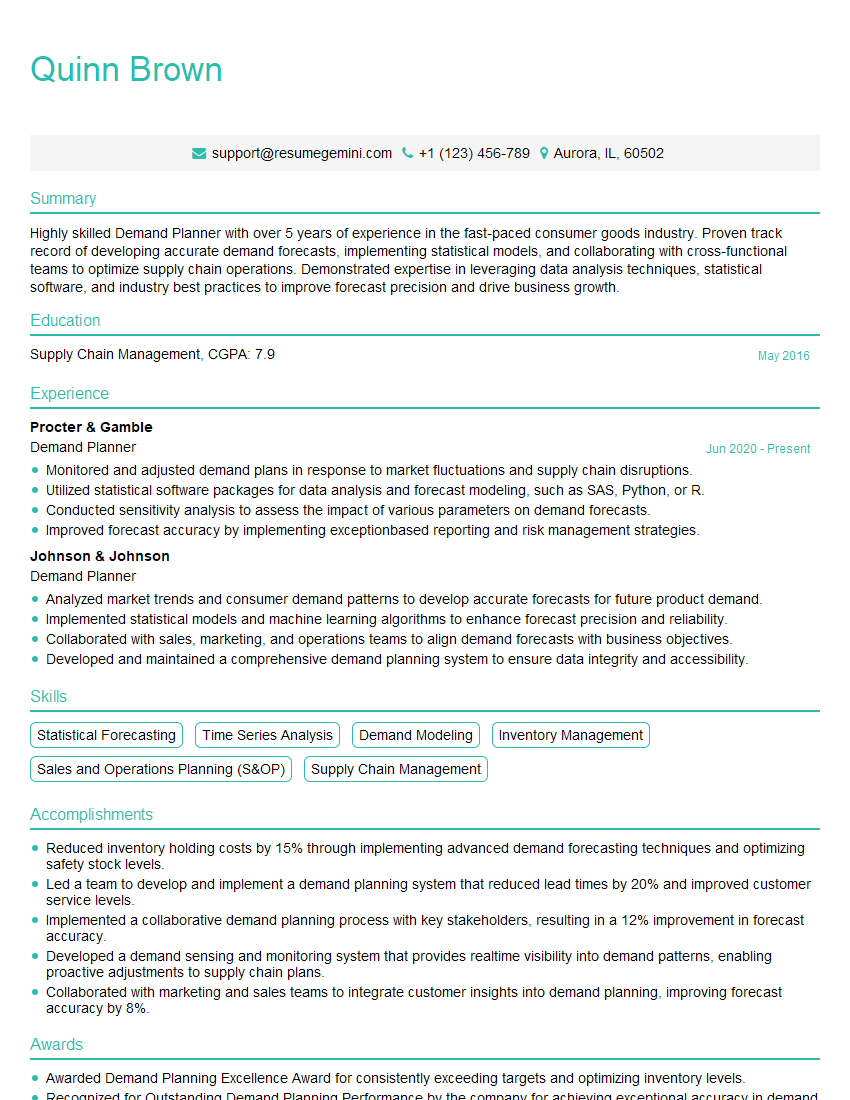
Demand Planner Resume Sample
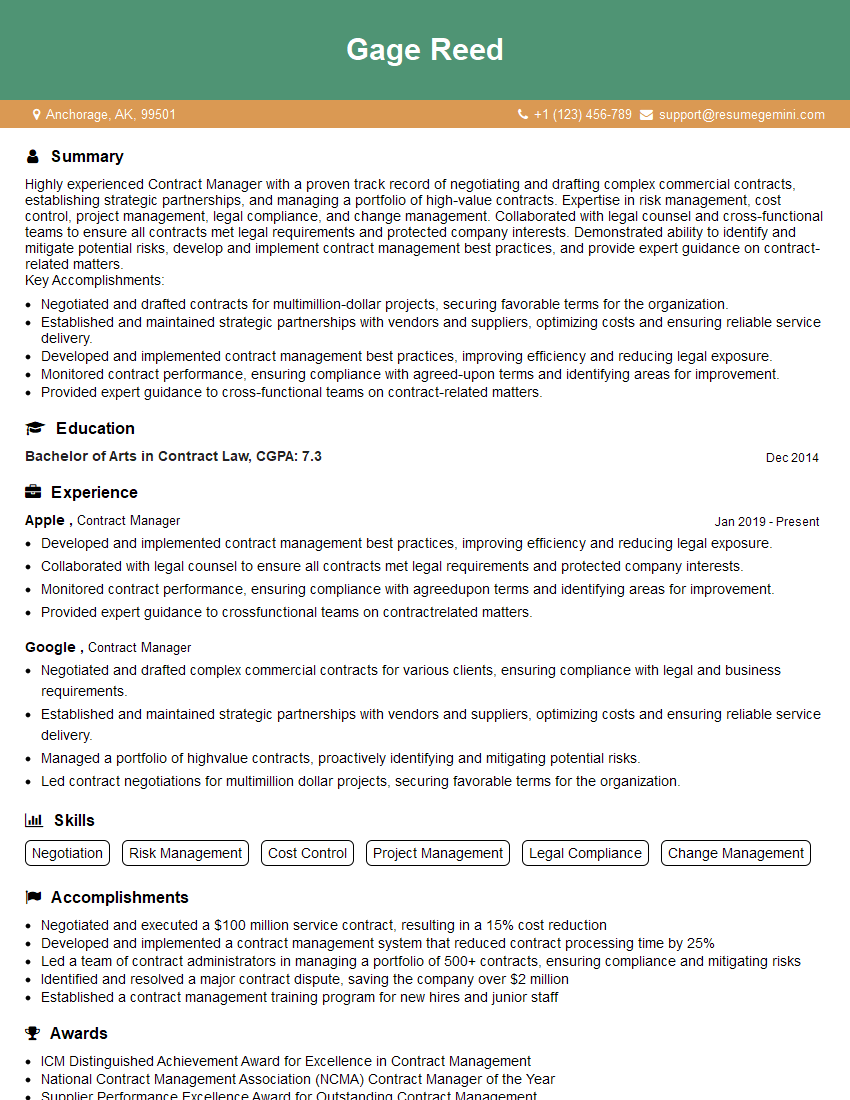
Contract Manager Resume Sample

Procurement Manager Resume Sample
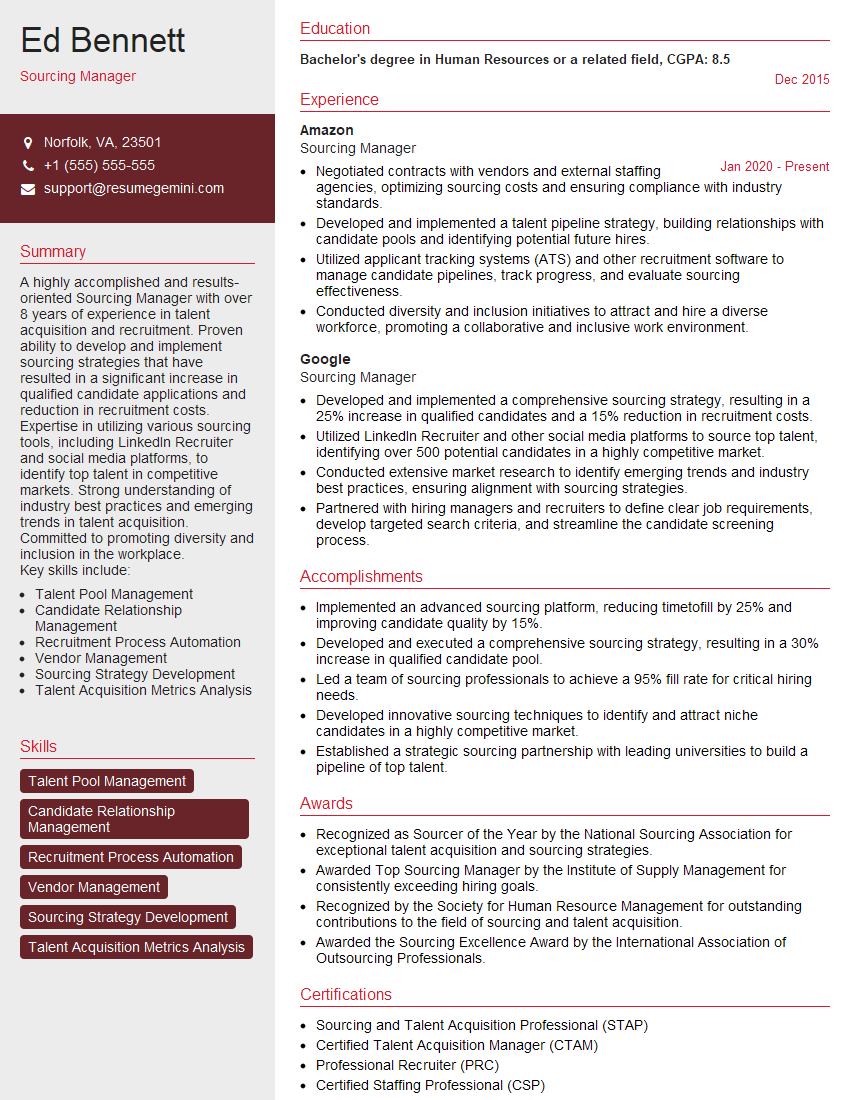
Sourcing Manager Resume Sample

Supply Chain Manager Resume Sample
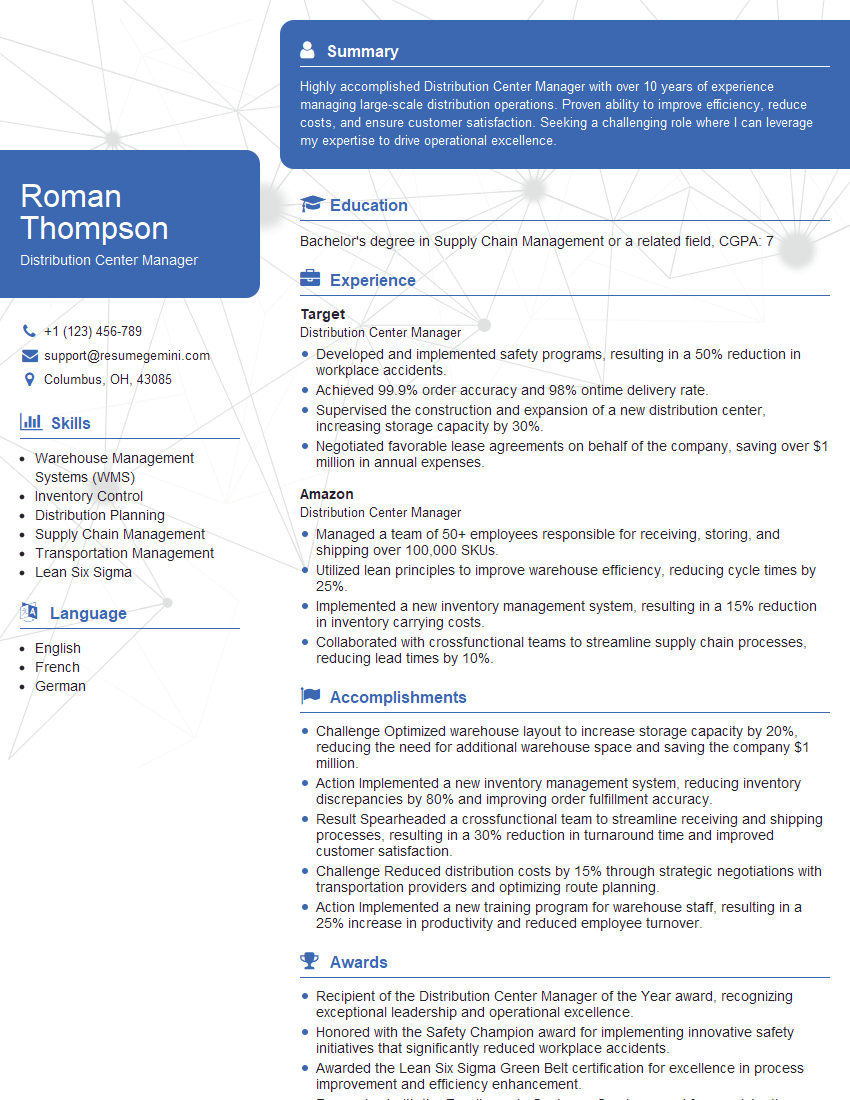
Distribution Center Manager Resume Sample
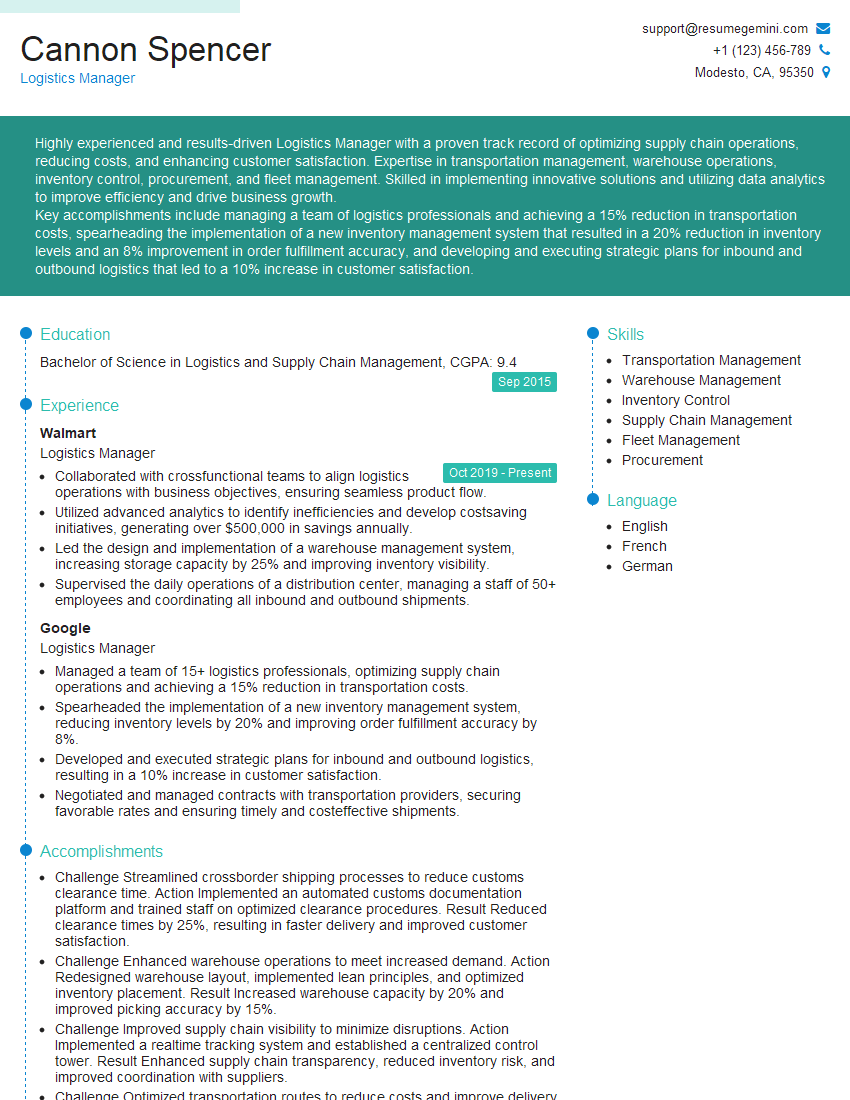
Logistics Manager Resume Sample
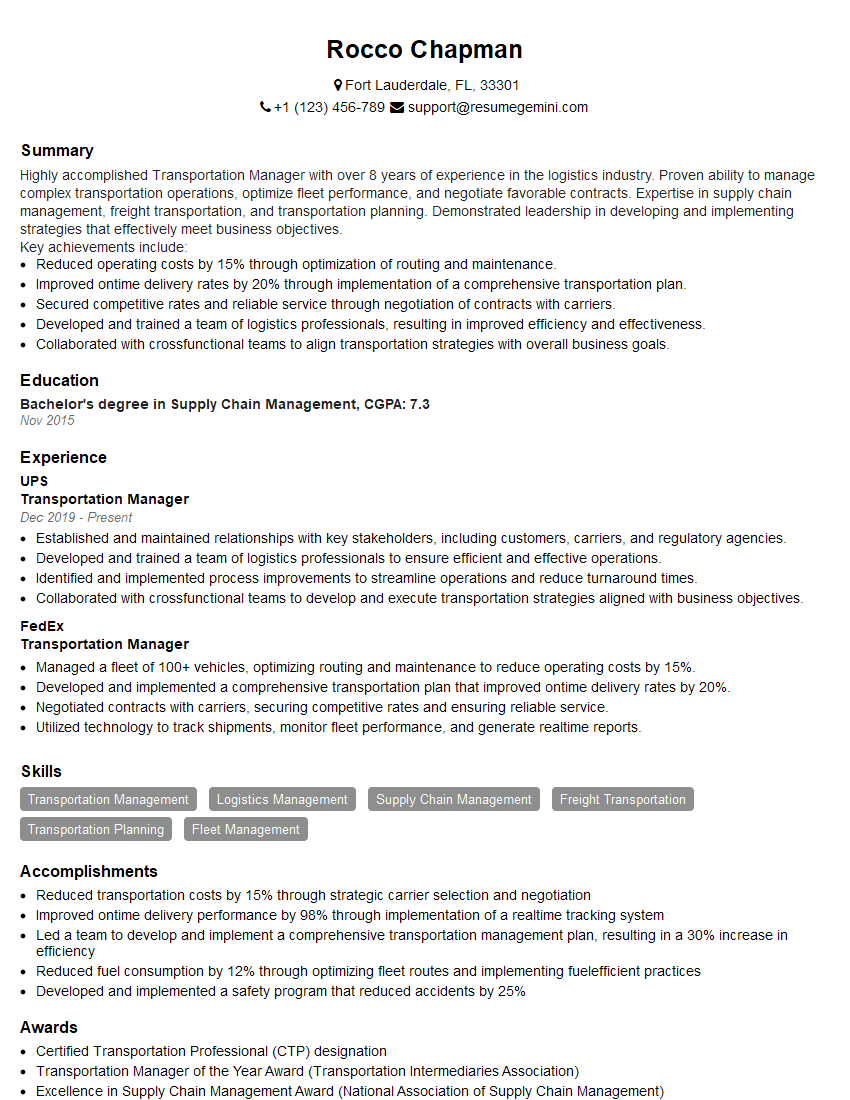
Transportation Manager Resume Sample
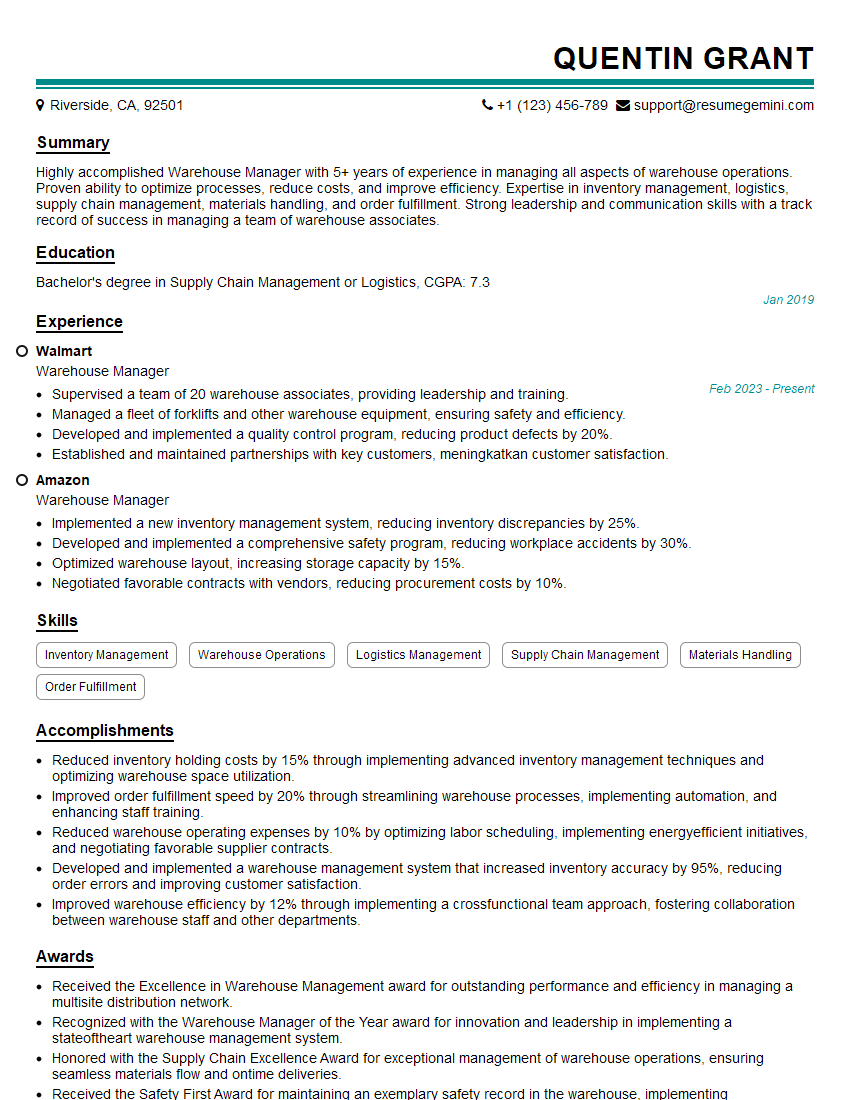
Warehouse Manager Resume Sample
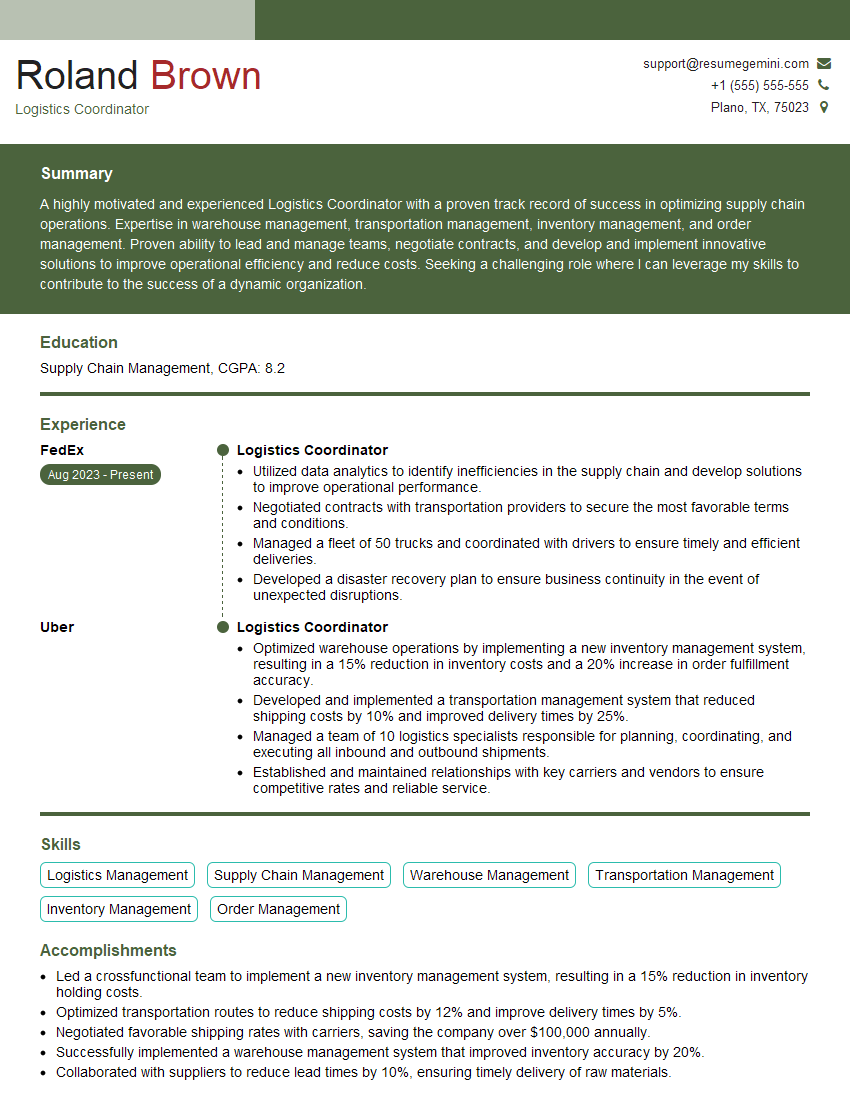
Logistics Coordinator Resume Sample
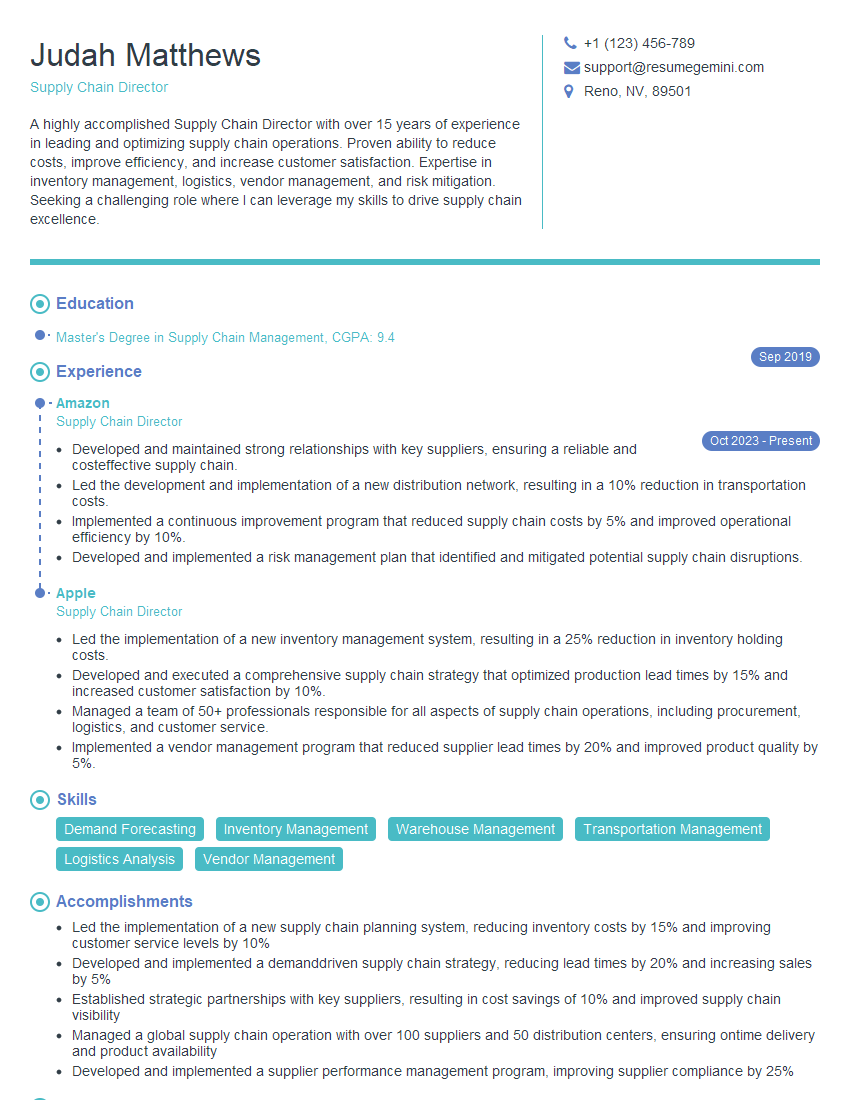
Supply Chain Director Resume Sample
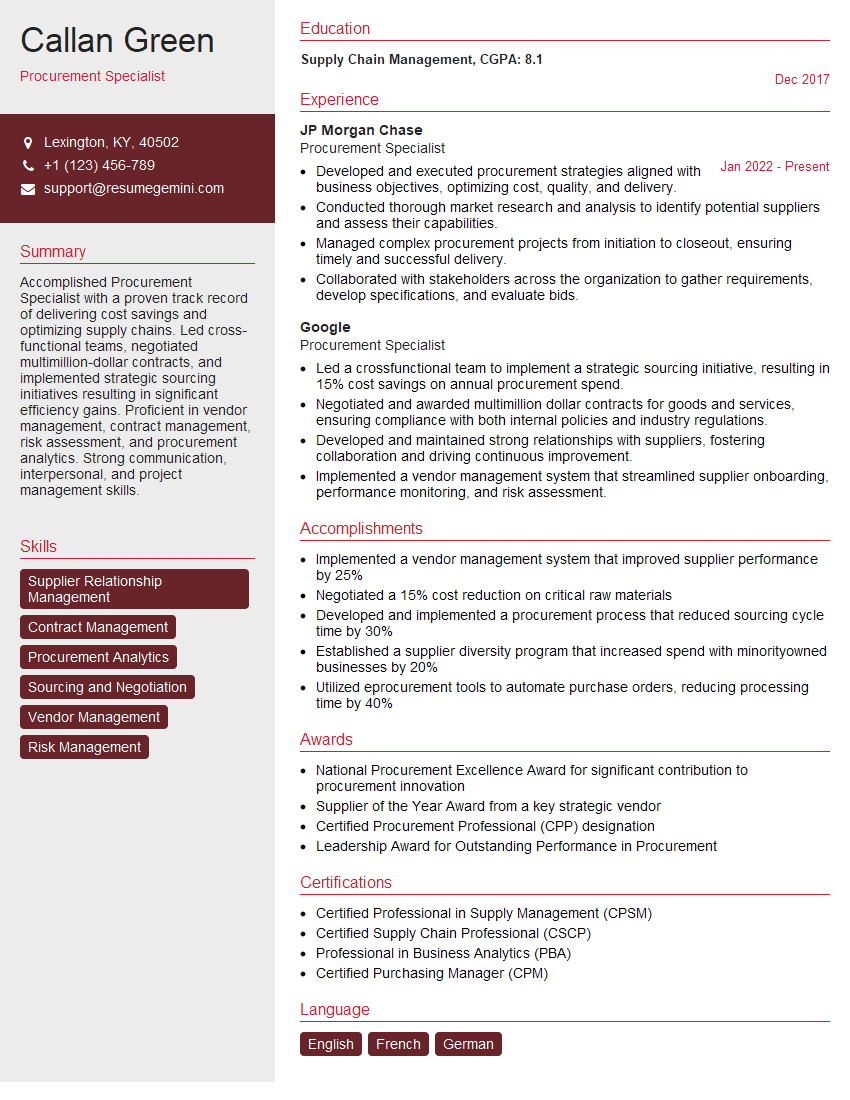
Procurement Specialist Resume Sample
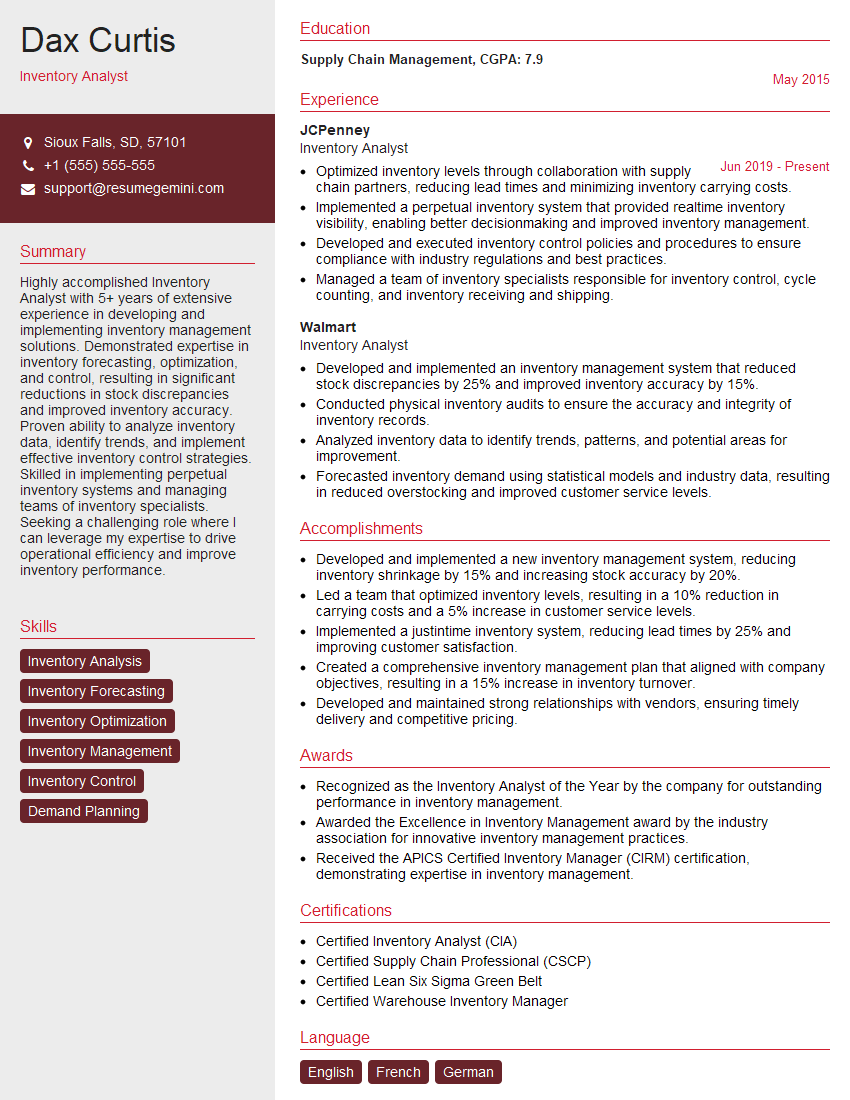
Inventory Analyst Resume Sample
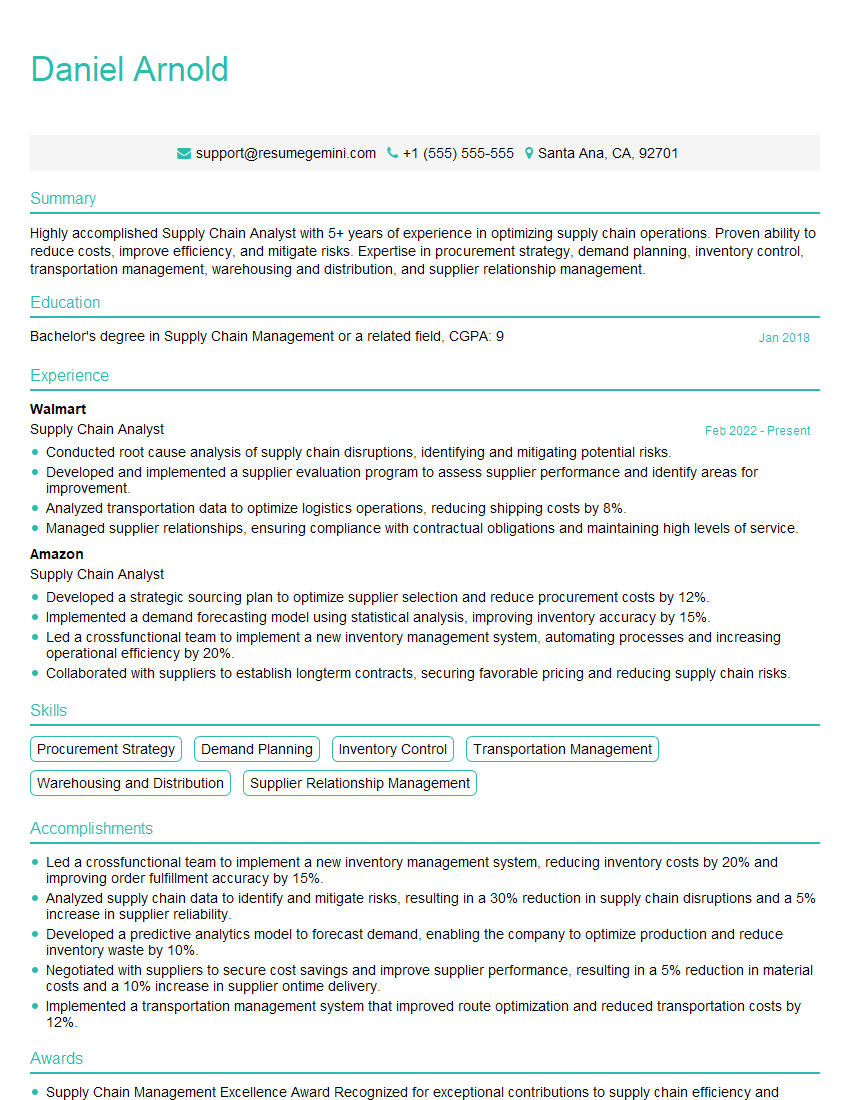
Supply Chain Analyst Resume Sample
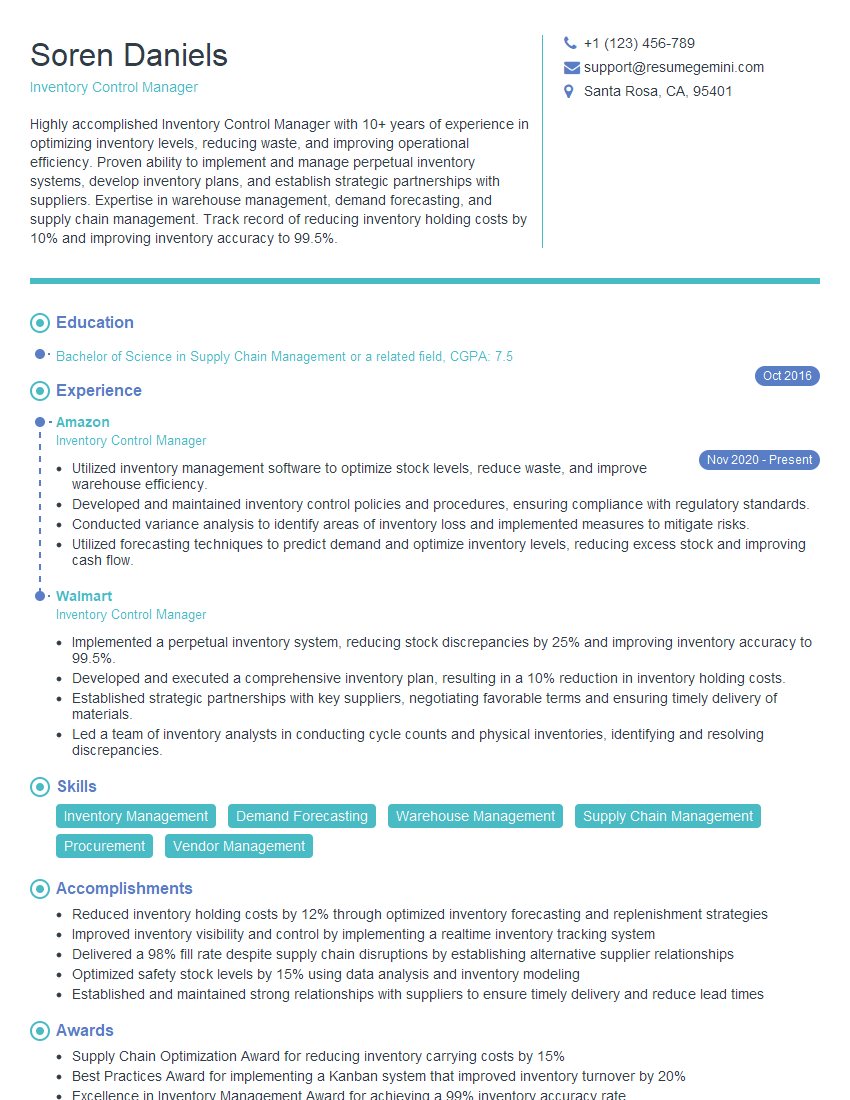
Inventory Control Manager Resume Sample
- Operations Manager
- Demand Planner
- Contract Manager
- Procurement Manager
- Sourcing Manager
- Supply Chain Manager
- Distribution Center Manager
- Logistics Manager
- Transportation Manager
- Warehouse Manager
- Logistics Coordinator
- Supply Chain Director
- Procurement Specialist
- Inventory Analyst
- Supply Chain Analyst
- Inventory Control Manager
Explore more articles
Users Rating of Our Blogs
Share Your Experience
We value your feedback! Please rate our content and share your thoughts (optional).
What Readers Say About Our Blog
Very informative content, great job.
good