Interviews are opportunities to demonstrate your expertise, and this guide is here to help you shine. Explore the essential Character Development and Leadership interview questions that employers frequently ask, paired with strategies for crafting responses that set you apart from the competition.
Questions Asked in Character Development and Leadership Interview
Q 1. Describe your approach to building trust within a team.
Building trust is the cornerstone of effective teamwork. It’s not a one-time event but a continuous process built on consistency, transparency, and mutual respect. My approach involves several key strategies:
- Vulnerability and Open Communication: I believe in leading by example, sharing both successes and failures openly and honestly. This creates a safe space for team members to do the same, fostering a culture of psychological safety.
- Active Listening and Empathy: I prioritize understanding each team member’s perspectives and concerns. This means actively listening, asking clarifying questions, and showing genuine empathy. I strive to understand their individual needs and motivations.
- Delivering on Promises: Consistency in following through on commitments, both big and small, is crucial. If I say I’ll do something, I do it. This builds reliability and strengthens trust.
- Fairness and Equity: I ensure fair treatment and equal opportunities for all team members. This involves transparent decision-making processes and consistent application of rules and policies.
- Celebrating Successes: Recognizing and celebrating both individual and team accomplishments reinforces positive behaviors and strengthens team cohesion. This fosters a sense of shared achievement and boosts morale.
For example, during a particularly challenging project, I proactively shared my own anxieties about meeting the deadline. This vulnerability encouraged the team to open up about their concerns, resulting in more collaborative problem-solving and a stronger sense of unity.
Q 2. How do you identify and address ethical dilemmas in a leadership role?
Ethical dilemmas are inevitable in leadership. My approach involves a structured process:
- Identify the Dilemma: Clearly define the ethical conflict, identifying all stakeholders and their interests.
- Gather Information: Collect relevant facts and perspectives from all involved parties. Avoid making assumptions.
- Consider Ethical Frameworks: Apply relevant ethical frameworks, such as utilitarianism (greatest good for the greatest number), deontology (duty-based ethics), or virtue ethics (character-based approach).
- Consult and Seek Advice: Discuss the dilemma with trusted colleagues, mentors, or ethics committees. Seeking diverse perspectives is essential.
- Make a Decision and Document it: Make a well-reasoned decision based on the information gathered and ethical frameworks considered. Document the decision-making process and rationale.
- Implement and Evaluate: Execute the chosen course of action and monitor its impact. Be prepared to adjust based on the results.
For instance, if faced with a conflict of interest, I would first disclose the potential conflict, then document the steps taken to mitigate its impact, perhaps by recusing myself from the decision-making process.
Q 3. Explain your strategy for developing a high-performance team.
Developing a high-performance team requires a multi-faceted strategy focusing on individual development, team dynamics, and clear goals. My strategy includes:
- Clear Goals and Expectations: Establish clear, measurable, achievable, relevant, and time-bound (SMART) goals. Ensure every team member understands their role and contribution to the overall objectives.
- Individual Skill Development: Identify individual strengths and weaknesses through regular performance reviews and feedback sessions. Provide training, mentoring, or opportunities for skill enhancement based on identified needs.
- Team Building Activities: Foster team cohesion through activities that promote collaboration, communication, and trust. This could include team-building exercises, social events, or collaborative projects.
- Empowerment and Autonomy: Delegate tasks and responsibilities, allowing team members to take ownership and make decisions within their scope of responsibility. This fosters a sense of autonomy and accountability.
- Open and Honest Communication: Encourage open communication channels where team members feel comfortable sharing ideas, concerns, and feedback.
- Recognition and Reward: Recognize and reward both individual and team accomplishments to boost morale and motivation.
In one project, I implemented a ‘knowledge-sharing’ initiative where team members presented their expertise to others, which improved overall understanding and efficiency.
Q 4. How do you foster a culture of accountability within a team?
Fostering accountability is about establishing a culture where everyone takes ownership of their actions and contributions. This requires a combination of clear expectations, regular feedback, and consequences for underperformance. My approach:
- Establish Clear Roles and Responsibilities: Ensure each team member understands their specific responsibilities and how their work contributes to the team’s overall goals.
- Regular Performance Monitoring and Feedback: Implement a system for tracking progress towards goals and providing regular feedback, both positive and constructive. This could involve weekly check-ins, project milestones, or regular performance reviews.
- Open Communication and Transparency: Maintain open communication channels to address issues promptly and avoid misunderstandings. Transparency in decision-making processes is key.
- Consequences for Underperformance: Establish clear consequences for not meeting expectations. This doesn’t necessarily mean immediate termination, but it should involve a clear process for addressing underperformance, including coaching, training, or corrective action.
- Lead by Example: Demonstrate accountability in your own actions and decisions. This sets the tone for the entire team.
For example, when a team member consistently missed deadlines, I worked with them to understand the root cause, providing additional support and setting clearer expectations. Ultimately, they turned things around and showed significant improvement.
Q 5. Describe a time you had to mentor or coach someone. What was the outcome?
I recently mentored a junior team member who was struggling with public speaking. They were highly skilled technically but lacked confidence in presenting their work to clients. My approach was:
- Active Listening and Identifying Root Causes: We had several conversations to understand the underlying reasons for their anxiety. It turned out they feared negative evaluation.
- Structured Practice and Feedback: We developed a structured practice plan, starting with smaller presentations to internal audiences. I provided constructive feedback after each practice session, focusing on both content and delivery.
- Positive Reinforcement and Encouragement: I consistently emphasized their strengths and progress, providing positive reinforcement to build confidence.
- Role-Playing and Simulations: We practiced handling difficult questions and potential criticism in a safe and controlled environment.
The outcome was incredibly positive. The team member not only overcame their fear of public speaking but also developed stronger presentation skills. They are now a confident and effective presenter, contributing significantly to client interactions and the team’s success.
Q 6. How do you motivate individuals with different personality types?
Motivating individuals with different personality types requires understanding their individual needs and preferences. I avoid a ‘one-size-fits-all’ approach and tailor my motivational strategies accordingly. For example:
- Introverts: I provide them with opportunities to contribute in ways that align with their preferences, such as written reports or individual assignments, offering quiet time for focused work.
- Extroverts: I encourage collaboration and teamwork, giving them opportunities for public speaking, presentations, and team-based activities.
- Analytical Individuals: I provide them with data, facts, and logical reasoning to support decisions, ensuring their contributions are valued.
- Creative Individuals: I allow for flexibility and open-ended tasks, allowing them to explore innovative solutions and express their ideas freely.
- Results-Oriented Individuals: I clearly define goals and deadlines, providing regular feedback and recognition for accomplishments.
- Relationship-Oriented Individuals: I foster a positive and collaborative work environment, emphasizing teamwork and mutual support.
The key is to understand individual motivations, appreciate diverse working styles, and adapt communication accordingly to resonate with each team member’s personality.
Q 7. What are your preferred methods for providing constructive feedback?
Providing constructive feedback is crucial for development and growth. My preferred methods focus on being specific, timely, and supportive:
- The SBI Model: I use the Situation-Behavior-Impact (SBI) model. This involves describing the specific situation, the observed behavior, and the impact of that behavior. For example: “During the recent client presentation (Situation), I noticed you interrupted the client several times (Behavior), which may have made them feel unheard and discouraged them from further engagement (Impact).”
- Focus on Behavior, Not Personality: I avoid criticizing personality traits. The focus is always on the specific behavior and its impact.
- Balance Positive and Constructive Feedback: I start by highlighting positive aspects of their work before addressing areas for improvement. This creates a more receptive environment.
- Offer Solutions and Suggestions: Instead of simply pointing out weaknesses, I offer concrete suggestions for improvement.
- Two-Way Conversation: I make it a two-way conversation, inviting the individual to share their perspective and thoughts.
- Timely Feedback: Feedback is delivered promptly to allow for immediate action and learning.
By using a structured approach and focusing on a supportive and collaborative dialogue, I ensure that feedback is received positively and contributes to improved performance.
Q 8. Describe a situation where you had to manage conflict within a team.
Conflict is inevitable in any team environment. Effective conflict management involves understanding the root cause, facilitating open communication, and finding a mutually acceptable solution. In one instance, my team was deeply divided over the approach to a new project. One group favored a fast-paced, iterative development, while another preferred a more methodical, phased approach. Instead of imposing a solution, I facilitated a workshop where each group presented their rationale and identified the underlying concerns. We discovered the core disagreement stemmed from differing risk tolerances and perceptions of project deadlines. Through collaborative discussion and compromise, we developed a hybrid approach that incorporated elements of both strategies, addressing each team’s concerns and leading to a successful project launch.
Q 9. How do you handle disagreements or differing opinions within a team?
Disagreements are opportunities for growth and innovation. I encourage open dialogue and active listening, ensuring everyone feels heard and respected. My approach centers around focusing on the issue, not the person. This means framing disagreements around facts and data, avoiding personal attacks or emotional outbursts. I often use techniques like brainstorming to explore various perspectives and find common ground. If consensus is proving difficult, I might introduce a structured decision-making process, such as a weighted voting system, to reach a resolution that respects everyone’s input, even if it’s not their preferred outcome. The goal isn’t to eliminate disagreements but to manage them constructively, turning potential conflict into collaborative problem-solving.
Q 10. How do you measure the effectiveness of a leadership development program?
Measuring the effectiveness of a leadership development program requires a multi-faceted approach. We can’t rely on just one metric. Instead, I employ a combination of methods. Pre- and post-program assessments measuring leadership skills (e.g., communication, decision-making, emotional intelligence) using validated questionnaires are crucial. Furthermore, 360-degree feedback surveys from peers, subordinates, and supervisors provide a holistic view of leadership behaviors and their impact. Observational data from coaching sessions or mentoring programs helps to understand how skills are applied in real-world settings. Finally, and most importantly, we track the participants’ on-the-job performance, looking at metrics such as team performance, project success rates, employee satisfaction, and overall organizational outcomes. By combining these quantitative and qualitative data points, we can build a robust picture of the program’s effectiveness and areas for improvement.
Q 11. Describe a time you had to make a difficult decision that impacted your team.
One particularly challenging decision involved restructuring a team facing low morale and missed deadlines. After careful analysis, which included individual performance reviews and team feedback sessions, I identified that the project management approach was ineffective and the team lacked clear roles and responsibilities. The difficult decision was to reassign roles, introduce a new project management system, and, unfortunately, let go of one team member whose performance consistently failed to meet expectations despite numerous opportunities for improvement. This was emotionally challenging, but crucial for the team’s long-term success. Transparency and open communication were paramount. I explained the rationale for each change, ensuring the team understood the decisions were not personal but necessary for improved performance and team cohesion. The restructuring ultimately improved team efficiency, morale, and project delivery, demonstrating that difficult decisions, while painful, can be essential for organizational health.
Q 12. How do you delegate effectively and empower your team members?
Effective delegation is about empowering team members and fostering ownership. It’s not simply assigning tasks; it’s about trusting individuals with responsibilities aligned with their skills and career goals. I start by clearly defining the task, the expected outcome, the deadline, and the available resources. Then, I involve the team member in the planning process, allowing them to contribute their ideas and expertise. This builds buy-in and a sense of ownership. I also provide necessary training and support, checking in regularly without micromanaging. Finally, I create an environment of psychological safety where team members feel comfortable asking for help or raising concerns. This approach not only frees up my time for higher-level tasks but also develops the skills and confidence of my team members, contributing to their growth and the overall success of the team.
Q 13. How do you identify and address the root causes of performance issues?
Addressing performance issues requires a systematic approach that goes beyond addressing surface-level symptoms. I typically start by gathering data – this includes performance metrics, peer feedback, and direct observation. I then analyze this data to identify patterns and potential root causes. These could range from lack of training or resources, to unclear expectations, to personal issues impacting work performance, or even systemic problems within the team or organization. Once the root cause is identified, I work collaboratively with the individual to develop a performance improvement plan. This plan outlines specific, measurable, achievable, relevant, and time-bound (SMART) goals, along with the support and resources needed to achieve them. Regular check-ins and ongoing support are crucial to ensure the plan’s effectiveness and provide opportunities for adjustments as needed.
Q 14. What are your strengths and weaknesses as a leader?
One of my greatest strengths as a leader is my ability to build strong, collaborative teams. I thrive on fostering trust and open communication, creating an environment where everyone feels valued and empowered. I also possess strong analytical and problem-solving skills, enabling me to make informed decisions even under pressure. However, I also recognize areas for improvement. Sometimes, my focus on collaboration can lead to indecisiveness when quick decisions are needed. I am actively working on improving my ability to make timely decisions while still ensuring team input is considered. Another area I’m developing is delegating even more effectively, trusting my team completely to own their responsibilities. This involves consciously stepping back and allowing them to make decisions independently. Continuous self-reflection and seeking feedback are crucial for identifying and addressing my weaknesses and enhancing my leadership skills.
Q 15. How do you adapt your leadership style to different situations and individuals?
Adapting my leadership style is crucial for effective team management. I believe in situational leadership, which means adjusting my approach based on the task, the team member’s capabilities, and the overall context. Instead of a one-size-fits-all approach, I assess individual needs and tailor my communication, delegation, and support accordingly.
- For less experienced team members: I provide more direct guidance, frequent feedback, and hands-on support, acting as a mentor and coach.
- For highly skilled and self-motivated individuals: I adopt a more delegative style, empowering them with autonomy and trusting their judgment. Regular check-ins ensure alignment and offer opportunities for collaboration.
- During crises: I transition to a more directive style, providing clear instructions and decisive actions to maintain control and ensure team safety. Open communication and transparency are key.
- In collaborative projects: I foster a participative style, encouraging open discussions and shared decision-making to leverage the diverse expertise within the team.
For example, when working with a junior designer struggling with a complex project, I would provide detailed instructions, regular feedback sessions, and pair them with a senior designer for mentorship. In contrast, a senior developer would receive more autonomy and only require high-level guidance and progress updates.
Career Expert Tips:
- Ace those interviews! Prepare effectively by reviewing the Top 50 Most Common Interview Questions on ResumeGemini.
- Navigate your job search with confidence! Explore a wide range of Career Tips on ResumeGemini. Learn about common challenges and recommendations to overcome them.
- Craft the perfect resume! Master the Art of Resume Writing with ResumeGemini’s guide. Showcase your unique qualifications and achievements effectively.
- Don’t miss out on holiday savings! Build your dream resume with ResumeGemini’s ATS optimized templates.
Q 16. How do you promote collaboration and teamwork within a diverse group?
Promoting collaboration in diverse teams requires careful planning and consistent effort. I emphasize building trust, understanding individual perspectives, and creating a safe space for open communication and constructive feedback.
- Establish clear communication protocols: This includes regular team meetings, project management tools, and clear guidelines on communication channels.
- Promote inclusive decision-making: Ensure everyone’s voice is heard and valued by utilizing various communication methods like brainstorming sessions, anonymous feedback forms, or round-robin discussions.
- Foster mutual respect and understanding: Organize team-building activities and diversity awareness training to break down barriers and strengthen relationships.
- Highlight shared goals and objectives: By emphasizing a collective purpose, individuals feel their contributions matter and are motivated to work together.
- Celebrate successes as a team: Recognize accomplishments and acknowledge individual contributions to build morale and enhance a sense of shared achievement.
For instance, I might initiate a team-building exercise where individuals share their unique skills and experiences, fostering mutual respect and understanding. Celebrating project milestones with team lunches or informal gatherings reinforces the importance of collaboration.
Q 17. How do you foster a culture of innovation and creativity?
Fostering innovation and creativity is about creating an environment where individuals feel comfortable taking risks, experimenting, and sharing new ideas. This requires creating a psychologically safe space and providing the necessary resources and support.
- Encourage experimentation and risk-taking: Establish a culture where failures are viewed as learning opportunities and are not punished but analyzed and improved upon. Celebrate calculated risks that yield positive outcomes.
- Provide resources and tools: Ensure the team has access to the necessary technology, training, and information to support their creative endeavors.
- Stimulate creative thinking: Organize brainstorming sessions, hackathons, or workshops to encourage out-of-the-box thinking.
- Promote knowledge sharing: Encourage cross-functional collaboration and knowledge sharing across teams to foster a culture of learning and idea exchange.
- Provide time for reflection and ideation: Incorporate dedicated time for team members to brainstorm and refine ideas, away from the pressures of daily tasks.
For example, I might dedicate a specific day each month for ‘Innovation Fridays,’ where the team can focus on developing new ideas and experimenting with different approaches. This allows space for creativity without the pressures of daily deadlines.
Q 18. Describe your process for setting goals and objectives for your team.
Setting goals and objectives requires a collaborative and transparent process. I use a combination of top-down and bottom-up approaches to ensure alignment and ownership.
- Define overall strategic objectives: This aligns team goals with the larger organizational strategy, providing context and direction.
- Collaboratively set team goals: Involve the team in defining specific, measurable, achievable, relevant, and time-bound (SMART) goals, ensuring buy-in and shared responsibility.
- Break down goals into smaller tasks: This enhances clarity and manageability, making the overall objectives less daunting.
- Establish key performance indicators (KPIs): These provide measurable metrics to track progress and assess success.
- Regularly review and adjust goals: This ensures goals remain relevant and aligned with evolving circumstances.
For example, I might involve the team in a workshop to define SMART goals for a new project. This ensures that everyone understands the objectives and feels ownership over the outcomes. Regular progress reviews allow for adjustments based on performance and feedback.
Q 19. How do you ensure that your team members are continuously developing their skills?
Continuous skill development is vital for individual and team growth. I implement several strategies to support my team’s learning and development.
- Identify skill gaps: Regular performance reviews and feedback sessions help identify areas needing improvement.
- Provide training and development opportunities: Offer access to relevant courses, workshops, conferences, or mentorship programs.
- Encourage on-the-job learning: Assign challenging projects and provide opportunities for shadowing or mentoring to develop new skills.
- Promote knowledge sharing within the team: Encourage team members to share their expertise and learn from each other.
- Provide constructive feedback: Regular feedback, both positive and constructive, helps team members identify areas for improvement and track their progress.
For instance, if a team member expresses interest in project management, I might sponsor their participation in a project management certification course or assign them to a project that allows them to practice and develop these skills under supervision.
Q 20. How do you stay up-to-date on best practices in leadership and character development?
Staying updated on best practices requires a proactive approach. I utilize several methods to maintain my knowledge and skills in leadership and character development.
- Professional development courses and conferences: Attending industry events and pursuing relevant certifications helps to stay current with emerging trends and best practices.
- Reading industry publications and books: Regularly reading journals, books, and articles keeps me informed about new research and insights in leadership and character development.
- Networking with peers and mentors: Connecting with other leaders allows for the exchange of ideas, experiences, and best practices.
- Participating in professional organizations: Membership in relevant organizations offers access to resources, networking opportunities, and professional development programs.
- Seeking feedback and self-reflection: Regularly soliciting feedback from my team and engaging in self-reflection helps identify areas for improvement and growth.
For instance, I actively participate in leadership development programs, attend industry conferences, and engage in regular self-reflection exercises to continuously enhance my skills and understanding.
Q 21. Describe your approach to managing stress and maintaining work-life balance.
Managing stress and maintaining work-life balance is crucial for long-term well-being and effectiveness. I employ various strategies to manage stress and prioritize my personal time.
- Prioritization and time management: Using effective techniques like time blocking and task prioritization helps to manage workload effectively.
- Delegation and empowerment: Delegating tasks and empowering team members reduces my workload and promotes team development.
- Mindfulness and stress-reduction techniques: Practices such as meditation, deep breathing exercises, or regular physical activity help to manage stress and improve mental clarity.
- Setting boundaries: Establishing clear boundaries between work and personal life is critical for maintaining a healthy balance.
- Seeking support: Don’t hesitate to seek support from colleagues, friends, family, or mental health professionals when needed.
For example, I prioritize my mornings for focused work, reserving afternoons for collaborative tasks and meetings. I also make time for regular exercise and mindful practices to maintain my well-being and ensure I am my best self at work and home.
Q 22. How do you deal with difficult employees or those who consistently underperform?
Addressing underperformance requires a multi-faceted approach. It starts with understanding the root cause. Is it a lack of skills, insufficient training, personal issues, or a mismatch between the employee’s role and their capabilities? I begin with a private, constructive conversation, focusing on specific instances rather than generalizations. This conversation aims to understand their perspective, identify obstacles, and collaboratively develop a performance improvement plan (PIP).
This PIP outlines clear, measurable goals, timelines, and the support systems available – mentoring, additional training, or adjusted responsibilities. Regular check-ins are crucial to monitor progress, offer encouragement, and adjust the plan as needed. If, despite these efforts, performance doesn’t improve, I follow the company’s established disciplinary procedures, ensuring fairness and transparency throughout the process. For example, I once had a team member consistently missing deadlines. After several conversations, we discovered a family emergency affecting their focus. Addressing that underlying issue, rather than solely focusing on the missed deadlines, allowed us to implement supportive solutions that ultimately improved both their performance and morale.
Q 23. What is your philosophy on ethical leadership?
My philosophy on ethical leadership centers on integrity, fairness, and accountability. It’s about leading by example and fostering a culture where ethical conduct is not just expected but celebrated. This means making tough decisions, even when they are unpopular, based on ethical principles. Transparency is key; I believe in open communication, keeping my team informed, and being honest about challenges and successes alike. I actively encourage ethical decision-making through training, clear guidelines, and mechanisms for reporting and addressing ethical concerns. For instance, if faced with a conflict of interest, I would immediately disclose it and recuse myself from decision-making processes related to that conflict. This proactive approach prevents potential ethical breaches and reinforces the importance of integrity throughout the organization.
Q 24. How do you handle pressure and tight deadlines?
Handling pressure and tight deadlines effectively requires a structured approach. I start by prioritizing tasks based on urgency and impact, utilizing tools like Eisenhower Matrix (urgent/important). I delegate effectively, ensuring that team members have the necessary resources and support. Clear communication is essential – keeping the team updated on progress and potential roadblocks. I also prioritize self-care, ensuring sufficient rest and breaks to maintain focus and prevent burnout. Think of it like a marathon, not a sprint; sustainable pace is more effective than frantic bursts. During a particularly intense project launch, I implemented daily stand-up meetings, focusing on roadblocks and progress. This transparent communication kept the team motivated and helped us adjust the plan as needed, resulting in a successful launch, despite the tight deadlines.
Q 25. Describe a time you had to adapt to unexpected challenges.
During a major software launch, our primary development server unexpectedly failed a week before the deadline. This was a critical blow. My immediate response was to activate our disaster recovery plan, but even that proved challenging due to unforeseen complexities with the backup system. Instead of panicking, I facilitated a brainstorming session with the team, encouraging open discussion of potential solutions. We explored alternative platforms, reevaluated our deployment strategy, and ultimately opted for a phased rollout, prioritizing the most critical features. This required significant adjustments to our marketing and communication plans. Although it was stressful, the collaborative problem-solving fostered resilience and showcased the team’s adaptability. The phased rollout was successful, minimizing the negative impact of the server failure and proving the team’s ability to thrive under pressure.
Q 26. How do you encourage open communication and feedback within your team?
Encouraging open communication and feedback is fundamental. I create a safe and inclusive environment where team members feel comfortable expressing their ideas and concerns without fear of retribution. This involves regular team meetings, both formal and informal, where feedback is actively solicited and valued. I also utilize various communication channels, from project management software for updates to anonymous suggestion boxes for sensitive issues. I actively listen to feedback, both positive and negative, and use it to improve processes and decision-making. One strategy I employ is a ‘feedback sandwich’— starting and ending with positive comments before addressing areas for improvement. This approach ensures constructive feedback is received positively and helps foster a culture of continuous improvement.
Q 27. How do you use data and metrics to assess the effectiveness of your leadership?
Data and metrics are essential for assessing leadership effectiveness. I track key performance indicators (KPIs) relevant to my team’s goals and objectives. This might include project completion rates, employee satisfaction scores, customer feedback, and revenue generated. I use this data not only to evaluate performance but also to identify areas needing improvement. For instance, if employee satisfaction scores are low, it signals a need to address potential issues impacting morale. Regular analysis of this data helps me to make data-driven decisions, allocate resources effectively, and adjust strategies to achieve better results. I also utilize A/B testing for various strategies, measuring the impact of different approaches and optimizing for maximum effectiveness.
Q 28. How do you ensure diversity and inclusion within your team?
Ensuring diversity and inclusion is a continuous process. I start by actively seeking diverse candidates during recruitment, ensuring our hiring practices are fair and unbiased. I cultivate an inclusive environment where every team member feels valued and respected, regardless of their background. This means fostering open dialogue, actively addressing biases, and promoting awareness of diversity and inclusion issues. Mentorship programs and internal networks can also help support underrepresented groups. For example, I implemented a blind resume screening process to mitigate unconscious bias during recruitment. Regular diversity and inclusion training for the entire team ensures everyone understands their role in creating a welcoming and equitable work environment.
Key Topics to Learn for Character Development and Leadership Interview
- Self-Awareness and Emotional Intelligence: Understanding your strengths, weaknesses, values, and how your emotions impact your leadership style. Practical application: Reflect on past experiences where your emotional intelligence influenced a team’s success or a challenging situation.
- Ethical Decision-Making: Navigating complex scenarios requiring integrity and fairness. Practical application: Prepare examples demonstrating your ability to make ethical choices, even under pressure, considering the impact on others.
- Communication and Influence: Effectively conveying your vision, motivating teams, and building consensus. Practical application: Practice articulating your leadership philosophy and how you inspire collaboration and achievement.
- Conflict Resolution and Negotiation: Addressing disagreements constructively and finding mutually beneficial solutions. Practical application: Prepare examples demonstrating your ability to mediate conflict and reach positive outcomes.
- Mentorship and Development: Guiding and supporting others in their growth and development. Practical application: Describe situations where you’ve mentored or coached others, focusing on the positive impact of your actions.
- Resilience and Adaptability: Responding effectively to setbacks and navigating change. Practical application: Share examples demonstrating your ability to overcome challenges and adapt to new situations with a positive attitude.
- Team Building and Collaboration: Fostering a positive and productive team environment. Practical application: Discuss your approach to building cohesive teams and your strategies for achieving shared goals.
- Strategic Thinking and Vision: Developing a clear vision and strategic plan to achieve long-term goals. Practical application: Prepare to discuss a time you developed and implemented a successful strategy.
Next Steps
Mastering Character Development and Leadership is crucial for career advancement, opening doors to influential roles and impactful contributions. A strong resume is your first impression; ensure yours is ATS-friendly to maximize your chances of landing your dream job. ResumeGemini is a trusted resource that can help you craft a compelling resume showcasing your leadership skills and character development. We provide examples of resumes tailored specifically to Character Development and Leadership positions to inspire and guide you.
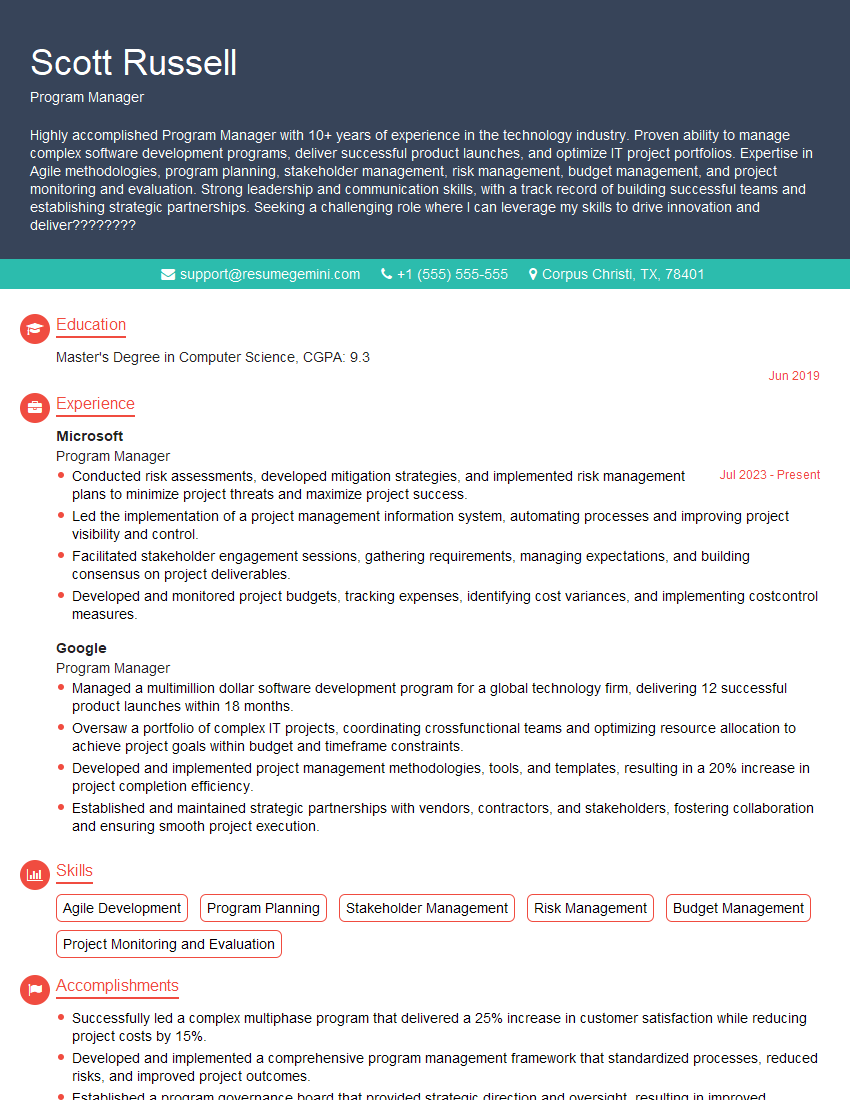
Program Manager Resume Sample

Division Head Resume Sample
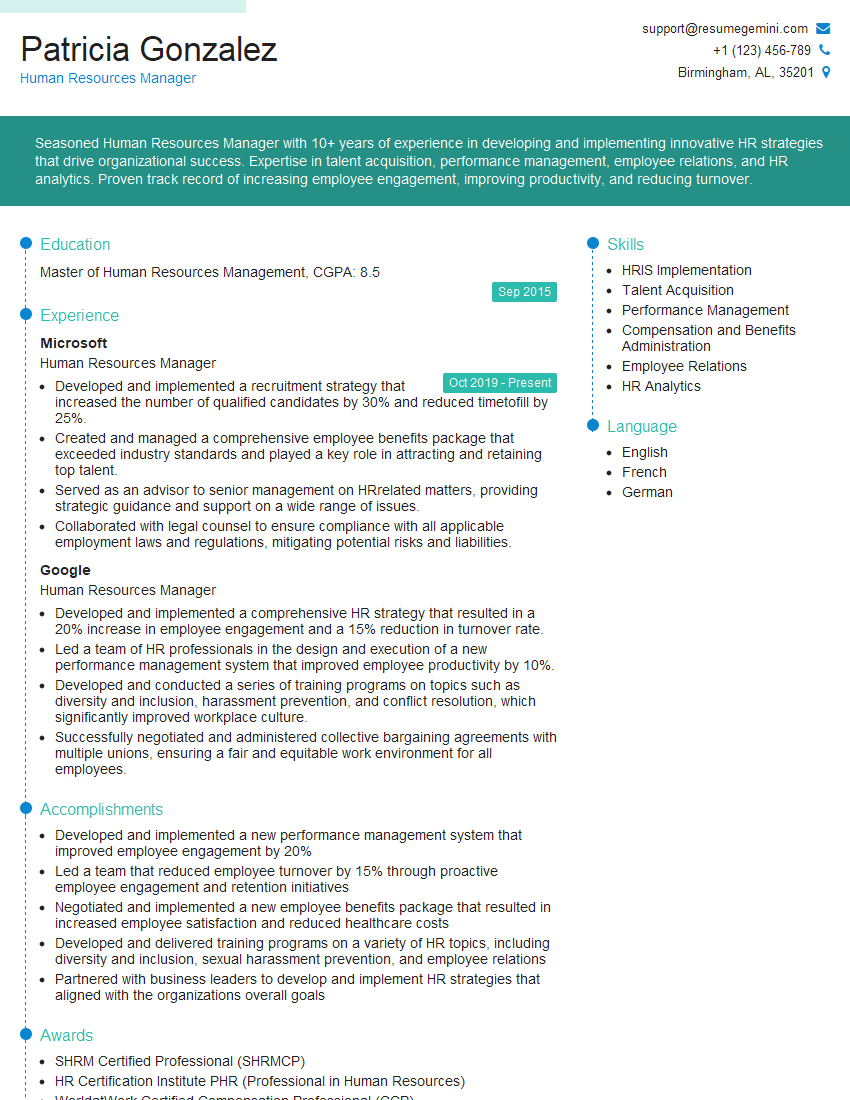
Human Resources Manager Resume Sample
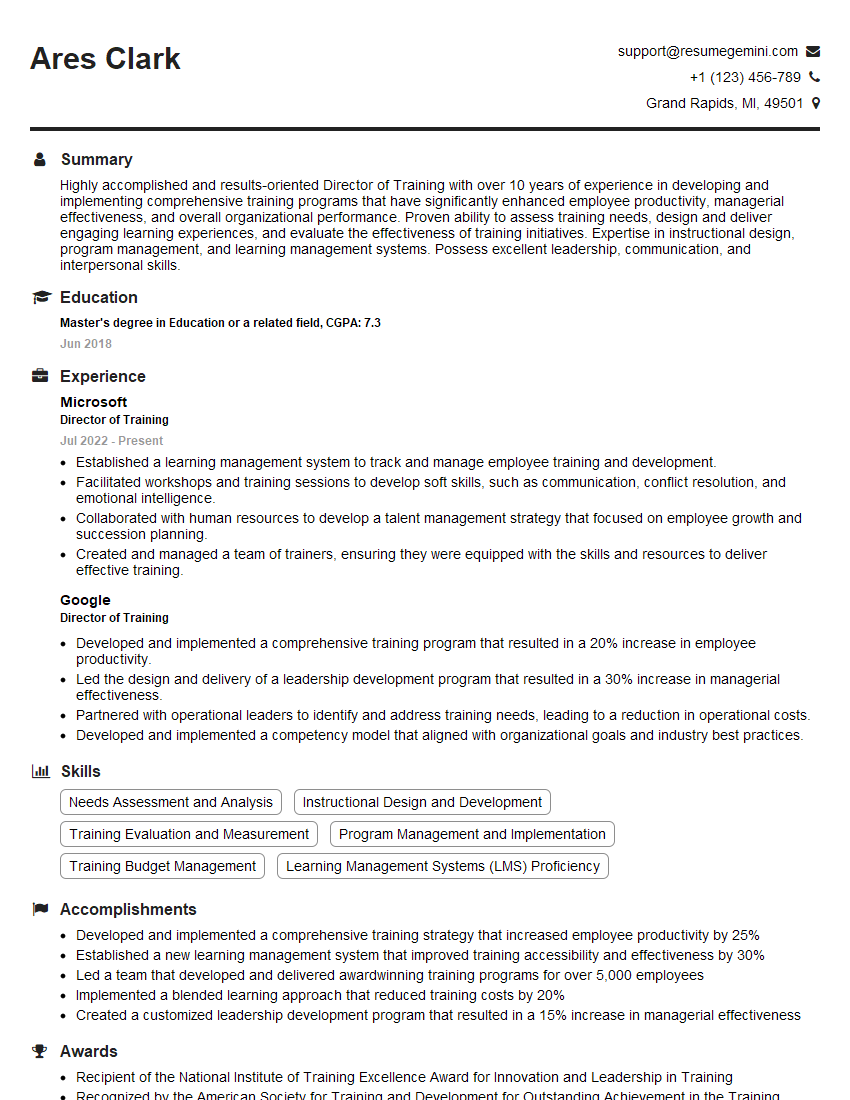
Director of Training Resume Sample
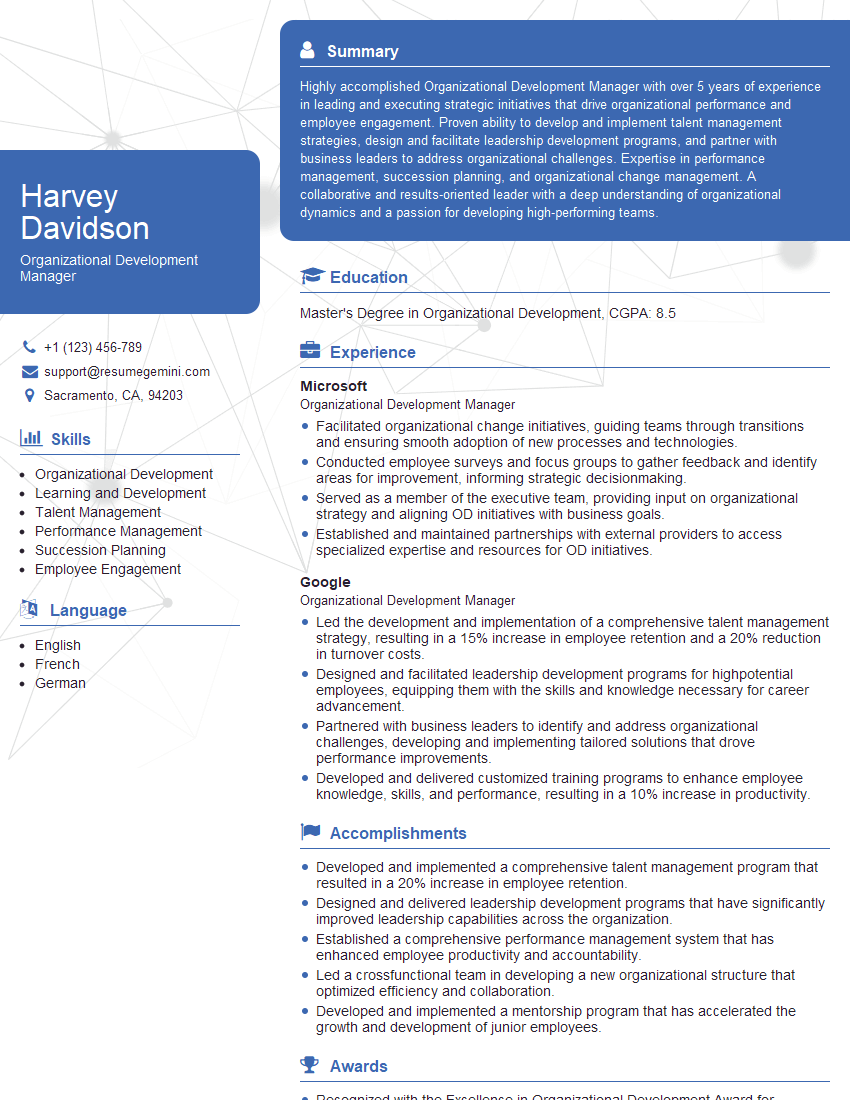
Organizational Development Manager Resume Sample

Project Manager Resume Sample
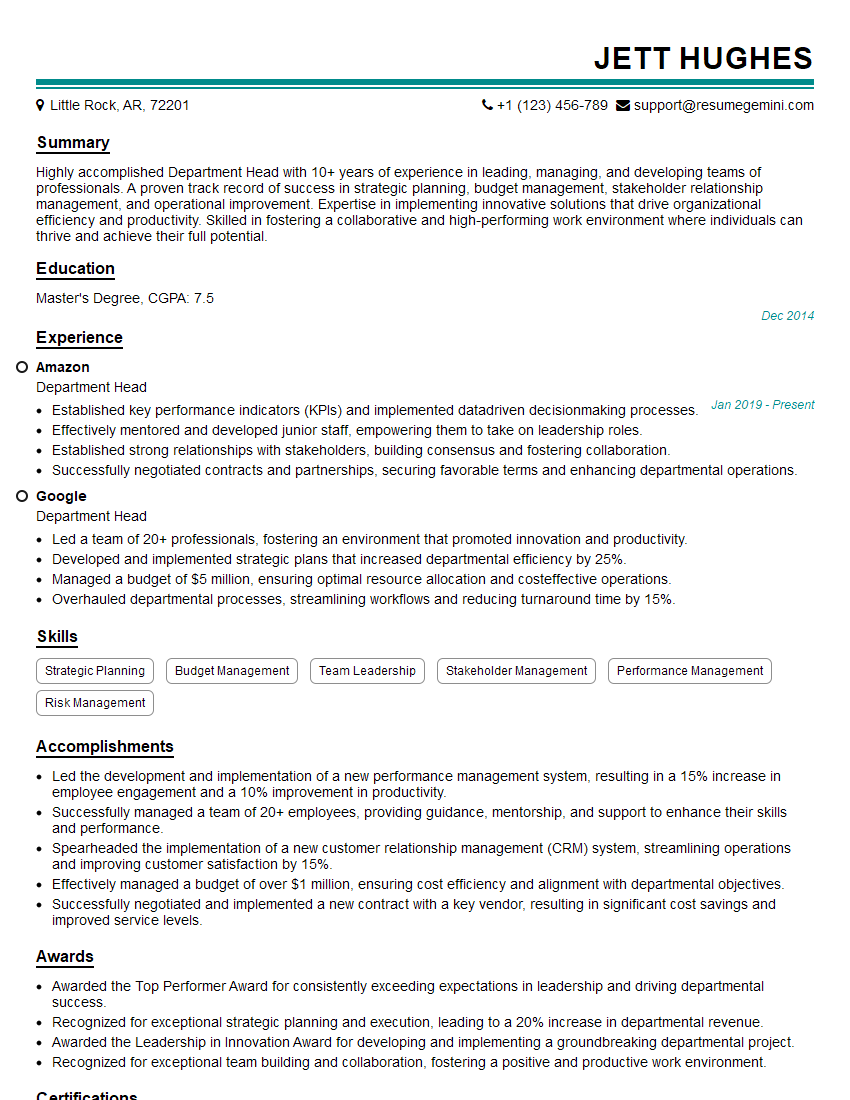
Department Head Resume Sample
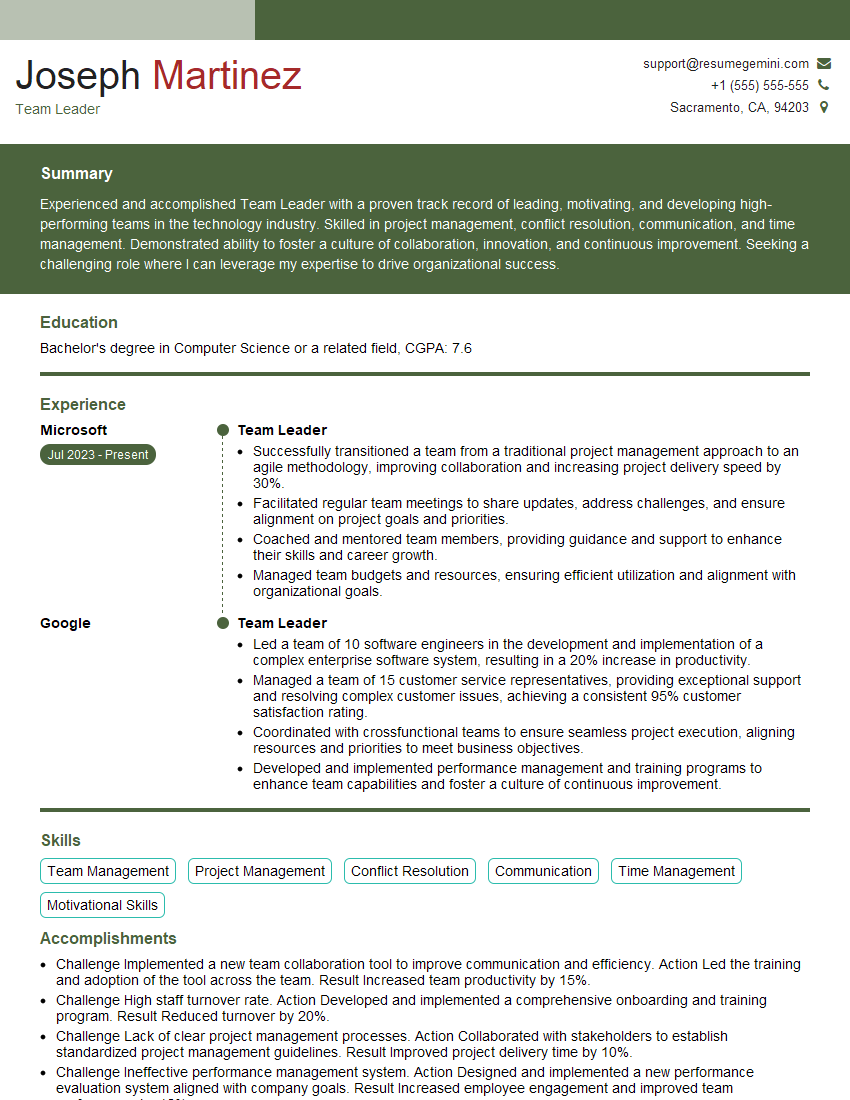
Team Leader Resume Sample
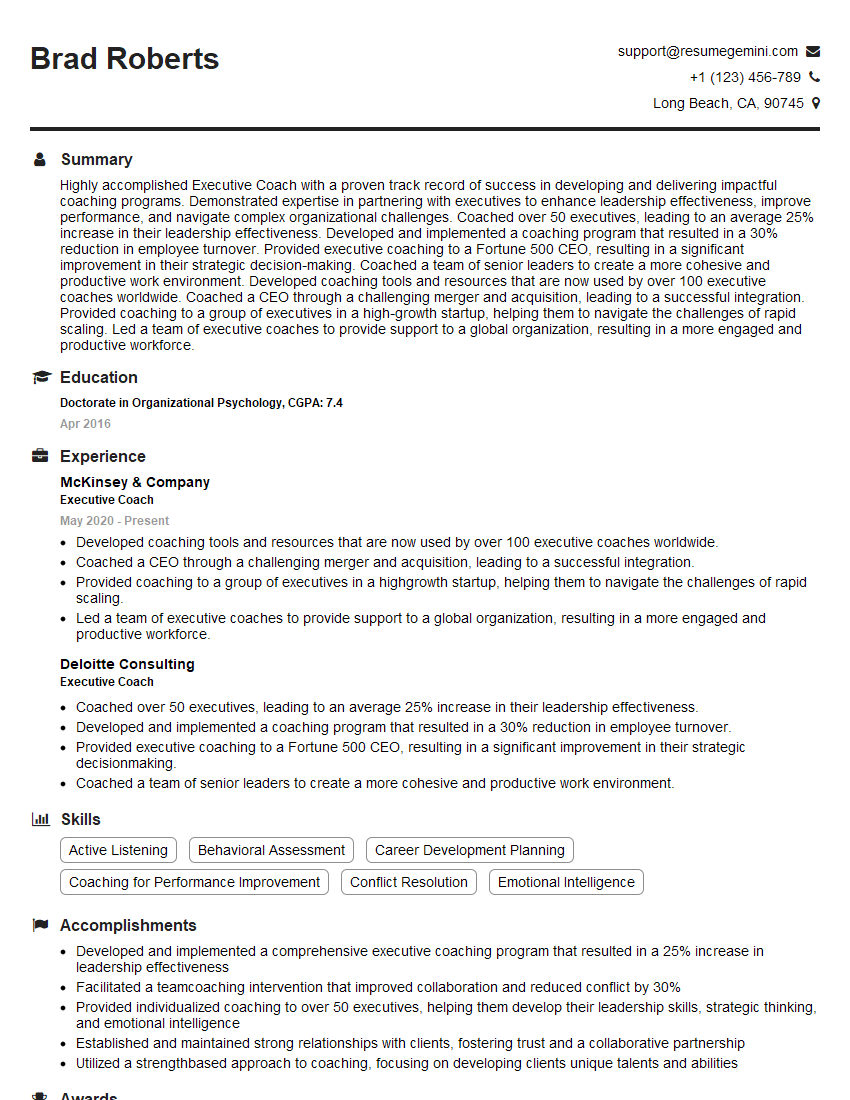
Executive Coach Resume Sample
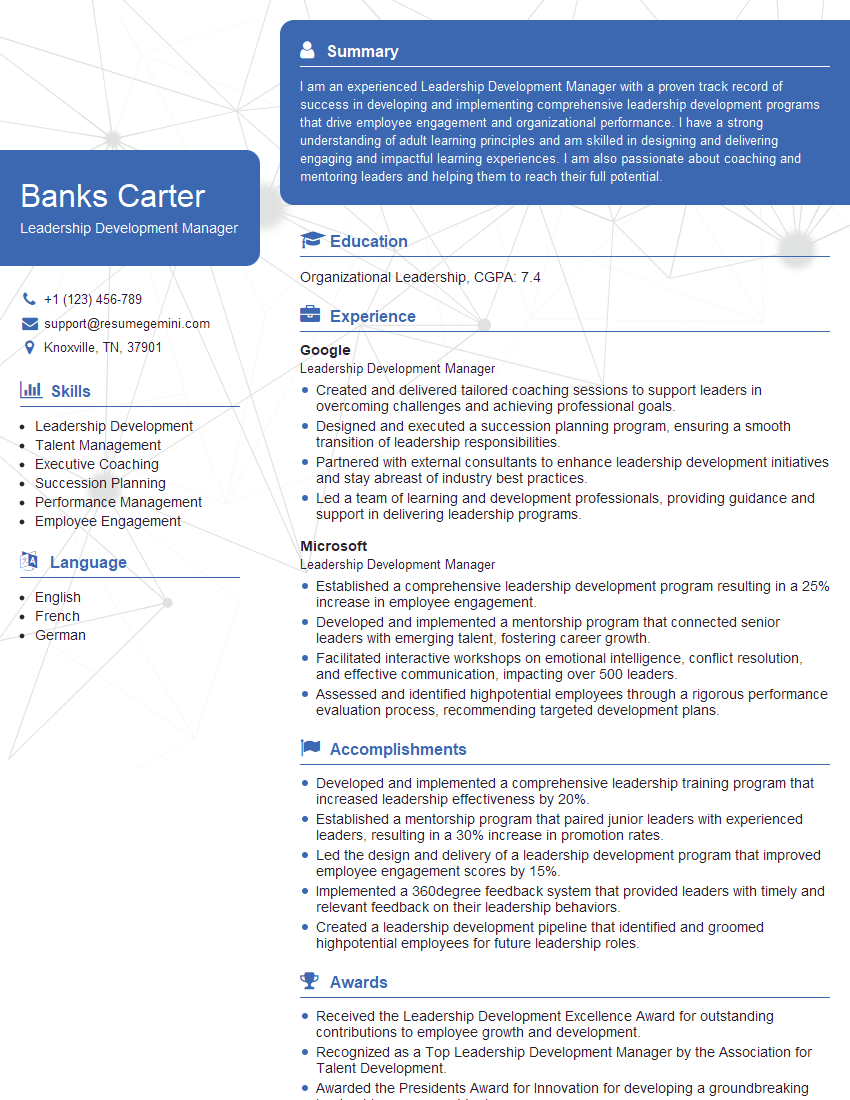
Leadership Development Manager Resume Sample
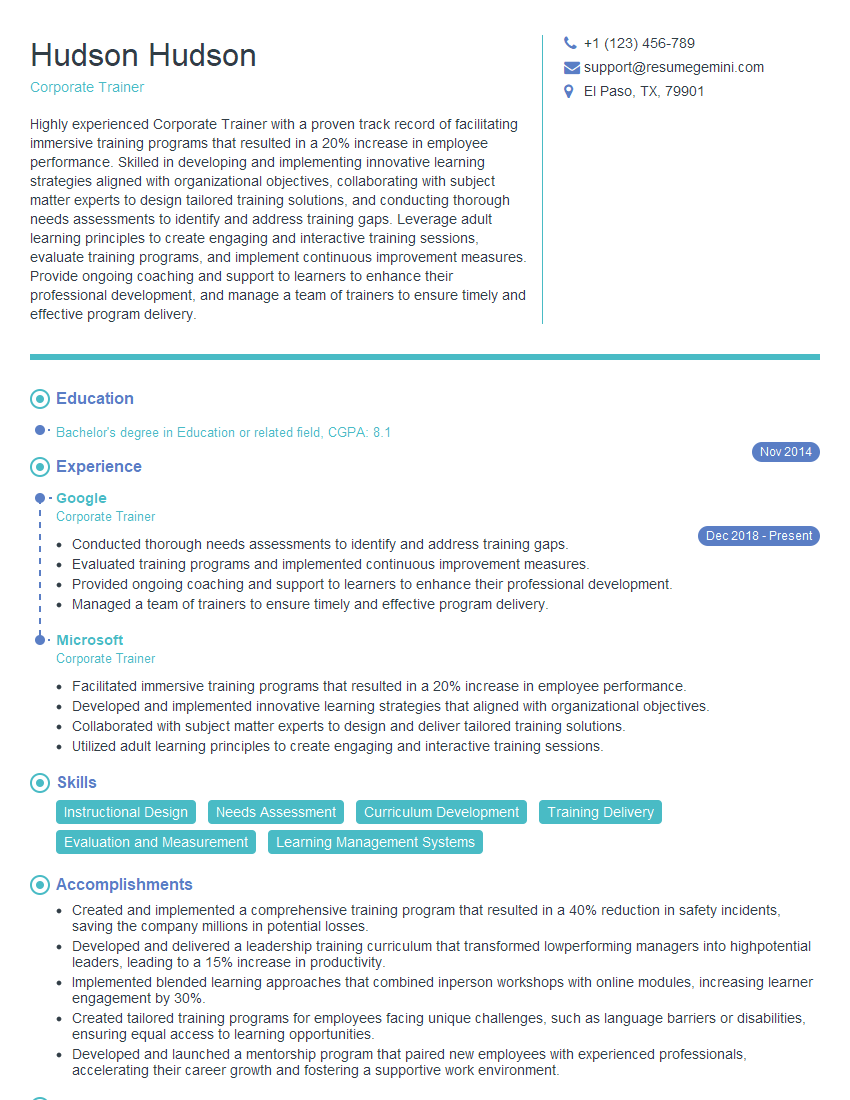
Corporate Trainer Resume Sample

Curriculum Developer Resume Sample
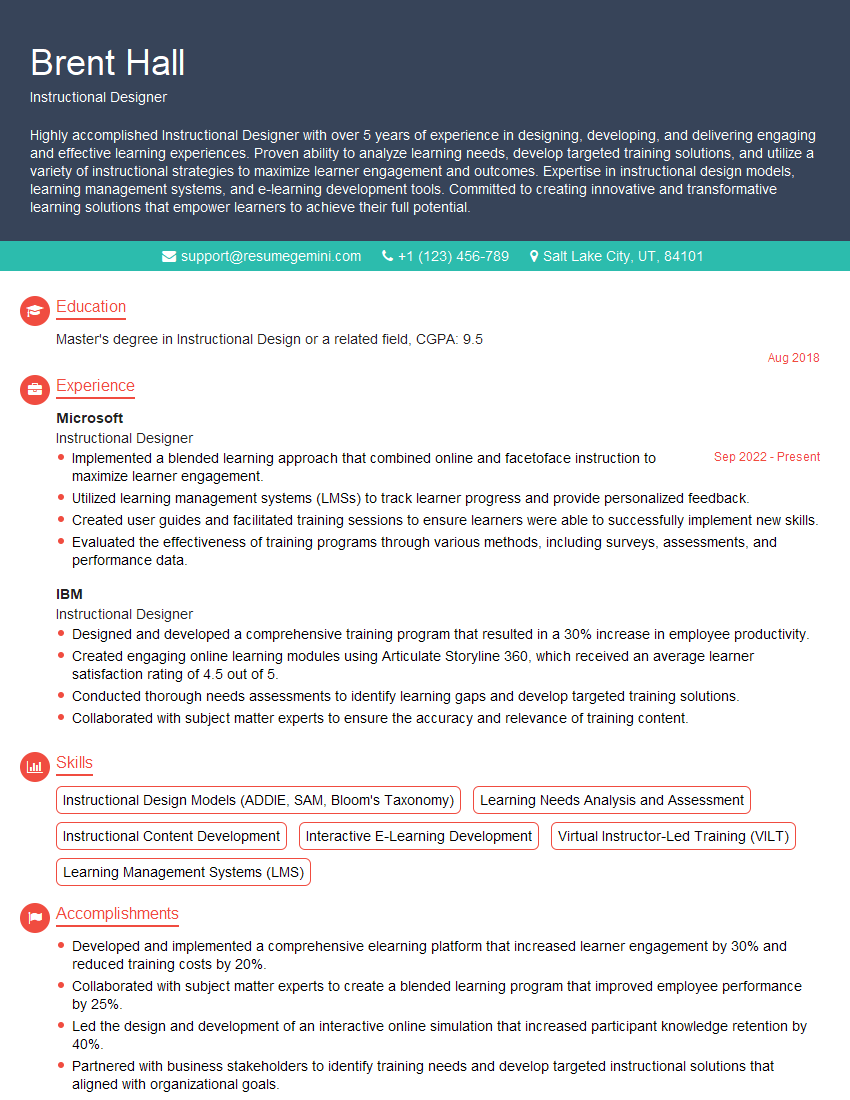
Instructional Designer Resume Sample
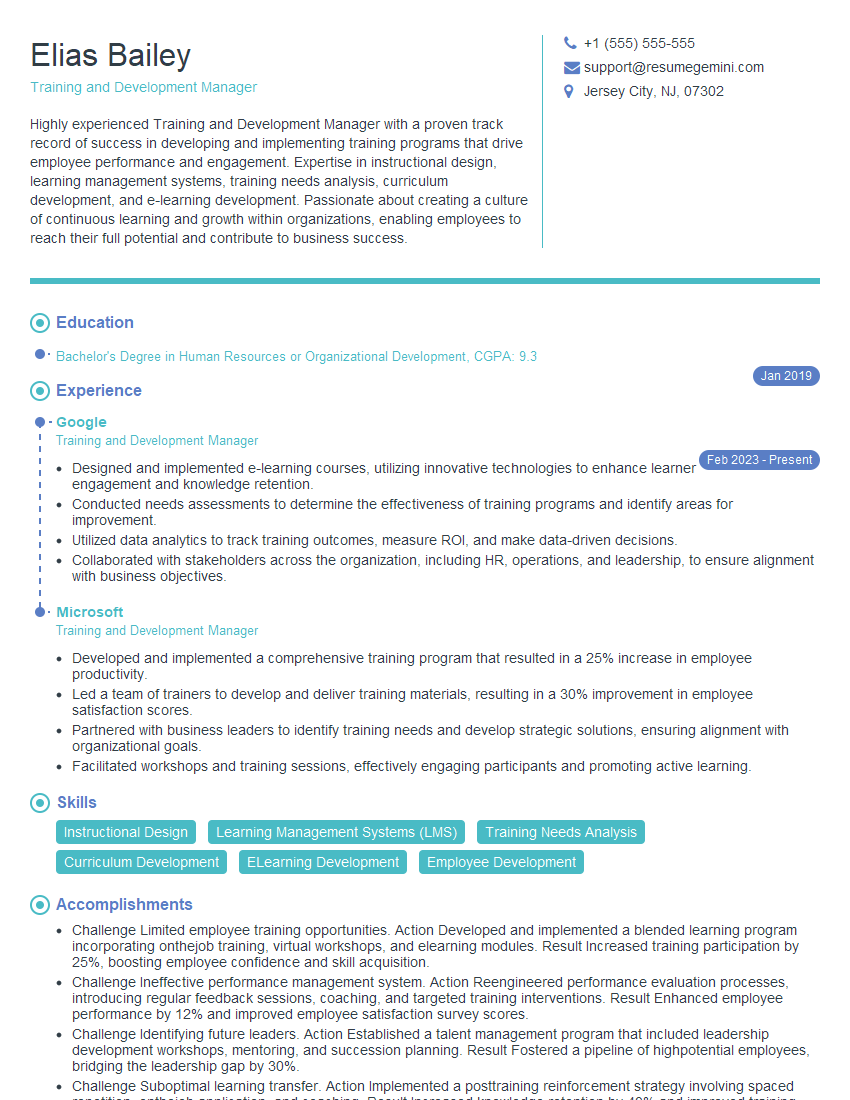
Training and Development Manager Resume Sample
Explore more articles
Users Rating of Our Blogs
Share Your Experience
We value your feedback! Please rate our content and share your thoughts (optional).
What Readers Say About Our Blog
Very informative content, great job.
good