Unlock your full potential by mastering the most common Character Development and Portrayal interview questions. This blog offers a deep dive into the critical topics, ensuring you’re not only prepared to answer but to excel. With these insights, you’ll approach your interview with clarity and confidence.
Questions Asked in Character Development and Portrayal Interview
Q 1. Describe your process for developing a believable character arc.
A believable character arc hinges on internal transformation driven by external conflict. It’s not just about changing circumstances; it’s about how a character *responds* to those changes, revealing their inner strengths and weaknesses. My process involves:
- Defining the starting point: I meticulously craft a detailed backstory, including the character’s core beliefs, desires, and flaws. This establishes their initial state.
- Identifying the catalyst: A significant event or challenge throws the character off balance, forcing them to confront their flaws and beliefs.
- Mapping the transformation: This is where I outline the character’s journey. It’s crucial to identify the steps—both internal struggles and external actions—that lead to their eventual change. These steps should be logical, grounded in their personality, and reveal their growth or downfall.
- Defining the end point: The character’s final state should be a believable consequence of their journey. They may be fundamentally altered, but their transformation must feel organic and true to their nature. A significant change should not occur without proper justification or consequence.
For example, in a story about a cynical detective, the catalyst might be a case involving a child. This event could gradually chip away at their cynicism, revealing hidden empathy and leading to a more compassionate outlook by the story’s end. The entire arc should be a plausible reflection of their personality and experiences.
Q 2. How do you research and incorporate cultural nuances into character portrayal?
Incorporating cultural nuances requires diligent research and a sensitivity to avoid stereotypes. My approach involves:
- Immersive research: I delve into books, documentaries, academic papers, and firsthand accounts related to the culture I’m depicting. This includes language, customs, traditions, beliefs, and social structures.
- Consulting experts: When possible, I consult with people from the relevant culture to ensure accuracy and avoid misrepresentations. Their insight is invaluable in creating authentic characters.
- Subtlety over caricature: I focus on integrating cultural aspects organically into the character’s actions, speech, and worldview rather than relying on stereotypes or broad strokes. Small details often carry more weight than overt displays.
- Avoiding appropriation: It’s crucial to respect the culture and avoid appropriating elements for superficial effect. The portrayal should add to the understanding and appreciation of the culture, not exploit or misrepresent it.
For instance, if portraying a character from a specific region of India, I would research their dialect, clothing styles, family structures, and religious practices to accurately reflect their unique identity without resorting to generalizations.
Q 3. Explain your approach to creating consistent character behavior across multiple scenes.
Consistent character behavior is achieved through careful planning and execution. I maintain consistency by:
- Creating a detailed character profile: This document outlines their personality traits, motivations, strengths, weaknesses, and backstory—serving as a constant reference throughout the writing process.
- Outlining key scenes: Before writing individual scenes, I outline the character’s actions and dialogue in each key moment to ensure continuity. This helps to catch inconsistencies before they become ingrained.
- Maintaining internal consistency: The character’s reactions should always align with their established personality and motivations. Their behavior should be consistent with their past actions and established traits.
- Revisiting early drafts: Reviewing earlier scenes is crucial to check for discrepancies. It’s easy to unintentionally alter a character’s personality as the story progresses, making frequent checks a vital step.
For example, if a character is established as being cautious and methodical, they shouldn’t suddenly act rashly without a compelling reason that’s consistent with their personality, perhaps a sudden overwhelming fear or a significant shift in circumstances that forces them to act differently.
Q 4. How do you balance character development with the overall narrative?
Balancing character development with the overall narrative requires a delicate touch. Character development should *serve* the narrative, not overshadow it. My approach involves:
- Integrating character arcs into the plot: The character’s journey should be intrinsically linked to the plot’s progression. Their growth or downfall should directly impact the story’s events.
- Prioritizing plot points: While character development is important, it shouldn’t come at the expense of the narrative’s momentum. A character’s arc should enhance the overall storyline, not disrupt it.
- Using character development to drive the plot: A character’s decisions, choices, and transformations should propel the narrative forward, creating conflict, tension, and resolution.
- Avoiding info dumps: Character backstory should be revealed organically through actions and interactions, not through lengthy exposition that slows down the pace of the story.
Think of it like a dance: the plot provides the rhythm, and character development adds the emotional nuance and complexity that makes the dance compelling.
Q 5. What techniques do you use to express character emotions through non-verbal cues?
Non-verbal cues are powerful tools for conveying emotions without relying solely on dialogue. I utilize:
- Body language: Posture, gestures, facial expressions, and physical movements all contribute to a character’s emotional state. A slumped posture can indicate sadness or defeat, while clenched fists might express anger or frustration.
- Microexpressions: These fleeting facial expressions, lasting only fractions of a second, reveal subtle emotions. Mastering these can add layers of depth and realism.
- Proxemics: The use of space and distance between characters can communicate relationships and emotions. Closeness may indicate intimacy or aggression, while distance can signify fear or avoidance.
- Eye contact: The intensity and duration of eye contact can reveal a lot about a character’s feelings, from confidence to nervousness or discomfort.
For example, a character might appear calm on the surface, but subtle tremors in their hands or a slight twitch in their eye could hint at underlying anxiety or fear. These small details add authenticity and believability to the portrayal.
Q 6. Discuss your experience with creating diverse and relatable characters.
Creating diverse and relatable characters is essential for crafting compelling and inclusive narratives. My approach involves:
- Avoiding stereotypes: I strive to create characters that are individuals, not representatives of a group. Each character should have unique personality traits and motivations, transcending simple categorization.
- Representing intersectionality: I acknowledge that people possess multiple intersecting identities (race, gender, sexuality, class, etc.). My characters reflect this complexity, acknowledging that they are not defined by a single aspect of their identity.
- Exploring diverse backgrounds: I strive to represent a range of backgrounds and experiences, drawing inspiration from real-world stories and individuals. This ensures a rich tapestry of voices and perspectives.
- Focusing on universal themes: Relatability stems from exploring universal human experiences like love, loss, fear, and joy—regardless of cultural or social background.
For example, a story about a young immigrant navigating a new culture can resonate with readers regardless of their background because it taps into universal themes of adaptation and finding one’s place in the world. The character’s specific cultural experience simply adds richness and depth to those universal themes.
Q 7. Explain how you would approach developing a character with conflicting motivations.
Characters with conflicting motivations create compelling internal conflict and drive complex narratives. My approach focuses on:
- Understanding the root causes: I delve deep into the character’s backstory and motivations to understand the source of their conflicting desires. Why do they want these seemingly opposing things?
- Creating realistic internal struggle: The character’s internal conflict should feel authentic and believable. The struggle shouldn’t be easily resolved; it should create tension and uncertainty.
- Exploring the consequences of choices: The character’s decisions regarding their conflicting motivations should have tangible consequences, impacting their relationships, goals, and self-perception.
- Allowing for moral ambiguity: Not all characters are purely good or evil. Exploring the gray areas allows for more complex and nuanced portrayals.
For instance, a character might want to protect their family but also crave personal success, forcing them to make difficult choices that test their values. The internal conflict might involve sacrificing one for the other, leading to a compelling exploration of their moral compass and character arc.
Q 8. How do you handle feedback on your character designs and portrayals?
Feedback is crucial for character development. I approach it as a collaborative process, not a critique. I actively listen to understand the intent behind the feedback, whether it’s from a director, writer, or fellow artist. I separate constructive criticism from subjective opinions. For instance, if feedback points to a character’s lack of emotional depth, I analyze the character’s arc, dialogue, and visual cues to identify areas for improvement. Conversely, if the feedback is purely stylistic (e.g., “I don’t like the color palette”), I consider the overall aesthetic goals and explore alternative solutions while explaining my original design choices. The goal is to integrate helpful feedback to elevate the character, not to simply appease the critic. Documenting these feedback sessions helps track the evolution of the character and supports future iterations.
Q 9. Describe your preferred software and tools for character development and animation.
My workflow incorporates a variety of software, depending on the stage of development. For initial concept sketches and character design, I primarily use Adobe Photoshop and Clip Studio Paint. Their intuitive interfaces and powerful brush tools are essential for experimenting with different styles and quickly iterating on designs. For 3D modeling, I leverage Blender, a free and open-source program, offering incredible flexibility and a vast community for support. It’s particularly useful for creating complex character models and exploring different poses. When it comes to animation, I often work with Toon Boom Harmony or Adobe Animate, depending on the project’s stylistic requirements. Finally, for visual communication and sharing design iterations, I rely heavily on cloud-based platforms like Figma for quick version control and collaboration.
Q 10. How do you collaborate with other team members (writers, animators, etc.) on character creation?
Collaboration is fundamental. I begin by establishing clear communication channels and shared document access (using platforms like Google Docs or shared folders). Early-stage meetings with writers are key to understanding the character’s personality, motivations, and overall role in the narrative. I often create mood boards and initial sketches to visualize the character’s aesthetic and discuss them with the team. Feedback loops throughout the process are crucial. Regular check-ins with animators ensure the character’s design translates smoothly into animation. For example, I might discuss limitations of the animation pipeline early on to avoid conflicts later. Constructive criticism is welcomed throughout the process, ensuring everyone is on the same page and the final product reflects a collective vision.
Q 11. How do you address challenges in portraying a complex or morally ambiguous character?
Portraying complex or morally ambiguous characters requires a deep understanding of human psychology. I begin by deconstructing the character’s motivations, exploring their past experiences, and identifying their internal conflicts. Instead of judging the character’s actions, I strive to understand their perspective, creating a nuanced portrayal that resonates with the audience. Visual cues play a critical role. For example, a character’s posture, expression, and clothing choices can all subtly communicate their internal struggles. Subtlety is key – avoid overly simplistic representations of good versus evil. Exploring the character’s internal contradictions and showing their vulnerability can make them compelling, even if they make questionable choices. For example, a villain might display moments of kindness or remorse, adding complexity to their persona.
Q 12. What is your approach to designing characters for different target audiences?
Designing for different target audiences requires adapting the visual style and narrative elements. For children’s animation, characters are typically designed to be bright, cheerful, and easily identifiable. Simple shapes, exaggerated features, and vibrant colors are commonly used. In contrast, characters designed for adult audiences can be more realistic, complex, and nuanced, with a greater range of emotions and expressions. The narrative should also be tailored to the target audience’s maturity level and interests. For example, a young adult audience might appreciate a character with relatable flaws and complexities, while a younger audience may prefer more straightforward characters with clear-cut goals. Thorough market research and understanding the target audience’s preferences is crucial for success.
Q 13. Explain how you would create a compelling character within a limited budget or timeline.
Creating a compelling character under budgetary and time constraints requires prioritizing and strategic simplification. Focus on core character traits and a limited color palette. Avoid unnecessary details; simplify clothing and accessories. Utilize efficient workflows, possibly limiting animation techniques or relying on more static poses. Prioritize strong storytelling through expression and body language rather than overly detailed animation. Utilize existing assets or resources where possible, and focus on creating a strong character silhouette that is visually memorable even with limitations. Storyboarding is crucial for pre-visualizing the character’s actions and maximizing efficiency during animation. Remember that even a simple design can be incredibly effective if the character’s personality is well-defined and compelling.
Q 14. How do you ensure the visual design of a character reflects their personality and backstory?
The visual design should be an extension of the character’s personality and backstory. Clothing choices, for instance, can reveal a character’s social status, profession, or personal style. Scars or tattoos can hint at past traumas or experiences. Color palettes can evoke specific emotions or moods. For example, a character with a troubled past might have a muted color scheme, while a confident character could have a bolder palette. Body language and facial features play a crucial role in conveying personality. A stoic character might have a strong jawline and a reserved posture, while a playful character could have a more rounded face and expressive movements. Every design element should work in harmony to create a cohesive and believable character.
Q 15. What are your strategies for resolving inconsistencies in character behavior or design?
Inconsistencies in character behavior are a common pitfall. Resolving them requires a deep understanding of your character’s backstory, motivations, and internal conflicts. My strategy involves a multi-step process:
Identify the Inconsistency: Carefully examine the script or narrative to pinpoint where the character’s actions contradict their established personality or past actions. For example, a character portrayed as fiercely independent suddenly becoming overly reliant on others without a justifiable reason.
Analyze the Root Cause: Ask yourself why the inconsistency exists. Is it a plot hole? A flaw in the initial character design? A lack of sufficient internal conflict to drive realistic behavior? Perhaps the character is undergoing a significant change that hasn’t been adequately explained.
Develop a Consistent Explanation: This is the crucial step. Once you understand the root cause, create a plausible explanation that retroactively justifies the seemingly inconsistent behavior. This might involve adding backstory, revising scenes, or introducing new plot elements that illuminate the character’s motivations and internal struggles. Perhaps the seemingly reliant character is secretly suffering from a trauma that affects their ability to act independently.
Revise and Refine: Incorporate the explanation into the narrative. This might involve rewriting dialogue, adjusting scenes, or adding new scenes to showcase the character’s internal growth or the revelation of previously hidden aspects of their personality.
Test and Iterate: Share the revised version with colleagues or beta readers and solicit feedback. Are the changes believable? Do they enhance the character’s depth and believability, or have they created new inconsistencies?
Remember, characters aren’t static; they evolve. Inconsistencies can be opportunities to enrich their complexity and make them more relatable.
Career Expert Tips:
- Ace those interviews! Prepare effectively by reviewing the Top 50 Most Common Interview Questions on ResumeGemini.
- Navigate your job search with confidence! Explore a wide range of Career Tips on ResumeGemini. Learn about common challenges and recommendations to overcome them.
- Craft the perfect resume! Master the Art of Resume Writing with ResumeGemini’s guide. Showcase your unique qualifications and achievements effectively.
- Don’t miss out on holiday savings! Build your dream resume with ResumeGemini’s ATS optimized templates.
Q 16. How do you use visual storytelling to enhance character development?
Visual storytelling is paramount in character development. It allows you to communicate a character’s personality, emotional state, and backstory without relying solely on dialogue. My approach involves several key techniques:
Costume and Appearance: Clothing choices, hairstyle, accessories, and even body language can speak volumes. A character in tattered clothes might suggest poverty or hardship, while sharp tailoring could indicate ambition or social status. Think of how a character’s posture can instantly communicate confidence or insecurity.
Color Palette and Lighting: Color psychology plays a significant role. Certain colors evoke particular emotions; for example, dark colors can represent mystery or sadness, while brighter colors might represent joy or optimism. Lighting can also be powerfully evocative; harsh lighting can convey tension, while soft lighting might convey warmth and intimacy.
Environment and Setting: The environment a character inhabits reflects aspects of their personality and lifestyle. A cluttered, disorganized room might suggest a chaotic mind, while a meticulously organized space could indicate orderliness and control. This extends to the broader setting – a bustling city versus a quiet countryside, for example.
Body Language and Facial Expressions: Subtle movements, gestures, and facial expressions can convey emotions and intentions far more effectively than words alone. A clenched jaw might suggest anger, while a slight smile could reveal hidden amusement.
By carefully crafting these visual elements, I can create a rich and nuanced portrayal of my characters, adding layers of depth and complexity that enhance their overall impact on the narrative.
Q 17. Describe your understanding of character archetypes and their effective use in storytelling.
Character archetypes are recurring patterns of human personality and behavior that appear across various cultures and storytelling traditions. While using archetypes can provide a solid foundation for character creation, it’s crucial to avoid relying on stereotypes. Understanding archetypes allows me to:
Establish immediate audience connection: Familiar archetypes offer instant recognition and understanding. A hero, villain, mentor – these roles create immediate audience expectations.
Create relatable characters: These archetypes tap into universal human experiences and emotions, making the characters more relatable and engaging.
Develop complex characters: I use archetypes as a starting point, then add unique traits, flaws, and motivations to subvert expectations and create more three-dimensional characters. A hero might have a hidden dark side, or a villain might have surprising redeeming qualities.
Build compelling relationships: Archetypal relationships (mentor/mentee, hero/villain) naturally create conflict and drive the plot forward. But relationships are always made richer by deviations from the archetypal norm.
For example, I might start with the ‘hero’ archetype but add a crippling fear of failure, making the character more human and vulnerable. This deviation from the purely heroic archetype allows for more realistic and engaging conflict.
Q 18. How do you differentiate your characters to avoid clichés?
Avoiding clichés is paramount. My strategy involves several techniques:
Unique Backstories: Instead of relying on common tropes, I craft unique and compelling backstories for each character, revealing their formative experiences and shaping their personalities. This helps establish their distinct identity.
Compelling Flaws and Strengths: Characters shouldn’t be perfect. Giving them believable flaws and weaknesses makes them more relatable and human. Likewise, their strengths should be unique to them, not simply a carbon copy of other characters’ strengths.
Subverted Expectations: I actively look for ways to challenge audience expectations associated with certain character types. This could involve a seemingly villainous character showing unexpected kindness or a seemingly heroic character making morally questionable decisions.
Uncommon Motivations: Motivations should be complex and nuanced. Instead of simplistic goals like “getting rich” or “defeating the evil empire,” I explore deeper motivations – perhaps a desire for revenge, a need for redemption, or a desperate attempt to protect loved ones.
Detailed Character Development: Spending ample time developing a detailed character profile, including their fears, desires, strengths, weaknesses, relationships, and even their daily routines, is essential.
For instance, instead of a typical ‘damsel in distress,’ I might create a character who is resourceful, independent, and actively participates in her own rescue, defying the cliché.
Q 19. Discuss your experience with creating believable character interactions.
Creating believable character interactions requires a deep understanding of human psychology and relationship dynamics. I focus on several key elements:
Character Relationships: The nature of the relationship – friendship, rivalry, romantic – significantly impacts how characters interact. The history and dynamics of their relationship must be established clearly and consistently.
Dialogue and Subtext: Dialogue shouldn’t be merely exposition; it should reveal character through their speech patterns, word choices, and body language. Subtext – the unspoken meaning beneath the surface – adds layers of depth and complexity.
Reactions and Responses: Characters should react realistically to each other’s actions and words. Their responses should be consistent with their established personalities and motivations.
Conflict and Resolution: Conflict is essential for creating engaging interactions. The resolution of conflict should be believable and should reflect the nature of the relationship between the characters.
Shared History and Goals: Consider the shared history of characters and their shared goals. This can inform their interactions and make their dynamics more authentic.
For example, a scene between two childhood friends will have a different dynamic than a scene between two sworn enemies. By paying close attention to these details, I ensure that character interactions feel natural, realistic, and emotionally resonant.
Q 20. Explain your understanding of character motivations and their impact on storytelling.
Character motivations are the driving forces behind their actions. They’re the ‘why’ behind every decision a character makes. Understanding motivations is crucial because they:
Drive the Plot: A character’s motivations propel the narrative forward. Their desires and goals create conflict and lead to significant plot developments.
Make Characters Relatable: Even if we don’t agree with a character’s actions, understanding their motivations allows us to empathize with them and appreciate their complexities.
Create Believable Actions: Motivations dictate a character’s choices. If a character’s actions align with their established motivations, they feel more believable and consistent.
Add Depth and Complexity: Complex motivations add layers of depth to a character, making them more three-dimensional and engaging. A character motivated solely by greed is less interesting than one driven by a complex mix of ambition, insecurity, and a desperate need for acceptance.
For example, a character might appear villainous, but if their motivations stem from a deep-seated trauma or a desire to protect their loved ones, the audience can understand their actions, even if they don’t condone them.
Q 21. How do you incorporate audience feedback into your character development process?
Audience feedback is invaluable in the character development process. I actively seek it out and use it to refine my characters. My approach includes:
Surveys and Questionnaires: I use surveys to gather quantitative data about audience perceptions of my characters. This data can help identify areas where characters might be unclear or inconsistent.
Focus Groups: Focus groups offer valuable qualitative feedback, allowing for direct interaction and discussion about the characters’ strengths and weaknesses.
Social Media Engagement: Monitoring social media discussions and engaging with audience reactions can provide real-time feedback and insights into how the audience connects with my characters.
Beta Readers and Test Audiences: Providing early drafts to trusted readers and conducting test screenings helps identify areas for improvement and allows for early iteration on characters.
It’s crucial to approach feedback constructively. Not all feedback will be valid, but careful consideration of audience reactions can reveal blind spots and lead to significant improvements in character development, ensuring the characters resonate deeply with the intended audience.
Q 22. How would you create a character based on a specific personality type (e.g., Myers-Briggs)?
Creating a character based on a personality type like Myers-Briggs is a great starting point, but it shouldn’t be the sole defining factor. Think of it as a foundation, not a blueprint. For example, an INTJ (Introverted, Intuitive, Thinking, Judging) character might be depicted as highly strategic and independent, perhaps a brilliant but socially awkward scientist. However, we can add layers beyond the basic type. Perhaps this scientist secretly loves baking elaborate pastries, revealing a nurturing side that contradicts the typical INTJ stereotype. The key is to leverage the inherent tendencies suggested by the type while adding unique quirks and experiences to make them a fully realized individual.
- Step 1: Understand the Type: Thoroughly research the chosen personality type, understanding its strengths, weaknesses, and common behaviors.
- Step 2: Build Upon the Foundation: Use the type as a springboard to develop the character’s motivations, values, and worldview. What drives them? What are their fears? What are their goals?
- Step 3: Add Nuances and Contradictions: Introduce complexities and unexpected traits to make the character more believable and engaging. Everyone has inconsistencies; even the most logical individual may have irrational fears or unexpected passions.
- Step 4: Craft a Backstory: Develop a compelling backstory that explains how the character became who they are. Their experiences shape their personality, even if it’s subtly influencing their type’s typical traits.
For instance, an ESFP (Extroverted, Sensing, Feeling, Perceiving) character, typically energetic and outgoing, might be surprisingly introspective due to a traumatic past experience. This adds depth and prevents the character from becoming a one-dimensional caricature.
Q 23. Explain your approach to developing a character’s physical appearance based on their internal characteristics.
A character’s physical appearance should strongly reflect their internal characteristics and backstory. It’s not just about aesthetics; it’s about storytelling. Consider a character who’s endured years of hardship: Their clothing might be worn and patched, their posture stooped, perhaps bearing scars that tell a silent story of their past struggles. Conversely, a character who values elegance and refinement might exhibit impeccable grooming and dress in tailored attire.
- Step 1: Consider their lifestyle: Does their job require physical strength (leading to muscular build)? Do they spend time outdoors (resulting in a tan)? Are they wealthy or impoverished?
- Step 2: Reflect their personality: A meticulous character might have perfectly groomed hair and impeccable attire. A rebellious character might sport tattoos or unconventional clothing choices.
- Step 3: Reflect their history: Scars, both physical and emotional (reflected in posture or demeanor), tell stories. A limp might hint at a past injury, while a perpetually guarded expression may indicate deep-seated trauma.
- Step 4: Consider symbolic elements: Color palettes, clothing styles, and accessories can all convey subtle aspects of the character’s personality and values.
For example, a character constantly struggling with self-doubt might have perpetually slumped shoulders and downcast eyes, while a character brimming with confidence might stand tall with an open and inviting posture.
Q 24. How do you create believable character aging across a story’s timeline?
Creating believable character aging requires attention to both physical and psychological changes. It’s not just about adding wrinkles; it’s about illustrating the cumulative effect of time and experience on the character. Think about how life events, relationships, and decisions have shaped them.
- Physical Changes: Wrinkles, graying hair, changes in body composition, decreased agility, and potential health issues are all visual indicators of aging.
- Psychological Changes: Consider shifts in personality, worldview, and priorities as the character ages. Their outlook on life may change, and past experiences may leave a lasting impact on their behavior and outlook. A once impetuous youth might become more cautious and contemplative in their old age.
- Backstory Integration: Consider how their past experiences impact their aging process. A life spent under harsh sunlight might lead to significant skin damage, while a life filled with stress might manifest in various health concerns.
For example, a character initially portrayed as ambitious and relentless might, in their later years, exhibit weariness and a greater appreciation for quiet moments, reflecting the wisdom gained through years of experience and possibly the acceptance of limitations.
Q 25. What are some common pitfalls to avoid when developing characters?
Avoiding common pitfalls in character development is crucial for creating compelling narratives. Here are some key areas to watch out for:
- Mary Sue/Gary Stu syndrome: Characters who are unrealistically perfect and lack flaws. They should have weaknesses, insecurities, and internal conflicts.
- Two-dimensional characters: Characters who lack depth and complexity. Develop their motivations, backstories, and relationships to create believable personalities.
- Inconsistent characterization: Characters whose behavior and personality shift without sufficient explanation. Maintain consistency in their actions and reactions throughout the story.
- Unrealistic motivations: Characters whose actions are not driven by believable motivations. Their goals and desires should feel authentic and relatable, even if unconventional.
- Ignoring character arcs: Characters who don’t undergo any significant change or growth throughout the story. Their journey should be apparent, and they should learn and adapt.
For example, a character initially presented as a cold, calculating villain might show surprising acts of compassion later in the story, revealing unexpected depths to their personality, but this shift must be carefully justified within the narrative.
Q 26. Explain your process for creating a believable character voice.
Creating a believable character voice involves more than just choosing a dialect or accent; it encompasses their vocabulary, sentence structure, speech patterns, and even their silences. It’s about reflecting their personality, background, and emotional state.
- Consider their background: Their upbringing, education, and social circles influence their vocabulary and articulation.
- Reflect their personality: A nervous character might speak hesitantly, using filler words like ‘um’ and ‘ah.’ A confident character might speak assertively and directly.
- Use distinct sentence structures: Long, complex sentences can suggest intelligence or sophistication, while short, choppy sentences might convey urgency or anger.
- Incorporate pauses and silences: Silences can be just as powerful as words, conveying hesitation, contemplation, or even defiance.
- Develop a vocabulary list: A character’s word choice reflects their education level and personality. Avoid overly formal language for a character who is a working-class individual, or overly colloquialisms from a highly educated professor.
For example, a character who’s a seasoned detective might speak in a clipped, efficient manner, using jargon specific to their profession, while a young, shy poet might speak in a more lyrical and thoughtful style, using metaphors and poetic language.
Q 27. Describe your experience with motion capture technology for character animation.
My experience with motion capture (mocap) technology for character animation has been extensive. It’s a transformative tool that allows for incredibly realistic and nuanced performances. I’ve worked on projects ranging from high-fidelity cinematic animation to video game characters, and the level of detail achievable with mocap is remarkable. The process usually involves actors wearing specialized suits with sensors that track their movements, which are then translated into digital animation data. This data can then be refined and adjusted by animators to create the final product.
However, mocap is not without its challenges. The technology needs skilled artists to clean up the data, blend it seamlessly with other animation techniques, and address technical issues like artifacts or unintended movements. Moreover, the performance capture is only half the equation; the animator brings the character to life by adding nuance, emotion, and personality that might be lost or understated in the raw mocap data.
For example, while mocap provides a foundation for realistic movement, the animator still needs to add the subtler details, such as facial expressions, subtle weight shifts, and emotional nuances to make the character feel truly alive and convincing.
Q 28. How do you balance realism and stylization in character design and animation?
Balancing realism and stylization in character design and animation is a key aspect of creating visually appealing and engaging characters. The approach depends heavily on the intended style of the project. A hyper-realistic approach might be suitable for a cinematic project aiming for photorealism, while a stylized approach might be preferred for a cartoon or video game with a distinct visual aesthetic.
- Defining the Style: The first step is to clearly define the desired style – realistic, semi-realistic, stylized, cartoony, etc. This helps set the parameters for design and animation.
- Proportions and Anatomy: Realistic characters will adhere to accurate anatomical proportions, whereas stylized characters may exaggerate certain features for visual effect.
- Texture and Detail: Realistic characters will have highly detailed textures and surfaces, while stylized characters may employ simpler textures or symbolic representations.
- Movement and Animation: Realistic animation aims for natural, fluid movements, while stylized animation might employ exaggerated movements or dynamic poses to enhance visual appeal.
- Color Palettes: Realistic palettes aim for accuracy, while stylized palettes can use bold, contrasting colors for visual impact.
For instance, a character design for an animated film might have realistically rendered facial features but with slightly exaggerated expressions and body proportions to better convey emotion, blending realism with stylization.
Key Topics to Learn for Character Development and Portrayal Interview
- Understanding Character Arcs: Explore the different types of character arcs (e.g., hero’s journey, rags to riches) and how to effectively portray them through consistent behavior and believable motivations.
- Developing Believable Characters: Learn techniques for creating realistic and relatable characters, considering their backstory, motivations, flaws, and relationships with other characters. Practice applying these concepts to diverse character types.
- Physicality and Voice: Master the art of using physicality (body language, posture, movement) and vocal techniques (tone, pace, inflection) to bring a character to life convincingly.
- Emotional Range and Authenticity: Practice portraying a wide range of emotions authentically and believably, ensuring consistency with the character’s personality and arc.
- Method Acting Techniques: Understand different acting methods and how they contribute to character development and portrayal. Consider the ethical implications and limitations of various techniques.
- Improvisation and Scene Work: Develop your skills in improvisational acting and collaborative scene work to demonstrate adaptability and creative problem-solving.
- Character Analysis and Interpretation: Learn how to analyze scripts effectively, identify key character traits, and develop compelling interpretations suitable for diverse performance contexts.
- Research and Preparation: Discuss the importance of thorough research and preparation for portraying a character accurately and convincingly, whether based on a real person, historical figure, or fictional creation.
Next Steps
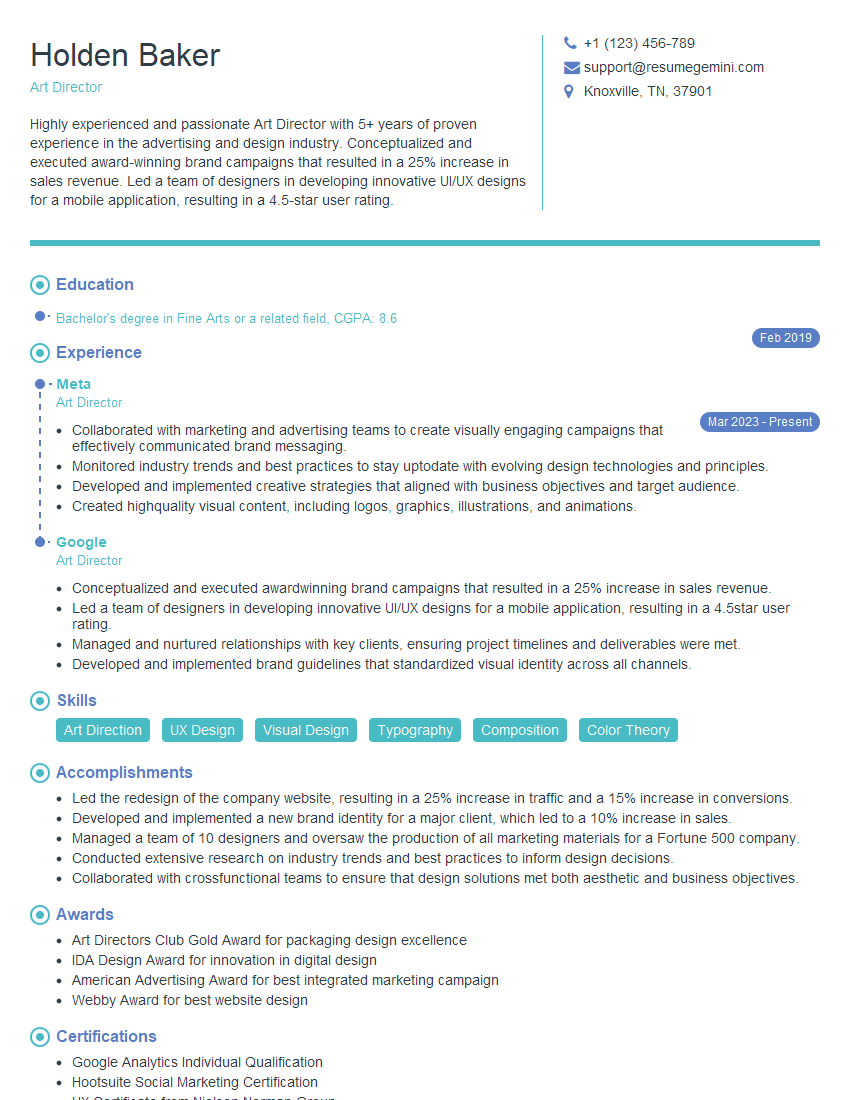
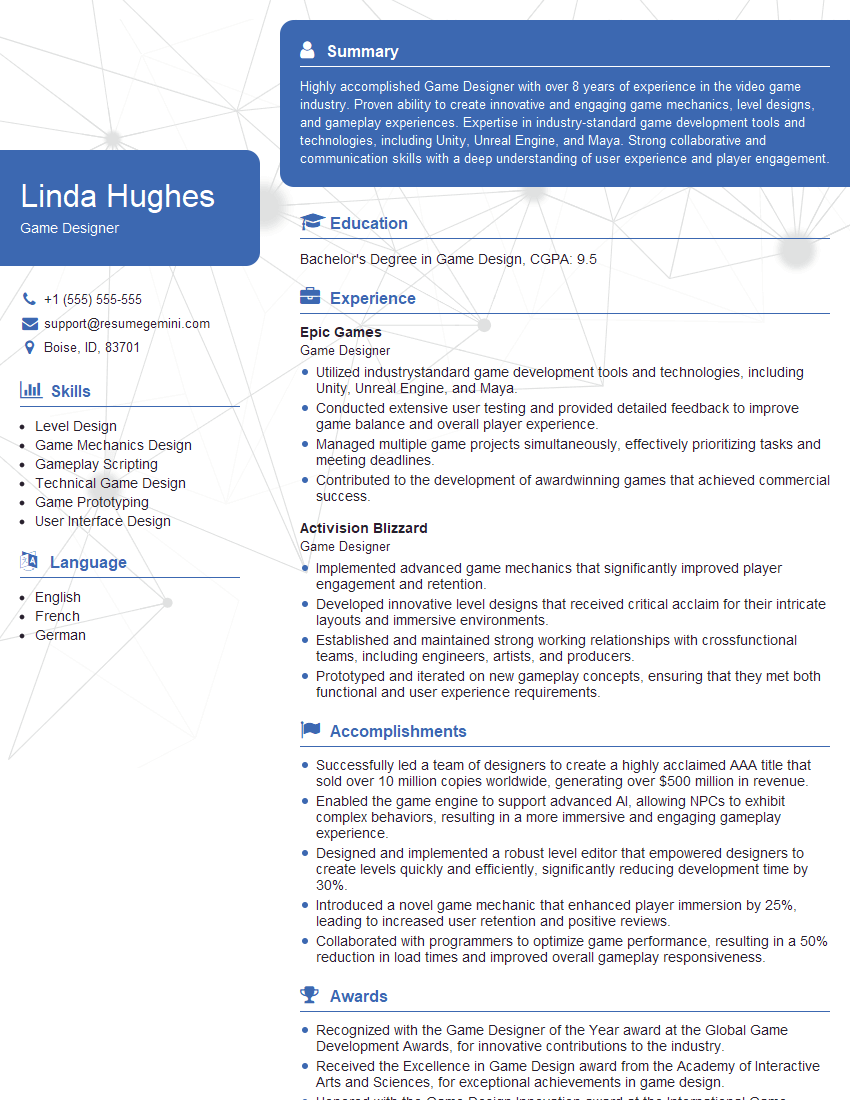
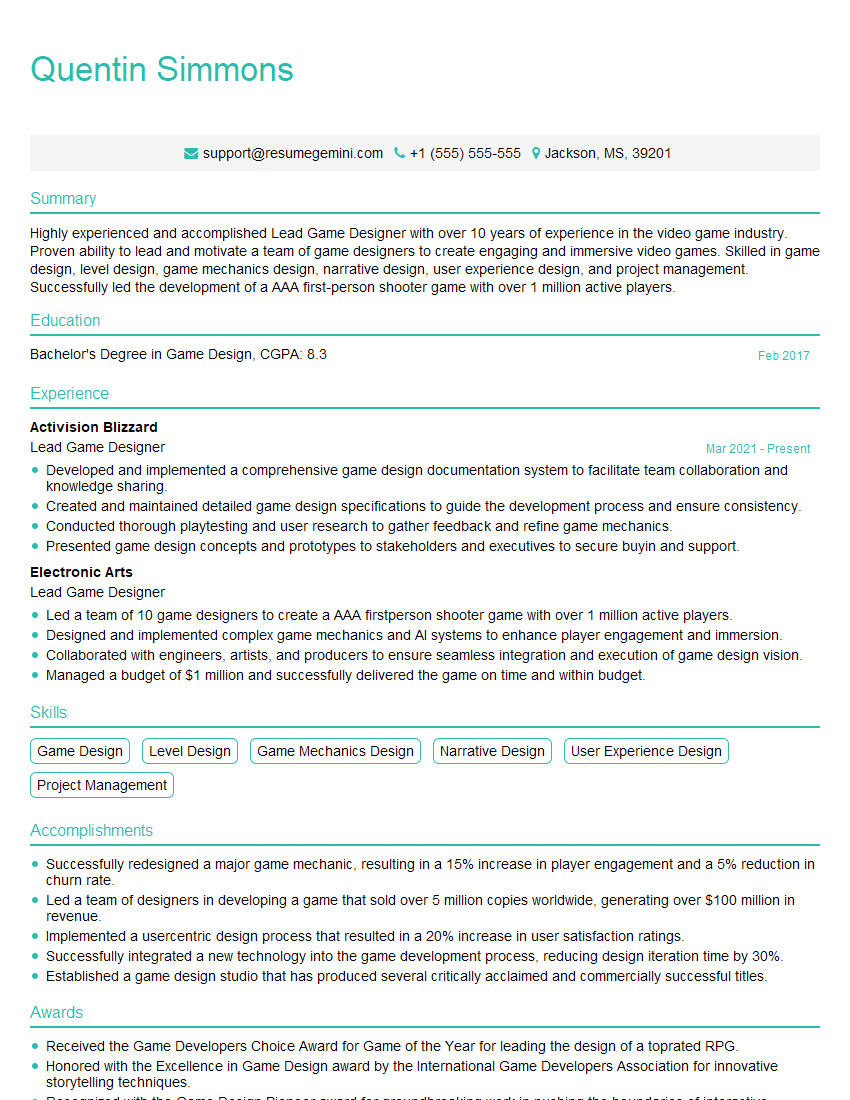
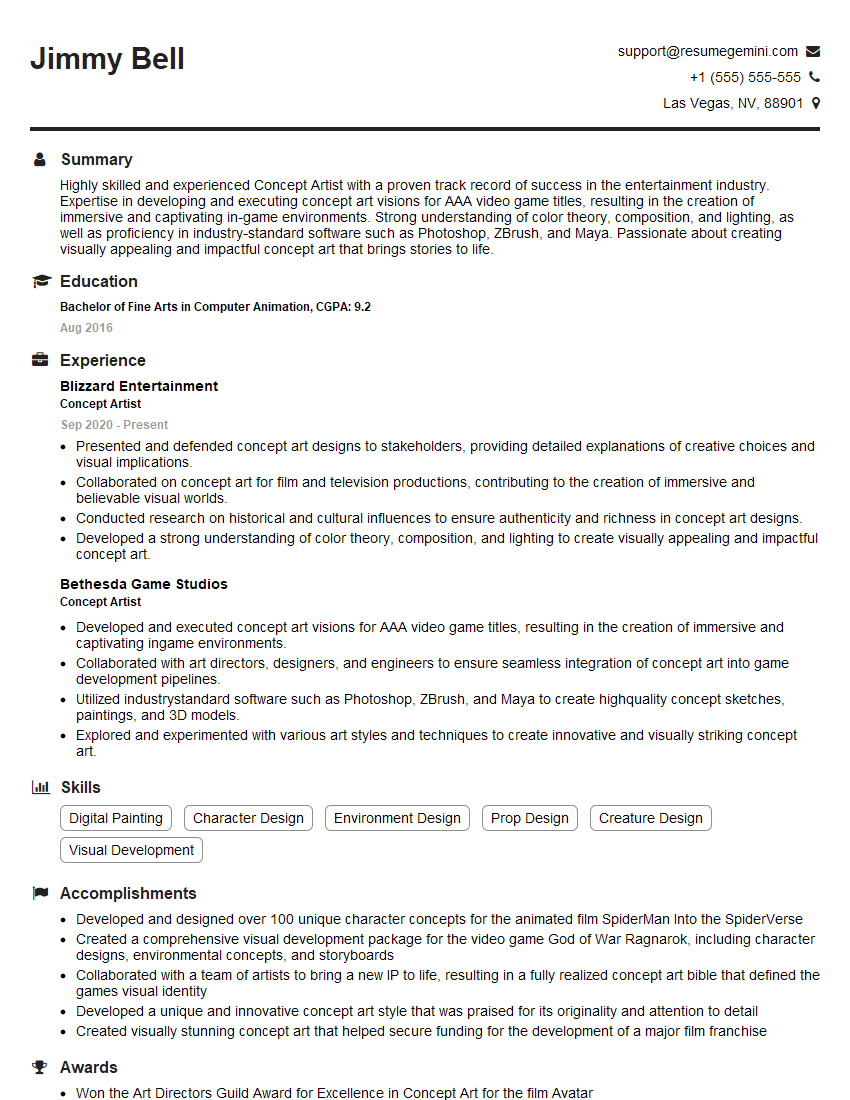
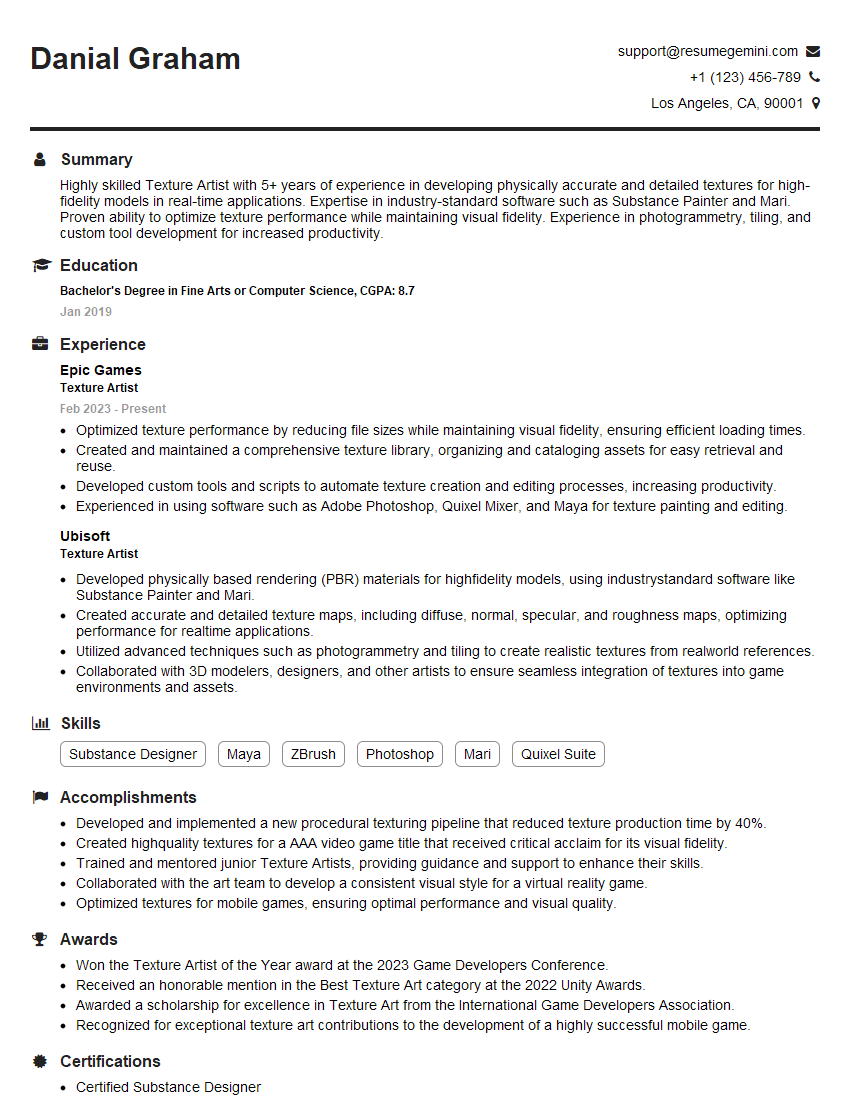
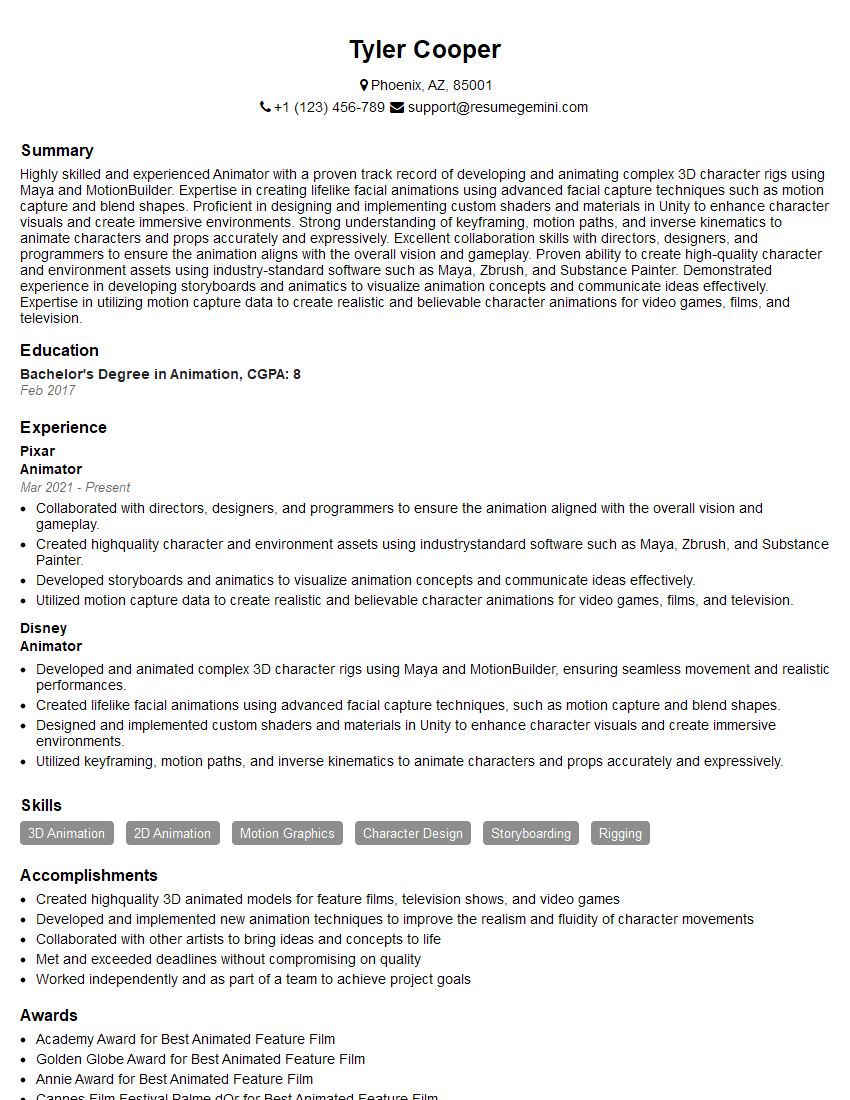
Mastering Character Development and Portrayal is crucial for career advancement in the performing arts and related fields. A strong understanding of these skills will significantly enhance your performance and open doors to exciting opportunities. To maximize your job prospects, it’s vital to create an ATS-friendly resume that showcases your abilities effectively. ResumeGemini is a trusted resource that can help you build a professional resume that highlights your unique skills and experience. ResumeGemini provides examples of resumes tailored to Character Development and Portrayal to help guide you in crafting a compelling document. Invest the time in perfecting your resume – it’s your first impression on potential employers.

Explore more articles
Users Rating of Our Blogs
Share Your Experience
We value your feedback! Please rate our content and share your thoughts (optional).
What Readers Say About Our Blog
Very informative content, great job.
good