Every successful interview starts with knowing what to expect. In this blog, we’ll take you through the top Check Balancing interview questions, breaking them down with expert tips to help you deliver impactful answers. Step into your next interview fully prepared and ready to succeed.
Questions Asked in Check Balancing Interview
Q 1. Explain the process of check balancing.
Check balancing is the process of comparing your bank statement with your own records of transactions to ensure they match. Think of it like a detective story – you’re trying to solve the mystery of where your money went and make sure everything adds up correctly. It’s a crucial step in maintaining accurate financial records and ensuring the health of your finances.
The process typically involves these steps:
- Gather your materials: You’ll need your bank statement, your check register (or other record of transactions), and a calculator.
- Reconcile your balance: Start with your bank statement’s ending balance. Then, you’ll adjust this balance for any outstanding checks (checks you’ve written but haven’t yet cleared the bank), deposits in transit (deposits you’ve made but haven’t yet appeared on the statement), and any bank charges or credits (like interest earned or fees).
- Compare transactions: Carefully compare each transaction on your bank statement with your records. Note any discrepancies.
- Calculate the adjusted balance: After accounting for outstanding checks, deposits in transit, and bank charges/credits, you should arrive at an adjusted balance that matches your check register balance.
Example: Let’s say your bank statement shows a balance of $1000. You have two outstanding checks totaling $200, and a deposit in transit of $150. Your adjusted balance would be $1000 + $150 – $200 = $950. If your check register also shows $950, your accounts are balanced!
Q 2. What are the common errors encountered during check balancing?
Common errors during check balancing often stem from human error or overlooked details. Some frequent mistakes include:
- Mathematical errors: Simple mistakes in addition or subtraction can throw off your entire reconciliation.
- Mismatched dates: Recording transactions on the wrong date can lead to confusion and discrepancies.
- Missing transactions: Forgetting to record a check or deposit in your register.
- Incorrectly recording amounts: Writing down the wrong amount for a check or deposit.
- Ignoring bank charges or credits: Overlooking bank fees or interest earned.
- Errors in transcribing information: Mistakes when transferring information from the bank statement to your records.
For example, accidentally recording a $50 check as $500 would create a significant discrepancy. Always double-check your entries to minimize such errors.
Q 3. How do you handle discrepancies in a bank statement?
Discrepancies in a bank statement require a systematic approach to identification and resolution. The first step is to meticulously compare every transaction on the bank statement with your records. Any difference demands investigation. Here’s a typical workflow:
- Identify the discrepancy: Pinpoint the exact amount and nature of the difference.
- Check your records: Verify the transaction details in your check register or accounting software. Look for mathematical errors, missed entries, or incorrect recordings.
- Review the bank statement: Scrutinize the bank statement for details about the transaction. Look for additional information that might explain the discrepancy (e.g., a description of the transaction).
- Contact your bank: If you cannot resolve the discrepancy after thorough investigation, contact your bank’s customer service department. Provide them with the necessary details to help them investigate the issue. They might identify errors on their end or provide clarifications.
- Document everything: Keep detailed records of your investigation, including communication with the bank, to help resolve the issue effectively.
For example, if a charge appears on your statement that you don’t recognize, contact the bank to investigate it as it could be fraudulent.
Q 4. Describe your experience with bank reconciliation software.
I have extensive experience using various bank reconciliation software packages, including [mention specific software names if comfortable, otherwise use generic examples such as] QuickBooks, Xero, and others. These tools streamline the entire process, automating many of the manual steps involved in check balancing. They offer features like:
- Automated import of bank statements: Eliminating the need for manual data entry.
- Matching of transactions: Automatically comparing transactions between the bank statement and your records.
- Identification of discrepancies: Highlighting differences between the two sets of data.
- Reporting and analysis: Generating reports to monitor trends and identify potential problems.
My experience includes using these software to reconcile accounts for [mention type of accounts – e.g., small businesses, non-profits]. This has significantly improved efficiency and accuracy, reducing the time and effort required for reconciliation while minimizing the risk of human error.
Q 5. How do you identify and resolve outstanding checks?
Outstanding checks are checks you’ve written but haven’t yet cleared your bank. Identifying them is crucial for accurate check balancing. They represent money you’ve spent but hasn’t yet been deducted from your bank account.
To identify outstanding checks, I compare my check register to my bank statement. Any check written that doesn’t appear on the statement is an outstanding check. I maintain a separate list of outstanding checks, noting the check number and amount. This list is then used during the reconciliation process to adjust the bank balance.
Resolving outstanding checks is simply a matter of waiting for them to clear. Once the bank processes them, they’ll show up on your next statement. Regularly reviewing your bank statements ensures that all outstanding checks are eventually accounted for.
Q 6. What is the importance of accurate check balancing?
Accurate check balancing is paramount for several reasons:
- Accurate financial reporting: It ensures your financial statements reflect your true financial position, preventing misrepresentation of assets and liabilities.
- Fraud detection: Discrepancies can highlight fraudulent activities, allowing for prompt investigation and resolution.
- Improved cash flow management: Accurate records enable better budgeting and forecasting, helping to optimize cash flow.
- Preventing overdrafts: By accurately tracking expenses, you can avoid overdraft charges.
- Strengthened financial controls: It acts as an internal control mechanism, preventing errors and improving the overall reliability of financial information.
Imagine running a business without accurately tracking your income and expenses. You’d be flying blind, making it impossible to make informed decisions. Accurate check balancing provides that crucial visibility.
Q 7. Explain the difference between a debit and a credit in check balancing.
In check balancing, debits and credits represent increases and decreases in your account balance, respectively. They’re fundamental accounting concepts.
- Debit: A debit increases your account balance if it is an asset account (like cash) and decreases it if it is a liability account (like accounts payable). In the context of your check register, a debit usually reflects a transaction that reduces your cash balance – for example, writing a check (an outflow of funds).
- Credit: A credit increases your account balance if it is a liability account (like accounts payable) and decreases it if it is an asset account (like cash). In your check register, a credit would typically represent an increase in your cash balance, such as a deposit (an inflow of funds).
Think of it like this: Debits are money going *out*, and credits are money coming *in*. Understanding this distinction is crucial for accurately recording transactions and balancing your accounts.
Q 8. How do you reconcile deposits in transit?
Deposits in transit are deposits made by a company that haven’t yet been recorded by the bank. Think of it like this: you deposited a check on Friday afternoon, but the bank doesn’t process it until Monday. Your company records show the deposit, but the bank statement doesn’t. To reconcile, you simply add the amount of the outstanding deposits to the bank statement balance. This ensures your balance reflects all actual funds available.
For example, if your company records show a balance of $10,000, but the bank statement shows $8,000, and you have $2,000 in deposits in transit, you add the $2,000 to the bank statement balance ($8,000 + $2,000 = $10,000), bringing both balances into agreement.
- Step 1: Identify deposits made near the end of the statement period.
- Step 2: Verify these deposits with bank records, typically through online banking or a deposit slip.
- Step 3: Add the total value of these deposits in transit to the bank statement balance.
Q 9. How do you handle NSF checks?
NSF (Non-Sufficient Funds) checks are checks written by someone who doesn’t have enough money in their account to cover the amount. When an NSF check is returned, it creates a discrepancy between your books and the bank statement. You need to immediately remove the NSF check amount from your company’s records, recognizing that the funds were never actually received. This usually involves adjusting the accounts receivable and potentially adding back the amount to your bank balance, which had been temporarily increased by the NSF check.
Imagine a customer paid you with a $500 check that bounces. You’d reduce your bank balance by $500 (correcting for the nonexistent funds), and you’d also remove the $500 from the customer’s account receivable. You might also assess a fee for the NSF check.
- Step 1: Identify NSF checks on the bank statement.
- Step 2: Reduce your cash balance by the amount of the NSF check.
- Step 3: Adjust your accounts receivable (increase the balance owing from that customer).
- Step 4: Contact the customer to arrange payment.
Q 10. What steps do you take to prevent check fraud?
Preventing check fraud requires a multi-layered approach. Think of it like building a fortress; you need strong walls (controls) on multiple sides.
- Secure Check Storage: Store checks in a safe, locked location, away from unauthorized access.
- Careful Check Handling: Use pre-numbered checks and maintain a detailed record of all issued checks. Regularly reconcile your checkbook.
- Employee Training: Train employees on recognizing and avoiding common fraud schemes. This includes being aware of phishing scams and suspicious emails.
- Use of Check Fraud Detection Software: Many software packages offer advanced features that analyze check details and identify potentially fraudulent activities.
- Regular Bank Reconciliation: This is crucial to catch discrepancies early on.
- Strong Internal Controls: Segregate duties to limit opportunities for fraud. For example, one person should handle check writing while another reconciles the bank statement.
For instance, regularly reviewing bank statements for unusual activity, and promptly reporting any suspicious transactions to the bank, can be vital.
Q 11. How do you manage large volumes of checks efficiently?
Managing large volumes of checks efficiently demands automation and effective organizational systems. The key is to minimize manual handling and leverage technology as much as possible.
- Automated Check Processing Systems: These systems can scan and process checks, extracting relevant data and reducing manual data entry.
- Electronic Payments: Encourage electronic payments (ACH transfers, online payments) to reduce paper checks.
- Check Imaging Systems: Scan and store check images electronically, making retrieval and review much easier.
- Workflow Automation: Streamline the check processing workflow to minimize delays and improve efficiency.
- Specialized Accounting Software: Utilize software designed to handle large-scale check processing and bank reconciliation.
In one project I worked on, implementing a check imaging system reduced our processing time by 75%, freeing up staff for more strategic tasks.
Q 12. Describe your experience using different accounting software for check balancing.
I’ve worked with several accounting software packages for check balancing, including QuickBooks, Xero, and Sage. Each has its strengths and weaknesses, especially in handling the scale and complexity of check reconciliation.
QuickBooks, for example, is very user-friendly for smaller businesses, but its capabilities can be limited when dealing with thousands of checks. Xero is known for its cloud-based features and automation, which is helpful for larger transaction volumes. Sage offers robust features for larger enterprises, including advanced reporting and integration options. My choice of software depends on the specific needs and size of the organization.
The key consideration when selecting software is ensuring seamless integration with bank feeds and the ability to handle large volumes of transactions without significant performance issues. Features like automated reconciliation and exception reporting are also critical for efficiency and accuracy.
Q 13. How do you prioritize tasks when dealing with check balancing?
Prioritizing check balancing tasks involves a combination of urgency and importance. High-priority tasks typically include:
- Time-sensitive items: Reconciling bank statements before deadlines to avoid potential late fees or missed opportunities.
- High-value transactions: Balancing high-value checks immediately to quickly identify and address any errors.
- Exception handling: Addressing discrepancies like NSF checks or deposits in transit promptly.
- Urgent requests: Responding to urgent requests for information related to check balances or transactions.
I use a system where I create a task list and assign priorities based on these criteria. I’ll often use a matrix prioritizing tasks by urgency and importance, tackling the high-urgency, high-importance items first.
Q 14. How do you ensure the accuracy of your check balancing process?
Accuracy in check balancing is paramount. My approach involves a multi-step verification process.
- Double-checking all entries: Manually verifying all entries in the check register and comparing them against bank statements.
- Reconciling regularly: Performing bank reconciliation regularly, ideally at least monthly, to catch errors early.
- Using reconciliation software: Employing accounting software with strong reconciliation features that automatically flag discrepancies.
- Cross-referencing documents: Comparing check stubs, deposit slips, and other supporting documentation with bank statements.
- Independent verification: Having another person review the reconciliation process to identify any missed errors.
Consistency and meticulous attention to detail are crucial. Think of it as a detective investigation – you need to find the clues (discrepancies) and piece them together to solve the mystery (reconciliation).
Q 15. What are some best practices for check balancing?
Best practices for check balancing revolve around accuracy, efficiency, and security. Think of it like meticulously tracking every single piece of a complex puzzle to ensure a complete and accurate picture of your finances. Here’s a breakdown:
- Regular Reconciliation: Reconcile your bank statement with your internal records at least monthly. This allows for the timely identification and resolution of discrepancies.
- Detailed Record Keeping: Maintain a comprehensive check register or ledger, documenting every check issued, including the date, payee, amount, and purpose. Think of this as your detailed roadmap.
- Proper Documentation: Support each transaction with appropriate documentation, such as invoices or receipts. This is your proof and helps with auditing.
- Segregation of Duties: Ensure different individuals handle check writing, signing, and reconciliation. This reduces the risk of fraud. Imagine a team approach, each member with a specific and crucial task.
- Prompt Addressing of Discrepancies: Investigate and resolve any discrepancies promptly. Don’t let them linger; they can snowball.
- Use of Technology: Leverage accounting software and online banking tools to automate parts of the process and reduce manual errors. Think of this as your efficient assistant.
- Internal Controls: Implement robust internal controls to prevent unauthorized check issuance and fraudulent activities. A strong system is your safeguard against unwanted activity.
Career Expert Tips:
- Ace those interviews! Prepare effectively by reviewing the Top 50 Most Common Interview Questions on ResumeGemini.
- Navigate your job search with confidence! Explore a wide range of Career Tips on ResumeGemini. Learn about common challenges and recommendations to overcome them.
- Craft the perfect resume! Master the Art of Resume Writing with ResumeGemini’s guide. Showcase your unique qualifications and achievements effectively.
- Don’t miss out on holiday savings! Build your dream resume with ResumeGemini’s ATS optimized templates.
Q 16. How do you handle returned checks?
Returned checks, often called NSF (Non-Sufficient Funds) checks, require immediate attention. They represent a failure in payment. My approach is systematic:
- Identify the Reason: Determine why the check bounced – insufficient funds, stopped payment, or other reasons. Understanding the ‘why’ is crucial for prevention.
- Contact the Payer: Reach out to the payer to inform them of the returned check and request payment through an alternative method, possibly a corrected check. Open communication is key.
- Update Records: Update your accounting records to reflect the returned check and any associated fees. This keeps everything transparent and accurate.
- Chargeback or Fees: Assess and record any charges imposed by the bank due to the returned check. These are often non-negotiable costs.
- Follow-up: Maintain a record of all communication and attempts to resolve the issue. Good record-keeping helps manage expectations.
- Escalation: If the issue remains unresolved after reasonable attempts, consider escalating the matter to collection procedures, if appropriate. This is only after all other steps have failed.
Q 17. What is the impact of incorrect check balancing on financial reporting?
Incorrect check balancing has a significant impact on financial reporting. Imagine baking a cake and using incorrect measurements – the outcome will be incorrect. Similarly, inaccurate balancing leads to:
- Inaccurate Cash Balances: Misstated cash balances on the balance sheet, leading to an incorrect representation of liquidity.
- Erroneous Income Statement Figures: Errors in recording transactions will affect the accuracy of revenue and expense recognition, potentially distorting profitability.
- Auditing Issues: Inaccurate balancing makes it difficult for auditors to verify the company’s financial statements, raising questions about the reliability of the financial data.
- Tax Implications: Incorrect reporting can lead to issues with tax authorities. Think of this as a serious legal issue.
- Financial Decision-Making Challenges: Bad data equals bad decisions. Incorrect balancing can lead to poor financial planning and investment strategies.
Q 18. Describe your experience with internal controls related to check balancing.
Throughout my career, I’ve been heavily involved in establishing and maintaining strong internal controls around check balancing. This includes:
- Authorization Levels: Implementing a clear approval process for all check issuances, often involving multiple signatures for higher amounts. This is a crucial safeguard.
- Access Controls: Limiting access to checkbooks and blank checks to authorized personnel only. This is a simple but extremely effective control.
- Regular Audits: Conducting regular internal audits of check balancing procedures to identify weaknesses and ensure compliance. Think of this as a system check-up.
- Reconciliation Procedures: Establishing clear and documented procedures for reconciling bank statements with internal records. This ensures clarity and efficiency.
- Segregation of Duties: Maintaining separate roles for check writing, signing, and reconciliation, preventing conflicts of interest. This creates checks and balances within the system.
- Check Number Sequencing: Using sequential check numbers and accounting for every check issued to prevent missing or duplicate checks. This ensures complete accounting of all checks.
Q 19. How do you document your check balancing procedures?
I document check balancing procedures comprehensively using a combination of written manuals, checklists, and flowcharts. These documents serve as training materials and audit trails.
- Written Manual: A detailed step-by-step guide outlines the entire check balancing process, including definitions, procedures, and troubleshooting steps.
- Checklists: Checklists are used as tools to ensure all steps in the process are consistently followed.
- Flowcharts: Visual representations of the process are used to clarify the sequence of actions.
- Spreadsheets or Databases: Data is often tracked and recorded using spreadsheets or database software for easy access and review.
This multi-faceted approach makes sure that the processes are clear, understandable, and auditable.
Q 20. How do you handle discrepancies between the bank statement and the company’s records?
Discrepancies between bank statements and company records require a methodical approach. I follow these steps:
- Identify the Discrepancy: Carefully compare the bank statement with the company’s records, noting any differences in balances or individual transactions.
- Review Supporting Documentation: Examine supporting documentation such as invoices, receipts, and check copies to determine the source of the discrepancy.
- Outstanding Checks: Identify checks that have been issued but have not yet cleared the bank. These are common discrepancies.
- Deposits in Transit: Look for deposits that have been made but haven’t yet been reflected on the bank statement.
- Bank Charges or Fees: Check for any bank charges or fees that may not have been recorded in the company’s books.
- Errors: Investigate any potential errors in the company’s records or on the bank statement. This is done through careful review of data.
- Adjustments: Make necessary adjustments to the company’s records to resolve the discrepancies. Ensure all adjustments are properly documented.
If a significant or persistent discrepancy remains, I seek assistance from bank representatives or external auditors.
Q 21. Explain the process of reconciling a petty cash fund.
Reconciling a petty cash fund is similar to bank reconciliation, but on a smaller scale. It involves verifying that the cash on hand matches the recorded amount. The process typically involves:
- Counting the Cash: First, physically count all cash and coins in the petty cash box.
- Reviewing Receipts: Collect and review all receipts for petty cash disbursements. Make sure they’re all properly documented.
- Reconciling: Compare the total cash on hand with the sum of the beginning petty cash balance, less the total value of receipts. Any discrepancies need immediate attention.
- Adjusting: Make any necessary adjustments to account for any discrepancies.
- Replenishing: Replenish the petty cash fund to its pre-determined level, by submitting requests for reimbursement based on the supporting documentation. This ensures the fund is ready for future use.
- Documentation: Maintain detailed records of all petty cash transactions, including receipts, dates, descriptions, and amounts.
Regular reconciliation of the petty cash fund is important to maintain control and prevent loss or misuse of funds. Regular checks, even weekly, can be beneficial.
Q 22. How do you handle adjustments during check balancing?
Handling adjustments during check balancing requires meticulous attention to detail and a clear understanding of the source of the discrepancy. Adjustments arise from various sources, including bank charges (e.g., insufficient funds fees, monthly maintenance fees), interest earned, deposits in transit (deposits made but not yet reflected in the bank statement), outstanding checks (checks written but not yet cashed), and errors in recording transactions.
My approach involves a systematic process: First, I carefully reconcile the bank statement with the company’s check register, identifying all discrepancies. Next, I investigate each discrepancy. For bank charges, I verify their legitimacy and ensure they’re properly recorded. For interest earned, I confirm the amount and its proper posting. Outstanding checks are identified by comparing the check register to the bank statement; similarly, deposits in transit are cross-referenced. Finally, any remaining differences are meticulously scrutinized, often involving reviewing original documents (checks, deposit slips, invoices) to pinpoint and correct recording errors. All adjustments are documented clearly, with supporting evidence attached, to maintain a complete audit trail.
For example, if a bank statement shows a $25 NSF fee not reflected in our records, I would add this to the checkbook balance, documenting the fee alongside a copy of the bank statement excerpt showing the charge. This ensures accuracy and traceability.
Q 23. How do you deal with missing checks?
Missing checks during reconciliation pose a significant challenge because they represent unrecorded expenses. The first step involves a thorough review of the company’s check register to verify whether the check was actually issued. If it was, the next step is to search for the missing check. This might involve checking physical files, contacting the payee to inquire about the check, reviewing bank images if available, or searching for electronic copies if the company uses check imaging software.
If the check was legitimately issued and remains unaccounted for, its amount needs to be added to the bank balance to accurately reflect the true outstanding checks. It’s crucial to report the missing check to the bank immediately to prevent potential fraud. In some situations, a police report might also be necessary, especially if a significant amount is involved. I would also implement improved check-tracking procedures to prevent future occurrences.
For instance, if a check for $500 to a vendor is missing, I would add $500 to the bank side of the reconciliation and initiate an investigation to find the check or determine whether it was cashed. The findings would be meticulously documented and any corrective actions taken would be reported.
Q 24. How familiar are you with GAAP principles related to check balancing?
I am very familiar with Generally Accepted Accounting Principles (GAAP) related to check balancing. GAAP emphasizes accuracy, completeness, and timely reporting of financial transactions. Check balancing is a critical component of this, ensuring the accurate representation of cash balances in the financial statements.
Specifically, GAAP dictates that bank reconciliations must be performed regularly (often monthly) to ensure that the company’s records align with the bank’s records. This involves adhering to established internal controls, documenting all adjustments with supporting evidence, and maintaining a clear audit trail. Any material discrepancies must be investigated and resolved promptly. The principle of materiality comes into play: minor discrepancies may be acceptable, but larger ones require thorough investigation. The goal is to present a fair and accurate picture of the company’s financial position.
Q 25. Describe a time you identified and corrected an error in check balancing.
In a previous role, I discovered a significant discrepancy during a monthly bank reconciliation. The company’s records showed a much lower balance than the bank statement. After a thorough review, I found that a large deposit had been recorded twice in the company’s books. This was a simple human error during data entry.
My solution involved adjusting the company’s balance by removing the duplicate deposit. I documented the error and the correction meticulously, including screenshots of the incorrect entry and the corrected entry in our accounting system. I then reported my findings to my supervisor, who appreciated the thoroughness of my investigation and the prompt correction. This experience highlighted the importance of thorough double-checking and the use of robust accounting software to minimize such errors.
Q 26. What are your strategies for ensuring timely and accurate check balancing?
Ensuring timely and accurate check balancing relies on a multi-pronged strategy. First, a robust system of internal controls is essential. This includes clearly defined responsibilities for check issuance and recording, segregation of duties to prevent fraud, and regular reviews of the check register for accuracy. Second, timely processing of bank statements and the corresponding company records is crucial. Delays lead to compounded errors and make reconciliation more complex. Third, using accounting software with automated reconciliation features can significantly reduce the risk of errors and streamline the process.
I also utilize a standardized checklist to ensure consistency and completeness during the reconciliation process. This checklist guides me through each step, preventing me from overlooking important elements. Finally, regular training for staff involved in check handling and recording is vital to ensure everyone understands the procedures and their importance. Regular internal audits also help identify and address weaknesses in the process, promoting continuous improvement.
Q 27. How would you explain the check balancing process to a non-accounting professional?
Imagine your checkbook as a record of all your spending and deposits. The bank statement is the bank’s record of the same things. Check balancing is simply comparing your records (your checkbook) to the bank’s records (the bank statement) to ensure they match.
If they don’t match, we need to find out why. Maybe you forgot to record a check you wrote, or the bank charged you a fee. We investigate these differences, making adjustments to ensure both records are accurate and show the correct amount of money in your account. It’s like making sure your personal accounting is aligned with the bank’s view, preventing surprises and ensuring you know exactly how much money you have.
Q 28. How do you maintain the confidentiality of financial information during check balancing?
Maintaining confidentiality during check balancing is paramount. I adhere to strict company policies and legal regulations concerning data privacy and security. This includes limiting access to sensitive financial information to authorized personnel only, securing physical documents in locked cabinets, and using strong passwords and encryption when handling electronic data.
I also follow best practices for data disposal, securely shredding any sensitive documents that are no longer needed. When using digital tools, I leverage access control features to restrict access to specific users and limit access to the minimum needed for the task. Further, I ensure that I’m always aware of and adhere to the company’s data privacy policy and any relevant legal compliance standards.
Key Topics to Learn for Check Balancing Interview
- Understanding Bank Reconciliation: Mastering the process of comparing bank statements with internal records to identify discrepancies.
- Identifying and Reconciling Discrepancies: Learn to pinpoint errors such as outstanding checks, deposits in transit, bank charges, and errors in recording transactions.
- Practical Application: Develop the ability to analyze real-world scenarios involving complex transactions and resolve discrepancies efficiently and accurately.
- Accounting Principles: Understand the fundamental accounting principles underlying check balancing, including double-entry bookkeeping and accrual accounting.
- Software Proficiency: Familiarize yourself with common accounting software used for check balancing and bank reconciliation (mentioning specific software is optional).
- Internal Controls: Understand the importance of internal controls in preventing and detecting errors in check balancing processes.
- Problem-Solving Techniques: Practice systematic approaches to identify and solve discrepancies, including using spreadsheets and other analytical tools.
- Communication Skills: Develop your ability to clearly explain complex financial information and reconcile discrepancies with stakeholders.
Next Steps
Mastering check balancing demonstrates crucial attention to detail and accuracy – essential skills highly valued across various finance and accounting roles. This expertise significantly enhances your career prospects, opening doors to more challenging and rewarding opportunities.
To maximize your job search success, creating an ATS-friendly resume is paramount. A well-crafted resume that highlights your check balancing skills and experience will increase your chances of getting noticed by potential employers. We highly recommend using ResumeGemini to build a professional and effective resume tailored to your unique skills and experience.
ResumeGemini provides examples of resumes specifically designed for Check Balancing professionals, ensuring your application stands out. Review these examples to gain valuable insight and guidance in crafting your own compelling resume.
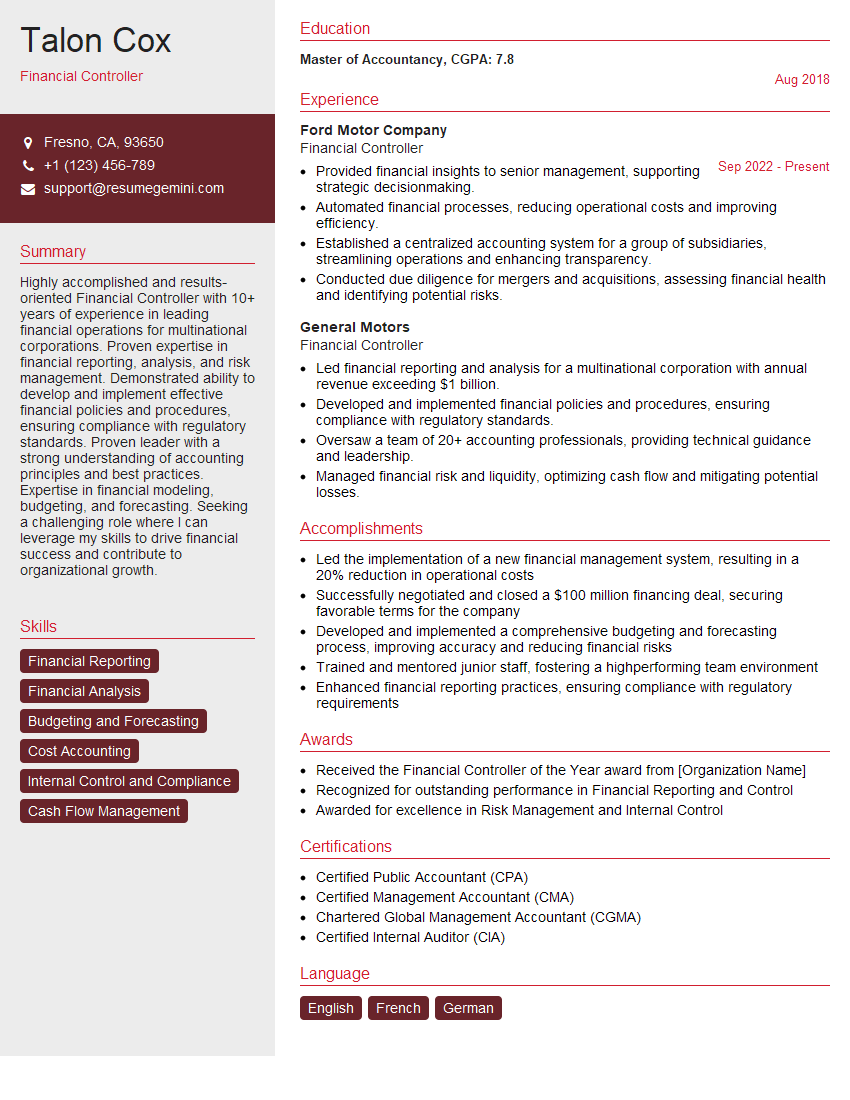
Financial Controller Resume Sample

Compliance Officer Resume Sample
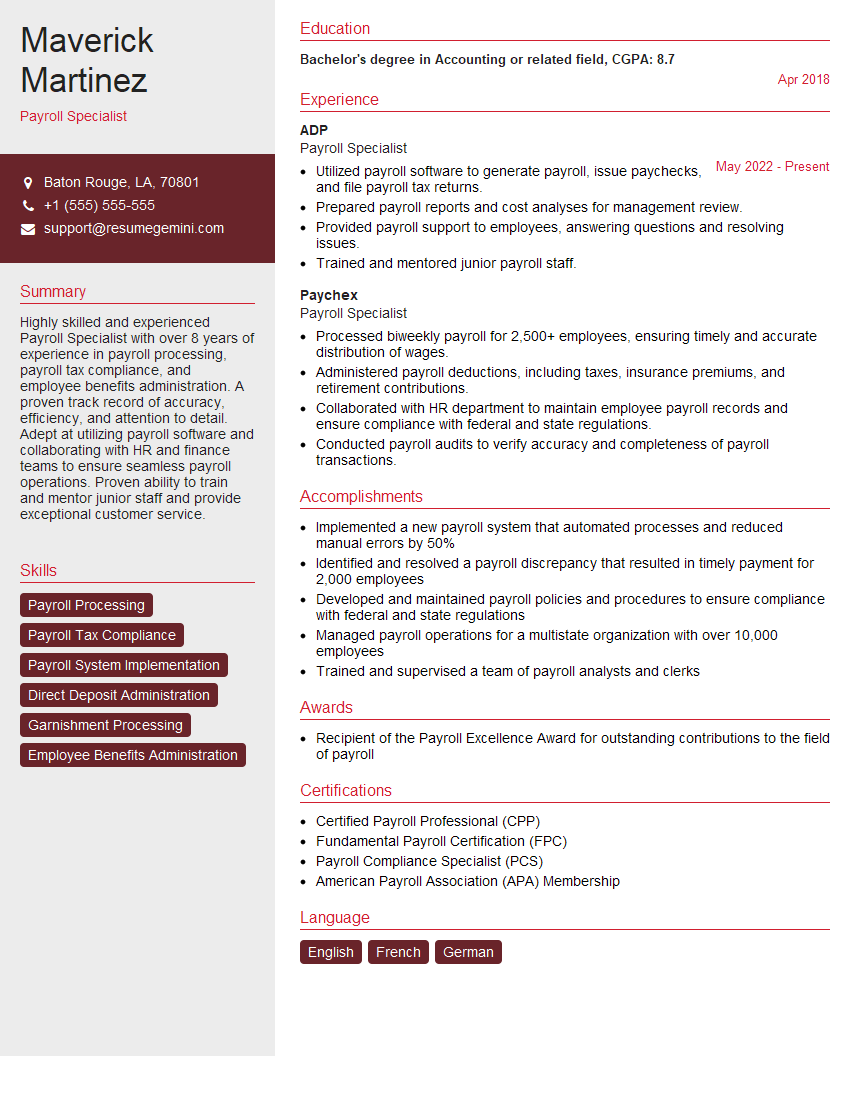
Payroll Specialist Resume Sample
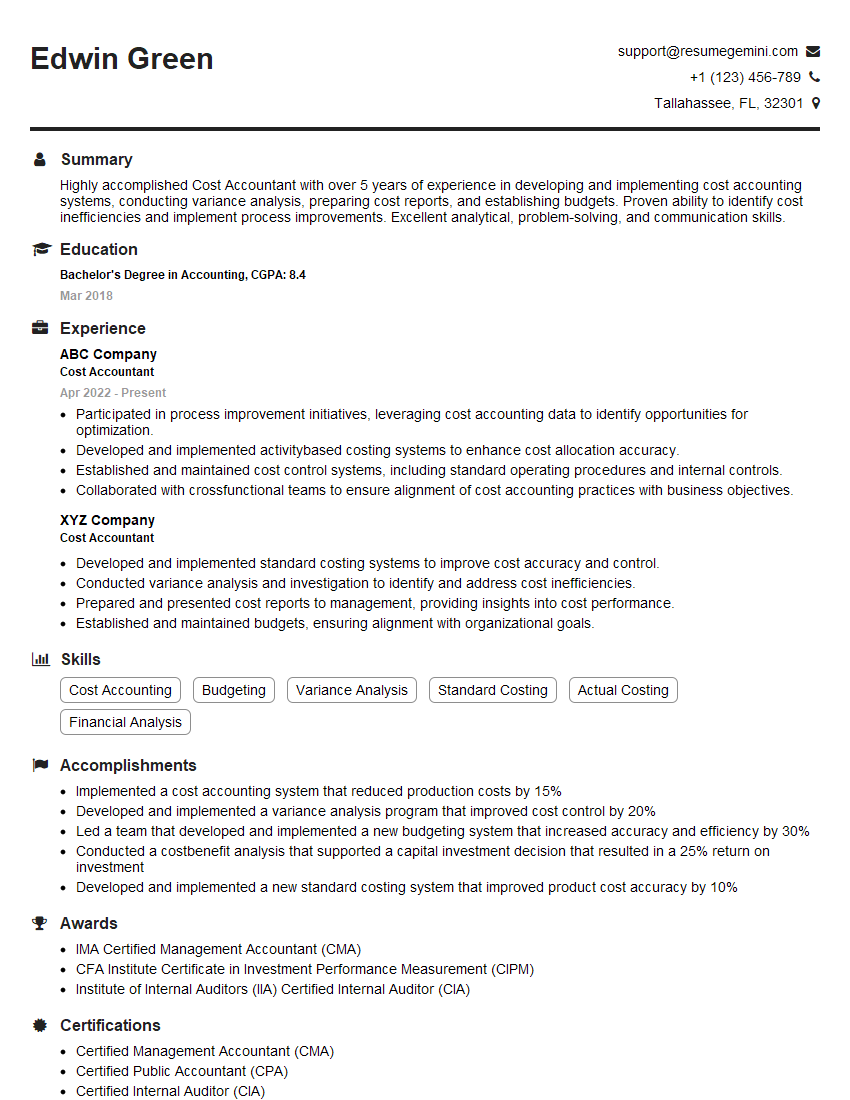
Cost Accountant Resume Sample
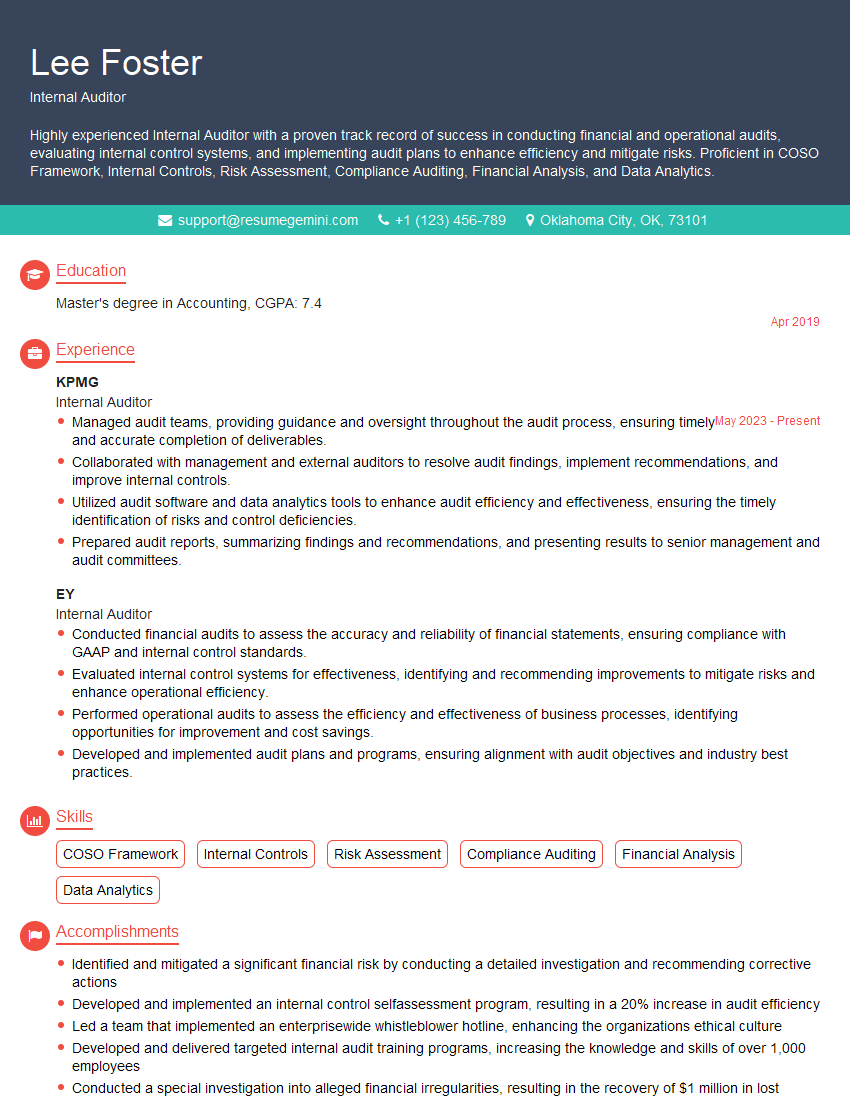
Internal Auditor Resume Sample
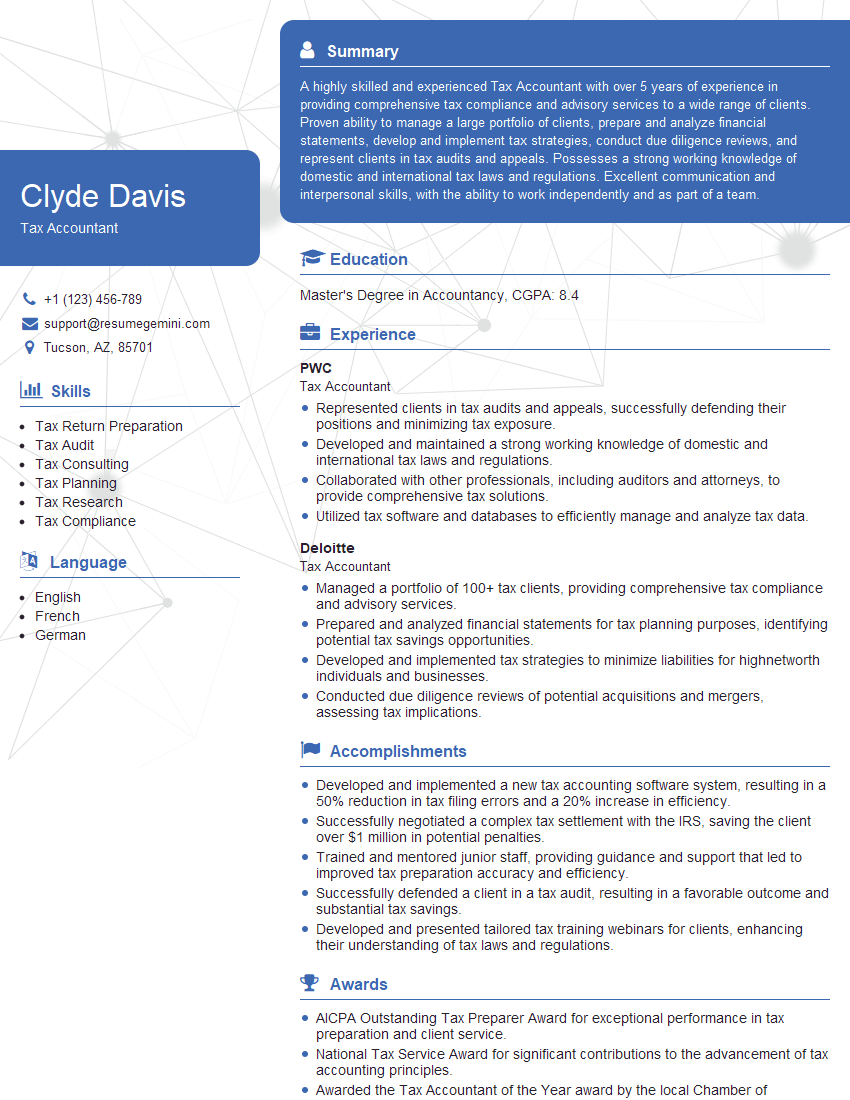
Tax Accountant Resume Sample
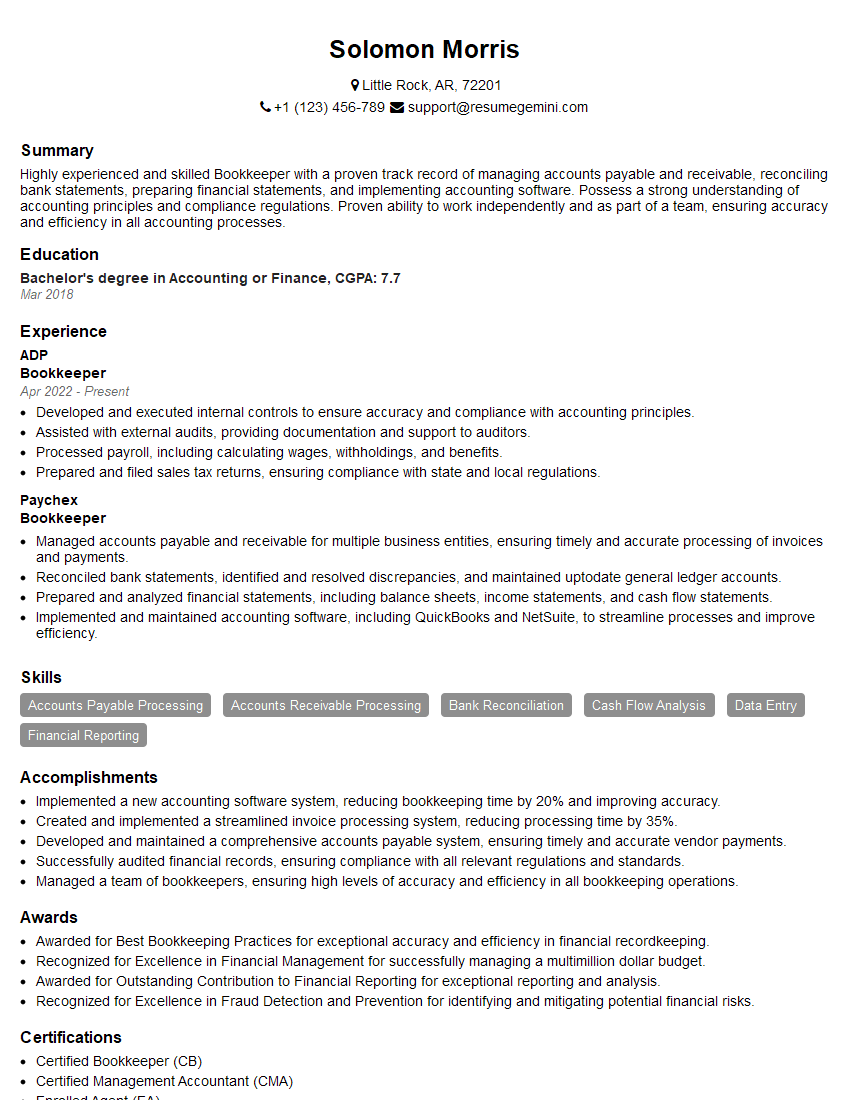
Bookkeeper Resume Sample
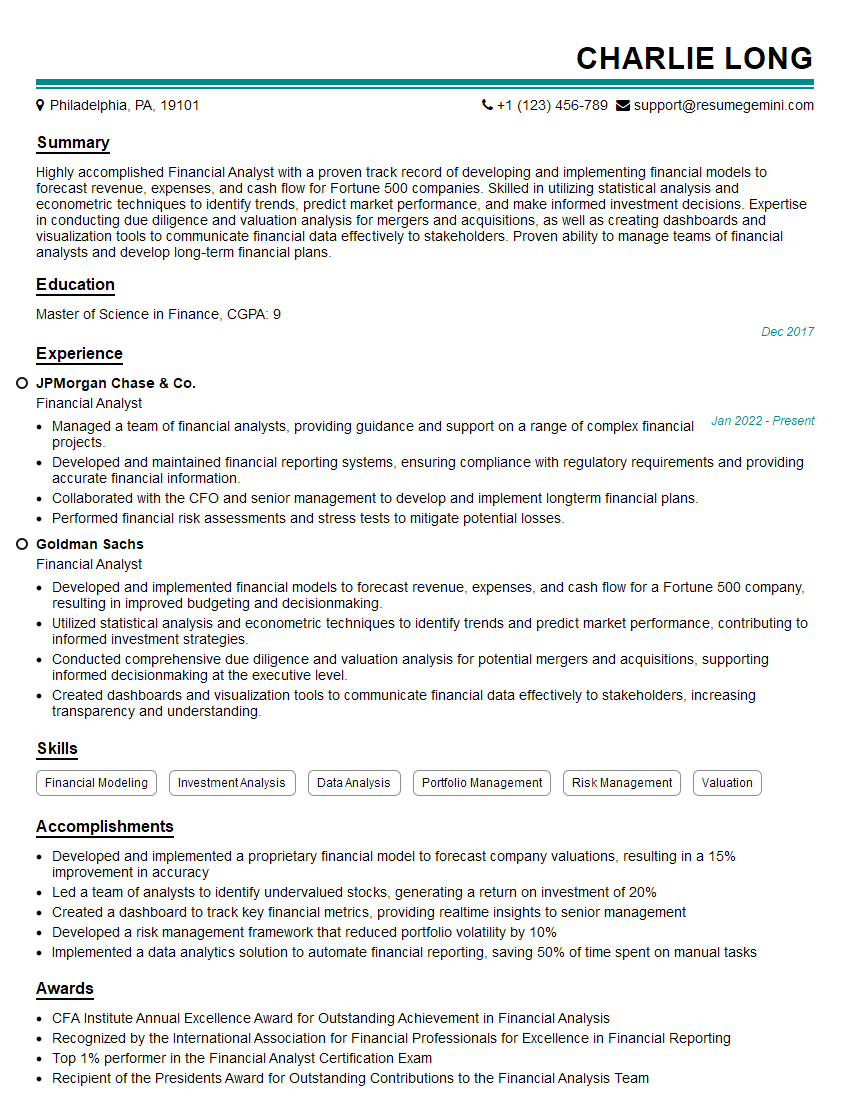
Financial Analyst Resume Sample
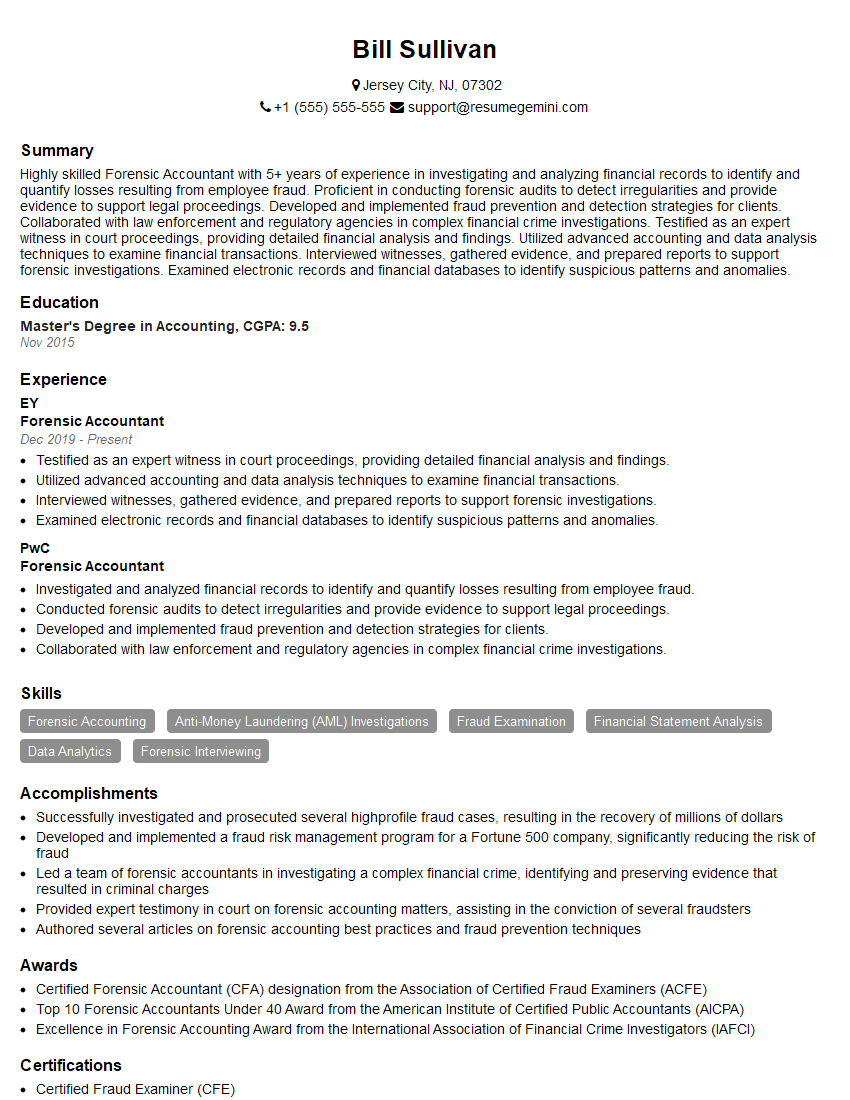
Forensic Accountant Resume Sample
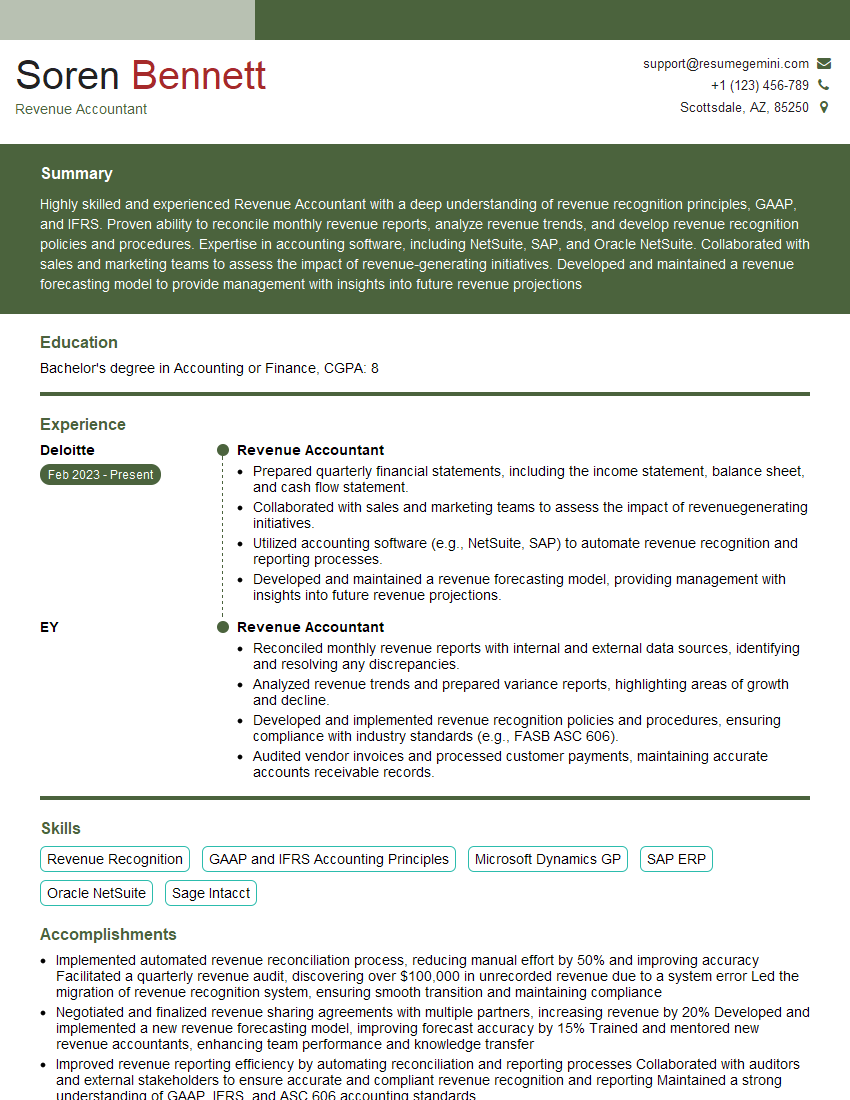
Revenue Accountant Resume Sample
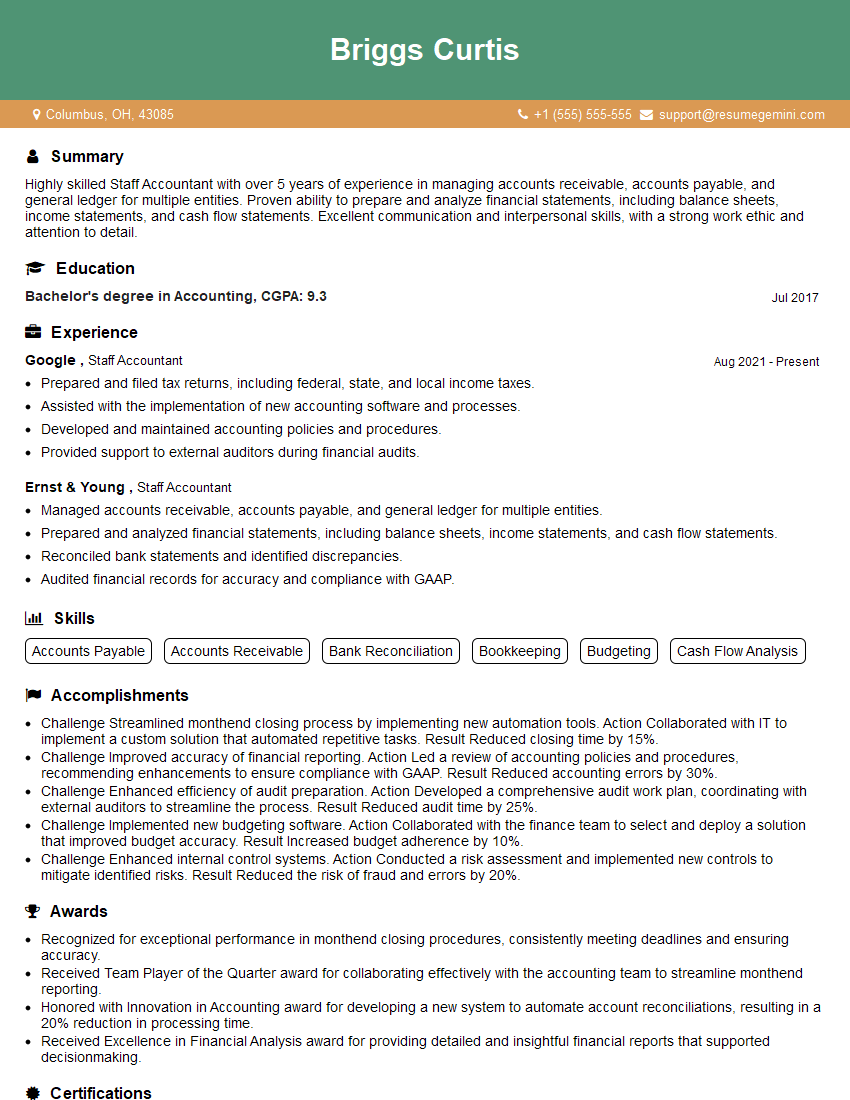
Staff Accountant Resume Sample
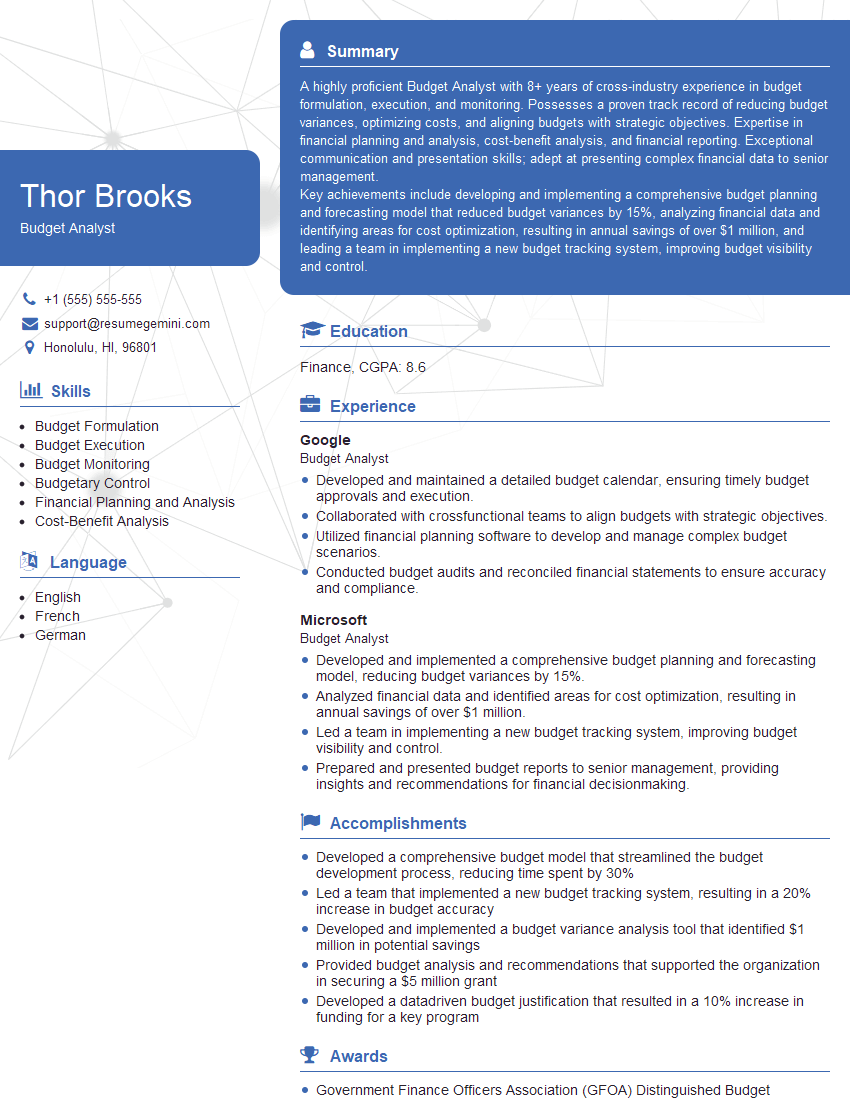
Budget Analyst Resume Sample
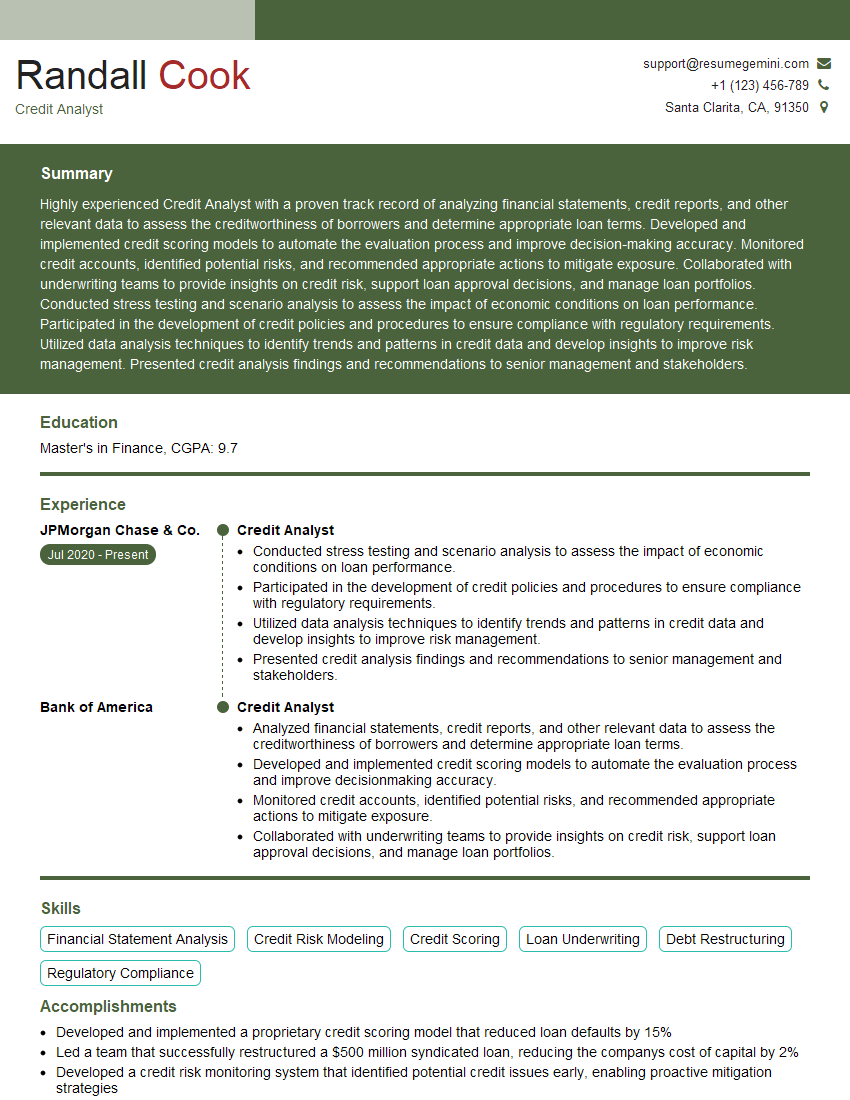
Credit Analyst Resume Sample
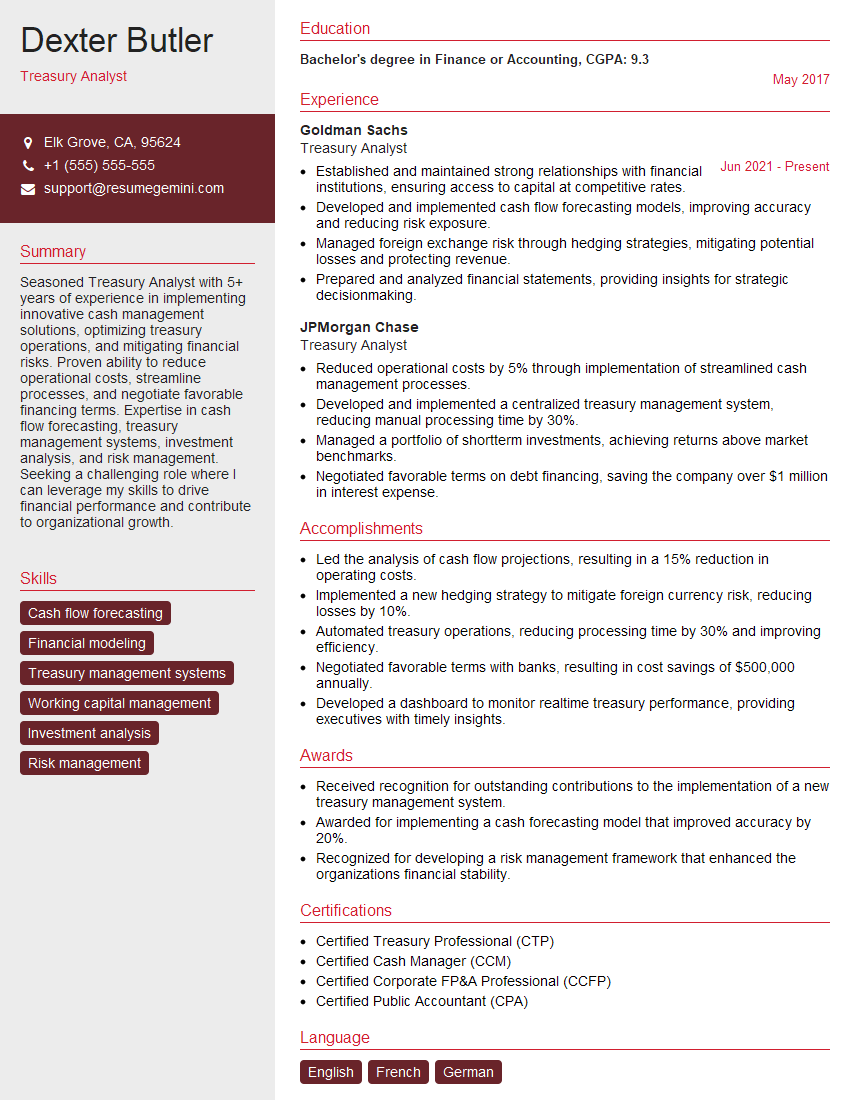
Treasury Analyst Resume Sample
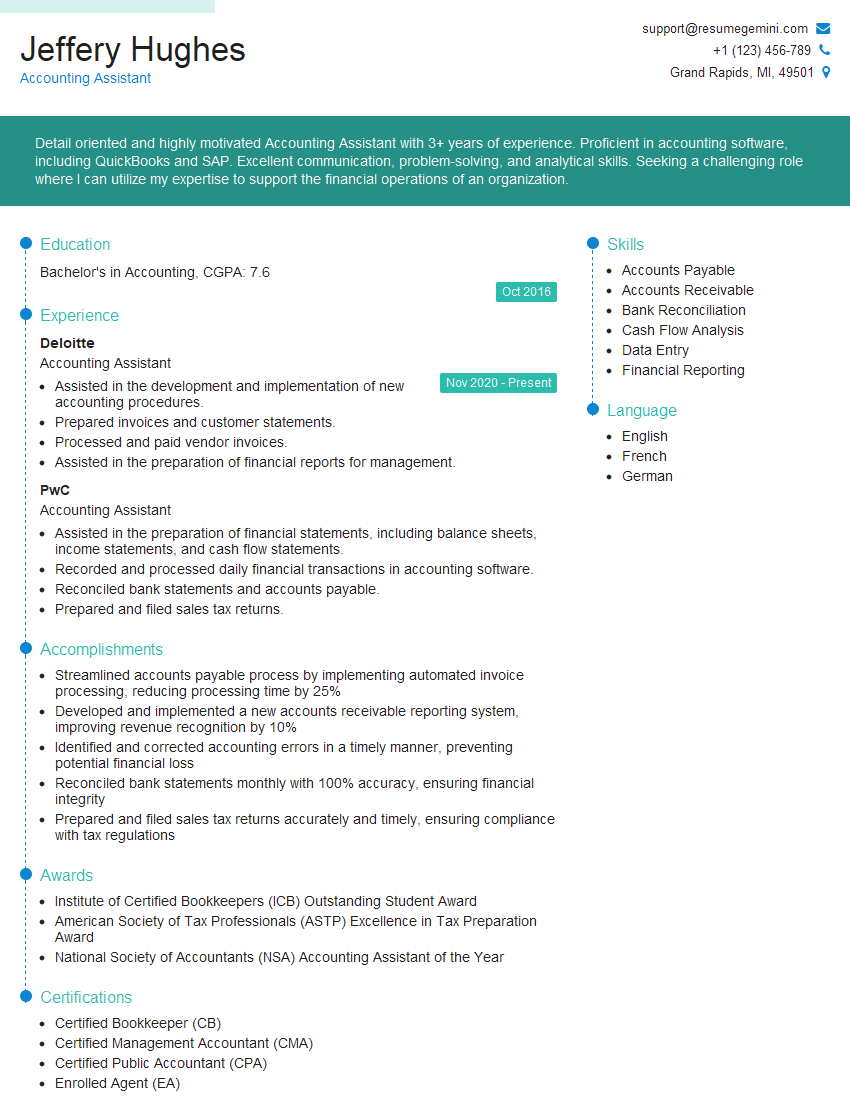
Accounting Assistant Resume Sample
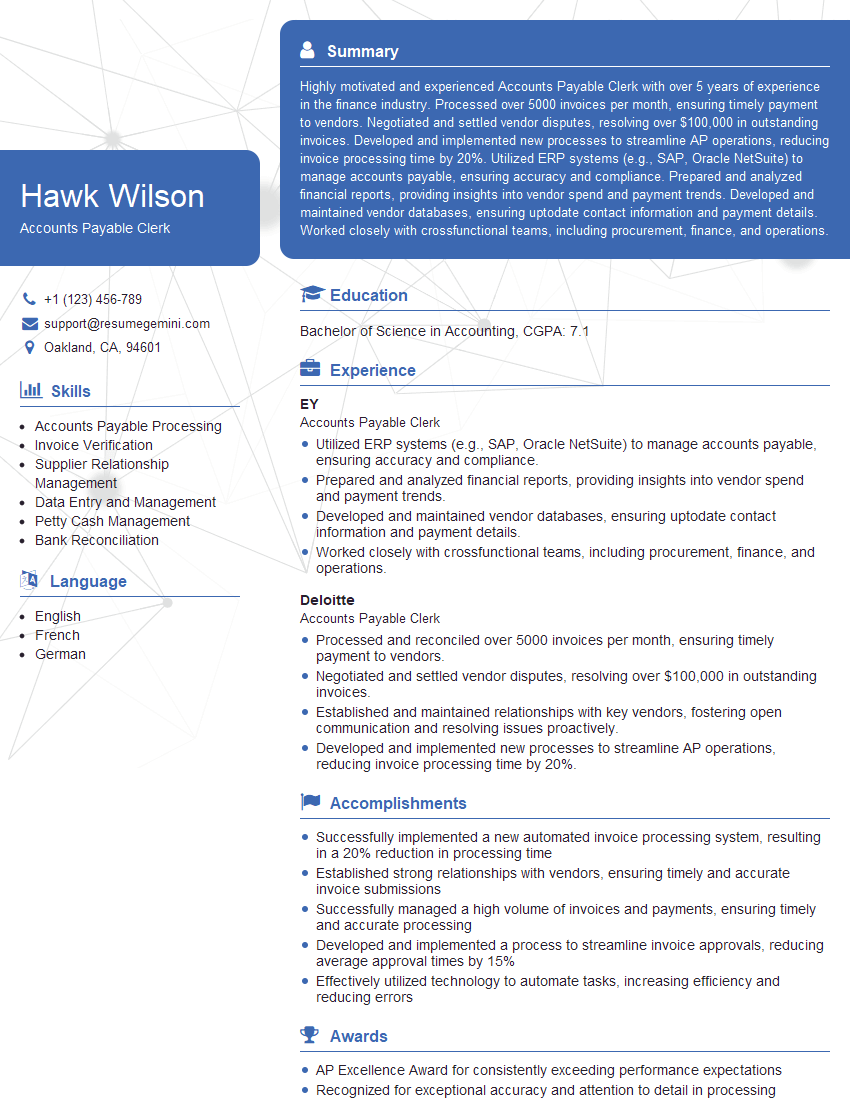
Accounts Payable Clerk Resume Sample
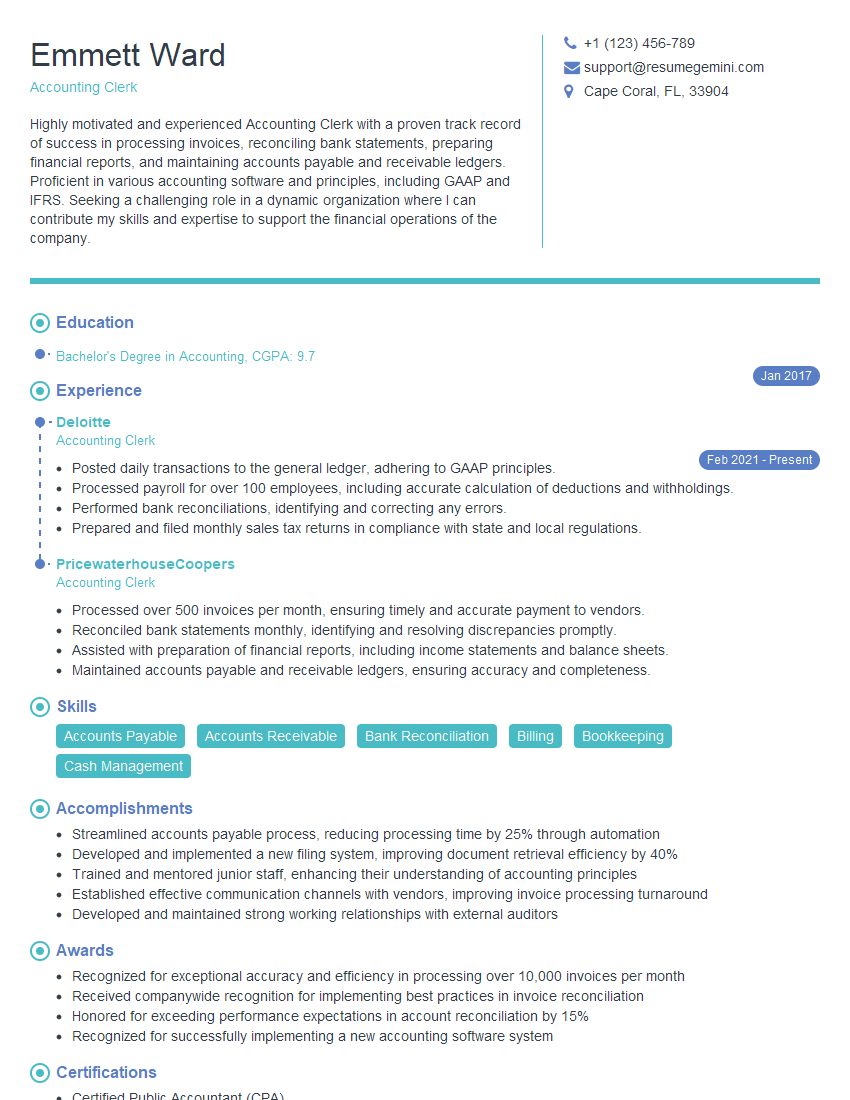
Accounting Clerk Resume Sample
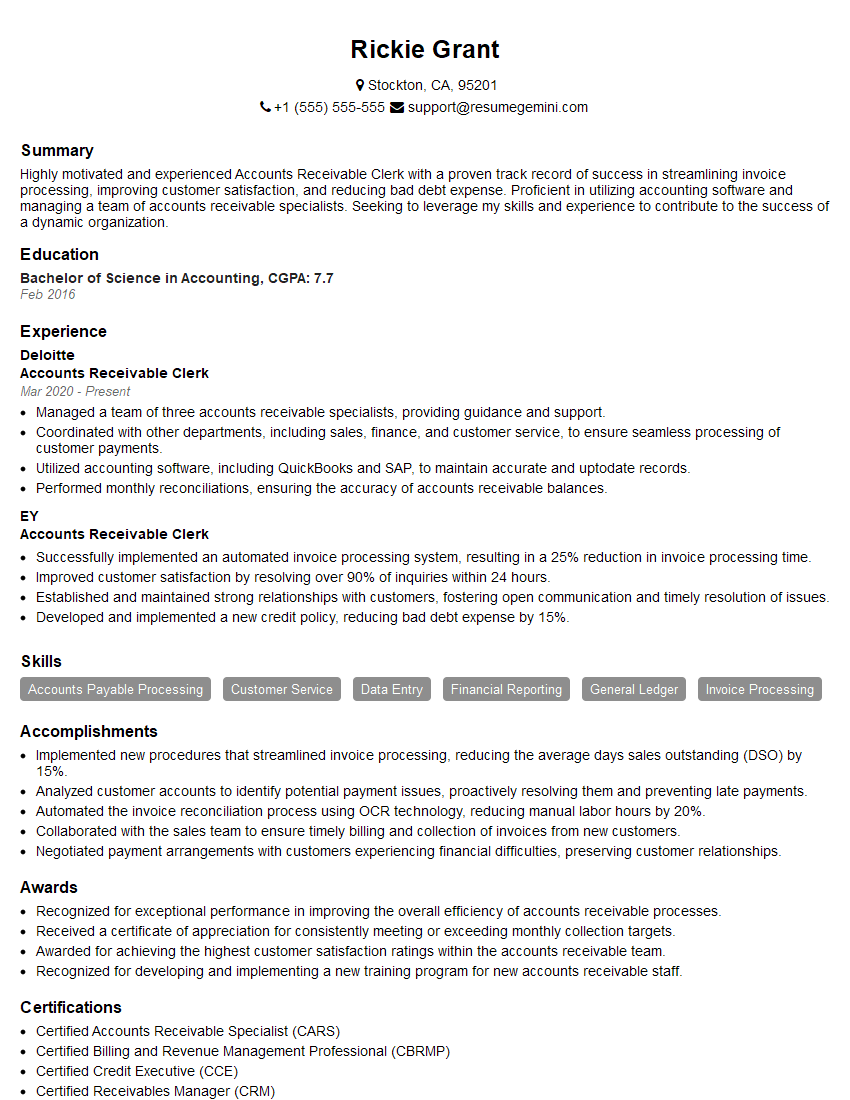
Accounts Receivable Clerk Resume Sample
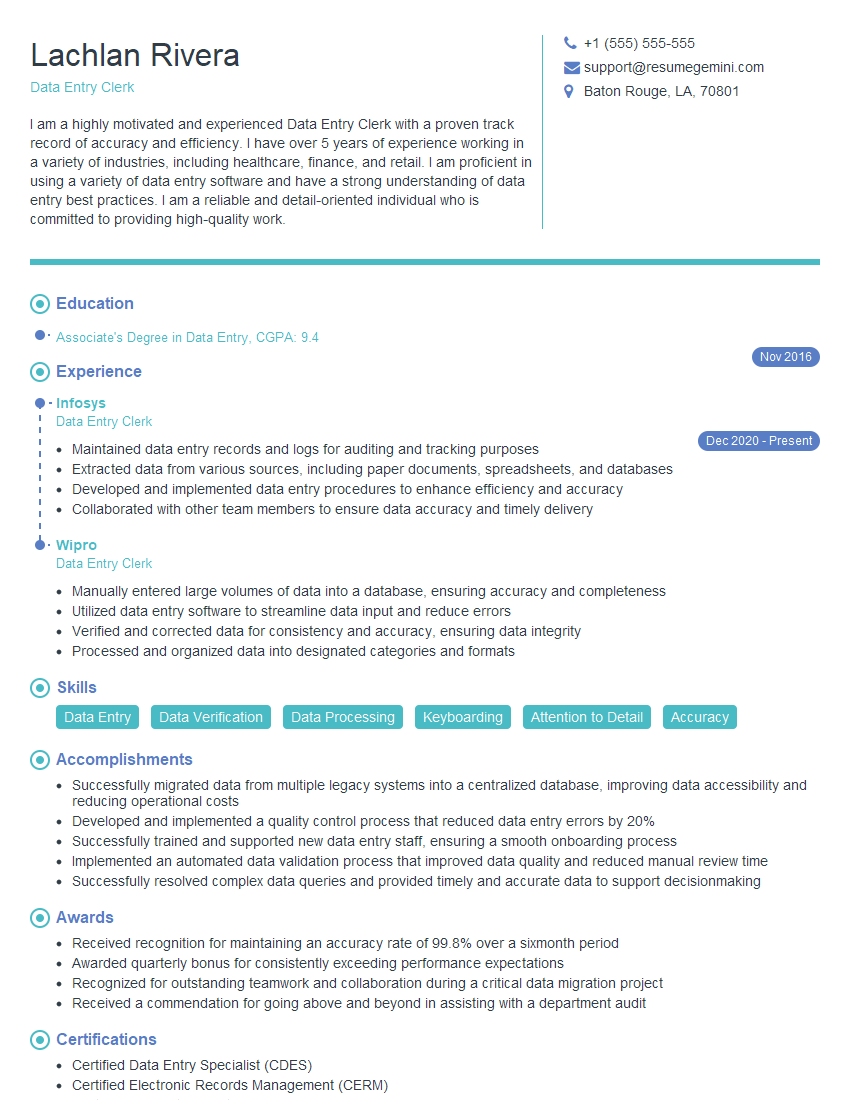
Data Entry Clerk Resume Sample
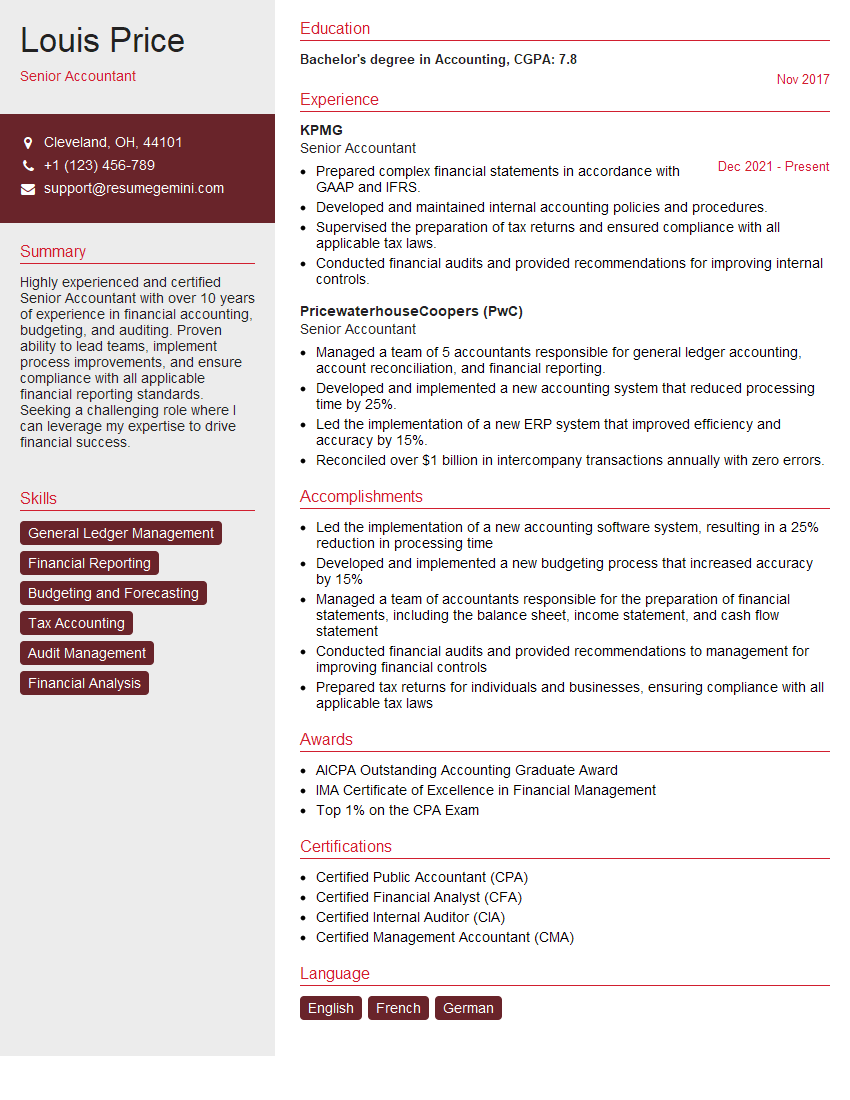
Senior Accountant Resume Sample
- Financial Controller
- Compliance Officer
- Payroll Specialist
- Cost Accountant
- Internal Auditor
- Tax Accountant
- Bookkeeper
- Financial Analyst
- Forensic Accountant
- Revenue Accountant
- Staff Accountant
- Budget Analyst
- Credit Analyst
- Treasury Analyst
- Accounting Assistant
- Accounts Payable Clerk
- Accounting Clerk
- Accounts Receivable Clerk
- Data Entry Clerk
- Senior Accountant
Explore more articles
Users Rating of Our Blogs
Share Your Experience
We value your feedback! Please rate our content and share your thoughts (optional).
What Readers Say About Our Blog
Very informative content, great job.
good