The right preparation can turn an interview into an opportunity to showcase your expertise. This guide to Check Handling interview questions is your ultimate resource, providing key insights and tips to help you ace your responses and stand out as a top candidate.
Questions Asked in Check Handling Interview
Q 1. Explain the process of check verification and endorsement.
Check verification and endorsement are crucial steps in ensuring the safe and legitimate transfer of funds. Verification involves confirming the check’s authenticity and legitimacy, while endorsement makes the check payable to the intended recipient.
Verification typically involves examining the check for several key elements:
- Signer’s Signature: Comparing the signature on the check to known samples to verify its authenticity.
- Account Information: Confirming that the account number and bank information are valid and match the issuing bank’s records.
- Amount: Ensuring the numerical and written amounts match to prevent alteration.
- Check Number: Verifying the check number against records to prevent duplicate payments.
- Date: Checking the date to ensure the check hasn’t expired (though most banks have a longer grace period).
Endorsement involves signing the back of the check, transferring ownership. There are different types of endorsements:
- Blank Endorsement: Simply signing your name. Least secure, as anyone can cash it.
- Special Endorsement: ‘Pay to the order of [recipient’s name]’ followed by your signature. More secure, specifying the recipient.
- Restrictive Endorsement: ‘For Deposit Only’ followed by your signature. Limits cashing to deposit only, added security.
For example, imagine receiving a check from a client. I’d first visually inspect it for any signs of alteration. Then, I’d verify the client’s signature against previous records. Finally, I’d endorse it restrictively before depositing it.
Q 2. Describe your experience with different types of checks (e.g., cashier’s checks, personal checks).
Throughout my career, I’ve handled a wide variety of checks, each requiring a slightly different approach.
- Personal Checks: These carry the highest risk due to potential insufficient funds (NSF) or fraudulent activity. Verification is crucial, often involving checking the issuer’s creditworthiness (if possible) and verifying the signature against known samples.
- Cashier’s Checks: These are considered safer because they’re drawn against a bank’s funds. Verification involves ensuring the check’s format aligns with the issuing bank’s standards and confirming that the issuing bank is legitimate. The risk of NSF is significantly reduced.
- Certified Checks: Similar to cashier’s checks, these are guaranteed by the bank, offering a higher level of security. The verification process focuses on confirming the bank’s certification and that the check details align with their records.
- Money Orders: These function like cashier’s checks but are often issued by non-bank entities. Verification focuses on the issuing entity’s legitimacy and the absence of any signs of alteration or fraud.
My experience has taught me that risk assessment is key. While cashier’s checks are generally safer, vigilance is always necessary. I’ve had instances where seemingly legitimate cashier’s checks turned out to be fraudulent, highlighting the importance of thorough verification regardless of the check type.
Q 3. How do you handle a returned check?
Handling a returned check, also known as a bounced check, involves a systematic process to recover the funds and potentially pursue legal action if necessary.
First, I’d carefully examine the reason for return provided by the bank. Common reasons include insufficient funds (NSF), stopped payment, or account closure. The return reason code is crucial.
Next, I’d contact the payer immediately, informing them of the returned check and the reason for the return. I’d request immediate payment, either through another check, electronic transfer, or cash.
If the payer fails to provide payment, I’d follow up with multiple attempts. Depending on the amount and relationship with the payer, I might explore options like a formal demand letter or legal action to recover the funds.
Finally, meticulous record-keeping is crucial. I’d document all communication, payment attempts, and legal actions taken, ensuring clear evidence of the situation for future reference. This detailed record is invaluable should legal action become necessary.
Q 4. What are the common reasons for check rejection?
Checks can be rejected for several reasons, broadly categorized as:
- Insufficient Funds (NSF): The payer’s account lacks sufficient funds to cover the check amount. This is the most common reason.
- Stopped Payment: The payer intentionally instructed their bank to stop payment on the check. This might be due to a dispute or change of mind.
- Account Closed: The payer’s account has been closed, rendering the check invalid.
- Account Frozen: The account may be frozen due to legal issues or bank regulations.
- Incorrect Account Information: Errors in the account number or bank information can lead to rejection.
- Forged Signature: If the signature on the check is forged, the bank will likely reject it.
- Alterations: Any alterations to the check amount or other details may trigger rejection to prevent fraud.
Understanding these reasons is vital for effectively managing check processing. Each reason requires a different response, ranging from contacting the payer for re-payment to investigating potential fraud.
Q 5. Explain your understanding of check fraud and prevention measures.
Check fraud is a serious concern, encompassing various schemes aiming to illegally obtain funds. Common types include forged checks, altered checks, counterfeit checks, and check washing.
Prevention measures are crucial:
- Verification Procedures: Implementing robust procedures to verify signatures, account information, and check details, as previously described.
- Anti-fraud Software: Utilizing software that can detect anomalies and potentially fraudulent checks based on data analysis and patterns.
- Employee Training: Thoroughly training staff to recognize signs of fraudulent checks and to follow established verification protocols.
- Regular Audits: Conducting regular internal audits of check processing procedures to identify any weaknesses or vulnerabilities.
- Use of Security Features: Selecting checks with enhanced security features, such as watermarks, specialized inks, and microprinting.
- Prompt Deposit: Depositing checks promptly to minimize the window of opportunity for fraud.
- Positive Pay: Implementing a positive pay system, where the company pre-authorizes checks before payment.
For instance, I once identified a series of altered checks where the amount was subtly increased. Our internal controls and employee training allowed us to detect the fraud early, preventing significant losses.
Q 6. How do you ensure the accuracy of check processing?
Ensuring accuracy in check processing is paramount and involves a multi-faceted approach:
- Double-checking Information: Verify all information, including the amount (both numerical and written), account number, and signature, multiple times.
- Reconciliation: Regularly reconcile check registers with bank statements to detect discrepancies and prevent errors.
- Automated Systems: Utilize automated check processing systems where possible. While not foolproof, these systems can reduce manual errors.
- Internal Controls: Implement robust internal controls to separate duties and prevent unauthorized access to checks or financial information.
- Regular Training: Provide ongoing training to staff on check handling procedures and best practices.
- Use of Check Imaging: Storing digital images of checks enhances accuracy and streamlines audits.
By integrating these strategies, we can significantly minimize the risk of errors and maintain the integrity of financial records. For example, in my previous role, we implemented a double-entry system for check processing, ensuring every check was verified by two separate individuals.
Q 7. Describe your experience with check reconciliation procedures.
Check reconciliation is a crucial process that matches a company’s internal records of checks written with the bank’s statement. It identifies discrepancies and ensures accuracy.
My experience involves using various methods, both manual and automated. Manual reconciliation involves meticulously comparing each check written with the bank statement, noting any differences. This can be very time-consuming but offers a detailed examination.
Automated reconciliation leverages software to compare the two sets of data, flagging any discrepancies. This is significantly faster but requires careful review of the flagged items. I’ve used several accounting software packages that provide these tools.
Regardless of the method, the core process remains the same. The goal is to identify outstanding checks (checks written but not yet cashed), checks that were not recorded internally, and any discrepancies in amounts. After identifying discrepancies, it is crucial to investigate and rectify these issues.
In my previous role, we adopted a monthly reconciliation schedule and used a dedicated software for automation. This reduced errors and significantly improved the efficiency of the process, while the remaining discrepancies were addressed immediately to ensure financial record accuracy.
Q 8. How do you handle discrepancies in check registers?
Discrepancies in check registers are a common challenge, but a systematic approach can quickly resolve them. It’s crucial to identify the source of the difference between the bank statement and the internal records. This usually involves a careful comparison of each transaction.
My approach involves a multi-step process:
- Reconciliation: I meticulously compare the bank statement to the check register, noting any differences in amounts, dates, or descriptions.
- Categorization: I categorize discrepancies into types: outstanding checks (checks written but not yet cashed), deposits in transit (deposits made but not yet reflected on the statement), bank charges or fees, errors in recording transactions (either in the register or the bank statement).
- Investigation: For each discrepancy, I investigate the source. This might involve reviewing supporting documentation like invoices, receipts, or canceled checks. In the case of outstanding checks, I check if the payee has cashed the check. For deposits in transit, I verify the deposit slip and its timely processing by the bank. Bank errors are usually addressed with the bank directly.
- Correction: Once the source of the discrepancy is identified, I make the necessary corrections in either the check register or the bank statement reconciliation. This often involves updating the register with any bank charges or adding outstanding checks and deposits in transit.
- Documentation: I maintain detailed records of all discrepancies and their resolution, including dates, descriptions, and the corrective actions taken. This allows for easy tracking and helps prevent future errors.
For instance, I once identified a significant discrepancy due to a transposition error in recording a large payment. By carefully reviewing supporting documents and comparing against the bank statement, I quickly located and corrected this error, preventing a significant accounting issue.
Q 9. What software or systems are you proficient in for check processing?
My expertise spans various software and systems for check processing. I am proficient in using enterprise resource planning (ERP) systems such as SAP and Oracle, which often integrate robust check processing modules. I also have experience with specialized check processing software such as those offered by Jack Henry & Associates and FIS, which handle high volumes and provide features like automated reconciliation and exception handling.
Beyond dedicated software, I’m comfortable using accounting software like QuickBooks and Xero for smaller-scale check processing. My skill set extends to using spreadsheet software, such as Microsoft Excel and Google Sheets, to manage check registers and perform reconciliation, particularly for smaller businesses or ad-hoc analysis. Furthermore, I have experience with online banking platforms, enabling me to electronically download statements and manage bank accounts effectively.
Q 10. Explain your experience with high-volume check processing.
During my time at [Previous Company Name], I managed the processing of over [Number] checks per month. This involved overseeing the entire check processing lifecycle, from data entry and verification to reconciliation and archival. High-volume processing requires meticulous attention to detail and efficient workflow management.
We implemented a system of batch processing, dividing checks into manageable groups. This allowed for parallel processing, significantly speeding up the process and minimizing potential errors. We also utilized automated check scanning and data capture technology which reduced manual input and human error.
We established robust quality control checks at each stage, including regular audits and reconciliation procedures. This ensured data accuracy and compliance. Moreover, regular staff training and updates on software and procedures were implemented to adapt to changes and maintain efficiency.
Q 11. How do you prioritize tasks during peak processing times?
Prioritization during peak processing times is critical. My approach involves a combination of strategies:
- Urgency Assessment: I prioritize tasks based on their urgency and deadlines. Time-sensitive tasks, like payroll checks, take precedence.
- Workflow Optimization: I identify and streamline workflows to eliminate bottlenecks and improve efficiency. For example, I might delegate simpler tasks to free up time for more complex ones.
- Resource Allocation: I efficiently allocate resources, including personnel and technology, to address peak demands. This might involve temporarily assigning additional staff or leveraging automation tools.
- Communication: I maintain clear and open communication with colleagues and stakeholders, updating them on progress and addressing any delays promptly.
- Flexibility: I am adaptable and willing to adjust plans as needed to handle unexpected surges in volume or critical issues.
For instance, during tax season, I prioritized processing vendor payments to avoid potential penalties and ensure timely reporting.
Q 12. Describe your experience with balancing checkbooks or accounts.
Balancing checkbooks and accounts is a fundamental aspect of my expertise. My experience spans various account types, from personal checking accounts to business accounts with multiple subsidiaries. My process involves a methodical approach:
- Gathering Information: I collect the bank statement and the check register, ensuring both are up-to-date.
- Comparing Records: I carefully compare each transaction in the register with the bank statement, noting any discrepancies.
- Reconciling Differences: I identify and categorize any outstanding checks, deposits in transit, and bank charges or fees, investigating and resolving each.
- Adjusting Records: I correct any errors and update both the register and bank statement reconciliation.
- Verification: I verify that the adjusted balances match in both the register and the bank statement.
I have a strong track record of accurately reconciling accounts, even during periods of high transaction volume. For instance, during a period of rapid growth at a previous company, I developed and implemented a streamlined reconciliation process that significantly improved efficiency and accuracy.
Q 13. What is your experience with manual vs. automated check processing?
I have extensive experience with both manual and automated check processing. Manual processing, while offering greater control, is time-consuming and prone to errors for high volumes. Automated processing, using check-scanning software and electronic data capture, significantly increases efficiency and accuracy. However, it requires initial investment in technology and thorough training.
In my experience, the best approach often involves a hybrid model. For example, a company might use automated systems for high-volume transactions, while manually processing exceptions or unusual checks. My approach is flexible and adapts to the specific needs and resources of each situation. I can seamlessly transition between both methods, leveraging the advantages of each. I understand the limitations and benefits of both and can assess which approach is most suitable depending on the context.
Q 14. How do you manage exceptions or errors during check processing?
Exception handling is crucial in check processing. Errors can range from simple data entry mistakes to more complex issues like insufficient funds or fraudulent activity. My approach to managing exceptions involves:
- Identification: I use software alerts and regular audits to identify exceptions promptly.
- Categorization: I categorize exceptions to prioritize based on urgency and impact. For example, a bounced check requires immediate attention.
- Investigation: I investigate each exception thoroughly, reviewing supporting documentation and, if necessary, contacting the bank or the involved parties.
- Resolution: I implement the appropriate corrective actions based on the nature of the exception. This might involve contacting the payer for insufficient funds, reporting fraudulent activity, or correcting data entry errors.
- Documentation: I maintain detailed records of each exception, including the date, nature of the error, investigation steps, and the resolution. This helps in tracking trends and preventing future occurrences.
For example, I once identified a pattern of duplicate payments. By investigating the root cause, I discovered a flaw in the accounting software. This was promptly resolved, preventing further losses and improving process efficiency. I also have experience in implementing preventative measures to mitigate future risks.
Q 15. What is your understanding of regulatory compliance related to check handling?
Regulatory compliance in check handling is crucial and multifaceted. It involves adhering to a range of federal and state laws, as well as industry best practices. Key areas include the Bank Secrecy Act (BSA) and its anti-money laundering (AML) provisions, requiring us to identify and report suspicious activity. Regulations also cover data privacy, like the Gramm-Leach-Bliley Act (GLBA), protecting customer financial information. Finally, regulations govern the accurate and timely processing of checks, ensuring compliance with deadlines and minimizing errors. For instance, a failure to properly identify and report a potentially fraudulent check could result in significant penalties.
Understanding these regulations isn’t simply about avoiding fines; it’s about maintaining the integrity of the financial system and protecting our customers. We routinely undergo internal audits and external compliance reviews to ensure we’re meeting all applicable standards.
Career Expert Tips:
- Ace those interviews! Prepare effectively by reviewing the Top 50 Most Common Interview Questions on ResumeGemini.
- Navigate your job search with confidence! Explore a wide range of Career Tips on ResumeGemini. Learn about common challenges and recommendations to overcome them.
- Craft the perfect resume! Master the Art of Resume Writing with ResumeGemini’s guide. Showcase your unique qualifications and achievements effectively.
- Don’t miss out on holiday savings! Build your dream resume with ResumeGemini’s ATS optimized templates.
Q 16. How familiar are you with different payment processing methods?
My experience encompasses a wide range of payment processing methods, extending beyond traditional checks. I’m proficient in handling electronic funds transfers (EFTs), including ACH payments and wire transfers. I’m also familiar with various card payment systems like Visa, Mastercard, and American Express, and have worked with online payment gateways. Understanding these diverse methods is essential for providing comprehensive financial services and optimizing efficiency. For example, processing high-volume payments might be more efficient using ACH than individual checks, while wire transfers are ideal for large, urgent transactions.
Q 17. Explain your experience with data entry and accuracy in check processing.
Data entry accuracy is paramount in check processing. Throughout my career, I’ve maintained a near-perfect accuracy rate, exceeding 99.9% in data entry tasks. I utilize various techniques to ensure accuracy, including double-checking entries, employing data validation tools, and consistently following standardized procedures. I’ve also implemented and improved upon quality control measures within teams to minimize errors. For example, I once noticed a recurring pattern of incorrect account number entry and implemented a simple visual aid to significantly reduce this type of error. My experience shows a commitment to detail and efficiency in ensuring data integrity.
Q 18. How do you maintain confidentiality in handling sensitive financial data?
Maintaining confidentiality is a top priority. We strictly adhere to company policies and relevant regulations to protect sensitive financial data. This involves limiting access to sensitive information on a need-to-know basis, using secure data storage systems, and adhering to strong password policies. Secure data disposal methods are also employed to prevent unauthorized access. All employees receive comprehensive training on data security protocols. We use encryption both in transit and at rest to protect data from unauthorized access. We also maintain detailed audit logs to track all access to sensitive information. Think of it like a bank vault – multiple layers of security to protect the assets inside.
Q 19. Describe your experience with resolving check-related customer inquiries.
I have extensive experience resolving customer inquiries regarding checks, ranging from simple balance inquiries to complex issues like stop payments and disputed transactions. I approach each situation with empathy and professionalism, carefully listening to understand the customer’s concerns. I provide clear, concise explanations, using plain language to avoid confusing technical jargon. I am skilled at efficiently navigating internal systems to find answers and follow up promptly. For example, I once resolved a situation involving a lost check by quickly tracking its movement and communicating transparently with the customer, ensuring their satisfaction.
Q 20. How would you handle a situation with a missing check?
Handling a missing check requires a systematic approach. First, I’d verify the check’s status using our internal tracking system. Next, I’d contact the payee to confirm if they received the check and inquire about its status. If the check wasn’t received, I’d investigate potential delivery issues, such as an incorrect address or postal delays. If the check was lost internally, I’d launch a thorough internal search and follow our established lost-check procedures, possibly issuing a stop payment and issuing a replacement check. Clear communication with the customer throughout the process is crucial to mitigate any potential frustration.
Q 21. What is your experience with managing check deposits?
My experience in managing check deposits encompasses both manual and automated processes. I’m proficient in balancing deposit slips, reconciling bank statements, and identifying any discrepancies. I’m also experienced with using check-scanning equipment and deposit automation software to streamline the deposit process. For example, I’ve implemented new software that automated our check deposit process, reducing processing time by 50% and significantly decreasing the risk of human error. Effective management of check deposits ensures the accurate and timely recording of funds, maintaining the integrity of financial records.
Q 22. Explain your understanding of internal controls related to check handling.
Internal controls in check handling are crucial for preventing fraud and ensuring accurate financial reporting. They involve a system of checks and balances to monitor every stage of a check’s lifecycle, from creation to final reconciliation. Think of it like a security system for your company’s money.
- Segregation of Duties: Different individuals should handle different aspects of check processing. For example, one person prepares the check, another signs it, and a third person records it in the accounting system. This prevents any single person from having complete control and committing fraud.
- Authorization and Approval: Checks should only be issued with proper authorization. This often involves a signature approval process, especially for larger amounts. Think of it as requiring multiple keys to open a safe.
- Physical Security: Checks should be stored securely, preferably in a locked cabinet or vault. Access should be restricted to authorized personnel only. This prevents unauthorized access and theft.
- Reconciliation: Regularly reconciling the check register with bank statements is vital to identify discrepancies and potential errors or fraud. This is like regularly balancing your personal checkbook.
- Independent Verification: A separate individual or department should periodically review the check handling process to identify weaknesses and ensure compliance with internal controls. This is like having an external auditor review your financial statements.
Effective internal controls minimize the risk of errors and fraud, ensuring the integrity of financial records. For instance, if a company lacks segregation of duties, a single employee could potentially issue fraudulent checks to themselves and alter the accounting records to conceal the activity.
Q 23. How would you identify and report potential fraud related to checks?
Identifying and reporting potential check-related fraud requires vigilance and a keen eye for anomalies. I would utilize several strategies:
- Monitoring Check Registers and Bank Statements: Regularly comparing the two will highlight discrepancies like unauthorized payments or missing checks.
- Analyzing Check Amounts and Payees: Unusual amounts or payees not on the company’s vendor list should raise red flags. For instance, a check issued to a personal name rather than a company name warrants immediate investigation.
- Reviewing Check Signatures: Comparing signatures on checks against authorized signatures to detect forgeries.
- Employee Background Checks: Conducting thorough background checks before hiring individuals who handle checks can help deter potential fraudsters.
- Internal Audits: Regular internal audits focusing on check handling procedures are vital in identifying weaknesses or suspicious activities.
If potential fraud is identified, I would immediately report it to my supervisor and initiate a thorough investigation in accordance with company policy. This could involve collaborating with internal audit, legal counsel, and potentially law enforcement.
For instance, during a reconciliation, if I notice a series of checks made out to a nonexistent vendor with unusually high values, that would immediately trigger an investigation.
Q 24. Describe your experience with using a check imaging system.
I have extensive experience using check imaging systems. These systems digitally capture check images, eliminating the need for physical check storage and improving efficiency. They significantly reduce the risk of loss or damage to physical checks and enable faster processing.
- Improved Workflow: Check imaging systems streamline the entire check processing cycle, from capture and storage to reconciliation. This results in quicker payment processing and faster access to funds.
- Enhanced Security: The digital images provide a secure audit trail, enhancing security and enabling easier fraud detection. For example, any alterations to a check can be easily spotted on the high-resolution images.
- Reduced Storage Costs: Eliminating the need for physical storage of checks drastically reduces storage costs and frees up valuable office space.
- Remote Access and Collaboration: The digital nature of the system allows for remote access and streamlined collaboration between different departments and locations involved in check processing.
In my previous role, we implemented a check imaging system that reduced our processing time by 50% and significantly minimized errors related to manual data entry. This improved our overall efficiency and reduced operational costs.
Q 25. How do you ensure the security of checks throughout the processing cycle?
Ensuring check security throughout the processing cycle is paramount. This involves a multi-layered approach encompassing:
- Physical Security: Secure storage of blank checks, utilizing locked cabinets and restricted access, prevents unauthorized issuance.
- Access Control: Limiting access to check-writing and signing authority to only authorized personnel, ideally with segregation of duties, prevents unauthorized check creation.
- Secure Transportation: Using secure methods for transporting checks, like armored vehicles for large sums, minimizes theft risks.
- Check Printing Security: Employing check-printing security features like microprinting and watermarks makes checks harder to counterfeit.
- Digital Security: If using check imaging systems, implementing robust security measures, such as encryption and access controls, safeguards digital check images.
- Regular Audits: Conducting periodic audits to review and assess the effectiveness of existing security measures and identify potential vulnerabilities.
For instance, we used a combination of physical security measures (locked cabinets, restricted access) and procedural controls (dual signature approval for all checks above a certain amount) at my previous company. This ensured that checks were always accounted for and that only authorized individuals could issue them.
Q 26. What is your experience with creating and maintaining check registers?
I possess extensive experience in creating and maintaining check registers. A check register is a crucial financial record that tracks all incoming and outgoing checks. It’s essentially a detailed log of all check transactions.
- Accurate Record Keeping: I ensure that all check information, including check number, date, payee, amount, and purpose, is accurately recorded in the register. This allows for easy tracking and reconciliation.
- Regular Updates: I maintain the check register on a daily basis to reflect all issued and received checks. This ensures that the register always reflects the current financial status.
- Reconciliation: I regularly reconcile the check register with bank statements to identify and correct discrepancies, helping prevent errors and fraud. This is a critical control to ensure financial accuracy.
- Software Utilization: I’m proficient in using various accounting software programs to create and maintain electronic check registers, automating data entry and improving accuracy.
- Data Backup and Security: I ensure that the check register data is regularly backed up to prevent data loss and maintain data security.
For example, in my previous role, I managed the check register for a large volume of transactions and successfully reconciled it with the bank statements every month, identifying and resolving minor discrepancies that prevented major issues.
Q 27. Describe your experience with different types of check endorsements (e.g., restrictive, blank).
Different types of check endorsements serve specific purposes, impacting how a check can be handled and who can cash it. Here are some common types:
- Blank Endorsement: Simply signing the back of the check. This makes the check payable to anyone and carries the highest risk of loss or theft. Think of this as cash – anyone can take it.
- Restrictive Endorsement: Adding specific instructions to limit how the check can be used. For example, ‘For Deposit Only’ restricts its use to deposit into a specific account. This is a more secure option.
- Special Endorsement: Directing the payment to a specific person or entity. For example, ‘Pay to the order of [Name]’. This ensures that only the designated party can cash the check.
- Qualified Endorsement: Used when a check is made payable to a business but needs to be endorsed by an authorized representative. It typically includes a title or position alongside the signature.
Understanding these different endorsement types is crucial for controlling the flow of funds and reducing the risk of check fraud. For instance, always using a restrictive endorsement for company checks significantly reduces the risk of theft or loss.
Q 28. How do you stay updated on changes in check processing regulations and best practices?
Staying updated on check processing regulations and best practices is essential for maintaining compliance and security. I employ several methods:
- Professional Organizations: Active membership in professional accounting organizations provides access to the latest information, publications, and continuing education opportunities.
- Industry Publications and Journals: Regularly reading industry publications and journals keeps me abreast of new regulations, technologies, and best practices.
- Regulatory Websites: Monitoring websites of regulatory bodies (like the Federal Reserve or relevant governmental agencies) for updates on check processing regulations.
- Webinars and Conferences: Participating in industry webinars and conferences offers valuable insights from experts and allows networking with peers.
- Vendor Updates: Staying informed about updates and new features from software and technology providers in the check processing space.
Continual learning is crucial in this dynamic environment. For example, recent changes in ACH processing regulations require close monitoring to maintain compliance and prevent potential penalties.
Key Topics to Learn for Check Handling Interview
- Check Processing Workflow: Understand the entire lifecycle of a check, from receipt to posting, including endorsement, sorting, and reconciliation.
- Fraud Prevention and Detection: Learn about common check fraud schemes and the measures taken to prevent and detect them. This includes understanding authentication techniques and risk mitigation strategies.
- Check Imaging and Electronic Processing: Familiarize yourself with the technology used for check imaging and electronic processing, including the benefits and challenges of this method.
- Regulatory Compliance: Understand relevant banking regulations and compliance requirements related to check handling and processing.
- Exception Handling and Problem Solving: Be prepared to discuss your approach to resolving issues like discrepancies, damaged checks, or rejected items. Develop examples illustrating your problem-solving skills in a check handling context.
- Data Entry and Accuracy: Understand the importance of accurate and efficient data entry related to check processing and the impact of errors. Consider discussing quality control measures.
- Security Procedures and Best Practices: Familiarize yourself with security protocols surrounding check handling, including physical and digital security.
- Automation and Technology in Check Handling: Discuss your knowledge of automated check processing systems and emerging technologies in the field.
Next Steps
Mastering check handling skills opens doors to rewarding careers in finance and banking, offering opportunities for growth and advancement. A strong understanding of check processing demonstrates attention to detail, accuracy, and problem-solving abilities – highly valued attributes in any professional setting. To maximize your job prospects, create an ATS-friendly resume that showcases your skills effectively. ResumeGemini is a trusted resource to help you build a professional resume that highlights your qualifications. Examples of resumes tailored to Check Handling are available to guide you in creating your own compelling application materials.
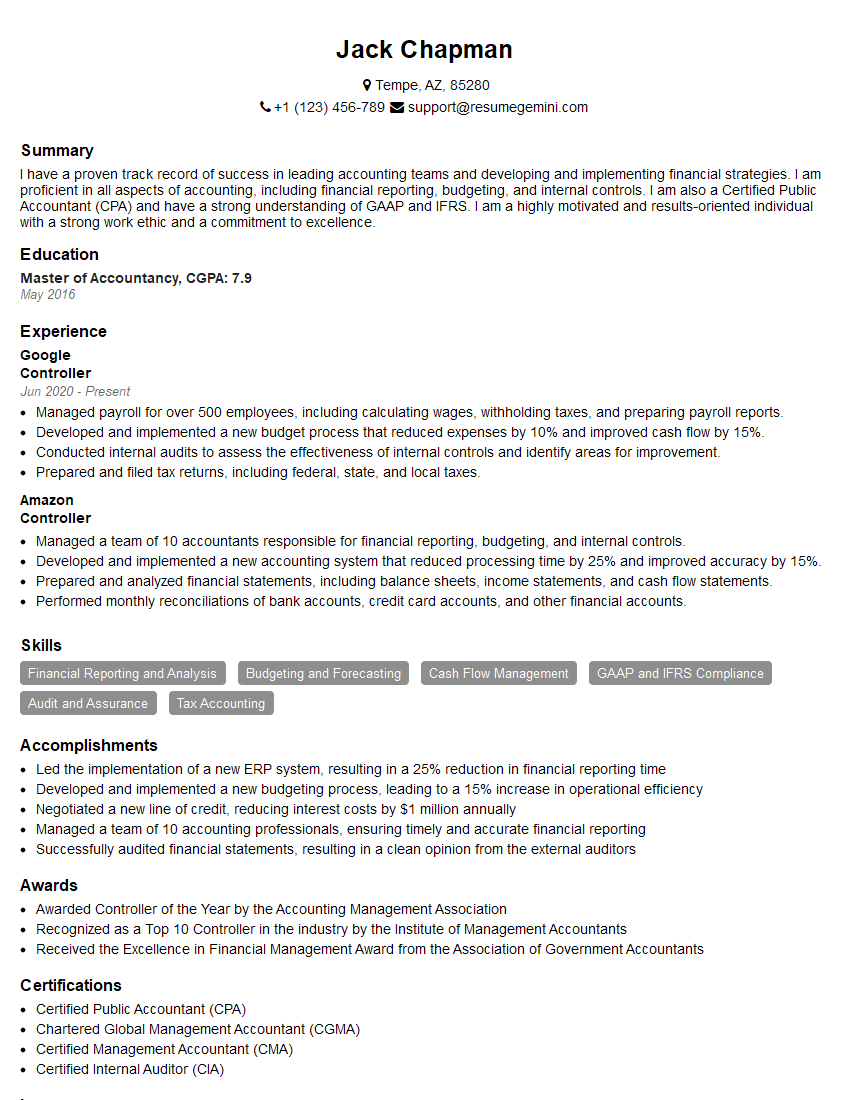
Controller Resume Sample
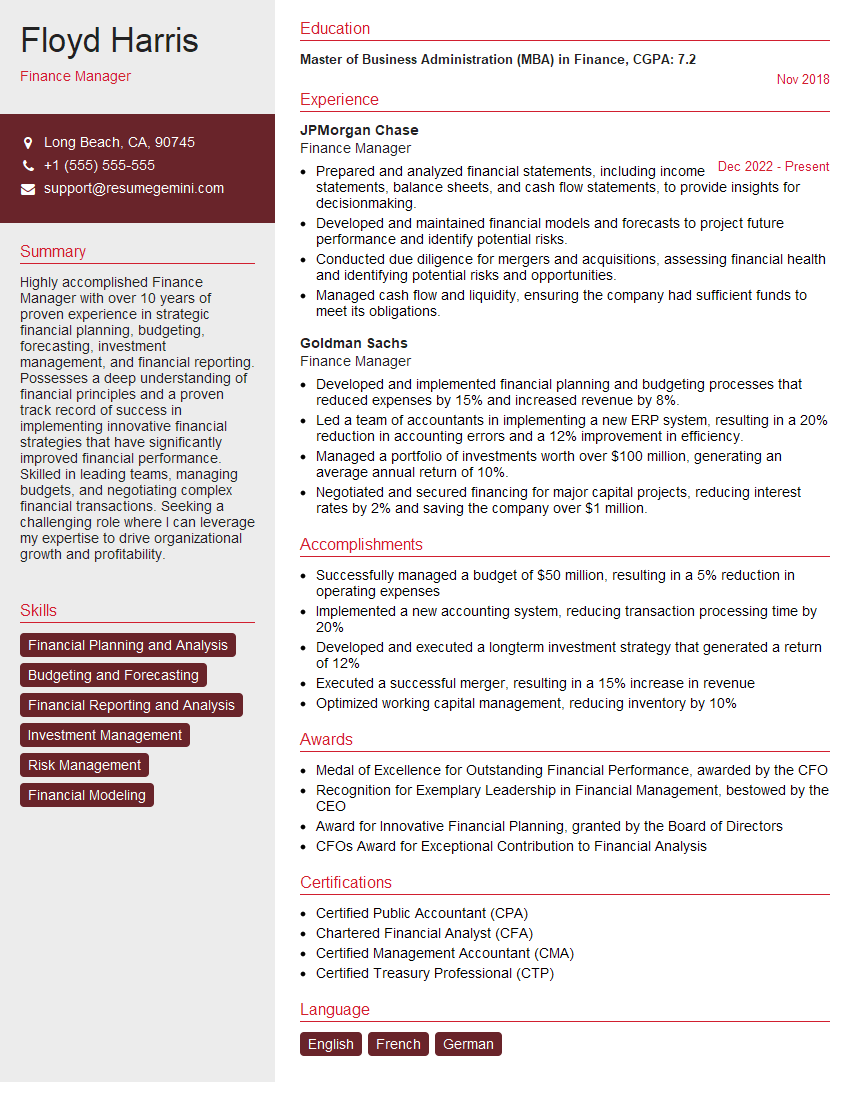
Finance Manager Resume Sample
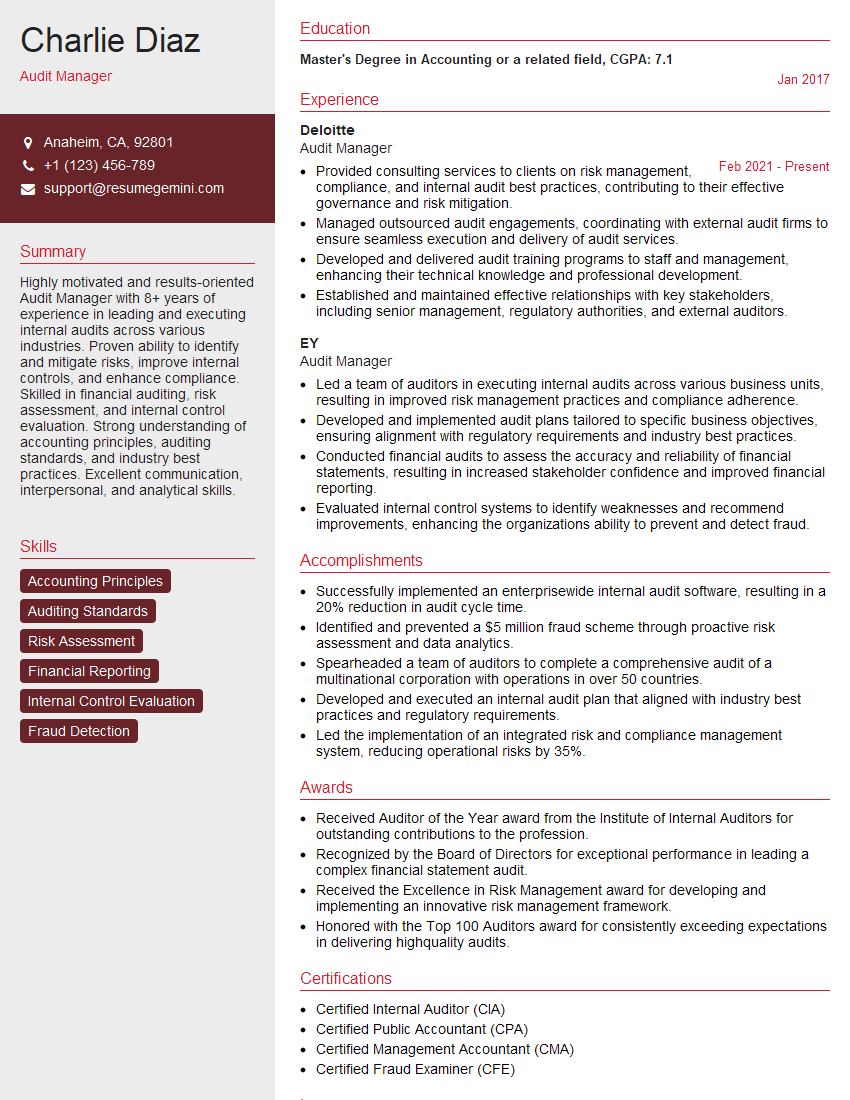
Audit Manager Resume Sample

Compliance Officer Resume Sample
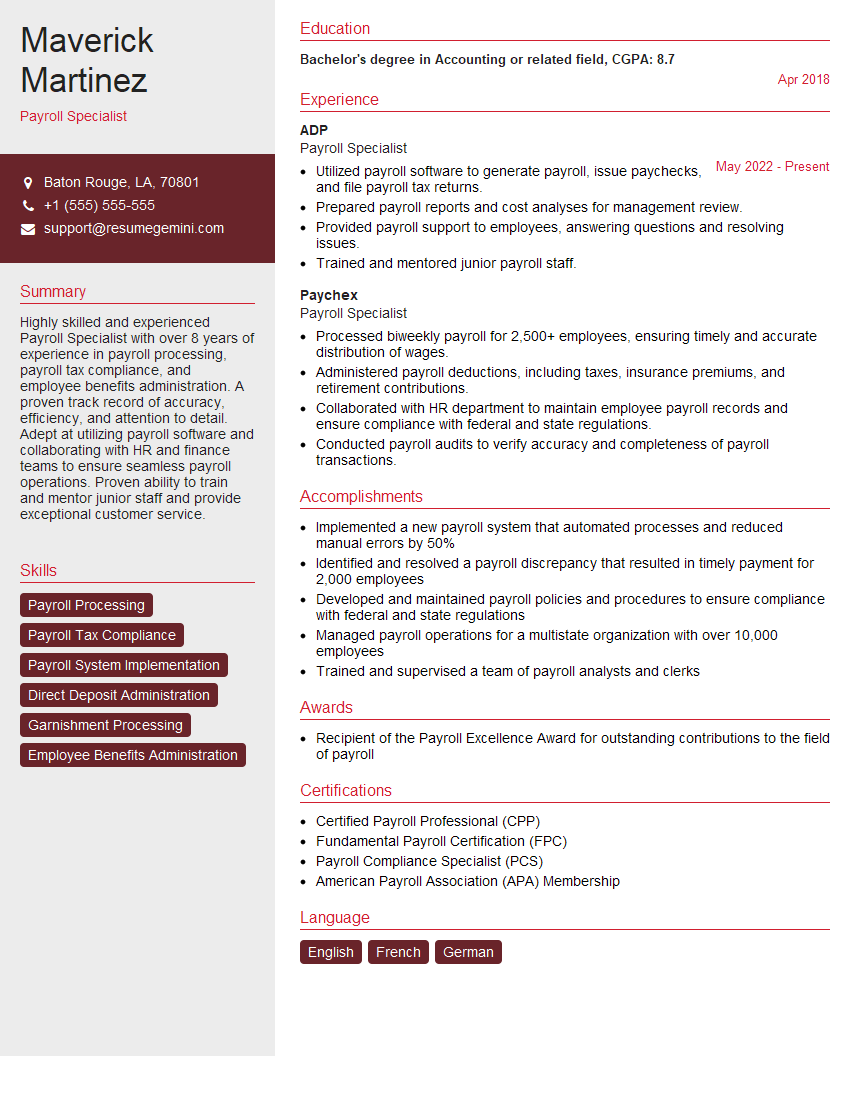
Payroll Specialist Resume Sample
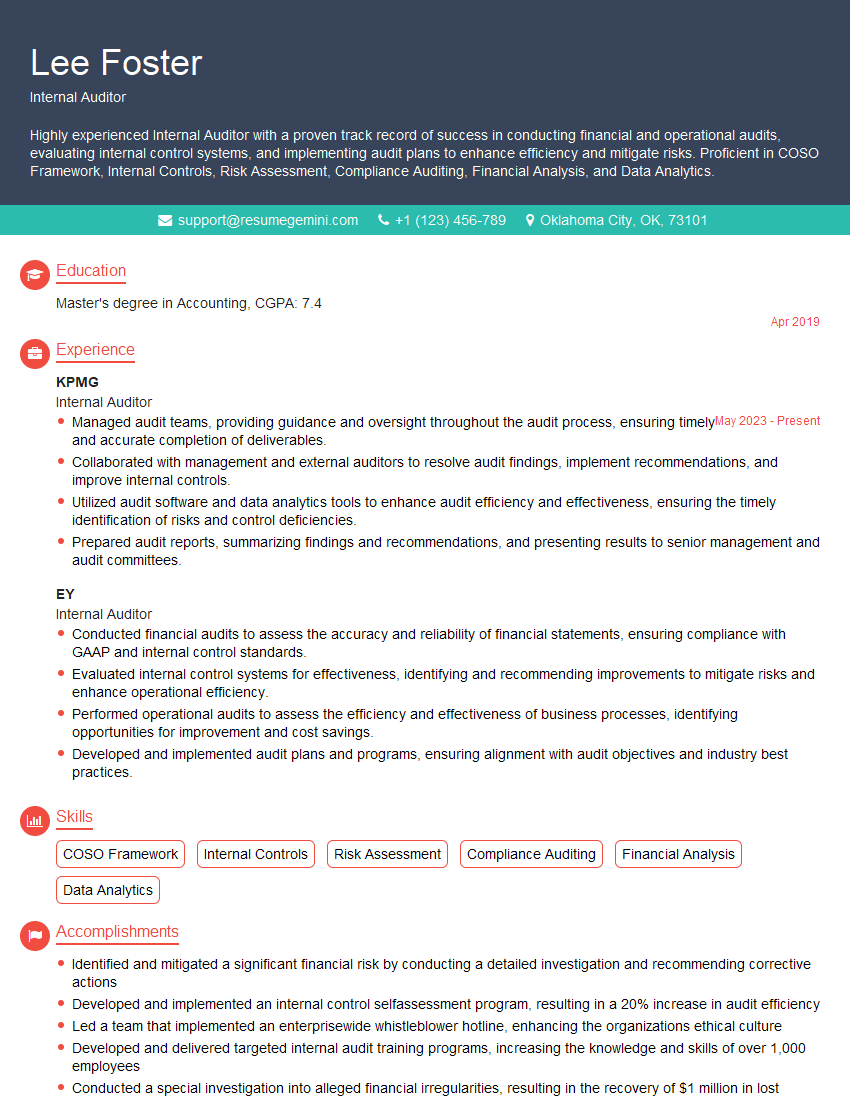
Internal Auditor Resume Sample
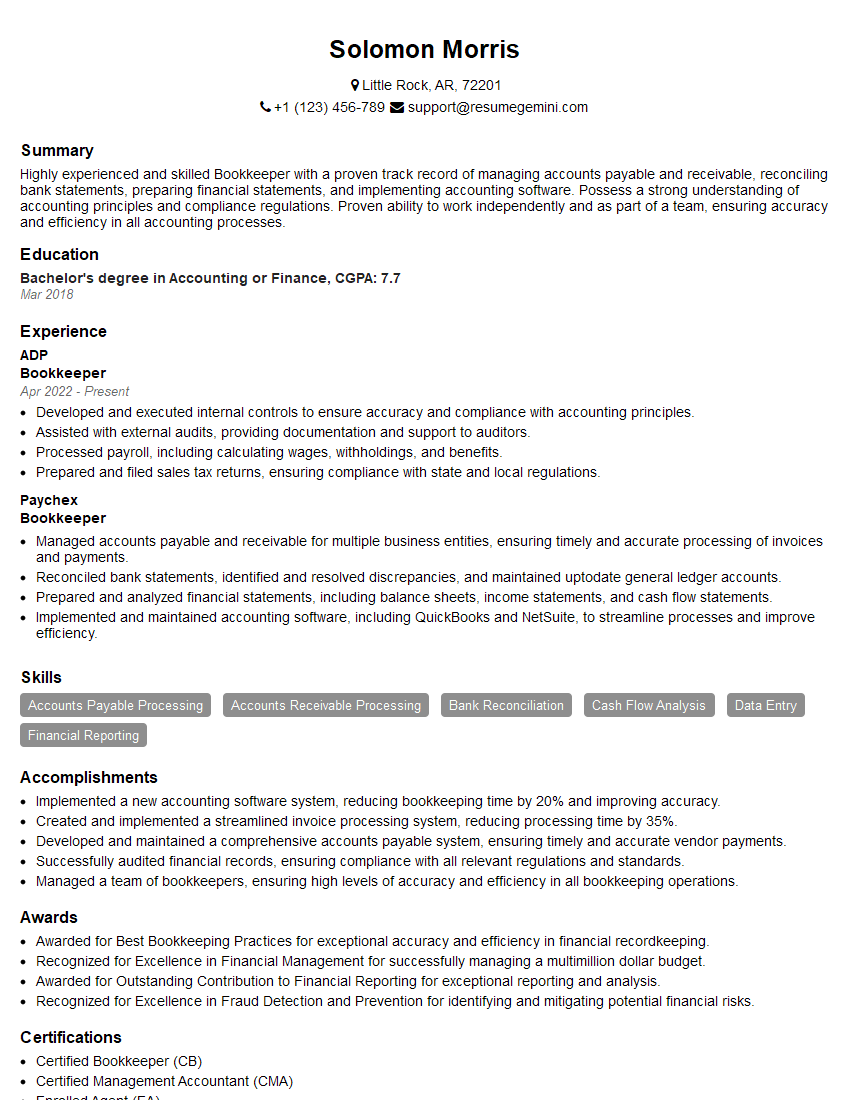
Bookkeeper Resume Sample
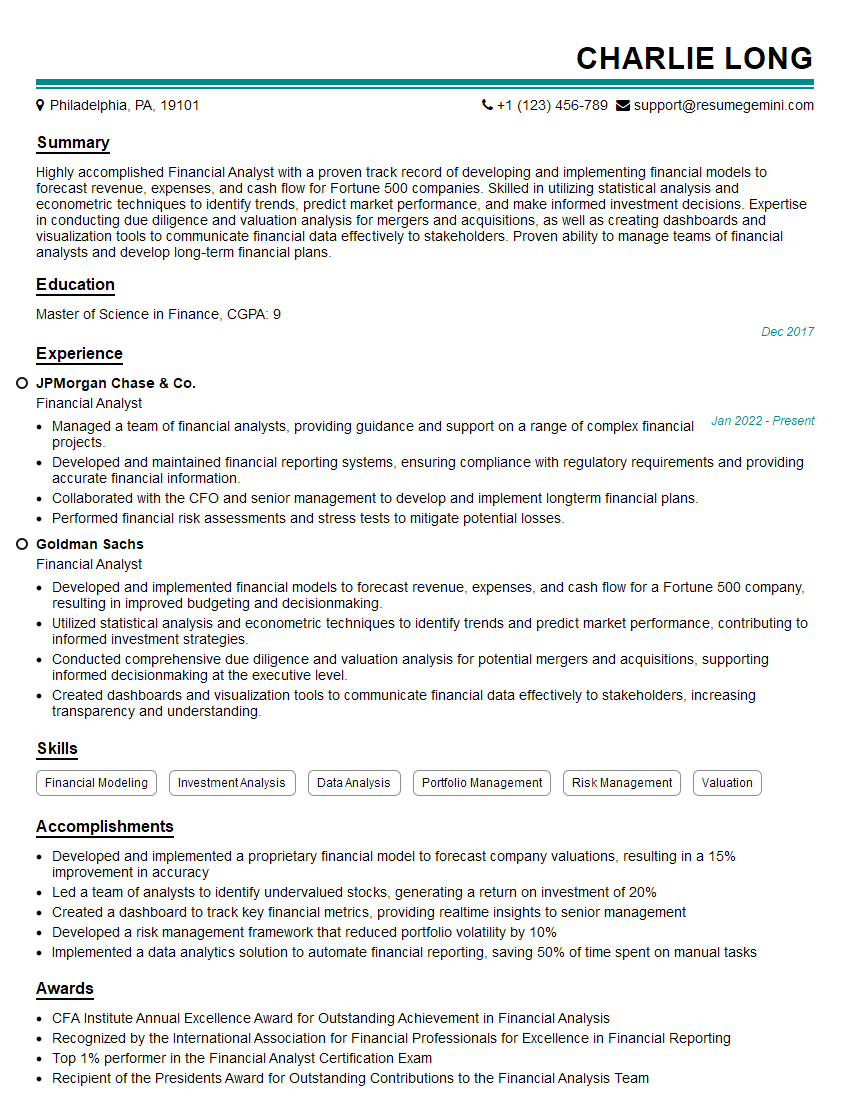
Financial Analyst Resume Sample
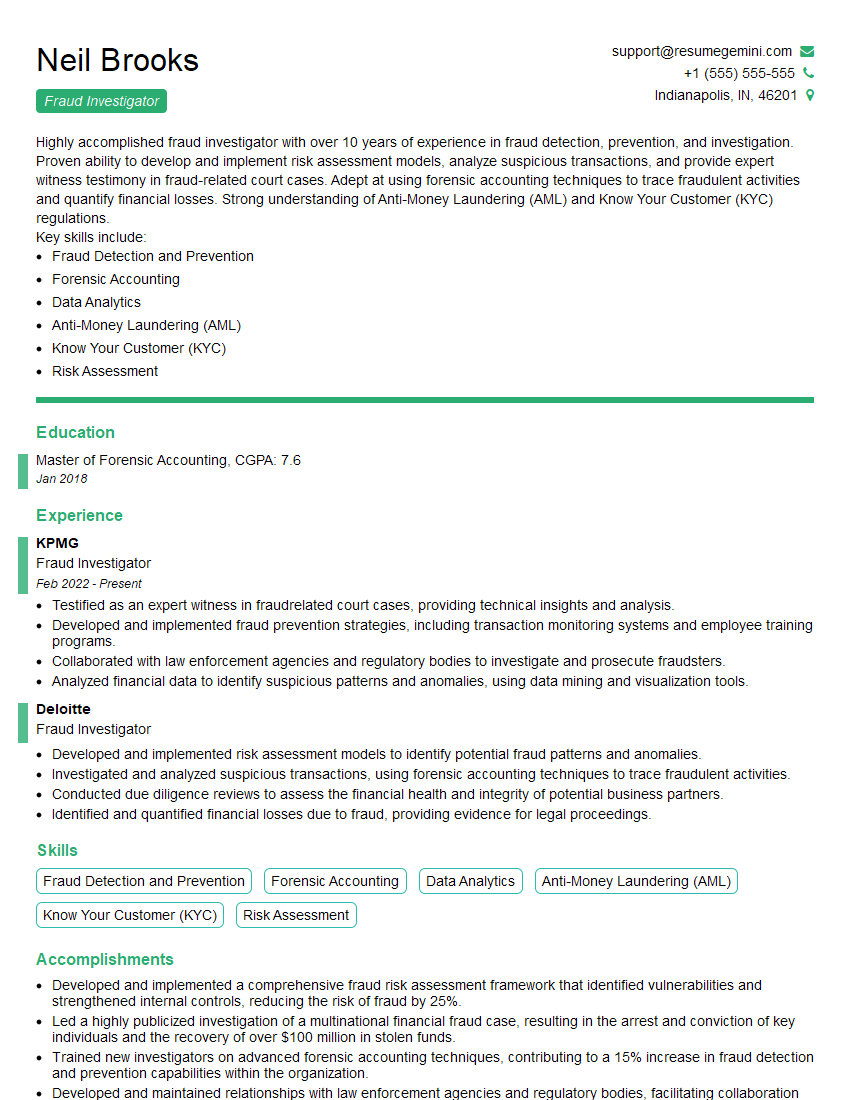
Fraud Investigator Resume Sample
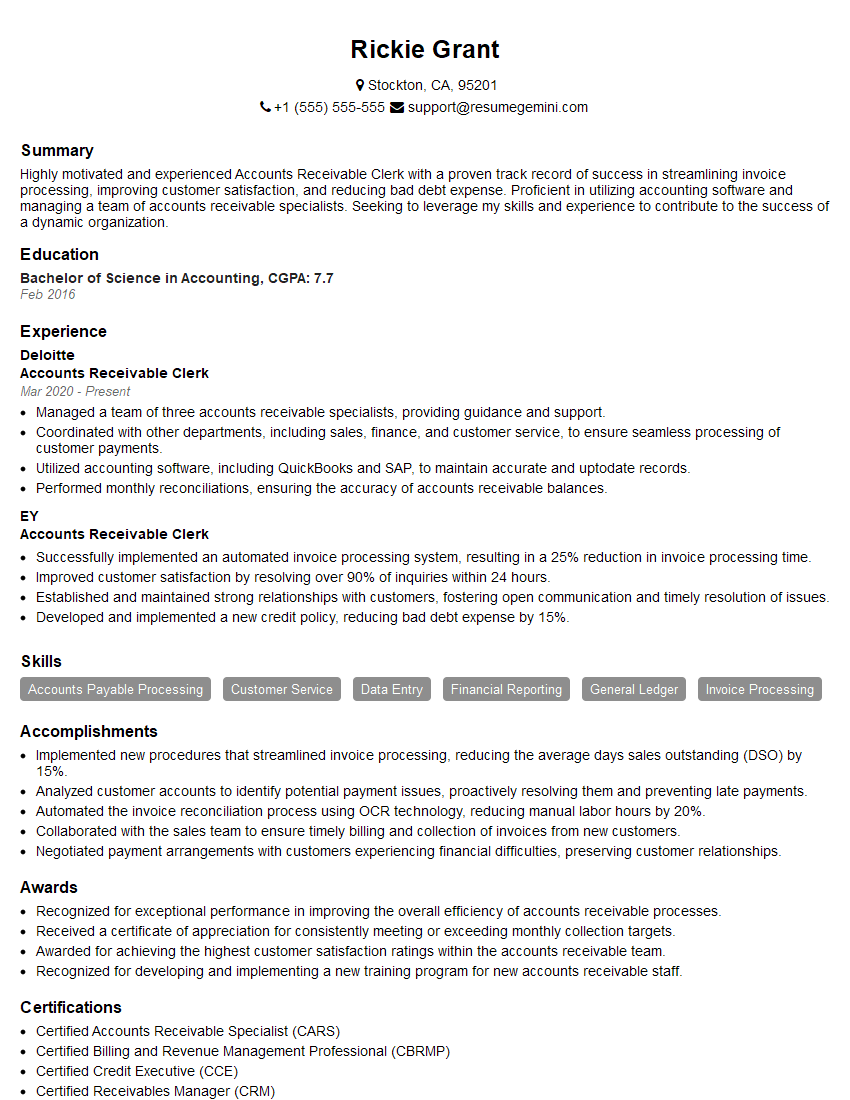
Accounts Receivable Clerk Resume Sample
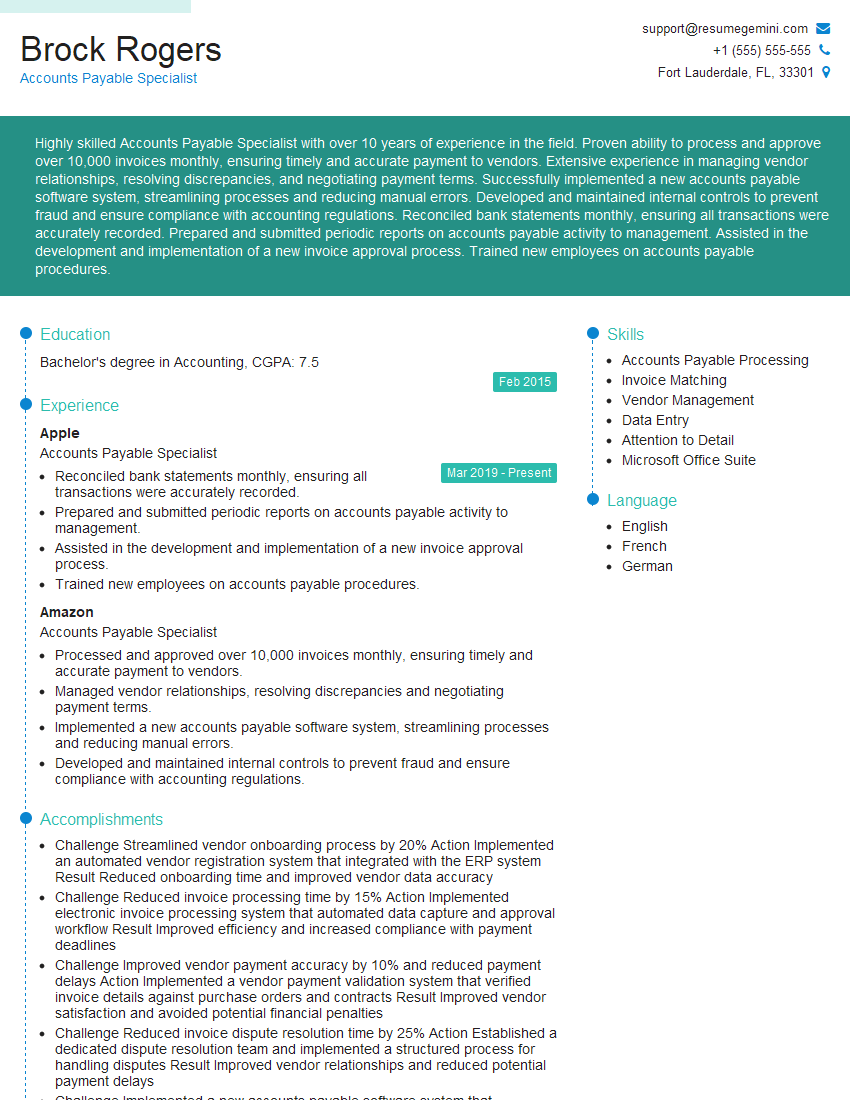
Accounts Payable Specialist Resume Sample
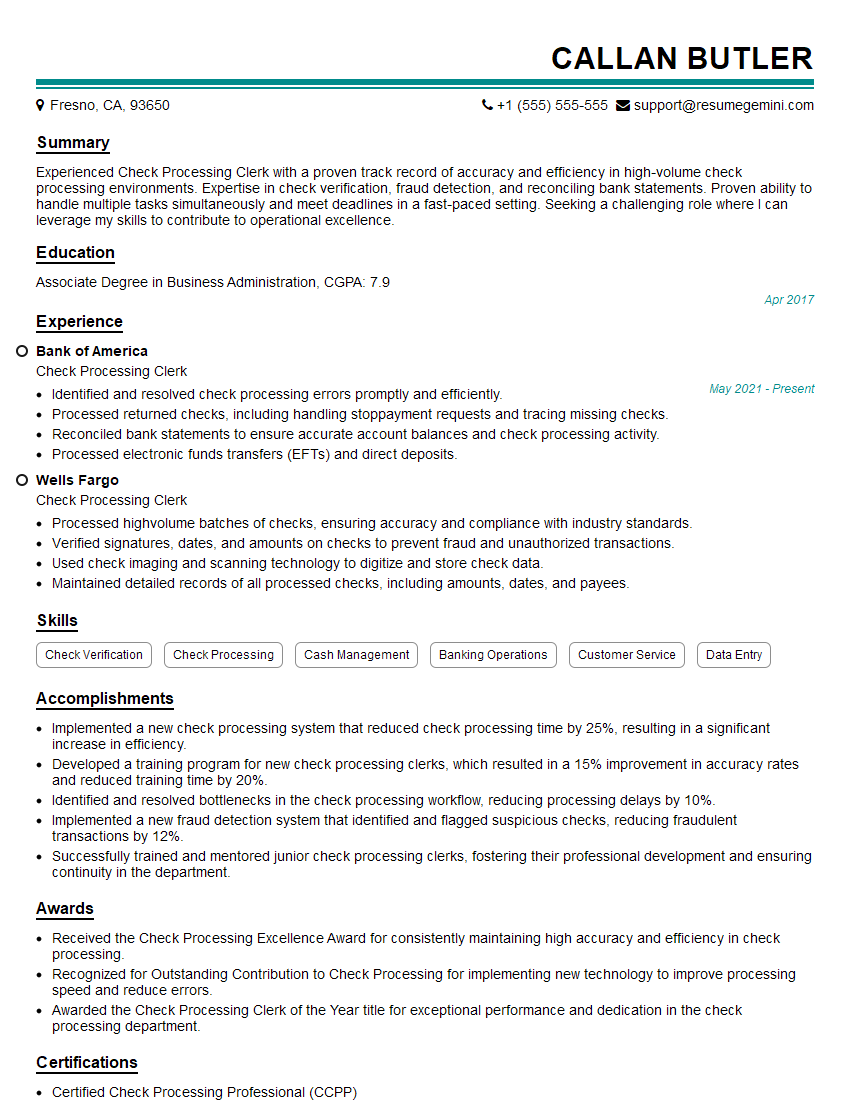
Check Processing Clerk Resume Sample
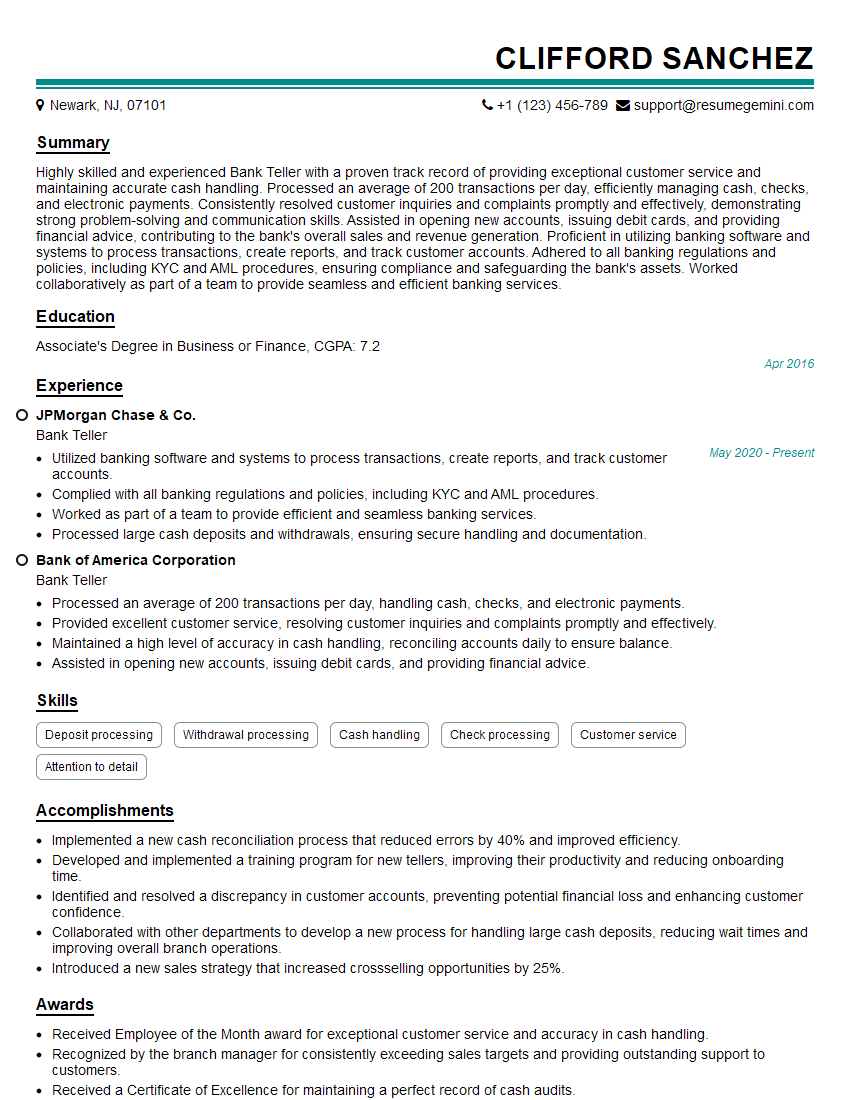
Bank Teller Resume Sample
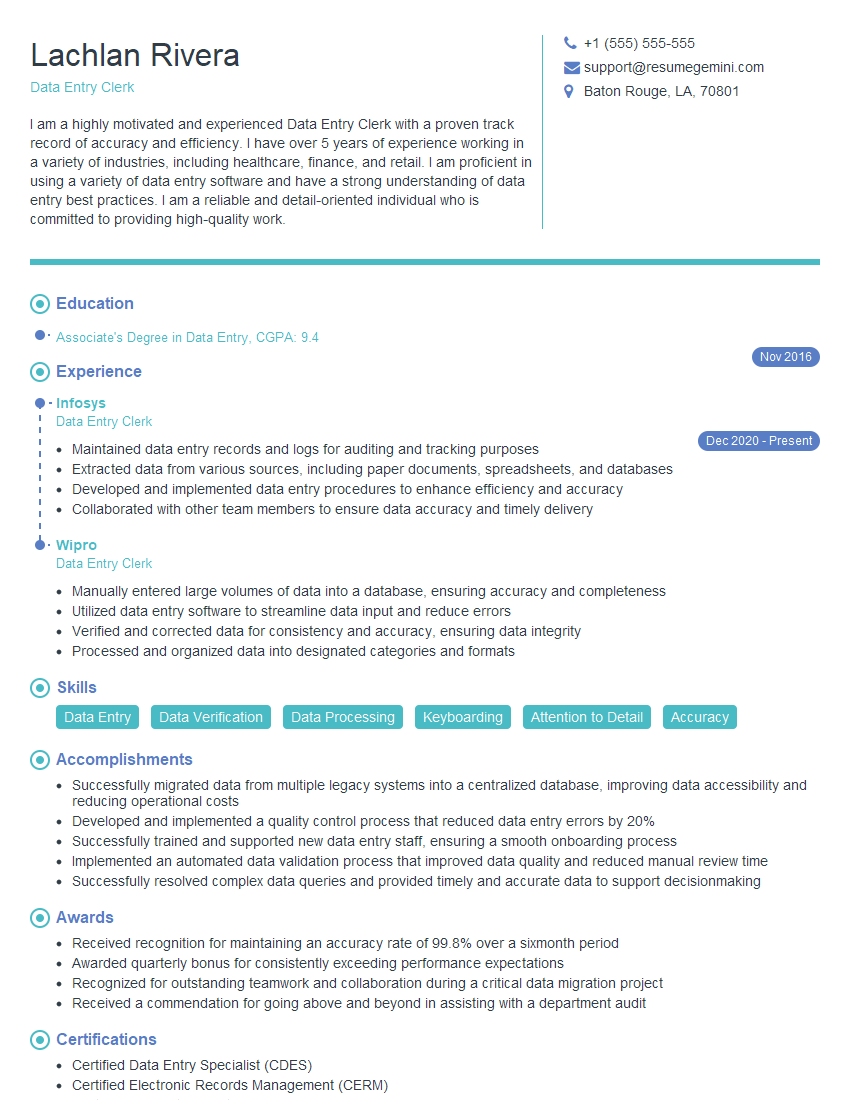
Data Entry Clerk Resume Sample
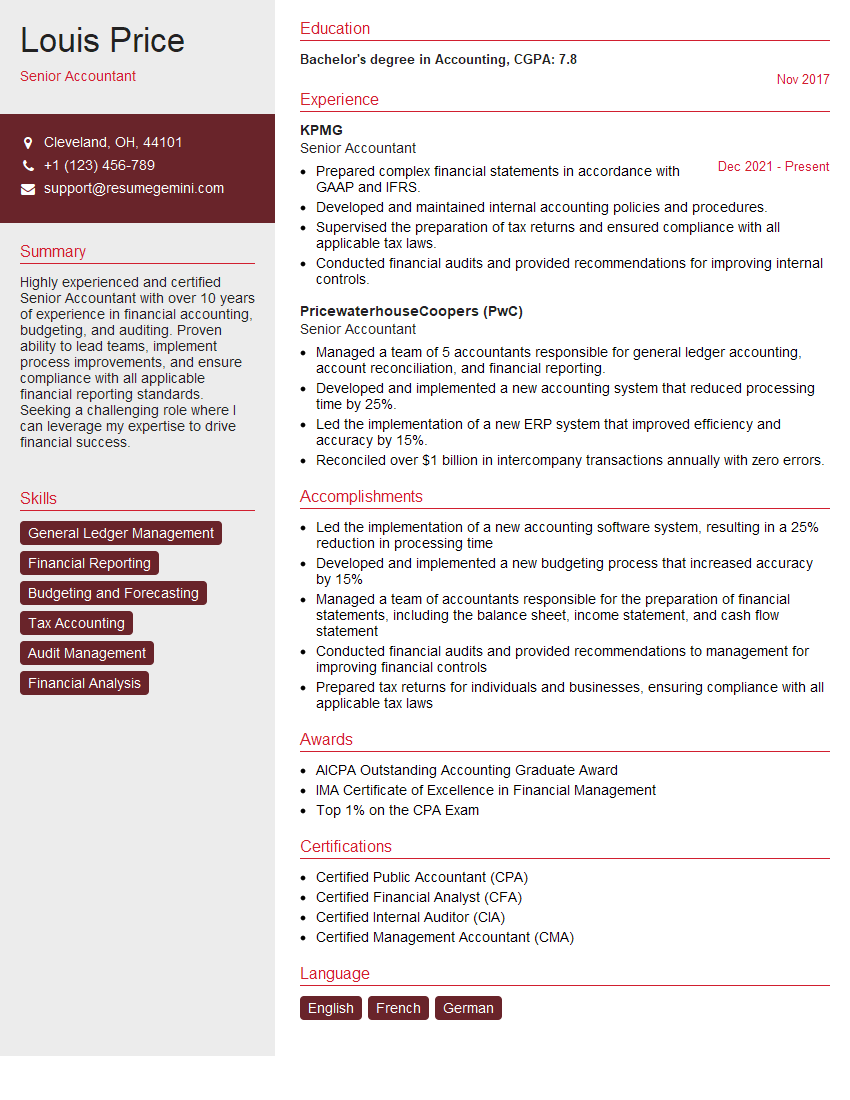
Senior Accountant Resume Sample
Explore more articles
Users Rating of Our Blogs
Share Your Experience
We value your feedback! Please rate our content and share your thoughts (optional).
What Readers Say About Our Blog
Very informative content, great job.
good