Interviews are more than just a Q&A session—they’re a chance to prove your worth. This blog dives into essential Check Preparation interview questions and expert tips to help you align your answers with what hiring managers are looking for. Start preparing to shine!
Questions Asked in Check Preparation Interview
Q 1. What software are you proficient in for check preparation?
I’m proficient in several software applications for check preparation, including QuickBooks, Xero, and Sage 50cloud Accounting. I also have extensive experience with specialized check printing software integrated with our company’s ERP system. My proficiency extends beyond simply entering data; I understand the nuances of each software’s features, including automated reconciliation tools and security settings. For example, I’m adept at utilizing QuickBooks’ features for batch check printing and customizing check templates to meet specific organizational needs, ensuring accurate payee information and proper formatting. In situations requiring higher security or volume, I’m comfortable working with more sophisticated software solutions tailored to those needs.
Q 2. Explain the process of preparing a check for payment.
Preparing a check for payment involves a systematic process to ensure accuracy and security. First, I verify all payment details, including the payee’s name and address, the amount payable (both numerically and in words), and the date. This is followed by filling in the necessary information on the check itself or through the relevant software. Next, I obtain proper authorization, which may involve obtaining signatures or approvals depending on the company’s internal controls. Finally, the completed check is detached and securely stored until it’s ready to be mailed or otherwise delivered to the payee. Think of it like a recipe: each step is crucial to producing the final product accurately and efficiently. A missing ingredient (information) can render the whole thing invalid.
Q 3. How do you ensure the accuracy of check preparation?
Accuracy is paramount in check preparation. I employ several methods to ensure accuracy, starting with double-checking all data against source documents – invoices, purchase orders, or time sheets – before entering it into the system. I perform a thorough review of the completed check before releasing it, comparing the numerical and written amounts, confirming payee information and ensuring proper formatting. Finally, I often use software features that provide automated verification of the data entered, such as comparing the check amount against the total on an invoice. In essence, it’s a multi-layered approach – prevention, verification, and double-checking – to eliminate any possibility of error.
Q 4. What are the key controls in place to prevent check fraud?
Preventing check fraud requires a robust system of controls. These include:
- Segregation of duties: Different individuals handle different aspects of the check preparation and approval process. This ensures that no single person has complete control over the process.
- Physical security: Secure storage of blank checks and limiting access to authorized personnel only.
- Regular reconciliation: Comparing bank statements to check registers to identify discrepancies or unauthorized payments.
- Use of check-writing software with security features: This includes features like password protection, audit trails, and limitations on check amounts.
- Fraud detection software: Utilizing software that can identify potentially fraudulent activity based on patterns and anomalies.
Q 5. Describe your experience with different types of checks (e.g., payroll, vendor, etc.).
I have extensive experience with various check types. Payroll checks require precise calculation of employee wages, deductions, and taxes, ensuring compliance with all relevant laws and regulations. Vendor checks involve matching payments to invoices and purchase orders, verifying that goods or services were received as expected. Other checks include those issued for reimbursements, employee bonuses, and even debt payments. My approach always adapts to the specific requirements of each check type, ensuring that I incorporate all relevant internal controls and legal standards. For instance, payroll checks often require additional reconciliation steps and adherence to stringent reporting requirements, while vendor checks are processed according to standardized accounting procedures.
Q 6. How do you handle discrepancies or errors in check preparation?
When discrepancies or errors occur, my first step is to identify the source of the error. This usually involves comparing the check to the underlying documentation. Once the error is identified, I immediately correct it, ensuring approval from the relevant parties. If the check has already been issued, I work to rectify the situation, possibly by issuing a stop payment or working with the bank and the payee to resolve the issue. Depending on the nature and severity of the error, I document the correction and report it to my supervisor. This ensures accountability and prevents similar errors in the future. It’s about being proactive, owning the mistake, and finding the most efficient solution to minimize negative impact.
Q 7. What is your experience with check reconciliation?
Check reconciliation is a crucial aspect of my role. I’m experienced in reconciling bank statements with check registers, identifying any discrepancies between the two. This process helps detect errors, fraud, and missing payments. I utilize software tools to expedite the process, but also perform manual verification to ensure accuracy. I investigate any discrepancies thoroughly, ensuring that I resolve them before closing the reconciliation. My attention to detail is paramount in this process, as it directly impacts the financial health of the organization. Think of it like balancing your checkbook – making sure all transactions are accounted for and that the balance matches the bank statement.
Q 8. How do you prioritize tasks when handling multiple check preparation requests?
Prioritizing check preparation tasks involves a multi-faceted approach focusing on urgency, importance, and potential financial impact. I typically use a system combining urgency and importance, often visualized as a matrix. High-urgency, high-importance tasks, such as payroll checks with impending deadlines, take precedence. Next, I tackle high-importance, lower-urgency tasks like vendor payments due within the week. Lower-urgency, lower-importance tasks, such as smaller reimbursements, are handled after critical payments are processed.
For example, if I have requests for payroll checks, vendor payments, and employee expense reimbursements, I’d prioritize payroll checks first due to the time-sensitive nature and potential impact on employee morale and legal compliance. Vendor payments would follow, considering potential late payment penalties or damage to supplier relationships. Employee expense reimbursements would be handled last, as they generally have less immediate consequences.
This system allows me to maintain efficiency and ensure timely processing of critical payments while avoiding unnecessary delays.
Q 9. Explain your understanding of internal controls related to check preparation.
Internal controls in check preparation are crucial for preventing fraud and ensuring accuracy. These controls involve segregation of duties, authorization processes, and reconciliation procedures. Segregation of duties means different individuals handle different stages of the check preparation process. One person might prepare the payment request, another verifies the information, and a third signs the check. This prevents any single person from having complete control over the process and reduces the risk of fraudulent activity.
Authorization procedures ensure that payments are properly authorized before checks are issued. This might involve obtaining approval from a supervisor or manager before preparing a check exceeding a certain amount. Finally, reconciliation procedures involve regularly comparing the prepared checks to supporting documentation, such as invoices and purchase orders, to ensure accuracy and identify any discrepancies. This step is vital for catching errors and preventing losses.
Imagine a scenario where a single person handles all aspects of check preparation from beginning to end. This leaves room for errors to go undetected or for fraudulent activities to occur without anyone realizing it. Implementing robust internal controls mitigates this risk significantly.
Q 10. How do you maintain accurate records of prepared checks?
Maintaining accurate records of prepared checks is paramount for financial reporting and auditing purposes. I utilize a combination of digital and physical methods to ensure comprehensive and reliable record-keeping. Digitally, I use a check register or a specialized accounting software that provides detailed records of every check issued, including the check number, date, payee, amount, and purpose. This digital record facilitates quick searches, data analysis, and reporting. Physically, I maintain a numbered checkbook and keep all supporting documentation (invoices, purchase orders) attached to copies of the checks.
For instance, I might use a spreadsheet to track check information and regularly reconcile it with the bank statement. This double-checking process helps to identify any discrepancies and ensure accuracy. Furthermore, I ensure that all records are securely stored both digitally (password-protected files, backups) and physically (locked filing cabinet) to prevent unauthorized access or loss of information.
Q 11. Describe your experience using check printing software.
I have extensive experience using various check printing software packages, including [mention specific software names, e.g., QuickBooks, Sage, etc.]. My proficiency includes data entry, check design customization (e.g., adding company logos, specific addresses), batch processing of checks, and report generation. I am comfortable navigating the software’s features and troubleshooting minor technical issues. Beyond basic check printing, I am familiar with features like voiding checks within the software, generating audit trails, and exporting data to other accounting systems.
For example, using QuickBooks, I can efficiently import vendor data and prepare a batch of payments in a matter of minutes, significantly improving efficiency compared to manual check preparation. Moreover, the software’s reporting capabilities allow me to easily generate summaries of checks issued during a given period, which is very useful for financial reporting and analysis.
Q 12. What is your experience with electronic funds transfer (EFT)?
I have significant experience with Electronic Funds Transfer (EFT), which is a more efficient and secure alternative to paper checks. My experience encompasses initiating EFT payments through online banking portals and specialized accounting software. I understand the different types of EFTs, such as ACH transfers and wire transfers, and know how to select the most appropriate method depending on the transaction details and recipient preferences. I also understand the importance of adhering to EFT security protocols to minimize the risk of fraud or errors. Furthermore, I am familiar with reconciling EFT transactions with bank statements and addressing any discrepancies that might arise.
For example, I’ve used EFT to make large vendor payments, which is safer and faster than sending physical checks, reducing the risk of loss or theft. Similarly, I’ve used ACH transfers for payroll processing, eliminating the need to handle and distribute numerous paper checks.
Q 13. How do you handle voiding or correcting a check?
Voiding or correcting a check requires careful procedures to ensure accountability and prevent fraud. If a check is discovered to have an error before it’s cashed, I immediately void it by writing “VOID” across the face of the check and noting the reason for voiding it. The voided check is then stored securely along with documentation explaining the correction. If the check has already been issued but hasn’t been cashed, I contact the payee to explain the situation and request they return the check. A new, correctly issued check is then created. Any corrections to check information (such as the payee or amount) are handled with proper authorization and documented thoroughly.
For example, if I accidentally misspelled a vendor’s name on a check, I would void the check, write the reason on the check, and issue a new corrected check after obtaining confirmation from the vendor.
Q 14. How familiar are you with regulatory compliance related to check preparation?
I am familiar with regulatory compliance related to check preparation, particularly regarding federal and state regulations on check fraud prevention and reporting requirements. I understand the importance of adhering to relevant banking regulations and internal controls to prevent financial loss and legal issues. This includes understanding the requirements for proper check handling, storage, and reconciliation procedures. I am also aware of the need to comply with data privacy regulations when handling sensitive financial information.
For instance, I am aware of regulations pertaining to the timely reporting of suspicious activity and adhering to security standards to prevent check fraud. Staying updated on these regulations is a continuous process, and I regularly review updates and changes to maintain compliance.
Q 15. How do you handle urgent or rush check preparation requests?
Handling urgent check preparation requests requires a calm, efficient approach prioritizing accuracy. I immediately assess the urgency, identifying the critical information needed (payee, amount, date, account details). I then leverage any available tools for expedited processing, such as automated systems or direct communication with the relevant departments to expedite approvals. For instance, if a vendor requires payment urgently to avoid penalties, I’d prioritize their request over others, ensuring all necessary approvals are secured rapidly. Clear communication with the requester keeps them informed throughout the process, setting realistic expectations. This might involve providing regular updates, even if it’s just to confirm receipt of the request and the estimated completion time.
My approach involves prioritizing tasks based on urgency, utilizing all available resources effectively, and maintaining open communication to manage expectations and ensure timely delivery. This avoids delays and ensures client satisfaction even in high-pressure situations.
Career Expert Tips:
- Ace those interviews! Prepare effectively by reviewing the Top 50 Most Common Interview Questions on ResumeGemini.
- Navigate your job search with confidence! Explore a wide range of Career Tips on ResumeGemini. Learn about common challenges and recommendations to overcome them.
- Craft the perfect resume! Master the Art of Resume Writing with ResumeGemini’s guide. Showcase your unique qualifications and achievements effectively.
- Don’t miss out on holiday savings! Build your dream resume with ResumeGemini’s ATS optimized templates.
Q 16. What is your experience with multi-currency check preparation?
My experience with multi-currency check preparation involves a deep understanding of exchange rates, international banking regulations, and the specific requirements of different countries. This includes understanding the various check formats used globally. I’ve successfully prepared checks in several currencies, including USD, EUR, GBP, and JPY, ensuring accurate conversion based on prevailing exchange rates at the time of issue. This requires close attention to detail and the use of reliable exchange rate sources to avoid discrepancies. For example, a GBP check issued for a UK-based vendor would require conversion from the client’s base currency, say USD, at the current mid-market rate. The process involves careful documentation to maintain a complete audit trail for each transaction.
Beyond currency conversion, I’m proficient in handling international banking regulations, ensuring all necessary documentation is included and that the checks comply with the recipient country’s standards. This might include specific formatting requirements or necessary certifications.
Q 17. How do you ensure compliance with internal policies and procedures for check preparation?
Compliance is paramount. I meticulously follow all internal policies and procedures regarding check preparation, paying close attention to authorization levels, segregation of duties, and audit trails. This includes using only approved check stock, adhering to strict numbering sequences, and documenting every step of the process. A standardized checklist ensures consistent adherence to procedures. For example, all checks above a specific amount may require dual authorization before issuance. I consistently review and update my knowledge of internal policies, participating in training sessions to stay current with any changes. Any deviations from standard procedures must be documented with appropriate approvals. This stringent adherence to policies protects the organization from fraud and ensures accuracy in financial records.
Regular internal audits serve as a valuable tool to identify areas for improvement and ensure ongoing compliance. Through such audits, I’ve identified minor inefficiencies in our processes, leading to streamlined workflows and improved compliance.
Q 18. Describe your experience with check register maintenance.
Maintaining an accurate check register is crucial for financial control. My experience involves meticulous recording of every check issued, including the check number, date, payee, amount, and purpose. This typically involves using either a manual ledger or a specialized software program. Regular reconciliation with bank statements ensures accuracy and identifies any discrepancies promptly. This might involve investigating unmatched entries or adjusting entries based on bank statements. For example, if a check is returned due to insufficient funds, it must be accurately noted in the register, and any subsequent actions, like issuing a stop-payment, documented. A well-maintained check register provides a clear and complete audit trail, assisting in financial reporting and internal controls.
I’m familiar with both manual and automated check register systems and can adapt to the specific requirements of each organization. I always prioritize accuracy and timely updates, ensuring that the register reflects a true and accurate picture of the organization’s check issuance activities.
Q 19. How do you manage check preparation deadlines?
Managing check preparation deadlines efficiently starts with understanding the specific requirements of each request. I use a combination of planning tools like task management software to prioritize tasks based on due dates and urgency. I also proactively communicate with requesters to confirm any specific requirements or potential delays. If I encounter roadblocks, I proactively escalate to the appropriate individuals to secure necessary approvals or address any issues. For example, if I anticipate a delay due to missing information, I would immediately inform the requester and propose a revised timeline. My experience shows that proactive communication is key to ensuring deadlines are met and maintaining positive working relationships.
Prioritization and efficient resource allocation are critical for managing multiple deadlines effectively. Breaking down large tasks into smaller, manageable steps helps ensure efficient completion without feeling overwhelmed.
Q 20. What is your understanding of different check formats?
Different check formats exist to cater to various needs and organizational structures. I am familiar with various formats, including standard business checks, payroll checks, and voucher checks. Understanding these differences is crucial for accurate processing. For example, a standard business check typically includes fields for payee, date, amount, and company information, whereas a voucher check might include additional sections for itemized expenses. Payroll checks often incorporate employee details such as social security numbers and net/gross pay information. I’m also knowledgeable about various security features incorporated into modern checks to deter fraud, such as MICR encoding, watermarks, and specialized printing techniques. Proper understanding of check formats ensures accurate preparation and compliance with relevant regulatory standards.
Knowledge of these formats is vital for effective preparation and to avoid errors that could lead to payment delays or even fraud. My experience allows me to adapt quickly to different check formats, ensuring efficient and accurate processing.
Q 21. How do you handle stop-payment requests?
Handling stop-payment requests requires immediate action and precise documentation. Upon receiving a request, I immediately verify the validity of the request, confirming the check number, amount, and payee. I then follow the organization’s established procedures for issuing a stop-payment order, which typically involves notifying the bank and making a record in the check register. This record should clearly indicate the date, reason for the stop-payment, and any associated communication. For example, a stop-payment request could be due to a lost or stolen check. I always confirm receipt of the stop-payment instruction to the requester and keep them informed of any developments. This process involves rigorous record-keeping to prevent potential financial loss or fraud. Additionally, I ensure adherence to internal procedures and bank regulations surrounding stop-payment orders.
In some cases, a follow-up with the bank might be necessary to confirm the stop-payment order’s successful implementation. It’s vital to clearly document this process to provide a complete audit trail and maintain organizational financial security.
Q 22. How do you identify and resolve discrepancies in bank statements related to checks?
Reconciling bank statements with check registers is crucial for accurate financial record-keeping. Discrepancies can arise from various sources, including errors in recording check amounts, dates, or payee information; unrecorded checks; bank errors; or even fraudulent activity. My approach involves a systematic process:
- Compare and Contrast: I meticulously compare each check listed on the bank statement to the corresponding entry in our internal check register. I pay close attention to the check number, date, payee, and amount.
- Identify Discrepancies: Any differences between the bank statement and register are flagged as discrepancies. These might include variations in amounts, missing checks in the register or on the statement, or checks listed on the statement that don’t match our records.
- Investigate the Discrepancy: For each discrepancy, I delve into the details. Was there a transposition error in recording the amount? Was a check written but not yet recorded? Did the bank make a mistake? If necessary, I obtain copies of the cancelled checks to verify the payee and amount.
- Resolve the Discrepancy: Once the root cause is identified, I correct the error. This could involve updating the check register, contacting the bank to report an error, or investigating potential fraud. I meticulously document all corrections and actions taken.
- Reconciliation: Once all discrepancies are addressed, I reconcile the bank statement and the check register, ensuring that the ending balances match.
For example, if a check for $100 is recorded as $1000 in the register, I would correct the register and document the change. If a check is listed on the bank statement but not in our records, I would investigate to ensure it wasn’t a fraudulent transaction or a missing entry in the register.
Q 23. Describe your experience with check signing authorities and approvals.
Check signing authorities and approvals are essential for maintaining financial control and preventing fraud. In my previous role, we had a clearly defined hierarchy. Only individuals with authorized signing authority could sign checks, and the level of authorization often depended on the check amount. For instance, checks below a certain threshold might only require one signature, while larger amounts would need two.
The approval process was equally important. All checks required prior approval from a designated manager or supervisor, who would review the supporting documentation to ensure legitimacy and budgetary compliance. This approval process was usually tracked through a dedicated system where the approver would digitally sign off, creating an audit trail. We also used a system of dual control, whereby two individuals were required to review and authorize high value checks, eliminating the risk of a single individual authorizing a fraudulent payment. This system ensures accountability and reduces the risk of unauthorized payments.
Q 24. How familiar are you with different types of check endorsements?
Check endorsements are crucial for transferring ownership of a check. There are several types, each with a different implication:
- Blank Endorsement: Simply signing the back of the check. This is the least secure method, as anyone can cash the check.
- Special Endorsement: This involves writing “Pay to the order of [payee’s name]” followed by your signature. This restricts payment to the specified individual.
- Restrictive Endorsement: Used to limit how the check can be used, for example, “For deposit only” followed by your signature. This protects against theft or misuse.
- Qualified Endorsement: This is used when a person is signing a check in a representative capacity (for a business, for example), indicating their title and the organization’s name along with their signature.
Understanding these different endorsements is crucial for preventing fraud and ensuring that checks are processed correctly and safely. Improper endorsement can lead to lost funds or potential legal disputes.
Q 25. What measures do you take to safeguard check stock?
Safeguarding check stock is paramount to prevent fraud and misuse. We implemented several stringent measures, including:
- Secure Storage: Check stock was kept in a locked, fireproof safe, accessible only to authorized personnel.
- Inventory Control: A strict inventory system tracked check numbers, ensuring accountability and preventing unauthorized use. Regular audits verified the stock count against the system records.
- Limited Access: Access to the check stock was restricted to a small number of authorized personnel, with their access logged and monitored.
- Sequential Numbering: Checks were sequentially numbered, allowing for easy tracking and identification of any missing checks.
- Regular Reconciliation: The check stock was regularly reconciled against the check register and bank statements to detect any discrepancies or potential loss.
These precautions ensured that only authorized individuals could access and use checks, thereby minimizing the risk of theft or fraud.
Q 26. Explain your experience with automated check preparation systems.
My experience with automated check preparation systems has been extensive. In my previous role, we migrated from a manual system to a sophisticated software solution that integrated with our accounting system. This system allowed us to:
- Automate Data Entry: Reduce manual data entry errors and increase efficiency. The system automatically populated check details, such as payee name, address, and amount, from the accounting system.
- Improve Accuracy: Minimize human error, resulting in more accurate checks and financial records.
- Enhance Security: Incorporate advanced security features, such as multiple approval workflows and audit trails.
- Streamline Processes: Automate the entire check preparation process, from creating the check to printing and mailing it. This saved considerable time and resources.
- Generate Reports: Generate insightful reports on check payments, improving financial oversight and analysis.
The system we used also allowed for customized templates, ensuring compliance with our company’s branding and formatting requirements. The transition to this automated system dramatically improved our efficiency and reduced the risk of errors and fraud. I’m proficient in using various automated check preparation systems, including [mention specific software names if comfortable, otherwise omit].
Q 27. How do you maintain confidentiality when handling sensitive financial information related to checks?
Confidentiality is paramount when handling sensitive financial information, especially check details. We adhered to strict protocols to protect this information:
- Secure Storage: Physical checks and related documents were stored in locked cabinets or safes.
- Access Control: Access to sensitive information was limited to authorized personnel only, and access logs were maintained.
- Data Encryption: Electronic data, including check details and payment information, was encrypted both in transit and at rest.
- Secure Disposal: Shredding of documents containing sensitive information was carried out regularly, ensuring compliance with data privacy regulations.
- Password Protection: All computer systems and software containing financial information were password-protected, with strong passwords and regular changes required.
- Compliance Training: All personnel handling financial information received regular training on data privacy and security best practices.
We also ensured strict adherence to relevant data privacy regulations like GDPR and CCPA, further safeguarding sensitive data.
Q 28. Describe a situation where you had to solve a problem related to check preparation.
In one instance, we experienced a significant delay in processing payroll checks due to a system malfunction in our automated check preparation system. The software experienced a critical error, preventing the generation of checks on the scheduled payday. This created a significant problem, potentially impacting employee morale and causing disruption.
To resolve this, I immediately contacted our IT support team to diagnose and fix the issue. While they worked on restoring the system, I implemented a contingency plan. We switched to a manual backup system, using pre-printed checks and a spreadsheet to manually input employee details and payment amounts. This involved a considerable amount of extra work, but it allowed us to process and distribute the payroll checks within a reasonable timeframe. We prioritized the highest-priority employees and then systematically processed the rest. We learned valuable lessons about the importance of regular system backups and disaster recovery plans.
Following the incident, we reviewed and improved our disaster recovery plan, investing in a more resilient and redundant system, ensuring the issue would be less likely to reoccur. We also conducted additional training to ensure all staff understood the backup procedures.
Key Topics to Learn for Check Preparation Interview
- Understanding Check Formats and Types: Become familiar with various check formats (e.g., payroll checks, business checks, cashier’s checks) and their key components.
- Check Processing and Reconciliation: Learn the practical steps involved in processing checks, including endorsement, deposit, and reconciliation procedures. Understand common challenges and solutions in this process.
- Fraud Prevention and Security Measures: Explore common check fraud schemes and best practices for preventing them. This includes understanding security features on checks and proper handling procedures.
- Check Writing and Accounting Principles: Grasp the fundamental accounting principles related to check writing, including proper bookkeeping and maintaining accurate records.
- Compliance and Regulations: Familiarize yourself with relevant regulations and compliance standards related to check processing and handling. This may include banking regulations and internal control procedures.
- Troubleshooting and Problem Solving: Develop your ability to identify and resolve common issues related to check processing, such as discrepancies, errors, or missing information.
- Software and Technology: Understand the role of software and technology in check preparation and processing, including accounting software and check printing solutions.
Next Steps
Mastering check preparation skills significantly enhances your career prospects in finance, accounting, and administrative roles. A strong understanding of these processes demonstrates attention to detail, accuracy, and a commitment to financial integrity – all highly valued qualities in the workplace. To maximize your job search success, it’s crucial to create a resume that effectively highlights these skills and catches the attention of Applicant Tracking Systems (ATS). We strongly encourage you to utilize ResumeGemini, a trusted resource for building professional and ATS-friendly resumes. Examples of resumes tailored to Check Preparation roles are available to help guide you.
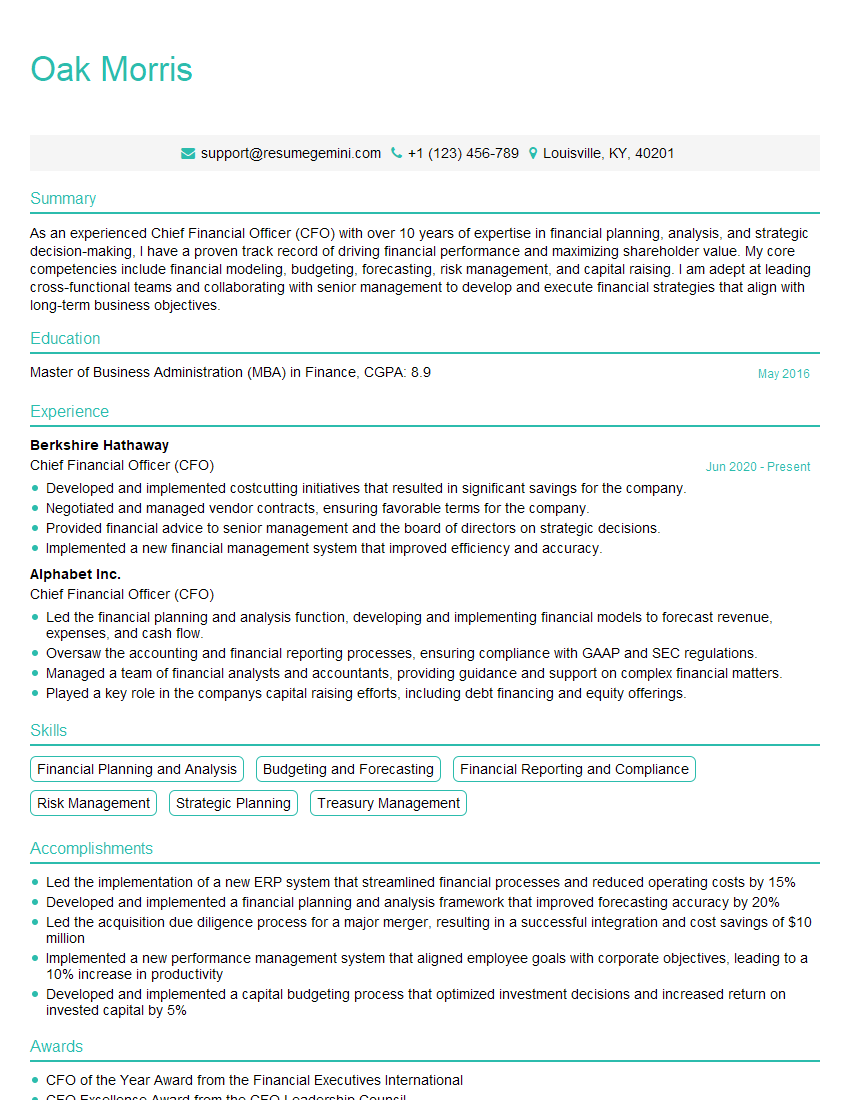
Chief Financial Officer (CFO) Resume Sample
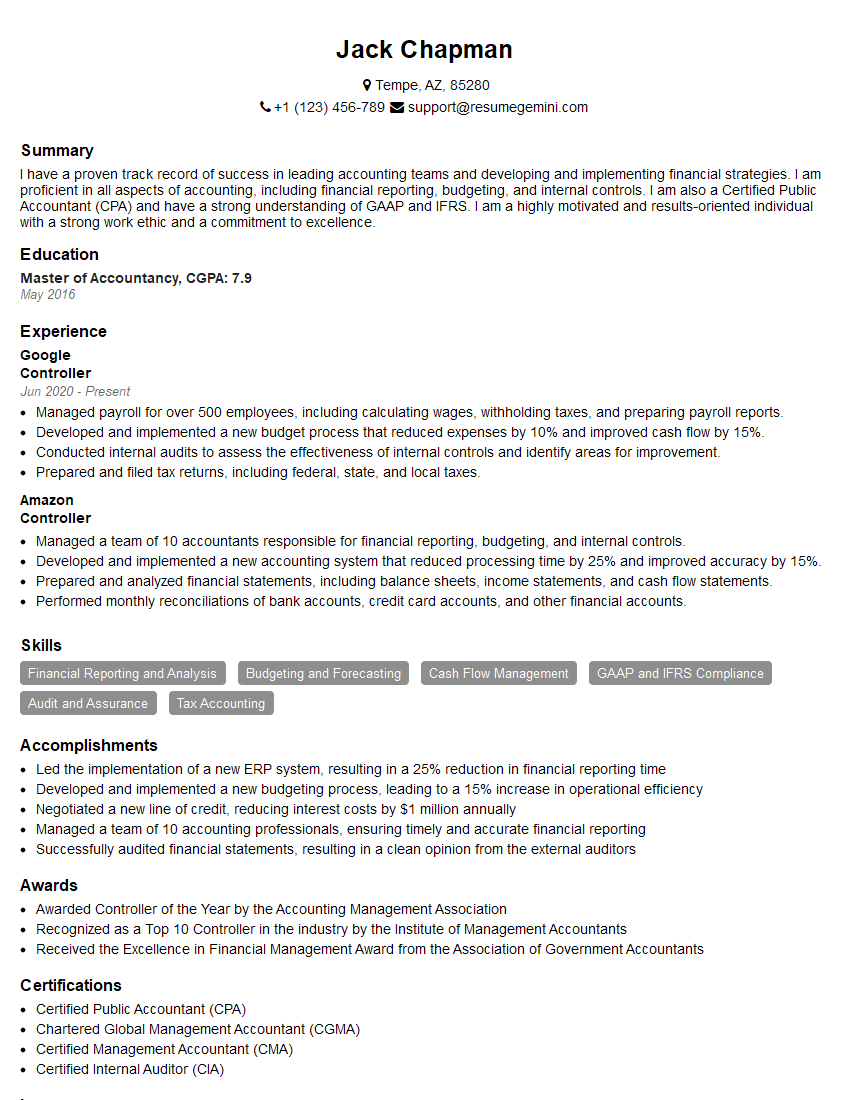
Controller Resume Sample
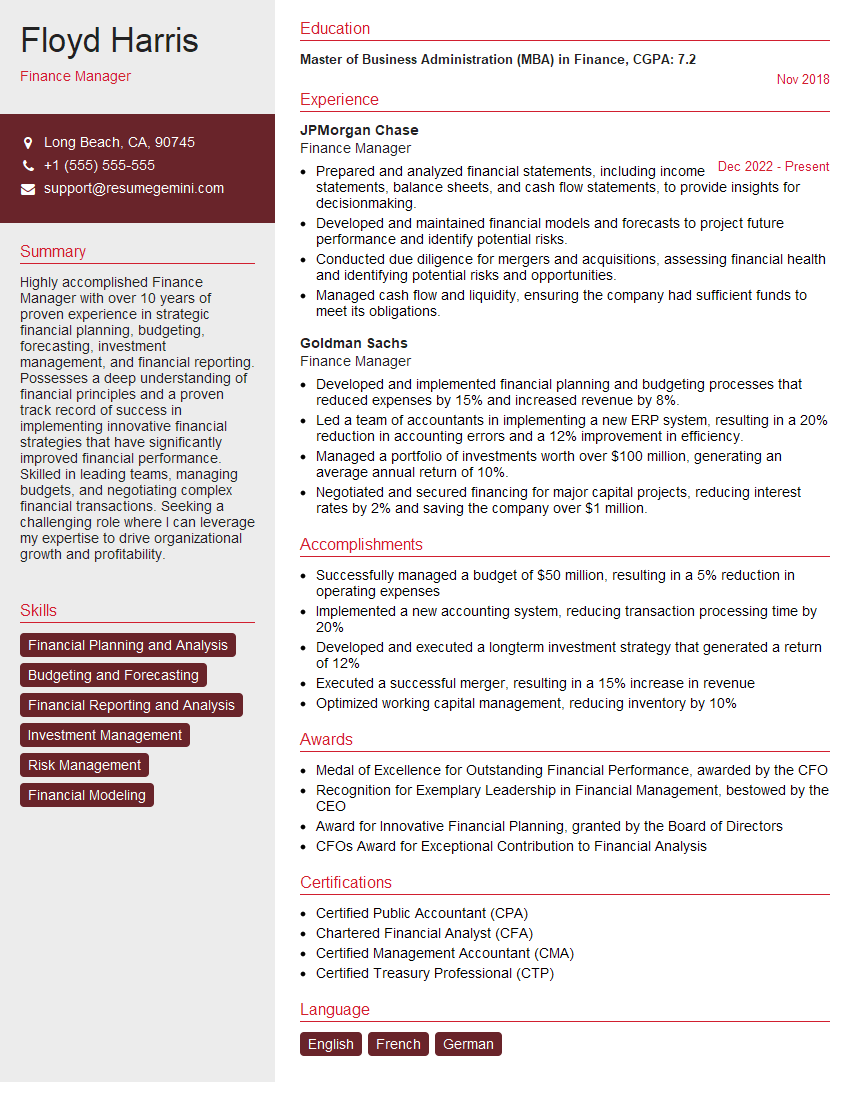
Finance Manager Resume Sample
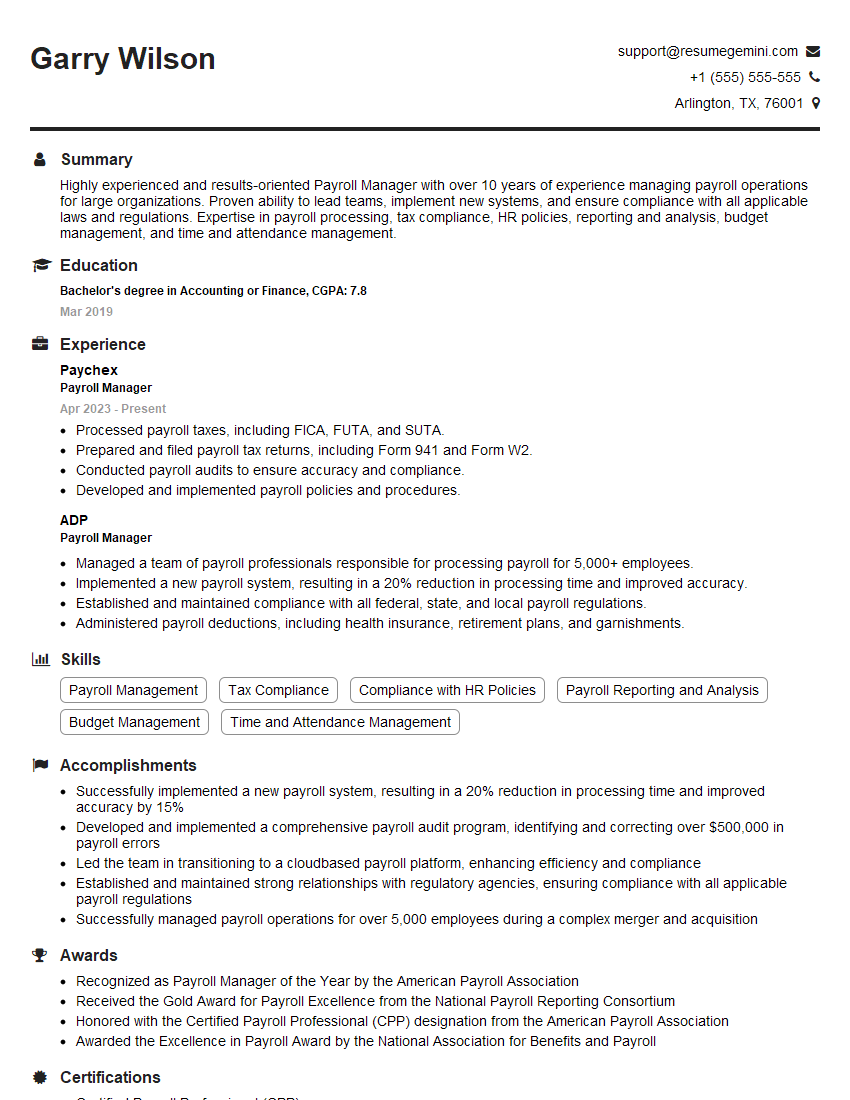
Payroll Manager Resume Sample

Compliance Officer Resume Sample
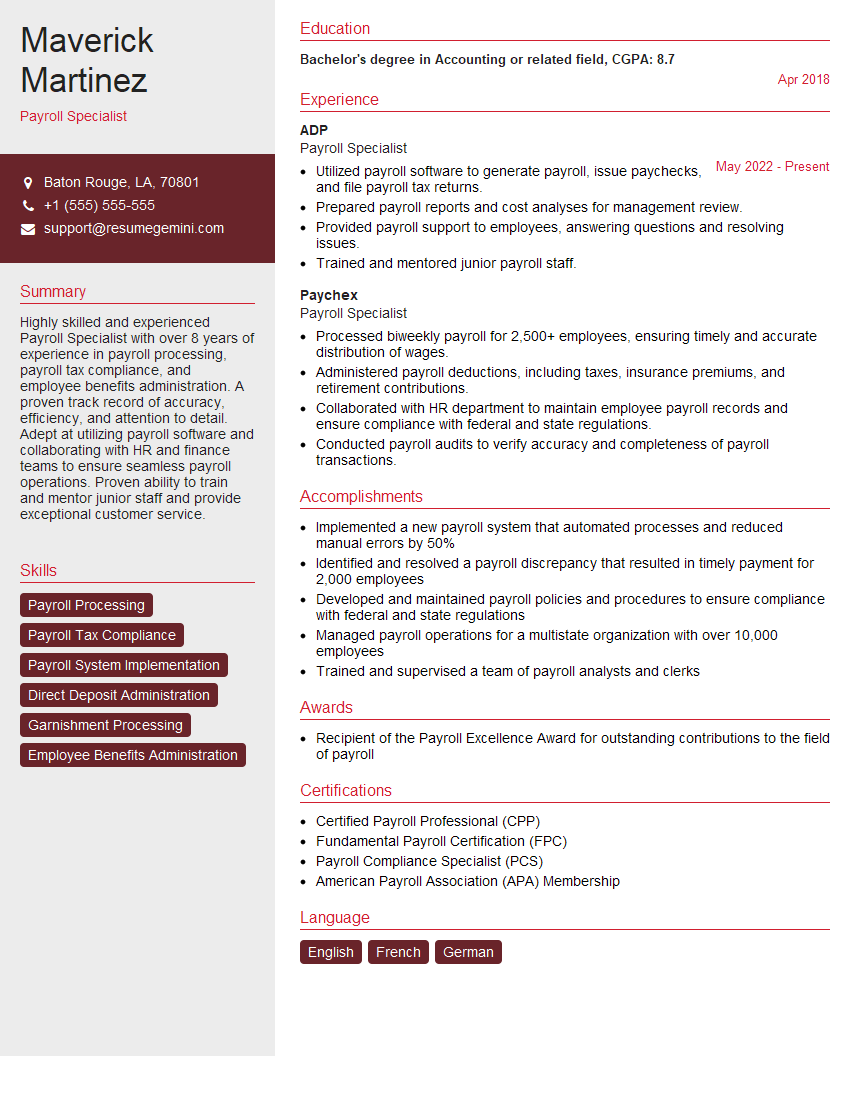
Payroll Specialist Resume Sample
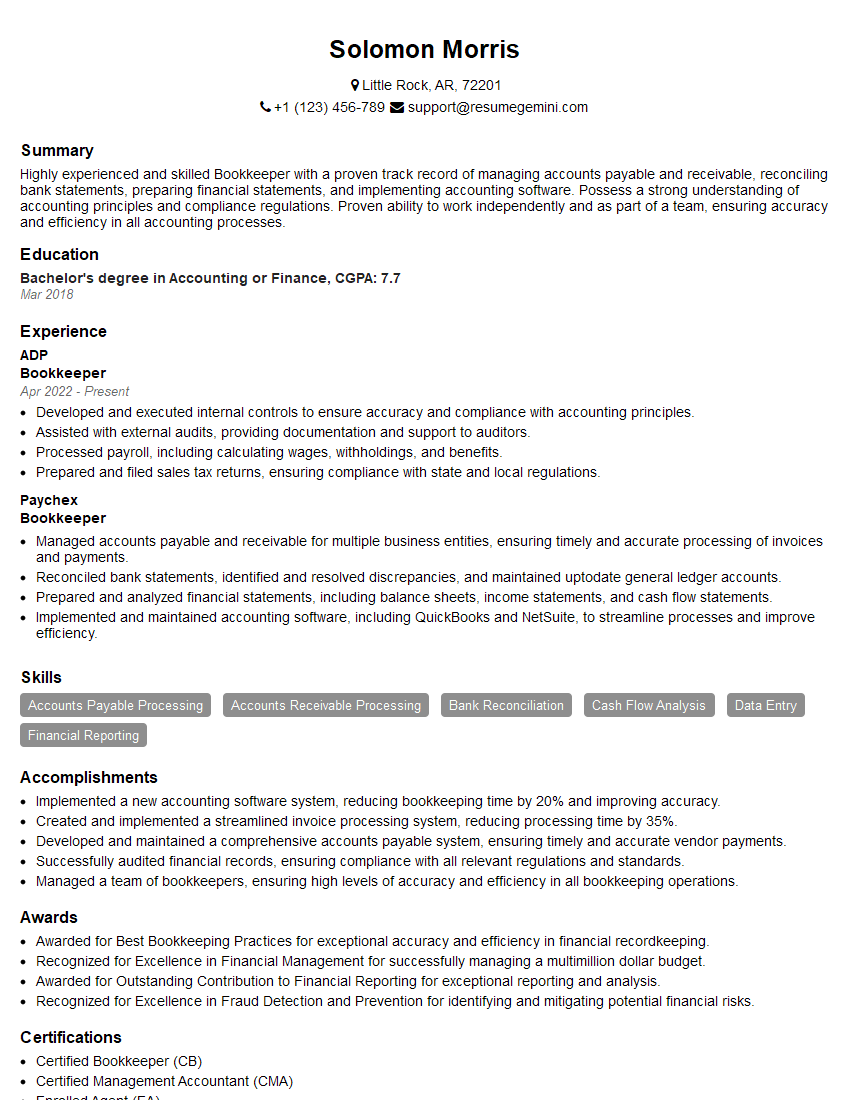
Bookkeeper Resume Sample
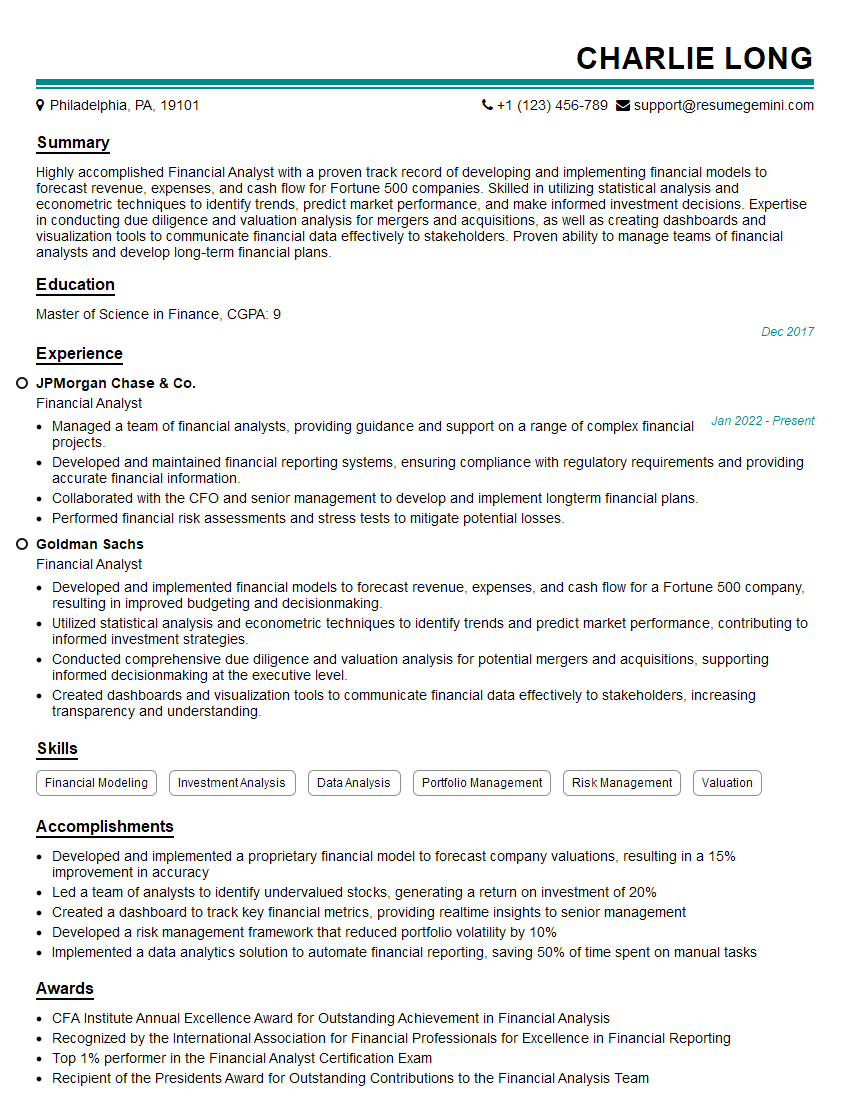
Financial Analyst Resume Sample
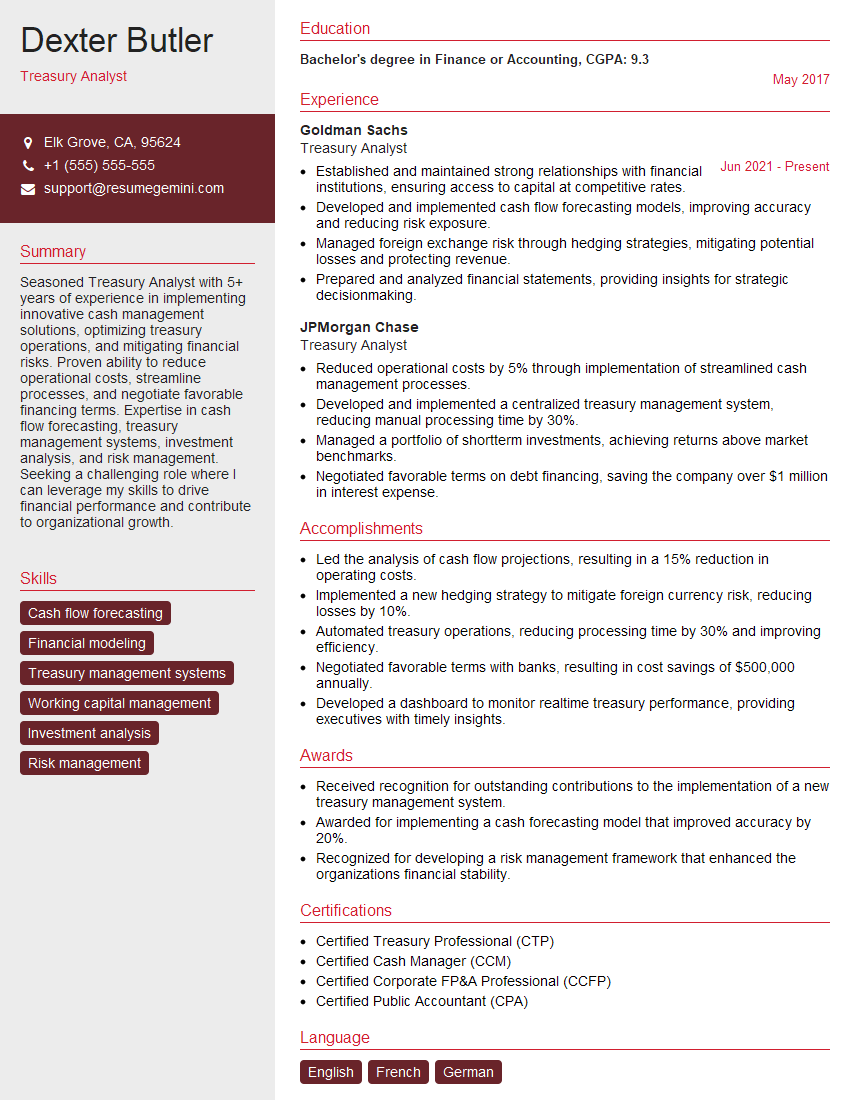
Treasury Analyst Resume Sample
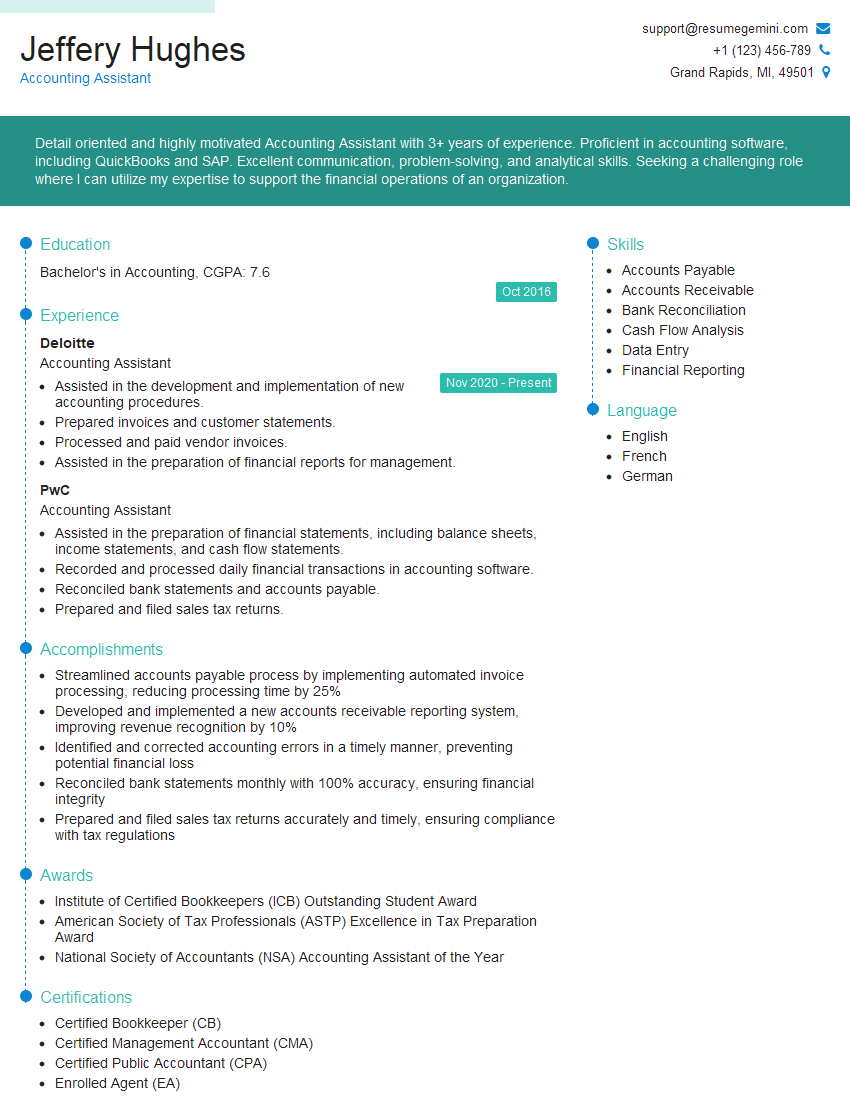
Accounting Assistant Resume Sample
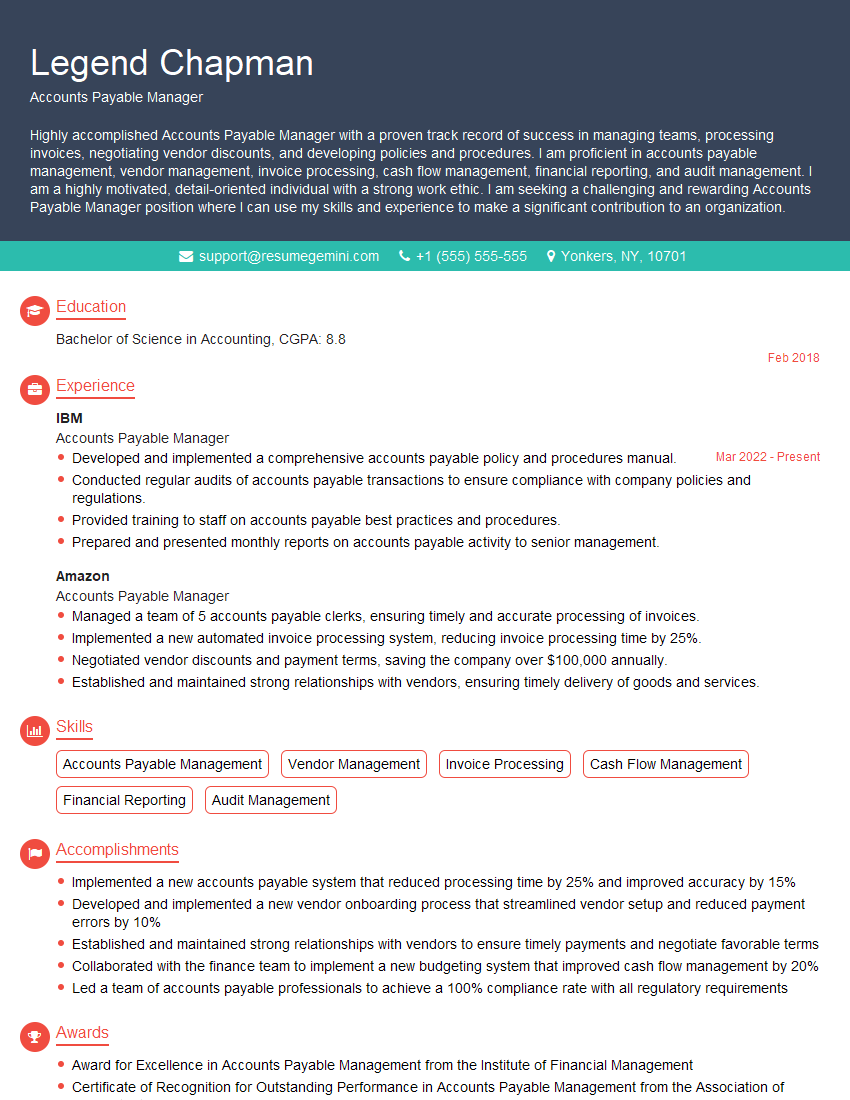
Accounts Payable Manager Resume Sample
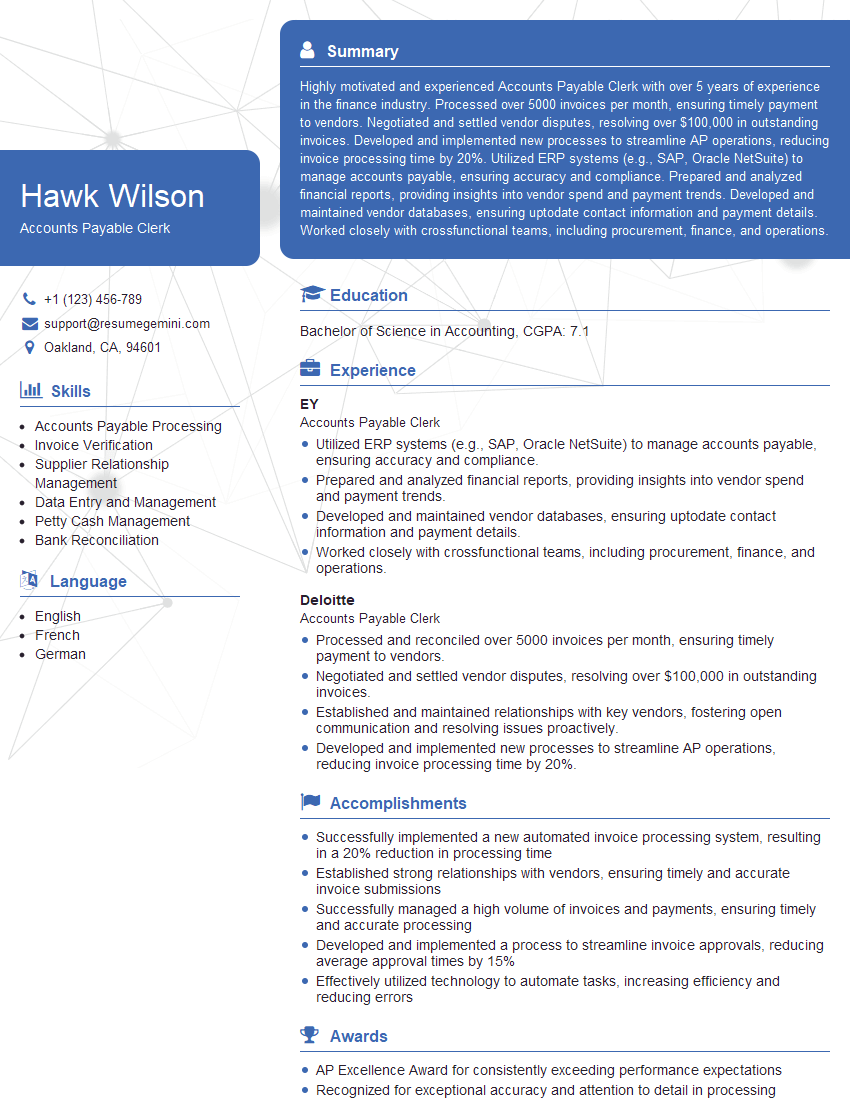
Accounts Payable Clerk Resume Sample
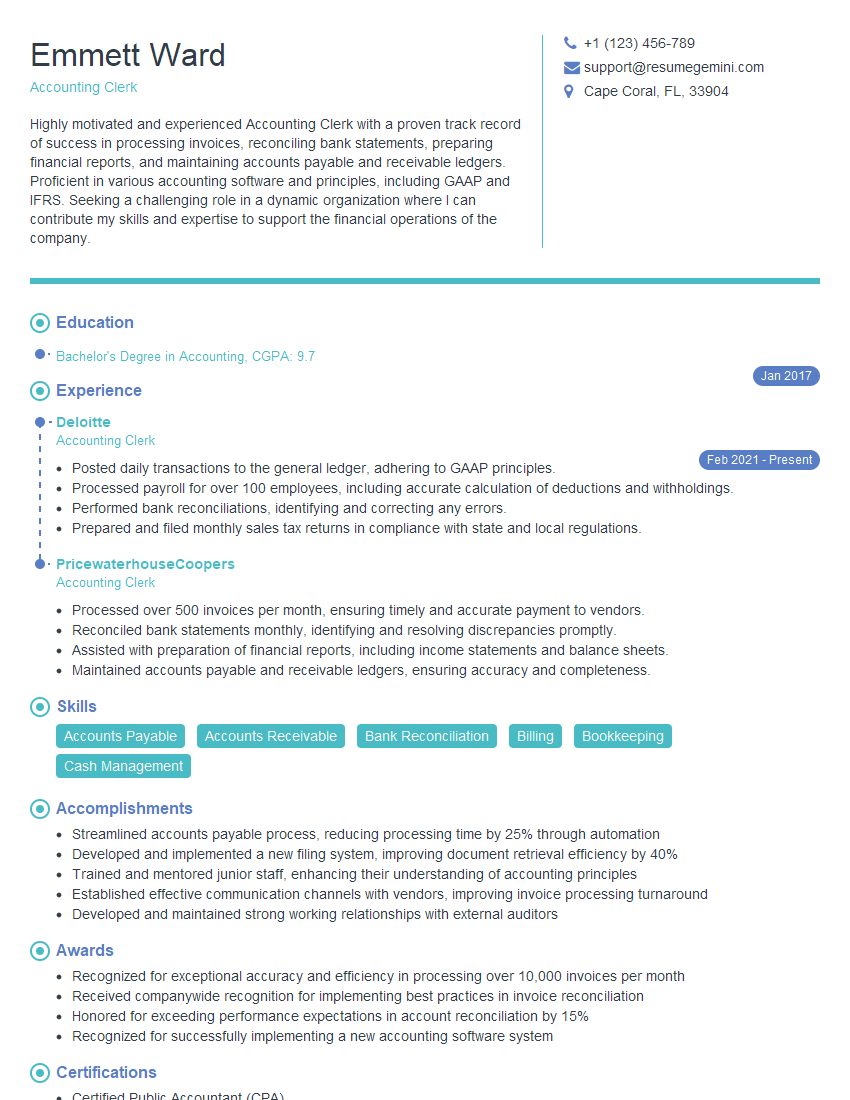
Accounting Clerk Resume Sample
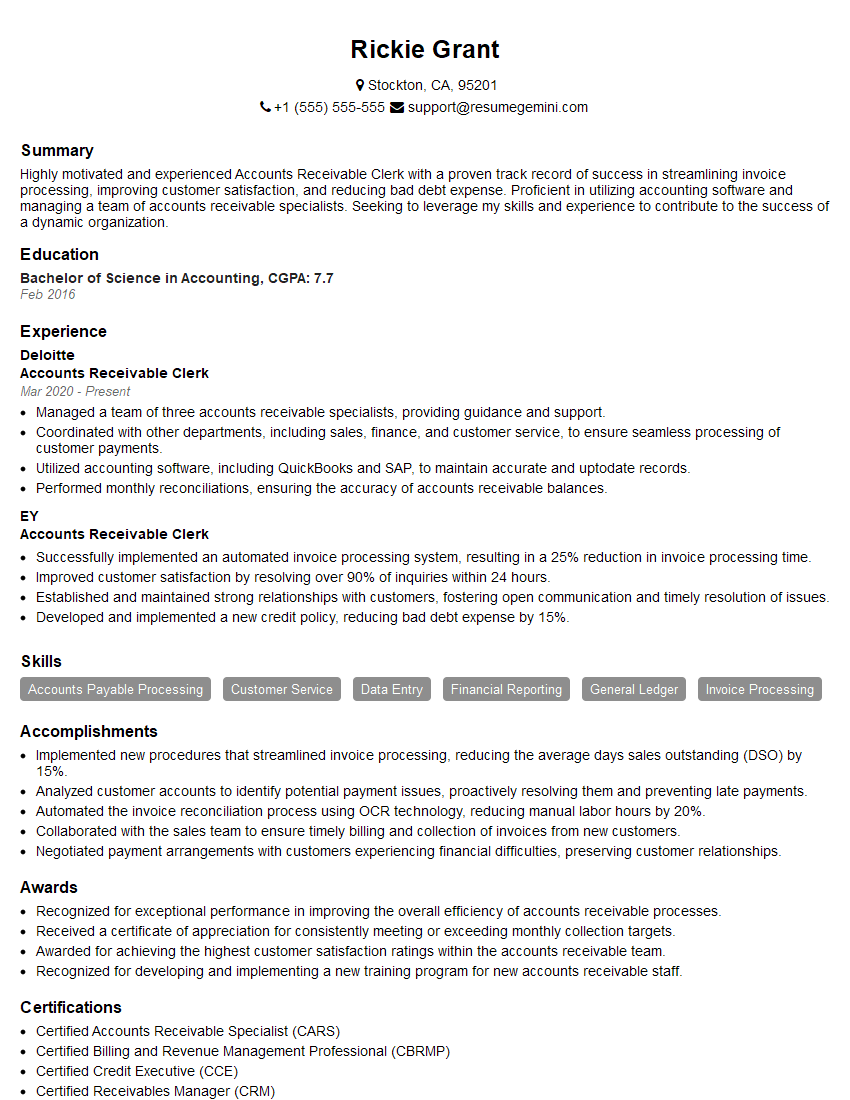
Accounts Receivable Clerk Resume Sample
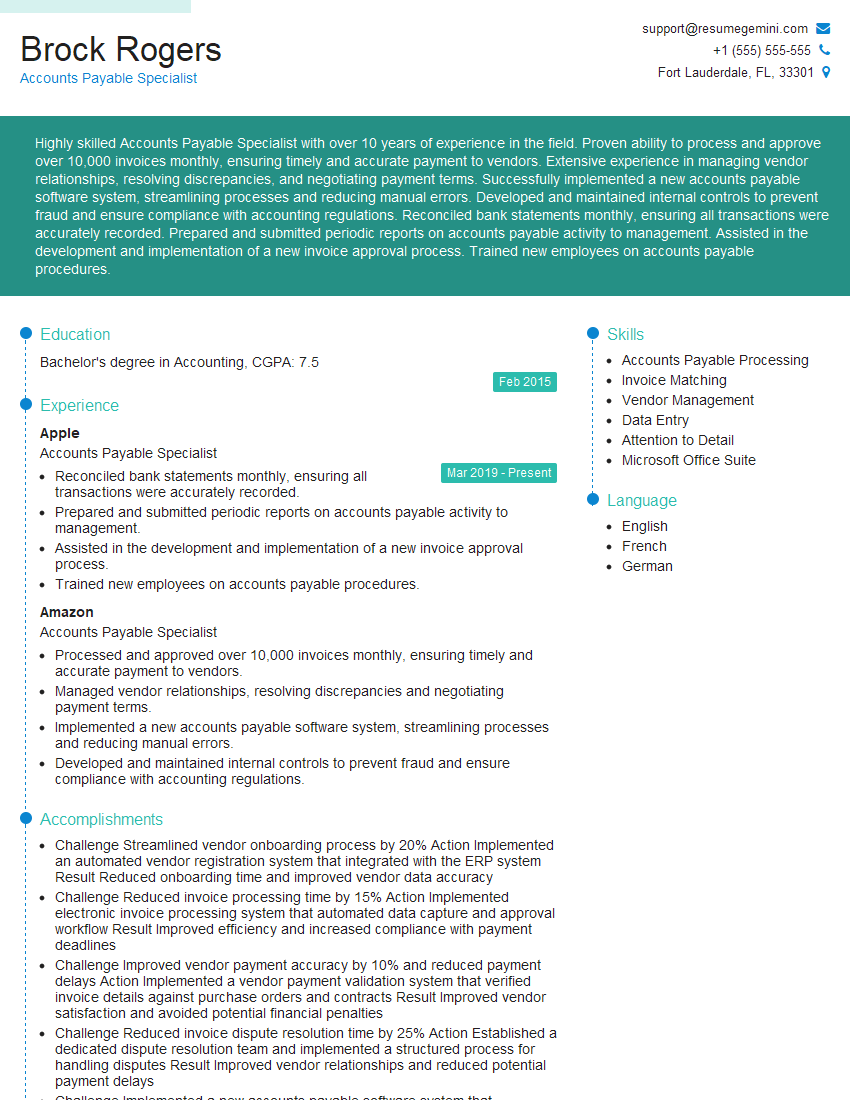
Accounts Payable Specialist Resume Sample
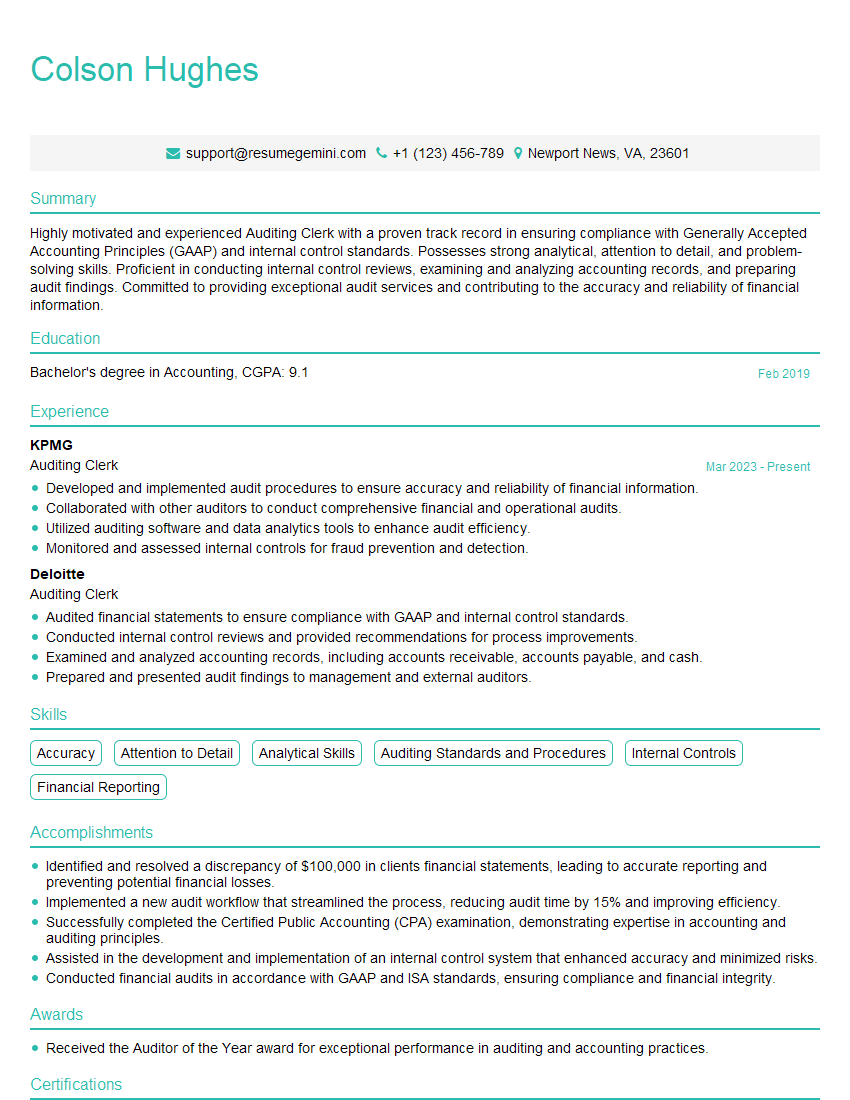
Auditing Clerk Resume Sample
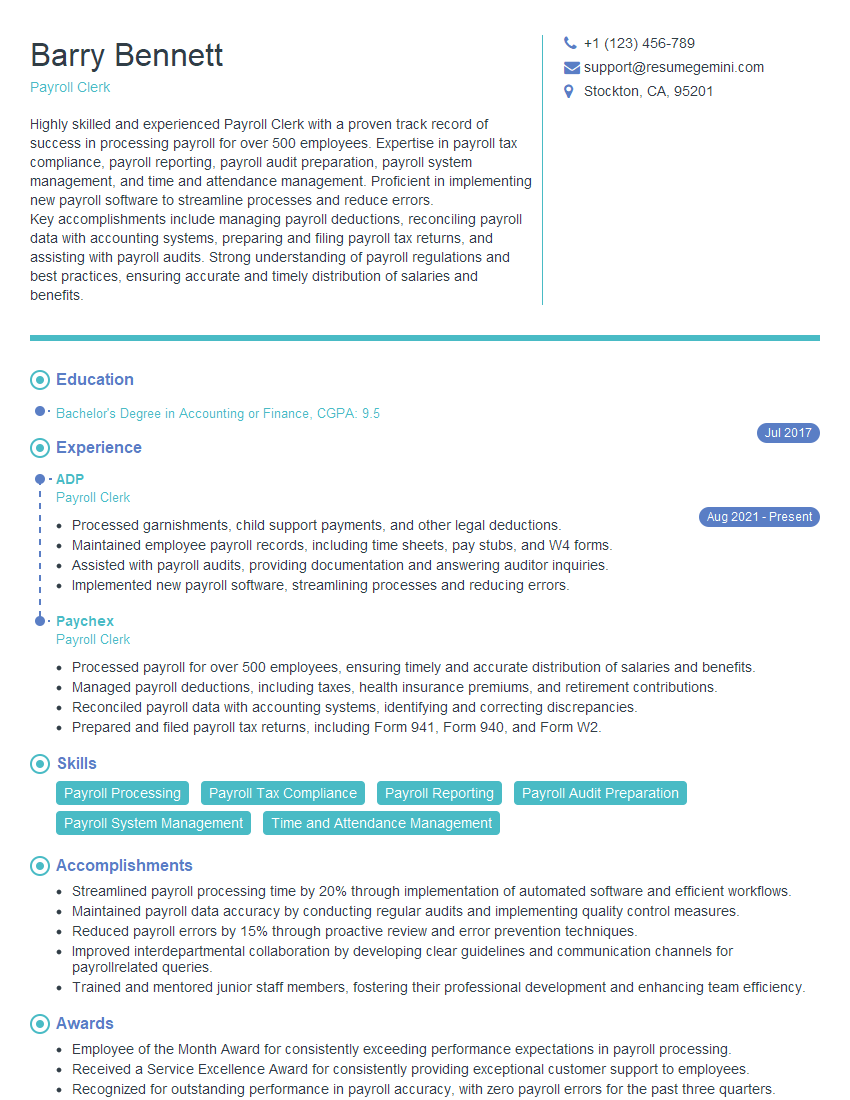
Payroll Clerk Resume Sample
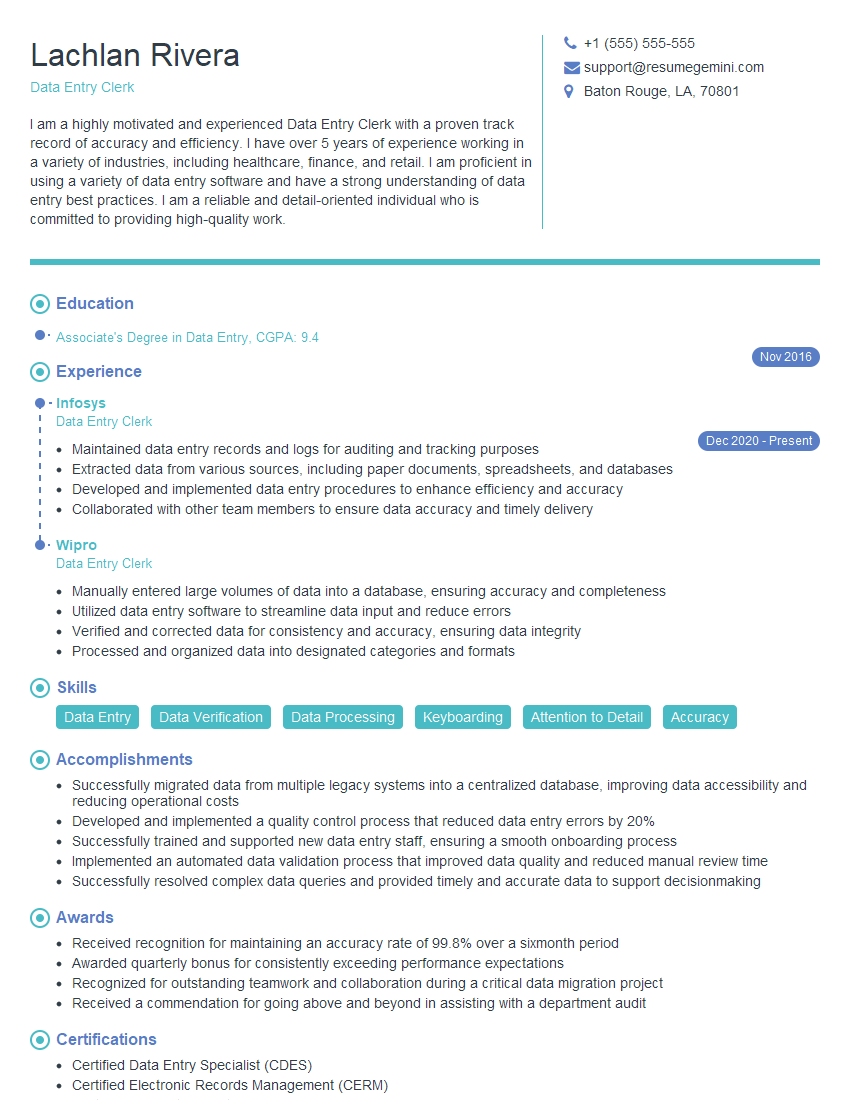
Data Entry Clerk Resume Sample
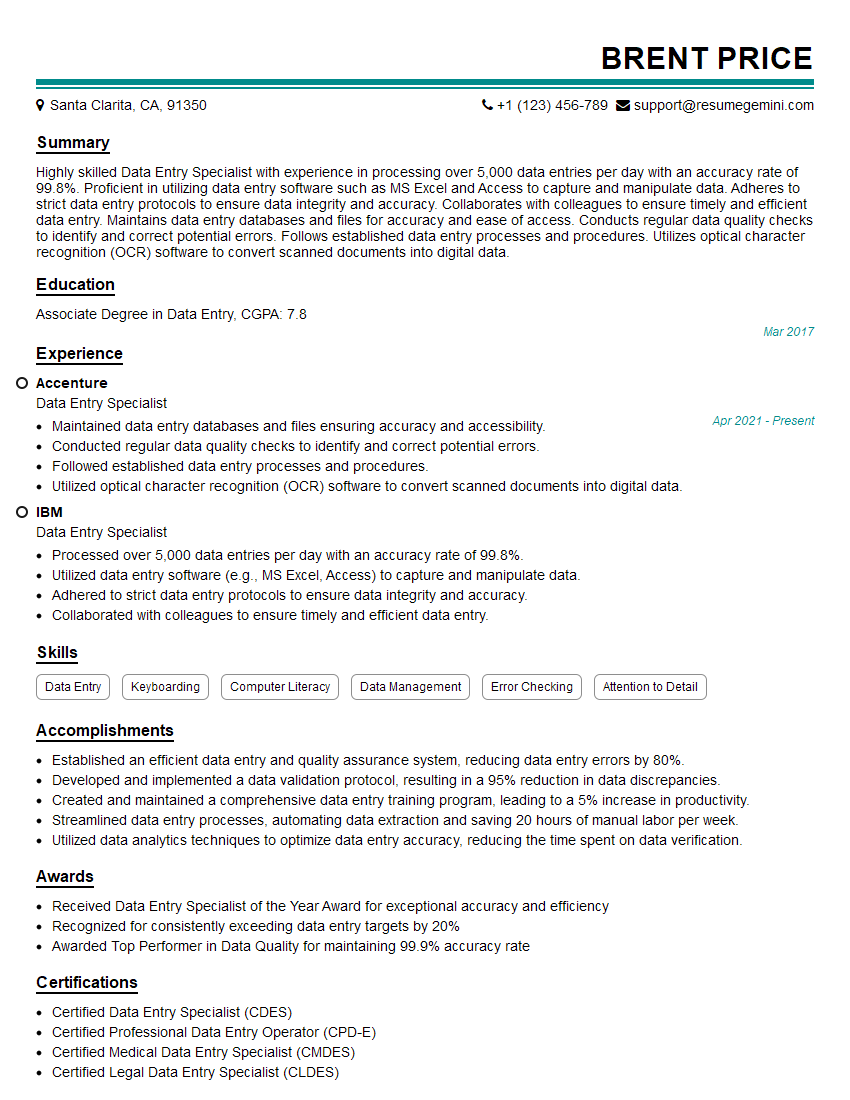
Data Entry Specialist Resume Sample
- Chief Financial Officer (CFO)
- Controller
- Finance Manager
- Payroll Manager
- Compliance Officer
- Payroll Specialist
- Bookkeeper
- Financial Analyst
- Treasury Analyst
- Accounting Assistant
- Accounts Payable Manager
- Accounts Payable Clerk
- Accounting Clerk
- Accounts Receivable Clerk
- Accounts Payable Specialist
- Auditing Clerk
- Payroll Clerk
- Data Entry Clerk
- Data Entry Specialist
Explore more articles
Users Rating of Our Blogs
Share Your Experience
We value your feedback! Please rate our content and share your thoughts (optional).
What Readers Say About Our Blog
Very informative content, great job.
good