Interviews are opportunities to demonstrate your expertise, and this guide is here to help you shine. Explore the essential Chemical Manufacturing interview questions that employers frequently ask, paired with strategies for crafting responses that set you apart from the competition.
Questions Asked in Chemical Manufacturing Interview
Q 1. Explain the difference between batch and continuous chemical processing.
The key difference between batch and continuous chemical processing lies in how the reactants are introduced and the products are collected. In batch processing, all reactants are added to the reactor at the beginning, the reaction proceeds, and then the products are removed at the end of the process. Think of baking a cake – you mix all ingredients, bake, and then take the finished cake out. This is simple for smaller-scale operations and ideal for producing smaller quantities of diverse products. It also allows for greater flexibility in production scheduling.
Continuous processing, on the other hand, involves a constant flow of reactants into the reactor and a continuous removal of products. It’s like an assembly line for chemicals, where raw materials are constantly fed in, processed, and finished goods are consistently produced. This method is suited for large-scale production of a single product, resulting in higher output and often lower operating costs per unit. However, it’s less flexible and requires more intricate process control.
For example, the pharmaceutical industry might utilize batch processing for specialized drugs requiring precise control over reaction conditions, while the petroleum refining industry relies heavily on continuous processing for large-scale production of fuels.
Q 2. Describe your experience with different reactor types (e.g., CSTR, batch, plug flow).
My experience encompasses a wide range of reactor types, including Continuous Stirred Tank Reactors (CSTRs), batch reactors, and plug flow reactors (PFRs). I’ve worked extensively with CSTRs, which are ideal for processes requiring uniform mixing and temperature control. Their simplicity in design and operation makes them suitable for many industrial applications. I’ve leveraged their advantages in several projects involving homogenous reactions and found their ability to maintain a constant concentration profile to be particularly beneficial for kinetic studies and control.
Batch reactors offer the flexibility needed for smaller-scale production or experimentation. They allow for precise control of reaction parameters, making them indispensable in the development and optimization of new processes. My experience in designing and operating batch processes is particularly valuable when dealing with complex reactions or those that require carefully timed addition of reactants. I’ve found their versatility essential in my work with polymerization reactions, for instance, where precise control of reactant addition impacts the final product’s molecular weight distribution.
Plug flow reactors (PFRs) are well-suited for processes with long reaction times, where reactants flow through a tube-like reactor with minimal mixing. I’ve worked with these reactors, often using computational fluid dynamics (CFD) modelling to optimize the flow pattern and maximize conversion. Their efficiency in converting reactants to products makes them attractive for large-scale production of certain chemicals, particularly in situations where efficient heat transfer is crucial, like in some catalytic processes.
Q 3. How do you ensure quality control throughout the manufacturing process?
Ensuring quality control is paramount in chemical manufacturing. Our approach is multi-faceted and involves rigorous testing at various stages:
- Raw Material Inspection: Incoming raw materials are thoroughly analyzed to verify their purity and properties before they enter the production process. This includes checks for contaminants and accurate composition.
- In-process Monitoring: Real-time monitoring of critical process parameters such as temperature, pressure, and reactant concentrations is crucial. This allows for immediate detection of any deviations from the desired process conditions, facilitating corrective actions. We often use online sensors and advanced process control systems for continuous monitoring and automated adjustments.
- Sampling and Testing: Samples are taken at various stages throughout the process and analyzed to verify that the reaction is progressing as expected and the product quality is maintained. These tests might include analysis of reaction kinetics, product composition, and purity.
- Finished Product Testing: The final product is subjected to rigorous testing to ensure it meets all specifications, including purity, yield, and stability. This involves a range of analytical techniques tailored to the specific product.
- Statistical Process Control (SPC): SPC techniques are used to monitor process variation and identify trends that could indicate potential problems. Control charts are regularly reviewed to ensure that the process is operating within acceptable limits.
Our robust quality control system ensures that our products consistently meet the highest quality standards and are safe for their intended use.
Q 4. What are the common safety hazards in chemical manufacturing and how do you mitigate them?
Chemical manufacturing presents various safety hazards, including:
- Fire and Explosion Hazards: Many chemicals are flammable or explosive, requiring strict adherence to safety protocols and the implementation of appropriate fire suppression systems.
- Toxicity and Health Hazards: Exposure to certain chemicals can be harmful or fatal, necessitating the use of personal protective equipment (PPE) and engineering controls such as ventilation systems.
- Reactivity Hazards: Some chemicals can react violently with each other or with water, necessitating careful handling and storage procedures.
- Pressure Hazards: High-pressure systems can lead to equipment failure and release of hazardous materials, necessitating pressure relief systems and regular equipment inspections.
Mitigating these risks involves a multi-pronged approach:
- Hazard Identification and Risk Assessment: Thoroughly identifying potential hazards and assessing the associated risks is the first step. We use HAZOP (Hazard and Operability) studies and other risk assessment techniques to identify potential scenarios and mitigate their consequences.
- Engineering Controls: Implementing safety features like pressure relief valves, interlocks, emergency shutdowns, and explosion-proof equipment minimizes hazards.
- Administrative Controls: Implementing strict safety procedures, training programs, and emergency response plans ensures that personnel are prepared to handle any incidents.
- Personal Protective Equipment (PPE): Providing appropriate PPE to workers is crucial to protecting them from exposure to hazardous chemicals.
A culture of safety is essential in our operations, emphasizing proactive risk management and continuous improvement in our safety protocols.
Q 5. Explain your understanding of Good Manufacturing Practices (GMP).
Good Manufacturing Practices (GMP) are a set of guidelines that ensure the consistent production of high-quality products that meet quality standards and are safe for their intended use. GMP encompasses a wide range of aspects, including:
- Facility and Equipment Design: Clean, well-maintained facilities and equipment are essential for preventing contamination and ensuring consistent product quality.
- Personnel Training: Properly trained personnel are crucial for following procedures and maintaining quality standards. Regular training is a must.
- Documentation: Comprehensive documentation of all aspects of the manufacturing process, including raw material handling, production procedures, and quality control tests, is vital for traceability and accountability.
- Sanitation and Hygiene: Maintaining a clean and hygienic manufacturing environment is critical to preventing contamination.
- Quality Control: Robust quality control procedures ensure the consistent production of high-quality products.
- Process Validation: Demonstrating that the manufacturing process consistently produces products that meet specifications is essential.
Adherence to GMP guidelines is crucial to minimize risks and maintain the quality and safety of our products. My experience in complying with GMP requirements in various settings, including those under strict regulatory scrutiny, allows me to ensure that our manufacturing processes are consistently operating at the highest standards.
Q 6. Describe your experience with process optimization and improvement techniques.
Process optimization is an ongoing effort to enhance efficiency, reduce costs, and improve product quality. My experience includes implementing various techniques, including:
- Data Analysis: Analyzing process data to identify bottlenecks, inefficiencies, and areas for improvement. We use statistical software and advanced analytics to uncover patterns and trends.
- Process Simulation: Employing process simulation software to model and optimize various aspects of the manufacturing process, including reaction kinetics, heat transfer, and mass transfer.
- Design of Experiments (DOE): Using DOE to systematically investigate the effect of various process parameters on product quality and yield. This allows for identifying the optimal settings for maximizing performance.
- Lean Manufacturing Principles: Applying lean principles to eliminate waste, reduce lead times, and improve overall efficiency.
- Six Sigma Methodology: Using Six Sigma methods to reduce process variation and improve quality.
For instance, in one project, I utilized DOE to optimize the reaction temperature and catalyst concentration in a particular chemical reaction. This resulted in a 15% increase in yield and a significant reduction in production costs.
Q 7. How do you troubleshoot process deviations and malfunctions?
Troubleshooting process deviations and malfunctions requires a systematic approach:
- Identify the Deviation: First, accurately identify the nature and extent of the deviation from the expected process behavior. This often involves reviewing process data, conducting visual inspections, and analyzing samples.
- Investigate Root Cause: Determine the root cause of the deviation. This might involve analyzing historical data, conducting experiments, or consulting with experts. We often use fault tree analysis or fishbone diagrams to systematically explore potential causes.
- Implement Corrective Actions: Once the root cause is identified, implement appropriate corrective actions to address the problem. This might involve adjusting process parameters, repairing equipment, or modifying operating procedures.
- Verify Effectiveness: After implementing corrective actions, verify their effectiveness by monitoring the process and ensuring that the deviation is resolved and the process is stable.
- Document Findings: Thoroughly document the entire troubleshooting process, including the nature of the deviation, the root cause, the corrective actions taken, and the results obtained. This ensures that the problem is less likely to recur and contributes to continuous improvement efforts.
For example, if a reaction yield drops unexpectedly, I might investigate potential issues such as reactant purity, catalyst deactivation, or equipment malfunction. The troubleshooting process will involve reviewing historical data, analyzing samples, and conducting experiments to isolate the root cause before implementing and validating effective solutions.
Q 8. Explain your understanding of process control systems (e.g., PID controllers).
Process control systems are the brains of a chemical manufacturing plant, ensuring that reactions proceed smoothly and safely. A core component is the PID (Proportional-Integral-Derivative) controller. Imagine a thermostat: it needs to maintain a set temperature (the ‘setpoint’). A PID controller works similarly. It continuously measures the actual process variable (e.g., temperature, pressure, flow rate) and compares it to the setpoint. The difference is the ‘error’.
Proportional action adjusts the control output (e.g., valve opening) proportionally to the error. A larger error leads to a larger adjustment. Integral action addresses persistent errors – if there’s a constant offset, the integral term gradually corrects it over time. Think of it as accumulating the error and making a cumulative correction. Derivative action anticipates future error by considering the rate of change. It dampens rapid fluctuations, preventing overshoots and oscillations.
For example, in a reactor controlling temperature, a sudden drop in temperature (a large negative error) would trigger a significant increase in heating (proportional action). If the temperature remains slightly below the setpoint despite heating (a persistent error), the integral action would gradually increase heating power until the setpoint is reached. Finally, if the temperature starts fluctuating wildly, derivative action would smooth out these oscillations.
In my experience, I’ve worked extensively with PID controllers in optimizing exothermic reactions, preventing runaway reactions by precisely controlling temperature and pressure. We used advanced PID tuning techniques like Ziegler-Nichols to ensure optimal performance and stability.
Q 9. What are your experiences with different types of chemical separation techniques?
Chemical separation techniques are crucial for purifying products and removing unwanted byproducts. I’ve worked with several, including:
- Distillation: Separating liquids based on boiling points. I used fractional distillation to separate complex mixtures of organic solvents in the production of pharmaceuticals. The efficiency depended on the number of theoretical plates in the column.
- Extraction: Using a solvent to selectively dissolve one component from a mixture. I implemented liquid-liquid extraction to recover a valuable product from an aqueous solution. The choice of solvent is crucial for optimal selectivity and efficiency.
- Crystallization: Purifying solids by forming crystals from a solution. In the production of fine chemicals, I controlled crystallization parameters like temperature and supersaturation to obtain high-purity crystals with desired size and shape.
- Filtration: Separating solids from liquids. Various types, like pressure filtration and vacuum filtration, were used to remove catalyst residues or unwanted solid impurities during different processes.
- Chromatography: Separating components based on their differing affinities for a stationary and mobile phase. This was especially useful for analyzing complex mixtures and ensuring product purity, often using High-Performance Liquid Chromatography (HPLC).
Choosing the right technique depends on factors like the properties of the components, the scale of the operation, and the desired purity level. For instance, for separating isomers with similar boiling points, chromatography is far superior to distillation.
Q 10. Describe your experience with process safety management (PSM).
Process Safety Management (PSM) is paramount in chemical manufacturing. My experience centers on implementing and adhering to PSM principles, which includes hazard identification, risk assessment, and mitigation strategies. This involves:
- Hazard Identification and Risk Assessment (HIRA): Using tools like HAZOP (Hazard and Operability Study) and What-If analysis to identify potential hazards, like runaway reactions, explosions, and toxic releases, and then assessing their likelihood and severity.
- Safety Instrumented Systems (SIS): Designing and implementing safety systems, such as emergency shutdown systems (ESD), to prevent or mitigate major accidents. This includes specifying and testing the reliability of these systems, often utilizing SIL (Safety Integrity Level) ratings.
- Management of Change (MOC): Establishing procedures for managing changes to processes, equipment, or procedures, ensuring that safety aspects are considered and risks are properly assessed before any implementation.
- Training and Competency Assurance: Ensuring that operators and other personnel are properly trained in safe operating procedures and emergency response protocols.
- Incident Investigation: Thoroughly investigating incidents and near-misses to identify root causes and implement corrective actions to prevent recurrence.
For example, in a plant producing flammable materials, we conducted a HAZOP study to identify potential ignition sources and implemented measures like inerting the atmosphere and using explosion-proof equipment. Regular safety audits and training were crucial for maintaining a safe operating environment.
Q 11. How do you handle hazardous waste disposal in compliance with regulations?
Hazardous waste disposal is governed by strict regulations, and compliance is not negotiable. My approach involves:
- Waste Characterization: Properly identifying the composition and characteristics of the waste (physical, chemical, toxicity) to select the appropriate disposal method.
- Segregation and Storage: Separating different types of hazardous waste to prevent incompatible reactions and ensure safe storage until disposal. Proper labeling and documentation are vital.
- Treatment and Neutralization: If necessary, treating the waste to reduce its toxicity or hazard level before disposal, often through chemical neutralization or other remediation techniques.
- Selection of Licensed Disposal Facilities: Contracting with licensed and reputable waste disposal facilities capable of handling the specific type of hazardous waste generated. Verification of their permits and compliance history is critical.
- Record Keeping and Reporting: Maintaining detailed records of waste generation, treatment, storage, and disposal, adhering to all applicable regulations and providing necessary reports to regulatory agencies.
For example, waste containing heavy metals would require special handling and disposal at a facility equipped to manage such materials. All disposal activities are meticulously documented, and we regularly review our processes to ensure compliance with all relevant local, state, and federal regulations.
Q 12. Explain your understanding of material balance and energy balance calculations.
Material and energy balances are fundamental to chemical process design and operation. A material balance tracks the mass flow of materials into, out of, and within a process. It’s based on the principle of conservation of mass: mass is neither created nor destroyed. An energy balance tracks the energy flow, accounting for heat transfer, work done, and changes in internal energy. It’s based on the first law of thermodynamics: energy is conserved.
Imagine a reactor producing a chemical product. A material balance would account for the mass of reactants fed into the reactor, the mass of product formed, and the mass of any byproducts or unreacted reactants. An energy balance would account for the heat generated or consumed by the reaction, the heat transferred to or from the surroundings, and any work done on or by the system. These calculations are crucial for optimizing process efficiency, sizing equipment, and predicting process outcomes.
I frequently use these principles to design and troubleshoot chemical processes. For instance, deviations in the material balance might indicate leaks or losses, while discrepancies in the energy balance could reveal inefficiencies in heat transfer or energy losses. Software like Aspen Plus or ChemCAD are often used for complex calculations.
Q 13. How do you ensure the accuracy and reliability of analytical data?
The accuracy and reliability of analytical data are essential for process monitoring, quality control, and troubleshooting. My approach involves a multi-faceted strategy:
- Calibration and Validation: Regularly calibrating analytical instruments using certified reference materials and validating analytical methods to ensure accuracy and precision. This often includes performing method validation tests such as linearity, accuracy, precision, and limit of detection.
- Quality Control Samples: Including quality control samples (blanks, standards, and duplicates) in analytical runs to assess instrument performance and detect potential errors or biases.
- Proper Sample Handling: Using appropriate techniques to minimize sample degradation or contamination during collection, storage, and handling.
- Data Management and Analysis: Employing good laboratory practices (GLP) for data recording, processing, and analysis. This includes using software for data management, statistical analysis, and data visualization. This can reveal potential outliers or trends.
- Instrument Maintenance: Regular maintenance and preventative measures to ensure the instruments are functioning optimally and delivering reliable results.
For example, in HPLC analysis, we regularly calibrate the instrument with standard solutions and monitor peak areas and retention times to ensure accuracy. We also perform system suitability tests to verify the system’s performance before each analysis.
Q 14. What is your experience with statistical process control (SPC)?
Statistical Process Control (SPC) is a powerful tool for monitoring and improving process performance. It uses statistical methods to identify variations in process parameters and to distinguish between common cause and special cause variations.
I have extensive experience in implementing SPC in chemical manufacturing. This typically involves:
- Control Charts: Utilizing various types of control charts (e.g., X-bar and R charts, p-charts, c-charts) to monitor key process variables. These charts visually display process data over time, allowing for identification of trends, shifts, or outliers.
- Capability Analysis: Assessing process capability to determine whether the process is capable of meeting specified quality standards, usually expressed as a Cp or Cpk value.
- Process Optimization: Using SPC data to identify and eliminate sources of variation, leading to improved process efficiency, reduced defects, and enhanced product quality.
For example, in a production line manufacturing a polymer, we used X-bar and R charts to monitor the molecular weight of the product. By identifying and addressing the source of a special cause variation (a faulty mixing valve), we improved process consistency and reduced product rejects.
SPC is not just about detecting problems; it also plays a key role in preventing them by providing early warning signals and guiding continuous improvement efforts. It enables a data-driven, proactive approach to process management rather than simply reacting to problems after they occur.
Q 15. Describe your experience with root cause analysis (RCA) techniques.
Root Cause Analysis (RCA) is a systematic process for identifying the underlying causes of problems, not just the symptoms. My experience encompasses various techniques, including the 5 Whys, Fishbone diagrams (Ishikawa diagrams), Fault Tree Analysis (FTA), and Failure Mode and Effects Analysis (FMEA).
For instance, in one instance of a batch failing its purity test, we initially identified low yield as the symptom. Using the 5 Whys, we asked repeatedly ‘Why?’: Why low yield? Because reaction temperature was inconsistent. Why inconsistent temperature? Because the cooling system malfunctioned. Why did the cooling system malfunction? Because of a faulty sensor. Why was the sensor faulty? Due to lack of regular calibration. This led us to implement a stricter calibration schedule, directly addressing the root cause.
Fishbone diagrams helped us visually map potential causes categorized into categories like Manpower, Machines, Materials, Methods, and more. FTA allowed for a hierarchical breakdown of the failure chain, while FMEA proactively identified potential failure modes and their impact.
Career Expert Tips:
- Ace those interviews! Prepare effectively by reviewing the Top 50 Most Common Interview Questions on ResumeGemini.
- Navigate your job search with confidence! Explore a wide range of Career Tips on ResumeGemini. Learn about common challenges and recommendations to overcome them.
- Craft the perfect resume! Master the Art of Resume Writing with ResumeGemini’s guide. Showcase your unique qualifications and achievements effectively.
- Don’t miss out on holiday savings! Build your dream resume with ResumeGemini’s ATS optimized templates.
Q 16. How do you manage and interpret process data using software (e.g., LIMS, DCS)?
I’m proficient in managing and interpreting process data using various software systems, including Laboratory Information Management Systems (LIMS) and Distributed Control Systems (DCS). LIMS helps manage laboratory data, from sample tracking and analysis to generating reports for quality control. I use this to track trends, ensure data integrity, and identify deviations from specifications. For example, LIMS allowed us to track the purity of a reactant over multiple batches and quickly identify a supplier’s batch that was consistently below standards.
DCS provides real-time monitoring and control of process parameters in the manufacturing environment. I utilize historical data trending, statistical process control (SPC) charts (e.g., Shewhart charts, CUSUM charts), and data analytics to identify process variations and optimize parameters. For example, using DCS data and SPC charts, I pinpointed an unexpected pressure fluctuation during a critical reaction step, ultimately leading to improved process control and yield optimization.
Q 17. Explain your experience with different types of chemical reactors and their applications.
My experience includes working with a variety of chemical reactors, each suited for specific reaction types and scales. These include:
- Batch Reactors: Ideal for small-scale production and reactions with complex or changing conditions. I’ve used these extensively for synthesis of specialty chemicals.
- Continuous Stirred Tank Reactors (CSTRs): These offer consistent product quality for large-scale production through continuous mixing. I applied these to the manufacture of bulk chemicals.
- Plug Flow Reactors (PFRs): Well-suited for reactions requiring specific residence time. They were used in a project involving gas-phase reactions.
- Fluidized Bed Reactors: Useful for gas-solid reactions, such as catalysis. I have experience optimizing these for higher conversion rates.
The choice of reactor depends on factors like reaction kinetics, heat transfer requirements, and desired production scale. I can expertly select and operate the most appropriate reactor based on a reaction’s characteristics.
Q 18. How do you ensure compliance with environmental regulations?
Ensuring environmental compliance is paramount. My approach involves a multi-pronged strategy:
- Understanding Regulations: Staying updated on all relevant local, national, and international regulations (e.g., EPA regulations in the US, REACH in Europe) regarding waste disposal, emissions, and air/water quality.
- Implementing Best Practices: Utilizing techniques like waste minimization, recycling, and closed-loop systems to reduce environmental impact.
- Process Monitoring: Implementing robust monitoring systems to track emissions, effluent quality, and waste generation to ensure compliance at all times. This often involves DCS and other monitoring systems.
- Documentation and Reporting: Meticulously maintaining records of all environmental aspects of the manufacturing process. This includes permits, inspections, and compliance reports.
- Employee Training: Regularly training staff on environmental regulations and safe handling procedures.
For example, I led a project to implement a new wastewater treatment system resulting in a significant reduction in pollutants discharged, thus improving compliance and lowering environmental impact.
Q 19. Describe your experience with scale-up and scale-down of chemical processes.
Scale-up and scale-down of chemical processes require careful consideration of various factors. Scale-up involves increasing production capacity, while scale-down involves reducing it (often for research and development).
Successful scale-up and scale-down necessitate a deep understanding of reaction kinetics, heat and mass transfer, and equipment limitations. I employ techniques like geometric similarity (scaling up reactor dimensions proportionally), maintaining constant reaction time, and careful monitoring of critical parameters such as temperature, pressure, and mixing efficiency. Simulations using computational fluid dynamics (CFD) software are often crucial for predicting performance at different scales.
In one project, we scaled up a batch reaction from lab scale (1L reactor) to pilot plant scale (100L reactor) and then to full production scale (10000L reactor). We achieved this through careful control of mixing, efficient heat transfer strategies (added jackets and internal coils as needed) and monitoring key process parameters across scales.
Q 20. What are your experiences with different types of chemical instrumentation?
My experience includes utilizing a wide range of chemical instrumentation, including:
- Spectroscopy (UV-Vis, IR, NMR): For product and reactant identification and purity analysis.
- Chromatography (GC, HPLC): For separation and quantification of components in complex mixtures.
- Mass Spectrometry (MS): For precise identification and structural elucidation of molecules.
- pH meters, conductivity meters, and titrators: For monitoring reaction conditions.
- Temperature and pressure sensors, flow meters, and level sensors: For process control and safety.
I’m familiar with the principles of operation, maintenance, and troubleshooting of these instruments. Understanding their limitations and selecting the appropriate instrument for a specific task is critical. In one situation, the use of online GC allowed us to detect a trace impurity in real-time, preventing a batch from going out of specification.
Q 21. How do you manage and improve team performance in a manufacturing environment?
Improving team performance in a manufacturing environment requires a collaborative and supportive approach. My strategy focuses on:
- Clear Communication: Establishing open and transparent communication channels to ensure everyone is informed and understands their roles and responsibilities.
- Goal Setting: Collaboratively setting clear, achievable goals and milestones, ensuring team buy-in and shared ownership.
- Training and Development: Providing opportunities for continuous learning and skill enhancement to improve individual capabilities.
- Motivation and Recognition: Recognizing and rewarding team achievements to boost morale and encourage productivity. This could include simple acknowledgements, bonuses, or team building activities.
- Problem Solving: Promoting a culture of open problem-solving, where team members feel comfortable identifying and addressing issues proactively. Empowering teams to propose and implement solutions boosts confidence and engagement.
- Performance Reviews: Conducting regular performance reviews to provide constructive feedback and identify areas for improvement. This should not only be about critiques but should also reflect contributions and successes.
For example, by implementing a suggestion box system and acting on team feedback, we improved efficiency in a production line, leading to significant productivity gains.
Q 22. What is your experience with Six Sigma or Lean methodologies?
Six Sigma and Lean methodologies are crucial for optimizing chemical manufacturing processes. Six Sigma focuses on minimizing defects and variations through a data-driven approach, aiming for near-perfection (3.4 defects per million opportunities). Lean manufacturing, on the other hand, emphasizes eliminating waste in all forms – be it time, materials, or effort – to maximize efficiency. My experience encompasses both. In my previous role at Acme Chemicals, I led a Six Sigma project to reduce the variability in the yield of our flagship product, resulting in a 15% increase in productivity. This involved using DMAIC (Define, Measure, Analyze, Improve, Control) methodology, gathering extensive data on process parameters, identifying root causes of variation using statistical tools like ANOVA, and implementing control charts for ongoing monitoring. I’ve also implemented Lean principles, such as 5S (Sort, Set in Order, Shine, Standardize, Sustain) and Kanban, in our warehouse management system, streamlining material handling and reducing lead times by 20%.
Q 23. Describe a situation where you had to solve a complex process problem.
During my time at Beta Pharmaceuticals, we encountered a significant challenge with a new reactor system. The reaction consistently yielded an unacceptable level of impurities, compromising product quality and threatening project deadlines. Initially, we suspected issues with raw material quality. We meticulously analyzed the incoming materials using HPLC and GC-MS, but found no significant deviations from specifications. We then broadened our investigation to encompass the entire process, including reactor temperature profiles, stirring rates, and residence times. Using process simulations and Design of Experiments (DOE), we systematically varied these parameters and monitored their effects on impurity formation. We discovered that a subtle interaction between temperature and stirring speed was the culprit, leading to localized hot spots within the reactor and consequently, increased impurity generation. By optimizing these parameters, we reduced impurity levels by 90%, successfully resolving the issue and delivering the product on schedule.
Q 24. How do you communicate technical information to non-technical audiences?
Communicating technical information to non-technical audiences requires clear, concise, and relatable language. I avoid jargon and technical acronyms whenever possible, instead opting for analogies and visual aids. For instance, when explaining complex chemical reactions, I might use a simple analogy like a recipe, explaining how different ingredients (reactants) combine under specific conditions (temperature, pressure) to create a desired product. I also rely heavily on visuals – charts, graphs, and diagrams – to illustrate key points and make the information easier to digest. In presentations, I focus on the ‘so what?’ – explaining the practical implications of the technical details and how they impact the business or the end-user. For instance, when presenting data on process improvements, I emphasize the cost savings, improved product quality, or enhanced safety achieved.
Q 25. What are your salary expectations?
My salary expectations are commensurate with my experience and skills, and I am open to discussing a competitive compensation package that aligns with the market rate and the responsibilities of this role. I’d be happy to provide a specific figure after learning more about the comprehensive benefits package offered.
Q 26. What are your long-term career goals?
My long-term career goals include becoming a recognized leader in the chemical manufacturing industry. I aim to contribute to innovative process development, improve operational efficiency, and mentor future generations of chemical engineers. Specifically, I aspire to lead a team focused on sustainable and green chemical manufacturing processes, minimizing environmental impact while maximizing productivity. This involves embracing new technologies and driving change within the industry.
Q 27. What motivates you to work in chemical manufacturing?
I am motivated to work in chemical manufacturing because of the tangible impact it has on society. From developing life-saving pharmaceuticals to creating sustainable materials, the industry plays a crucial role in addressing global challenges. I find immense satisfaction in contributing to the design, optimization, and implementation of processes that produce vital products. Furthermore, the continuous learning and problem-solving inherent in chemical manufacturing keeps the work engaging and intellectually stimulating. The constant drive towards innovation and efficiency is very appealing to me.
Q 28. What are your strengths and weaknesses?
One of my greatest strengths is my analytical problem-solving ability. I am methodical in my approach, meticulously analyzing data and systematically eliminating potential causes to identify the root of a problem. I am also a highly effective communicator and team player, comfortable collaborating with individuals across various disciplines. A potential weakness is my tendency to be detail-oriented, which can sometimes lead to spending excessive time on minor aspects of a project. However, I am actively working on improving my time management skills to better balance attention to detail with overall project efficiency. I recognize this and am actively working on improving my delegation skills and time management techniques.
Key Topics to Learn for Chemical Manufacturing Interview
- Process Safety and Hazard Analysis: Understanding concepts like HAZOP (Hazard and Operability Study), risk assessment, and safety procedures is crucial. Practical application includes participating in safety reviews and implementing safety protocols in a manufacturing environment.
- Unit Operations: Mastering key unit operations like distillation, filtration, evaporation, and mixing is fundamental. Practical application involves understanding the principles behind these processes and troubleshooting issues in a real-world setting.
- Process Control and Instrumentation: Familiarize yourself with process control loops, instrumentation, and data acquisition systems. Practical application includes understanding how to interpret sensor readings and adjust process parameters to maintain optimal production.
- Chemical Reaction Engineering: A strong understanding of reaction kinetics, reactor design, and process optimization is essential. Practical application includes scaling up reactions from lab-scale to industrial-scale production and optimizing reaction conditions for yield and selectivity.
- Quality Control and Assurance: Understand the importance of quality control procedures, testing methods, and regulatory compliance (e.g., GMP, ISO). Practical application involves implementing and maintaining quality control standards throughout the manufacturing process.
- Material and Energy Balances: Ability to perform material and energy balances is critical for process optimization and troubleshooting. Practical application involves calculating yields, efficiencies, and energy consumption in a manufacturing process.
- Troubleshooting and Problem-Solving: Develop your skills in identifying, analyzing, and resolving process deviations. This involves understanding root cause analysis and implementing corrective actions.
Next Steps
A strong understanding of Chemical Manufacturing principles opens doors to exciting career opportunities and advancement within the industry. To maximize your chances of landing your dream role, creating a compelling and ATS-friendly resume is key. ResumeGemini is a trusted resource that can help you craft a professional resume that highlights your skills and experience effectively. Take advantage of their tools and resources to build a standout resume; examples of resumes tailored to Chemical Manufacturing are available to guide you. Investing time in a well-structured resume will significantly increase your job prospects.
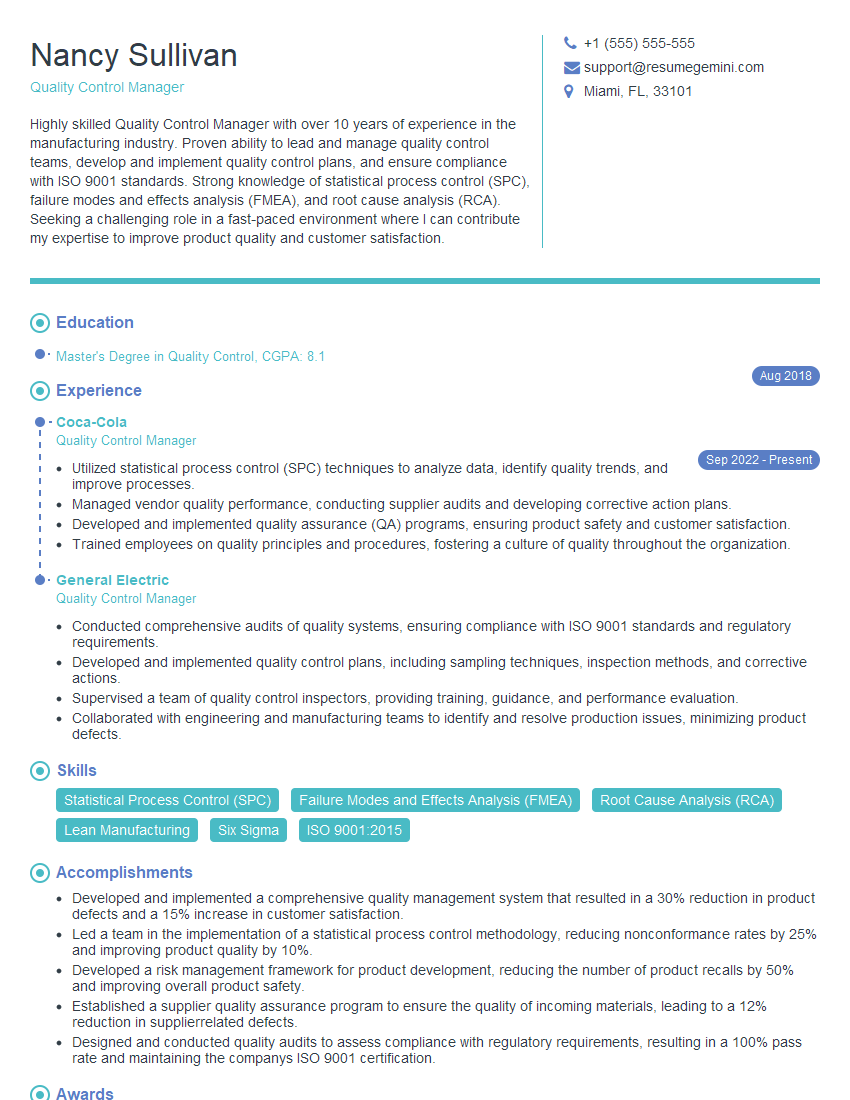
Quality Control Manager Resume Sample
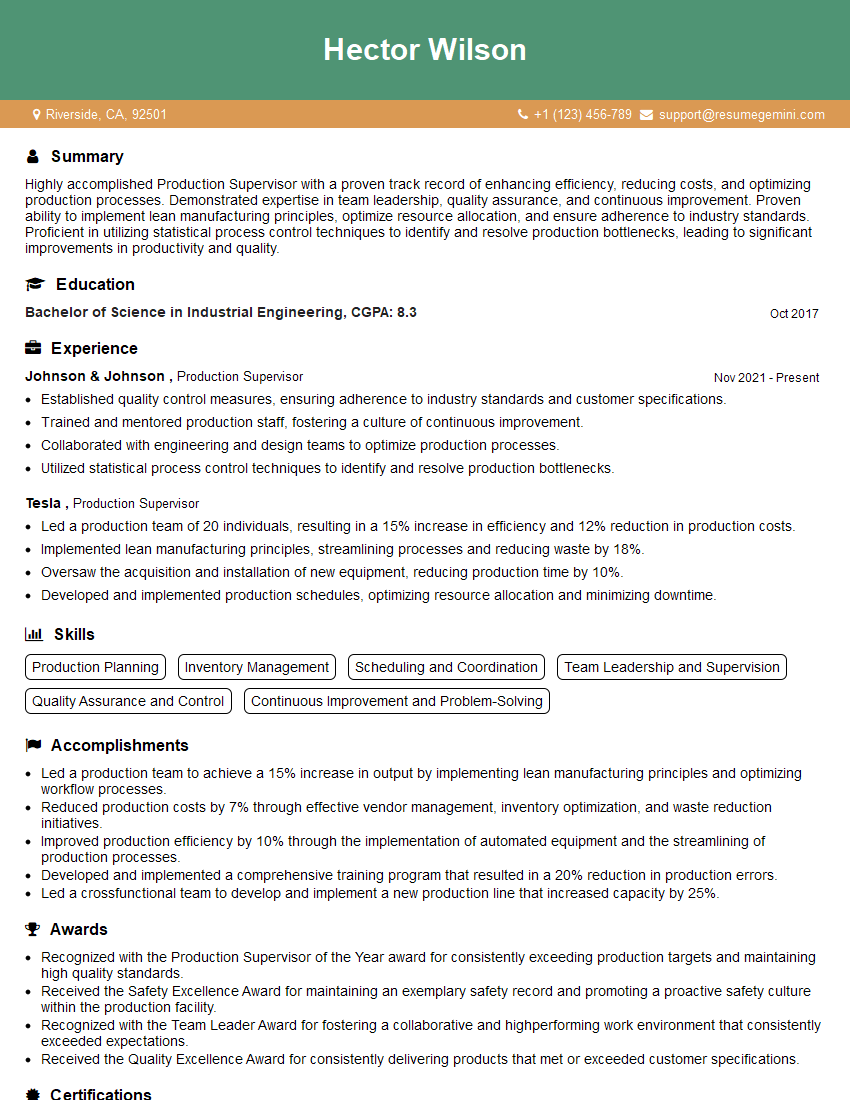
Production Supervisor Resume Sample
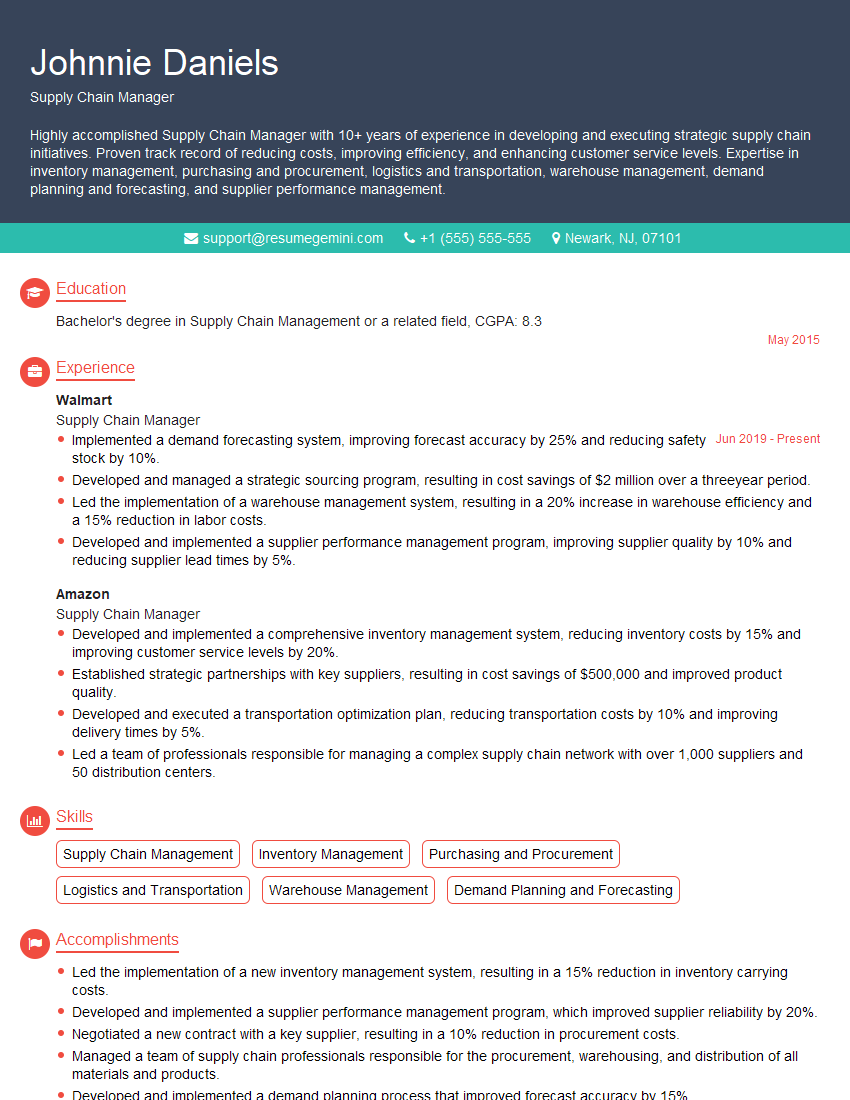
Supply Chain Manager Resume Sample

Project Engineer Resume Sample
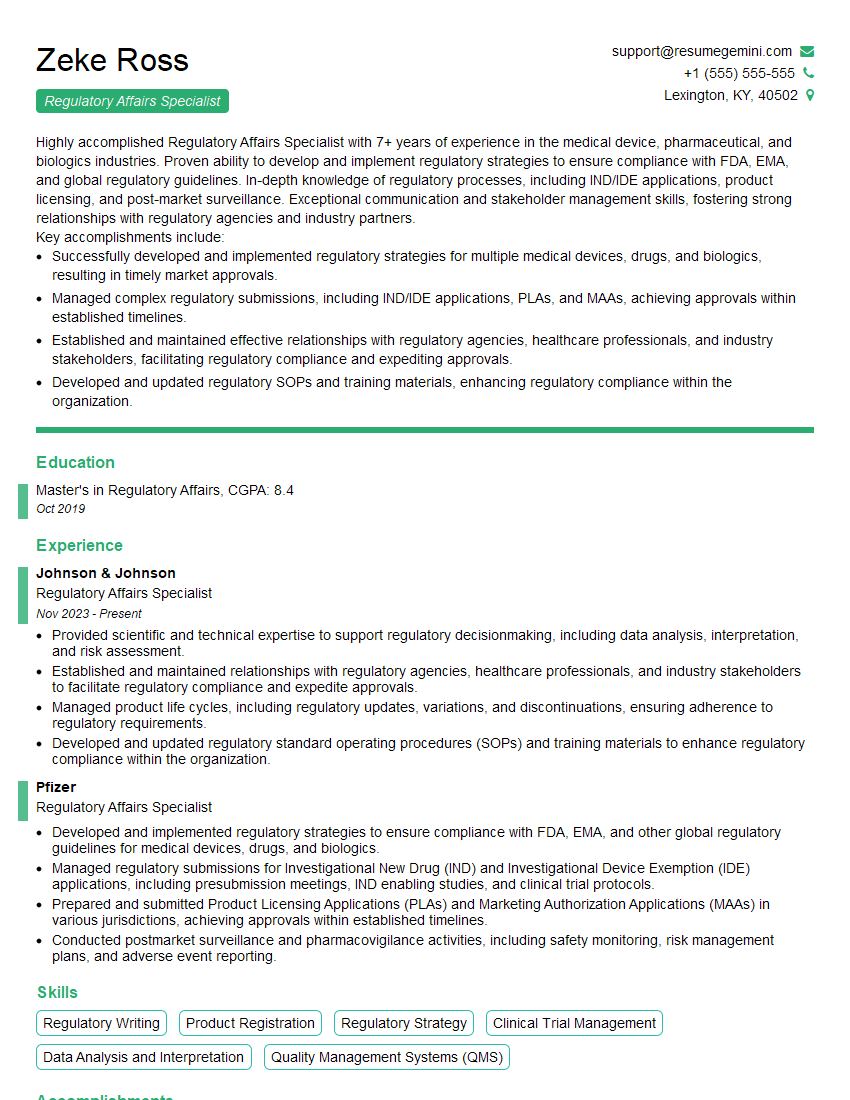
Regulatory Affairs Specialist Resume Sample
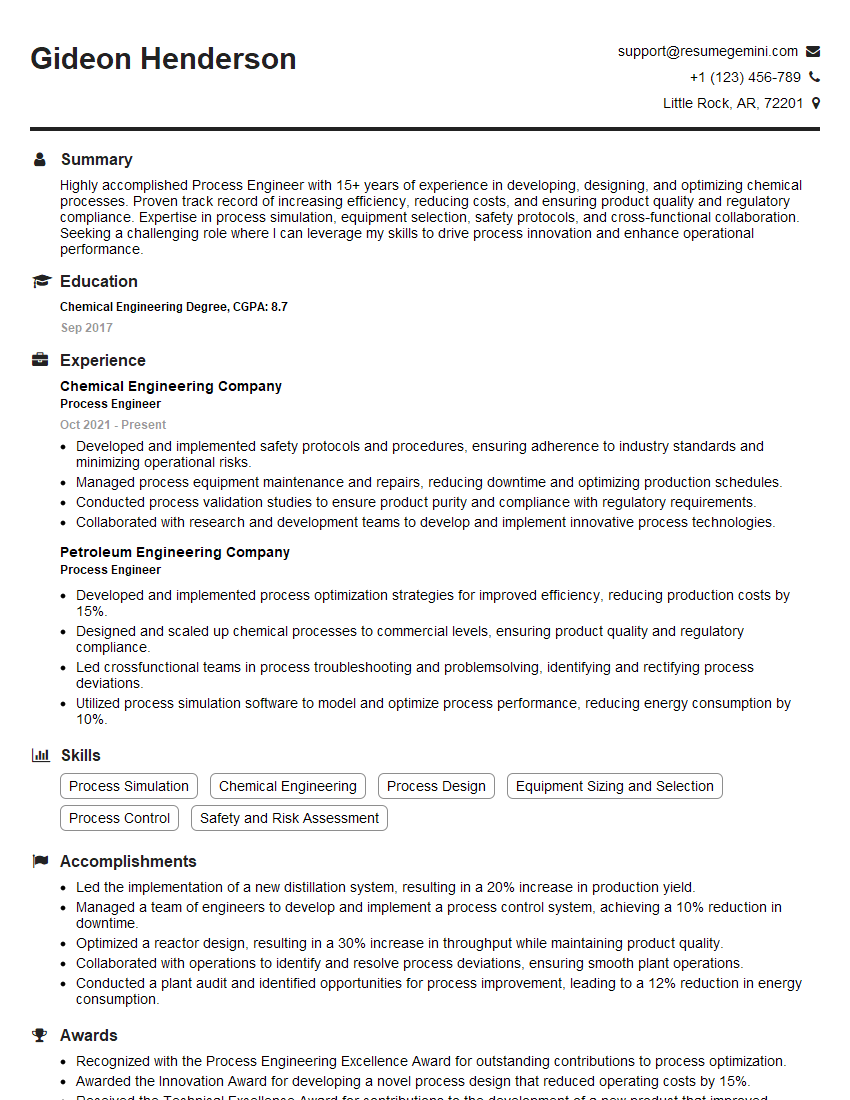
Process Engineer Resume Sample
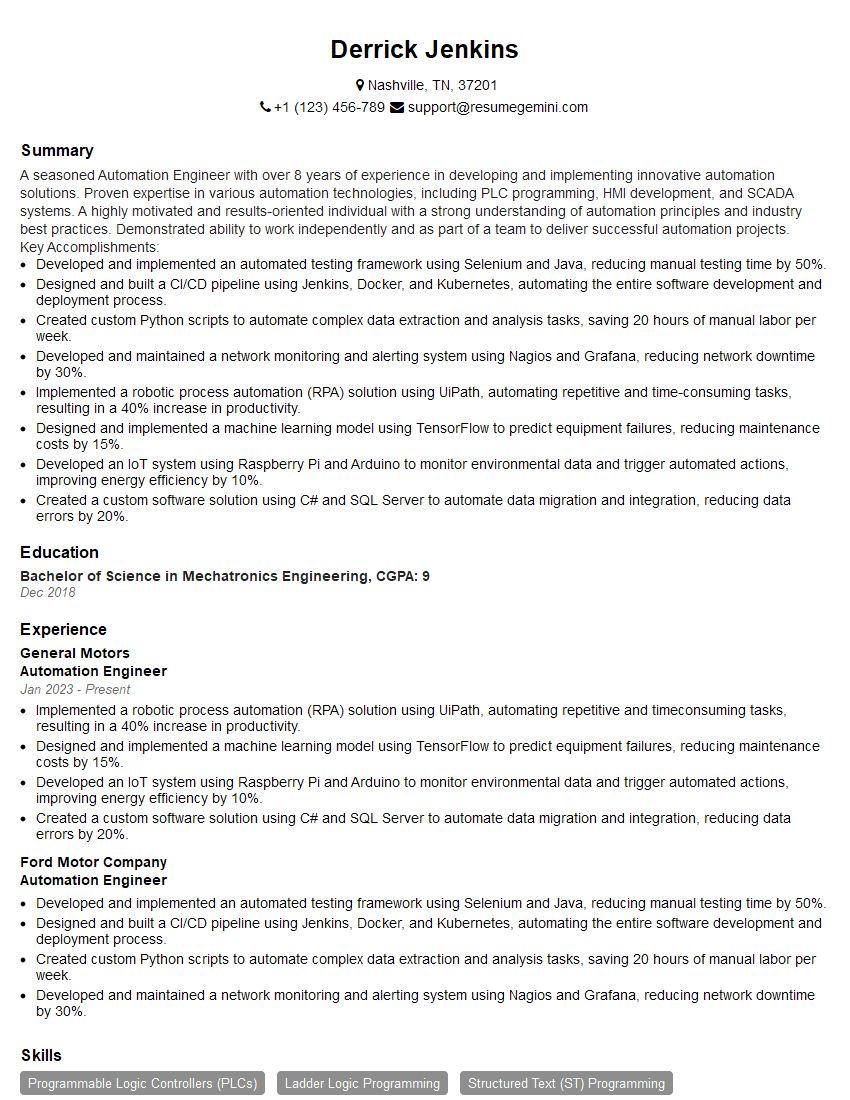
Automation Engineer Resume Sample
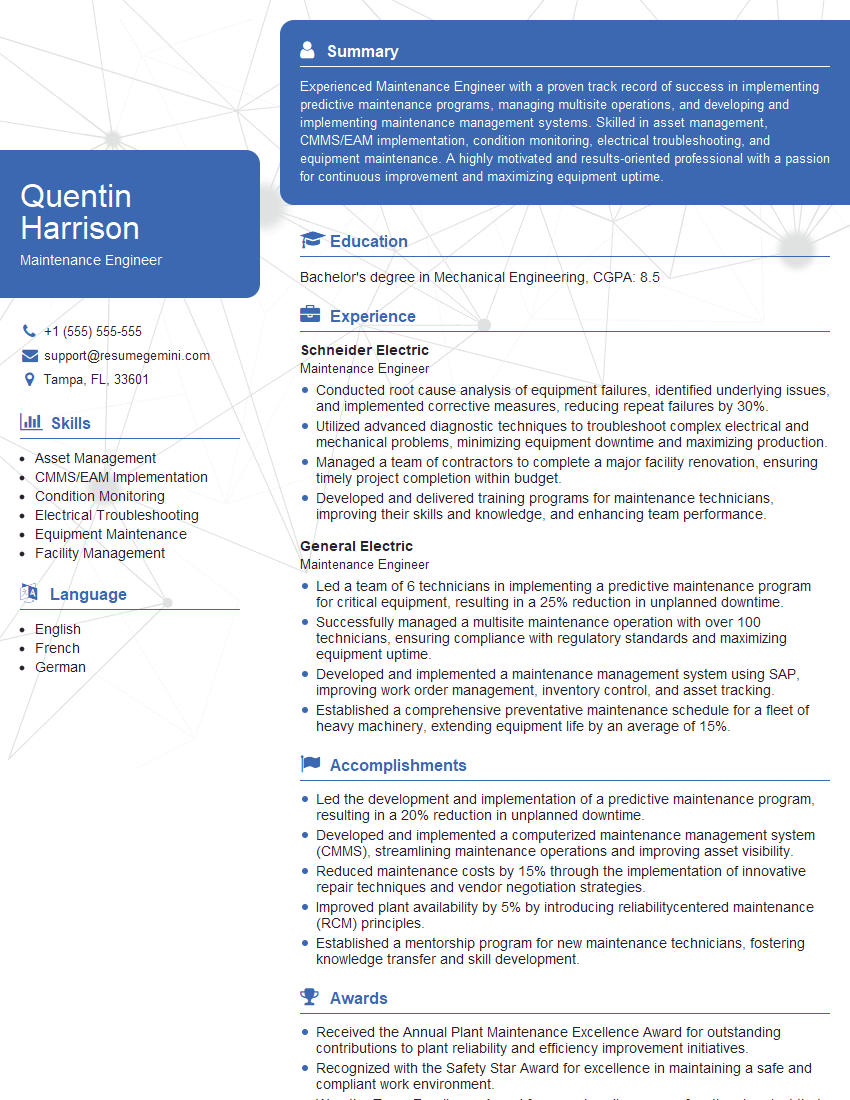
Maintenance Engineer Resume Sample
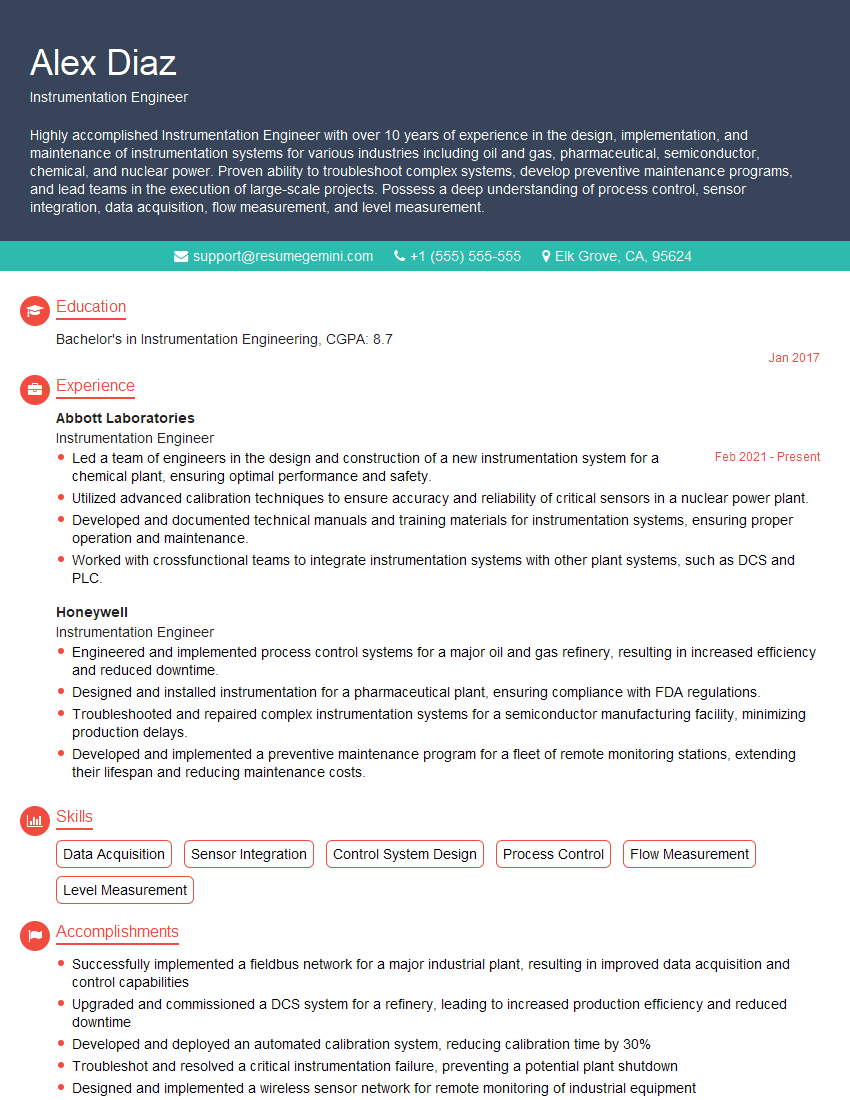
Instrumentation Engineer Resume Sample
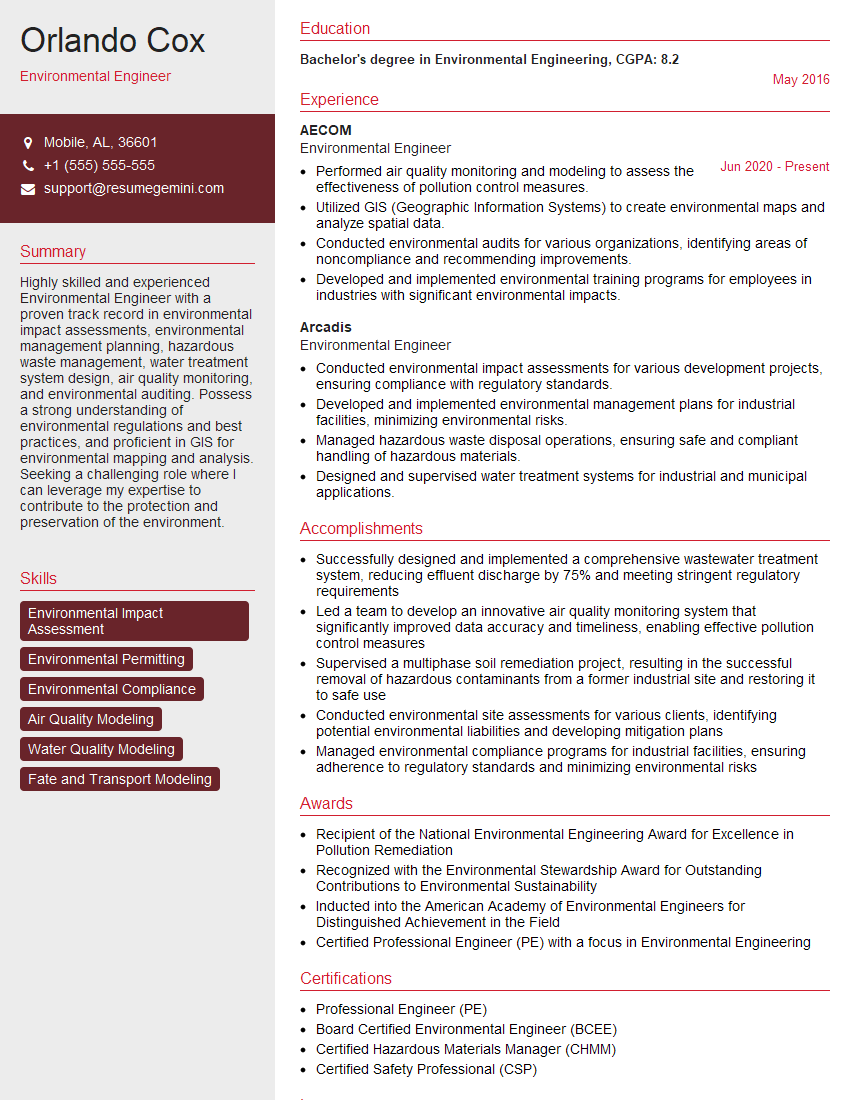
Environmental Engineer Resume Sample
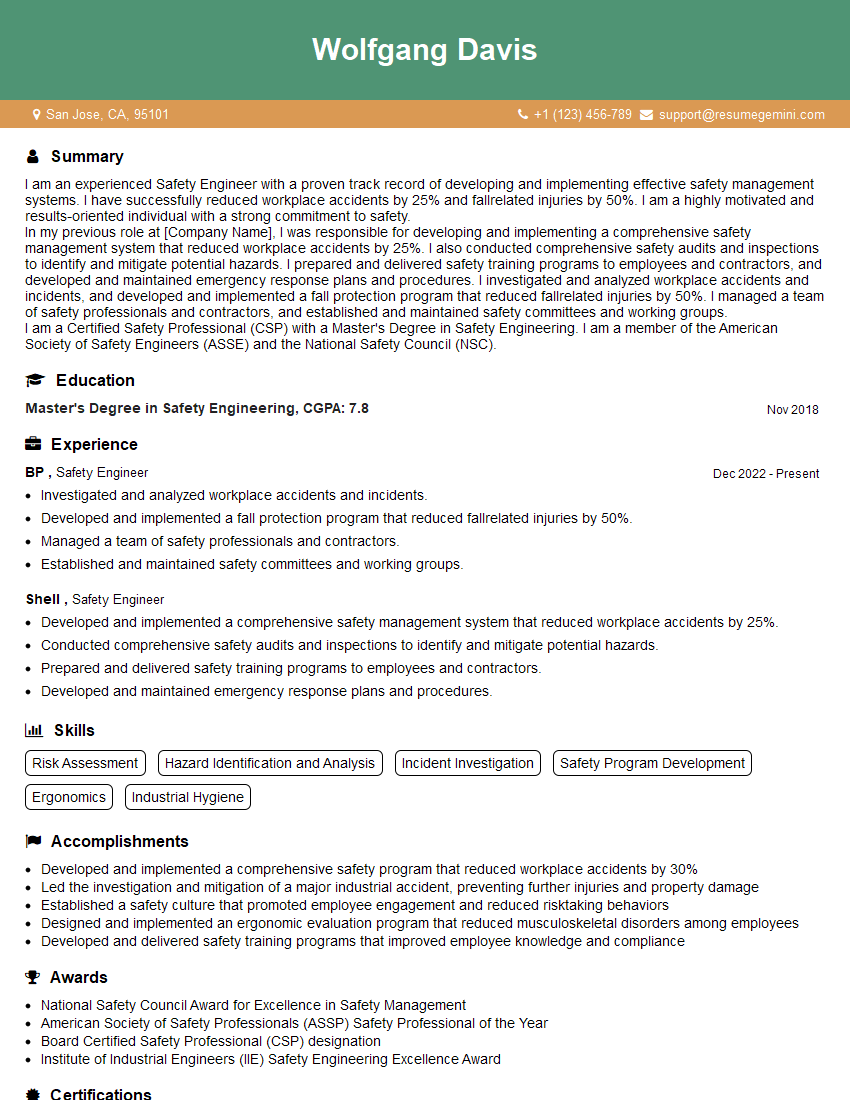
Safety Engineer Resume Sample
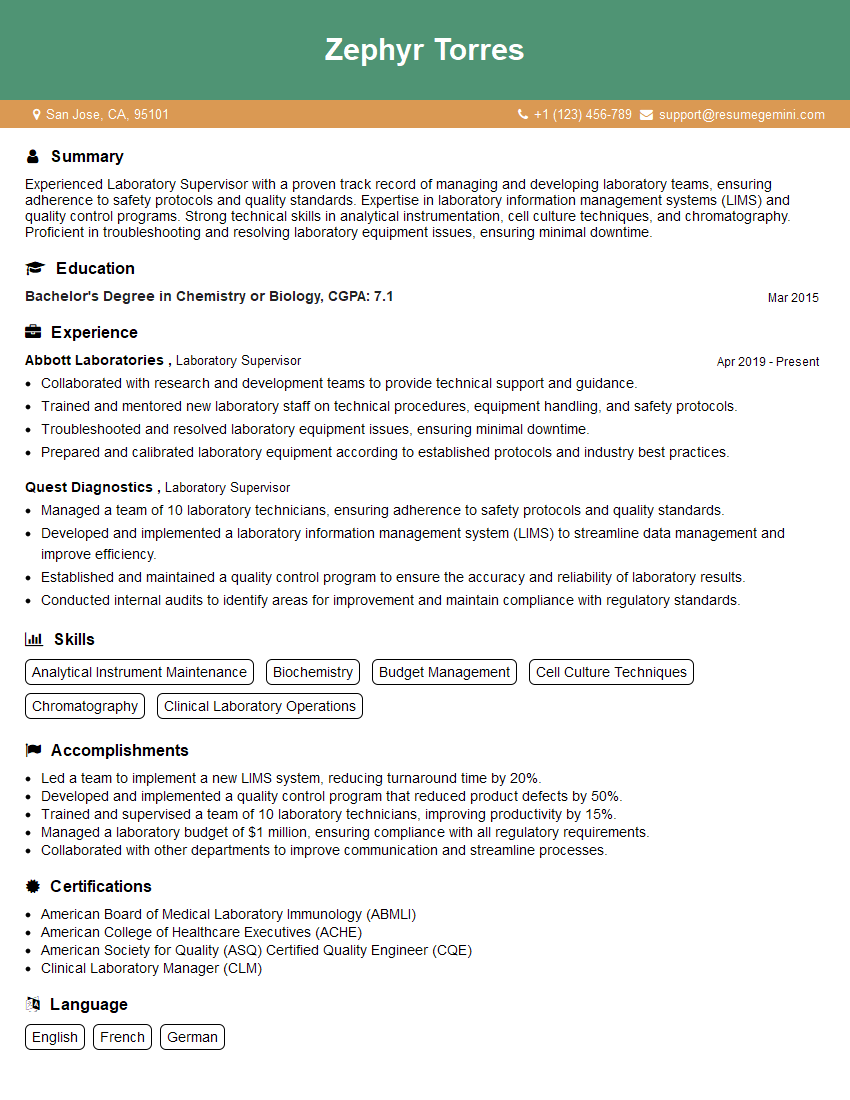
Laboratory Supervisor Resume Sample

Analytical Chemist Resume Sample
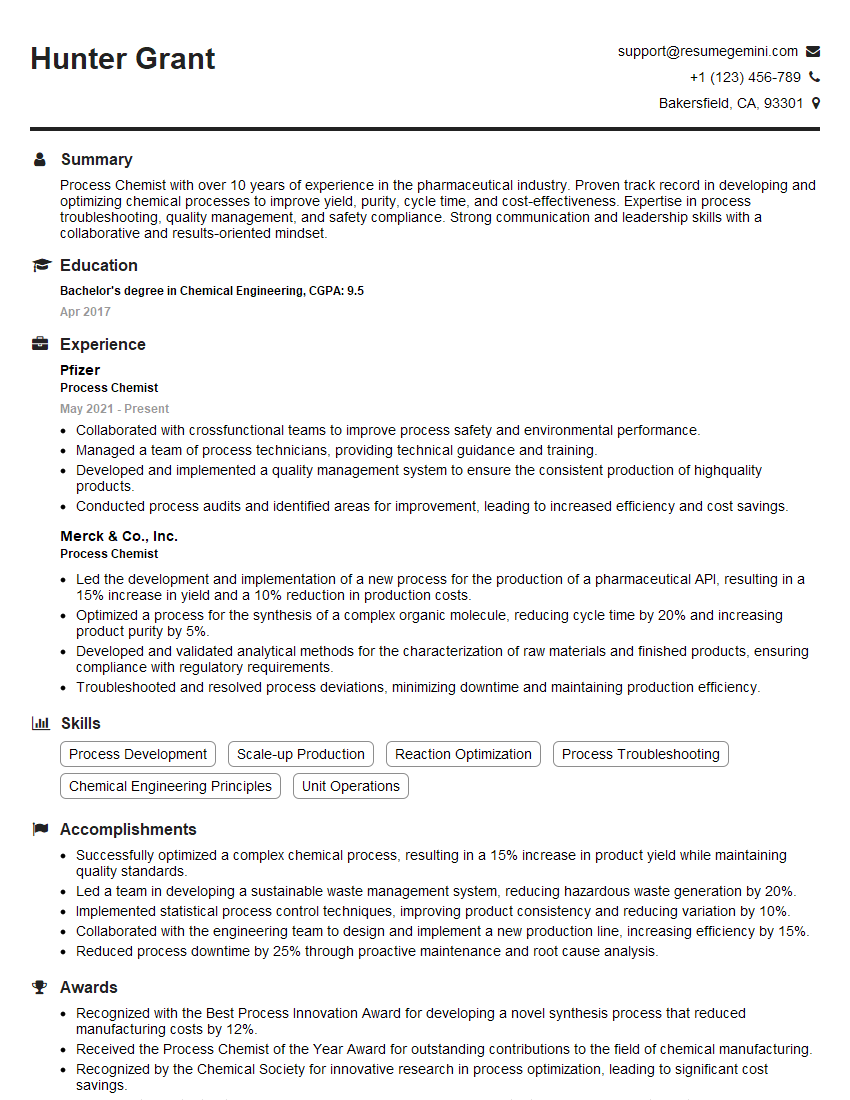
Process Chemist Resume Sample
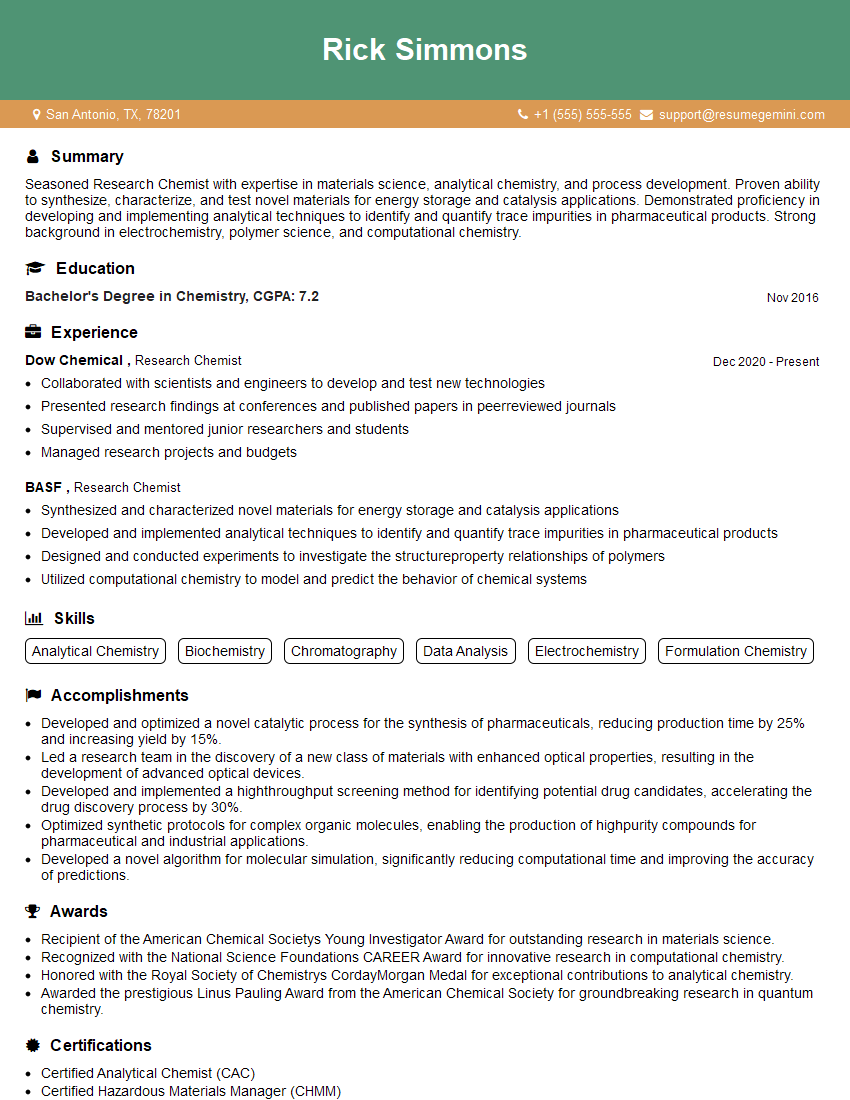
Research Chemist Resume Sample
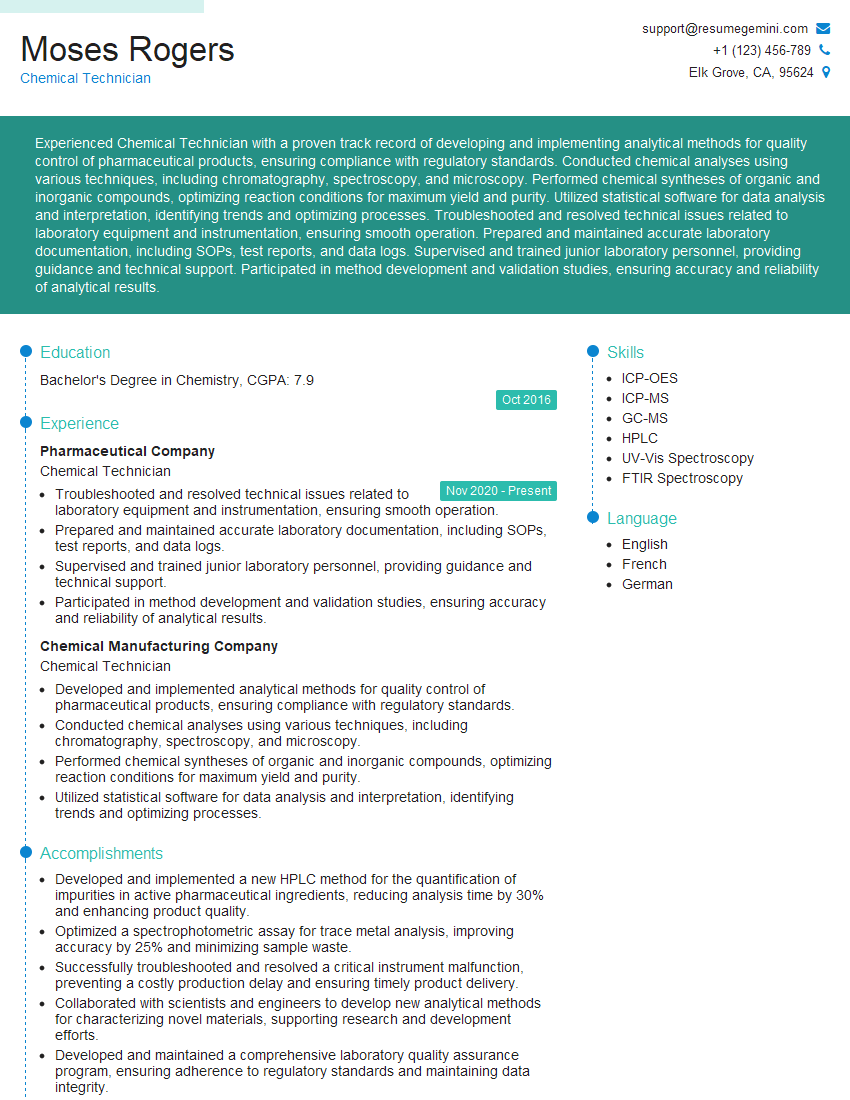
Chemical Technician Resume Sample

Technical Writer Resume Sample
- Quality Control Manager
- Production Supervisor
- Supply Chain Manager
- Project Engineer
- Regulatory Affairs Specialist
- Process Engineer
- Automation Engineer
- Maintenance Engineer
- Instrumentation Engineer
- Environmental Engineer
- Safety Engineer
- Laboratory Supervisor
- Analytical Chemist
- Process Chemist
- Research Chemist
- Chemical Technician
- Technical Writer
Explore more articles
Users Rating of Our Blogs
Share Your Experience
We value your feedback! Please rate our content and share your thoughts (optional).
What Readers Say About Our Blog
Very informative content, great job.
good