Cracking a skill-specific interview, like one for Chemical Process Knowledge, requires understanding the nuances of the role. In this blog, we present the questions you’re most likely to encounter, along with insights into how to answer them effectively. Let’s ensure you’re ready to make a strong impression.
Questions Asked in Chemical Process Knowledge Interview
Q 1. Explain the concept of material and energy balances in chemical processes.
Material and energy balances are fundamental principles in chemical engineering. They’re based on the laws of conservation of mass and energy, stating that matter and energy cannot be created or destroyed, only transformed. In a chemical process, we meticulously track the flow of materials and energy into, through, and out of the system. This ensures we understand what’s happening, optimize efficiency, and predict the outcome.
Material Balance: This focuses on the mass of materials. We account for all inputs (reactants, solvents, etc.), outputs (products, waste), and any accumulation or depletion within the process. Think of a simple recipe: if you put in 1 cup of flour and ½ cup of sugar, and some remains in the bowl, you can calculate how much is in the final product. We use similar principles, but with more complex chemical reactions and multiple components. A simple material balance equation is: Input – Output + Generation – Consumption = Accumulation
Energy Balance: This accounts for all forms of energy (heat, work, potential, kinetic) entering and leaving the system. It’s crucial for designing efficient and safe processes. For example, an exothermic reaction (releasing heat) might require cooling to prevent overheating, while an endothermic reaction (absorbing heat) will need heating to maintain the desired temperature. The energy balance equation is similar: Input – Output + Generation – Consumption = Accumulation. Understanding both balances is essential for process design, optimization, and troubleshooting.
Practical Application: Imagine designing a distillation column to separate ethanol from water. We’d use material balances to calculate the required feed flow rate and the expected output streams of ethanol and water, based on their concentrations. The energy balance would determine the amount of heat needed for vaporization and the cooling requirements for condensation. Incorrect balances could lead to inefficiencies, product loss, or even safety hazards.
Q 2. Describe different types of chemical reactors and their applications.
Chemical reactors are vessels where chemical reactions occur. Different reactor types are chosen based on the specific reaction kinetics, desired product quality, and economic considerations. Here are some common types:
- Batch Reactor: Reactants are added, the reaction proceeds, and then the products are removed. It’s simple to operate but not ideal for large-scale, continuous production. Think of baking a cake: you mix the ingredients, bake it, and then take it out.
- Continuous Stirred Tank Reactor (CSTR): Reactants continuously flow in, reaction happens while being mixed, and products continuously flow out. This offers better control and higher throughput than batch reactors, but requires more sophisticated control systems. Examples include many industrial polymerization processes.
- Plug Flow Reactor (PFR): Reactants flow through a long tube (or series of tubes) with minimal mixing. The reaction proceeds as the reactants move along, resulting in a concentration gradient along the reactor length. Many processes in the petrochemical industry (e.g., cracking) use PFRs.
- Fluidized Bed Reactor: A gas flows upward through a bed of solid particles, keeping them suspended. Suitable for gas-solid reactions where efficient heat and mass transfer is crucial. Used in catalytic cracking in petroleum refining.
The choice of reactor depends on many factors including reaction kinetics (how fast the reaction occurs), heat transfer requirements, and desired product quality. Often, a combination of reactor types might be optimal for a given process.
Q 3. How do you determine the optimal operating conditions for a chemical process?
Determining optimal operating conditions involves maximizing desired product yield, selectivity, and minimizing costs while ensuring safe operation. This is typically a multivariable optimization problem. We consider factors such as temperature, pressure, reactant concentrations, flow rates, and residence time.
Several approaches are used:
- Experimental Design: A systematic approach where experiments are planned to explore the effect of different operating variables. Techniques like factorial designs and response surface methodology (RSM) are employed to efficiently gather data and build models.
- Process Simulation: Software like Aspen Plus or COMSOL is used to model the process and predict the outcome for various operating conditions. This allows for virtual experimentation, saving time and resources. By simulating the process, we can determine how changing different parameters will affect the outcome, identifying an optimal operating point.
- Optimization Algorithms: Mathematical algorithms, such as gradient descent or genetic algorithms, can be used to find the optimal conditions based on a defined objective function (e.g., maximizing yield). These algorithms require a process model, which can be obtained experimentally or via simulation.
The optimal operating conditions are often a trade-off between different factors. For example, higher temperature might increase reaction rate, but also lead to unwanted side reactions or catalyst degradation. Therefore, careful consideration and analysis are necessary to find the best compromise.
Q 4. Explain your understanding of process control and instrumentation.
Process control and instrumentation are crucial for maintaining a chemical process at the desired operating conditions. Instrumentation involves using sensors and other devices to measure process variables like temperature, pressure, flow rate, and composition. Process control uses these measurements to automatically adjust the process to maintain the desired setpoints, compensating for disturbances.
Instrumentation: Typical instruments include thermocouples (temperature), pressure transmitters, flow meters, and gas chromatographs (composition). These provide real-time data on the process state.
Control Systems: These use the measurements from the instruments to manipulate control valves, heaters, or other actuators to maintain the process variables at the setpoints. Common control strategies include proportional-integral-derivative (PID) control, advanced control strategies (model predictive control, etc.).
Example: In a CSTR, temperature sensors measure the reactor temperature. If the temperature deviates from the setpoint, a PID controller will adjust the flow rate of the cooling water to bring the temperature back to the desired value. The selection of control systems depends on process dynamics and the accuracy required.
Q 5. Discuss different process simulation software and their applications.
Process simulation software is essential for designing, optimizing, and troubleshooting chemical processes. These software packages use mathematical models to simulate the behavior of a process under different conditions.
- Aspen Plus: Widely used for simulating various chemical processes, including distillation, reaction, and heat exchange. It’s powerful and versatile, capable of handling complex systems.
- COMSOL Multiphysics: Excellent for simulating multi-physics problems, where multiple physical phenomena (e.g., fluid flow, heat transfer, chemical reactions) are coupled. It’s particularly useful for detailed simulations of reactor design and fluid dynamics.
- MATLAB with Simulink: Provides a flexible platform for modeling and simulating dynamic systems, including process control systems. It allows for custom model development and advanced analysis techniques.
Applications: These software packages are used for:
- Process design: To determine the size and configuration of equipment.
- Optimization: To find optimal operating conditions.
- Troubleshooting: To identify the root cause of process problems.
- Operator training: To simulate different scenarios and train operators on how to respond.
Q 6. How do you handle process deviations and troubleshoot problems?
Handling process deviations and troubleshooting problems requires a systematic approach. The first step is identifying the deviation and its severity. Then, we investigate potential causes using the available data from process instruments and historical records. A common approach involves using a “Fishbone Diagram” (Ishikawa diagram) to identify root causes.
Steps for Troubleshooting:
- Identify the deviation: What is the specific problem? Is a key variable out of specification?
- Gather data: Review process instrument readings, historical data, and operator logs.
- Analyze the data: Look for patterns and trends. Did the deviation occur suddenly or gradually?
- Develop hypotheses: What are the potential causes of the deviation? Consider equipment malfunctions, changes in feed composition, or errors in operation.
- Test hypotheses: Conduct experiments or simulations to verify the hypotheses.
- Implement corrective actions: Once the root cause is identified, implement the necessary corrective actions. This might involve repairing equipment, adjusting operating conditions, or changing the process design.
- Document the problem and solution: To improve future process operation and help avoid similar issues.
Example: If the yield of a reaction is lower than expected, we might investigate several potential causes: low reactant concentration (check feed composition), low temperature (check heater performance), catalyst deactivation (replace catalyst), etc. Systematic investigation and analysis using the collected data will help find the root cause and solution.
Q 7. Describe your experience with process safety and hazard analysis.
Process safety and hazard analysis are paramount in chemical engineering. We aim to prevent accidents and minimize risks through proactive measures. Hazard analysis techniques help identify potential hazards and assess their risks.
Hazard Analysis Techniques:
- Hazard and Operability Study (HAZOP): A systematic technique to identify deviations from intended process operation and assess their potential consequences. It uses guide words (e.g., ‘no,’ ‘more,’ ‘less,’ ‘part of’) to systematically explore potential hazards.
- Failure Modes and Effects Analysis (FMEA): Identifies potential failure modes of equipment and systems, their effects on the process, and the severity of the consequences. It assigns risk priority numbers to help prioritize mitigation efforts.
- What-if analysis: A brainstorming technique to identify potential hazards based on experience and imagination. It’s less structured but can be effective for exploring unusual scenarios.
Process Safety Management (PSM): This involves implementing safety systems and procedures to prevent, mitigate, and respond to hazards. It includes aspects such as:
- Emergency shutdown systems (ESD): Automated systems to safely shut down the process in case of an emergency.
- Safety instrumented systems (SIS): Safety-critical systems that detect abnormal conditions and take actions to prevent or mitigate hazards.
- Process safety training: Training personnel on safe operating procedures and emergency response.
- Regular inspections and maintenance: To ensure equipment is functioning correctly and prevent failures.
My experience involves conducting HAZOP studies, developing safety procedures, and participating in incident investigations to identify root causes and implement corrective actions to prevent future occurrences. Prioritizing safety is non-negotiable in the chemical industry.
Q 8. Explain your understanding of different separation techniques used in chemical processes.
Separation techniques are crucial in chemical processes for isolating desired products from reaction mixtures or purifying raw materials. The choice of technique depends on the properties of the components involved, such as their boiling points, solubilities, and molecular weights.
- Distillation: Separates liquids based on their boiling points. Think of separating ethanol from water in the production of alcoholic beverages. Fractional distillation, using a column with many theoretical plates, is particularly effective for separating liquids with closely boiling points.
- Extraction: Uses a solvent to selectively dissolve one or more components from a mixture. For example, extracting caffeine from coffee beans using supercritical carbon dioxide.
- Crystallization: Separates a solid from a solution by inducing its crystallization. Producing highly pure pharmaceutical compounds relies heavily on crystallization techniques.
- Filtration: Separates solids from liquids using a porous medium. Think of filtering impurities from a solution to obtain a clearer liquid.
- Chromatography: Separates components based on their differential affinities for a stationary and mobile phase. This is widely used in analytical chemistry, and also large-scale purification, for instance in the pharmaceutical industry to purify proteins.
- Membrane separation: Techniques like reverse osmosis, ultrafiltration, and microfiltration use membranes to separate components based on size or other properties. These are increasingly important for water purification and desalination.
Selecting the right separation technique is a critical part of process design, and often involves trade-offs between efficiency, cost, and the desired level of purity.
Q 9. How do you ensure the quality and consistency of a chemical product?
Ensuring quality and consistency is paramount in chemical production. This involves a multi-faceted approach, combining robust process control with rigorous quality assurance and control (QA/QC) procedures.
- Process Control: Implementing automated systems that monitor and control critical parameters like temperature, pressure, flow rates, and reactant concentrations helps maintain consistent process conditions. Deviations from set points can be detected and corrected in real time, minimizing variations in product quality.
- Raw Material Quality: Stringent quality checks on incoming raw materials are crucial. This involves verifying their purity and consistency to ensure the final product meets specifications. Any variation in raw materials can directly impact the final product’s quality.
- In-Process Monitoring: Regularly monitoring the process itself through sampling and analysis helps detect potential problems early. This allows for timely adjustments to prevent deviations that would affect product quality.
- Final Product Testing: Thorough testing of the final product against pre-defined specifications is a crucial step. This includes analyzing the purity, potency, and other relevant properties to ensure they meet standards and regulatory requirements.
- Statistical Process Control (SPC): SPC techniques help analyze process data to identify trends and patterns that may indicate quality problems before they impact the final product. Control charts are a common tool used for this purpose.
Ultimately, a quality management system (QMS) that integrates these elements ensures consistent production of high-quality chemical products.
Q 10. Describe your experience with process optimization techniques.
Process optimization is a continuous effort to improve efficiency, reduce costs, and enhance product quality. My experience encompasses various techniques:
- Lean Manufacturing Principles: Identifying and eliminating waste in the production process, such as unnecessary steps, excess inventory, and defects.
- Six Sigma Methodology: Using statistical methods to analyze and reduce process variability, leading to improvements in quality and consistency.
- Design of Experiments (DOE): Systematically varying process parameters to determine their impact on product quality and efficiency. This allows for identifying the optimal operating conditions.
- Model Predictive Control (MPC): Using mathematical models to predict the future behavior of the process and make adjustments to optimize performance. This is particularly useful in complex processes with significant interactions between variables.
For example, in a previous project, we used DOE to optimize the reaction temperature and residence time in a polymerization process, leading to a 15% increase in yield and a reduction in energy consumption.
Q 11. Explain your understanding of reaction kinetics and its impact on process design.
Reaction kinetics studies the rates of chemical reactions and the factors influencing them. Understanding reaction kinetics is critical for process design because it dictates the reactor type, size, and operating conditions needed to achieve desired production rates and product yields.
Factors such as temperature, concentration, pressure, and catalyst presence significantly impact reaction rates. Reaction order, rate constants, and activation energy are key parameters derived from kinetic studies. These parameters are used in developing mathematical models which predict reaction rates under different conditions.
For instance, if a reaction is highly exothermic (releases significant heat), knowledge of reaction kinetics allows for designing a reactor with effective cooling to prevent runaway reactions and potential hazards. If the reaction is slow, the reactor size needs to be increased to achieve the required production rate.
Rate = k[A]^m[B]^n This basic rate equation shows how the rate of reaction (Rate) depends on the concentration of reactants (A and B) and the rate constant (k), with reaction orders m and n.
By accurately modeling reaction kinetics, we can design efficient and safe chemical processes.
Q 12. Discuss different types of chemical process control strategies.
Chemical process control strategies aim to maintain process variables at desired setpoints, ensuring consistent product quality and safe operation. Different strategies exist, ranging from simple to sophisticated approaches:
- Feedback Control: This is the most common strategy, where a controller measures the process variable (e.g., temperature), compares it to the setpoint, and adjusts a manipulated variable (e.g., heating/cooling) to reduce the error. Think of a thermostat regulating room temperature.
- Feedforward Control: Anticipates changes in the process based on measured disturbances (e.g., changes in feedstock composition) and adjusts the manipulated variable proactively. This helps minimize the error before it occurs.
- Ratio Control: Maintains a constant ratio between two process variables, such as the ratio of reactants in a chemical reaction. This ensures consistent stoichiometry.
- Cascade Control: Uses multiple control loops, where the output of one controller serves as the setpoint for another. This is useful for controlling complex processes with multiple interacting variables.
- Model Predictive Control (MPC): Uses a dynamic model of the process to predict the future behavior and optimize control actions over a prediction horizon.
The choice of strategy depends on the process complexity, the desired level of control, and the cost of implementation.
Q 13. How do you design and implement a process control system?
Designing and implementing a process control system involves a systematic approach:
- Process Understanding: A thorough understanding of the process chemistry, thermodynamics, and kinetics is essential to identify critical control variables and potential disturbances.
- Control Objectives: Defining clear objectives for the control system, such as maintaining temperature within a specific range, keeping the flow rate constant, or ensuring consistent product quality.
- Control Strategy Selection: Choosing an appropriate control strategy based on process characteristics and control objectives. This may involve using a combination of feedback, feedforward, and other control techniques.
- Instrumentation Selection: Selecting appropriate sensors, actuators, and other instrumentation to measure and control the process variables.
- Controller Tuning: Tuning the controller parameters to achieve optimal performance, typically involving adjustments of proportional, integral, and derivative (PID) gains. This often involves iterative adjustments and real-time process analysis.
- System Integration: Integrating all components of the control system, including sensors, actuators, controllers, and data acquisition systems.
- Testing and Validation: Rigorous testing and validation of the control system to ensure it meets performance requirements and operates safely under various conditions.
Simulation plays a critical role in the design stage, allowing for testing different control strategies and configurations before implementation in the actual process.
Q 14. Explain your experience with process modeling and simulation.
Process modeling and simulation are powerful tools used to design, optimize, and troubleshoot chemical processes. I have extensive experience using various software packages to develop dynamic and steady-state models.
These models allow us to predict process behavior under different operating conditions, evaluate the impact of design changes, and optimize process parameters before implementation. Simulation helps identify potential bottlenecks, safety hazards, and areas for improvement.
For example, in a recent project, we used Aspen Plus to simulate a complex distillation column. The simulation helped determine the optimal number of trays, reflux ratio, and feed location to achieve the desired separation efficiency and minimize energy consumption. This avoided costly trial-and-error experimentation on the actual process, saving both time and resources.
Furthermore, dynamic simulation can be used for operator training and emergency response planning, enhancing safety and operational efficiency.
Q 15. Describe your understanding of process economics and cost analysis.
Process economics and cost analysis are crucial for the successful design, implementation, and operation of any chemical process. It involves evaluating all costs associated with a process, from initial capital investment to ongoing operational expenses, to determine its economic viability. This isn’t just about the bottom line; it’s about making informed decisions that optimize resource allocation and maximize profitability.
A thorough cost analysis includes:
- Capital Costs (CAPEX): These are one-time expenses related to purchasing and installing equipment, building facilities, and engineering design. Examples include reactor vessels, pumps, piping, control systems, and land acquisition.
- Operating Costs (OPEX): These are recurring expenses throughout the process’s lifespan. They encompass raw materials, utilities (electricity, steam, water), labor, maintenance, waste disposal, and overhead.
- Revenue Generation: This involves projecting sales based on market analysis and pricing strategies.
Techniques like Discounted Cash Flow (DCF) analysis, Net Present Value (NPV), and Internal Rate of Return (IRR) are frequently employed to assess the financial feasibility of a project. For example, a DCF analysis discounts future cash flows to their present value, allowing for a comparison of projects with different timelines.
In my experience, effective process economics isn’t just about crunching numbers; it’s about understanding the trade-offs between different design options and operational strategies. A slightly more expensive piece of equipment might reduce operational costs over the long term, for example, leading to a better overall return on investment.
Career Expert Tips:
- Ace those interviews! Prepare effectively by reviewing the Top 50 Most Common Interview Questions on ResumeGemini.
- Navigate your job search with confidence! Explore a wide range of Career Tips on ResumeGemini. Learn about common challenges and recommendations to overcome them.
- Craft the perfect resume! Master the Art of Resume Writing with ResumeGemini’s guide. Showcase your unique qualifications and achievements effectively.
- Don’t miss out on holiday savings! Build your dream resume with ResumeGemini’s ATS optimized templates.
Q 16. How do you ensure environmental compliance in chemical processes?
Environmental compliance is paramount in the chemical industry. It necessitates adhering to stringent regulations and minimizing environmental impact throughout the entire process lifecycle. This requires a multifaceted approach, encompassing design, operation, and waste management.
My approach to ensuring compliance involves:
- Regulatory Knowledge: Staying abreast of all relevant environmental regulations, such as those related to air emissions, water discharges, and waste disposal. This involves understanding permits, reporting requirements, and potential penalties for non-compliance.
- Process Design: Incorporating environmentally friendly technologies and design principles from the outset. This includes optimizing reaction pathways to minimize waste generation, utilizing efficient energy sources, and selecting materials with low environmental impact.
- Pollution Prevention: Implementing strategies to minimize the release of pollutants into the environment. This might involve closed-loop systems, waste recycling, and advanced treatment technologies.
- Monitoring and Reporting: Regularly monitoring emissions and discharges to ensure they remain within regulatory limits. Accurate record-keeping and timely reporting are essential for demonstrating compliance.
- Emergency Response Planning: Developing and regularly testing emergency response plans to handle accidental spills or releases.
For instance, in a previous project involving the production of a fine chemical, we implemented a closed-loop water system to recycle wastewater and minimize water consumption. This significantly reduced our water footprint and operational costs while adhering to local discharge regulations.
Q 17. Explain your experience with process validation and verification.
Process validation and verification are critical steps to ensure the consistent production of high-quality products that meet pre-defined specifications. Verification confirms that the design and implementation meet the intended purpose, while validation demonstrates that the process consistently delivers the desired results under normal operating conditions.
My experience includes:
- Defining Validation Criteria: Establishing clear, measurable parameters and acceptance criteria for critical process parameters (CPPs) and critical quality attributes (CQAs).
- Developing Validation Protocols: Creating detailed protocols outlining the experimental design, testing procedures, and data analysis methods.
- Conducting Validation Studies: Executing planned experiments, collecting data, and analyzing the results to confirm that the process meets the predetermined criteria.
- Documenting Results: Maintaining comprehensive documentation of all aspects of the validation process, including protocols, data, and reports.
- Periodic Re-validation: Regularly reviewing and re-validating the process to ensure continued compliance with established standards, especially after any significant changes to equipment, procedures, or raw materials.
In one instance, I was involved in validating a new continuous manufacturing process for a pharmaceutical intermediate. We conducted extensive testing to verify the stability and consistency of the process, including experiments to assess the impact of variations in raw material quality and environmental conditions. The resulting validation report provided strong evidence that the process was robust and capable of consistently producing high-quality material, thereby meeting the stringent regulatory requirements of the pharmaceutical industry.
Q 18. Describe your understanding of different types of chemical process equipment.
Chemical process equipment spans a wide range, each designed for specific tasks within a chemical process. Understanding their function and limitations is essential for designing effective and safe processes.
Examples include:
- Reactors: These vessels are where chemical reactions take place. Types include batch reactors, continuous stirred-tank reactors (CSTRs), plug flow reactors (PFRs), and fluidized bed reactors, each suited to different reaction kinetics and process requirements.
- Heat Exchangers: Used to transfer heat between process streams, maintaining optimal reaction temperatures. Types include shell-and-tube, plate, and double-pipe exchangers.
- Distillation Columns: Separate liquid mixtures based on boiling points, crucial for purification and product isolation.
- Pumps: Transport fluids throughout the process, varying in design depending on the fluid properties and flow rates. Examples include centrifugal, positive displacement, and diaphragm pumps.
- Separators: Used to separate different phases, such as solids from liquids (filtration, centrifugation) or liquids from liquids (decantation).
- Compressors and Blowers: Used to increase the pressure of gases, often necessary for gas-phase reactions or transport.
- Storage Tanks: Store raw materials, intermediates, and final products.
Selecting the appropriate equipment involves considering factors like capacity, materials of construction (corrosion resistance), operating conditions (pressure, temperature), and energy efficiency. Proper sizing and design are critical for ensuring process efficiency and safety.
Q 19. How do you handle process safety incidents and emergencies?
Handling process safety incidents and emergencies requires a proactive and well-defined approach that prioritizes personnel safety and environmental protection. This relies heavily on thorough risk assessment, prevention measures, and a well-rehearsed emergency response plan.
My approach involves:
- Hazard Identification and Risk Assessment (HAZOP): Conducting systematic HAZOP studies to identify potential hazards and assess their risks. This involves reviewing process flow diagrams and considering deviations from normal operating conditions.
- Safety Procedures and Training: Implementing strict safety procedures and providing comprehensive training to all personnel on safe operating practices, emergency response protocols, and the use of personal protective equipment (PPE).
- Emergency Shutdown Systems (ESD): Designing and maintaining robust ESD systems to quickly shut down the process in case of an emergency.
- Emergency Response Plan: Developing and regularly testing a detailed emergency response plan, outlining procedures for evacuations, containment, and cleanup.
- Incident Investigation: Thoroughly investigating all incidents to identify root causes and implement corrective actions to prevent recurrence.
In a past incident involving a minor leak of a flammable solvent, the well-rehearsed emergency response plan allowed for swift containment, preventing escalation and minimizing environmental impact. The subsequent investigation revealed a faulty valve, which was replaced, and training on preventative maintenance was reinforced.
Q 20. Explain your experience with process improvement initiatives.
Process improvement initiatives aim to enhance efficiency, reduce costs, improve product quality, and enhance safety. These initiatives often involve the application of Lean Manufacturing principles, Six Sigma methodologies, or other structured approaches.
My experience includes:
- Data Analysis: Analyzing process data to identify bottlenecks, inefficiencies, and areas for improvement. Statistical process control (SPC) charts are often utilized to track process performance and identify trends.
- Lean Principles: Applying Lean Manufacturing principles to eliminate waste (muda) in all its forms – overproduction, waiting, transportation, over-processing, inventory, motion, and defects.
- Six Sigma Methodology: Employing DMAIC (Define, Measure, Analyze, Improve, Control) methodology to systematically address process issues and achieve significant improvements.
- Process Simulation: Using process simulation software to model process changes and predict their impact before implementation.
- Technology Implementation: Exploring and implementing new technologies to improve process efficiency and performance. This could involve advanced control systems, automation, or new reaction technologies.
For example, in one project, the implementation of a new automated control system reduced cycle times by 15%, decreased energy consumption by 10%, and improved product consistency. This was achieved through a combination of data analysis, process simulation, and the application of Lean principles.
Q 21. Describe your understanding of different types of chemical reactors.
Chemical reactors are the heart of many chemical processes, and their selection depends heavily on the reaction kinetics, desired product quality, and process scale. Different reactor types offer unique advantages and disadvantages.
Common types include:
- Batch Reactors: Simple to operate, suitable for small-scale production and reactions with complex kinetics. However, they’re not as efficient for large-scale continuous production.
- Continuous Stirred-Tank Reactors (CSTRs): Offer excellent mixing, maintaining uniform concentration and temperature. Well-suited for continuous production, but have a lower conversion per pass compared to PFRs.
- Plug Flow Reactors (PFRs): Ideal for reactions with high conversion requirements, as reactants flow through the reactor with minimal mixing. However, they can be challenging to control temperature uniformly.
- Fluidized Bed Reactors: Used for gas-solid reactions, offering excellent heat and mass transfer. Suitable for processes involving catalysts or heterogeneous reactions.
- Fixed Bed Reactors: Used for catalytic reactions where the catalyst is packed in a fixed bed. Offer high conversion, but catalyst replacement can be challenging.
The choice of reactor often involves a trade-off between conversion, selectivity, throughput, and capital/operating costs. For instance, a CSTR might be preferred for a highly exothermic reaction to facilitate better temperature control, while a PFR might be favored for a reaction with favorable kinetics that can achieve high conversion with less residence time.
Q 22. How do you scale up a chemical process from lab to production?
Scaling up a chemical process from lab-scale to production involves a systematic approach that ensures consistent product quality and yield. It’s not simply a matter of increasing the size of the equipment; it’s about understanding and managing the inherent changes in process behavior that occur at larger scales.
The process typically follows these key steps:
- Process Characterization: Thoroughly understand the lab-scale process parameters (temperature, pressure, flow rates, mixing, etc.) and their impact on yield, selectivity, and purity. Document everything meticulously.
- Scale-up Strategy: Choose an appropriate scale-up strategy. Common methods include geometric similarity (maintaining the same ratios of dimensions), constant power input per unit volume, and constant mixing time. The choice depends on the reaction kinetics and transport phenomena involved. For example, if mixing is crucial, constant power per unit volume might be preferred to maintain homogeneity.
- Pilot Plant Trials: Before full-scale production, conducting pilot plant trials is crucial. This intermediate scale allows for testing on a larger scale, identifying and resolving potential issues like heat transfer limitations, unexpected side reactions, and scale-dependent mixing problems, before investing in a full-scale production plant.
- Process Control and Monitoring: Design and implement robust control systems to maintain process parameters within the desired ranges. Continuous monitoring and data analysis are essential to identify deviations and ensure consistent product quality.
- Validation and Optimization: Once the process is running at the production scale, it’s essential to validate the process to ensure it meets the quality and safety standards. Continuous monitoring and optimization are crucial for maximizing efficiency and yield. For instance, using advanced process control techniques like model predictive control (MPC) can improve efficiency and reduce waste.
Example: Scaling up a batch reaction might involve transitioning from a 1-liter reactor in the lab to a 100-liter reactor in the pilot plant and finally to a 10,000-liter reactor in production. Careful attention to heat transfer would be crucial, as the surface area-to-volume ratio changes dramatically with scale, potentially leading to overheating or incomplete reactions.
Q 23. Explain your experience with process automation and control systems.
My experience with process automation and control systems spans several years working in the chemical industry. I have extensive experience with Programmable Logic Controllers (PLCs), Supervisory Control and Data Acquisition (SCADA) systems, and distributed control systems (DCS).
I’ve been involved in the design, implementation, and commissioning of automated systems for various processes, including batch and continuous reactors, distillation columns, and filtration units. My expertise includes:
- PLC Programming: I’m proficient in multiple PLC programming languages (e.g., ladder logic, structured text), enabling me to develop and implement control algorithms for automated systems.
- SCADA/DCS Integration: I possess strong experience integrating PLC systems with SCADA or DCS platforms for real-time process monitoring, data logging, and remote control capabilities. This involves configuring data acquisition, developing HMI (Human-Machine Interface) screens for operator interaction, and setting up alarm systems.
- Process Control Strategies: I’m familiar with various process control strategies like PID control, feedforward control, and cascade control, and I can select and implement the appropriate strategy based on the specific process requirements.
- Safety Instrumented Systems (SIS): I understand the importance of safety in process automation and have experience working with SIS to prevent hazardous events. This includes safety instrumented functions (SIF) design and verification.
For example, I was involved in a project where we automated a batch reactor using a PLC system. This resulted in improved consistency in product quality, reduced operator intervention, and increased production throughput. The automated system also incorporated safety features such as emergency shutdowns and interlocks to prevent accidents.
Q 24. Discuss different types of process monitoring and data analysis techniques.
Process monitoring and data analysis are crucial for ensuring efficient and safe chemical processes. Various techniques are used, depending on the specific process and objectives.
Types of Process Monitoring:
- Online Monitoring: Real-time monitoring using sensors and instruments that continuously measure critical process parameters like temperature, pressure, flow rate, and composition. This provides immediate feedback for control adjustments. Examples include inline pH sensors, mass flow meters, and gas chromatographs.
- Offline Monitoring: Laboratory analysis of samples taken from the process stream. This is often used for parameters that are difficult or expensive to measure online. Examples include titrations, spectroscopy, and chromatography.
- Spectroscopic Monitoring: Techniques like near-infrared (NIR), Raman, and ultraviolet-visible (UV-Vis) spectroscopy provide real-time or near real-time information about process composition without needing sample preparation.
Data Analysis Techniques:
- Statistical Process Control (SPC): Methods used to monitor process variability and identify deviations from the target. Control charts are commonly used to visualize process behavior and detect trends.
- Multivariate Data Analysis (MVDA): Techniques such as Principal Component Analysis (PCA) and Partial Least Squares (PLS) are used to analyze large datasets with multiple variables, helping to identify correlations between process parameters and product quality.
- Machine Learning (ML): ML algorithms can be used for predictive maintenance, fault detection, and optimization of chemical processes. For example, neural networks can be trained to predict equipment failures based on historical process data.
- Process Simulation: Software packages are used to model and simulate chemical processes. This allows engineers to test different operating conditions and optimize the process before implementing changes in the real plant. Examples include Aspen Plus and ChemCAD.
Example: In a polymerization reaction, online monitoring of temperature and viscosity helps to control the reaction rate and prevent unwanted side reactions. Offline analysis of the polymer’s molecular weight distribution is necessary to ensure it meets the desired specifications.
Q 25. How do you design a sustainable chemical process?
Designing a sustainable chemical process involves minimizing environmental impact and maximizing resource efficiency throughout the entire process lifecycle. Key principles include:
- Atom Economy: Maximizing the incorporation of all starting materials into the final product, minimizing waste generation. This is achieved through efficient reaction pathways and minimizing side reactions.
- Energy Efficiency: Reducing energy consumption through process optimization, use of renewable energy sources, and implementing energy-efficient technologies.
- Waste Minimization: Designing processes that produce minimal waste, utilizing waste streams as raw materials in other processes (circular economy), and implementing proper waste treatment and disposal methods.
- Renewable Resources: Utilizing renewable resources as raw materials whenever possible, reducing reliance on depleting fossil fuels.
- Green Chemistry Principles: Adhering to the principles of green chemistry, such as using less hazardous chemicals, preventing waste, and designing safer chemicals and processes.
- Water Management: Minimizing water consumption through efficient process design and water recycling and reuse strategies.
Example: Instead of using a conventional solvent-based process, a supercritical carbon dioxide (scCO2) based process can be designed for extraction or reaction. ScCO2 is environmentally benign, and the process can be designed for easy solvent recycling and recovery. This reduces solvent waste and the environmental impact associated with traditional solvents.
Q 26. Explain your understanding of different types of chemical unit operations.
Chemical unit operations are the fundamental building blocks of any chemical process. They are individual steps that carry out specific physical or chemical transformations. Here are some key types:
- Fluid Flow Operations: These involve the movement of fluids (liquids and gases). Examples include pumping, compression, and fluid transport through pipelines.
- Heat Transfer Operations: These operations involve the transfer of heat energy between different parts of the process. Examples include heating, cooling, evaporation, condensation, and distillation.
- Mass Transfer Operations: These involve the transfer of mass (components) between phases (liquid-liquid, gas-liquid, etc.). Examples include absorption, extraction, distillation, and crystallization.
- Mixing Operations: These aim to achieve uniform composition and temperature within a fluid mixture. Different types of mixers are employed based on the fluid properties and process requirements.
- Separation Operations: These separate components of a mixture based on physical properties. Examples include filtration, centrifugation, sedimentation, and membrane separation.
- Reaction Operations: These involve chemical transformations and the production of new substances. The reactor design is crucial, depending on the reaction kinetics and the type of reaction.
Example: A typical chemical process for producing a pharmaceutical product might involve several unit operations, such as dissolving raw materials (mixing), heating the solution (heat transfer), reacting the components (reaction), separating the product from impurities (filtration, crystallization), and drying the final product (heat transfer).
Q 27. Describe your experience with process design software.
I have extensive experience using various process design software packages. My proficiency includes:
- Aspen Plus: Used for simulating and optimizing steady-state and dynamic chemical processes. I’ve utilized Aspen Plus for process design, equipment sizing, and economic analysis of various chemical processes.
- ChemCAD: Another powerful process simulator used for similar purposes as Aspen Plus. I have experience using ChemCAD to model reaction kinetics, phase equilibria, and equipment performance.
- COMSOL Multiphysics: Used for modeling and simulating complex multiphysics phenomena, including fluid flow, heat transfer, and mass transfer. I have applied COMSOL to design and optimize chemical reactors and separation processes.
- AutoCAD: Used for creating detailed process flow diagrams (PFDs) and piping and instrumentation diagrams (P&IDs) for chemical plants.
I’m comfortable using these software packages to design, analyze, and optimize various chemical processes, ensuring that designs are safe, efficient, and cost-effective.
Example: In a recent project, I used Aspen Plus to simulate the performance of a distillation column used to separate a mixture of organic compounds. The simulation allowed us to optimize the column design, determine the optimal operating conditions, and predict the product purity and yield before constructing the actual equipment.
Q 28. How do you manage and improve process efficiency?
Managing and improving process efficiency requires a multi-faceted approach. It’s about identifying bottlenecks, optimizing operating conditions, and implementing improvements to reduce costs and increase productivity.
Strategies include:
- Process Monitoring and Data Analysis: Continuous monitoring of key process parameters and utilizing data analysis techniques to identify areas for improvement. Statistical process control (SPC) helps identify trends and potential problems.
- Process Optimization: Employing process simulation tools and optimization techniques to identify optimal operating conditions that maximize yield, minimize energy consumption, and reduce waste. Techniques include design of experiments (DOE) and response surface methodology (RSM).
- Equipment Maintenance and Reliability: Implementing a proactive maintenance strategy to minimize downtime and equipment failures. This may involve predictive maintenance techniques based on data analysis and machine learning.
- Lean Manufacturing Principles: Applying lean manufacturing concepts to streamline the process, eliminate waste, and improve overall efficiency. This includes value stream mapping and process simplification.
- Advanced Process Control (APC): Implementing advanced control systems like model predictive control (MPC) to optimize process performance and reduce variability.
- Operator Training and Development: Ensuring that operators are well-trained and knowledgeable about the process, enabling them to efficiently operate the equipment and identify and address potential issues.
Example: In one project, by analyzing process data, we identified a bottleneck in a filtration unit. By upgrading the filtration equipment and optimizing the filtration parameters, we significantly reduced the filtration time, improving overall throughput and reducing production costs.
Key Topics to Learn for Chemical Process Knowledge Interview
- Thermodynamics and Kinetics: Understand equilibrium constants, reaction rates, and their impact on process design and optimization. Consider practical applications like reactor design and process control.
- Fluid Mechanics and Heat Transfer: Master principles of fluid flow, pressure drop calculations, and heat exchangers. Apply this knowledge to real-world scenarios such as designing efficient piping systems and optimizing cooling processes.
- Mass and Energy Balances: Develop proficiency in performing material and energy balances for various process units. Practice applying these balances to solve problems related to process efficiency and optimization.
- Reaction Engineering: Understand different reactor types (batch, CSTR, PFR) and their suitability for various chemical reactions. Explore the design and operation of these reactors in industrial settings.
- Process Control and Instrumentation: Familiarize yourself with common control strategies (PID control) and instrumentation used in chemical processes. Understand how these elements contribute to safe and efficient operation.
- Process Safety and Environmental Considerations: Learn about hazard identification, risk assessment, and environmental regulations relevant to chemical processes. Understand the importance of safety protocols and sustainable practices.
- Process Simulation and Modeling: Gain experience using simulation software (e.g., Aspen Plus) to model and optimize chemical processes. This is crucial for predicting process behavior and identifying potential issues.
- Separation Processes: Understand various separation techniques like distillation, extraction, and filtration. Be prepared to discuss their applications and limitations in different process contexts.
Next Steps
Mastering Chemical Process Knowledge is crucial for advancing your career in the chemical engineering field, opening doors to exciting opportunities and higher earning potential. A well-crafted resume is your key to unlocking these prospects. An ATS-friendly resume, optimized for applicant tracking systems, significantly increases your chances of getting your application noticed by recruiters. To help you create a truly impactful resume that showcases your expertise in Chemical Process Knowledge, we recommend using ResumeGemini. ResumeGemini provides a user-friendly platform and valuable resources, including examples of resumes tailored to Chemical Process Knowledge, to help you build a professional and effective document that highlights your skills and experience.

Operations Manager Resume Sample
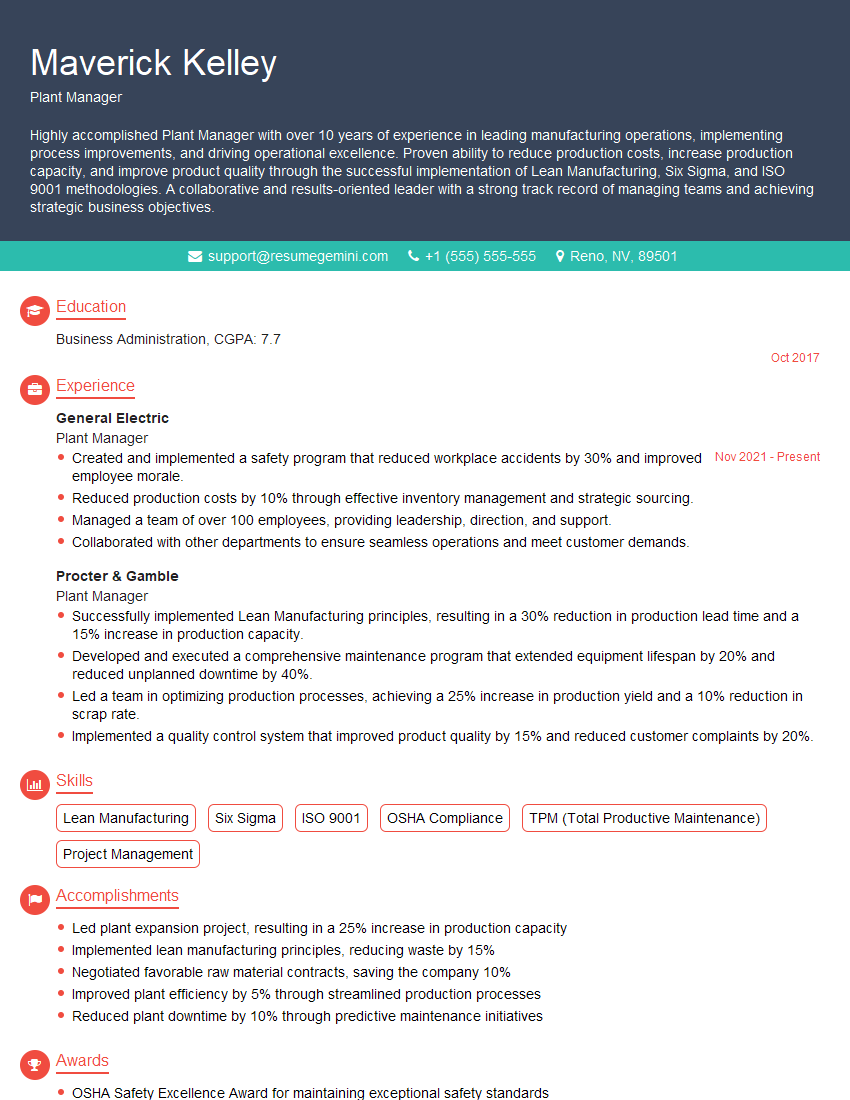
Plant Manager Resume Sample
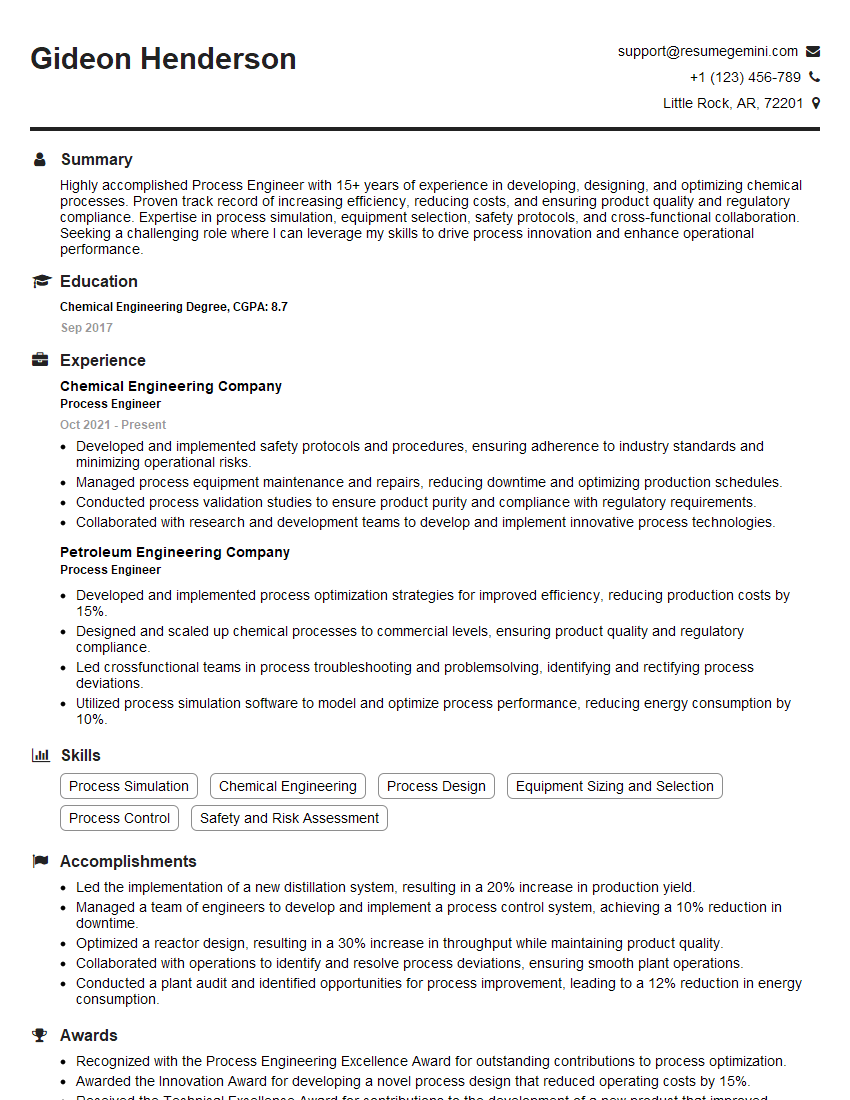
Process Engineer Resume Sample
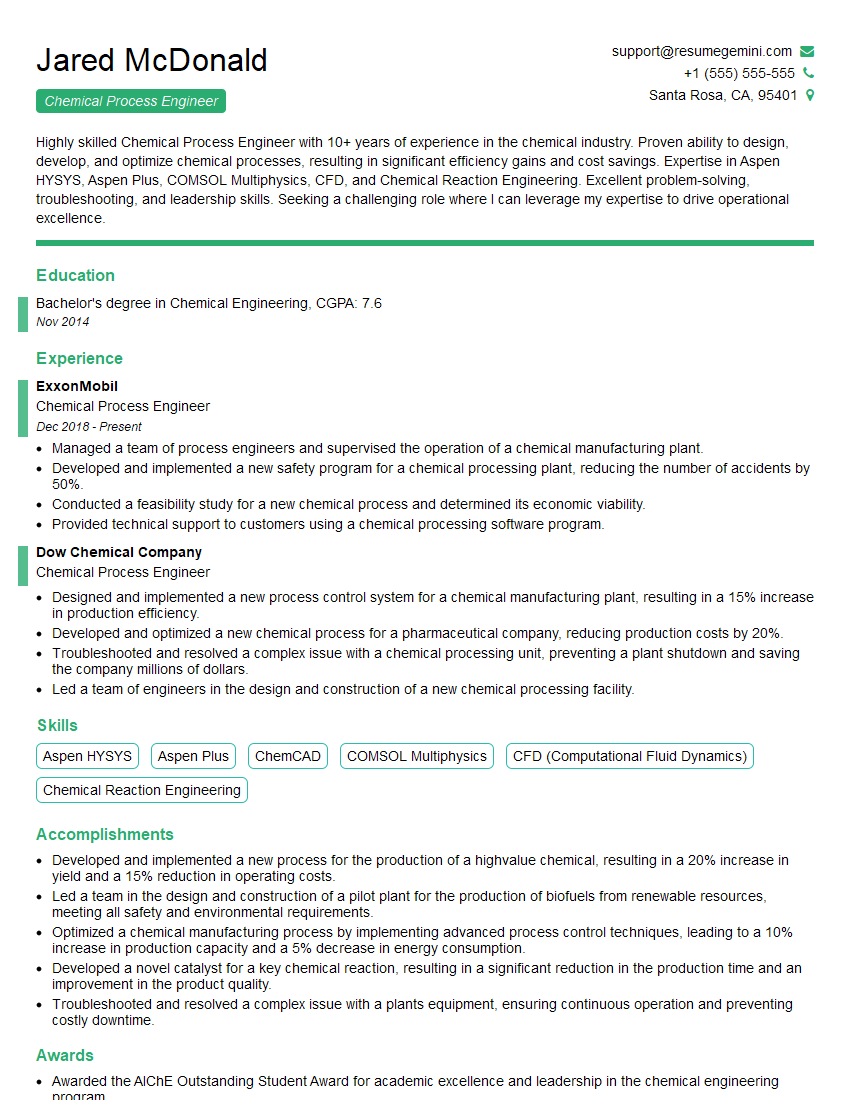
Chemical Process Engineer Resume Sample
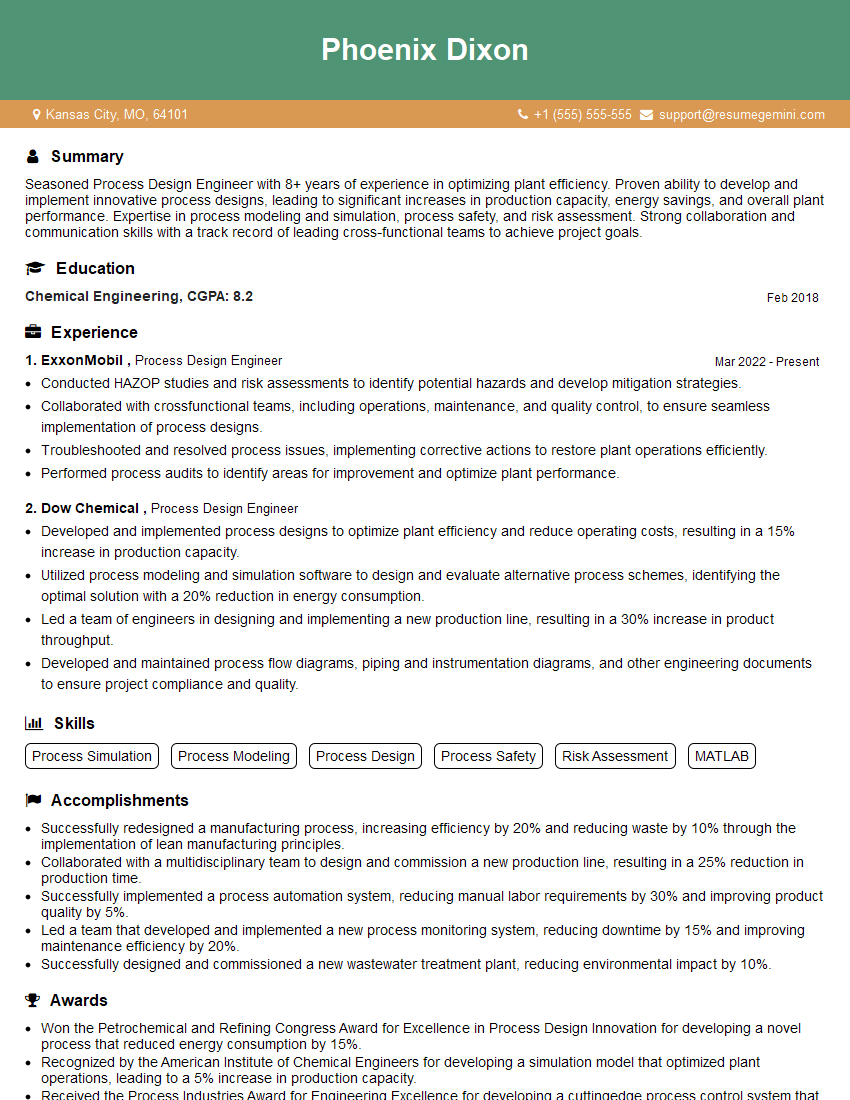
Process Design Engineer Resume Sample
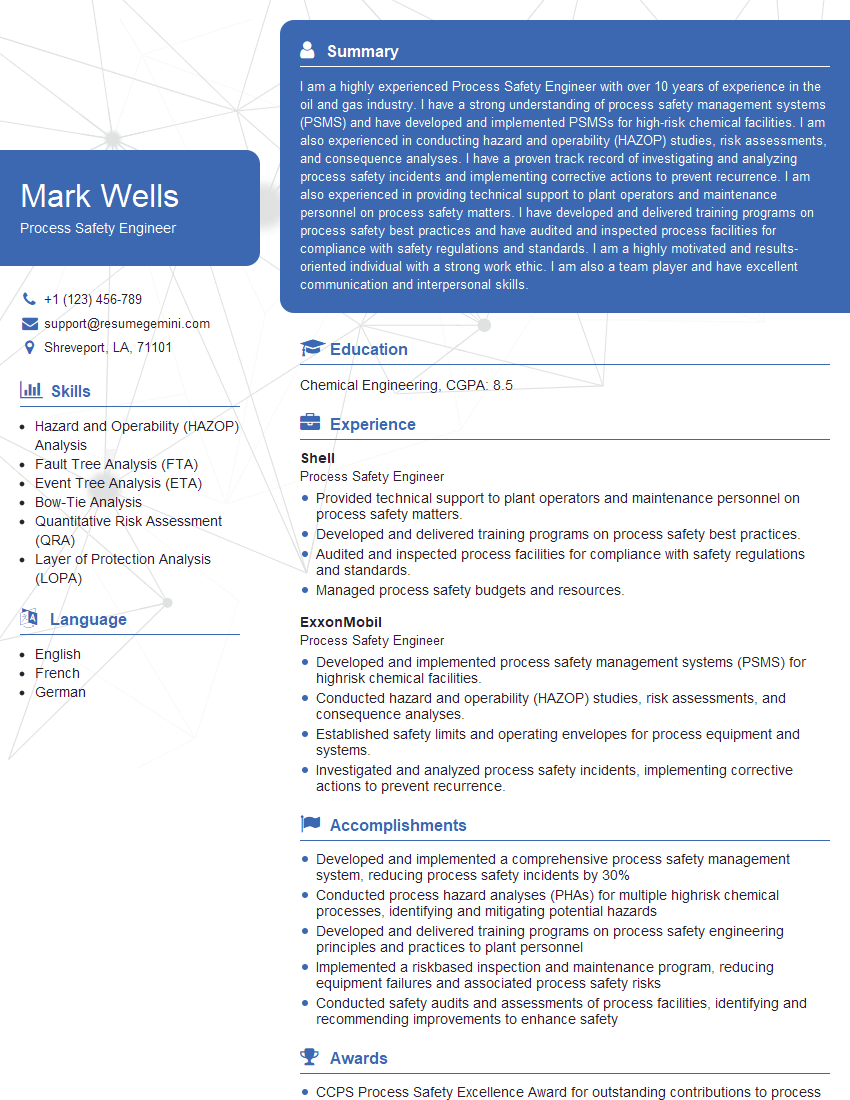
Process Safety Engineer Resume Sample
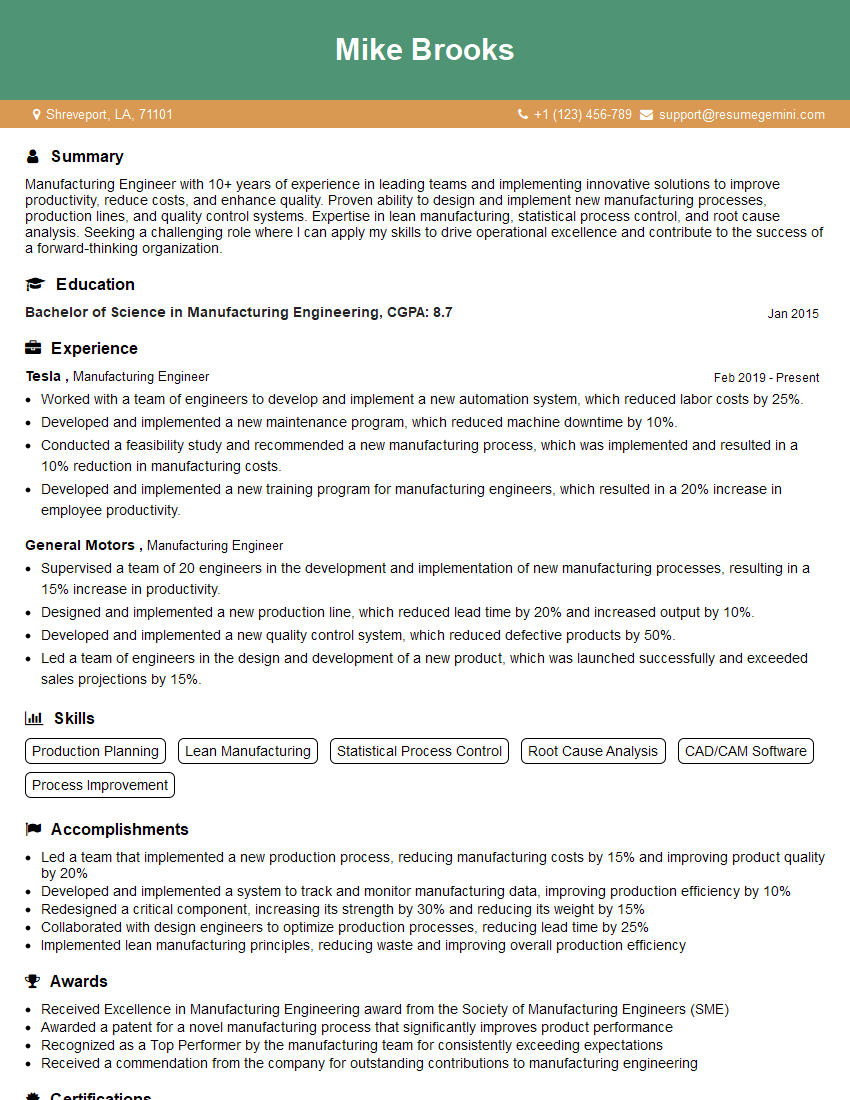
Manufacturing Engineer Resume Sample
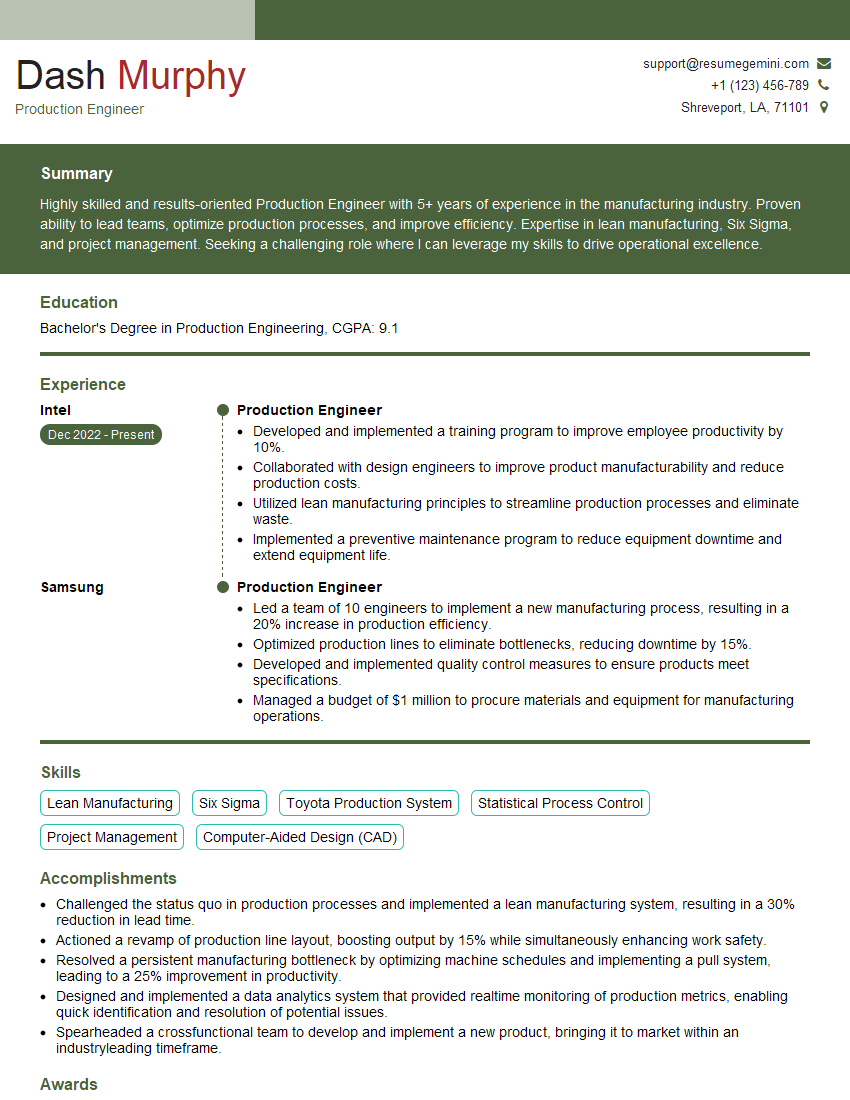
Production Engineer Resume Sample
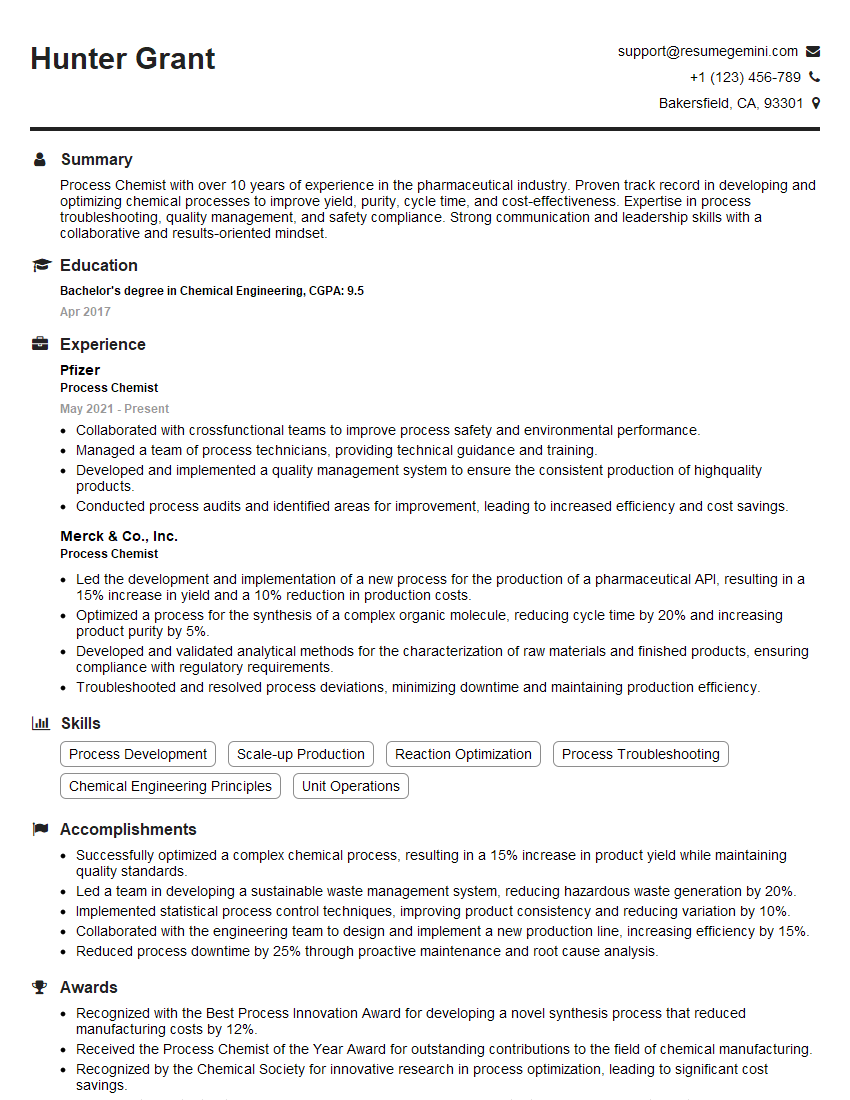
Process Chemist Resume Sample
Explore more articles
Users Rating of Our Blogs
Share Your Experience
We value your feedback! Please rate our content and share your thoughts (optional).
What Readers Say About Our Blog
Very informative content, great job.
good