Interviews are more than just a Q&A session—they’re a chance to prove your worth. This blog dives into essential Chick Vaccination and Treatment interview questions and expert tips to help you align your answers with what hiring managers are looking for. Start preparing to shine!
Questions Asked in Chick Vaccination and Treatment Interview
Q 1. Explain the importance of proper chick vaccination timing.
Proper chick vaccination timing is crucial for establishing effective immunity before chicks are exposed to disease-causing pathogens. Think of it like giving a child their vaccinations – you want to build their defenses before they encounter potential illnesses. Delaying vaccination can leave chicks vulnerable during their most susceptible period, leading to outbreaks and potentially high mortality rates. Conversely, vaccinating too early may result in poor immune response as the chicks’ immune systems might not be mature enough to adequately respond. The optimal timing is usually dictated by the specific vaccine and the prevailing disease risks in your region, as defined by veterinary guidance and vaccination schedules.
For example, Marek’s disease vaccine is typically administered in ovo or at day-old, whereas Newcastle disease and infectious bronchitis vaccines may have multiple administrations at specific ages throughout the chick’s early life.
Q 2. Describe common chick vaccination methods (e.g., in ovo, drinking water).
Several methods are used to vaccinate chicks, each with its advantages and disadvantages. Let’s explore some common ones:
- In ovo vaccination: This method involves injecting the vaccine directly into the amniotic fluid of the egg during the incubation period. It’s highly efficient as it provides early immunity, minimizing stress on the chicks. However, it requires specialized equipment and skilled personnel.
- Drinking water vaccination: This is a common, relatively low-cost method, where the vaccine is mixed with the chicks’ drinking water. It’s easy to administer to a large number of birds. However, inconsistent water intake can lead to uneven vaccine distribution and reduced efficacy. Ensuring fresh, clean water is available is critical.
- Spray vaccination: This involves spraying a fine mist of vaccine solution onto the chicks. It’s a rapid method for large flocks but requires careful calibration to ensure proper coverage and vaccine delivery.
- Eye drop vaccination: Some vaccines are administered directly into the chicks’ eyes. While relatively simple, it requires careful attention to technique to avoid injuring the chicks’ eyes and ensure proper vaccine delivery.
Q 3. What are the potential side effects of chick vaccinations?
While chick vaccinations are generally safe and effective, some side effects may occur. These are usually mild and transient, but it’s crucial to monitor the chicks for any unusual signs. Potential side effects include:
- Transient drop in feed intake: Some chicks may show a slight reduction in appetite for a short time after vaccination.
- Mild respiratory signs: Occasionally, mild respiratory symptoms like sneezing or coughing might be observed for a short period.
- Local reaction at the injection site (injectable vaccines): A small swelling or redness at the injection site may appear but should resolve quickly.
- Rarely, more severe reactions: In rare cases, severe reactions can occur, such as anaphylaxis. These are usually associated with vaccine administration errors or individual chick hypersensitivity. Immediate veterinary attention is essential in such cases.
It’s important to note that the frequency and severity of side effects can vary depending on the vaccine, the administration method, and the overall health of the chicks.
Q 4. How do you identify and address vaccine failures in chicks?
Vaccine failure occurs when vaccinated chicks still contract the targeted disease. Identifying this requires vigilance and a keen eye for clinical signs. Signs of disease outbreak despite vaccination include increased mortality, decreased feed consumption, respiratory distress, and diarrhea. Confirming a vaccine failure often involves laboratory testing to isolate and identify the pathogens, which aids in determining whether the failure is due to inadequate vaccine potency, improper administration, or the emergence of vaccine-resistant strains.
Addressing vaccine failure involves multiple steps: reviewing vaccination protocols to identify errors, investigating vaccine storage and handling practices, testing vaccine batches for efficacy, and potentially introducing a different type of vaccine or adjusting vaccination schedules based on the identified cause. Prompt action is crucial to control the outbreak and minimize economic losses.
Q 5. Explain the different types of vaccines used for chicks.
Several types of vaccines are used for chicks, each designed to target specific diseases. Common types include:
- Live attenuated vaccines: These vaccines use weakened forms of the virus that stimulate immunity without causing the disease. They generally provide long-lasting immunity but carry a small risk of reversion to virulence in immunocompromised birds.
- Killed vaccines: These vaccines use inactivated virus particles, offering safety but often requiring multiple doses for effective immunity.
- Subunit vaccines: These vaccines use specific components of the virus, like surface proteins, to stimulate an immune response. They are very safe but may require adjuvants to enhance their effectiveness.
- Recombinant vector vaccines: These advanced vaccines utilize harmless viruses to deliver genetic material from the target pathogen, thereby inducing a strong immune response.
The choice of vaccine depends on factors like the target disease, the age of the chicks, the prevalence of the disease in the region, and the cost-effectiveness of the vaccine.
Q 6. Discuss the role of biosecurity in preventing disease outbreaks.
Biosecurity measures are fundamental in preventing disease outbreaks in poultry. Think of it as building a fortress to protect your flock. Strong biosecurity protocols significantly reduce the risk of introducing diseases onto your farm. These measures include:
- Isolation and quarantine: Newly acquired birds should be kept separate from the existing flock for a period to observe for signs of disease.
- Strict hygiene practices: Maintaining cleanliness in the poultry house, including regular disinfection and sanitation, is critical.
- Rodent and pest control: Rodents and other pests can carry and spread diseases.
- Controlled access: Limiting access to the poultry house to authorized personnel only, with appropriate protective clothing, significantly minimizes the risk of disease introduction.
- Vehicle disinfection: Disinfecting vehicles entering and exiting the poultry farm prevents pathogen transfer.
- Waste disposal: Proper disposal of poultry manure and other waste prevents disease spread.
Consistent adherence to biosecurity protocols forms the first line of defense against disease and should be an integral part of any poultry management strategy.
Q 7. How do you manage vaccination stress in chicks?
Vaccination can be stressful for chicks. Minimizing stress is crucial for maximizing the vaccine’s effectiveness and maintaining the overall health of your flock. Strategies to manage vaccination stress include:
- Appropriate handling techniques: Gentle and careful handling during vaccination minimizes physical stress.
- Providing adequate space and ventilation: Overcrowding and poor ventilation exacerbate stress.
- Optimizing environmental conditions: Maintaining appropriate temperature and humidity levels reduces stress.
- Administering vaccines at optimal times of day: Avoid vaccinating during periods of extreme heat or cold.
- Ensuring sufficient hydration: Providing access to clean and ample water is crucial, especially for drinking water vaccination.
- Observing chicks post-vaccination: Monitor the chicks for any signs of stress or adverse reactions.
By implementing these stress-reducing measures, you can create a positive environment that enhances the chicks’ response to vaccination and ensures their overall well-being.
Q 8. What is the importance of accurate record keeping in chick vaccination programs?
Accurate record-keeping in chick vaccination programs is paramount for disease prevention and herd health management. Think of it as a chick’s medical history – essential for tracking their immunity and identifying potential outbreaks.
- Vaccination Dates: Precisely recording when each batch received which vaccine is crucial for monitoring the efficacy of the program and planning for boosters.
- Vaccine Type and Batch Number: This information is necessary for traceability, should any issues arise with a particular vaccine batch. It allows for prompt investigation and prevents widespread problems.
- Number of Chicks Vaccinated: Accurate counts help determine vaccine coverage and identify any discrepancies.
- Mortality and Morbidity Data: Recording instances of illness or death, even seemingly unrelated ones, helps in identifying patterns and potential vaccine failures or underlying health issues.
- Vaccination Method: Documenting the method (e.g., drinking water, in-ovo, spray) ensures consistency and helps analyze any potential shortcomings.
Without detailed records, it’s impossible to assess the program’s success, respond effectively to outbreaks, or make informed decisions about future vaccination strategies. Imagine trying to manage a large flock without knowing who received which vaccine – a recipe for disaster!
Q 9. How do you ensure vaccine efficacy?
Ensuring vaccine efficacy involves a multi-faceted approach, starting long before the vaccine reaches the chicks. It’s a holistic process that starts with selection and continues through administration.
- Vaccine Selection: Choosing a vaccine appropriate for the specific disease, age of chicks, and environmental conditions is critical. A poorly chosen vaccine is inherently less effective.
- Proper Storage and Handling: Vaccines are sensitive to temperature fluctuations. Maintaining the recommended cold chain throughout storage and transportation is paramount to preserving potency. Improper handling can render the vaccine useless.
- Accurate Administration: The vaccination method must be correct, the dose appropriate, and the technique precise. A poorly administered vaccine, even if potent, won’t provide adequate protection.
- Monitoring for Antibody Response: Post-vaccination, monitoring antibody levels in a sample of birds can confirm the vaccine’s effectiveness. This is particularly important for commercially sensitive operations.
- Biosecurity: Strict biosecurity measures minimise the risk of cross-contamination and disease challenges that could compromise vaccine effectiveness.
For example, if a vaccine is stored at room temperature instead of refrigeration, its potency could be significantly reduced, leading to an inadequate immune response. Regular checks and proper training of personnel are essential for achieving high vaccine efficacy.
Q 10. Describe the process of preparing a vaccination program for a commercial poultry farm.
Developing a vaccination program for a commercial poultry farm requires a systematic approach, starting with a thorough assessment of the farm’s needs.
- Disease Risk Assessment: Identify prevalent diseases in the region and on the farm’s history. This determines which vaccines are necessary.
- Vaccine Selection: Choose vaccines based on the risk assessment, considering factors such as vaccine type (live or killed), efficacy, and cost.
- Vaccination Schedule: Develop a detailed schedule specifying the type of vaccine, dosage, and administration route for each age group. This often involves a series of vaccinations throughout the bird’s life.
- Vaccine Storage and Handling Protocol: Establish a robust system for receiving, storing, and handling vaccines to ensure their potency. This includes designating a specific refrigerator, temperature monitoring, and trained personnel.
- Vaccination Procedures: Outline clear step-by-step procedures for vaccine administration, including safety measures for personnel and birds. This often involves training for the farm workers.
- Record Keeping System: Implement a detailed record-keeping system to track vaccination dates, vaccine batches, number of birds vaccinated, and any adverse reactions. This is the backbone of successful disease management.
- Monitoring and Evaluation: Regularly monitor the health of the flock and assess the effectiveness of the program. Adjustments may be necessary based on disease incidence and vaccine performance.
A well-designed vaccination program is a proactive approach that significantly minimizes losses from preventable diseases. It’s an investment in the farm’s long-term profitability and health.
Q 11. What are the key factors influencing vaccine selection for chicks?
Several key factors influence vaccine selection for chicks, each playing a crucial role in disease prevention.
- Disease Prevalence: The most crucial factor. Vaccines are selected to target prevalent diseases in the specific geographic location and within the farm’s history.
- Vaccine Type (Live vs. Killed): Live vaccines, while potentially offering stronger and longer-lasting immunity, carry a slightly higher risk of reaction in stressed birds. Killed vaccines are safer but may require booster shots.
- Age of Chicks: Certain vaccines are only effective at specific ages, requiring tailored schedules based on chick development.
- Route of Administration: Different vaccines are administered via different routes (drinking water, injection, spray). The choice depends on factors like bird age, vaccine type, and farm infrastructure.
- Cost-Effectiveness: The cost of the vaccine needs to be balanced against its efficacy and the potential economic losses from disease. Cost is often a crucial factor for large commercial operations.
- Vaccine Safety Profile: All vaccines have potential side effects. Choosing a vaccine with a good safety profile is critical, especially in young birds.
For example, a farm experiencing high Marek’s disease incidence would prioritize a Marek’s disease vaccine. A farm with limited resources might opt for a less expensive but equally effective vaccine, even if it requires a booster.
Q 12. How do you handle vaccine storage and handling to maintain potency?
Maintaining vaccine potency relies on meticulous adherence to the manufacturer’s recommended storage and handling guidelines. This involves a strict cold chain, from the moment of production to administration.
- Refrigeration: Vaccines must be stored at the temperature specified by the manufacturer, usually between 2-8°C (35-46°F). This requires reliable refrigeration equipment with temperature monitoring capabilities.
- Cold Chain Integrity: Maintain the cold chain during transportation. Use insulated containers with ice packs to ensure the vaccine remains at the correct temperature.
- FIFO (First In, First Out): Organize vaccine storage to ensure that the oldest vaccines are used first, preventing expiry.
- Proper Handling: Avoid excessive shaking or temperature fluctuations. Use clean, dry needles and syringes for injections to prevent contamination.
- Inspection before use: Visually inspect vaccines before use for any signs of damage, discoloration, or unusual precipitation.
Think of vaccines as perishable goods – improper storage will render them ineffective. Temperature monitoring is not optional; it’s a necessity to ensure potency and protect the flock’s health.
Q 13. Explain the difference between live and killed vaccines for chicks.
Live and killed vaccines represent two distinct approaches to inducing immunity in chicks.
- Live Vaccines: Contain weakened (attenuated) forms of the disease-causing organism. These organisms replicate within the chick, triggering a strong, long-lasting immune response similar to a natural infection, but without causing disease. They often provide lifelong immunity with a single dose. However, they can cause mild reactions in some birds and require careful handling to avoid contamination.
- Killed Vaccines: Contain inactivated (killed) disease-causing organisms. They are safer than live vaccines because they cannot cause disease, but they typically require multiple doses to achieve a comparable level of immunity. The immune response is often less strong and shorter-lasting than with live vaccines.
The choice between live and killed vaccines depends on various factors, including disease prevalence, cost, chick age, and the risk tolerance of the farmer. Both types have their advantages and disadvantages, and the decision requires careful consideration.
Q 14. What are the common diseases prevented through chick vaccination?
Chick vaccination programs are crucial for preventing a wide range of economically significant diseases. Here are some of the most common:
- Marek’s Disease: A highly contagious viral disease affecting the nervous system and internal organs.
- Newcastle Disease: A highly contagious viral disease affecting the respiratory, digestive, and nervous systems.
- Infectious Bronchitis: A highly contagious viral disease affecting the respiratory system.
- Infectious Bursal Disease (Gumboro): A highly contagious viral disease affecting the immune system.
- Avian Influenza (AI): A highly contagious viral disease affecting the respiratory system and potentially causing high mortality.
- Laryngotracheitis: A highly contagious viral disease affecting the respiratory system, particularly the larynx and trachea.
Vaccination is a proactive measure that reduces the incidence and severity of these diseases, protecting the flock’s health and ensuring the farmer’s economic viability. A successful vaccination program is the cornerstone of responsible poultry farming.
Q 15. How do you monitor the health of chicks post-vaccination?
Monitoring chick health post-vaccination is crucial for ensuring vaccine efficacy and early detection of any adverse reactions or disease outbreaks. We employ a multi-pronged approach.
Clinical Observation: Daily visual inspection of the flock is paramount. We look for signs of lethargy, decreased appetite, ruffled feathers, respiratory distress (gasping, sneezing), diarrhea, or unusual mortality. Any deviation from normal behavior warrants immediate attention.
Mortality Monitoring: We meticulously record daily mortality rates, noting any unusual patterns. Sudden increases in mortality can indicate a vaccine reaction or a disease outbreak.
Weight Monitoring: Regular weighing of chicks helps assess their growth rate. Unexpected weight loss can be a sign of underlying health issues.
Sampling and Laboratory Testing: In cases of suspected vaccine reactions or disease outbreaks, we collect samples (cloacal swabs, blood samples) and send them to a veterinary diagnostic laboratory for analysis. This helps confirm the diagnosis and guide treatment.
For example, in one instance, we noticed increased mortality and respiratory distress a few days after vaccination. Laboratory testing confirmed a secondary bacterial infection, likely triggered by stress from the vaccination process. Prompt antibiotic treatment successfully controlled the outbreak.
Career Expert Tips:
- Ace those interviews! Prepare effectively by reviewing the Top 50 Most Common Interview Questions on ResumeGemini.
- Navigate your job search with confidence! Explore a wide range of Career Tips on ResumeGemini. Learn about common challenges and recommendations to overcome them.
- Craft the perfect resume! Master the Art of Resume Writing with ResumeGemini’s guide. Showcase your unique qualifications and achievements effectively.
- Don’t miss out on holiday savings! Build your dream resume with ResumeGemini’s ATS optimized templates.
Q 16. Describe your experience with different vaccine administration routes.
My experience encompasses various vaccine administration routes, each with its own advantages and disadvantages.
Subcutaneous (Sub-Q): Injection under the skin is common for many vaccines. It’s relatively straightforward, but requires careful technique to avoid intramuscular injection.
Intramuscular (IM): Injection into the muscle is used for some vaccines, offering faster absorption. However, it requires more precision and carries a higher risk of tissue damage if improperly administered.
Oral Vaccination: This method, often using water-based solutions, is convenient for large flocks. However, it can be less effective than injectable methods, as vaccine potency can be affected by water quality and bird consumption.
Spray Vaccination: A newer method which involves aerosolizing the vaccine and allowing chicks to breathe it in. It’s relatively fast and reduces stress, but requires specialized equipment.
The choice of route depends on the vaccine type, age of chicks, and available resources. For example, in a large commercial operation, spray vaccination might be preferred for its efficiency, while smaller farms might opt for Sub-Q injections for better control.
Q 17. How do you deal with vaccine reactions in chicks?
Vaccine reactions, while rare, can occur. They usually manifest as mild symptoms like temporary lethargy, decreased appetite, or swelling at the injection site. More severe reactions are less common and may require immediate veterinary intervention. Our response is tailored to the severity.
Mild Reactions: These usually resolve within a few days without specific treatment. We monitor the affected chicks closely, ensuring they have access to food and water.
Severe Reactions: These include significant swelling, respiratory distress, or high mortality. In such cases, we isolate affected birds, administer supportive care (fluids, electrolytes), and consult a veterinarian immediately. We might also consider adjusting vaccination procedures in future batches.
A memorable incident involved a batch of chicks experiencing severe swelling at the injection sites after vaccination. Upon investigation, we found that the vaccine was administered improperly, leading to larger than recommended dose injected directly into the muscle. We implemented additional training for our staff to prevent recurrence.
Q 18. What are your methods for identifying and controlling disease outbreaks?
Identifying and controlling disease outbreaks requires a proactive and comprehensive strategy.
Surveillance: Regular monitoring of chick health (as discussed earlier) is crucial for early detection.
Rapid Diagnosis: Submitting samples to the laboratory promptly aids in the swift identification of the causative agent.
Isolation and Quarantine: Prompt isolation of affected birds prevents the spread of the disease.
Treatment and Biosecurity Measures: Appropriate treatment (antibiotics, antivirals) and strict biosecurity measures (disinfection, restricted access) are essential to control the outbreak.
Vaccination: Vaccination programs are vital in preventing many common poultry diseases.
For example, during a suspected Newcastle disease outbreak, swift diagnostic testing confirmed the diagnosis. Immediate isolation and treatment of affected birds, combined with stringent biosecurity measures and vaccination of unaffected chicks with a Newcastle vaccine, successfully contained the spread of disease and minimized losses.
Q 19. Explain the importance of proper hygiene in poultry vaccination.
Proper hygiene is paramount in poultry vaccination, directly influencing vaccine efficacy and preventing the spread of diseases.
Clean Equipment: Thorough cleaning and sterilization of needles, syringes, and other equipment between birds prevent cross-contamination.
Hand Hygiene: Vaccination personnel should maintain strict hand hygiene, washing their hands with soap and water or using an appropriate disinfectant before and after handling birds.
Clean Environment: Maintaining a clean and disinfected environment around the vaccination area minimizes the risk of contamination.
Proper Disposal of Waste: Proper disposal of used needles and syringes prevents accidental injuries and environmental contamination.
Imagine a scenario where contaminated equipment is used during vaccination. This can introduce other pathogens, reducing vaccine effectiveness and potentially causing disease outbreaks. Strict hygiene protocols are an inexpensive yet highly effective measure to mitigate risk.
Q 20. What are the legal regulations regarding poultry vaccination in your region?
Legal regulations regarding poultry vaccination vary by region. [Note: This section requires specific regional information which cannot be provided without knowing the intended region. Please specify the region for accurate details. Generally, regulations cover topics such as:]
Required Vaccines: Many regions mandate vaccination against specific diseases (e.g., Newcastle disease, Infectious Bursal Disease, Avian Influenza).
Vaccine Licensing: Vaccines must be licensed and meet specific quality standards.
Record Keeping: Producers are usually required to maintain detailed records of vaccination activities.
Reporting Requirements: Disease outbreaks must be reported to relevant authorities.
Compliance with these regulations is crucial to prevent the spread of avian diseases and maintain public health.
Q 21. Describe your experience with different types of poultry breeds and their vaccination needs.
Different poultry breeds have varying susceptibility to diseases, impacting their vaccination needs.
Broiler Chickens: Fast-growing broiler breeds often receive a more intensive vaccination program due to their rapid growth and increased susceptibility to disease during their short life cycle.
Layer Chickens: Laying hens require vaccination to protect against diseases that can impact egg production and quality.
Dual-Purpose Breeds: These breeds may require a vaccination program that balances the needs for meat and egg production.
Specialty Breeds: Some breeds might have specific disease susceptibilities requiring tailored vaccination protocols.
For instance, some breeds demonstrate higher susceptibility to Infectious Bronchitis Virus. We would adjust vaccination programs to account for this, potentially using more potent vaccines or adjusting schedules to ensure adequate protection.
Q 22. How would you address a scenario where vaccination coverage is below target?
Addressing suboptimal vaccination coverage requires a multi-pronged approach focusing on identifying the root cause and implementing corrective actions. Think of it like a detective investigating a crime scene – we need to gather evidence to pinpoint the problem.
- Data Analysis: First, we thoroughly analyze vaccination records, looking for patterns or trends. For instance, are certain flocks consistently showing lower coverage? Are there specific times of year when coverage drops? This helps us pinpoint problem areas.
- Personnel Training: Inadequate training of vaccinators can lead to mistakes. We’d conduct refresher courses emphasizing proper techniques, vaccine handling, and record-keeping. Role-playing scenarios can greatly improve practical skills.
- Logistics Review: Examining the logistics of vaccine delivery and administration is crucial. Are vaccines being stored and transported correctly? Are there delays in vaccine arrival or sufficient personnel to complete vaccination in a timely manner? Sometimes, the simplest solutions are the most effective.
- Vaccine Quality Assurance: While less common, we need to rule out issues with the vaccine itself. This includes checking expiry dates, storage conditions, and potentially conducting potency tests. We need to guarantee the effectiveness of our weapon against disease.
- Improved Record-Keeping: Finally, accurate and timely record-keeping is vital. Implementing a robust system with clear documentation of each vaccination event allows for better tracking and identification of issues. Think of it as having a clear and comprehensive crime report.
For example, in one farm, we discovered that poor refrigeration led to reduced vaccine efficacy, resulting in lower coverage. Addressing this issue through improved refrigeration immediately improved vaccination outcomes.
Q 23. Explain your experience with vaccine efficacy testing.
Vaccine efficacy testing involves determining how well a vaccine protects birds from a specific disease. It’s like testing the strength of a shield – we need to know how well it protects against attack. We employ various methods, including:
- Challenge Studies: In controlled experiments, vaccinated and unvaccinated chicks are exposed to the target pathogen. We then compare the morbidity (illness) and mortality (death) rates between the groups. A significant reduction in illness and death in the vaccinated group indicates high efficacy.
- Serological Tests: We measure antibody levels in the vaccinated birds’ blood serum. Higher antibody levels typically indicate a stronger immune response and greater protection. This is like measuring the thickness of a shield – the thicker the shield, the better the protection.
- Field Trials: Real-world observations on vaccinated flocks are crucial. We monitor disease incidence in vaccinated populations to assess their protection under natural conditions. This provides real-world data to complement the laboratory findings.
In my experience, I’ve conducted numerous challenge studies, particularly for Newcastle Disease and Infectious Bursal Disease vaccines. One specific example involved a new vaccine candidate for IBD. Our challenge study demonstrated significantly better protection compared to the existing vaccine, leading to its adoption by several large poultry producers.
Q 24. How do you ensure the safety of personnel during poultry vaccination?
Ensuring personnel safety during poultry vaccination is paramount. We utilize a layered approach to minimize risks, much like a fortress with multiple defenses.
- Personal Protective Equipment (PPE): This includes gloves, masks, and protective clothing to prevent accidental needle sticks, splashes, and inhalation of airborne particles. This is our primary barrier.
- Safe Handling Procedures: Strict protocols for handling vaccines and needles are essential. Proper disposal of used needles and syringes reduces the risk of needle stick injuries. We need to respect the weapons we’re using.
- Vaccination Techniques: Proper vaccination techniques minimize the chance of accidental injuries and improve vaccine delivery efficiency. The correct technique is a crucial part of safety.
- Training and Awareness: Regular training programs, including hands-on demonstrations and refresher courses, are vital to reinforce safe handling practices. This ensures that everyone understands the potential hazards and knows how to mitigate them.
- Emergency Response Plan: A detailed plan for handling accidental needle sticks or other emergencies is essential, including access to appropriate first aid supplies and medical attention.
For example, we implemented a color-coded system for used needles and syringes to streamline their safe disposal, reducing the risk of accidental needle stick injuries.
Q 25. Describe your troubleshooting skills for common vaccination problems.
Troubleshooting vaccination problems requires a systematic approach. It’s like diagnosing a car problem – we need to identify the symptoms and then systematically investigate possible causes.
- Identify the Problem: The first step is to clearly define the issue. Is there increased disease incidence? Is vaccine coverage low? Is there evidence of vaccine failure? Accurate diagnosis is half the battle.
- Gather Information: Collect data on vaccine type, administration method, storage conditions, vaccination timing, and bird age. This comprehensive assessment provides the clues we need.
- Investigate Possible Causes: Based on the gathered information, we explore several possible explanations: improper vaccine storage, incorrect administration technique, vaccine failure, or other health issues interfering with immune response. This investigative process helps eliminate possibilities.
- Test Hypotheses: We design and conduct investigations to confirm or rule out suspected causes. This may involve checking vaccine potency, reviewing vaccination records, and analyzing blood samples.
- Implement Solutions: Once the problem is identified, we develop and implement corrective measures. This might involve retraining staff, altering vaccination techniques, improving vaccine storage, or even switching to a different vaccine.
For instance, I once encountered a situation where a batch of vaccine was suspected to be ineffective. After thorough investigation, it was confirmed to have low potency due to improper storage. Replacing the affected vaccine batch resolved the issue.
Q 26. Explain your understanding of the different stages of chick development and their vaccination requirements.
Understanding chick development and corresponding vaccination requirements is crucial for effective disease prevention. Think of it like tailoring clothes – we need the right fit for different ages.
- Embryonic Stage (in ovo): Vaccines administered during this stage target diseases that affect chicks shortly after hatching. The most common is Marek’s disease vaccine, injected into the amniotic fluid or air sac.
- Hatchery Stage (day-old chicks): Vaccination at this stage protects against various infectious diseases, such as Newcastle Disease and Infectious Bursal Disease. Common administration routes include the drinking water or through the eye-drop method.
- Broiler Stage (after hatchery): Depending on the disease and vaccine type, further booster vaccinations may be necessary for lasting immunity, typically using the drinking water or spray method.
- Layer Stage: Layers require different vaccination protocols, tailored to their specific production cycle and susceptibility to certain diseases.
The timing and type of vaccine are crucial. For example, administering an IBD vaccine too early in a broiler’s life can lead to reduced efficacy. Conversely, administering Marek’s Disease vaccine too late is ineffective.
Q 27. How do you evaluate the overall success of a vaccination program?
Evaluating the success of a vaccination program requires a comprehensive assessment, looking at various indicators. Think of it like checking the health of a patient – we need multiple data points.
- Disease Incidence: The primary indicator of success is a significant reduction in the incidence of targeted diseases within the vaccinated flock compared to unvaccinated controls. This shows how effective the protection is.
- Mortality Rates: Lower mortality rates in vaccinated flocks demonstrate the vaccine’s ability to prevent death from the targeted diseases.
- Antibody Titers: Measuring antibody levels in serum samples provides information on the strength and duration of immune response. This tells us how strong the immune protection is.
- Vaccination Coverage: High vaccination coverage ensures that a significant portion of the flock receives the vaccine, maximizing the program’s effectiveness.
- Economic Benefits: Successful vaccination programs reduce production costs associated with disease outbreaks, improving profitability.
For example, we evaluate a program’s success not just by the reduced morbidity, but also by the improved feed conversion rates and overall flock productivity. This holistic approach provides a more accurate picture of overall success.
Q 28. What are your strategies for staying current on the latest advancements in poultry vaccination techniques?
Staying current in poultry vaccination requires continuous learning and engagement with the industry’s advancements. Think of it like staying abreast with the latest medical innovations.
- Scientific Journals and Publications: Regularly reviewing peer-reviewed journals and scientific publications provides updates on new vaccine technologies and research findings.
- Industry Conferences and Workshops: Attending conferences and workshops allows for interaction with experts and exposure to the latest industry trends and best practices.
- Professional Organizations: Membership in professional organizations such as the American Association of Avian Pathologists (AAAP) and similar groups offers access to resources and networking opportunities.
- Regulatory Updates: Keeping informed on regulatory changes and guidelines related to poultry vaccination is crucial for compliance.
- Collaboration and Networking: Building relationships with colleagues and experts in the field allows for the exchange of knowledge and experiences.
For instance, I regularly subscribe to several poultry science journals and actively participate in the annual conferences of the AAAP to remain up-to-date on the latest developments and innovative solutions in poultry vaccination.
Key Topics to Learn for Chick Vaccination and Treatment Interview
- Chick Health and Anatomy: Understanding the avian immune system, common diseases affecting chicks, and the physiological impact of vaccinations.
- Vaccination Techniques: Mastering various vaccination methods (e.g., in ovo, drinking water, injection), understanding appropriate vaccine selection based on age and disease prevalence, and maintaining sterile techniques.
- Disease Recognition and Diagnosis: Identifying clinical signs of common poultry diseases, understanding diagnostic procedures (e.g., necropsy, laboratory tests), and differentiating between various infectious agents.
- Treatment Protocols: Knowing effective treatment strategies for different diseases, including medication administration, dosage calculations, and understanding potential side effects.
- Biosecurity and Hygiene: Implementing strict biosecurity measures to prevent disease outbreaks, maintaining sanitary conditions in the hatchery and rearing facilities, and adhering to proper waste disposal protocols.
- Record Keeping and Data Analysis: Maintaining accurate vaccination and treatment records, analyzing disease trends, and using data to improve flock health and biosecurity strategies.
- Regulatory Compliance: Understanding relevant regulations and guidelines related to poultry health, vaccination, and disease control.
- Practical Problem Solving: Applying theoretical knowledge to solve real-world challenges related to chick health, including troubleshooting vaccination issues and managing disease outbreaks.
Next Steps
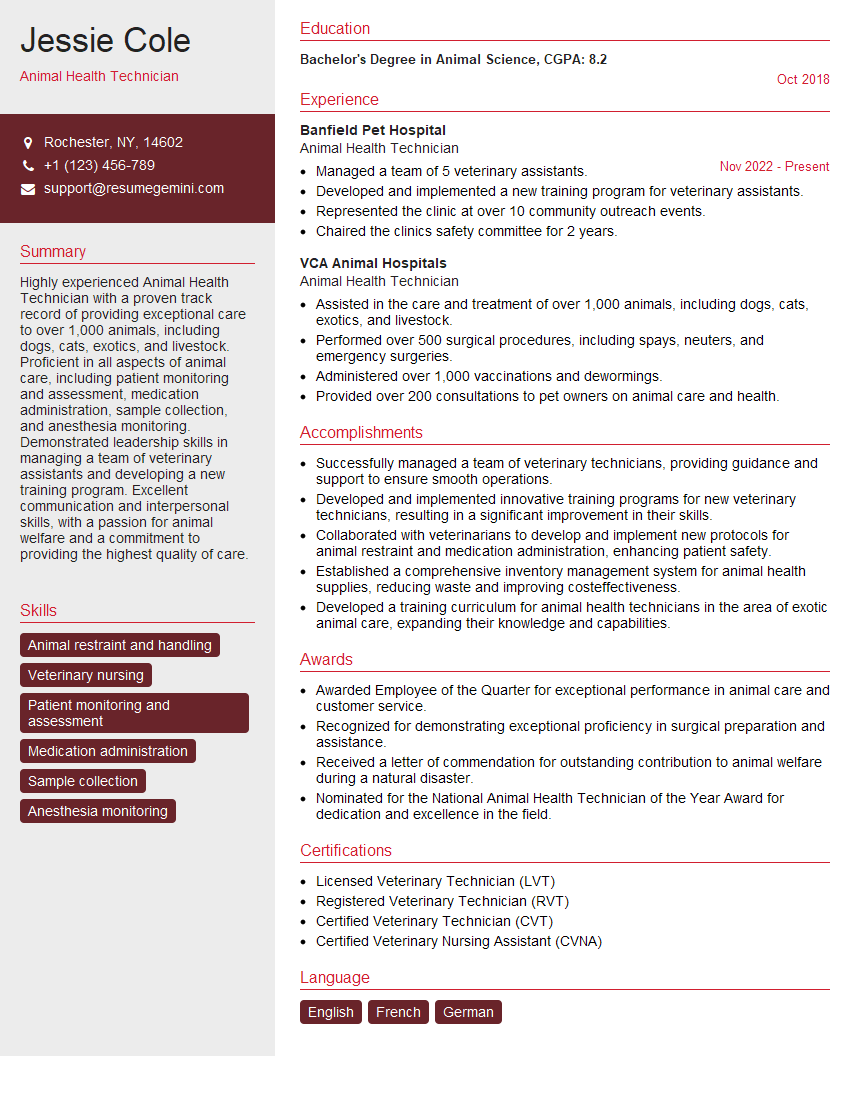
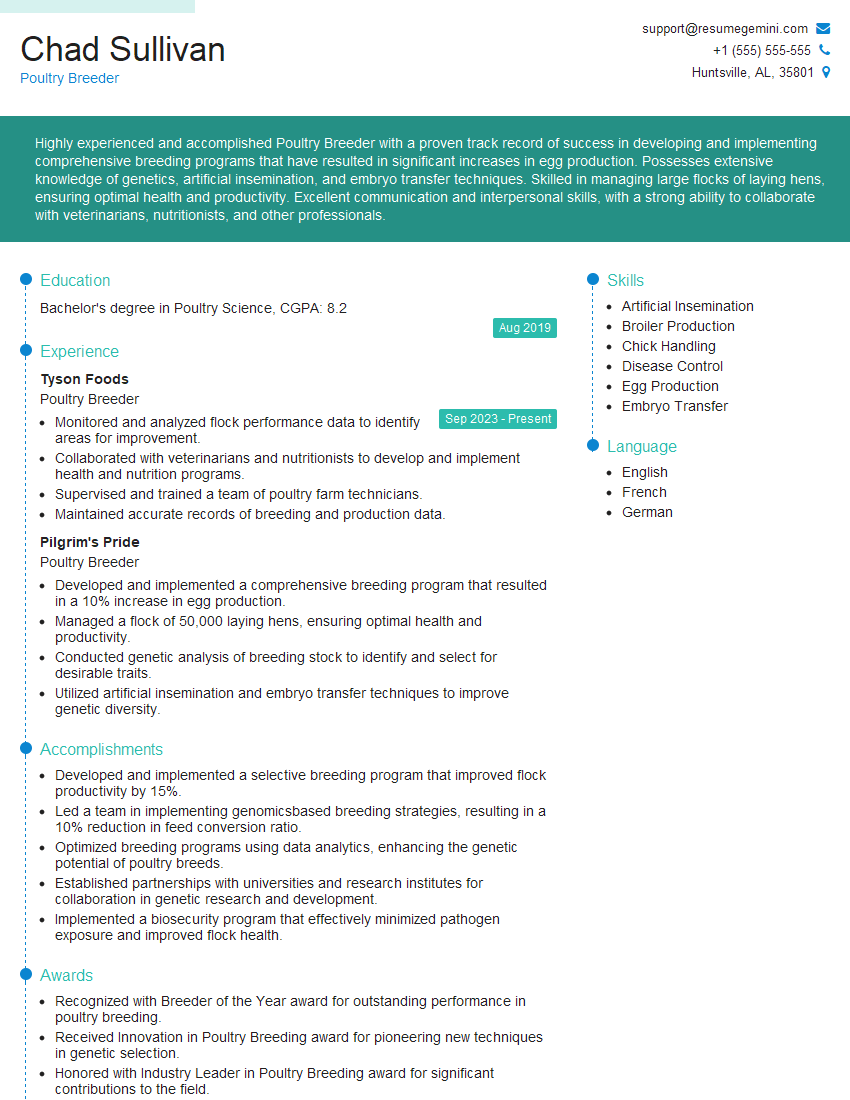
Mastering chick vaccination and treatment is crucial for a successful and rewarding career in poultry science and production. A strong understanding of these concepts demonstrates your commitment to animal welfare and efficient farm management, significantly enhancing your job prospects. To stand out to potential employers, it’s essential to have an ATS-friendly resume that effectively highlights your skills and experience. We strongly encourage you to leverage ResumeGemini to create a compelling and professional resume. ResumeGemini offers a user-friendly platform and provides examples of resumes tailored specifically to Chick Vaccination and Treatment roles, ensuring your application makes a lasting impression.

Explore more articles
Users Rating of Our Blogs
Share Your Experience
We value your feedback! Please rate our content and share your thoughts (optional).
What Readers Say About Our Blog
Very informative content, great job.
good