Interviews are more than just a Q&A session—they’re a chance to prove your worth. This blog dives into essential Understanding of customer requirements interview questions and expert tips to help you align your answers with what hiring managers are looking for. Start preparing to shine!
Questions Asked in Understanding of customer requirements Interview
Q 1. Describe your process for gathering customer requirements.
Gathering customer requirements is the cornerstone of successful project delivery. My process is iterative and involves several key stages, ensuring a thorough understanding of the client’s needs. I begin with a kick-off meeting to establish rapport and understand the overall project goals. This sets the stage for more detailed exploration.
Next, I employ a variety of elicitation techniques, such as interviews (both structured and unstructured) to delve deeper into specific needs, surveys to gather broader feedback from a larger user base, and workshops to facilitate collaborative brainstorming and consensus-building among stakeholders. I also utilize document analysis, reviewing existing materials to gain context and identify potential requirements.
Throughout this process, I emphasize active listening and clarifying questions to ensure I fully comprehend the nuances of the customer’s needs. Finally, I meticulously document all requirements, using tools like user stories, use cases, and requirement specifications, ensuring clear, unambiguous articulation of what needs to be built.
For example, in a recent project for a financial institution, I conducted individual interviews with various departments (loan processing, customer service, compliance) to uncover their unique needs for a new loan management system. I then synthesized this information, creating a comprehensive requirements document that ensured the system met the needs of all stakeholders.
Q 2. How do you prioritize conflicting customer requirements?
Prioritizing conflicting customer requirements often involves a structured approach. I typically employ a MoSCoW method (Must have, Should have, Could have, Won’t have) to categorize requirements based on their importance. This creates a clear hierarchy that helps resolve conflicts.
Furthermore, I facilitate collaborative discussions with stakeholders, presenting the trade-offs involved in each option. We utilize decision matrices that weigh the value, risk, and effort associated with each requirement. This allows for a transparent and objective evaluation, leading to a mutually agreed-upon prioritization.
For instance, in developing a mobile application, a client might request both offline functionality and extensive animation features. These might conflict due to resource limitations. Using the MoSCoW method and a decision matrix, we may prioritize offline functionality (Must have) over extensive animations (Could have) because offline access is crucial for the core functionality.
Q 3. Explain a time you had to deal with ambiguous customer requirements.
In a project for an e-commerce platform, the client requested a ‘user-friendly’ search function. While seemingly straightforward, this was highly ambiguous. ‘User-friendly’ lacked specific metrics or criteria.
To address this ambiguity, I employed several strategies. I started by defining ‘user-friendly’ through discussions, clarifying what aspects the client considered important (e.g., speed, accuracy, simplicity of interface). We then established measurable goals for usability, such as a target response time for search queries and a specific success rate for finding relevant items. We also defined user personas to represent different user groups and their specific needs, helping us to test and refine the search function effectively.
Through this iterative process of clarification and refinement, we transformed an ambiguous requirement into a set of concrete, measurable, and testable specifications. This ultimately led to a much more successful product launch.
Q 4. How do you identify the key stakeholders involved in gathering customer requirements?
Identifying key stakeholders is crucial. My approach involves a combination of top-down and bottom-up methods. I start by identifying the project sponsor and key decision-makers. This is the top-down approach.
Then, I employ a bottom-up approach, mapping out all individuals and groups impacted by the project. This includes end-users, subject matter experts, IT personnel, and potentially regulatory bodies. I utilize stakeholder analysis techniques to map out the relationships and influence of each stakeholder, creating a clear picture of who needs to be involved in the requirement gathering process.
For example, in developing a new hospital management system, key stakeholders include hospital administrators (decision-makers), doctors and nurses (end-users), IT staff (technical implementation), and potentially regulatory bodies overseeing healthcare data security (compliance).
Q 5. What techniques do you use to validate customer requirements?
Validating customer requirements is paramount. I employ several techniques to ensure that the requirements accurately reflect the customer’s needs and are feasible to implement.
Prototyping is a key method. I create low-fidelity prototypes early in the process to visually represent the proposed solution and gather feedback. Usability testing with representative users provides invaluable insight into the effectiveness of the design. Reviews and walkthroughs with stakeholders ensure that the documented requirements are clear, complete, and consistent. I also use requirements traceability matrices to ensure that each requirement is linked to a specific design element and test case.
For example, in developing a website, after gathering initial requirements, I would create a clickable prototype of the main pages. This prototype allows for early user feedback and identifies usability issues early in the development process, saving time and resources.
Q 6. How do you handle situations where customer requirements change during a project?
Change is inevitable in projects. I embrace a flexible approach to handle changing requirements. My strategy involves establishing a formal change management process at the beginning of the project. This includes defining how changes will be requested, evaluated, and approved.
Each proposed change is evaluated based on its impact on project scope, schedule, and budget. This assessment uses a cost-benefit analysis and is documented clearly. Stakeholders are informed of any impacts, allowing for informed decision-making. Finally, the change request, its impact analysis, and approval are documented formally, maintaining traceability and accountability.
For example, if a client requests a significant change mid-project, I’d convene a meeting to assess the impact. We might renegotiate the timeline, adjust the budget, or even re-prioritize existing requirements based on a revised cost-benefit analysis. All these changes are documented thoroughly, ensuring transparency and preventing scope creep.
Q 7. Describe your experience using different requirement elicitation techniques (e.g., interviews, surveys, workshops).
My experience encompasses a wide range of requirement elicitation techniques. Interviews are powerful for in-depth understanding, particularly when exploring complex or nuanced needs. I structure interviews to ensure all relevant aspects are covered but also allow flexibility for spontaneous discussions and follow-up questions.
Surveys are effective for gathering quantitative data and broad feedback from a large audience. However, they can be less effective for understanding the ‘why’ behind answers. Workshops are great for collaborative brainstorming and consensus building, especially when stakeholders have conflicting perspectives. They allow for real-time feedback and collaborative problem-solving. I often combine these methods for a comprehensive approach. For example, I might conduct interviews with key stakeholders to refine the understanding, then deploy surveys to a broader user base for validation, and conclude with a workshop to finalize the requirements and prioritize them.
Q 8. How do you translate customer needs into functional and non-functional requirements?
Translating customer needs into functional and non-functional requirements is a crucial step in ensuring a successful project. Functional requirements define what the system should do – the specific features and functionalities. Non-functional requirements, on the other hand, define how the system should perform – aspects like performance, security, and usability. This involves a multi-step process.
- Understanding the ‘Why’: Begin by deeply understanding the customer’s underlying needs. Why do they need this system? What problems are they trying to solve? This goes beyond simply listing features; it’s about understanding the context and purpose.
- Elicitation Techniques: Employ various techniques to gather information, such as interviews, surveys, workshops, and use case analysis. Each method helps uncover different aspects of the requirements.
- Prioritization: Not all needs are created equal. Prioritize requirements based on importance, feasibility, and business value. Tools like MoSCoW (Must have, Should have, Could have, Won’t have) are helpful here.
- Functional Requirement Definition: Translate the ‘what’ into specific, measurable, achievable, relevant, and time-bound (SMART) statements. For example, instead of ‘user-friendly interface,’ specify ‘users should be able to complete task X within Y seconds with Z clicks.’
- Non-Functional Requirement Definition: Define the ‘how’ through detailed specifications. Examples include ‘the system must have a response time of under 2 seconds,’ ‘the system must be secure against SQL injection attacks,’ or ‘the system must be accessible to users with disabilities.’
Example: A customer needs an e-commerce website. A functional requirement would be ‘users can add items to a shopping cart.’ A non-functional requirement would be ‘the website must load in under 3 seconds on average.’
Q 9. How do you ensure that all customer requirements are documented clearly and accurately?
Clearly and accurately documenting customer requirements is paramount. Ambiguity leads to rework, delays, and dissatisfaction. I employ several strategies to ensure thorough documentation:
- Use a Standard Template: Employ a consistent template for capturing requirements, including a unique ID, description, priority, source (customer, stakeholder), and status. This ensures uniformity and traceability.
- Visual Aids: Use diagrams like use case diagrams, user stories, and flowcharts to complement textual descriptions. Pictures speak a thousand words, especially when communicating complex interactions.
- Review and Validation: Conduct regular reviews with the customer and stakeholders to validate the documented requirements. This iterative process allows for clarification and adjustments.
- Version Control: Utilize a version control system to track changes, manage different versions of the document, and maintain a clear audit trail. This is vital for managing evolving requirements.
- Requirement Traceability Matrix: Create a matrix that links requirements to design specifications, test cases, and other project artifacts. This provides a clear line of sight throughout the development lifecycle.
Example: Instead of simply writing ‘the system should be secure,’ a well-documented requirement would specify: ‘ID: REQ-001, Description: The system must implement HTTPS with TLS 1.2 or higher for all communication channels, Priority: High, Source: Security Audit, Status: Approved.’
Q 10. Explain how you handle situations where customers have unrealistic expectations.
Handling unrealistic customer expectations requires diplomacy and technical expertise. It’s about managing expectations effectively, not dismissing them outright.
- Active Listening and Understanding: First, understand the root cause of the unrealistic expectation. Often, it stems from a misunderstanding or lack of awareness of technological limitations or project constraints.
- Explain Trade-offs and Constraints: Clearly explain the technical, budgetary, or time constraints that prevent meeting the expectation as stated. Use data and examples to support your explanation.
- Propose Alternatives: Offer alternative solutions that meet the customer’s underlying needs while remaining feasible. This demonstrates your commitment to finding a solution, even if it’s not the original request.
- Manage Expectations: Clearly communicate the revised scope and timeline, setting realistic expectations for delivery. Transparency is key to building trust.
- Documentation: Document the agreed-upon changes to the requirements, ensuring everyone is on the same page.
Example: A customer wants a feature delivered within a week, but the development time is realistically four weeks. I would explain the technical complexities, explore ways to deliver a minimum viable product within the week, and agree on a phased rollout for the complete feature.
Q 11. How do you communicate complex technical requirements to non-technical stakeholders?
Communicating complex technical requirements to non-technical stakeholders requires simplifying the message without sacrificing accuracy. I use several techniques:
- Analogies and Metaphors: Relate technical concepts to everyday situations or objects that the stakeholders understand. For example, explain database scalability using the analogy of adding more lanes to a highway.
- Visualizations: Use charts, diagrams, and mockups to illustrate technical concepts visually. A picture is often more effective than a lengthy explanation.
- Avoid Jargon: Use simple, clear language and avoid technical terms whenever possible. If jargon is necessary, define it clearly.
- Storytelling: Present information as a narrative, focusing on the benefits and value to the stakeholders. Stories are engaging and memorable.
- Iterative Communication: Break down complex information into smaller, manageable chunks and communicate iteratively. This allows for feedback and clarification at each step.
Example: To explain a complex algorithm, I might use a flowchart to visually depict the steps or a simple analogy, like explaining how a search engine works using the example of finding a specific book in a library.
Q 12. How do you manage customer expectations throughout the project lifecycle?
Managing customer expectations throughout the project lifecycle involves consistent communication, transparency, and proactive problem-solving.
- Regular Communication: Schedule regular meetings, provide updates, and use project management tools to keep stakeholders informed of progress.
- Transparent Reporting: Provide clear and concise reports that highlight both successes and challenges. Don’t hide problems; address them proactively.
- Proactive Risk Management: Identify potential risks early and communicate them to stakeholders, outlining mitigation strategies.
- Feedback Mechanisms: Establish mechanisms for gathering feedback throughout the project, allowing for adjustments and course correction.
- Change Management: Establish a clear process for managing changes in requirements, ensuring that all stakeholders are aware of the implications.
Example: Using a project management tool like Jira, I would regularly update the status of tasks, share progress reports with stakeholders, and proactively communicate any potential delays or roadblocks, offering solutions to mitigate their impact.
Q 13. Describe your experience with requirement management tools.
I have extensive experience using various requirement management tools, including Jira, Confluence, and DOORS. My experience encompasses using these tools for various aspects of the requirement lifecycle:
- Requirement Capture and Documentation: Using these tools to create, edit, and version-control requirement documents, ensuring clarity and consistency.
- Requirement Traceability: Linking requirements to design, test cases, and other project artifacts to ensure comprehensive traceability.
- Requirement Prioritization and Management: Using features like Kanban boards and issue tracking to manage and prioritize requirements based on business value and urgency.
- Collaboration and Communication: Utilizing the collaborative features of these tools to facilitate communication and feedback among stakeholders.
- Reporting and Analysis: Generating reports on requirement status, progress, and potential risks.
My preference for a specific tool depends on the project’s size, complexity, and the stakeholders involved. However, my proficiency in using these tools ensures that requirements are effectively managed throughout the project lifecycle.
Q 14. How do you ensure that the developed product or service meets the customer requirements?
Ensuring the final product meets customer requirements is achieved through a rigorous process of testing and validation.
- Requirement Verification: Ensuring that the requirements are clear, consistent, complete, and unambiguous before development begins. Techniques include reviews, walkthroughs, and inspections.
- Testing: A multi-faceted approach including unit testing, integration testing, system testing, and user acceptance testing (UAT). UAT is crucial as it involves the end-users testing the system in a real-world environment.
- Test-Driven Development (TDD): Writing unit tests before writing code ensures that the developed functionality meets the specified requirements.
- Defect Tracking and Management: A robust system for tracking and resolving defects found during testing, ensuring timely fixes and minimal disruption.
- Acceptance Criteria: Defining clear and measurable acceptance criteria for each requirement, ensuring that the system meets the specified functionality before release.
Example: For an e-commerce website, acceptance criteria might include ‘users can successfully add items to their cart, proceed to checkout, and complete a purchase using various payment gateways, without errors.’ Testing would verify the system meets all aspects of this criterion.
Q 15. How do you identify and mitigate potential risks associated with customer requirements?
Identifying and mitigating risks associated with customer requirements is crucial for project success. It involves a proactive approach, starting even before requirements are fully defined. We employ a multi-step process:
- Requirement Analysis & Decomposition: We break down broad requirements into smaller, more manageable components. This allows for a more granular risk assessment.
- Risk Identification: We use techniques like brainstorming, checklists, and SWOT analysis to identify potential issues. For instance, a poorly defined requirement might lead to scope creep, or unrealistic timelines could cause delays and cost overruns.
- Risk Assessment: Each identified risk is evaluated based on its likelihood and potential impact. We use a risk matrix to prioritize them.
- Mitigation Planning: For high-priority risks, we develop mitigation strategies. This could involve adding buffer time, assigning experienced team members, or developing contingency plans. For example, if a technical requirement is uncertain, we might conduct a proof-of-concept to validate its feasibility.
- Monitoring & Control: Throughout the project, we continuously monitor the risks and adjust our mitigation plans as needed. Regular review meetings and progress tracking are essential here.
Imagine developing a new mobile app. A risk might be that the target user demographic is unfamiliar with the technology, leading to low adoption. Our mitigation plan might involve user testing and iterative design changes based on feedback.
Career Expert Tips:
- Ace those interviews! Prepare effectively by reviewing the Top 50 Most Common Interview Questions on ResumeGemini.
- Navigate your job search with confidence! Explore a wide range of Career Tips on ResumeGemini. Learn about common challenges and recommendations to overcome them.
- Craft the perfect resume! Master the Art of Resume Writing with ResumeGemini’s guide. Showcase your unique qualifications and achievements effectively.
- Don’t miss out on holiday savings! Build your dream resume with ResumeGemini’s ATS optimized templates.
Q 16. How do you measure the success of meeting customer requirements?
Measuring the success of meeting customer requirements involves both quantitative and qualitative methods. We aim to understand if the delivered product or service truly addresses the customer’s needs and provides value.
- Quantitative Metrics: These are measurable data points. Examples include customer satisfaction scores (CSAT), Net Promoter Score (NPS), feature usage rates, and bug reports. A high CSAT score suggests we’re meeting expectations. Low bug reports indicate a stable and reliable product.
- Qualitative Metrics: These provide insights into the ‘why’ behind the numbers. We gather qualitative data through user interviews, surveys with open-ended questions, and focus groups. This helps us understand customer perceptions, pain points, and unmet needs.
- Goal Alignment: Success is also measured against predefined goals. Did we meet the user stories and acceptance criteria? Did the project deliver on its planned value propositions?
For instance, if our goal was to increase user engagement by 20%, we’d track the usage metrics over time. If the increase falls short, the qualitative feedback would help us understand why and inform improvements.
Q 17. Explain how you use customer feedback to improve future products or services.
Customer feedback is invaluable for iterative improvement. We leverage a systematic approach to incorporate feedback into future product or service development:
- Feedback Collection: We utilize multiple channels to collect feedback – surveys, online reviews, social media monitoring, in-app feedback forms, and direct customer interactions.
- Feedback Analysis: We analyze the feedback to identify recurring themes, common pain points, and areas for improvement. This often involves sentiment analysis to gauge the overall tone and identify positive and negative feedback.
- Prioritization: We prioritize feedback based on its impact, frequency, and feasibility of implementation. High-impact issues that many customers report will naturally take precedence.
- Implementation & Iteration: We incorporate the feedback into the product roadmap, prioritizing features and improvements based on the analysis. This might involve bug fixes, new feature development, or design modifications. We then test and iterate based on further feedback.
Let’s say we receive consistent feedback that our website’s navigation is confusing. We would analyze the feedback to pinpoint specific issues, redesign the navigation, and then track user behavior to see if the changes have improved user experience.
Q 18. How do you balance customer needs with business goals?
Balancing customer needs with business goals is a constant balancing act. It requires a strategic approach that prioritizes both customer satisfaction and company profitability.
- Understanding the Value Proposition: We must clearly define the value proposition – what problem we’re solving for the customer and how it benefits the business.
- Prioritization Framework: We use a framework that prioritizes requirements based on both customer value and business impact. This might involve using a weighted scoring system or a MoSCoW method (Must have, Should have, Could have, Won’t have).
- Data-Driven Decisions: We use data analysis to understand customer behavior, market trends, and competitor offerings. This informs decisions about which features to prioritize and how to allocate resources.
- Continuous Feedback Loops: We establish regular feedback loops with customers and stakeholders to ensure alignment between customer needs and business objectives.
Imagine a company developing a new software product. Customers might request a highly customizable solution, but this might increase development time and cost significantly. By using a prioritization framework, we can select the most valuable customization features for the initial release, leaving less critical ones for future iterations.
Q 19. What is your approach to dealing with difficult or demanding customers?
Dealing with difficult or demanding customers requires empathy, patience, and a structured approach. The key is to remain calm, professional, and focus on finding solutions:
- Active Listening: Listen carefully to the customer’s concerns without interruption. Understanding their perspective is the first step to resolving the issue.
- Empathy and Validation: Acknowledge their feelings and validate their concerns, even if you don’t agree with their perspective. Phrases like, “I understand your frustration,” can go a long way.
- Solution-Oriented Approach: Focus on finding a solution that addresses the customer’s needs. Collaboratively work towards a resolution.
- Escalation Procedures: If you can’t resolve the issue, have a clear escalation path to involve more senior team members or management.
- Documentation: Thoroughly document the interaction, including the issue, the steps taken to resolve it, and the outcome. This is crucial for future reference and improvement.
For example, if a customer is angry about a product defect, actively listen to their complaint, apologize for the inconvenience, and outline the steps you’ll take to fix the problem and compensate them.
Q 20. How do you identify and address gaps in customer requirements?
Identifying gaps in customer requirements requires a thorough and multi-faceted approach. Often, what customers articulate isn’t the whole story. We utilize several techniques:
- Comparative Analysis: Compare stated requirements with requirements from similar products or services. This can highlight missing functionalities or unmet needs.
- User Research: Conduct user interviews, usability testing, and focus groups to uncover unstated needs and pain points. Observation can reveal more than direct questioning.
- Competitive Analysis: Analyzing competitor offerings can identify features and functionalities that customers might expect but haven’t explicitly mentioned.
- Gap Analysis: Systematic comparison of ‘as-is’ and ‘to-be’ states. This helps visualize discrepancies between what’s available and what’s needed.
- Prototyping & User Feedback: Create prototypes early on to gather feedback and identify areas where the requirements are insufficient or unclear. This allows for iterative refinement.
For example, if customers request a simpler user interface, but user testing reveals that a simpler interface lacks necessary functionalities, that’s a gap. Further investigation reveals a need for contextual help and tooltips to compensate for the simplified interface.
Q 21. How do you prioritize features based on customer requirements and business value?
Prioritizing features based on customer requirements and business value involves a strategic approach that considers both user needs and company objectives. We use several techniques:
- Value vs. Effort Matrix: This involves plotting features on a matrix with value on one axis and effort required on the other. High-value, low-effort features are prioritized.
- Weighted Scoring System: Assign weights to different criteria (customer value, business impact, technical feasibility, risk) and score each feature based on those criteria. Features with higher overall scores get prioritized.
- MoSCoW Method: Categorize features as Must have, Should have, Could have, Won’t have. This helps focus on essential features first.
- Customer Segmentation: Identify different customer segments and prioritize features that are most valuable to each segment. This allows for a tailored approach.
- Roadmapping: Organize prioritized features into a roadmap that outlines the implementation timeline and releases. This provides a clear plan for development.
For instance, a new feature highly requested by a large customer segment that aligns with our growth strategy would have a high priority, even if technically challenging.
Q 22. Describe a time you had to compromise on a customer requirement. How did you handle it?
Compromising on customer requirements is a delicate balancing act. It’s crucial to understand that not all requests are feasible or beneficial within the project’s scope, timeline, or budget. In one project, a client requested a highly complex animation for their software’s onboarding process. While aesthetically pleasing, this feature would significantly delay the launch and inflate the budget.
My approach involved a structured discussion. First, I empathized with their desire for an engaging onboarding experience. Then, I presented alternative solutions, such as a simpler, more efficient animation or an interactive tutorial that achieved the same goal of user guidance without the complexity. I provided a clear comparison of the cost and time implications of each option. Ultimately, we agreed on a revised animation that retained the core user experience goals without sacrificing project timelines or budgetary constraints. The key was open communication, offering viable alternatives, and demonstrating a shared commitment to a successful project outcome. Regular progress updates and demonstrations further solidified this collaborative approach.
Q 23. How do you ensure that customer requirements are aligned with the overall project objectives?
Aligning customer requirements with project objectives is paramount for success. It’s not enough to simply gather requirements; we need to ensure they contribute to the overall project goals. I typically use a three-step process:
- Requirements Prioritization: I begin by classifying requirements based on their importance and alignment with project goals. This often involves techniques like MoSCoW (Must have, Should have, Could have, Won’t have) analysis or a simple prioritization matrix.
- Feasibility Assessment: Once prioritized, I assess the feasibility of each requirement, considering technical limitations, resource availability, and time constraints. This might involve discussions with the development team and project management.
- Requirement Negotiation and Refinement: If a requirement is deemed infeasible or doesn’t sufficiently align with objectives, I work collaboratively with the client to find alternative solutions or adjust expectations. This is where active listening and clear communication are essential.
For instance, if the project goal is to improve user conversion rates, I would prioritize requirements that directly impact the conversion funnel, such as streamlined checkout processes or improved product discovery features. Requirements that are outside this core goal might be delayed or eliminated.
Q 24. Describe your experience working with different types of customers (e.g., internal, external).
I’ve had extensive experience working with both internal and external clients, each presenting unique challenges. External clients often require more formal communication and detailed documentation, whereas internal clients usually benefit from a more agile and collaborative approach.
With external clients, I’ve found success through rigorous documentation of requirements, regular progress updates, and transparent communication regarding any potential issues or changes. Building strong relationships based on trust and understanding is key here. For example, I once worked with a small startup with limited technical expertise. It was crucial to explain technical concepts clearly and concisely, using non-technical language where necessary, ensuring they felt included and confident in the process.
Working with internal clients often involves quicker iteration cycles and a more informal communication style. The advantage is that access to internal stakeholders allows for quicker feedback loops and problem-solving. For example, during the development of an internal knowledge base tool, I was able to easily coordinate changes and get feedback directly from the team who would be using it. Understanding the internal culture and communication preferences is essential for smooth collaboration.
Q 25. How familiar are you with user story mapping and its application to customer requirements?
User story mapping is a highly effective tool for visualizing and prioritizing customer requirements. I’m very familiar with it and have used it successfully on numerous projects. User story mapping allows us to illustrate the user journey from start to finish, ensuring that we build features that genuinely meet customer needs. It helps to break down complex features into smaller, more manageable user stories.
The process involves creating a map with user activities (horizontal axis) and levels of abstraction (vertical axis). Each card on the map represents a user story, described using a simple format: “As a [user role], I want [goal] so that [benefit].”
For example, in a e-commerce project, a user story might be: “As a customer, I want to easily search for products so that I can quickly find what I need.” By mapping out these stories, we can identify dependencies, prioritize features based on user value, and ensure the development team has a clear understanding of what to build.
Q 26. How do you incorporate user research findings into the requirements gathering process?
User research findings are crucial for informed requirements gathering. I integrate these findings through several key steps:
- Synthesizing Findings: I start by analyzing the research data (interviews, surveys, usability testing results) to identify key user needs, pain points, and preferences. This often involves creating user personas to represent different user segments and their characteristics.
- Translating Findings into Requirements: I then translate these findings into concrete, measurable requirements. This might involve refining user stories or creating detailed functional specifications. For example, user research might reveal that users struggle to find specific product information on a website. This translates into a requirement for improved search functionality and product categorization.
- Validating Requirements: Once requirements are defined, I often conduct further validation with users to ensure they are accurate and effective. This might involve usability testing or A/B testing of different design solutions.
By consistently incorporating user research data, I ensure the final product truly aligns with customer needs and expectations. Ignoring user research can lead to developing features that are ultimately irrelevant or even frustrating for the target audience.
Q 27. Describe your experience using agile methodologies to manage changing customer requirements.
Agile methodologies are well-suited for handling the inevitable changes in customer requirements. The iterative nature of Agile allows for flexibility and adaptation throughout the development lifecycle. I have extensive experience using Scrum and Kanban frameworks to manage evolving requirements.
In a recent project using Scrum, the client initially requested a specific feature, but after the first sprint review, they expressed a desire for a different approach. Because we were working in short sprints, we were able to incorporate the feedback into the next sprint’s backlog, adjusting priorities and adapting our plans accordingly. The daily stand-up meetings provided a platform to discuss these changes and address any potential roadblocks.
Using Kanban, the emphasis on visualizing the workflow and limiting work in progress allows us to easily re-prioritize tasks as new requirements emerge. The ability to quickly adapt to change is central to the success of agile projects, and this flexibility is essential when dealing with dynamic client needs.
Key Topics to Learn for Understanding Customer Requirements Interview
- Active Listening and Questioning Techniques: Mastering the art of truly understanding unspoken needs and clarifying ambiguous requests. Practical application: Develop a structured questioning framework for eliciting complete and accurate requirements from clients.
- Requirements Elicitation Methods: Exploring various techniques like interviews, workshops, surveys, and document analysis to gather comprehensive information. Practical application: Compare and contrast different methods and understand their strengths and weaknesses in different contexts.
- Requirements Analysis and Documentation: Transforming raw information into clear, concise, and unambiguous specifications using tools like user stories, use cases, and process flows. Practical application: Practice creating effective documentation that minimizes ambiguity and facilitates effective communication with developers and stakeholders.
- Prioritization and Trade-off Analysis: Balancing competing demands, managing expectations, and making informed decisions regarding resource allocation. Practical application: Develop strategies for prioritizing requirements based on factors like business value, feasibility, and risk.
- Stakeholder Management: Effectively communicating with diverse stakeholders (clients, developers, testers) to ensure alignment and manage expectations. Practical application: Develop strategies for resolving conflicts and negotiating compromises amongst stakeholders with differing priorities.
- Requirements Verification and Validation: Ensuring the final product meets the specified requirements through various testing and validation methods. Practical application: Understand different testing methodologies and their applications in the requirements verification process.
- Change Management: Adapting to evolving requirements and managing changes throughout the project lifecycle. Practical application: Learn techniques for documenting and managing changes effectively and efficiently, minimizing disruptions.
Next Steps
Mastering the understanding of customer requirements is crucial for career advancement in many fields. A strong grasp of these skills demonstrates your ability to collaborate effectively, solve complex problems, and deliver exceptional results. To boost your job prospects, create an ATS-friendly resume that highlights your relevant skills and experience. ResumeGemini is a trusted resource that can help you build a professional and impactful resume. Examples of resumes tailored to showcasing expertise in understanding customer requirements are available within ResumeGemini to guide you.
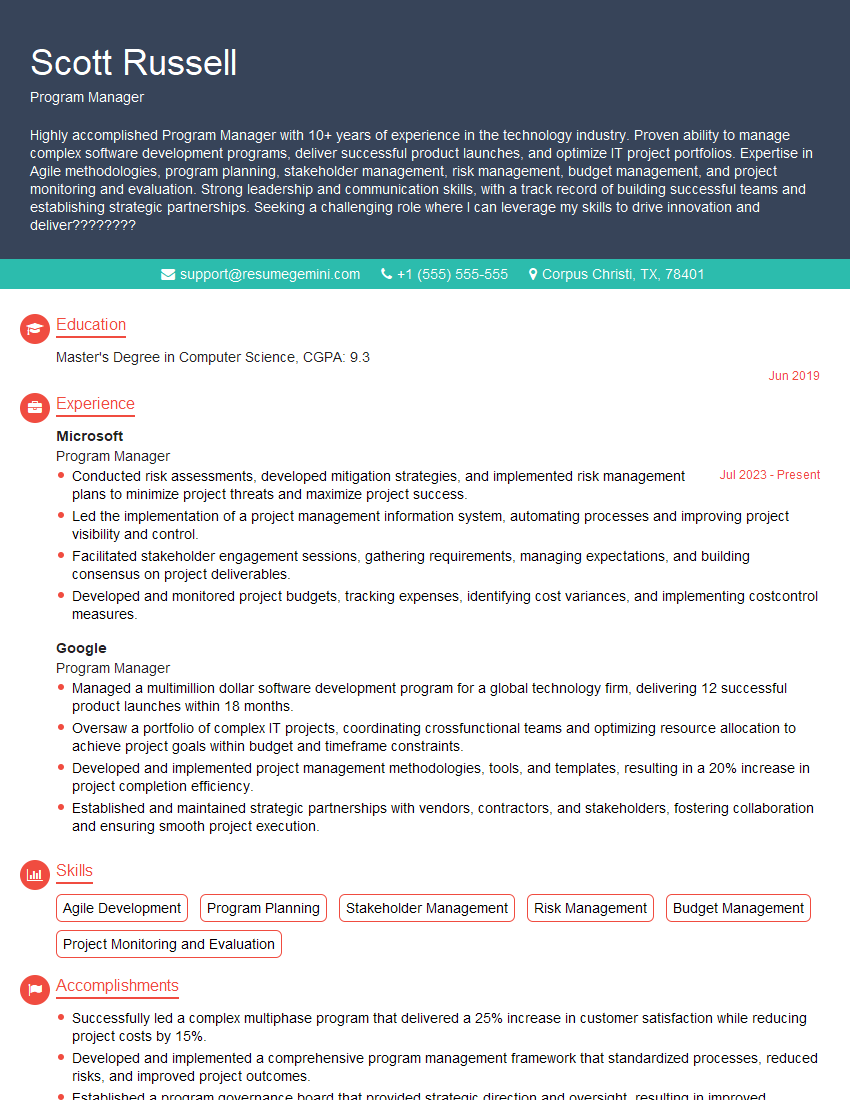
Program Manager Resume Sample
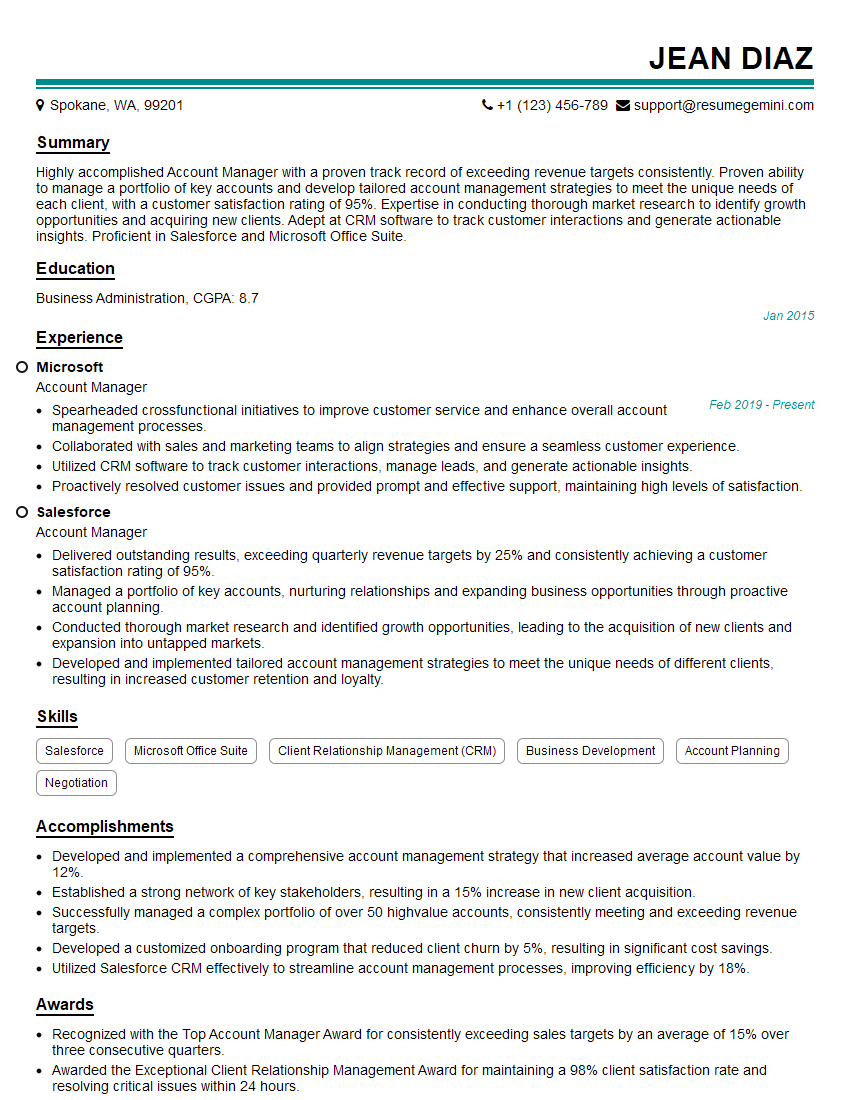
Account Manager Resume Sample
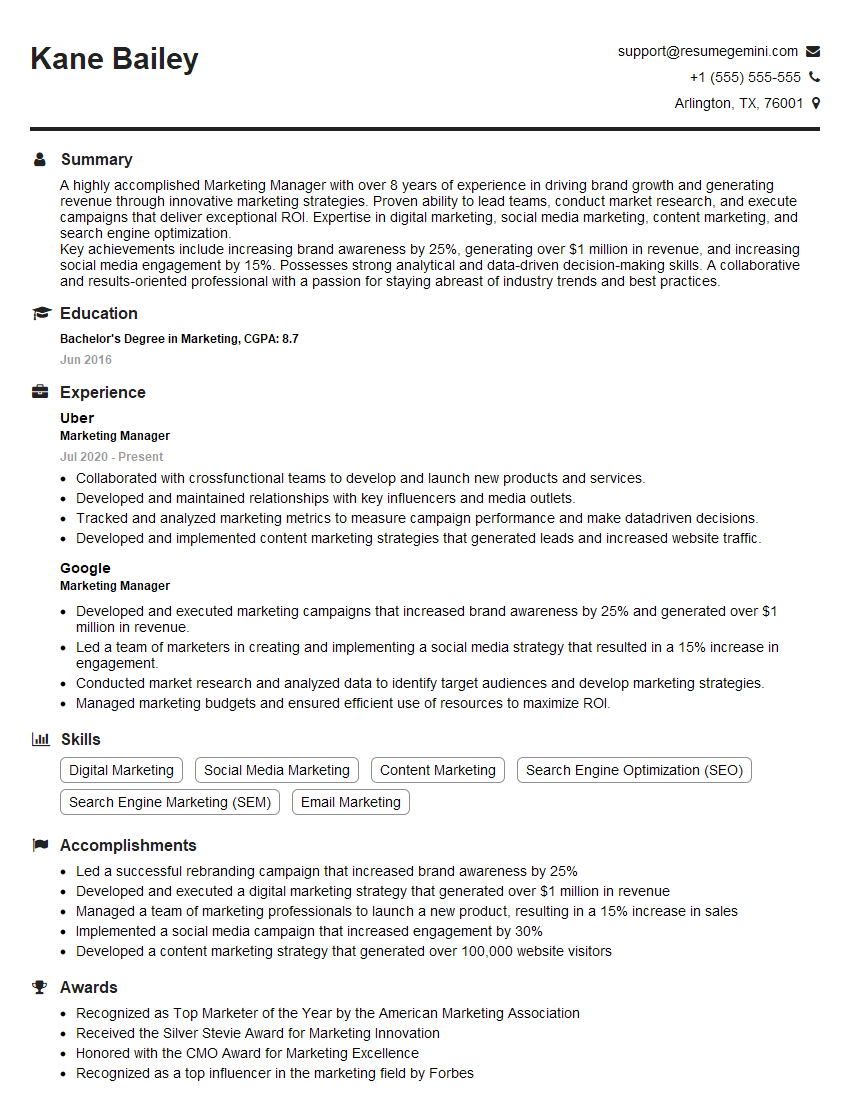
Marketing Manager Resume Sample
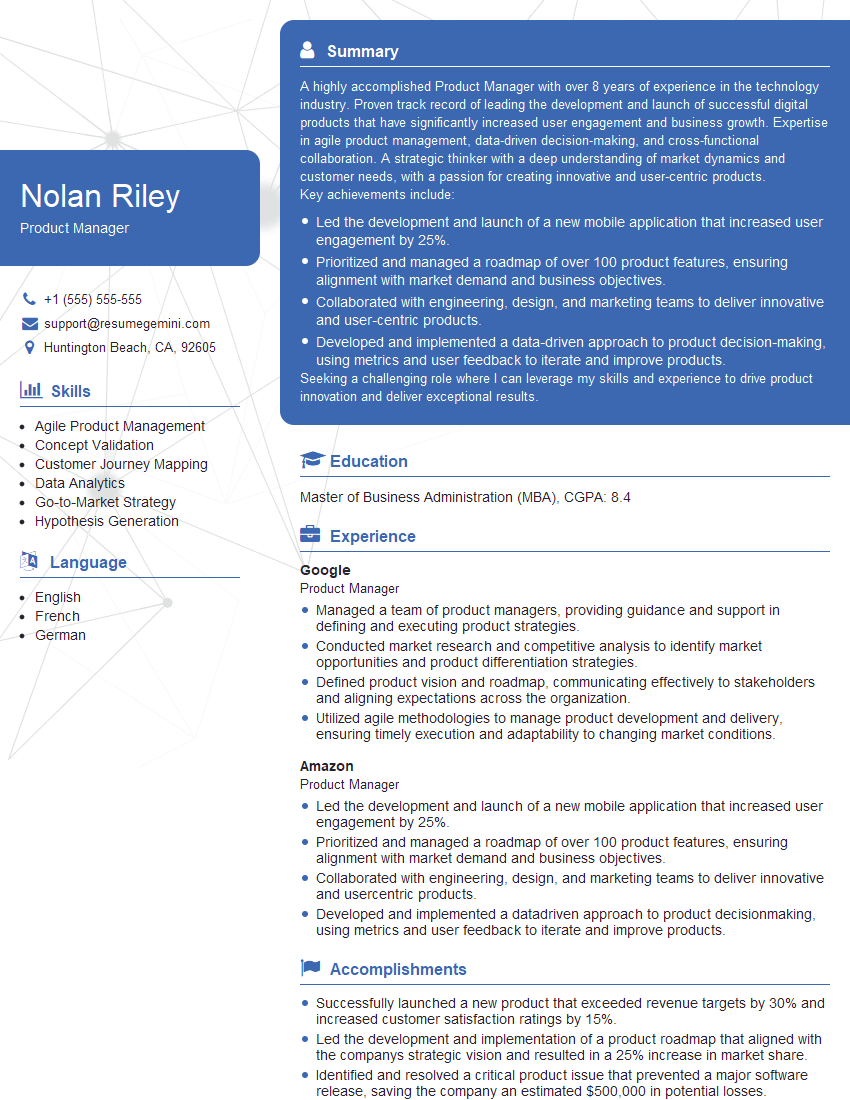
Product Manager Resume Sample
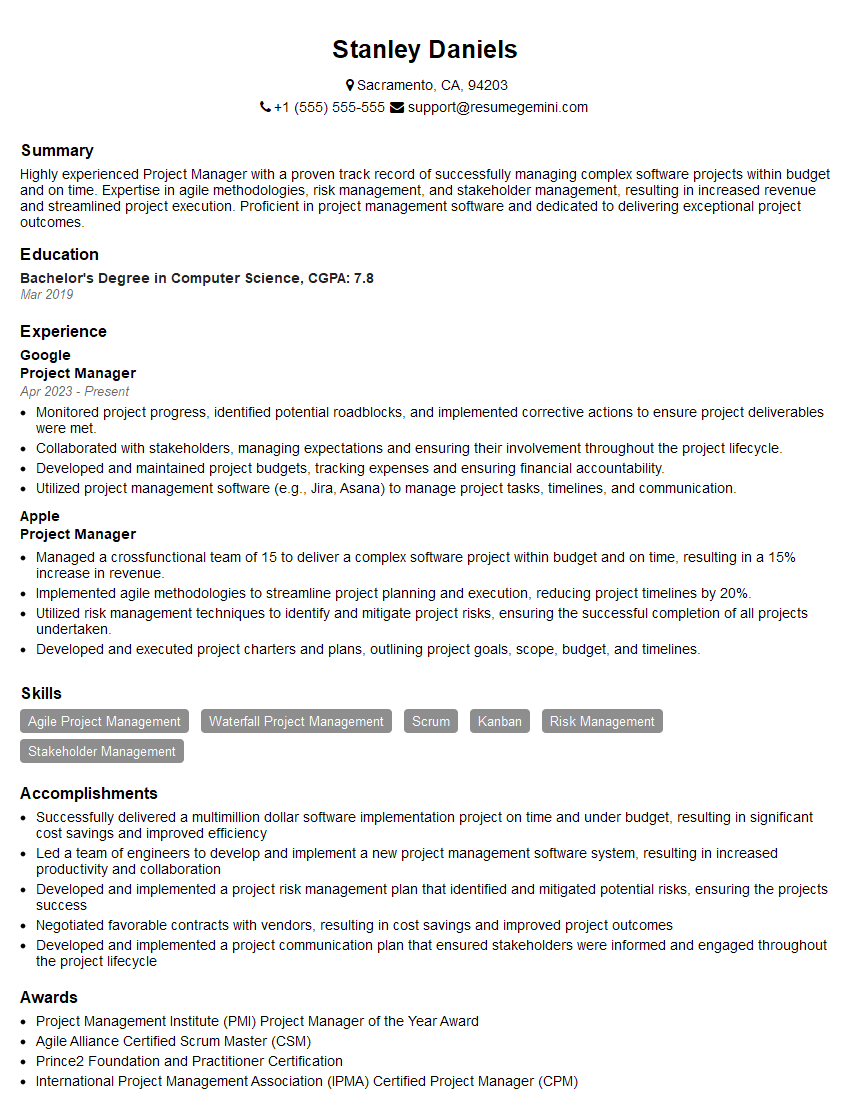
Project Manager Resume Sample
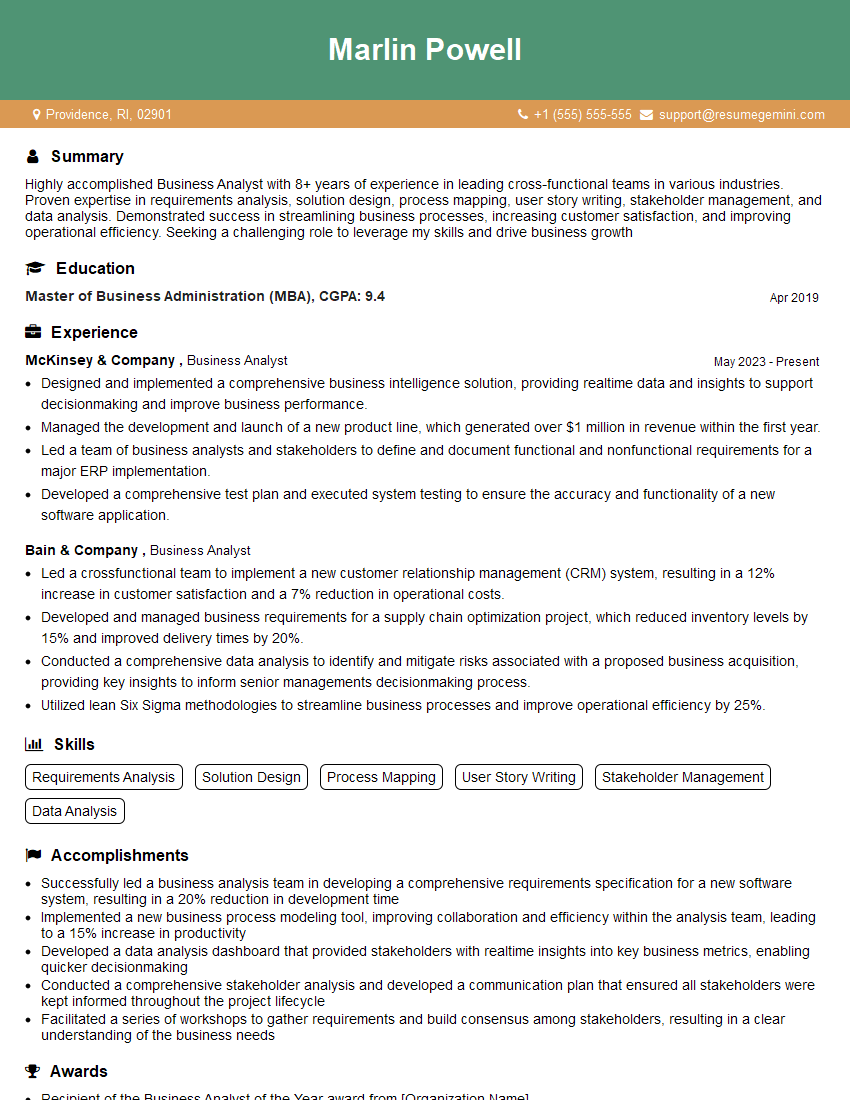
Business Analyst Resume Sample
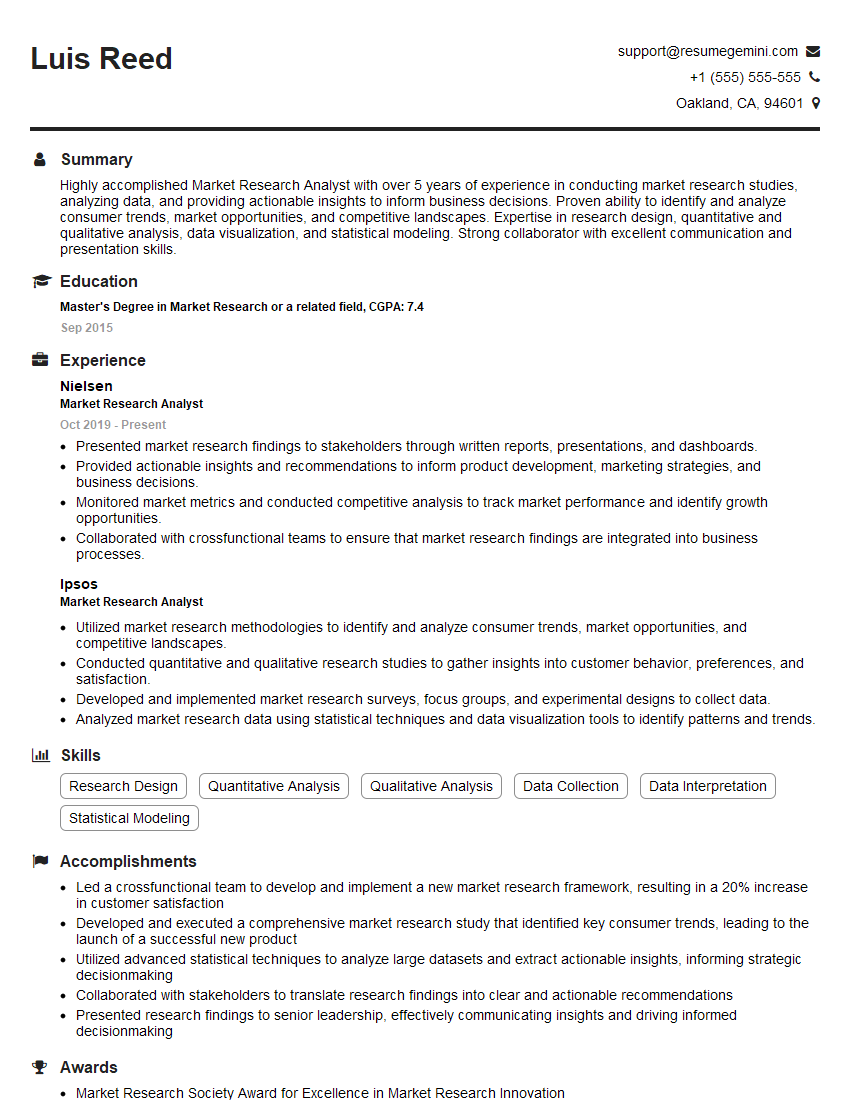
Market Research Analyst Resume Sample
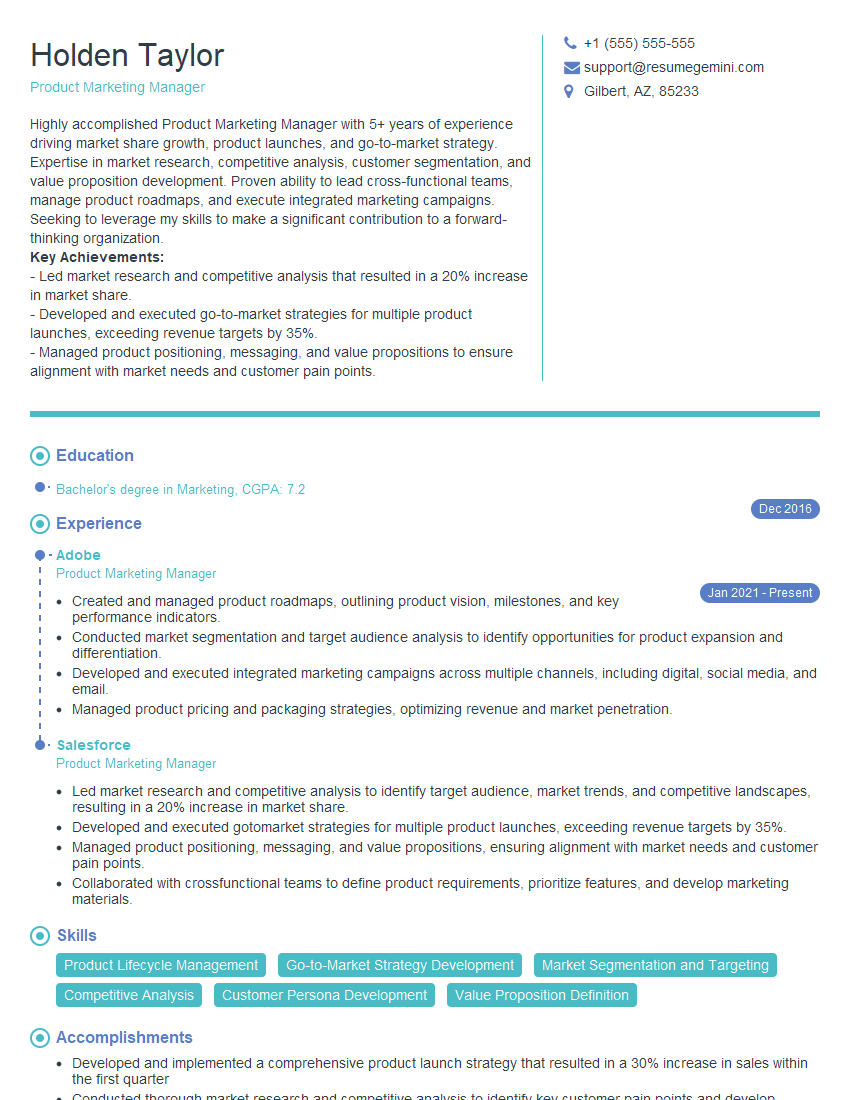
Product Marketing Manager Resume Sample
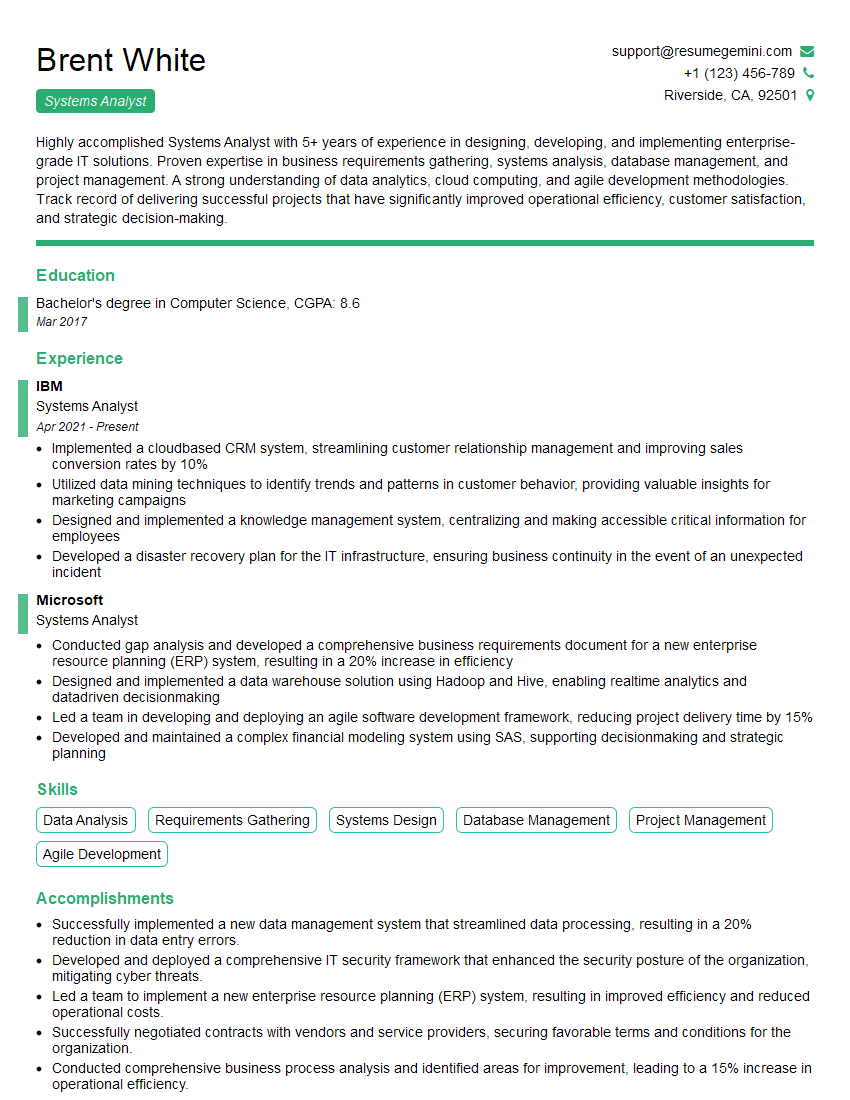
Systems Analyst Resume Sample

Information Architect Resume Sample
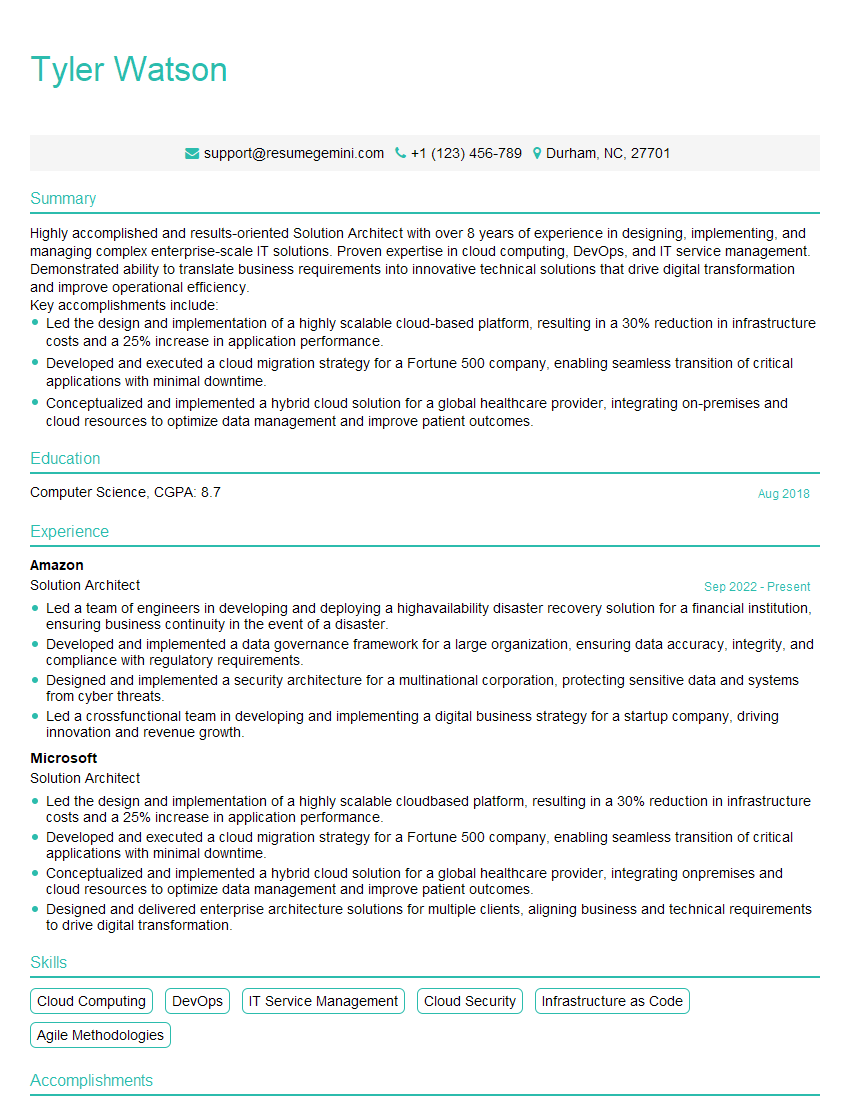
Solution Architect Resume Sample
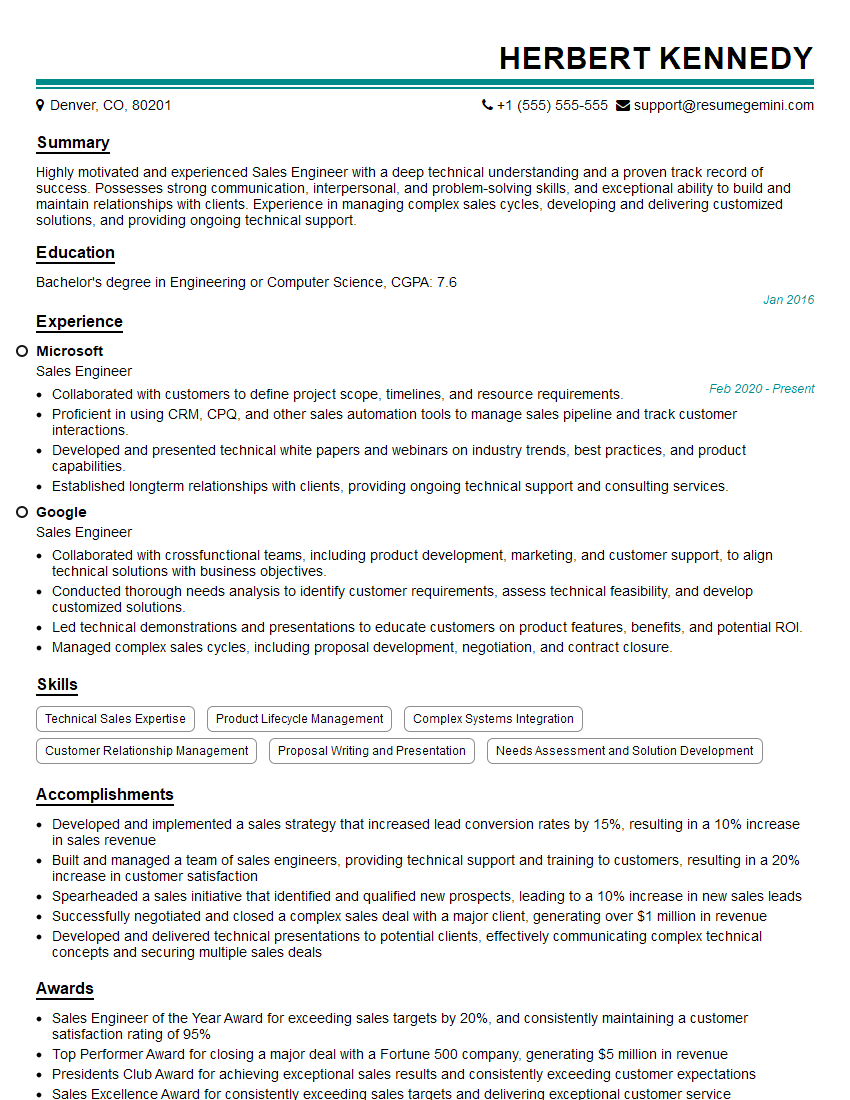
Sales Engineer Resume Sample
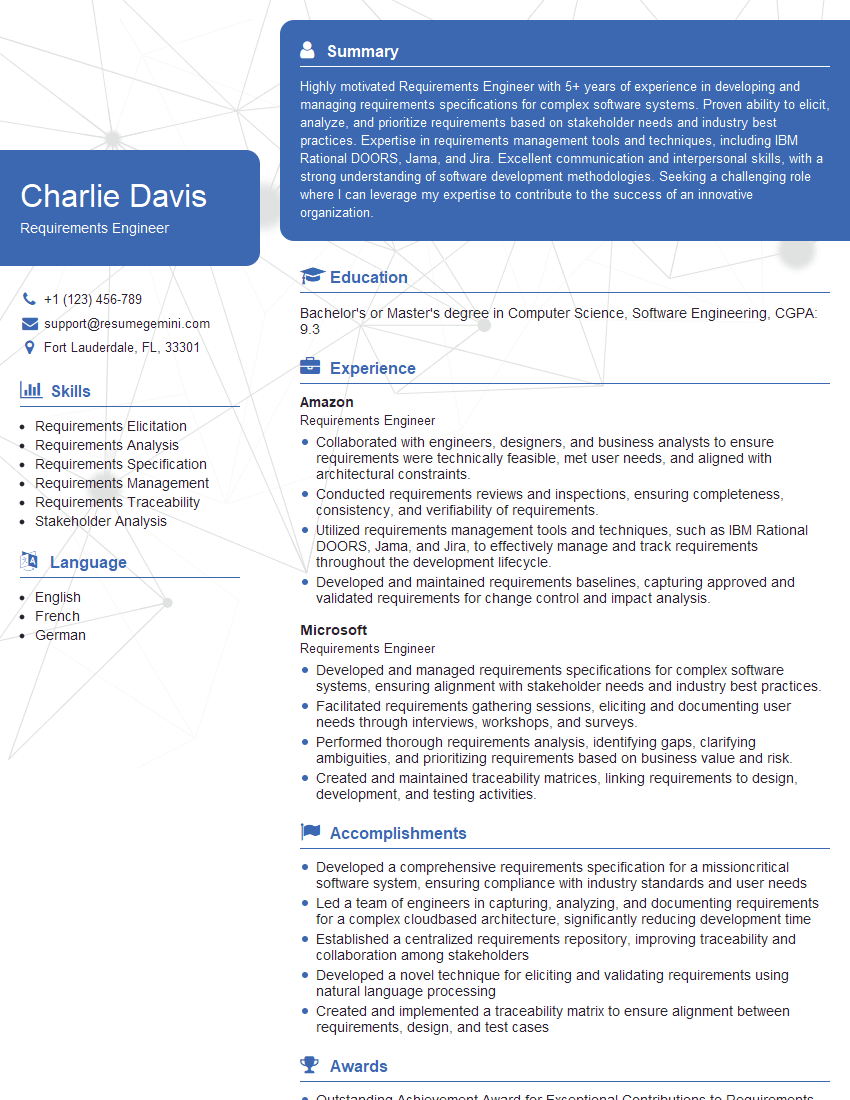
Requirements Engineer Resume Sample
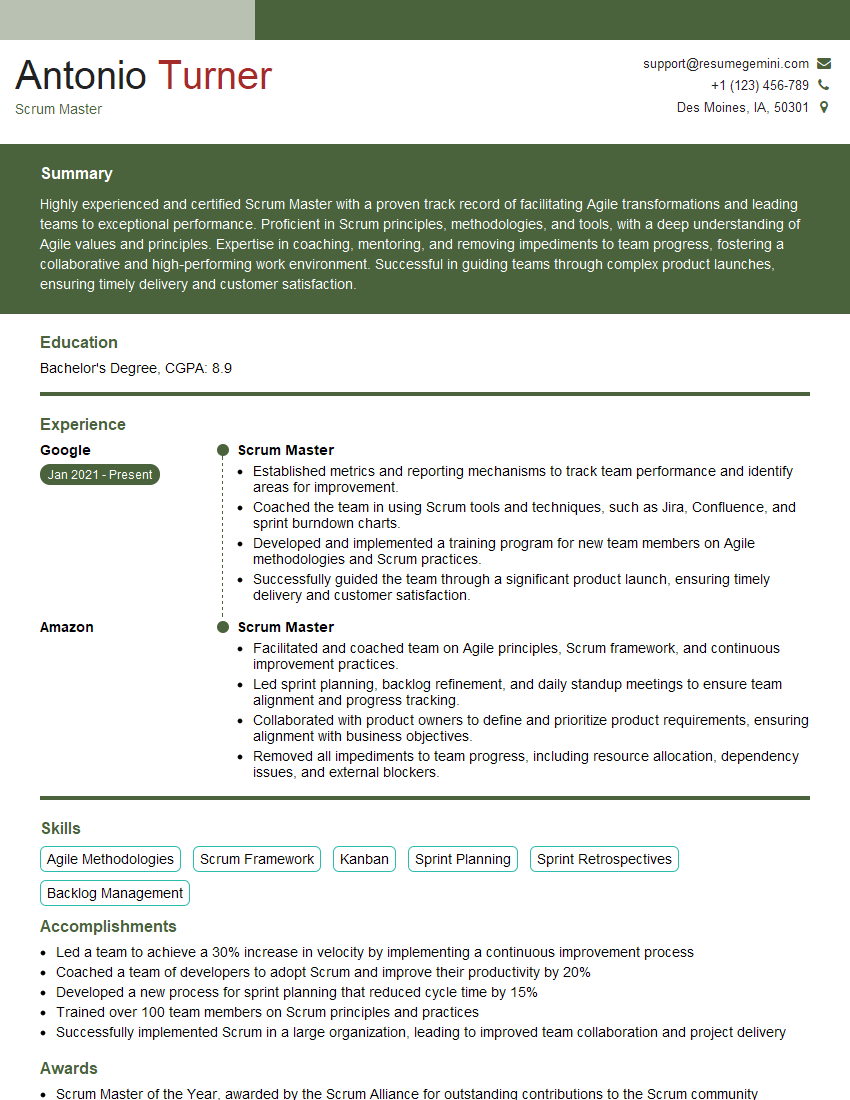
Scrum Master Resume Sample

Technical Writer Resume Sample
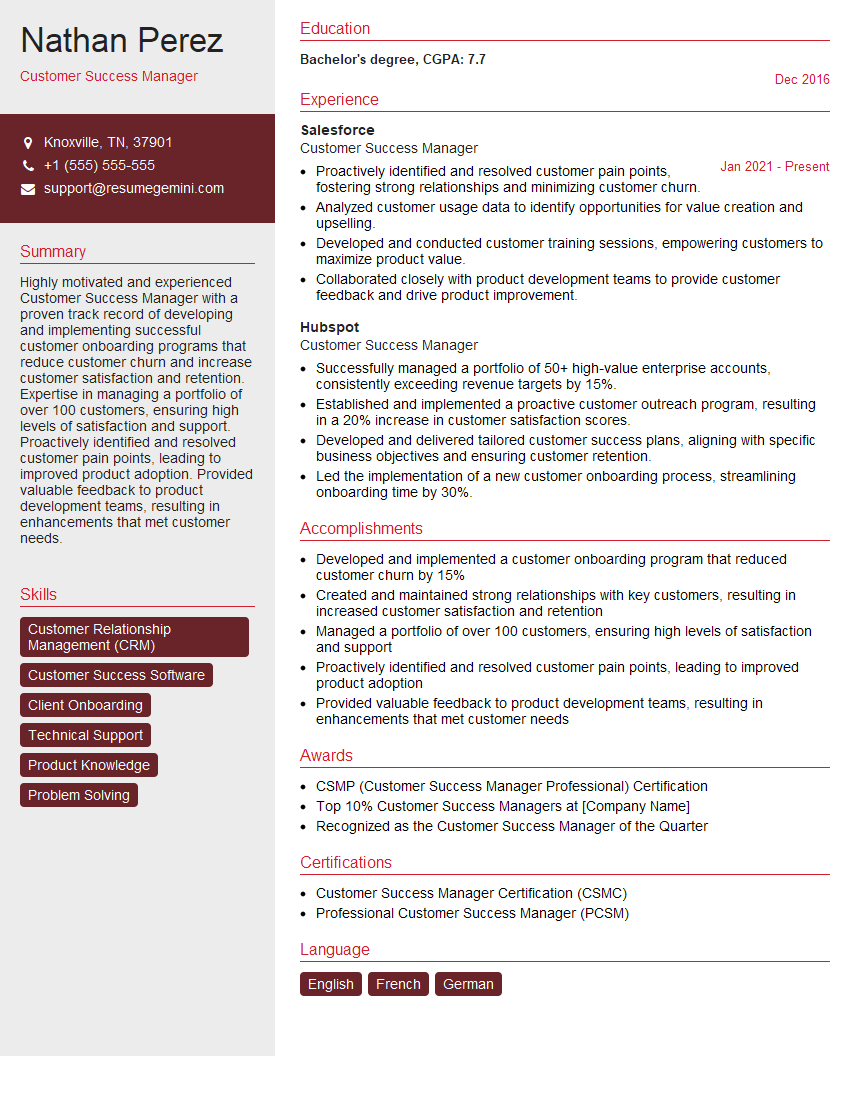
Customer Success Manager Resume Sample
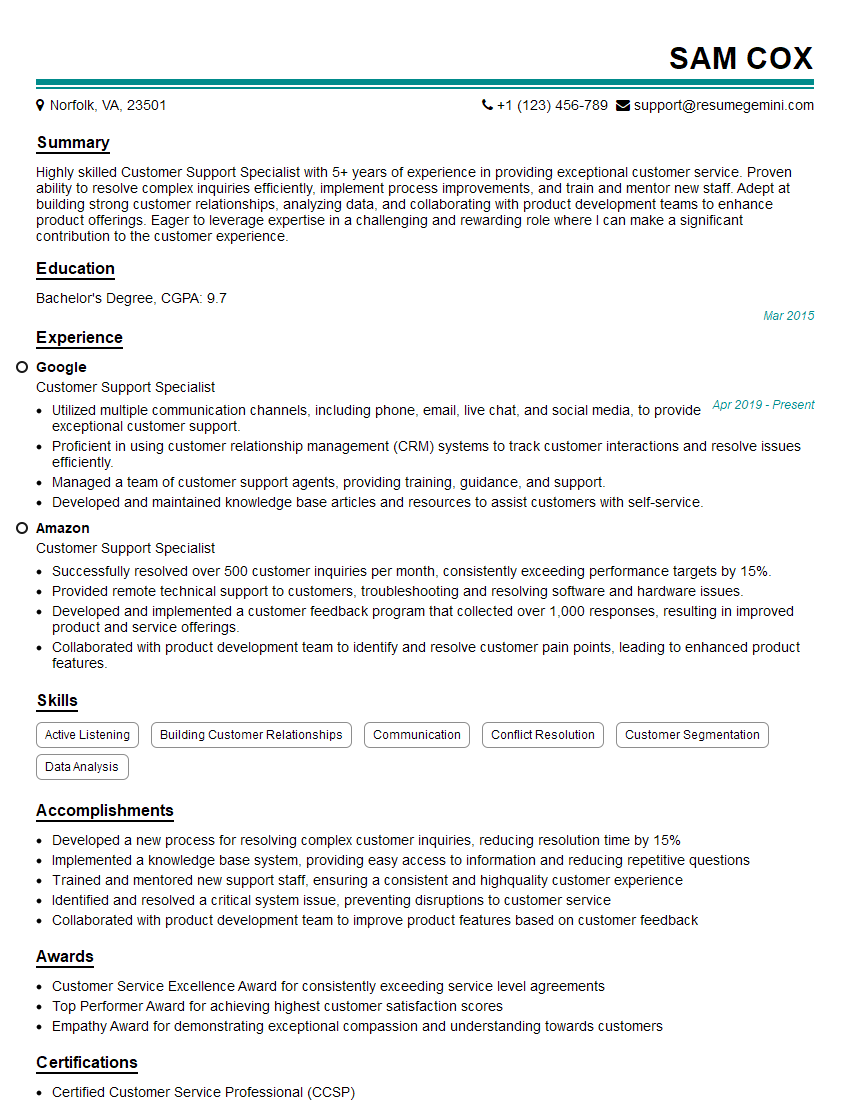
Customer Support Specialist Resume Sample
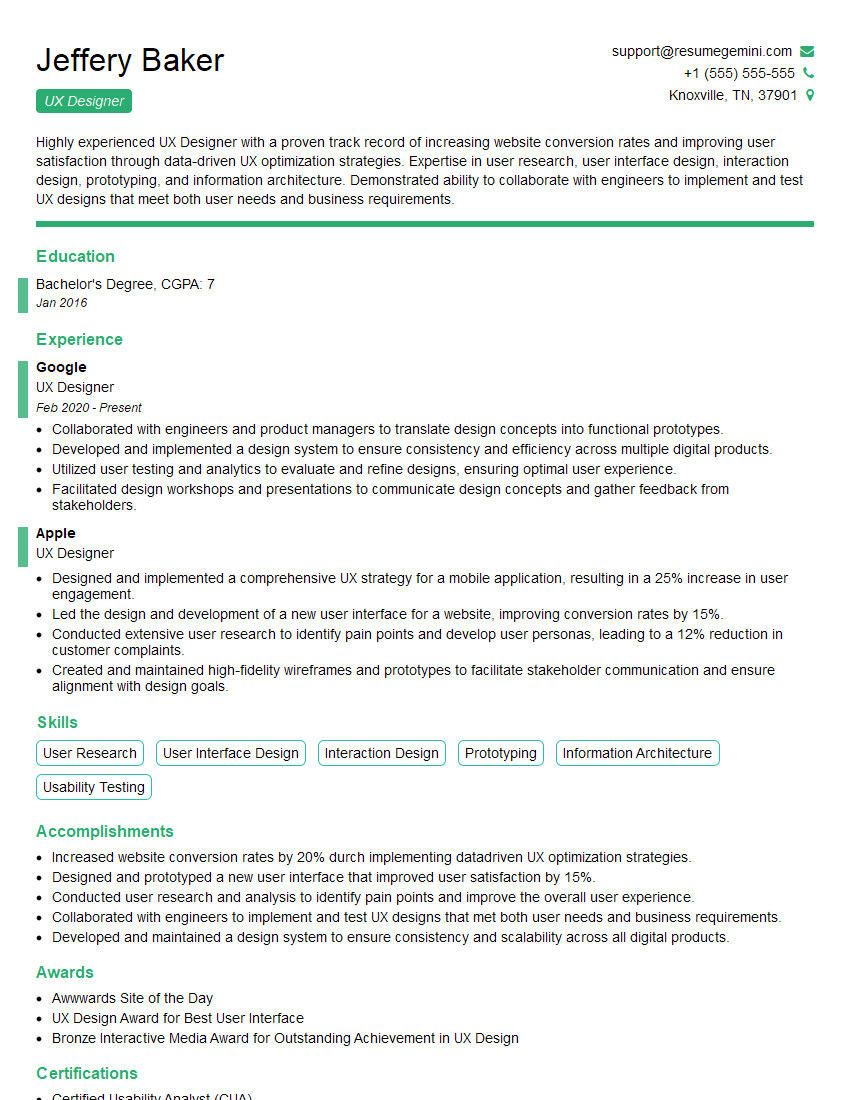
UX Designer Resume Sample
- Program Manager
- Account Manager
- Marketing Manager
- Product Manager
- Project Manager
- Business Analyst
- Market Research Analyst
- Product Marketing Manager
- Systems Analyst
- Information Architect
- Solution Architect
- Sales Engineer
- Requirements Engineer
- Scrum Master
- Technical Writer
- Customer Success Manager
- Customer Support Specialist
- UX Designer
Explore more articles
Users Rating of Our Blogs
Share Your Experience
We value your feedback! Please rate our content and share your thoughts (optional).
What Readers Say About Our Blog
Very informative content, great job.
good