Every successful interview starts with knowing what to expect. In this blog, we’ll take you through the top Chicken Feeding interview questions, breaking them down with expert tips to help you deliver impactful answers. Step into your next interview fully prepared and ready to succeed.
Questions Asked in Chicken Feeding Interview
Q 1. What are the key nutritional components of a balanced chicken feed?
A balanced chicken feed is a carefully formulated blend of ingredients designed to meet all the nutritional needs of chickens at various life stages. The key components are:
- Protein: Essential for growth, feather development, and egg production. Sources include soybean meal, corn gluten meal, and meat and bone meal.
- Energy: Provides the fuel for all bodily functions. Major sources are corn, sorghum, and wheat.
- Amino Acids: The building blocks of protein. Specific amino acids like methionine and lysine are often supplemented because they may be deficient in the main energy sources.
- Minerals: Calcium (crucial for eggshell formation), phosphorus, sodium, potassium, and trace minerals (like zinc, manganese, and copper) are vital for bone health, enzyme function, and overall well-being. These are usually provided through mineral premixes.
- Vitamins: Essential for various metabolic processes. Fat-soluble vitamins (A, D, E, and K) and water-soluble vitamins (B complex and C) are included in the feed or through vitamin premixes.
- Fiber: Aids in digestion and gut health. Sources include wheat bran and rice bran.
The precise ratios of these components vary depending on the chicken’s age, breed, and purpose (meat production, egg laying, etc.).
Q 2. Explain the difference between starter, grower, and finisher feeds.
Chicken feed is categorized into starter, grower, and finisher feeds based on the nutritional requirements of chickens at different growth stages:
- Starter Feed (0-8 weeks): This feed has a higher protein content (typically 18-20%) and energy levels to support rapid growth. It also contains higher levels of vitamins and minerals to meet the chick’s high metabolic needs. Think of it like a toddler’s diet – high in nutrients for rapid development.
- Grower Feed (8-16 weeks): As the birds mature, their growth rate slows, so the protein level is reduced slightly (16-18%). Energy levels remain relatively high to support continued growth. It’s like a child’s diet – still requiring lots of nutrients but at a slower rate of consumption.
- Finisher Feed (16 weeks onwards): This feed has the lowest protein content (14-16%) as the bird’s growth slows. The emphasis shifts to maintaining good health and optimal egg production or meat quality, depending on the chicken’s purpose. This is like an adult’s diet – maintaining health and energy levels, but at a slower pace.
The transition between these feed types should be gradual to avoid digestive upset.
Q 3. How do you calculate the required feed intake for different chicken breeds and ages?
Calculating the required feed intake isn’t a simple formula, as it varies considerably based on several factors. There’s no single equation, but rather a combination of estimations and observation:
- Breed: Larger breeds naturally consume more feed than smaller breeds.
- Age: Chicks require more feed per unit of body weight than mature birds.
- Production Goals: Layers require more feed than broiler chickens due to the energy demands of egg production.
- Environmental Factors: Hot weather can reduce feed intake, while cold weather may increase it slightly.
- Feed Quality: High-quality feed with better digestibility can reduce the overall feed intake needed to achieve the same results.
Practical Approach: Producers often rely on feeding guidelines provided by feed manufacturers, which suggest feed intake per bird based on age and breed. They then adjust based on actual bird performance. Regular weighing of birds and monitoring of egg production (for layers) are crucial for adjustments. If birds aren’t gaining weight as expected, or egg production is low, the feed intake may need to be increased or the feed formulation evaluated.
Q 4. Describe the process of feed formulation and what factors influence it.
Feed formulation is a complex process involving nutritional science and practical considerations. It involves:
- Nutrient Requirements: Determining the exact nutritional needs of the target birds (age, breed, purpose).
- Ingredient Selection: Choosing suitable ingredients based on cost, availability, nutrient profile, and quality.
- Formulation Software: Using specialized software to optimize ingredient combinations to meet nutrient requirements while minimizing costs.
- Quality Control: Ensuring consistent ingredient quality and final product analysis to verify nutrient levels.
- Palatability: Considering factors that affect feed intake, such as taste and texture.
Influencing Factors: The cost of ingredients, their availability, regional climate, and the specific needs of the chickens (e.g., high egg production, rapid growth) all significantly influence the formulation process. For example, if corn prices are high, a formulator might substitute with sorghum or other grains while maintaining the essential nutrient profile.
Q 5. What are common feed-related diseases in chickens and how are they prevented?
Several feed-related diseases can affect chickens. Prevention is key:
- Aflatoxicosis: Caused by aflatoxins, toxic compounds produced by certain molds that can contaminate feed. Prevention involves proper feed storage in dry, cool conditions and regular testing for aflatoxin levels.
- Coccidiosis: A parasitic disease causing intestinal damage. Prevention involves using coccidiostats (medicated feed additives) or employing good hygiene practices.
- Gizzard Erosion: Can be linked to dietary deficiencies or the presence of abrasive materials in the feed. Prevention involves ensuring proper feed formulation and avoiding contaminated feed ingredients.
- Nutritional Deficiencies: Lead to various health issues. Prevention relies on proper feed formulation and ensuring the feed contains all essential nutrients.
Regular veterinary check-ups and monitoring bird health are critical in early detection and management of these diseases.
Q 6. How do you monitor feed intake and adjust feeding strategies based on bird performance?
Monitoring feed intake involves several methods:
- Feed Weighing: Regularly weighing feed offered and leftover feed to calculate actual consumption.
- Visual Observation: Observing feed troughs to assess feed availability and consumption patterns.
- Bird Weighing: Regularly weighing birds to monitor weight gain or egg production. Significant deviation from expected norms necessitates investigation of feeding practices.
Adjustments: Based on these observations, feeding strategies are adjusted. For example, if birds are consuming less feed than expected, we need to check for issues like feed palatability, access to feed, or health problems. If weight gain or egg production is suboptimal, we might need to increase feed intake or adjust the feed formulation.
Q 7. What are the signs of nutrient deficiencies in chickens?
Nutrient deficiencies manifest in various ways:
- Vitamin A Deficiency: Eye problems (e.g., night blindness), respiratory infections, and poor feather quality.
- Vitamin D Deficiency: Weak bones (rickets), poor eggshell quality, and reduced growth.
- Calcium Deficiency: Weak bones, thin or fragile eggshells.
- Protein Deficiency: Poor growth, reduced egg production, weak feathers, and pale combs.
- Mineral Deficiencies: Various symptoms depending on the specific mineral. For example, a lack of iron leads to anemia.
Observing these symptoms requires immediate attention. A blood test and evaluation of the current feeding regimen can confirm the deficiency and guide corrective measures, often involving supplementation.
Q 8. Explain the importance of feed storage and handling to maintain quality.
Proper feed storage and handling are paramount to maintaining feed quality and preventing losses. Think of it like storing precious ingredients for a gourmet meal – if you don’t handle them correctly, the final product suffers. Improper storage can lead to spoilage, nutrient degradation, and the growth of harmful molds and bacteria, all impacting bird health and performance.
- Protection from the elements: Feed should be stored in a dry, well-ventilated area, protected from direct sunlight and moisture. Imagine leaving flour in the sun – it’ll quickly lose its quality. A damp environment encourages mold growth, creating mycotoxins that are harmful to chickens.
- Pest control: Rodents and insects are major threats. Properly sealed containers and regular inspections are crucial. A single rat can contaminate a large quantity of feed, rendering it unusable.
- First-In, First-Out (FIFO): Always use the oldest feed first to prevent spoilage. Think of it like the groceries in your fridge; use what’s about to expire first.
- Cleanliness: Maintain a clean storage area to prevent cross-contamination and the spread of disease. Regular cleaning and disinfection are essential.
By implementing these strategies, we significantly reduce feed waste, maintain optimal nutritional value, and ensure the health and productivity of our poultry flock.
Q 9. What are the common types of feed ingredients used in chicken feed?
Chicken feed formulations vary depending on the bird’s age and production stage, but generally include a mix of ingredients categorized as energy sources, protein sources, vitamins, and minerals.
- Energy Sources: These provide the fuel for growth and activity. Common examples include corn, sorghum, wheat, and barley. Corn, for instance, is a staple due to its high energy content and availability.
- Protein Sources: Essential for muscle growth and egg production. Soybean meal is a widely used, affordable, and high-quality protein source. Other options include sunflower meal, meat and bone meal, and fish meal, each offering unique amino acid profiles.
- Vitamins and Minerals: These are added to ensure complete nutrition. Essential vitamins like A, D, E, and K, and minerals such as calcium, phosphorus, and zinc, are crucial for optimal health and productivity. Deficiencies can lead to various health problems.
- Additives: These can include antibiotics (though their use is increasingly regulated), probiotics to improve gut health, and enzymes to improve nutrient digestibility. Antibiotics, for example, are sometimes included in starter feeds to reduce the risk of early mortality.
The precise ratios of these ingredients are carefully determined through nutritional modeling to meet the specific needs of the chicken at each stage of its life.
Q 10. How do you manage feed costs and optimize feed efficiency?
Managing feed costs and optimizing feed efficiency are critical for profitability. This involves a multi-pronged approach.
- Strategic Sourcing: Negotiating with multiple suppliers to secure the best prices for high-quality ingredients is vital. Think of it like shopping around for the best deals on groceries.
- Feed Formulation: Utilizing cost-effective ingredient combinations without compromising nutritional value. This requires a deep understanding of nutrient requirements and ingredient substitution possibilities.
- Feed Efficiency Monitoring: Closely tracking feed conversion ratio (FCR), which measures the amount of feed needed to produce one unit of weight gain or eggs. A lower FCR indicates better feed efficiency. Regular monitoring allows for timely adjustments to the feeding program or flock management practices.
- Improved Management Practices: Implementing strategies to minimize feed waste, such as proper feeder maintenance and accurate feed distribution. This includes ensuring that feeders are clean, well-maintained, and not allowing feed to spill or spoil.
- Precision Feeding: Implementing technologies like automated feeders with sensors to monitor feed consumption and adjust feed delivery based on real-time data. This prevents overfeeding and wastage.
By consistently analyzing and optimizing these aspects, we can significantly reduce feed costs and improve overall farm profitability.
Q 11. Describe your experience with different feed delivery systems.
I have extensive experience with various feed delivery systems, each with its own advantages and disadvantages.
- Manual Feeding: Simple and low-cost, but labor-intensive and can lead to uneven distribution. This method is typically used in smaller operations.
- Automated Feeders: These improve feed distribution uniformity and reduce labor. There are various types, including chain feeders, auger feeders, and pan feeders, each suitable for different housing systems and flock sizes.
- Computerized Feeding Systems: These systems integrate with sensors to monitor feed intake and adjust delivery based on real-time data. These offer superior precision, reducing wastage and enabling data-driven decision making.
The choice of feed delivery system depends on factors such as farm size, budget, and the desired level of automation. For instance, a large commercial operation would likely utilize automated or computerized systems, whereas a small backyard flock might rely on manual feeding.
Q 12. What are the environmental impacts of chicken feed production and how can they be minimized?
Chicken feed production has significant environmental impacts, primarily related to land use, greenhouse gas emissions, and water pollution. We need to adopt sustainable practices to minimize our footprint.
- Land Use: Feed production requires vast land areas for cultivating crops. Sustainable practices, such as crop rotation and no-till farming, can help reduce soil erosion and maintain soil health.
- Greenhouse Gas Emissions: The production and transportation of feed contribute to greenhouse gas emissions. Reducing transportation distances, using energy-efficient equipment, and incorporating carbon sequestration techniques can help mitigate this.
- Water Pollution: Nutrient runoff from feed production can pollute waterways. Implementing best management practices like buffer strips and precision fertilizer application can reduce this pollution.
- Deforestation: The demand for soy and other feed ingredients can drive deforestation. Sourcing ingredients from sustainably managed forests and promoting responsible land use practices is essential.
By adopting these sustainable practices, we can move towards a more environmentally responsible chicken feed production system, contributing to a healthier planet.
Q 13. How do you ensure the safety and quality of chicken feed?
Ensuring feed safety and quality is critical to prevent diseases and maintain flock health. This involves a comprehensive approach starting from ingredient sourcing to final product storage.
- Ingredient Quality Control: Sourcing ingredients from reputable suppliers who adhere to strict quality standards. This includes regular testing of incoming materials for mycotoxins, heavy metals, and other contaminants.
- Good Manufacturing Practices (GMP): Following strict hygiene protocols during feed manufacturing to prevent contamination. This involves regular cleaning and sanitation of equipment and facilities.
- Feed Testing: Conducting regular laboratory analysis of the finished feed to ensure it meets the specified nutritional requirements and is free from harmful contaminants. This includes tests for nutrient levels, mycotoxins, and bacterial contamination.
- Traceability: Maintaining detailed records of all ingredients and processing steps to ensure traceability in case of problems. This allows for swift identification of the source of any contamination.
By implementing these rigorous protocols, we can guarantee the safety and quality of our chicken feed, leading to healthy birds and high-quality poultry products.
Q 14. What is your experience with feed analysis and interpretation of laboratory results?
Feed analysis is fundamental to my work. I have extensive experience interpreting laboratory results to ensure feed quality and optimize bird nutrition. I’m proficient in interpreting various analyses, such as:
- Nutrient Profile: Assessing the levels of crude protein, energy, fiber, vitamins, and minerals to ensure the feed meets the specified nutritional requirements.
- Mycotoxin Analysis: Detecting the presence and levels of mycotoxins, which are toxic compounds produced by molds. High levels can severely impact bird health.
- Heavy Metal Analysis: Identifying the presence of heavy metals, which can be toxic at high levels. This is crucial for ensuring the safety of both the birds and consumers.
- Microbial Analysis: Assessing the presence of bacteria, yeast, and molds, which can indicate spoilage and potential health risks.
Based on the results, I can make informed decisions about feed formulation adjustments, ingredient sourcing, and necessary corrective actions to maintain optimal feed quality and bird health. For example, if a batch shows low protein levels, I can adjust the formulation to correct the deficiency or source a different, protein-rich ingredient.
Q 15. How do you identify and troubleshoot problems with feed intake and bird performance?
Identifying and troubleshooting problems with feed intake and bird performance involves a multi-faceted approach. It starts with careful observation of the flock and detailed record-keeping. We look for indicators like decreased feed consumption, weight loss, poor egg production (in layers), reduced growth rates (in broilers), increased mortality, or changes in feathering and droppings.
Troubleshooting Steps:
- Visual Inspection: Check for feed quality (mold, spoilage, foreign materials), feeder functionality (proper distribution, clogging), and flock health (signs of disease, parasites).
- Data Analysis: Analyze feed conversion ratios (FCR) – the amount of feed consumed per unit of weight gain or egg production. A high FCR suggests inefficiency. Compare current performance data to historical benchmarks to identify deviations.
- Feed Sampling: Send feed samples to a laboratory for nutrient analysis to ensure the feed meets specifications and doesn’t contain harmful substances. We also analyze droppings to assess digestion and nutrient absorption.
- Environmental Factors: Consider temperature fluctuations, humidity, ventilation, and stocking density, as these significantly influence feed intake and performance. Extreme heat or cold can reduce appetite.
- Disease Investigation: If disease is suspected, work closely with a veterinarian to diagnose and treat the problem. Certain diseases can directly affect feed intake and nutrient utilization.
Example: In one case, we observed decreased egg production and weight loss in a layer flock. Through data analysis, we discovered a sudden increase in FCR. Investigation revealed a malfunctioning feeder, leading to uneven feed distribution and competition among birds. Fixing the feeder quickly resolved the issue.
Career Expert Tips:
- Ace those interviews! Prepare effectively by reviewing the Top 50 Most Common Interview Questions on ResumeGemini.
- Navigate your job search with confidence! Explore a wide range of Career Tips on ResumeGemini. Learn about common challenges and recommendations to overcome them.
- Craft the perfect resume! Master the Art of Resume Writing with ResumeGemini’s guide. Showcase your unique qualifications and achievements effectively.
- Don’t miss out on holiday savings! Build your dream resume with ResumeGemini’s ATS optimized templates.
Q 16. What is your understanding of different feed additives and their functions?
Feed additives play a crucial role in optimizing bird health, performance, and feed efficiency. They are categorized based on their function:
- Enzymes: These improve nutrient digestibility, particularly in young birds. Phytase, for instance, enhances phosphorus absorption from plant-based feeds.
- Probiotics and Prebiotics: These support gut health by promoting beneficial bacteria and improving gut barrier function. They enhance nutrient absorption and reduce the risk of digestive disorders.
- Acidifiers: Organic acids like formic or lactic acid are added to control gut pH, reducing the proliferation of harmful bacteria and improving nutrient digestibility. They’re particularly useful in young chicks.
- Antioxidants: These protect feed and bird tissues from oxidative damage, improving feed stability and enhancing immune function. Vitamins E and C are examples.
- Coccidiostats: These drugs are included to prevent coccidiosis, a parasitic disease that severely impacts poultry. Their use should be carefully managed based on veterinarian recommendations.
- Mineral Supplements: Minerals like zinc, copper, and selenium are crucial for various physiological functions. Supplementation is often needed to ensure adequate levels in the diet.
The selection and inclusion of feed additives depend on various factors, including bird age, breed, production system, and available resources. It’s essential to follow label instructions carefully and obtain expert advice before making changes to the feed formulation.
Q 17. How do you work with veterinary professionals to address feed-related health issues?
Collaboration with veterinary professionals is crucial when dealing with feed-related health issues. My role involves providing detailed information about the feed formulation, feeding practices, and flock performance data. The vet conducts clinical examinations, performs diagnostic tests, and identifies the cause of the problem. Our communication focuses on:
- Diagnostic Information: Sharing data on feed intake, mortality rates, clinical signs, and any feed-related changes observed.
- Treatment Strategies: Working together to develop and implement treatment plans based on the veterinarian’s diagnosis, which could include medication adjustments, dietary modifications, or changes in management practices.
- Preventative Measures: Collaborating on strategies to minimize the risk of future outbreaks, which might involve modifying the feed, improving biosecurity, or enhancing flock management.
- Necropsy Reports: Thoroughly reviewing necropsy reports to determine the impact of feed on organ health and the bird’s overall condition.
Example: During a recent outbreak of infectious disease, we worked closely with the vet to adjust the feed formulation, adding immunostimulants to help boost the birds’ immune systems and aiding recovery.
Q 18. Describe your experience with record-keeping and data management related to feed.
Record-keeping and data management are essential for efficient and successful poultry operations. I maintain detailed records of the following:
- Feed Inventory: A precise tracking of feed deliveries, storage levels, and consumption rates.
- Feed Formulation: A detailed record of the ingredients, their quantities, and the analysis of the final product.
- Bird Performance Data: Monitoring key indicators such as weight gain, feed conversion ratio, egg production, mortality rates, and feed intake.
- Environmental Data: Recording temperature, humidity, and ventilation to assess the impact on bird performance and feed intake.
- Health Records: Documenting any health issues, treatments, and mortality causes.
We utilize specialized software and spreadsheets for data entry, analysis, and reporting. This data is then utilized for making informed decisions, identifying trends, and improving efficiency. Regularly analyzing this data helps us proactively address potential problems and optimize the feeding program.
Q 19. How do you ensure biosecurity measures are maintained in relation to feed?
Biosecurity measures related to feed are crucial to prevent the introduction and spread of diseases. Key strategies include:
- Sourcing Safe Feed: Sourcing feed from reputable suppliers with robust quality control procedures. This involves verifying the feed’s origin, storage conditions, and transportation methods.
- Proper Feed Storage: Storing feed in clean, dry, and rodent-proof facilities to prevent spoilage, contamination, and infestation.
- Vehicle Sanitation: Ensuring vehicles used for feed delivery are cleaned and disinfected regularly to prevent disease transmission.
- Feed Mill Hygiene: Working with feed mills adhering to strict hygiene protocols to prevent contamination during feed manufacturing.
- Regular Inspections: Conducting regular inspections of feed storage areas and feeders to identify any signs of contamination or infestation.
Implementing these measures minimizes the risk of introducing pathogens through the feed, thereby protecting flock health and improving productivity.
Q 20. What is your experience with different types of feeding equipment?
My experience encompasses various feeding equipment, including:
- Hopper Feeders: Simple and widely used, but can be prone to wastage and uneven feed distribution, particularly in large flocks.
- Trough Feeders: Provide better access to feed but require more frequent cleaning and can be susceptible to contamination.
- Pan Feeders: Suitable for smaller birds, but require frequent filling. Can lead to competition and uneven access.
- Automated Feeding Systems: These systems offer precise feed delivery, reducing wastage and allowing for customized feeding programs. They improve management efficiency and data collection.
- Chain Feeders: Distribute feed evenly across long distances, making them efficient for large operations but requiring careful maintenance.
The choice of feeding equipment depends on factors such as flock size, bird age, housing system, and available budget. Regular maintenance and cleaning are essential to ensure optimal function and prevent feed wastage and contamination.
Q 21. How do you adapt your feeding strategy for different environmental conditions?
Adapting feeding strategies to different environmental conditions is critical for maintaining bird health and performance. Key considerations include:
- Temperature: Extreme temperatures (high heat or cold) reduce feed intake. In hot weather, we adjust feeding times to cooler periods and might offer more water. In cold weather, increased energy-dense feeds may be necessary.
- Humidity: High humidity can lead to mold growth in feed and increase the risk of respiratory diseases. Proper ventilation and storage are crucial to maintain optimal humidity levels.
- Seasonality: Adjusting the feed formulation according to seasonal changes. For example, additional vitamin supplements may be included during periods of increased stress or disease prevalence.
- Light Intensity: Adjusting light cycles and intensity affects feed intake and reproductive performance. Managing this appropriately ensures optimal bird health and productivity.
- Altitude: Birds at high altitudes may require modifications to the feed formulation to account for the decreased oxygen availability.
Regular monitoring and assessment of environmental factors are crucial for adjusting feeding programs to optimize bird performance and prevent adverse effects from weather conditions.
Q 22. Explain your knowledge of various feed manufacturing processes.
Feed manufacturing for chickens is a complex process involving several key steps, ensuring the final product meets the birds’ nutritional needs and promotes optimal growth and health. It generally begins with ingredient sourcing – selecting high-quality grains like corn and soy, along with essential protein sources and micronutrients. These ingredients undergo rigorous quality checks.
Next comes the mixing process, a critical stage where ingredients are precisely blended according to a carefully formulated recipe, ensuring uniformity in nutrient distribution. This is often done in large, specialized mixers that ensure thorough blending. The mixture is then subjected to either dry or wet processing. Dry processing involves grinding and pelleting the mixture, creating a stable and easily manageable feed form. Wet processing, on the other hand, involves adding moisture and possibly steam to improve digestibility and palatability; this process often involves steam conditioning to gelatinize starches for better nutrient availability.
After processing, the feed undergoes quality control checks, including analysis for nutrient content, moisture, and potential contaminants before packaging and storage. The whole process needs to be carefully managed to prevent microbial contamination and ensure the feed maintains its quality and nutritional value throughout its shelf life. For example, ensuring proper sanitation in the plant and utilizing effective storage techniques are crucial in preventing spoilage. Imagine it like baking a cake – precise measurements and proper mixing are key to a successful outcome; the same applies to chicken feed manufacturing.
Q 23. How do you deal with feed spoilage or contamination?
Feed spoilage and contamination are serious threats to flock health and productivity. My approach focuses on prevention and early detection. Prevention begins with proper storage – maintaining a cool, dry, and well-ventilated environment, using rodent-proof containers and regularly inspecting storage areas. First-In, First-Out (FIFO) inventory management is essential to minimize the risk of feed staying too long in storage.
Regular visual inspections of the feed are crucial to identify any signs of mold, discoloration, or insect infestation. Laboratory analysis is performed periodically to verify the nutritional profile and detect any potential contaminants. If spoilage or contamination is detected, the affected feed is immediately removed and disposed of appropriately, preventing it from reaching the chickens. The cause of the contamination is investigated, and corrective actions are implemented to prevent future occurrences. For example, if mold is found, we might need to address humidity levels in the storage area or review the feed’s moisture content at the manufacturing stage. It’s a matter of safeguarding the birds’ well-being and protecting the overall farm productivity.
Q 24. What are the challenges of feeding chickens in different production systems (e.g., free-range, caged)?
Feeding chickens in different production systems presents unique challenges. In caged systems, feed delivery is straightforward, usually via automated systems, minimizing waste and ensuring consistent access to feed. However, nutritional requirements might be more easily met as birds have less opportunity for natural foraging or exploring different food sources, and the controlled environment might not reflect the natural behaviors of the birds.
Free-range systems, conversely, offer more foraging opportunities, potentially leading to dietary variation and inconsistencies. Supplementing feed is necessary to ensure birds receive adequate nutrition, particularly protein and essential minerals. Managing feed wastage is also a concern in free-range systems, and access to feed must be managed to ensure that all birds receive a sufficient quantity. For example, in free-range systems, distributing feed at multiple points or using feeders that minimize waste becomes crucial. The challenge lies in balancing natural foraging behavior with the need to maintain consistent nutritional intake for optimal health and growth. The type of feed also needs careful consideration; hard-to-digest feed that would be less suitable for caged birds may be more appropriate in this scenario.
Q 25. How do you stay updated on current best practices in chicken feeding and nutrition?
Staying updated on best practices is crucial in this dynamic field. I actively participate in professional conferences and workshops organized by organizations like the Poultry Science Association, attending seminars and webinars presented by leading nutritionists and researchers. I regularly review peer-reviewed scientific journals, focusing on publications dealing with avian nutrition and feed technology. Keeping abreast of the latest research findings, including technological advancements in feed formulation and processing, is essential to improving the quality and effectiveness of our feeding programs.
Furthermore, I maintain professional networks with other experts in the field and actively engage in online forums and discussion groups dedicated to poultry nutrition. This ongoing learning process allows me to adapt our feeding strategies, ensuring they remain aligned with current knowledge and address emerging challenges in a timely manner. Think of it as constantly upgrading software – keeping our feeding programs current ensures their efficiency and efficacy.
Q 26. Describe your experience with implementing new feed formulations or strategies.
I’ve been involved in several projects involving implementing new feed formulations and strategies. One example involved introducing a novel enzyme supplement into our feed for broilers to improve nutrient digestibility. After a thorough literature review and consultations with nutritionists, we conducted a controlled trial comparing the performance of birds fed the standard formulation with those receiving the enzyme-supplemented feed. We carefully monitored feed intake, weight gain, and feed conversion ratios (FCR).
The results demonstrated a significant improvement in FCR and weight gain in the birds fed the enzyme-supplemented feed. This data supported the decision to incorporate the enzyme supplement into our standard broiler feed, leading to improved feed efficiency and reduced feed costs. This required careful monitoring and data analysis, including statistical tests, to ensure the observed improvements weren’t due to chance. This iterative process of research, testing, and data analysis is fundamental to successful implementation of new strategies in chicken feed management.
Q 27. How do you assess the effectiveness of different feeding programs?
Assessing the effectiveness of feeding programs involves a multi-faceted approach. Key performance indicators (KPIs) include monitoring feed intake, weight gain, feed conversion ratio (FCR), mortality rates, and egg production (for layers). Regular weighing of birds and monitoring their feed consumption provides essential data. FCR, the ratio of feed consumed to weight gain, is a crucial metric indicating feed efficiency. Lower FCR values indicate better feed utilization.
Regular health checks on the flock provide additional insights. Examining droppings and the general appearance of birds for signs of disease or nutritional deficiencies is important. Regular blood tests can measure nutrient levels and detect any potential imbalances. We also conduct periodic post-mortem examinations to analyze organ development and identify any underlying issues. Data analysis, including statistical methods, is used to interpret the findings and identify areas for improvement. By combining these methods, a comprehensive assessment of feeding program effectiveness can be achieved.
Q 28. What is your approach to problem-solving in relation to chicken feeding challenges?
My problem-solving approach to chicken feeding challenges follows a structured process. The first step involves clearly defining the problem – is it reduced weight gain, increased mortality, or poor feed conversion? We gather comprehensive data including feed records, bird weights, mortality records, and any observed clinical signs. Next, we formulate hypotheses based on the data, considering various potential causes such as nutritional deficiencies, disease outbreaks, or feed quality issues.
We then systematically test these hypotheses using controlled experiments or targeted interventions. For example, if we suspect a nutritional deficiency, we might conduct a trial with a supplemented feed. If a disease is suspected, we might engage a veterinarian for diagnosis and treatment. Throughout this process, meticulous record-keeping and data analysis are crucial. Finally, after implementing solutions, we continuously monitor the flock to evaluate the effectiveness of the interventions and make further adjustments as needed. This systematic approach, akin to a scientific investigation, helps ensure effective resolution of chicken feeding challenges.
Key Topics to Learn for Your Chicken Feeding Interview
- Understanding Chicken Nutritional Needs: Learn the varying nutritional requirements of chickens at different life stages (chick, pullet, layer, broiler) and how these impact feed formulation.
- Feed Formulation and Ingredient Selection: Explore the principles of balanced feed formulation, including the selection of appropriate protein sources, carbohydrates, fats, vitamins, and minerals. Understand the impact of ingredient quality and cost on overall feed efficiency.
- Feed Management and Delivery Systems: Familiarize yourself with different feeding systems (e.g., automated feeders, manual feeding), their advantages and disadvantages, and best practices for ensuring efficient and hygienic feed delivery.
- Feed Conversion Ratio (FCR) and Efficiency: Grasp the concept of FCR and its significance in assessing the profitability of chicken production. Understand factors influencing FCR and strategies for improvement.
- Feed Storage and Inventory Management: Learn about proper feed storage techniques to prevent spoilage and maintain feed quality. Understand inventory management principles to minimize waste and ensure a consistent supply.
- Biosecurity and Feed Hygiene: Understand the crucial role of biosecurity in preventing the spread of diseases through contaminated feed. Learn about best practices for maintaining feed hygiene and preventing contamination.
- Troubleshooting Feeding Issues: Develop problem-solving skills related to common challenges in chicken feeding, such as feed refusal, uneven feed distribution, and nutritional deficiencies. Learn how to identify and address these issues effectively.
- Regulatory Compliance and Best Practices: Understand relevant regulations and industry best practices related to chicken feeding, including feed labeling, traceability, and environmental impact.
Next Steps
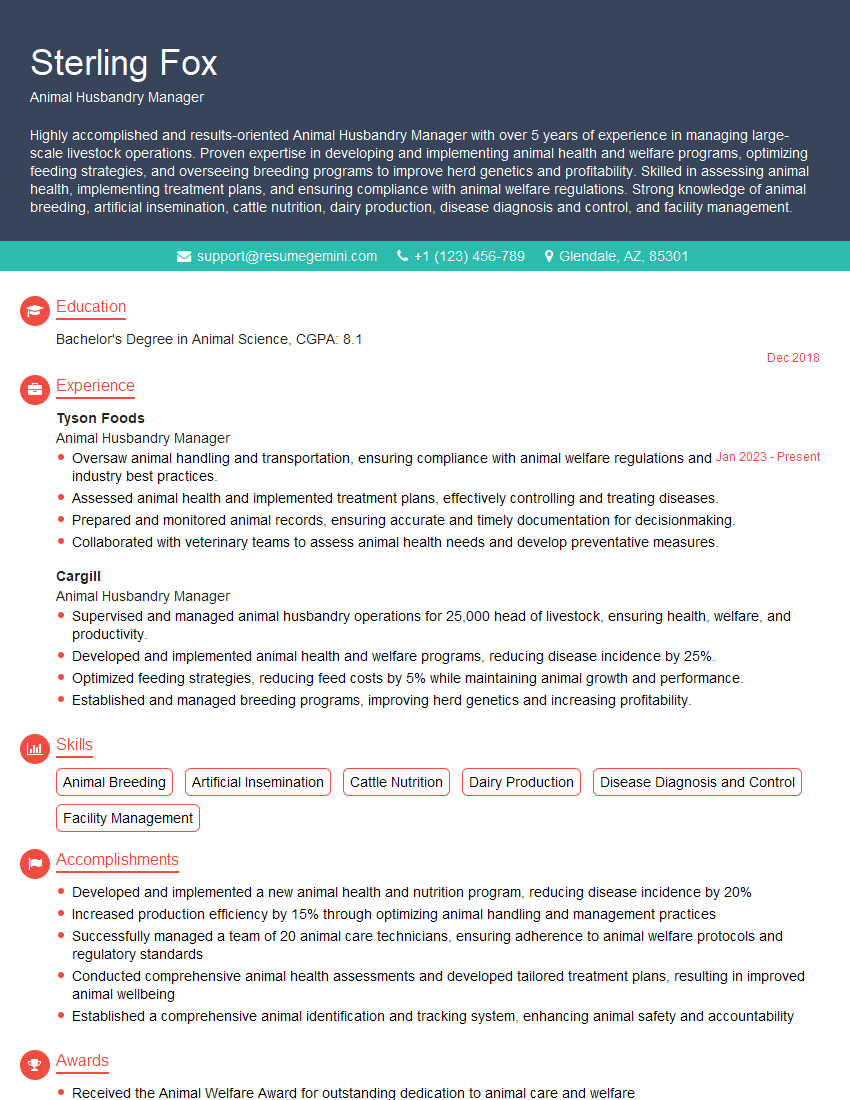
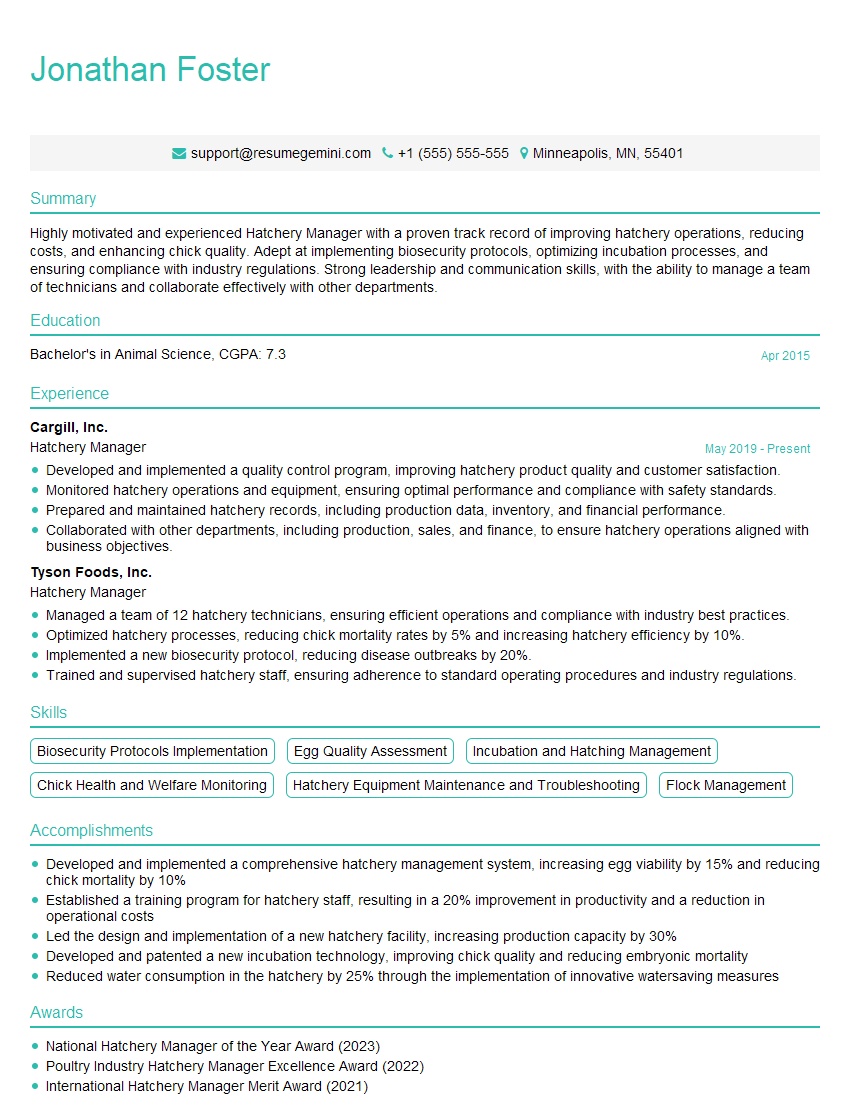
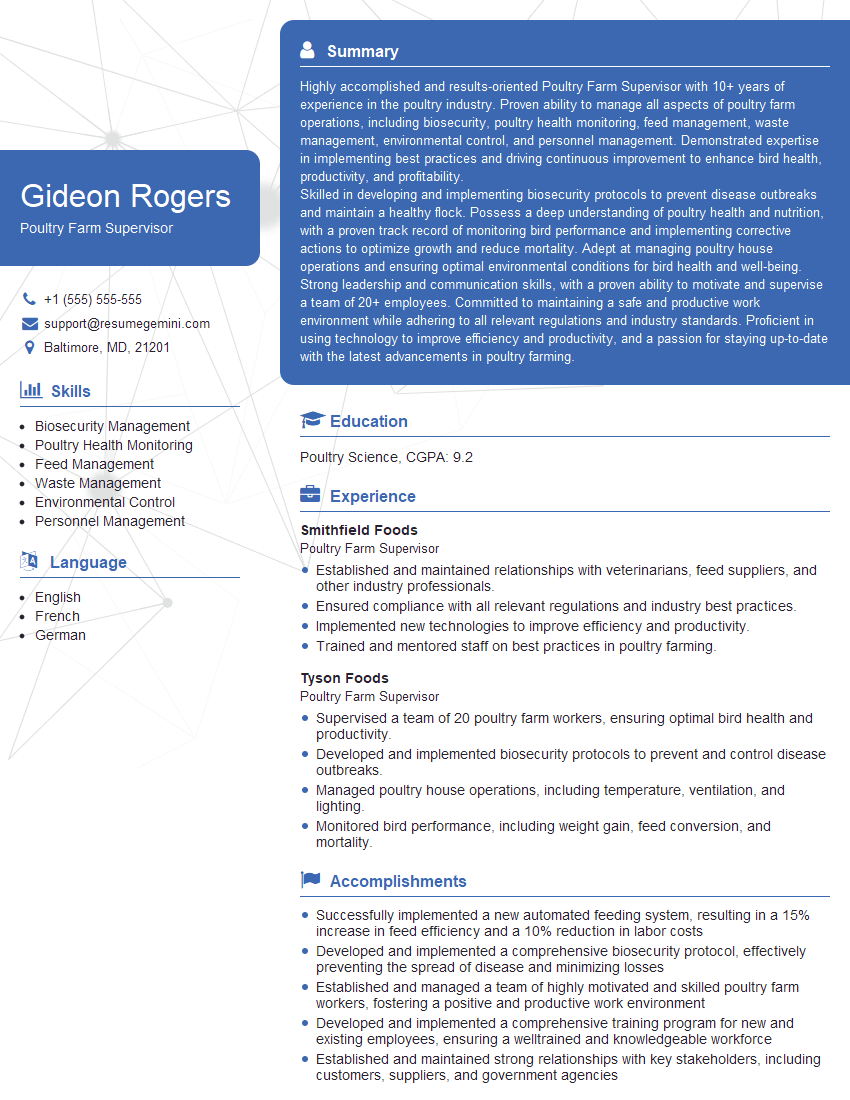
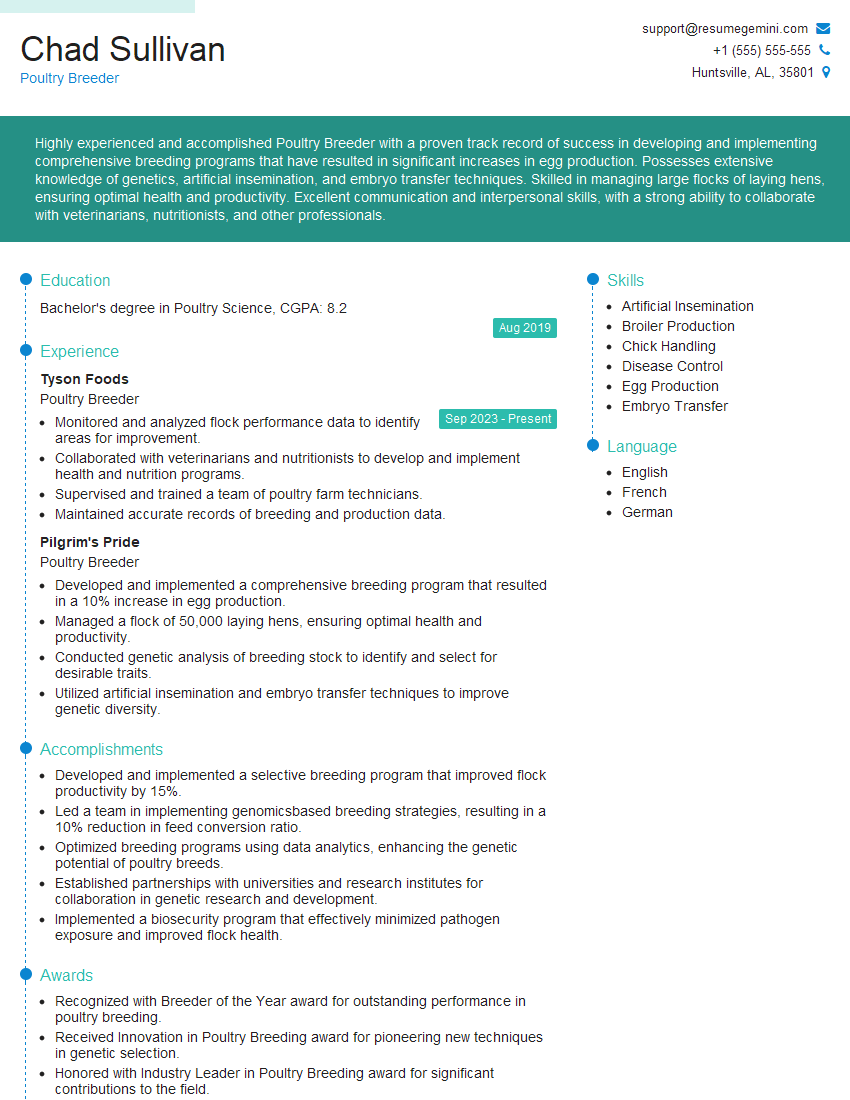
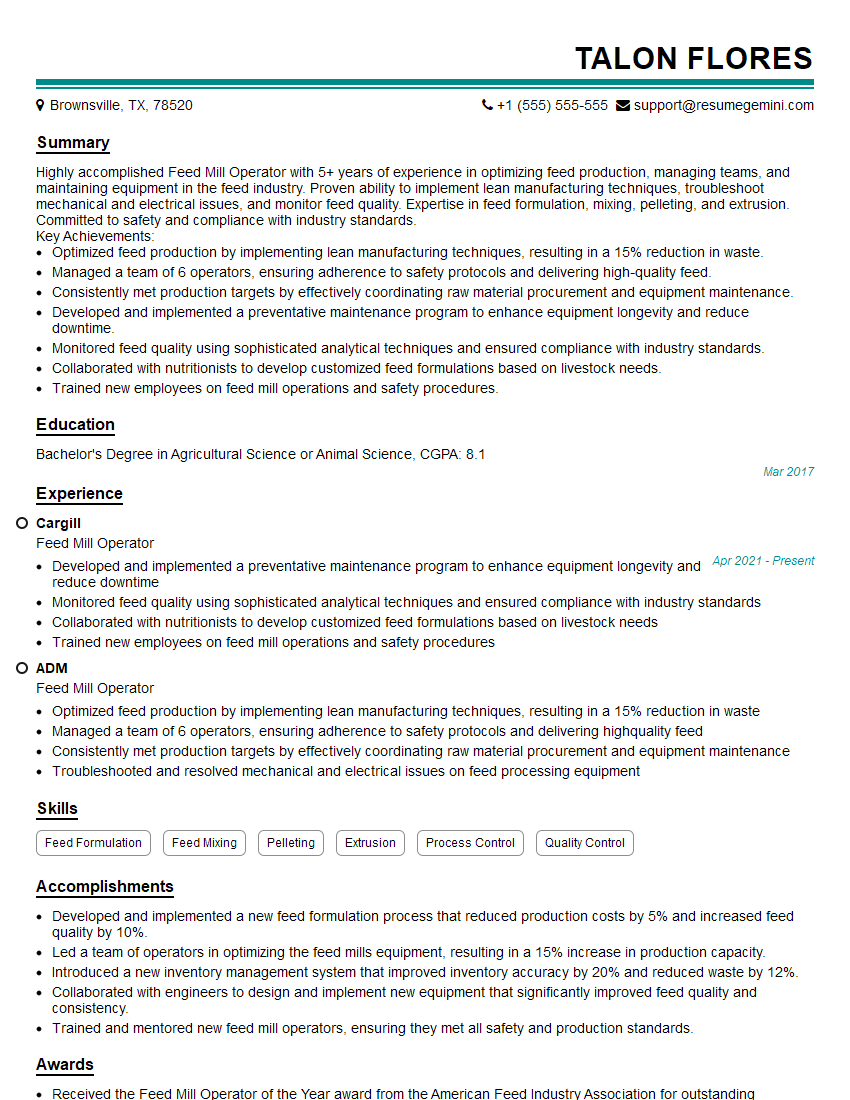
Mastering the principles of chicken feeding is vital for a successful and rewarding career in the poultry industry. A strong understanding of these concepts will significantly enhance your job prospects and allow you to contribute meaningfully to a farm’s efficiency and profitability. To maximize your chances of landing your dream role, creating an ATS-friendly resume is essential. ResumeGemini is a trusted resource that can help you build a professional and impactful resume tailored to the specific requirements of chicken feeding roles. Examples of resumes tailored to this field are available to help you get started.
Explore more articles
Users Rating of Our Blogs
Share Your Experience
We value your feedback! Please rate our content and share your thoughts (optional).
What Readers Say About Our Blog
Very informative content, great job.
good