Every successful interview starts with knowing what to expect. In this blog, we’ll take you through the top News Analysis and Reporting interview questions, breaking them down with expert tips to help you deliver impactful answers. Step into your next interview fully prepared and ready to succeed.
Questions Asked in News Analysis and Reporting Interview
Q 1. Explain your understanding of news bias and its impact on reporting.
News bias refers to the unintentional or deliberate distortion of information presented in news reporting, influencing the audience’s perception of events. It can stem from various sources, including the journalist’s personal beliefs, the news organization’s editorial slant, or even the selection of sources interviewed. The impact can be significant, shaping public opinion, influencing political discourse, and even impacting policy decisions. For instance, a news article focusing heavily on negative aspects of a particular policy while omitting positive impacts creates a biased portrayal. Similarly, favoring quotes from one side of a political debate over another can skew the narrative. Understanding and mitigating bias is crucial for responsible journalism.
Imagine a story about a new city park. A biased report might only highlight complaints about lack of parking, ignoring the positive aspects like increased green space and recreational opportunities. An unbiased report would present a balanced view, presenting both positive and negative viewpoints.
Q 2. How do you verify the accuracy of information before publication?
Verifying information is paramount. My process involves a multi-step approach. Firstly, I cross-reference information from multiple independent sources. If a claim is made by one source, I seek corroboration from at least two others with differing perspectives. Secondly, I scrutinize the credibility of the source. Is it a reputable organization? Does the author have expertise in the subject matter? Thirdly, I examine the evidence provided. Is the data presented reliable and verifiable? Is the methodology sound? For instance, if a source claims a specific number of protestors attended a rally, I’d look for evidence like official police reports or independent news agency reports of attendance. Finally, I always fact-check dates, times, and locations to ensure accuracy.
Q 3. Describe your experience with fact-checking and source verification.
Fact-checking and source verification are integral to my work. I’ve extensively used fact-checking websites, databases, and archives to verify statistics, dates, and claims made in news stories. I’ve also conducted numerous interviews with individuals involved in events to gather firsthand accounts, comparing their testimonies for consistency and corroborating evidence. For example, when reporting on a scientific study, I’d verify the methodology and findings by consulting with other experts in the field. Similarly, if a politician makes a claim, I would check its veracity against official records and independent analyses.
In one particular instance, I was investigating claims of election fraud. I cross-referenced vote tallies from different counties, compared voter registration numbers, and even consulted with election officials to verify the accuracy of the information. By meticulously cross-checking the data, I was able to debunk several false claims and present a clear and factual account.
Q 4. How do you prioritize news stories based on their impact and relevance?
Prioritizing news stories involves considering their impact and relevance to the audience. I employ a framework considering several factors. Firstly, the significance of the event: Does it affect a large number of people? Does it have far-reaching consequences? Secondly, timeliness: Is it a breaking story demanding immediate attention? Thirdly, proximity: Does it directly affect the local community? Lastly, human interest: Does it involve compelling human stories that resonate with the audience? A major natural disaster, for example, would rank higher than a minor local event, because of its wider impact and immediacy.
I often use a matrix to visualize this: Impact (high/medium/low) vs. Timeliness (urgent/important/general interest). This helps me objectively rank stories and assign resources effectively.
Q 5. Describe your process for conducting research for a news story.
My research process is iterative and involves multiple stages. First, I identify and analyze relevant sources, including primary sources (e.g., official documents, interviews, eyewitness accounts) and secondary sources (e.g., academic papers, previously published articles). Then, I synthesize this information, identifying patterns, contradictions, and areas requiring further investigation. I use various search engines, databases, and archives to find information. I then synthesize this information to develop a well-rounded understanding of the topic.
For example, while reporting on a local environmental issue, I might start by interviewing local residents affected by the issue, then consult official government reports and environmental studies. This multi-pronged approach allows for a more accurate and nuanced understanding.
Q 6. How do you handle conflicting information from multiple sources?
Handling conflicting information demands careful consideration and a commitment to fairness. My approach involves several steps: first, I identify the specific points of contention. Then, I evaluate the credibility of each source. I look for evidence to support each claim, evaluating the source’s expertise, bias, and potential motives. If possible, I seek additional information from independent and neutral sources to help resolve the conflict. Finally, I present the conflicting information transparently in the report, highlighting the areas of uncertainty and explaining the different perspectives, avoiding favoring one account over another unless substantial evidence supports a particular conclusion.
For instance, if two eyewitnesses give contradictory accounts of an accident, I’d include both accounts, mentioning any discrepancies, and possibly include police reports or other evidence to support the more likely version of events. Transparency is key in such situations.
Q 7. Explain your approach to writing concise and engaging news copy.
Writing concise and engaging news copy requires a strong understanding of journalistic principles. I focus on using clear, precise language, avoiding jargon and overly complex sentence structures. I employ the inverted pyramid style, leading with the most important information and gradually providing more details. Strong verbs and active voice enhance readability and engagement. I also strive to paint a vivid picture using descriptive language while keeping the tone objective and neutral. I often read my drafts aloud to catch any awkward phrasing or unnecessary words.
Consider this example: Instead of writing “A large number of people attended the protest,” I’d write “Thousands protested,” making it more impactful and concise. I constantly strive to streamline my writing, making it easily accessible to a broad audience.
Q 8. How do you adapt your writing style to different media platforms?
Adapting my writing style to different media platforms is crucial for effective communication. Each platform has its own unique audience and preferred style. For instance, a tweet needs to be concise and impactful, fitting within the character limit, while a long-form article on a news website allows for greater depth and nuance.
- News Websites: These usually require well-structured articles with clear headings, subheadings, and paragraphs. I focus on providing accurate information in a comprehensive and engaging manner, often incorporating multimedia elements.
- Social Media (Twitter, Facebook, etc.): My writing here is concise, punchy, and uses strong verbs and keywords to grab attention quickly. I use relevant hashtags to increase visibility and tailor my message to the specific platform’s audience.
- Podcasts or Radio: The writing style shifts to a more conversational and narrative tone. I focus on storytelling and creating a compelling audio experience. Sentences are shorter and more direct.
- Print Media: Print demands a formal yet engaging tone. I use precise language, avoiding jargon, and pay close attention to grammar and style guides.
Essentially, I view each platform as a distinct audience and adapt my language, tone, and length to effectively connect with readers in their preferred format.
Q 9. How do you manage deadlines and work under pressure?
Deadlines are a fundamental aspect of news reporting. To manage them effectively, I use a combination of strategies: meticulous planning, prioritization, and time management techniques.
- Prioritization: I assess tasks based on urgency and importance, focusing on the most crucial elements first. This ensures that time-sensitive stories are addressed promptly.
- Time Blocking: I allocate specific time slots for different tasks, such as research, writing, editing, and fact-checking. This structured approach helps maintain focus and prevents tasks from overlapping.
- Break Down Large Tasks: I break down large assignments into smaller, more manageable chunks. This makes the process less daunting and allows for progress to be easily tracked.
- Utilize Technology: I use project management tools to track deadlines and progress, helping me stay organized and anticipate potential delays.
Working under pressure is an inherent part of the job. I remain calm, focus on the task at hand, and rely on my experience to work efficiently and accurately, even during high-stress periods. Deep breaths and breaks also play a critical role in stress management.
Q 10. Describe your experience with multimedia storytelling.
Multimedia storytelling significantly enhances the impact of news reporting by engaging multiple senses and allowing for a more immersive experience. My experience includes incorporating various elements such as:
- Videos: I’ve produced short video reports and interviews, using footage to supplement written stories and provide a visual perspective.
- Infographics and Data Visualizations: I’ve created visually appealing charts and graphs to present complex data in an easily digestible format, enhancing the reader’s understanding of trends and patterns.
- Audio: I’ve worked on podcasts and radio segments, utilizing interviews and soundbites to create compelling narratives.
- Interactive elements: I’ve incorporated interactive maps, timelines, and other interactive elements to engage readers and provide a more dynamic experience.
For example, when reporting on the impact of a natural disaster, I would combine written text with drone footage showing the damage, data visualizations illustrating the economic impact, and interviews with affected individuals. This multi-sensory approach creates a more comprehensive and emotionally resonant story.
Q 11. How do you use social media in news reporting and analysis?
Social media is an invaluable tool for news reporting and analysis. I use it for a variety of purposes:
- News Gathering: I monitor social media feeds for breaking news, citizen journalism, and eyewitness accounts. This can provide real-time updates and perspectives often unavailable through traditional channels.
- Audience Engagement: I engage with readers by responding to comments and questions, fostering a two-way conversation and building a community around my reporting.
- Fact-Checking: I verify information found on social media by cross-referencing it with credible sources. This helps to mitigate the spread of misinformation.
- Promotion: I share my published stories and analyses on social media to reach a wider audience and increase their visibility.
- Identifying Sources: Social media can be used to identify and connect with potential sources for stories.
However, it’s crucial to be aware of the challenges of social media, including potential biases, misinformation, and the need for rigorous fact-checking before using any information gathered from these platforms.
Q 12. What ethical considerations are involved in news reporting?
Ethical considerations are paramount in news reporting. My practice is guided by principles of accuracy, fairness, impartiality, and respect for individuals and their privacy. Key ethical concerns include:
- Accuracy and Truthfulness: I rigorously verify information from multiple sources before publication, striving for accuracy and avoiding misinformation.
- Impartiality and Objectivity: I strive to present information fairly, avoiding bias and presenting different viewpoints where appropriate.
- Privacy and Confidentiality: I respect the privacy of individuals and protect confidential sources, ensuring that information is handled responsibly.
- Avoiding Conflicts of Interest: I disclose any potential conflicts of interest that might compromise my objectivity.
- Transparency: I am open about my sources and methods, enabling readers to assess the reliability of my reporting.
For example, if reporting on a sensitive issue such as a sexual assault case, I would be particularly careful to protect the identity of the victim and avoid any information that could compromise their safety or privacy.
Q 13. How do you ensure objectivity in your reporting?
Ensuring objectivity in reporting involves a conscious and ongoing effort to minimize personal bias and present information fairly. My strategies include:
- Multiple Sources: I always seek diverse sources of information, including individuals with varying perspectives, official statements, and supporting evidence.
- Fact-Checking and Verification: I verify facts from reliable sources, cross-referencing information to ensure accuracy.
- Balanced Reporting: I strive to present a balanced perspective by including different viewpoints and acknowledging uncertainties.
- Self-Reflection: I regularly reflect on my own biases and assumptions to ensure they don’t influence my reporting.
- Seeking Feedback: I welcome constructive feedback from colleagues and editors to identify and correct potential biases.
For example, if covering a political debate, I would present the arguments of both sides, highlighting key points of agreement and disagreement without endorsing either position.
Q 14. Describe your experience with data analysis and visualization in journalism.
Data analysis and visualization are essential skills in modern journalism. My experience involves using data to uncover trends, patterns, and insights that might not be apparent through traditional reporting methods.
- Data Collection and Cleaning: I gather data from various sources, including government datasets, surveys, and online databases. I clean and organize the data to ensure accuracy and reliability.
- Data Analysis: I employ statistical techniques and software (like R or Python) to analyze data, identify trends, and draw meaningful conclusions.
- Data Visualization: I create charts, graphs, and maps to present data in a visually compelling and easily understandable manner. This enhances readers’ comprehension of complex issues.
- Storytelling with Data: I integrate data analysis and visualization into my storytelling, using data to support my arguments and provide context to my narratives.
For instance, when reporting on income inequality, I might use data visualization to illustrate the widening gap between the rich and the poor, making the abstract concept more concrete and impactful for readers.
Q 15. How do you interpret and present complex data in a clear and concise manner?
Interpreting and presenting complex data clearly involves simplifying information without losing accuracy. Think of it like translating a complex scientific study into everyday language. I use several techniques:
- Data Visualization: Charts, graphs, and infographics transform raw numbers into easily digestible visuals. For instance, instead of listing unemployment rates for each state, a map with color-coded states provides a much clearer picture.
- Storytelling: I frame data within a narrative, focusing on the ‘who,’ ‘what,’ ‘when,’ ‘where,’ ‘why,’ and ‘how.’ This helps readers understand the context and significance of the data. For example, I might weave economic data into a story about the impact of inflation on families.
- Chunking and Prioritization: I break down large datasets into smaller, manageable chunks, highlighting the most crucial information first. This avoids overwhelming the reader with details.
- Analogy and Metaphor: Sometimes, the best way to explain complex information is to compare it to something familiar. For example, I might compare the growth of the national debt to the growth of a snowball rolling downhill.
- Source Transparency: I always clearly cite the source of my data, ensuring readers can verify the information’s accuracy and credibility.
Ultimately, the goal is to empower the reader with a clear understanding of the data and its implications, allowing them to form their own informed conclusions.
Career Expert Tips:
- Ace those interviews! Prepare effectively by reviewing the Top 50 Most Common Interview Questions on ResumeGemini.
- Navigate your job search with confidence! Explore a wide range of Career Tips on ResumeGemini. Learn about common challenges and recommendations to overcome them.
- Craft the perfect resume! Master the Art of Resume Writing with ResumeGemini’s guide. Showcase your unique qualifications and achievements effectively.
- Don’t miss out on holiday savings! Build your dream resume with ResumeGemini’s ATS optimized templates.
Q 16. How familiar are you with AP Style or other journalistic style guides?
I’m highly familiar with AP Style and other journalistic style guides, including Chicago and MLA. Accuracy, consistency, and clarity are paramount in news reporting. AP Style, in particular, provides a standardized framework for writing, ensuring consistency across different publications and platforms. I understand the nuances of headline writing, datelines, numerals, capitalization, and punctuation that these style guides emphasize. This ensures the readability and credibility of the news piece. My proficiency extends to adapting to specific publication guidelines when necessary, demonstrating flexibility and attention to detail.
Q 17. Describe a time you had to make a quick decision under pressure in a news setting.
During a breaking news event – a major factory fire – we received conflicting reports about the number of casualties. Some sources claimed multiple fatalities, while others reported only minor injuries. Under immense pressure to get the story out quickly and accurately, I had to decide how to handle the conflicting information. I prioritized verifying information through multiple credible sources before publishing anything. We contacted the fire department, emergency responders, and hospital officials. While waiting for confirmed figures, we issued a brief initial report acknowledging the incident and stating that details were still emerging. This transparent approach prevented misinformation while also demonstrating our commitment to accurate reporting.
Q 18. How do you identify and address potential legal or ethical issues in news reporting?
Identifying and addressing legal and ethical issues in news reporting is crucial. My approach involves several steps:
- Fact-Checking and Verification: Rigorous fact-checking is paramount to avoid libel and defamation. I always strive to verify information from multiple independent sources before publication.
- Privacy Considerations: I carefully consider the privacy rights of individuals involved in the story. I avoid publishing sensitive personal information without consent, unless it’s in the public interest and legally permissible.
- Objectivity and Impartiality: I strive to present information objectively, avoiding bias or favoring any particular viewpoint. I ensure balance by including different perspectives.
- Conflicts of Interest: I am diligent in disclosing any potential conflicts of interest that could compromise my objectivity. This includes financial interests or personal relationships.
- Copyright and Fair Use: I understand copyright laws and adhere to fair use guidelines when using images, videos, or other copyrighted materials. Proper attribution is always given.
If unsure about a legal or ethical issue, I consult with legal counsel and/or experienced editors before proceeding.
Q 19. What is your understanding of libel and defamation in journalistic contexts?
Libel and defamation are closely related legal terms referring to false statements that harm someone’s reputation. Libel is defamation expressed in written or printed form, while defamation encompasses both written and spoken false statements. In a journalistic context, publishing a false statement that harms someone’s reputation can lead to significant legal consequences. The key elements to prove libel or defamation typically include:
- Publication: The statement was communicated to a third party.
- Identification: The statement identified the injured party.
- Falsity: The statement was false.
- Fault: The publisher acted negligently or with malice (depending on the plaintiff’s status).
- Damages: The false statement caused harm to the plaintiff’s reputation.
Understanding these elements is crucial to responsible reporting. It’s always better to err on the side of caution and verify information thoroughly before publication.
Q 20. Describe your experience with using content management systems (CMS) in news publishing.
I have extensive experience using various content management systems (CMS) for news publishing, including WordPress, Drupal, and proprietary systems. My skills encompass creating and editing content, managing media assets (images, videos, audio), and optimizing content for search engines (SEO). I am familiar with workflow processes, content scheduling, and version control within these systems. I also understand the importance of maintaining a clean and organized CMS database for efficiency and ease of access. For example, I’ve used WordPress’s custom post types to categorize news articles and create efficient workflows for the editorial team.
Q 21. How do you engage with audiences and respond to feedback on news stories?
Engaging with audiences and responding to feedback is vital for building trust and understanding reader needs. I utilize several strategies:
- Social Media Engagement: I actively monitor social media channels (Twitter, Facebook, etc.) for comments and feedback on published stories. I respond to queries, address concerns, and participate in relevant conversations.
- Comment Sections: I actively moderate comment sections on news websites, responding to thoughtful questions and addressing inaccuracies. I ensure a respectful and constructive dialogue.
- Email Communication: I make use of email for direct communication with readers, answering questions and providing clarifications.
- Surveys and Polls: I occasionally use surveys and polls to understand reader preferences and interests.
- Data Analysis: I analyze website analytics and social media engagement metrics to understand audience behaviour and tailor content accordingly.
By actively engaging with audiences, I not only build trust but also gather valuable insights that can inform future reporting and editorial strategies.
Q 22. How do you stay current with the latest news and trends?
Staying current in the fast-paced world of news requires a multi-pronged approach. It’s not just about reading headlines; it’s about cultivating a deep understanding of the news landscape.
Diverse News Sources: I subscribe to a variety of reputable news outlets – both international and domestic, representing different perspectives – to get a holistic view. This includes newspapers like the New York Times and the Financial Times, respected news magazines, and reliable online news sources. I also actively follow international news agencies like Reuters and Associated Press.
Social Media Monitoring (with caution): While social media can be a source of breaking news and public sentiment, I use it judiciously. I focus on verified accounts and cross-reference information with established news organizations to avoid misinformation.
Industry Publications and Podcasts: I regularly read industry publications focusing on journalism ethics, reporting techniques, and media analysis. Podcasts dedicated to news commentary and investigative journalism provide valuable insights and different perspectives.
Networking: Connecting with fellow journalists and experts in various fields allows for the exchange of information and different viewpoints, enriching my understanding of current events.
Essentially, it’s a continuous process of learning and refinement. I treat staying current as a core responsibility of my job, and I approach it with discipline and a critical eye.
Q 23. What is your experience with conducting interviews?
I have extensive experience conducting interviews, ranging from quick soundbites for breaking news to in-depth interviews for investigative pieces. My approach is always grounded in preparation and respect for the interviewee.
Thorough Research: Before any interview, I conduct thorough research on the subject matter and the interviewee. This allows me to ask informed questions and build rapport.
Clear Objectives: I always have specific objectives in mind for each interview. What information do I need? What key questions will help me achieve my goals?
Active Listening: I prioritize active listening – truly hearing and understanding the interviewee’s responses – to facilitate a natural conversation and uncover nuanced information.
Building Rapport: Creating a comfortable and trustworthy environment is essential. This allows interviewees to feel at ease and share candid information.
Follow-up Questions: I always prepare follow-up questions to delve deeper into interesting points or clarify ambiguous responses.
For example, during a recent investigation into local government corruption, I conducted multiple interviews with whistleblowers and officials. My preparation and active listening skills allowed me to extract crucial details that ultimately led to a significant news story.
Q 24. Describe a time you had to report on a sensitive or controversial topic.
I once reported on a highly sensitive case involving allegations of child abuse within a local community center. This required a delicate balance between informing the public and protecting the identities of vulnerable individuals.
Ethical Considerations: My primary focus was on adhering to the highest journalistic ethics. This included anonymizing sources where necessary and avoiding language that could potentially re-traumatize victims.
Verification and Accuracy: I meticulously verified all information obtained, cross-checking sources and ensuring the accuracy of every detail reported. This was crucial to maintain the credibility of the story and avoid causing further harm.
Sensitivity and Empathy: Throughout the reporting process, I maintained a sensitive and empathetic approach, recognizing the profound impact of such a topic on the community. I focused on presenting the facts clearly and avoiding sensationalism.
Collaboration with Experts: I collaborated with child protection experts and legal professionals to ensure my reporting was accurate and responsible. Their guidance was invaluable in navigating the complexities of the situation.
The story ultimately led to an investigation and resulted in positive changes within the community center, highlighting the crucial role of responsible and ethical reporting even on highly sensitive issues.
Q 25. How do you handle criticism of your work?
Constructive criticism is essential for professional growth. I approach it as an opportunity for learning and improvement.
Open-mindedness: I listen carefully to the criticism, seeking to understand the perspective offered. I avoid becoming defensive.
Self-reflection: I reflect on the points raised and evaluate whether they hold merit. I analyze my work objectively, identifying areas where I could have improved.
Seeking Clarification: If I don’t fully understand the criticism, I seek clarification from the source. Open dialogue is key.
Implementation: If the criticism is valid, I work on incorporating the feedback into my future reporting and processes. This continuous improvement is vital.
Sometimes, criticism may be unfounded or unfair. In such cases, I document the feedback and maintain professional composure. My focus remains on producing high-quality work.
Q 26. How do you ensure diversity and inclusion in your reporting?
Diversity and inclusion are not just buzzwords; they are fundamental to producing accurate and representative journalism. My commitment to these principles shapes every aspect of my work.
Source Diversity: I actively seek out a broad range of sources representing diverse backgrounds, experiences, and perspectives. This ensures a well-rounded and inclusive narrative.
Language and Representation: I use inclusive language and carefully consider how different communities are represented in my stories. Stereotyping is avoided.
Story Selection: I consciously select stories that highlight the voices and experiences of underrepresented groups. This ensures diverse issues get the attention they deserve.
Self-reflection: I am constantly self-reflecting on my own biases and seeking ways to improve my inclusivity. This is an ongoing learning process.
For instance, in a recent report on local economic challenges, I ensured that I included the voices and experiences of diverse community members, including those from minority ethnic backgrounds and low-income households, whose voices often go unheard.
Q 27. Describe your experience with working in a collaborative team environment.
Collaboration is paramount in news reporting. I thrive in team environments, valuing the contributions and expertise of others.
Open Communication: I maintain open and effective communication with my colleagues, sharing information and ideas freely.
Shared Goals: I work towards shared goals, focusing on the collective success of the team rather than individual achievements.
Respectful Interactions: I treat all team members with respect and value their contributions, fostering a collaborative and supportive environment.
Constructive Feedback: I provide and receive constructive feedback openly, viewing it as an opportunity for growth.
For example, in a recent major breaking news story, I worked closely with photographers, editors, and other reporters, each contributing their unique skills and expertise to deliver timely, accurate and comprehensive coverage.
Q 28. What are your career aspirations in news analysis and reporting?
My career aspirations center on becoming a respected and influential journalist committed to uncovering truth and holding power accountable. I aim to grow my expertise in investigative journalism, potentially specializing in a specific area like political corruption or environmental issues.
Investigative Reporting: I want to deepen my skills in investigative reporting, using in-depth research and meticulous fact-checking to expose wrongdoing and advocate for social justice.
Mentorship: I aspire to mentor and train younger journalists, guiding the next generation of reporters in the principles of ethical and impactful reporting.
Leadership Roles: I am interested in leadership roles within a reputable news organization, where I can contribute to shaping editorial strategies and championing ethical journalism.
Ultimately, my goal is to make a tangible difference in the world through insightful and impactful journalism that informs, educates and empowers audiences.
Key Topics to Learn for News Analysis and Reporting Interview
- News Gathering and Verification: Understanding various sources, verifying information using multiple sources, and identifying biases.
- Journalistic Ethics and Principles: Applying ethical guidelines in reporting, handling conflicts of interest, and maintaining objectivity.
- Story Structure and Narrative: Crafting compelling narratives, using strong leads, developing supporting evidence, and constructing logical arguments.
- Data Analysis and Interpretation: Working with data visualizations, extracting key insights, and presenting complex information clearly.
- Digital Media and Storytelling: Utilizing various digital platforms for news dissemination, understanding multimedia storytelling techniques, and adapting content for different audiences.
- Fact-Checking and Research Methods: Employing effective research techniques, conducting interviews, and critically evaluating information credibility.
- Legal and Regulatory Aspects: Understanding media laws, libel, defamation, and privacy concerns.
- Audience Engagement and Social Media: Utilizing social media for news dissemination, engaging with audiences, and understanding social media analytics.
- News Writing Styles and Techniques: Mastering different writing styles (inverted pyramid, narrative, etc.) and applying appropriate journalistic language.
- Problem-Solving and Critical Thinking: Analyzing complex situations, identifying key issues, and formulating solutions under pressure.
Next Steps
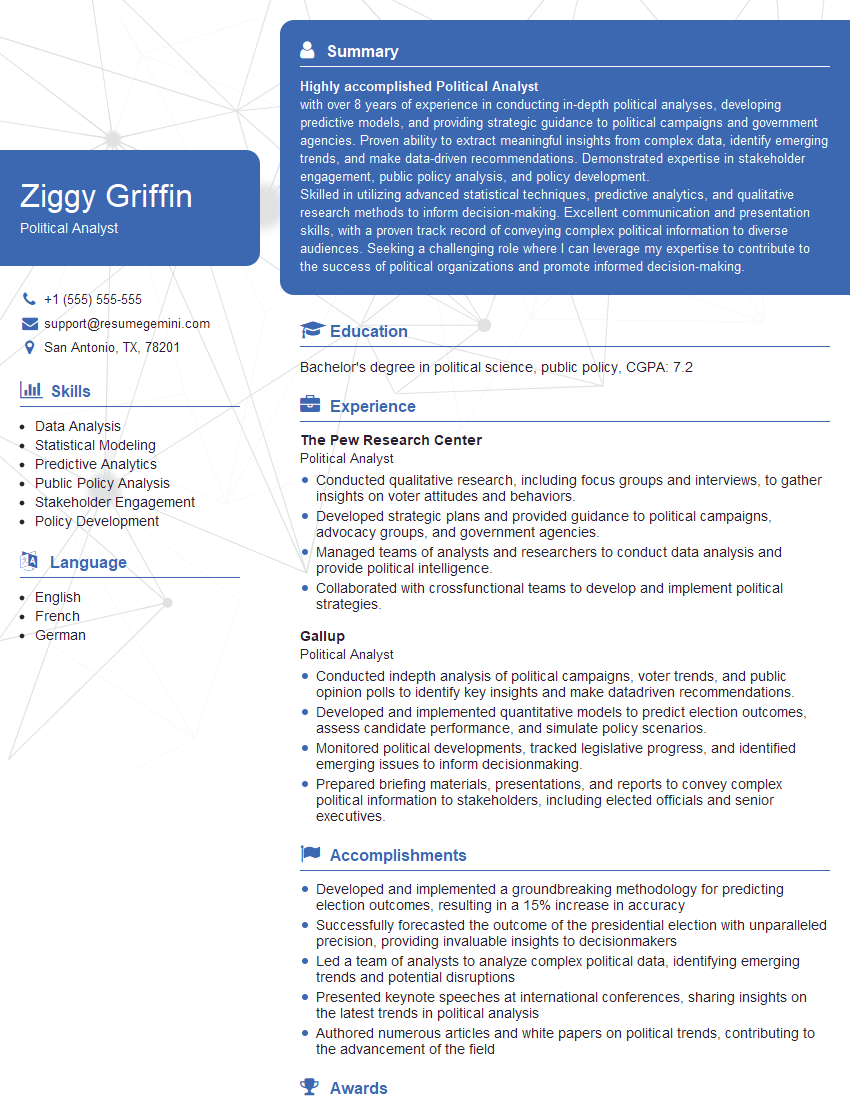
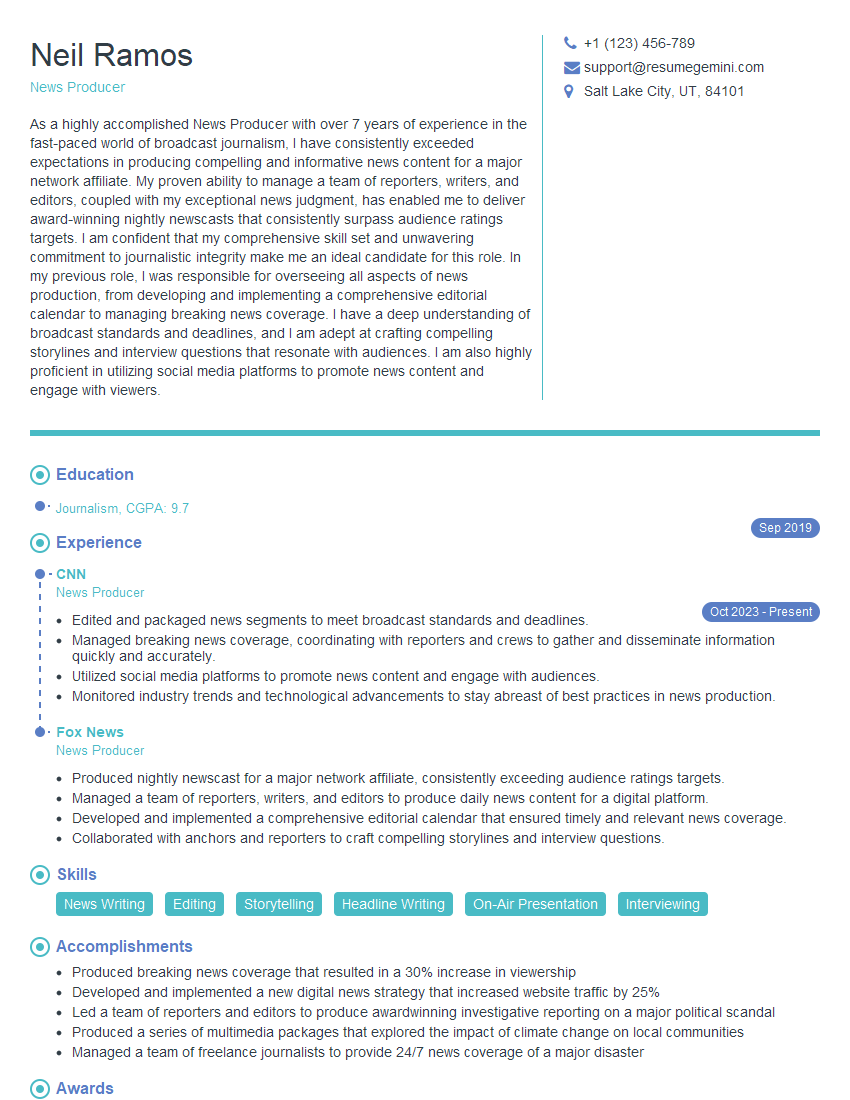
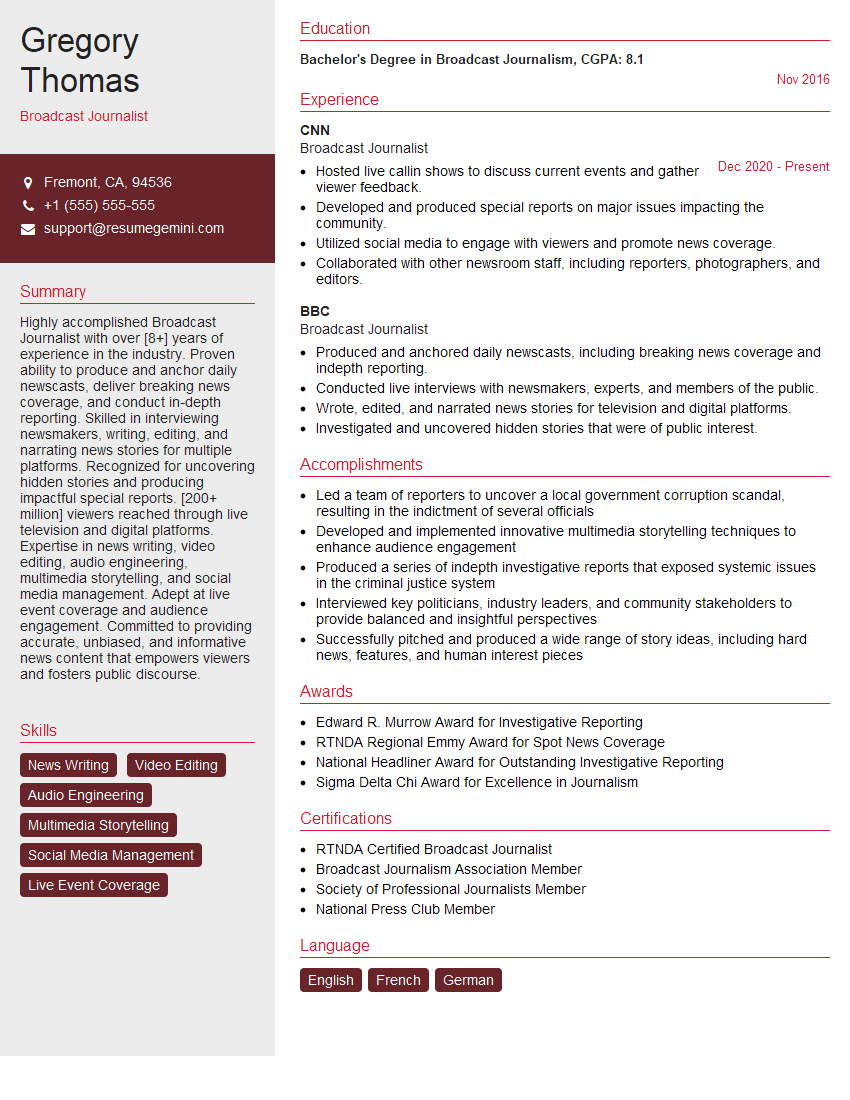
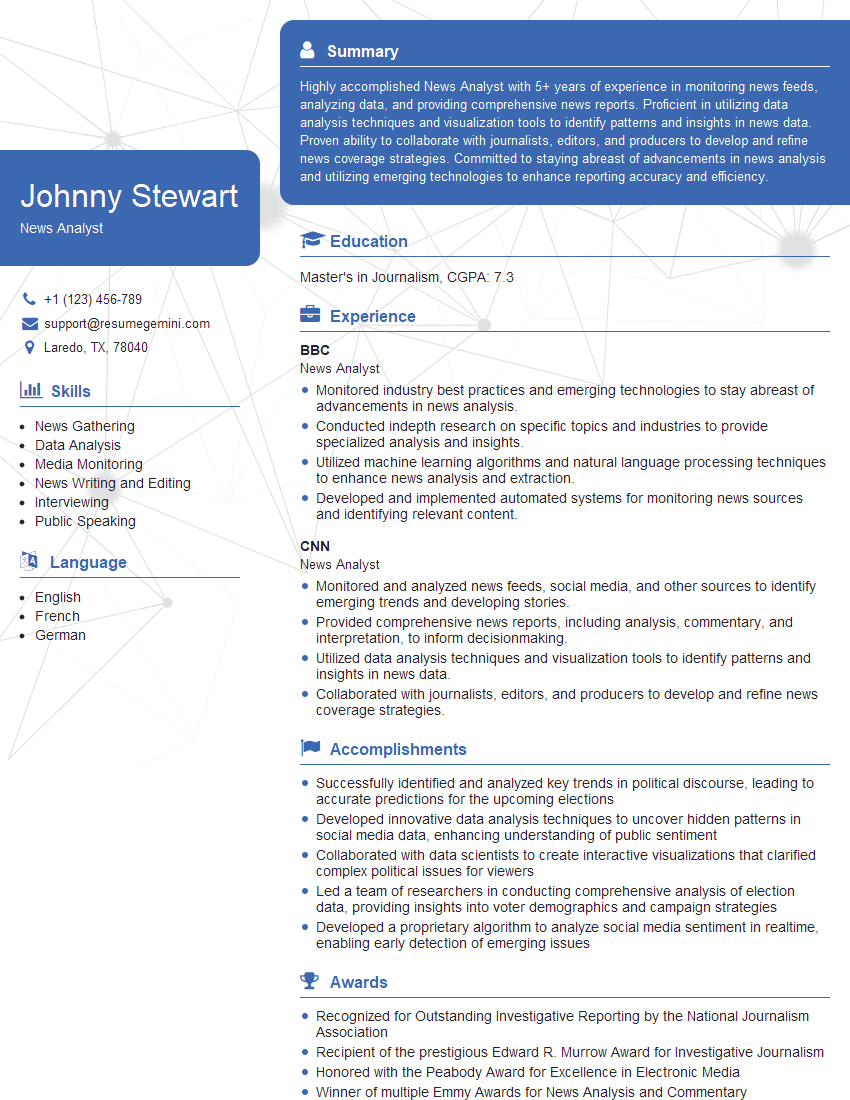
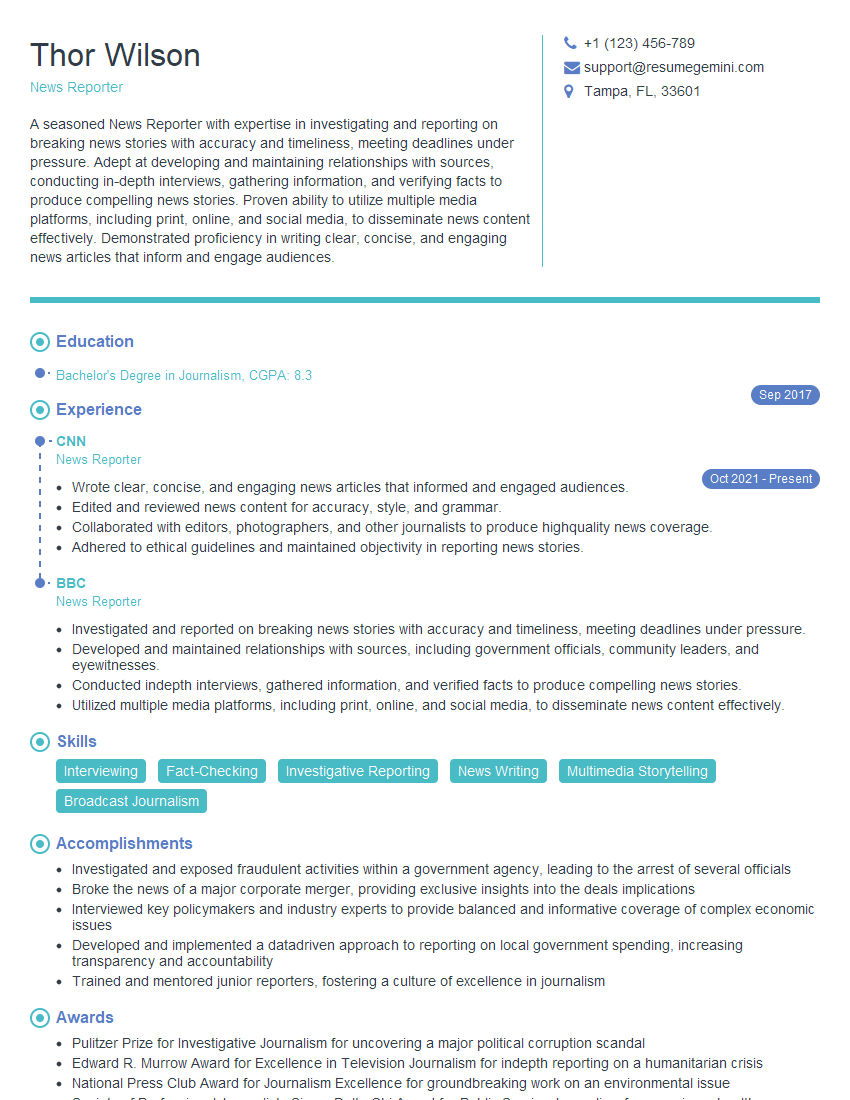
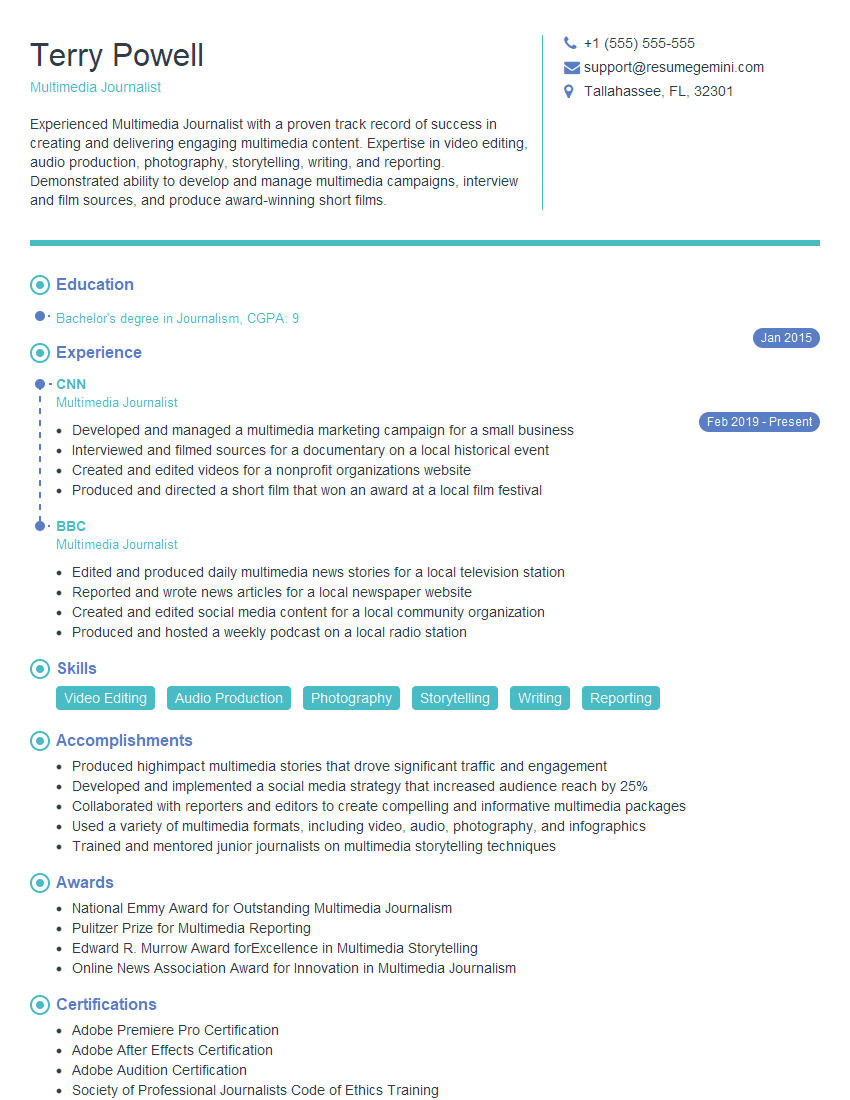
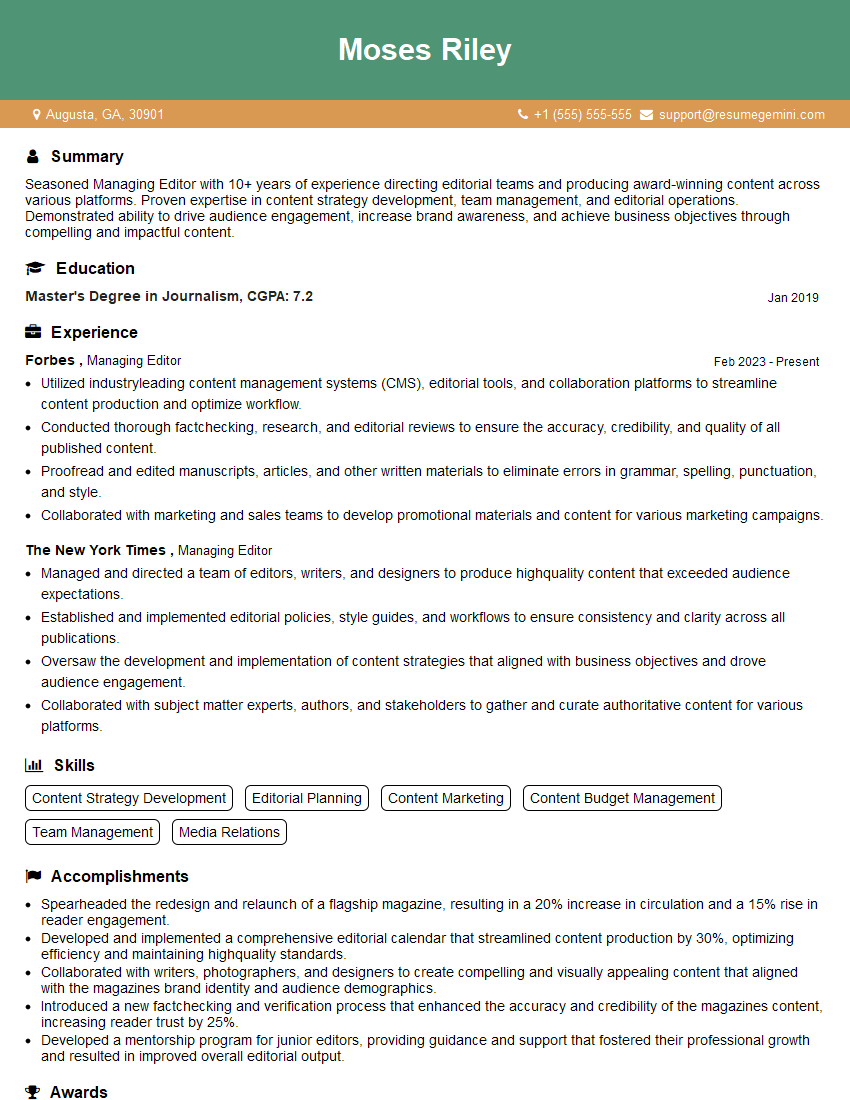
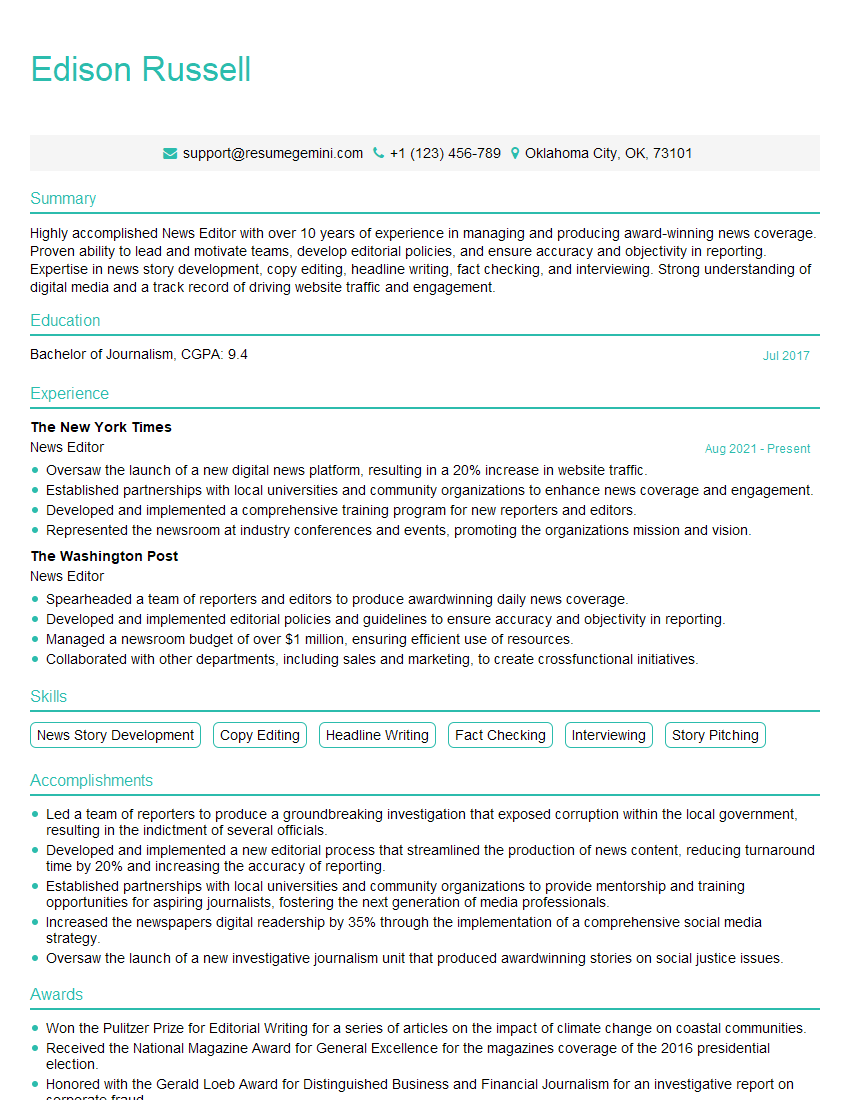
Mastering News Analysis and Reporting is crucial for career advancement in journalism and related fields. A strong understanding of these skills opens doors to diverse opportunities and positions you for success in a competitive market. To enhance your job prospects, focus on building an ATS-friendly resume that highlights your skills and experience effectively. ResumeGemini is a trusted resource that can help you craft a professional and impactful resume tailored to the specific requirements of News Analysis and Reporting roles. Examples of resumes tailored to this field are available on ResumeGemini to help guide your process.
Explore more articles
Users Rating of Our Blogs
Share Your Experience
We value your feedback! Please rate our content and share your thoughts (optional).
What Readers Say About Our Blog
Very informative content, great job.
good