The right preparation can turn an interview into an opportunity to showcase your expertise. This guide to Chicken Handling interview questions is your ultimate resource, providing key insights and tips to help you ace your responses and stand out as a top candidate.
Questions Asked in Chicken Handling Interview
Q 1. Describe the proper techniques for catching and restraining a chicken.
Catching and restraining a chicken requires a gentle yet firm approach to minimize stress and prevent injury. Imagine you’re handling a delicate, slightly skittish bird. Never chase a chicken, as this will only make it more fearful and difficult to catch. Instead, approach slowly and calmly, making quiet, soothing movements.
The Scoop Method: Use a smooth, cupped hand to gently scoop the chicken up, supporting its body and preventing its legs from kicking out. Imagine you’re cradling a small, fragile baby. Support its breastbone with one hand and its legs with the other.
The Herding Method: For larger groups, gently guide the birds towards a confined space like a coop or crate, using your hands or a flat piece of cardboard to gently herd them. Avoid sudden movements or loud noises.
Restraint: Once caught, hold the chicken firmly but gently. One hand should support its breastbone, while the other gently controls its legs and wings. This prevents struggling and injury to both the chicken and the handler. Holding the wings against the body prevents flapping and potential injury.
Remember, consistent and gentle handling builds trust and reduces stress. Regularly handling chicks from a young age makes them more accustomed to human interaction and easier to manage as adults.
Q 2. What are the signs of a stressed or injured chicken?
A stressed or injured chicken will exhibit several noticeable signs. Think about how you’d react if you were scared or hurt – chickens display similar behaviors.
Stress Indicators: Increased vocalization (constant squawking or cheeping), ruffled feathers, rapid breathing, pale comb and wattles, listlessness or hiding, and reduced feed intake are all signs of stress.
Injury Indicators: Obvious wounds, bleeding, limping or difficulty walking, swelling, and loss of appetite are common signs of injury. Observe for any unusual posture or behavior, like holding a wing abnormally.
Example: A hen constantly hiding and refusing to eat, with ruffled feathers and pale comb, is likely exhibiting stress. A rooster limping with a visibly injured leg needs immediate attention.
Prompt identification of these signs is crucial. Addressing stress through environmental improvements or veterinary care for injuries can prevent more serious health problems and improve overall flock health and productivity.
Q 3. Explain the different methods of chicken transportation and their associated risks.
Transporting chickens requires careful planning to ensure their safety and well-being. Several methods exist, each with its own risks.
Crates: The most common method, offering good protection but requires careful loading to prevent overcrowding and injury. Risk factors include suffocation in poorly ventilated crates and bruising from rough handling.
Trailers: Suitable for larger flocks, but require climate control and careful driving to prevent injury from sudden stops or turns. Risks include overheating, hypothermia, and injury during loading and unloading.
Live Haul Trucks: Specialized trucks for long-distance transport, requiring strict adherence to regulations and proper climate control to minimize stress and mortality. Risks include dehydration, disease spread, and high mortality rates if not properly maintained.
The key is to prioritize proper ventilation, adequate space to prevent overcrowding, and gentle handling throughout the transport process. Regular checks during transit are necessary to address any issues promptly.
Q 4. How do you ensure the humane handling of chickens during processing?
Humane handling during processing is paramount. The goal is to minimize stress and pain, ensuring a quick and efficient process. This involves a combination of proper stunning techniques and swift processing.
Stunning: Ensuring the bird is rendered unconscious before slaughter is crucial. Methods like controlled atmosphere stunning (CAS) or electrical stunning are used to reduce suffering. CAS uses a mixture of gases to render the chicken unconscious, while electrical stunning uses a controlled electrical current.
Slaughter: Following stunning, the process should be swift and efficient to prevent prolonged suffering. Skilled butchers are trained to execute the killing process quickly and effectively.
Post-mortem Handling: Even after slaughter, careful handling is necessary to maintain the quality of the meat. Avoiding rough handling and ensuring proper cooling and hygiene are crucial steps.
Adherence to industry best practices and regulatory guidelines is vital to maintaining humane standards during processing. Regular training for personnel and consistent monitoring of the process are crucial.
Q 5. What biosecurity measures are essential in a poultry farm setting?
Biosecurity is fundamental to preventing disease outbreaks in poultry farms. It involves a series of practices designed to limit the introduction and spread of pathogens. Think of it as building a fortress to keep your chickens safe and healthy.
Quarantine: New birds should be quarantined for a specific period before introduction to the main flock, allowing for observation and preventing the spread of potential diseases.
Hygiene: Maintaining cleanliness in the farm is crucial. Regular disinfection of equipment, buildings, and vehicles is necessary. Proper waste disposal prevents the build-up of pathogens.
Pest Control: Rodents, insects, and birds can carry diseases. Effective pest control measures are essential to minimize the risk of infection.
Personnel Hygiene: Farm workers should follow strict hygiene protocols, including changing clothes and footwear before entering the poultry area and washing their hands regularly.
Biosecurity Barriers: Perimeter fencing, footbaths, and vehicle disinfection points can effectively limit the entry of pathogens.
A well-defined biosecurity plan, regularly reviewed and updated, is crucial to protect the flock and maintain its health and productivity. This is not just good practice – it’s essential for the viability of the farm.
Q 6. Describe your experience with different chicken breeds and their specific handling requirements.
My experience encompasses a wide range of chicken breeds, each with its own unique characteristics and handling needs. Consider it like learning to interact with different personalities.
Leghorns: These are active and somewhat flighty birds. They require a gentle but firm approach during handling, minimizing sudden movements to prevent them from panicking.
Rhode Island Reds: Generally calmer and more docile compared to Leghorns, they are usually easier to handle. However, proper restraint is still essential to prevent accidental injury.
Orpingtons: Known for their calm and friendly nature, they are often easier to handle. Their larger size requires careful support during lifting to prevent strain on the bird and handler.
Understanding breed-specific temperament is crucial for adapting handling techniques. For example, a flighty breed like a Leghorn requires a more cautious and patient approach than a calm breed like an Orpington.
Q 7. How do you identify and address common chicken diseases or health issues?
Identifying and addressing chicken diseases requires a keen eye and quick response. Just like with humans, early detection is vital for effective treatment.
Observation: Regular observation of the flock for any signs of illness is crucial. This includes changes in behavior, appetite, or droppings. A sudden drop in egg production can also be an indicator.
Physical Examination: A thorough examination, including checking the comb and wattles for pallor, examining the eyes for discharge, and feeling the abdomen for any abnormalities, is necessary.
Laboratory Diagnostics: In cases of suspected disease, laboratory tests like fecal examinations or blood samples can aid in accurate diagnosis.
Treatment: Treatment options range from medication and supportive care to isolation and culling. The choice of treatment depends on the specific disease and its severity.
Knowledge of common chicken diseases and their symptoms is essential for quick diagnosis and effective management. Maintaining a strong biosecurity program significantly reduces the likelihood of disease outbreaks.
Q 8. What are the best practices for maintaining chicken housing and hygiene?
Maintaining impeccable hygiene in chicken housing is paramount to preventing disease and ensuring the birds’ well-being. This involves a multi-pronged approach focusing on cleanliness, ventilation, and pest control.
- Regular Cleaning and Disinfection: Manure and spilled feed should be removed daily. At least once a week, the coop should be thoroughly cleaned using a pressure washer or strong scrubbing, followed by disinfection with a poultry-approved disinfectant. Always follow the manufacturer’s instructions carefully. Think of it like cleaning a human hospital – meticulousness is key.
- Ventilation: Proper ventilation is crucial for reducing ammonia build-up (which is harmful to chickens and causes respiratory problems) and maintaining a comfortable temperature. Adequate airflow prevents moisture build-up, reducing the risk of mold and bacterial growth. Imagine it like opening a window in a stuffy room – fresh air is essential.
- Pest Control: Rodents and insects can spread diseases and parasites. Regularly check for and eliminate pests using safe and effective methods. This could include trapping rodents or using approved insecticides according to label instructions. Think of it as proactive pest management, preventing problems before they arise.
- Litter Management: Deep litter systems (layers of wood shavings or straw) can help absorb moisture and reduce ammonia levels. However, proper management is vital to prevent build-up and maintain a dry environment. Regularly replenish or top-dress the litter to maintain its effectiveness.
By consistently implementing these practices, you’re creating a healthy and productive environment for your flock.
Q 9. Explain your experience with poultry vaccination and medication administration.
Poultry vaccination and medication administration requires precision and adherence to protocols. My experience encompasses both routine and emergency scenarios. I’m proficient in administering vaccines via various routes, including subcutaneous, intramuscular, and intranasal, depending on the specific vaccine and the age of the bird. I always meticulously record vaccination dates and types for each bird or flock, crucial for tracking disease immunity.
Medication administration often involves dealing with stressed birds or those exhibiting illness. I’m skilled in oral medication delivery using syringes or medicated feed. For more critical cases, I am familiar with the proper administration of injectable medications. Safety and accuracy are paramount, ensuring the correct dosage and route of administration while minimizing stress on the bird.
For example, I once successfully managed an outbreak of Newcastle disease in a large flock by immediately implementing a vaccination program and administering supportive care to affected birds. This involved rapid assessment, treatment, and isolation of sick birds to prevent further spread. Accurate record-keeping was instrumental in managing the situation effectively and minimizing losses.
Q 10. How do you manage aggressive or difficult-to-handle chickens?
Managing aggressive chickens requires patience, understanding, and a respectful approach. Aggression can stem from various factors, including fear, hormonal imbalances, or pecking order disputes. A calm, assertive demeanor is crucial.
- Identify the Cause: Observe the chicken’s behavior to determine the root cause of aggression. Is it directed at specific individuals, or is it general? This helps tailor your management strategy.
- Handling Techniques: When handling, support the bird’s body to minimize its fear. Use a firm but gentle grip, avoiding sudden movements that can trigger aggression. Speak in a calm and soothing voice.
- Environmental Modifications: Ensure the coop provides sufficient space and resources to reduce competition and stress. This might involve adding more feeders, waterers, or roosting bars.
- Separation: If necessary, separate aggressive birds from the flock temporarily to prevent injury. This allows the situation to de-escalate.
- Training: In some cases, positive reinforcement techniques can be employed. Reward calm behavior to shape desired responses.
Remember, each bird is an individual, and a customized approach is often necessary.
Q 11. Describe the proper techniques for egg collection and handling.
Proper egg collection and handling are critical for maintaining egg quality and preventing contamination. It begins with regular collection, ideally twice a day to minimize breakage and ensure freshness.
- Clean Collection: Use clean hands or wear gloves to collect eggs. Avoid touching the egg’s shell to prevent transferring bacteria.
- Gentle Handling: Gently place eggs in a sturdy container to minimize cracks or damage. Avoid shaking or dropping them.
- Cleaning (If Necessary): Only wash eggs if absolutely necessary (e.g., before selling). Wash gently with lukewarm water and a mild detergent, then rinse thoroughly. Washing removes the natural protective coating, making eggs more susceptible to spoilage.
- Storage: Store eggs in a cool, dry place, preferably with the pointed end down. Refrigerate eggs as soon as possible after collection to maintain quality.
Imagine each egg as a precious package – care is required at every stage.
Q 12. What is your understanding of chicken behavior and how it influences handling?
Understanding chicken behavior is fundamental to safe and effective handling. Chickens are social creatures with a complex communication system involving body language, vocalizations, and social hierarchy. Their responses to handling are often directly influenced by their individual temperament, past experiences, and the environment.
For example, a hen protecting her nest will be far more defensive than a young chick. Recognizing these behavioral cues allows you to anticipate their reactions and adjust your approach accordingly. A calm and patient approach always yields the best results.
Understanding their pecking order is crucial; dominant birds may exhibit aggression towards handlers or subordinate birds. Careful observation can help you identify individuals who require more sensitive handling or separation from the flock.
Q 13. How do you ensure the safety of yourself and others while handling chickens?
Ensuring safety during chicken handling involves a combination of preparedness and cautious practices.
- Protective Gear: Always wear appropriate protective clothing, such as long sleeves, long pants, and closed-toe shoes to minimize the risk of scratches or pecks. Gloves can also be beneficial.
- Careful Approach: Approach chickens calmly and quietly, avoiding sudden movements. Let them become accustomed to your presence before attempting to handle them.
- Proper Restraint: Use appropriate restraint techniques to prevent injury to both the chicken and the handler. Never hold a chicken upside down unless absolutely necessary for a short duration (e.g., during a quick health check).
- Environmental Awareness: Be mindful of your surroundings. Avoid handling chickens in cramped or cluttered areas that might increase stress or the risk of injury.
- Hygiene: Maintain good hygiene practices to prevent the spread of disease. Wash your hands thoroughly before and after handling chickens.
Remember, proactive safety measures are crucial to minimize accidents.
Q 14. What are the ethical considerations in chicken handling and processing?
Ethical considerations in chicken handling and processing are paramount. It encompasses the humane treatment of birds throughout their lives, from hatching to slaughter. This includes minimizing stress, pain, and fear at every stage.
- Humane Housing: Chickens should be housed in environments that allow for natural behaviors such as foraging, dust-bathing, and perching. Overcrowding and poor environmental conditions should be avoided.
- Pain-Free Handling: All handling procedures should be performed gently and efficiently to minimize stress and discomfort. Rough handling is unacceptable.
- Slaughter Practices: If birds are raised for meat, slaughter should be carried out according to humane guidelines, ensuring a quick and painless death.
- Disease Prevention: Implementing biosecurity measures to prevent the spread of disease is an ethical responsibility. Sick birds should receive appropriate veterinary care, and euthanasia should be considered if suffering is unavoidable.
- Responsible Disposal: Appropriate disposal of deceased birds is crucial to prevent the spread of disease and protect the environment.
Ultimately, ethical considerations are rooted in respect for sentient beings and a commitment to their well-being.
Q 15. Explain your knowledge of different poultry farming systems (e.g., free-range, caged).
Poultry farming systems vary significantly, impacting bird welfare and product quality. The two most common are free-range and caged systems.
- Free-range systems allow chickens access to outdoor areas, promoting natural behaviors like foraging and dust-bathing. This generally results in birds with improved welfare indicators but can lead to challenges in biosecurity and disease control due to exposure to predators and environmental pathogens. Production efficiency might be slightly lower compared to caged systems.
- Caged systems confine birds to individual or group cages, maximizing space efficiency and offering better disease control and protection from predators. However, this restricts natural behaviors and can lead to higher stress levels and welfare concerns if not managed properly. Production efficiency is generally higher due to better feed conversion rates and reduced energy expenditure from movement.
- Other systems include barn systems (birds are housed indoors with no outdoor access but have more space than caged systems) and free-range systems with shelters. The best system depends on factors such as climate, available land, market demands, and ethical considerations.
For instance, in a warmer climate with ample land, a free-range system may be more suitable, whereas in a densely populated area with limited land, a barn system or even caged systems might be more practical. Ultimately, responsible farm management practices are crucial regardless of the system employed.
Career Expert Tips:
- Ace those interviews! Prepare effectively by reviewing the Top 50 Most Common Interview Questions on ResumeGemini.
- Navigate your job search with confidence! Explore a wide range of Career Tips on ResumeGemini. Learn about common challenges and recommendations to overcome them.
- Craft the perfect resume! Master the Art of Resume Writing with ResumeGemini’s guide. Showcase your unique qualifications and achievements effectively.
- Don’t miss out on holiday savings! Build your dream resume with ResumeGemini’s ATS optimized templates.
Q 16. How do you maintain accurate records of chicken health, production, and mortality?
Maintaining accurate records is crucial for effective poultry management and meeting regulatory requirements. I use a combination of digital and physical records, depending on the size and complexity of the operation.
- Daily monitoring: This includes recording daily mortality rates, feed consumption, water intake, egg production (if applicable), and any observed signs of illness.
- Health records: Individual bird health information, vaccination records, and treatment records are meticulously kept, often using electronic databases. This allows for tracking disease outbreaks and evaluating the effectiveness of preventative measures.
- Production records: These detail feed conversion rates, egg size and quality, weight gain, and other relevant production parameters. These records help in evaluating efficiency and identifying areas for improvement.
- Mortality records: Detailed records are maintained on the number of birds that die each day, the cause of death (if known), and any disposal procedures implemented. This helps in identifying and managing potential health problems.
For example, using spreadsheet software like Microsoft Excel or dedicated farm management software, I can easily track and analyze data, identify trends, and generate reports for regulatory compliance and business decision-making. This ensures that any issues with health, production, or mortality are addressed promptly.
Q 17. Describe your experience with poultry equipment maintenance and operation.
Poultry equipment maintenance is paramount for efficient operation and bird welfare. My experience encompasses a wide range of equipment, including incubators, brooders, feeders, waterers, egg collectors, and ventilation systems.
- Preventative maintenance: I perform regular cleaning, lubrication, and inspection of equipment to prevent breakdowns and ensure optimal functionality. This includes replacing worn parts before they fail. For example, regularly cleaning and disinfecting feeders and waterers prevents the spread of diseases.
- Troubleshooting and repair: I am proficient in diagnosing and resolving equipment malfunctions. This might involve simple repairs, such as replacing a broken feeder, or more complex tasks such as calibrating the incubator’s temperature and humidity controls.
- Record keeping: I maintain detailed records of all maintenance activities, including the date, type of maintenance performed, and any parts replaced. This enables proactive maintenance planning and ensures compliance with safety and hygiene standards.
For instance, if a ventilation system malfunction causes temperature fluctuations, I can quickly troubleshoot the problem and ensure appropriate ventilation to prevent heat stress or chilling in the birds. Proper maintenance minimizes production downtime and keeps the operation running smoothly.
Q 18. What are the common hazards associated with chicken handling and how can they be mitigated?
Chicken handling involves several potential hazards that must be carefully managed. These include:
- Biological hazards: Exposure to bacteria like Salmonella and Campylobacter, avian influenza viruses, and parasites. Mitigation involves strict hygiene protocols, including handwashing, wearing protective clothing, and regular disinfection of equipment and facilities.
- Physical hazards: Cuts and abrasions from sharp equipment or bird beaks and claws; musculoskeletal injuries from repetitive movements; and slips and falls on wet or uneven surfaces. Mitigation involves using appropriate personal protective equipment (PPE), such as gloves, boots, and protective clothing, as well as ensuring a clean and safe work environment.
- Chemical hazards: Exposure to cleaning agents, disinfectants, and pesticides. Mitigation involves proper use and handling of these products, following manufacturer instructions, ensuring adequate ventilation, and using appropriate PPE.
For example, always wearing gloves while handling birds minimizes the risk of Salmonella contamination. Proper training and implementing safe work practices are essential in mitigating these hazards.
Q 19. How do you comply with relevant health and safety regulations during chicken handling?
Compliance with health and safety regulations is paramount in chicken handling. This involves adherence to local, regional, and national regulations related to biosecurity, food safety, animal welfare, and occupational health and safety.
- Biosecurity protocols: Implementing strict procedures to prevent the introduction and spread of diseases, including quarantine of new birds, regular disinfection of equipment and facilities, and controlled access to the farm.
- Food safety regulations: Adhering to standards for processing, handling, and storage of chicken products to prevent contamination. This involves maintaining proper temperatures, using sanitary equipment, and following good hygiene practices.
- Animal welfare regulations: Ensuring that the birds are handled humanely, with minimal stress and pain. This involves providing adequate space, food, water, and veterinary care.
- Occupational health and safety regulations: Protecting workers from hazards through the provision of appropriate PPE, training in safe handling techniques, and ensuring a safe work environment.
Regular inspections by regulatory authorities and maintaining detailed records of all safety and hygiene procedures are vital for compliance and demonstrating commitment to responsible poultry farming.
Q 20. Explain your experience with chicken grading and classification.
Chicken grading and classification involves assessing birds based on factors such as weight, conformation, and quality characteristics.
- Weight grading: Chickens are categorized into weight classes (e.g., broilers, roasters, fryers) based on their live or carcass weight. This determines market price and suitability for specific culinary applications.
- Conformation grading: This assesses the shape and form of the bird, considering factors such as breast meat yield, leg conformation, and overall body structure. Birds with better conformation generally fetch higher prices.
- Quality grading: This involves inspecting the carcass for blemishes, discoloration, and other defects that can affect its quality and marketability. Grade A typically indicates superior quality with minimal defects.
For example, a broiler chicken weighing between 1.5 and 2.5 kg might be graded as ‘A’ based on its excellent conformation and quality, resulting in a higher market price than a similar bird with less desirable conformation or noticeable blemishes.
Q 21. How do you ensure the quality and freshness of chicken products during handling and storage?
Maintaining the quality and freshness of chicken products throughout handling and storage is crucial. This requires a multifaceted approach that involves:
- Proper chilling: Rapid chilling of carcasses after slaughter is essential to prevent bacterial growth. This is usually achieved using blast chillers or ice-water baths.
- Hygiene and sanitation: Maintaining impeccable hygiene throughout the handling and processing stages, from slaughter to packaging. This minimizes contamination risk.
- Temperature control: Maintaining the cold chain throughout transportation and storage. Chickens should be stored at temperatures below 4°C (39°F) to prevent bacterial growth and maintain freshness.
- Appropriate packaging: Using suitable packaging materials to protect the product from damage and maintain its quality during storage and transportation.
Monitoring temperature throughout the entire process is critical. Any deviation from the required temperature range can lead to spoilage or bacterial growth, significantly compromising the quality and freshness of the product.
Q 22. Describe your experience with poultry waste management and disposal.
Poultry waste management is crucial for maintaining a clean, healthy, and productive environment. My experience encompasses all aspects, from daily cleaning to the responsible disposal of waste. This includes understanding and adhering to all relevant environmental regulations.
- Daily Cleaning: Regular removal of manure from chicken houses is paramount. This prevents the buildup of ammonia, which is harmful to the chickens and can cause respiratory issues. We use various methods, including mechanical scrapers and manual cleaning, depending on the size and type of the housing system.
- Composting: I have extensive experience with composting chicken manure. This is an environmentally friendly approach that converts waste into a valuable soil amendment. Properly managed composting requires careful monitoring of temperature, moisture, and the carbon-to-nitrogen ratio to ensure efficient decomposition and pathogen reduction.
- Disposal: In cases where composting isn’t feasible, responsible disposal methods are essential. This may involve working with licensed waste disposal companies to ensure proper handling and disposal in accordance with local and national regulations. I’ve personally ensured that all waste is handled in a way that minimizes environmental impact.
For example, in one farm, I implemented a composting system that reduced manure disposal costs by 40% while simultaneously creating a valuable fertilizer for nearby farms. This demonstrated the economic and environmental benefits of a well-managed system.
Q 23. How do you respond to unexpected situations or emergencies involving chickens?
Unexpected situations, like a sudden outbreak of disease or a power outage, require quick thinking and decisive action. My approach centers on a structured problem-solving method that prioritizes the birds’ welfare and minimizes potential losses.
- Assessment: Quickly assess the situation, identifying the immediate threats and potential consequences (e.g., extent of the disease outbreak, potential for heat stress).
- Emergency Protocol: Immediately implement the farm’s established emergency protocols. This might involve isolating affected birds, contacting the veterinarian, notifying management, or securing alternative power sources. I’ve been trained in various emergency procedures.
- Communication: Clear and concise communication with team members and management is essential to ensure a coordinated response. Every member needs to understand their roles and responsibilities during an emergency.
- Documentation: Meticulous record-keeping is crucial during and after an emergency. This helps us learn from the experience and improve our preparedness in the future.
For instance, during a severe storm that caused a power outage, I quickly activated the backup generator, preventing significant heat stress in the birds. My immediate action prevented a potential loss of hundreds of birds.
Q 24. What is your understanding of the different stages of chicken development?
Understanding the different stages of chicken development is critical for optimal management and production. Broiler chickens, for instance, have a rapid growth cycle and require precise management at each stage to maximize their potential.
- Embryonic Stage: This begins with fertilization and continues until hatching. Proper incubation conditions, including temperature and humidity, are crucial for successful hatching.
- Chick Stage (0-3 weeks): Chicks are very vulnerable during this period. They require a warm, dry environment, proper nutrition, and close monitoring for signs of disease.
- Grower Stage (3-7 weeks): The focus shifts to maintaining a consistent growth rate and minimizing stress. Providing adequate space, appropriate lighting, and high-quality feed are important.
- Finisher Stage (7-8 weeks): This is the final stage before slaughter. The focus is on achieving target weight and minimizing mortality. The birds’ needs remain high but some aspects can be adjusted accordingly
I have hands-on experience with all these stages, having successfully managed broilers from day-old chicks to market weight. This involves understanding the specific nutritional needs, environmental requirements, and health concerns at each stage.
Q 25. What is your experience with different poultry feed types and their impact on chicken health?
Different poultry feed types significantly impact chicken health and productivity. The choice of feed depends on factors like age, breed, and production goals (e.g., meat, eggs).
- Starter Feeds: High in protein and energy to support rapid growth in young chicks.
- Grower Feeds: Adjusted protein levels to support continued growth but at a slightly reduced pace.
- Finisher Feeds: Formulated to ensure efficient muscle growth and optimal weight gain for broilers.
- Layer Feeds: Specifically designed to support egg production, rich in calcium and other essential nutrients.
I’ve worked with various commercial feeds and also experimented with custom blends to optimize feed conversion ratios and improve bird health. For instance, adding specific probiotics to the feed has shown an improvement in gut health and reduced mortality rates in young birds.
Q 26. How do you contribute to a positive and productive team environment in a poultry farm setting?
A positive and productive team environment is essential for a successful poultry farm. I believe in fostering collaboration, communication, and mutual respect.
- Collaboration: I actively participate in team discussions, sharing my knowledge and experience to solve problems and improve practices. I believe in teamwork over individual achievement.
- Communication: Open and transparent communication is key. I ensure everyone is informed about changes, challenges, and successes. I am always available to answer questions and provide support.
- Mutual Respect: I treat every team member with respect and value their contributions. A positive team dynamic results in better work and boosts morale.
- Problem-solving: I encourage a collaborative approach to problem-solving, where every team member feels comfortable contributing ideas and suggestions.
In a previous role, I initiated weekly team meetings where we discussed challenges, shared best practices, and celebrated achievements. This strengthened teamwork and enhanced overall farm productivity.
Q 27. Describe your experience working with different types of poultry equipment.
My experience includes working with a wide range of poultry equipment, from automated feeding systems to environmental control systems.
- Automated Feeding Systems: I’m proficient in operating and maintaining automated feeding systems, ensuring consistent feed delivery and minimizing waste.
- Environmental Control Systems: I understand how to adjust temperature, humidity, and ventilation systems to create optimal conditions for chicken growth and well-being.
- Egg Collection Systems: Experience in operating and maintaining egg collection systems, ensuring efficient and gentle collection of eggs.
- Cleaning and Disinfecting Equipment: Proficient in using cleaning and disinfecting equipment to maintain a hygienic environment, minimizing the risk of disease.
For example, I’ve successfully implemented a new automated feeding system that increased feed efficiency by 5% and reduced labor costs. I’m also skilled in troubleshooting equipment malfunctions and performing routine maintenance.
Q 28. How would you troubleshoot a problem related to chicken health or production?
Troubleshooting chicken health or production problems requires a systematic approach. My methodology involves a series of steps to identify the root cause and implement effective solutions.
- Observation: Carefully observe the chickens, noting any unusual behavior, symptoms, or mortality patterns. Collect data on feed intake, water consumption, egg production, and other relevant parameters.
- Data Analysis: Analyze the collected data, looking for patterns or trends that might indicate the underlying problem. For example, a sudden drop in egg production could be due to several factors.
- Hypothesis Generation: Based on the observations and data analysis, formulate hypotheses about the potential causes of the problem. A drop in egg production could be related to a change in feed, stress, or disease.
- Testing and Verification: Test the hypotheses using appropriate methods, such as blood tests, fecal analysis, or environmental monitoring. This step could include examining the feed itself.
- Solution Implementation: Once the root cause is identified, implement an appropriate solution. This could range from adjusting the feed formulation to administering medication or improving environmental conditions.
- Monitoring and Evaluation: Monitor the effectiveness of the implemented solution, making adjustments as needed. Careful monitoring after implementation is key.
For instance, I once identified a problem with high chick mortality by systematically investigating feed quality, environmental conditions, and potential pathogens. Through this process, I pinpointed a bacterial infection, implemented treatment and preventative measures, significantly reducing mortality in subsequent batches.
Key Topics to Learn for Your Chicken Handling Interview
- Chicken Physiology and Behavior: Understanding chicken anatomy, temperament, and stress indicators is crucial for safe and humane handling.
- Safe Handling Techniques: Learn proper lifting, restraining, and transporting methods to minimize injury to both yourself and the birds. This includes understanding weight distribution and avoiding stressful postures.
- Hygiene and Biosecurity: Mastering sanitation procedures, including proper handwashing, disinfection techniques, and preventing cross-contamination, is essential to maintaining flock health.
- Common Chicken Diseases and Health Issues: Familiarize yourself with identifying signs of illness or injury in chickens, and understanding appropriate responses and reporting procedures.
- Equipment and Tools: Gain proficiency in using various tools and equipment common in chicken handling, such as weighing scales, crates, and specialized handling devices.
- Ethical Considerations in Chicken Handling: Demonstrate understanding of humane treatment principles and best practices for minimizing stress and discomfort during all handling procedures.
- Problem-Solving in Chicken Handling: Be prepared to discuss scenarios where unexpected issues arise (e.g., aggressive birds, injured birds) and how you would address them calmly and effectively.
- Regulatory Compliance: Understand relevant health and safety regulations and industry best practices pertaining to chicken handling.
Next Steps
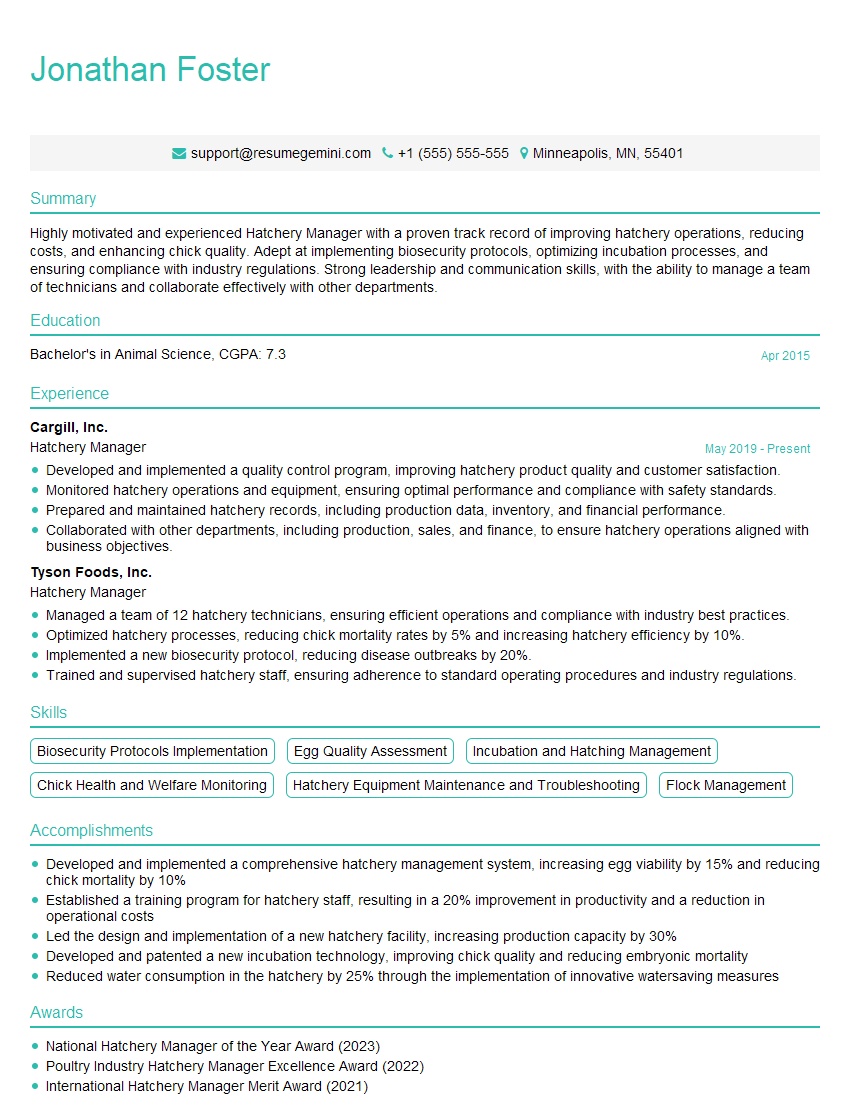
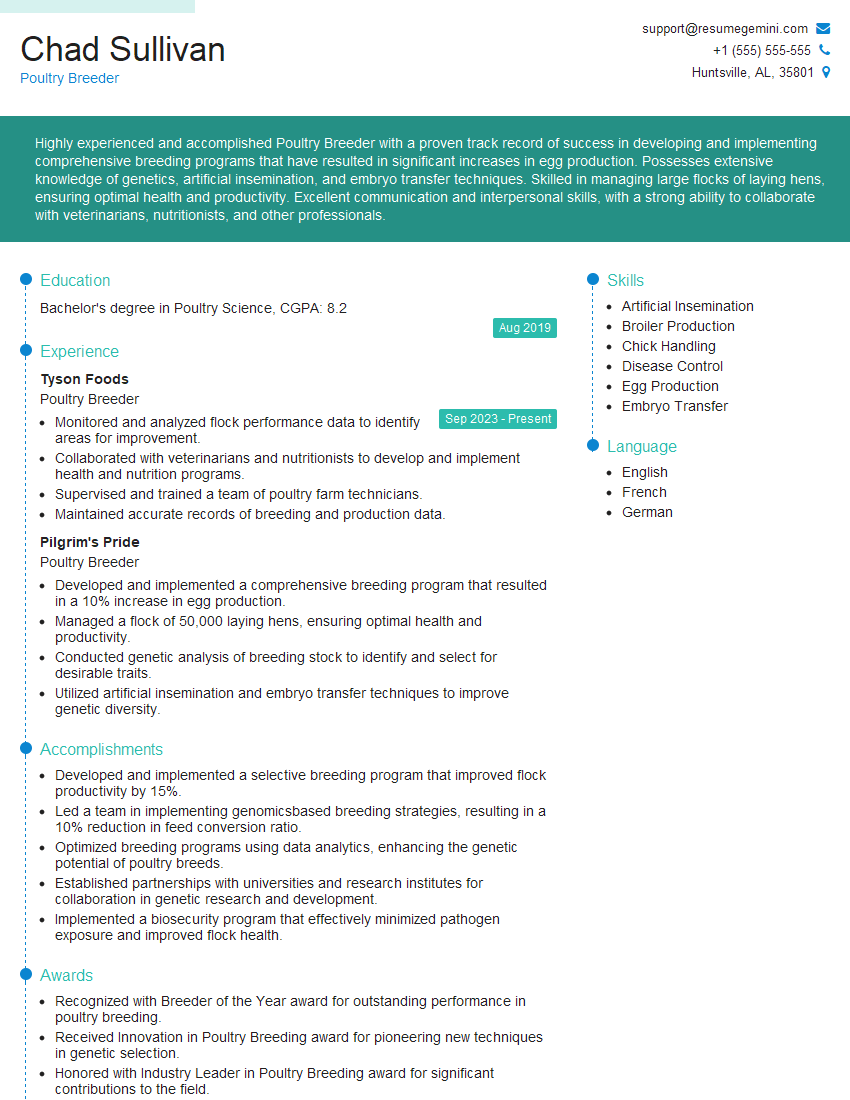
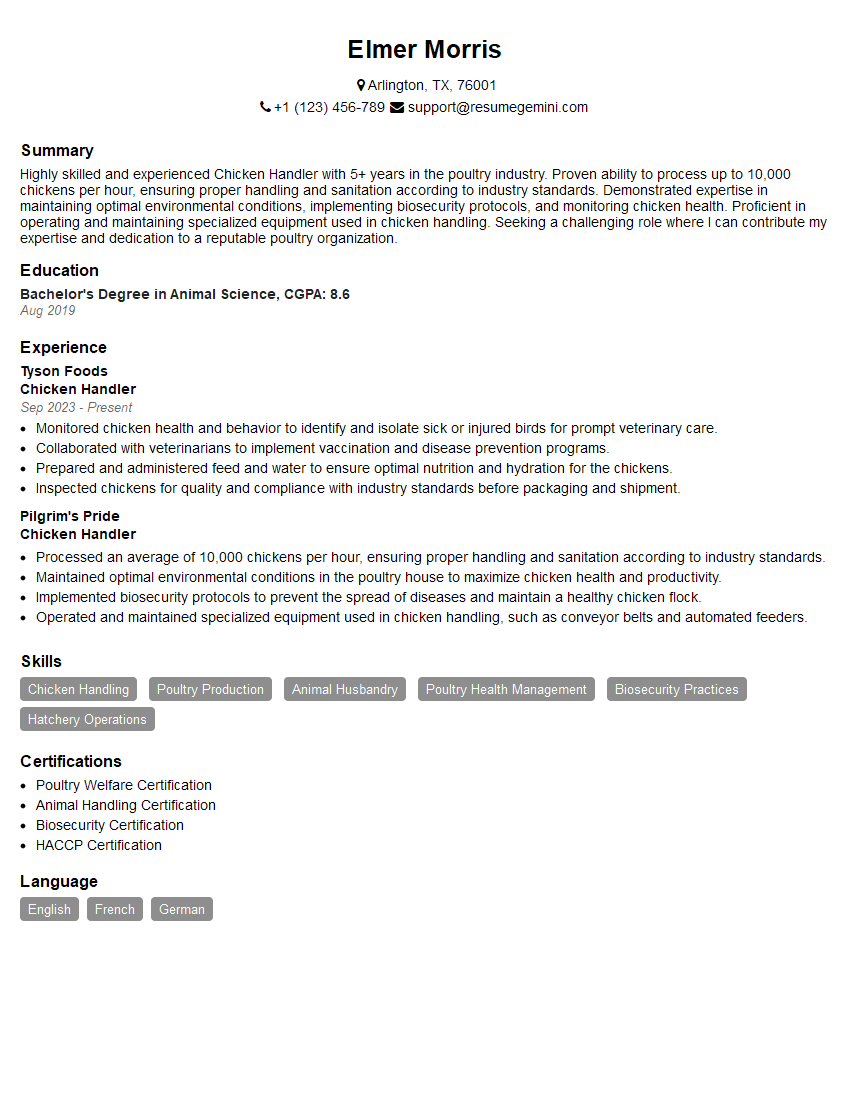
Mastering chicken handling opens doors to rewarding careers in agriculture, poultry processing, and research. A strong understanding of these skills significantly enhances your employability. To boost your job prospects, creating an ATS-friendly resume is critical. ResumeGemini is a trusted resource to help you build a professional and effective resume that highlights your skills and experience. We provide examples of resumes tailored specifically to the Chicken Handling industry to give you a head start. Invest the time to craft a compelling resume – it’s your first impression with potential employers.
Explore more articles
Users Rating of Our Blogs
Share Your Experience
We value your feedback! Please rate our content and share your thoughts (optional).
What Readers Say About Our Blog
Very informative content, great job.
good