Are you ready to stand out in your next interview? Understanding and preparing for Clam Digging Techniques interview questions is a game-changer. In this blog, we’ve compiled key questions and expert advice to help you showcase your skills with confidence and precision. Let’s get started on your journey to acing the interview.
Questions Asked in Clam Digging Techniques Interview
Q 1. What are the different methods for clam digging?
Clam digging methods vary depending on the species, tide, and location. The most common methods are:
- Hand digging: This involves using a shovel, clam rake, or even your hands to dig in the intertidal zone. It’s best for areas with soft sediment and easily accessible clams. I often use a specially designed clam rake with long, narrow tines to gently loosen the sediment and uncover clams without damaging the surrounding environment.
- Tongs: These are long-handled tools with scissor-like jaws that are used to grab clams from the seabed. Tongs are effective in shallower waters and are less disruptive to the environment than dredging.
- Dredging: This commercial method utilizes a heavy dredge to scoop up clams from the seafloor. It’s highly efficient but carries a greater risk of bycatch (unintentional capture of other marine life) and habitat damage. It’s also subject to stricter regulations.
- Diving: Experienced divers can hand-collect clams from the seabed, often reaching deeper areas inaccessible by other methods. This requires proper training, equipment, and awareness of underwater conditions.
The best method always depends on the specific circumstances. For example, if I’m digging for littleneck clams in a sandy area at low tide, hand digging is the most appropriate and sustainable choice. For deeper water or larger areas, tongs might be more efficient.
Q 2. Describe your experience with various clam species.
Over my years of experience, I’ve worked extensively with a variety of clam species. Some examples include:
- Littleneck clams (Venerupis staminea): These are small, flavorful clams commonly found along the Pacific coast. They require careful hand digging to avoid damage.
- Manila clams (Venerupis philippinarum): These are widely cultivated and are known for their excellent flavor. Their harvesting often involves more mechanized methods depending on the scale of the operation.
- Soft-shell clams (Mya arenaria): Also known as steamers, these clams live in burrows and are often dug using a special clam rake or by hand.
- Razor clams (Ensis spp.): These elongated clams are quick and burrow deep, requiring specific techniques and tools to harvest successfully.
Each species presents unique challenges; some burrow deep, others are more fragile, and understanding their habitat and behaviour is critical for successful and sustainable harvesting.
Q 3. Explain the importance of sustainable clam harvesting practices.
Sustainable clam harvesting is crucial for maintaining healthy populations and ensuring the long-term viability of the clam fishery. Unsustainable practices can lead to overfishing, habitat destruction, and ultimately, the collapse of the clam population. Key aspects include:
- Size limits: Only harvesting clams above a certain size ensures they’ve had a chance to reproduce.
- Bag limits: Restrictions on the quantity of clams one can harvest prevents overharvesting.
- Seasonal closures: Protecting clams during their spawning season allows for population replenishment.
- Gear restrictions: Limiting the use of destructive gear like large dredges helps protect the seabed and other marine life.
- Habitat protection: Protecting clam beds from pollution and other environmental damage is paramount to their survival.
For instance, exceeding bag limits might seem like a small thing, but cumulative actions by many individuals can easily deplete a clam population. My approach always emphasizes responsible practices, respecting both the quotas and the delicate ecosystem I’m working within.
Q 4. How do you identify different clam species?
Identifying clam species requires a keen eye for detail. I use a combination of characteristics including:
- Shell shape and size: Different species have distinct shell shapes, sizes, and colors.
- Shell markings and ridges: These provide valuable clues for identification.
- Siphons: The length and appearance of the siphons (tubes used for respiration and feeding) can help differentiate between species.
- Habitat: Certain clam species prefer specific habitats (e.g., sandy, muddy, or rocky substrates).
- Geographic location: The distribution of clam species varies geographically.
For example, littleneck clams have a more rounded shell compared to the elongated shell of razor clams. A field guide and experience are invaluable for accurate identification. Misidentification can lead to harvesting of protected species or discarding of edible ones, which undermines sustainable practices.
Q 5. What are the legal regulations governing clam harvesting in your region?
Legal regulations governing clam harvesting vary by region and are subject to change. In my region, these generally include:
- Licenses and permits: A valid license is required to harvest clams commercially or recreationally.
- Size limits: Minimum sizes for harvesting different species are clearly specified.
- Bag limits: Maximum numbers of clams that can be harvested in a given time period.
- Seasonal closures: Certain periods of the year may be closed to clam harvesting to protect spawning populations.
- Designated areas: Clamming may only be allowed in specific areas.
- Gear restrictions: Certain types of harvesting gear may be prohibited.
Ignoring these regulations can lead to significant fines. I always ensure I’m up-to-date on the latest regulations and strictly adhere to them. It’s essential to check with local authorities for the most current information.
Q 6. How do you assess the quality and safety of harvested clams?
Assessing clam quality and safety is critical for food safety and consumer protection. I check for:
- Shell condition: Clams with broken or damaged shells should be discarded as they may be contaminated or dead.
- Shell closure: Live clams will tightly close their shells when tapped. Clams that remain open or don’t close quickly should be rejected.
- Smell: A foul odor indicates spoilage. Fresh clams should have a mild, salty scent.
- Tissue condition: The clam meat should be plump, firm, and moist. Discoloration or unusual texture indicates spoilage.
Furthermore, harvesting from areas known to be polluted or contaminated should be avoided. I make it a practice to wash all clams thoroughly before cooking to remove any sediment or debris. Following these simple steps ensures consumer safety and maintains the reputation of sustainably harvested clams.
Q 7. What are the common challenges faced in clam digging?
Clam digging presents several challenges, including:
- Weather conditions: Storms, strong tides, and extreme temperatures can make clamming dangerous and unproductive.
- Tidal variations: Clamming is often limited to low tide periods, reducing the available time for harvesting.
- Difficult terrain: Access to clamming areas can be challenging, especially on rocky or muddy shorelines.
- Predation: Seabirds, crabs, and other animals compete for clams or prey on them, reducing the yield.
- Competition for resources: Clamming areas can be crowded during peak seasons, leading to competition between harvesters.
- Environmental concerns: Pollution, habitat degradation, and climate change threaten clam populations and make sustainable harvesting challenging.
Planning and preparedness are essential to overcome these challenges. This involves checking weather forecasts, utilizing appropriate tools and equipment, and respecting the limitations of the environment. Understanding the clam’s habitat and respecting its resilience is critical for long-term success in this industry.
Q 8. How do you handle difficult weather conditions during clam harvesting?
Weather is a clam digger’s biggest adversary. High winds, heavy rain, and extreme tides can all make digging dangerous and unproductive. My approach involves a layered strategy. First, I meticulously check the weather forecast before heading out, looking for extended periods of calm seas and moderate tides. I won’t go out in severe thunderstorms or hurricane conditions. Second, I always wear appropriate safety gear – this includes waterproof clothing, sturdy boots with good traction to prevent slips and falls on slick surfaces, and a life jacket, especially if working from a boat or in rough surf. Third, I adjust my digging strategy based on conditions. In strong winds, I might choose a more sheltered location or reduce my time on the beds. Heavy rain can make the ground muddy and less stable, requiring a slower and more careful approach. I will always prioritize safety over yield in inclement weather.
Q 9. Describe your experience with clam bed management and maintenance.
Clam bed management is crucial for long-term sustainability. My experience includes actively participating in local conservation efforts and following strict regulations. This involves understanding the tidal cycles, water quality parameters, and the clam population dynamics. We’ve implemented several practices including rotating harvest areas to allow beds to recover. This ensures that we don’t over-harvest from any single location, giving the clams time to reproduce and repopulate. We also regularly monitor the beds for signs of disease or pollution, and promptly report any issues to the relevant authorities. We actively support initiatives to improve water quality, minimizing nutrient runoff and pollution from agriculture and other sources.
For example, during one project we helped remove invasive species that were competing with the clams for food and space. These efforts allow us to maintain healthy clam populations and secure long-term sustainable harvests.
Q 10. What safety precautions do you take while clam digging?
Safety is paramount in clam digging. I always tell novice diggers that the ocean is powerful and unforgiving, and the slightest oversight can have dire consequences. My safety routine begins with checking weather conditions, as discussed earlier. I always let someone know my location and expected return time. I never dig alone. I use appropriate footwear with good traction, preventing slips and falls. If working from a boat, life jackets are mandatory and we double-check safety equipment like flares, radios, and first-aid kits. When digging, I avoid digging too deep, as collapses can occur. I pay attention to my surroundings, looking out for changing tides, strong currents, and potential hazards like broken shells or sharp rocks.
Q 11. How do you ensure proper sanitation and hygiene during clam handling?
Sanitation and hygiene are crucial to ensure the safety of the harvested clams. I use clean, designated containers for collecting the clams. After each harvest, I thoroughly wash all the equipment with clean water and mild detergent. Proper handwashing is essential before and after handling the clams, using soap and water for at least 20 seconds. I avoid touching my face or mouth while handling the clams. The clams are stored and transported in cool, clean containers to prevent bacterial growth. Finally, all harvested clams are handled in accordance with relevant food safety regulations.
Q 12. Explain the process of clam sorting and grading.
Clam sorting and grading is essential for maintaining quality and meeting market demands. The process begins by removing any damaged, broken, or undersized clams. This often occurs right on the beach, minimizing transportation of unwanted product. Next, clams are sorted by size, typically using calibrated sizing rings or sieves, to match different market requirements. Larger clams command higher prices and are often preferred in restaurants, while smaller clams are ideal for retail sales or processing. Finally, the sorted clams are cleaned again before being packed and shipped to ensure optimal presentation and freshness.
For example, I might separate clams into three size categories: large (over 3 inches), medium (2-3 inches), and small (under 2 inches), each with their distinct price point and use in the marketplace.
Q 13. How do you identify and avoid contaminated clam beds?
Identifying and avoiding contaminated clam beds is crucial for both public health and environmental protection. My approach starts with familiarity with local water quality reports and advisories issued by relevant authorities. I visually inspect the clam beds for any signs of pollution, such as unusual discoloration of the water, presence of debris, or dead organisms. I check the surrounding environment for sources of potential contamination, including industrial discharges, agricultural runoff, and sewage outlets. I avoid areas with known or suspected pollution. When in doubt, I err on the side of caution and choose a different digging location. I also participate in regular water quality testing programs with local environmental agencies and clam-harvesting cooperatives to track water quality changes and ensure the continued safety of our clam beds.
Q 14. What is your experience with clam aquaculture techniques?
While my primary expertise is wild clam harvesting, I have some experience with clam aquaculture techniques. I’ve worked with colleagues and local organizations that operate small-scale clam farms. This involved understanding the principles of controlled environments, including water quality management, the selection of suitable clam species, proper seeding density, and monitoring for diseases. I’ve observed the use of different aquaculture techniques, such as upwelling systems and bottom culture, which aim to create an optimal environment for clam growth and survival. While I am not a clam aquaculture expert, my experience provides a good understanding of this related field.
Q 15. Describe your experience using clam digging tools and equipment.
My experience with clam digging tools and equipment spans over 15 years. I’m proficient in using a variety of tools, from the simple hand rake for shallow-water digging to hydraulic clam dredges for larger-scale operations. Hand rakes are ideal for smaller areas and allow for selective harvesting, minimizing damage to the surrounding environment. For deeper waters and larger harvests, hydraulic dredges are more efficient, but require significant expertise to operate safely and sustainably. I’m also well-versed in the use of shovels, tongs, and even underwater suction devices, each chosen based on the specific clam species, the substrate type, and the overall scale of the operation. For example, when harvesting soft-shell clams in mudflats, a hand rake is sufficient, while harvesting hard clams in sandy areas might necessitate the use of a shovel or even a specialized clam fork. Proper maintenance and understanding the limitations of each tool is critical to safety and productivity.
Career Expert Tips:
- Ace those interviews! Prepare effectively by reviewing the Top 50 Most Common Interview Questions on ResumeGemini.
- Navigate your job search with confidence! Explore a wide range of Career Tips on ResumeGemini. Learn about common challenges and recommendations to overcome them.
- Craft the perfect resume! Master the Art of Resume Writing with ResumeGemini’s guide. Showcase your unique qualifications and achievements effectively.
- Don’t miss out on holiday savings! Build your dream resume with ResumeGemini’s ATS optimized templates.
Q 16. What is your knowledge of clam reproductive cycles and life stages?
Understanding clam reproductive cycles is fundamental to sustainable harvesting. Most commercially important clam species have a larval stage, followed by a juvenile stage, and finally, the adult stage. The timing of spawning varies depending on the species and environmental factors such as water temperature and salinity. For instance, soft-shell clams (Mya arenaria) typically spawn in the summer months, while hard clams (Mercenaria mercenaria) may spawn in spring or fall. Knowing these cycles allows for responsible harvesting practices, focusing on adult clams while protecting juveniles to ensure future populations. Harvesting techniques should also avoid damaging clam beds, allowing for uninterrupted reproduction and recruitment. Monitoring the size and age distribution of clams during harvests provides valuable data on the health of the population and helps guide management decisions.
Q 17. How do you manage risks associated with clam harvesting?
Risk management in clam harvesting is multifaceted. Firstly, there’s the risk of physical harm. Working in tidal areas presents dangers such as strong currents, slippery surfaces, and potential encounters with marine life. Safety equipment such as life vests and appropriate footwear is mandatory. Secondly, there are environmental risks. Overharvesting can deplete clam populations, and improper techniques can damage the habitat. Adherence to regulations, including size limits and seasonal closures, is crucial. Thirdly, there are economic risks. Fluctuations in market prices and unforeseen events like storms or disease outbreaks can significantly impact profitability. Diversification of harvesting areas and sound financial planning help mitigate these risks. I always prioritize safety and sustainability, ensuring that my operations comply with all regulations and best practices.
Q 18. What is your experience with record keeping and reporting in clam harvesting?
Accurate record-keeping is essential for both compliance and business management. I maintain detailed records of my harvests, including the date, location, species harvested, quantity, and size distribution of clams. This information is essential for reporting to regulatory agencies and for tracking harvest trends over time. I utilize both physical logs and digital spreadsheets to ensure data integrity. These records are also crucial for analyzing the profitability of different harvesting sites and adapting my strategies accordingly. For example, I can track the average yield per hour at various locations, helping me optimize my time and resources. Furthermore, this data can be used to identify potential issues, such as declining populations in specific areas, allowing for timely intervention.
Q 19. How do you handle clam mortality or disease outbreaks?
Clam mortality and disease outbreaks can devastate populations and impact livelihoods. Early detection is key. Regular monitoring of clam beds for signs of disease, such as unusual mortality rates or shell abnormalities, is vital. If a disease outbreak is suspected, I immediately contact the relevant regulatory agencies and follow their guidance on management strategies. This might involve temporarily suspending harvesting in the affected area to prevent further spread. Implementing biosecurity measures, such as cleaning and disinfecting equipment, can also help prevent the introduction and spread of diseases. In some cases, it may be necessary to implement remediation efforts to restore the health of the clam beds. Collaboration with researchers and other harvesters is crucial for effectively managing disease outbreaks and learning from past experiences.
Q 20. What are your knowledge of clam market trends and pricing?
I closely monitor clam market trends and pricing through various sources, including industry publications, online marketplaces, and direct communication with buyers. Factors influencing prices include supply and demand, seasonality, clam size and quality, and overall market conditions. For example, prices tend to be higher during peak demand seasons and for larger, higher-quality clams. Understanding these trends helps me make informed decisions about when and where to harvest, ensuring optimal profitability. I also build strong relationships with buyers to secure consistent demand and competitive pricing for my harvest. This involves understanding their needs and ensuring the quality of my product meets their standards.
Q 21. Explain the process of clam processing and preservation.
Clam processing and preservation are crucial for maintaining quality and extending shelf life. After harvesting, clams are thoroughly cleaned to remove sediment and debris. Depending on the intended use (e.g., fresh market, processing), different methods are employed. For fresh market, clams are often kept in cool, aerated containers to maintain freshness. For processing, clams may be shucked (removed from their shells), cooked, and then frozen, canned, or prepared in other ways. Proper sanitation practices are vital throughout the entire process to prevent spoilage and maintain food safety. Freezing is a common preservation method that significantly extends the shelf life of clams. Quick freezing techniques are preferred to maintain quality and minimize ice crystal formation.
Q 22. Describe your experience with clam transportation and storage.
Proper clam transportation and storage are crucial for maintaining quality and preventing spoilage. Immediately after harvesting, clams should be kept cool and moist. This usually involves placing them in breathable containers, such as mesh bags, or well-ventilated crates, preventing them from overheating or suffocating. The containers should be kept out of direct sunlight.
For short-term transport, keeping them in a shaded, cool area is sufficient. For longer distances, I use refrigerated trucks or containers, maintaining a temperature between 33°F and 40°F (0.5°C and 4.4°C). This slows down their metabolic rate, extending their shelf life considerably. Upon arrival at the processing or distribution facility, they are either immediately processed or transferred to refrigerated storage, again maintaining the ideal temperature range.
During storage, regular checks are vital. I look for signs of spoilage like a strong fishy odor, open shells, or unusual discoloration. Clams that show any signs of deterioration are immediately separated and discarded to prevent contamination. The storage area itself needs proper sanitation practices to prevent bacterial growth and maintain hygiene.
Q 23. What is your experience with clam sales and distribution?
My experience in clam sales and distribution involves understanding market demands, pricing strategies, and maintaining high-quality standards. I directly sell a portion of my harvest to local restaurants and seafood markets, focusing on building relationships based on trust and consistent supply.
For larger-scale distribution, I work with seafood wholesalers who have established networks and logistical capabilities. These partnerships are crucial for reaching wider markets and ensuring timely delivery. I meticulously track inventory, ensuring accurate order fulfillment and managing stock levels to minimize waste. Maintaining transparency and open communication with buyers is paramount for building strong relationships and fostering long-term collaboration. Price setting involves considering market trends, production costs, and competition. Ensuring the clams are presented attractively and in appropriate packaging enhances their appeal to consumers.
Q 24. What are your knowledge of the environmental impacts of clam harvesting?
Clam harvesting, if not done sustainably, can have significant environmental impacts. Overharvesting can deplete clam populations, disrupting the delicate balance of the ecosystem. It can also lead to habitat destruction, particularly if inappropriate methods are used. For instance, dredging can damage seagrass beds, which are crucial habitats for many marine species.
Another concern is bycatch – the unintentional capture of non-target species. Improper harvesting practices can lead to the capture and death of other marine organisms. Furthermore, harvesting can increase the risk of introducing invasive species if equipment isn’t properly cleaned and maintained between harvest areas. Pollution from clam harvesting activities, such as fuel spills, can further harm the environment. Careful consideration of these environmental impacts is vital for ensuring responsible clam harvesting practices.
Q 25. How do you contribute to the sustainability of clam populations?
My commitment to sustainable clam populations involves adhering to strict regulations and implementing responsible harvesting techniques. I carefully monitor the size and age of the clams I harvest, following regulations that dictate minimum sizes to ensure only mature clams are taken, allowing for reproduction. I actively participate in stock assessments and surveys to track clam populations and help inform management decisions.
I utilize selective harvesting methods to minimize bycatch and habitat disturbance. This often means using hand rakes or other minimally invasive tools instead of more destructive methods like dredging. I also regularly clean my equipment to prevent the spread of invasive species. Rotating harvesting locations, allowing sufficient time for populations to recover in each area, is another key strategy. Education and outreach are important: I actively participate in local initiatives promoting responsible clam harvesting and environmental stewardship.
Q 26. Describe your experience with collaborating with other clam harvesters or organizations.
Collaboration is vital in the clam harvesting industry. I actively participate in local harvester associations where we share best practices, discuss challenges, and advocate for sustainable management policies. We collectively address issues such as monitoring clam populations, improving harvesting techniques, and negotiating with regulatory bodies for fair and effective regulations.
I also work closely with marine scientists and environmental organizations to participate in research projects and contribute data on clam populations and ecosystem health. This collaboration provides valuable insights that inform our harvesting practices and contribute to better conservation efforts. Sharing knowledge and resources within the community creates a stronger and more resilient industry.
Q 27. How do you maintain and repair clam digging equipment?
Maintaining and repairing clam digging equipment is crucial for efficient and safe harvesting. Regular maintenance includes cleaning the equipment after each use to remove sand, mud, and debris that can cause wear and tear. I inspect the equipment for any damage, such as bent tines on a rake or worn-out handles on shovels. I lubricate moving parts to prevent rust and ensure smooth operation.
Repairs often involve replacing worn-out parts, such as handles or tines. I keep a stock of spare parts on hand to address common issues promptly. For more significant repairs, I consult with equipment specialists who have the expertise to handle complex mechanical issues. Proper maintenance and timely repairs not only extend the life of the equipment but also ensure safety during operation.
Q 28. What is your approach to problem-solving in challenging clam harvesting situations?
Problem-solving in clam harvesting involves a systematic approach. When encountering challenges, such as low clam density in a harvesting area, my first step is to thoroughly assess the situation. This includes checking environmental factors like water temperature, salinity, and recent weather events that might be affecting clam distribution.
Next, I review my harvesting techniques to identify any areas for improvement. I might try different tools or adjust my approach based on the specific conditions. Consulting with other experienced harvesters or seeking advice from marine biologists or environmental experts is another valuable step. For instance, if a particular area shows signs of environmental stress, I will work with relevant organizations to address potential issues, such as pollution or habitat degradation. Data gathering and analysis, coupled with adaptive strategies, is critical for addressing challenging situations and ensuring long-term harvesting success.
Key Topics to Learn for Your Clam Digging Techniques Interview
- Identifying Clam Habitats: Understanding the environmental factors influencing clam populations (e.g., water temperature, salinity, substrate type) and applying this knowledge to locate productive digging areas.
- Sustainable Harvesting Techniques: Mastering responsible digging methods to minimize environmental impact and ensure long-term clam sustainability. This includes understanding legal regulations and size limits.
- Digging Tools and Equipment: Demonstrating proficiency in using various clam rakes, shovels, and other tools, including their proper maintenance and safe operation.
- Clam Identification and Sorting: Accurately identifying different clam species, distinguishing between edible and non-edible varieties, and understanding appropriate sorting and handling procedures.
- Safety Procedures: Highlighting awareness of potential hazards (e.g., tides, currents, wildlife) and implementing appropriate safety precautions during digging operations.
- Post-Harvest Handling: Understanding proper cleaning, storage, and preservation methods to maintain the quality and freshness of harvested clams.
- Problem-Solving and Adaptability: Demonstrating the ability to adapt digging techniques to varying environmental conditions and troubleshoot challenges encountered during the harvesting process.
- Regulations and Compliance: Showing understanding of and adherence to all relevant local, state, and federal regulations related to clam harvesting.
Next Steps
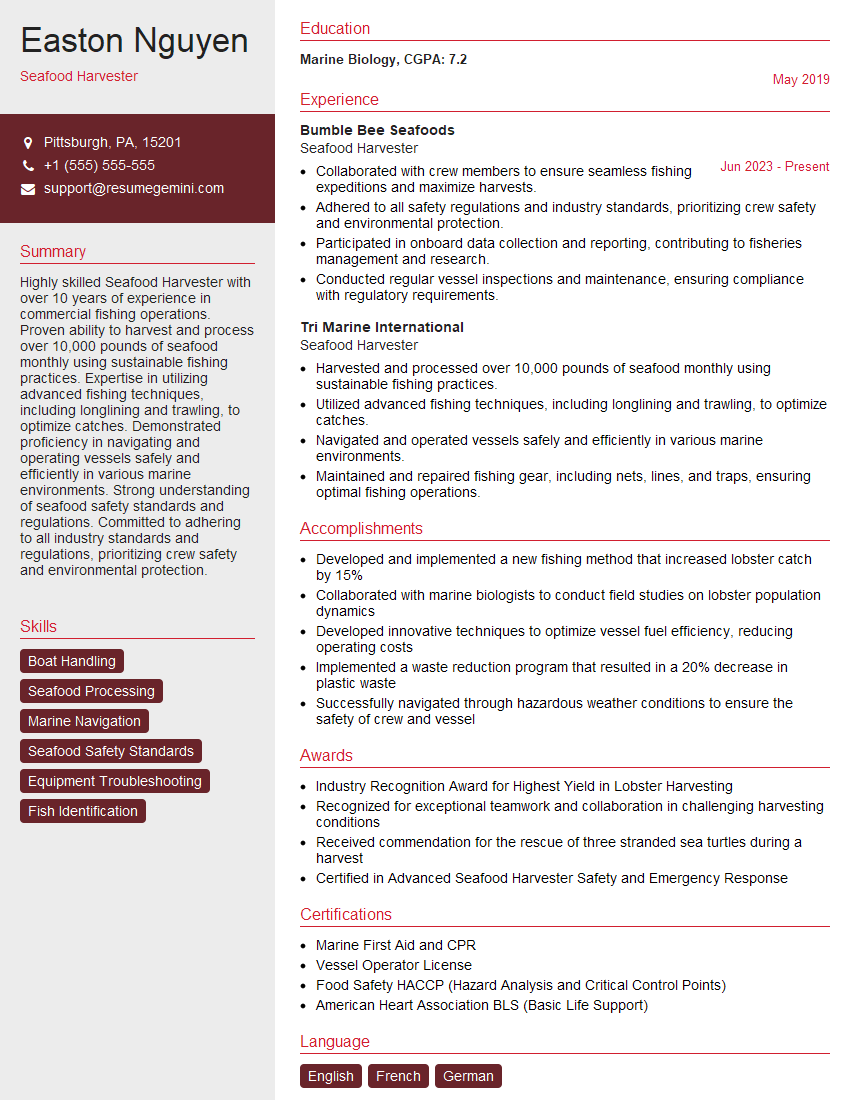
Mastering Clam Digging Techniques opens doors to rewarding careers in aquaculture, seafood processing, and environmental conservation. A strong resume is crucial for showcasing your skills and experience to potential employers. Creating an ATS-friendly resume significantly increases your chances of getting noticed by recruiters. ResumeGemini is a trusted resource for building professional and effective resumes. We offer examples of resumes tailored specifically to highlight Clam Digging Techniques expertise, helping you present your qualifications compellingly. Invest the time to craft a compelling resume – it’s your first impression!
Explore more articles
Users Rating of Our Blogs
Share Your Experience
We value your feedback! Please rate our content and share your thoughts (optional).
What Readers Say About Our Blog
Very informative content, great job.
good