The right preparation can turn an interview into an opportunity to showcase your expertise. This guide to Nutritional Guidance and Recovery Strategies interview questions is your ultimate resource, providing key insights and tips to help you ace your responses and stand out as a top candidate.
Questions Asked in Nutritional Guidance and Recovery Strategies Interview
Q 1. Explain the difference between macronutrients and micronutrients.
Macronutrients and micronutrients are both essential for human health, but they differ significantly in the quantities needed and their roles in the body. Macronutrients are needed in large amounts and provide energy. They include carbohydrates, proteins, and fats. Micronutrients, on the other hand, are needed in smaller amounts and primarily function as regulators of bodily processes. They include vitamins and minerals.
Think of it like building a house: macronutrients are the bricks, wood, and concrete – the main structural components. Micronutrients are the nails, screws, and paint – essential for the house’s proper functioning and appearance, but needed in much smaller quantities.
Q 2. Describe the role of carbohydrates, proteins, and fats in the body.
Carbohydrates, proteins, and fats each play crucial roles in bodily functions:
- Carbohydrates: The body’s primary energy source. They are broken down into glucose, which fuels cells and organs. Examples include bread, pasta, fruits, and vegetables.
- Proteins: Essential for building and repairing tissues, making enzymes and hormones, and supporting immune function. They are composed of amino acids. Examples include meat, fish, beans, and lentils.
- Fats: Provide energy, support hormone production, protect organs, and aid in the absorption of fat-soluble vitamins. They also contribute to cell membrane structure. Examples include avocados, nuts, seeds, and olive oil.
A balanced intake of all three is crucial for optimal health. A diet lacking in one or more of these macronutrients can lead to various health issues.
Q 3. What are the key components of a balanced diet?
A balanced diet encompasses a variety of foods from all food groups, ensuring adequate intake of all essential nutrients. Key components include:
- Fruits and vegetables: Rich in vitamins, minerals, and fiber.
- Whole grains: Provide complex carbohydrates, fiber, and essential nutrients.
- Lean protein sources: Essential for building and repairing tissues.
- Healthy fats: Support hormone production and overall health.
- Dairy or dairy alternatives: Good sources of calcium and vitamin D.
The specific quantities of each food group will vary depending on individual factors such as age, activity level, and overall health goals. It’s best to consult a registered dietitian for personalized dietary advice.
Q 4. How do you assess a patient’s nutritional needs?
Assessing a patient’s nutritional needs is a multi-faceted process that involves gathering comprehensive information. This includes:
- Dietary history: Detailed account of food intake, including frequency, portion sizes, and preparation methods.
- Anthropometric measurements: Height, weight, body mass index (BMI), waist circumference, to assess body composition.
- Biochemical data: Blood tests to evaluate levels of vitamins, minerals, and other nutrients.
- Clinical examination: Physical assessment to identify any signs of nutritional deficiencies.
- Patient history and lifestyle: Medical conditions, medications, activity level, social factors, and dietary preferences.
This information is then used to create a personalized nutritional plan that addresses the patient’s specific needs and goals.
Q 5. What are some common nutritional deficiencies and their symptoms?
Many nutritional deficiencies exist, each with varying symptoms. Some common examples include:
- Iron deficiency anemia: Fatigue, weakness, pale skin, shortness of breath. Iron is crucial for red blood cell production.
- Vitamin D deficiency: Bone pain, muscle weakness, increased risk of fractures. Vitamin D is essential for calcium absorption.
- Vitamin B12 deficiency: Fatigue, weakness, numbness, tingling in the extremities. Vitamin B12 is vital for nerve function and red blood cell formation.
- Calcium deficiency: Weak bones, increased risk of osteoporosis. Calcium is essential for bone health.
It is crucial to consult a healthcare professional for diagnosis and treatment of suspected nutritional deficiencies. Self-treating can be dangerous.
Q 6. Explain the concept of Basal Metabolic Rate (BMR).
Basal Metabolic Rate (BMR) refers to the number of calories your body burns at rest to maintain basic functions such as breathing, circulation, and cell repair. It’s influenced by factors such as age, gender, body composition (muscle mass vs. fat mass), and genetics. A higher BMR means you burn more calories even when inactive. Understanding your BMR is important for setting realistic calorie goals for weight management.
Several online calculators can estimate your BMR, but these are just estimates. A more precise measurement might involve indirect calorimetry, a procedure performed in a clinical setting.
Q 7. Describe different dietary approaches for weight loss.
Various dietary approaches can support weight loss, but sustainable results require a holistic approach that combines healthy eating habits with regular physical activity.
- Calorie restriction: Reducing daily caloric intake below energy expenditure. This should be done carefully and under professional guidance to avoid nutrient deficiencies.
- Low-carbohydrate diets (ketogenic): Emphasize high-fat, moderate-protein, and very-low-carbohydrate intake to induce ketosis (the body using fat for fuel).
- Mediterranean diet: Focuses on fruits, vegetables, whole grains, lean protein, and healthy fats, with limited processed foods and red meat.
- Intermittent fasting: Alternating between periods of eating and fasting. Different methods exist, and medical advice should be sought before starting.
The most effective approach is the one that is sustainable and enjoyable for the individual. It’s essential to consult a registered dietitian or healthcare professional to determine the best dietary strategy for your specific needs and health status.
Q 8. How do you counsel patients on dietary changes?
Counseling patients on dietary changes requires a holistic and personalized approach. It’s not about dictating a diet, but rather guiding them towards sustainable lifestyle modifications. I begin by thoroughly assessing their current eating habits, health goals, and any existing medical conditions or preferences. This involves detailed discussions, food diaries, and potentially even blood work analysis.
Next, I collaboratively create a plan, focusing on gradual, achievable changes rather than drastic overhauls. For example, instead of eliminating all processed foods at once, we might start by reducing their intake week by week, substituting healthier alternatives. We discuss portion control techniques, emphasizing mindful eating and recognizing hunger cues. I also teach patients about reading food labels and understanding nutritional information.
Ongoing support is crucial. Regular follow-up appointments allow us to track progress, address challenges, and make adjustments as needed. I encourage patients to maintain a food diary and provide them with resources like recipes and meal planning tools. The goal is to empower them to make informed food choices and maintain long-term healthy eating habits. For instance, if a patient struggles with snacking, we might explore healthier options like fruits, vegetables, or nuts, instead of simply telling them to stop snacking altogether.
Q 9. What are the nutritional considerations for athletes?
Nutritional needs for athletes are significantly higher than for sedentary individuals due to the increased energy expenditure during training and competition. The focus is on providing sufficient energy to fuel performance, promoting muscle recovery and growth, and optimizing overall health. Carbohydrates are the primary fuel source, providing energy for high-intensity activities. Athletes need to consume adequate amounts of complex carbohydrates like whole grains, fruits, and vegetables.
Protein is essential for muscle repair and growth. Athletes need higher protein intake compared to the general population, sourced from lean meats, poultry, fish, eggs, beans, and lentils. Healthy fats, including omega-3 fatty acids, are crucial for hormone production and overall health. Sources include avocados, nuts, seeds, and fatty fish. Adequate hydration is paramount to prevent dehydration and maintain optimal performance.
The specific nutritional needs vary greatly depending on the type of sport, training intensity, and individual characteristics. For example, endurance athletes may benefit from a higher carbohydrate intake, while strength athletes may require more protein. Individualized dietary plans, considering these factors, are essential for optimizing performance and preventing nutritional deficiencies.
Q 10. Explain the importance of hydration.
Hydration is crucial for virtually every bodily function. Water is the primary solvent in our bodies, transporting nutrients, removing waste products, and regulating body temperature. Dehydration, even mild, can impair physical and cognitive performance, leading to fatigue, headaches, and reduced concentration. It can also negatively affect athletic performance, increasing the risk of injury and heat stroke.
The recommended daily fluid intake varies based on factors like activity level, climate, and individual characteristics. However, paying attention to thirst cues is a good starting point. Other indicators of dehydration include dark-colored urine, dry mouth, and dizziness. For athletes, hydration strategies should be carefully planned, particularly during prolonged exercise. Electrolyte-containing beverages can be beneficial to replenish electrolytes lost through sweat.
In clinical settings, I emphasize the importance of consistent hydration throughout the day, recommending water as the primary beverage. We discuss strategies for increasing water intake, such as carrying a reusable water bottle, setting reminders, or incorporating water-rich foods into the diet. For patients with certain medical conditions, like kidney disease, personalized hydration plans may be necessary.
Q 11. What are the nutritional needs during pregnancy and breastfeeding?
Nutritional needs during pregnancy and breastfeeding are significantly elevated to support fetal growth and development, as well as the production of breast milk. A balanced diet rich in essential nutrients is crucial. Increased caloric intake is necessary, especially during the second and third trimesters. This should include an increase in protein, crucial for building new tissues. Adequate carbohydrates are necessary to provide energy.
Folic acid is vital for preventing neural tube defects, while iron is essential to prevent anemia. Calcium supports bone development in the fetus, and omega-3 fatty acids are important for brain development. Sufficient iodine is critical for thyroid function. A healthy intake of various vitamins and minerals ensures a balanced nutritional profile.
During breastfeeding, the mother’s nutritional needs remain high to support milk production. A diet rich in all the aforementioned nutrients, as well as fluids, is essential. It’s important to address potential nutrient deficiencies through dietary changes or supplementation, always under medical supervision. I always advise pregnant and breastfeeding women to consult with both their physician and a registered dietitian to create a personalized plan that addresses individual needs and risk factors.
Q 12. How do you manage food allergies and intolerances?
Managing food allergies and intolerances requires a careful and thorough approach. It begins with accurate diagnosis, often involving allergy testing to identify specific allergens. Once the triggers are known, the primary strategy is avoidance. This involves meticulously reading food labels and being aware of hidden sources of allergens in processed foods. For example, cross-contamination can occur in food preparation settings, so careful attention to food handling is critical.
Education is key. I teach patients how to identify allergens on labels, how to avoid cross-contamination, and what to do in case of accidental exposure. Emergency plans, including access to epinephrine (for severe allergies), are crucial. For intolerances, managing symptoms often involves dietary modifications to limit or eliminate triggering foods. We explore alternative foods and recipes to ensure a balanced and enjoyable diet.
Collaboration with other healthcare professionals is sometimes necessary. For example, I may work closely with an allergist or gastroenterologist to ensure the patient receives comprehensive care and to manage severe reactions. Regular follow-up appointments allow us to monitor the effectiveness of the strategies and address any challenges.
Q 13. Describe your experience with medical nutrition therapy.
My experience with medical nutrition therapy (MNT) spans many years and encompasses a wide range of conditions. MNT is the use of nutritional therapies to treat disease. I have worked with patients requiring specialized dietary management for various conditions, including diabetes, heart disease, kidney disease, and gastrointestinal disorders. My approach is always patient-centered, integrating evidence-based practices with an understanding of individual preferences and cultural backgrounds.
For example, I’ve developed and implemented personalized meal plans for patients with type 2 diabetes, focusing on carbohydrate control, blood glucose monitoring, and healthy lifestyle modifications. For patients with heart disease, I’ve designed diets emphasizing low sodium, healthy fats, and adequate fiber intake. In each case, patient education and ongoing support are central components of my MNT approach. I help patients understand their dietary needs, develop practical strategies for meal planning and grocery shopping, and learn how to cope with challenges that may arise.
I regularly monitor patient progress, adjusting the therapy as necessary. Collaboration with other healthcare providers, such as physicians and nurses, is essential to provide coordinated care and ensure optimal outcomes. Detailed documentation is vital for tracking progress and sharing information with the healthcare team.
Q 14. How do you work with patients with chronic diseases (e.g., diabetes, heart disease)?
Working with patients with chronic diseases like diabetes and heart disease requires a long-term, collaborative approach. I start by thoroughly understanding the patient’s medical history, current medications, and overall health status. Then, I develop an individualized dietary plan that addresses the specific nutritional needs and challenges associated with their condition.
For patients with diabetes, I focus on carbohydrate counting, blood glucose monitoring, and strategies for managing blood sugar levels. This might involve recommending specific food choices, portion sizes, and meal timing. For patients with heart disease, I concentrate on reducing sodium and saturated fat intake, increasing fiber consumption, and promoting a balanced dietary pattern rich in fruits, vegetables, and whole grains. I also consider their dietary preferences and cultural factors when designing the plans.
Regular follow-up is key to monitor progress, address challenges, and make adjustments as needed. I regularly review their progress with the healthcare team. Empowering patients to manage their diet independently is crucial for long-term success. This includes education on label reading, meal planning, and strategies for navigating social situations or eating out. The goal is to improve their quality of life and help them manage their disease effectively.
Q 15. What are your strategies for motivating patients to make dietary changes?
Motivating patients to adopt dietary changes requires a multifaceted approach that goes beyond simply providing a list of dos and don’ts. It’s about building a collaborative relationship based on trust and understanding. My strategies focus on empowering patients to take ownership of their health journey.
- Setting Realistic Goals: Instead of drastic overhauls, we start with small, achievable changes. For example, instead of eliminating all sugar, we might focus on reducing sugary drinks by one per week. This builds confidence and momentum.
- Personalized Plans: Generic advice rarely works. I tailor dietary recommendations to individual preferences, lifestyles, and cultural backgrounds. If someone loves pasta, I’ll help them find healthier options, not force them to eliminate it completely.
- Behavior Modification Techniques: I incorporate techniques like mindful eating, keeping food journals, and identifying triggers for unhealthy eating habits. Understanding the ‘why’ behind food choices is crucial.
- Positive Reinforcement: Celebrating small victories and acknowledging challenges is key. Regular check-ins and positive feedback help maintain motivation.
- Addressing Barriers: I actively identify and address barriers to change, such as financial constraints, lack of time, or limited access to healthy food. This might involve suggesting cost-effective meal planning strategies or connecting them with community resources.
For instance, I worked with a patient who struggled with sugary drinks. Instead of a complete ban, we gradually replaced soda with sparkling water infused with fruit. This small change, combined with regular check-ins and encouragement, led to significant progress and sustained motivation.
Career Expert Tips:
- Ace those interviews! Prepare effectively by reviewing the Top 50 Most Common Interview Questions on ResumeGemini.
- Navigate your job search with confidence! Explore a wide range of Career Tips on ResumeGemini. Learn about common challenges and recommendations to overcome them.
- Craft the perfect resume! Master the Art of Resume Writing with ResumeGemini’s guide. Showcase your unique qualifications and achievements effectively.
- Don’t miss out on holiday savings! Build your dream resume with ResumeGemini’s ATS optimized templates.
Q 16. How do you assess a patient’s readiness for change?
Assessing a patient’s readiness for change is crucial for successful intervention. I utilize the Transtheoretical Model (Stages of Change) as a framework. This model identifies five stages: Precontemplation, Contemplation, Preparation, Action, and Maintenance.
- Precontemplation: The patient isn’t considering change. My focus here is on raising awareness and building rapport.
- Contemplation: The patient is thinking about change but hasn’t committed. I help them explore the pros and cons of change and address any concerns.
- Preparation: The patient is planning to change soon. We collaboratively develop a realistic plan, setting specific, measurable, achievable, relevant, and time-bound (SMART) goals.
- Action: The patient is actively making changes. I provide support, guidance, and problem-solving strategies.
- Maintenance: The patient is maintaining changes over time. I continue to offer support and help prevent relapse.
I use open-ended questions and motivational interviewing techniques to gauge their stage of readiness. For example, asking, “On a scale of 1 to 10, how ready are you to make changes to your diet?” helps determine their level of commitment and guides my approach.
Q 17. Describe your approach to educating patients about nutrition.
My approach to nutrition education emphasizes a patient-centered, interactive, and empowering experience. I avoid overwhelming patients with complex information and instead focus on practical, actionable steps.
- Individualized Learning: I adapt my teaching style to each patient’s learning preferences and health literacy level. Some prefer visual aids, others respond better to hands-on demonstrations.
- Interactive Sessions: I encourage questions and discussions, creating a safe space for patients to share their concerns and challenges.
- Practical Demonstrations: I often incorporate cooking demonstrations or meal planning sessions to provide practical application of dietary principles.
- Reliable Resources: I provide patients with access to evidence-based resources such as reputable websites, cookbooks, or mobile apps.
- Ongoing Support: Education is not a one-time event. I offer ongoing support and regular check-ins to reinforce learning and address any emerging questions or challenges.
For example, when educating a patient about portion control, I might use visual aids like plates divided into sections to show appropriate proportions of different food groups. I also involve them in creating a weekly meal plan, adapting recipes to their preferences and dietary needs.
Q 18. What software or tools do you use for nutritional assessment and planning?
I utilize several software and tools for nutritional assessment and planning, depending on the patient’s needs and the complexity of the case. These tools help me collect data efficiently, analyze it accurately, and create personalized plans.
- Electronic Health Records (EHR): This provides a secure platform to store patient data, including medical history, dietary intake, and progress notes.
- Nutritional Assessment Software: Programs like
NutriticsorEatsmarthelp analyze dietary intake, identify nutrient deficiencies or excesses, and generate personalized meal plans. - Recipe Management Software: Tools such as
MyFitnessPalorCronometerallow patients to track their food intake and receive feedback on their nutrient profile. - Spreadsheet Software: I also use spreadsheet programs like
Microsoft ExcelorGoogle Sheetsto create personalized meal plans and track patient progress.
The choice of software depends on factors such as the specific needs of the patient, the availability of resources, and my practice’s preferences.
Q 19. How do you stay current with the latest research in nutrition?
Staying current with the latest research in nutrition is critical for providing evidence-based care. I employ several strategies to maintain my knowledge base:
- Professional Journals: I regularly read peer-reviewed journals like the American Journal of Clinical Nutrition and the Journal of the Academy of Nutrition and Dietetics.
- Conferences and Workshops: Attending professional conferences and workshops allows for networking and learning from leading experts in the field.
- Continuing Education Courses: I participate in continuing education courses to earn continuing education credits (CEUs) and stay updated on the latest guidelines and best practices.
- Professional Organizations: Membership in professional organizations, such as the Academy of Nutrition and Dietetics, provides access to resources, publications, and networking opportunities.
- Online Resources: I utilize reputable online resources, such as government health websites and university research databases, to stay informed about new research findings.
Critically evaluating research findings and applying them to my practice ensures I provide the most up-to-date and effective nutritional guidance.
Q 20. Describe a situation where you had to adapt your approach to meet a patient’s needs.
I once worked with a patient, a competitive athlete, who followed a very restrictive diet with inadequate caloric intake. This was leading to poor performance and fatigue. My initial approach, based on standard guidelines for athletes, was to recommend increasing caloric intake and protein intake. However, the patient expressed significant anxiety around food and body image.
I realized I needed to adapt my approach. Instead of focusing solely on the nutritional aspects, I incorporated elements of behavioral therapy and mindful eating. I worked with the patient and their therapist to address the underlying emotional issues related to food. We gradually increased caloric intake while focusing on a balanced approach that valued both health and athletic performance, prioritizing mental health and fostering a positive relationship with food. This holistic approach was significantly more effective than focusing only on macronutrient targets.
Q 21. How do you handle conflicting information from various sources?
Conflicting information is common in nutrition. My approach emphasizes critical evaluation and evidence-based practice.
- Source Evaluation: I assess the credibility of information sources. Is it from a reputable journal, a qualified professional, or a biased website? I look for evidence of peer review and the absence of blatant advertising or promotion.
- Evidence-Based Practice: I prioritize information supported by robust scientific evidence from randomized controlled trials or systematic reviews. Anecdotal evidence or personal opinions are less reliable.
- Consensus Guidelines: I refer to guidelines published by reputable organizations such as the Academy of Nutrition and Dietetics or national health organizations.
- Consultation with Colleagues: When faced with particularly challenging or conflicting information, I consult with colleagues or mentors to obtain their perspectives and ensure I am applying the best practices.
Ultimately, I provide my patients with information that is supported by the most current and reliable scientific evidence, while always acknowledging the complexities of individual needs and preferences. I explain my reasoning transparently, empowering my patients to make informed decisions about their health.
Q 22. What is your experience with developing meal plans?
Developing personalized meal plans is a cornerstone of my practice. It’s not a one-size-fits-all approach; it requires a deep understanding of individual needs, preferences, and health goals. My process begins with a thorough assessment – a detailed discussion of the client’s dietary history, lifestyle, health conditions (including any allergies or intolerances), activity levels, and their specific objectives (weight management, improved energy levels, etc.).
I then utilize evidence-based nutritional guidelines to create a plan that incorporates a variety of nutrient-rich foods, mindful portion sizes, and considers meal timing relative to activity levels. For example, a client training for a marathon will require a different macronutrient ratio and caloric intake compared to someone aiming for general weight loss. The plan isn’t static; it’s iterative, meaning we regularly review and adjust it based on their progress and any feedback they provide. I incorporate flexibility to accommodate social events and personal preferences, making adherence more sustainable. I often use meal planning apps and resources to help clients visualize their plans and track their progress.
Finally, I always emphasize the importance of sustainable dietary habits. It’s not about short-term fixes but about developing long-term healthy eating patterns. This includes educating clients on healthy cooking techniques, smart grocery shopping, and mindful eating practices.
Q 23. How do you address patient concerns or resistance to dietary recommendations?
Addressing patient concerns and resistance is crucial for successful nutritional guidance. I approach this with empathy and understanding, recognizing that dietary changes can be challenging. I start by actively listening to their concerns, validating their feelings, and acknowledging the potential difficulties of adopting new habits.
Often, resistance stems from misinformation, fear, or perceived limitations. I address misinformation by providing evidence-based information and resources. I help clients identify their specific challenges and work collaboratively to find solutions. For example, if a client dislikes vegetables, we might explore different preparation methods or find vegetable-based alternatives they enjoy. If cost is a concern, I can help them develop budget-friendly meal plans using affordable, nutritious options.
I also encourage small, incremental changes rather than drastic overhauls. This makes the process less overwhelming and promotes a sense of accomplishment. I celebrate successes, no matter how small, and provide ongoing support to overcome setbacks. Building a strong therapeutic relationship based on trust and mutual respect is vital for overcoming resistance and fostering long-term adherence to recommendations.
Q 24. What ethical considerations guide your practice?
Ethical considerations are paramount in my practice. My guiding principles include:
- Confidentiality: Protecting client information is essential. I adhere to strict confidentiality protocols and only share information with other healthcare professionals involved in their care with their explicit consent.
- Competence: I stay updated with the latest scientific research and evidence-based practices to provide the most effective and accurate nutritional guidance. I am aware of my limitations and refer clients to specialists when necessary.
- Integrity: I provide honest and unbiased information, avoiding conflicts of interest. I never promote products or services that I don’t believe in or that aren’t scientifically supported.
- Autonomy: I respect my clients’ autonomy and empower them to make informed decisions about their health. The plan is collaborative; it’s not imposed but built together.
- Beneficence and Non-Maleficence: I strive to act in the best interest of my clients and avoid causing harm. This includes careful consideration of potential interactions between medications and dietary supplements.
These ethical principles ensure I maintain the highest standards of professionalism and provide responsible, client-centered care.
Q 25. Explain your understanding of the role of gut health in overall health.
Gut health plays a significant role in overall health and well-being. The gut microbiome, the vast community of microorganisms residing in the digestive tract, influences various aspects of health, including immunity, metabolism, and mental health. A healthy gut microbiome is characterized by diversity and balance of beneficial bacteria.
This balance is crucial for proper digestion, nutrient absorption, and the production of essential vitamins and short-chain fatty acids. An imbalance, or dysbiosis, is linked to various health issues, such as irritable bowel syndrome (IBS), inflammatory bowel disease (IBD), obesity, type 2 diabetes, and even mental health conditions like depression and anxiety.
Nutritional strategies play a vital role in supporting gut health. A diet rich in prebiotics (fibrous foods that nourish beneficial bacteria, like fruits, vegetables, and whole grains) and probiotics (live microorganisms that have health benefits when consumed, such as yogurt and fermented foods) is crucial. Minimizing processed foods, added sugars, and unhealthy fats, as well as managing stress, are also important for maintaining a healthy gut microbiome. Understanding and addressing gut health is increasingly considered a crucial aspect of holistic health management.
Q 26. Describe your experience with sports nutrition counseling.
My experience in sports nutrition counseling focuses on optimizing athletic performance and recovery through tailored nutrition plans. This involves understanding the specific demands of each sport and the individual needs of athletes. Factors such as training volume, intensity, and the athlete’s body composition are considered when developing a plan.
I work with athletes to determine appropriate macronutrient ratios, caloric needs, and hydration strategies. For example, endurance athletes often require higher carbohydrate intake for fuel, while strength athletes may need more protein for muscle growth and repair. I also address important aspects like meal timing around training, optimizing nutrient timing for improved recovery, and the use of nutritional supplements (only when appropriate and evidence-based). I help athletes understand the role of nutrition in injury prevention and recovery. Proper nutrition supports the body’s natural healing processes and ensures optimal physiological functioning to enhance training adaptations and minimize risk of injury or overtraining. I prioritize individualized plans to respect individual needs, preferences, and beliefs while optimizing their health and performance outcomes.
Q 27. How do you approach nutritional counseling for individuals recovering from surgery or illness?
Nutritional counseling for individuals recovering from surgery or illness requires a highly individualized approach. The initial focus is on meeting immediate nutritional needs to support healing and prevent complications. This may involve addressing issues such as altered appetite, nausea, changes in digestion or absorption, and specific nutrient deficiencies.
For example, following major surgery, a patient might require a high-protein diet to support tissue repair, while someone recovering from a gastrointestinal infection may need a bland diet to reduce inflammation and protect their digestive tract. I collaborate with the medical team to understand the patient’s condition and medical restrictions (such as dietary restrictions or modified textures needed), ensuring my recommendations align with their clinical plan. As the patient’s condition improves, the focus shifts towards gradually restoring normal eating habits and meeting long-term nutritional needs. This involves careful consideration of any lasting effects of the illness or surgery on nutrient absorption and digestive function.
Providing emotional support and education about the role of nutrition in recovery is critical. A personalized approach is key to achieving successful recovery and promoting long-term well-being.
Q 28. What is your preferred method for monitoring patient progress?
Monitoring patient progress is an ongoing process involving several methods. I use a combination of approaches tailored to the individual’s needs and goals.
Regular check-ins (in-person or virtual) are crucial for discussing progress, addressing any challenges, and making adjustments to the plan as needed. I often ask clients to keep food diaries or utilize food tracking apps, which provide valuable insights into their dietary habits and allow for a more accurate assessment of their nutrient intake.
Objective measures, such as weight changes, body composition assessments (using tools like bioelectrical impedance analysis), and blood tests (monitoring key nutrient levels and markers of inflammation), provide a quantitative measure of progress. Subjective measures, such as self-reported energy levels, improvements in digestive symptoms, or enhanced physical performance, are equally valuable, reflecting improvements in overall well-being. The combination of these methods provides a comprehensive understanding of the client’s progress and helps ensure the plan remains effective and tailored to their ongoing needs. Regular, open communication and a collaborative approach remain central to the success of this monitoring strategy.
Key Topics to Learn for Nutritional Guidance and Recovery Strategies Interview
- Nutritional Assessment & Analysis: Understanding anthropometric measurements, biochemical data interpretation, and dietary assessment methods. Practical application: Developing a personalized nutritional plan based on client assessment data.
- Medical Nutrition Therapy (MNT): Applying MNT principles to manage various conditions (e.g., diabetes, heart disease, weight management). Practical application: Designing meal plans that align with specific dietary restrictions and therapeutic goals.
- Dietary Guidelines & Recommendations: Familiarity with current dietary guidelines and recommendations from reputable organizations (e.g., USDA, Academy of Nutrition and Dietetics). Practical application: Educating clients on healthy eating patterns and making informed food choices.
- Recovery Nutrition: Understanding the nutritional needs during illness, injury, and post-surgical recovery. Practical application: Developing tailored nutritional strategies to support healing and tissue repair.
- Supplementation Strategies: Knowing when and how to recommend dietary supplements safely and effectively. Practical application: Addressing nutrient deficiencies and supporting overall health through appropriate supplementation.
- Client Communication & Counseling: Effective communication and motivational interviewing techniques to promote behavior change and adherence to nutritional plans. Practical application: Building rapport with clients and providing empathetic support during their nutritional journey.
- Ethical Considerations & Professional Standards: Understanding the ethical implications of nutritional counseling and adhering to professional codes of conduct. Practical application: Maintaining client confidentiality and providing evidence-based advice.
Next Steps
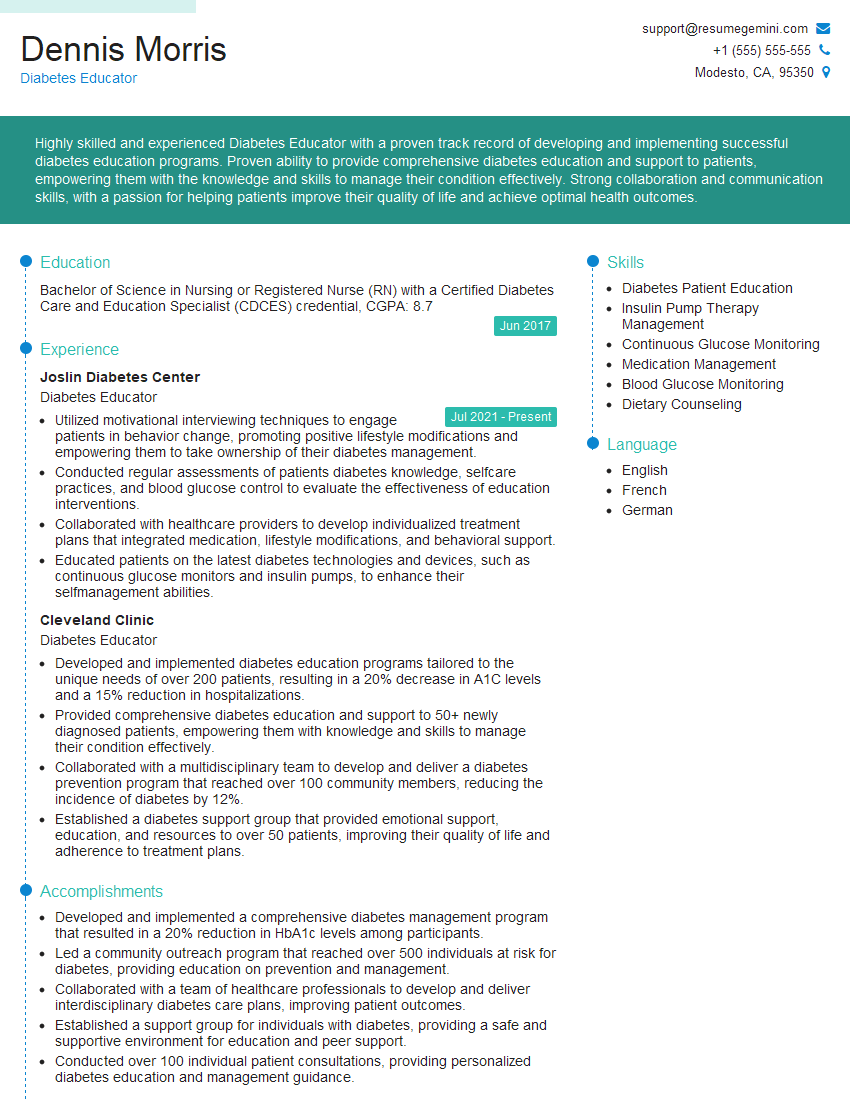
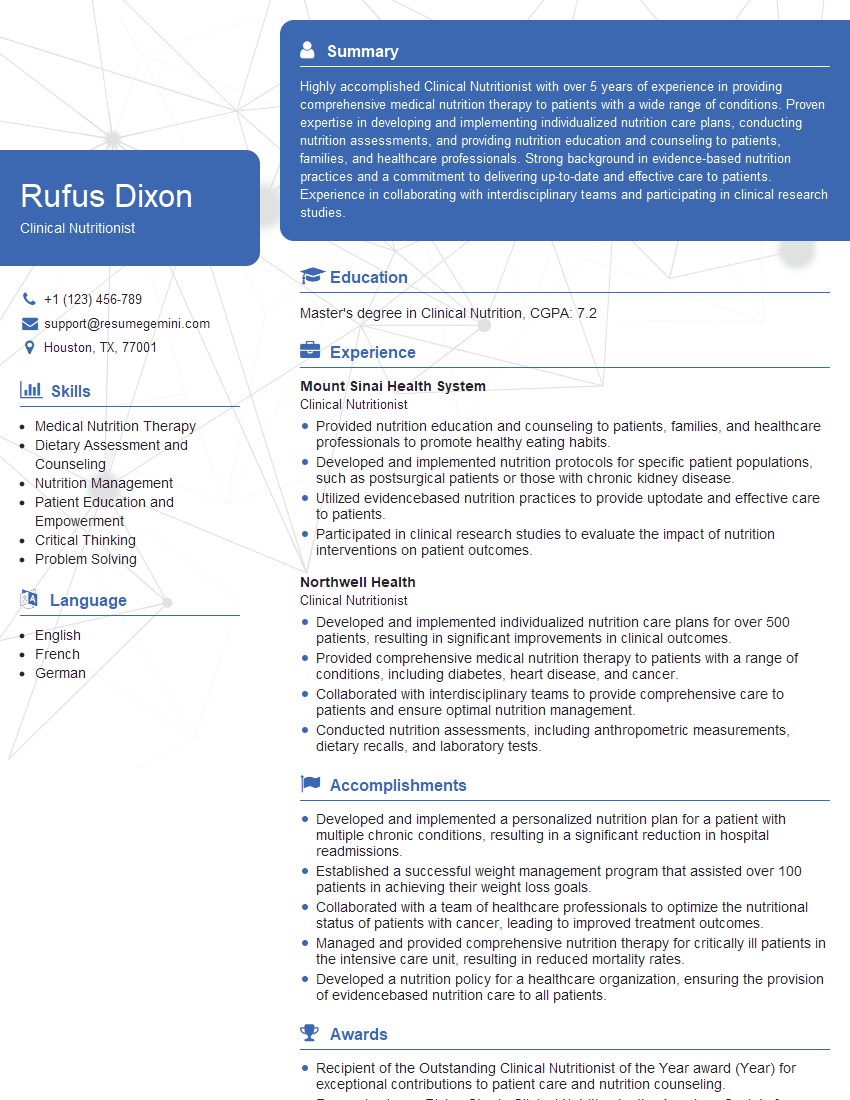
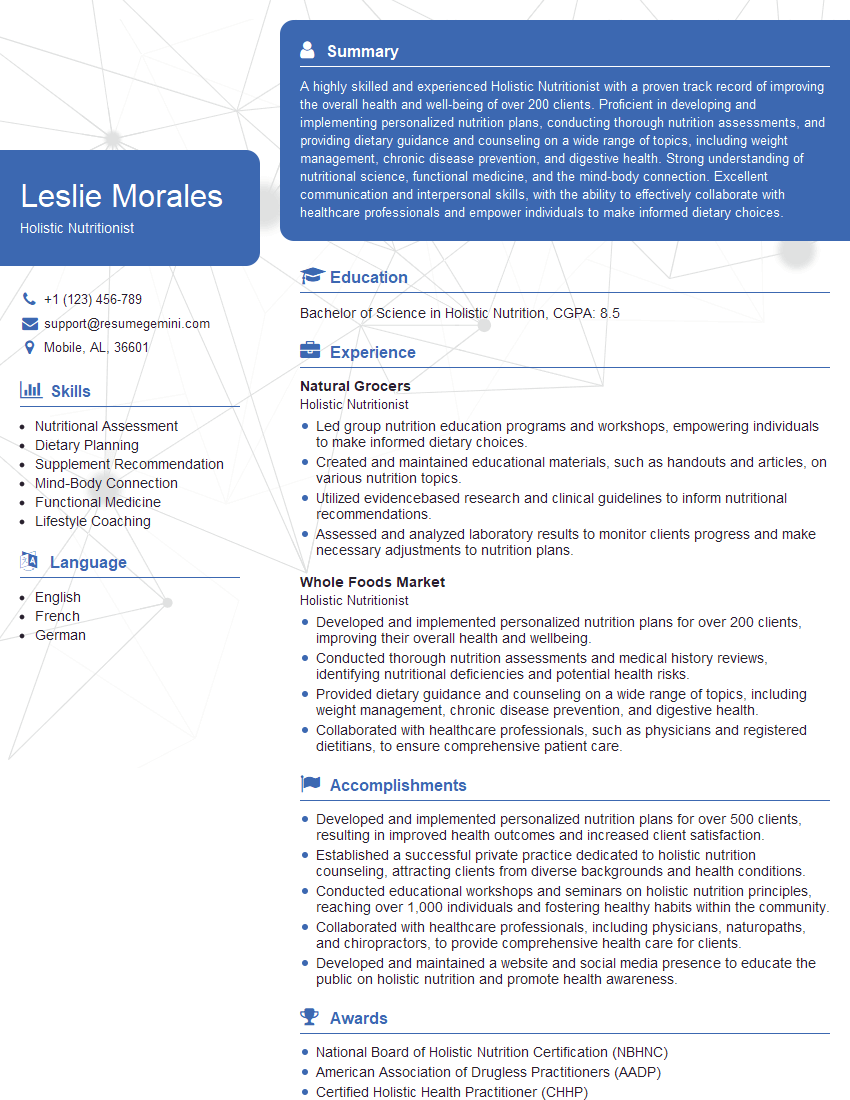
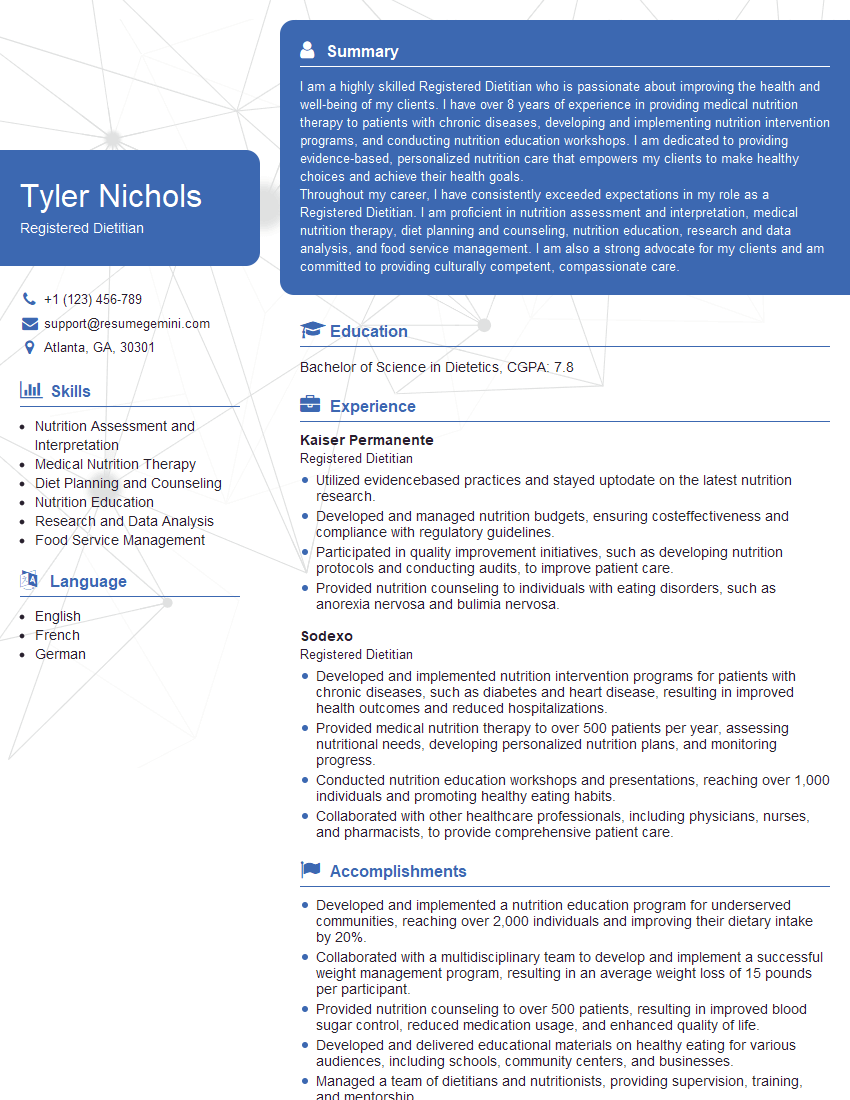
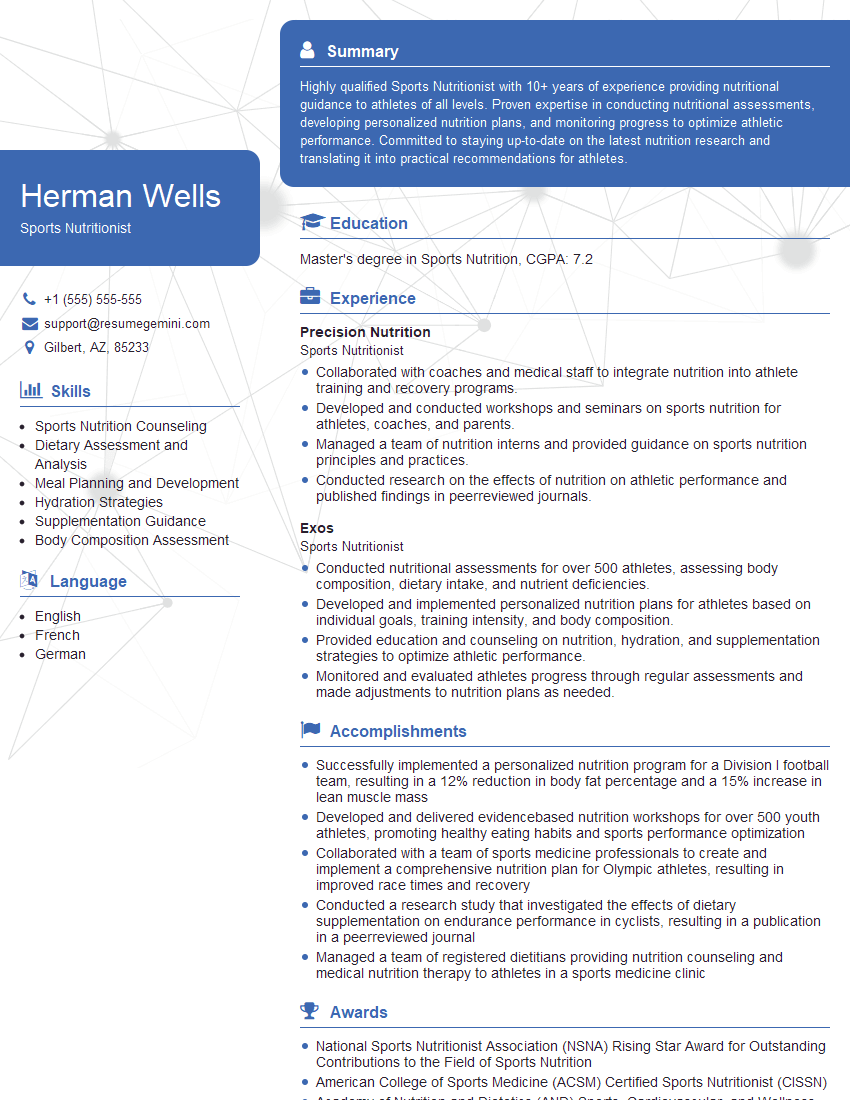
Mastering Nutritional Guidance and Recovery Strategies is crucial for career advancement in this dynamic field. A strong understanding of these principles will significantly enhance your interview performance and open doors to exciting opportunities. To maximize your job prospects, create a compelling and ATS-friendly resume that showcases your skills and experience effectively. ResumeGemini is a trusted resource to help you build a professional and impactful resume. They provide examples of resumes tailored to Nutritional Guidance and Recovery Strategies, ensuring your application stands out from the competition. Invest time in crafting a strong resume – it’s your first impression and a key step to securing your dream role.
Explore more articles
Users Rating of Our Blogs
Share Your Experience
We value your feedback! Please rate our content and share your thoughts (optional).
What Readers Say About Our Blog
Very informative content, great job.
good