Every successful interview starts with knowing what to expect. In this blog, we’ll take you through the top cleaning and degreasing interview questions, breaking them down with expert tips to help you deliver impactful answers. Step into your next interview fully prepared and ready to succeed.
Questions Asked in cleaning and degreasing Interview
Q 1. What are the different types of cleaning agents used for degreasing?
Degreasing relies on a variety of cleaning agents, each suited for different types of grease and surfaces. They can be broadly categorized as:
- Solvents: These dissolve grease and oil, making them easier to remove. Common examples include mineral spirits, kerosene, and specialized chlorinated or hydrocarbon solvents. The choice depends on the type of grease, the material being cleaned, and environmental regulations. For instance, mineral spirits are suitable for less stubborn grease on metal surfaces, while stronger solvents might be needed for heavy-duty engine degreasing.
- Alkaline Cleaners (Detergents): These are water-based solutions containing surfactants and alkali builders that emulsify grease, breaking it down into smaller droplets that are easily rinsed away. They are generally safer for the environment and less harsh on materials than solvents. Think of dish soap – it’s an alkaline cleaner that effectively removes grease from dishes; industrial alkaline cleaners work on a similar principle but are formulated for tougher grease.
- Acid Cleaners: Used less frequently for general degreasing, acid cleaners are effective on specific types of grease and mineral deposits. They are generally more corrosive and require careful handling and selection to avoid damage to the cleaned surface. They are often used in industrial applications to remove stubborn mineral scale or rust.
- Enzymes: These biological cleaning agents break down grease and oil through enzymatic action. They are environmentally friendly and effective at low temperatures, making them a sustainable alternative for certain applications. They are particularly useful for removing organic matter alongside grease.
The selection of the appropriate cleaning agent is crucial for effective and safe degreasing.
Q 2. Explain the process of cleaning and degreasing a specific type of equipment (e.g., engine, machinery).
Let’s take engine degreasing as an example. The process is systematic and involves several steps:
- Preparation: Disconnect the battery, cover any sensitive electrical components, and thoroughly rinse the engine with water to remove loose dirt and debris. This prevents the dirt from being ground into the surface during the cleaning process.
- Application of Degreaser: Choose an appropriate degreaser – a strong alkaline cleaner or a solvent-based degreaser, depending on the level of soiling. Apply it generously to all parts of the engine, ensuring even coverage. Allow it to dwell for the time recommended by the manufacturer; usually this will be 5-15 minutes.
- Scrubbing (Optional): For stubborn grease, use a brush or pressure washer (low pressure) to agitate the degreaser and loosen the grime. Remember, high-pressure cleaning on delicate parts can cause damage.
- Rinsing: Thoroughly rinse the engine with plenty of water, ensuring all traces of the degreaser are removed. If using a pressure washer, maintain a safe distance to avoid damage and use a wide fan nozzle.
- Drying: Allow the engine to air dry completely, or use compressed air to accelerate the process. This helps prevent corrosion.
Remember to always consult the manufacturer’s recommendations for both the degreaser and the engine itself. This ensures that you use compatible materials and prevent any damage to the engine components. Proper disposal of used cleaning solutions is also critical, always check the safety data sheet for disposal methods.
Q 3. How do you select the appropriate cleaning agent for a given surface or material?
Selecting the right cleaning agent is critical; it’s about compatibility and effectiveness. Consider these factors:
- Material Compatibility: Some solvents can damage certain materials like plastics or painted surfaces. Always check the manufacturer’s instructions for compatibility. For example, acetone is great for dissolving some types of grease but is very aggressive and can strip paint or damage plastics.
- Type of Grease or Oil: Different greases and oils have varying compositions. Some require stronger solvents or alkaline cleaners for effective removal. A heavy-duty lubricating grease will require a different approach compared to a light motor oil.
- Surface Texture: Porous surfaces require different cleaning methods than smooth ones. Porous surfaces may need pre-treatment or stronger cleaning solutions to penetrate and remove grime effectively.
- Environmental Considerations: Opt for environmentally friendly options whenever possible. Biodegradable degreasers and water-based cleaners are preferred for minimizing environmental impact.
When in doubt, always perform a small test on an inconspicuous area to assess the cleaning agent’s effectiveness and its potential impact on the surface.
Q 4. Describe your experience with different cleaning methods (e.g., pressure washing, ultrasonic cleaning).
I have extensive experience with various cleaning methods:
- Pressure Washing: Highly effective for removing loose dirt and grease from large surfaces, but requires careful control of pressure to prevent damage. I’ve used it extensively for cleaning industrial equipment and machinery, carefully adjusting the pressure and nozzle to suit the specific surface.
- Ultrasonic Cleaning: Ideal for intricate parts and components where manual cleaning is difficult. The cavitation produced by ultrasonic waves effectively removes grease and debris from even hard-to-reach areas. This is particularly useful for cleaning delicate electronic components or small engine parts.
- Vapor Degreasing: This method uses a heated solvent vapor to clean parts, offering effective cleaning with minimal solvent consumption and excellent results. This technique is best suited for metal parts and requires specialized equipment, so safety is paramount.
- Manual Cleaning: Sometimes the most effective approach, especially for delicate surfaces or intricate components. It requires careful attention to detail and appropriate brushes or tools to avoid scratching. It is frequently combined with other cleaning methods.
The choice of method depends on the specific application, the surface being cleaned, and the level of contamination.
Q 5. What safety precautions do you take when handling cleaning chemicals?
Safety is my utmost priority when handling cleaning chemicals. My safety procedures always include:
- Personal Protective Equipment (PPE): Always wear appropriate PPE, including gloves, eye protection, and respiratory protection, depending on the chemical being used. The specific PPE is always determined by the SDS of the product.
- Ventilation: Ensure adequate ventilation to prevent inhaling harmful fumes. Work in well-ventilated areas or use respirators where necessary. This is paramount when using solvents.
- Safe Handling Procedures: Follow the manufacturer’s instructions meticulously. This includes understanding the proper dilution ratios, application methods, and disposal procedures.
- Emergency Preparedness: Know the location of safety showers, eyewash stations, and spill kits. Understand the appropriate response in case of accidental exposure or spills.
- SDS Review: Always consult the Safety Data Sheet (SDS) before handling any cleaning chemical to understand its potential hazards and proper handling procedures.
By adhering to these practices, I can ensure my safety and the safety of those around me.
Q 6. How do you ensure the effective removal of grease and oil from different surfaces?
Effective grease and oil removal depends on understanding the nature of the contaminant and the surface. My approach involves:
- Pre-Cleaning: Removing loose debris and dirt before applying the degreaser is crucial, preventing the dirt from being ground into the surface.
- Agent Selection: Choosing the appropriate cleaning agent based on the type of grease, surface material, and environmental considerations. A solvent may be required for a certain type of grease on one surface, whereas an alkaline cleaner would be more effective for another.
- Application Technique: Applying the degreaser evenly and allowing sufficient dwell time is essential for effective penetration and breakdown of the grease and oil. The application technique will also be selected based on the surface, delicate areas requiring a more gentle approach.
- Mechanical Action (if necessary): Using appropriate tools, like brushes or pressure washers (low-pressure for delicate parts), helps to agitate the cleaning solution and loosen stubborn grease.
- Thorough Rinsing: Ensuring complete removal of the cleaning agent is crucial to prevent residue build-up and potential corrosion or damage.
Adapting these steps to the specific situation is key to effective grease and oil removal.
Q 7. What are the common challenges faced in cleaning and degreasing operations?
Common challenges in cleaning and degreasing operations include:
- Stubborn Grease and Oil: Some greases and oils are extremely resistant to cleaning and require specialized agents and techniques for removal.
- Material Compatibility Issues: Finding a cleaning agent that is effective yet safe for the surface being cleaned is often a balancing act.
- Environmental Regulations: Adhering to environmental regulations regarding the disposal of cleaning agents and wastewater is increasingly challenging.
- Accessibility: Reaching and cleaning hard-to-access areas can be difficult and may require specialized tools and techniques.
- Safety Concerns: Handling cleaning chemicals safely requires rigorous adherence to safety protocols and the use of appropriate PPE.
Addressing these challenges requires careful planning, selection of appropriate cleaning agents and methods, and a strong commitment to safety.
Q 8. How do you identify and address cleaning and degreasing problems?
Identifying and addressing cleaning and degreasing problems starts with a thorough assessment. This involves visually inspecting the area, understanding the type of soil (grease, oil, dirt, etc.), the substrate material (metal, plastic, wood), and the desired level of cleanliness. For example, cleaning a food processing plant requires a much higher level of sanitation than cleaning a car engine.
Once the problem is identified, I select appropriate cleaning agents and methods. This might involve using a degreaser followed by a detergent, employing high-pressure washing, ultrasonic cleaning, or a combination of techniques. The choice depends on the severity of the soil, the material being cleaned, and environmental concerns. If the problem persists, I investigate potential root causes, such as inadequate cleaning procedures, insufficient cleaning time, or faulty equipment.
- Example 1: Persistent grease buildup on a kitchen exhaust hood might require a pre-soak with a powerful enzymatic degreaser followed by a high-pressure wash.
- Example 2: A film on a precision instrument might necessitate a delicate cleaning process using specialized solvents and ultrasonic agitation.
Q 9. Explain your understanding of OSHA regulations concerning cleaning and degreasing.
OSHA regulations concerning cleaning and degreasing focus on employee safety and environmental protection. Key regulations revolve around the safe handling, storage, and disposal of hazardous cleaning chemicals. This includes providing employees with appropriate personal protective equipment (PPE), such as gloves, eye protection, and respirators, as well as ensuring adequate ventilation in cleaning areas. OSHA also mandates the use of safety data sheets (SDS) for all hazardous chemicals, providing detailed information on handling, hazards, and emergency procedures. Proper training is crucial to ensure employees understand and follow all safety protocols.
Failure to comply with these regulations can result in serious consequences, ranging from fines and citations to workplace accidents and environmental contamination. Understanding and implementing these regulations is paramount for a safe and compliant working environment.
Q 10. Describe your experience with maintaining cleaning equipment.
Maintaining cleaning equipment is essential for optimal performance, safety, and longevity. My experience encompasses regular inspections for wear and tear, ensuring proper functionality, and performing routine maintenance such as replacing worn parts, cleaning filters, and lubricating moving components. For example, I regularly check pressure washers for leaks, ensure the proper functioning of spray nozzles, and clean out the filter system to prevent clogging. For ultrasonic cleaners, I routinely inspect the transducers for damage and ensure the proper level of cleaning solution is maintained. Preventative maintenance is crucial to avoid costly repairs and downtime.
Record-keeping is also vital; I maintain detailed logs of all maintenance activities, including dates, procedures performed, and any identified issues. This helps to track equipment performance and facilitates proactive maintenance scheduling.
Q 11. How do you handle spills and leaks of hazardous cleaning materials?
Handling spills and leaks of hazardous cleaning materials requires immediate and decisive action. The first step is to ensure the safety of all personnel by evacuating the area and preventing further spread. Then, I utilize appropriate PPE, such as gloves, eye protection, and a respirator, before proceeding. Next, depending on the material spilled, I use absorbent materials like spill pads or kitty litter to contain the spill. The contaminated material is then carefully collected and placed in designated waste containers for proper disposal. The affected area is thoroughly cleaned and decontaminated following the procedures outlined in the material’s SDS. A thorough reporting process documenting the incident, actions taken, and any injuries is also followed.
Q 12. How do you dispose of cleaning waste responsibly?
Responsible disposal of cleaning waste is crucial for environmental protection. I adhere to all local, state, and federal regulations regarding hazardous waste disposal. This includes properly labeling waste containers, separating different types of waste (e.g., solvents, detergents, and contaminated materials), and using licensed waste disposal companies for the safe removal and treatment of hazardous materials. Regular auditing of waste disposal practices ensures compliance and helps minimize environmental impact.
For example, spent degreasing solvents are never poured down the drain. They are collected in dedicated containers and disposed of through a licensed hazardous waste hauler. Non-hazardous waste, such as cleaning cloths, is disposed of through standard waste streams.
Q 13. What is your experience with using personal protective equipment (PPE) during cleaning?
Using personal protective equipment (PPE) is non-negotiable in my work. This includes selecting appropriate gloves based on the chemicals being used (nitrile for most solvents, neoprene for acids). Eye protection, such as safety glasses or face shields, is always worn, and respirators are used when handling materials that produce hazardous fumes or dust. The selection of PPE is guided by the SDS for each chemical and the specific task being performed. Regular inspection and replacement of damaged PPE are crucial to maintain its effectiveness and ensure worker safety. Training on proper PPE use is a key aspect of safe working practices.
Q 14. Describe a time you had to troubleshoot a cleaning problem. What was the issue and how did you resolve it?
During a large-scale industrial cleaning project, we encountered persistent staining on stainless steel equipment despite using our standard degreasing process. The stain appeared to be a type of heat-resistant polymer. The initial cleaning agents were ineffective, and the client was nearing their production deadline.
To resolve this, I investigated the composition of the polymer, researching suitable solvents through online resources and manufacturer datasheets. We tested several industrial-strength solvents in a controlled environment, carefully monitoring their efficacy and impact on the stainless steel. Finally, we found a specific solvent blend that effectively removed the polymer without damaging the equipment. This involved a multi-stage process, including pre-soaking, application of the solvent blend, and thorough rinsing. The project was completed successfully, and the client was satisfied with the results. The successful resolution highlighted the importance of thorough research, controlled testing, and adapting cleaning strategies based on the specific contaminant and substrate involved.
Q 15. How do you ensure quality control in a cleaning and degreasing process?
Quality control in cleaning and degreasing is paramount for ensuring effectiveness and safety. It’s not just about a visually clean surface; it’s about achieving the desired level of cleanliness and removing contaminants to the required standard. We achieve this through a multi-faceted approach:
Pre-cleaning inspection: A thorough visual inspection of the item before cleaning helps identify heavily soiled areas or specific types of contamination, guiding the cleaning process. Think of it like a doctor’s preliminary examination before treatment.
Documented procedures: We follow standardized operating procedures (SOPs) that detail the cleaning process for different materials and contaminants. This ensures consistency and traceability.
Concentration monitoring: Regular checks of the cleaning solution’s concentration are essential, especially for chemical degreasers, to ensure optimal performance and prevent overuse. We use calibrated instruments to measure the concentration accurately.
Post-cleaning inspection: After cleaning, we perform a thorough inspection using various methods like visual checks, using specialized equipment like black lights to detect residual contamination or performing chemical tests to ensure complete removal of contaminants.
Regular equipment calibration and maintenance: Our equipment, like ultrasonic cleaners or pressure washers, needs regular calibration and maintenance to ensure consistent performance and prevent inaccuracies in the cleaning process. This ensures that the cleaning process is always operating as expected
For instance, in a precision engineering setting, failing to remove all grease from a component could lead to malfunction. Our quality control measures guarantee that such issues are avoided.
Career Expert Tips:
- Ace those interviews! Prepare effectively by reviewing the Top 50 Most Common Interview Questions on ResumeGemini.
- Navigate your job search with confidence! Explore a wide range of Career Tips on ResumeGemini. Learn about common challenges and recommendations to overcome them.
- Craft the perfect resume! Master the Art of Resume Writing with ResumeGemini’s guide. Showcase your unique qualifications and achievements effectively.
- Don’t miss out on holiday savings! Build your dream resume with ResumeGemini’s ATS optimized templates.
Q 16. What are the different types of degreasers and their applications?
Degreasers come in various forms, each suited to different applications. The choice depends on the type of grease, the material being cleaned, and environmental considerations:
Solvent-based degreasers: These are effective for removing heavy grease and oils. Examples include chlorinated solvents (though their use is decreasing due to environmental concerns) and hydrocarbon solvents. They’re often used in industrial settings for heavy-duty cleaning, but require proper ventilation and PPE due to their volatile nature.
Alkaline degreasers: These are water-based solutions and generally safer than solvent-based options. They’re effective for removing a wide range of grease and oils, and are commonly used in industrial dishwashers and for general cleaning. They are often preferred for their environmental friendliness.
Acid degreasers: These are less common but effective for removing certain types of mineral deposits and scale. They’re highly corrosive and require careful handling and protective equipment. Only suitable for specific applications.
Enzymatic degreasers: These are biological degreasers that use enzymes to break down grease and oil. They are environmentally friendly and effective for various applications, including food processing and healthcare.
For example, a mechanic might use a solvent-based degreaser to clean engine parts, while a restaurant might use an alkaline degreaser for kitchen equipment.
Q 17. How do you determine the appropriate concentration of cleaning solution?
Determining the appropriate concentration of cleaning solution is crucial for effectiveness and to avoid damage or environmental issues. It’s not a one-size-fits-all approach; various factors come into play:
Manufacturer’s instructions: Always refer to the manufacturer’s instructions for the recommended concentration range for the specific cleaning solution. This information is vital for both safety and effectiveness.
Type and level of soiling: Heavier soiling might require a higher concentration, while lightly soiled items need less. Think of it like seasoning a dish – you need more salt for a larger pot of stew.
Material compatibility: Some materials are sensitive to certain chemicals, so a lower concentration might be necessary to prevent damage. Testing on a small, inconspicuous area is always a good precaution.
Environmental considerations: Using a lower concentration helps minimize environmental impact by reducing the amount of chemicals used and released into the environment.
Often, a trial-and-error approach, starting with the lowest recommended concentration and increasing gradually if needed, is the safest and most efficient method. Always meticulously document the solutions used and their concentrations.
Q 18. What are the benefits and drawbacks of using different cleaning methods?
Different cleaning methods offer various benefits and drawbacks. The best choice depends on the specific situation.
Manual cleaning: This is simple and adaptable but labor-intensive and can be less consistent than other methods. It is good for detail work and hard to reach places.
Ultrasonic cleaning: This method is highly effective for intricate parts, but it requires specialized equipment and may not be suitable for all materials. Excellent for cleaning jewelry or delicate components.
Pressure washing: This is powerful for removing heavy soil but can damage sensitive surfaces if not used correctly. Perfect for exterior cleaning of machinery or vehicles.
Steam cleaning: A versatile method that is environmentally friendly and effective for various applications. However, it’s not ideal for electrical components.
For example, manual cleaning might be suitable for a small spill, while pressure washing would be better for cleaning a large industrial floor. The key is to understand the limitations and capabilities of each method to make the right choice.
Q 19. How do you maintain a clean and organized workspace?
Maintaining a clean and organized workspace is crucial for efficiency and safety. It involves a combination of practices:
5S methodology: This lean manufacturing technique (Sort, Set in Order, Shine, Standardize, Sustain) is a great framework for workplace organization. It promotes a systematic approach to eliminating waste and improving efficiency.
Designated storage areas: Having designated areas for tools, cleaning supplies, and waste helps prevent clutter and improves workflow. Proper labeling makes it easy for anyone to locate items.
Regular cleaning schedules: Establishing a routine for cleaning the workspace, including sweeping, mopping, and wiping down surfaces, helps maintain a clean environment. It prevents the build-up of dirt and grime.
Proper waste disposal: Waste should be disposed of correctly according to regulations and safety guidelines. Different types of waste (hazardous or non-hazardous) require specific disposal methods.
Think of it like a well-organized kitchen – a clean and organized workspace promotes efficiency and reduces stress.
Q 20. What are the environmental considerations related to cleaning and degreasing?
Environmental considerations are paramount in cleaning and degreasing. We must minimize the impact on the environment through several measures:
Using environmentally friendly products: Opting for biodegradable, low-toxicity cleaning agents is essential. Many modern degreasers are formulated to minimize their ecological footprint.
Wastewater treatment: Properly treating wastewater before disposal is crucial to prevent contamination of water sources. This often involves filtration or neutralization.
Recycling and proper disposal of hazardous materials: Hazardous materials like solvents need to be handled and disposed of according to strict regulations to avoid environmental damage.
Reducing water consumption: Employing water-efficient cleaning methods, such as using low-pressure sprayers or implementing water recycling systems, reduces the overall water usage.
Energy efficiency: Using energy-efficient equipment reduces the carbon footprint of the cleaning process. Examples include using LED lighting or choosing equipment with high energy efficiency ratings.
By prioritizing environmental responsibility, we can minimize the negative impact of our cleaning operations on ecosystems and human health.
Q 21. How do you prioritize tasks when faced with multiple cleaning requirements?
Prioritizing tasks involves a structured approach, particularly when faced with multiple cleaning requirements. I typically employ a system that considers several factors:
Urgency: Tasks with immediate needs, such as cleaning up a hazardous spill, always take precedence.
Impact: Tasks that have a significant impact on operations or safety are prioritized. For example, cleaning a critical piece of equipment takes precedence over a minor cleaning task.
Dependencies: Some tasks rely on the completion of others; therefore, the order of execution should reflect this dependency.
Resource availability: The availability of personnel, equipment, and cleaning supplies will also determine the order of tasks. More complex tasks requiring specialized resources are scheduled strategically.
I often use a task management system or checklist to track progress and ensure that all tasks are completed efficiently. This approach allows for effective time management and resource allocation.
Q 22. How do you adapt your cleaning techniques based on different work environments?
Adapting cleaning techniques to different work environments is crucial for effective and safe cleaning. It’s like having a toolbox filled with different tools – you wouldn’t use a hammer to screw in a screw, right? Similarly, the approach to cleaning a hospital operating room differs significantly from cleaning a food processing plant.
- Healthcare Settings: These require stringent sterilization protocols, often involving the use of hospital-grade disinfectants and meticulous attention to detail to prevent infection. I’d prioritize eliminating all traces of pathogens using approved methods and following strict protocols.
- Industrial Settings (e.g., manufacturing): Often involve heavy degreasing of machinery, using powerful solvents and specialized equipment like pressure washers. Safety precautions are paramount, focusing on PPE (Personal Protective Equipment) and safe handling of chemicals. I would tailor my approach to the specific materials and machinery involved, ensuring thorough cleaning while minimizing downtime.
- Food Processing Plants: Require adherence to strict sanitary standards to prevent food contamination. This involves using food-safe cleaning agents and following HACCP (Hazard Analysis and Critical Control Points) guidelines. Thorough rinsing and documentation of procedures are essential.
In essence, my approach involves a thorough assessment of the environment, identifying specific contaminants and risks, selecting appropriate cleaning agents and equipment, and implementing a safety-focused plan.
Q 23. Describe your experience with using specific degreasing equipment (e.g., pressure washers, parts washers).
I have extensive experience with various degreasing equipment. Think of these tools as specialized instruments for a surgeon – each has a unique application and requires skill to use correctly.
- Pressure Washers: I’m proficient in operating both hot and cold water pressure washers, adjusting the pressure and nozzle to suit different surfaces and levels of grime. For example, I use lower pressure for delicate surfaces like painted metal and higher pressure for removing stubborn grease from concrete. Safety is always paramount; I ensure that the area is clear of personnel and that appropriate PPE, like eye protection, is worn.
- Parts Washers: I’m skilled in using various types of parts washers, including immersion tanks, ultrasonic cleaners, and vapor degreasers. My experience extends to selecting the appropriate cleaning solvent based on the type of parts and the degree of soiling. I’m familiar with maintaining these machines according to manufacturer guidelines to ensure their effectiveness and safety.
I understand the limitations and potential dangers of each piece of equipment and always prioritize safety during operation and maintenance.
Q 24. What are your skills in reading and interpreting Material Safety Data Sheets (MSDS)?
Reading and interpreting Material Safety Data Sheets (MSDS) is fundamental to safe cleaning and degreasing practices. It’s like reading the instruction manual before operating any machinery – essential for safe and effective use.
My skills in interpreting MSDS include identifying:
- Hazardous components: Understanding the potential health hazards posed by the chemicals.
- Safety precautions: Identifying the necessary PPE and safe handling procedures.
- First-aid measures: Knowing what actions to take in case of an accident.
- Storage requirements: Understanding how to store the chemicals properly to prevent accidents.
I use this information to select appropriate cleaning agents, implement safe handling procedures, and provide comprehensive training to others. This ensures the safety of myself and my colleagues, and ensures compliance with regulations.
Q 25. How do you ensure the safety of yourself and others during cleaning procedures?
Ensuring the safety of myself and others is my top priority. Think of it like a pilot’s pre-flight checklist – every step is vital for a successful and safe operation.
My safety procedures include:
- Risk assessment: I always conduct a thorough risk assessment before starting any cleaning task, identifying potential hazards and developing a plan to mitigate them.
- Proper PPE: I consistently use appropriate PPE, such as gloves, eye protection, and respiratory protection, depending on the chemicals and tasks involved.
- Ventilation: I ensure adequate ventilation in the work area, especially when working with volatile chemicals.
- Emergency procedures: I’m familiar with emergency procedures, including knowing where safety equipment is located and how to respond to spills or accidents.
- Training and communication: I make sure that all team members are properly trained and aware of safety procedures. Clear communication is key in preventing accidents.
By diligently following these procedures, I contribute to a safe and healthy work environment.
Q 26. What are the best practices for preventing cross-contamination during cleaning?
Preventing cross-contamination is paramount in many cleaning scenarios, particularly in healthcare and food processing. Imagine spreading germs from a dirty surface to a clean one; it’s a serious issue that needs meticulous attention.
My strategies for preventing cross-contamination include:
- Color-coded cleaning equipment: Using different colored mops, buckets, and cleaning cloths for different areas to prevent the transfer of contaminants.
- Designated cleaning zones: Creating separate cleaning zones to prevent the spread of contaminants from one area to another. For example, a designated area for cleaning equipment before use in a sensitive environment.
- Directional cleaning: Cleaning from the cleanest areas to the dirtiest areas to minimize cross-contamination.
- Proper disposal of waste: Safely disposing of soiled cleaning materials and waste to avoid accidental contamination.
- Thorough rinsing: Ensuring that all surfaces are thoroughly rinsed to remove any cleaning residues that could attract contaminants.
These strategies are instrumental in maintaining a hygienic and safe environment.
Q 27. How do you comply with industry-specific regulations for cleaning and degreasing?
Compliance with industry-specific regulations is non-negotiable in cleaning and degreasing. It’s like following traffic laws – essential for safety and legality.
My approach to compliance includes:
- Staying updated on regulations: I regularly review and stay updated on all relevant regulations, including OSHA (Occupational Safety and Health Administration) guidelines and industry-specific standards. This involves reviewing publications and attending relevant training courses.
- Using approved cleaning agents: I use only cleaning agents and methods approved for the specific application and environment. This is especially important in areas with strict regulations, such as food processing or healthcare facilities.
- Proper documentation: I maintain detailed records of cleaning activities, including the cleaning agents used, the equipment employed, and the results achieved. This facilitates traceability and helps with compliance audits.
- Waste disposal: I follow all regulations for the proper disposal of hazardous waste and cleaning solutions, which is critical for environmental protection.
By following these guidelines, I ensure the company’s compliance with relevant regulations.
Q 28. Explain your experience in training others on safe cleaning and degreasing techniques.
I have a proven track record of training others in safe cleaning and degreasing techniques. Think of it like passing the torch – sharing knowledge and ensuring consistency in safety protocols.
My training approach is practical and hands-on, focusing on:
- Safety procedures: This includes detailed instruction on the use of PPE, handling of chemicals, and emergency procedures.
- Proper use of equipment: Training on how to operate and maintain various cleaning and degreasing equipment safely and effectively.
- Cleaning methods: Detailed instruction on the appropriate cleaning methods and techniques for various surfaces and contaminants.
- MSDS interpretation: Thorough instruction on how to read and understand MSDS sheets.
- Practical exercises: Hands-on practice under supervision to ensure competency.
I assess trainees’ understanding through practical demonstrations and regular quizzes. My goal is to empower trainees to perform their tasks safely and effectively, fostering a culture of safety and efficiency.
Key Topics to Learn for a Cleaning and Degreasing Interview
- Understanding Different Cleaning Agents: Learn the properties of various cleaning solutions (solvents, detergents, degreasers), their applications, and safety precautions.
- Surface Preparation and Cleaning Techniques: Explore different cleaning methods (e.g., pressure washing, ultrasonic cleaning, wipe cleaning) and their suitability for various surfaces and contaminants.
- Degreasing Processes and Equipment: Familiarize yourself with different degreasing techniques (e.g., solvent degreasing, vapor degreasing, aqueous cleaning) and the operation and maintenance of related equipment.
- Health and Safety Regulations: Understand relevant safety protocols, including handling of chemicals, personal protective equipment (PPE) usage, and waste disposal procedures. This demonstrates responsibility and professionalism.
- Quality Control and Inspection: Learn about methods for inspecting cleaned surfaces for residue and ensuring the effectiveness of cleaning processes. This showcases attention to detail.
- Environmental Considerations: Understand the environmental impact of cleaning agents and methods, and explore eco-friendly alternatives. This is increasingly important in the industry.
- Troubleshooting Common Issues: Prepare to discuss how to identify and resolve problems related to ineffective cleaning, equipment malfunctions, and safety hazards. This demonstrates problem-solving skills.
- Record Keeping and Documentation: Understand the importance of maintaining accurate records of cleaning procedures, chemical usage, and equipment maintenance.
Next Steps
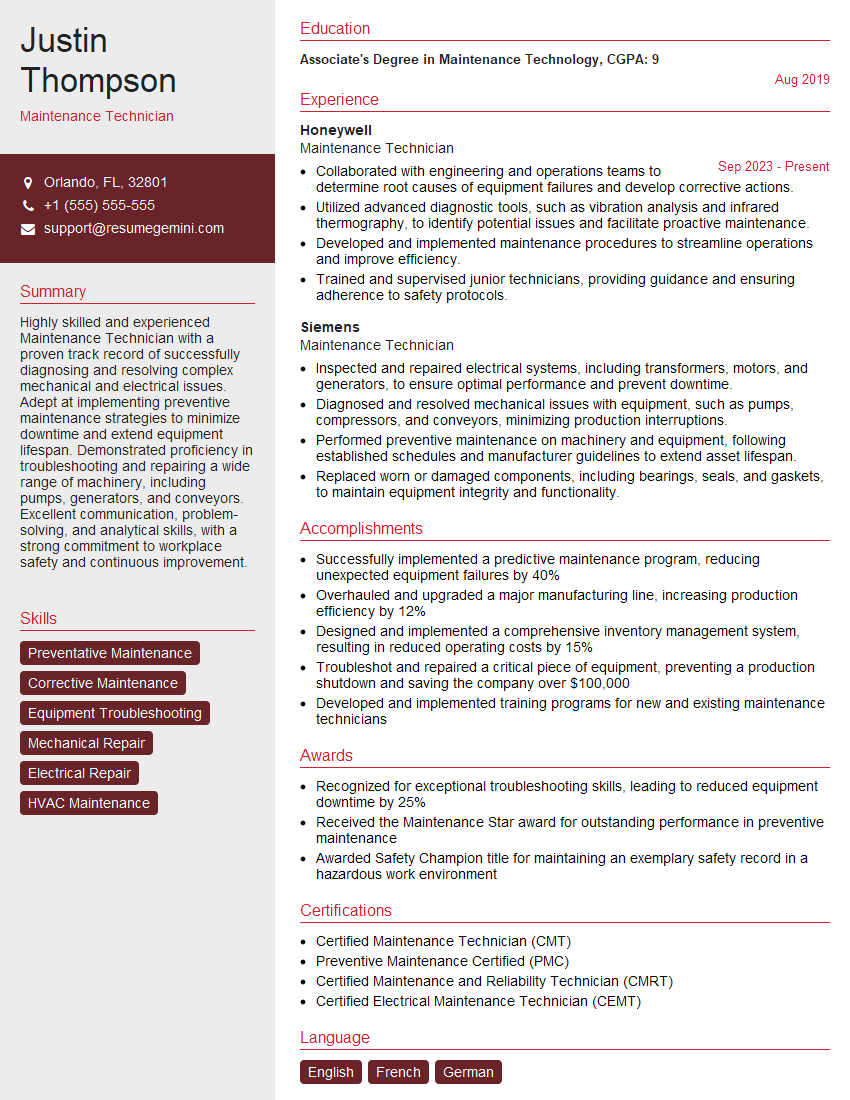
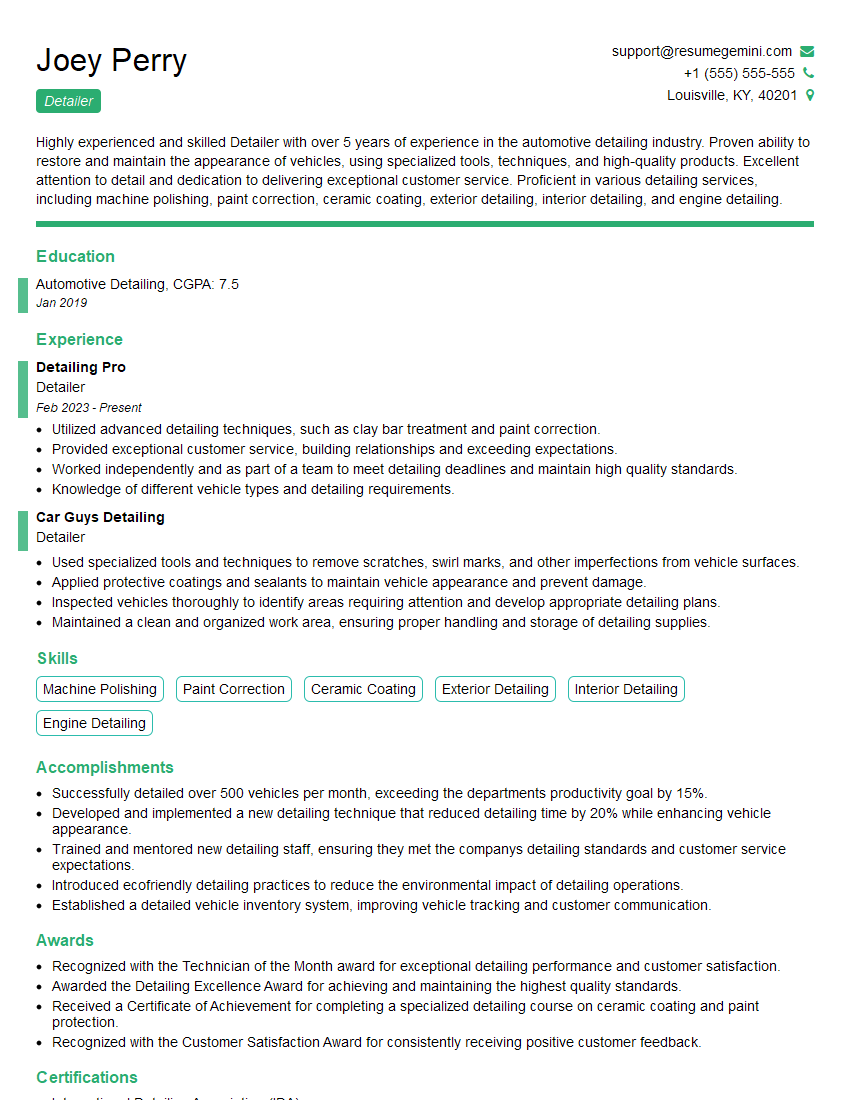
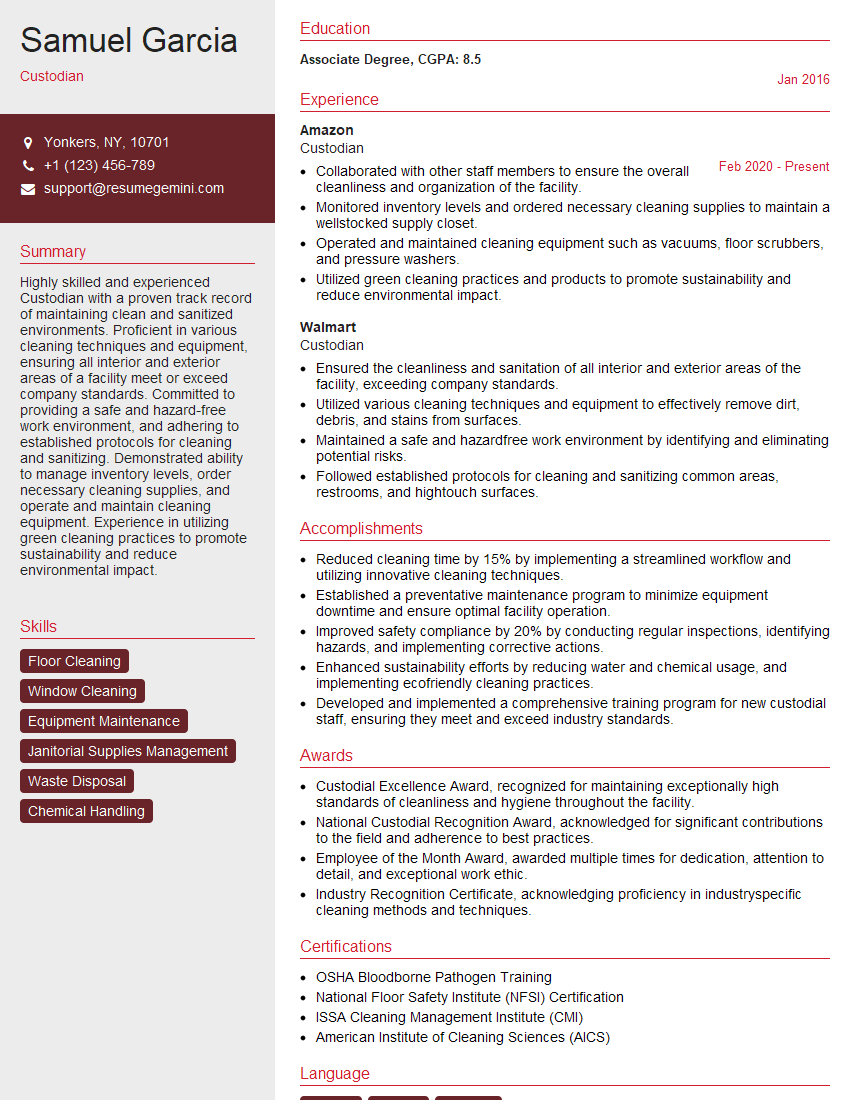
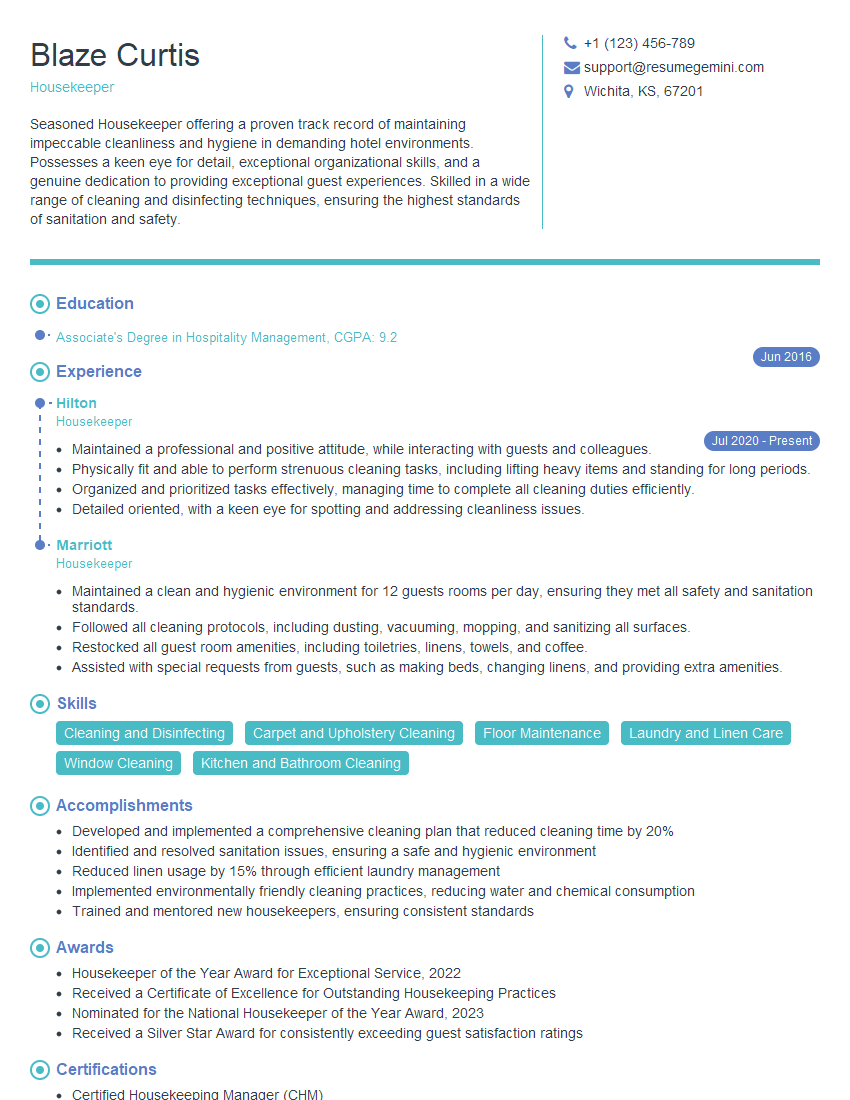
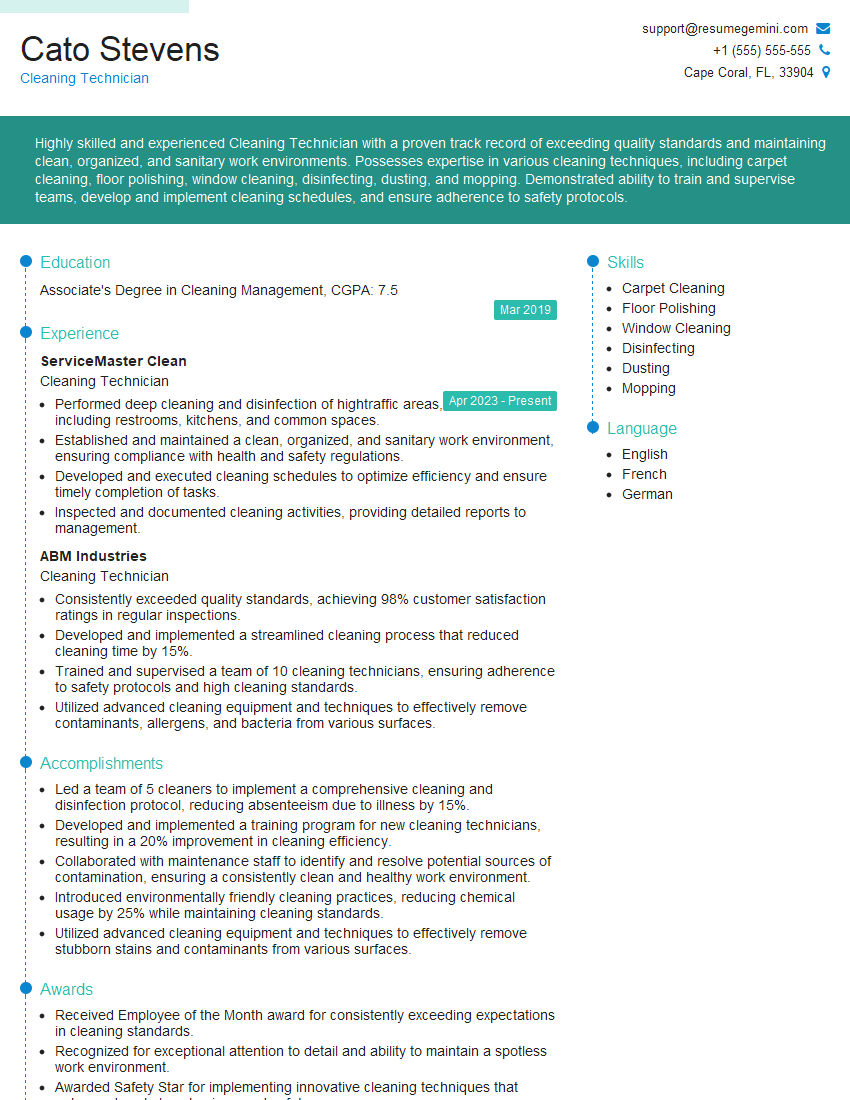
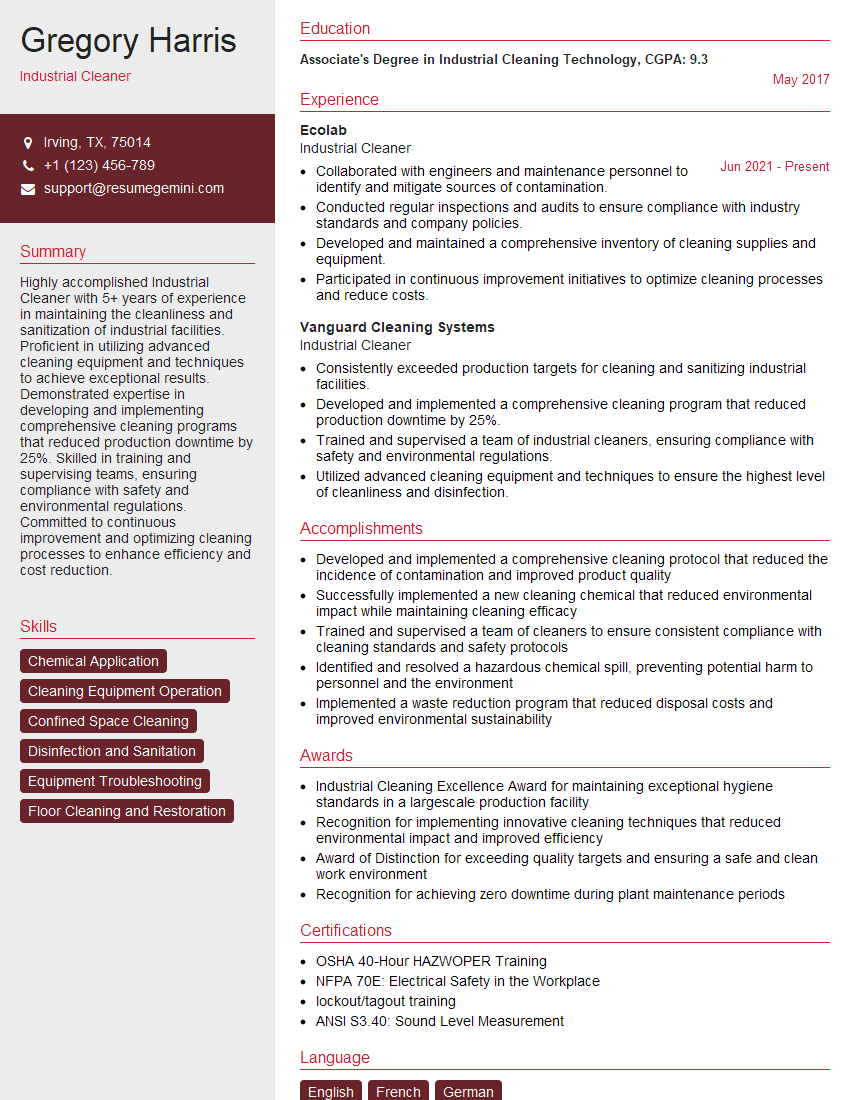
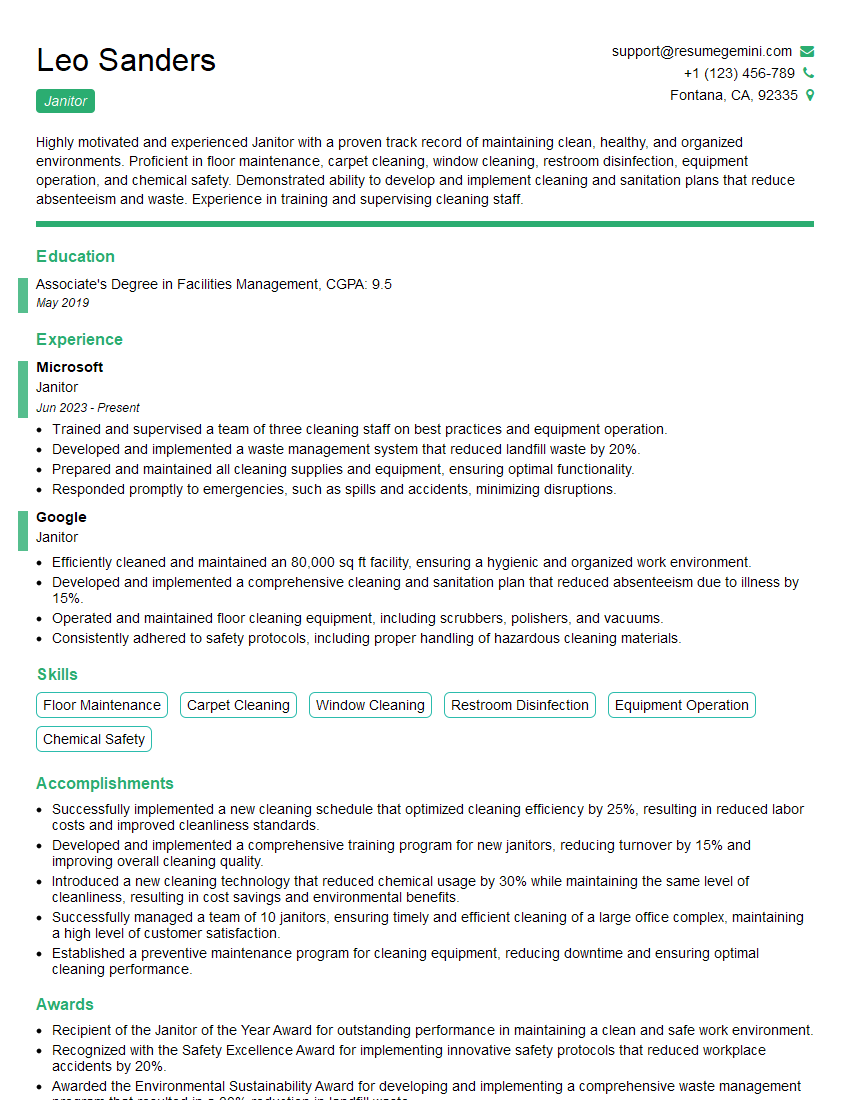
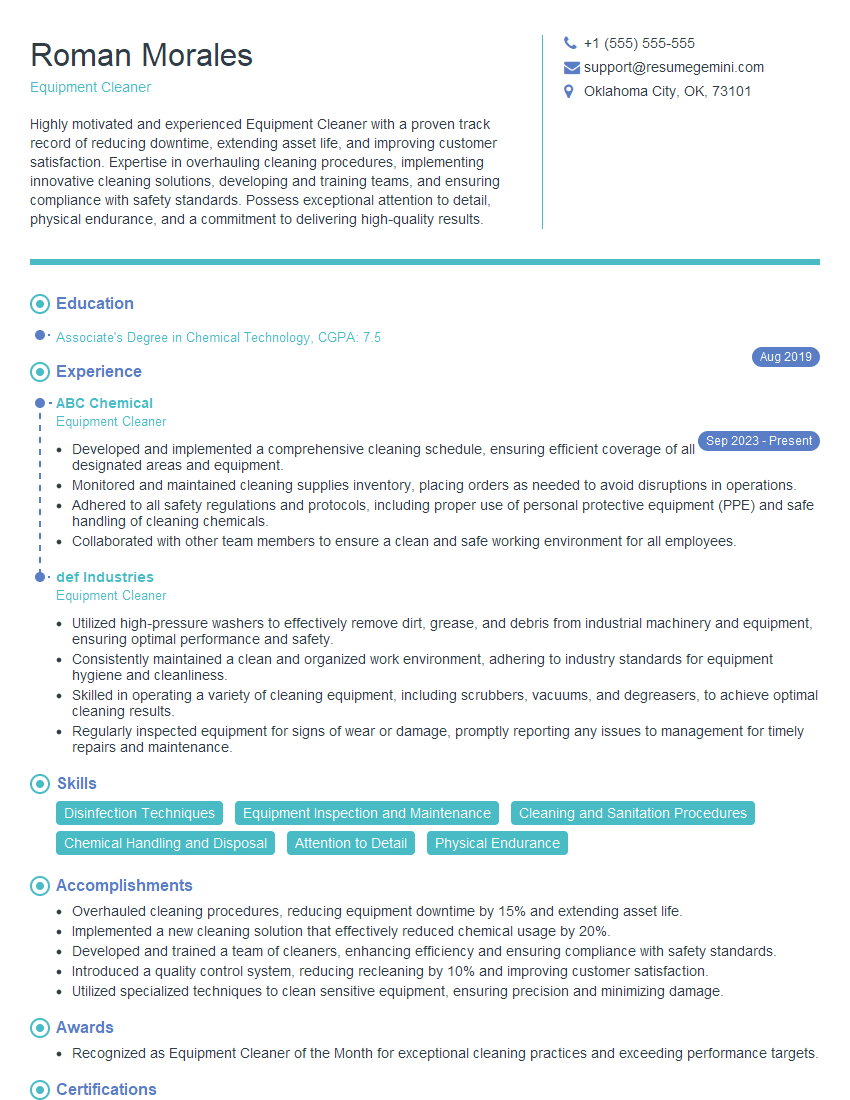
Mastering cleaning and degreasing techniques opens doors to diverse and rewarding career opportunities, offering growth potential within various industries. A well-crafted resume is crucial for showcasing your skills and experience to potential employers. An ATS-friendly resume, optimized for Applicant Tracking Systems, significantly increases your chances of getting noticed. To build a professional and impactful resume, we strongly recommend using ResumeGemini. ResumeGemini offers a user-friendly platform and provides examples of resumes tailored to the cleaning and degreasing industry, helping you present your qualifications effectively.
Explore more articles
Users Rating of Our Blogs
Share Your Experience
We value your feedback! Please rate our content and share your thoughts (optional).
What Readers Say About Our Blog
Very informative content, great job.
good