The right preparation can turn an interview into an opportunity to showcase your expertise. This guide to Coaching Philosophy and Ethics interview questions is your ultimate resource, providing key insights and tips to help you ace your responses and stand out as a top candidate.
Questions Asked in Coaching Philosophy and Ethics Interview
Q 1. Define your understanding of ethical coaching.
Ethical coaching is the practice of coaching that adheres to a strict code of conduct, prioritizing the client’s well-being and growth above all else. It involves upholding the highest standards of integrity, accountability, and responsibility in all interactions with clients. This means respecting client autonomy, maintaining confidentiality, avoiding conflicts of interest, and acting with fairness and impartiality. Ethical coaching is not just about avoiding harm; it’s about actively promoting a safe and supportive environment for client growth.
Think of it like building a house: the foundation is ethical principles. Without a solid ethical base, the entire coaching relationship – the ‘house’ – becomes unstable and unreliable.
Q 2. Explain the ICF Code of Ethics.
The International Coaching Federation (ICF) Code of Ethics provides a framework for ethical coaching practice. It outlines core values such as integrity, accountability, and respect. Key components include:
- Integrity: Maintaining honesty, truthfulness, and straightforwardness in all interactions.
- Accountability: Taking responsibility for one’s actions and decisions.
- Confidentiality: Protecting the client’s privacy and not disclosing sensitive information without consent.
- Respect: Valuing the client’s dignity, worth, and autonomy.
- Professionalism: Maintaining high standards of conduct and competence.
The ICF Code of Ethics acts as a guide for navigating ethical dilemmas and ensuring responsible coaching practices. It’s not just a set of rules; it’s a commitment to a culture of ethical conduct within the coaching profession.
Q 3. How do you handle a client’s unethical behavior?
Addressing a client’s unethical behavior requires a delicate and considered approach. First, I would carefully explore the situation with the client, fostering a dialogue that seeks to understand the context and motivations behind the behavior. This isn’t about judgment but about helping the client understand the impact of their actions.
If the behavior is illegal or seriously harms others, I have a responsibility to take appropriate action, which may include reporting the behavior to the relevant authorities or terminating the coaching relationship. However, before taking such action, I would involve my own supervisor or mentor for advice and guidance. My top priority is always the safety and well-being of all involved.
For instance, if a client is engaging in fraudulent business practices, my responsibility shifts from coaching to safeguarding ethical standards. I’d discuss the potential legal implications and consequences with them, and depending on the severity, I may need to end the coaching relationship or advise them to seek legal counsel.
Q 4. Describe a situation where you had to address a boundary violation.
In a previous coaching engagement, a client started sharing deeply personal details about their family life – significantly more than was professionally relevant to their stated goals. While I valued the trust they were placing in me, this crossed a boundary into areas beyond the scope of our professional relationship.
I gently but firmly redirected the conversation back to their stated goals, emphasizing the coaching agreement and the confidential nature of our sessions. I reassured them that I was there to support their professional growth but that certain aspects of their personal life were outside my expertise and the professional context of our work. I offered to provide resources for seeking professional support if they needed help with the issues they were raising. This demonstrated both care and a clear boundary.
Q 5. What is your approach to confidentiality in coaching?
Confidentiality is paramount in coaching. I clearly establish the limits of confidentiality at the beginning of our work together, clarifying exceptions such as legal requirements to report suspected abuse or harm. All information shared within our coaching sessions remains confidential unless the client explicitly gives permission for me to share it. I also adhere to best practices for data security, storing and managing client information responsibly.
Think of it like a doctor-patient relationship: trust is built on the understanding that what’s discussed remains private. This trust is essential for open communication and meaningful progress.
Q 6. How do you ensure cultural sensitivity in your coaching practice?
Cultural sensitivity is crucial for effective coaching. I approach every client with an open mind, recognizing that their experiences and perspectives are shaped by their unique cultural background. This involves actively listening to understand their worldview, avoiding making assumptions based on my own cultural lens, and adapting my communication style accordingly. If needed, I’d seek consultation or training to deepen my understanding of other cultural backgrounds to better support diverse clients.
For example, what might be considered assertive communication in one culture might be viewed as aggressive in another. My aim is to create a safe and inclusive space for clients from diverse backgrounds to feel comfortable and empowered to achieve their goals.
Q 7. Explain the difference between coaching, mentoring, and therapy.
While coaching, mentoring, and therapy all involve helping individuals grow and develop, they differ in their focus and approach:
- Coaching: Focuses on helping clients achieve specific, future-oriented goals. It’s forward-looking and solution-focused. The coach partners with the client to identify their strengths, resources, and strategies to overcome obstacles.
- Mentoring: Provides guidance and support based on the mentor’s experience and expertise. It’s often more directive than coaching, drawing on the mentor’s past experiences to guide the mentee’s development. The focus is often on career development or navigating specific challenges.
- Therapy: Addresses underlying emotional and psychological issues. It’s a deeper dive into past experiences and their impact on present behavior. A therapist addresses emotional wounds and helps clients manage mental health challenges.
Think of it this way: a coach helps you reach a specific mountain peak; a mentor guides you along the trail; and a therapist helps you heal from past injuries that might be preventing you from starting the climb in the first place. Each role serves a unique and valuable purpose.
Q 8. What are your preferred coaching models and why?
My coaching approach is eclectic, drawing from several models depending on the client’s needs and context. I find the Strengths-Based Coaching model particularly effective because it focuses on leveraging a client’s existing capabilities to achieve their goals. This approach fosters self-efficacy and empowers clients to own their success. I also incorporate elements of Solution-Focused Brief Therapy, which emphasizes identifying and building upon existing resources and solutions, rather than dwelling on past problems. Finally, the Cognitive Behavioral Coaching (CBC) model is invaluable for helping clients identify and modify unhelpful thought patterns and behaviors that might hinder progress. These models complement each other beautifully, allowing for a flexible and tailored approach.
For example, with a client struggling with procrastination, I might use strengths-based coaching to identify their inherent talents in organization or creativity, then leverage those strengths to tackle procrastination. Solution-focused brief therapy would help them quickly identify and implement solutions for managing time effectively. Finally, CBC would address any negative self-talk or limiting beliefs they might have that are contributing to the procrastination.
Q 9. Describe your approach to setting coaching goals.
Goal setting is a collaborative process, not a directive one. I begin by actively listening to the client, understanding their aspirations, and identifying their values. We work together to articulate specific, measurable, achievable, relevant, and time-bound (SMART) goals. It’s crucial that the client feels ownership of these goals. We’ll explore potential obstacles and brainstorm strategies to overcome them. I use tools like the GROW model (Goal, Reality, Options, Will) to guide this process. It’s a structured framework that facilitates thoughtful reflection and planning.
For instance, if a client wants to ‘improve their public speaking,’ we’ll break that down into SMART goals. This might include things like: ‘Deliver a 5-minute presentation to a group of 10 people by the end of next month’ or ‘Practice speaking extemporaneously for 30 minutes, three times a week’. This concrete approach makes progress tangible and measurable.
Q 10. How do you manage client resistance?
Resistance is a natural part of the coaching process; it often indicates underlying concerns or anxieties. I approach resistance with empathy and curiosity, rather than confrontation. I’ll seek to understand the root cause of the resistance, asking open-ended questions to explore the client’s perspective and concerns. This might involve exploring their fears of failure, lack of self-belief, or even a mismatch between the coaching goals and their deeper values.
For example, if a client consistently misses coaching sessions, I wouldn’t immediately jump to conclusions. Instead, I’d inquire about what might be interfering with their attendance. Through empathetic listening, I might discover underlying stress or scheduling conflicts that are preventing them from fully engaging in the process. Once the root cause is identified, we can collaboratively find solutions that address those issues and move forward.
Q 11. How do you assess client progress?
Assessing client progress is an ongoing process, not a one-time event. I use a multifaceted approach that includes regular check-ins, goal review meetings, and the use of various assessment tools like questionnaires, journaling prompts, and progress trackers. Crucially, I rely heavily on the client’s self-report and qualitative feedback to understand their subjective experience and their perception of their progress. I also observe their behavior and communication patterns for clues about their development.
For example, a client working on improving confidence might track their anxiety levels before and after presentations, record their perceived comfort levels, and document the positive feedback they receive. These combined measures would provide a comprehensive picture of progress, even if the change isn’t always immediately dramatic.
Q 12. How do you handle conflict with a client?
Conflict with a client is rare but can arise from miscommunication, unmet expectations, or differences in values or approaches. My first step is to acknowledge and validate the client’s feelings. I would strive to create a safe space for open and honest dialogue, actively listening to their concerns and expressing my own perspective with empathy and respect. We’d collaboratively explore the root cause of the conflict and work toward a mutually agreeable solution.
If the conflict persists or involves serious ethical concerns, I might refer the client to another coach or professional who is better equipped to handle the situation. Maintaining the client’s well-being and upholding ethical boundaries are paramount.
Q 13. What are some common ethical dilemmas faced by coaches?
Ethical dilemmas in coaching are frequent and require careful consideration. Common issues include: maintaining confidentiality (especially with sensitive information), managing boundaries (avoiding dual relationships or conflicts of interest), ensuring informed consent (clients fully understanding the coaching process and their rights), dealing with client gifts or requests for inappropriate favors, handling referrals appropriately, and navigating power imbalances within the coaching relationship. Maintaining up-to-date knowledge of ethical guidelines and seeking supervision or consultation when faced with challenging situations are crucial to ethical practice.
For example, a client disclosing personal information that might be legally relevant – such as threats of self-harm – presents a difficult ethical dilemma. In such cases, I would prioritize the client’s safety and refer them to the appropriate authorities while carefully balancing the need for confidentiality.
Q 14. Discuss your understanding of informed consent in coaching.
Informed consent is the cornerstone of ethical coaching. It means that clients have a complete understanding of the coaching process, including its goals, methods, limitations, and potential risks. Before beginning the coaching engagement, I provide a clear description of my coaching style, my qualifications, the fee structure, and the confidentiality policy. I ensure that clients understand their rights, including their right to terminate the coaching relationship at any time. I encourage them to ask questions and fully understand the process before committing to working together. I document this agreement, often through a signed contract, further solidifying the commitment to transparency and ethical practice.
Essentially, informed consent is about empowering the client to make informed choices about their coaching experience, ensuring they feel safe, respected, and in control of the process.
Q 15. How do you maintain your own professional development?
Maintaining my professional development is paramount. It’s not a one-time event but a continuous process of learning and refinement. I approach this in a multi-faceted way.
- Continuing Education: I regularly attend workshops, conferences, and seminars focused on the latest advancements in coaching methodologies, ethical considerations, and relevant psychological research. For example, I recently completed a course on positive psychology interventions, which has significantly enhanced my ability to support clients in building resilience and fostering well-being.
- Supervision: I engage in regular supervision with a seasoned and experienced coach. This provides a safe space to discuss challenging cases, reflect on my practice, and receive valuable feedback on my approach. This is crucial for maintaining ethical standards and preventing burnout.
- Mentorship and Peer Learning: I actively participate in professional coaching networks and engage in peer supervision. Sharing experiences and learning from other coaches is invaluable for broadening my perspectives and refining my skills.
- Self-Reflection: I regularly dedicate time to self-reflection through journaling and mindful practices. This allows me to identify areas for improvement in my coaching style and personal development, ensuring I remain self-aware and effective.
This holistic approach ensures I am always evolving as a coach, staying abreast of best practices, and providing the highest quality service to my clients.
Career Expert Tips:
- Ace those interviews! Prepare effectively by reviewing the Top 50 Most Common Interview Questions on ResumeGemini.
- Navigate your job search with confidence! Explore a wide range of Career Tips on ResumeGemini. Learn about common challenges and recommendations to overcome them.
- Craft the perfect resume! Master the Art of Resume Writing with ResumeGemini’s guide. Showcase your unique qualifications and achievements effectively.
- Don’t miss out on holiday savings! Build your dream resume with ResumeGemini’s ATS optimized templates.
Q 16. Describe your approach to building rapport with clients.
Building rapport is foundational to successful coaching. It’s about creating a safe, trusting, and collaborative environment where clients feel comfortable being vulnerable and exploring themselves honestly. My approach is built on several key principles:
- Active Listening: I prioritize truly hearing the client, not just waiting for my turn to speak. This includes paying attention to both verbal and nonverbal cues, reflecting back what I hear to ensure understanding, and asking clarifying questions.
- Empathy and Validation: I strive to understand the client’s perspective, even if I don’t necessarily agree with it. Validating their feelings and experiences creates a sense of being heard and understood.
- Authenticity: I believe in being genuine and transparent in my interactions. This doesn’t mean sharing personal details inappropriately, but rather being true to myself and my approach to coaching.
- Setting Clear Expectations: From the outset, I clearly communicate my coaching style, process, and boundaries. This transparency sets the stage for a mutually respectful and productive relationship.
- Building a Collaborative Partnership: I view coaching as a partnership, not a hierarchical relationship. I work alongside the client, supporting them in achieving their goals, rather than directing them.
For example, I recently worked with a client who was struggling with imposter syndrome. By actively listening to their experiences and validating their feelings, I helped them to understand the roots of their self-doubt and develop strategies to build confidence. The trust established through genuine connection allowed them to open up and truly engage in the coaching process.
Q 17. How do you ensure you are the right fit for a client?
Ensuring a good client-coach fit is critical. It’s not just about me being a good coach; it’s about us being a good match. I employ several methods to assess this:
- Initial Consultation: The initial consultation is crucial for exploring the client’s needs, goals, and expectations, as well as my coaching style and approach. This allows us to determine if our values, communication styles, and working methods are compatible.
- Chemistry Check: I pay close attention to the ‘chemistry’ between us. Do we connect on a human level? Do we feel comfortable and respected in the interaction? This gut feeling is often a significant indicator of compatibility.
- Goal Alignment: If the client’s goals don’t align with my expertise or ethical boundaries, I will be upfront and honest. It’s more responsible to refer them to a coach who is a better fit.
- Client’s Readiness: I assess the client’s readiness for coaching. Are they committed to the process? Do they have the self-awareness and motivation needed to achieve their goals? If not, it’s important to help them identify the support they need before embarking on coaching.
For instance, if a client seeks help with a specific issue outside my area of expertise – say, addiction recovery – I’ll refer them to a qualified specialist. My goal is to serve my clients effectively and ethically, and sometimes that means acknowledging my limitations and connecting them with the right professional.
Q 18. What are your strategies for dealing with difficult conversations?
Difficult conversations are inevitable in coaching. My approach focuses on managing these interactions with empathy, respect, and clear communication.
- Preparation: Before engaging in a difficult conversation, I carefully prepare by outlining key points, anticipating potential reactions, and developing strategies to address them. This preparation helps me maintain composure and stay focused.
- Active Listening and Empathy: I actively listen to the client’s perspective, even if it’s difficult to hear. Showing empathy and understanding helps to de-escalate tensions.
- Clear and Direct Communication: I communicate my concerns and perspectives clearly and directly, while remaining respectful and avoiding judgment.
- Setting Boundaries: I ensure that boundaries are clearly established and respected throughout the conversation. This might involve pausing the session if needed.
- Collaborative Problem-Solving: If possible, I work collaboratively with the client to find solutions and address the issues at hand.
For example, if a client consistently misses sessions, I would address the issue directly and collaboratively. We might explore the reasons behind the missed sessions and collaboratively develop strategies for better time management and accountability.
Q 19. How do you address client expectations?
Managing client expectations is crucial for a positive coaching experience. I address this proactively and transparently.
- Clear Communication from the Start: During the initial consultation, I clearly articulate my coaching style, process, and what clients can realistically expect to achieve. This sets realistic expectations.
- Setting Measurable Goals: We collaboratively define specific, measurable, achievable, relevant, and time-bound (SMART) goals. This provides a clear roadmap and benchmarks for progress.
- Regular Check-ins: I conduct regular check-ins to monitor progress, address any concerns, and make adjustments as needed. This ensures that we’re both on the same page and expectations are continuously aligned.
- Open Communication: I encourage open communication from the client, creating space for them to express concerns or unmet expectations. This keeps the lines of communication open and allows for adjustments.
- Honest and Realistic Feedback: I provide honest and realistic feedback about progress and potential challenges. Avoiding unrealistic promises builds trust and ensures a more positive experience.
If a client is expecting immediate, drastic changes, I explain that lasting transformation takes time and effort. Setting clear expectations and celebrating small wins along the way helps to maintain momentum and build confidence.
Q 20. Explain your approach to feedback in coaching.
Feedback is a cornerstone of effective coaching. My approach is to provide feedback that is timely, specific, actionable, and focused on growth.
- Timing: I provide feedback when it’s most relevant and impactful, whether immediately after an observation or during a scheduled coaching session.
- Specificity: I avoid vague generalizations. Instead, I offer concrete examples to illustrate my points, making the feedback more meaningful and less abstract.
- Actionable Insights: The feedback is always framed to be helpful and actionable. I suggest specific steps or strategies that the client can implement to improve.
- Growth-Oriented Focus: I focus on strengths and areas for development, always framing feedback to foster growth and self-improvement rather than criticism.
- Collaborative Dialogue: Feedback isn’t a one-way street. I encourage a collaborative dialogue where the client can share their perspectives and insights, ensuring the feedback is truly relevant and useful.
For instance, if a client’s communication style seems overly assertive in a specific situation, I might offer feedback like, “I noticed in your last presentation, you interrupted several times. While your ideas were strong, the interruptions might have detracted from your message’s overall impact. Perhaps exploring more active listening techniques could be helpful in the future.” This provides a specific observation, an explanation, and a concrete suggestion for improvement.
Q 21. Describe your experience in handling client crises.
Handling client crises requires a calm, supportive, and ethical approach. My experience involves:
- Immediate Support and Assessment: My first priority is to provide immediate support and assess the severity of the situation. This involves actively listening, validating their feelings, and ensuring their safety.
- Collaboration and Referral: Depending on the severity and nature of the crisis (e.g., suicidal thoughts, severe mental health concerns), I would collaborate with the client to create a safety plan and refer them to appropriate professionals, such as therapists or emergency services.
- Ethical Considerations: I adhere strictly to ethical guidelines, prioritizing client confidentiality and ensuring that any referrals align with their needs and preferences.
- Self-Care: Handling client crises can be emotionally taxing. I prioritize my own self-care to ensure that I am in a healthy emotional state to effectively support my clients.
- Documentation: I meticulously document all relevant information pertaining to the crisis, the interventions taken, and referrals made. This is essential for maintaining professional standards and ensuring continuity of care.
I once supported a client who experienced a significant personal loss during our coaching process. I provided immediate emotional support, helped them develop coping mechanisms, and connected them with a grief counselor. By maintaining clear communication and providing appropriate resources, we navigated the crisis effectively and maintained a positive coaching relationship.
Q 22. How do you deal with client burnout or emotional distress?
Client burnout and emotional distress are serious concerns that require a compassionate and ethical approach. My first priority is always the client’s safety and well-being. I begin by actively listening and validating their experience, creating a safe and non-judgmental space where they feel comfortable expressing their feelings. I’d assess the severity of the distress, looking for signs of potential crisis. If there’s an immediate risk of self-harm or harm to others, I have a clear protocol for immediate referral to appropriate professionals like a therapist or crisis hotline.
For less acute distress, I would work collaboratively with the client to identify contributing factors, perhaps using techniques like stress management training, setting realistic goals, and promoting self-compassion. We might explore coping mechanisms and strategies for self-care. It is crucial to remember that I am a coach, not a therapist, and I would carefully manage the boundaries of my role, emphasizing the need for professional therapeutic support when necessary. This might involve offering a referral or suggesting complementary practices like mindfulness meditation.
For instance, I once had a client experiencing significant work-related stress leading to burnout. We collaboratively identified specific stressors, created a plan to prioritize tasks and boundaries, and explored stress reduction techniques. This involved regular check-ins and adjusting the coaching plan based on her progress. Ultimately, we reached a point where she felt empowered to handle the stress and was able to seek external support as needed.
Q 23. Explain your understanding of power dynamics in the coaching relationship.
Power dynamics are inherent in any coaching relationship. Recognizing and managing these dynamics ethically is paramount. The coach holds a position of expertise and influence, while the client is vulnerable and seeking guidance. My approach emphasizes building a relationship founded on mutual respect, trust, and collaboration. I actively work to ensure that the client retains autonomy and agency throughout the process. This means empowering them to make their own decisions, avoiding imposing my opinions or values, and respecting their boundaries. I foster a partnership where we co-create the coaching plan and continually check in to ensure the client feels comfortable and in control.
Maintaining transparency is vital. I clearly outline my coaching approach, the boundaries of the relationship, and the process for addressing any concerns the client might have. Regularly checking in about the power balance ensures that it remains collaborative and equitable. For example, I might ask questions like, “How are you feeling about the pace of our sessions? Does anything feel overwhelming or out of balance?” This ensures the client feels empowered to voice concerns, preserving the ethical integrity of the coaching relationship.
Q 24. What is your approach to managing dual relationships?
Dual relationships, where the coach and client have a pre-existing or overlapping relationship outside of coaching, create significant ethical dilemmas. My approach involves proactively identifying and managing any potential conflicts of interest. Ideally, I would avoid dual relationships altogether, but if one arises unexpectedly, I would carefully consider the implications for the coaching relationship. This involves transparency—openly discussing the potential conflict with the client, exploring their comfort level with the situation, and making sure there’s no coercion involved. Documenting the conversation is crucial.
If the potential risks outweigh the benefits, I would refer the client to another coach. This prioritizes the well-being and best interests of the client. For example, if a former colleague sought coaching from me, I’d thoroughly explore the potential bias and conflict before proceeding, likely opting for a referral to ensure objectivity and maintain professional boundaries.
Q 25. How do you ensure your personal biases do not impact your coaching?
Personal biases are inevitable, but their impact on coaching needs to be minimized. My strategy involves ongoing self-reflection and continuous professional development. I regularly engage in self-assessment, journaling, and supervision to examine my own beliefs, values, and assumptions. This helps me identify any potential blind spots that might unconsciously influence my interactions with clients. I also actively seek feedback from colleagues and supervisors to gain external perspectives on my coaching style and identify areas for improvement.
When working with a client, I strive for active listening and empathy, focusing on understanding their unique perspective without imposing my own judgments. I use techniques like mindful awareness to check my reactions and ensure I’m not projecting my biases onto the client. For instance, if I notice myself reacting strongly to a client’s narrative, I pause to explore my own emotional response and reflect on how it might be coloring my perception. This self-awareness is crucial for maintaining ethical coaching practices.
Q 26. Describe a situation where you had to refer a client.
I once had a client who began expressing symptoms consistent with a severe eating disorder. While I provided support and encouragement within the scope of my coaching practice, it became clear that her needs extended far beyond the capabilities of coaching. Her emotional and physical well-being were at serious risk. Therefore, I referred her to a qualified therapist specializing in eating disorders. I provided her with a list of reputable professionals and helped her schedule an initial appointment. This referral was essential to ensuring the client received appropriate care. It was a difficult but necessary decision that prioritized her safety and well-being above all else. Maintaining clear boundaries and referring clients when appropriate is a crucial part of responsible coaching.
Q 27. What are your strategies for promoting client autonomy?
Promoting client autonomy is fundamental to ethical coaching. I accomplish this through collaborative goal setting, empowering questioning, and reflective practice. Instead of dictating solutions, I guide clients to explore their own options and arrive at their own conclusions. I utilize open-ended questions that encourage self-discovery and critical thinking. For example, rather than asking, “Should you quit your job?”, I’d ask, “What are the pros and cons of staying in your current role versus exploring new opportunities? What are your ideal working conditions?”
Regularly checking in with the client to ensure they feel in control and comfortable with the direction of the coaching process is crucial. I regularly assess whether the coaching plan is still aligned with their goals and values. This ensures they retain agency and ownership of their journey. We co-create action plans, with the client taking the lead on implementing those steps.
Q 28. How do you balance providing support with challenging clients?
Balancing support and challenge with clients is a delicate but necessary skill. While it’s important to provide empathy and understanding, it’s equally vital to challenge clients to step outside their comfort zones and achieve their goals. My approach involves creating a supportive environment where clients feel safe to take risks, while simultaneously offering constructive feedback and accountability. This balance involves active listening, understanding their perspectives and challenges, and then gently pushing them to consider alternative perspectives and approaches.
I use motivational interviewing techniques to guide them towards self-discovery and empower them to make positive changes. It’s about finding the right balance between nurturing their strengths and addressing their weaknesses without being overly critical or judgmental. The key is to challenge with compassion and support, not with criticism or negativity. This approach fosters a strong coach-client relationship built on trust and mutual respect.
Key Topics to Learn for Coaching Philosophy and Ethics Interview
- Defining Your Coaching Philosophy: Articulate your core beliefs about coaching, including your approach to client relationships, goal setting, and the coaching process itself. Consider exploring different coaching models (e.g., cognitive behavioral, solution-focused, strengths-based) and how they align with your personal values.
- Ethical Considerations in Coaching: Discuss the importance of confidentiality, informed consent, boundaries, and managing conflicts of interest. Explore real-world scenarios and how you would navigate ethical dilemmas in a coaching context.
- Cultural Competency and Inclusivity: Demonstrate an understanding of how cultural background, beliefs, and values impact coaching relationships. Explain how you adapt your approach to be inclusive and sensitive to diverse client needs.
- Practical Application: Case Studies: Prepare to discuss specific examples from your experience (or hypothetical scenarios) that demonstrate your ability to apply ethical principles and your coaching philosophy effectively. Focus on the decision-making process and the rationale behind your choices.
- Professional Development and Continuing Education: Show your commitment to ongoing learning and professional growth in the field of coaching. Highlight relevant certifications, workshops, or self-directed learning initiatives you’ve undertaken.
- The Coaching Relationship: Building Trust and Rapport: Explain your strategies for building strong, trusting relationships with clients, establishing clear communication, and fostering a safe and supportive coaching environment.
Next Steps
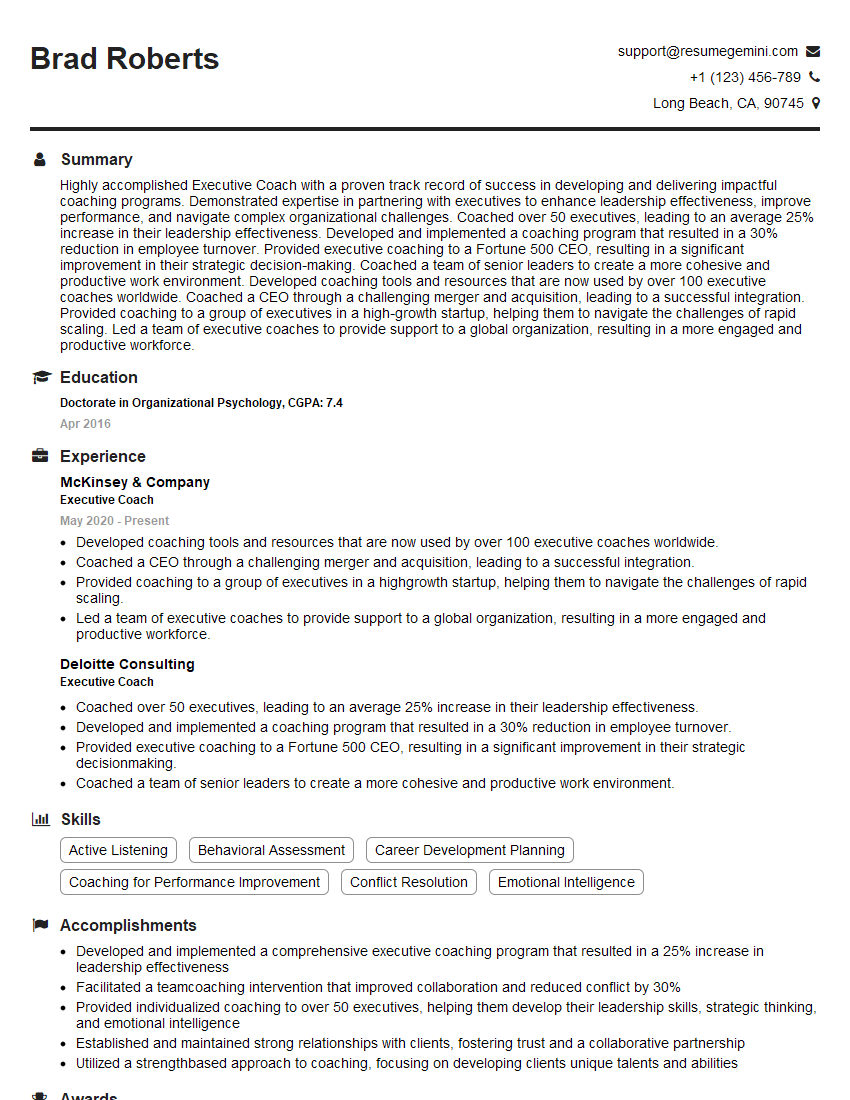
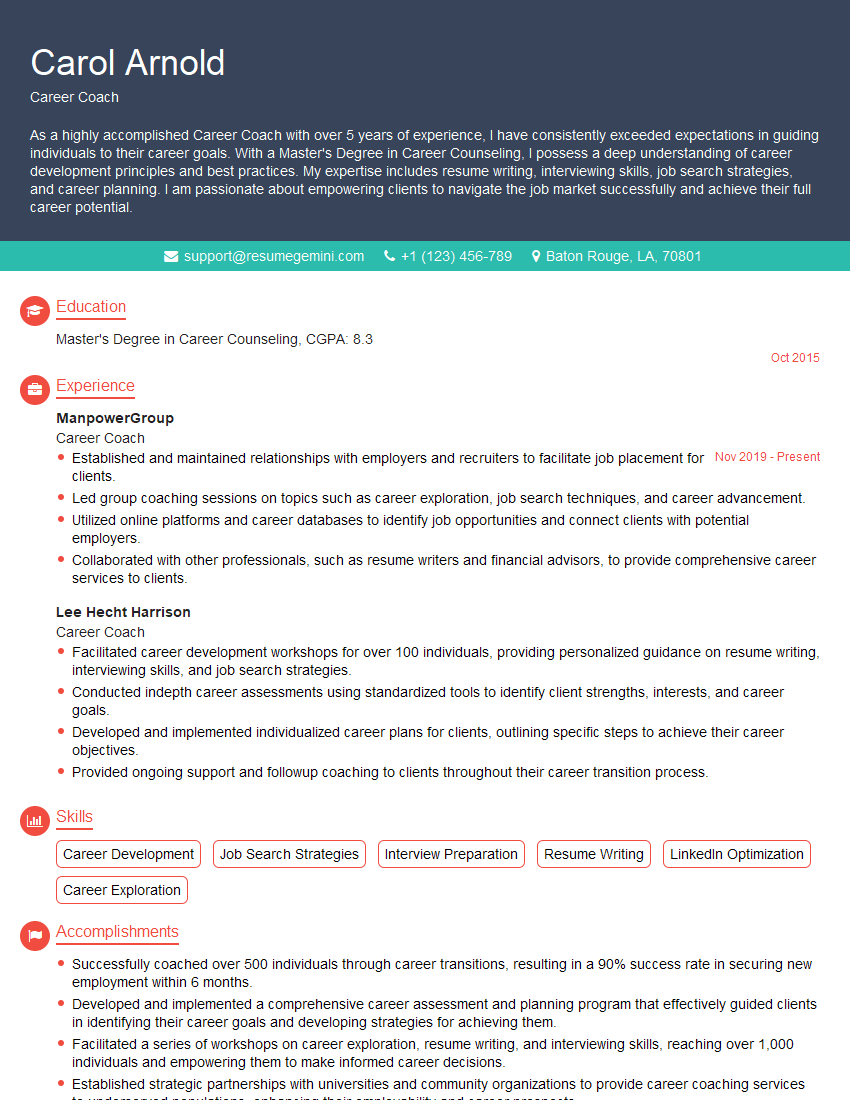
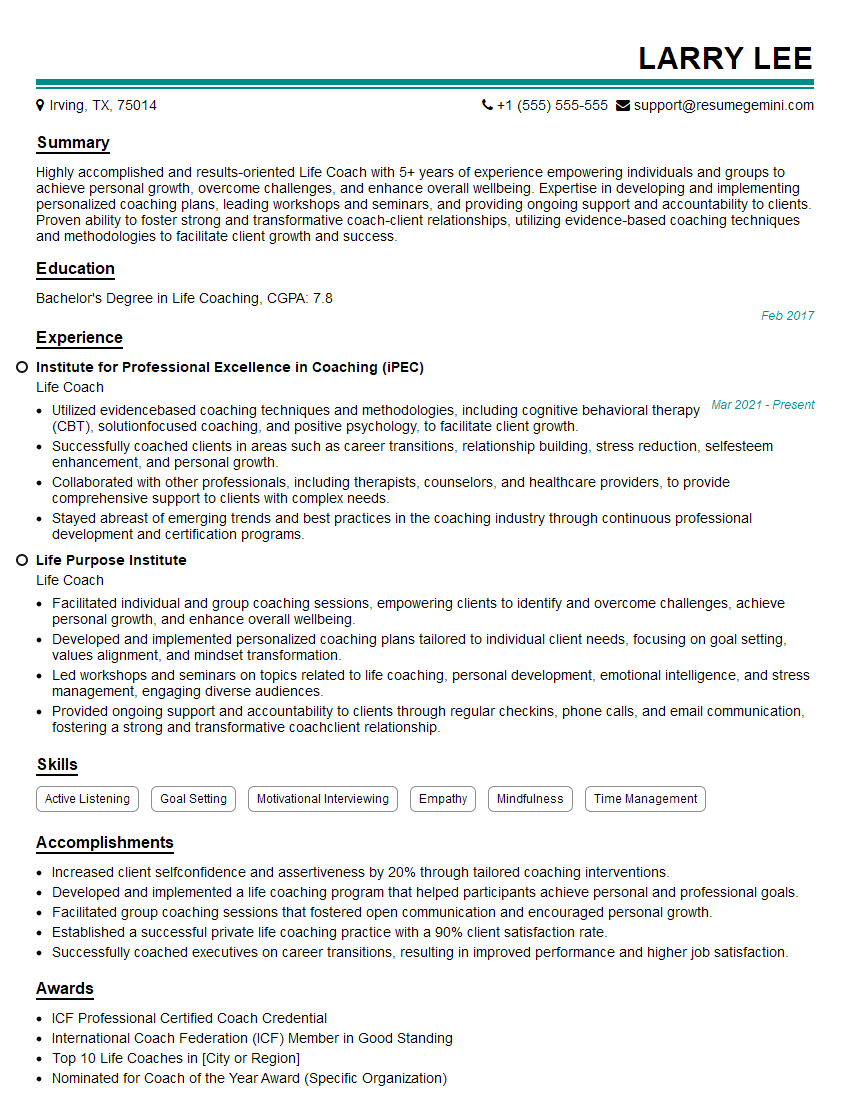
Mastering Coaching Philosophy and Ethics is crucial for building a successful and impactful coaching career. A strong understanding of these principles demonstrates professionalism, integrity, and a commitment to client well-being—qualities highly valued by employers. To enhance your job prospects, create an ATS-friendly resume that effectively highlights your skills and experience. ResumeGemini is a trusted resource to help you build a professional and impactful resume. They provide examples of resumes tailored to Coaching Philosophy and Ethics, allowing you to showcase your expertise effectively and land your dream role.

Explore more articles
Users Rating of Our Blogs
Share Your Experience
We value your feedback! Please rate our content and share your thoughts (optional).
What Readers Say About Our Blog
Very informative content, great job.
good