Feeling uncertain about what to expect in your upcoming interview? We’ve got you covered! This blog highlights the most important Coccidia Control and Prevention interview questions and provides actionable advice to help you stand out as the ideal candidate. Let’s pave the way for your success.
Questions Asked in Coccidia Control and Prevention Interview
Q 1. Describe the lifecycle of Eimeria spp.
The Eimeria lifecycle is a complex process involving several stages, all crucial for understanding how this parasite spreads and causes disease. It begins with the ingestion of oocysts – the environmentally resistant, infective stage – by a susceptible bird.
- Sporulation: Once ingested, oocysts undergo sporulation, developing into sporozoites, the infective stage within the host.
- Invasion: Sporozoites invade the intestinal epithelial cells, initiating the asexual phase of reproduction (merogony).
- Merogony: This involves multiple rounds of asexual replication, producing many merozoites.
- Gametogony: Merozoites then transform into gametocytes (male and female), initiating the sexual phase.
- Fertilization: Gametes fuse to form zygotes, which develop into oocysts.
- Oocyst Shedding: These oocysts are shed in the bird’s feces and, after sporulation in the environment, become infective for other birds, completing the cycle.
Imagine it like a plant’s life cycle: the oocyst is like a seed, sporozoites are seedlings, and the mature stages are like the plant producing more seeds (oocysts) to continue the life cycle. Understanding this lifecycle is key to effective control strategies.
Q 2. Explain the different types of coccidia affecting poultry.
Several Eimeria species affect poultry, each with varying pathogenicity and tissue tropism (preference for specific intestinal locations). The most common include: E. tenella (caeca), E. necatrix (jejunum), E. acervulina (duodenum), E. maxima (jejunum), E. brunetti (jejunum), and E. mitis (jejunum).
Each species causes characteristic lesions and clinical signs, understanding which species is involved is important for effective treatment. For instance, E. tenella causes severe cecal damage, leading to bloody droppings, while E. acervulina typically leads to less severe lesions but can still impact growth.
Q 3. What are the clinical signs of coccidiosis in poultry?
Clinical signs of coccidiosis vary depending on the severity of the infection and the Eimeria species involved. Common signs include:
- Diarrhea: This can range from mild, watery droppings to severe, bloody diarrhea (especially with E. tenella).
- Lethargy and Depression: Affected birds appear listless, ruffled, and less active.
- Weight Loss: Reduced feed intake and malabsorption lead to significant weight loss and poor growth rates.
- Anemia: Blood loss from intestinal damage can cause anemia, leading to pale combs and wattles.
- Increased Mortality: Severe infections, especially in young birds, can lead to high mortality rates.
Imagine a farmer noticing his chicks are suddenly lethargic, their droppings are bloody, and they are not growing as expected – these are classic red flags for coccidiosis.
Q 4. How is coccidiosis diagnosed?
Diagnosis of coccidiosis involves a combination of methods:
- Clinical Signs: Observing the characteristic symptoms described above is the first step.
- Necropsy: Examining the intestines of dead birds reveals characteristic lesions specific to each Eimeria species.
- Microscopy: Examining fecal samples under a microscope to identify oocysts is a common and effective method.
- Molecular Diagnostics: PCR techniques can detect specific Eimeria species even in the absence of visible oocysts or lesions, providing a highly sensitive diagnosis.
For example, a veterinarian might perform a necropsy on a dead bird, identifying lesions in the caeca, strongly suggesting E. tenella infection. Microscopic examination of fecal samples can confirm the presence of oocysts.
Q 5. Discuss various methods for controlling coccidiosis in poultry.
Controlling coccidiosis requires a multi-faceted approach:
- Hygiene and Sanitation: Maintaining clean and dry housing, removing manure regularly, and proper disinfection are crucial in preventing oocyst build-up.
- Coccidiostats in Feed: Adding coccidiostats to the feed helps prevent or control infections. This is a common practice, but proper rotation of different types of coccidiostats to prevent resistance is critical.
- Vaccination: Live attenuated vaccines stimulate immunity against specific Eimeria species and offer long-term protection.
- Biosecurity: Preventing the introduction of new infections through strict biosecurity measures (e.g., quarantine of new birds) is important.
- Breed Selection: Some breeds demonstrate better resistance to coccidiosis, which may be a factor in long-term flock management.
Think of it like a layered security system; each measure contributes to overall protection against coccidiosis.
Q 6. Explain the role of coccidiostats in poultry feed.
Coccidiostats are chemical compounds added to poultry feed to control coccidiosis. They work by inhibiting the development of Eimeria parasites within the bird’s gut, reducing the severity of the infection and improving growth performance.
The choice of coccidiostat depends on several factors, including the species of Eimeria prevalent in the area, the age of the birds, and the history of coccidiostat use on the farm. Rotation and strategic use of various coccidiostats are crucial to minimize the development of resistance. This is an essential part of responsible poultry management.
Q 7. What are the advantages and disadvantages of using ionophores?
Ionophores are a class of coccidiostats that act by disrupting ion transport across parasite cell membranes. This leads to parasite death.
- Advantages: Effective at controlling coccidiosis, relatively low cost compared to other classes, and have been widely used for many years.
- Disadvantages: Can suppress growth in some birds, if not properly managed, can lead to resistance, and their effectiveness varies based on the specific Eimeria species and environmental factors.
The use of ionophores, like other coccidiostats, requires careful management. Misuse can result in resistance, negating their effectiveness and ultimately causing greater problems down the line. Careful monitoring and rotation strategies are critical for responsible use.
Q 8. What are the potential consequences of coccidiosis outbreaks?
Coccidiosis outbreaks, caused by parasitic protozoa of the genus Eimeria, can have devastating consequences for poultry flocks. The severity depends on factors like the species of Eimeria, the age and immunity of the birds, and the level of infection.
- Mortality: In severe cases, particularly in young birds, high mortality rates can occur. Imagine a farmer losing a significant portion of their chicks – this is a direct and catastrophic consequence.
- Reduced Growth Rate and Feed Efficiency: Infected birds experience decreased appetite, leading to poor weight gain and inefficient feed conversion. This directly impacts profitability, as birds take longer to reach market weight and require more feed.
- Impaired Immune System: Coccidiosis weakens the immune system, making birds more susceptible to other diseases. Think of it as opening the door for other infections to easily take hold.
- Economic Losses: Reduced production, increased mortality, treatment costs, and potential condemnation of carcasses all contribute to significant financial losses for producers.
- Welfare Concerns: Severely infected birds suffer from diarrhea, dehydration, and general weakness, impacting animal welfare.
Q 9. What are the economic impacts of coccidiosis in poultry production?
The economic impact of coccidiosis on poultry production is substantial and multifaceted. It’s not just about direct mortality; the subtle effects are equally damaging.
- Reduced Weight Gain: Birds don’t grow as quickly, meaning a longer time to market and increased feed costs.
- Increased Feed Conversion Ratio (FCR): More feed is needed to produce the same amount of meat, increasing production expenses.
- Treatment Costs: Medication, labor, and other resources associated with treatment add to overall expenses. This can significantly impact a farm’s bottom line, especially during widespread outbreaks.
- Culling Costs: Severely affected birds may need to be culled, leading to further financial losses.
- Condemnation of Carcasses: In some cases, diseased birds may be condemned at slaughter, resulting in lost revenue.
- Reduced Egg Production: In laying hens, coccidiosis can severely reduce egg production and egg quality.
Imagine a farm with thousands of birds; even a small percentage experiencing reduced growth or mortality can translate into considerable financial losses. This is why effective prevention strategies are crucial.
Q 10. Describe strategies for preventing coccidiosis.
Preventing coccidiosis requires a multi-pronged approach focusing on farm hygiene, management, and vaccination.
- Vaccination: Live attenuated vaccines are widely used and highly effective in controlling coccidiosis. These vaccines provide a controlled exposure, leading to the development of immunity without causing severe clinical disease. It’s like giving the birds a ‘safe’ dose of the disease to prepare their immune systems.
- Good Hygiene and Sanitation: Regular cleaning and disinfection of poultry houses are vital to reduce the environmental contamination with Eimeria oocysts (the infective stage of the parasite). Proper waste management and disposal are critical.
- Feed Management: Coccidiostats (medicated feed additives) can be incorporated into the feed to prevent or control coccidiosis. However, it is crucial to follow responsible medication protocols to prevent the emergence of drug-resistant strains.
- Biosecurity: Strict biosecurity measures are essential to prevent the introduction of Eimeria into the flock. This includes controlling access to the poultry houses, restricting the entry of animals and people, and properly cleaning and disinfecting equipment.
- Breeding Programs: Selection for genetically resistant birds can play a role in reducing the impact of coccidiosis.
Implementing these strategies comprehensively creates a robust defence against coccidiosis.
Q 11. How do you assess the efficacy of coccidiosis control programs?
Assessing the efficacy of coccidiosis control programs requires a combination of approaches focusing on both clinical and subclinical aspects.
- Monitoring Mortality and Morbidity: Regularly monitoring the number of deaths and sick birds in the flock provides a direct indication of the program’s effectiveness. A decrease in mortality and morbidity rates suggests successful control.
- Weight Gain and Feed Conversion Ratio (FCR): Tracking these parameters provides an indirect measure of coccidiosis control. Improved weight gain and FCR indicate a reduced impact of the disease.
- Oocyst Examination: Regularly examining fecal samples for Eimeria oocysts provides quantitative data on the level of infection. A decrease in oocyst counts reflects successful control.
- Lesion Scoring: Examining the intestinal lining for lesions (damage caused by the parasite) allows for assessing the severity of infection. Reduced lesion scores indicate improved control.
- Performance Indicators: Overall flock productivity indicators, such as egg production (in layers) and carcass yield (in meat birds), can be used to indirectly assess the impact of coccidiosis.
By combining these methods, a holistic picture of the effectiveness of the control program is obtained.
Q 12. What biosecurity measures are crucial in preventing coccidiosis?
Biosecurity is paramount in preventing coccidiosis outbreaks. Think of it as a fortress protecting your flock from invaders.
- Pest Control: Rodents and birds can carry Eimeria oocysts, so effective rodent and bird control is essential.
- Footbaths: Footbaths containing disinfectants should be used at entry points to poultry houses to prevent the spread of oocysts through footwear and vehicle tires.
- Traffic Control: Minimize the number of people and vehicles entering the poultry houses. Implementing a strict visitor log and quarantine protocols are essential.
- Vehicle Cleaning and Disinfection: All vehicles entering and leaving the premises must be thoroughly cleaned and disinfected.
- Hygiene Procedures: Strict hand washing and clothing hygiene protocols are necessary for personnel working in the poultry houses.
- Isolation and Quarantine: Suspected or confirmed cases of coccidiosis should be promptly isolated and quarantined to prevent the spread of the disease to other birds.
- Waste Management: Appropriate disposal of manure and other waste materials to prevent environmental contamination with oocysts.
A well-planned biosecurity program acts as a powerful shield, drastically reducing the chances of a coccidiosis outbreak.
Q 13. How do you differentiate between clinical and subclinical coccidiosis?
Differentiating between clinical and subclinical coccidiosis is critical for effective management. While both forms involve infection with Eimeria, the clinical manifestations differ significantly.
- Clinical Coccidiosis: This is characterized by obvious clinical signs, including severe diarrhea, dehydration, reduced growth, and increased mortality. Imagine birds exhibiting significant weight loss, bloody droppings, and lethargy – these are hallmark signs.
- Subclinical Coccidiosis: This form is less apparent, with minimal or no visible clinical signs. However, subclinical infection can still lead to reduced growth rates, impaired feed efficiency, and weakened immunity, impacting profitability without obvious symptoms. The birds might look fine on the surface but are losing productivity behind the scenes.
Diagnosing subclinical coccidiosis requires laboratory tests such as oocyst counts and lesion scoring, whereas clinical coccidiosis can be often diagnosed based on clinical signs alone. Regular monitoring and testing are crucial to identify both forms and implement appropriate control measures.
Q 14. Explain the concept of coccidial immunity.
Coccidial immunity is a complex process where birds develop resistance to subsequent Eimeria infections after exposure to the parasite. This immunity is not complete sterilizing immunity; it’s more like a strong defense system.
- Humoral Immunity: This involves antibodies that help neutralize Eimeria oocysts. It’s like having a team of antibodies ready to attack and eliminate the invading parasites.
- Cellular Immunity: This involves immune cells like lymphocytes and macrophages that attack and destroy Eimeria parasites within the intestinal cells. This is like having an army of cells fighting the infection at the site of invasion.
- Mucosal Immunity: This involves immune cells present in the intestinal lining, protecting against re-infection. It’s like having a fortified wall guarding the entry point.
The development of immunity is influenced by factors such as the species and strain of Eimeria, the dose of infection, the age of the birds, and the nutritional status of the flock. This is why vaccination strategies are so important – they help stimulate this immunity without causing severe disease.
Q 15. Discuss the role of vaccination in coccidiosis control.
Vaccination plays a crucial, albeit sometimes limited, role in coccidiosis control. Live attenuated vaccines are the most common type used. These vaccines expose the birds to a weakened form of the Eimeria species, stimulating an immune response without causing severe disease. This pre-exposure builds immunity, allowing birds to better combat natural infection later. The goal isn’t to completely prevent infection, but rather to reduce the severity of the disease and minimize economic losses. Think of it like a flu shot – it doesn’t guarantee you won’t get sick, but it significantly reduces the likelihood of a severe case.
Effective vaccination programs often require careful timing, appropriate vaccine strains (matching the prevalent Eimeria species in the region), and proper administration. For example, breeders might vaccinate their young chicks to establish immunity before they’re exposed to the higher-risk environments of grow-out facilities. The effectiveness of the vaccine can be influenced by many factors including environmental conditions, health status of the birds and the pathogenicity of the field strains.
Career Expert Tips:
- Ace those interviews! Prepare effectively by reviewing the Top 50 Most Common Interview Questions on ResumeGemini.
- Navigate your job search with confidence! Explore a wide range of Career Tips on ResumeGemini. Learn about common challenges and recommendations to overcome them.
- Craft the perfect resume! Master the Art of Resume Writing with ResumeGemini’s guide. Showcase your unique qualifications and achievements effectively.
- Don’t miss out on holiday savings! Build your dream resume with ResumeGemini’s ATS optimized templates.
Q 16. What are the limitations of vaccination against coccidiosis?
While vaccination offers benefits, limitations exist. Firstly, vaccines don’t offer complete protection; some birds may still experience clinical coccidiosis. Secondly, the efficacy of a vaccine varies depending on the Eimeria species present. Different species have varying levels of pathogenicity, and a vaccine might be highly effective against one but less so against others. Thirdly, vaccination programs can be costly, requiring careful planning and execution to justify the financial investment. Finally, some vaccines might cause transient mild coccidiosis after vaccination. This is usually manageable and is a consequence of the live-attenuated nature of these vaccines. It’s important to weigh the potential benefits and risks before embarking on a vaccination program, which necessitates a thorough understanding of the local coccidia challenges and the specific capabilities of the vaccine.
Q 17. Explain the importance of hygiene and sanitation in controlling coccidiosis.
Hygiene and sanitation are cornerstones of coccidiosis control. Eimeria oocysts (the infective stage) are highly resistant to environmental conditions and can persist for extended periods. Therefore, maintaining a clean environment is crucial to minimizing the oocyst load. This includes regular cleaning and disinfection of poultry houses, feeders, and drinkers. Removal of litter and manure is essential; proper disposal prevents re-contamination. Good ventilation helps in reducing humidity, which is important as oocysts thrive in damp conditions. Imagine a playground – if you don’t clean it regularly, pathogens accumulate; similarly, poor hygiene in poultry houses leads to higher infection risks.
Implementing biosecurity measures to prevent the introduction of coccidia from outside sources is also critical. This might involve controlling access to the poultry farm, disinfecting equipment, and practicing careful sanitation procedures for personnel entering and leaving the facility. Implementing rodent and insect control are also important in order to prevent contamination.
Q 18. How do you monitor coccidiosis prevalence in a flock?
Monitoring coccidiosis prevalence involves a multi-pronged approach. Clinical observation is the first step – looking for symptoms like bloody droppings, decreased feed intake, and poor growth. However, clinical signs may not always be apparent, especially in low-intensity infections. Therefore, fecal examination for Eimeria oocysts is crucial. This involves collecting fecal samples from a representative group of birds, concentrating the oocysts using techniques like flotation, and then microscopic examination to quantify the number of oocysts per gram of feces (OPG). A high OPG suggests a higher prevalence of infection. Further, molecular diagnostic techniques are increasingly used in order to detect and identify different Eimeria species.
Regular monitoring allows for early detection, enabling timely intervention to prevent outbreaks. This data-driven approach informs decisions about treatment strategies, hygiene practices, and the need for vaccination or other management interventions. It’s a continuous process, not just a one-time event.
Q 19. What is the role of necropsy in diagnosing coccidiosis?
Necropsy, the examination of a deceased bird, plays a vital role in confirming coccidiosis diagnosis and assessing its severity. In a bird suspected of having coccidiosis, a necropsy allows for examination of the intestines. Characteristic lesions, such as hemorrhagic areas and thickened intestinal lining, are often seen in the intestines of birds with coccidiosis. The specific lesions can even help in identifying the Eimeria species involved. Additionally, samples from the gut can be used for microscopic examination of oocysts. Necropsy, combined with other diagnostic tools, assists in confirming the cause of death and determining the impact of coccidiosis on the flock. It’s a crucial step in refining disease management strategies.
Q 20. Discuss the different types of coccidiostats and their mechanisms of action.
Coccidiostats are anticoccidial drugs used to control coccidiosis. They work through various mechanisms: some inhibit Eimeria development, while others affect their metabolic pathways. Different classes exist, such as ionophores (e.g., monensin, salinomycin), which disrupt ion transport in the parasite’s cell membrane, and anticoccidial drugs belonging to the chemical group of the benzimidazoles, quinolones, and others, which interfere with different aspects of their metabolism. Selecting the appropriate coccidiostat involves considering the Eimeria species, the age of the birds, and potential drug resistance. Rotation of coccidiostats is often employed to prevent the development of resistance. It’s like fighting an evolving enemy; you need different strategies to stay ahead.
The choice depends on numerous factors, including the prevalence of resistance in your area and the specific life cycle stage of the parasite that the drug targets. Incorrect choice, or poor application will result in coccidiostat failure.
Q 21. What are the withdrawal periods for coccidiostats?
Withdrawal periods for coccidiostats vary widely depending on the specific drug and the target species (poultry, etc.). These periods specify the time required after the last treatment before the meat or eggs can be safely consumed by humans. They’re essential to ensure the absence of drug residues at levels that could pose a health risk. It’s critical to always consult the drug’s label or the veterinarian’s guidelines for precise withdrawal times to comply with food safety regulations. Failing to adhere to these withdrawal periods can lead to serious health consequences and legal issues. The withdrawal period is always clearly specified on the label. Always read carefully the label before application.
Q 22. How do you manage drug resistance in coccidiosis control?
Managing drug resistance in coccidiosis control is crucial for long-term effectiveness. Coccidia, like many parasites, can develop resistance to anticoccidial drugs through mutations. This means that drugs that once effectively controlled the infection become ineffective. To combat this, a multi-pronged approach is necessary:
- Strategic drug rotation and combination therapy: Instead of using the same drug repeatedly, we alternate between different classes of anticoccidial drugs. This prevents the parasite from developing resistance to a single drug. Combining drugs from different classes can also help to prevent resistance. For example, we might use a combination of ionophores and coccidiostats in different stages of the bird’s life.
- Drug use reduction: Minimizing the use of anticoccidial drugs whenever possible, through other management practices like improved hygiene, is essential. This reduces the selective pressure for resistance to develop.
- Monitoring drug efficacy: Regular monitoring of the effectiveness of the drugs used is vital. We perform fecal oocyst counts (explained in a later answer) to track coccidiosis levels and determine whether treatment is working. A treatment failure indicates potential resistance.
- Coccidiosis vaccine implementation: Using vaccines can help reduce reliance on chemical drugs and prevent infections entirely, reducing the selective pressure that leads to drug resistance.
- Biosecurity measures: Strict biosecurity measures, such as preventing the introduction of new parasite strains from outside sources, can minimize the chance of new drug-resistant strains emerging.
Imagine it like an arms race – if we keep using the same weapon (drug), the enemy (parasite) will eventually adapt and develop immunity. A multi-faceted approach is the best defense.
Q 23. Describe the importance of water management in coccidiosis prevention.
Water management plays a critical role in coccidiosis prevention. Coccidia oocysts, the infective stage of the parasite, are shed in the feces and can contaminate the water source, facilitating the spread of infection. Effective water management includes:
- Clean and fresh water supply: Ensuring a constant supply of clean, fresh water is paramount. Contaminated water can act as a major vector for coccidia transmission.
- Regular cleaning of water troughs and drinkers: Regularly cleaning and disinfecting water troughs and drinkers prevents the build-up of oocysts and reduces the chances of infection.
- Proper water system design: A well-designed water system prevents contamination and ensures easy access to water for all animals. Avoiding stagnant water is vital because it allows for oocyst multiplication.
- Water quality testing: Periodic testing of the water for bacterial and parasitic contamination is a good preventative measure.
Think of it this way: just like we need to maintain hygiene for our own health, maintaining the cleanliness of the bird’s water source is critical for their health, preventing coccidiosis through reducing exposure to oocysts.
Q 24. Explain the role of litter management in coccidiosis control.
Litter management is a cornerstone of coccidiosis control. The litter acts as a reservoir for coccidia oocysts. Effective litter management practices aim to minimize the oocyst load and reduce transmission.
- Regular litter removal and replacement: Regular cleaning and removal of heavily soiled litter reduces the concentration of oocysts in the environment. Complete replacement of litter at regular intervals is important because oocysts can persist for extended periods.
- Appropriate litter type and depth: The choice of litter material and its depth impacts oocyst survival. Deep litter systems can harbor more oocysts than shallower systems. Proper moisture management is also crucial.
- Litter disinfection: Using effective disinfectants to kill oocysts in the litter between flocks is essential. The choice of disinfectant needs to be appropriate for the specific situation and effective against oocysts.
- Good ventilation: Proper ventilation reduces moisture levels in the litter, which reduces oocyst survival. Dry litter limits oocyst sporulation.
Imagine the litter as a breeding ground for the parasite. Good litter management is like regular weeding to prevent the parasites from flourishing.
Q 25. What are the potential environmental impacts of coccidiosis control measures?
Coccidiosis control measures can have several environmental impacts, both positive and negative. The use of anticoccidial drugs can lead to:
- Water contamination: Drug residues can enter the environment through manure and wastewater, potentially contaminating water sources.
- Soil contamination: Similarly, drug residues can contaminate soil, impacting soil microorganisms and potentially entering the food chain.
- Development of drug-resistant parasites: As discussed earlier, the overuse of anticoccidial drugs can lead to the development of drug-resistant parasite strains.
However, effective coccidiosis control, achieved through improved hygiene and management practices, can have positive environmental effects by:
- Reducing the need for drug application: This minimizes the risk of environmental contamination associated with drug use.
- Improved manure management: Better litter management can result in reduced ammonia emissions and improved overall manure quality.
Sustainable coccidiosis control requires careful consideration of these trade-offs. A holistic approach that prioritizes prevention and responsible drug use is necessary to minimize environmental impacts while ensuring effective disease control.
Q 26. How do you interpret the results of a fecal oocyst count?
Fecal oocyst counts are a critical diagnostic tool in coccidiosis management. The interpretation of the results involves understanding the relationship between the number of oocysts detected and the severity of the infection. The count is typically expressed as oocysts per gram (OPG) of feces.
- Low OPG counts: Generally indicate a low level of infection, possibly subclinical. These birds may not show clinical signs of coccidiosis, but the parasite is present.
- Moderate OPG counts: Suggest a moderate level of infection. Birds may show some clinical signs, such as mild diarrhea or reduced growth rate.
- High OPG counts: Point towards a severe infection, likely resulting in clinical signs such as severe diarrhea, dehydration, and significant weight loss. This may necessitate treatment.
The interpretation also needs to consider other factors, such as the age of the birds, the history of coccidiosis in the flock, and the specific species of Eimeria involved (different species cause varying levels of severity). Veterinary guidance is important for accurate interpretation and treatment decisions. A single high count might not necessitate immediate treatment, especially if the birds appear healthy, but trends over time in multiple samples are extremely informative.
Q 27. Discuss the ethical considerations involved in coccidiosis control.
Ethical considerations in coccidiosis control are multifaceted. They center around the welfare of the birds, the responsible use of resources, and the overall sustainability of the production system. Key ethical concerns include:
- Animal welfare: Coccidiosis can cause significant suffering to birds. Control measures should prioritize minimizing the impact on bird welfare, avoiding excessive stress and ensuring prompt and effective treatment when necessary. The use of humane euthanasia, for example, is important for birds that are suffering from untreatable disease.
- Responsible drug use: The overuse of anticoccidial drugs poses ethical concerns related to the development of drug resistance and the potential environmental impacts. Minimizing drug use and employing alternative control strategies, such as vaccines and improved management practices, are crucial.
- Transparency and traceability: Producers have an ethical obligation to be transparent about their coccidiosis control practices and to ensure the traceability of their products throughout the supply chain.
- Sustainable practices: Coccidiosis control strategies should be environmentally sustainable and minimize the impact on the ecosystem. Reducing drug usage and using natural methods to control coccidia should be a central tenet of responsible practice.
Ultimately, ethical coccidiosis control requires a holistic approach that considers the welfare of the birds, the health of the environment, and the sustainability of the industry. It is not simply about preventing disease, but doing so responsibly and ethically.
Q 28. How do you develop a comprehensive coccidiosis control plan?
Developing a comprehensive coccidiosis control plan involves a strategic and integrated approach. It should be tailored to the specific circumstances of the farm, considering factors such as the bird species, housing system, management practices, and the prevalence of coccidiosis in the area.
- Assessment of the situation: Begin by assessing the current coccidiosis situation on the farm. This includes reviewing historical data on coccidiosis outbreaks, performing fecal oocyst counts, and examining the bird’s clinical signs. This provides baseline information for creating a tailored plan.
- Biosecurity measures: Implement strict biosecurity measures to prevent the introduction of new coccidia strains onto the farm. This includes disinfection and rodent control, preventing contamination from outside sources.
- Vaccination: Consider using coccidiosis vaccines to provide immunity against common coccidia species. Vaccines are a crucial component of preventative management.
- Management strategies: Focus on environmental management through improved hygiene practices, including litter management, water management, and proper ventilation. This reduces oocyst survival.
- Antimicrobial stewardship: Develop a responsible drug usage plan, incorporating strategic drug rotation and combination therapy to mitigate drug resistance. Avoid unnecessary drug use.
- Monitoring and evaluation: Regularly monitor the effectiveness of the coccidiosis control plan through fecal oocyst counts and observation of clinical signs. This allows for timely adjustments to the plan based on data.
A successful plan is an adaptive plan – it evolves with the situation. Regular review and modification based on monitoring data is essential to ensure its long-term effectiveness and sustainability. Consider regular consultation with a veterinarian specialized in poultry health.
Key Topics to Learn for Coccidia Control and Prevention Interview
- Life Cycle of Coccidia: Understanding the different stages of the parasite’s life cycle is fundamental. This includes oocyst development, sporulation, and infection mechanisms.
- Coccidia Species Identification: Learn to differentiate between various Coccidia species and their specific host preferences. This includes microscopic examination techniques and molecular diagnostic methods.
- Epidemiology and Risk Factors: Familiarize yourself with the factors influencing Coccidia outbreaks, such as management practices, environmental conditions, and host immunity.
- Diagnosis and Clinical Presentation: Understand the clinical signs of Coccidiosis in different animal species and the various diagnostic techniques used for confirmation.
- Control Strategies: Master the different methods of controlling Coccidia infections, including vaccination, medication, hygiene protocols, and management strategies.
- Prevention and Biosecurity Measures: Learn about implementing effective biosecurity measures to prevent Coccidia introduction and spread within a population. Discuss practical application of these measures in various settings.
- Economic Impact of Coccidiosis: Understand the significant economic losses associated with Coccidia infections and how effective control programs contribute to profitability.
- Anticoccidial Drug Resistance: Explore the challenges of drug resistance and the development of novel strategies to overcome it. This includes understanding the mechanisms of drug resistance and responsible drug usage.
- Data Analysis and Interpretation: Practice analyzing data related to Coccidia prevalence, treatment efficacy, and the impact of control measures.
Next Steps
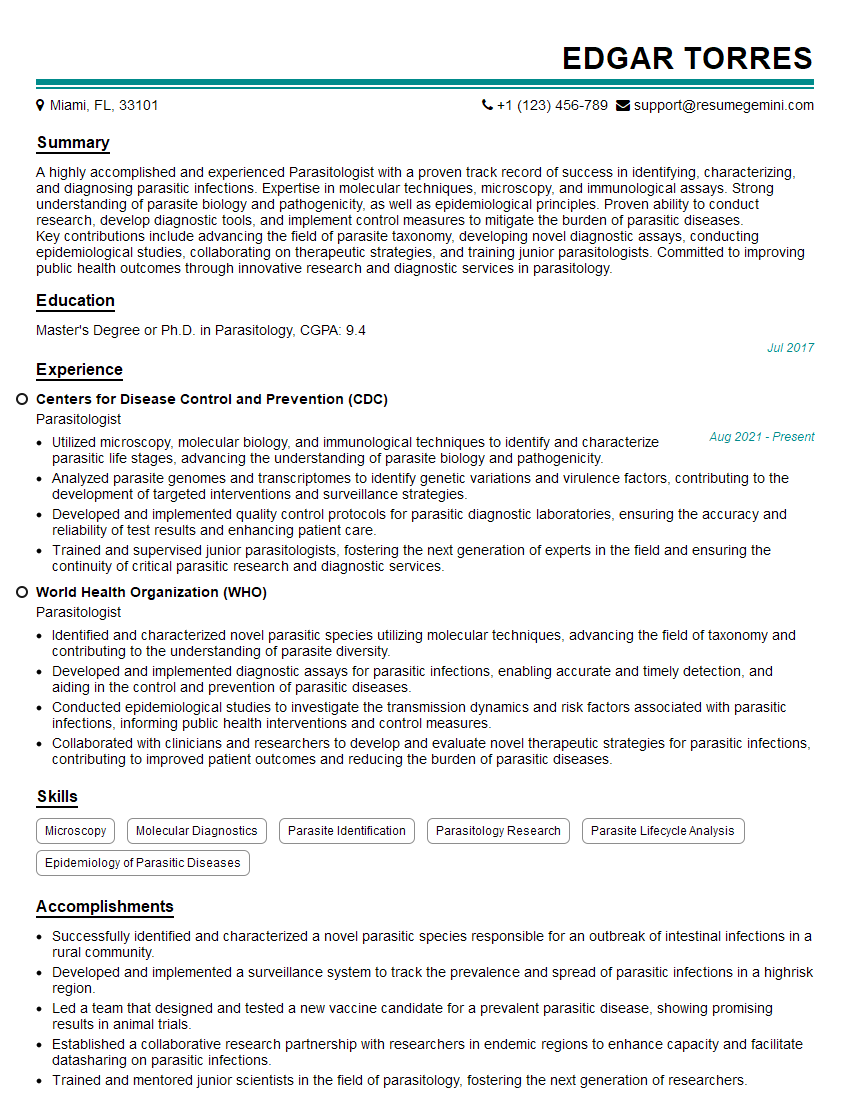
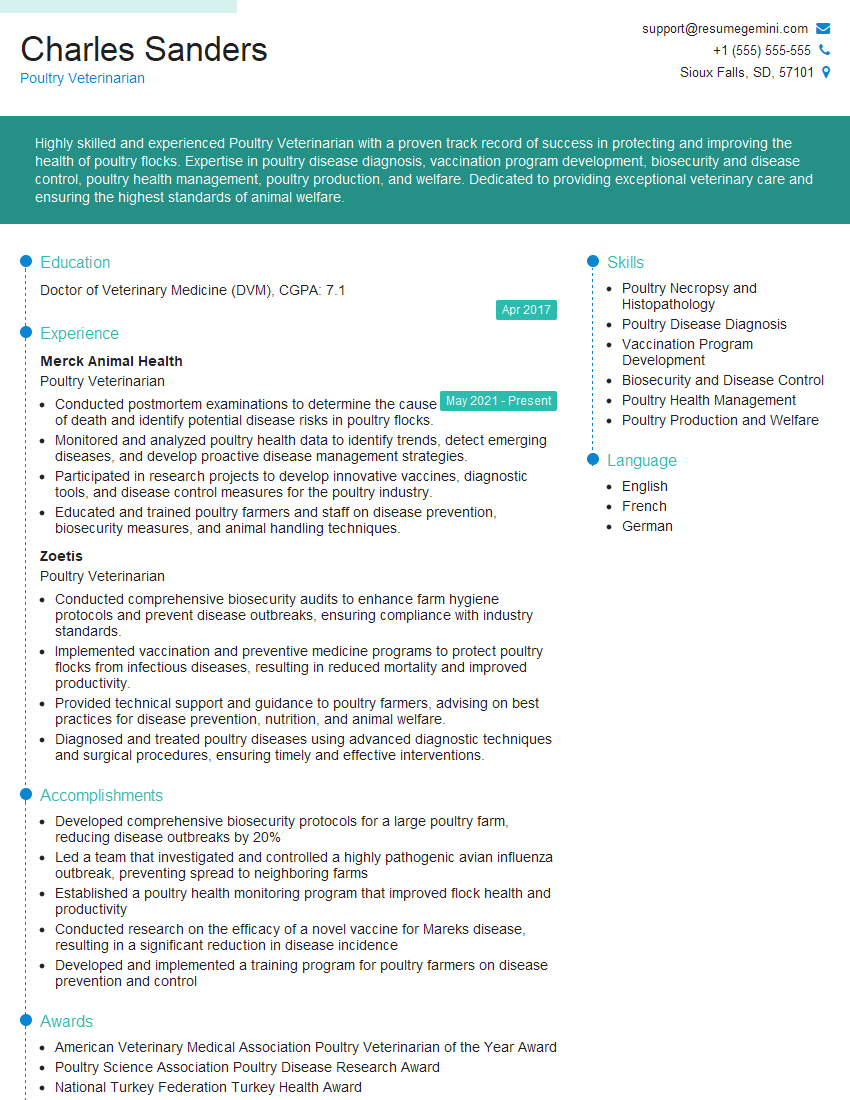
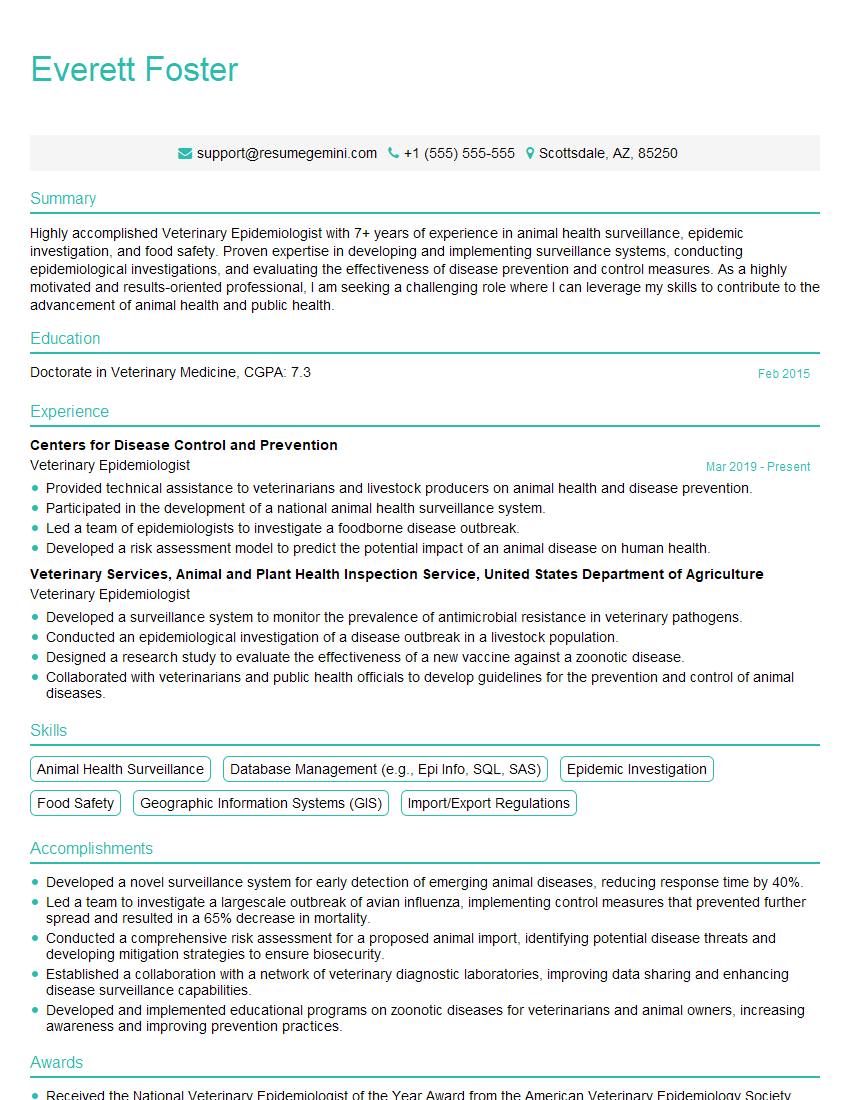
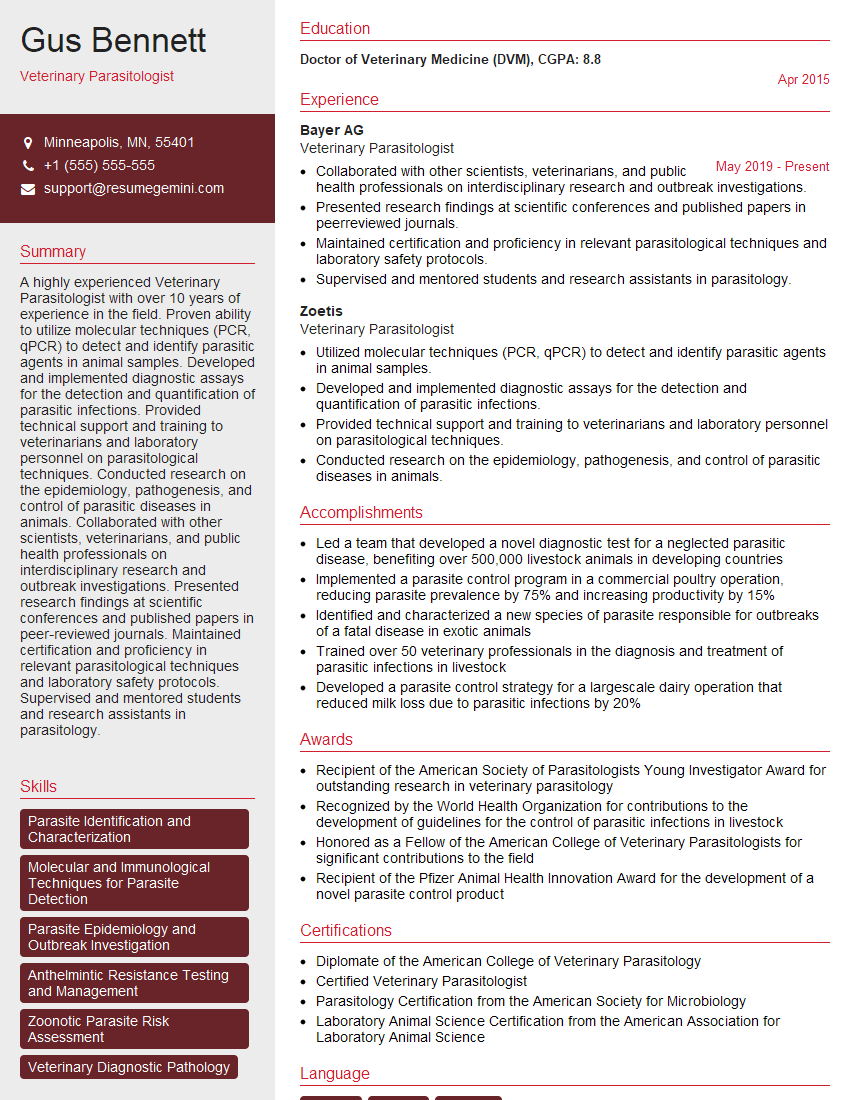
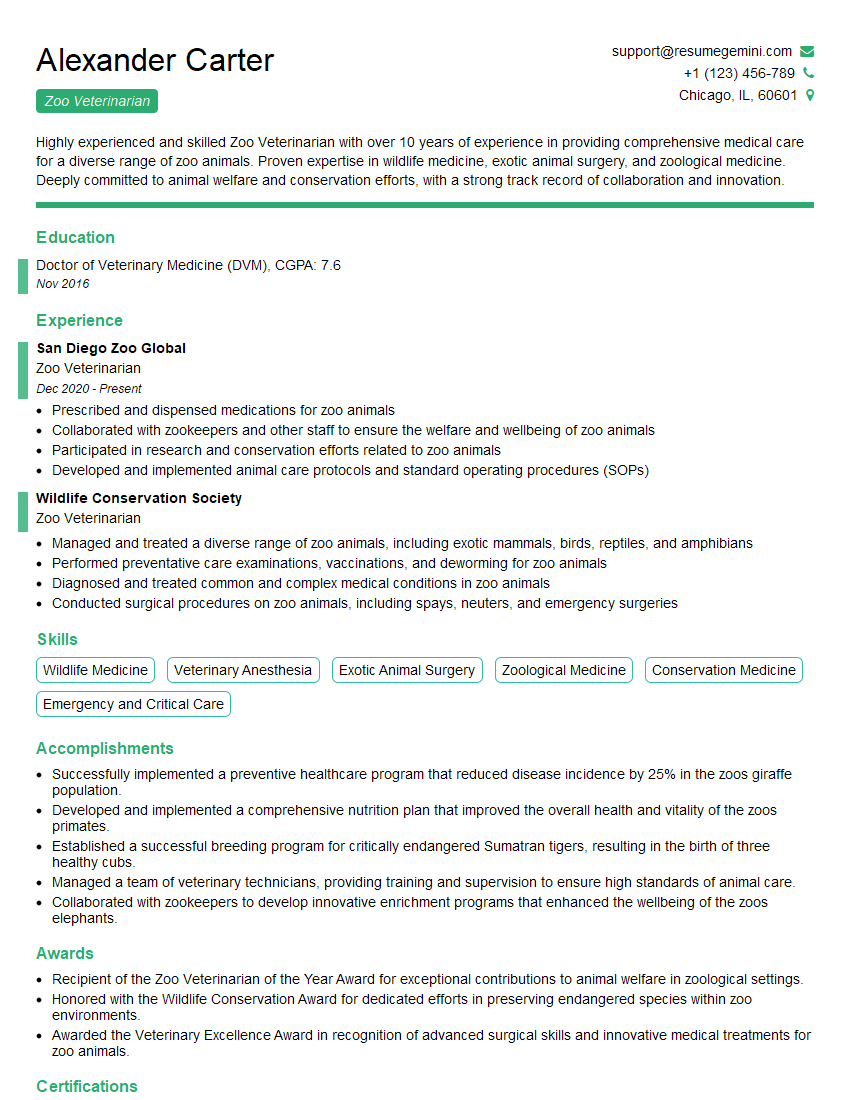
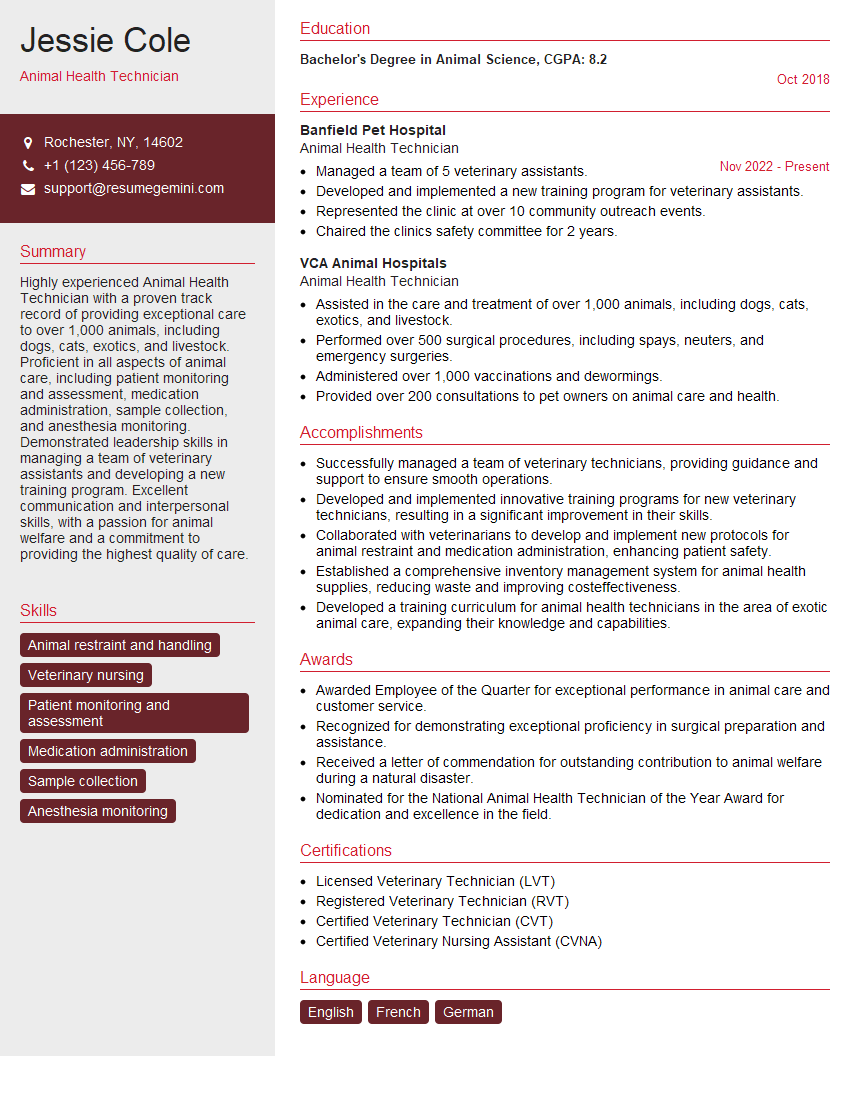
Mastering Coccidia Control and Prevention is crucial for a successful career in veterinary medicine, animal science, or related fields. A strong understanding of these concepts demonstrates your expertise and commitment to animal health. To significantly boost your job prospects, invest time in creating an ATS-friendly resume that highlights your skills and experience. ResumeGemini is a trusted resource that can help you build a professional and effective resume. We provide examples of resumes tailored to Coccidia Control and Prevention to guide you in creating a compelling application that showcases your qualifications.
Explore more articles
Users Rating of Our Blogs
Share Your Experience
We value your feedback! Please rate our content and share your thoughts (optional).
What Readers Say About Our Blog
Very informative content, great job.
good