The right preparation can turn an interview into an opportunity to showcase your expertise. This guide to Familiarity with quality control and assurance procedures interview questions is your ultimate resource, providing key insights and tips to help you ace your responses and stand out as a top candidate.
Questions Asked in Familiarity with quality control and assurance procedures Interview
Q 1. Explain the difference between quality control and quality assurance.
Quality Control (QC) and Quality Assurance (QA) are often confused, but they are distinct yet complementary processes. Think of QA as the prevention of defects and QC as the detection of defects.
Quality Assurance is a proactive process focused on establishing and maintaining a system to prevent defects from occurring in the first place. It involves defining quality standards, designing processes to meet those standards, and regularly auditing these processes to ensure ongoing compliance. It’s about building quality into the product or service from the start. Think of it like meticulously planning a recipe to ensure a delicious cake—choosing the right ingredients, measuring precisely, and following the steps carefully.
Quality Control, on the other hand, is a reactive process that focuses on identifying and correcting defects after they have occurred. It involves inspecting finished products, testing for defects, and implementing corrective actions. This is like tasting the cake as you bake to see if any adjustments need to be made. It’s a crucial part of quality management, ensuring that the final product or service meets specified standards.
Q 2. Describe your experience with ISO 9001 standards.
I have extensive experience working within ISO 9001 frameworks. In my previous role at [Previous Company Name], we implemented and maintained a certified ISO 9001:2015 Quality Management System (QMS). This involved developing and documenting quality policies and procedures, conducting internal audits to ensure compliance, and participating in external audits by certification bodies. My responsibilities included:
- Developing and maintaining the QMS documentation, including quality manuals, procedures, and work instructions.
- Conducting internal audits to identify areas for improvement and ensure compliance with ISO 9001 requirements.
- Participating in management review meetings to report on the performance of the QMS and identify opportunities for improvement.
- Implementing corrective and preventive actions to address any identified non-conformances.
- Training employees on ISO 9001 requirements and quality management principles.
The experience instilled in me a deep understanding of the importance of a robust QMS in achieving consistent quality and customer satisfaction. It’s not just a set of standards; it’s a framework for continuous improvement.
Q 3. What are some common quality control tools and techniques you’ve used?
Over the years, I’ve utilized a variety of quality control tools and techniques, adapting my approach based on the specific context. Some key examples include:
- Statistical Process Control (SPC): Using control charts (e.g., Shewhart, CUSUM) to monitor process variations and identify trends indicative of potential problems. This helps prevent defects before they become widespread.
- Pareto Charts: Identifying the ‘vital few’ causes contributing to the majority of defects, allowing for focused improvement efforts. I’ve used this to pinpoint the most common source of errors in a manufacturing line.
- Check Sheets: Simple data collection tools used to systematically record and track defects, providing valuable data for analysis. These are extremely helpful for real-time data gathering during production.
- Flowcharts: Mapping out processes to identify bottlenecks, redundancies, and areas prone to errors. This is crucial for process improvement initiatives.
- Fishbone Diagrams (Ishikawa Diagrams): Used for brainstorming potential causes of defects, categorizing them into key areas like materials, methods, manpower, machinery, and environment.
The selection of tools depends heavily on the specific problem and the available data. For instance, in a high-volume production setting, SPC is invaluable, while for less structured projects, a simple check sheet might suffice.
Q 4. How do you identify and address quality issues in a manufacturing process?
Identifying and addressing quality issues in manufacturing requires a systematic approach. My process typically involves:
- Data Collection: Gathering data through various methods like inspection reports, customer complaints, and process monitoring. This forms the basis for understanding the nature and extent of the problem.
- Problem Definition: Clearly articulating the problem, including its impact and consequences. This often involves quantifying the defect rate or the cost associated with the issue.
- Root Cause Analysis (RCA): Investigating the underlying causes of the defect, going beyond the surface symptoms. This is critical to prevent recurrence.
- Corrective Action: Implementing immediate actions to address the immediate problem and prevent further defects.
- Preventive Action: Developing and implementing long-term solutions to prevent the problem from recurring in the future. This often involves process improvements or changes in procedures.
- Monitoring and Verification: Tracking the effectiveness of the corrective and preventive actions to ensure the problem is resolved and does not reappear.
For example, in a previous project where we experienced a significant increase in defective products, we used Pareto analysis to pinpoint the primary culprit (a faulty machine component) and implemented immediate corrective action by replacing the component. This was then followed by preventive measures including upgrading the maintenance schedule for similar components.
Q 5. Explain your experience with root cause analysis.
Root Cause Analysis (RCA) is a crucial skill for effectively resolving quality issues. I’m proficient in several RCA methodologies, including the ‘5 Whys,’ Fishbone diagrams, and Fault Tree Analysis. The ‘5 Whys’ is a simple yet powerful technique that involves repeatedly asking ‘why’ to progressively delve deeper into the root cause of a problem. For example: ‘Why is the product failing?’ (Because of a faulty component). ‘Why is the component faulty?’ (Because of a defect in the manufacturing process). And so on, until the fundamental cause is uncovered.
Fishbone diagrams offer a more structured approach, systematically categorizing potential causes. I’ve found this particularly useful in complex situations involving multiple contributing factors. In one instance, a recurring problem with surface defects on a finished product was traced back to variations in humidity during the drying process, using a fishbone diagram to methodically investigate.
The choice of RCA methodology depends on the complexity of the problem and the available resources. The goal is always to identify the root cause and not just treat symptoms.
Q 6. How do you develop and implement quality control plans?
Developing and implementing quality control plans is an iterative process that begins with a thorough understanding of the product, process, and customer requirements. My approach usually follows these steps:
- Define Quality Requirements: Clearly specifying the quality standards, metrics, and tolerances for the product or process. This is often based on customer requirements, industry standards, and internal specifications.
- Identify Critical Process Steps: Determining the stages in the process that are most critical to product quality and are most prone to errors. This typically involves analyzing the process flow and identifying potential failure points.
- Select Quality Control Tools: Choosing appropriate tools and techniques to monitor and control the critical process steps. This might involve SPC, check sheets, or other relevant methods.
- Develop Inspection and Testing Procedures: Defining the methods and procedures for inspecting and testing the product or process at various stages to ensure it meets the defined quality requirements.
- Implement and Monitor the Plan: Putting the quality control plan into action and regularly monitoring its effectiveness. This includes tracking key metrics and making adjustments as needed.
- Continuous Improvement: Regularly reviewing and improving the quality control plan based on performance data and feedback. The goal is to continuously strive for better quality and efficiency.
For example, when developing a QC plan for a new product, I would start by defining key quality characteristics (e.g., dimensions, weight, appearance), then identify critical process steps where these characteristics are most likely to be affected. I would then select appropriate tools, like SPC charts, to monitor the process, and create inspection checklists to ensure consistent quality.
Q 7. Describe a time you had to deal with a significant quality problem.
In a previous project involving the production of high-precision components, we experienced a significant increase in defective parts due to a previously undetected issue with the calibration of a key machine. The initial response was reactive – we identified and removed the defective parts and put a temporary hold on production. However, this was not sufficient to address the root cause.
We immediately launched a thorough root cause analysis using a combination of data analysis (examining production records and defect reports) and expert opinion (consulting with machine technicians). The RCA revealed that the machine’s calibration had drifted over time, leading to subtle but consistent variations in the dimensions of the produced parts, exceeding the acceptable tolerances.
Corrective actions included recalibrating the machine and implementing a more rigorous calibration schedule. Preventive actions included investing in new monitoring equipment that could detect these subtle variations in real-time, preventing future occurrences. This incident highlighted the importance of both reactive QC and proactive QA measures, as well as the value of a systematic approach to problem-solving.
Q 8. How do you ensure that quality control procedures are followed consistently?
Consistent adherence to quality control procedures is paramount. It’s achieved through a multi-pronged approach focusing on training, documentation, and regular monitoring.
- Comprehensive Training: All team members must receive thorough training on the specific procedures, including hands-on practice and assessments to ensure understanding. This training isn’t a one-time event; it’s an ongoing process with refreshers and updates as procedures evolve.
- Standardized Documentation: Clearly written, easily accessible Standard Operating Procedures (SOPs) are crucial. These SOPs should be detailed, visually appealing, and use consistent terminology. Regular reviews and updates to these documents ensure they remain current and relevant.
- Regular Audits and Inspections: Scheduled audits and inspections, both internal and potentially external, verify that procedures are followed consistently. These audits should be documented, and any deviations should be investigated, corrected, and prevented from recurring. A system for reporting and tracking deviations is vital.
- Use of Checklists and Forms: Checklists and forms simplify the execution of quality control tasks, ensuring nothing is missed. They provide a structured approach and improve traceability.
For example, in a pharmaceutical manufacturing setting, failure to consistently follow aseptic techniques could lead to contamination, highlighting the importance of robust training and rigorous audits.
Q 9. What are your preferred methods for documenting quality control procedures?
Effective documentation of quality control procedures is essential for traceability, accountability, and continuous improvement. My preferred methods incorporate both digital and physical elements:
- Standard Operating Procedures (SOPs): These detailed, step-by-step instructions are the backbone of our documentation. I prefer a version-controlled digital system, allowing easy access, updates, and tracking of revisions. We use clear formatting, diagrams, and checklists to improve comprehension.
- Quality Management System (QMS) Software: This software centralizes all quality-related documentation, including SOPs, audit reports, training records, and non-conformance reports. It simplifies data management and analysis.
- Audit Trails: All changes, actions, and decisions regarding quality control are documented and auditable. This ensures traceability and accountability.
- Physical Records (when necessary): While I favor digital systems, there are instances where physical records, such as signed inspection reports or calibration certificates, are necessary for regulatory compliance.
Imagine a manufacturing plant producing car parts. Having well-documented SOPs for each stage, from raw material inspection to final product testing, is critical for ensuring consistent quality and meeting regulatory requirements.
Q 10. How do you prioritize quality control tasks within a project?
Prioritizing quality control tasks necessitates a risk-based approach. We assess the potential impact of defects or failures on the project’s success and prioritize accordingly.
- Risk Assessment: Each task is evaluated for its potential risk to quality, safety, and regulatory compliance. This often involves using a formal risk assessment matrix.
- Criticality Analysis: Tasks directly impacting customer safety or regulatory compliance are given highest priority.
- Cost-Benefit Analysis: We also consider the cost of implementing quality control measures versus the potential cost of defects. This helps optimize resource allocation.
- Project Schedule Integration: Quality control tasks are integrated into the project schedule, ensuring adequate time is allocated for inspections, testing, and corrective actions.
For example, in software development, testing critical functionalities before less crucial features ensures that the core application works reliably. Similarly, in construction, ensuring the structural integrity of a building is prioritized over aesthetic finishes.
Q 11. How do you measure the effectiveness of your quality control efforts?
Measuring the effectiveness of quality control efforts involves monitoring key metrics and analyzing trends.
- Defect Rate: Tracking the number of defects found per unit of output is a primary indicator. A decreasing trend indicates improved quality control.
- Customer Complaints: Analyzing the number and nature of customer complaints helps identify areas needing improvement.
- Cost of Quality: This metric encompasses the cost of prevention, appraisal (inspection and testing), internal failure (defects found before delivery), and external failure (defects found after delivery). A reduction in this overall cost signals improved efficiency and effectiveness.
- Audit Results: The findings from regular audits, both internal and external, offer valuable insights into the effectiveness of the implemented quality control procedures.
- Process Capability Indices (Cp, Cpk): These statistical measures assess the ability of a process to meet specifications, indicating process stability and predictability.
By continuously monitoring these metrics and analyzing trends, we can identify areas needing improvement and adjust our strategies for better effectiveness.
Q 12. Describe your experience with statistical process control (SPC).
Statistical Process Control (SPC) is a powerful tool for monitoring and controlling process variability. My experience encompasses using various SPC charts, including control charts (X-bar and R charts, p-charts, c-charts) to monitor process performance and identify potential sources of variation.
I’ve used SPC in various projects to:
- Identify and Eliminate Special Cause Variation: By analyzing control charts, we can distinguish between common cause (inherent to the process) and special cause (assignable) variations, allowing us to focus corrective actions on the latter.
- Monitor Process Capability: SPC helps assess the ability of a process to meet specifications, aiding in identifying processes that may require improvement.
- Improve Process Consistency: By identifying and eliminating sources of variation, SPC contributes to greater consistency and predictability in the process.
For example, in a manufacturing setting, SPC charts can be used to monitor the weight of products coming off an assembly line. If the chart shows points consistently outside the control limits, it indicates a problem that needs attention.
Q 13. Explain your understanding of different types of quality audits.
Different types of quality audits serve different purposes:
- First-Party Audits (Internal Audits): These are conducted by the organization itself to assess its compliance with its own quality management system. They’re crucial for identifying weaknesses and areas for improvement before external audits.
- Second-Party Audits (Supplier Audits): These are performed by a customer or client on their suppliers to verify the supplier’s ability to meet their quality requirements. This ensures that the supplier’s products or services meet the customer’s specifications.
- Third-Party Audits (Certification Audits): These are conducted by independent, accredited organizations to verify that an organization meets specific standards or regulations. Successful completion leads to certification, enhancing credibility and market access.
- Compliance Audits: Focus on regulatory adherence, ensuring compliance with relevant laws, industry standards, and contractual obligations.
- Management System Audits: Assess the effectiveness of the entire quality management system, including its processes, documentation, and resource allocation.
- Product Audits: Focus specifically on the quality of the product or service itself, through inspections, testing, or evaluations.
The choice of audit type depends on the specific context and objective. A comprehensive quality management program often involves a mix of these audit types to provide a complete picture of quality performance.
Q 14. How do you communicate quality control findings to stakeholders?
Communicating quality control findings effectively is critical for driving improvement and fostering collaboration. My approach involves tailoring communication to the specific audience and the nature of the findings:
- Formal Reports: For significant findings or regulatory issues, formal reports are prepared. These reports contain detailed information about the findings, their root causes, recommendations for corrective actions, and the implementation plan.
- Data Visualization: Charts, graphs, and other visual aids are used to present data effectively, making complex information easy to understand.
- Regular Meetings: Regular meetings with stakeholders allow for open communication and collaboration on quality issues. These meetings can involve presentations, discussions, and collaborative problem-solving.
- Dashboards and Metrics: Interactive dashboards display key quality metrics, enabling stakeholders to monitor performance and identify trends.
- Tailored Communication: The style and level of detail in communication are adjusted based on the audience’s technical knowledge and their role in the organization. Technical reports for engineers may differ from a summary report for senior management.
Open and transparent communication about quality issues builds trust and ensures that everyone is aligned on the steps needed to achieve continuous improvement.
Q 15. How do you handle conflict with other departments regarding quality issues?
Handling conflicts regarding quality issues requires a collaborative and professional approach. My strategy centers around clear communication, data-driven arguments, and a focus on finding mutually beneficial solutions. I wouldn’t jump to accusations, but instead initiate a meeting with all relevant stakeholders. I begin by presenting the quality issue with objective evidence – perhaps a failure rate exceeding acceptable limits, customer complaints, or test data showing deviations from specifications. Then, I facilitate a discussion to understand each department’s perspective and constraints. Often, the root cause is a misunderstanding of responsibilities or limitations in resources.
For example, I once had a conflict between the production and packaging departments. Production claimed the packaging was inadequate, leading to damaged products, while packaging insisted they were following specifications. Through open discussion and analysis of the packaging process, we discovered that the production line was exceeding the speed limits specified by packaging, leading to inconsistent sealing. This led to a collaborative solution: Production adjusted its line speed, and packaging implemented a visual alert system to indicate when the speed limit was exceeded. The result was improved product quality and a stronger working relationship between the departments.
Ultimately, the goal is not to assign blame, but to identify the problem, analyze its root cause, and implement effective corrective and preventative actions (CAPA). Successful conflict resolution in quality control requires strong interpersonal skills, data analysis capabilities, and a commitment to continuous improvement.
Career Expert Tips:
- Ace those interviews! Prepare effectively by reviewing the Top 50 Most Common Interview Questions on ResumeGemini.
- Navigate your job search with confidence! Explore a wide range of Career Tips on ResumeGemini. Learn about common challenges and recommendations to overcome them.
- Craft the perfect resume! Master the Art of Resume Writing with ResumeGemini’s guide. Showcase your unique qualifications and achievements effectively.
- Don’t miss out on holiday savings! Build your dream resume with ResumeGemini’s ATS optimized templates.
Q 16. What are some key performance indicators (KPIs) you use to monitor quality?
Key Performance Indicators (KPIs) are crucial for monitoring quality. The specific KPIs will depend on the industry and the product, but some common and valuable ones include:
- Defect Rate: The percentage of defective products or services produced. A lower defect rate indicates better quality.
- Yield Rate: The percentage of good units produced compared to the total number of units produced. A higher yield indicates efficient processes and less waste.
- Customer Complaints: The number of customer complaints regarding quality issues. A decreasing trend shows improved customer satisfaction.
- Return Merchandise Authorization (RMA) Rate: The percentage of products returned due to quality problems. A lower RMA rate points to higher product reliability.
- Process Capability (Cp/Cpk): These statistical measures evaluate how well a process is capable of meeting specifications. Higher Cp/Cpk values indicate a more capable process.
- On-Time Delivery: While not strictly a quality metric, timely delivery is linked to quality since delays can impact product freshness or integrity.
These KPIs are tracked using various methods, such as data collection from production lines, quality audits, customer feedback surveys, and warranty claims. Regularly monitoring these KPIs allows for proactive identification of quality issues and enables timely interventions. For instance, a sudden spike in the defect rate might signal a problem requiring immediate attention – a machine malfunction, a change in raw materials, or a training deficiency.
Q 17. How do you stay up-to-date with the latest quality control trends and technologies?
Staying current in the dynamic field of quality control necessitates a multi-faceted approach. I actively participate in professional organizations such as ASQ (American Society for Quality) and attend industry conferences and webinars. These events offer valuable insights into the newest technologies and best practices. Reading industry publications, both print and online, is also critical for staying abreast of advancements. I subscribe to relevant journals and frequently search for peer-reviewed articles and research papers on topics like AI-powered quality control, predictive maintenance, and blockchain technologies for traceability.
Furthermore, I leverage online learning platforms like Coursera and edX to acquire new skills in specific areas. For example, I recently completed a course on Statistical Process Control (SPC) using advanced software tools. Finally, I actively engage in networking with other quality professionals through online forums and professional groups. This allows for the exchange of ideas, insights on challenges, and awareness of the latest trends within the industry. A continuous learning approach is essential for remaining a competent and competitive quality professional.
Q 18. What is your experience with quality management systems (QMS)?
I possess extensive experience with Quality Management Systems (QMS), specifically ISO 9001. I’ve been involved in the implementation, maintenance, and improvement of QMS in various organizations across different sectors. My experience encompasses all stages, from gap analysis and documentation to internal audits and management review. I understand the importance of aligning the QMS with business objectives and using it as a tool for continuous improvement.
In my previous role, I led the implementation of an ISO 9001 compliant QMS for a manufacturing company. This involved documenting all processes, establishing clear responsibilities, developing quality control plans, and conducting regular internal audits. The outcome was a significant reduction in non-conformances, improved customer satisfaction, and enhanced operational efficiency. I’m proficient in using QMS software and have experience with documenting procedures, managing corrective actions, and maintaining the integrity of the QMS documentation. My experience extends to working within a regulated environment, ensuring compliance with stringent quality standards.
Q 19. How do you ensure the accuracy and reliability of test data?
Ensuring the accuracy and reliability of test data is paramount. This involves a multi-layered approach starting with instrument calibration and validation. All testing equipment must be regularly calibrated using traceable standards, and calibration records must be meticulously maintained. Validation protocols should be established to demonstrate that the testing methods and equipment are suitable for their intended purpose.
Beyond equipment, the process itself must be controlled. This includes clear test procedures, documented standard operating procedures (SOPs), and well-trained personnel. Data should be recorded accurately and completely, avoiding any bias or manipulation. Statistical process control (SPC) techniques, such as control charts, can be used to monitor the stability of the testing process and detect any unusual variations. Regular audits of the testing process, including review of data integrity and procedural compliance, are essential. Finally, independent verification of test results, such as through peer review, can further enhance confidence in the data’s accuracy.
Consider a scenario where a laboratory analyzes samples for chemical composition. To ensure data reliability, instruments must be calibrated using certified reference materials, and technicians must follow standardized operating procedures. The data is then reviewed for consistency and outliers, and statistical methods are applied to assess the process’s stability. Only through this rigorous approach can we achieve confidence in the test results.
Q 20. Describe your experience with calibration and validation procedures.
Calibration and validation are critical to ensure the accuracy and reliability of measurements and processes. Calibration involves comparing a measuring instrument’s readings to a known standard to determine its accuracy and adjust it if necessary. This process ensures the instrument provides reliable and consistent results. Validation, on the other hand, verifies that a process or system consistently produces the expected results. This could involve validating an analytical method, a manufacturing process, or a software application.
My experience involves both aspects extensively. I’ve been involved in calibrating various equipment, including scales, thermometers, and spectrophotometers, using traceable standards and maintaining detailed calibration records. I’ve also designed and executed validation studies for analytical methods, ensuring the methods meet regulatory requirements and are fit for their intended purpose. This included defining acceptance criteria, conducting method validation experiments, and preparing comprehensive validation reports. For example, in a pharmaceutical setting, validating a high-performance liquid chromatography (HPLC) method for analyzing the purity of a drug substance is crucial for quality control and regulatory compliance.
Proper calibration and validation procedures are not just about compliance; they are about ensuring the quality and safety of products and services. They provide confidence in the data, improve efficiency, and reduce the risk of errors.
Q 21. How do you manage non-conformances and corrective actions?
Managing non-conformances and corrective actions (CAPA) is a systematic process aimed at preventing recurrence. When a non-conformance—a deviation from specifications or requirements—is identified, a thorough investigation is crucial. This involves collecting data, interviewing witnesses, and analyzing root causes. I use tools like fishbone diagrams (Ishikawa diagrams) and 5 Whys to systematically identify the underlying causes.
Once the root causes are identified, corrective actions are implemented to rectify the immediate problem. These actions are documented and verified to ensure effectiveness. Equally important are preventative actions to prevent similar issues from recurring. These actions could involve process improvements, training, or changes in equipment or materials. The entire CAPA process is documented and reviewed regularly to ensure continuous improvement. Effective CAPA management demonstrates a commitment to quality and customer satisfaction.
For example, if a batch of product failed a quality test due to a faulty machine, the corrective action would involve repairing or replacing the machine. The preventative action might be implementing a regular maintenance schedule for the machine and improved operator training on its proper use. The entire process, from identifying the non-conformance to implementing corrective and preventative actions, is documented, tracked, and reviewed as part of the company’s continuous improvement efforts.
Q 22. How do you contribute to a culture of quality within an organization?
Building a culture of quality isn’t about imposing rules; it’s about fostering a shared commitment to excellence. It starts with leadership buy-in – top management needs to clearly articulate the importance of quality and champion its implementation throughout the organization. This is followed by clear communication of quality standards and expectations to every employee, ensuring everyone understands their role in maintaining quality.
I contribute by actively promoting a proactive approach, emphasizing prevention over reaction. This involves:
- Training and development: Providing regular training on quality control techniques and processes, ensuring everyone is equipped with the necessary skills. For instance, I’ve led workshops on Six Sigma methodologies and statistical process control (SPC).
- Open communication and feedback: Creating an environment where employees feel comfortable reporting quality issues without fear of retribution. This fosters early identification of problems and promotes continuous improvement.
- Empowerment and ownership: Giving employees the authority to stop the production line if a quality issue is identified. This sense of ownership translates to increased vigilance and responsibility.
- Recognition and rewards: Acknowledging and rewarding individuals and teams who demonstrate commitment to quality. This reinforces positive behaviors and encourages others to follow suit.
- Regular quality audits and reviews: Conducting regular internal audits to assess the effectiveness of quality control systems and identify areas for improvement. This demonstrates a commitment to continuous improvement and keeps everyone accountable.
For example, in my previous role, we implemented a suggestion box system combined with regular feedback sessions, resulting in a 20% reduction in defects within six months.
Q 23. Describe your experience with process capability analysis.
Process capability analysis is crucial for determining if a process is capable of consistently producing output that meets predetermined specifications. It involves using statistical methods to assess the process’s performance relative to its requirements. I have extensive experience in this area, utilizing tools like control charts (e.g., X-bar and R charts, Cpk charts) and capability indices (Cp, Cpk, Pp, Ppk).
In a past project, we were experiencing high defect rates in a manufacturing process. I conducted a process capability analysis using X-bar and R charts to identify the sources of variation. The analysis revealed that the machine’s temperature fluctuations were a significant contributor. By implementing a more robust temperature control system, we improved the process capability index (Cpk) from 0.8 to 1.3, dramatically reducing defects.
My experience extends beyond basic analysis; I am proficient in utilizing various statistical software packages to perform complex analyses and interpret the results, including identifying the need for process improvements and recommending suitable actions.
Q 24. How do you balance the need for quality with cost and time constraints?
Balancing quality with cost and time is a constant challenge. It requires a strategic approach that prioritizes quality without compromising project feasibility. I approach this by implementing a risk-based approach.
First, I thoroughly define quality requirements, focusing on the critical characteristics that directly impact customer satisfaction and product functionality. Next, I identify potential risks that could compromise quality, along with their associated costs and likelihood of occurrence. This allows me to prioritize mitigation efforts on the most critical risks. For instance, a minor aesthetic flaw might be acceptable if it significantly reduces production costs, whereas a major functional defect requires a more costly but necessary fix.
I employ tools like Design of Experiments (DOE) to optimize processes and minimize waste, helping achieve high quality with fewer resources. Through collaboration with cross-functional teams, I ensure that all stakeholders understand the trade-offs involved and that decisions are data-driven. A critical part of this is proactive communication, keeping stakeholders informed of potential challenges and the proposed solutions.
Q 25. Explain your experience with different types of inspection methods (visual, dimensional, etc.).
Inspection methods are critical for ensuring product quality at various stages of the manufacturing or service process. My experience encompasses a wide range of inspection techniques, including:
- Visual Inspection: This involves a careful visual examination of the product for defects such as scratches, dents, discoloration, or missing components. It is often the first and most fundamental inspection method.
- Dimensional Inspection: This uses tools like calipers, micrometers, and coordinate measuring machines (CMMs) to measure critical dimensions and tolerances. This ensures that products conform to design specifications.
- Functional Inspection: Testing the product’s functionality to ensure it performs as designed. This could involve electrical testing, performance testing, or other tests relevant to the product’s function.
- Non-destructive testing (NDT): Methods such as ultrasonic testing, X-ray inspection, and magnetic particle inspection are used to detect internal flaws without damaging the product. I have experience using these techniques to inspect welds and other critical components.
- Statistical Sampling Inspection: Instead of inspecting every single product, we use statistical methods to select a representative sample for inspection. This allows for efficient inspection while providing statistically sound conclusions about the entire population.
For example, in one project involving the production of precision machined parts, I implemented a combination of visual inspection, dimensional inspection using CMMs, and statistical sampling techniques, reducing the inspection time by 40% while maintaining a high level of quality assurance.
Q 26. How do you handle customer complaints related to quality issues?
Handling customer complaints related to quality issues requires a professional and empathetic approach. My process involves:
- Acknowledge and empathize: First, acknowledge the customer’s complaint and express empathy for their frustration. This demonstrates that their concerns are taken seriously.
- Gather information: Collect detailed information about the issue, including the product’s serial number, the nature of the defect, and the circumstances under which it occurred. This information helps to identify the root cause of the problem.
- Investigate the issue: Conduct a thorough investigation to determine the root cause of the complaint. This may involve reviewing production records, conducting testing, or consulting with other relevant teams.
- Develop a resolution: Based on the investigation, develop a plan to resolve the issue. This could involve repairing or replacing the product, offering a refund, or providing compensation.
- Communicate the resolution: Clearly communicate the proposed resolution to the customer. Keep them updated on the progress and ensure that they are satisfied with the outcome.
- Document everything: Thoroughly document all aspects of the complaint, the investigation, and the resolution. This information can be used to improve future processes and prevent similar issues.
In a situation with repeated complaints about a specific product feature, I led a cross-functional team to investigate and redesign the feature, preventing future complaints and improving customer satisfaction.
Q 27. What are your strengths and weaknesses regarding quality control and assurance?
My strengths in quality control and assurance lie in my analytical abilities, my proactive approach to problem-solving, and my ability to effectively communicate complex technical information to both technical and non-technical audiences. I’m adept at applying statistical methods and using data-driven insights to drive continuous improvement. My experience with a variety of industries and quality systems allows me to adapt quickly to new challenges.
My area for development is in staying abreast of the latest advancements in emerging technologies and their application in quality control. While I’m proficient in existing methodologies, the rapid pace of technological change necessitates continuous learning to remain at the forefront of the field. To address this, I actively participate in relevant industry conferences, read professional journals, and pursue online courses to enhance my knowledge of new tools and techniques.
Key Topics to Learn for Familiarity with Quality Control and Assurance Procedures Interview
- Understanding Quality Management Systems (QMS): Learn the principles and frameworks of ISO 9001 or other relevant standards. Understand how a QMS is implemented and its impact on processes and products.
- Quality Control Methods: Explore various statistical process control (SPC) techniques, including control charts and process capability analysis. Practice applying these methods to real-world scenarios.
- Quality Assurance Processes: Familiarize yourself with different QA methodologies, such as inspections, audits, and reviews. Understand their purpose and how they contribute to overall product quality.
- Root Cause Analysis (RCA): Master techniques like the 5 Whys, fishbone diagrams, and Pareto analysis to identify the underlying causes of quality issues and implement effective corrective actions.
- Continuous Improvement Methodologies: Learn about Lean principles, Six Sigma, and Kaizen, and how these methodologies drive ongoing improvements in quality and efficiency.
- Documentation and Record Keeping: Understand the importance of accurate and thorough documentation in quality control and assurance. Practice creating and maintaining quality records.
- Problem Solving and Decision Making: Develop your skills in analyzing quality data, identifying trends, and making data-driven decisions to improve quality processes.
- Communication and Collaboration: Understand the importance of effective communication with cross-functional teams to ensure consistent application of quality procedures.
Next Steps
Mastering quality control and assurance procedures is crucial for career advancement in many industries. Demonstrating this expertise through a strong resume is key to securing your dream role. Creating an ATS-friendly resume significantly increases your chances of getting noticed by recruiters. ResumeGemini can help you craft a compelling and effective resume that highlights your skills and experience in quality control and assurance. We provide examples of resumes tailored to this specific field to give you a head start. Use ResumeGemini to build a professional resume that showcases your expertise and lands you that interview!
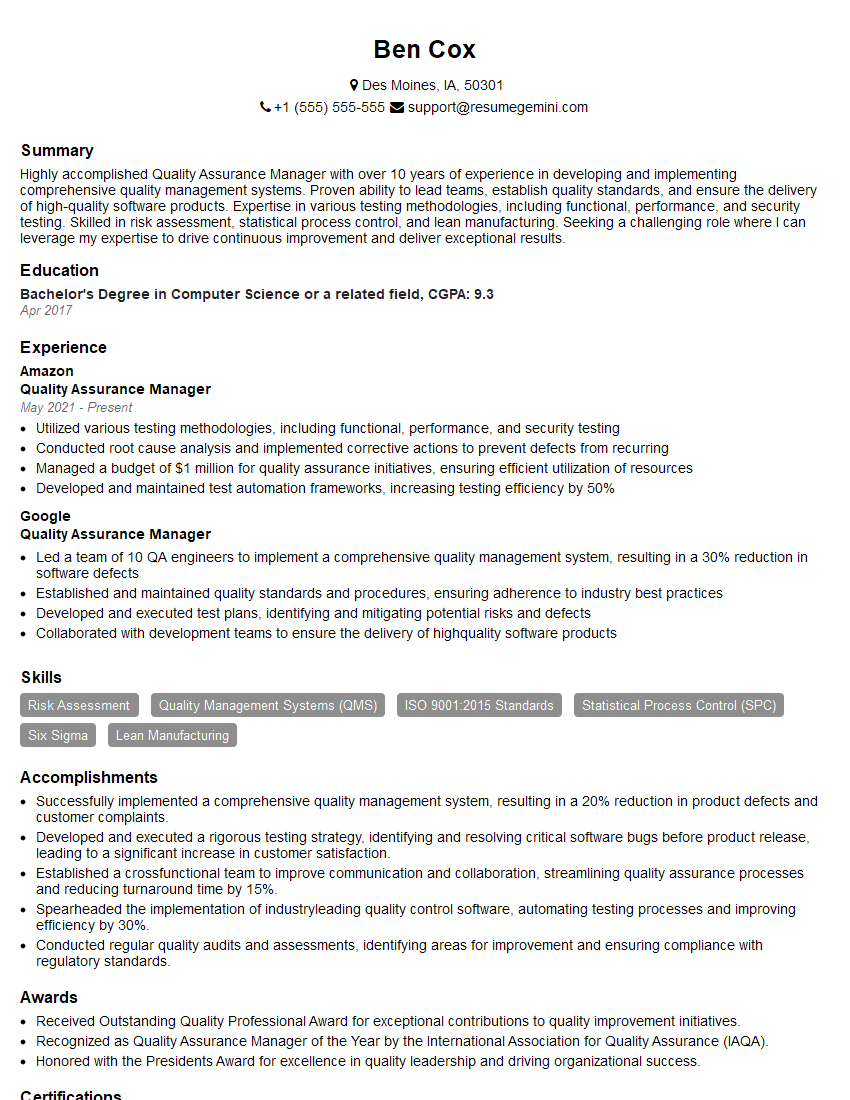
Quality Assurance Manager Resume Sample
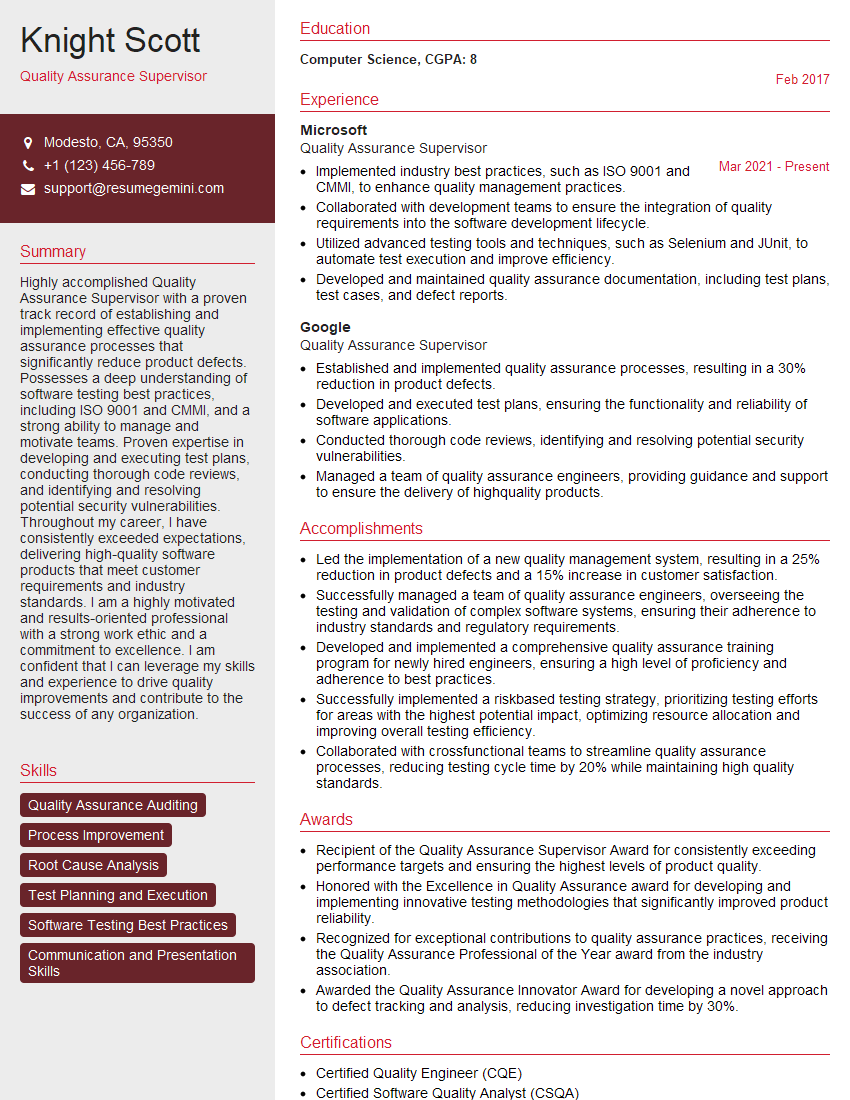
Quality Assurance Supervisor Resume Sample
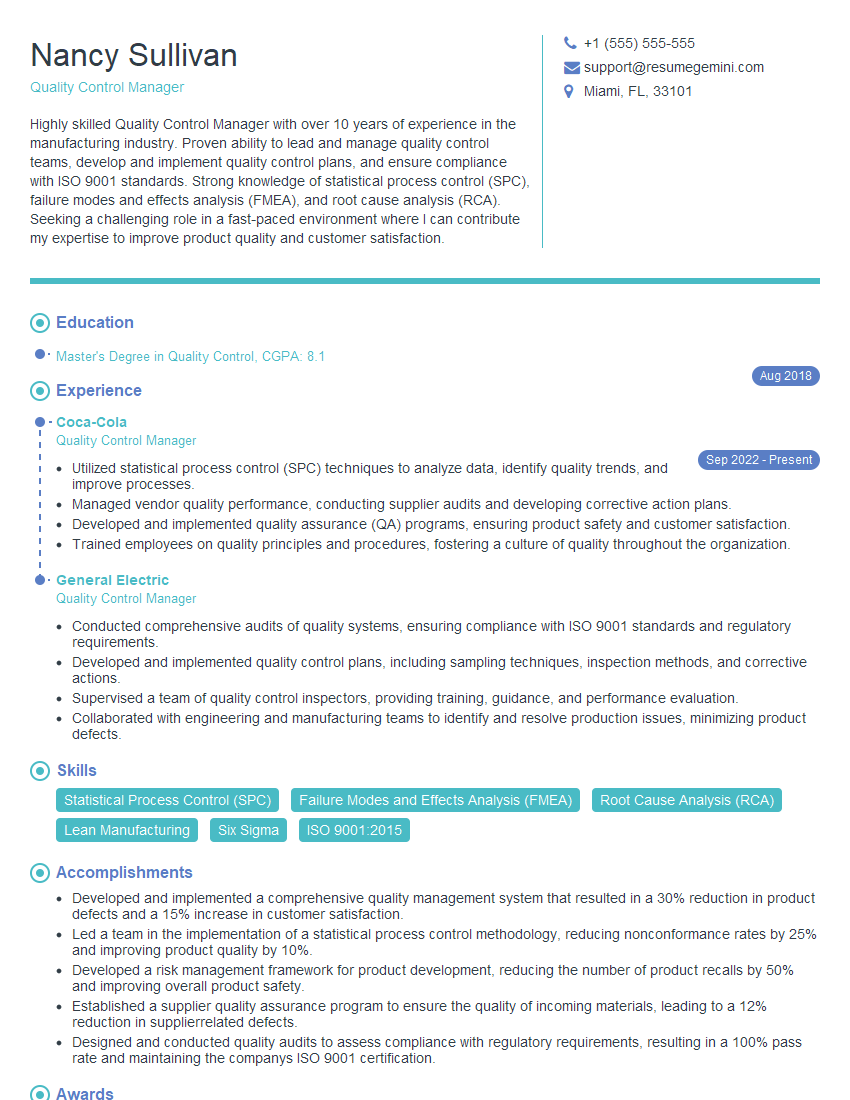
Quality Control Manager Resume Sample
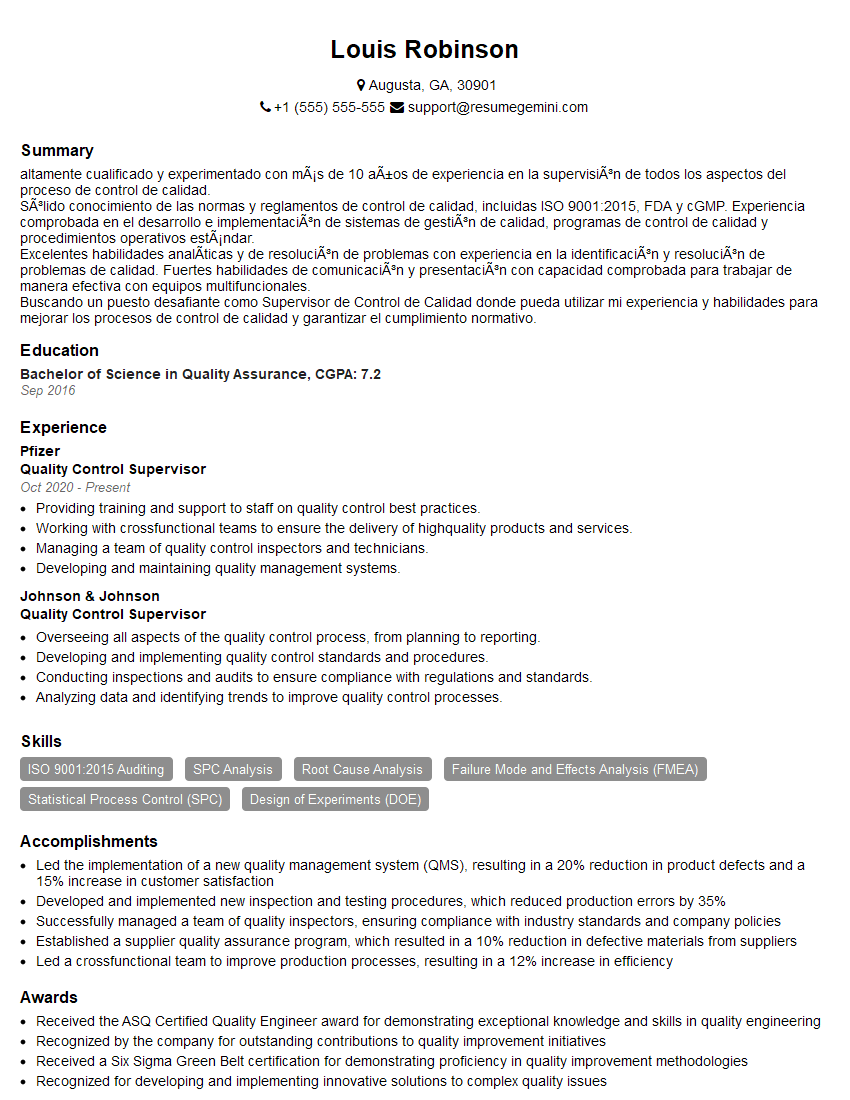
Quality Control Supervisor Resume Sample
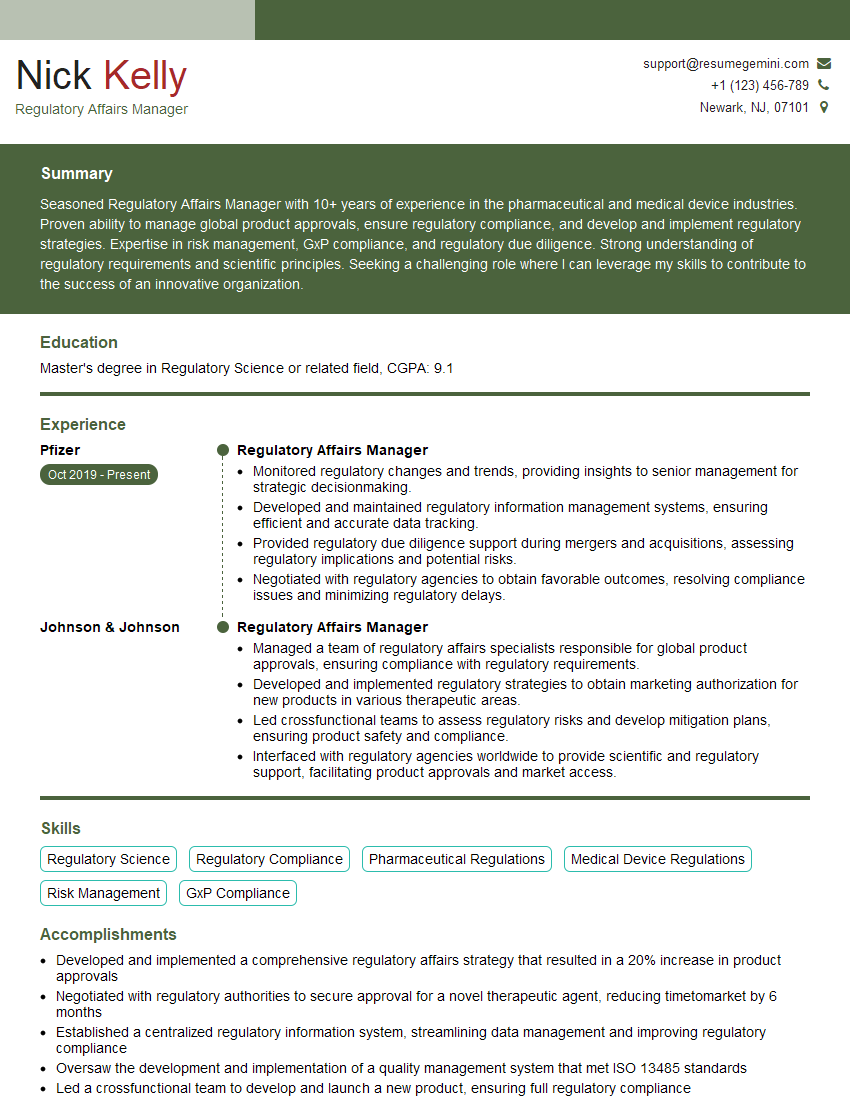
Regulatory Affairs Manager Resume Sample
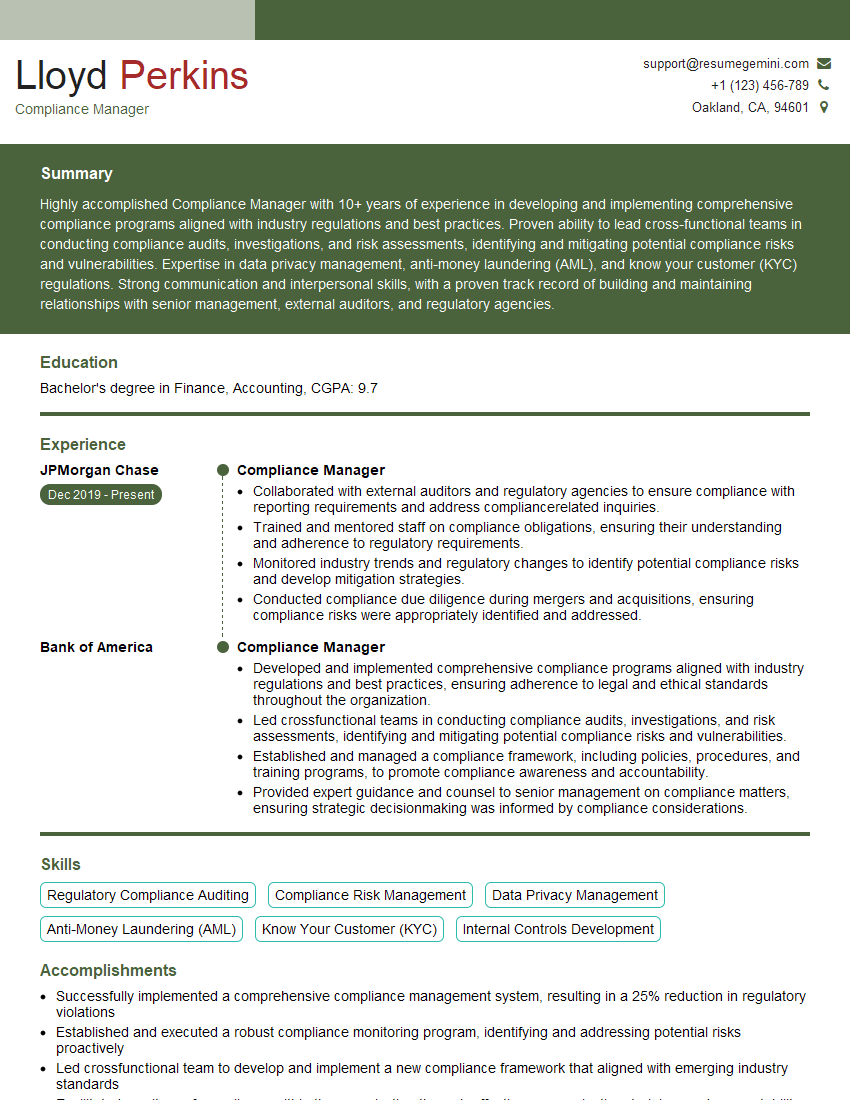
Compliance Manager Resume Sample
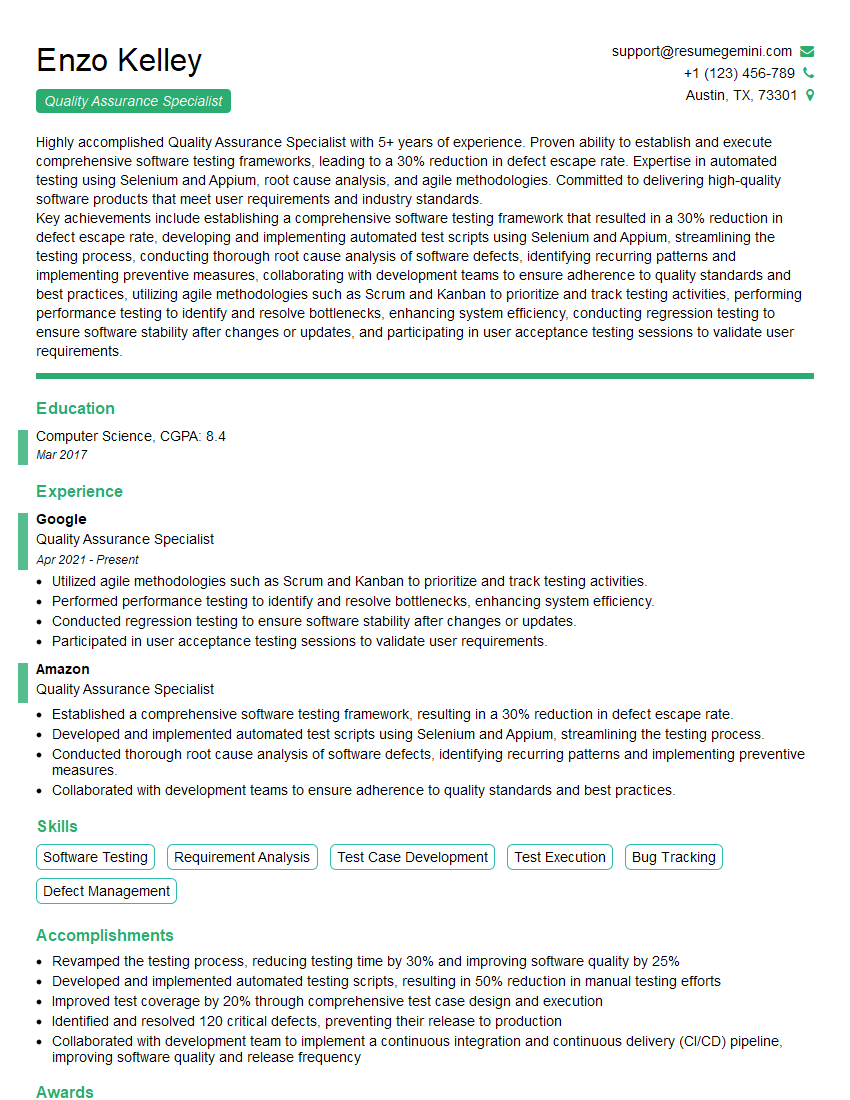
Quality Assurance Specialist Resume Sample
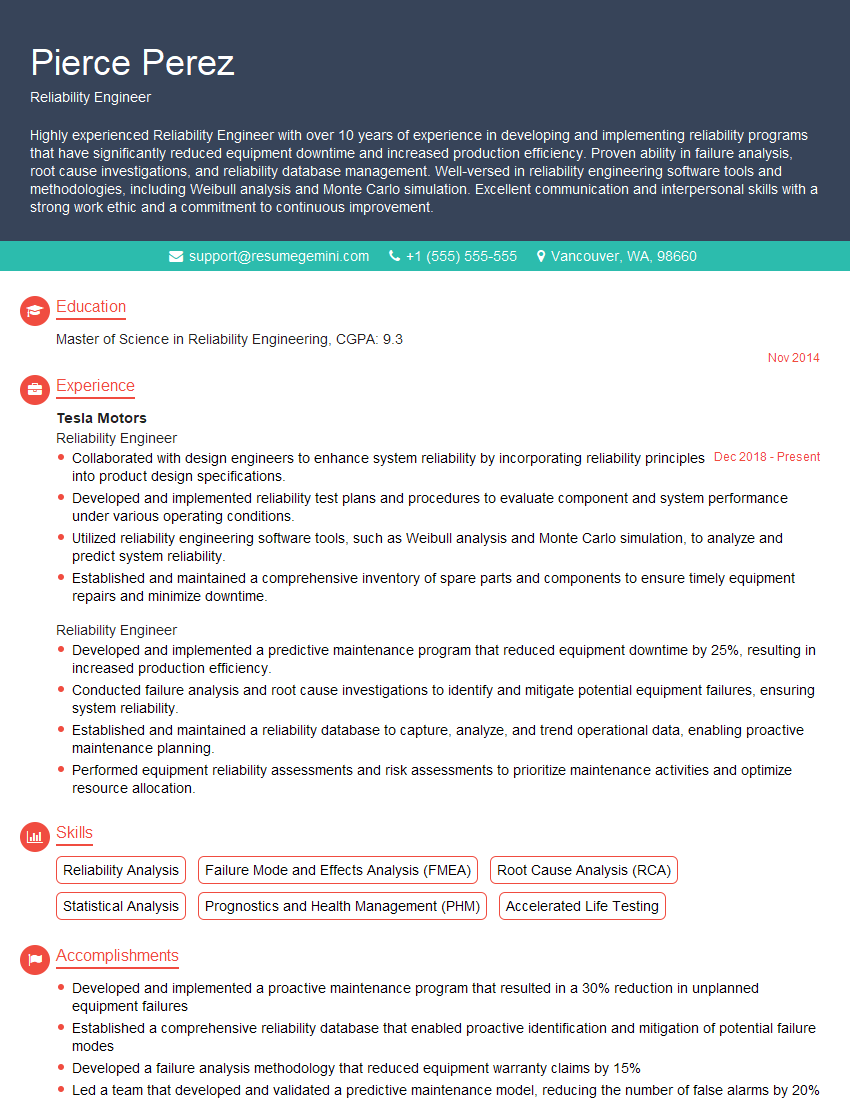
Reliability Engineer Resume Sample
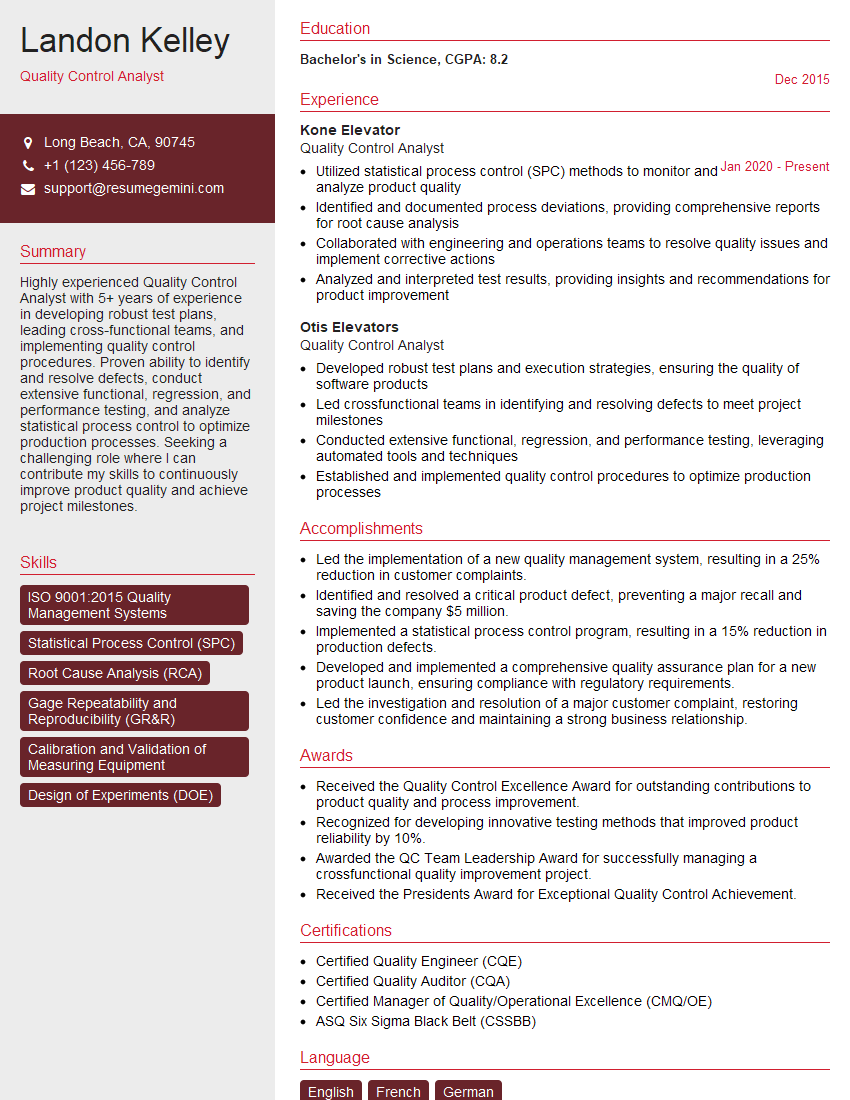
Quality Control Analyst Resume Sample
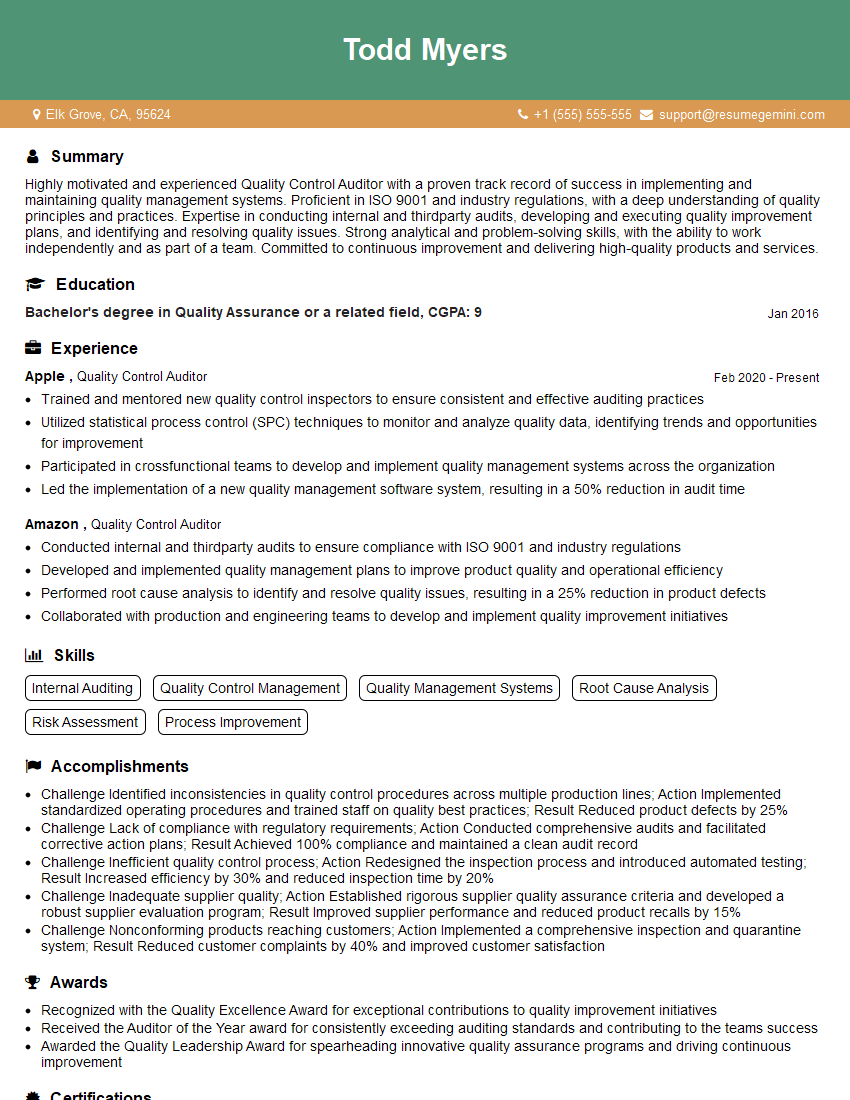
Quality Control Auditor Resume Sample
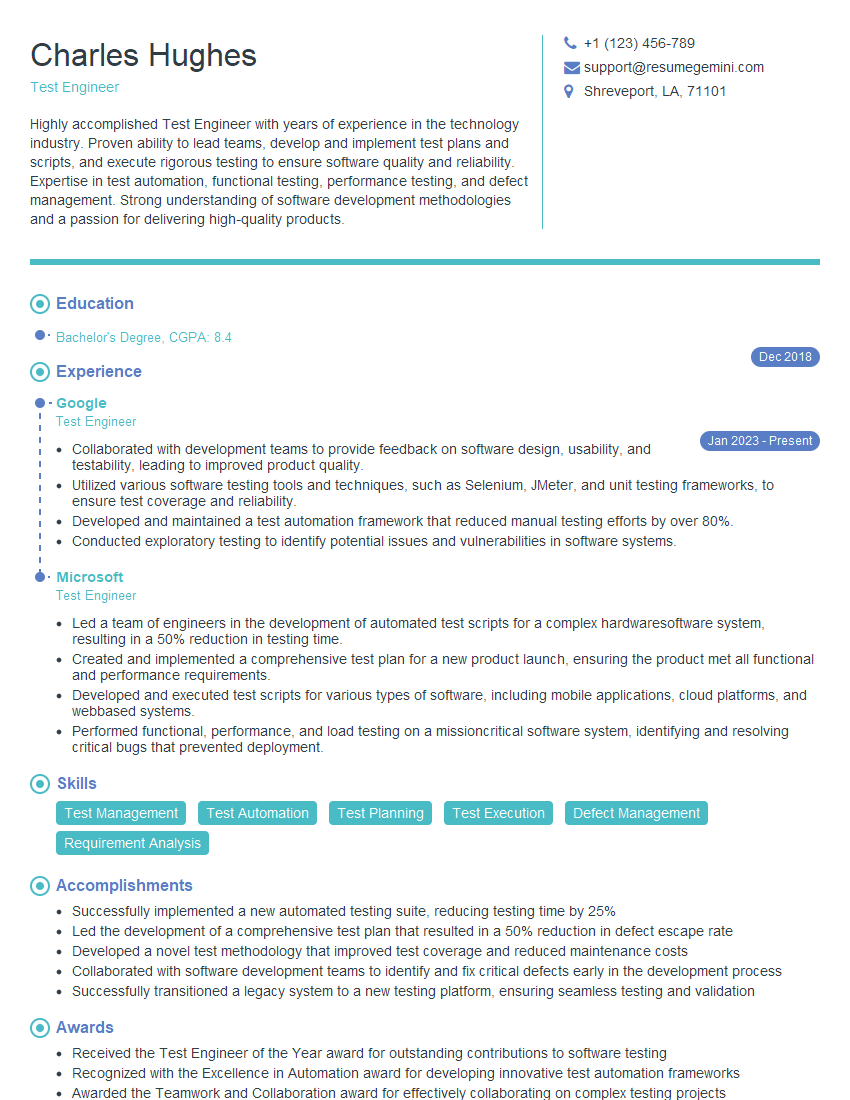
Test Engineer Resume Sample
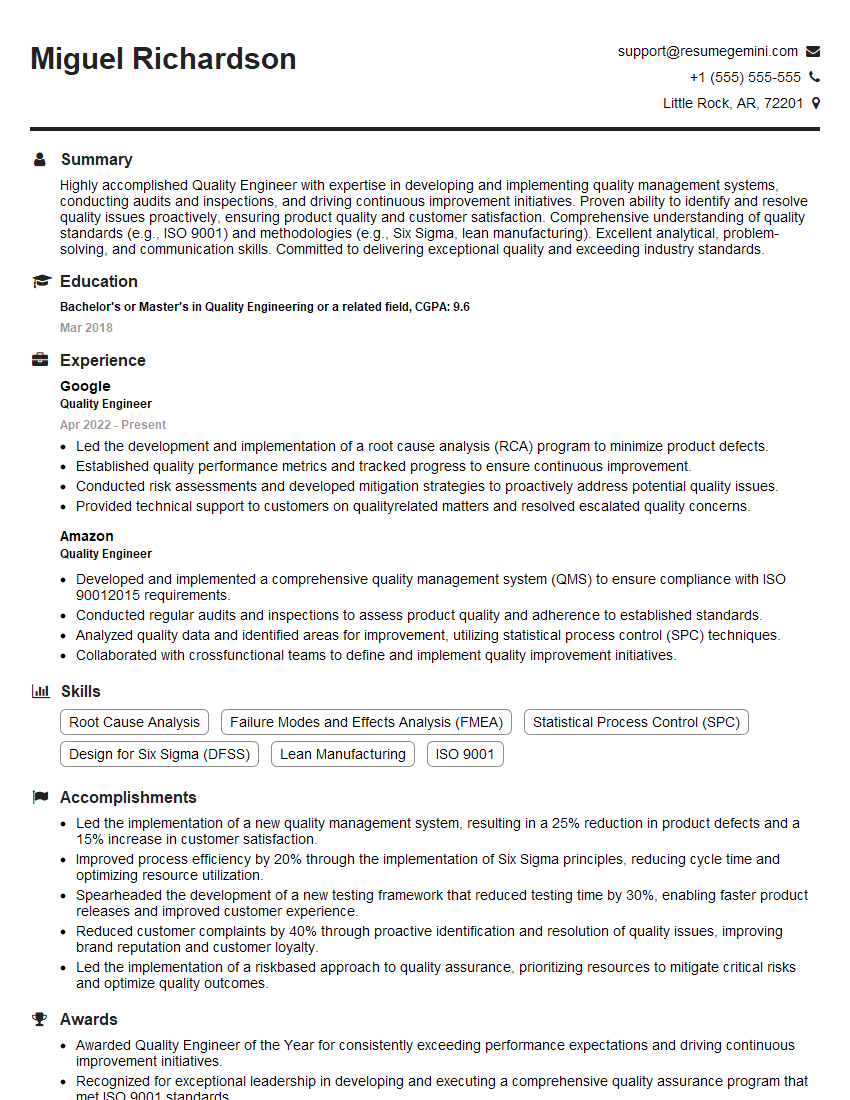
Quality Engineer Resume Sample
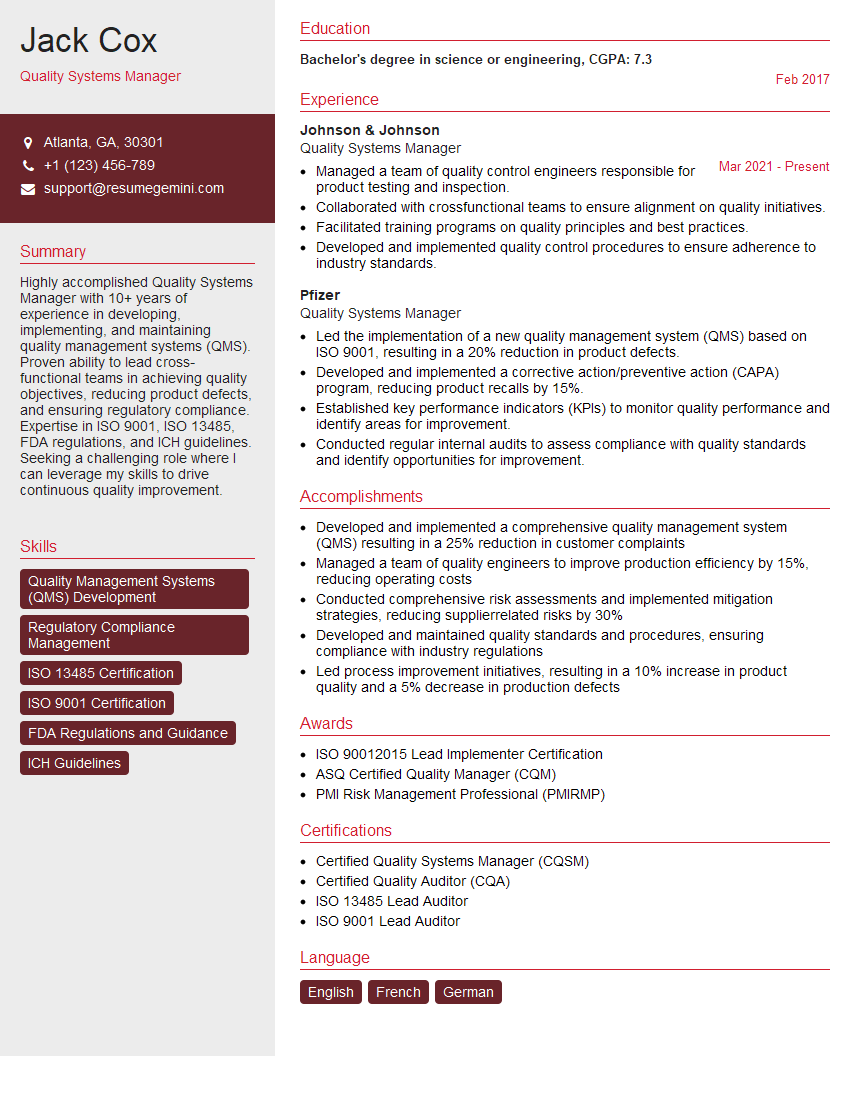
Quality Systems Manager Resume Sample

Quality Assurance Technician Resume Sample
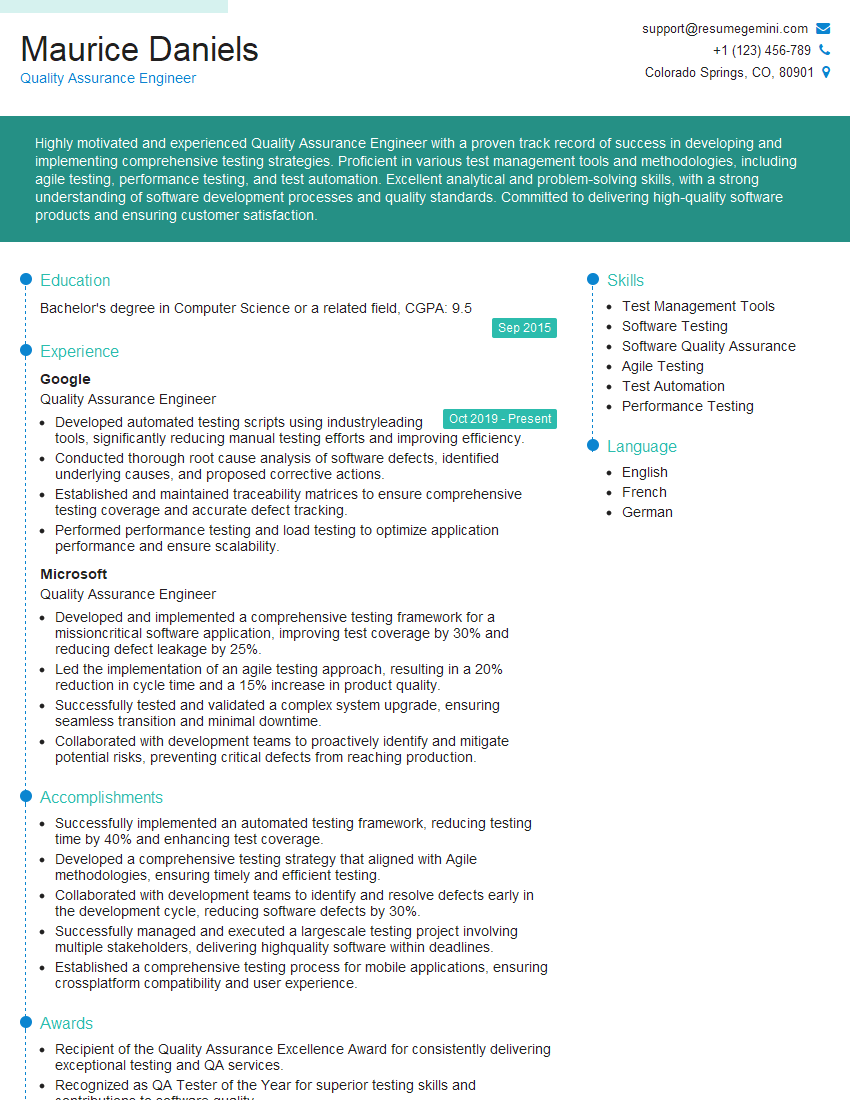
Quality Assurance Engineer Resume Sample
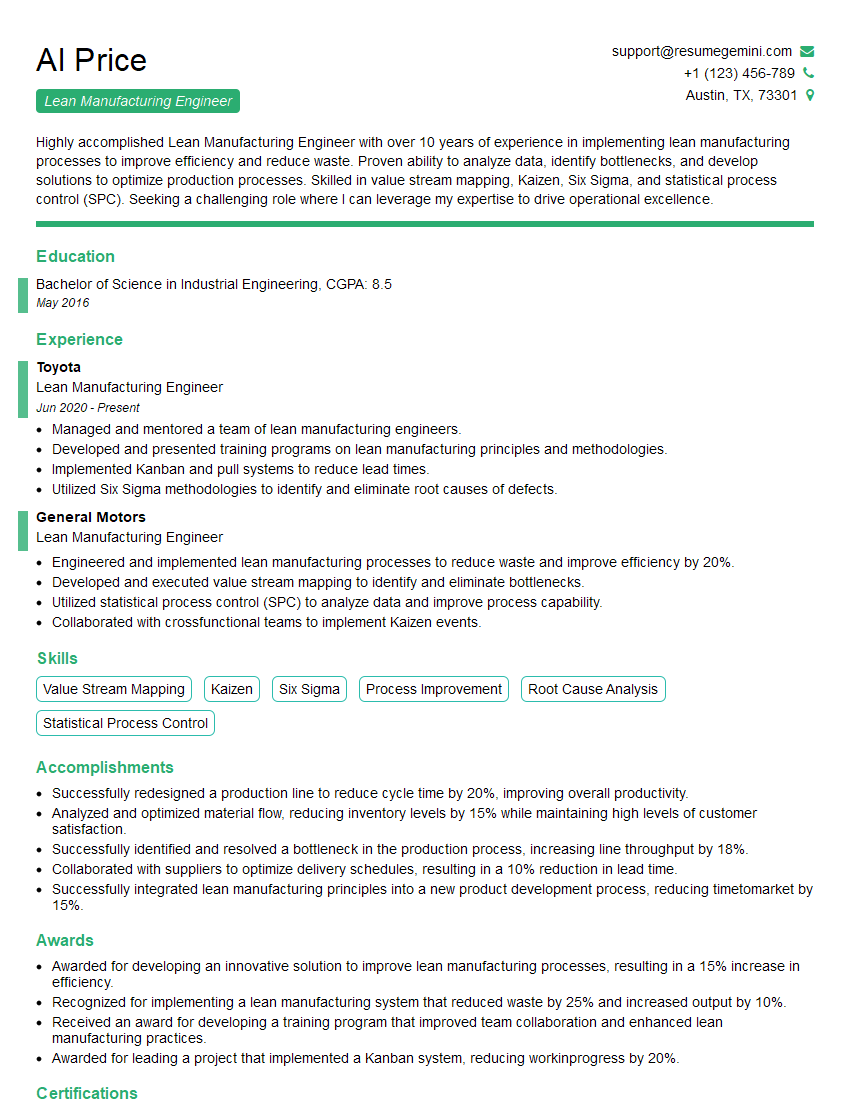
Lean Manufacturing Engineer Resume Sample
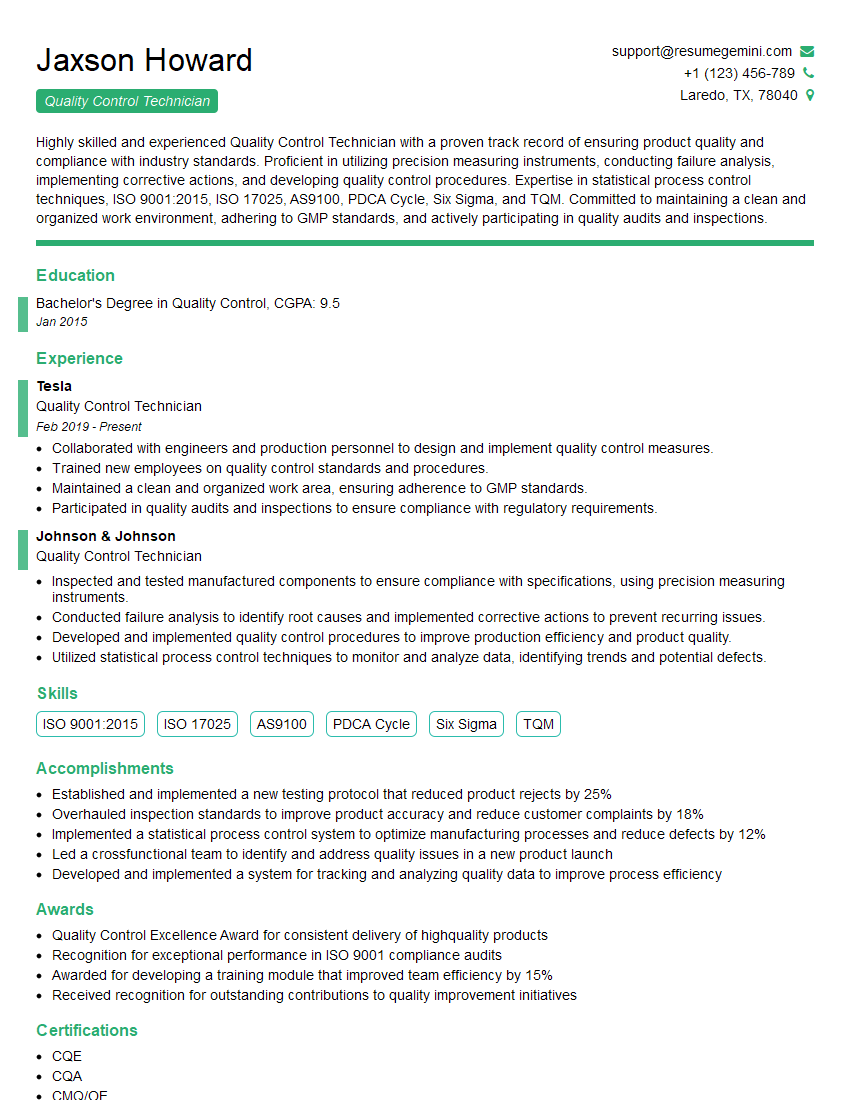
Quality Control Technician Resume Sample
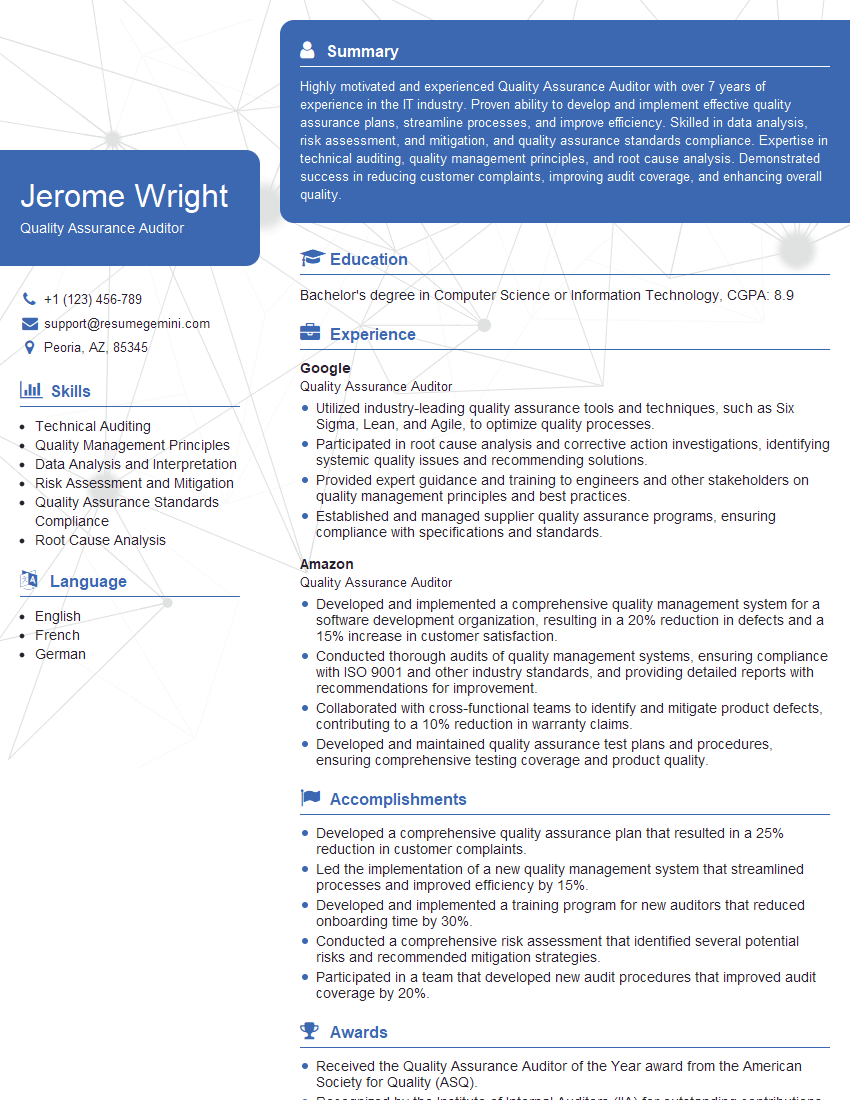
Quality Assurance Auditor Resume Sample
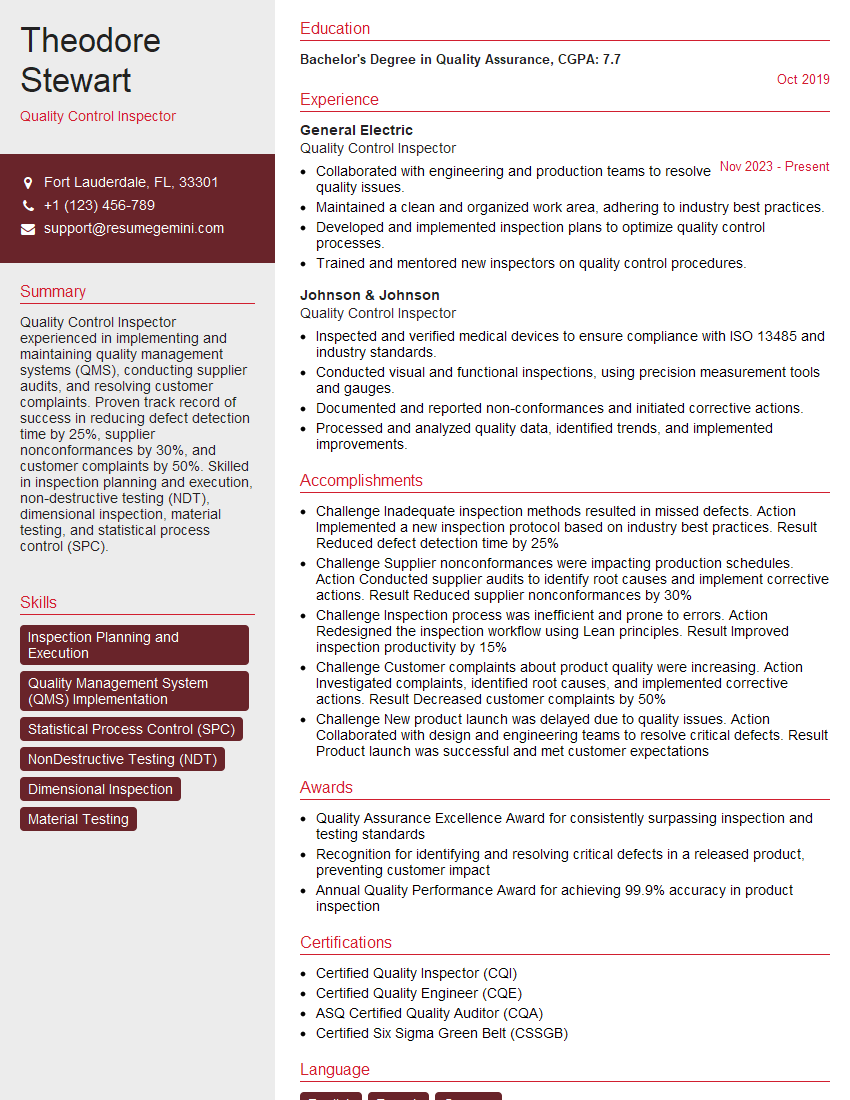
Quality Control Inspector Resume Sample
- Quality Assurance Manager
- Quality Assurance Supervisor
- Quality Control Manager
- Quality Control Supervisor
- Regulatory Affairs Manager
- Compliance Manager
- Quality Assurance Specialist
- Reliability Engineer
- Quality Control Analyst
- Quality Control Auditor
- Test Engineer
- Quality Engineer
- Quality Systems Manager
- Quality Assurance Technician
- Quality Assurance Engineer
- Lean Manufacturing Engineer
- Quality Control Technician
- Quality Assurance Auditor
- Quality Control Inspector
Explore more articles
Users Rating of Our Blogs
Share Your Experience
We value your feedback! Please rate our content and share your thoughts (optional).
What Readers Say About Our Blog
Very informative content, great job.
good