Unlock your full potential by mastering the most common Code Compliance (e.g., IBC, ASCE 7, AISC 360) interview questions. This blog offers a deep dive into the critical topics, ensuring you’re not only prepared to answer but to excel. With these insights, you’ll approach your interview with clarity and confidence.
Questions Asked in Code Compliance (e.g., IBC, ASCE 7, AISC 360) Interview
Q 1. Explain the differences between IBC, ASCE 7, and AISC 360.
The International Building Code (IBC), ASCE 7 (Minimum Design Loads and Associated Criteria for Buildings and Other Structures), and AISC 360 (Specification for Structural Steel Buildings) are all crucial for building design and construction, but they serve different purposes.
- IBC: This is a comprehensive code that addresses all aspects of building design and construction, including structural, fire protection, accessibility, and more. Think of it as the overarching rulebook for building safety. It references other codes like ASCE 7 and AISC 360 for specific technical requirements.
- ASCE 7: This standard focuses exclusively on defining the loads that a building must withstand, including dead loads (weight of the structure itself), live loads (occupancy loads, snow, etc.), and environmental loads (wind, seismic). It’s the guide for determining how much force a building must resist.
- AISC 360: This specification provides design procedures and requirements specifically for steel structures. It details the allowable stresses, design methods (like LRFD and ASD), and connection design for steel members. It’s the expert manual for designing with steel.
In essence: The IBC sets the overall requirements; ASCE 7 determines the forces acting on the structure; and AISC 360 guides the structural steel design to resist those forces.
Q 2. Describe your experience with plan review and code enforcement.
Throughout my career, I’ve been extensively involved in plan review and code enforcement. My experience encompasses reviewing architectural and structural plans for compliance with all applicable codes, including the IBC, ASCE 7, and AISC 360. This involves detailed analysis of calculations, drawings, and specifications to ensure structural adequacy, fire safety, and accessibility. I’ve worked on projects ranging from small residential buildings to large commercial structures.
In code enforcement, I’ve conducted field inspections to verify that construction is proceeding according to the approved plans and code requirements. This includes identifying and addressing discrepancies between as-built conditions and approved plans, issuing stop-work orders if necessary, and ensuring that any necessary corrective actions are taken. I’m experienced in working collaboratively with engineers, contractors, and building owners to resolve code compliance issues efficiently and effectively. For example, I once identified a critical error in a framing plan that could have led to structural failure during a large-scale commercial project; the swift resolution averted significant delays and potential safety risks.
Q 3. How do you handle discrepancies between different code sections?
Handling discrepancies between code sections requires a methodical approach. First, I meticulously identify the conflicting sections and understand their specific requirements. Then, I prioritize the sections based on their level of stringency and applicability to the specific project.
- Hierarchy of Codes: The IBC typically establishes the overall framework, and any conflicts between it and other referenced standards (like ASCE 7 or AISC 360) are resolved in favor of the IBC. Within a single code (like the IBC), the most specific requirements usually prevail over more general ones.
- Exceptions and Modifications: The IBC allows for exceptions and modifications to the code under certain conditions. I carefully review the possibilities of these allowances.
- Engineering Judgment: In complex situations, professional engineering judgment is crucial. This involves considering factors beyond the literal interpretation of the code and ensuring the safety and functionality of the structure.
- Consultations: For complex or ambiguous discrepancies, consultation with other code experts, often a licensed professional engineer, may be necessary.
For example, if there’s a conflict between a general IBC requirement and a specific ASCE 7 load provision, I would carefully analyze both sections to determine which is more relevant to the particular design situation. Documentation of the decision-making process is critical in such cases.
Q 4. What is your experience with IBC Chapter 16 (Fire Protection)?
IBC Chapter 16 deals with fire protection and addresses critical aspects of building safety. My experience with this chapter is extensive and includes:
- Fire Resistance Ratings: Determining and verifying appropriate fire resistance ratings for structural elements and building assemblies.
- Means of Egress: Assessing the adequacy of egress paths, including stairways, corridors, and exits, to ensure safe evacuation in case of fire.
- Fire Suppression Systems: Reviewing the design and installation of fire sprinkler systems, fire alarms, and other fire suppression measures.
- Fire Protection Materials: Specifying and reviewing fire-resistant materials and their appropriate applications.
- Smoke Control Systems: Reviewing design and implementation of smoke control systems such as smoke dampers and pressurization systems.
I’ve encountered scenarios where proposed designs were deficient in meeting the fire-resistance requirements of IBC Chapter 16, necessitating modifications to the plans to enhance building safety. I regularly review shop drawings, specifications, and test reports to validate the adequacy of fire protection systems, which is crucial in ensuring the safety of occupants and first responders. Understanding the nuances of Chapter 16, including its intricate interplay with other sections of the IBC, is essential in ensuring compliance and creating safe and resilient buildings.
Q 5. Explain the importance of ASCE 7 load combinations.
ASCE 7 load combinations are fundamentally important because they define the various scenarios a structure might encounter during its lifespan and the resulting forces it must resist. They ensure that buildings are designed to withstand the simultaneous effects of different loads, avoiding failure under multiple stress conditions.
Each load combination represents a different potential loading scenario, combining dead loads (self-weight), live loads (occupancy, snow), wind loads, seismic loads, and other environmental loads. The combinations are expressed mathematically (e.g., 1.4D, 1.2D + 1.6L, 1.2D + 1.6W + 0.5L, etc.), with factors accounting for the probability and severity of different loading conditions.
The proper application of ASCE 7 load combinations is crucial for structural safety. Ignoring or misapplying these combinations can lead to under-designed structures that are vulnerable to failure, causing substantial financial loss and endangering lives. For example, neglecting to consider the combination of dead load and wind load can result in a structure that is insufficiently resistant to high winds.
Q 6. How do you determine the required seismic design category for a structure?
Determining the required seismic design category (SDC) for a structure is a crucial step in earthquake-resistant design. ASCE 7 provides a clear methodology for this based on several factors:
- Seismic Zone: The structure’s location within a designated seismic zone, as indicated on seismic hazard maps provided by the USGS.
- Site Soil Conditions: The type of soil present at the building site significantly influences ground motion amplification. ASCE 7 categorizes soil profiles into different classes based on their seismic response characteristics.
- Occupancy Category: The intended use of the building is a major factor in determining the level of seismic resistance needed. Essential facilities (hospitals, fire stations) will usually require higher SDCs than non-essential buildings.
- Building Height and Configuration: Taller and more complex buildings typically require a higher SDC.
ASCE 7 uses this information to assign the building to a specific SDC (A through F, with F representing the highest seismic risk). This category dictates the level of seismic design forces and other requirements needed to achieve adequate seismic performance. A detailed site-specific geotechnical investigation is almost always needed to properly categorize the site’s soil conditions.
Q 7. Describe your familiarity with AISC 360 design procedures for steel structures.
My familiarity with AISC 360 design procedures for steel structures is comprehensive. I’m proficient in both the Allowable Stress Design (ASD) and Load and Resistance Factor Design (LRFD) methods. I routinely use the specification to:
- Member Design: Calculate the capacity of steel members under various loading conditions, including axial compression, bending, shear, and torsion. I utilize appropriate equations and tables from AISC 360, considering factors like material properties, section properties, and effective lengths.
- Connection Design: Design bolted and welded connections, ensuring they possess adequate strength and stability based on AISC 360 requirements. This includes selecting appropriate connection types, sizing bolts and welds, and checking for various failure modes.
- Stability Checks: Perform stability checks on steel members to ensure they resist buckling and lateral-torsional buckling. This often involves analyzing effective lengths and using the appropriate design equations provided in AISC 360.
- Seismic Design: Apply seismic design considerations using AISC 360’s guidance in accordance with ASCE 7 requirements. This incorporates special considerations for bracing, connection design, and ductility.
I’m adept at using various design software programs that incorporate AISC 360 design provisions. I have successfully designed numerous steel structures, carefully considering all relevant code requirements and safety factors. The ability to efficiently and accurately apply AISC 360 procedures is critical in creating safe and cost-effective steel structures.
Q 8. How do you interpret and apply wind load provisions from ASCE 7?
Interpreting and applying wind load provisions from ASCE 7 involves a multi-step process that begins with determining the building’s location and exposure category. ASCE 7 provides detailed guidance on calculating wind speeds based on geographic location and risk factors. This involves looking up the basic wind speed (Vb) for a given location in the ASCE 7 maps and then adjusting it based on factors like topographic features and the building’s height. This adjusted speed is then used to determine the wind pressure acting on the structure.
Next, we determine the importance category of the structure (e.g., I, II, III, IV) to adjust the wind loads accordingly. More important structures, such as hospitals, require higher design loads. We then consider the building’s shape and its wind exposure (open exposure, sheltered exposure etc.). ASCE 7 provides detailed equations and coefficients for calculating wind pressures on various parts of a building, such as walls, roofs, and appendages. This includes the use of factors like gust effect factors and external pressure coefficients.
For example, a tall building in an exposed location will experience significantly higher wind loads than a low-rise building sheltered by surrounding structures. We also need to understand the concept of wind pressure on different parts of a building, including positive (pushing) and negative (suction) pressures that vary based on building geometry. This requires a thorough understanding of the ASCE 7 methodology and its tables, particularly Chapter 26.
Finally, this calculated wind load is applied to the structural model in a structural analysis software. The software calculates stresses and deflections, allowing engineers to design the structure with adequate strength and stability. The engineer uses this analysis to size members and confirm compliance with AISC 360 requirements.
Q 9. What is your experience with building permit processes?
My experience with building permit processes spans over [Number] years and encompasses a wide range of projects, from small residential renovations to large-scale commercial developments. I am familiar with the submission requirements for various jurisdictions, including plan review, inspections, and approvals. I understand that the process typically begins with submitting detailed architectural and engineering plans, specifications, and calculations, all compliant with local, state, and federal codes. The plans undergo thorough review for code compliance, ensuring everything meets the local building codes and regulations.
Throughout my career, I have navigated the complexities of plan review comments, addressed any deficiencies efficiently, and responded to inspections. I have consistently maintained strong relationships with building officials to streamline the permitting process and resolve issues swiftly. This includes understanding different jurisdictions’ variations in interpretations and requirements and adapting accordingly. For instance, I’ve worked on projects where expedited permit review was necessary, requiring a more detailed and meticulous submission process to minimize delays.
I’m proficient in using online permit portals and filing systems which is crucial for managing applications, tracking progress, and ensuring timely completion. This includes efficiently managing the digital submission process and any required revisions or updates.
Q 10. Describe your experience working with various construction materials and their code requirements.
My experience encompasses a broad spectrum of construction materials, including steel, concrete, wood, masonry, and various composites. For each, I’m intimately familiar with the relevant code requirements. For example, when working with steel, I ensure that the design meets the requirements of AISC 360, which covers design, fabrication, and erection of structural steel. This involves selecting appropriate steel grades, considering factors such as yield strength, and ensuring proper connections are detailed and designed. I also use software to model the steel structures and analyze stress levels.
With concrete, I’m versed in ACI 318 (Building Code Requirements for Structural Concrete), understanding mix designs, reinforcement requirements, formwork details and ensuring the design meets the required strength and durability criteria. I ensure that the concrete meets the specified compressive strength and that adequate reinforcement is provided to withstand anticipated loads. Similarly, for wood construction, I adhere to the standards outlined in the National Design Specification for Wood Construction (NDS), understanding the different species, their properties, and design considerations. For masonry, I rely on the TMS 402 standard and consider the various masonry units and the mortar strength.
The use of different materials often requires understanding how they interact with each other, such as the connections between steel and concrete, or wood and masonry. This includes understanding the detailing of these connections to ensure efficient load transfer and prevent failures.
Q 11. How do you ensure compliance with accessibility requirements (ADA)?
Ensuring compliance with the Americans with Disabilities Act (ADA) is a crucial aspect of my work. I begin by thoroughly reviewing the ADA Standards for Accessible Design, understanding the requirements for accessibility elements such as ramps, walkways, restrooms, signage, and parking. I integrate these requirements into the design phase of projects, ensuring accessibility is considered from the outset, rather than as an afterthought.
This involves detailed planning and coordination with architects and other designers to incorporate accessible features that are both functional and aesthetically pleasing. For example, the design of ramps needs to meet specific slope requirements, and doorways need to meet minimum width requirements. I ensure that the specifications and design meet the standards and that the construction complies with the approved design. During inspections, I verify that these features have been installed correctly, checking for compliance with ADA standards. This includes ensuring appropriate signage is present and that accessible routes of travel are unobstructed. I’m also familiar with the need for proper documentation of accessibility features.
If non-compliance is identified, I collaborate with the contractor to implement corrective measures, which might involve design revisions, modifications to existing work, or the use of alternative accessible design solutions. Throughout this process, I maintain detailed records and documentation to demonstrate compliance.
Q 12. Explain your understanding of building envelope requirements.
Building envelope requirements encompass a wide range of factors focused on the exterior shell of the building and its ability to maintain a safe and comfortable interior environment, while also protecting against the elements. This includes the walls, roof, windows, doors, and their connections. I consider the requirements for weather resistance, thermal performance, air tightness, moisture control, and durability. The requirements often vary based on climate and local building codes.
For instance, in cold climates, the building envelope needs to provide adequate insulation to prevent heat loss, minimizing energy consumption and maintaining comfortable indoor temperatures. In hot climates, it might focus on reducing heat gain and maximizing thermal resistance. I ensure appropriate insulation levels are specified, taking into account the specific R-values required to meet energy efficiency standards. The design should also prevent moisture intrusion by using proper flashing, sealing details, and drainage systems. In coastal areas, special consideration must be given to salt spray and its effect on various materials.
Specific code requirements for building envelopes are often found in the International Building Code (IBC) and the International Energy Conservation Code (IECC), and will depend on several factors such as the location and the type of construction. I also consider the use of appropriate materials that can withstand the expected environmental conditions, such as the use of durable exterior cladding systems and weather-resistant barriers.
Q 13. How do you handle code violations during construction inspection?
Handling code violations during construction inspection requires a systematic and professional approach. Upon discovery of a violation, I first document the issue thoroughly, including photographs, detailed descriptions, and the location within the building. This documentation serves as evidence of the violation and ensures accurate record-keeping.
Next, I communicate the violation to the contractor and relevant stakeholders clearly and professionally, explaining the specific code section violated and the potential consequences of non-compliance. I discuss potential solutions and work collaboratively to devise a plan for correction. This plan should be documented and submitted in writing and agreed upon by all involved parties. For minor violations, a simple corrective action might suffice. For more serious violations, it may necessitate a more significant modification, redesign, or even temporary suspension of work in the affected area.
Throughout the process, I maintain open communication with the contractor, building officials and the owner, keeping them updated on the progress of the corrective actions. Once the corrective actions are completed, I conduct a follow-up inspection to verify that the violation has been rectified and the work complies with all applicable codes. If compliance is achieved, I close the violation and update the project documentation. If the issue persists, more stringent measures may need to be taken. This may involve the issuance of stop-work orders or referrals to regulatory authorities.
Q 14. What software or tools do you use for code compliance work?
In my code compliance work, I utilize several software and tools to enhance efficiency and accuracy. Structural analysis software such as RISA-3D, ETABS, or SAP2000 is essential for verifying the structural integrity of buildings and ensuring they meet code requirements related to loads and stresses. These programs allow me to model buildings, apply loads (including wind loads as calculated per ASCE 7), and analyze the resulting stresses and deflections.
For energy modeling, I use software such as EnergyPlus or eQuest to assess the building’s energy efficiency and compliance with IECC. This helps in optimizing the building envelope design and HVAC systems to meet energy efficiency requirements. I also use CAD software such as AutoCAD or Revit to create and review construction drawings, ensuring that the designs are compliant with building codes. Additionally, I use spreadsheets and other data management tools to organize and manage the project documentation, ensuring compliance with all relevant codes and regulations.
Furthermore, I often use online databases and code-checking software to ensure that my designs comply with the latest versions of building codes and standards. These tools facilitate efficient searching for specific code requirements and ensure that my work is up to date.
Q 15. Describe your experience with code research and interpretation.
Code research and interpretation is the cornerstone of my work. It involves meticulously reviewing building codes like the International Building Code (IBC), the American Society of Civil Engineers standard 7 (ASCE 7) for minimum design loads, and the American Institute of Steel Construction specification 360 (AISC 360) for structural steel, to understand their requirements and apply them to specific projects. This goes beyond simply reading the code; it requires a deep understanding of the intent behind the regulations, considering the context of the project and the potential interactions between different sections of the code. I’m adept at navigating complex code language, identifying exceptions and allowances, and interpreting ambiguous clauses. For example, recently I had to interpret a seemingly contradictory clause in the IBC regarding egress requirements in a complex multi-story building with unusual geometry. Through careful research and cross-referencing with relevant commentary and case studies, I successfully resolved the ambiguity and ensured the design met all life safety codes.
My approach involves a systematic process: first, defining the scope of the project and the relevant sections of the code; second, carefully reading and annotating those sections, paying close attention to definitions and exceptions; third, identifying potential conflicts or ambiguities; and fourth, using supplemental resources like code commentary and legal interpretations to clarify any uncertainties. This methodical approach guarantees accurate and compliant designs.
Career Expert Tips:
- Ace those interviews! Prepare effectively by reviewing the Top 50 Most Common Interview Questions on ResumeGemini.
- Navigate your job search with confidence! Explore a wide range of Career Tips on ResumeGemini. Learn about common challenges and recommendations to overcome them.
- Craft the perfect resume! Master the Art of Resume Writing with ResumeGemini’s guide. Showcase your unique qualifications and achievements effectively.
- Don’t miss out on holiday savings! Build your dream resume with ResumeGemini’s ATS optimized templates.
Q 16. How do you stay updated on changes in building codes?
Staying updated on building code changes is critical for maintaining my professional competence. I employ a multi-faceted strategy:
- Subscription to code update services: I subscribe to services that provide timely notifications of code revisions and interpretations.
- Professional development courses: I regularly attend seminars and workshops presented by code-writing organizations and industry experts to stay abreast of the latest developments.
- Networking with peers: I actively engage with other professionals in the field through industry associations and conferences, sharing knowledge and insights about recent code updates and their practical application.
- Review of industry publications: I consistently review industry publications, journals, and online resources to be informed about code changes and their implications.
This proactive approach ensures that I’m always working with the most current and relevant code provisions, leading to safe and compliant designs.
Q 17. Explain your experience with documenting code compliance findings.
Documenting code compliance findings is a crucial aspect of my work, as it provides a clear and auditable record for review by authorities and stakeholders. I utilize a detailed and organized approach, combining both written reports and visual aids. My documentation typically includes:
- Detailed code references: Precisely citing the relevant code sections and provisions that justify design choices.
- Calculations and analysis: Presenting all calculations, simulations, and engineering analyses that support compliance claims.
- Drawings and diagrams: Using clear and concise drawings and diagrams to illustrate how the design meets code requirements.
- Photographs and other visual evidence: Including photographs and other visual documentation to support the findings, especially when dealing with existing conditions or site-specific details.
- Summary reports: Providing concise executive summaries of the findings and recommendations.
This comprehensive documentation process minimizes ambiguities, avoids misinterpretations, and facilitates seamless communication with all parties involved. Furthermore, it provides a valuable historical record that can aid future inspections or modifications.
Q 18. How do you communicate technical information effectively to non-technical audiences?
Communicating technical information to non-technical audiences requires clear and concise language, avoiding jargon. I employ several techniques:
- Using analogies and metaphors: Relating complex concepts to everyday experiences makes them easier to grasp. For instance, explaining load-bearing capacity using the analogy of a bridge.
- Visual aids: Diagrams, charts, and pictures are invaluable for illustrating technical points effectively.
- Breaking down complex information into smaller parts: Presenting information in a step-by-step manner improves understanding.
- Active listening and feedback: Ensuring the audience understands by asking questions and addressing their concerns.
- Tailoring communication: Adapting my communication style and complexity to the specific audience (e.g., explaining structural engineering to a building owner versus a structural engineer).
Ultimately, successful communication depends on understanding the audience’s background and adjusting accordingly. My focus is always on ensuring everyone is well-informed and comfortable with the information presented.
Q 19. Describe a situation where you had to resolve a complex code-related issue.
During the design phase of a high-rise residential building, we encountered a conflict between the IBC’s requirements for sprinkler system placement and the building’s unique architectural features. The original design, based on standard layouts, would have necessitated installing sprinklers in a visually prominent location, clashing with the architect’s aesthetic vision. Solving this required a deep understanding of the code’s underlying intent: ensuring adequate fire suppression coverage. After extensive research, we explored alternative sprinkler system configurations and presented a revised plan using a different head type and layout. This adjusted plan successfully satisfied the IBC requirements while maintaining the architect’s design intentions. We documented our solution meticulously, including calculations showing equivalent coverage, and presented this to the relevant authorities for approval. This experience highlights the importance of creative problem-solving combined with a thorough knowledge of building codes and a collaborative approach.
Q 20. What is your experience with life safety systems and code requirements?
My experience with life safety systems and their code requirements is extensive. I have worked on numerous projects involving various systems, including fire detection and alarm systems, fire suppression systems (sprinklers, standpipes), emergency lighting, and means of egress. Understanding these systems’ integration and compliance with codes like the IBC, NFPA standards (National Fire Protection Association), and local ordinances is critical. For instance, I’ve been involved in projects where the design of the building’s structural elements directly impacted the functionality and placement of these systems. A clear understanding of the interplay between structural design and life safety systems is crucial for ensuring the building’s overall safety. I have experience specifying, reviewing shop drawings for, and inspecting these systems to ensure they conform to the codes and provide adequate protection. My expertise also extends to understanding accessibility requirements within life safety systems, ensuring they meet the needs of individuals with disabilities.
Q 21. Describe your understanding of fire-resistant construction materials.
Fire-resistant construction materials are essential for achieving fire safety in buildings. Their performance is dictated by their fire-resistance rating, typically expressed in hours (e.g., 1-hour, 2-hour rating). This rating indicates the length of time the material can withstand a standard fire test without compromising its structural integrity or allowing excessive heat transfer. Common fire-resistant materials include:
- Concrete: Possesses inherent fire resistance, especially reinforced concrete which offers excellent structural performance during fires.
- Steel: While susceptible to heat weakening, steel’s fire resistance can be significantly enhanced through fireproofing, often using spray-on fire-resistive materials (SFRMs).
- Protected steel: Steel encased in concrete, gypsum board, or other fire-resistant materials.
- Fire-rated gypsum board: Widely used in wall and ceiling assemblies to provide fire separation and containment.
- Intumescent coatings: Expand upon heating to insulate and protect steel members.
The selection and application of fire-resistant materials are guided by the IBC and NFPA standards, considering factors such as the building’s occupancy type, height, and area. Correct material specification and installation are crucial for achieving the required fire rating and ensuring the building’s occupants are protected.
Q 22. How do you assess structural integrity based on code requirements?
Assessing structural integrity based on code requirements involves a systematic approach combining analysis, calculations, and code interpretation. We begin by defining the scope, identifying all applicable codes (e.g., IBC for building codes, ASCE 7 for loads, AISC 360 for steel design), and determining the relevant design loads.
For example, consider a steel building. We’d start with ASCE 7 to determine the dead, live, and wind loads. Then, using AISC 360, we’d analyze the structural members (beams, columns, etc.) to ensure they can withstand these loads without exceeding allowable stresses or deflections. This involves using appropriate material properties, section properties, and design equations specified in the code. Software like RISA or ETABS are frequently used to perform these analyses.
Finally, we compare our calculated results against the code’s allowable limits. If the analysis demonstrates that all members satisfy the code requirements, the structure is deemed to have sufficient structural integrity. Any deficiencies require design modifications or further investigation.
Q 23. Explain your familiarity with load path analysis and design.
Load path analysis is crucial for understanding how loads transfer through a structure from the point of application to the ultimate support. Imagine a simple building: the roof load travels down through the roof beams, into the columns, and finally into the foundation. This is the load path.
My design process involves meticulously tracing this path. I consider the distribution of loads, the interaction between various structural elements, and potential weak points. For instance, a poorly designed connection can interrupt the load path, leading to structural failure. I use both analytical methods and engineering software to model and analyze the load path, ensuring a continuous and efficient transfer of forces.
A practical example from my experience involved a renovation project where an addition was being made to an existing building. Careful load path analysis was essential to integrate the new structure with the existing one without overloading the original foundation or causing unexpected stress concentrations.
Q 24. How do you use code references effectively in design or inspection?
Effective use of code references is paramount. I don’t rely solely on memory; I consistently refer to the actual code documents, ensuring the latest editions are used. This includes understanding not only the specific requirements but also the commentary and explanatory sections that provide further clarity and context.
My approach is systematic. I start by identifying the applicable sections of the codes relevant to the project. Then, I thoroughly review each requirement, cross-referencing different sections when necessary. For example, understanding the interaction between IBC’s occupancy classifications and ASCE 7’s load factors is crucial for accurate design.
I maintain a well-organized system for referencing codes, often using bookmarks or annotations within the digital versions of the codes. This ensures efficient access to specific requirements and aids in justifying design decisions with clear and traceable documentation.
Q 25. What is your experience with code-related appeals or dispute resolution?
I’ve been involved in several code-related appeals and dispute resolutions. These situations typically arise when there’s a discrepancy between the design and the authority’s interpretation of the code. One specific instance involved a project where the local building department disagreed with our interpretation of allowable deflection limits for a specific beam type.
My approach in such situations involves meticulously documenting the design rationale, providing supporting calculations, and referring back to the relevant code sections. I also prepare detailed reports explaining our design approach and highlighting any misunderstandings or misinterpretations. Open communication with the reviewing authorities and a willingness to explore alternative solutions are essential for a positive resolution. In this particular case, we successfully resolved the dispute by providing additional analysis and clarification of our design methodology, demonstrating compliance with the code.
Q 26. Describe your experience with energy efficiency codes and requirements.
My experience with energy efficiency codes encompasses various aspects, from understanding the requirements of ASHRAE 90.1 to incorporating energy modeling into design. Energy efficiency is no longer a separate consideration but an integral part of sustainable design practices.
I’m familiar with the various energy efficiency measures, including insulation levels, window performance, HVAC system selection, and lighting design. I use energy modeling software to simulate building performance and assess the impact of different design options on energy consumption. This allows me to optimize designs to meet or exceed the required energy efficiency standards, while also balancing budget and aesthetic considerations.
For example, on a recent project, we used energy modeling to demonstrate that incorporating a high-performance building envelope and efficient HVAC system resulted in significant energy savings, meeting the stringent requirements of the local energy code and exceeding LEED certification goals.
Q 27. How do you handle situations where code requirements conflict with project objectives?
Conflicts between code requirements and project objectives are common. The key is to find creative, compliant solutions that meet both. This requires a thorough understanding of the code’s intent, the project’s constraints, and the available alternatives.
My approach involves identifying the specific points of conflict. For instance, a code might require a certain level of fire protection that increases cost or impacts the design aesthetics. In such cases, I investigate alternative methods, such as using different materials or modifying the layout, to achieve compliance while minimizing the impact on the project objectives. Documentation and justification of these alternatives are critical.
Sometimes, it involves seeking variances from the code. This requires a strong case demonstrating why a variance is necessary, how the proposed alternative solution still maintains safety and functionality, and how it avoids compromising the overall intent of the code.
Q 28. What are your strengths and weaknesses regarding code compliance?
My strengths lie in my systematic approach to code interpretation, my deep understanding of various codes (IBC, ASCE 7, AISC 360, ASHRAE 90.1), and my ability to clearly communicate complex technical information to both technical and non-technical audiences. I am also adept at using software to analyze structural performance and model energy efficiency.
One area for continuous improvement is staying abreast of the constantly evolving code updates and emerging technologies. The construction industry changes rapidly, and staying current with best practices is critical for providing the highest level of service. I actively participate in professional development activities and subscribe to relevant industry publications to address this.
Key Topics to Learn for Code Compliance (e.g., IBC, ASCE 7, AISC 360) Interview
- IBC (International Building Code): Understanding building codes, occupancy classifications, and their impact on design and construction. Focus on key sections relevant to your experience.
- ASCE 7 (Minimum Design Loads and Associated Criteria for Buildings and Other Structures): Mastering load calculations (dead, live, wind, snow, seismic) and their application in structural design. Practice load combinations and understanding load paths.
- AISC 360 (Specification for Structural Steel Buildings): Familiarize yourself with steel design principles, including member design, connection design, and stability checks. Understand the limitations and assumptions of the code.
- Code Interpretation and Application: Practice applying these codes to practical scenarios. Develop your ability to interpret code provisions and make sound engineering judgments.
- Common Code Violations and Remediation: Review common code violations and understand how to address them effectively. This demonstrates practical experience and problem-solving skills.
- Plan Review and Inspection Procedures: Understand the process of reviewing construction documents for code compliance and conducting field inspections. This is crucial for many Code Compliance roles.
- Relevant Software and Tools: Demonstrate familiarity with software commonly used in structural design and code compliance (e.g., structural analysis software, BIM software).
- Building Systems and Components: Develop a solid understanding of various building systems (structural, mechanical, electrical, plumbing) and how they interact with code requirements.
Next Steps
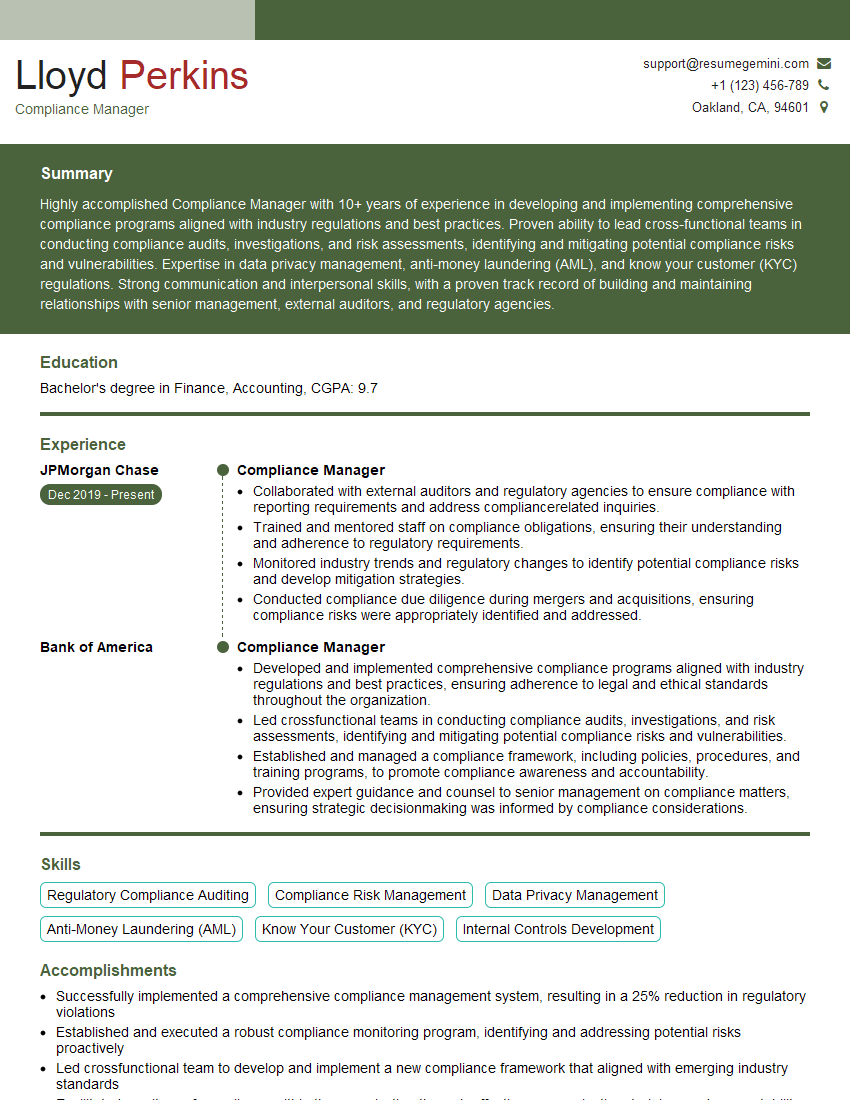
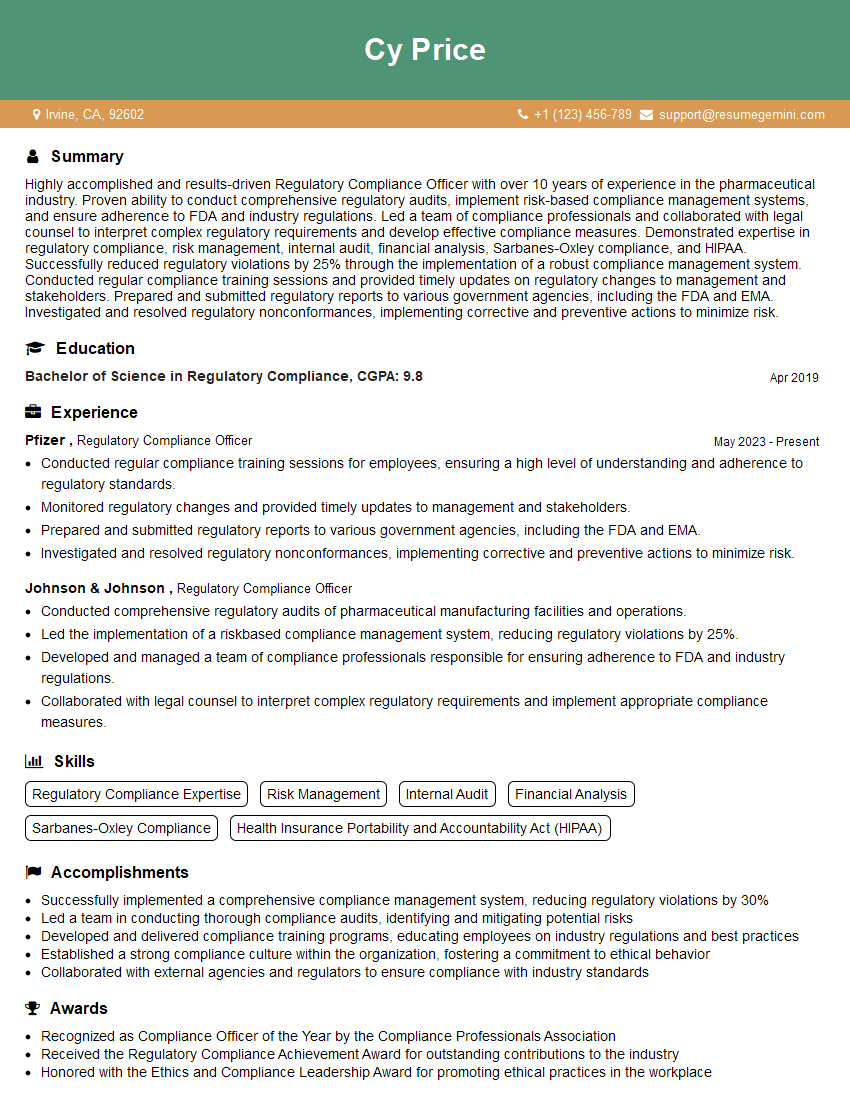
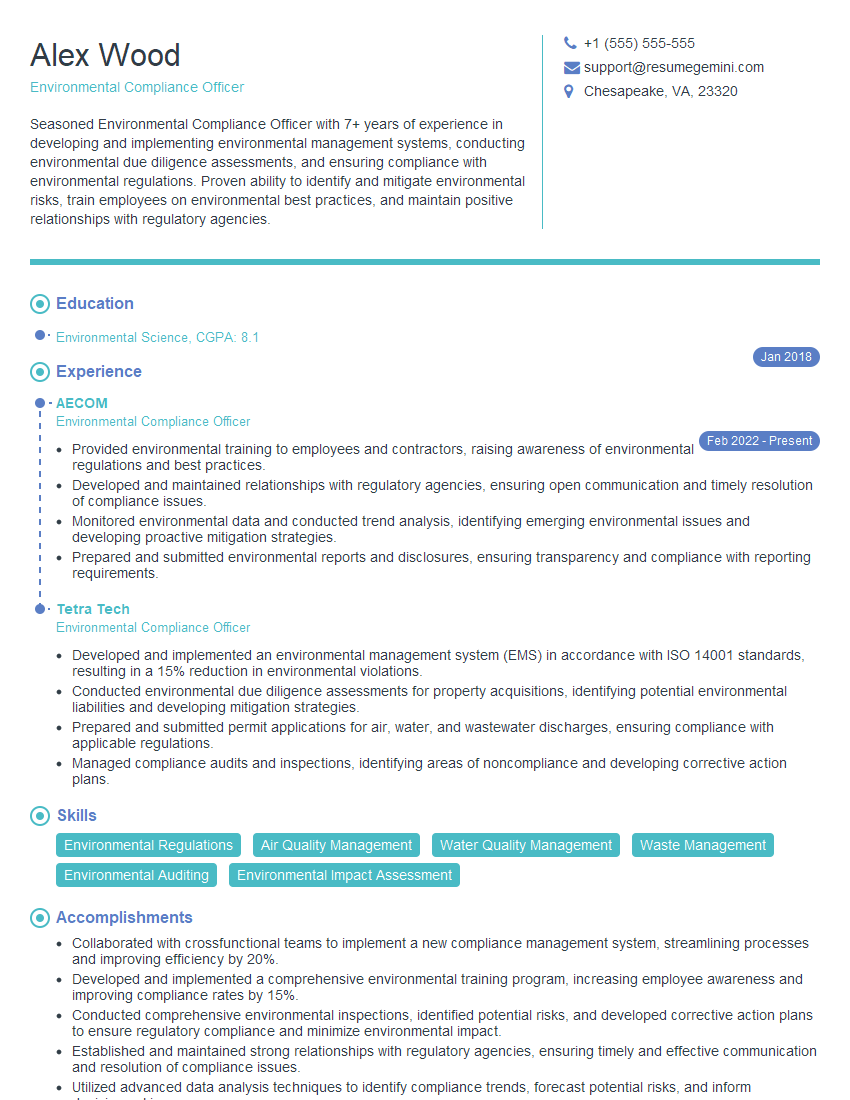
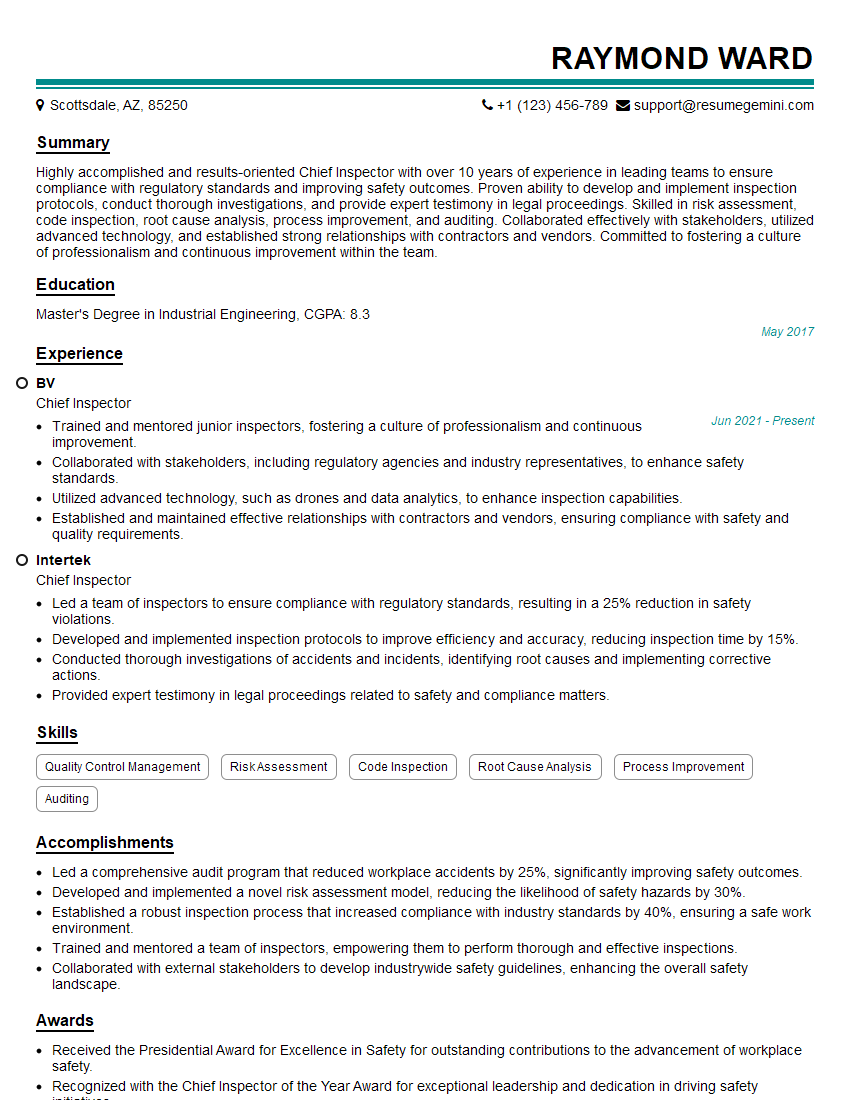
Mastering Code Compliance (IBC, ASCE 7, AISC 360) is essential for career advancement in the construction and engineering industries. A strong understanding of these codes demonstrates your competence and professionalism, opening doors to more challenging and rewarding opportunities. To significantly boost your job prospects, invest time in creating an ATS-friendly resume that highlights your relevant skills and experience. ResumeGemini is a trusted resource to help you build a professional and impactful resume. Examples of resumes tailored to Code Compliance roles (featuring IBC, ASCE 7, and AISC 360 expertise) are available to guide your resume creation.
Explore more articles
Users Rating of Our Blogs
Share Your Experience
We value your feedback! Please rate our content and share your thoughts (optional).
What Readers Say About Our Blog
Very informative content, great job.
good