Are you ready to stand out in your next interview? Understanding and preparing for Coffee Plantation Management interview questions is a game-changer. In this blog, we’ve compiled key questions and expert advice to help you showcase your skills with confidence and precision. Let’s get started on your journey to acing the interview.
Questions Asked in Coffee Plantation Management Interview
Q 1. Describe your experience in coffee bean cultivation.
My experience in coffee bean cultivation spans over 15 years, encompassing all aspects from seedling selection and nursery management to harvesting and post-harvest processing. I’ve worked with both Arabica and Robusta varieties across diverse terrains, including high-altitude slopes and lowland plantations. My focus has always been on sustainable and high-yield practices. For instance, in one plantation, we successfully implemented a shade-grown approach, resulting in a 20% increase in bean quality and a 15% improvement in yield compared to sun-grown methods. This involved careful selection of shade trees that not only provided protection but also enriched the soil with organic matter.
I’ve also been involved in the development and implementation of innovative cultivation techniques, such as precision agriculture using data-driven insights to optimize resource allocation and improve overall efficiency. My experience includes managing teams of field workers, overseeing land preparation, and ensuring adherence to strict quality control measures throughout the cultivation process. I am proficient in various pruning techniques tailored to different coffee varieties and environmental conditions.
Q 2. Explain the different stages of coffee bean processing.
Coffee bean processing involves several crucial stages, each impacting the final product’s quality and flavor profile. These stages typically include:
- Harvesting: This involves selectively picking ripe cherries, typically by hand, to ensure consistent quality. The timing is critical, as underripe or overripe cherries negatively impact the flavor.
- Processing: This is where the beans are separated from the fruit. There are two main methods:
- Wet Processing (Washed): Involves depulping, fermentation, washing, and drying, resulting in cleaner-tasting coffee.
- Dry Processing (Natural): Involves drying the cherries whole, then removing the parchment, resulting in a sweeter, fuller-bodied coffee. This method is more dependent on weather conditions.
- Drying: The beans are dried either on raised beds (sun-drying) or in mechanical dryers, reducing moisture content to a safe level for storage. Proper drying is essential to prevent spoilage and maintain quality.
- Hulling: The dried parchment layer is removed, followed by further cleaning and grading by size and density.
- Sorting and Grading: Beans are sorted based on size, density, and defects, ensuring consistent quality and classification for market requirements.
- Storage: Properly stored coffee beans retain their quality and flavor until they are processed for consumption. Storage conditions need to be strictly controlled regarding moisture, temperature, and pest control.
Q 3. What are the key factors influencing coffee yield?
Coffee yield is a complex interplay of several factors. Optimizing these factors is crucial for maximizing production:
- Climate: Temperature, rainfall, and sunlight significantly influence coffee growth and development. Ideal conditions vary depending on the variety, with Arabica requiring a cooler climate than Robusta.
- Soil Conditions: Well-drained, fertile soil rich in organic matter is essential. Soil pH should be within the optimal range for the specific coffee variety.
- Variety Selection: Choosing appropriate coffee varieties suited to the specific environmental conditions is crucial for maximizing yield and quality.
- Planting Density: Appropriate spacing between plants allows for proper sunlight penetration and nutrient uptake. Overcrowding leads to competition for resources.
- Nutrient Management: Supplying the right balance of nutrients through fertilizers and organic matter improves growth and yield. Soil testing helps determine specific nutrient needs.
- Pest and Disease Control: Effective pest and disease management minimizes yield losses.
- Pruning and Training: Proper pruning enhances plant structure, promoting fruit production and ease of harvesting.
- Irrigation: Consistent and appropriate irrigation, especially during dry periods, is crucial for optimal yield.
Q 4. How do you manage soil health and fertility in a coffee plantation?
Maintaining soil health and fertility is paramount in sustainable coffee cultivation. My approach involves a combination of strategies:
- Organic Matter Enrichment: Incorporating organic matter, such as compost, mulch (e.g., coffee husks), and cover crops, improves soil structure, water retention, and nutrient availability. Cover crops also help in suppressing weed growth.
- Soil Testing: Regular soil testing helps in determining nutrient deficiencies and guiding fertilizer application. This precision approach prevents over-fertilization and environmental pollution.
- Balanced Fertilization: Applying fertilizers containing the essential macro and micronutrients according to soil test recommendations promotes healthy plant growth.
- Crop Rotation: Rotating coffee with nitrogen-fixing cover crops can help restore soil fertility naturally.
- Erosion Control: Implementing practices like contour planting and terracing reduces soil erosion, preserving topsoil and essential nutrients.
- Water Management: Efficient irrigation practices prevent nutrient leaching and maintain soil moisture levels.
Q 5. What pest and disease control methods are you familiar with?
I employ Integrated Pest Management (IPM) strategies that prioritize preventive measures and minimize the use of chemical pesticides. This includes:
- Biological Control: Introducing beneficial insects and microorganisms that prey on coffee pests. This is a sustainable and environmentally friendly approach.
- Cultural Control: Practices such as proper spacing, pruning, and sanitation help reduce pest and disease incidence.
- Resistant Varieties: Selecting coffee varieties resistant to common pests and diseases minimizes the need for chemical interventions.
- Monitoring: Regular monitoring for pests and diseases allows for early detection and intervention, preventing widespread outbreaks. This often involves visual inspections and the use of traps.
- Chemical Control (as a last resort): Only when other methods prove insufficient, and only using selective, low-impact pesticides that target specific pests and are applied according to strict guidelines.
Q 6. Describe your experience with irrigation management in coffee cultivation.
Effective irrigation management is critical for consistent coffee production, especially in regions with variable rainfall. My experience includes the implementation and management of various irrigation systems:
- Drip Irrigation: This highly efficient method delivers water directly to the plant roots, minimizing water waste and promoting even growth. It is particularly useful in hilly terrains.
- Sprinkler Irrigation: Suitable for flat terrains, sprinklers provide a more uniform water distribution, but it requires more water than drip irrigation.
- Water Harvesting: Collecting rainwater for later use during dry spells helps conserve water and reduces reliance on external sources.
- Soil Moisture Monitoring: Using soil moisture sensors allows for precise irrigation scheduling, preventing overwatering or underwatering.
- Irrigation Scheduling: Scheduling based on weather conditions, soil type, and plant growth stage ensures optimal water usage.
In one project, we implemented a drip irrigation system, resulting in a 10% increase in yield and a significant reduction in water consumption compared to traditional flooding methods.
Q 7. How do you ensure the quality of coffee beans throughout the production process?
Maintaining coffee bean quality throughout the production process requires meticulous attention to detail at every stage:
- Selective Harvesting: Picking only ripe cherries ensures consistent flavor and avoids defects.
- Proper Processing: Following appropriate processing methods (wet or dry) according to the desired flavor profile is crucial.
- Careful Drying: Avoiding over-drying or under-drying preserves bean quality and prevents defects.
- Efficient Storage: Maintaining appropriate temperature and humidity levels during storage prevents spoilage and maintains quality.
- Quality Control Checks: Regular checks at each stage, including visual inspection and density testing, help identify and remove defective beans.
- Grading and Sorting: Sorting and grading ensure uniform bean size and density, essential for consistent roasting and brewing quality.
We use cupping sessions regularly to assess the quality of the green beans and to make adjustments to our practices as necessary. This allows us to identify and address potential problems early on in the process, maintaining a consistently high quality product.
Q 8. What are the different coffee varieties you have worked with and their characteristics?
Throughout my career, I’ve worked extensively with several key coffee varieties, each possessing unique characteristics that influence their cup profile and cultivation needs. Arabica, representing the vast majority of my experience, is renowned for its complex flavor profiles and nuanced aromas, ranging from bright acidity to rich chocolate notes. Within Arabica, I’ve specifically worked with Typica, Bourbon, and Caturra varieties. Typica, an older heirloom variety, tends to produce a robust, full-bodied coffee, but yields can be lower compared to newer hybrids. Bourbon, a natural mutation of Typica, often yields a sweeter, more aromatic cup with higher acidity. Caturra, a high-yielding, compact variety derived from Bourbon, is favoured for its ease of harvesting and disease resistance. I’ve also had limited experience with Robusta, a hardier, higher-yielding species known for its strong, bitter flavor and high caffeine content, primarily used in espresso blends or as an additive to lower-cost coffees.
- Arabica (Typica): Robust, full-bodied, lower yield.
- Arabica (Bourbon): Sweet, aromatic, high acidity.
- Arabica (Caturra): High yielding, disease resistant.
- Robusta: Strong, bitter, high caffeine.
Q 9. Explain your experience with harvesting and post-harvest handling of coffee cherries.
Harvesting and post-harvest handling are critical stages that directly impact bean quality. My approach to harvesting prioritizes selective picking, ensuring only ripe cherries are harvested. This meticulous method, although more labor-intensive, results in superior quality and consistency. We typically harvest in multiple passes, ensuring maximum ripeness and minimizing the inclusion of underripe or overripe cherries. Post-harvest handling begins immediately with careful sorting and cleaning to remove any extraneous material, like leaves or twigs. Then, the cherries undergo pulping, where the outer skin and pulp are removed. Depending on the chosen processing method (washed, natural, or honey), subsequent steps involve fermentation, washing, and drying. For washed processing, fermentation helps break down the mucilage surrounding the bean, followed by thorough washing to remove residual pulp. Natural processing involves drying the cherries whole, preserving more of the fruit’s character in the final bean. Honey processing represents a middle ground, where some mucilage is left on the beans during drying. Throughout these processes, meticulous attention to cleanliness, temperature control, and drying time is crucial to preventing defects and preserving bean quality. For example, uneven drying can lead to fermentation issues and off-flavors.
Q 10. What are your strategies for maximizing coffee bean quality?
Maximizing coffee bean quality is a multi-faceted endeavor that begins long before harvesting. My strategies encompass several key areas: Firstly, appropriate variety selection plays a crucial role. Choosing varieties suited to the specific soil, climate, and altitude of the plantation ensures optimal growth and bean development. Secondly, meticulous farm management is essential. This includes implementing appropriate soil nutrient management through regular testing and fertilization, precise irrigation to maintain optimal moisture levels, and proactive disease and pest control using environmentally friendly methods. Thirdly, meticulous attention to detail during harvesting and post-harvest processing is paramount. As discussed earlier, selective picking, careful processing, and precise drying are crucial for quality preservation. Finally, careful storage and handling of the beans after processing are equally vital to prevent degradation. This includes ensuring proper ventilation and storage in a cool, dry environment to maintain bean quality until export.
Q 11. How do you manage labor relations and workforce productivity on a coffee plantation?
Effective labor relations and workforce productivity are foundational to successful coffee plantation management. My approach focuses on building a strong, respectful, and collaborative relationship with the workforce. This begins with fair wages and benefits that are competitive with local standards. I also prioritize providing training and development opportunities to enhance worker skills and job satisfaction. Incentive programs, such as bonuses based on productivity and quality, motivate workers and foster a sense of ownership and shared success. Regular communication and feedback sessions are crucial for addressing concerns, resolving conflicts, and ensuring that workers feel valued and heard. In addition, I focus on creating a safe and supportive work environment, ensuring compliance with all relevant safety regulations. A well-trained, motivated, and well-treated workforce translates directly into higher productivity and improved bean quality.
Q 12. How familiar are you with sustainable coffee farming practices?
I’m deeply committed to sustainable coffee farming practices. My understanding extends beyond simply meeting certification requirements; it’s about integrating environmentally sound and socially responsible practices into every aspect of plantation management. This involves using organic fertilizers and pesticides to reduce environmental impact, implementing water conservation techniques to manage water resources efficiently, and protecting biodiversity by preserving natural habitats within and around the plantation. Shade-grown coffee cultivation is a significant aspect of our sustainability efforts, as it promotes biodiversity and reduces the need for chemical inputs. We also focus on promoting soil health through cover cropping and agroforestry, improving soil fertility and reducing erosion. Further, empowering local communities through fair wages, skills training, and educational initiatives is integral to our sustainable approach. It’s about creating a long-term, viable agricultural system that supports both people and the environment.
Q 13. What certifications (e.g., Fairtrade, Rainforest Alliance) have you worked with?
My experience includes working with several prominent coffee certifications, notably Fairtrade and Rainforest Alliance. Fairtrade certification ensures fair prices are paid to farmers, promoting equitable trade practices and supporting sustainable livelihoods in coffee-producing communities. The Rainforest Alliance certification focuses on environmentally sustainable practices, including biodiversity conservation, responsible water management, and the reduction of chemical inputs. Working with these certifications requires adhering to rigorous standards throughout the entire production process, from farm management to post-harvest handling. These certifications not only enhance the marketability of our coffee but also demonstrate our commitment to ethical and sustainable practices. Compliance requires regular audits and documentation to maintain certification.
Q 14. Describe your experience with budget management and cost control in coffee farming.
Budget management and cost control are critical aspects of successful coffee farming. My approach utilizes a detailed budget that encompasses all aspects of production, from land preparation to harvesting, processing, and marketing. I employ regular cost monitoring and analysis to identify areas for efficiency improvements and cost reduction. This involves tracking expenses for inputs such as fertilizers, pesticides, labor, and equipment, as well as overhead costs such as transportation and administrative expenses. Data-driven decision-making is crucial, using yield data and market prices to optimize resource allocation and maximize profitability. Furthermore, exploring alternative and sustainable farming practices, like reducing chemical inputs and optimizing water usage, can contribute significantly to long-term cost savings. For example, by implementing water-efficient irrigation systems, I’ve reduced water costs while simultaneously protecting this precious resource. Strategic planning and proactive management are key to maintaining profitability and sustainability.
Q 15. How do you monitor and evaluate the performance of your coffee plantation?
Monitoring a coffee plantation’s performance involves a multi-faceted approach, focusing on yield, quality, and efficiency. We use a combination of quantitative and qualitative data to paint a complete picture.
- Yield Monitoring: We track the number of cherries harvested per hectare, comparing this year’s results to previous years and identifying any areas underperforming. This involves detailed record-keeping, often using GPS-enabled mapping to pinpoint specific high and low-yield areas.
- Quality Assessment: Regular cupping sessions (blind taste tests by trained professionals) assess the beans’ flavor profile, aroma, acidity, and body. We also analyze bean size, defects, and moisture content. This helps us identify potential issues with processing or growing conditions.
- Efficiency Metrics: We monitor labor productivity (kg of cherries picked per worker-hour), fertilizer and pesticide usage, and water consumption. Identifying inefficiencies helps pinpoint areas for improvement and resource optimization.
- Data Analysis: All data is entered into a management system, allowing for trend analysis and predictive modeling. We can then see if changes in fertilization or pruning techniques, for instance, have yielded improvements.
For example, if we notice a consistent decrease in yield in a specific area, we investigate factors like soil conditions, water availability, or disease presence. This data-driven approach allows for targeted interventions and prevents plantation-wide problems.
Career Expert Tips:
- Ace those interviews! Prepare effectively by reviewing the Top 50 Most Common Interview Questions on ResumeGemini.
- Navigate your job search with confidence! Explore a wide range of Career Tips on ResumeGemini. Learn about common challenges and recommendations to overcome them.
- Craft the perfect resume! Master the Art of Resume Writing with ResumeGemini’s guide. Showcase your unique qualifications and achievements effectively.
- Don’t miss out on holiday savings! Build your dream resume with ResumeGemini’s ATS optimized templates.
Q 16. Explain your experience with crop forecasting and planning.
Crop forecasting is critical for efficient resource allocation and timely decision-making. We use a variety of methods, combining historical data with current conditions.
- Historical Data Analysis: Examining past yields, weather patterns, and disease outbreaks helps establish baseline trends. For example, knowing that a certain variety thrives in specific rainfall patterns aids in planning for the next season.
- Weather Forecasting: Integrating weather forecasts into our projections is essential. We utilize advanced weather models to predict rainfall, temperature, and frost risk. This helps us anticipate potential crop damage and take preventive measures.
- Soil Analysis: Regular soil testing helps determine nutrient levels and pH, informing fertilizer application strategies. This contributes significantly to accurate yield predictions.
- Disease and Pest Monitoring: We actively monitor for disease and pest infestations, assessing their potential impact on the crop. This includes scouting, using traps, and consulting with agricultural specialists.
This integrated approach allows us to create accurate yield forecasts, enabling efficient planning of labor, harvesting equipment, and processing capacity. For instance, a predicted lower yield might necessitate adjustments in our marketing strategies.
Q 17. How do you handle unforeseen challenges, like extreme weather events?
Unforeseen challenges, such as extreme weather events, require immediate and adaptable responses. Our approach combines preventive measures and reactive strategies.
- Preventive Measures: This includes planting drought-resistant varieties, implementing effective irrigation systems (e.g., drip irrigation), and developing robust pest and disease management protocols.
- Reactive Strategies: When faced with unexpected events like frost or heavy rainfall, immediate actions are critical. This can involve deploying protective covers, implementing emergency irrigation or drainage, and providing supplemental nutrition to mitigate the damage.
- Insurance and Risk Management: We utilize crop insurance to mitigate financial losses from catastrophic events. Detailed risk assessments also identify vulnerable areas and help prioritize preventive measures.
- Diversification: Planting a variety of coffee species or intercropping with other resilient plants can reduce the impact of a single event on overall yield.
For instance, during a severe drought, we might use emergency water sources and adjust our harvesting schedule to minimize losses. Post-event, we thoroughly assess the damage and adjust our strategies for future seasons.
Q 18. What are your strategies for improving the efficiency of coffee plantation operations?
Improving efficiency in coffee plantation operations requires a focus on several key areas.
- Precision Agriculture: Utilizing GPS technology, sensors, and data analytics to optimize resource usage. This includes variable rate fertilization, targeted irrigation, and precise weed control.
- Mechanization: Employing appropriate machinery for tasks like harvesting, pruning, and weeding, reducing reliance on manual labor and increasing speed and consistency.
- Improved Processing Techniques: Adopting more efficient and less water-intensive methods for processing coffee cherries, such as employing advanced drying technologies.
- Sustainable Practices: Implementing integrated pest management strategies, utilizing organic fertilizers, and conserving water through efficient irrigation techniques.
- Training and Development: Investing in training programs for our workforce to enhance their skills and improve efficiency.
For example, adopting a precise irrigation system can significantly reduce water usage and ensure even moisture distribution, leading to improved yields and better resource management.
Q 19. What is your experience with coffee machinery and equipment maintenance?
Maintaining coffee machinery and equipment is crucial for operational efficiency and preventing costly downtime. Our approach is proactive and preventative.
- Regular Maintenance Schedules: We adhere to strict maintenance schedules for all equipment, including preventative checks, lubrication, and cleaning.
- Preventive Maintenance Programs: These programs identify potential problems early on, preventing major breakdowns and reducing repair costs. We use checklists and logs to ensure consistent maintenance.
- Operator Training: Our operators receive thorough training on proper equipment operation and maintenance procedures. This reduces the risk of misuse and damage.
- Spare Parts Inventory: We maintain an adequate inventory of spare parts to minimize downtime during repairs.
- Regular Servicing by Technicians: We contract with specialized technicians for regular servicing and major repairs, ensuring that equipment is maintained to optimal standards.
For example, a regular inspection of a pulping machine might identify a worn-out bearing, allowing for its timely replacement before it causes a major failure during harvest season.
Q 20. Explain your knowledge of different drying methods for coffee beans.
Drying coffee beans is a critical step in preserving quality and flavor. Several methods exist, each with its advantages and disadvantages.
- Sun Drying (Natural Drying): This traditional method involves spreading the beans on patios or raised beds to dry naturally in the sun. It’s cost-effective but susceptible to weather variations and potential contamination.
- Mechanical Drying: This method uses dryers to control temperature, humidity, and airflow, resulting in consistent drying times and reduced risk of spoilage. It is more expensive but offers better quality control.
- Hybrid Drying: This method combines sun and mechanical drying, utilizing sun drying initially to reduce moisture content and then using mechanical dryers for final drying and quality control. It balances cost and quality.
The choice of drying method depends on factors like climate, budget, and desired quality. For instance, in a region with unpredictable weather, mechanical drying might be preferred to ensure consistent bean quality.
Q 21. How do you ensure traceability and transparency in your coffee supply chain?
Traceability and transparency are essential for building trust and ensuring ethical sourcing. We employ several strategies to achieve this.
- Farm-Level Tracking: Each batch of coffee is uniquely identified from the farm level, recording information such as farm location, variety, harvest date, and processing method.
- Blockchain Technology: We are exploring the use of blockchain technology to create an immutable record of the coffee’s journey, from farm to consumer. This enhances transparency and prevents counterfeiting.
- Third-Party Certifications: We actively seek certifications like Fairtrade or Rainforest Alliance to demonstrate our commitment to sustainable practices and fair labor conditions.
- Open Communication: We maintain open communication with our customers, providing detailed information about the origin and processing of our coffee.
- Supply Chain Mapping: We thoroughly document our entire supply chain, identifying all key stakeholders and ensuring compliance with ethical and sustainable standards.
This detailed tracking allows consumers to understand the entire journey of their coffee, fostering greater trust and supporting responsible coffee production.
Q 22. What are your strategies for marketing and selling coffee beans?
My marketing strategy for coffee beans is multifaceted, focusing on building brand recognition and direct relationships with consumers. It begins with understanding our target market – are we aiming for specialty coffee shops, large roasters, or direct-to-consumer sales? This dictates our approach.
- Direct-to-consumer (e.g., online store, farmers’ markets): This allows us to control the narrative, build brand loyalty, and command premium prices. We’d leverage high-quality photography and storytelling to emphasize the unique aspects of our coffee – the origin, the farming practices, and the taste profile. We also offer subscription services for recurring revenue.
- Wholesale partnerships: We collaborate with reputable roasters and cafes, carefully selecting partners who align with our brand values and commitment to quality. Strong relationships are key; we provide consistent quality and excellent customer service.
- Certifications and awards: We actively pursue certifications like Rainforest Alliance or Fairtrade to enhance our credibility and appeal to ethically conscious consumers. Participating in coffee cupping competitions can also generate publicity and raise our profile.
- Marketing materials: We develop engaging website content, brochures, and social media campaigns that highlight our unique selling propositions. We utilize professional photography and compelling narratives to create an emotional connection with our customers.
Ultimately, our goal is to create a transparent and compelling story around our coffee, showcasing its quality from bean to cup and building lasting relationships with customers.
Q 23. How do you stay updated on the latest advancements in coffee cultivation techniques?
Staying updated in coffee cultivation is a continuous process. It involves a combination of active learning and networking within the industry.
- Industry publications and journals: I regularly read publications like the World Coffee Research reports and other specialized journals focusing on coffee agronomy, pest management, and processing techniques.
- Conferences and workshops: Attending industry events provides opportunities to network with experts, learn about cutting-edge research, and observe best practices in the field. Examples include the Specialty Coffee Association events and regional agricultural conferences.
- Online resources and educational platforms: Numerous online courses and resources offer valuable insights into the latest techniques. I also actively participate in online forums and communities to discuss challenges and share experiences with other coffee growers.
- Collaboration with research institutions: Connecting with universities and research organizations specializing in coffee cultivation helps to access the most recent findings and innovative solutions.
- Field trips and farm visits: Observing successful plantations firsthand allows me to learn from best practices and adapt them to my own operation.
This multi-pronged approach ensures I stay abreast of advancements, leading to improved efficiency, sustainability, and overall coffee quality.
Q 24. Describe your experience with data analysis and reporting in a coffee plantation.
Data analysis is crucial for optimizing coffee plantation management. We utilize various data sources to make informed decisions.
- Yield monitoring: We track yield per hectare using GPS-enabled mapping and harvest records. This data helps identify areas needing improvement in terms of fertilization, irrigation, or pest control.
- Soil analysis: Regular soil tests provide insights into nutrient levels, pH, and other factors affecting coffee growth. This guides our fertilization strategies and ensures optimal soil health.
- Weather data: We use weather stations and meteorological data to predict rainfall, temperature fluctuations, and potential risks like frost. This allows us to adjust irrigation schedules and implement preventative measures.
- Pest and disease monitoring: Regular inspections and data logging of pest and disease incidence helps us implement timely and effective control measures, minimizing crop losses.
- Labor productivity: We track labor hours and output to optimize workforce allocation and identify areas for improvement in efficiency.
We use spreadsheets and specialized agricultural management software to analyze this data, generate reports, and visualize trends. This allows us to identify bottlenecks, measure the effectiveness of interventions, and make data-driven decisions to enhance overall productivity and profitability.
Q 25. How do you ensure worker safety and compliance with labor regulations?
Worker safety and compliance are paramount. We prioritize a safe working environment through multiple strategies:
- Training and education: All workers receive comprehensive training on safe handling of machinery, pesticides, and other hazardous materials. We emphasize the importance of personal protective equipment (PPE) and proper work procedures.
- Regular safety inspections: We conduct routine inspections of the plantation to identify and rectify potential hazards. This includes checking machinery, ensuring proper signage, and assessing working conditions.
- Emergency response plan: We have a detailed emergency response plan in place to address situations such as accidents, fires, or medical emergencies. This includes training workers on emergency procedures and ensuring access to first aid facilities.
- Compliance with labor laws: We strictly adhere to all relevant national and international labor regulations regarding working hours, wages, and worker rights. This includes maintaining accurate records and providing fair compensation.
- Open communication: We encourage open communication between management and workers to address safety concerns and promote a culture of safety awareness.
Regular audits and evaluations ensure we maintain high safety standards and comply with all regulations. Our goal is to create a safe and respectful working environment where everyone feels valued and protected.
Q 26. What is your experience with implementing and managing quality control systems?
Implementing and managing quality control systems is crucial for producing high-quality coffee. Our system begins at the farm level and extends throughout the processing and storage phases.
- Pre-harvest quality control: This involves careful monitoring of plant health, proper pruning techniques, and selective harvesting only of ripe cherries. We also regularly monitor soil conditions and nutrient levels to maximize bean quality.
- Post-harvest processing: We employ standardized processing methods to ensure consistent quality. This includes meticulous sorting, drying, and milling techniques. Regular quality checks are performed at each stage.
- Storage and handling: Proper storage conditions are essential to prevent deterioration of the beans. We maintain optimal temperature and humidity levels and ensure the beans are protected from pests and moisture.
- Cupping and sensory evaluation: Regular cupping sessions, where we assess the coffee’s flavor profile, aroma, and body, help us identify any variations in quality and make adjustments as needed.
- Traceability: We maintain detailed records of each stage of the coffee’s journey, from farm to cup. This ensures complete traceability and facilitates quality control measures throughout the supply chain.
Our quality control system is a continuous cycle of monitoring, evaluation, and improvement. It enables us to produce consistently high-quality coffee that meets the demands of our customers.
Q 27. Describe a time you had to solve a complex problem in coffee plantation management.
One particularly challenging situation involved a sudden outbreak of coffee leaf rust (CLR), a devastating fungal disease. Initially, the spread was rapid, threatening a significant portion of our crop.
My approach involved a multi-step strategy:
- Rapid assessment: I immediately organized a thorough assessment of the affected areas, documenting the severity and spread of the disease.
- Expert consultation: I consulted with agricultural experts and researchers specialized in CLR management to understand the best control strategies.
- Integrated pest management (IPM): We implemented an IPM approach, combining preventative measures like pruning and sanitation with targeted applications of organic fungicides to minimize environmental impact and disease resistance.
- Worker training: I ensured all workers received comprehensive training on proper application and handling of fungicides to maintain safety and effectiveness.
- Monitoring and evaluation: We closely monitored the effectiveness of the IPM strategy, adjusting our approach based on the results. This included ongoing disease surveillance and adjustments to pesticide applications as needed.
Through this systematic approach, we were able to significantly control the CLR outbreak, minimizing crop losses and ensuring the long-term health of our plantation. This experience reinforced the importance of proactive disease management, rapid response strategies, and the value of expert consultation.
Key Topics to Learn for Coffee Plantation Management Interview
- Agronomy and Soil Science: Understanding soil composition, nutrient management, and its impact on coffee bean quality and yield. Practical application: Developing fertilization strategies based on soil testing and plant analysis.
- Coffee Plant Physiology and Cultivation: Knowledge of coffee plant growth stages, pruning techniques, pest and disease management, and irrigation strategies. Practical application: Implementing sustainable farming practices to maximize yield and minimize environmental impact.
- Harvesting and Post-Harvest Processing: Understanding different harvesting methods, processing techniques (washed, natural, honey), and quality control procedures. Practical application: Optimizing post-harvest processes to enhance bean quality and market value.
- Farm Management and Operations: Overseeing labor management, equipment maintenance, budget planning, and supply chain logistics. Practical application: Developing efficient operational strategies to maximize profitability and minimize costs.
- Sustainability and Ethical Practices: Knowledge of sustainable agricultural practices, fair trade principles, and environmental certifications (e.g., Rainforest Alliance). Practical application: Implementing environmentally responsible farming methods that benefit both the environment and the community.
- Quality Control and Cupping: Understanding coffee bean grading, cupping procedures, and sensory evaluation to assess coffee quality. Practical application: Developing quality control protocols to ensure consistent high-quality coffee production.
- Financial Management and Business Planning: Understanding cost analysis, pricing strategies, market trends, and profitability calculations. Practical application: Developing a business plan for a coffee plantation, including forecasting and risk management.
Next Steps
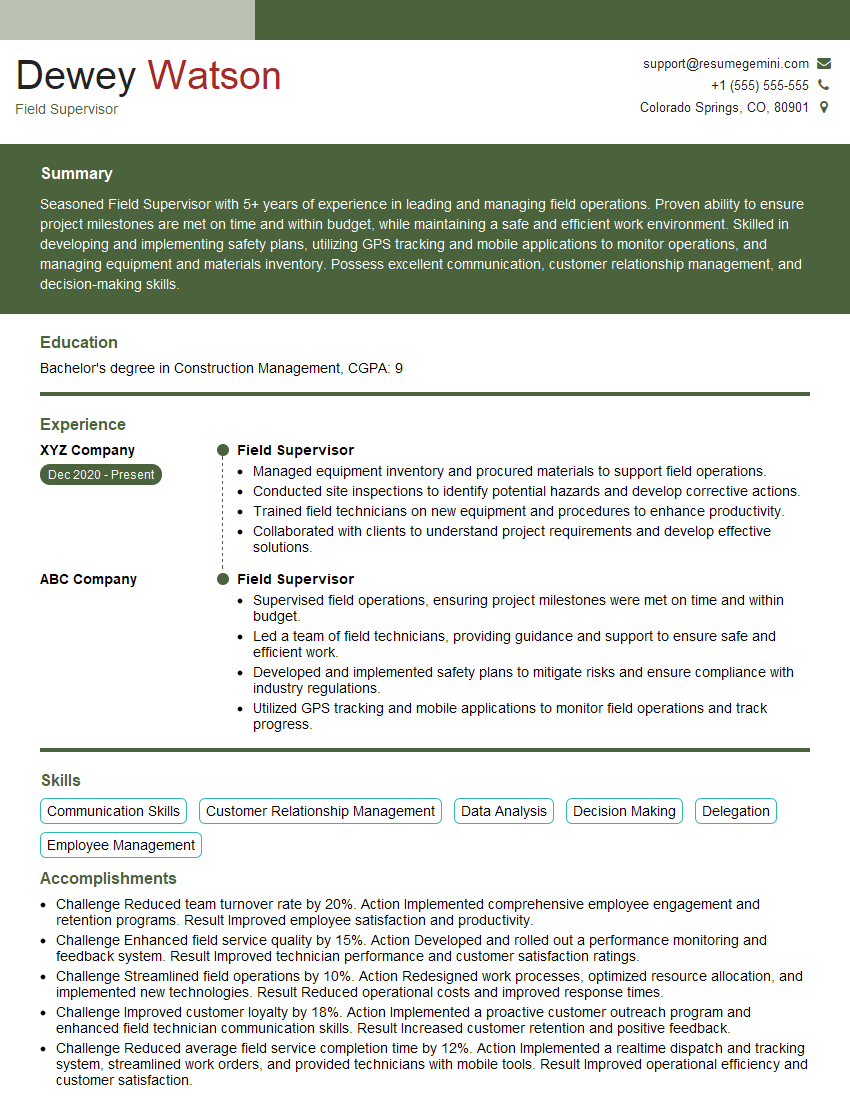
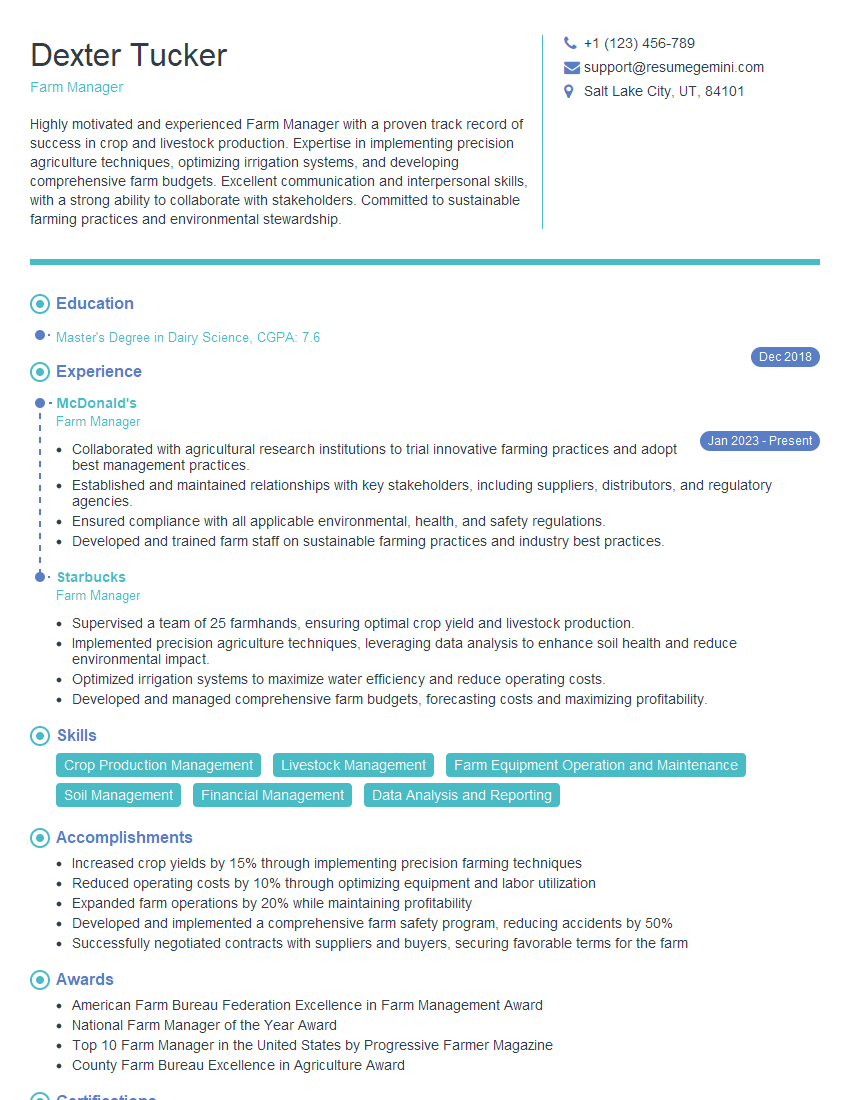
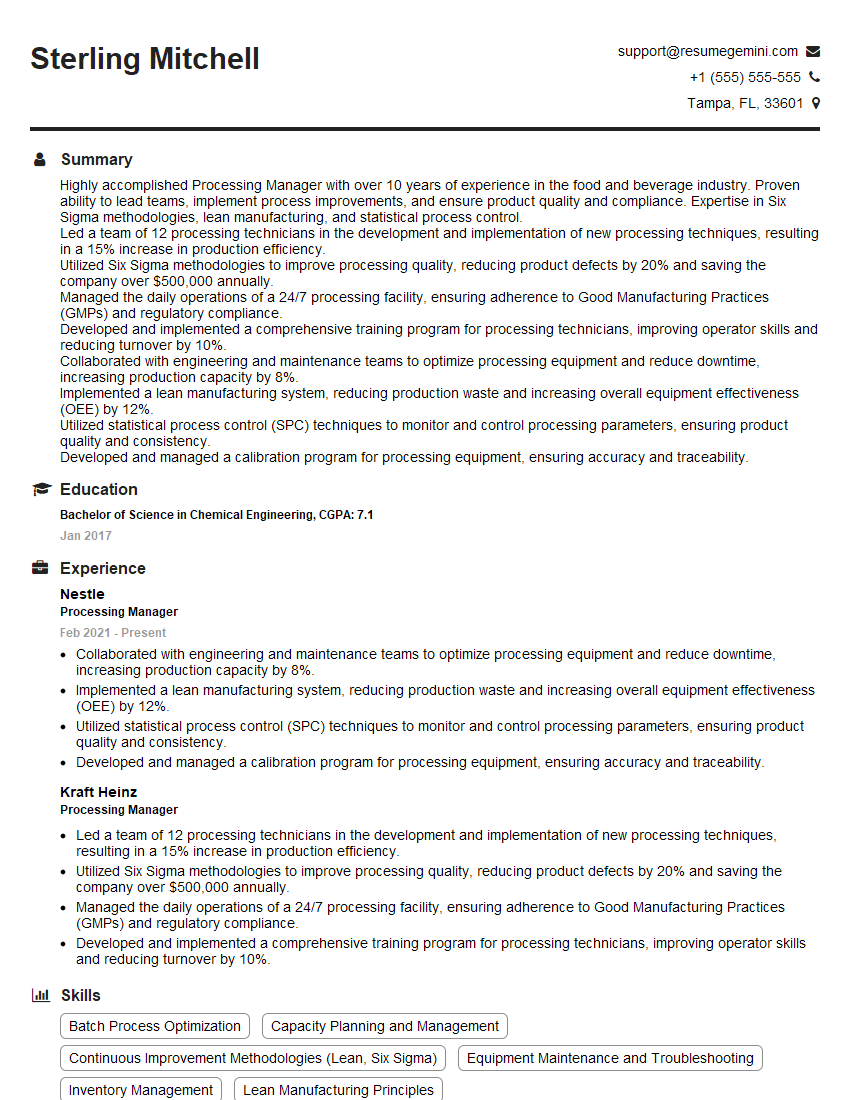
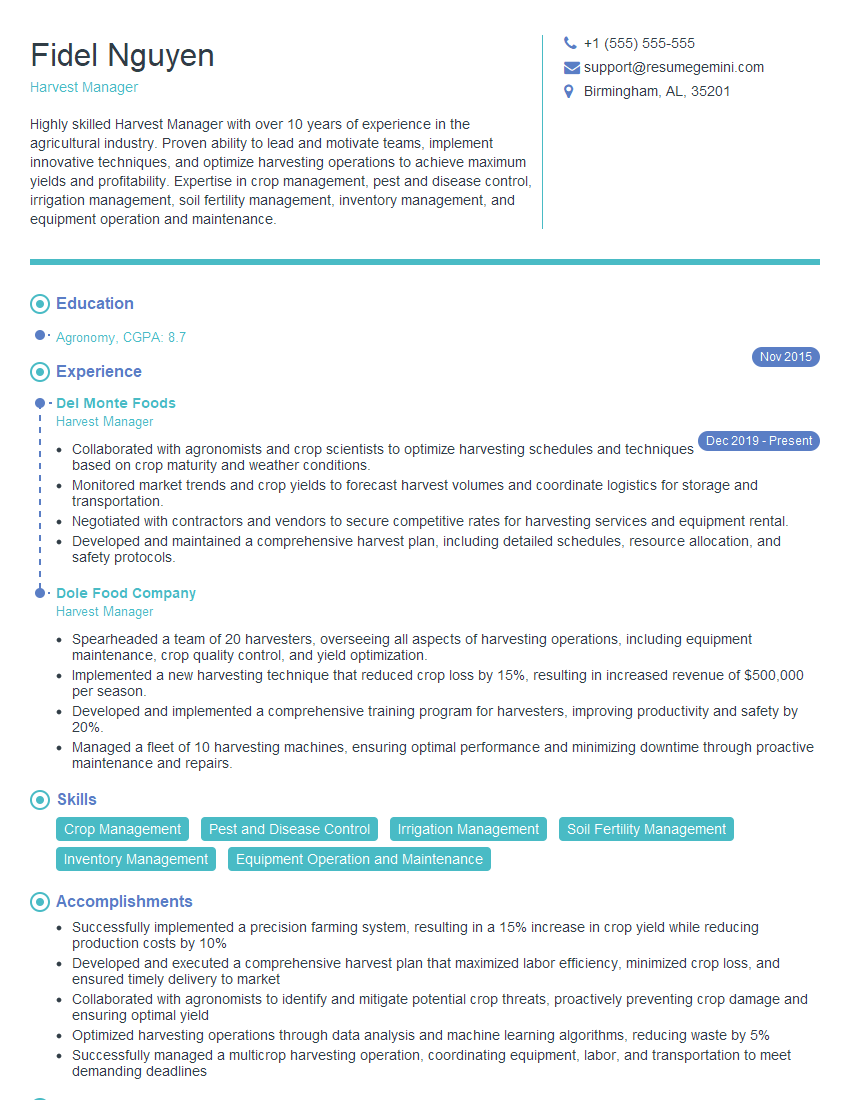
Mastering Coffee Plantation Management opens doors to rewarding careers offering both professional fulfillment and significant contributions to the global coffee industry. To significantly increase your chances of landing your dream role, crafting a strong, ATS-friendly resume is crucial. ResumeGemini is a trusted resource that can help you build a professional and impactful resume tailored to the specific demands of this competitive field. Examples of resumes tailored to Coffee Plantation Management are available to guide you through the process. Invest the time to create a compelling narrative that showcases your skills and experience; your future success depends on it.
Explore more articles
Users Rating of Our Blogs
Share Your Experience
We value your feedback! Please rate our content and share your thoughts (optional).
What Readers Say About Our Blog
Very informative content, great job.
good