Unlock your full potential by mastering the most common Collaborating with other drivers and crew members interview questions. This blog offers a deep dive into the critical topics, ensuring you’re not only prepared to answer but to excel. With these insights, you’ll approach your interview with clarity and confidence.
Questions Asked in Collaborating with other drivers and crew members Interview
Q 1. Describe your experience working effectively in a team environment involving multiple drivers.
Effective teamwork with multiple drivers hinges on clear communication, mutual respect, and a shared understanding of goals. My experience involves coordinating with teams of up to five drivers on long-haul trucking routes, requiring precise scheduling and efficient handover procedures. We rely heavily on pre-trip meetings to discuss routes, expected timelines, potential challenges (like weather or traffic), and individual responsibilities. This proactive approach minimizes misunderstandings and ensures everyone is on the same page from the outset.
For example, in a recent cross-country shipment, we divided the route into segments, assigning specific drivers to each leg. Before each handover, the drivers would conduct a thorough vehicle inspection and discuss any relevant updates or concerns. This collaborative approach ensured the timely and safe delivery of the cargo.
Q 2. How do you handle disagreements or conflicts with other drivers or crew members?
Disagreements are inevitable in any team environment, but addressing them constructively is key. My approach focuses on open communication and active listening. I begin by ensuring everyone feels heard and understood, aiming to identify the root cause of the conflict. If it involves a logistical issue, we work collaboratively to find a practical solution that benefits the team. Personal conflicts are addressed privately, emphasizing respect and finding common ground.
For instance, if there’s a disagreement about the most efficient route, I’d encourage each driver to present their rationale, considering factors like traffic conditions, fuel efficiency, and delivery deadlines. We’d then weigh the pros and cons of each option before reaching a consensus. If a personal conflict arises, I’d facilitate a calm, private discussion, encouraging each individual to express their concerns and perspectives.
Q 3. Explain a time you had to coordinate with other drivers to meet a tight deadline.
During a time-sensitive delivery of perishable goods, an unexpected road closure forced a complete route recalculation. We had only 12 hours to deliver the cargo, and the original route was heavily impacted. I quickly convened a team meeting using our dispatch system’s messaging feature to assess the situation and find alternative routes. We divided the remaining route into shorter segments, leveraging real-time traffic data to choose the most efficient pathways for each driver. We also utilized a shared tracking system so each driver could monitor their progress and avoid any delays.
Clear communication was crucial; we continuously updated each other on our progress and any unforeseen roadblocks. Each driver adapted quickly, demonstrating flexibility and a commitment to the collective goal. Thanks to this collaborative effort, we delivered the goods on time, avoiding significant financial losses for the company.
Q 4. How do you ensure clear and effective communication with other drivers, especially in high-pressure situations?
Clear and effective communication, particularly under pressure, requires multiple strategies. Firstly, I use concise and unambiguous language, avoiding jargon. Secondly, I utilize multiple communication channels – radio, mobile phone, dispatch software – to ensure messages are received. Confirmation of messages is crucial; I always check for understanding. Finally, in high-stress scenarios, I prioritize calmness and empathy to avoid escalating tensions. Active listening and using phrases like “I understand your concern” help maintain a collaborative atmosphere.
For example, if a driver encounters a problem, I’d request a detailed explanation, perhaps confirming critical details like location and the nature of the problem, before suggesting solutions. A calm and methodical approach diffuses tension and enables faster problem-solving.
Q 5. Describe your experience using communication tools to coordinate with a driving team.
I’ve extensive experience using various communication tools for team coordination. Our primary tool is a comprehensive dispatch software that incorporates GPS tracking, messaging, and route planning capabilities. It allows drivers to see each other’s locations in real-time, exchange messages, and receive updates from dispatch. We also use two-way radios for immediate communication in emergency situations or for quick updates that don’t require written communication. This integrated system optimizes efficiency and minimizes delays.
In one instance, the software’s real-time tracking alerted us to a driver who was experiencing a mechanical issue. This prompt notification allowed for immediate support, minimizing downtime and preventing delays for the rest of the team.
Q 6. How do you contribute to a positive and productive team environment while driving?
Contributing to a positive and productive team environment involves several key elements: respect, cooperation, and a positive attitude. I always strive to treat my fellow drivers with courtesy and professionalism, offering help when needed and acknowledging their contributions. Maintaining a positive outlook, even during challenging times, can significantly impact team morale. Small gestures like offering to share food or assisting with tasks contribute to a sense of camaraderie.
For instance, if one driver is running behind, I’ll adjust my schedule to accommodate them, perhaps by taking a short break to allow them to catch up. Such acts of collaboration foster mutual respect and build a strong team spirit.
Q 7. Explain your method for resolving conflicts that arise from scheduling or route conflicts.
Scheduling and route conflicts require a methodical approach involving open communication and a willingness to compromise. My first step is to gather all relevant information—schedules, routes, delivery deadlines, and potential roadblocks—to fully understand the nature of the conflict. Then, I work collaboratively with the drivers involved, exploring potential solutions like adjusting schedules, rerouting, or re-assigning tasks. A fair and equitable solution prioritizes efficiency while minimizing impact on individual workloads.
For example, if two drivers have overlapping delivery windows at the same location, we might explore shifting one driver’s schedule slightly or using a different loading dock. Transparency and active listening are paramount, making sure everyone feels valued and that their perspectives are considered.
Q 8. Have you ever had to adapt your driving plan due to unexpected issues involving other drivers? Explain.
Adapting a driving plan due to unexpected issues with other drivers is crucial for maintaining efficiency and safety. It requires quick thinking, clear communication, and a willingness to adjust to unforeseen circumstances. For instance, during a long-haul delivery, a fellow driver’s vehicle might unexpectedly break down, causing a significant delay. My immediate response would involve:
- Assessing the situation: Contacting the affected driver to understand the problem’s severity and potential solutions.
- Communicating with dispatch: Informing dispatch about the delay and requesting alternative arrangements, such as rerouting or assigning a replacement driver.
- Adjusting my route: If feasible, I may alter my route to assist in the situation, such as providing support or taking some of the affected driver’s load. This could involve coordinating with the affected driver and dispatch to ensure a safe and efficient transfer.
- Documenting the incident: Recording the incident thoroughly, including communication with dispatch and other drivers, the reason for the delay, and any changes to the route or schedule. This documentation is vital for record-keeping and future planning.
In another scenario, a sudden traffic jam or road closure caused by an accident involving another vehicle might require a complete replanning of my route. I’d use real-time traffic apps and GPS navigation to find alternative routes, keeping dispatch informed every step of the way. The goal is always to prioritize safety while minimizing disruption to the overall delivery schedule.
Q 9. Describe a time you had to rely on the expertise of another driver to solve a problem.
During a winter storm, we encountered extremely icy conditions on a mountain pass. My experience with such conditions was limited, but another driver, Sarah, had extensive experience navigating icy mountain roads. She was essential in guiding our convoy safely down the pass.
Sarah’s expertise came into play when she advised us to reduce speed significantly, use lower gears to maintain control, and increase our following distance. She also expertly demonstrated the use of specific braking techniques to avoid skidding. Following her advice, we managed to navigate the treacherous terrain without incident, showcasing the value of teamwork and leveraging each other’s strengths.
Q 10. How do you ensure safety protocols are followed when collaborating with other drivers?
Ensuring safety protocols are followed when collaborating with other drivers is paramount. This is a continuous process, not just a one-time action. My approach includes:
- Pre-trip inspections: Before each trip, thoroughly check the vehicle’s condition with other drivers, focusing on brakes, tires, lights, and safety equipment.
- Communication & coordination: Maintaining clear, consistent communication about route plans, potential hazards, and any unexpected changes. Using two-way radios or other communication devices enhances safety.
- Following traffic laws: Strictly adhering to speed limits, traffic signals, and road regulations. This sets a positive example for other drivers and ensures overall safety.
- Driver wellness checks: Monitoring driver fatigue and ensuring adequate rest breaks. A tired driver is a safety hazard. We need to look out for each other.
- Emergency protocols: Establishing clear emergency procedures and ensuring everyone understands their roles in case of an accident or breakdown. This includes knowing the location of emergency kits and communication procedures.
Regular refresher training on safety procedures also helps keep everyone on the same page and reinforces best practices. Safety is a shared responsibility, not an individual task.
Q 11. Explain your approach to de-escalating tense situations among drivers or crew.
De-escalating tense situations among drivers requires patience, active listening, and a focus on finding common ground. My strategy typically involves:
- Creating a safe space: Finding a neutral location away from the immediate source of conflict to discuss the issue privately.
- Active listening: Letting each driver express their concerns and perspective without interruption. It’s crucial to understand their viewpoints before trying to resolve the conflict.
- Identifying the root cause: Determining the underlying reason for the disagreement. This could range from miscommunication to workload imbalances.
- Finding a compromise: Facilitating a discussion that leads to a mutually acceptable solution. This may involve adjusting schedules, workloads, or communication practices.
- Mediation if necessary: If the situation cannot be resolved directly, involving a supervisor or manager to provide guidance and mediation.
The key is to remain calm and professional, focusing on resolving the issue rather than assigning blame. A collaborative approach is more effective in restoring teamwork and preventing future conflicts.
Q 12. How do you maintain professional relationships with drivers who have different working styles?
Maintaining professional relationships with drivers who have different working styles involves understanding, respect, and open communication. The key is to appreciate the strengths each driver brings to the team.
For example, I’ve worked with drivers who prefer highly detailed planning and drivers who are more spontaneous and adaptable. Rather than viewing these differences as problems, I leverage them as complementary strengths. Detailed planning is great for complex routes, while adaptability shines in unexpected situations. By clearly communicating expectations and roles, and by respecting each driver’s preferred methods, I build a cooperative environment.
Regular team meetings and informal communication channels help to facilitate this understanding and prevent misunderstandings. We regularly discuss challenges, successes, and best practices, which promotes a unified and positive working relationship.
Q 13. How do you balance individual responsibilities with the needs of the team when driving?
Balancing individual responsibilities with team needs in driving requires a strong sense of teamwork and prioritization. Individual responsibilities, like maintaining vehicle condition, are critical for team safety and efficiency. However, these should always be considered alongside team goals. For instance:
- Prioritizing safety: If a safety issue arises, addressing it takes precedence over individual schedules. This could involve stopping to address a mechanical issue or waiting for better weather conditions.
- Efficient route planning: Collaborating on route planning, considering each driver’s strengths and capabilities, maximizes efficiency for the entire team.
- Load distribution: Fairly distributing the workload across all drivers prevents burnout and ensures efficiency.
- Communication and cooperation: Open communication is vital. By proactively sharing information and discussing potential issues, the team can make informed decisions that benefit everyone.
Essentially, it’s a matter of recognizing that individual success is intertwined with team success. By prioritizing team goals and communicating effectively, individual responsibilities are better managed within a collaborative framework.
Q 14. Describe your experience with providing and receiving constructive feedback to/from other drivers.
Providing and receiving constructive feedback is essential for continuous improvement within a driving team. I approach this by focusing on specific behaviors and outcomes, rather than making personal attacks.
When giving feedback, I use the sandwich method: starting with a positive comment, followed by the constructive criticism, and ending with another positive reinforcement. For example: “I appreciate your willingness to help with loading; however, next time, let’s coordinate the weight distribution more evenly to improve efficiency. Your skills in maneuvering in tight spaces are invaluable!”
When receiving feedback, I listen actively, ask clarifying questions, and show appreciation for the effort. I don’t get defensive; rather, I view the feedback as an opportunity for personal and professional growth. This makes sure the communication remains professional and focuses on improvement.
Regular performance reviews, team meetings, and informal conversations provide opportunities for both giving and receiving constructive feedback. The focus is always on enhancing safety, improving efficiency, and fostering teamwork.
Q 15. Have you ever been involved in a situation where a driver’s actions jeopardized the safety of others? How did you handle it?
Safety is paramount in any driving operation. I’ve encountered situations where a driver’s fatigue led to erratic driving, posing a risk to others. My immediate response was to intervene, prioritizing safety. I initiated a conversation, focusing on their wellbeing and the safety concerns. I suggested a break, offering to cover their route temporarily. In such cases, it’s not about blame, but ensuring safety. If the situation persisted or I felt it was unsafe for them to continue driving, I would have reported it to the supervisor immediately, following company protocol for safety violations. My approach focuses on open communication, proactive problem-solving, and ensuring adherence to safety regulations.
For example, once a driver was exhibiting signs of drowsiness during a night shift. I calmly pulled over in a safe area, suggesting a coffee break and emphasizing the potential dangers of driving while fatigued. We switched driving roles for a while, ensuring adequate rest before he resumed his drive.
Career Expert Tips:
- Ace those interviews! Prepare effectively by reviewing the Top 50 Most Common Interview Questions on ResumeGemini.
- Navigate your job search with confidence! Explore a wide range of Career Tips on ResumeGemini. Learn about common challenges and recommendations to overcome them.
- Craft the perfect resume! Master the Art of Resume Writing with ResumeGemini’s guide. Showcase your unique qualifications and achievements effectively.
- Don’t miss out on holiday savings! Build your dream resume with ResumeGemini’s ATS optimized templates.
Q 16. How do you ensure all team members are informed of important updates and changes while driving?
Maintaining consistent communication is critical for a safe and efficient operation. We utilize a combination of methods to ensure all team members are updated. This includes pre-trip briefings where routes, schedules, and any potential challenges are discussed. During the journey, we use two-way radios for immediate updates on traffic conditions, delays, or any changes to the plan. A shared digital platform (e.g., a group chat app or shared document) is also used for longer updates, providing drivers with access to information even when radios are not in use. This multi-faceted approach ensures everyone remains informed and coordinated.
Q 17. How would you handle a situation where a driver is consistently late or failing to meet expectations?
Addressing consistent lateness or unmet expectations requires a structured approach. Firstly, I’d engage in a private conversation with the driver, focusing on understanding the root cause. Is there a personal issue? Are there logistical challenges? Once the reason is identified, we can collaborate on solutions. This might include adjusting schedules, providing additional support, or exploring professional development opportunities. However, if the issues persist despite these interventions and impact overall operations, a formal performance improvement plan needs to be implemented, in line with company policy. Documentation of all interactions and attempts at resolution is crucial.
For instance, if a driver is consistently late due to traffic congestion, we might explore alternative routes or adjust departure times. If it’s due to a lack of time management skills, we could offer training or mentorship.
Q 18. Describe your experience in coordinating with other drivers during emergency situations.
Effective coordination during emergencies is crucial. My experience involves clear and concise communication, using designated emergency channels like two-way radios or dedicated phone lines. This involves relaying the situation’s nature, location, and any immediate needs to other drivers and support teams. We follow established emergency protocols, ensuring everyone knows their roles and responsibilities. Maintaining calm and focusing on quick, efficient action is essential in these high-pressure situations. Teamwork and adherence to procedures are key to a successful outcome.
For example, during a severe storm, we used two-way radios to communicate about road closures, finding alternative routes, and ensuring all drivers had found safe shelter.
Q 19. How do you contribute to a positive team atmosphere during long journeys or shifts?
Building a positive team environment on long journeys is about fostering mutual respect, open communication, and shared responsibility. This means taking the time to get to know each other, sharing stories, and offering support. We’ll take breaks together, share meals, and address concerns proactively. Creating a sense of shared purpose and accomplishment is also important. Active listening and valuing diverse perspectives contribute significantly. Celebrating milestones, both big and small, helps to boost morale and maintain a positive atmosphere. Ultimately, it’s about recognizing that everyone is working towards the same goal, and working as a team makes it easier.
Q 20. How do you ensure efficient workflow when collaborating with multiple drivers on a single project?
Efficient workflow with multiple drivers requires meticulous planning and coordination. We start with a clear project breakdown, defining individual tasks and responsibilities, and establishing clear deadlines. We also need to establish a streamlined communication system—a central point of contact, regular check-ins, and a method to share progress updates. Clear roles and responsibilities ensure that no tasks are duplicated, and issues are addressed quickly. The use of shared digital tools (like project management software or cloud storage) helps maintain visibility and efficiency. Flexible adaptation is crucial, as unforeseen events might require adjustments to the workflow.
Q 21. Describe your method for delegating tasks effectively among drivers or crew.
Effective task delegation considers individual skills, experience, and workload. I begin by assessing each driver’s capabilities and preferences, matching tasks to their strengths. It’s important to explain the task clearly, set expectations, and provide the necessary resources. Providing appropriate supervision and support is key to ensure tasks are completed efficiently and to the required standard. Regular check-ins help monitor progress and address any challenges promptly. This approach ensures fair distribution of workload, utilizes team members’ talents effectively, and contributes to a collaborative environment.
For example, if one driver has experience in handling hazardous materials, they will be assigned that task, while a driver more familiar with navigation might lead the route planning.
Q 22. Explain your experience in using shared resources effectively within a driving team.
Effective resource sharing in a driving team hinges on clear communication, pre-planning, and mutual respect. It’s not just about dividing up tasks; it’s about optimizing the entire operation. For instance, in a long-haul operation, we might pre-plan fuel stops, ensuring that drivers strategically utilize the same stations to minimize time wasted and maximize efficiency. This might involve coordinating arrival times to avoid bottlenecks and ensure everyone has adequate access to facilities. Another example is sharing up-to-date information about road conditions or potential delays through a group chat or shared communication platform. This collective intelligence ensures everyone is prepared and can make informed decisions to prevent further complications. I’ve personally used shared GPS tracking and route optimization software to efficiently coordinate delivery schedules, avoiding unnecessary mileage and overlapping routes.
- Pre-trip Planning: We meticulously plan routes and stops, assigning tasks based on driver expertise and vehicle capacity.
- Real-time Communication: Utilizing communication apps for updates on delays, road closures, and potential issues.
- Resource Allocation: Strategically distributing fuel, supplies, and equipment based on needs and location.
Q 23. How do you manage expectations among drivers when faced with unforeseen delays or challenges?
Managing expectations during unforeseen delays requires transparency, proactive communication, and empathy. When a delay occurs, my first step is to assess the situation and understand the root cause. Then, I inform all drivers promptly and honestly, explaining the delay and the steps being taken to resolve it. I avoid making promises I can’t keep and focus on providing realistic timelines. For example, if a severe weather event causes a significant delay, I would communicate this honestly to the team, acknowledging the frustration but emphasizing the safety protocols in place. I would then actively seek updates and communicate those to the team to keep everyone informed. This approach builds trust and prevents misunderstandings. I might also explore alternative solutions, such as rerouting or utilizing alternative transportation, to mitigate the impact of the delay.
Think of it like navigating a team through rough waters; honest and transparent communication is crucial to keeping everyone on board and working toward a common goal.
Q 24. How do you identify and address the skill gaps within a driving team?
Identifying skill gaps within a driving team involves a multi-faceted approach. It starts with regular performance reviews, focusing on both individual and team performance. Observation during daily operations is key, noticing areas where drivers struggle or where errors occur frequently. Feedback sessions provide a safe space for drivers to identify areas where they feel they need improvement. I also utilize performance data such as fuel efficiency, on-time delivery rates, and accident records to identify areas for improvement. Once skill gaps are identified, I tailor training programs to address these specific needs. This could range from refresher courses on safety regulations to specialized training on new technologies or route optimization strategies. We might also leverage peer-to-peer mentoring where experienced drivers train newer ones.
- Performance Reviews: Regular feedback sessions focusing on both individual and team performance.
- Data Analysis: Using performance data to highlight areas requiring improvement.
- Targeted Training: Developing customized training programs to address identified skill gaps.
- Mentorship Programs: Pairing experienced drivers with newer ones for on-the-job training.
Q 25. Explain a time when you successfully mentored or trained another driver.
I once mentored a new driver who was struggling with efficient route planning and time management. He was a skilled driver with a safe driving record, but he often arrived late for pickups and deliveries. Through regular observation, I noticed he wasn’t effectively utilizing navigation software and often took less efficient routes. I sat with him and showed him how to effectively use the GPS system, planning routes in advance and factoring in traffic patterns and potential delays. I also worked with him on time management techniques, such as planning for rest stops and unforeseen circumstances. We conducted several practice runs together, allowing me to give him real-time feedback and coaching. Over the course of a few weeks, his time management and route planning significantly improved. His on-time delivery rate jumped from 60% to over 90%, a testament to the effectiveness of personalized mentoring.
Q 26. How do you maintain a positive and supportive team dynamic despite differences in experience levels among drivers?
Maintaining a positive and supportive team dynamic with varying experience levels requires fostering a culture of mutual respect and open communication. Experienced drivers can act as mentors, sharing their expertise and knowledge with newer drivers, creating a collaborative rather than hierarchical environment. Regular team meetings offer opportunities to discuss challenges, share best practices, and celebrate successes. I actively promote open communication, encouraging drivers to share their ideas, concerns, and feedback without fear of judgment. This builds trust and strengthens team cohesion. I also emphasize the importance of teamwork and shared goals, reminding everyone that their success is intertwined with the success of the team. This approach ensures that every driver feels valued and contributes to a positive and productive work environment.
Q 27. Describe a time you had to navigate a complex logistical challenge requiring collaboration with multiple drivers.
During a major winter storm, a significant portion of our deliveries were delayed due to road closures and hazardous conditions. We had multiple drivers spread across different regions, each facing unique challenges. I coordinated with all drivers using a combination of phone calls, text messages, and a shared online mapping platform to track their locations and progress. We had to make real-time decisions about rerouting deliveries, prioritizing urgent shipments, and ensuring the safety of all drivers. We utilized a collaborative document where we shared real-time updates on road conditions, available routes, and any potential obstacles. This required constant communication and flexibility, but by working together, we managed to deliver the majority of our shipments, minimizing delays and losses. The success depended on effective communication, a shared understanding of priorities, and a team committed to working together to overcome the logistical challenges. It highlighted the power of collaborative problem-solving in high-pressure situations.
Key Topics to Learn for Collaborating with other drivers and crew members Interview
- Effective Communication: Understanding and utilizing various communication methods (verbal, non-verbal, written) to ensure clear and concise information exchange within a team environment. Practical application: Describing scenarios where you proactively communicated potential delays or safety concerns to colleagues.
- Teamwork & Collaboration: Demonstrating your ability to work effectively as part of a team, contributing your skills and knowledge while respecting the expertise of others. Practical application: Providing examples of successful teamwork, highlighting your role and contributions to achieving shared goals. Consider situations requiring compromise and conflict resolution.
- Conflict Resolution: Addressing disagreements and conflicts professionally and constructively, finding solutions that benefit the team as a whole. Practical application: Describing a situation where you mediated a disagreement among team members, focusing on the process and the positive outcome.
- Safety Procedures & Protocols: Understanding and adhering to all relevant safety regulations and procedures, actively contributing to a safe working environment for yourself and your colleagues. Practical application: Detailing your experience with safety protocols, emphasizing proactive safety measures you implemented or suggested.
- Shared Responsibility & Accountability: Understanding the importance of shared responsibility and accountability within a team, taking ownership of your tasks and contributing to the overall success of the team. Practical application: Give examples where you took initiative to support colleagues or addressed shortcomings within the team.
- Adaptability & Flexibility: Demonstrating the ability to adapt to changing circumstances and priorities, working effectively under pressure and responding positively to unexpected challenges. Practical application: Describe situations requiring quick thinking and adaptation to unforeseen issues during teamwork.
Next Steps
Mastering collaboration skills is crucial for career advancement in any field involving teamwork. Strong collaboration skills demonstrate your ability to contribute effectively to a team, solve problems collectively, and navigate complex situations. To maximize your job prospects, create an ATS-friendly resume that highlights these skills. ResumeGemini is a trusted resource to help you build a professional and effective resume. We provide examples of resumes tailored to showcasing your expertise in collaborating with other drivers and crew members, allowing you to present yourself as a highly desirable candidate. Take the next step towards your dream career today!
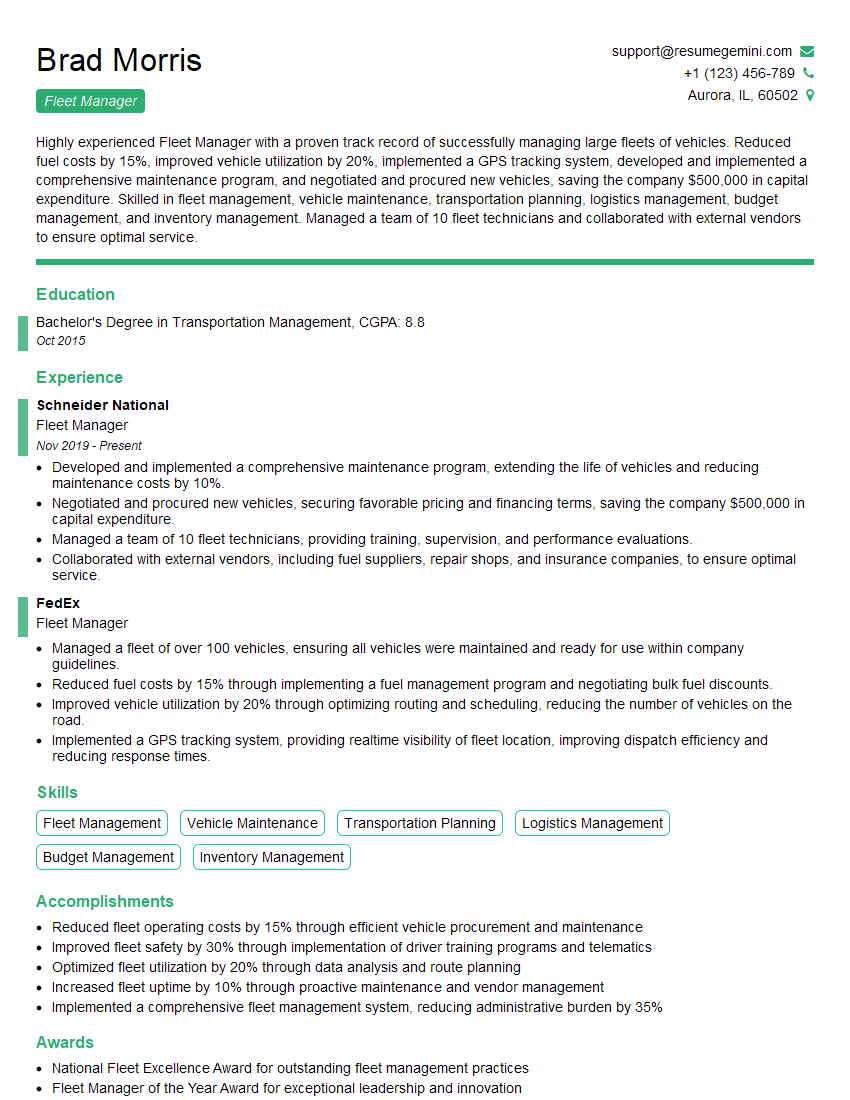
Fleet Manager Resume Sample
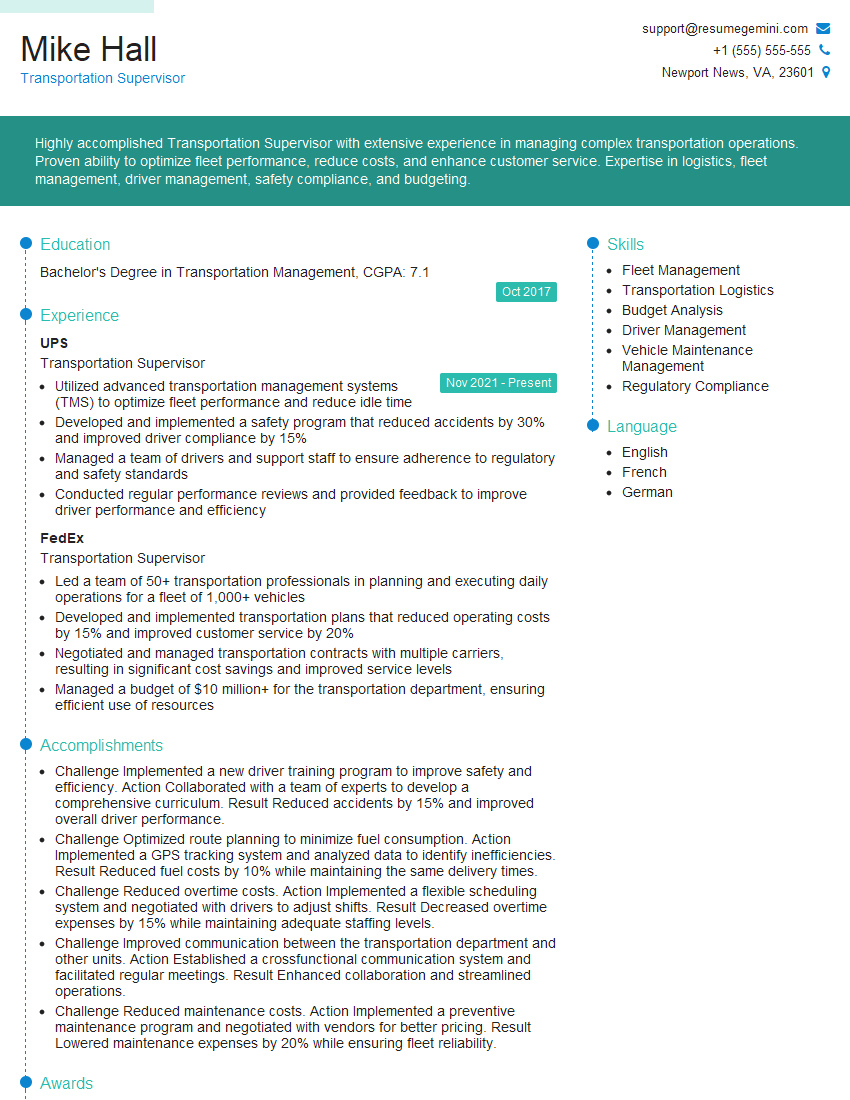
Transportation Supervisor Resume Sample
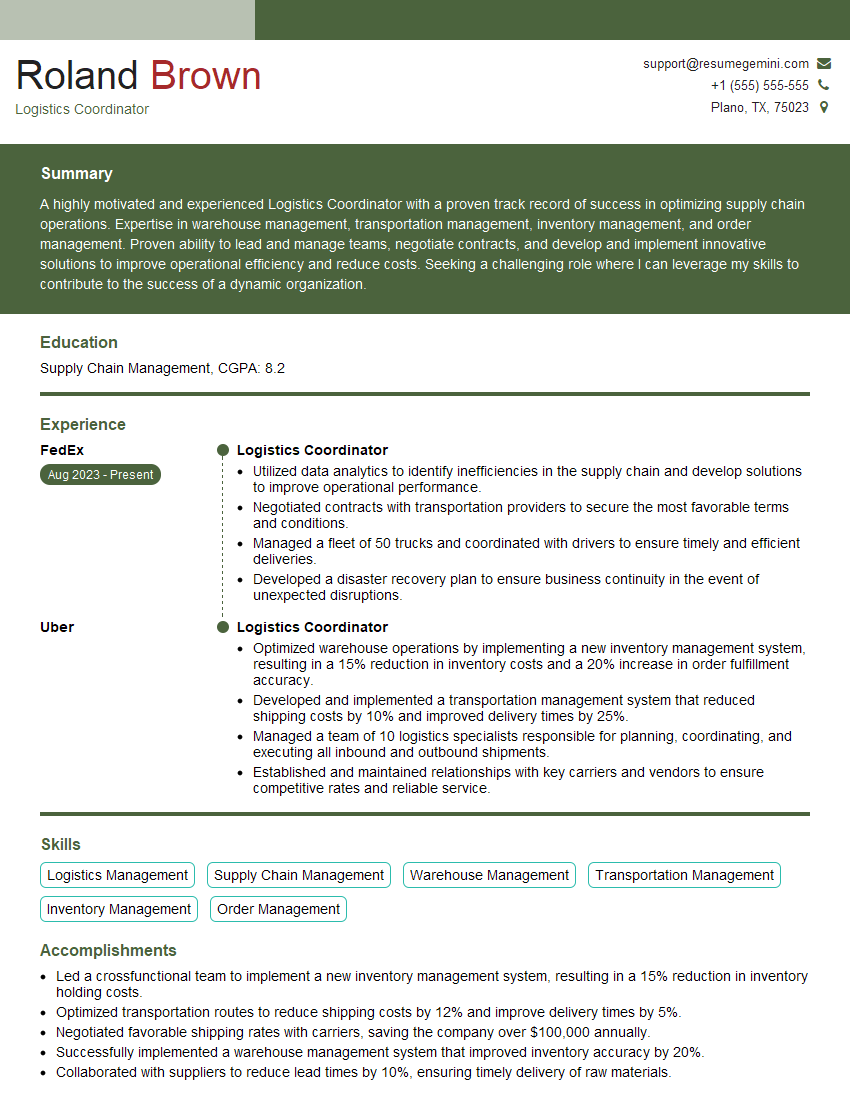
Logistics Coordinator Resume Sample
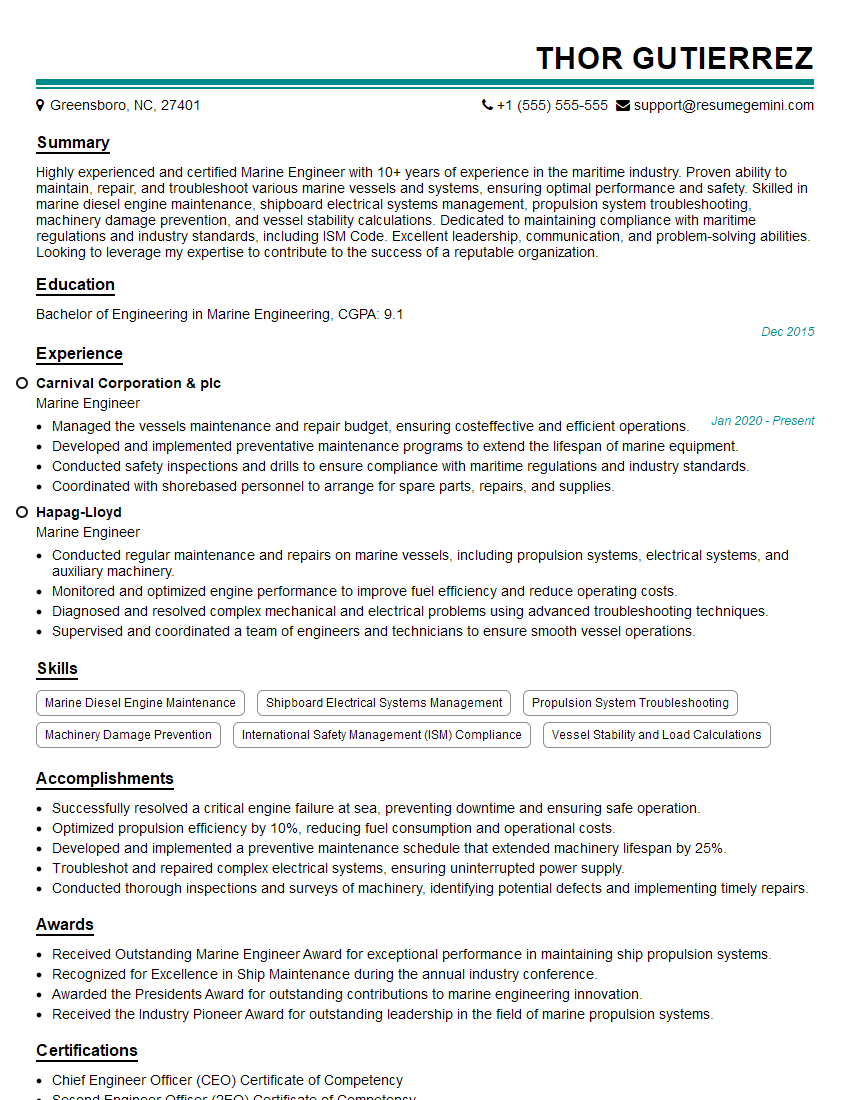
Marine Engineer Resume Sample
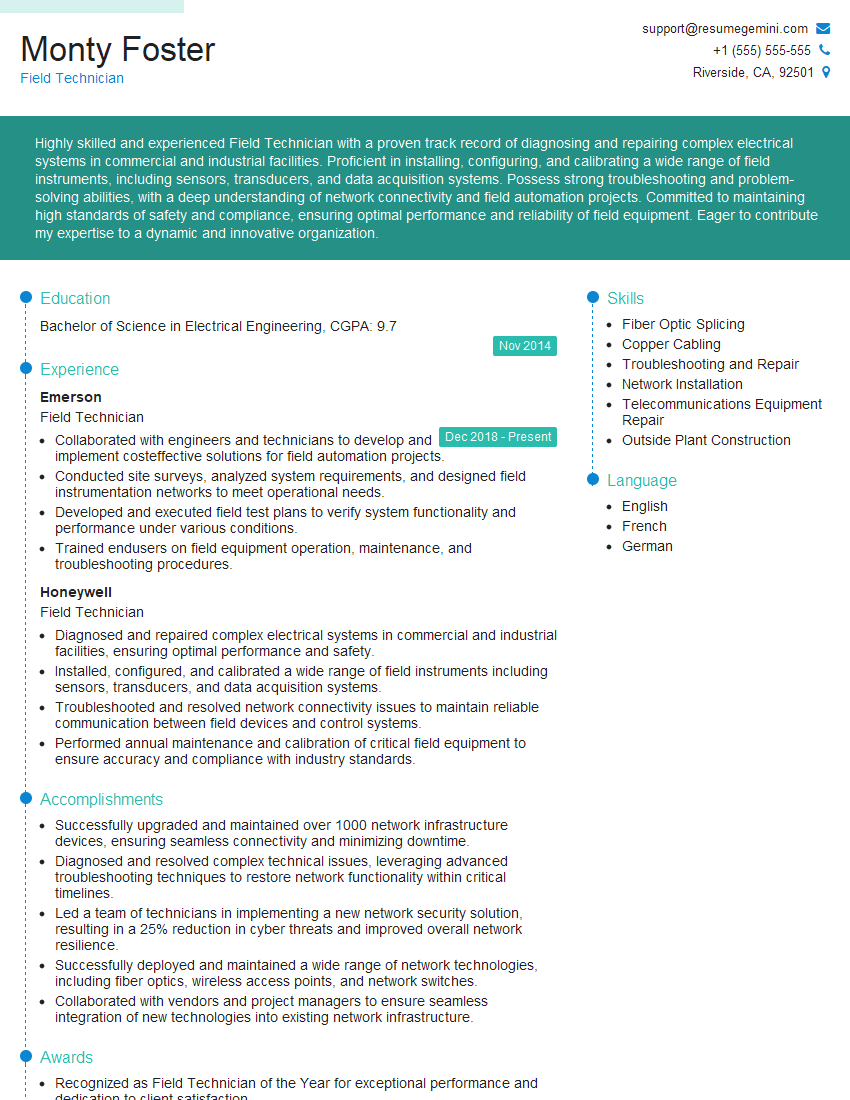
Field Technician Resume Sample

Crane Operator Resume Sample
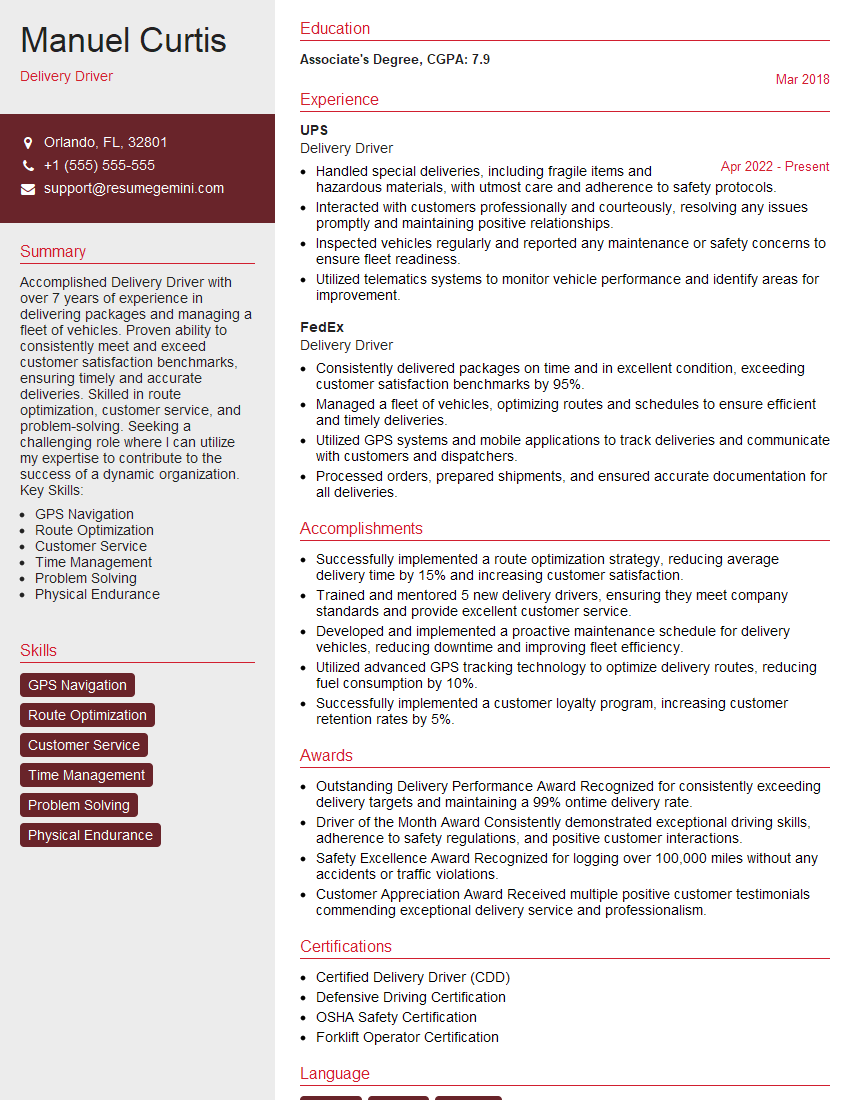
Delivery Driver Resume Sample
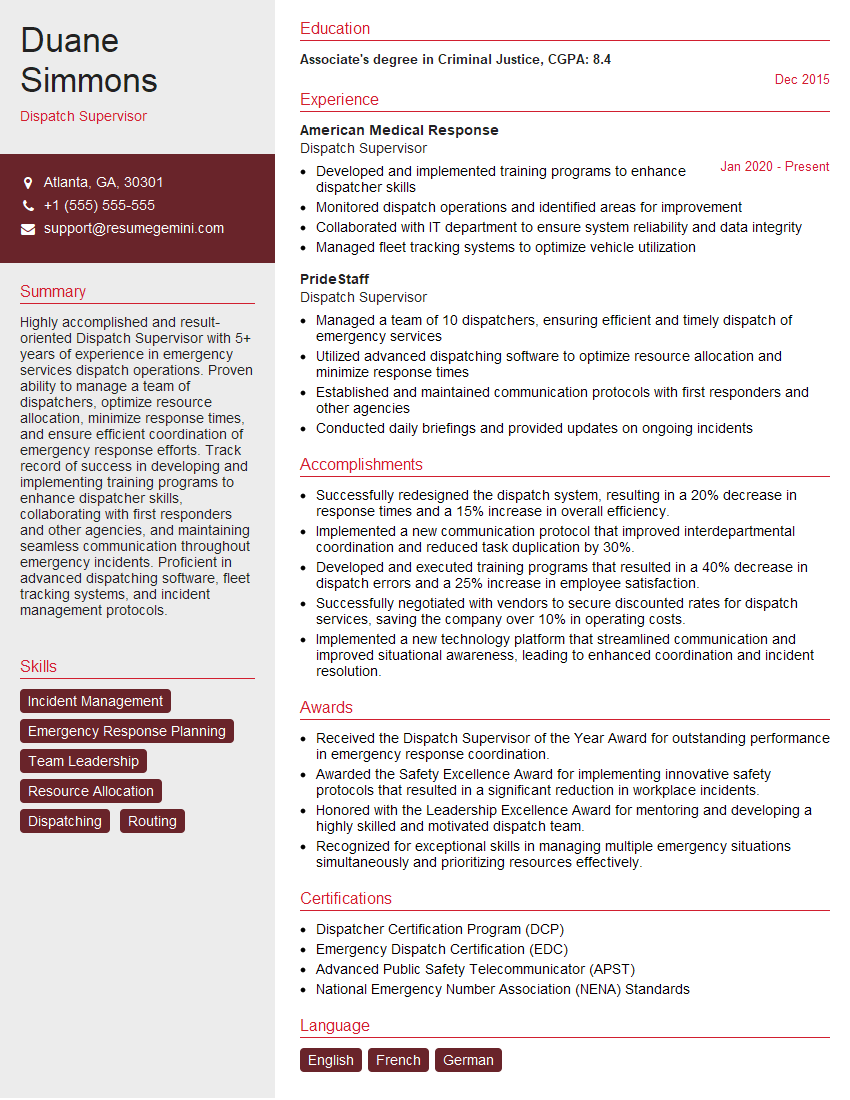
Dispatch Supervisor Resume Sample

Shipping and Receiving Clerk Resume Sample
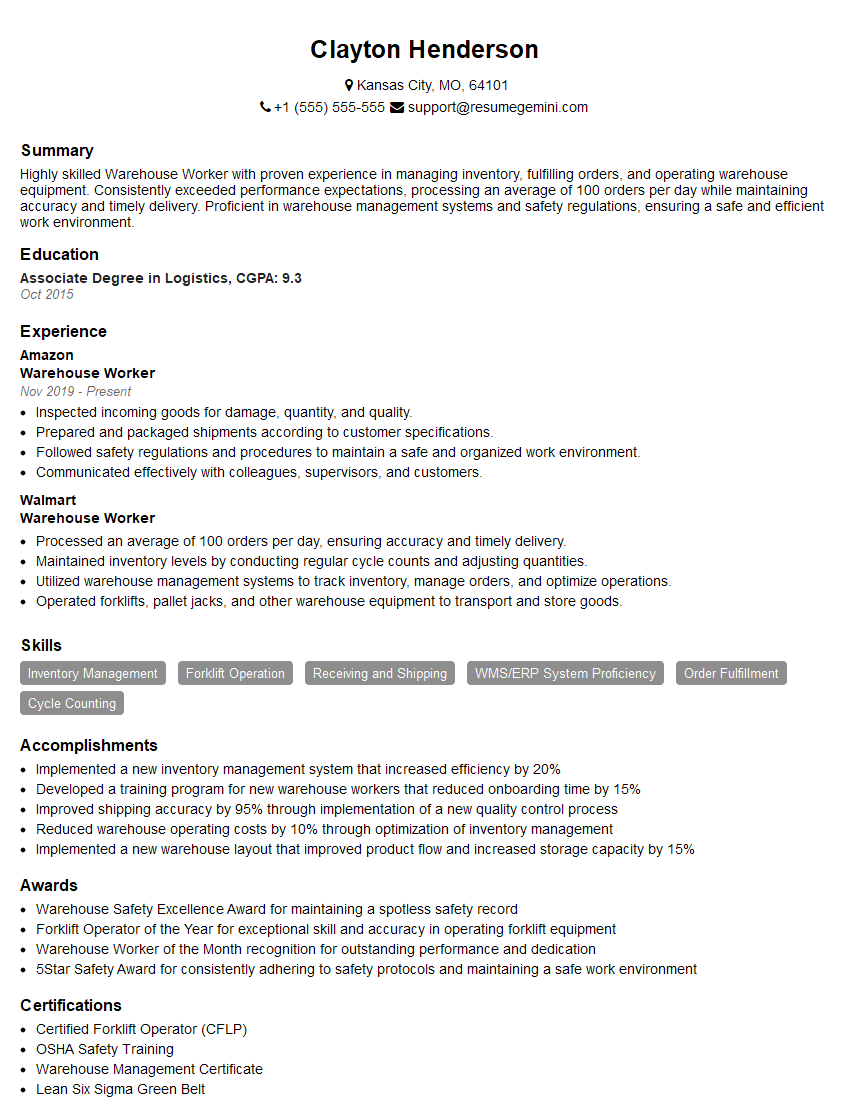
Warehouse Worker Resume Sample
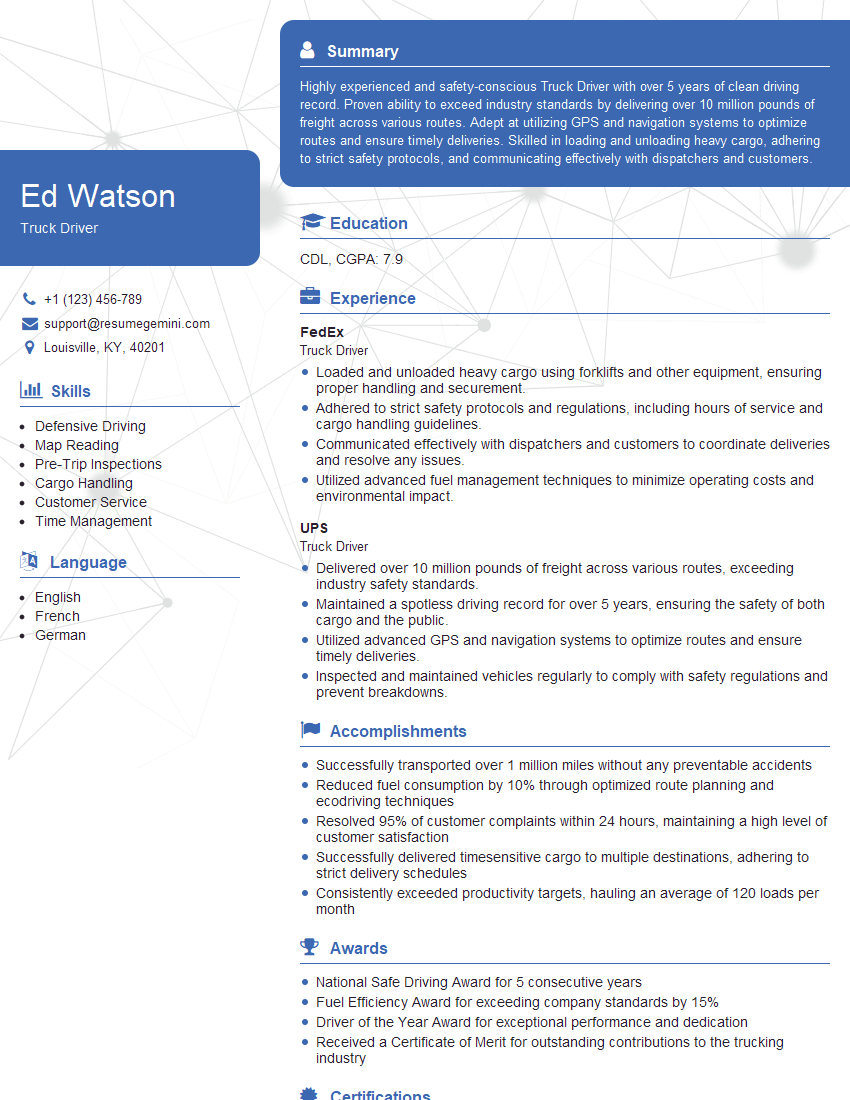
Truck Driver Resume Sample
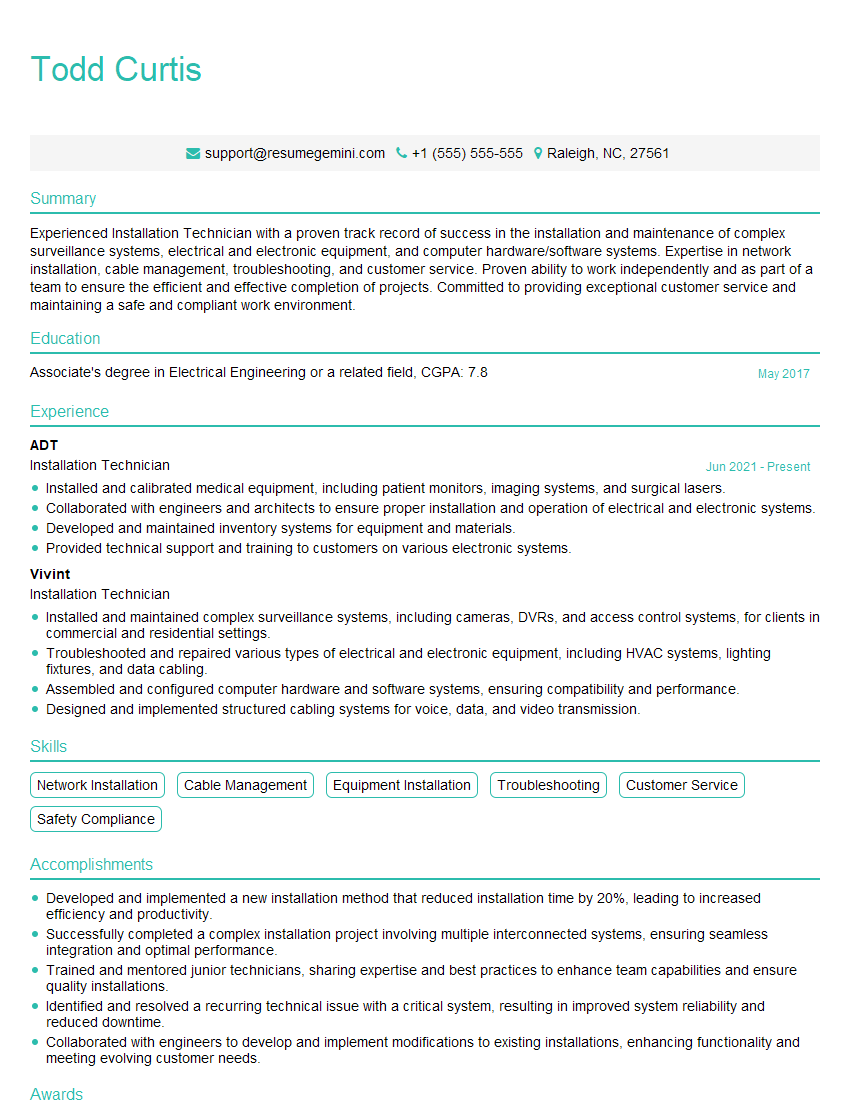
Installation Technician Resume Sample
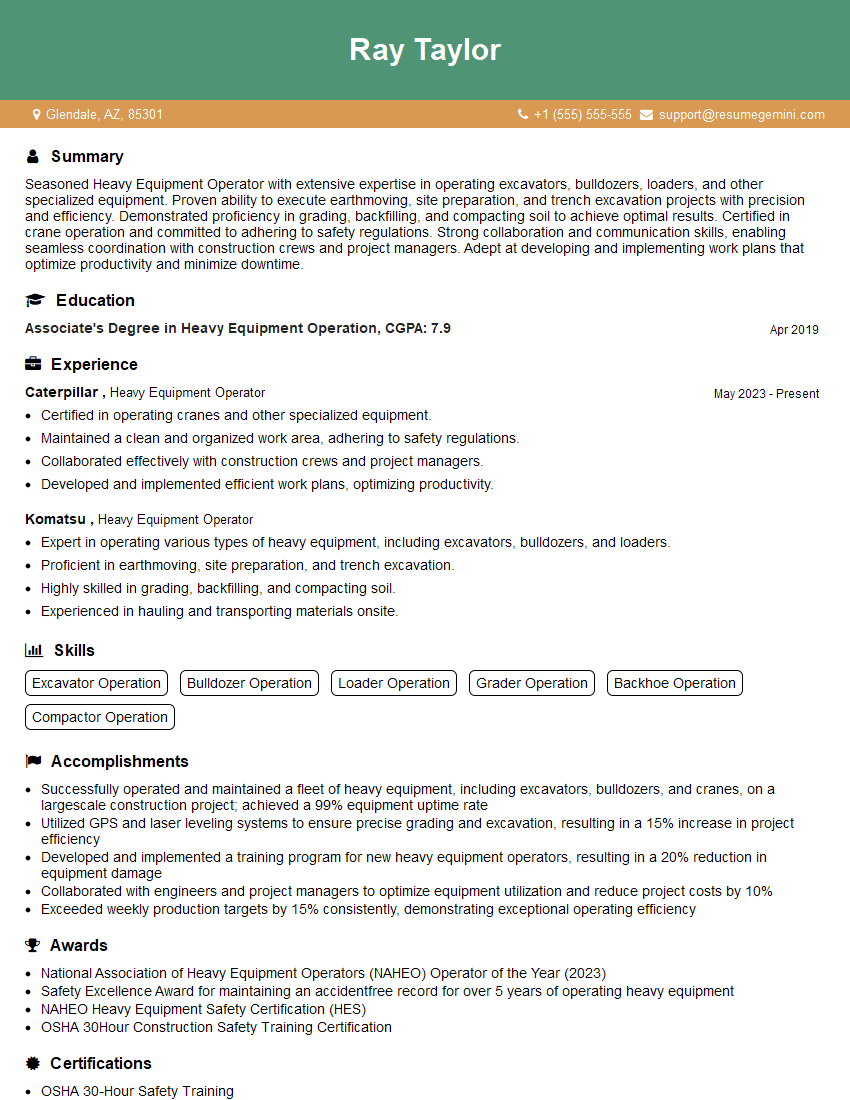
Heavy Equipment Operator Resume Sample
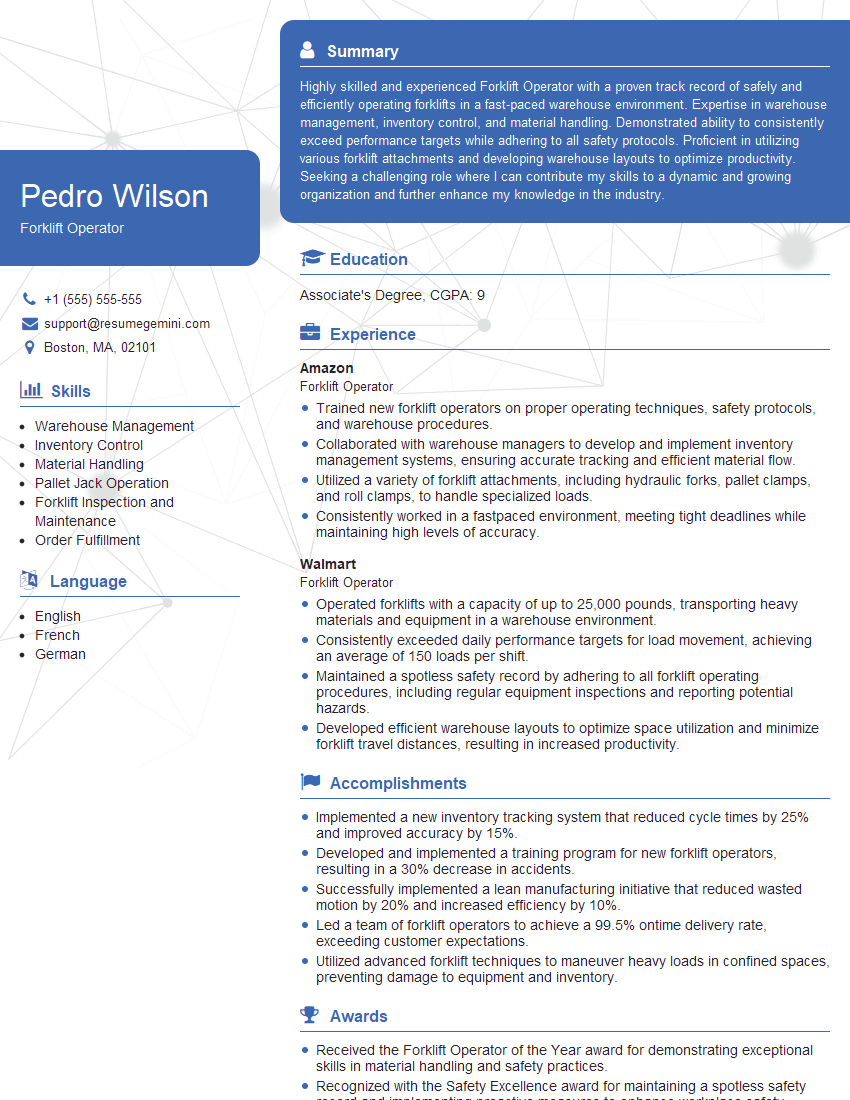
Forklift Operator Resume Sample
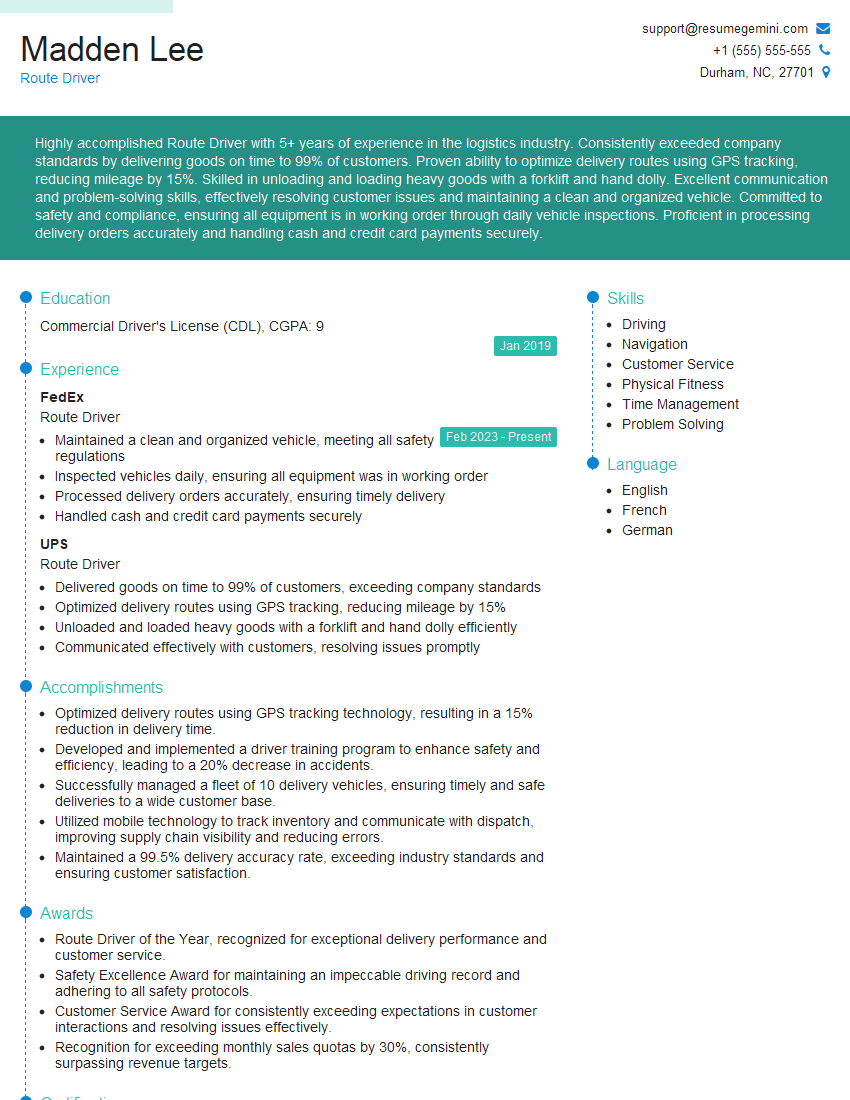
Route Driver Resume Sample
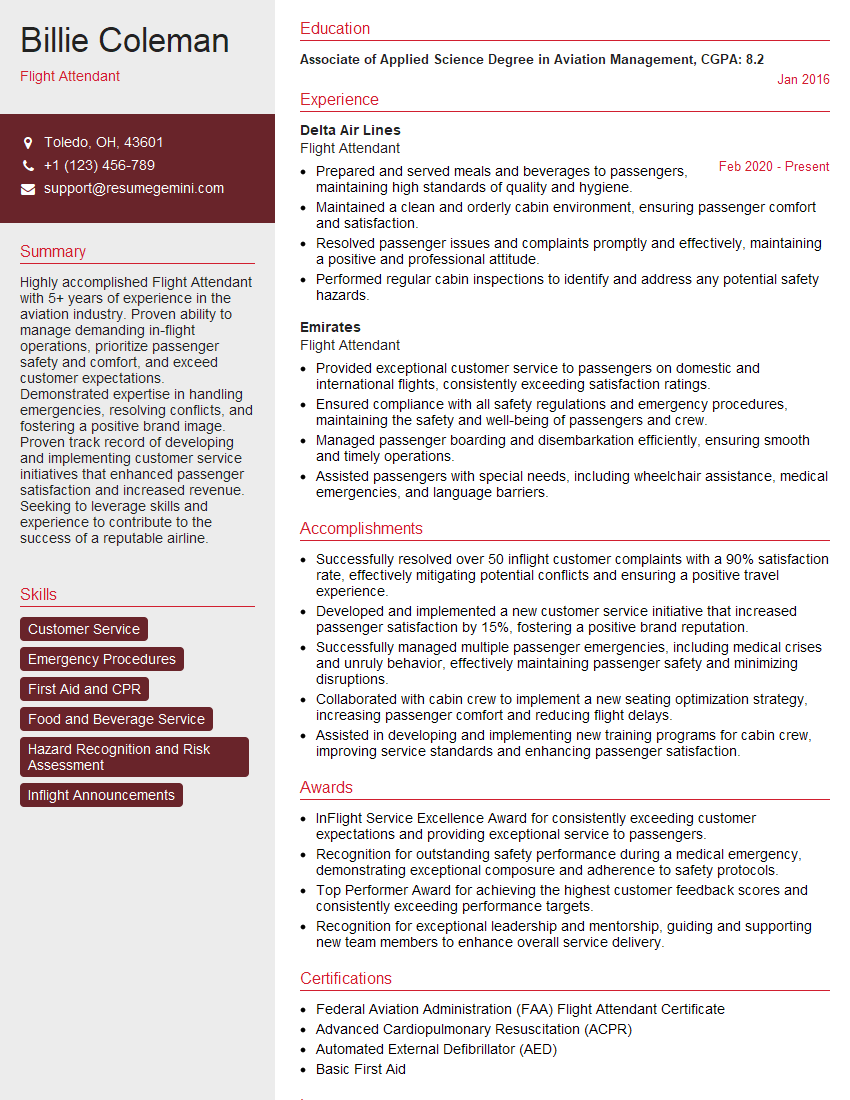
Flight Attendant Resume Sample
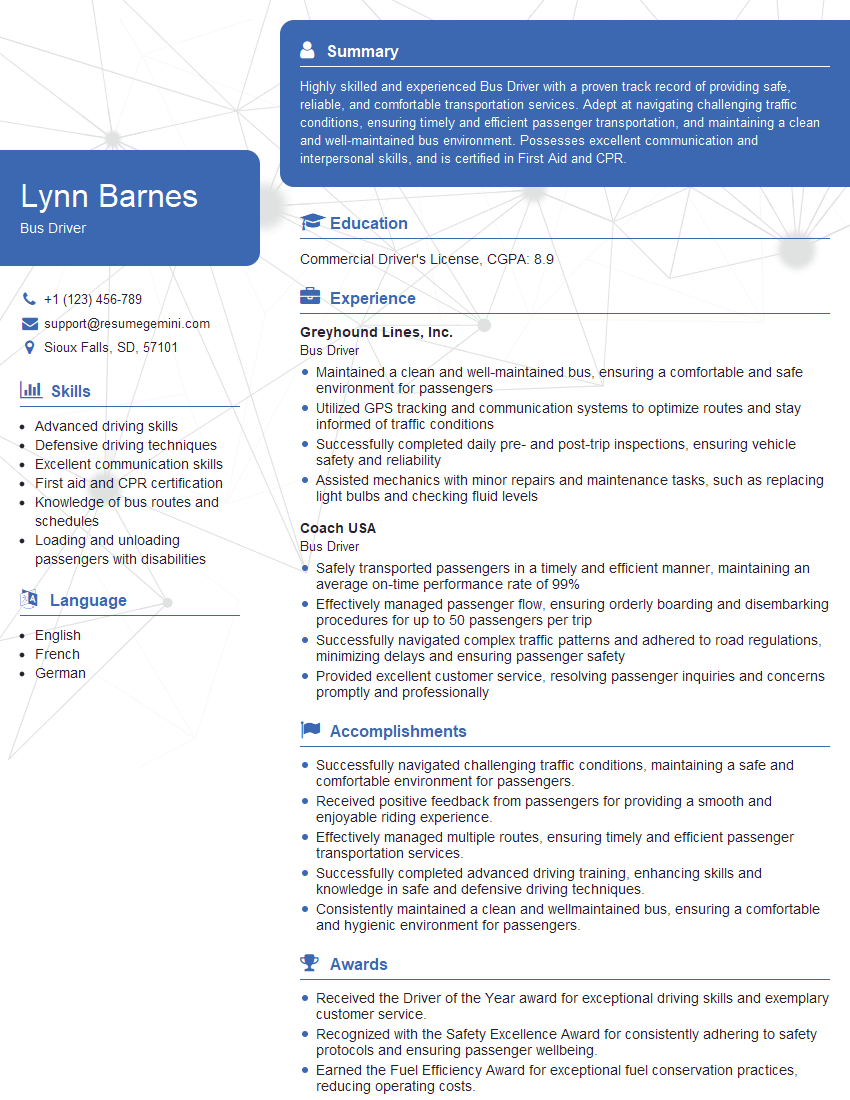
Bus Driver Resume Sample
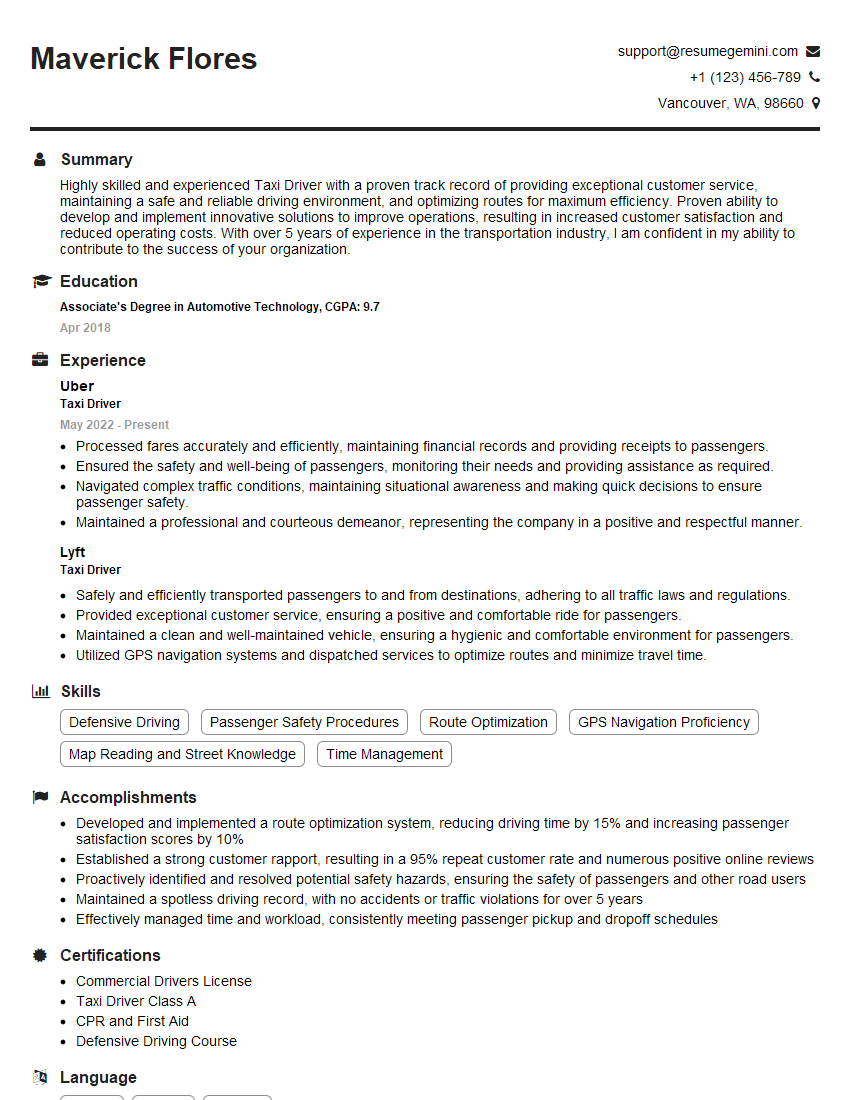
Taxi Driver Resume Sample
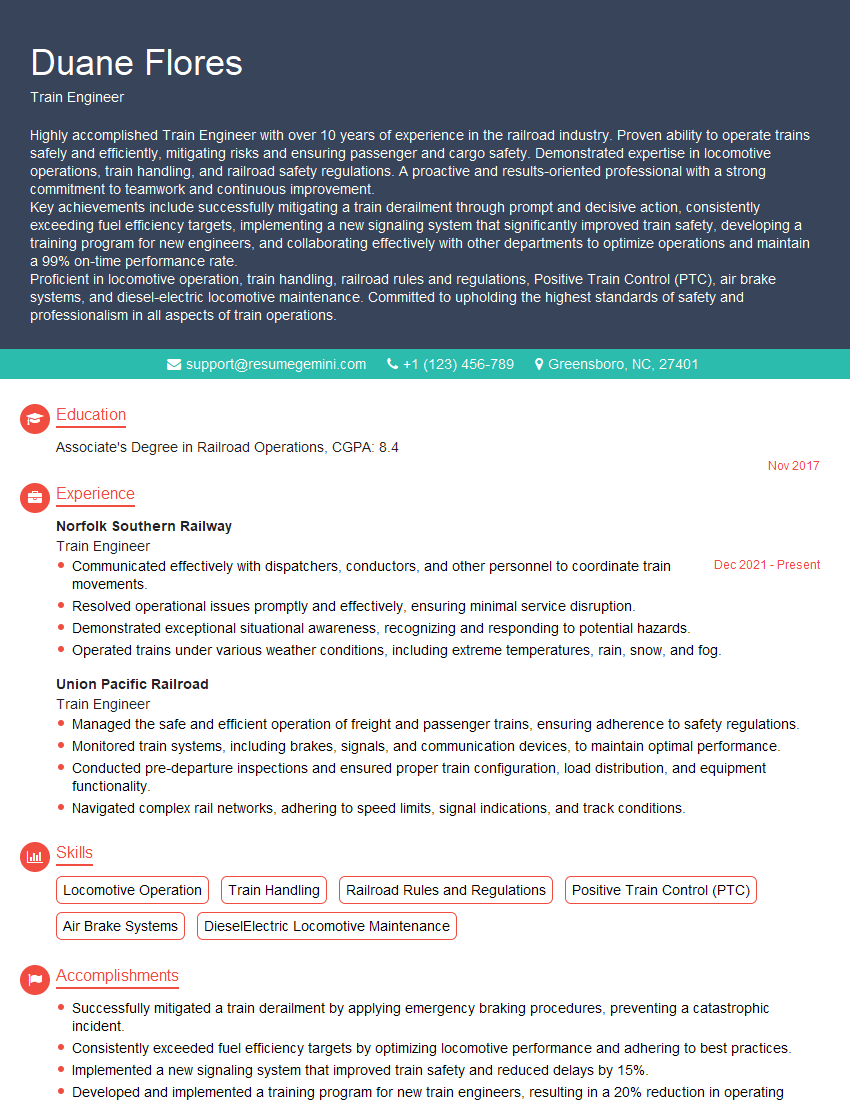
Train Engineer Resume Sample
- Fleet Manager
- Transportation Supervisor
- Logistics Coordinator
- Marine Engineer
- Field Technician
- Crane Operator
- Delivery Driver
- Dispatch Supervisor
- Shipping and Receiving Clerk
- Warehouse Worker
- Truck Driver
- Installation Technician
- Heavy Equipment Operator
- Forklift Operator
- Route Driver
- Flight Attendant
- Bus Driver
- Taxi Driver
- Train Engineer
Explore more articles
Users Rating of Our Blogs
Share Your Experience
We value your feedback! Please rate our content and share your thoughts (optional).
What Readers Say About Our Blog
Very informative content, great job.
good