Cracking a skill-specific interview, like one for Collaboration and Stakeholder Management, requires understanding the nuances of the role. In this blog, we present the questions you’re most likely to encounter, along with insights into how to answer them effectively. Let’s ensure you’re ready to make a strong impression.
Questions Asked in Collaboration and Stakeholder Management Interview
Q 1. Describe your experience in building consensus among diverse stakeholders.
Building consensus among diverse stakeholders requires a deep understanding of their individual needs and perspectives. It’s not about forcing agreement, but rather facilitating a collaborative process where everyone feels heard and valued. My approach involves several key steps:
- Active Listening and Empathy: I begin by actively listening to each stakeholder, seeking to understand their concerns, interests, and potential objections. Empathy is crucial – understanding their viewpoint, even if I don’t necessarily agree with it, is key to building trust.
- Identifying Common Ground: Once I have a clear picture of each stakeholder’s perspective, I focus on identifying areas of common ground. Even in highly divergent opinions, there are often shared goals or values that can be leveraged to build a foundation for agreement.
- Facilitated Discussion and Negotiation: I facilitate structured discussions that encourage open communication and collaboration. This often involves techniques like brainstorming, compromise, and win-win negotiation strategies. The goal is not to force a single solution but to find a solution that addresses the key concerns of as many stakeholders as possible.
- Transparency and Open Communication: Maintaining transparency throughout the process is essential. I keep stakeholders informed of progress, challenges, and decisions made, ensuring everyone feels included and informed.
- Documenting Agreements: Once a consensus is reached, I meticulously document the agreement, clarifying roles, responsibilities, and timelines. This serves as a reference point for all parties involved.
For example, in a recent project involving the redesign of a company website, I had to navigate conflicting opinions from the marketing, sales, and IT departments. Through a series of facilitated workshops and individual discussions, we identified shared goals – increased brand visibility and improved customer engagement – and found a design solution that addressed the unique needs of each department.
Q 2. How do you identify and prioritize key stakeholders in a project?
Identifying and prioritizing key stakeholders is crucial for project success. I use a multi-faceted approach that combines stakeholder analysis techniques with practical considerations.
- Stakeholder Identification: I begin by brainstorming all individuals or groups who could be affected by or could influence the project. This often involves reviewing project documentation, consulting with project team members, and conducting interviews.
- Stakeholder Analysis: Once identified, I analyze stakeholders using a framework like the Power/Interest Grid. This matrix helps categorize stakeholders based on their level of influence (power) and their level of concern (interest). This allows me to prioritize those who hold significant power and/or interest.
- Prioritization: Based on the Power/Interest grid, I prioritize stakeholders focusing on those with high power and high interest (key players who require close attention), those with high power but low interest (need to be kept informed and satisfied), and those with low power but high interest (need to be consulted and kept engaged).
- Stakeholder Register: I maintain a detailed stakeholder register documenting each stakeholder’s information – name, role, contact information, interests, and level of influence. This register is continuously updated.
For instance, in a software development project, the key stakeholders might include the project sponsor, development team, end-users, and IT infrastructure team. Using the Power/Interest grid helps to prioritize engagement and communication strategies for each.
Q 3. Explain your approach to managing conflicting stakeholder expectations.
Managing conflicting stakeholder expectations requires a proactive and diplomatic approach. The goal is not to eliminate conflict entirely (that’s often unrealistic!), but to manage it effectively so it doesn’t derail the project.
- Openly Acknowledge and Address Conflicts: Ignoring conflict is a recipe for disaster. I acknowledge the existence of conflicting expectations early and create a safe space for stakeholders to express their concerns.
- Facilitate Dialogue and Negotiation: I facilitate discussions to understand the root cause of the conflict and explore potential solutions. This might involve compromise, trade-offs, or finding creative solutions that satisfy as many stakeholders as possible.
- Prioritize and Re-align Expectations: Sometimes, it’s necessary to prioritize stakeholder expectations. This requires carefully evaluating the impact of different expectations on project goals and making informed decisions about which ones to address first.
- Transparency and Clear Communication: Keeping all stakeholders informed of the situation, the steps taken to address it, and the rationale behind decisions builds trust and reduces uncertainty.
- Documentation and Agreement: Any agreed-upon changes or compromises should be documented and communicated to all stakeholders.
For example, in a marketing campaign, the marketing team may want a very creative and visually driven campaign, while the sales team wants something focused on conversion and lead generation. By facilitating discussions and exploring different options, we can find a compromise – a campaign that is both creative and effective in driving sales.
Q 4. What methods do you use to effectively communicate project updates to stakeholders?
Effective communication is the cornerstone of successful stakeholder management. I use a multi-channel approach tailored to the preferences and needs of each stakeholder.
- Regular Project Updates: I provide regular updates, typically weekly or bi-weekly, using a variety of methods such as email newsletters, project status reports, and visual dashboards.
- Targeted Communication: The content and format of communication are tailored to specific stakeholder groups. For example, executive summaries might suffice for high-level stakeholders, while detailed technical reports might be necessary for technical teams.
- Interactive Communication Channels: I leverage tools that facilitate two-way communication, such as project management software with discussion forums, or regular stakeholder meetings. This allows for real-time feedback and clarification.
- Visual Communication: Using visuals like charts, graphs, and infographics makes complex information easier to understand and improves engagement.
- Appropriate Communication Channels: I select the most appropriate channels for each stakeholder group, considering their communication preferences and technological capabilities. This might include email, phone calls, video conferencing, or in-person meetings.
For example, I might use a project management software to track progress and allow stakeholders to access real-time updates, while simultaneously holding regular team meetings to discuss progress and address any concerns.
Q 5. How do you handle a situation where a stakeholder is resistant to change?
Resistance to change is a common challenge in stakeholder management. Addressing this requires understanding the reasons behind the resistance and employing strategies to build trust and address concerns.
- Understanding the Root Cause: I start by identifying the reasons for the resistance. This may involve speaking to the stakeholder directly to understand their concerns, fears, or objections.
- Active Listening and Empathy: Actively listen to the stakeholder’s concerns without judgment. Demonstrate empathy and understanding.
- Addressing Concerns: Once the concerns are identified, I work to address them directly. This may involve providing more information, offering assurances, or negotiating a compromise.
- Building Trust and Rapport: Establishing a strong relationship with the resistant stakeholder is essential. This involves building trust through open communication, demonstrating competence, and showing respect for their perspective.
- Involving the Stakeholder in the Process: If possible, involve the stakeholder in the change process to give them a sense of ownership and control.
- Incremental Change: Sometimes, introducing changes gradually can make it easier for stakeholders to adapt.
For example, if a team member is resistant to adopting a new software, I would first understand their concerns (e.g., lack of training, fear of complexity). Then, I would offer training, provide support, and demonstrate the benefits of the new software through a phased implementation.
Q 6. Describe a time you successfully navigated a complex stakeholder relationship.
In a previous project involving the implementation of a new CRM system, I encountered significant resistance from the sales team. They were comfortable with their existing system and apprehensive about learning a new one. The project manager was pushing for a rapid implementation, creating further tension.
My approach involved several steps:
- Individual Meetings: I held individual meetings with each sales representative to understand their specific concerns and address them. Many felt the new system was too complex and lacked adequate training.
- Phased Rollout: I proposed a phased rollout of the CRM system instead of a company-wide implementation. This allowed the sales team to get used to the new system gradually.
- Customized Training: I worked with the IT department to create customized training sessions tailored to the sales team’s needs and learning styles.
- Feedback Loop: I established a feedback loop, regularly checking in with the sales team to address any issues or concerns.
The result was a successful implementation. The sales team not only adapted to the new system but also appreciated the collaborative approach that took their concerns into account. The project was delivered on time and within budget.
Q 7. What tools or techniques do you utilize for stakeholder mapping and analysis?
I utilize several tools and techniques for stakeholder mapping and analysis to ensure a comprehensive understanding of the stakeholder landscape.
- Power/Interest Grid: This matrix helps visualize stakeholders based on their level of influence (power) and their level of concern (interest). This aids in prioritization of engagement and communication strategies.
- Stakeholder Register: A centralized database to document all identified stakeholders, their roles, contact information, interests, and influence levels. This ensures everyone is tracked and their information is easily accessible.
- Stakeholder Relationship Management (SRM) Software: Specialized software allows for advanced stakeholder analysis, relationship mapping, and communication tracking. This provides a comprehensive view of the stakeholder landscape and helps to identify potential risks and opportunities.
- Influence Diagrams: Visual representations of the relationships between stakeholders and their potential influence on the project. This aids in identifying key influencers and potential conflicts.
- Interviews and Surveys: Gathering direct feedback from stakeholders to gather a more detailed understanding of their interests, needs and expectations. This can supplement information gathered through other methods.
By combining these techniques, I create a detailed and dynamic picture of the stakeholder landscape, enabling effective planning and execution of stakeholder engagement strategies throughout the project lifecycle.
Q 8. How do you measure the success of your stakeholder management efforts?
Measuring the success of stakeholder management isn’t about ticking boxes; it’s about assessing the overall impact on the project and its stakeholders. I use a multi-faceted approach, combining quantitative and qualitative data.
- Quantitative Metrics: This involves tracking things like the number of stakeholders actively engaged, response rates to surveys and communications, on-time delivery of deliverables related to stakeholder engagement, and the overall project success rate (which is heavily influenced by stakeholder buy-in).
- Qualitative Metrics: This is where I assess stakeholder satisfaction. I conduct regular feedback sessions, surveys, and informal check-ins to gauge their level of understanding, their perception of the project’s progress, and their overall satisfaction with the communication and engagement process. I look for improvements in communication clarity and reduced conflict.
- Project Outcomes: Ultimately, the success of stakeholder management is reflected in the project’s success. Did we achieve our goals? Did stakeholders feel heard and valued? Did their contributions improve the final product or outcome? These are critical considerations.
For example, on a recent project, we tracked stakeholder satisfaction using a Net Promoter Score (NPS) survey after each major milestone. The consistently high scores indicated successful stakeholder engagement, which directly correlated with the project’s on-time and within-budget completion.
Q 9. How do you foster collaboration within a team with diverse perspectives?
Fostering collaboration in diverse teams requires creating a safe and inclusive environment where everyone feels comfortable sharing their perspectives. My approach involves several key strategies:
- Establish Clear Goals and Shared Understanding: Begin by clearly defining the project goals and ensuring everyone understands their role and contribution. This provides a common framework for collaboration.
- Active Listening and Respectful Communication: Encourage active listening and respectful dialogue. This means giving everyone the opportunity to speak, valuing their input, and creating a space free from judgment or interruption.
- Conflict Resolution Mechanisms: Establish clear processes for addressing disagreements and conflicts constructively. This could involve mediation, facilitated discussions, or utilizing a structured problem-solving approach.
- Leveraging Diverse Perspectives: Actively solicit and incorporate diverse perspectives into the decision-making process. Encourage different viewpoints and brainstorm solutions together. Diversity in perspectives leads to more creative and robust solutions.
- Team Building Activities: Use team-building exercises to strengthen relationships and build rapport. This can help to break down barriers and foster a sense of camaraderie.
In one project, we had a team with members from various cultural backgrounds and technical expertise. To address potential communication issues, we started with a team-building session focused on understanding communication styles and cultural nuances. This helped create a more comfortable and understanding environment, improving collaboration significantly.
Q 10. Describe your experience facilitating meetings and workshops with stakeholders.
Facilitating meetings and workshops requires careful planning and execution. My approach focuses on creating a structured yet flexible environment conducive to productive collaboration.
- Clear Objectives and Agenda: I always start by defining clear objectives and creating a detailed agenda that is shared with stakeholders in advance. This sets expectations and keeps the discussion focused.
- Engaging Activities: I use a variety of techniques to keep participants engaged, such as brainstorming sessions, group discussions, and interactive exercises. I tailor the methods to the audience and the specific purpose of the meeting.
- Active Participation: I encourage active participation from all stakeholders, ensuring that everyone has a voice and feels heard. I utilize techniques like round-robin discussions and breakout groups to achieve this.
- Time Management: I’m meticulous about time management, ensuring that the meeting stays on track and concludes within the allocated time frame.
- Actionable Outcomes: I always end meetings with a summary of key decisions and action items assigned to specific individuals. Follow-up is crucial.
For example, in a recent stakeholder workshop aimed at defining project requirements, I used a visual tool to map out the different requirements and their relationships. This helped the stakeholders visualize the interconnectedness of their inputs and fostered better understanding.
Q 11. How do you ensure stakeholders are engaged and informed throughout the project lifecycle?
Maintaining stakeholder engagement and information flow throughout a project lifecycle requires a proactive and multi-channel communication strategy.
- Communication Plan: Develop a detailed communication plan outlining the types of information to be shared, the frequency of communication, and the channels to be used (e.g., email, newsletters, project portal, regular meetings).
- Regular Updates: Provide regular updates to stakeholders on project progress, milestones, and any potential challenges or risks. This could involve weekly email updates, monthly reports, or regular project status meetings.
- Feedback Mechanisms: Establish mechanisms for stakeholders to provide feedback and raise concerns. This could involve surveys, feedback forms, or dedicated communication channels.
- Transparency and Openness: Maintain transparency about project decisions, challenges, and risks. Open communication builds trust and fosters collaboration.
- Tailored Communication: Adapt communication style and content to suit the different needs and preferences of various stakeholders.
In one project, we utilized a dedicated online project portal where stakeholders could access the latest project information, documents, and updates. This centralized communication platform improved transparency and made it easier for stakeholders to stay informed.
Q 12. What strategies do you use to manage stakeholder expectations regarding timelines and budgets?
Managing stakeholder expectations regarding timelines and budgets requires clear communication, realistic planning, and proactive risk management.
- Realistic Planning: Develop realistic project plans with achievable timelines and budgets. Include contingency plans to account for potential delays or cost overruns.
- Transparent Communication: Communicate project plans, timelines, and budgets clearly and transparently to stakeholders. Provide regular updates on progress and any potential deviations from the plan.
- Stakeholder Involvement: Involve stakeholders in the planning process to ensure that their expectations are realistic and aligned with project capabilities.
- Change Management: Develop a change management process for addressing any changes to the project scope, timeline, or budget. This ensures that stakeholders are informed and their expectations are managed effectively.
- Contingency Planning: Develop contingency plans to address potential risks that could impact timelines or budgets.
In a previous project, we experienced an unexpected delay due to a supplier issue. We immediately communicated the delay to stakeholders, explaining the reason and outlining the mitigation plan. This proactive communication helped manage their expectations and maintain their trust.
Q 13. How do you handle sensitive or confidential information when communicating with stakeholders?
Handling sensitive or confidential information when communicating with stakeholders requires a robust approach that prioritizes data security and ethical considerations.
- Need-to-Know Basis: Share information only on a need-to-know basis. Avoid disclosing sensitive information to stakeholders who do not require it for their role or responsibilities.
- Data Security Measures: Implement appropriate data security measures, such as encryption, access controls, and secure communication channels, to protect sensitive information.
- Confidentiality Agreements: Consider using confidentiality agreements with stakeholders who will be handling sensitive information.
- Secure Communication Channels: Use secure communication channels, such as encrypted email or secure messaging platforms, to transmit sensitive information.
- Data Minimization: Minimize the amount of sensitive information shared with stakeholders, providing only the information necessary for their roles.
For instance, when dealing with financial data, we used encrypted email and password-protected documents to ensure confidentiality. We also implemented strict access control measures on our project management software to limit access to sensitive information to authorized personnel only.
Q 14. Describe your approach to building trust and rapport with stakeholders.
Building trust and rapport with stakeholders is crucial for successful collaboration. My approach is based on several key principles:
- Active Listening and Empathy: I actively listen to stakeholders’ concerns and perspectives, demonstrating empathy and understanding. This builds trust and shows respect for their views.
- Open and Honest Communication: I maintain open and honest communication with stakeholders, providing regular updates, addressing concerns promptly, and being transparent about challenges.
- Delivering on Commitments: I consistently deliver on my commitments, demonstrating reliability and building trust through action.
- Relationship Building: I make an effort to build personal relationships with stakeholders, fostering mutual respect and understanding. This can involve informal conversations, social events, or simply showing genuine interest in their work and perspectives.
- Proactive Conflict Resolution: I proactively address any conflicts or disagreements promptly and fairly, ensuring that all parties feel heard and respected.
On a recent project, I made a point of getting to know the stakeholders on a personal level, understanding their individual motivations and concerns. This informal approach fostered a strong working relationship, greatly increasing their willingness to collaborate and share valuable insights.
Q 15. How do you identify and mitigate potential risks related to stakeholder management?
Identifying and mitigating risks in stakeholder management is crucial for project success. It involves a proactive approach, starting with a thorough stakeholder analysis to understand their interests, influence, and potential areas of conflict. This analysis helps identify potential risks such as:
- Resistance to change: Some stakeholders might oppose project changes due to fear of job loss or impact on their area of expertise.
- Lack of communication: Inadequate communication can lead to misunderstandings, mistrust, and ultimately, project failure.
- Conflicting interests: Different stakeholders may have conflicting goals and priorities, causing friction and delays.
- Power imbalances: Unequal power dynamics among stakeholders can stifle collaboration and make it difficult to address concerns.
Mitigation involves developing a tailored risk response plan. This might include:
- Proactive communication: Regularly updating stakeholders with project progress and addressing their concerns directly.
- Stakeholder engagement strategies: Implementing strategies like workshops, focus groups, or one-on-one meetings to address concerns and build consensus.
- Conflict resolution mechanisms: Establishing clear processes for handling disputes and ensuring fair and equitable outcomes.
- Contingency planning: Developing alternative plans to address unexpected challenges and maintain project momentum.
For example, in a recent project involving a large-scale system implementation, we identified potential resistance from IT staff concerned about job security. We mitigated this by including them in the planning process, offering training opportunities, and showcasing how the new system would enhance their roles.
Career Expert Tips:
- Ace those interviews! Prepare effectively by reviewing the Top 50 Most Common Interview Questions on ResumeGemini.
- Navigate your job search with confidence! Explore a wide range of Career Tips on ResumeGemini. Learn about common challenges and recommendations to overcome them.
- Craft the perfect resume! Master the Art of Resume Writing with ResumeGemini’s guide. Showcase your unique qualifications and achievements effectively.
- Don’t miss out on holiday savings! Build your dream resume with ResumeGemini’s ATS optimized templates.
Q 16. Explain your experience in developing and implementing a stakeholder communication plan.
Developing and implementing a stakeholder communication plan involves a systematic approach. I begin by identifying key stakeholders and their communication preferences. This often involves creating a stakeholder register detailing their roles, interests, and preferred communication methods (email, phone, in-person meetings etc.). Next, I define communication objectives – what information needs to be shared, when, and how often. This leads to the creation of a detailed communication plan that outlines:
- Communication channels: Which channels are most effective for reaching each stakeholder group (e.g., newsletters for broad updates, individual meetings for sensitive information).
- Message frequency: How often stakeholders need updates based on their level of involvement and interest.
- Communication materials: What type of communication materials are needed (e.g., presentations, reports, emails).
- Responsibilities: Who is responsible for creating and delivering each communication.
- Feedback mechanisms: How stakeholders can provide feedback and participate in the communication process.
For instance, in a recent project involving a large-scale organizational restructuring, we used a combination of town hall meetings, emails, and a dedicated intranet portal to keep stakeholders informed. This ensured transparency and addressed concerns proactively, minimizing resistance to change.
Q 17. How do you leverage technology to improve stakeholder communication and collaboration?
Technology significantly enhances stakeholder communication and collaboration. Tools like project management software (e.g., Asana, Jira), collaboration platforms (e.g., Microsoft Teams, Slack), and video conferencing tools (e.g., Zoom, Google Meet) are invaluable. These platforms facilitate:
- Centralized communication: A single platform for all project-related communication, avoiding information silos and ensuring everyone is on the same page.
- Improved collaboration: Real-time collaboration on documents, shared calendars, and task assignments.
- Enhanced transparency: Stakeholders can easily access project information and track progress.
- Efficient feedback mechanisms: Online surveys, feedback forms, and discussion forums allow for easy collection and analysis of stakeholder feedback.
For example, in a recent project, we used a project management tool to track progress, assign tasks, and manage deadlines, giving stakeholders real-time visibility into the project’s status. We also used a collaboration platform to facilitate discussions, share documents, and provide updates, which greatly improved communication efficiency and reduced the number of email exchanges.
Q 18. What are some common challenges in stakeholder management, and how have you addressed them?
Common challenges in stakeholder management include:
- Conflicting priorities: Different stakeholders may have competing interests and goals.
- Lack of communication: Inadequate or unclear communication can lead to misunderstandings and mistrust.
- Power imbalances: Unequal power dynamics can prevent open communication and collaboration.
- Resistance to change: Stakeholders may resist changes that affect their roles or responsibilities.
I address these challenges by:
- Facilitating open communication: Creating a safe space for stakeholders to express their concerns and ideas.
- Active listening: Truly understanding stakeholders’ perspectives and concerns.
- Negotiation and compromise: Finding mutually agreeable solutions that address stakeholder needs.
- Building relationships: Establishing trust and rapport with stakeholders to foster collaboration.
For instance, I once encountered a situation where two key stakeholders had vastly different opinions on a critical project decision. By actively listening to their perspectives, identifying common ground, and facilitating a collaborative discussion, we were able to reach a compromise that satisfied both parties.
Q 19. How do you adapt your communication style to suit different stakeholder personalities and preferences?
Adapting my communication style is essential for effective stakeholder management. I use a tailored approach considering each stakeholder’s personality, communication preferences, and level of technical expertise. This involves:
- Understanding communication styles: Recognizing different communication styles, such as direct, indirect, formal, informal, etc.
- Tailoring message delivery: Adjusting the tone, language, and format of communication to suit the audience.
- Choosing appropriate channels: Using the communication channel that best aligns with the stakeholder’s preferences (e.g., email, phone call, in-person meeting).
- Active listening and feedback: Paying attention to verbal and non-verbal cues to ensure the message is received and understood.
For example, when communicating with a highly technical stakeholder, I use precise language and detailed information. Conversely, when interacting with a less technical stakeholder, I use simpler language and focus on the big picture.
Q 20. Describe your process for resolving conflicts or disagreements among stakeholders.
Resolving conflicts among stakeholders requires a structured approach. My process involves:
- Identifying the source of conflict: Clearly understanding the root cause of the disagreement.
- Facilitating open communication: Creating a safe space for stakeholders to express their views without interruption.
- Active listening: Empathetically listening to all parties involved.
- Mediation and negotiation: Guiding stakeholders towards a mutually acceptable solution.
- Documenting agreements: Formally documenting any agreements reached to avoid future misunderstandings.
In a recent situation where two stakeholders had a major disagreement over project scope, I used a facilitated workshop to bring them together. Through active listening and structured discussions, we identified the underlying concerns and collaborated on a revised scope that addressed both parties’ needs.
Q 21. How do you ensure that stakeholder feedback is incorporated into project decisions?
Ensuring stakeholder feedback is incorporated into project decisions is critical for project success. I employ several strategies:
- Establish clear feedback mechanisms: Providing various channels for stakeholders to share their input (e.g., surveys, feedback forms, meetings).
- Regularly solicit feedback: Actively seeking feedback at different stages of the project.
- Analyze and synthesize feedback: Systematically analyzing feedback to identify trends and key themes.
- Document decision-making processes: Clearly documenting how stakeholder feedback was considered in project decisions.
- Communicate decisions transparently: Communicating decisions and rationale clearly to stakeholders.
For example, in a project involving the development of a new software application, we used online surveys and feedback forms to gather input from users at different stages of development. This feedback was crucial in shaping the final product, ensuring it met the needs of our target audience.
Q 22. What is your experience with stakeholder engagement in a virtual or remote environment?
My experience with stakeholder engagement in virtual or remote environments is extensive. I’ve successfully managed projects with globally distributed teams, leveraging various digital tools to maintain effective communication and collaboration. This includes using platforms like Microsoft Teams, Zoom, and Slack for regular meetings, updates, and informal communication. For example, in a recent project involving a software development team spread across three continents, I used a project management tool (Asana) to track progress, assign tasks, and facilitate real-time updates. I also facilitated asynchronous communication through email threads and shared documents, ensuring everyone had access to the same information regardless of their time zone. Crucially, I made a point of scheduling regular virtual ‘coffee breaks’ to foster informal connections and build rapport within the team, mimicking the spontaneous interactions that naturally occur in a co-located environment. This helped build trust and a sense of team cohesion, which was critical for project success.
Q 23. How do you proactively identify and address potential stakeholder concerns?
Proactive identification and addressing of stakeholder concerns starts with thorough stakeholder analysis. I begin by creating a stakeholder register, detailing each stakeholder’s role, influence, interest, and potential concerns. Then, I employ a combination of methods: Regular communication, using various channels appropriate to each stakeholder (e.g., formal presentations for executives, informal chats for team members). This ensures transparency and allows me to address concerns early on. Secondly, I actively solicit feedback through surveys, interviews, and focus groups to identify latent issues before they escalate. Thirdly, I incorporate risk management techniques, anticipating potential roadblocks and developing mitigation strategies proactively. For instance, if a significant regulatory change is anticipated, I’d engage with the relevant stakeholder (e.g., compliance officer) early in the project to ensure alignment and minimize disruption. Finally, I establish clear communication channels, including escalation paths for unresolved issues, to build trust and confidence in the process.
Q 24. Describe a situation where you had to influence a key stakeholder to support a project decision.
In a previous project, a key stakeholder – the head of marketing – initially resisted a proposed redesign of our company website. Their concern was the potential disruption to their existing marketing campaigns, which were heavily reliant on the current site’s structure. To influence their support, I first acknowledged their concerns and empathized with their perspective. I then presented a comprehensive plan detailing the benefits of the redesign, including improved user experience, increased conversion rates, and better integration with our marketing automation tools. I also demonstrated how the new site wouldn’t disrupt their ongoing campaigns but rather enhance them with new features and capabilities. Importantly, I involved them in the decision-making process by inviting them to review and provide feedback on the design mockups. This collaborative approach ensured they felt heard and valued, ultimately gaining their buy-in and active participation in the website launch.
Q 25. How do you use data and analytics to inform your stakeholder management strategies?
Data and analytics are integral to my stakeholder management strategies. I utilize data to understand stakeholder sentiment, identify key influencers, and measure the effectiveness of my communication efforts. For example, I might use survey data to gauge stakeholder satisfaction with project updates or analyze website traffic to understand the impact of a marketing campaign. This quantitative data provides objective insights that inform my communication strategies. Qualitative data, gathered through interviews and focus groups, offers richer, nuanced perspectives on stakeholder needs and concerns. By combining both quantitative and qualitative data, I can develop targeted communication plans that resonate with specific stakeholder groups and demonstrate the project’s value and impact. For instance, showing concrete data on cost savings or increased efficiency can be far more persuasive than just making general claims.
Q 26. What are your preferred methods for documenting stakeholder interactions and decisions?
My preferred methods for documenting stakeholder interactions and decisions are multifaceted and include: Minutes from meetings, meticulously recorded and distributed to all attendees; Email correspondence, utilizing clear subject lines and archiving important threads; Project management software, using features like task assignments, progress tracking, and comment sections to maintain a centralized record of discussions and decisions; and finally, a formally maintained stakeholder register that’s regularly updated. This comprehensive approach ensures a clear, auditable trail of all stakeholder interactions and decisions, minimizing the risk of miscommunication or disputes. It also facilitates transparency and accountability throughout the project lifecycle.
Q 27. How do you ensure accountability and ownership among stakeholders?
Ensuring accountability and ownership among stakeholders involves establishing clear roles, responsibilities, and decision-making processes from the outset. This begins with clearly defining individual roles and responsibilities within the stakeholder register. Then, I use project management tools to track progress against agreed-upon deliverables. Regular progress reviews help maintain momentum and identify any potential issues early on. Furthermore, open and honest communication is essential, fostering a culture of shared responsibility and mutual accountability. By proactively addressing concerns and providing timely feedback, I can motivate stakeholders and maintain their commitment throughout the project. Finally, I celebrate successes and acknowledge contributions, reinforcing positive behaviours and further fostering a sense of ownership.
Q 28. Describe your experience with using a stakeholder register.
I have extensive experience using a stakeholder register, which is an indispensable tool in my stakeholder management process. It serves as a centralized repository of information about all stakeholders involved in a project. Typically, my stakeholder register includes information such as: Stakeholder name, contact details, role, influence level, interest level, communication preferences, potential concerns, and key issues. This enables me to easily track and manage stakeholder relationships throughout the project lifecycle. For example, I can use the register to identify key stakeholders who require more frequent communication or those who may need additional support. The register also facilitates effective risk management by highlighting potential conflicts or challenges. Regular updates to the register ensure its information remains current and relevant throughout the project.
Key Topics to Learn for Collaboration and Stakeholder Management Interview
- Understanding Stakeholder Needs: Identifying key stakeholders, analyzing their interests and influence, and anticipating their potential concerns.
- Communication Strategies: Developing effective communication plans tailored to different stakeholder groups; mastering active listening and conflict resolution techniques.
- Collaboration Tools & Techniques: Proficiency in using project management software (e.g., Asana, Trello), facilitation methods, and best practices for virtual collaboration.
- Building Consensus & Managing Conflict: Employing negotiation and mediation skills to build consensus and resolve conflicts constructively within teams and across stakeholder groups.
- Risk Management & Mitigation: Identifying potential risks related to stakeholder engagement and developing proactive mitigation strategies.
- Measuring Success & Reporting: Defining key performance indicators (KPIs) related to stakeholder satisfaction and reporting progress effectively to relevant parties.
- Ethical Considerations: Understanding and applying ethical principles in stakeholder management, ensuring transparency and fairness in all interactions.
- Adaptability and Flexibility: Demonstrating the ability to adjust strategies and approaches in response to changing stakeholder needs and project dynamics.
- Practical Application: Prepare examples from your experience where you successfully navigated complex stakeholder relationships, managed conflicting priorities, or resolved disputes.
Next Steps
Mastering Collaboration and Stakeholder Management is crucial for career advancement in virtually any field. It demonstrates essential leadership skills and the ability to navigate complex organizational dynamics. To significantly boost your job prospects, create an ATS-friendly resume that effectively highlights your accomplishments and skills. ResumeGemini is a trusted resource to help you build a professional and impactful resume. We provide examples of resumes tailored to Collaboration and Stakeholder Management to help you showcase your expertise effectively. Use these examples as inspiration to craft your own compelling resume and increase your chances of landing your dream job.
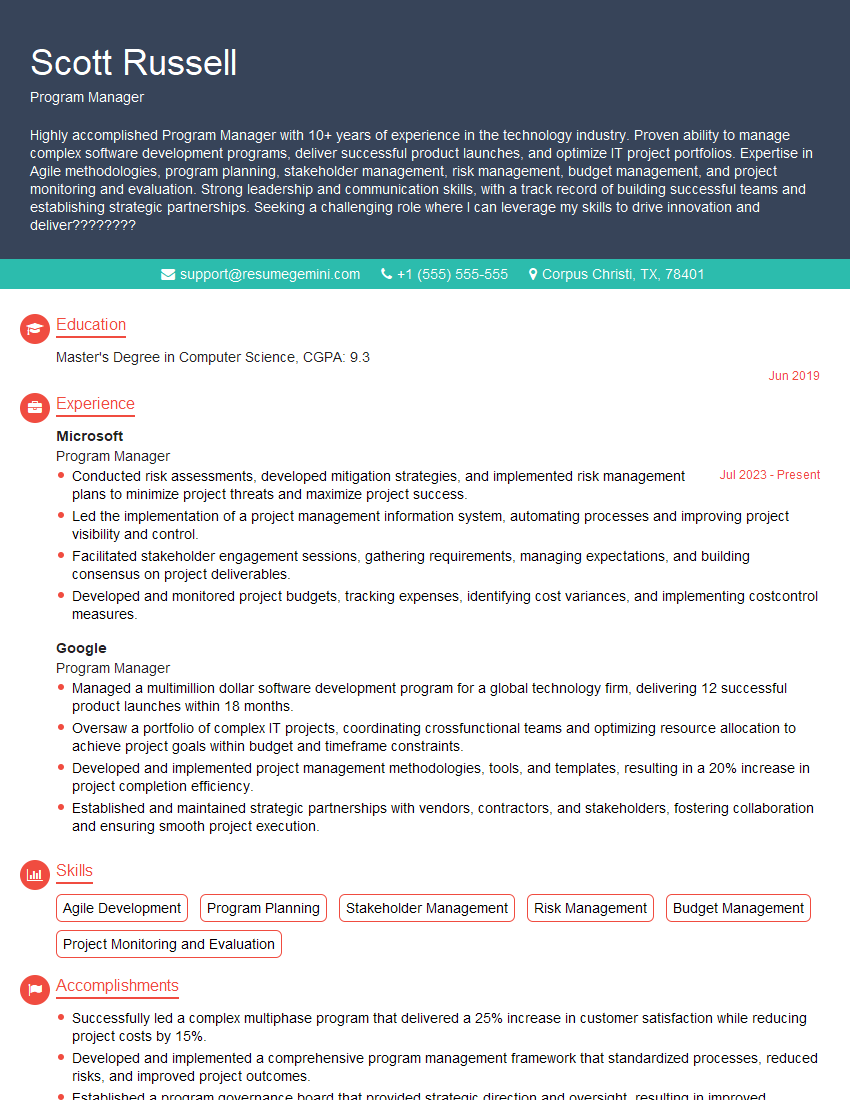
Program Manager Resume Sample
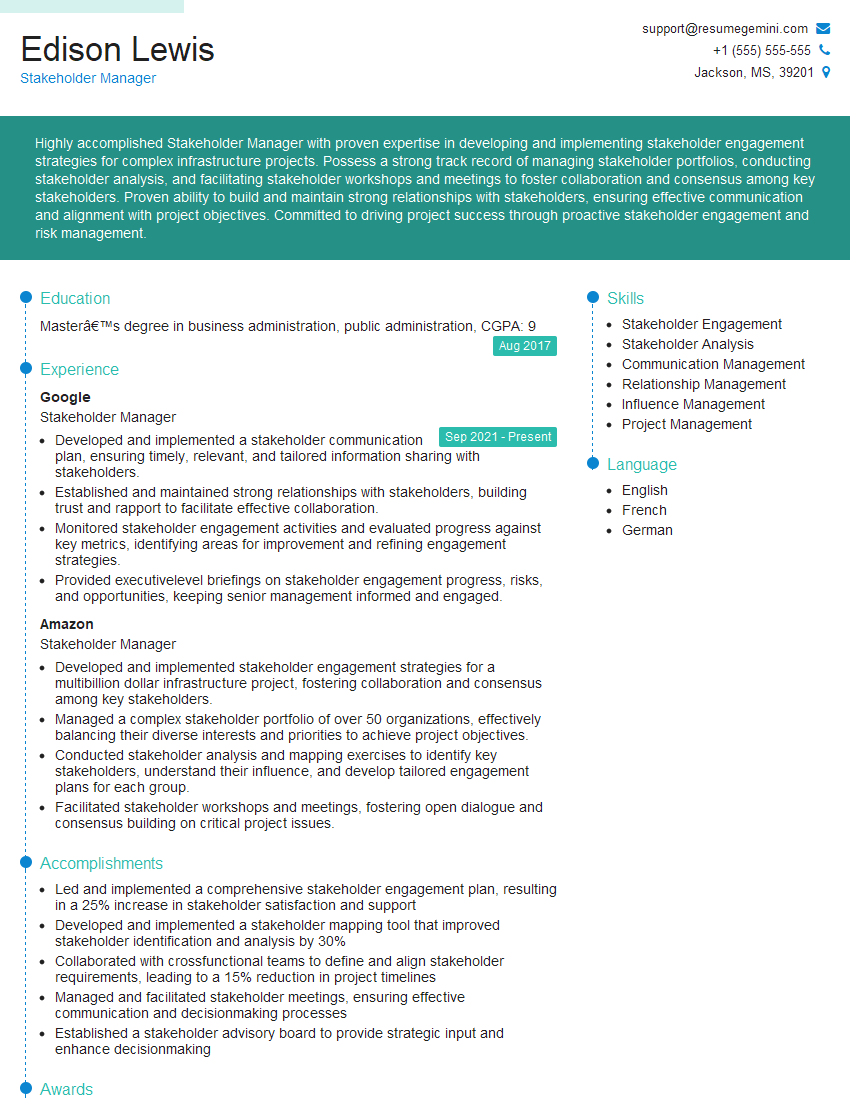
Stakeholder Manager Resume Sample

Operations Manager Resume Sample
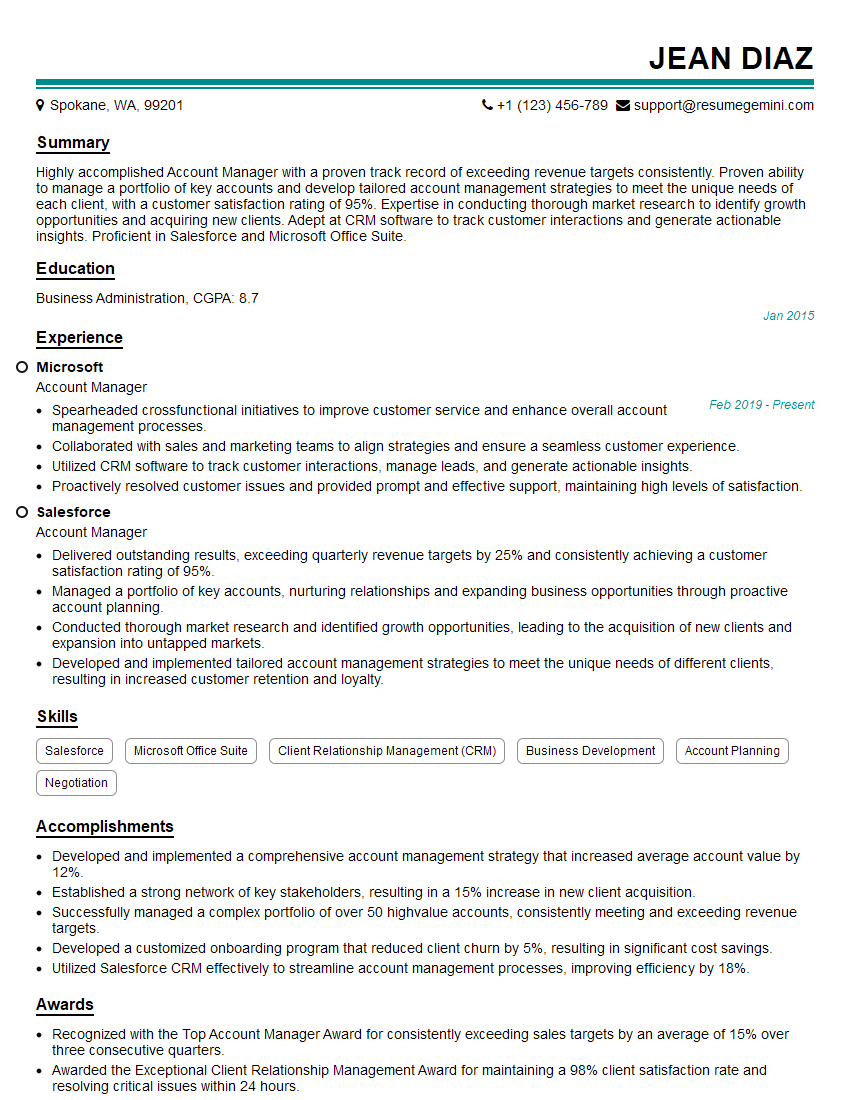
Account Manager Resume Sample
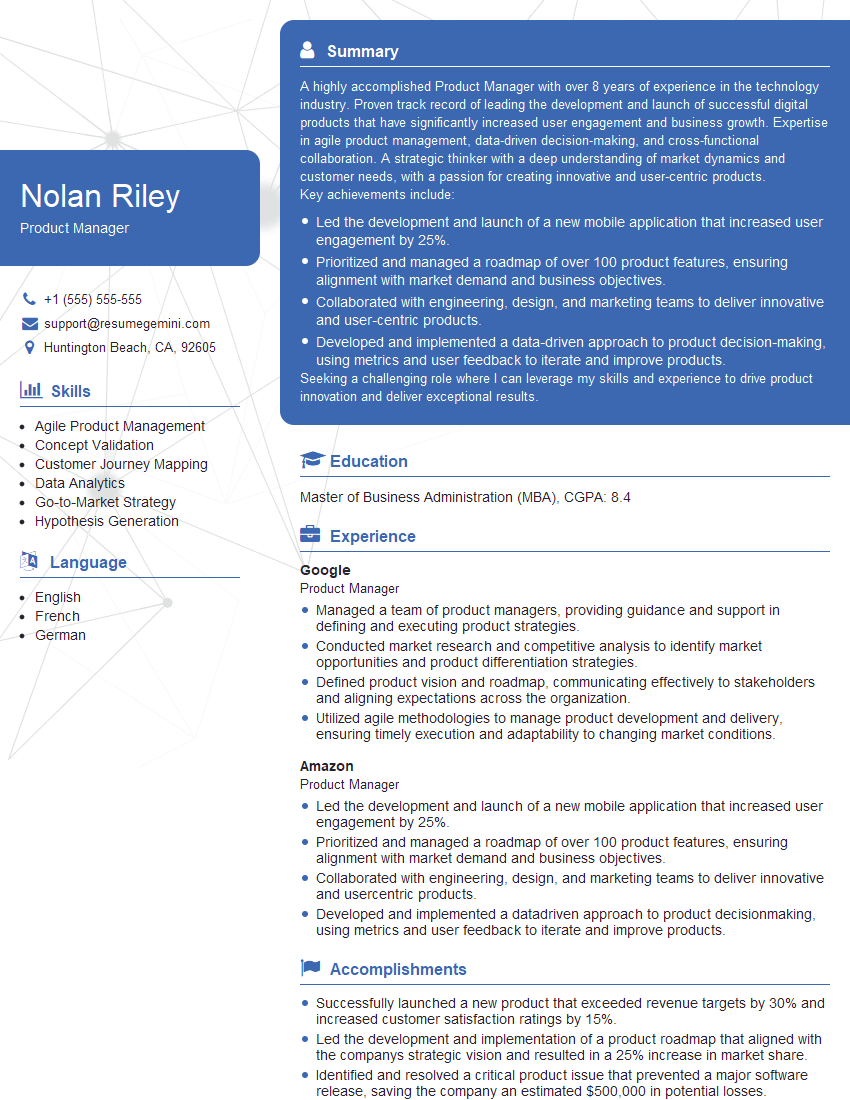
Product Manager Resume Sample

Communications Manager Resume Sample
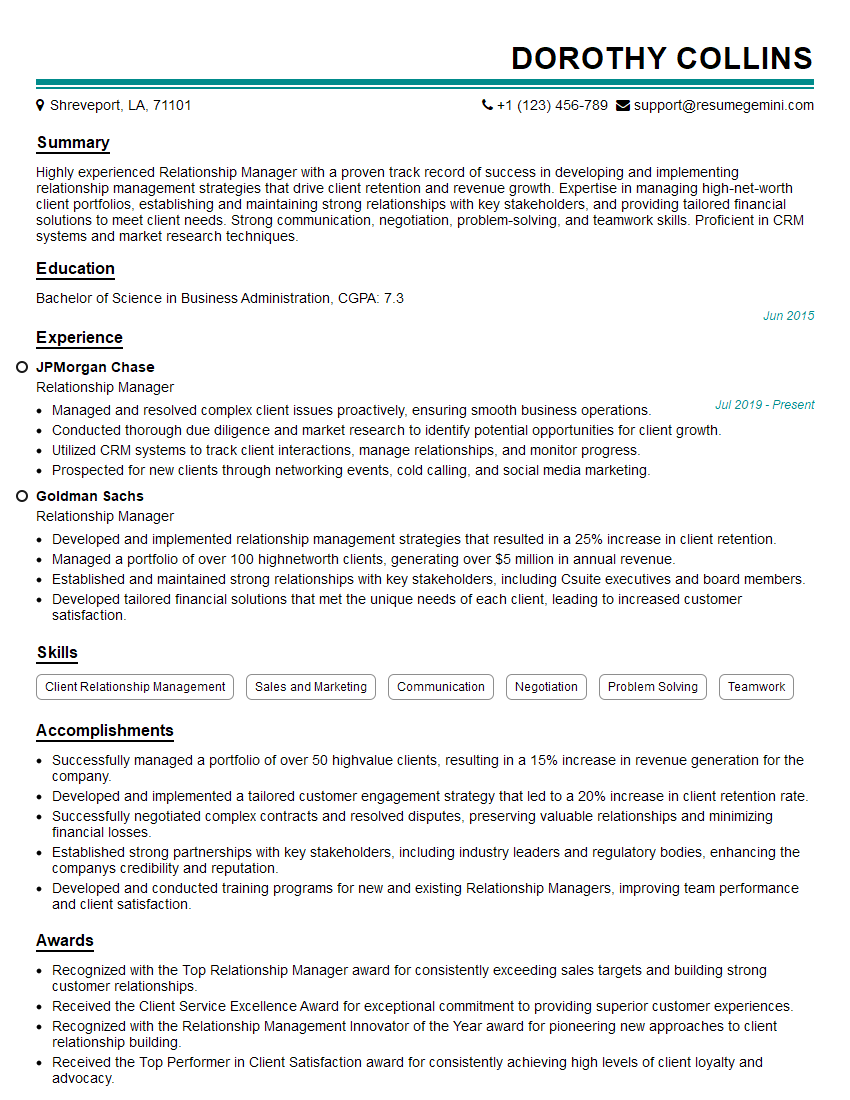
Relationship Manager Resume Sample

Project Manager Resume Sample
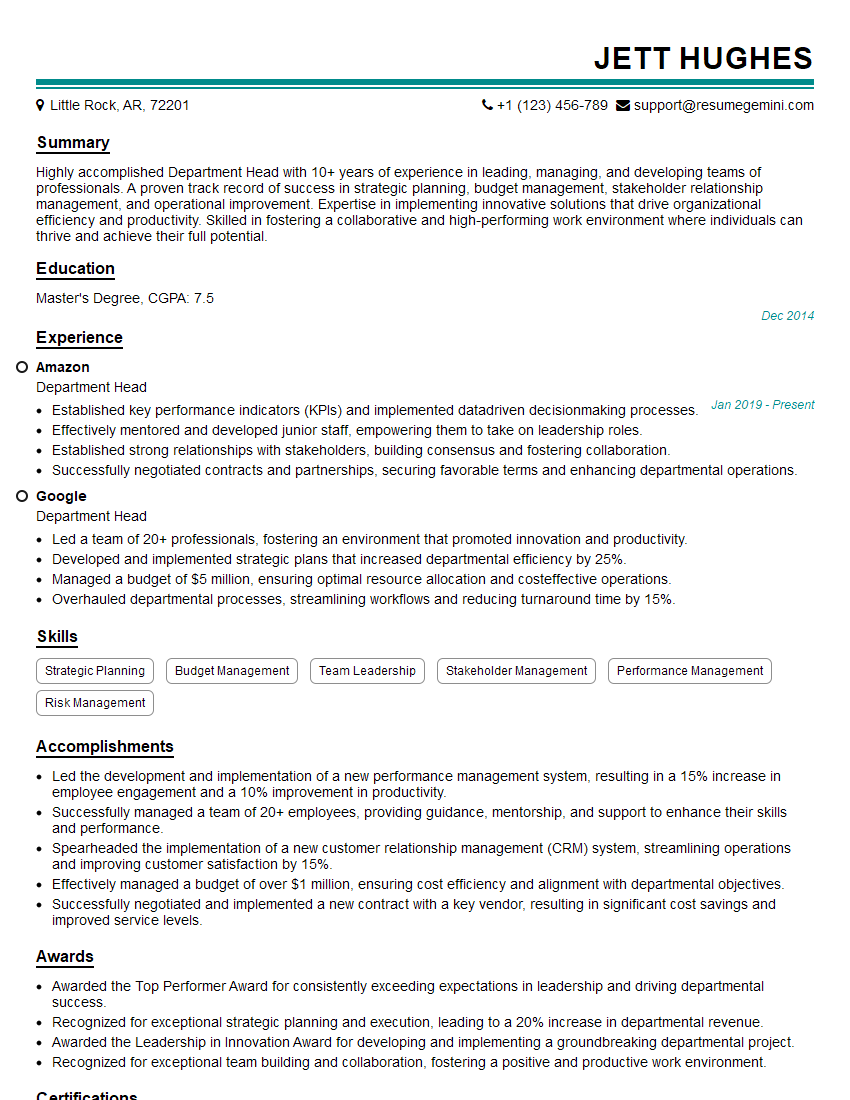
Department Head Resume Sample
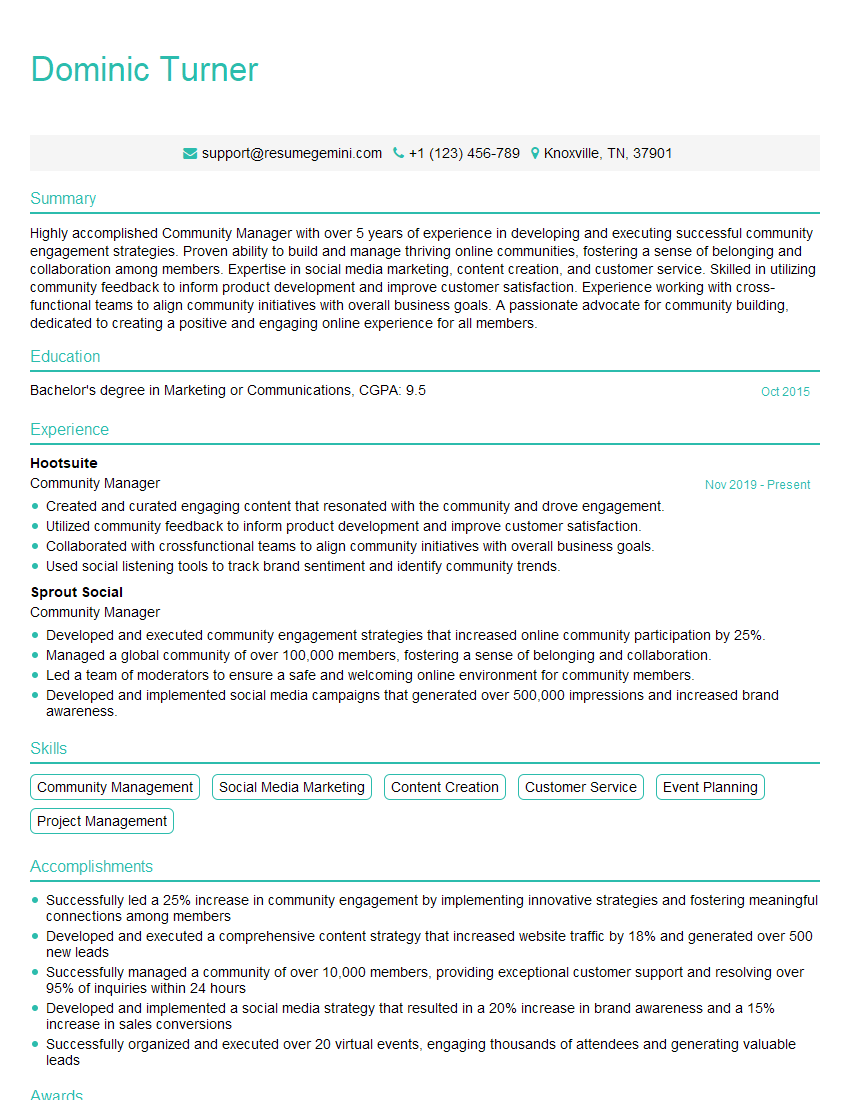
Community Manager Resume Sample
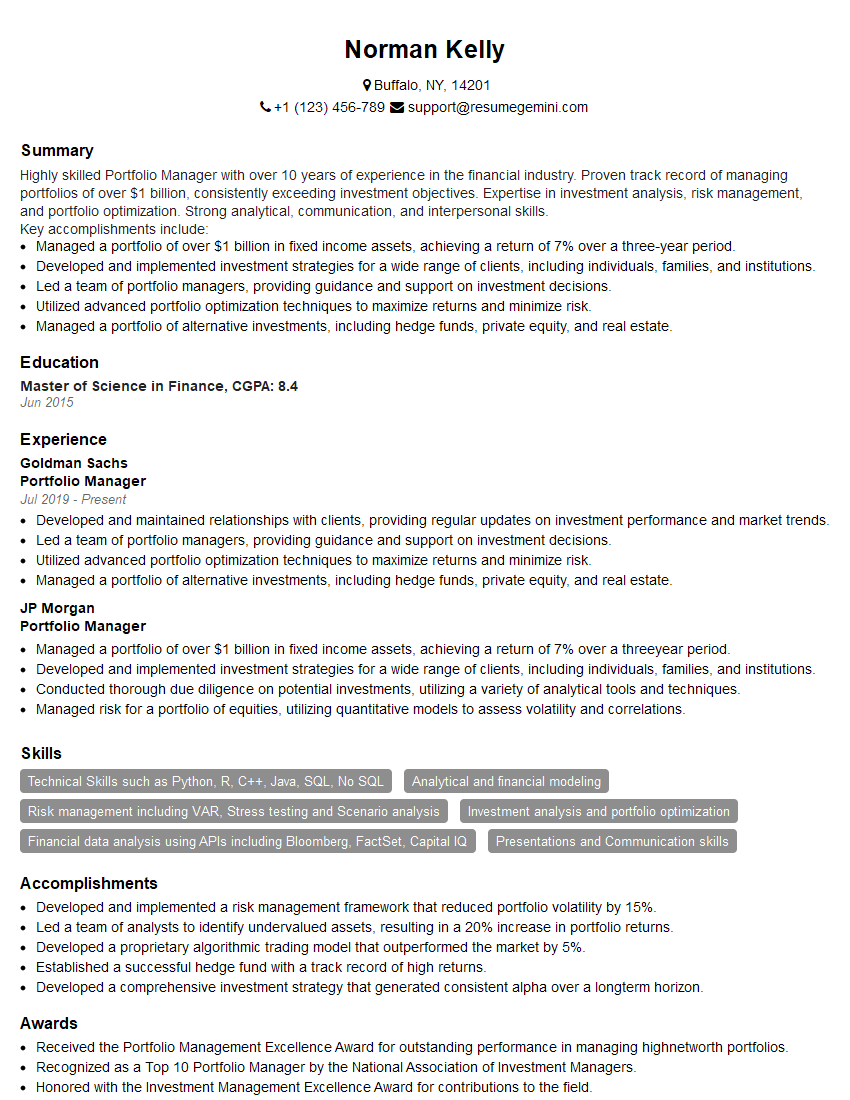
Portfolio Manager Resume Sample
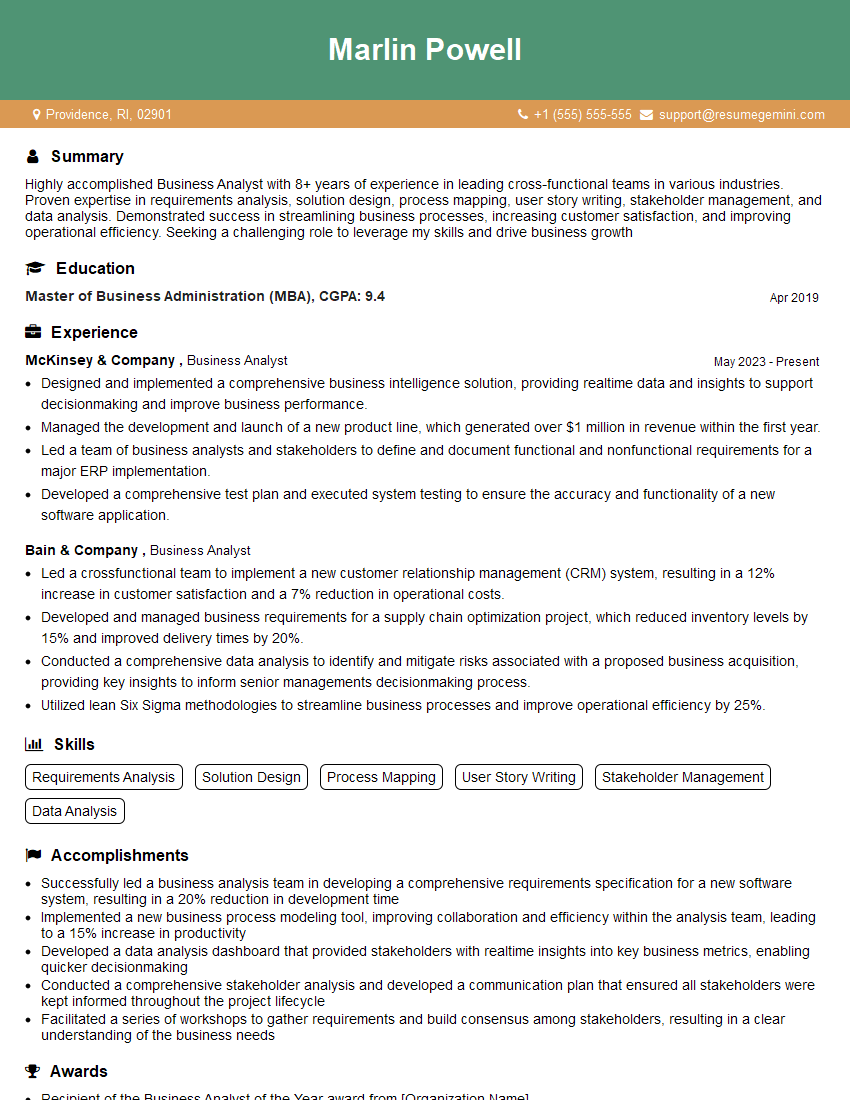
Business Analyst Resume Sample
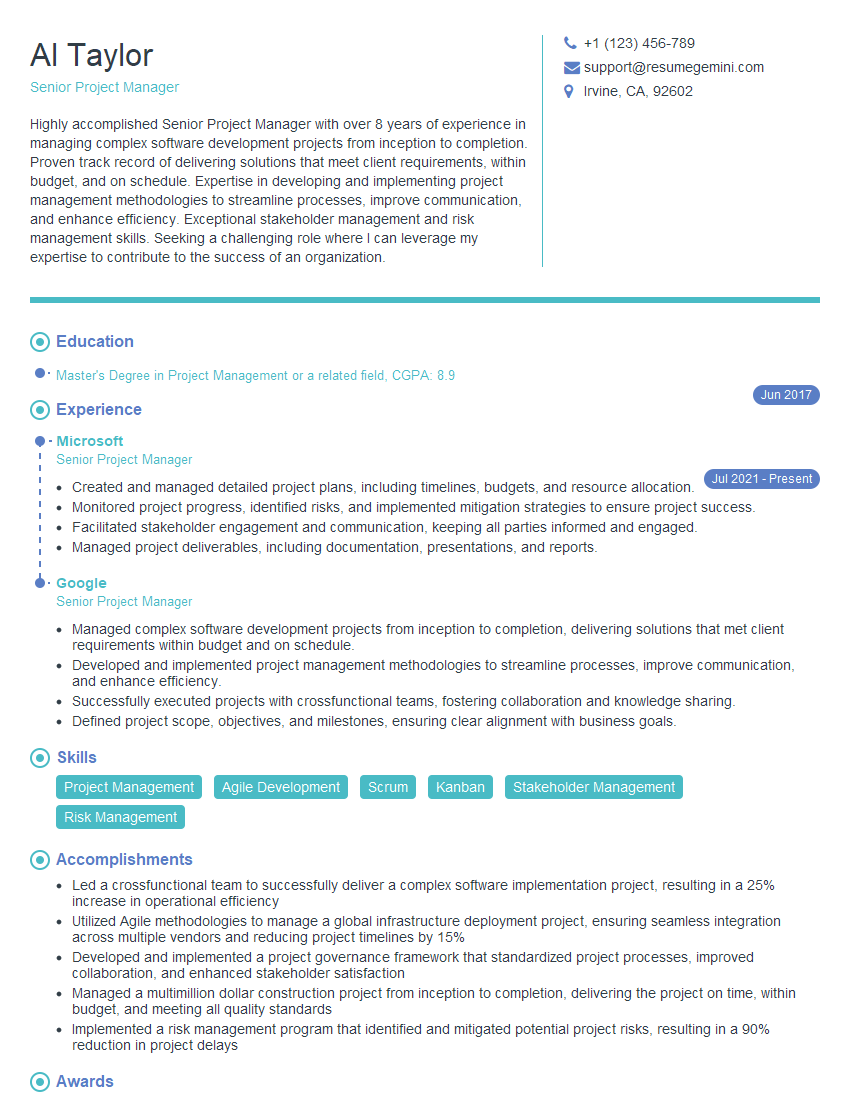
Senior Project Manager Resume Sample
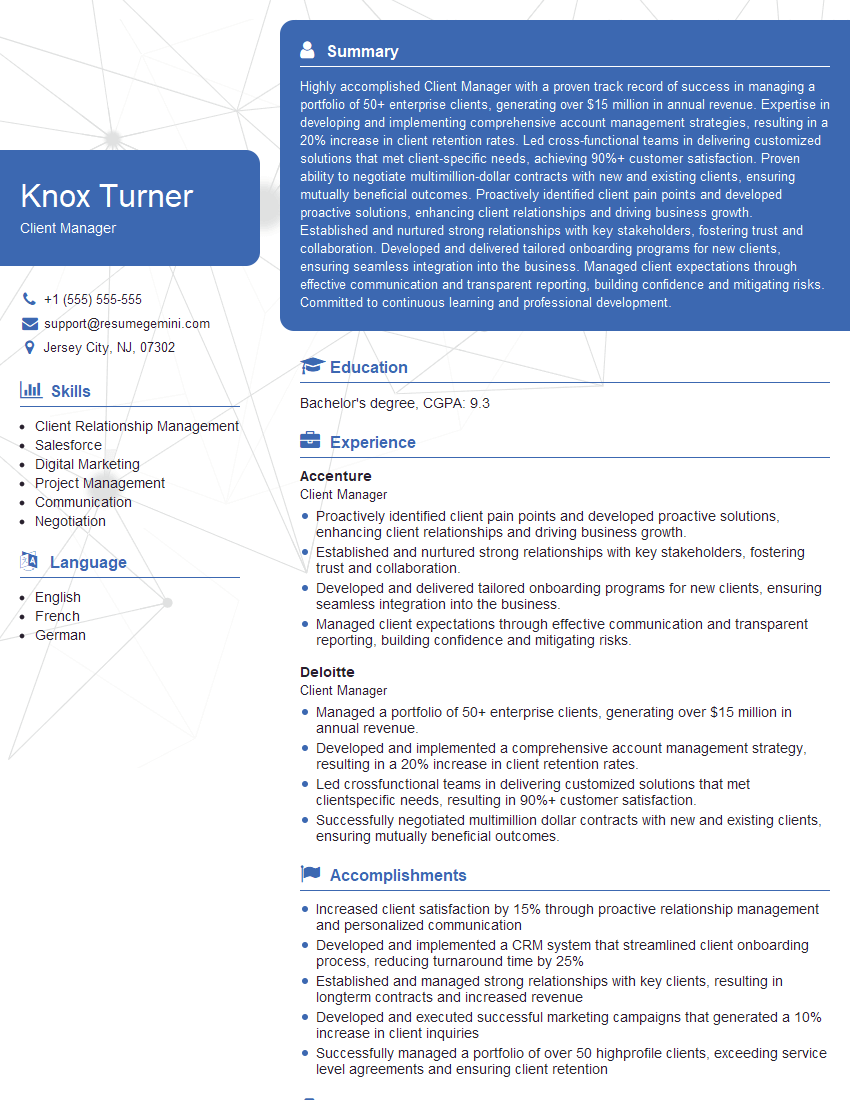
Client Manager Resume Sample
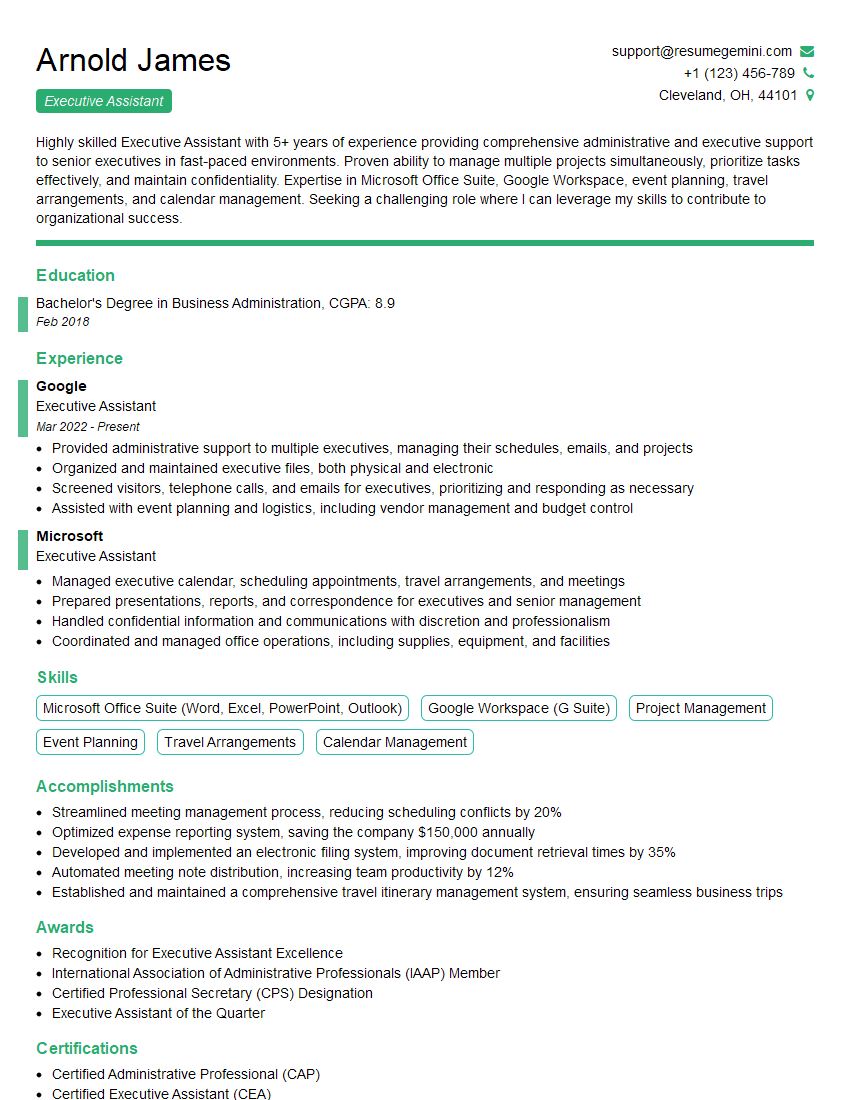
Executive Assistant Resume Sample
Explore more articles
Users Rating of Our Blogs
Share Your Experience
We value your feedback! Please rate our content and share your thoughts (optional).
What Readers Say About Our Blog
Very informative content, great job.
good