Interviews are opportunities to demonstrate your expertise, and this guide is here to help you shine. Explore the essential Collaboration with Other Artistic Disciplines interview questions that employers frequently ask, paired with strategies for crafting responses that set you apart from the competition.
Questions Asked in Collaboration with Other Artistic Disciplines Interview
Q 1. Describe your experience managing diverse artistic teams.
Managing diverse artistic teams requires a multifaceted approach that prioritizes understanding, communication, and respect for individual styles. My experience spans working with teams composed of visual artists, musicians, writers, dancers, and architects. I’ve learned that establishing clear roles and responsibilities from the outset is crucial. This prevents misunderstandings and ensures everyone knows their contribution to the overall project. Beyond that, fostering a collaborative and inclusive environment where everyone feels valued and heard is paramount. This involves regular check-ins, open forums for feedback, and creating a safe space for creative expression without fear of judgment. I also focus on building trust within the team, which is achieved by demonstrating fairness, consistency, and genuine interest in each member’s creative process.
For example, in one project involving a large-scale theatrical production, I meticulously mapped out individual roles, from set design and costume creation to musical composition and script writing. Regular team meetings were implemented to track progress, address concerns, and facilitate collaborative decision-making. The result was a highly successful production that showcased the strengths of each individual artist while achieving a unified artistic vision.
Q 2. Explain your approach to resolving conflicts between artistic visions.
Resolving conflicts between artistic visions requires a delicate balance of diplomacy, mediation, and creative problem-solving. My approach centers on active listening and understanding the underlying reasons for the disagreements. It’s rarely about simply choosing a ‘right’ or ‘wrong’ vision but rather finding a solution that incorporates the best elements of each perspective. I find it helpful to facilitate brainstorming sessions where artists can articulate their ideas, explore alternatives, and reach compromises. This may involve finding common ground, re-interpreting existing concepts, or even redefining the project scope to accommodate differing creative directions. Ultimately, the goal is to ensure that everyone feels heard and valued, leading to a product that reflects the collective creativity of the team.
For instance, in a recent project involving a multimedia installation, two artists had drastically different concepts for the central visual element. Through facilitated discussions, we explored the core ideas behind their individual visions, revealing common themes of movement and transformation. This allowed us to synthesize their concepts into a more comprehensive and impactful visual narrative, satisfying both artists while creating a far richer artistic expression.
Q 3. How do you facilitate effective communication among artists with different specializations?
Facilitating effective communication among artists with different specializations demands the use of clear, concise, and accessible language. Technical jargon should be minimized, replaced by plain language that everyone understands. I strongly believe in utilizing visual aids—mood boards, sketches, storyboards—to convey ideas across disciplines. These visuals serve as a common language, bridging the gap between verbal descriptions and actual artistic execution. Regularly scheduled meetings are crucial, providing opportunities for artists to share their progress, exchange feedback, and address any potential issues proactively. I also encourage the use of collaborative online platforms to share files, comments, and updates, facilitating communication outside of formal meetings. This approach ensures constant transparency and allows for a streamlined workflow.
For example, when working on a project integrating music and visual art, I used a shared online document where both the composer and visual artist could post their progress, including audio clips and visual mock-ups. This allowed them to see the project evolve in real time and provide feedback early on, avoiding major conflicts later in the process.
Q 4. Detail a project where you successfully integrated multiple artistic disciplines.
One particularly successful project involved the creation of an immersive theater experience that integrated visual arts, music, dance, and interactive technology. The project presented significant challenges because of the diverse skill sets involved and the need for seamless integration. My strategy was to begin with a shared conceptual framework, establishing a unified narrative and thematic core. This provided a common ground for all the artists, allowing them to approach their individual contributions within a coherent whole. We held regular workshops to encourage cross-disciplinary collaboration, allowing artists to learn from one another and understand how their work would interrelate. The project utilized a project management system where timelines and milestones were clearly defined for each discipline. The final result was a captivating immersive experience which was critically acclaimed for its innovative integration of artistic disciplines.
Q 5. What strategies do you employ to ensure a cohesive artistic outcome in a collaborative environment?
Ensuring a cohesive artistic outcome in a collaborative environment relies on establishing a strong creative vision from the beginning. This vision acts as a guiding principle, ensuring that each artistic contribution aligns with the overall goal. Clear communication and consistent feedback are vital, allowing artists to understand how their work relates to the broader project. A well-defined project plan, including timelines and milestones, keeps the project on track. Regular reviews and iterations provide opportunities to address any inconsistencies or deviations from the established vision. Importantly, fostering a culture of mutual respect and trust allows team members to freely share ideas and provide constructive criticism without fear of judgment. This promotes innovation and ensures that the final product reflects the collaborative efforts of the entire team.
Q 6. How do you handle creative differences of opinion among team members?
Creative differences of opinion are inevitable in collaborative projects. My approach centers on viewing these differences not as obstacles but as opportunities for innovation and growth. I encourage open dialogue and respectful debate, providing a platform for team members to express their ideas and perspectives. I facilitate brainstorming sessions to explore various approaches and find common ground. Mediation may be necessary to resolve conflicts, focusing on understanding the underlying reasons for the disagreement rather than simply seeking a quick resolution. The goal is to create a space where dissenting opinions are not suppressed but instead are used to strengthen and enrich the final artistic product. A well-defined decision-making process, such as voting or consensus-building, can also ensure fairness and transparency.
Q 7. Describe your experience with budgeting and resource allocation in collaborative projects.
Budgeting and resource allocation in collaborative projects require meticulous planning and transparent communication. My approach starts with a detailed budget breakdown, allocating funds to each artistic discipline based on its contribution to the overall project. This involves considering factors such as material costs, personnel fees, and equipment rentals. Regular budget reviews are conducted to track expenses and ensure that the project remains on track financially. Contingency planning is critical to accommodate unexpected costs or delays. Communication with the team regarding budget constraints and resource availability is essential to ensure that everyone understands the financial limitations and collaborates efficiently. Using project management software to monitor expenses in real-time can provide greater transparency and control.
Q 8. How do you measure the success of a collaborative artistic endeavor?
Measuring the success of a collaborative artistic endeavor goes beyond simply financial gain or audience size. It’s a multifaceted assessment involving artistic merit, team cohesion, and the achievement of shared goals.
Artistic Merit: Did the collaboration result in a work that surpasses the sum of its individual parts? Did it achieve a novel artistic expression or push boundaries within the chosen disciplines? This might involve critical reviews, audience response (both quantitative and qualitative data like surveys and feedback forms), and awards won.
Team Cohesion: Was the collaborative process itself fulfilling and productive? Did the artists learn from each other? Did the collaboration foster mutual respect and understanding? This can be evaluated through team surveys, individual reflections, and observation of team dynamics during the project.
Achievement of Shared Goals: Did the final product align with the initial vision and objectives defined by the collaborating artists? Were the artistic goals met, and were the practical aspects (budget, timeline, etc.) managed successfully? This requires clear project documentation and regular check-ins to track progress against predefined milestones.
For example, in a collaborative theatre production, success might be measured by strong audience reviews praising the integration of music and choreography with the dramatic narrative, positive feedback from the actors and crew indicating a collaborative and supportive environment, and the achievement of the planned performance schedule and budget.
Q 9. How do you adapt your communication style to different artistic personalities?
Adapting communication style to different artistic personalities is crucial for successful collaboration. It’s about understanding individual working styles and communication preferences, and tailoring your approach accordingly.
Visual Artists: Often prefer visual demonstrations, sketches, and mood boards. Communication should be clear, concise, and visually engaging.
Musicians/Composers: Might respond better to auditory examples, musical scores, and discussions focused on sonic textures and harmonies. Flexibility in scheduling for rehearsals and jams can be essential.
Writers/Playwrights: Tend to value detailed verbal explanations, written outlines, and discussions focusing on narrative structure and thematic development. Providing opportunities for individual creative input is highly important.
Performers: Benefit from interactive feedback sessions, demonstrations, and a focus on the physical and emotional aspects of their contributions. Open dialogue and mutual trust are paramount.
I approach this by conducting initial discussions to understand each artist’s preferred communication methods. For instance, if I’m working with a visual artist, I may use image sharing platforms and frequent visual updates. With a musician, I’d rely more on audio recordings and real-time feedback sessions. This personalized approach fosters trust and ensures everyone feels heard and understood.
Q 10. Explain your process for providing constructive feedback to collaborating artists.
Providing constructive feedback is about offering guidance that supports growth and improves the overall project. It requires sensitivity, clarity, and a focus on the work itself, not the person.
Specificity: Instead of saying “This isn’t working,” pinpoint the specific element needing improvement. For instance: “The pacing of this scene feels slow; consider shortening it by removing lines 15-18.”
Sandwich Method: Start with positive reinforcement, highlight areas for improvement, and end with another positive comment. This buffers criticism and makes it easier to receive.
Focus on Solutions: Offer concrete suggestions to address the noted issues. Don’t simply criticize—provide viable alternatives.
Active Listening: Allow the artist to respond to your feedback and address any questions or concerns. It’s a two-way conversation, not a lecture.
For example, if a composer’s music feels too dissonant for a particular scene, I might say, “I love the creativity in your harmonies, but in this specific scene, perhaps a more consonant approach would better support the overall mood. Would you consider exploring a different key or incorporating some simpler melodic phrases?”
Q 11. How do you ensure all artists feel valued and heard in a collaborative project?
Making every artist feel valued and heard requires creating an inclusive and collaborative environment. This involves active listening, respectful dialogue, and shared decision-making.
Regular Check-ins: Schedule regular meetings to discuss progress, challenges, and individual contributions. These should be spaces for open communication where everyone feels comfortable sharing their thoughts and concerns.
Equal Opportunities: Ensure everyone has an equal opportunity to contribute creatively and that their input is genuinely considered during decision-making processes. This might involve brainstorming sessions, voting systems for key decisions, or round-robin feedback discussions.
Acknowledgement of Contributions: Publicly acknowledge and celebrate individual and collective achievements. Credit should be given appropriately to all involved parties, both during and after the project completion. This could take the form of public thank-you’s or written acknowledgements in any publications related to the project.
Conflict Resolution: Establish a process for addressing disagreements or conflicts constructively. This might involve a designated mediator or agreed-upon conflict resolution strategies.
For example, in a mural painting project, I might dedicate specific sections of the mural for each artist to lead on based on their individual strengths and styles. I would also hold regular meetings to review progress, get input from everyone, and celebrate the team’s achievements through shared meals or social events.
Q 12. Describe your experience using project management tools in collaborative artistic settings.
Project management tools are invaluable in collaborative artistic settings. They provide structure, enhance communication, and facilitate efficient workflow.
Asana/Trello: Used for task management, assigning roles, setting deadlines, and tracking progress. These tools are particularly useful for visualizing the workflow and ensuring accountability.
Google Drive/Dropbox: Facilitates file sharing and collaboration on documents, images, and audio/video files. Version control features are crucial for keeping track of revisions and preventing conflicts.
Slack/Microsoft Teams: Enables real-time communication, file sharing, and quick updates within the team. This is great for rapid exchanges and addressing urgent issues.
In a recent theatre production, we used Asana to assign tasks (costume design, set construction, script revisions), track deadlines, and share updates with the whole team. Google Drive was used to share the script, production designs, and marketing materials. Slack enabled quick communication during rehearsals and problem-solving on the fly.
Q 13. How do you maintain project timelines and deadlines in a fast-paced collaborative environment?
Maintaining project timelines and deadlines in a fast-paced collaborative environment requires careful planning, proactive communication, and flexibility.
Detailed Project Plan: Develop a comprehensive project plan with clearly defined milestones, deadlines, and assigned responsibilities. This should be shared with all collaborators and regularly reviewed.
Regular Progress Meetings: Hold frequent meetings to track progress, identify potential delays, and adjust the schedule as needed. These meetings should involve all key collaborators.
Contingency Planning: Develop contingency plans to address potential unforeseen delays or challenges. This might involve allocating buffer time or having alternative solutions ready.
Open Communication: Encourage open communication about any challenges or roadblocks, and actively address concerns as they arise. Proactive problem-solving is essential.
For instance, in a large-scale music festival, we used a Gantt chart to visualize the schedule, identified critical path tasks, and built in buffer time for potential technical issues. Regular production meetings ensured that any delays were identified and addressed proactively, keeping the festival on track.
Q 14. How familiar are you with legal and ethical considerations in collaborative artistic projects?
Familiarity with legal and ethical considerations is paramount in collaborative artistic projects. This encompasses copyright, intellectual property, contracts, and ethical considerations of authorship and attribution.
Copyright and Intellectual Property: Clearly define ownership and usage rights of all creative materials contributed to the project. This might involve written agreements outlining each artist’s rights and responsibilities.
Contracts: Utilize formal contracts to outline terms of collaboration, including payment schedules, responsibilities, and dispute resolution mechanisms. A lawyer specializing in artistic contracts is highly recommended.
Authorship and Attribution: Ensure that all artists receive appropriate credit for their contributions. This includes proper attribution in promotional materials, publications, and performances.
Ethical Considerations: Address issues of fair compensation, exploitation, and respectful collaborations. Maintaining transparency and open communication helps prevent ethical dilemmas.
For example, before embarking on a collaborative photography and poetry project, we drafted a contract outlining the usage rights for each artist’s work, payment terms, and how credit would be handled in any publications or exhibitions. This prevented any disputes and ensured that everyone felt valued and fairly compensated for their involvement.
Q 15. Describe your experience with intellectual property rights in collaborative art projects.
Intellectual property (IP) rights in collaborative art projects are crucial. They cover the legal rights to creations, including copyright, patents, and trademarks. In collaborative settings, a clear agreement upfront is essential to avoid future disputes. This agreement should define who owns which aspects of the work, how royalties or profits will be divided, and how the work will be attributed. For example, if a sculptor and a painter collaborate on an installation, the agreement should specify ownership of the individual components (the sculpture and the painting) and the overall installation. It’s often helpful to have a lawyer specializing in intellectual property draft this agreement, ensuring all parties understand and agree to the terms.
I generally advocate for a co-ownership model, where each artist retains rights to their individual contributions while jointly owning the final collaborative artwork. However, this needs to be meticulously defined. Other models, like assigning ownership to one lead artist who compensates the collaborators, are also possible, but require even stricter contractual details. Proper documentation, including detailed contracts and records of contributions, is vital in preventing any misunderstandings.
Career Expert Tips:
- Ace those interviews! Prepare effectively by reviewing the Top 50 Most Common Interview Questions on ResumeGemini.
- Navigate your job search with confidence! Explore a wide range of Career Tips on ResumeGemini. Learn about common challenges and recommendations to overcome them.
- Craft the perfect resume! Master the Art of Resume Writing with ResumeGemini’s guide. Showcase your unique qualifications and achievements effectively.
- Don’t miss out on holiday savings! Build your dream resume with ResumeGemini’s ATS optimized templates.
Q 16. How do you handle unexpected challenges or setbacks in collaborative projects?
Unexpected challenges are inevitable in collaborative projects. My approach focuses on proactive communication, problem-solving, and adaptability. First, I foster an environment of open dialogue where team members feel comfortable expressing concerns or challenges without fear of judgment. When setbacks occur, we use a structured problem-solving approach. We identify the problem, brainstorm potential solutions, evaluate the pros and cons of each solution, choose the best option, and then implement and monitor it. For example, if a key collaborator faces a personal emergency, we might adjust timelines, redistribute tasks, or seek temporary replacements. Flexibility and a willingness to adjust the project’s scope or approach are crucial.
It’s also important to remember that some setbacks may lead to creative breakthroughs. A constraint can often force innovative thinking. For example, a missed deadline for a certain material could inspire a different, equally effective artistic solution.
Q 17. What are your preferred methods for documenting the creative process in collaborative work?
Documenting the creative process is critical for maintaining transparency and providing a record of each artist’s contributions. My preferred methods involve a multi-faceted approach. We use a combination of digital and physical documentation. Digital methods include regularly updating a shared online project folder with images, videos, sketches, and design documents. We use project management software to track progress, deadlines, and individual tasks. We hold regular meetings, documenting decisions and insights in meeting minutes. Physical documentation includes maintaining physical sketchbooks, and process journals signed by all participants, along with taking photographs of the artwork at key stages of development.
This comprehensive approach helps to protect the intellectual property, showcase the collaborative process, and preserve a valuable history of the project. It’s also useful for future exhibitions or publications.
Q 18. How do you leverage technology to enhance collaboration among artistic teams?
Technology plays a transformative role in enhancing collaboration. We use cloud-based platforms for file sharing and real-time communication. Tools like Google Drive, Dropbox, or specialized art collaboration software allow seamless sharing of large files, sketches, and project updates. Video conferencing software like Zoom or Skype facilitates regular meetings, brainstorming sessions, and feedback discussions, even across geographical distances. Project management software helps to track tasks, deadlines, and progress, ensuring everyone stays on track.
Furthermore, 3D modeling software can facilitate collaboration on sculptural works, allowing artists to see and manipulate a shared model simultaneously. Digital painting and illustration software enable collaborative work on a single canvas, allowing artists to see each other’s strokes in real-time. These technologies significantly reduce the logistical and geographical barriers to effective collaboration.
Q 19. How do you ensure that all artists’ contributions are appropriately recognized?
Ensuring appropriate recognition for each artist’s contribution is paramount. This begins with clearly defined roles and responsibilities from the project’s outset. Regular communication and feedback sessions throughout the process help maintain transparency and allow each artist to feel valued. During the final presentation, we meticulously document the contribution of each artist. We might create a detailed credit list, explaining each person’s role in the project. We also discuss how the work will be exhibited or presented, ensuring that the artist’s names and roles are clearly displayed. In publications or exhibition catalogs, we include biographical information for each artist and descriptions of their specific contributions to the project.
Beyond this, we always strive to share credit equally when the contributions are balanced and to fairly reflect any differences in individual involvement where appropriate.
Q 20. Describe a time when you had to negotiate compromises to achieve a collaborative goal.
In one project involving a large-scale installation, we encountered a significant challenge with the chosen materials. The original concept relied on a specific type of glass, but due to unforeseen supply chain issues, the glass became unavailable. To avoid project delays or compromising the artistic integrity of the work, we needed to negotiate compromises. We held several brainstorming sessions, exploring alternative materials. Each artist presented their suggestions and their potential impacts on the aesthetic and structural aspects. We ultimately opted for a high-quality acrylic that offered similar visual properties but was more readily available. This necessitated a slight redesign to ensure the acrylic’s structural integrity. The process required compromise from everyone involved, but the collaborative spirit enabled a smooth transition and successful project completion. The final outcome, while slightly different from the original vision, maintained artistic coherence and reflected the collaborative effort of everyone on the team.
Q 21. Explain your understanding of different artistic styles and their application in collaborative work.
Understanding different artistic styles and their application in collaborative work is fundamental. Different styles, such as Surrealism, Minimalism, Impressionism, or Abstract Expressionism, each carry unique characteristics that can enrich a collaborative project. For instance, combining a minimalist sculptor’s approach with a hyperrealist painter’s technique could create a striking juxtaposition, generating new and unexpected visual effects. It’s essential to understand the strengths of each style and how they can complement or contrast each other. A successful collaboration involves not just combining different styles but also carefully considering how those styles interact and enhance one another to achieve a cohesive and impactful final result. Open communication and a willingness to experiment and adapt are key elements in this process. Sometimes, a collaborative project will naturally lead to a new style that emerges from the synthesis of individual approaches. The creation of a new style might not be the goal, but it may become a fruitful and unexpected result.
Q 22. How do you ensure that the collaborative artistic project aligns with its overall vision?
Ensuring a collaborative artistic project aligns with its overall vision requires a proactive and multifaceted approach. It begins even before the project commences, with a clearly defined and documented vision statement. This statement shouldn’t just be a vague aspiration; it should outline the project’s goals, target audience, intended impact, and the artistic style or message. Think of it as a roadmap.
Next, regular check-ins and collaborative discussions are crucial. These aren’t just meetings; they’re opportunities for all collaborators to voice their understanding of the vision, identify potential deviations, and collaboratively course-correct. We use visual tools like mood boards and shared online documents to maintain a shared understanding of the project’s aesthetic and narrative.
Finally, a robust feedback mechanism is essential. This involves setting clear expectations for feedback delivery (e.g., frequency, format), actively soliciting input from all participants, and ensuring that feedback is constructive and incorporated thoughtfully. It’s about ensuring everyone feels heard and that their contributions actively contribute to the overall vision.
Q 23. Describe your experience with interdisciplinary collaboration in specific artistic contexts (e.g., film, theatre, installation art).
My experience spans diverse artistic contexts. In film, I collaborated with a composer to create a soundscape that mirrored the emotional arc of a documentary. We had weekly meetings to review footage and discuss the emotional weight of different scenes; he then composed music that underscored those emotions, creating a truly immersive experience. The process required constant communication and a shared understanding of the film’s narrative.
In theatre, I worked with a lighting designer on a production of Macbeth. We translated the play’s themes of ambition and darkness into a visual language using light and shadow. This involved detailed discussions of specific scenes, character motivations, and the overall mood. The lighting design became an integral storytelling element, reflecting the psychological shifts in the characters.
In installation art, I partnered with a sculptor to create an interactive piece exploring themes of environmental sustainability. The sculpture itself, constructed from recycled materials, acted as the central element. My contribution involved designing the interactive component, which used sensors and projection mapping to respond to the audience’s actions, creating a dialogue between art, technology, and environmental consciousness. The success relied heavily on the seamless integration of the sculpture’s physical form and the interactive technology.
Q 24. How do you foster a culture of trust and mutual respect among collaborating artists?
Fostering trust and mutual respect is paramount in collaborative art. It’s built on several key principles. First, clear communication is essential. We establish open channels of communication from the outset, encouraging honest feedback, and actively listening to each other’s perspectives. This involves not just verbal communication but also using shared online platforms for collaboration.
Secondly, celebrating individual contributions is vital. We make it a point to acknowledge and appreciate each artist’s unique skills and contributions, creating a sense of shared ownership and pride in the project. Recognizing and valuing individual expertise contributes to a supportive environment.
Thirdly, establishing shared goals and objectives is crucial. When everyone understands the common vision and their role in achieving it, it strengthens the sense of shared purpose and promotes teamwork. Regular team-building activities can also go a long way in building rapport and strengthening relationships.
Q 25. How have you adapted your approach to collaboration based on previous experiences?
My approach to collaboration has evolved significantly over time. Early in my career, I tended to be more directive, assuming a leadership role and setting a clear path. However, I learned that a more collaborative, participatory approach is far more effective and produces richer results.
Now, I emphasize collaborative brainstorming and consensus-building. I actively solicit input from all collaborators, creating a shared ownership of the creative process. I’ve also learned the importance of flexibility and adaptability. Unexpected challenges are inevitable in collaborative projects, and being able to adjust plans and strategies as needed is key to navigating these challenges successfully.
Finally, I pay far more attention to conflict resolution strategies. Disagreements are bound to arise, and having established processes for managing conflicts constructively is essential for maintaining a positive and productive working environment.
Q 26. Describe your experience working with artists from diverse cultural backgrounds.
Working with artists from diverse cultural backgrounds has been incredibly enriching and has broadened my perspective considerably. In one project, I collaborated with artists from Japan, Brazil, and Nigeria on a multimedia installation exploring themes of global interconnectedness. The differences in artistic approaches, cultural interpretations, and communication styles initially presented challenges, but ultimately led to a richer and more nuanced outcome.
To navigate these differences, we made a conscious effort to understand each other’s cultural contexts and artistic traditions. We engaged in open discussions about our perspectives and actively sought to bridge any cultural misunderstandings. We utilized translators when necessary and established clear communication protocols to ensure everyone felt heard and understood.
Ultimately, the project benefitted immensely from the diverse perspectives. The resulting artwork was far more dynamic and nuanced than it would have been if it had been created by artists from a single cultural background. This experience taught me the importance of cultural sensitivity, respectful communication, and the immense creative potential that arises from embracing diversity.
Q 27. How do you manage the workload and responsibilities among collaborators effectively?
Managing workload and responsibilities effectively in collaborative projects requires meticulous planning and clear delegation. We start by creating a detailed project plan outlining all tasks, deadlines, and assigned responsibilities. This plan is collaboratively developed and regularly reviewed and updated, ensuring everyone is on the same page.
We use project management tools like Trello or Asana to track progress, manage deadlines, and facilitate communication among collaborators. These tools provide a centralized platform for task assignment, progress updates, and feedback, promoting transparency and accountability.
Regular project meetings are essential to address progress, discuss challenges, and make necessary adjustments to the plan. It’s crucial to create an environment where collaborators feel comfortable voicing concerns and seeking assistance. A well-defined communication strategy—including frequency, channels, and escalation procedures—is critical to effective workload management.
Q 28. How do you identify and address potential risks in collaborative artistic projects?
Identifying and addressing potential risks in collaborative artistic projects is crucial for success. Risk assessment should be an integral part of the planning phase. We consider various potential risks, including creative differences, logistical challenges (e.g., budget overruns, scheduling conflicts), communication breakdowns, and intellectual property issues.
For each identified risk, we develop mitigation strategies. For example, if a budget overrun is a concern, we develop contingency plans that might involve exploring alternative funding sources or streamlining production costs. If communication breakdowns are a risk, we establish clear communication protocols, regular check-ins, and utilize project management tools to ensure everyone stays informed.
We also prioritize conflict resolution mechanisms, establish clear decision-making processes, and develop protocols for handling unexpected challenges. By proactively identifying and addressing potential risks, we increase the likelihood of a successful and fulfilling collaborative artistic experience.
Key Topics to Learn for Collaboration with Other Artistic Disciplines Interview
- Understanding Diverse Artistic Approaches: Explore different artistic mediums (e.g., music, theatre, visual arts, digital media) and their unique processes and communication styles. Consider how these differences impact collaborative projects.
- Effective Communication & Active Listening: Practice clear and concise communication, both verbal and written. Develop strong active listening skills to understand perspectives and needs of collaborators from other disciplines.
- Conflict Resolution & Negotiation: Learn strategies for navigating disagreements and finding creative solutions when collaborating. Practice compromise and respectful communication to maintain a positive working environment.
- Shared Vision & Goal Setting: Discuss the importance of establishing a clear shared vision and defining project goals collaboratively. Understand how to align individual artistic contributions to the overall project objective.
- Respecting Creative Differences & Intellectual Property: Learn how to appreciate and integrate diverse creative input while respecting intellectual property rights and individual contributions. Understand ethical considerations in collaborative projects.
- Practical Application: Case Studies: Analyze case studies of successful collaborations across artistic disciplines. Identify key strategies, challenges overcome, and best practices employed.
- Technological Proficiency: Depending on the role, familiarize yourself with relevant software and technologies used in collaboration, such as project management tools or digital art software.
Next Steps
Mastering collaboration with other artistic disciplines is crucial for career advancement. It demonstrates adaptability, communication skills, and a multifaceted understanding of the creative process – highly valued attributes in today’s dynamic art world. To significantly boost your job prospects, crafting an ATS-friendly resume is essential. ResumeGemini offers a powerful platform to build a professional and impactful resume that highlights your collaborative abilities. We provide examples of resumes tailored to showcasing expertise in Collaboration with Other Artistic Disciplines to help you get started.
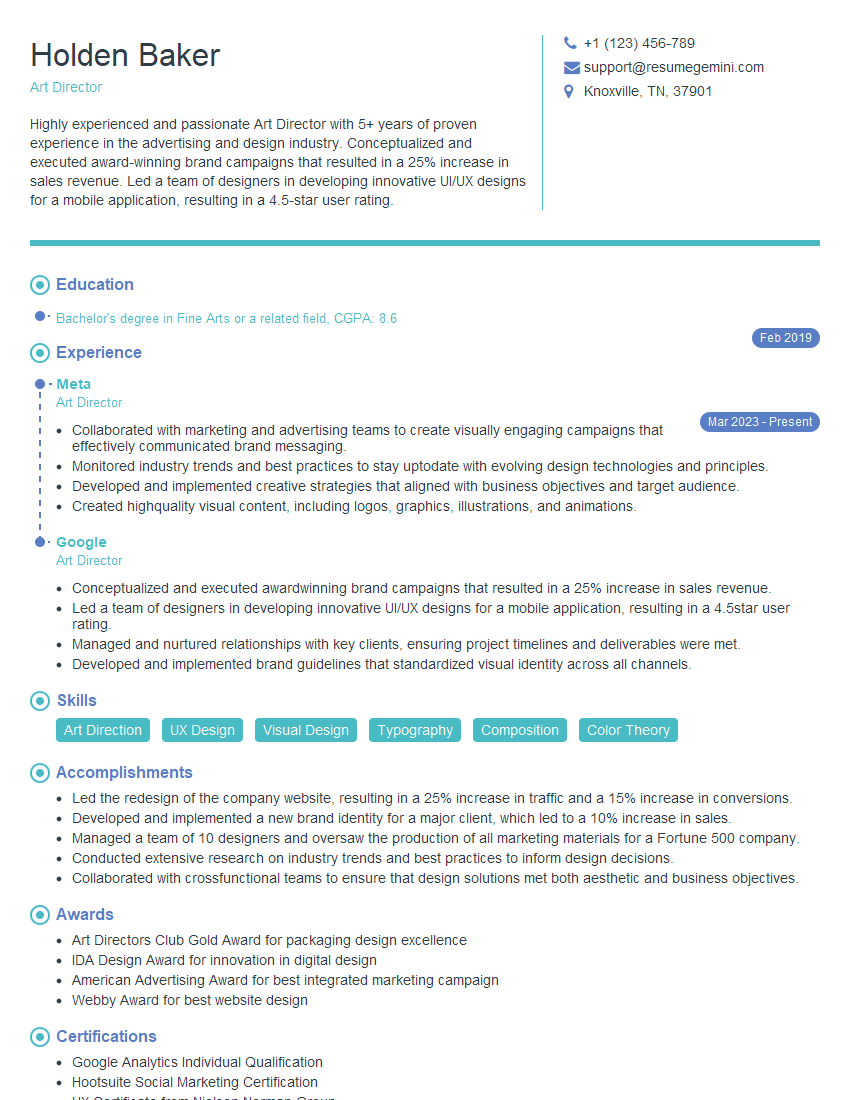
Art Director Resume Sample

Creative Director Resume Sample
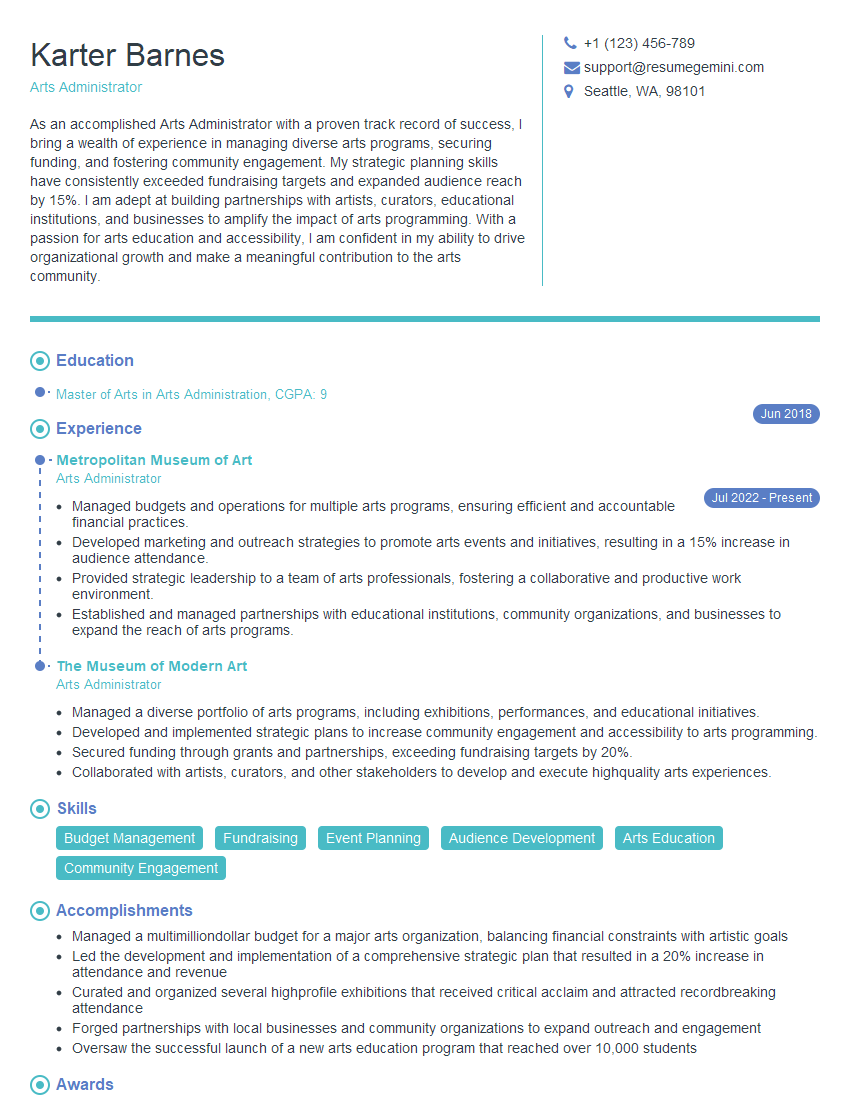
Arts Administrator Resume Sample
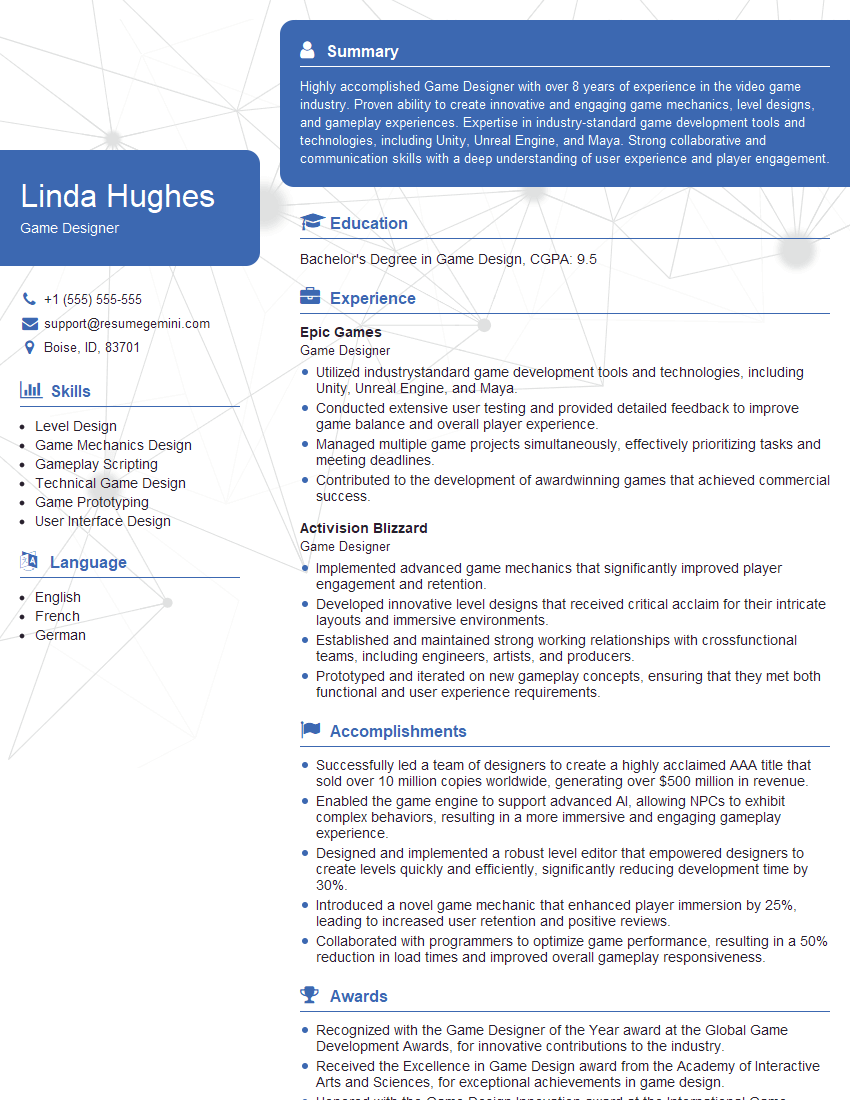
Game Designer Resume Sample
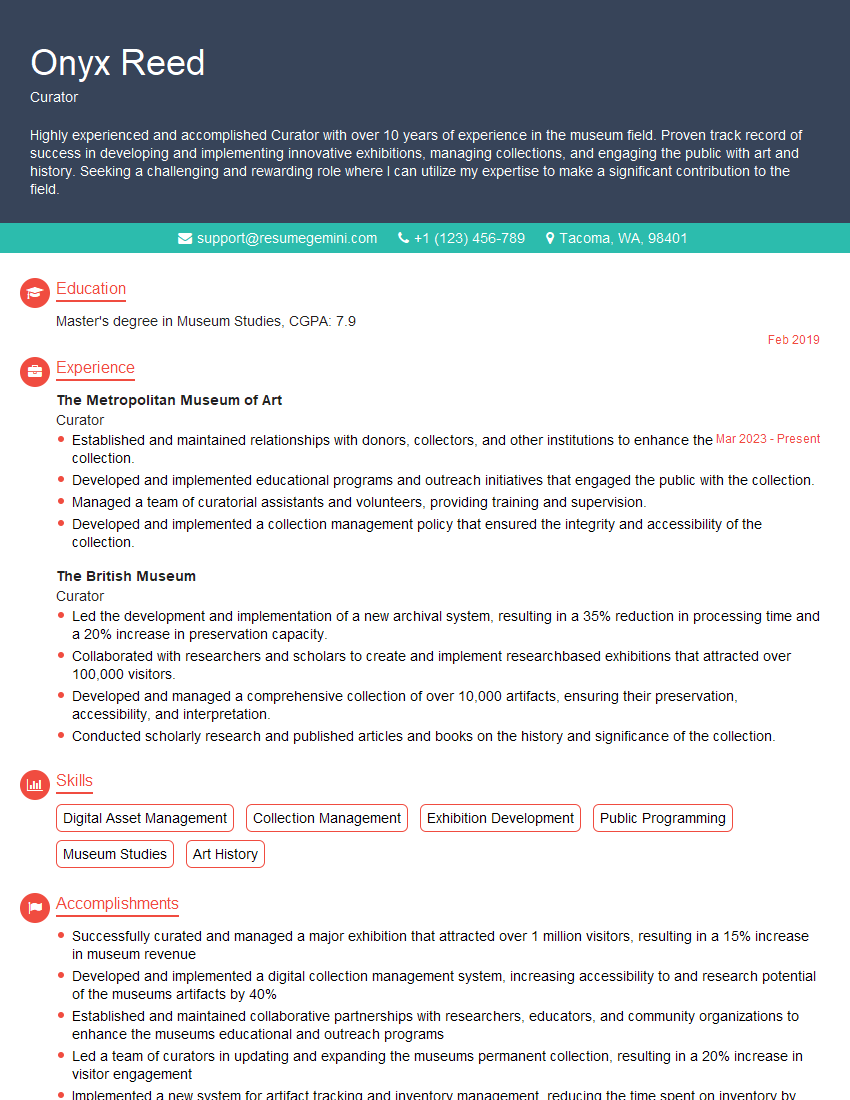
Curator Resume Sample
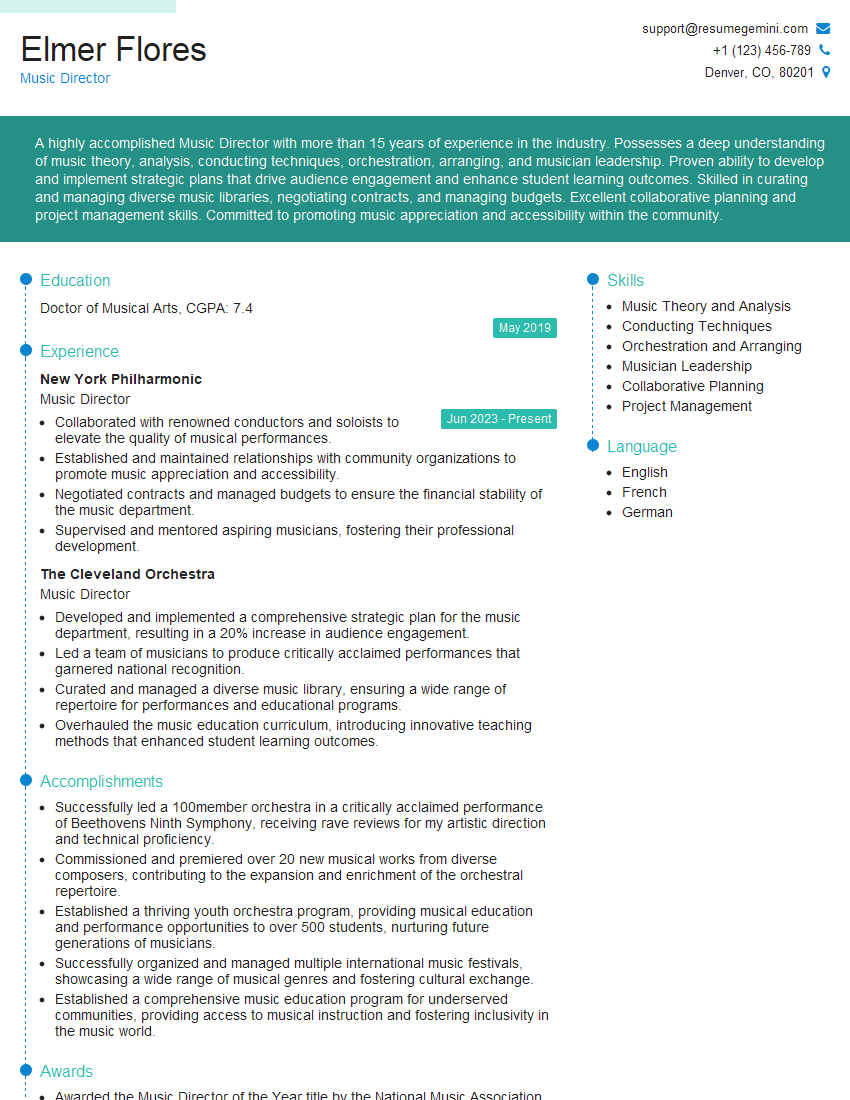
Music Director Resume Sample
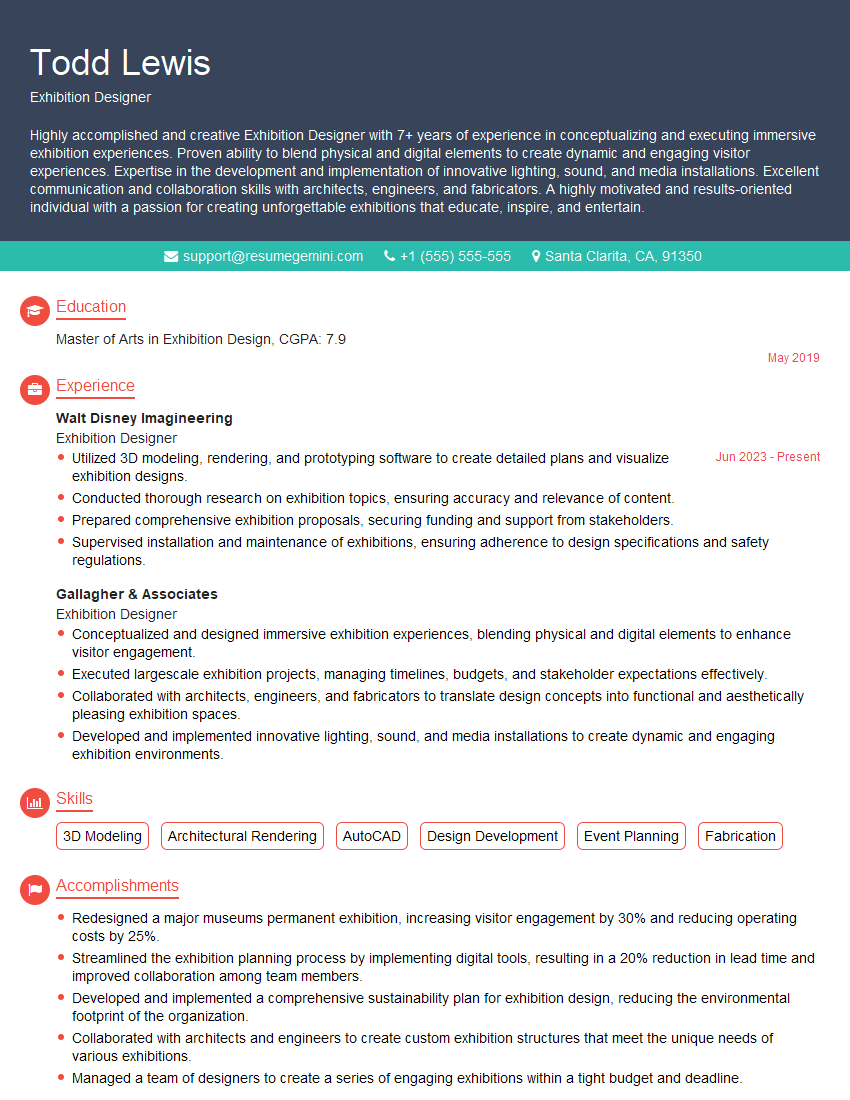
Exhibition Designer Resume Sample
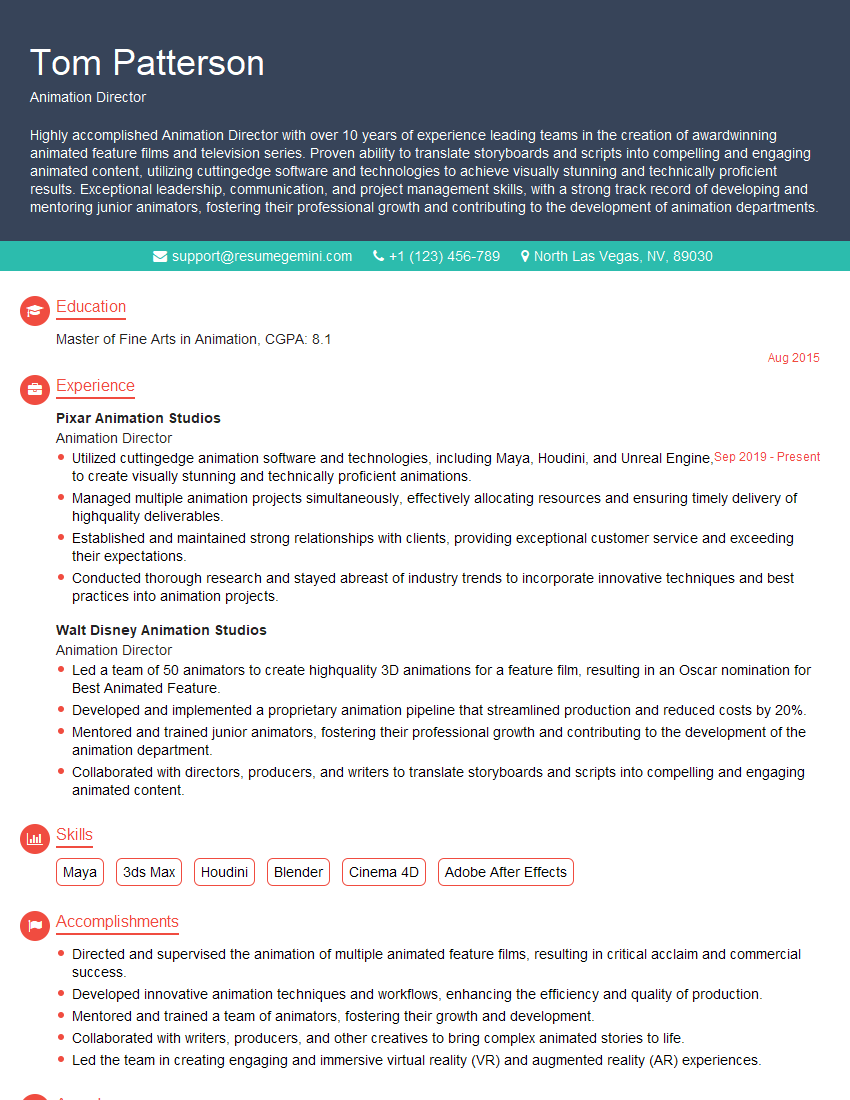
Animation Director Resume Sample
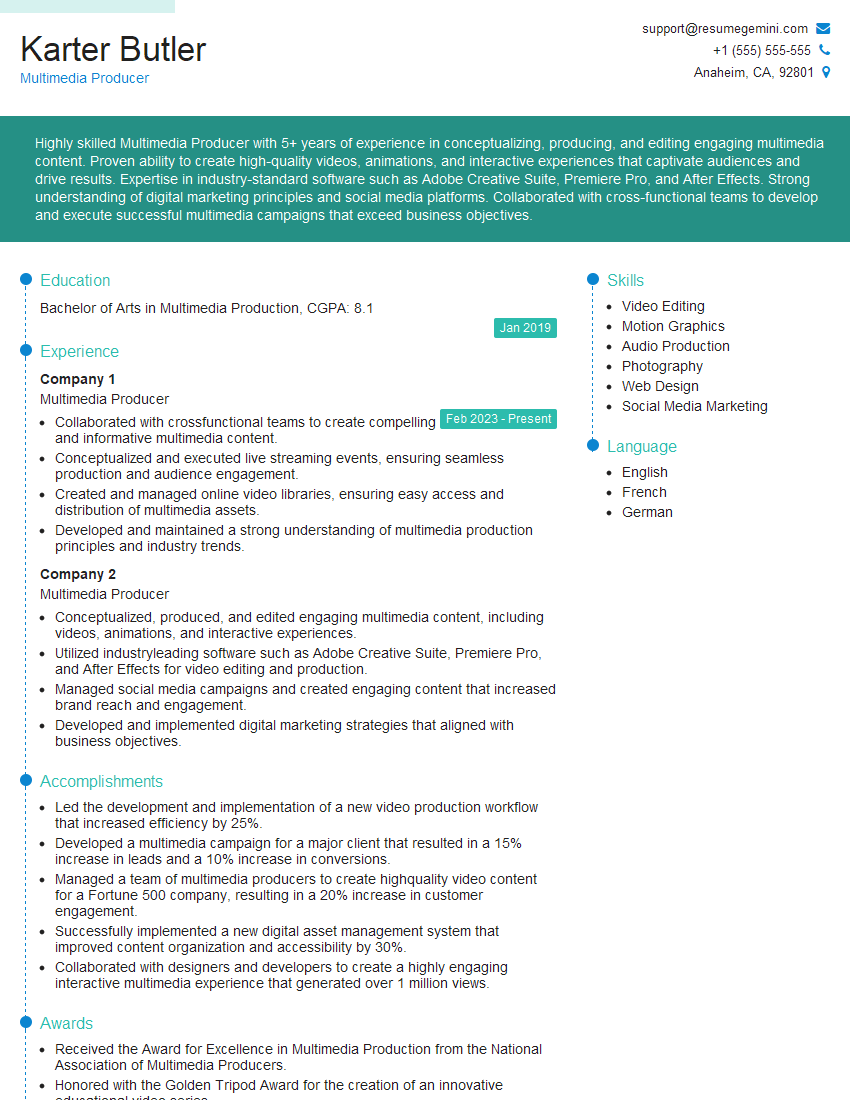
Multimedia Producer Resume Sample
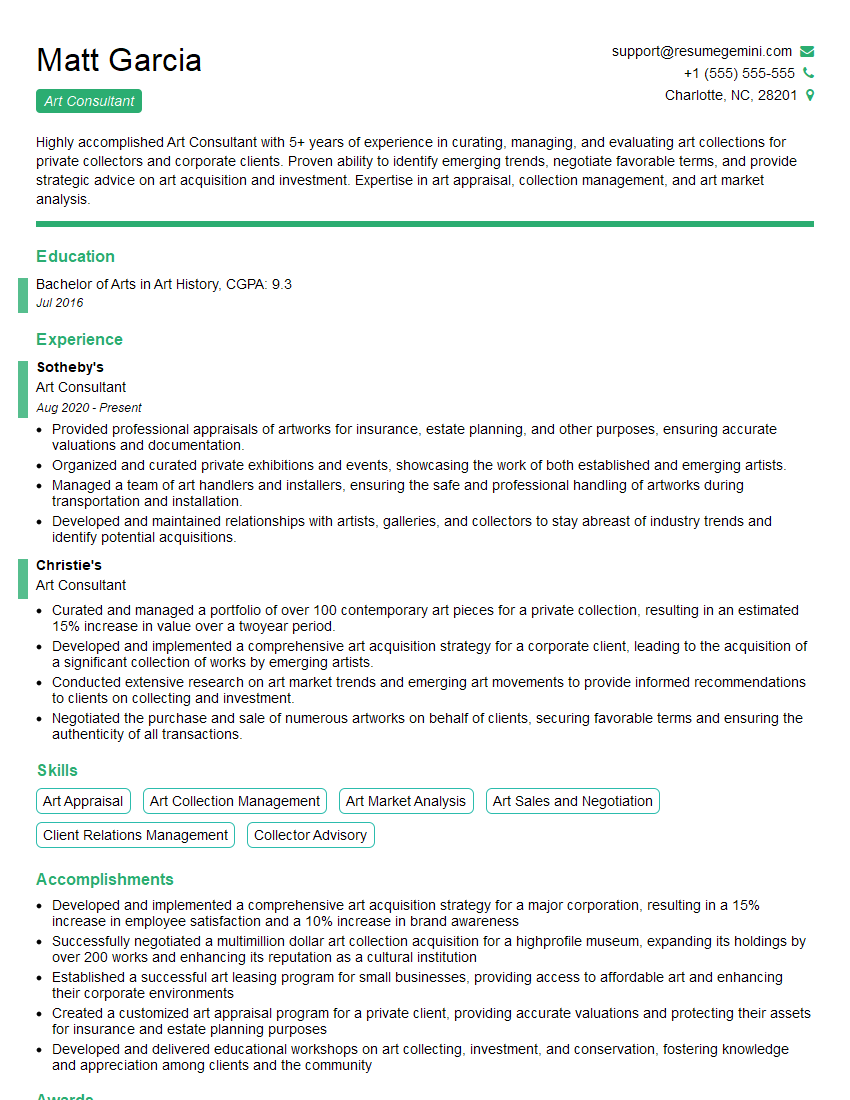
Art Consultant Resume Sample
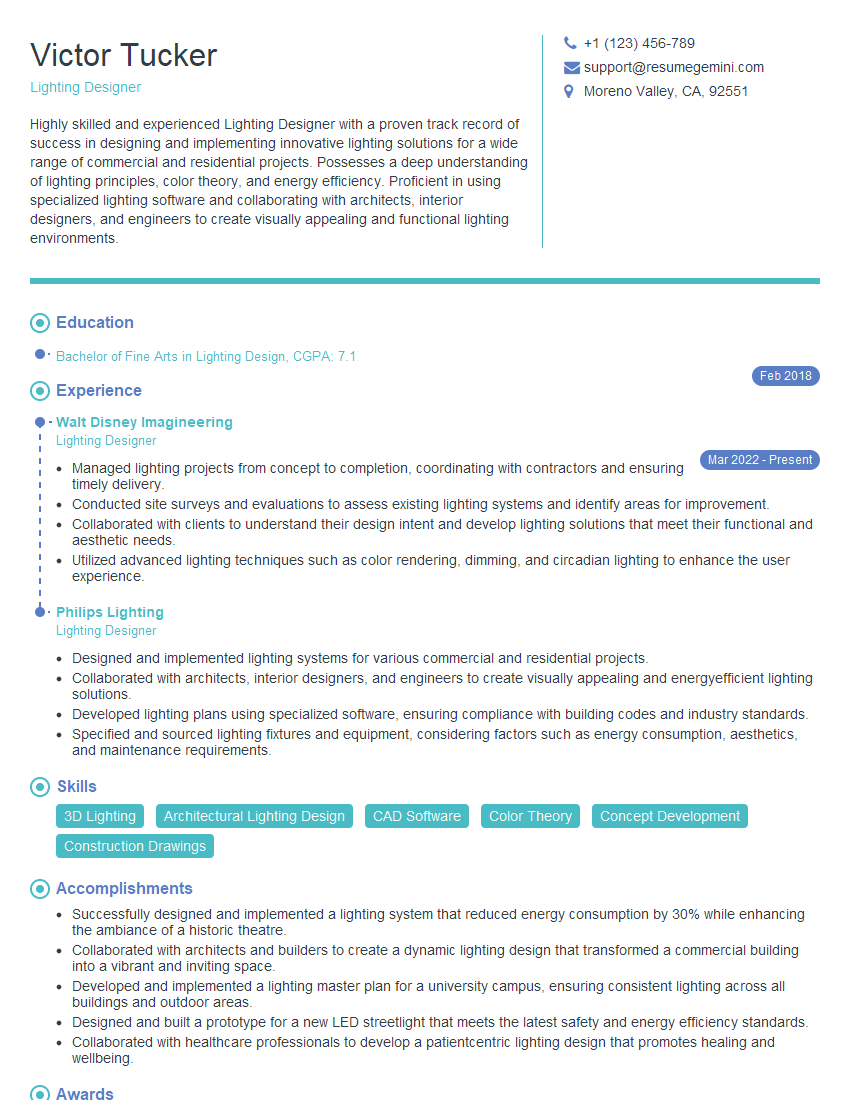
Lighting Designer Resume Sample
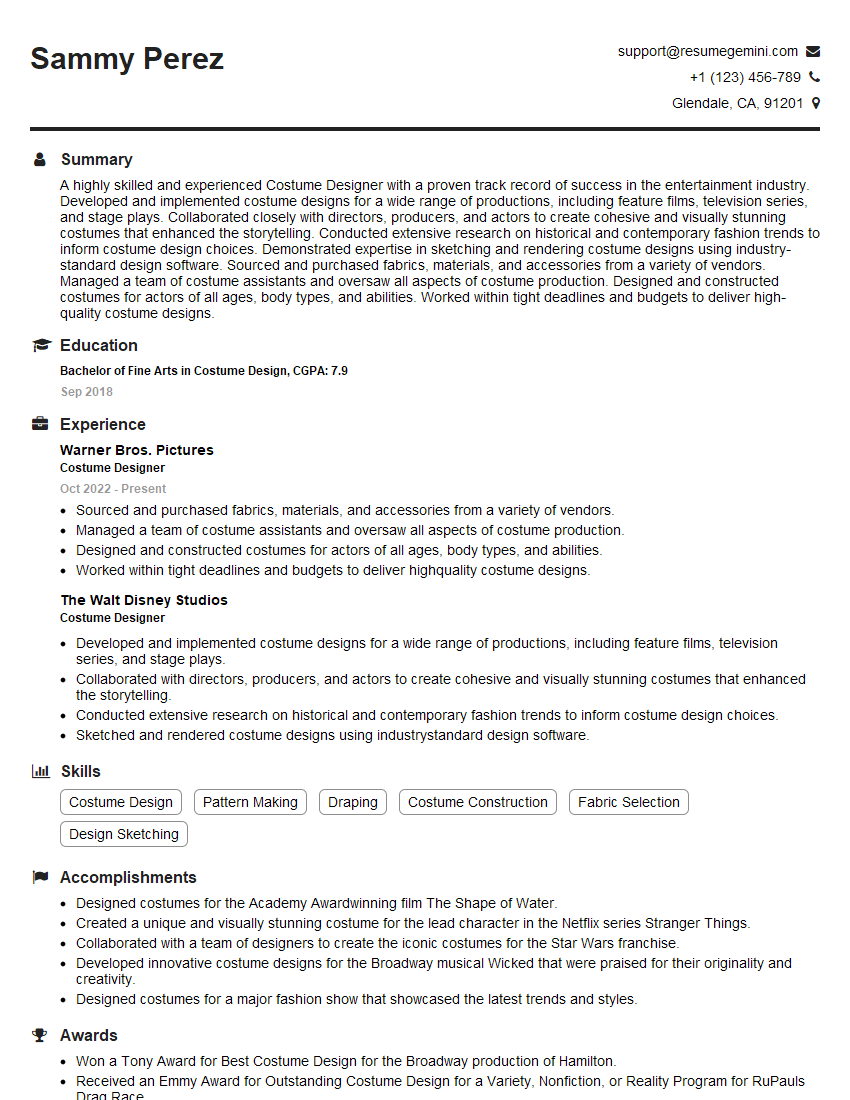
Costume Designer Resume Sample
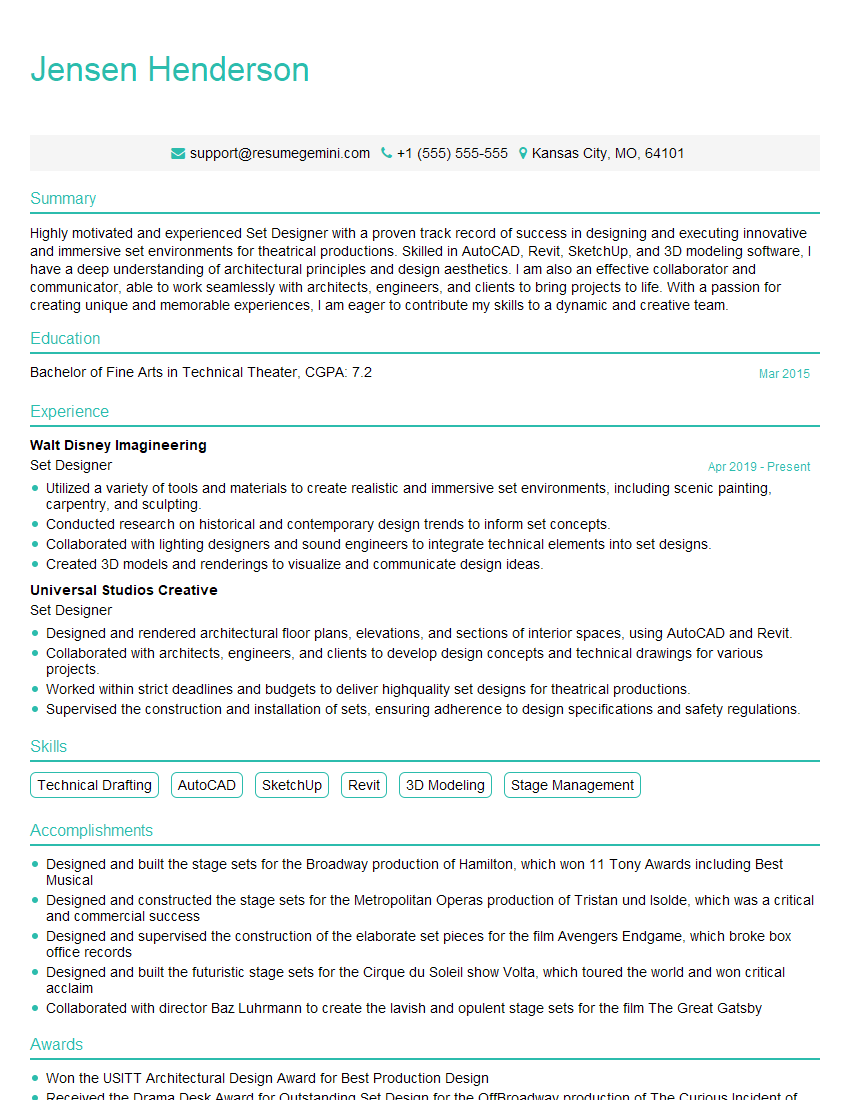
Set Designer Resume Sample
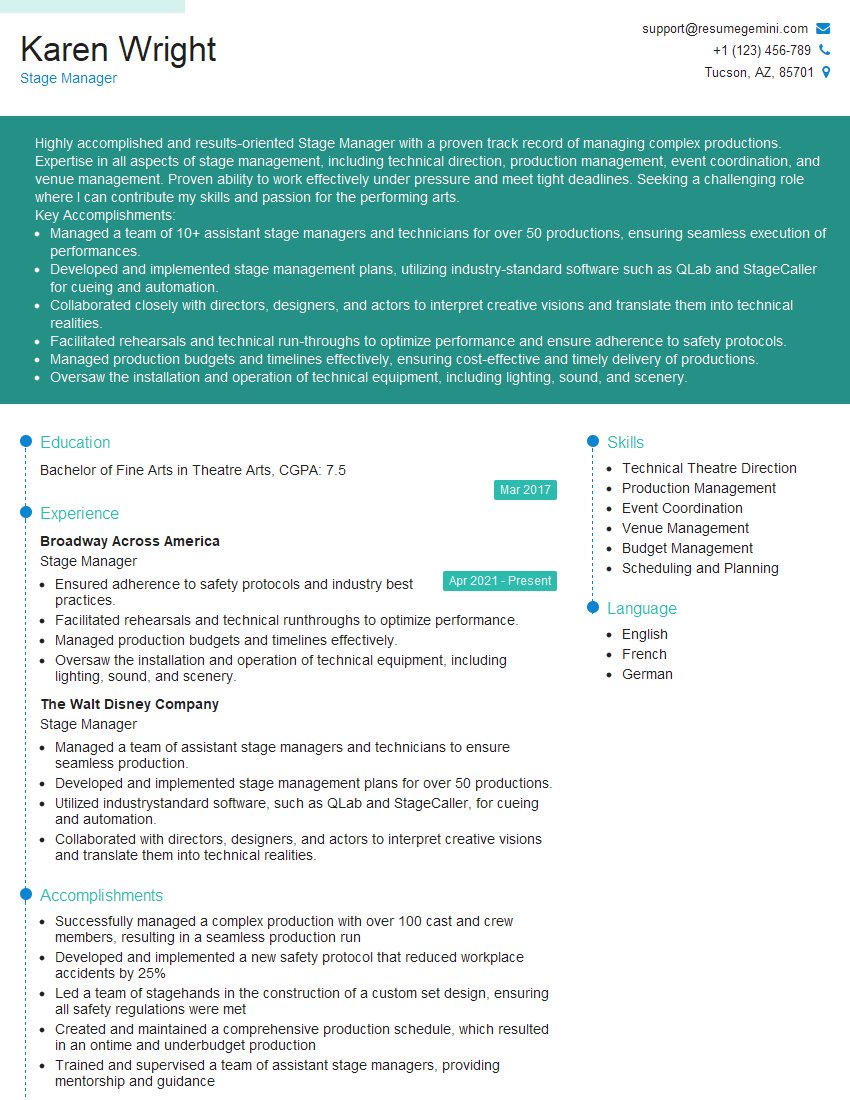
Stage Manager Resume Sample
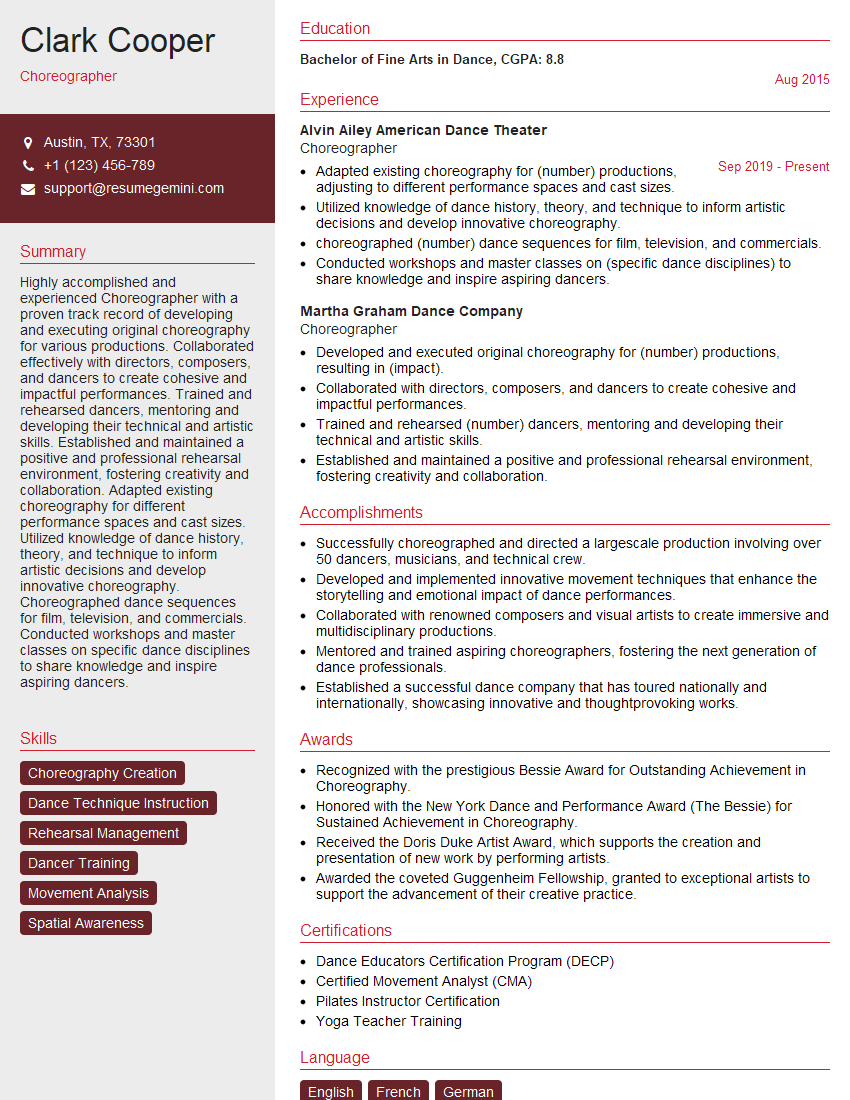
Choreographer Resume Sample
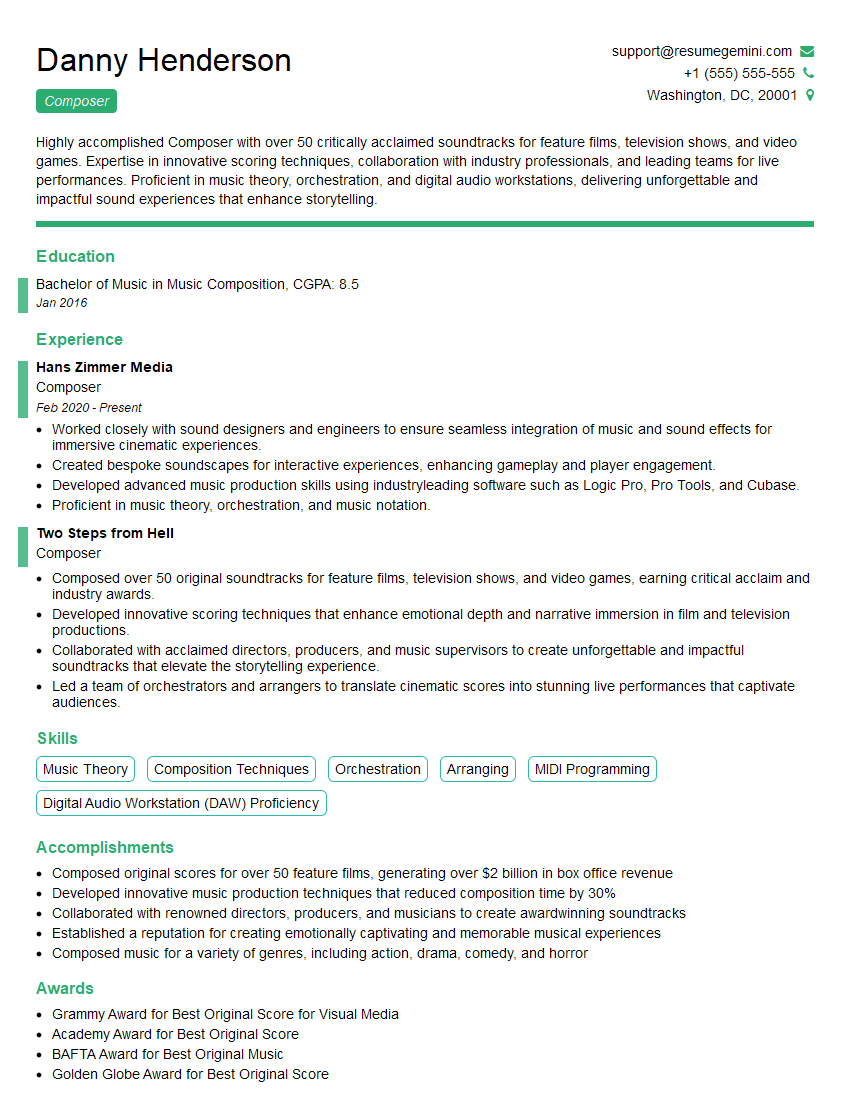
Composer Resume Sample
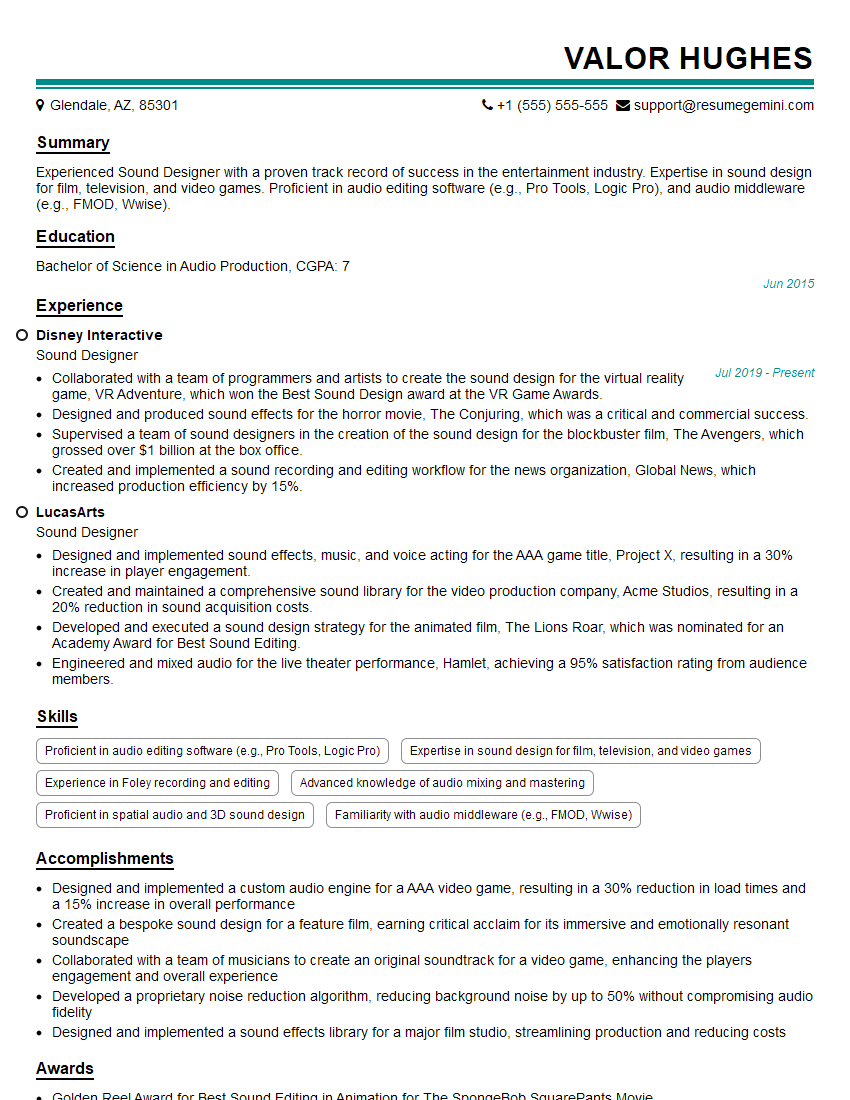
Sound Designer Resume Sample
Explore more articles
Users Rating of Our Blogs
Share Your Experience
We value your feedback! Please rate our content and share your thoughts (optional).
What Readers Say About Our Blog
Very informative content, great job.
good