Unlock your full potential by mastering the most common Collaborative Composition interview questions. This blog offers a deep dive into the critical topics, ensuring you’re not only prepared to answer but to excel. With these insights, you’ll approach your interview with clarity and confidence.
Questions Asked in Collaborative Composition Interview
Q 1. Explain your experience managing collaborative writing projects.
Managing collaborative writing projects requires a blend of organizational skills, communication prowess, and a deep understanding of individual strengths. My approach centers around establishing clear goals, defining roles, and fostering a supportive environment. I begin by outlining a project plan that includes milestones, deadlines, and a breakdown of tasks. This plan is collaboratively developed, ensuring everyone understands their responsibilities and how their contributions fit into the bigger picture. For instance, in a recent project developing a white paper on AI ethics, we established weekly check-ins to track progress and address any roadblocks. We used a shared online document for real-time collaboration and a project management tool to assign tasks and monitor deadlines. This transparency ensured accountability and prevented misunderstandings.
Furthermore, I actively facilitate communication, encouraging open dialogue and feedback among team members. Regular meetings, both synchronous and asynchronous, provide opportunities for discussion and brainstorming. I also utilize various communication channels – email, instant messaging, and project management software – to ensure information dissemination remains efficient and transparent. This multi-pronged strategy significantly aids in effective project management, leading to timely completion and high-quality output.
Q 2. Describe your preferred methods for resolving conflicts in group writing sessions.
Conflict resolution in group writing is crucial for a positive and productive environment. My approach is based on empathy, clear communication, and a focus on finding mutually beneficial solutions. I start by actively listening to all perspectives, ensuring everyone feels heard and understood. This often involves rephrasing statements to clarify meaning and avoid misunderstandings. Then, I guide the discussion towards identifying the root cause of the conflict, separating the issue from the individuals involved. For example, if a disagreement arises over the tone of a particular section, I’d focus on the desired impact of the section rather than criticizing individual writing styles.
Next, I facilitate brainstorming to explore various solutions, encouraging creative problem-solving. I may propose compromises or suggest alternative approaches. The goal isn’t to simply choose one side but to find a solution that aligns with the overall project goals and respects the diverse viewpoints within the team. Finally, I emphasize the importance of constructive criticism and collaborative decision-making. This approach fosters a culture of respect and mutual understanding, resulting in a stronger final product and improved team cohesion.
Q 3. How do you ensure consistency in style and tone across a collaboratively written document?
Maintaining consistent style and tone across a collaboratively written document requires a proactive and structured approach. Before the project begins, we establish a style guide that outlines specific requirements for grammar, punctuation, vocabulary, and overall tone. This guide serves as a reference point for all team members. We might use existing style guides like the Chicago Manual of Style or the AP Stylebook as a basis, tailoring them to the specific needs of the project.
During the writing process, I encourage consistent use of the style guide and provide regular feedback. Tools like Grammarly or ProWritingAid can be integrated to help maintain grammatical consistency and identify potential style discrepancies. Furthermore, I often assign a dedicated editor or proofreader to review the final document for consistency before publication. A final review with the entire team to spot inconsistencies, using the agreed upon style guide as a checklist, is essential. This layered approach minimizes inconsistencies and ensures the final document reads smoothly and professionally.
Q 4. What software or tools have you used to facilitate collaborative writing?
My experience encompasses a wide range of software and tools designed for collaborative writing. I’ve extensively used Google Docs for its real-time collaborative editing capabilities, allowing multiple authors to work simultaneously on a single document. This promotes efficiency and facilitates easy tracking of changes. For larger projects with more complex workflows, I’ve utilized Microsoft SharePoint and other project management tools for document version control, task assignment, and progress tracking. In instances requiring more sophisticated collaborative features, such as simultaneous writing and editing of code within a document, I’ve employed platforms like Overleaf (for LaTeX documents). The choice of platform depends heavily on project specifics and team preferences, but the key is ensuring seamless collaboration and efficient version control.
Q 5. How do you handle differing opinions or creative approaches within a collaborative writing team?
Differing opinions and creative approaches are not just inevitable but beneficial in collaborative writing. They lead to richer, more nuanced outputs. My approach centers on fostering an inclusive environment where diverse viewpoints are valued and celebrated. I encourage open discussion, where team members can freely express their ideas and provide constructive criticism. I use techniques like brainstorming sessions to generate a wide range of options, and then employ a structured process – such as a weighted voting system or a decision matrix – to reach a consensus on the best approach.
In cases of significant disagreement, I facilitate mediation, helping team members understand each other’s perspectives and find common ground. I might suggest compromises or alternative solutions that incorporate elements from various suggestions. The focus is always on finding a solution that maintains the overall quality and coherence of the document while respecting individual creativity. It’s essential to remember that the collaborative process isn’t about forcing conformity but about creating synergy from diverse ideas.
Q 6. Describe your process for assigning tasks and responsibilities in a group writing project.
Assigning tasks and responsibilities is crucial for efficient collaborative writing. My approach involves a combination of individual strengths and project requirements. I begin by understanding the skills and experience of each team member. Then, I break down the project into smaller, manageable tasks – outlining, drafting, editing, proofreading – each tailored to specific expertise. For instance, if one team member is particularly skilled in data analysis, they might be assigned to the section requiring data interpretation and presentation. This approach leverages individual strengths, resulting in a higher quality output.
Task assignment is often a collaborative process. I discuss the task breakdown with the team, ensuring everyone understands their roles and responsibilities. We use a project management tool to assign tasks, set deadlines, and monitor progress. This ensures transparency and accountability. I also facilitate regular communication to address any issues or concerns that arise during the task execution, ensuring everyone remains on track.
Q 7. How do you ensure all team members contribute effectively to a collaborative writing project?
Ensuring effective contribution from all team members requires a multi-faceted approach. First and foremost, I foster a culture of inclusivity and respect, where every voice is valued. I ensure that all team members have a clear understanding of the project’s goals and their individual roles in achieving them. Regular communication, both formal and informal, is crucial. This includes holding team meetings, using instant messaging for quick updates, and using project management tools for tracking progress and deadlines.
I actively monitor each member’s contributions and provide regular feedback, offering support and guidance where needed. I also identify and address any potential roadblocks or challenges that might hinder their contribution. For example, if a team member is struggling with a specific task, I might offer additional training or resources or pair them with a more experienced colleague. By proactively managing communication, providing constructive feedback, and offering support, I ensure that every team member is actively engaged and contributes their best work.
Q 8. Explain your approach to providing constructive feedback in a collaborative writing setting.
Constructive feedback in collaborative writing is crucial for improvement and achieving a unified voice. My approach focuses on being specific, actionable, and encouraging. I avoid vague criticisms like “this is unclear” and instead pinpoint the exact sentence or paragraph needing revision, explaining why it’s problematic and suggesting concrete solutions. For instance, instead of saying “the introduction is weak,” I might say, “The introduction lacks a clear thesis statement. Consider adding a sentence explicitly stating the paper’s main argument.” I always frame my feedback positively, focusing on what can be improved rather than dwelling on what’s wrong. I also believe in active listening and understanding the author’s perspective before offering suggestions; it fosters a more receptive environment for feedback. Finally, I prioritize a two-way conversation, ensuring the author understands my comments and has a chance to ask clarifying questions.
Q 9. How do you manage deadlines and milestones in collaborative writing projects?
Managing deadlines and milestones in collaborative writing involves meticulous planning and proactive communication. I begin by establishing clear project goals and breaking down the larger project into smaller, manageable tasks with assigned due dates. This allows for better tracking of progress. We use a shared project management tool (like Trello or Asana) to visualize tasks, their statuses, and individual responsibilities. Regular check-in meetings, perhaps weekly or bi-weekly, are crucial to monitor progress, address roadblocks, and readjust schedules as needed. Open communication is key; team members need to feel comfortable escalating potential delays early on. Contingency plans should be in place to handle unexpected events. For example, we might have a buffer built into the schedule to account for unforeseen challenges. Transparency is crucial; everyone understands the overall timeline and their individual role in meeting it.
Q 10. How do you integrate feedback from multiple stakeholders into a collaborative document?
Integrating feedback from multiple stakeholders requires a systematic approach. I often use a version-control system (like Git, for example) to track all changes and comments. Each stakeholder’s feedback is documented, either through the version control system’s comment features or a dedicated feedback document. I then synthesize the feedback, prioritizing comments based on their relevance and importance. Conflicting feedback is addressed through discussion and negotiation, finding compromises that satisfy the majority of concerns while adhering to the overall project goals. If there’s a clear hierarchy of stakeholders, I’ll prioritize feedback from higher-ups, but I always aim to justify any decisions made based on the overall quality and consistency of the document. For example, I might create a summary of all feedback, categorize it by type, and then explain my rationale for choosing certain revisions over others.
Q 11. What strategies do you use to foster communication and collaboration within a writing team?
Fostering effective communication and collaboration requires establishing clear communication channels and fostering a supportive environment. We use a combination of tools, including instant messaging platforms (like Slack) for quick questions and updates, email for formal communication and document sharing, and regular video conferencing for more in-depth discussions. Establishing clear roles and responsibilities from the outset prevents confusion and ensures everyone understands their contribution. Regular team meetings, ideally face-to-face or virtual, are crucial for building rapport, addressing concerns, and maintaining momentum. Open dialogue and active listening are paramount. I encourage team members to openly express their ideas, concerns, and feedback, creating a safe space where everyone feels valued and heard. Finally, recognizing and appreciating individual contributions boosts morale and reinforces collaboration.
Q 12. Describe a time you had to adapt your writing style to match the style of others in a collaborative project.
In one project, I had to adapt my typically formal academic writing style to match the more informal and conversational tone preferred by the other authors, who were experienced journalists. Initially, my writing felt out of place, but I actively worked to incorporate their preferred style. I studied their writing samples, paying attention to sentence structure, vocabulary, and overall flow. I consciously used shorter, more direct sentences, replacing complex jargon with simpler terms. I also incorporated more anecdotes and personal experiences to match the conversational tone. The process involved actively listening to feedback and incorporating it iteratively. By actively observing and emulating their style, while ensuring factual accuracy and clarity remained paramount, I was able to successfully integrate my writing within the team’s overall voice.
Q 13. How do you handle situations where a team member is not meeting their responsibilities?
Addressing a team member not meeting their responsibilities requires a multi-step approach starting with private and direct communication. I’d schedule a one-on-one meeting to understand the reasons behind the delay. Are there personal issues, lack of clarity on the tasks, or insufficient resources? Once the root cause is identified, we collaboratively brainstorm solutions. This could involve adjusting deadlines, re-assigning tasks, offering support or training, or providing additional resources. If the issue persists after providing support, I would escalate the problem to project management or leadership, outlining the steps already taken and the continued lack of progress. The goal is to find a supportive solution while maintaining project integrity. Ultimately, if the situation continues unaddressed, despite these interventions, difficult decisions may need to be made regarding the team member’s involvement.
Q 14. How do you ensure version control and track changes in a collaborative document?
Version control is paramount in collaborative writing. We consistently use a version control system like Git, integrated with platforms such as GitHub or GitLab. Every change made to the document is tracked, allowing us to revert to previous versions if needed and easily identify who made specific revisions. This is crucial for maintaining a clear history of edits and resolving conflicts. The use of commenting features within the version control system helps us leave detailed feedback directly within the document, enhancing collaboration and traceability. This ensures accountability and allows us to easily track the evolution of the document, identifying authorship of different sections and resolving potential conflicts efficiently. This methodical approach prevents overwriting each other’s work and facilitates a smooth, transparent workflow.
Q 15. What is your experience with using cloud-based collaborative writing tools?
My experience with cloud-based collaborative writing tools is extensive. I’ve worked extensively with platforms like Google Docs, Microsoft SharePoint, and Overleaf (for LaTeX projects). These tools are invaluable for collaborative composition, offering real-time co-authoring, version history tracking, and comment features that facilitate seamless teamwork. For example, during a recent marketing campaign white paper project, Google Docs allowed multiple writers to work concurrently on different sections, significantly speeding up the writing process. The version history feature proved crucial in resolving conflicting edits and reverting to previous versions when necessary. I’m also proficient in using collaborative project management tools like Asana and Trello integrated with these writing platforms to manage deadlines and tasks effectively.
Career Expert Tips:
- Ace those interviews! Prepare effectively by reviewing the Top 50 Most Common Interview Questions on ResumeGemini.
- Navigate your job search with confidence! Explore a wide range of Career Tips on ResumeGemini. Learn about common challenges and recommendations to overcome them.
- Craft the perfect resume! Master the Art of Resume Writing with ResumeGemini’s guide. Showcase your unique qualifications and achievements effectively.
- Don’t miss out on holiday savings! Build your dream resume with ResumeGemini’s ATS optimized templates.
Q 16. Describe your process for brainstorming and outlining a collaborative writing project.
My brainstorming and outlining process for collaborative projects is highly structured and iterative. It begins with a kickoff meeting where we define the project’s scope, target audience, and overall objectives. We then engage in a free-flowing brainstorming session, using techniques like mind mapping or affinity diagramming to generate ideas. Following this, we collaboratively create a detailed outline, assigning sections to individual team members based on their expertise and preferences. This outline serves as a dynamic roadmap, frequently revisited and revised throughout the writing process to accommodate emerging ideas and evolving insights. For example, in a recent academic paper project, we used a shared Google Doc to collaboratively develop the outline, with each member assigning themselves specific sections and providing their input on the structure of other sections.
Q 17. How do you ensure the final product reflects the collective vision of the writing team?
Ensuring the final product reflects the collective vision requires consistent communication and a collaborative editing process. We employ regular check-in meetings throughout the project to review progress, address concerns, and ensure alignment on the overall tone, style, and message. A designated editor (often rotating amongst team members) is responsible for harmonizing different writing styles and ensuring stylistic consistency. Furthermore, we use a feedback loop system where each member reviews and provides constructive criticism on other members’ work. This iterative feedback loop ensures that everyone’s ideas are considered and incorporated into the final product. The final draft is always reviewed by all team members before submission.
Q 18. How do you navigate different writing styles and perspectives within a group?
Navigating different writing styles and perspectives requires empathy, clear communication, and a structured approach. We start by establishing clear writing guidelines early in the project, defining the target audience, desired tone, and style. During the writing process, differences are discussed openly and respectfully, focusing on the content’s effectiveness rather than personal preferences. Tools like collaborative editing software enable us to track changes and provide comments directly on the text, facilitating open discussion and resolution of stylistic disagreements. Often, a compromise or synthesis of styles leads to a richer and more compelling final product. We might, for example, combine a more formal, academic style in one section with a more engaging, narrative style in another, based on the context and target audience.
Q 19. How would you address plagiarism concerns in a collaborative writing environment?
Addressing plagiarism concerns in a collaborative environment is paramount. We begin by establishing clear expectations regarding academic integrity and proper citation practices. Every team member receives training on plagiarism detection tools and the importance of original thought. We also utilize plagiarism detection software to scan the final draft, ensuring originality. During the writing process, it’s crucial to explicitly assign authorship for each section and clearly cite all sources. Transparency and open communication about the sources used for every section significantly reduces the chances of accidental plagiarism.
Q 20. What methods do you use to maintain momentum and motivation within a collaborative writing team?
Maintaining momentum and motivation requires a proactive and supportive team environment. We establish clear deadlines and milestones, breaking down the project into smaller, manageable tasks. Regular check-in meetings not only monitor progress but also provide opportunities for team members to share their challenges and successes. Celebrating milestones, acknowledging individual contributions, and fostering a sense of shared purpose are key to maintaining motivation. We might, for instance, implement a system of peer recognition or hold informal social gatherings to boost team morale and foster a positive collaborative atmosphere.
Q 21. Explain your approach to delegating tasks and responsibilities in a group writing project.
My approach to delegating tasks and responsibilities is based on individual strengths, expertise, and workload. After the initial outline is created, we collaboratively assign sections or tasks to team members based on their skills and interests. This ensures that individuals are working on tasks they’re well-equipped to handle and helps them to feel a sense of ownership and engagement. We utilize project management tools to track progress, ensure accountability, and manage dependencies between tasks. Regular communication and adjustments ensure that tasks are appropriately allocated and re-allocated as needed, preventing bottlenecks and maintaining project momentum.
Q 22. Describe your experience with different collaborative writing platforms and their strengths/weaknesses.
My experience with collaborative writing platforms spans several popular options, each with its own strengths and weaknesses. I’ve extensively used Google Docs, Microsoft Word Online, and Overleaf (for LaTeX documents).
- Google Docs: Strengths include real-time co-editing, version history, and easy accessibility. Weaknesses can be formatting inconsistencies if multiple users aren’t familiar with collaborative etiquette and potential lag with very large documents.
- Microsoft Word Online: Similar to Google Docs in terms of real-time co-editing and version history. It offers a more familiar interface for users accustomed to Microsoft Word, but might lack some advanced features found in the desktop version.
- Overleaf: Excellent for collaborative LaTeX projects. Strengths include version control, integrated compilation, and a clean interface for technical writing. The weakness is the steeper learning curve associated with LaTeX itself, making it less accessible for those unfamiliar with the markup language.
My choice of platform depends on the project’s needs and the team’s technical proficiency. For instance, a simple project with a team comfortable with Google Docs would benefit from its simplicity. A complex technical document would ideally use Overleaf for its superior version control and LaTeX capabilities.
Q 23. How would you handle a situation where a team member is resistant to feedback or suggestions?
Handling resistance to feedback requires a tactful and empathetic approach. It’s crucial to understand the root cause of the resistance. Is it fear of criticism, disagreement with the suggestions, or a lack of understanding?
- Open Communication: I would initiate a private conversation, creating a safe space for the team member to express their concerns without feeling judged.
- Active Listening: I would carefully listen to their perspective, acknowledging their feelings and validating their contributions.
- Constructive Feedback: I’d frame feedback as collaborative suggestions rather than criticisms, focusing on the text’s impact and how improvements can strengthen the overall piece. Using phrases like “I wonder if we could try…” or “Have you considered…?” softens the impact.
- Focus on Shared Goals: I would reiterate the project’s goals and how the suggested changes align with achieving those objectives.
- Compromise and Iteration: I’d be open to exploring alternative solutions or compromises to address their concerns while still making progress.
For example, if a team member was resistant to a suggested restructuring, I might suggest a trial run of the restructuring on a smaller section of the document to demonstrate its benefits.
Q 24. What is your process for reviewing and editing a collaboratively written document?
My review and editing process for collaboratively written documents is a multi-stage approach emphasizing clarity, consistency, and accuracy.
- Initial Review for Clarity and Coherence: I read the document as a whole, focusing on the overall flow, argumentation, and clarity of the writing. This stage pinpoints major structural issues or inconsistencies in tone.
- Section-by-Section Review: I then move to a more detailed, section-by-section review. This allows for a thorough check for grammatical errors, stylistic inconsistencies, and factual accuracy.
- Style Guide Adherence: I ensure that the document adheres to any established style guide (e.g., APA, MLA, Chicago).
- Feedback and Iteration: After the initial review, I provide feedback to the team, usually using tracked changes or comments within the document. We then discuss the feedback and work iteratively to refine the text.
- Final Proofread: A final proofread is crucial to catch any remaining errors before submission. This often involves a fresh pair of eyes.
This staged approach ensures that the document is not only error-free but also achieves its communicative goals. It also encourages a culture of constructive feedback and improvement.
Q 25. How do you ensure inclusivity and diverse voices are represented in your collaborative writing?
Ensuring inclusivity and diverse voices are paramount. This starts with conscious team selection, aiming for a variety of perspectives and backgrounds.
- Establish Inclusive Guidelines: Before commencing, I establish clear guidelines promoting respectful communication and equitable contributions. This includes actively discouraging biases and promoting sensitivity to diverse cultural backgrounds.
- Diverse Perspectives Brainstorming: During brainstorming sessions, I employ techniques that encourage participation from all team members and value different perspectives. Techniques like round-robin brainstorming or anonymous idea generation can help level the playing field.
- Represent Diverse Voices: I actively ensure that different voices and perspectives are reflected in the final text. This goes beyond merely including a range of viewpoints; it requires carefully crafting language that avoids perpetuating stereotypes and promotes an inclusive narrative.
- Review for Bias: The final review process incorporates a check for implicit bias in language and representation.
For example, if writing about a historical event, I would ensure that the perspectives of marginalized groups are included, not just the dominant narrative.
Q 26. Describe your approach to managing different communication styles within a collaborative writing team.
Managing diverse communication styles requires understanding that different people communicate differently and appreciating these differences as strengths, not weaknesses.
- Establish Communication Preferences: Early on, I encourage team members to share their communication preferences (e.g., email, instant messaging, video conferencing). This helps tailor communication strategies to suit the team’s needs.
- Clear and Concise Communication: I maintain clear and concise communication to avoid misunderstandings, regardless of the communication style.
- Regular Check-ins: Regular check-in meetings, whether synchronous or asynchronous, provide opportunities to address concerns, clarify expectations, and ensure everyone feels heard.
- Feedback Mechanisms: Providing various feedback mechanisms, including written feedback, verbal discussion, and collaborative editing tools, caters to different communication styles.
For example, if one team member prefers email for detailed discussions while another prefers quick instant messages, I’d use both communication channels to make sure everyone feels comfortable participating.
Q 27. How would you address a conflict regarding the direction or focus of a collaborative writing project?
Conflicts regarding the project’s direction are inevitable. Addressing them involves a structured, collaborative approach.
- Identify the Core Issue: The first step is to clearly identify the source of the conflict. What specific aspects of the project’s direction are causing disagreement?
- Facilitate Open Discussion: Create a safe and respectful environment where all team members can express their concerns and perspectives without interruption.
- Explore Alternative Solutions: Brainstorm multiple potential solutions that could address the concerns of all parties. This might involve compromising on certain aspects or finding creative ways to integrate differing viewpoints.
- Decision-Making Process: Agree upon a clear decision-making process. This could involve voting, consensus building, or mediation if necessary.
- Document Agreement: Once a decision is made, document it clearly to avoid future misunderstandings.
For instance, if disagreements arose about the target audience, I might facilitate a discussion exploring market research to inform a shared understanding and ultimately reach a consensus.
Q 28. What strategies do you use to identify and mitigate potential roadblocks in a collaborative writing project?
Proactive identification and mitigation of roadblocks are crucial for successful collaborative writing.
- Define Clear Roles and Responsibilities: Assigning clear roles and responsibilities from the start prevents confusion and overlaps.
- Establish a Realistic Timeline: Creating a realistic and achievable project timeline with milestones helps track progress and identify potential delays early.
- Regular Progress Check-ins: Consistent progress check-ins allow for early detection of issues and prompt interventions.
- Resource Allocation: Ensuring adequate resources (time, technology, access to information) are available to the team from the outset prevents bottlenecks.
- Conflict Resolution Mechanisms: Establishing a clear process for conflict resolution allows for quick and effective handling of disagreements.
For example, if a team member’s technical skills were insufficient for a specific task, I’d identify this early and offer training, mentorship, or assign the task differently to avoid project delays.
Key Topics to Learn for Collaborative Composition Interview
- Understanding Collaborative Processes: Explore different collaborative writing models (e.g., synchronous vs. asynchronous, peer review methods), their strengths and weaknesses, and how to effectively adapt to various team dynamics.
- Communication & Feedback Strategies: Mastering constructive criticism, active listening, and clear articulation of ideas are crucial. Practice giving and receiving feedback effectively within a team setting.
- Project Management in Collaborative Writing: Learn to manage timelines, delegate tasks, track progress, and resolve conflicts within a collaborative writing project. Understanding tools like shared document platforms is beneficial.
- Conflict Resolution & Negotiation: Develop strategies for resolving disagreements about content, style, or approach. Practice effective negotiation and compromise to achieve a cohesive final product.
- Attribution & Authorship: Understand ethical considerations regarding authorship and intellectual property when collaborating on written works. Know how to properly attribute contributions and avoid plagiarism.
- Technological Tools for Collaboration: Familiarize yourself with various software and platforms used for collaborative writing (e.g., Google Docs, Microsoft Teams). Demonstrate understanding of their capabilities and limitations.
- Diverse Writing Styles & Perspectives: Learn to integrate diverse perspectives and writing styles into a cohesive and impactful final product. Understand how to navigate differences in writing approaches within a team.
Next Steps
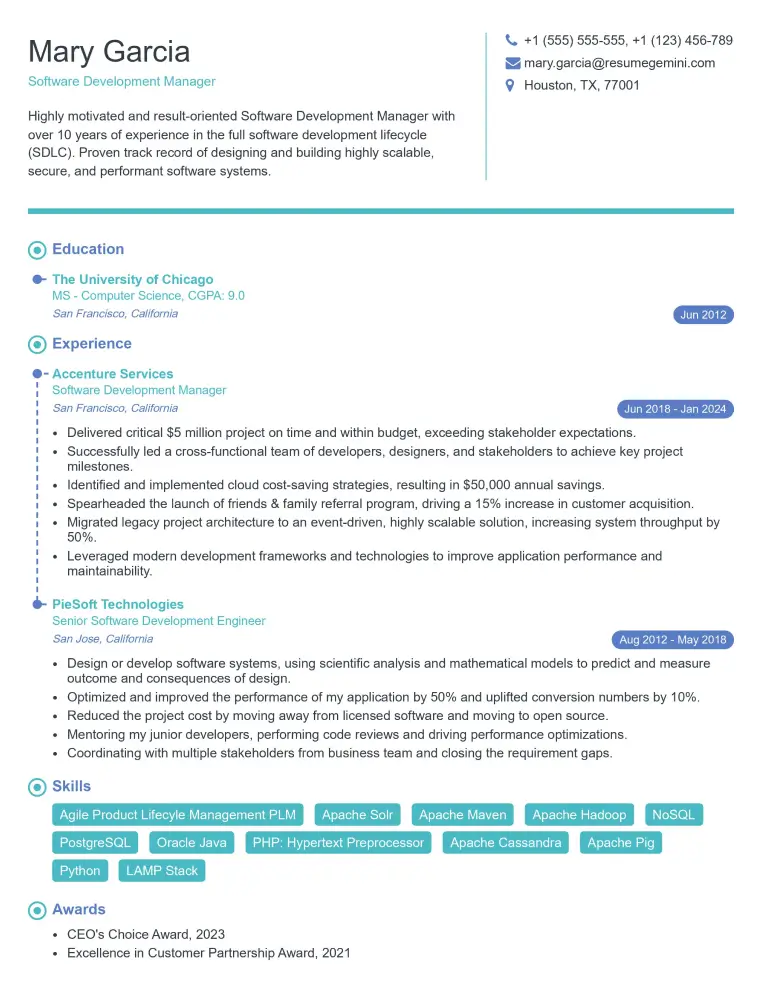
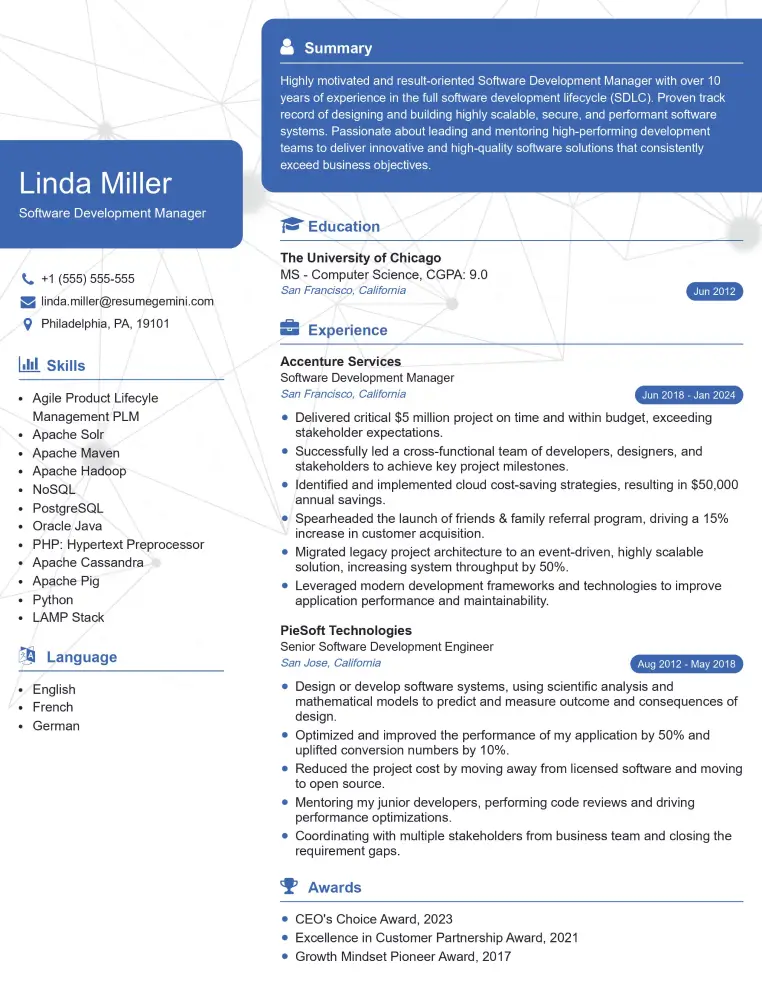
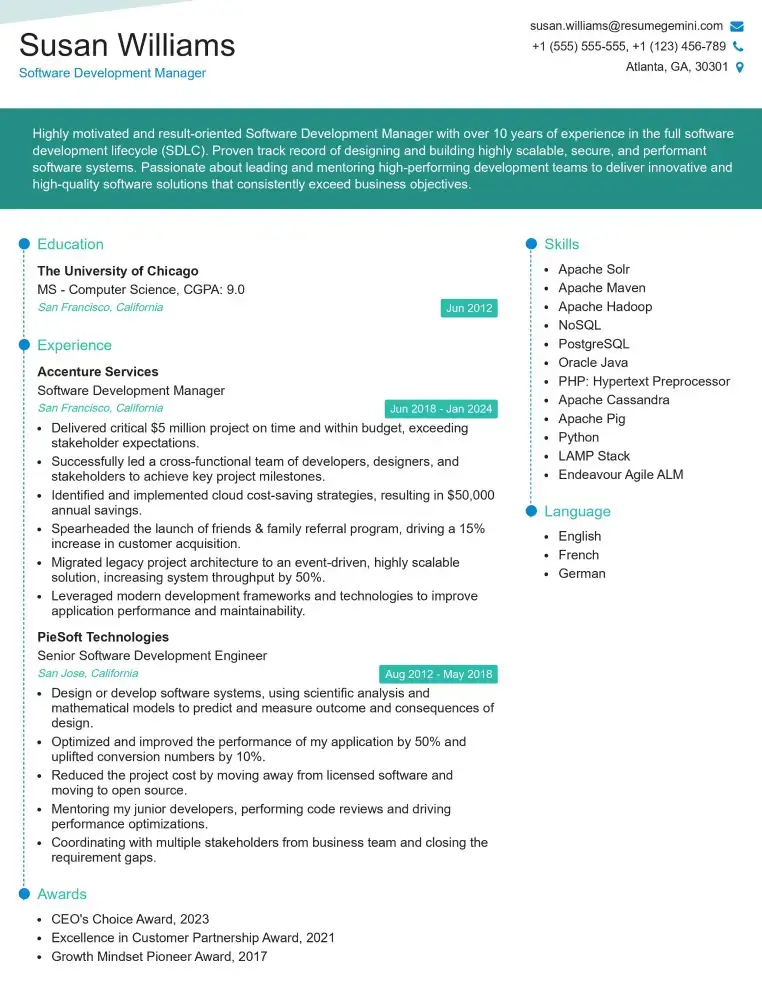
Mastering collaborative composition significantly enhances your career prospects across diverse fields, demonstrating vital teamwork, communication, and problem-solving skills highly valued by employers. To maximize your job search success, creating a strong, ATS-friendly resume is essential. ResumeGemini is a trusted resource that can help you build a professional resume that showcases your skills and experience effectively. We provide examples of resumes tailored to Collaborative Composition to help you get started. Take the next step towards your dream career – build your best resume today!
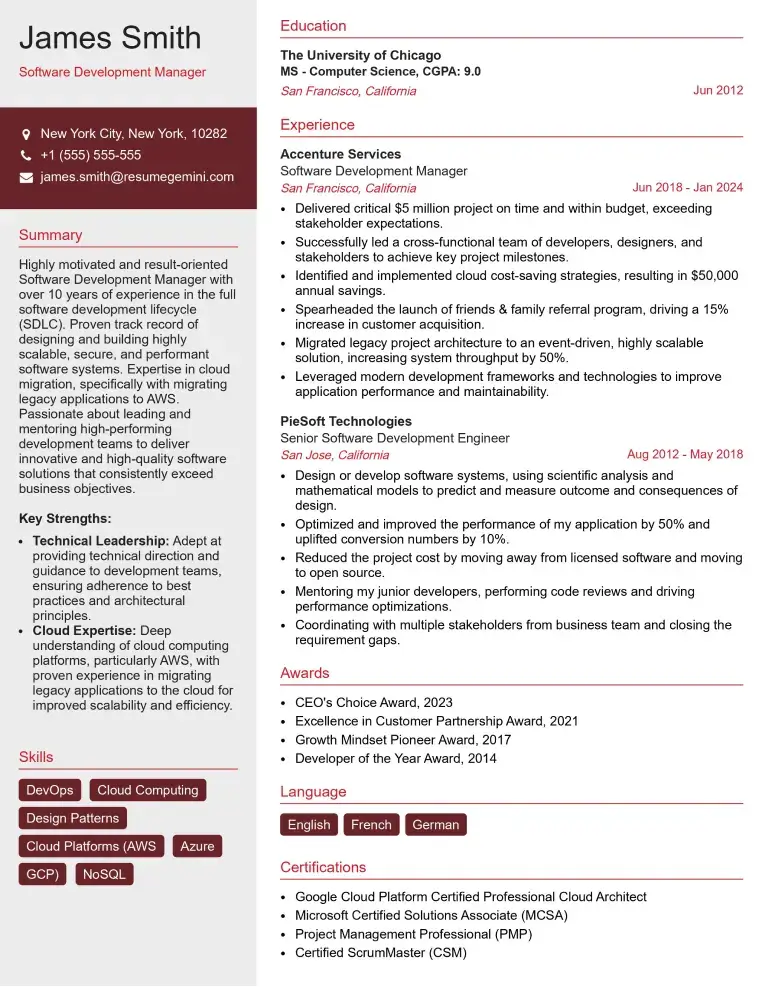
Check Out Resume Samples at ResumeGemini
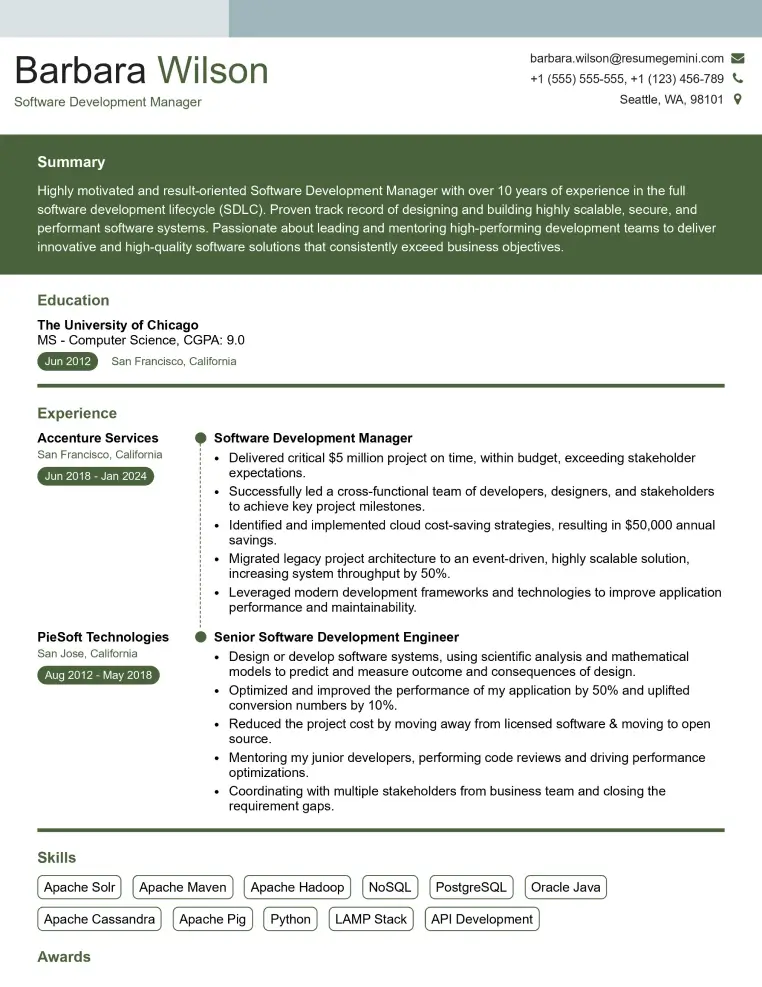
Check Out Resume Samples at ResumeGemini
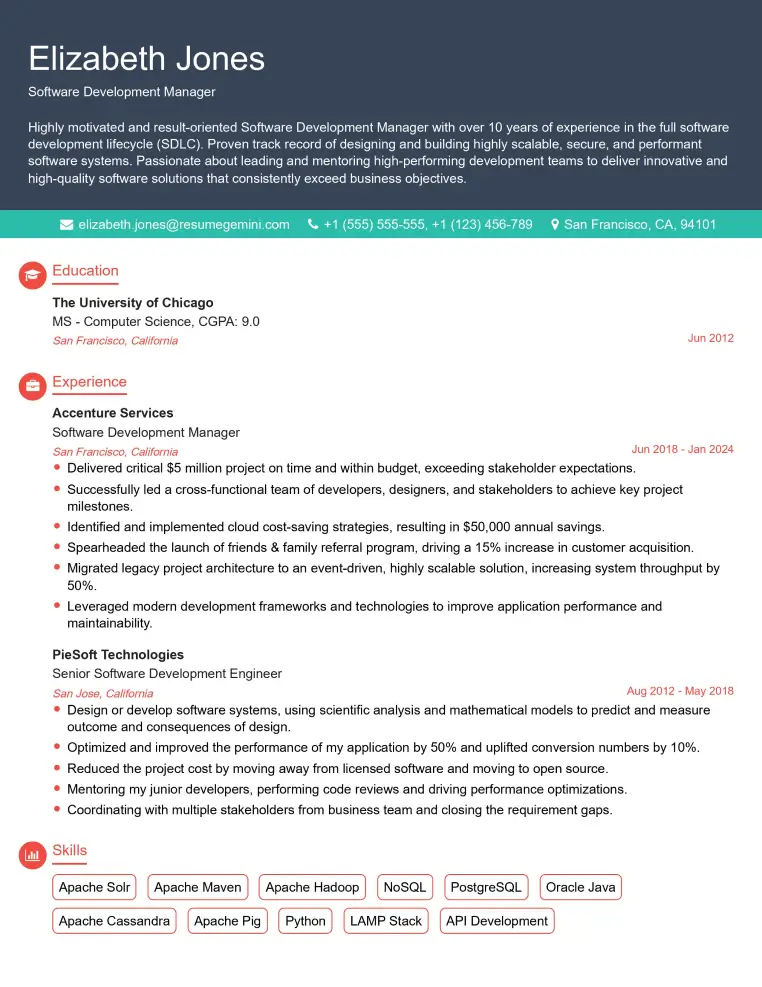
Check Out Resume Samples at ResumeGemini
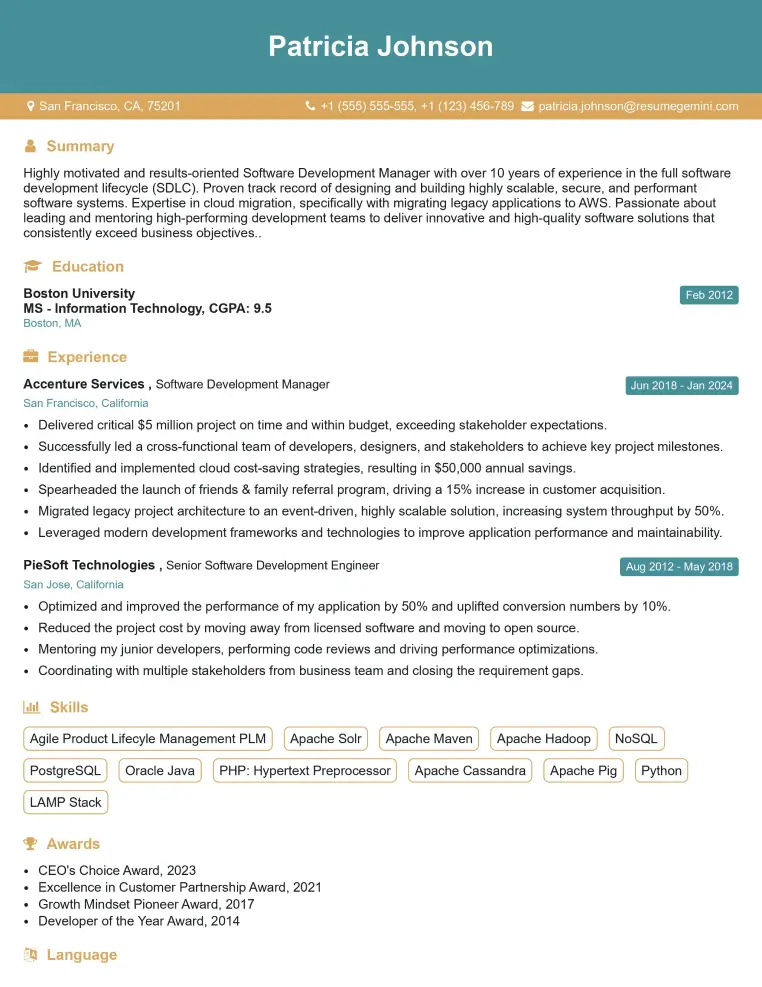
Check Out Resume Samples at ResumeGemini
Check Out Resume Samples at ResumeGemini
Check Out Resume Samples at ResumeGemini
Check Out Resume Samples at ResumeGemini
Explore more articles
Users Rating of Our Blogs
Share Your Experience
We value your feedback! Please rate our content and share your thoughts (optional).
What Readers Say About Our Blog
Very informative content, great job.
good