Unlock your full potential by mastering the most common Color Theory and Material Selection interview questions. This blog offers a deep dive into the critical topics, ensuring you’re not only prepared to answer but to excel. With these insights, you’ll approach your interview with clarity and confidence.
Questions Asked in Color Theory and Material Selection Interview
Q 1. Explain the difference between additive and subtractive color mixing.
Additive and subtractive color mixing represent two fundamentally different approaches to creating color. Additive mixing involves combining lights of different colors, while subtractive mixing involves combining pigments or dyes.
Additive Mixing: Think of your television or computer screen. These use red, green, and blue (RGB) light sources. When these lights are combined, they create other colors. Mixing all three at full intensity results in white light. This is because light is being added together. For example:
- Red + Green = Yellow
- Red + Blue = Magenta
- Green + Blue = Cyan
- Red + Green + Blue = White
Subtractive Mixing: This applies to paints, inks, and dyes. Here, colors are created by absorbing certain wavelengths of light, and the remaining wavelengths reflect to our eyes. The primary subtractive colors are cyan, magenta, and yellow (CMY). Combining all three results in black (or a very dark brown, often requiring a key black colorant for truer black). The colors are called subtractive because each pigment subtracts light from the white light source. For example:
- Cyan + Magenta = Blue
- Cyan + Yellow = Green
- Magenta + Yellow = Red
- Cyan + Magenta + Yellow = Black (or very dark brown)
Understanding the difference is crucial for designers working with both digital media (additive) and print media (subtractive), as the same color specifications will produce vastly different results in each system.
Q 2. Describe the Munsell color system.
The Munsell color system is a color space that organizes colors based on three color dimensions: hue, value, and chroma. It’s a more intuitive and user-friendly system than some others, representing colors in a three-dimensional arrangement.
Hue refers to the pure color, like red, green, blue, etc. It’s what we typically think of when we name a color. Munsell’s hue is a circular arrangement.
Value represents the lightness or darkness of a color, ranging from black (0) to white (10). It’s essentially the shade or tint of a color. Imagine a grayscale; this represents the value dimension.
Chroma indicates the color’s saturation or intensity. A high chroma means a vivid, intense color, while a low chroma indicates a duller, more muted color. This can be thought of as how far a color is away from gray on the same value level.
The Munsell system is represented by a notation such as 5YR 7/4 where:
5YR: Hue (5 Yellow-Red)7: Value (7 out of 10, relatively light)4: Chroma (4 out of a possible 14-16 depending on the hue)
This system is widely used in various fields, including soil science, art, and colorimetry, due to its visually intuitive nature and its ability to precisely define colors.
Q 3. What are the principles of color harmony?
Color harmony refers to the pleasing arrangement of colors. Several principles guide achieving harmonious color schemes:
- Complementary Colors: These are colors opposite each other on the color wheel (e.g., red and green, blue and orange). They create high contrast and visual excitement.
- Analogous Colors: These are colors located next to each other on the color wheel (e.g., blue, blue-green, green). They create a sense of calm and unity.
- Triadic Colors: These are three colors equally spaced on the color wheel (e.g., red, yellow, blue). They offer a balanced and vibrant combination.
- Tetradic Colors: Also known as double complementary, this uses two complementary pairs (e.g., red-green and blue-orange). It can be quite striking if balanced well.
- Monochromatic Colors: This uses variations of a single hue (e.g., different shades and tints of blue). It provides a sense of elegance and sophistication.
The specific choice of color harmony depends entirely on the desired mood and effect. A vibrant website might use complementary colors, while a calming spa might favor analogous colors. Understanding these principles allows designers to evoke specific emotions and create visually appealing designs.
Q 4. How does color psychology influence design choices?
Color psychology explores the effects of colors on human behavior and emotions. Designers leverage this knowledge to influence user perceptions and experiences. Different colors evoke different feelings:
- Red: Energy, excitement, passion, but can also signify danger or urgency.
- Blue: Calmness, trust, security, but can also feel cold or distant.
- Green: Nature, growth, harmony, freshness.
- Yellow: Happiness, optimism, but can also be associated with caution or anxiety.
- Orange: Creativity, enthusiasm, warmth.
- Purple: Royalty, luxury, wisdom, but can also feel somber.
For example, a website selling luxury goods might use purple or gold to convey sophistication. A food company might use orange or yellow to evoke feelings of warmth and happiness. Understanding color psychology allows designers to create designs that are not only visually appealing but also psychologically effective in achieving their goals.
Q 5. Explain the concept of color temperature.
Color temperature refers to the apparent warmth or coolness of a color, measured in Kelvin (K). It’s not about the actual temperature of the object, but how its color appears to our eyes. This is often applied to light sources.
Warm Colors (low Kelvin): These colors, like reds, oranges, and yellows, have lower Kelvin values (around 2700K-3000K) and are associated with candlelight or incandescent bulbs. They evoke feelings of comfort and intimacy.
Cool Colors (high Kelvin): These colors, such as blues and greens, have higher Kelvin values (around 5000K-6500K) and are reminiscent of daylight or fluorescent lights. They often convey feelings of cleanliness and professionalism.
Understanding color temperature is crucial in lighting design and photography, as it significantly influences the overall mood and atmosphere of a scene. For instance, a restaurant might use warm lighting to create a cozy atmosphere, while an office might opt for cool lighting to promote productivity.
Q 6. Discuss the impact of lighting on color perception.
Lighting dramatically impacts color perception. The light source’s color temperature and intensity significantly influence how we perceive the colors of objects.
Color Temperature’s Effect: Warm lighting (low Kelvin) can make colors appear richer and more saturated, while cool lighting (high Kelvin) can make them appear more muted or desaturated. A red object might appear more vibrant under incandescent light and duller under daylight.
Intensity’s Effect: The brightness of the light source also affects color perception. In dim light, colors can appear darker and less saturated. In bright light, colors appear more vibrant and distinct. This is why accurate color representation requires controlled lighting conditions.
Metamerism: This is a phenomenon where two colors appear the same under one light source but different under another. This highlights the importance of specifying colors under standard lighting conditions to ensure consistency across different environments.
Therefore, designers and manufacturers need to carefully consider the lighting conditions under which their products will be viewed to ensure colors are perceived accurately and consistently.
Q 7. What are the key considerations when selecting materials for a product?
Selecting materials for a product involves a multifaceted process, considering various factors:
- Functionality: Will the material withstand the intended use? For example, a material for outdoor furniture needs to be weather-resistant. A food-contact material needs to be safe and non-toxic.
- Aesthetics: How will the material contribute to the product’s overall look and feel? Consider texture, color, and finish. Does it align with the brand’s identity?
- Cost: What’s the material’s cost compared to its performance and longevity? Balancing cost and quality is crucial.
- Sustainability: Is the material sourced sustainably? What’s its environmental impact throughout its lifecycle? Consumers are increasingly demanding eco-friendly options.
- Manufacturing: Is the material easy to work with? What manufacturing processes are required? This affects production cost and efficiency.
- Durability: How long will the material last? This includes resistance to wear, tear, scratches, chemicals, etc. Longevity impacts product lifespan and customer satisfaction.
- Safety: Is the material safe for consumers and the environment? Compliance with relevant safety regulations is paramount.
The selection process often involves trade-offs. A highly durable material might be more expensive, while a sustainable material might have limitations in terms of performance. Careful consideration of all these factors is essential for successful product development.
Q 8. How do you choose materials that are both aesthetically pleasing and functional?
Choosing materials that are both aesthetically pleasing and functional requires a holistic approach, balancing artistic vision with practical considerations. It’s like composing a symphony – each instrument (material) must contribute to the overall harmony (design) while fulfilling its individual role (function).
I begin by defining the project’s goals and user needs. For example, if designing a chair, I’d consider factors like comfort, durability, and ease of cleaning. Then, I explore materials that meet these requirements. A sleek, modern chair might use polished aluminum for its strength and aesthetic appeal, while a rustic farmhouse chair might utilize reclaimed wood for its texture and sustainability. The material’s inherent properties – its color, texture, weight, and strength – directly influence the design and user experience. The color palette, for instance, should complement both the material and the overall design concept, enhancing the visual appeal and potentially even impacting the perceived functionality. A brightly colored, lightweight plastic might be perfect for a child’s toy, while a dark, heavy wood would suit a sophisticated piece of furniture. The process involves iterative refinement, testing different materials and colors until the perfect balance is achieved.
Q 9. What are some common material properties to consider (e.g., durability, texture, cost)?
Several crucial material properties influence the selection process. Durability ensures the product lasts; texture adds sensory appeal and can affect functionality (e.g., a grippy texture improves handling). Cost is a primary concern, affecting budget and profitability. Here’s a more comprehensive list:
- Durability: How long will the material last under expected use? This involves considering abrasion resistance, impact resistance, and susceptibility to degradation from environmental factors like UV exposure or moisture.
- Texture: Does the material feel smooth, rough, soft, or hard? Texture significantly impacts the user experience and can even influence functionality (e.g., a textured surface provides better grip).
- Cost: The price of the material, including procurement, processing, and transportation, directly impacts the product’s overall cost.
- Weight: Lightweight materials are often preferred for portability, while heavier materials might be needed for structural stability.
- Maintenance: How easy is it to clean and maintain the material? High-maintenance materials increase the product’s lifecycle cost.
- Workability: How easily can the material be shaped, cut, or assembled? This affects manufacturing costs and complexity.
- Aesthetics: The visual appeal of the material is paramount. Its color, sheen, and pattern all contribute to the overall design.
Q 10. Explain the concept of sustainable material selection.
Sustainable material selection prioritizes environmental responsibility throughout the material’s lifecycle, from sourcing raw materials to disposal or recycling. It’s about minimizing the environmental footprint of a product and making conscious choices that support environmental health. This goes beyond simply choosing ‘eco-friendly’ materials; it involves a comprehensive assessment of the material’s impact.
Key aspects of sustainable material selection include: sourcing materials from responsibly managed forests (for wood), using recycled content, minimizing energy consumption during manufacturing, choosing materials with low embodied carbon, and selecting materials that are biodegradable or easily recyclable at the end of their life. For example, instead of virgin plastic, I might opt for recycled plastic or a bioplastic derived from renewable resources. I might choose rapidly renewable bamboo over slow-growing hardwoods for furniture. The ultimate goal is to create products that have a minimal negative impact on the planet.
Q 11. How do you evaluate the environmental impact of different materials?
Evaluating the environmental impact of materials requires a Life Cycle Assessment (LCA). This is a standardized method for assessing the environmental burdens associated with a product, process, or activity throughout its entire lifecycle. The LCA considers various factors, including:
- Resource depletion: The amount of raw materials used and their impact on resource availability.
- Energy consumption: The energy needed for extraction, processing, manufacturing, transportation, and disposal.
- Greenhouse gas emissions: The contribution of the material to climate change.
- Water usage: The amount of water used in the material’s production.
- Waste generation: The amount and type of waste produced during the lifecycle.
- Toxicity: The potential for harmful chemicals to be released into the environment.
LCAs can be complex, often requiring specialized software and expertise. However, readily available databases provide environmental impact data for many common materials, making the process more manageable.
Q 12. Describe your experience with color management software (e.g., Adobe Color, Pantone Connect).
I have extensive experience with color management software, primarily Adobe Color and Pantone Connect. Adobe Color allows for the creation and exploration of color palettes, ensuring harmony and consistency within a design. Its functionality extends beyond simple color picking; it allows the exploration of color harmonies, the generation of different color variations, and the organization of palettes for future use. Pantone Connect, on the other hand, is invaluable for ensuring accurate color reproduction across different mediums. It provides access to Pantone’s extensive library of standardized colors, ensuring consistent color communication between designers, manufacturers, and printers. This helps avoid costly color discrepancies and ensures the final product matches the design intent precisely. For example, specifying a Pantone color ensures the same shade of blue appears consistently in the digital design, printed brochures, and the actual product.
Q 13. How do you ensure color consistency across different production methods?
Maintaining color consistency across various production methods is crucial for brand consistency and high-quality product delivery. It’s a multi-step process that starts with accurate color specification. I rely heavily on color standards like Pantone or similar systems. These provide a common language for communicating color across different platforms.
Next, I ensure that all parties involved – designers, manufacturers, and printers – have access to the same color specifications. Digital color proofs are compared against physical samples, and any discrepancies are carefully addressed. This involves calibration of printing equipment, using color management profiles (CMMs) to translate colors accurately between devices, and regularly testing print samples to ensure consistency. For example, a regular print test can reveal minor changes in the color due to differences in ink, paper, or even environmental conditions which can be adjusted in time. Careful color management significantly reduces waste and ensures the final product meets the client’s expectations.
Q 14. How do you handle color discrepancies between digital and physical samples?
Discrepancies between digital and physical samples often arise due to differences in color rendering between screens and printing processes. Screens use RGB (Red, Green, Blue) color models, while printing generally uses CMYK (Cyan, Magenta, Yellow, Key/Black). These different color spaces can lead to significant color shifts. To minimize this, I employ several strategies:
- Using color management profiles (CMMs): These profiles translate colors accurately between different color spaces.
- Working in CMYK from the beginning: While less convenient, designing directly in CMYK helps minimize color shifts during printing.
- Producing color proofs: Physical proofs, printed using the same materials and methods as the final product, provide a reliable reference for color accuracy.
- Color calibration: Regularly calibrating monitors and printers helps ensure color consistency.
- Communicating with printers: Open communication with the printer about color expectations and tolerance levels is essential.
Addressing discrepancies involves adjusting color values in the design until the digital and physical samples match closely enough within an acceptable tolerance level. It’s a collaborative process involving constant communication and close monitoring throughout the production pipeline.
Q 15. Describe a time you had to resolve a color-related problem.
One project involved designing a corporate identity for a tech startup. Their initial branding featured a vibrant, almost neon green, which, while visually striking, clashed significantly with their target audience’s perceived image of reliability and innovation. The problem wasn’t just the color itself, but its application across various mediums – website, print materials, and merchandise. The overly saturated green felt jarring and unprofessional in print, while appearing pixelated on lower-resolution screens.
To resolve this, I employed a multi-pronged approach. First, I conducted thorough market research to identify color palettes associated with successful tech companies. This revealed a trend towards sophisticated, muted blues and greens. Second, I analyzed the original green’s color code (#00FF00 for example) and adjusted its saturation and lightness using color mixing theory. I also explored different color harmonies, settling on a complementary palette that incorporated a calming blue and a sophisticated grey, providing contrast and balance. Third, I tested the revised color palette extensively across various mediums to ensure consistent visual appeal and brand recognition, resolving the clash and ultimately creating a more professional and cohesive brand identity.
Career Expert Tips:
- Ace those interviews! Prepare effectively by reviewing the Top 50 Most Common Interview Questions on ResumeGemini.
- Navigate your job search with confidence! Explore a wide range of Career Tips on ResumeGemini. Learn about common challenges and recommendations to overcome them.
- Craft the perfect resume! Master the Art of Resume Writing with ResumeGemini’s guide. Showcase your unique qualifications and achievements effectively.
- Don’t miss out on holiday savings! Build your dream resume with ResumeGemini’s ATS optimized templates.
Q 16. Explain your understanding of different material finishes (e.g., matte, gloss, satin).
Material finishes significantly impact the aesthetic and functional properties of a product. They describe the surface texture and light reflection. Think of them as different personalities for the same material.
- Matte: A matte finish absorbs light, resulting in a non-reflective, flat appearance. It’s often associated with a sophisticated, understated elegance, but can also appear less durable. Think of a matte black smartphone.
- Gloss: A gloss finish reflects light significantly, creating a high-shine, reflective surface. Glossy materials appear vibrant and modern, but they can also accentuate imperfections and be prone to fingerprints. Car paint is a good example.
- Satin: Satin finishes offer a balanced approach, falling between matte and gloss. They have a soft, subtle sheen with less reflectivity than gloss but more depth than matte. It provides a luxurious feel without the high-gloss’s drawbacks. Think of high-quality furniture finishes.
The choice of finish significantly affects the overall design and user experience. For instance, a matte finish might be better suited for a product that needs to be less prone to scratches or fingerprints, while a gloss finish could be chosen for a product that requires a more modern and striking aesthetic.
Q 17. How do you select materials that meet specific regulatory requirements (e.g., fire safety, toxicity)?
Regulatory compliance is paramount in material selection. It ensures safety and minimizes environmental impact. My process begins with identifying all applicable regulations, which vary widely based on the product, its intended use, and the geographical location. For example, building materials need to meet fire safety standards (like ASTM E84 for flame spread), while children’s toys are subject to stringent toxicity regulations (like those set by the CPSC).
I leverage material datasheets and certifications from reputable suppliers. These documents detail the material’s composition, performance characteristics, and compliance with relevant standards. I verify these claims, often requesting third-party testing for critical compliance aspects. This diligent approach minimizes risks and ensures legal and ethical compliance.
For example, when selecting fabrics for upholstery, I’d check for certifications demonstrating fire retardancy and adherence to flammability standards, ensuring they meet local building codes. For children’s products, I’d carefully analyze material composition to confirm the absence of harmful substances such as lead and phthalates.
Q 18. What are some common material testing methods?
Material testing is crucial for validating a material’s properties and ensuring it meets design specifications. Common methods include:
- Tensile testing: Measures the strength of a material under tension.
- Impact testing: Evaluates resistance to sudden shock or impact.
- Flexural testing: Assesses the material’s strength and stiffness when bent.
- Hardness testing: Determines the resistance to indentation or penetration.
- Colorimetric testing: Measures color accuracy and consistency using spectrophotometers.
- Flammability testing: Evaluates how easily a material ignites and spreads flame (ASTM E84 is a common standard).
- Toxicity testing: Analyzes the presence of harmful substances, often using techniques like chromatography and spectroscopy.
The specific tests selected depend heavily on the application. For example, a car part might require extensive impact and fatigue testing, while a textile would focus on colorfastness and abrasion resistance.
Q 19. How do you balance aesthetic considerations with the technical limitations of materials?
Balancing aesthetics with technical limitations is a constant challenge, demanding creative problem-solving. Imagine designing a sleek, lightweight chair. A visually appealing design might call for intricate curves and thin, delicate components. However, using such a design with lightweight materials may compromise structural integrity and durability.
To overcome this, I use iterative design processes, involving computational simulations to test structural performance. I might explore different material combinations, such as employing a high-strength, lightweight composite for the frame while maintaining an aesthetically pleasing design through careful material selection and surface treatments. This involves a healthy dose of compromise – sometimes small design adjustments are enough to improve structural integrity without sacrificing the overall aesthetic appeal.
I also consider material finishes to add visual interest. A seemingly simple material can take on a different personality with different finishes. A matte finish can make a design feel more refined, while gloss can add a pop. This allows me to maintain aesthetic appeal while working within structural limitations.
Q 20. Explain your process for selecting materials for a specific project.
My material selection process is systematic and iterative. It begins with a deep understanding of the project’s requirements, including functionality, budget, aesthetic goals, and regulatory compliance.
- Define project needs: This includes gathering detailed information on the project’s purpose, target audience, and environmental conditions.
- Initial material brainstorming: Based on the project needs, I generate a list of potential materials that could meet the project’s specifications, considering properties like strength, durability, weight, cost, and appearance.
- Material research: I review datasheets and specifications for each potential material to gather detailed information about their performance characteristics, availability, and environmental impact.
- Prototype and testing: I create prototypes using a selection of materials to physically test their functionality and suitability. This includes both aesthetic assessment and rigorous testing.
- Material selection: I select the most suitable material based on the outcome of prototyping and testing.
- Refine design: I often make minor design adjustments based on the material selection to further optimize performance and cost-effectiveness.
This approach ensures that the final material selection effectively meets all the project requirements, while remaining practical, sustainable, and visually appealing.
Q 21. How do you stay updated on the latest trends in color and materials?
Staying current in the rapidly evolving fields of color and materials is essential. My approach involves a multi-faceted strategy:
- Industry publications and journals: I regularly read trade publications like Surface Design Journal and Material Connexion to stay informed about new materials and emerging trends.
- Trade shows and conferences: Attending industry events such as NeoCon and Maison&Objet allows me to experience new materials firsthand and network with industry professionals.
- Online resources and trend reports: I follow influential blogs, websites, and social media accounts focused on design and materials. I consult trend reports by reputable agencies to identify emerging color palettes and material preferences.
- Collaboration and networking: Connecting with other professionals through workshops and conferences provides opportunities to learn from others’ experiences and gain insights into new materials and techniques.
This combination of active learning and professional engagement ensures I remain at the forefront of innovation, able to apply the latest knowledge to my work.
Q 22. Describe your experience working with different types of textiles.
My experience with textiles spans a wide range of natural and synthetic fibers. I’ve worked extensively with cotton, linen, silk, wool, polyester, nylon, and various blends. Understanding the properties of each fiber—its drape, texture, durability, and color absorption—is crucial. For example, cotton is known for its breathability and absorbency, making it ideal for clothing, but it wrinkles easily. Silk, on the other hand, boasts a luxurious drape and sheen but is more delicate and requires specialized care. Synthetic fibers like polyester are durable and easy to care for but may not be as breathable as natural fibers. I consider factors like fiber content, weave structure (e.g., twill, satin, plain weave), and finish (e.g., mercerized cotton) when selecting a textile for a specific project. This ensures that the final product meets the desired aesthetic and performance requirements.
- Cotton: Versatile, absorbent, prone to wrinkles.
- Linen: Durable, breathable, slightly stiff.
- Silk: Luxurious, delicate, lustrous.
- Wool: Warm, insulating, naturally water-resistant.
- Polyester: Durable, wrinkle-resistant, less breathable.
Q 23. How do you select materials for different printing techniques?
Material selection for printing hinges on the technique used. Screen printing, for example, works best with fabrics that have a tight weave and are relatively absorbent, allowing the ink to adhere properly. Cotton and cotton blends are frequently used. For sublimation printing, which uses heat to transfer dye into the fabric, polyester-based materials are essential because they allow the dye to penetrate the fibers. Digital printing offers more flexibility and works well with various fabrics, but the ink’s adhesion might vary depending on the fiber. I also consider the desired print quality; for sharp, detailed images, a smooth fabric surface is crucial. Conversely, a textured fabric might create a unique visual effect. I often perform test prints on samples to ensure optimal results before committing to large-scale production.
- Screen Printing: Cotton, cotton blends – tight weave.
- Sublimation Printing: Polyester, polyester blends.
- Digital Printing: Varies depending on ink and fabric type.
Q 24. Explain your knowledge of color palettes and their application in design.
Color palettes are the foundation of any design project. My understanding encompasses color theory principles—hue, saturation, value, and temperature—and their psychological impact. A warm palette (reds, oranges, yellows) evokes feelings of energy and excitement, while a cool palette (blues, greens, purples) can convey calmness and serenity. I use color wheels and various color harmony systems (e.g., analogous, complementary, triadic) to create balanced and visually appealing palettes. For instance, a monochromatic palette using different shades and tints of a single color can create a sophisticated and unified look. Alternatively, a complementary palette, using colors opposite each other on the color wheel, can create a vibrant and contrasting effect. I always consider the context – the target audience, the brand’s identity, and the overall design aesthetic – when developing a color palette.
For example, a children’s book might benefit from a bright, analogous palette of blues and greens, whereas a luxury brand’s packaging might call for a sophisticated monochromatic palette of deep blues or elegant greys.
Q 25. How do you incorporate user feedback into your material selection process?
User feedback is invaluable in the material selection process. I actively solicit feedback through surveys, focus groups, and online reviews. This feedback can highlight aspects like texture preference, color appeal, and perceived durability. For example, if users consistently report discomfort with a particular fabric’s texture, it signals a need for a different material with better tactile properties. This iterative process allows for adjustments to ensure the final product resonates with the target audience and fulfills their needs and expectations. I use this feedback to refine my design choices and improve future iterations of the products.
Q 26. How do you handle changes in material availability or cost?
Changes in material availability or cost are common challenges in the industry. My approach is proactive. I maintain a network of reliable suppliers and explore alternative materials with similar properties when facing shortages. For instance, if a specific cotton blend becomes unavailable, I might find a suitable substitute with a slightly different composition but maintaining the desired drape and feel. Concerning cost fluctuations, I investigate alternative suppliers, negotiate contracts, and sometimes explore modifying the design to use more cost-effective materials without compromising quality or aesthetic appeal. Cost-benefit analyses help determine the most practical and cost-effective solution. Detailed documentation of material specifications ensures easy substitution when necessary.
Q 27. Describe your experience with 3D modeling and material rendering.
I have extensive experience with 3D modeling software (e.g., Blender, SolidWorks) and rendering tools (e.g., Keyshot, V-Ray). This allows me to create realistic visualizations of products, experimenting with different materials and their properties in a virtual environment. I can explore how various materials interact with light, creating accurate representations of textures and finishes. This is particularly helpful for material selection as it allows for rapid prototyping and evaluation before committing to expensive physical samples. For example, I might model a chair and test different wood finishes (e.g., glossy, matte, stained) to see how they impact the overall design’s aesthetics. The ability to render materials accurately aids in efficient material selection, reducing time and cost associated with physical prototyping.
Key Topics to Learn for Color Theory and Material Selection Interview
- Color Harmonies: Understanding complementary, analogous, triadic, and other color schemes and their effective application in design.
- Color Psychology: How different colors evoke emotions and influence user perception; applying this knowledge to design choices.
- Material Properties: Knowledge of various materials (wood, metal, plastic, textiles etc.), their physical and aesthetic characteristics (texture, durability, sustainability).
- Material Selection Process: Defining project requirements, researching suitable materials, considering factors like cost, availability, and environmental impact.
- Practical Application in Design: Demonstrating how color and material choices contribute to overall design aesthetics, functionality, and user experience – examples in specific design fields (e.g., product, graphic, interior).
- Color Systems (e.g., RGB, CMYK, Pantone): Understanding the differences and applications of various color models within a design context.
- Sustainability and Ethical Sourcing: Discussing the environmental impact of material choices and responsible sourcing practices.
- Problem-Solving with Color and Materials: Analyzing design challenges and proposing creative solutions using color theory and material selection principles.
- Case Studies: Analyzing successful (and unsuccessful) examples of color and material usage in existing designs.
Next Steps
Mastering Color Theory and Material Selection is crucial for career advancement in design and related fields. A strong understanding of these principles demonstrates a commitment to quality, innovation, and user-centric design, opening doors to exciting opportunities. To maximize your job prospects, it’s vital to present your skills effectively. Creating an ATS-friendly resume is key to getting your application noticed. We recommend using ResumeGemini, a trusted resource for building professional and impactful resumes. ResumeGemini provides examples of resumes tailored to Color Theory and Material Selection, allowing you to craft a document that showcases your expertise effectively.

Production Manager Resume Sample
Art Director Resume Sample
Brand Manager Resume Sample

Creative Director Resume Sample
Marketing Manager Resume Sample
Quality Control Manager Resume Sample
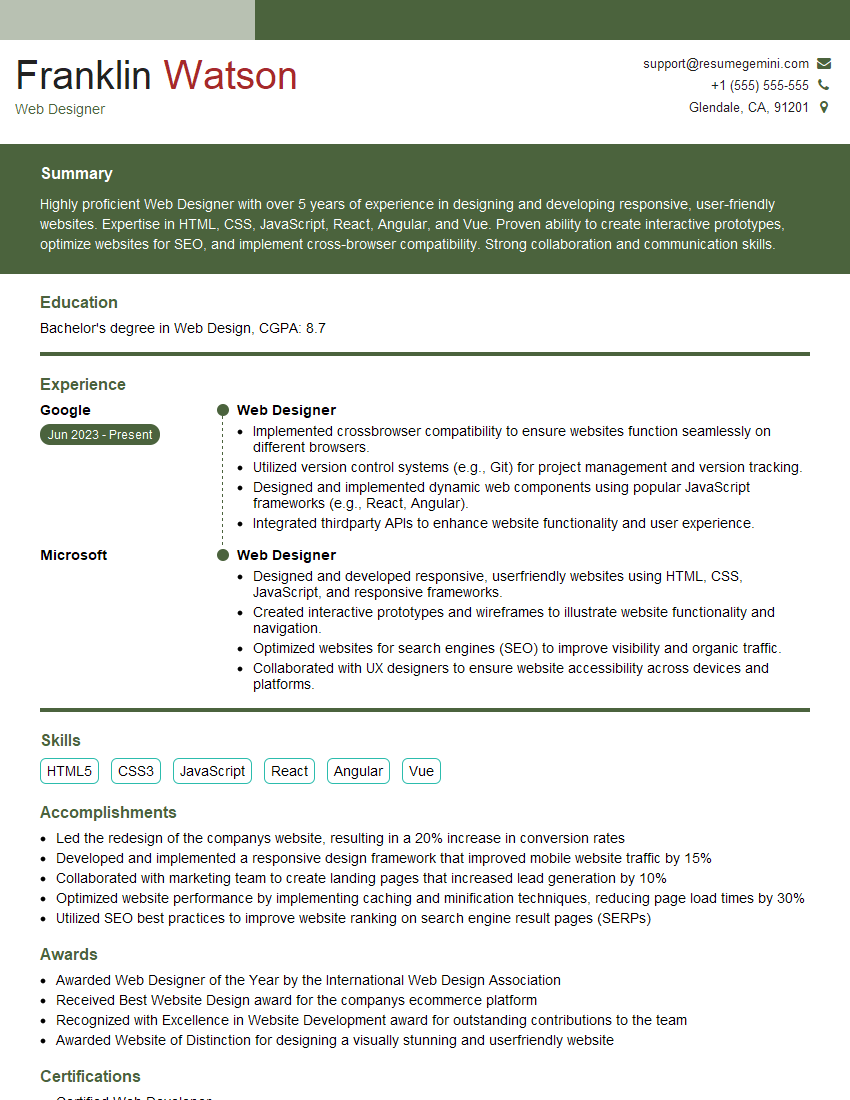
Web Designer Resume Sample
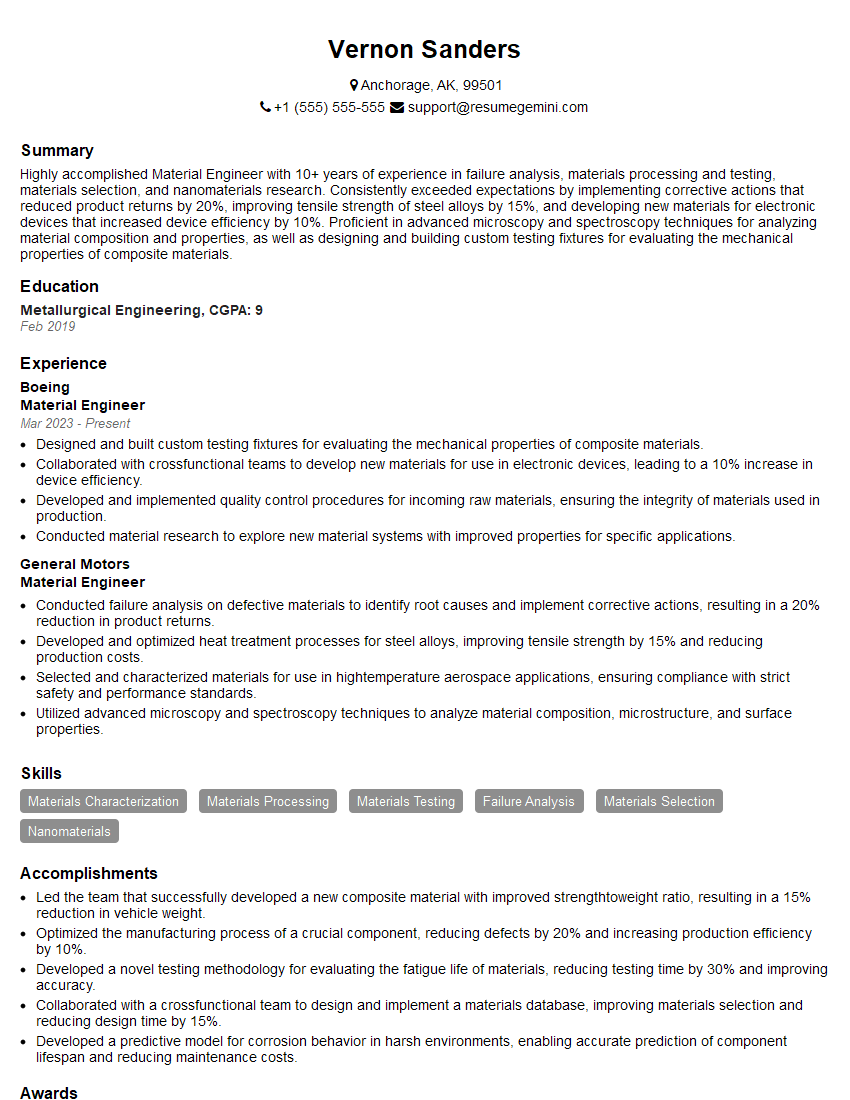
Material Engineer Resume Sample
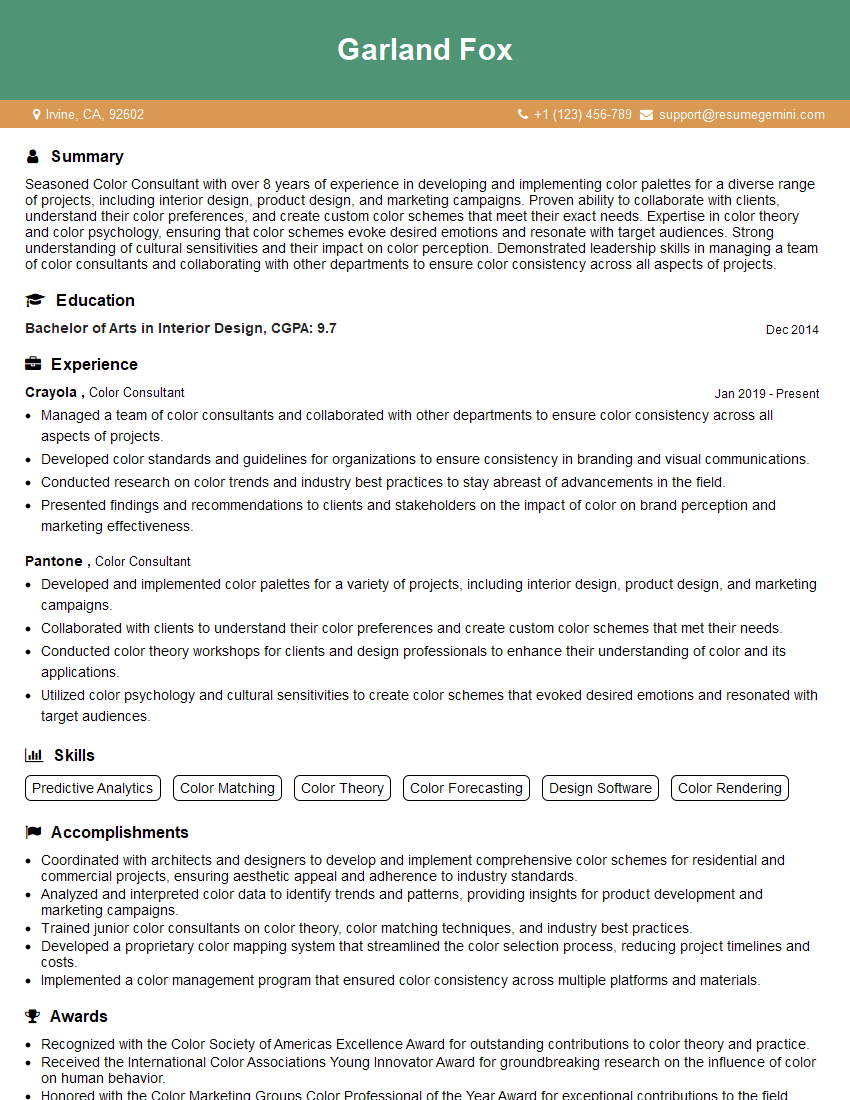
Color Consultant Resume Sample
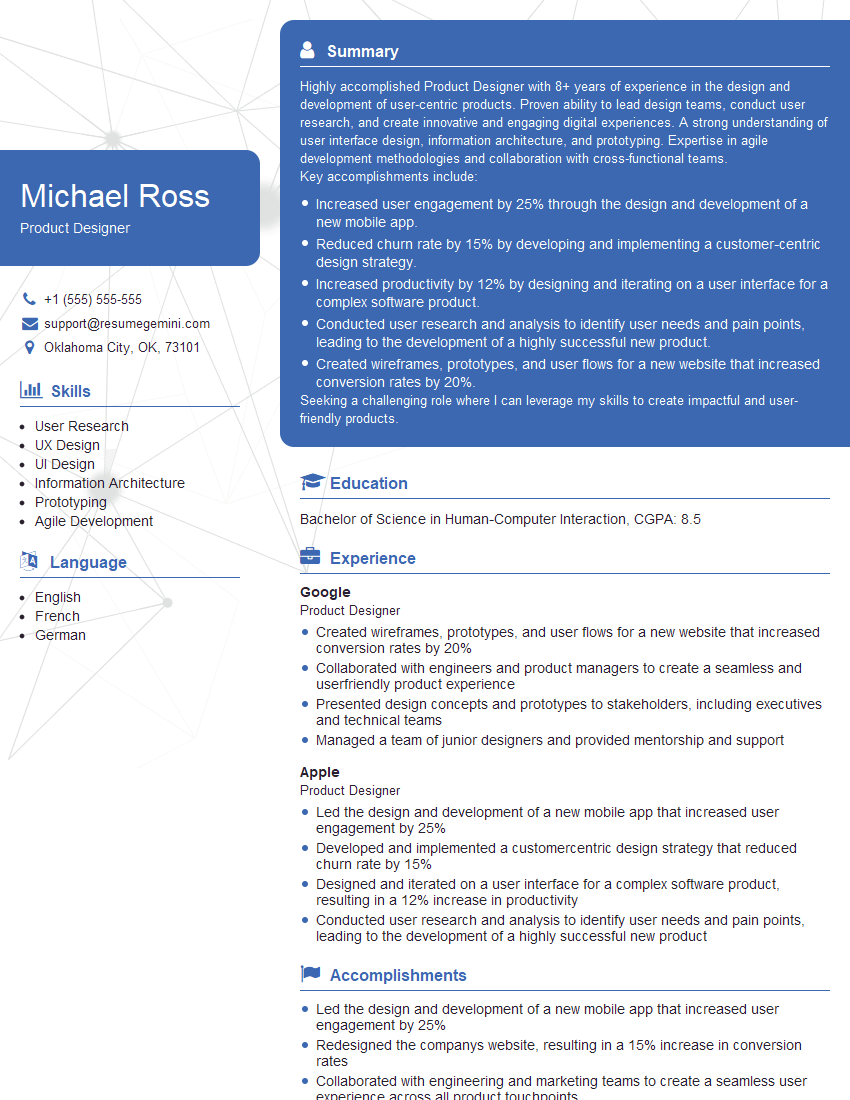
Product Designer Resume Sample
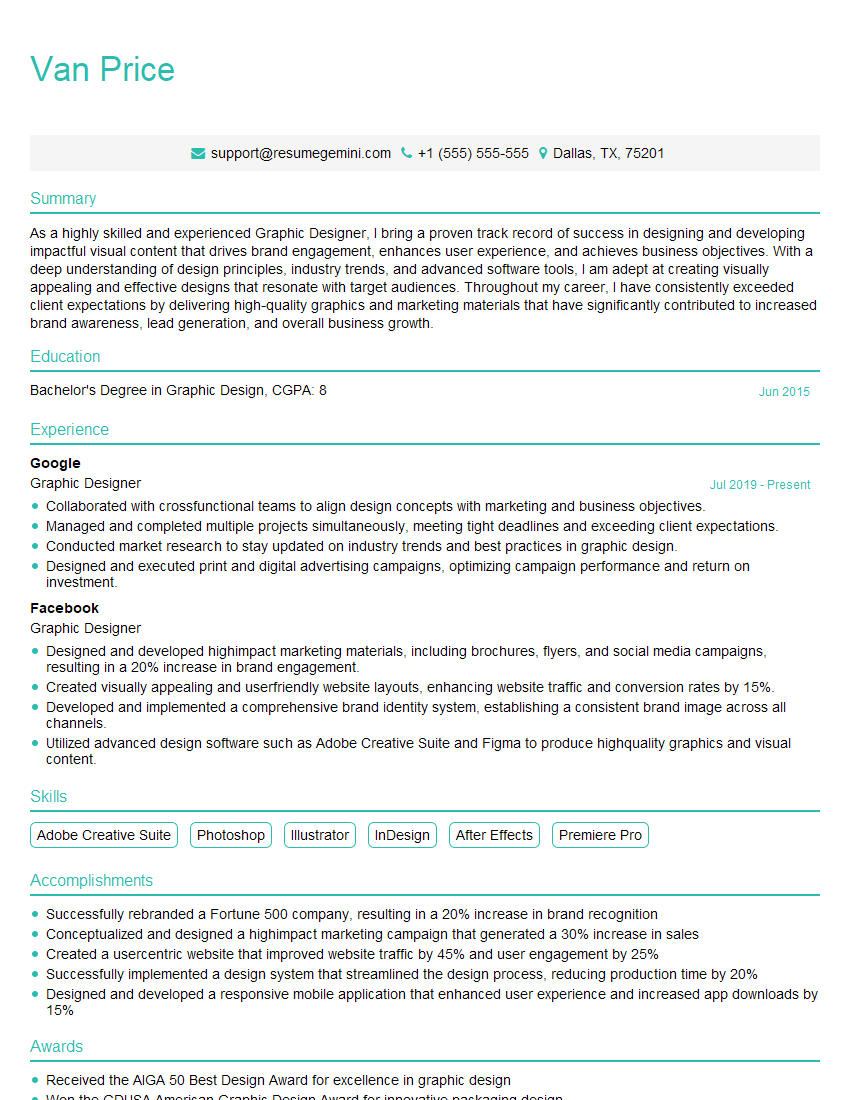
Graphic Designer Resume Sample
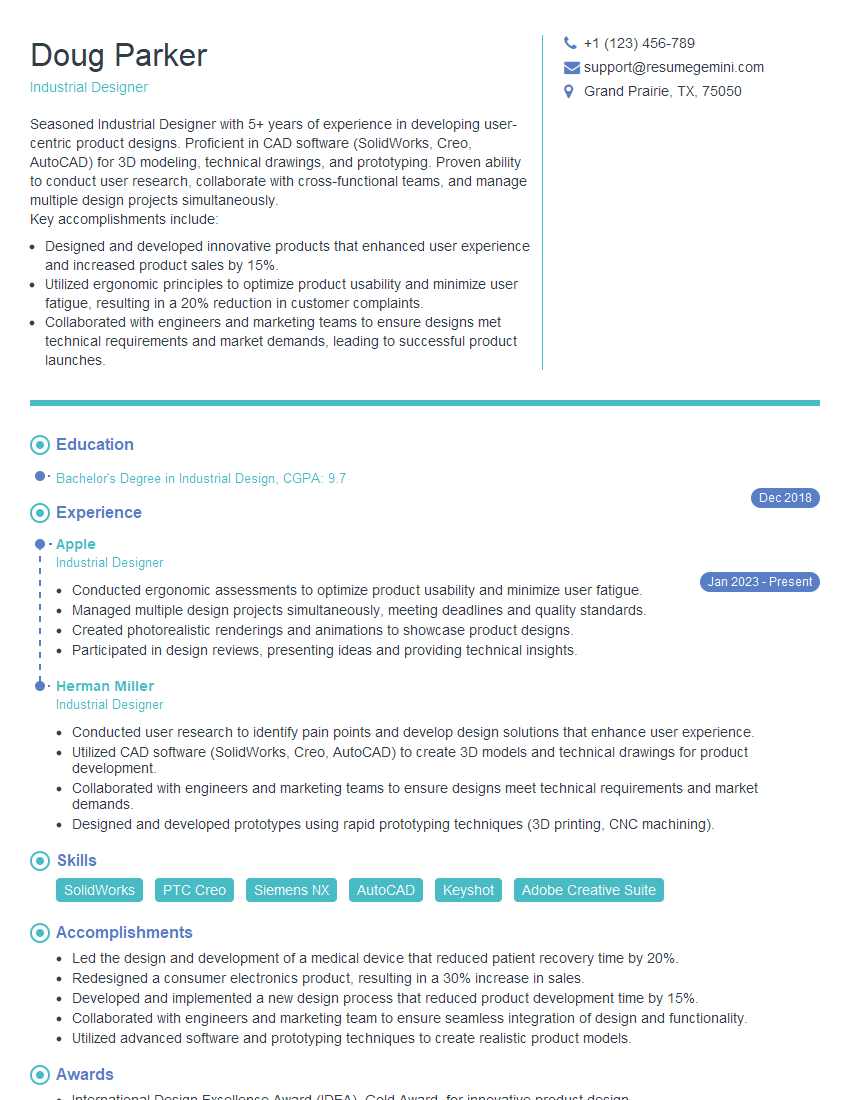
Industrial Designer Resume Sample
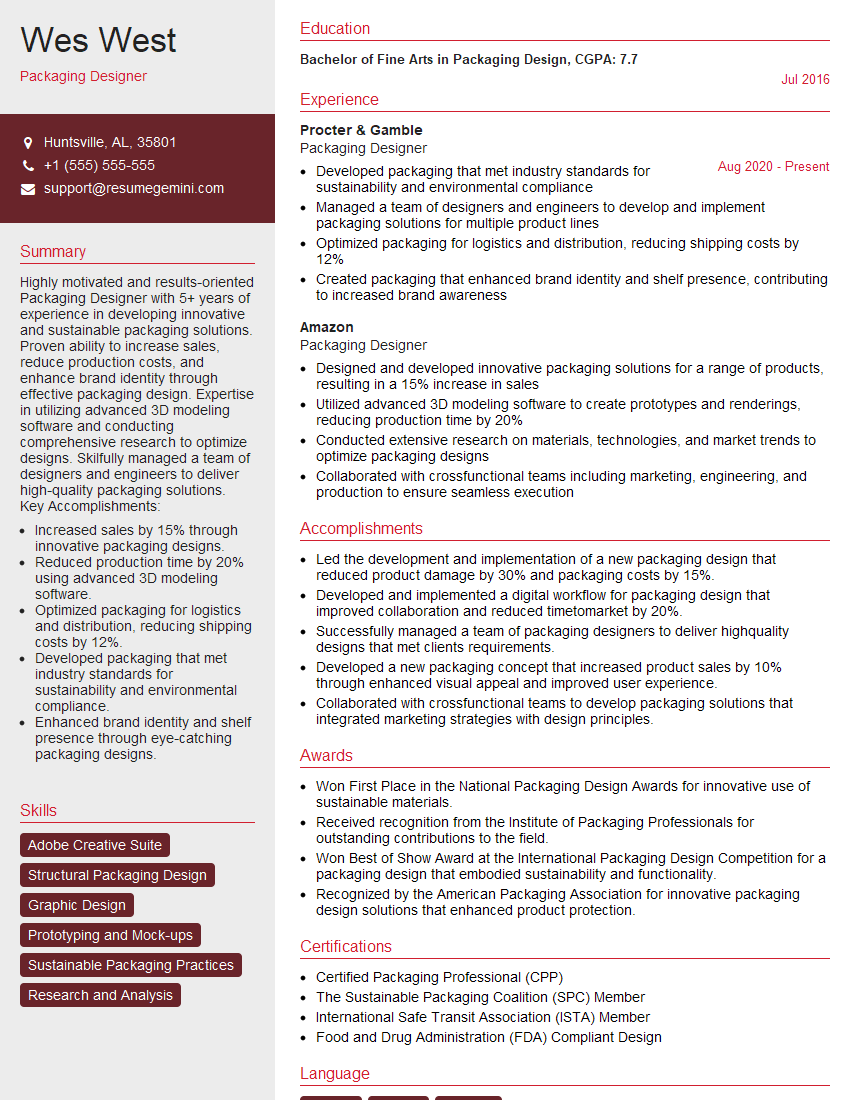
Packaging Designer Resume Sample
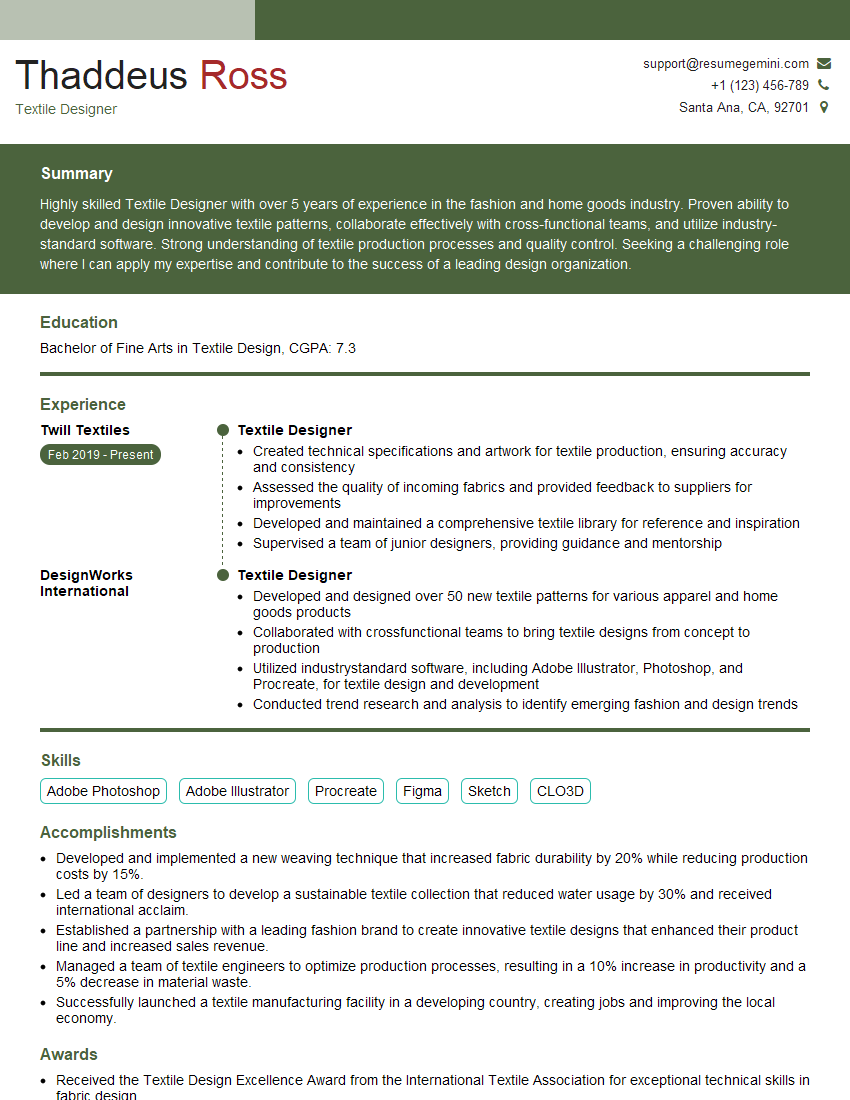
Textile Designer Resume Sample
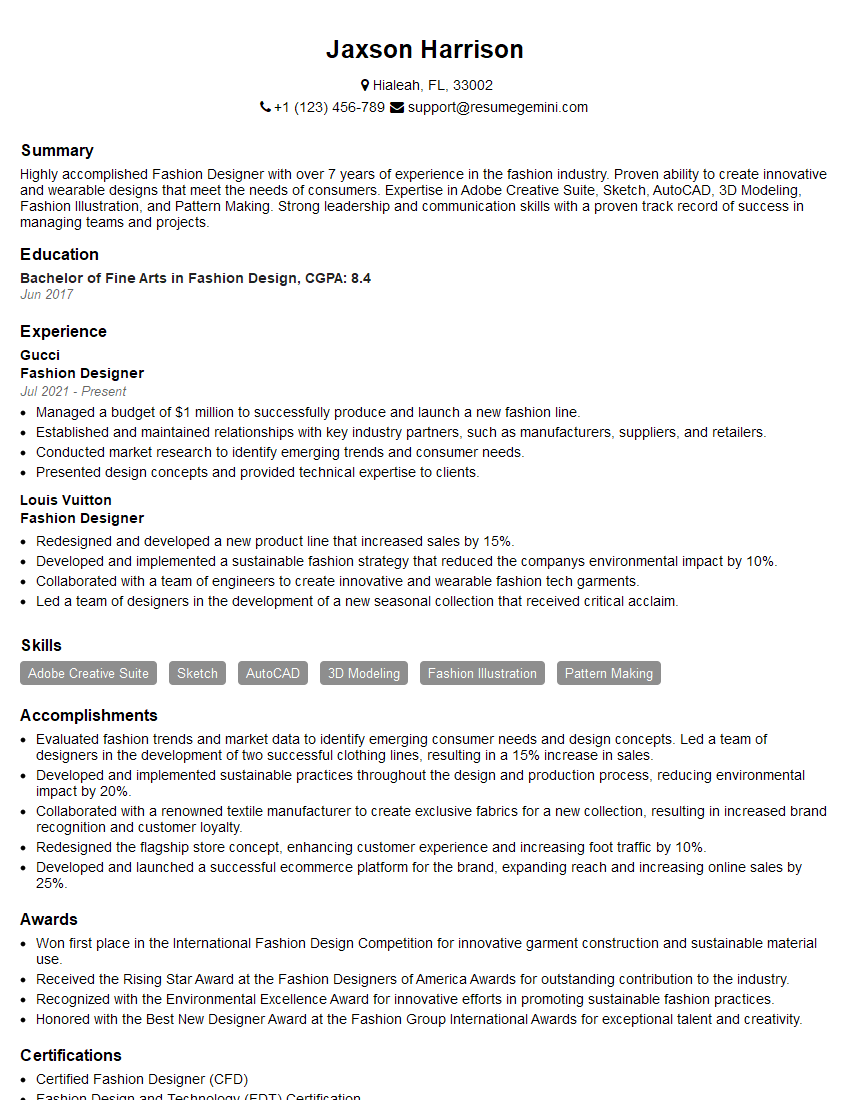
Fashion Designer Resume Sample
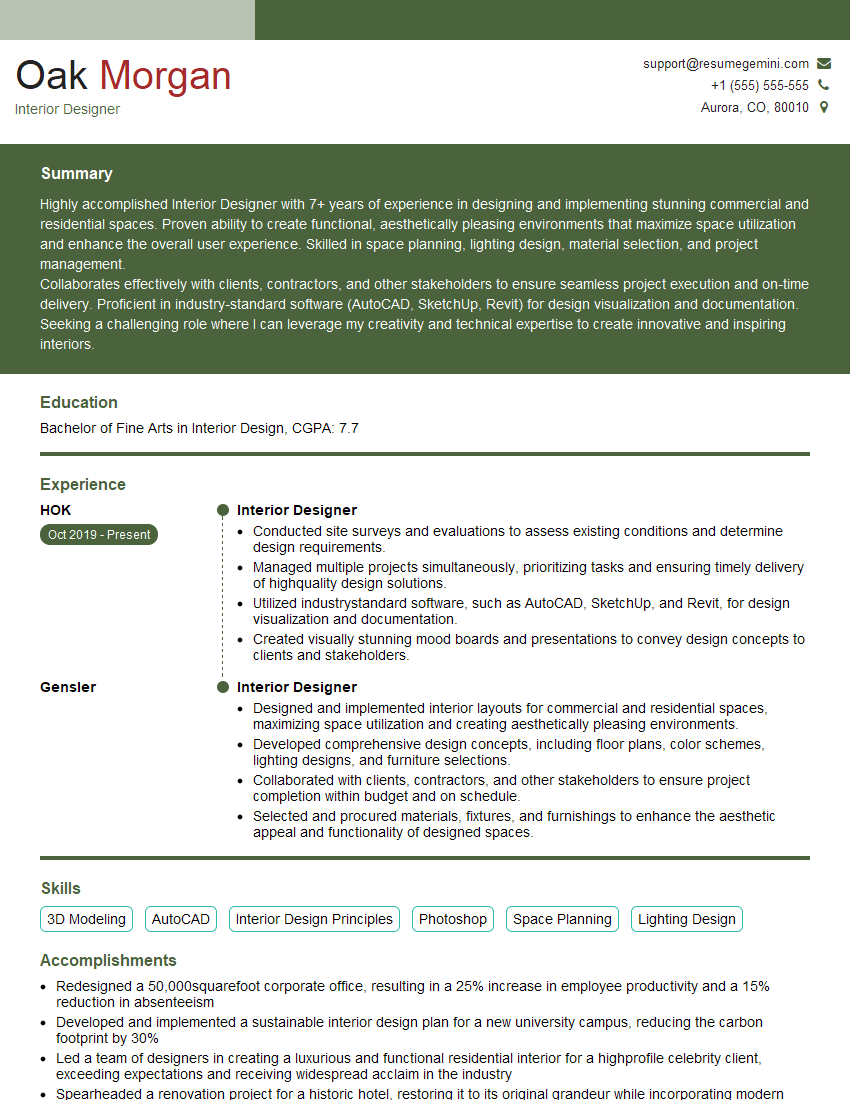
Interior Designer Resume Sample
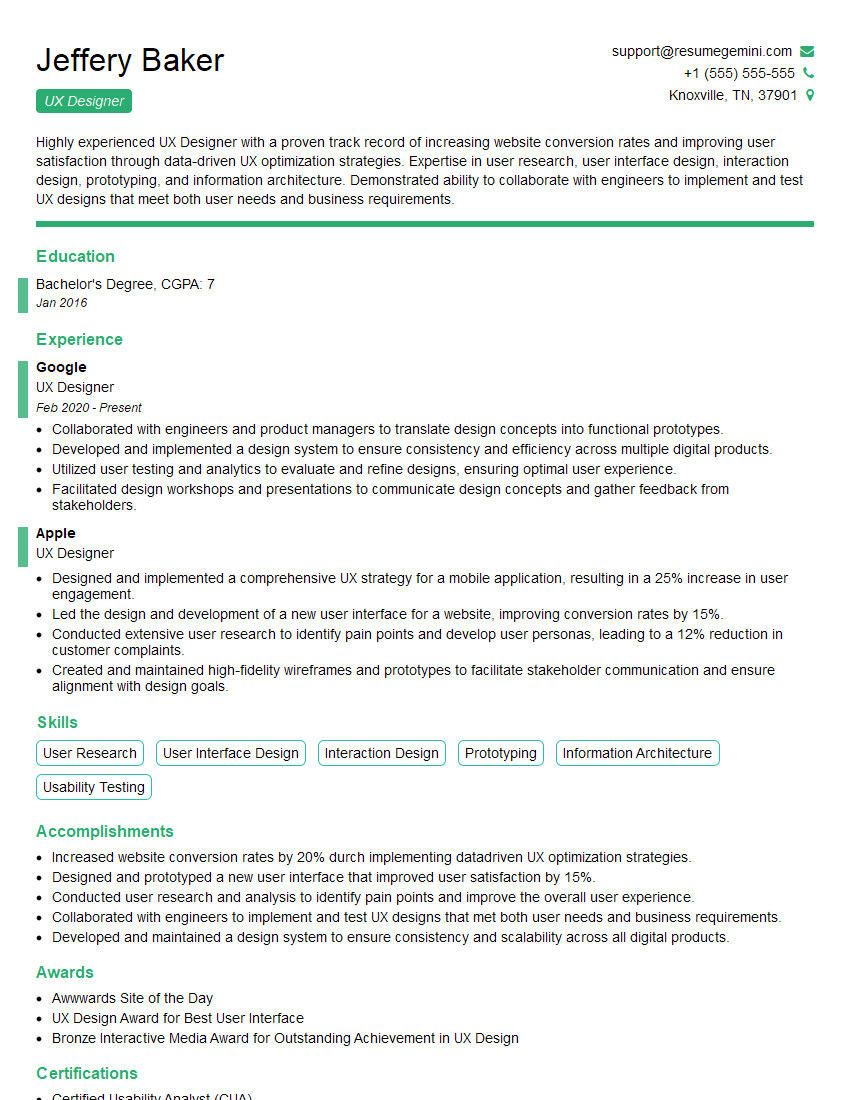
UX Designer Resume Sample
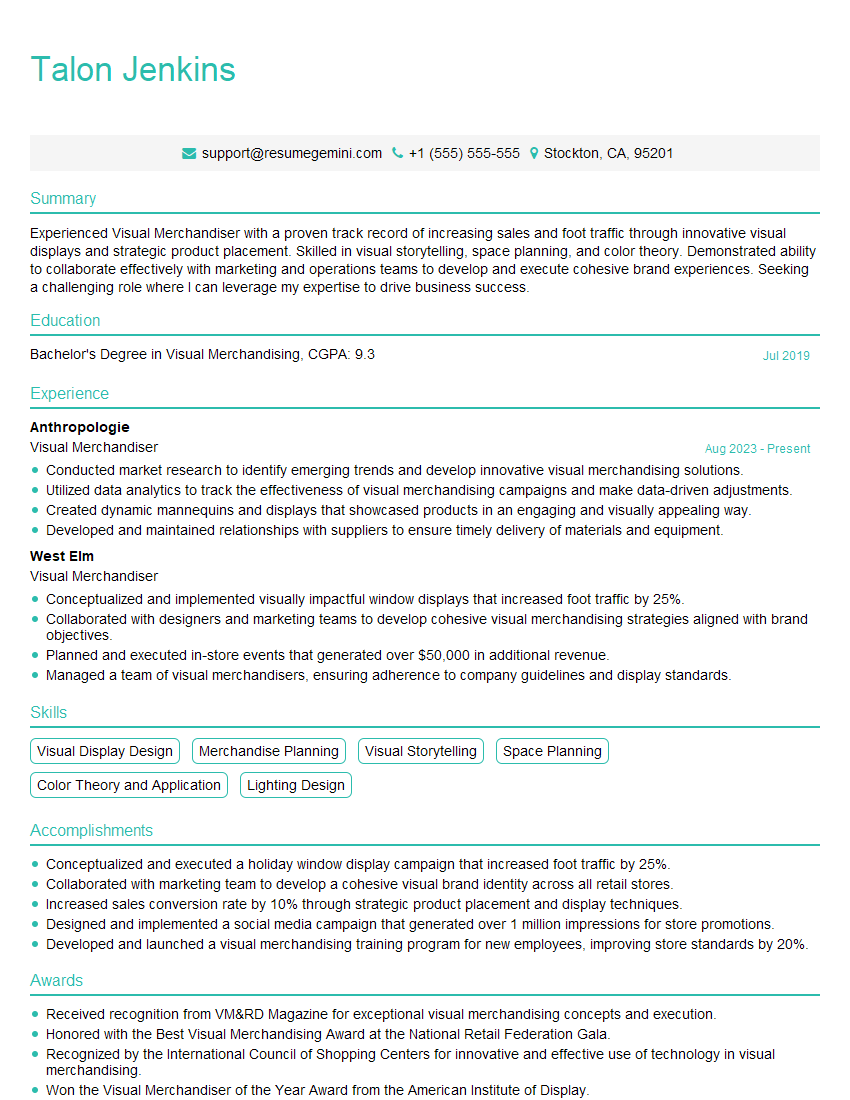
Visual Merchandiser Resume Sample
- Production Manager
- Art Director
- Brand Manager
- Creative Director
- Marketing Manager
- Quality Control Manager
- Web Designer
- Material Engineer
- Color Consultant
- Product Designer
- Graphic Designer
- Industrial Designer
- Packaging Designer
- Textile Designer
- Fashion Designer
- Interior Designer
- UX Designer
- Visual Merchandiser
Explore more articles
Users Rating of Our Blogs
Share Your Experience
We value your feedback! Please rate our content and share your thoughts (optional).
What Readers Say About Our Blog
Very informative content, great job.
good