Feeling uncertain about what to expect in your upcoming interview? We’ve got you covered! This blog highlights the most important Combat Casualty Care interview questions and provides actionable advice to help you stand out as the ideal candidate. Let’s pave the way for your success.
Questions Asked in Combat Casualty Care Interview
Q 1. Describe the MARCH mnemonic and its application in a tactical setting.
MARCH is a mnemonic used in tactical combat casualty care to prioritize life-threatening injuries. It stands for Massive hemorrhage, Airway, Respiratory, Circulation, and Hypothermia. In a tactical setting, this order reflects the immediacy of threats. Massive bleeding is often the most immediate killer, followed by compromised airways and breathing. Circulation issues and hypothermia are usually addressed after the more immediate threats are managed.
- Massive Hemorrhage: Control any uncontrolled bleeding immediately using tourniquets, hemostatic dressings, or direct pressure.
- Airway: Ensure the casualty’s airway is open and clear. This may involve opening the airway with a jaw thrust maneuver, suctioning, or inserting an airway adjunct like an oropharyngeal airway (OPA).
- Respiratory: Assess breathing rate, depth, and quality. Address any respiratory distress with techniques like assisting ventilations with a bag-valve mask (BVM).
- Circulation: Assess pulse, skin color, and capillary refill. Treat shock by controlling bleeding and administering fluids if available and appropriate.
- Hypothermia: Prevent or treat hypothermia by removing wet clothing, applying insulating layers, and using warming devices if available.
For example, if a soldier sustains a gunshot wound to the leg with significant bleeding, and is also struggling to breathe, the first step is to immediately apply a tourniquet to the leg (Massive Hemorrhage). Next, the airway will be assessed and secured to ensure adequate breathing (Airway). Then, the other elements of MARCH will be addressed.
Q 2. Explain the differences between TCCC and civilian trauma care.
While both TCCC (Tactical Combat Casualty Care) and civilian trauma care aim to save lives, key differences stem from the operational environments. TCCC prioritizes care under fire and resource-constrained settings, emphasizing rapid, life-saving interventions that can be performed under duress. Civilian trauma care, on the other hand, typically occurs in a more controlled environment with better access to resources, diagnostic tools, and specialized personnel.
- Resource Availability: TCCC relies on readily available, lightweight equipment and techniques, whilst civilian care frequently uses sophisticated equipment and advanced procedures.
- Time Sensitivity: TCCC focuses on rapid interventions to increase survival rates in a high-threat environment; civilian care often has more time for thorough evaluations and sophisticated treatments.
- Environment: TCCC operates in hostile environments often without immediate medical evacuation capability; civilian care occurs mostly in controlled settings with easy access to advanced care facilities.
- Personnel Training: TCCC training emphasizes quick decision-making and practical skills for non-physician personnel, while civilian care is generally delivered by medical professionals with specialized training.
Imagine a scenario: a civilian involved in a car accident is treated in a hospital with advanced imaging, blood tests, and surgical capabilities. Conversely, a soldier injured on the battlefield needs immediate life-saving interventions with limited resources – possibly by a medic using a tourniquet to control bleeding before evacuation.
Q 3. How would you manage a casualty with a tension pneumothorax in a resource-limited environment?
Managing a tension pneumothorax in a resource-limited environment requires immediate action. The primary goal is to relieve the pressure in the pleural space. In the absence of advanced equipment like chest tubes, a needle thoracostomy is the preferred method.
Needle Thoracostomy (Needle Decompression):
- Identify the location: Locate the second intercostal space in the mid-clavicular line.
- Prepare the site: Quickly clean the area with an antiseptic wipe if available.
- Insert the needle: Insert a large-bore (14-16 gauge) needle into the second intercostal space, directed towards the lung. You should hear a rush of air if successful.
- Monitor for improvement: Observe for improved respiratory status, increased breath sounds, and decreased chest asymmetry.
Important Considerations:
- Sterility: While ideal sterility is impossible in a combat setting, asepsis should be attempted to minimize infection risk.
- Needle Size: The larger the needle, the better the decompression. Aim for at least a 14-gauge.
- Placement: Accuracy is paramount to avoid injuring vital structures. Second intercostal space, mid-clavicular line is the standard location.
- Alternative: If a needle is unavailable, a knife might be used to create a small incision followed by finger decompression to be performed by experienced personnel only.
It’s crucial to understand that needle decompression is a temporary measure. Definitive management with a chest tube is necessary as soon as possible in a better-equipped environment.
Q 4. What are the indications for a needle thoracostomy?
A needle thoracostomy, also known as needle decompression, is indicated for the immediate treatment of a tension pneumothorax. This is a life-threatening condition where air builds up in the pleural space, collapsing the lung and compromising breathing. The key indications are:
- Respiratory distress: Difficulty breathing, shortness of breath, or labored breathing.
- Hypotension: Low blood pressure due to compromised venous return.
- Tracheal deviation: The trachea shifting away from the affected side.
- Absent breath sounds: On the affected side.
- Subcutaneous emphysema: Air trapped under the skin.
- Distended neck veins: Due to increased intrathoracic pressure.
The presence of any of these signs, especially in combination, strongly suggests a tension pneumothorax and necessitates immediate needle decompression. Delay can be fatal.
Q 5. Outline the steps for managing massive haemorrhage.
Managing massive hemorrhage is a critical skill in TCCC. It follows a structured approach:
- Identify the source: Quickly locate the bleeding source to determine the appropriate treatment method.
- Direct Pressure: Apply direct pressure to the wound using a clean dressing. This is the first line of defense for many bleeding injuries.
- Tourniquet application: If direct pressure fails to control the bleeding, immediately apply a tourniquet proximal to the wound. Ensure it’s tightened until the bleeding stops. Note the time of application, and communicate this to the rest of the medical team.
- Hemostatic agents: These agents promote clotting and can be applied directly to the wound. They are particularly useful in deep or hard-to-access wounds where direct pressure or a tourniquet is not feasible.
- Junctional tourniquets: For bleeding in areas where standard tourniquets cannot be applied (groin, axilla, neck), junctional tourniquets or other specialized techniques are necessary. Requires advanced training and proficiency.
- Wound packing: Packing a wound with gauze can provide pressure and help to control bleeding, particularly useful when a tourniquet cannot be used.
- Fluid resuscitation: Once bleeding is controlled, assess for hypovolemic shock and administer intravenous fluids if available. This requires advanced medical training and may not be feasible in the field.
Remember, time is critical when dealing with massive hemorrhage. Every minute counts. Accurate documentation of tourniquet application times and wound management is crucial for the subsequent management of the casualty.
Q 6. Describe your experience with tourniquet application and management.
My experience with tourniquet application and management is extensive, incorporating both classroom instruction and extensive practical training, including scenarios. I am proficient in the application of various types of tourniquets, including combat application tourniquets (CAT), and know how to determine placement, appropriate tightness, and documentation protocols. I understand that improper tourniquet use can lead to limb loss or other serious complications.
I’ve participated in numerous simulations and practical exercises involving various scenarios requiring tourniquet application under stressful conditions. This experience has emphasized the importance of speed, accuracy, and the need for proper documentation. It also reinforced the importance of continuous monitoring of the casualty, looking for signs of compartment syndrome. A tourniquet should only be removed by qualified medical personnel and generally only after appropriate IV access has been established for the administration of fluids to prevent a major drop in blood pressure.
Furthermore, my training includes recognizing indications for tourniquet removal, the appropriate methods for controlled removal, and management of complications. I also emphasize proper documentation of tourniquet application time, location, and any associated observations to facilitate communication and continued care.
Q 7. How do you assess and prioritize casualties in a mass casualty incident?
In a mass casualty incident (MCI), casualty prioritization is crucial for maximizing survival rates. The most common method is the START triage system (Simple Triage And Rapid Treatment). This system categorizes casualties into four groups based on their immediate need for care:
- Immediate (Red): These casualties have life-threatening injuries requiring immediate attention. Examples include uncontrolled bleeding, compromised airway, or respiratory arrest.
- Delayed (Yellow): These casualties have serious injuries but are stable enough to wait for treatment after immediate casualties have been addressed. Examples include fractures requiring splinting or lacerations requiring suturing.
- Minor (Green): These casualties have minor injuries that can be treated later. Examples include minor abrasions or contusions.
- Expectant (Black): These casualties have injuries so severe that there is little chance of survival, even with treatment. Resources are generally not diverted to these casualties.
The START method involves assessing respiratory rate, perfusion (capillary refill), and mental status. Each casualty is rapidly assessed and assigned a color code. This efficient system allows medical personnel to prioritize those with the highest chance of survival and effectively allocate limited resources. It’s important to remember that START is a dynamic system; casualties can be re-triaged as their condition changes.
My experience with MCI includes using START and understanding its limitations. I also incorporate principles of team dynamics and communication within a potentially chaotic environment. My knowledge of the START system is paramount to rapidly prioritizing who will need care first in such a critical event.
Q 8. What are the contraindications for using a tourniquet?
Tourniquets are life-saving tools in controlling massive bleeding from extremity injuries, but they aren’t a solution for every bleeding situation. Contraindications, or reasons to avoid using a tourniquet, primarily center around situations where the risks outweigh the benefits.
- Injury proximal to a major joint: Applying a tourniquet above a major joint like the hip or shoulder risks compromising blood flow to a large area, potentially leading to significant tissue damage beyond the immediate injury. The limb itself may need amputation.
- Presence of a non-compressible injury: If the bleeding source is deep within the body and cannot be compressed by a tourniquet (e.g., bleeding from a major abdominal or chest wound), a tourniquet won’t be effective. In this case, other methods to control bleeding would take precedence.
- Unable to monitor the limb distal to the tourniquet: If the casualty has already significant tissue damage or a pre-existing condition (like peripheral vascular disease) making monitoring difficult, then the use of a tourniquet is risky. The tissue damage could be exacerbated by the tourniquet.
- Tourniquet application over a fracture site: In cases of compound fractures or severe bone damage with exposed blood vessels, a tourniquet may exacerbate the injury or cause damage to already compromised structures. Direct pressure and splinting might be preferred initially.
- Hypothermia: Cold temperatures increase the risk of tissue damage from tourniquet use.
Remember, the decision of whether or not to apply a tourniquet is crucial and requires careful assessment of the situation. It’s always better to err on the side of caution if there’s any doubt about its appropriateness.
Q 9. Explain the use of haemostatic agents in trauma care.
Hemostatic agents are substances used to promote blood clotting and stop bleeding. They’re particularly useful in trauma situations where direct pressure alone isn’t sufficient. These agents can be topical (applied directly to the wound) or systemic (administered intravenously).
Examples include kaolin, collagen-based products, and chitosan. Their mechanism of action varies; some work by physically filling spaces to provide direct pressure on the bleeding vessel, and others promote the formation of blood clots.
In practice, I’ve found hemostatic agents invaluable in situations with uncontrolled bleeding, especially in austere environments where rapid surgical intervention isn’t immediately available. They provide temporary hemostasis, buying valuable time to allow for transport to definitive care. However, it is important to apply according to the manufacturer’s instructions. A common mistake is to expect immediate results. The effectiveness varies depending on the agent and severity of the injury.
Q 10. Describe your experience with airway management techniques.
Airway management is paramount in trauma care. A compromised airway can quickly lead to death. My experience encompasses a wide range of techniques, from basic maneuvers to advanced airway interventions.
- Basic airway maneuvers: Head tilt-chin lift, jaw thrust, and clearing the airway of obstructions (vomit, blood, etc.). This is the first step and often sufficient in minor cases.
- Oropharyngeal and Nasopharyngeal airways: These devices help keep the airway open by preventing the tongue from obstructing it. I use this in cases of decreased consciousness but normal respiratory drive.
- Endotracheal intubation: This advanced technique involves inserting a tube into the trachea to establish a secure airway, allowing for controlled ventilation, critical in patients with respiratory failure or lack of spontaneous breathing. I have experience in both direct and video laryngoscopy techniques.
- Supraglottic airway devices: Such as the LMA and iGel, offering a quicker alternative to endotracheal intubation in certain situations.
Beyond technical skills, effective airway management requires continuous assessment of the patient’s respiratory status, which involves assessing the rate, depth, and character of breathing, oxygen saturation levels, and the presence of any respiratory distress.
Q 11. How do you manage a casualty with a suspected spinal injury?
Managing a casualty with a suspected spinal injury requires a systematic approach, prioritizing spinal immobilization to prevent further damage to the spinal cord. The principle is to assume a spinal injury until proven otherwise.
Initial management focuses on maintaining the cervical spine in a neutral position, minimizing any movement. This usually involves manual stabilization by trained personnel. The spine must be immobilized using a cervical collar and long spine board to restrict movement while ensuring airway patency and assessing breathing, circulation, and neurological status.
Transportation must also account for spinal protection. Any movement should be carefully coordinated and controlled, preventing flexion, extension, rotation, or lateral bending of the spine.
Definitive care involves imaging such as X-rays or CT scans to confirm or rule out a fracture or dislocation and guide treatment such as surgery if needed.
Q 12. Explain your understanding of hypothermia and its management in trauma patients.
Hypothermia, or abnormally low body temperature, is a significant threat to trauma patients, as it worsens existing injuries and impairs the body’s ability to heal. It’s often associated with exposure to cold environments, but can also occur from blood loss, anesthesia, or other conditions.
Recognizing hypothermia: Early signs include shivering, confusion, and decreased muscle coordination; later signs are reduced heart rate and respiratory rate, eventually leading to unconsciousness and cardiac arrest.
Management involves active rewarming and can range from simple measures like removing wet clothing and providing warm blankets to more aggressive methods like using warmed IV fluids or special warming devices. The rate of rewarming is crucial; too rapid rewarming can lead to serious complications. Constant monitoring of the patient’s temperature is key.
Prevention is just as important, focusing on minimizing exposure to cold, maintaining adequate body temperature during procedures, and promptly treating for hypovolemia and other causes.
Q 13. Describe your experience with intravenous fluid resuscitation.
Intravenous (IV) fluid resuscitation is a cornerstone of trauma care, used to restore blood volume and tissue perfusion in patients experiencing shock due to hemorrhage or other causes. The goal is to maintain adequate blood pressure and organ function.
My experience includes administering various fluids, including crystalloids (like normal saline or lactated Ringer’s solution) and colloids (like albumin). The choice of fluid and rate of administration depend on factors such as the patient’s blood pressure, heart rate, and urine output, and also the type of injury. Crystalloids are generally preferred for their lower cost and readily availability, while colloids remain a powerful tool.
Precise fluid management is key, avoiding over-resuscitation, which can lead to complications such as pulmonary edema. Continuous monitoring of vital signs and fluid balance is necessary to titrate the infusion rate and achieve the desired effect.
In severe hemorrhagic shock, blood transfusions are necessary. I am also trained to perform blood typing, cross-matching and administer blood products according to hospital protocol.
Q 14. What are the signs and symptoms of a traumatic brain injury?
Traumatic brain injury (TBI) encompasses a wide range of injuries from mild concussions to severe, life-threatening damage. Signs and symptoms vary greatly depending on the severity and location of the injury.
Mild TBI: May present with headache, dizziness, confusion, mild amnesia, nausea, and vomiting.
Moderate to severe TBI: Can involve loss of consciousness, persistent headache, vomiting, seizures, unequal pupil size, and altered levels of consciousness (ranging from drowsiness to coma). Neurological deficits such as weakness, paralysis, or sensory loss may also be present.
Other potential signs include: changes in behavior or personality, speech difficulties, and visual disturbances. Some symptoms may be delayed, which is why comprehensive ongoing neurological monitoring is crucial. The GCS (Glasgow Coma Scale) is commonly used for the initial assessment.
It’s important to remember that even seemingly minor head injuries warrant careful evaluation, as the severity of the damage might not be immediately apparent.
Q 15. How do you manage a casualty with a penetrating chest wound?
Managing a penetrating chest wound requires immediate attention to airway, breathing, and circulation (ABCs). The priority is to prevent tension pneumothorax, a life-threatening condition where air builds up in the pleural space, collapsing the lung.
- Assessment: Quickly assess for respiratory distress (shortness of breath, decreased breath sounds, cyanosis), and signs of shock (rapid weak pulse, low blood pressure, pale skin).
- Intervention: If a tension pneumothorax is suspected, immediate needle decompression is crucial. This involves inserting a large-bore needle (14-16 gauge) into the second intercostal space, mid-clavicular line, to release trapped air. This is a life-saving procedure that can be performed quickly in the field. A chest seal should then be applied to prevent further air entry. For other chest injuries, a chest seal should be applied, but never removed, unless it is soaked in blood, which requires immediate replacement.
- Ongoing Management: Continuous monitoring of vital signs is essential. Oxygen should be administered. The casualty needs rapid evacuation to a facility where definitive care, such as a chest tube insertion, can be performed.
Imagine a soldier hit by shrapnel. Rapid needle decompression might be the difference between life and death while waiting for a medical evacuation helicopter. This requires quick thinking and decisive action under pressure.
Career Expert Tips:
- Ace those interviews! Prepare effectively by reviewing the Top 50 Most Common Interview Questions on ResumeGemini.
- Navigate your job search with confidence! Explore a wide range of Career Tips on ResumeGemini. Learn about common challenges and recommendations to overcome them.
- Craft the perfect resume! Master the Art of Resume Writing with ResumeGemini’s guide. Showcase your unique qualifications and achievements effectively.
- Don’t miss out on holiday savings! Build your dream resume with ResumeGemini’s ATS optimized templates.
Q 16. Explain your experience with casualty evacuation procedures.
My experience encompasses various casualty evacuation procedures, from battlefield extraction to hospital transfer. I’ve participated in numerous exercises and real-world scenarios involving CASEVAC (Casualty Evacuation) using various methods – helicopters, ground ambulances, and even improvised means.
- Prioritization: Casualty prioritization is paramount, using the START (Simple Triage And Rapid Treatment) or similar systems to effectively allocate limited resources. This ensures the most critically injured receive immediate attention and evacuation.
- Method Selection: The choice of evacuation method depends on factors like the casualty’s condition, terrain, available resources, and security considerations. A severely injured patient might require a rapid helicopter evacuation while a less critical case might be moved by ground ambulance.
- Documentation: Meticulous documentation throughout the process is vital, including patient information, injuries sustained, treatment administered, and the method of evacuation. This is crucial for tracking, providing continuity of care, and conducting post-event analysis.
For example, in one deployment, we had to improvise a stretcher from branches and a tarp to move a casualty through rough terrain before a helicopter could reach us. This highlights the adaptability and resourcefulness needed in these situations.
Q 17. What are the key principles of pain management in trauma patients?
Pain management in trauma patients is crucial, not only for alleviating suffering but also for improving outcomes. Uncontrolled pain can increase stress response, impair oxygenation, and interfere with effective treatment.
- Analgesia: Analgesics such as opioids (morphine, fentanyl) are often necessary for severe pain. Non-opioid analgesics (NSAIDs) may be used for milder pain. Intravenous administration is typically preferred for rapid onset.
- Adjunctive Therapy: Sedation may be needed to manage severe anxiety or agitation associated with pain. Regional anesthesia techniques like nerve blocks can provide effective long-lasting pain relief.
- Multimodal Approach: Combining different analgesics and other therapies is often the most effective way to manage pain, reducing side effects associated with single agents.
It is important to remember that proper pain management doesn’t just make the patient more comfortable; it can also significantly reduce complications and improve the overall recovery process. For example, reducing pain allows for better cooperation during examinations and procedures.
Q 18. Describe your understanding of infection control in a trauma setting.
Infection control in a trauma setting is critical due to the high risk of contamination from wounds, equipment, and the environment. Strict adherence to infection control protocols is vital to prevent life-threatening infections.
- Personal Protective Equipment (PPE): Consistent use of PPE, including gloves, gowns, masks, and eye protection is non-negotiable. This prevents the spread of pathogens between casualties and healthcare providers.
- Wound Care: Proper wound cleaning and dressing are essential. Debridement (removal of dead tissue) may be required. Prophylactic antibiotics might be administered to reduce infection risk.
- Environmental Control: Maintaining a clean and disinfected environment reduces the spread of pathogens. Regular disinfection of equipment and surfaces is essential.
- Hand Hygiene: Frequent handwashing with soap and water, or the use of an alcohol-based hand sanitizer, is the single most effective way to prevent infection.
Imagine a mass casualty incident. Maintaining stringent infection control procedures prevents a small wound from becoming a major systemic infection, potentially overwhelming the already stressed system.
Q 19. How do you assess and manage a casualty with an open fracture?
Assessing and managing an open fracture involves a systematic approach focusing on minimizing further injury, controlling bleeding, and preventing infection.
- Assessment: Assess for the location, type, and severity of the fracture. Look for signs of neurovascular compromise (decreased pulse, altered sensation, pallor in the limb distal to the injury).
- Control Bleeding: Direct pressure should be applied to the wound to control bleeding. A tourniquet may be necessary if bleeding is severe and unresponsive to direct pressure. Proper tourniquet application and documentation is vital.
- Wound Care: The wound should be cleaned and covered with a sterile dressing to prevent infection. Avoid excessive manipulation or probing of the wound.
- Immobilization: The fractured limb must be immobilized to prevent further injury and pain. Splinting techniques vary depending on the location and type of fracture.
- Pain Management: Analgesics should be administered to manage pain.
Consider a hiker with a severely fractured tibia. Proper splinting not only prevents additional trauma, but also reduces pain, facilitating safe evacuation and enabling more efficient pain management.
Q 20. Explain the different types of shock and their management.
Shock is a life-threatening condition characterized by inadequate tissue perfusion. Different types of shock have unique causes and management strategies.
- Hypovolemic Shock: Caused by blood or fluid loss. Management focuses on fluid resuscitation (IV fluids, blood transfusions).
- Cardiogenic Shock: Caused by heart failure. Management involves addressing the underlying cardiac issue, using medication to improve heart function, and supporting oxygenation.
- Obstructive Shock: Caused by obstruction of blood flow (e.g., tension pneumothorax, cardiac tamponade). Management requires addressing the obstruction—for instance, needle decompression for a tension pneumothorax.
- Distributive Shock: Caused by widespread vasodilation (e.g., septic shock, anaphylactic shock). Management includes addressing the underlying cause, fluid resuscitation, and vasopressors to maintain blood pressure.
Recognizing the type of shock is key to effective treatment. For example, giving fluids to a patient with cardiogenic shock could worsen their condition, while failing to address a tension pneumothorax will quickly lead to death.
Q 21. How do you communicate effectively with casualties and other medical personnel during a stressful event?
Effective communication is paramount in stressful situations. Clear, concise, and empathetic communication builds trust and improves patient care.
- Calm Demeanor: Maintaining a calm and reassuring demeanor, even under pressure, helps reduce patient anxiety.
- Clear Instructions: Giving clear and concise instructions to casualties, using simple language, ensures they understand what is happening and what is expected of them.
- Teamwork: Effective communication amongst medical personnel is crucial. Using established communication protocols and clear role assignments helps prevent confusion and ensures coordinated action.
- Active Listening: Actively listening to casualties and acknowledging their concerns shows empathy and builds rapport, improving patient cooperation.
Imagine communicating with a severely injured casualty in a chaotic environment. A calm voice, simple instructions, and clear communication with the medical team ensures appropriate care and builds trust, potentially improving the casualty’s overall outcome.
Q 22. Describe your experience with medical record documentation.
Medical record documentation in Combat Casualty Care (CCC) is paramount for maintaining a clear and accurate account of a patient’s injuries, treatment, and response. It’s not just about recording facts; it’s about telling a story that facilitates effective communication among medical personnel, ensures continuity of care, and serves as legal documentation. My experience encompasses meticulous record-keeping adhering to strict protocols, including the use of standardized forms, such as the Tactical Combat Casualty Care (TCCC) card and electronic health record (EHR) systems where available.
I consistently focus on recording vital signs, injury descriptions (including location, size, and type), interventions performed (including medications administered and their dosages), and the patient’s response to treatment. For instance, in a case involving a penetrating chest wound, my documentation would detail the location of the wound, the type of intervention (e.g., chest tube insertion), the amount and type of fluid lost, the patient’s oxygen saturation levels before and after treatment, and any complications encountered. I also diligently document any changes in the patient’s condition, ensuring the narrative flows chronologically and logically, making it easily understandable to other clinicians.
Furthermore, my experience includes ensuring the security and confidentiality of these records, strictly adhering to HIPAA guidelines and military regulations on data protection. Proper documentation is crucial not only for immediate care but also for long-term patient management, research, and quality improvement initiatives.
Q 23. What are your strengths and weaknesses as a Combat Casualty Care provider?
My strengths lie in my ability to remain calm and focused under pressure, a crucial skill in the chaotic environment of a combat zone. I possess a comprehensive understanding of TCCC guidelines and can quickly assess a patient’s condition and prioritize treatment. I’m also proficient in a wide range of medical procedures, including trauma management, hemorrhage control, and airway management. Moreover, I excel at teamwork and communication, vital elements for coordinating effective care within a team.
However, my weakness, like any healthcare provider, can be emotional fatigue. Witnessing severe injuries and casualties can take a toll, and it’s a challenge to maintain peak performance under constant exposure to high-stress situations. To mitigate this, I actively prioritize self-care, including utilizing the available mental health resources and maintaining open communication with my colleagues and supervisors. This ensures that I can maintain a professional demeanor and provide the best possible care, even during challenging moments.
Q 24. How do you stay up-to-date on the latest advancements in Combat Casualty Care?
Staying current in CCC requires a multifaceted approach. I actively participate in continuing medical education (CME) courses and conferences focused on prehospital care, trauma surgery, and emergency medicine. These provide in-depth updates on new techniques, technologies, and research findings relevant to the field. The TCCC guidelines themselves are regularly updated, and I stay abreast of these changes through official channels and professional organizations. Furthermore, I regularly review peer-reviewed medical literature, such as journals like the Journal of Trauma and Acute Care Surgery and Prehospital and Disaster Medicine, to stay informed about the latest advancements and best practices.
In addition, I maintain a network of colleagues within the medical community and engage in professional discussions and case reviews. This peer-to-peer learning is invaluable for expanding my knowledge and understanding of real-world challenges and solutions.
Q 25. Describe a challenging case you encountered and how you handled it.
One challenging case involved a patient with a massive torso hemorrhage from a blast injury. The patient was unconscious, hypotensive, and exhibiting signs of severe shock. The initial assessment revealed multiple penetrating wounds to the abdomen and chest, making it difficult to pinpoint the primary source of bleeding. We were operating in a resource-constrained environment, with limited blood products available. This case required rapid decision-making and efficient teamwork.
Our approach involved simultaneously initiating aggressive resuscitation with intravenous fluids, applying tourniquets to control external bleeding, and performing a rapid needle decompression of the chest to address potential tension pneumothorax. Simultaneously, we prioritized surgical intervention to control the abdominal hemorrhage, managing the limited blood supply carefully while maintaining the patient’s vital signs. Through effective coordination and prioritizing the most life-threatening injuries first, we stabilized the patient enough for evacuation to a higher level of care. While the patient faced a long road to recovery, our coordinated efforts undoubtedly saved their life.
Q 26. How would you handle a situation where resources are scarce and decisions must be prioritized?
Resource scarcity necessitates a triage system based on the principles of START (Simple Triage And Rapid Treatment) or similar methodologies. This prioritizes patients based on their immediate life-threatening injuries. Patients with immediately life-threatening injuries such as airway compromise, uncontrolled bleeding, or compromised circulation get prioritized. In such situations, I would use a systematic approach:
- Rapid Assessment: Quickly identify and categorize patients based on their injuries and physiological status.
- Prioritization: Treat the most critically injured patients first, focusing on interventions that will maximize their chance of survival.
- Resource Allocation: Strategically allocate available resources, such as medications, bandages, and personnel, to those patients most likely to benefit.
- Teamwork and Communication: Effectively communicate with the team to ensure everyone is aware of the priorities and resource limitations.
- Continuous Re-evaluation: Regularly re-evaluate the patients’ conditions and adjust treatment plans as needed, given the evolving circumstances.
Essentially, in a resource-scarce environment, decisions need to be ethically sound and evidence-based, maximizing the potential for survival for the greatest number of casualties.
Q 27. What are your ethical considerations when providing Combat Casualty Care?
Ethical considerations in CCC are paramount and often complex. The core principles of medical ethics – beneficence (acting in the best interests of the patient), non-maleficence (avoiding harm), autonomy (respecting the patient’s wishes), and justice (fair allocation of resources) – all come into play. In combat settings, these principles may need to be applied with nuanced judgment due to time constraints and resource limitations. For example, the principles of triage may require that we prioritize treatment for patients with the highest chance of survival, even if it means that other patients receive less immediate attention.
Another significant ethical challenge involves the balance between the need to provide the best possible care and the limitations imposed by the combat environment. Maintaining the privacy and confidentiality of patient information remains a key priority, even amidst the chaos of war. Furthermore, the ethical obligation extends beyond the individual patient to encompass the care of the entire team. Ensuring the well-being and resilience of the medical personnel themselves is critical for maintaining both effectiveness and ethical standards in the long run.
Key Topics to Learn for Combat Casualty Care Interview
- Initial Assessment and Triage: Mastering the primary survey (ABCDEs) and prioritizing casualties based on severity and survivability.
- Airway Management: Understanding various airway techniques, including advanced airway devices, and managing airway obstructions in challenging environments.
- Hemorrhage Control: Proficiently applying tourniquets, packing wounds, and utilizing advanced hemorrhage control techniques like junctional tourniquets and pelvic binders.
- Shock Management: Recognizing the different types of shock, implementing fluid resuscitation strategies, and understanding the limitations of resource-constrained environments.
- Wound Management: Proper cleaning, debridement, and dressing of various wounds, including penetrating trauma and burns. Understanding the use of wound closure techniques.
- Trauma Resuscitation: Applying principles of trauma resuscitation, including the use of blood products and managing other injuries.
- Pain Management: Implementing appropriate pain relief strategies within the limitations of the field environment.
- Medical Evacuation (MEDEVAC): Understanding the process of requesting and coordinating MEDEVAC, and preparing casualties for transport.
- Teamwork and Communication: Highlighting the importance of effective communication and collaboration within a high-pressure environment.
- Ethical Considerations: Understanding the ethical dilemmas faced in casualty care and applying appropriate decision-making processes.
- Tactical Considerations: Integrating casualty care with tactical operations and understanding the security aspects of the environment.
- Case Studies and Problem-Solving: Prepare to discuss scenarios requiring critical thinking and the application of your knowledge in diverse, high-stakes situations.
Next Steps
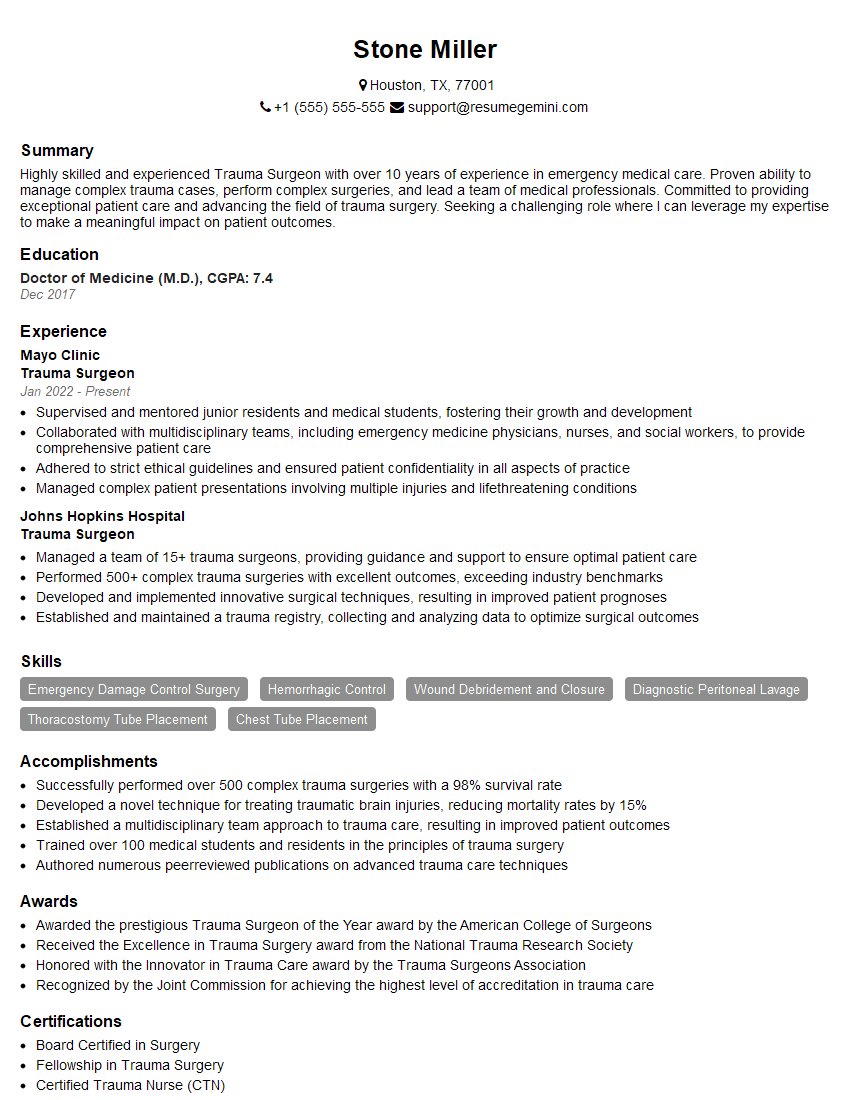
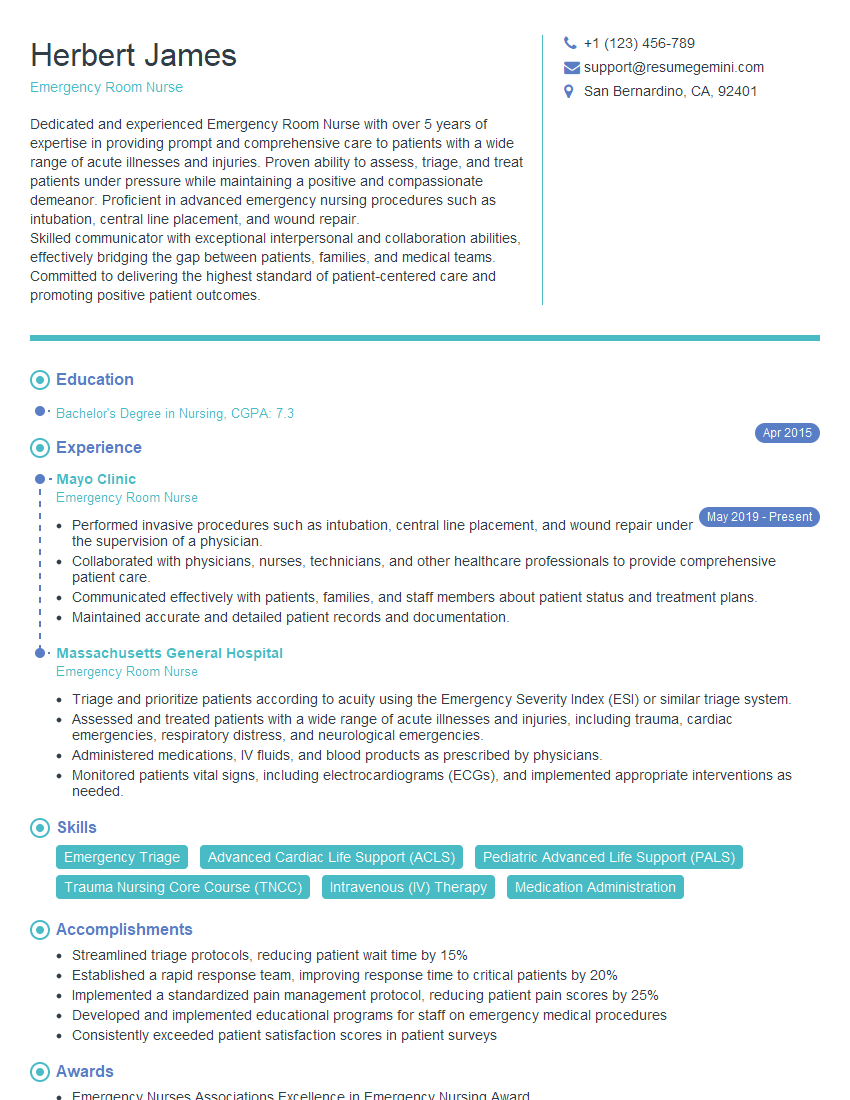
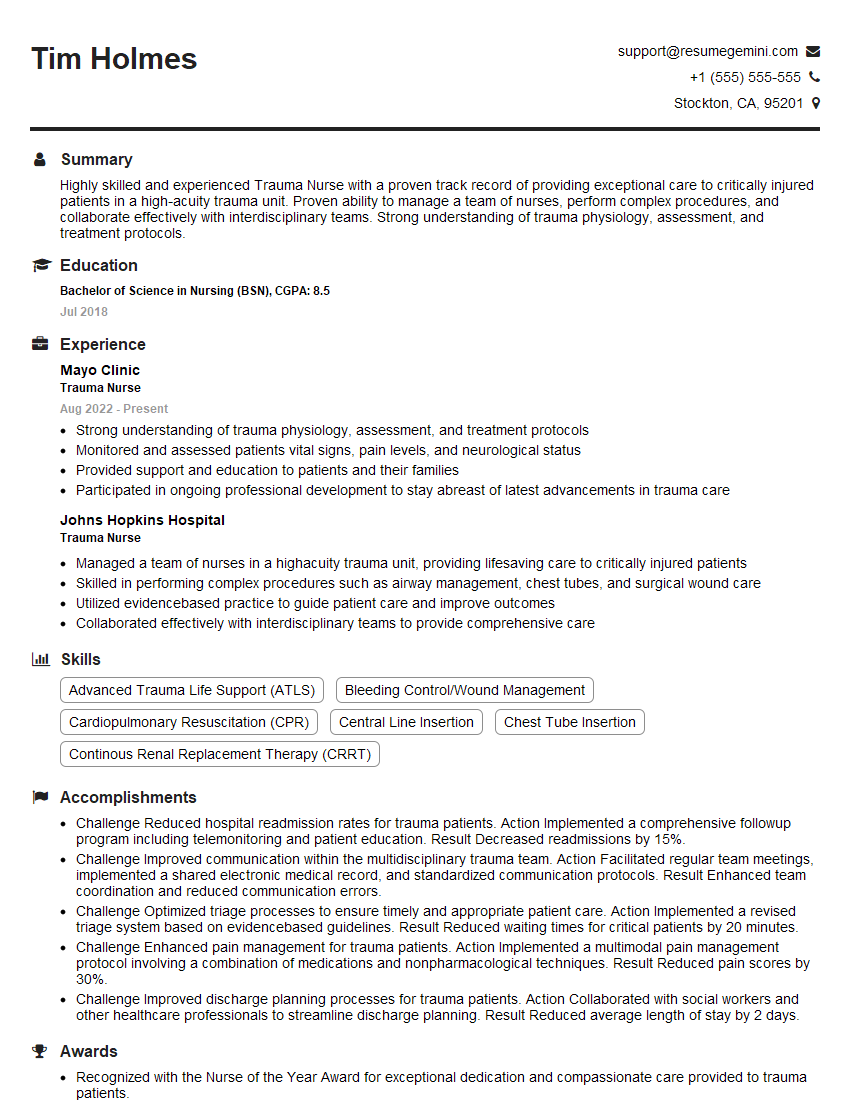
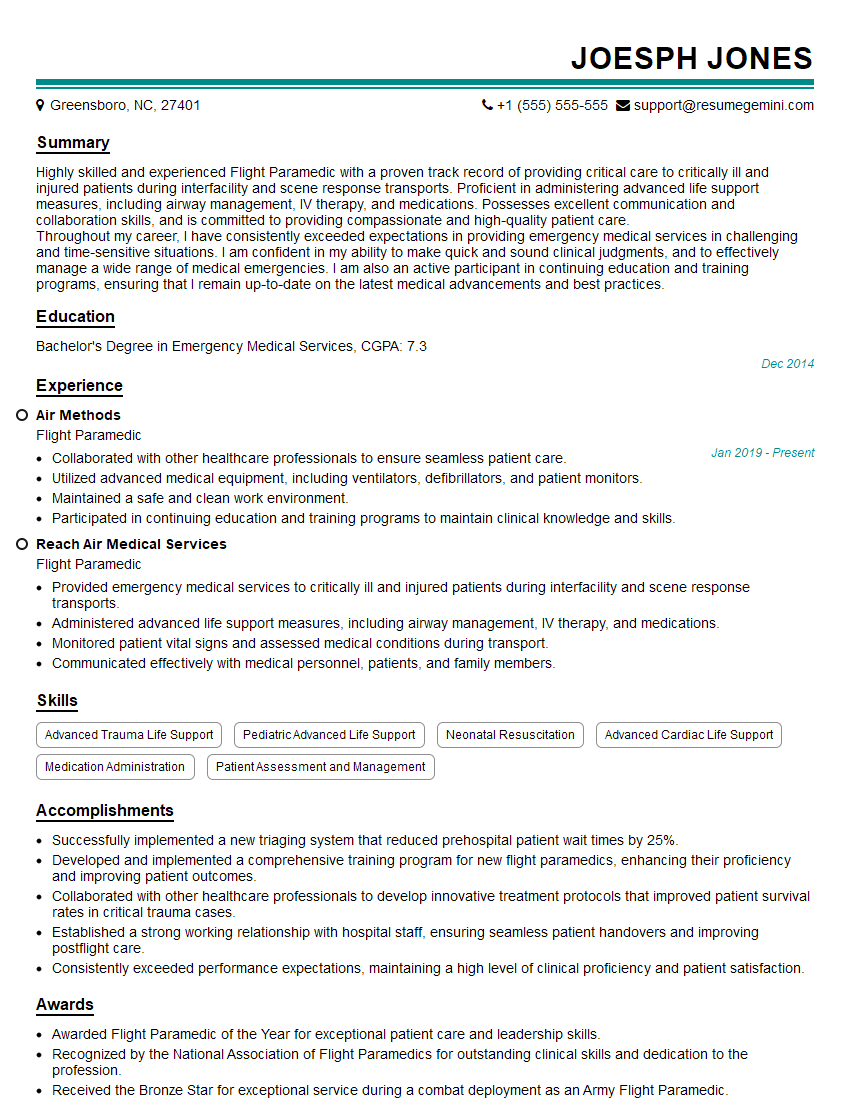
Mastering Combat Casualty Care demonstrates crucial skills highly valued by employers, opening doors to rewarding and impactful careers. To maximize your job prospects, create an ATS-friendly resume that showcases your expertise effectively. ResumeGemini is a trusted resource to help you build a professional resume that stands out. Examples of resumes tailored to Combat Casualty Care are available to guide your creation process, ensuring your qualifications are presented in the best possible light. Take this opportunity to present yourself confidently and secure your desired position.
Explore more articles
Users Rating of Our Blogs
Share Your Experience
We value your feedback! Please rate our content and share your thoughts (optional).
What Readers Say About Our Blog
Very informative content, great job.
good